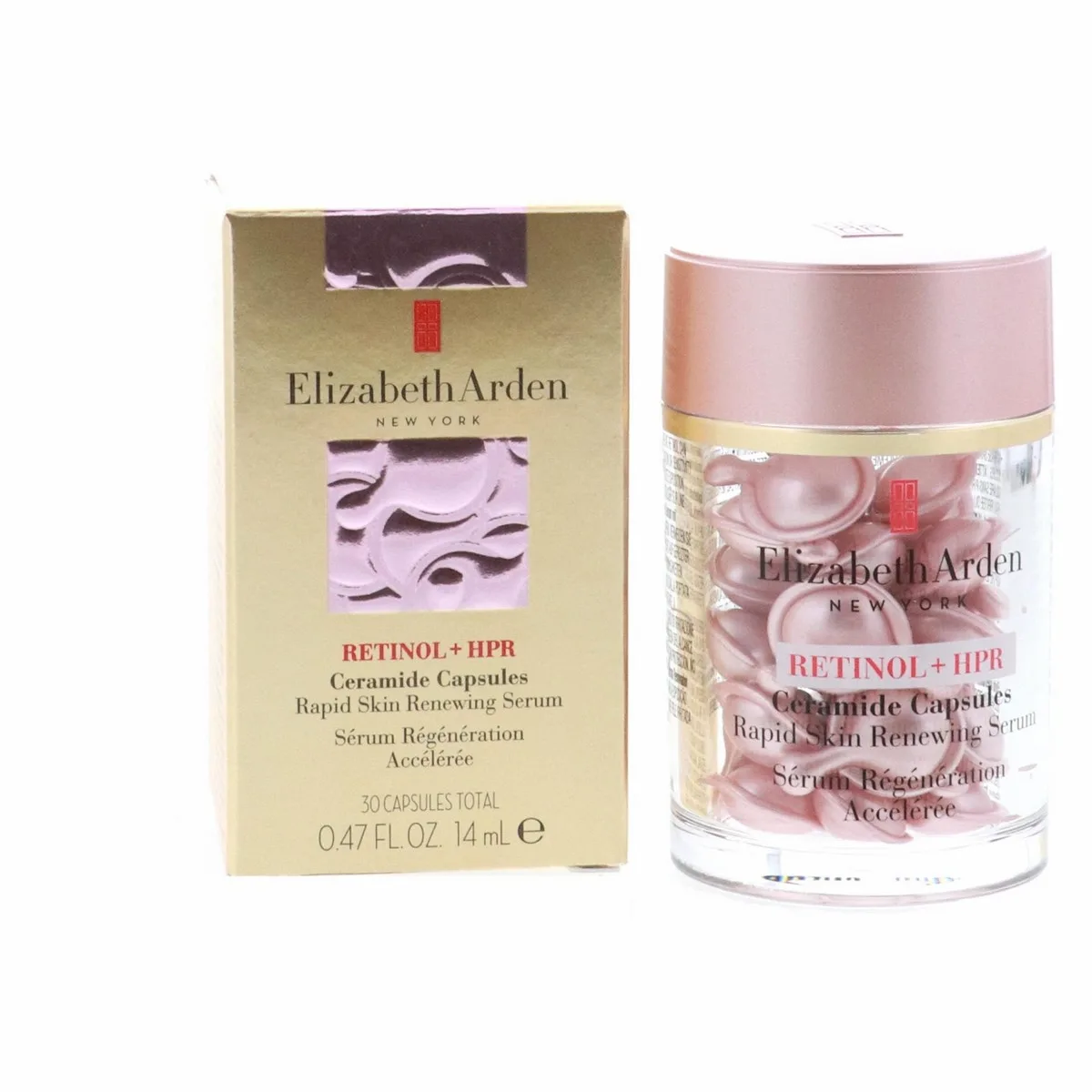
A beginner-friendly prestige retinol that wins specifically on packaging: pure retinol sealed in single-dose capsules alongside two ceramides, Matrixyl 3000 peptides and a curcuminoid antioxidant, so each dose is fresh and pre-buffered. Less irritating than most retinol serums, and priced accordingly.
Retinol Ceramide Capsules Line Erasing Night Serum
A beginner-friendly prestige retinol that wins specifically on packaging: pure retinol sealed in single-dose capsules alongside two ceramides, Matrixyl 3000 peptides and a curcuminoid antioxidant, so each dose is fresh and pre-buffered. Less irritating than most retinol serums, and priced accordingly.
Score Breakdown
Where this product gains points and where it loses them — broken down across the four scoring pillars.
A well-stabilized retinol capsule with two ceramides, peptides and curcuminoid antioxidant — one of the best-buffered pure retinol formats in prestige. Value drops because you can get similar retinol delivery for a fraction of the cost at drugstore level.
Pros & Cons
- ✓Pure retinol sealed fresh every dose, no oxidation concerns
- ✓Two ceramides plus phytosphingosine buffer retinol irritation
- ✓Matrixyl 3000 peptide duo supports dermal matrix alongside retinol
- ✓Silicone base layers cleanly under moisturizer without pilling
- ✓Beginner-friendly adaptation period versus most pure retinol serums
- ✓Long-running format with years of user reviews behind it
- ✗Per-milliliter cost is well above drugstore retinol alternatives
- ✗Too gentle for experienced retinol and tretinoin users
- ✗Contains avocado and olive oil in the mid-list
- ✗Single-dose packaging creates more waste than a bottle
Full Review
Every retinol serum in your bathroom is slowly dying. That's not a provocation, it's just chemistry: retinol is one of the least stable ingredients in cosmetics, and the moment air and light touch it, the countdown begins. Most brands try to delay this with airless pumps, dark bottles and sealed dispensers, and all of those help, but the actual potency of your retinol bottle in week eight is not what it was in week one. This is the quiet reason so many people try retinol, see modest results, and assume it 'didn't work for them' — the bottle they used was no longer delivering what the label said. Elizabeth Arden's Retinol Ceramide Capsules solve this in the single most brute-force way possible: they put each dose in a sealed, oxygen-free capsule you break open on the night you use it. And unlike most capsule formats, this one was invented in 1990 — three decades before anyone was arguing online about retinol oxidation rates — and happened to be sitting in Arden's product arsenal ready for exactly this problem when the retinol boom arrived. What you get when you twist one open is a weightless silicone-and-oil serum that disappears into dry skin without any of the drag or grittiness you sometimes get from pure-retinol formats. The base is cyclopentasiloxane, dimethicone crosspolymer and light triglycerides, which is an unusual choice for a retinol — it's more reminiscent of a primer than a treatment, in the best way — and it sits under a moisturizer without pilling as long as you give it thirty seconds to set. On first application there's no sting, no tingle, no immediate sense that you just applied a serious active. That's partly the light base, and partly the buffering. The capsule delivers the retinol alongside Ceramide NP and Ceramide NS — two barrier-repair lipids — plus phytosphingosine, which is the sphingoid base the skin uses to build its own ceramides. That trio addresses the single biggest reason beginners quit retinol: the barrier-depletion flaking and tightness that shows up in week two. You still have to respect the ramp-up period (start every third night, then every other night, then nightly if tolerated), but the severity of the adaptation is meaningfully lower than with most pure-retinol serums. Behind the headline retinol there's a quiet peptide story. The formula includes palmitoyl tripeptide-1 and palmitoyl tetrapeptide-7 — the classic Matrixyl 3000 pair — which give the serum a firming angle that pure retinol alone doesn't cover. The peptides don't do anything dramatic in isolation, but their role here is additive: retinol handles cellular turnover and pigmentation, peptides support the underlying dermal matrix, and ceramides keep the whole project from falling apart at the stratum corneum. You could recreate a version of this by layering three separate products, but you'd be layering three retinol-sensitive actives and hoping the stability held up. The single capsule is the cleaner answer. Tetrahydrodiferuloylmethane is worth noting too — it's a stabilized curcumin derivative that doubles as an antioxidant inside the capsule and on the skin. It's one of the quiet reasons the formulation stays stable, and it picks up some of the 'skin-soothing' territory that retinol usually needs help with. None of this is magic, but all of it is considered formulation, and that's what you're supposed to be paying for in prestige. Now the honest part. At roughly $88 for 60 capsules, this is not cheap. The per-milliliter cost is well above what you'd pay for, say, a CeraVe retinol or a Naturium retinol serum — both of which are excellent products in their own right. What you're buying here is not a stronger retinol, it's a better-protected, better-buffered, more forgiving one, plus the Arden brand premium. For someone who has bounced off other retinols because of irritation, or who is specifically looking for a low-fuss retinol they can travel with, this is arguably worth the premium. For someone who already tolerates 0.5% retinol from a drugstore brand, this will feel too gentle to justify the trade. The capsule format also generates more packaging than a single bottle, though Arden markets the capsules themselves as biodegradable. And it's pregnancy-unsafe like all retinoids, so pause it the moment you're planning or expecting. A final note on the format itself: you either love single-dose capsules or you find them fiddly. Most people adapt within a week. The tradeoff is never having to wonder if your retinol is still active, and that's a rarer guarantee in this category than anyone admits.
Formula
Key Ingredients
The hero actives that drive this product's performance.
| Ingredient | Function | Evidence |
|---|---|---|
| Retinol (approx. 0.1–0.4%) | The headline active, sealed into each capsule so it never sees air between uses — this is the main reason the capsule format exists for retinol, since even pure retinol degrades fast when repeatedly exposed to oxygen in an open bottle. | well-established |
| Ceramide NP & Ceramide NS | A retinol-irritation buffer delivered alongside the retinol itself — the two ceramide subtypes reinforce the lipid barrier that retinol thins out during the first weeks of use, directly addressing the flaking and tightness that drives users to quit new retinol routines. | well-established |
| Phytosphingosine | A ceramide precursor the skin uses to build its own barrier lipids, paired here with the finished ceramides so the capsule supports both the structural lipids already in skin and the skin's own lipid-making machinery under retinol stress. | promising |
| Palmitoyl Tripeptide-1 & Palmitoyl Tetrapeptide-7 | The Matrixyl 3000 peptide duo, included here to nudge collagen signaling and reduce inflammatory cytokine activity — a logical partner for retinol since the peptides handle dermal matrix support while the retinol does cellular turnover. | promising |
| Tetrahydrodiferuloylmethane (Tetrahydrocurcuminoids) | A stabilized curcumin derivative used both to protect the retinol from oxidation inside the capsule and to deliver a mild topical antioxidant effect — one of the quiet reasons this formulation remains stable over long shelf life. | promising |
Full INCI List
Cyclopentasiloxane, Dimethicone Crosspolymer, C12-15 Alkyl Benzoate, BHT, C18-36 Acid Triglyceride, Camellia Sinensis Leaf Extract, Ceramide NP, Ceramide NS, Cyclohexasiloxane, Dimethiconol, Ethylhexyl Cocoate, Helianthus Annuus (Sunflower) Seed Oil, Lauryl Methacrylate/Glycol Dimethacrylate Crosspolymer, Lecithin, Olea Europaea (Olive) Fruit Oil, Palmitoyl Tetrapeptide-7, Palmitoyl Tripeptide-1, Persea Gratissima (Avocado) Oil, Phytosphingosine, Phytosterols, Polysorbate 20, Propylene Glycol Dicaprylate/Dicaprate, Retinol, Sorbitan Laurate, Tetrahydrodiferuloylmethane
Product Flags
✓ Fragrance Free✓ Alcohol Free✗ Oil Free✗ Silicone Free✓ Paraben Free✓ Sulfate Free✗ Cruelty Free✗ Vegan✗ Fungal Acne Safe
Comedogenic Ingredients
Olea Europaea (Olive) Fruit OilPersea Gratissima (Avocado) Oil
Potential Irritants
RetinolBHT
Compatibility
Skin Match
Best For
Works For
Not Ideal For
Addresses These Conditions
aging hyperpigmentation texture dullness sun damage
Use With Caution
Avoid With
Routine Step
treatment
Time of Day
PM
Pregnancy Safe
No ✗
Layering Tips
PM only. Apply one capsule to clean, fully dry skin before moisturizer — retinol absorbs best on dry skin because damp application amplifies irritation for most users. Start two to three nights per week and ramp up. Do not layer with AHAs, BHAs or vitamin C serums in the same routine; alternate nights instead.
Results Timeline
Immediate: no visible change; some users feel a slight tingle or tightness on first few applications. Short-term (2–4 weeks): smoother texture and brighter tone as cell turnover accelerates. Full benefits (8–12 weeks): reduced fine lines, more even pigmentation, and firmer-looking skin. Continued use over six months delivers the biggest wrinkle-depth improvements.
Pairs Well With
ceramide-moisturizershyaluronic-acid-serumsniacinamide
Conflicts With
aha-bha-same-nightbenzoyl-peroxide-same-routinevitamin-c-same-routine
Sample AM Routine
- Gentle cleanser
- Vitamin C serum
- Moisturizer
- Broad-spectrum SPF 30+
Sample PM Routine
- Cleansing oil
- Gentle cleanser
- Elizabeth Arden Retinol Ceramide Capsules Line Erasing Night Serum
- Ceramide moisturizer
Evidence
Science & Expert Perspective
The Science
Retinol's evidence base is one of the strongest in all of cosmetic dermatology. Topical retinoids, including OTC retinol, are extensively documented to increase epidermal turnover, improve photoaging endpoints, reduce fine wrinkle depth and fade hyperpigmentation. The most-cited work comes from the tretinoin literature — studies by Kligman, Weiss and others — but retinol itself has accumulated its own evidence base, with trials showing measurable improvements in fine lines and photodamage markers after 12 to 24 weeks of use at concentrations in the 0.1 to 0.5 percent range. This capsule sits in that window. The ceramide side is equally well-documented: ceramides reduce trans-epidermal water loss and support recovery of compromised skin, and pairing them with retinol is a formulation strategy borrowed directly from the clinical literature on reducing retinoid-induced barrier dysfunction. The Matrixyl 3000 peptide duo — palmitoyl tripeptide-1 and palmitoyl tetrapeptide-7 — has a smaller but suggestive body of evidence for supporting type-I collagen synthesis and reducing matrix metalloproteinase activity. Independent data is limited compared to retinol's, so treat the firming claim from the peptides as a reasonable adjunct rather than the lead story. The most interesting formulation insight here is the capsule's role in stability: retinol oxidation is one of the most cited real-world failure modes for OTC retinol serums, and a sealed single-dose format is the most effective way to deliver a label-accurate concentration per application over the full shelf life.
Dermatologist Perspective
Dermatologists routinely recommend starting retinol users on low concentrations with strong barrier support, and this capsule fits that framing almost exactly. Board-certified dermatologists note that the single-dose format gives patients more consistent retinol delivery than an open bottle does over time, which matters in patient compliance and perceived efficacy. Dermatologists typically advise patients to start retinol two to three nights per week, apply to dry skin only, always follow with a moisturizer, and pair daytime use with broad-spectrum SPF 30 or higher. This product's built-in ceramide and peptide buffering is consistent with the modern clinical trend of pairing retinol with barrier-support ingredients to improve adherence. Dermatologists also caution that this strength is probably not adequate for patients already on prescription tretinoin or advanced OTC retinoid regimens, and that retinol of any kind should be paused during pregnancy and breastfeeding.
Guidance
Usage Guide
How to Use
PM only, on clean, fully dry skin. Twist one capsule open, squeeze the serum onto your fingertips and press it onto the face and neck, avoiding the eye area and lip corners. Wait thirty seconds, then apply a ceramide-rich moisturizer on top. Start two to three nights per week for the first two weeks, move to every other night for weeks three and four, and go nightly only once your skin is comfortable. Always apply broad-spectrum SPF 30+ the following morning. Pause for a few nights if flaking or tightness gets uncomfortable, then resume at the previous frequency.
Value Assessment
At roughly $88 for 60 capsules, this is a premium-priced retinol by any measure. Arden offers larger 90 and 180 count packs that bring the per-capsule cost down meaningfully, so if you know you're committing, the bigger tray is better value. Against a drugstore retinol like CeraVe Resurfacing Retinol Serum or a mid-price pick like Naturium Retinol Complex, the raw ingredient cost difference is significant, and you'll want to be clear about what you're paying for: freshness, a pre-buffered formula, and a recognizable prestige brand — not necessarily a stronger retinol. For first-time retinol users with a legitimate fear of irritation, that premium can be worth it. For value shoppers or experienced retinoid users, a simpler serum plus a ceramide cream does much of the same work for less money.
Who Should Buy
First-time or returning retinol users who want a gentle, well-buffered, oxidation-proof retinol serum from a recognized prestige brand. Also a good choice for normal-to-dry skin that has reacted poorly to other retinols due to barrier depletion.
Who Should Skip
Experienced retinoid users already tolerating 0.5–1.0% retinol or prescription tretinoin, very oily skin prone to reacting to olive and avocado oil, anyone pregnant or breastfeeding, and value shoppers who would be equally well served by a drugstore retinol plus a ceramide cream.
Ready to try Elizabeth Arden Retinol Ceramide Capsules Line Erasing Night Serum?
Details
Details
Texture
Very silky silicone-and-oil serum that disappears into dry skin with zero tack.
Scent
None added.
Packaging
Single-dose biodegradable twist-off capsules in a plastic tray — designed to protect pure retinol from light and air.
Finish
satinnon-greasyinvisible
What to Expect on First Use
First few applications feel like a weightless silicone serum with no sting. Expect a short adaptation window: some users get mild tightness or dryness in the first two weeks. Occasional light flaking around the nose and mouth is normal for any retinol and typically resolves within two to three weeks if you keep the application frequency conservative.
How Long It Lasts
Approximately 2 months when using one capsule 3–5 nights per week after the ramp-up period.
Period After Opening
24 months
Best Season
fall winter
Background
The Why
Arden added a dedicated retinol capsule to its franchise in 2019 specifically to solve the biggest complaint about OTC retinol: oxidation. Open bottles lose potency within weeks, and users rarely finish them fast enough. The single-dose capsule format was the rare case where the original 1990s delivery system was actually engineered for exactly the problem the 2010s retinol boom had.
About Elizabeth Arden Legacy Brand (20+ years)
The Retinol Ceramide Capsules are part of Elizabeth Arden's long-running single-dose capsule franchise that started in 1990. This retinol-specific version launched in 2019 and is designed to stabilize pure retinol in an oxygen-free dose, which is one of the format's most practical use cases.
Brand founded: 1910 · Product launched: 2019
Myth vs. Reality
Myths & Misconceptions
Myth
Capsule retinol is too gentle to do anything.
Reality
Pure retinol at 0.1–0.4% is squarely in the effective OTC range — the capsule isn't weak, it's fresh. The plus side is that you get the actual labeled dose instead of a degraded one two months after opening.
Myth
You need to apply retinol to damp skin for better absorption.
Reality
For most users, damp application increases irritation without increasing the clinical benefit. Applying this capsule to fully dry skin is the standard dermatology recommendation and keeps flaking to a minimum.
FAQ
Frequently Asked Questions
What percentage of retinol is in each capsule?
Elizabeth Arden doesn't disclose the exact percentage, but based on published estimates the retinol concentration sits in the 0.1% to 0.4% range, which is squarely in the effective and well-tolerated OTC window.
How often should beginners use it?
Start with one capsule every three nights for the first two weeks. If your skin tolerates it, move to every other night for another two weeks, then to nightly if desired. There's no benefit to using more than one capsule at a time.
Can I use this with vitamin C?
Yes, but on alternating routines. Use vitamin C in the morning and this capsule at night; don't layer them in the same routine, since the combined acidity and activity can increase irritation for most users.
Is this strong enough for experienced retinoid users?
Possibly not. If you've already been using 0.5–1.0% retinol or prescription tretinoin, this will feel mild. It's best positioned as a beginner-to-intermediate retinol with strong barrier support rather than a max-strength step.
Is it safe during pregnancy?
No. All retinoids, including OTC retinol, are routinely advised against during pregnancy and breastfeeding. Pause retinol entirely during those windows and use peptides and vitamin C instead.
Do I still need a moisturizer after applying the capsule?
Yes. The capsule has excellent buffering ingredients but is not a replacement for a moisturizer. Follow with a ceramide-based night cream, particularly during the first month of use, to minimize flaking.
Community
Community Voices
Common Praise
"Minimal irritation for a retinol"
"Visible texture improvement in a few weeks"
"Capsule format keeps retinol fresh"
"Layered dose prevents over-application"
Common Complaints
"Expensive per milliliter"
"Single-dose packaging creates waste"
"Capsules can be tricky to twist open"
"Not strong enough for experienced retinol users"
Notable Endorsements
Frequently cited in Allure, InStyle and Byrdie retinol guides
Appears In
best retinol for beginners best retinol capsule best retinol serum best prestige retinol
Related Conditions
aging hyperpigmentation texture
Related Ingredients
You Might Also Like
 Sensitive Skin Soother
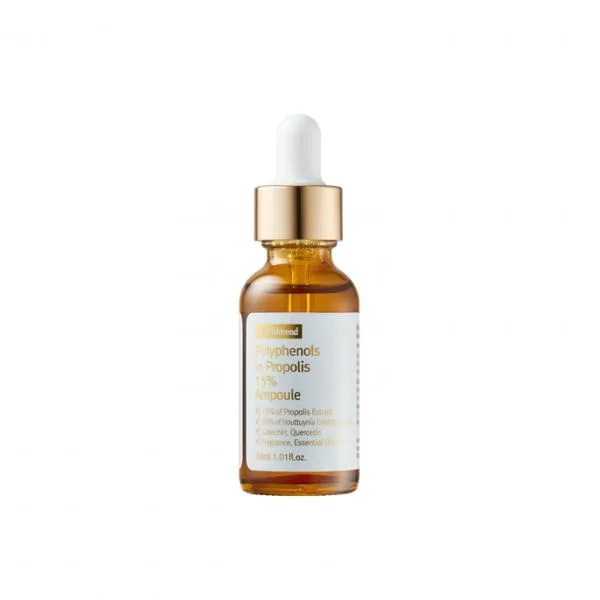
 Polyphenols In Propolis 15% Ampoule
A 15% propolis ampoule that earns its name with a real polyphenol stack — French Auvergne propolis layered over a houttuynia cordata base, with tulsi and pomegranate piling on. It's slightly sticky and not cheap by volume, but for sensitive, breakout-prone skin chasing calm, this is one of the most reliable K-beauty soothers in production.
 Budget Brightening Hero
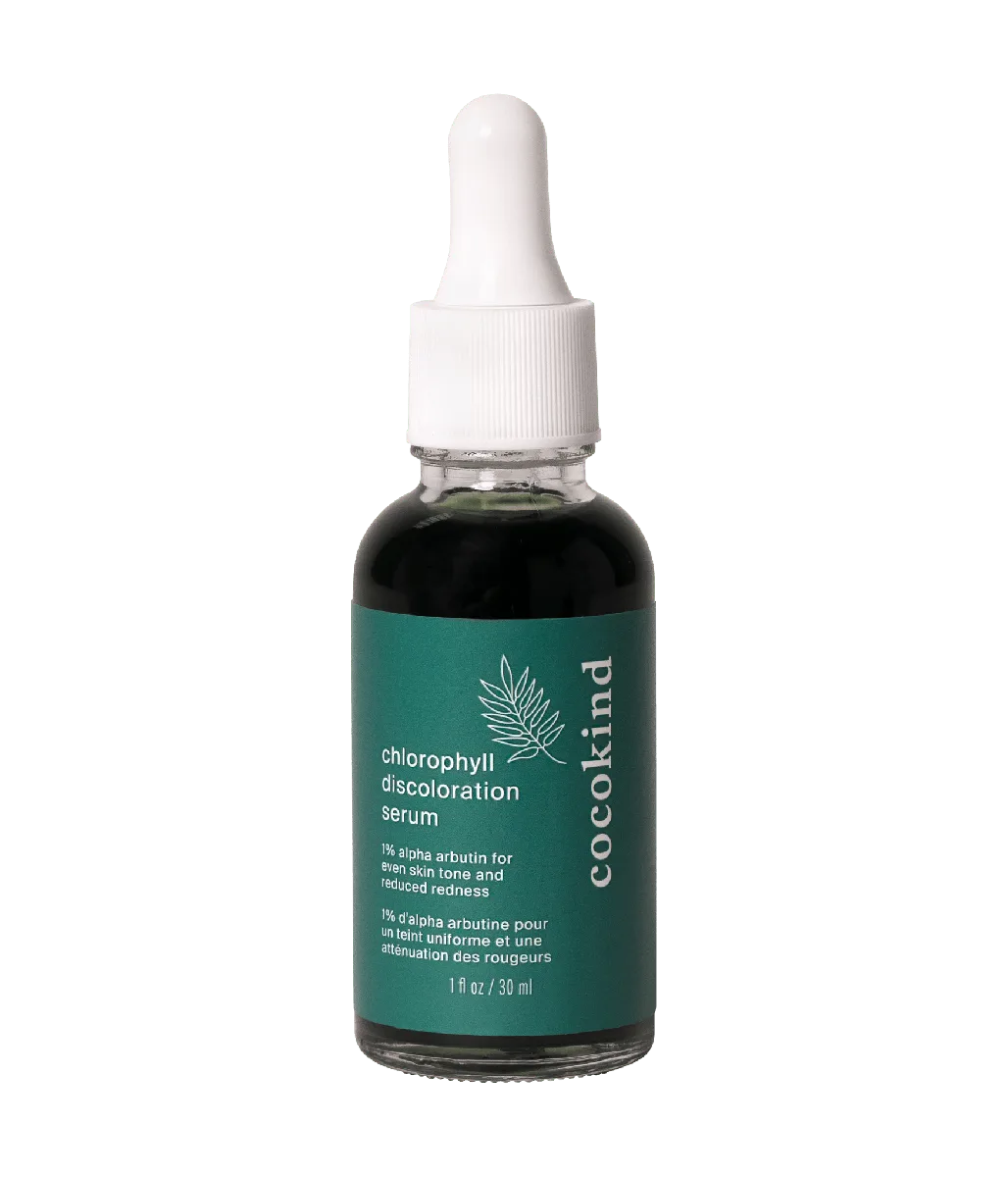
 Chlorophyll Discoloration Serum
A quietly brilliant brightening serum that proves you do not need luxury prices or harsh actives to fade dark spots effectively. The alpha-arbutin and licorice root combination delivers genuine multi-pathway melanin inhibition, the sensitive-skin-friendly formula is impeccable, and $20 makes it accessible to virtually everyone. The chlorophyllin is more marketing differentiator than scientific powerhouse, but it does not hurt anything either.
 The People's HA Serum
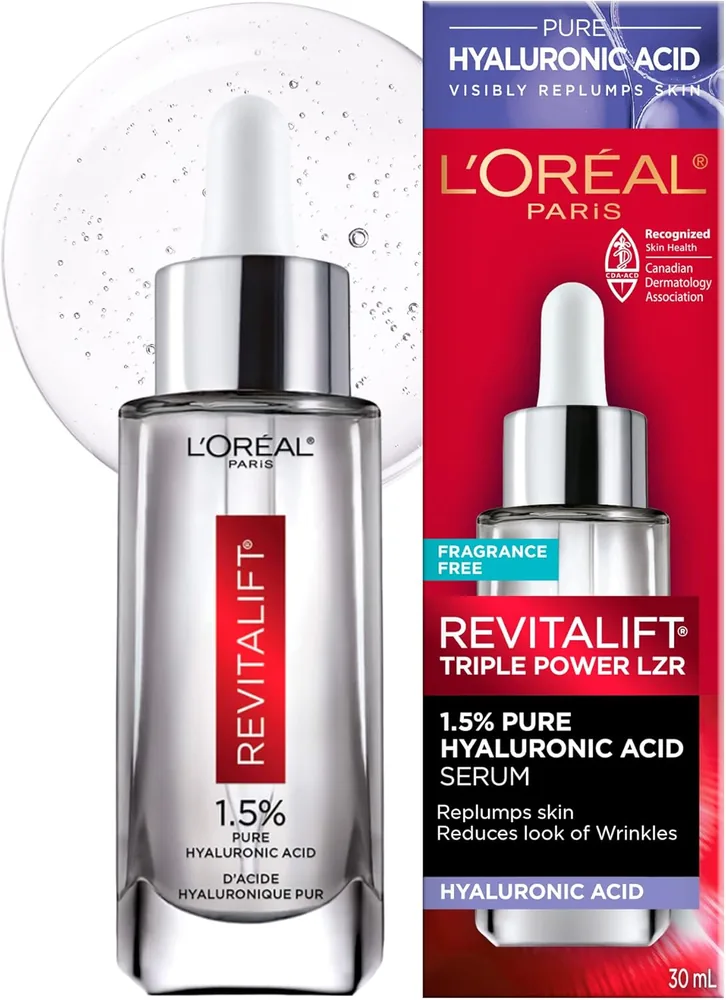
 Revitalift Derm Intensives 1.5% Pure Hyaluronic Acid Serum
A masterclass in minimalist formulation — thirteen ingredients, no filler, four functional actives, and over thirty thousand glowing reviews. L'Oréal's multi-weight HA system delivers genuine hydration at every level of the skin, and the fragrance-free, alcohol-free formula is clean enough for virtually anyone. The drugstore serum that embarrasses its prestige competitors.
 Budget Hydration Holy Grail
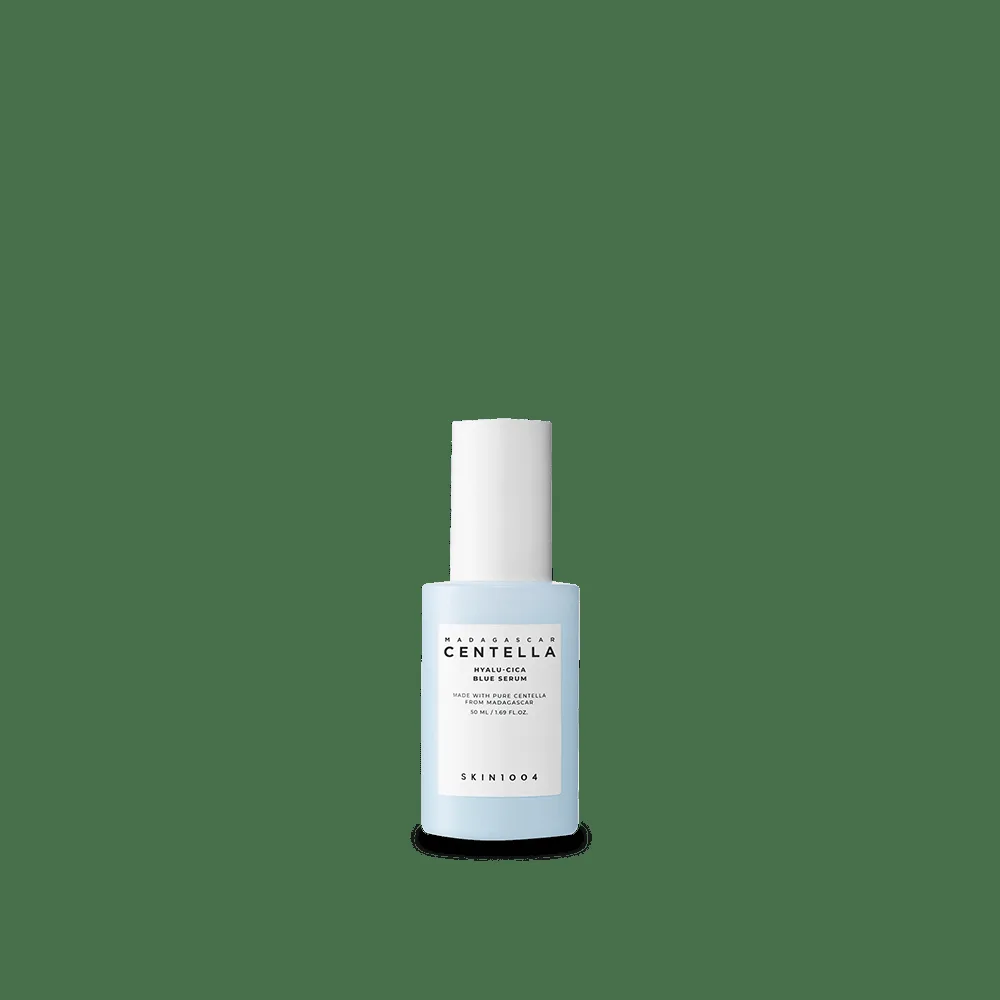
 Hyalu-Cica Blue Serum
A quietly excellent budget serum that stacks Centella asiatica leaf water, five types of hyaluronic acid, niacinamide, ceramide NP, and adenosine into a fragrance-free under-$20 bottle. It is genuinely one of the best hydration-plus-soothing serums at any price, and the fact that it costs less than a salad in Manhattan is the point.
 Sensitive Skin First-Line Defense
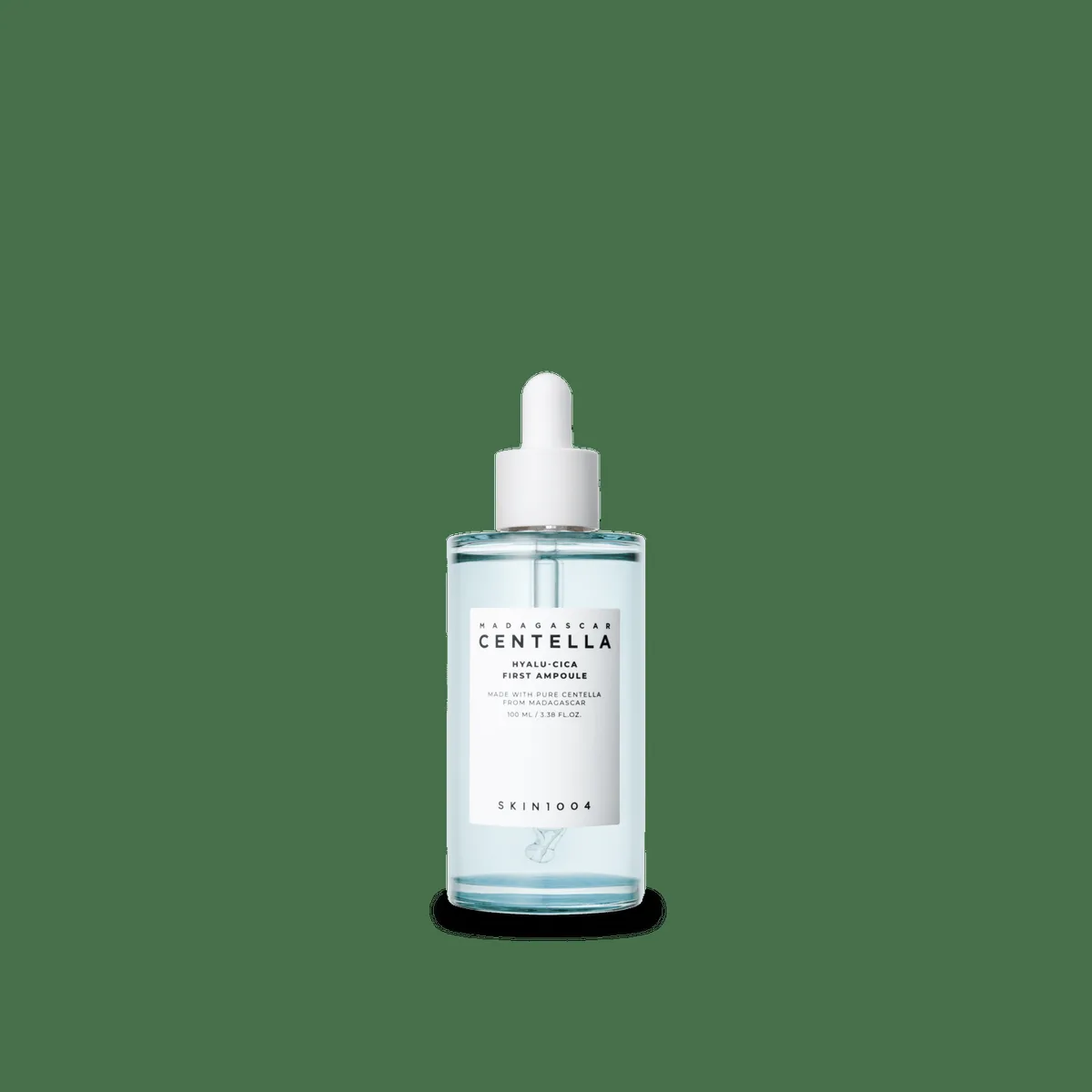
 Hyalu-Cica First Ampoule
A 92% Centella asiatica extract ampoule paired with niacinamide and a multi-weight HA complex, fragrance-free and purpose-built for sensitive, compromised, and reactive skin. At $25 for 100ml, it is one of the most justifiable skincare purchases a budget-conscious buyer can make, and it earns a place in almost any routine that needs a soothing anchor.
 Sensitive Skin MVP
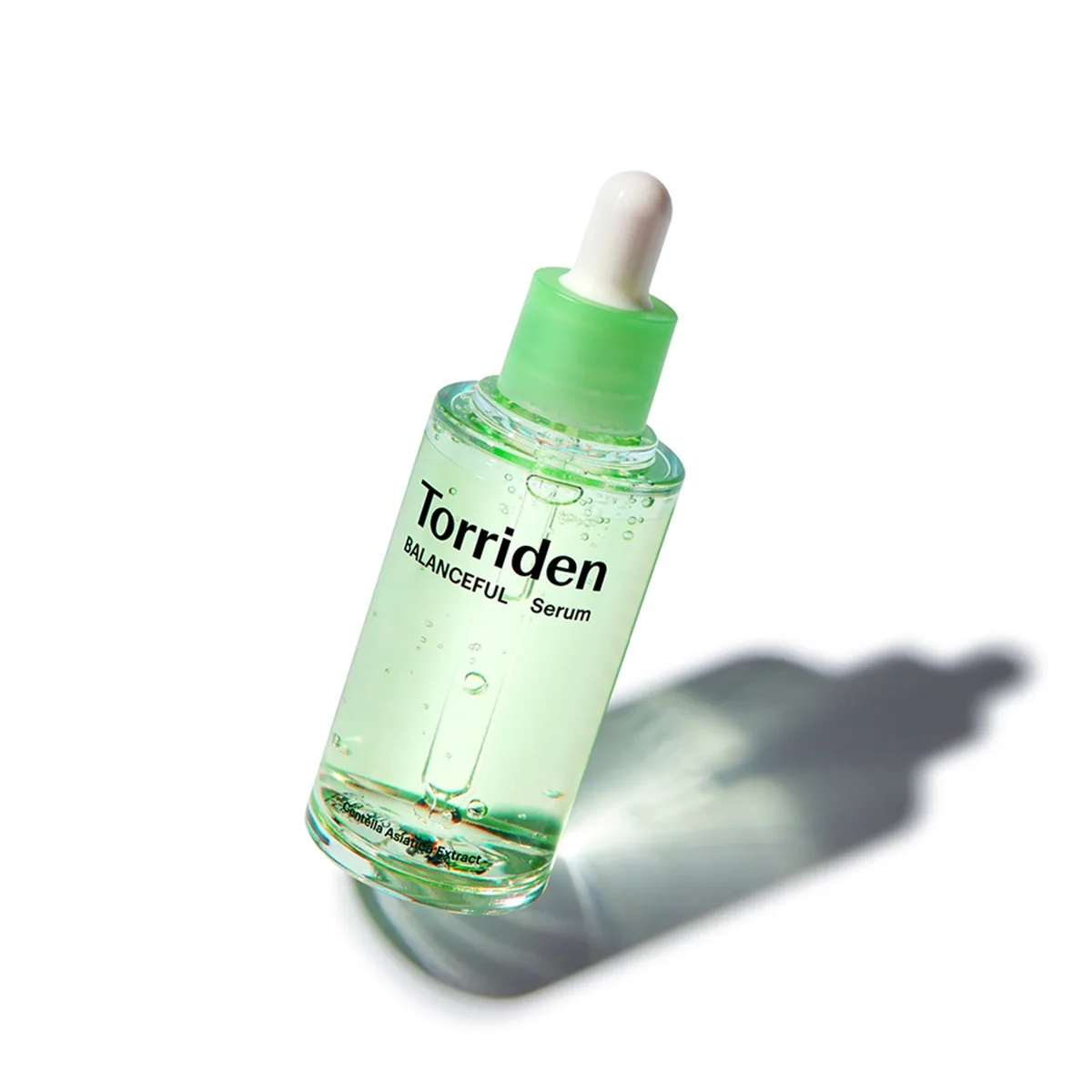
 Balanceful Cica Serum
Torriden's Balanceful Cica Serum is one of the most recommendable calming serums in K-beauty — a genuinely fragrance-free, multi-weight hyaluronic acid and 5D cica complex treatment that quietly reduces redness, supports the barrier, and buffers other actives without drama. At under $25 it's a near-automatic pick for sensitive, rosacea-prone, and barrier-compromised skin.