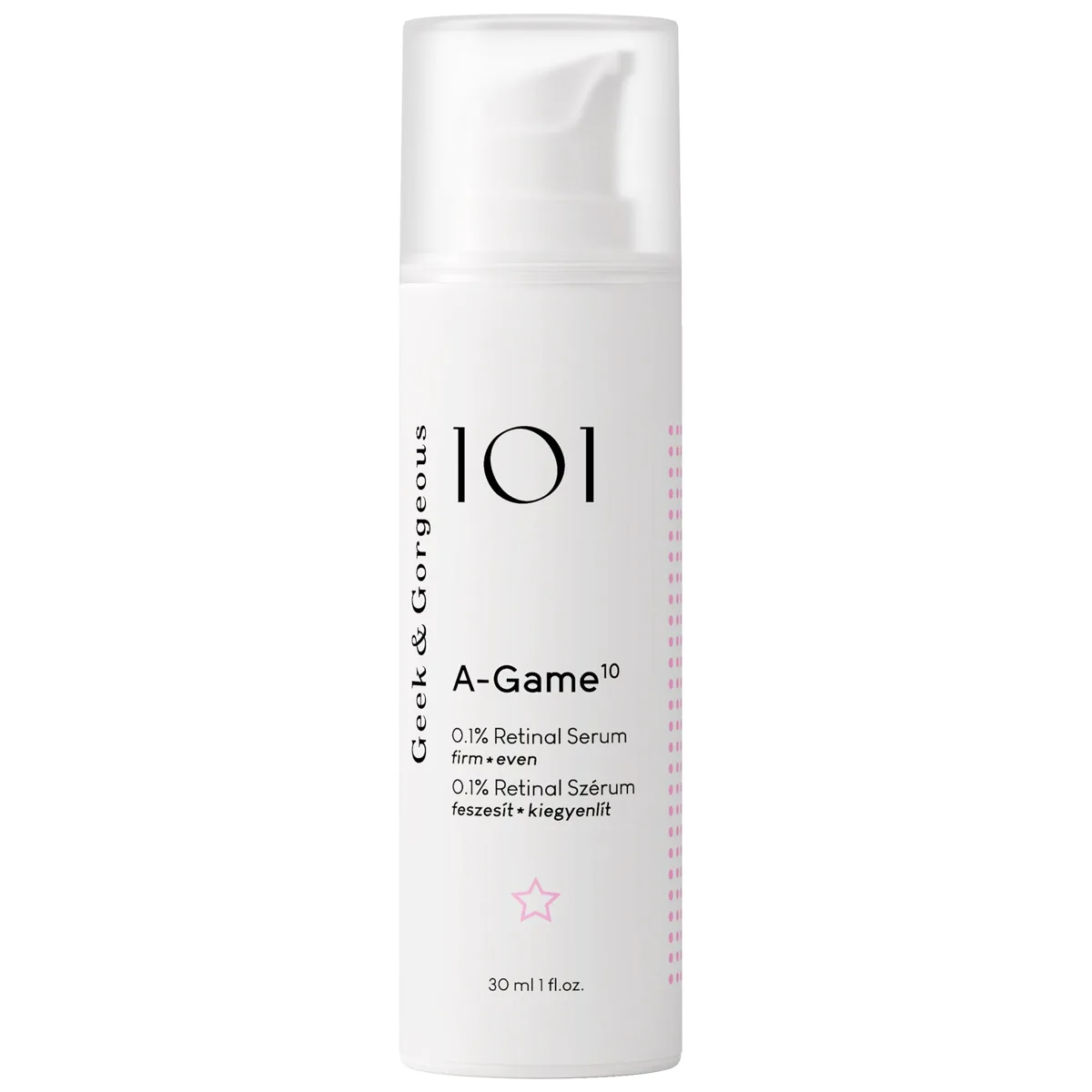
One of the most disruptive products in the retinoid category — a 0.1% retinaldehyde serum at around $16 when equivalent concentrations from derm brands cost $60-120. The formulation is thoughtful, the airless packaging is right, and the price point has no real competitor. Not for retinoid beginners: start with the 5 version and step up to this after a few months.
A-Game 10 Retinal Serum
One of the most disruptive products in the retinoid category — a 0.1% retinaldehyde serum at around $16 when equivalent concentrations from derm brands cost $60-120. The formulation is thoughtful, the airless packaging is right, and the price point has no real competitor. Not for retinoid beginners: start with the 5 version and step up to this after a few months.
Score Breakdown
Where this product gains points and where it loses them — broken down across the four scoring pillars.
A high-potency 0.1% retinal serum at an unprecedented budget price, delivering treatment-grade vitamin A in a thoughtful supporting formula. Higher irritation risk than gentler retinol products limits its suitability for newcomers.
Pros & Cons
- ✓Treatment-level 0.1% retinaldehyde at unprecedented drugstore-tier pricing
- ✓Thoughtful supporting formula with squalane, shea butter, and vitamin E
- ✓Airless packaging correctly protects the retinal from light and oxidation
- ✓Fragrance-free formulation reduces irritation risk
- ✓Cosmetic-chemist-led brand with transparent formulation choices
- ✓Clear titration path with lower-strength A-Game 5 for beginners
- ✗Too strong for retinoid beginners — start with A-Game 5 first
- ✗Not pregnancy-safe like all retinoids
- ✗Higher irritation risk than gentler retinol products
- ✗Shipping time and availability can be limited for US buyers
Full Review
Retinaldehyde doesn't cost very much to buy as a raw material. It's not a rare ingredient, it's not difficult to source, and the formulation expertise needed to stabilize it with vitamin E and airless packaging is entirely standard cosmetic chemistry. And yet for most of the last twenty years, 0.1% retinal serums have been priced at $60, $80, $100, $120, not because they cost that much to make but because the brands selling them were positioned at the premium tier and their margins justified it. When a Hungarian indie brand founded by cosmetic chemists launched a 0.1% retinal for around $16, it wasn't a breakthrough in formulation science — it was a breakthrough in pricing honesty. And that's exactly what makes this product interesting to talk about.
The formulation itself is genuinely good, which is the first thing to establish. 0.1% retinaldehyde is at the upper end of over-the-counter retinoid strength — to put it in perspective, retinal converts to retinoic acid in a single enzymatic step while retinol requires two, making it roughly ten times more potent than an equivalent percentage of retinol. A 0.1% retinal is closer to a 1% retinol in biological activity than it is to a 0.1% retinol, and that makes this a serious treatment product, not a beginner-tier introduction. The A-Game line exists in two strengths — 5 (0.05%) and 10 (0.1%) — explicitly to let users titrate up, and the brand is clear in their own marketing that most users should start with the lower strength and move to this one after several weeks of comfortable use.
The supporting formula reflects cosmetic-chemist thinking rather than indie-brand marketing. Squalane provides lightweight emollient buffering. Shea butter adds comforting richness to offset the drying tendency retinal can cause during adaptation. Glycerin handles humectant hydration. Vitamin E serves both as an antioxidant in the formulation (extending retinal's shelf life) and as a complementary active in the skin. The inclusion of BHT as an additional antioxidant is a small but telling choice — it protects the retinal from oxidation in ways that many indie retinoid formulations overlook. The packaging is an opaque airless tube, which is the correct choice for a photosensitive active like retinal. Everything about the formulation decisions reflects competent understanding of what retinal actually needs.
Texture is a lotion-serum hybrid — richer than a water-based serum because of the shea and squalane, but lighter than a cream. It spreads well on the face, absorbs into a comfortable finish, and doesn't leave the tacky or drying feel that some retinoid serums have. For most users, a pea-sized amount is plenty for the entire face. The fragrance-free formulation is a quiet but meaningful choice for a treatment product — fragranced retinoids increase irritation risk during the adaptation period in ways that aren't worth the sensorial payoff.
What you should actually expect from using this depends heavily on where you're starting from. If you've never used any vitamin A product, this strength will overwhelm unprotected skin — expect flaking, tingling, redness, and probably an adaptation-period breakout in the first 2-4 weeks. The correct path for new retinoid users is to start with the A-Game 5, build to comfortable every-other-night use over a couple of months, then step up to this version when the skin has adapted. If you're already using retinol at 0.5-1% or a prescription tretinoin you're well-adapted to, stepping sideways into this 0.1% retinal is reasonable, though the retinal-specific adaptation can still take a week or two.
Results timeline is the same as for any retinoid: initial smoothing and acne improvements appear around the 4-6 week mark, visible changes in fine lines, pigmentation, and photoaging typically require 12-16 weeks of consistent use. Retinoids are long-game products, and switching between brands every few weeks undermines the whole mechanism. The right way to use this is nightly (as tolerated) for months, with rest nights only when skin signals irritation. The visible results you eventually see — smoother texture, fewer closed comedones, gradual dark spot fading, softened fine lines — are the cumulative effect of sustained use, not the product's magic.
Limitations are worth naming. The high strength means this isn't appropriate for retinoid newcomers, and the brand is clear about that even though the price is so accessible that beginners might buy it anyway. Pregnancy and breastfeeding contraindicate all retinoids. Sensitive skin, rosacea-prone skin, and compromised-barrier skin should approach any 0.1% retinal with real caution and likely need to choose a gentler option. The shipping time for US buyers can be notable since the brand ships from Europe, and while the base price makes the import tolerable, it adds a few days to expectation management.
Where this lands on the value-per-dollar scale is basically without peer in the retinoid category. For users who are ready for the strength and want a thoughtful, affordable treatment product, this is close to an obvious recommendation. For newcomers, the A-Game 5 is a better entry point from the same brand at the same price tier. Either way, the Geek & Gorgeous retinoid line has permanently changed the pricing reality of this category, and that matters for anyone building a long-term skincare routine on a budget.
Formula
Key Ingredients
The hero actives that drive this product's performance.
| Ingredient | Function | Evidence |
|---|---|---|
| Retinal (Retinaldehyde) 0.1% (0.1%) | The central active here is retinaldehyde at 0.1%, one of the most potent over-the-counter vitamin A forms — it requires only a single enzymatic conversion to retinoic acid, compared to retinol's two-step conversion, making it roughly 10 times more biologically active than an equivalent percentage of retinol. At 0.1%, this sits at the upper end of OTC retinal strength, positioning it as an advanced-user option. | well-established |
| Squalane | Provides a lightweight emollient carrier that helps buffer the retinal's inherent irritation potential while keeping the texture from feeling heavy — paired with shea butter to build a small barrier-supporting layer into a treatment product. | well-established |
| Shea Butter | Adds comforting richness and fatty-acid content to help offset the drying tendency that retinal can cause during the adaptation period — a thoughtful inclusion in a retinal serum that puts barrier support directly alongside the active. | well-established |
| Tocopherol (Vitamin E) | Works as an antioxidant protecting the retinal from oxidation in the formula and providing additional photoprotection support in the skin — a standard pairing with retinoids that extends shelf life and reduces cumulative oxidative stress. | well-established |
Full INCI List
Aqua, Propanediol, Caprylic/Capric Triglyceride, Glycerin, C12-15 Alkyl Benzoate, Isopentyldiol, Butyrospermum Parkii (Shea) Butter, Hydrogenated Vegetable Oil, Glyceryl Stearate Citrate, Squalane, Glyceryl Stearate, Cetearyl Alcohol, Sodium Stearoyl Glutamate, Retinal, BHT, Tocopherol, Acrylates/C10-30 Alkyl Acrylate Crosspolymer, Xanthan Gum, Sodium Hydroxide, Ethylhexylglycerin, Disodium EDTA, Phenoxyethanol
Product Flags
✓ Fragrance Free✓ Alcohol Free✗ Oil Free✓ Silicone Free✓ Paraben Free✓ Sulfate Free✓ Cruelty Free✓ Vegan✗ Fungal Acne Safe
Potential Irritants
retinal
Compatibility
Skin Match
Best For
Works For
Not Ideal For
Addresses These Conditions
aging hyperpigmentation acne texture dullness
Use With Caution
sensitivity rosacea eczema compromised skin barrier
Avoid With
Routine Step
treatment
Time of Day
PM
Pregnancy Safe
No ✗
Layering Tips
Apply on dry skin at night after cleansing — wait 20-30 minutes post-cleansing if you're new to retinoids to reduce irritation. Follow with a ceramide moisturizer. Do not combine with benzoyl peroxide, AHA/BHA acids, or vitamin C in the same routine. Always wear SPF the next morning.
Results Timeline
Immediate: may feel slight tingling or dryness during first week. Short-term (4-6 weeks): initial smoothing of texture and acne reduction. Full benefits (12-16 weeks): visible improvement in fine lines, pigmentation, and overall skin quality.
Pairs Well With
ceramide moisturizerniacinamide serumhyaluronic acid serumhydrating toner
Conflicts With
benzoyl peroxideaha acidsbha acidshigh-strength vitamin c
Sample AM Routine
- Gentle cleanser
- Antioxidant serum
- Moisturizer
- Broad-spectrum SPF 30+
Sample PM Routine
- Gentle cleanser
- Hydrating toner
- Geek & Gorgeous A-Game 10 Retinal Serum
- Ceramide moisturizer
Evidence
Science & Expert Perspective
The Science
Retinaldehyde sits at a specific position in the retinoid conversion pathway that gives it meaningful clinical advantages over retinol. In the skin, topical retinoids work by converting through a series of oxidation steps to retinoic acid (tretinoin), which is the active form that binds to nuclear retinoid receptors. Retinol requires two conversion steps (to retinaldehyde, then to retinoic acid), while retinaldehyde requires only one. Published research supports the general principle that retinaldehyde produces effects comparable to low-concentration tretinoin with less initial irritation than retinol at clinically effective concentrations. Clinical studies on retinaldehyde at concentrations of 0.05-0.1% have shown reductions in photoaging markers, improvements in fine lines, and efficacy in mild acne. The inclusion of tocopherol (vitamin E) and BHT as antioxidants in the formulation is supported by stability literature — retinal is sensitive to oxidation and requires careful packaging and antioxidant support to maintain potency over the product's shelf life. The airless tube packaging is consistent with formulation best practices for photosensitive actives. The supporting ingredients — squalane, shea butter, glycerin — have well-characterized emollient and humectant profiles and serve to buffer the irritation potential of the active rather than contribute independently to anti-aging effects. The formulation reflects evidence-based retinoid delivery rather than novel mechanism claims — which is precisely why it works.
Dermatologist Perspective
Dermatologists consistently recommend retinoids as the single most effective over-the-counter anti-aging ingredient class, with decades of published evidence supporting improvements in photoaging, pigmentation, acne, and skin texture. Board-certified dermatologists often note that retinaldehyde occupies a useful middle ground between retinol and prescription tretinoin — stronger and faster-acting than retinol, gentler and more accessible than prescription strength. For patients who want treatment-level vitamin A without a prescription, dermatologists commonly suggest starting at a lower strength (0.05% retinal or 0.5% retinol) and titrating up over months to avoid adaptation-period irritation. Patients should always pair retinoid use with daily broad-spectrum SPF, as retinoids increase photosensitivity. Dermatologists also typically advise against combining retinoids with benzoyl peroxide or high-strength acids in the same routine to minimize compound irritation.
Guidance
Usage Guide
How to Use
Apply at night after cleansing and any hydrating toner. Use a pea-sized amount for the entire face — more is not better and increases irritation without improving results. Start with twice a week for the first 2-3 weeks, then move to every other night, then nightly as tolerated. Follow with a ceramide moisturizer to support the barrier during adaptation. Always apply broad-spectrum SPF 30+ the next morning. Avoid combining with benzoyl peroxide, AHA/BHA acids, or high-strength vitamin C in the same routine.
Value Assessment
At approximately $16 for 30 mL, this is priced at roughly one-quarter to one-sixth what equivalent 0.1% retinal serums from derm brands typically cost. A 30 mL tube lasts approximately 3-4 months with nightly pea-sized application. Compared to premium retinal serums at $60-120, the formulation here is competitive on all the variables that matter — active concentration, supporting ingredients, antioxidant stabilization, packaging — and the brand's direct-to-consumer model is what allows the pricing honesty. The value proposition is essentially without peer in the retinoid category, and this is one of the few cases where we can recommend a product specifically because its price is radically lower than what the category has trained consumers to expect.
Who Should Buy
Retinoid-experienced users ready to step up to 0.1% retinal, budget-conscious skincare enthusiasts who want treatment-level vitamin A without the premium markup, users building a long-term anti-aging routine, and people specifically targeting photoaging, mild acne, or hyperpigmentation.
Who Should Skip
Retinoid beginners (start with A-Game 5 first), pregnant or breastfeeding users, sensitive or rosacea-prone skin, users with compromised skin barriers, and anyone not committed to daily SPF use — retinoids increase UV sensitivity and require sun protection.
Ready to try Geek & Gorgeous A-Game 10 Retinal Serum?
Details
Details
Texture
A lightweight lotion-serum hybrid with a soft, comforting finish — richer than a water-based serum but lighter than a cream.
Scent
Fragrance-free with only the faint natural scent of the carrier oils.
Packaging
Opaque airless tube dispenser in bright yellow — the airless pump protects the retinal from oxidation and light, which is essential for this active.
Finish
lightweightvelvetynon-greasy
What to Expect on First Use
Expect mild tingling, dryness, or flaking during the first 2-4 weeks as skin adapts. Start with every third night, then every other night, then nightly as tolerated. No need to apply more than a pea-sized amount to the entire face.
How Long It Lasts
About 3-4 months with nightly use of a pea-sized amount.
Period After Opening
6 months
Best Season
All Year
Background
The Why
Geek & Gorgeous was founded in 2020 by cosmetic chemists aiming to strip skincare pricing back to formulation cost. The A-Game line is the brand's retinoid series, with 5 (0.05%) and 10 (0.1%) strengths to let users titrate up. The naming convention references the clinical concentrations rather than obscuring them behind marketing language.
About Geek & Gorgeous Emerging Brand (2–5 years)
Geek & Gorgeous launched in 2020 as a Hungarian indie brand founded by cosmetic chemists, focused on delivering high-performing actives at transparent budget pricing. The brand has built credibility in skincare-enthusiast communities for formulation honesty, though its independent clinical validation is limited compared to legacy derm brands.
Brand founded: 2020 · Product launched: 2022
Myth vs. Reality
Myths & Misconceptions
Myth
Retinal and retinol are basically the same thing.
Reality
Retinal (retinaldehyde) is one step closer to retinoic acid than retinol is in the skin's conversion pathway, making it roughly 10 times more potent at equivalent percentages. A 0.1% retinal is closer in strength to a ~1% retinol than to a 0.1% retinol.
Myth
You should jump straight to 0.1% retinal if you want fast results.
Reality
Starting at high strength without titration causes the exact adaptation-period irritation that makes most users abandon retinoids. If you're new to vitamin A, start with the A-Game 5 (0.05%) or a lower-strength retinol first, then step up to this after 2-3 months.
FAQ
Frequently Asked Questions
Is this too strong for a retinoid beginner?
Yes — 0.1% retinal is an advanced-user strength, roughly equivalent to a 1% retinol in potency. If you've never used any vitamin A product, start with the A-Game 5 (0.05% retinal) or a beginner-level retinol first, then step up to this serum once your skin is well-adapted. Jumping straight to this strength almost always causes unnecessary irritation.
How often should I use it?
Start with twice a week and build up as tolerated. After 2-3 weeks of comfortable twice-weekly use, move to every other night. Nightly use is reasonable for well-adapted skin but not required — the results come from consistency over months, not frequency.
Can I use it with vitamin C or AHA/BHA acids?
Not in the same routine. Use vitamin C in the morning and this serum at night, or alternate acid exfoliants on non-retinal nights. Combining them in one step significantly increases irritation risk without adding meaningful benefit.
Is it pregnancy-safe?
No. All retinoids, including over-the-counter retinal, are contraindicated during pregnancy and breastfeeding due to their mechanism of action and theoretical risk to fetal development. Switch to pregnancy-safe alternatives like niacinamide, bakuchiol, or azelaic acid during pregnancy.
How long until I see results?
Initial smoothing and acne improvements often appear within 4-6 weeks. Visible reduction in fine lines, pigmentation, and photoaging typically requires 12-16 weeks of consistent use. Treat retinal as a long-term commitment, not a quick fix.
Will it cause purging?
Some users experience an initial breakout phase in the first 2-4 weeks as skin cell turnover accelerates. This is distinct from an allergic reaction — purging typically involves breakouts in areas you normally get them and resolves within a few weeks. If breakouts appear in new areas or with swelling and redness, discontinue use.
Why is it so much cheaper than other retinal serums?
Geek & Gorgeous is a direct-to-consumer brand with low marketing spend and transparent pricing. The formulation cost of retinal is not actually high — most premium retinal serums are priced primarily for brand positioning. This delivers the same concentration and thoughtful supporting ingredients at formulation cost plus modest margin.
Community
Community Voices
Common Praise
"Extraordinarily affordable for a 0.1% retinal concentration"
"Thoughtful supporting formula with squalane and shea butter"
"Fragrance-free and simple ingredient list"
"Produces visible texture and pigmentation improvements within 2-3 months"
Common Complaints
"High strength causes adaptation irritation for newcomers"
"Ships from Europe — longer delivery times for US buyers"
"Opaque packaging good for stability but you can't see remaining product"
Notable Endorsements
Widely recommended in r/SkincareAddiction, r/AsianBeauty, and skincare-focused YouTube communitiesFrequently cited as the most affordable 0.1% retinal on the market
Appears In
best retinal serum best budget retinoid best 01 retinal best indie retinoid best affordable anti aging serum
Related Conditions
aging hyperpigmentation acne texture
Related Ingredients
You Might Also Like
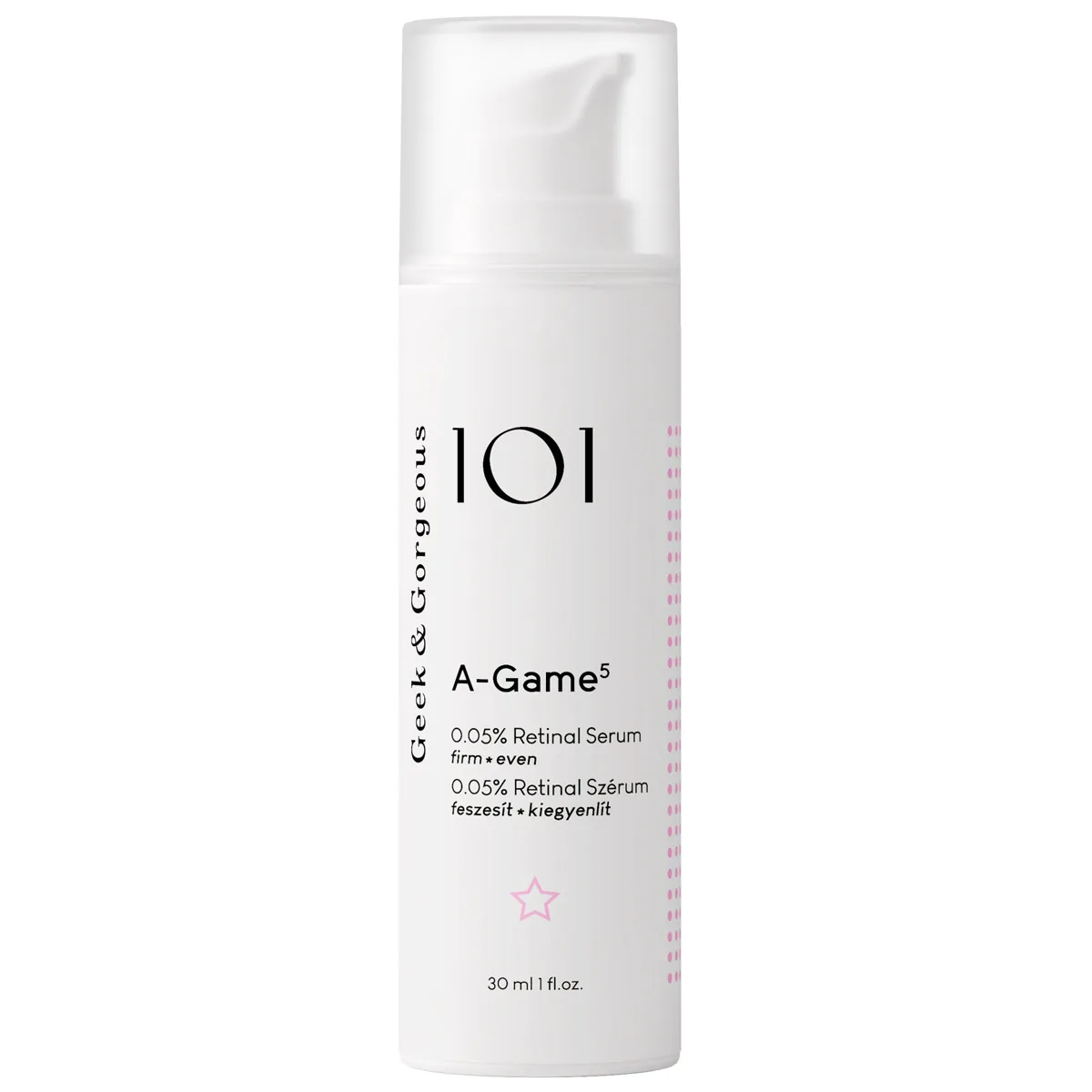 Beginner-Friendly Retinoid
 A-Game 5 Retinal Serum
The ideal beginner's retinaldehyde serum — a properly dosed 0.05% retinal in a buffered, fragrance-free formula at a price that makes long-term retinoid use actually sustainable. Same thoughtful supporting ingredients as the higher-strength A-Game 10 at half the potency, which is exactly the point. If you've never used a real retinoid, this is one of the best entry points on the market.
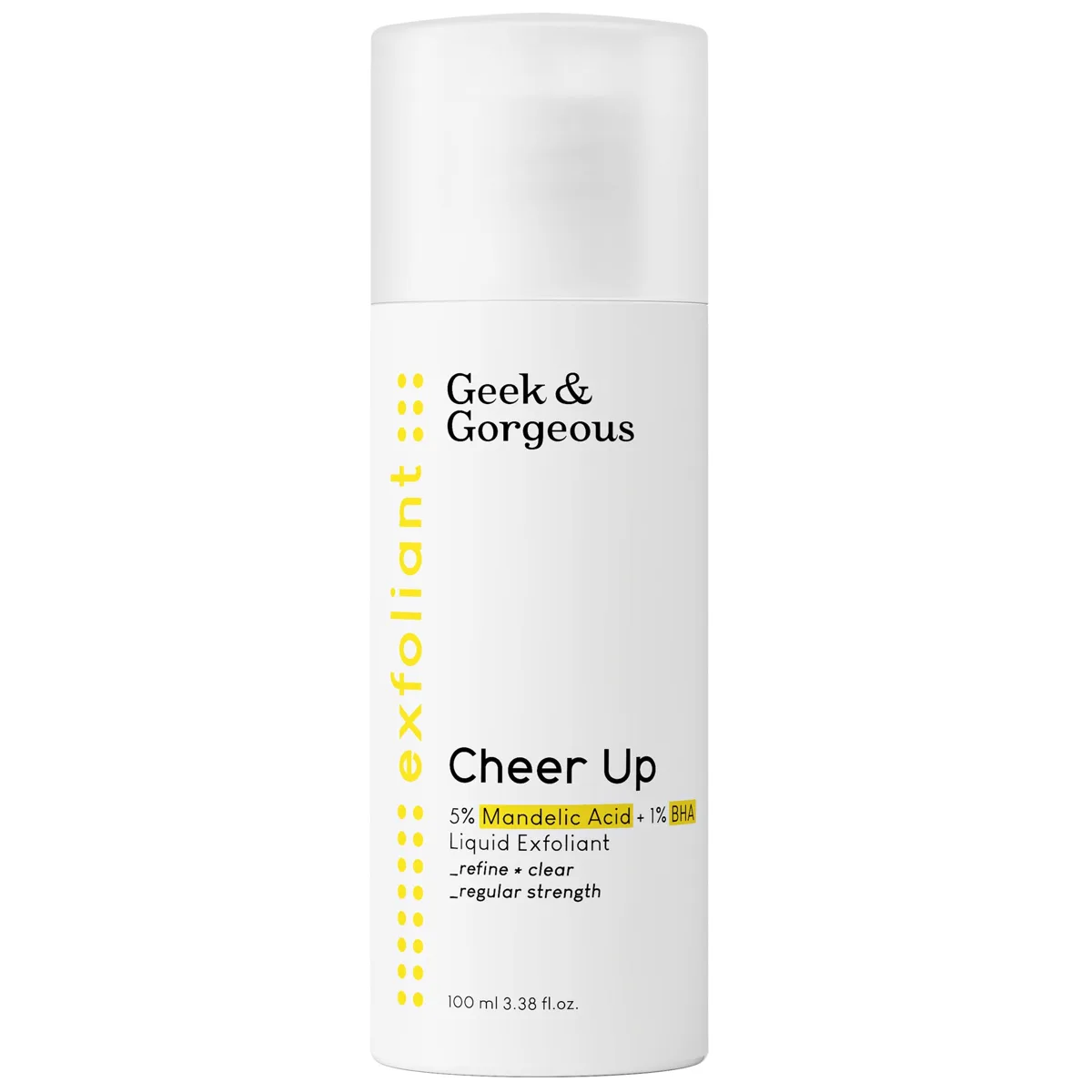 Beginner Exfoliant Pick
 Cheer Up 5% Mandelic + 1% Salicylic Exfoliant
A thoughtfully formulated beginner AHA/BHA exfoliant that uses mandelic acid — the gentlest mainstream AHA — in combination with low-strength salicylic, plus a sugar-humectant complex for comfort. At 100mL for around $12, the value is excellent, and the formulation choices reflect the kind of cosmetic-chemist thinking that separates this brand from typical indie exfoliants. Ideal for exfoliant newcomers and sensitive skin.
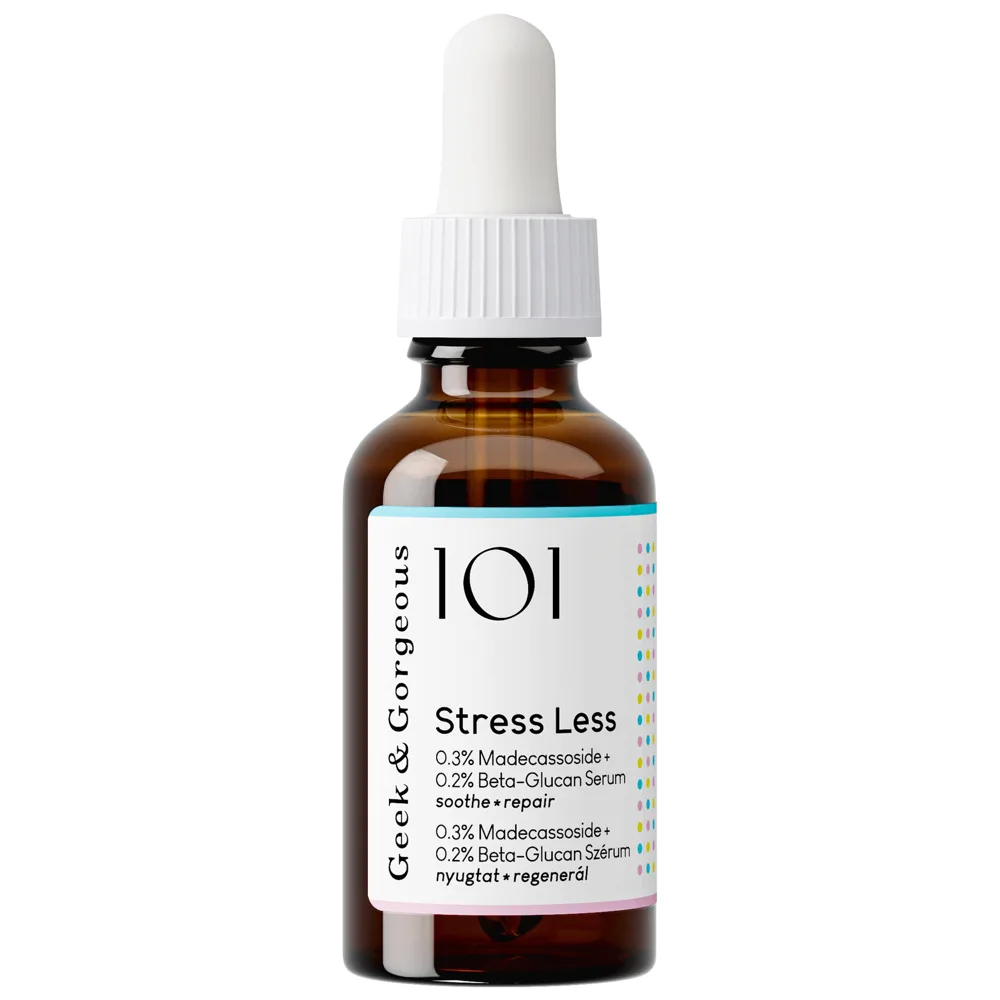 Derm-Grade Retinal at Drugstore Price
 Stress Less 0.3% Retinal Serum
A genuinely derm-grade 0.3% retinaldehyde serum at a price that shouldn't be possible. The ceramide and bisabolol buffering keeps it tolerable for experienced retinoid users, and the results — on texture, tone, and fine lines — rival premium retinals costing four times as much.
 Gentle Azelaic Alternative
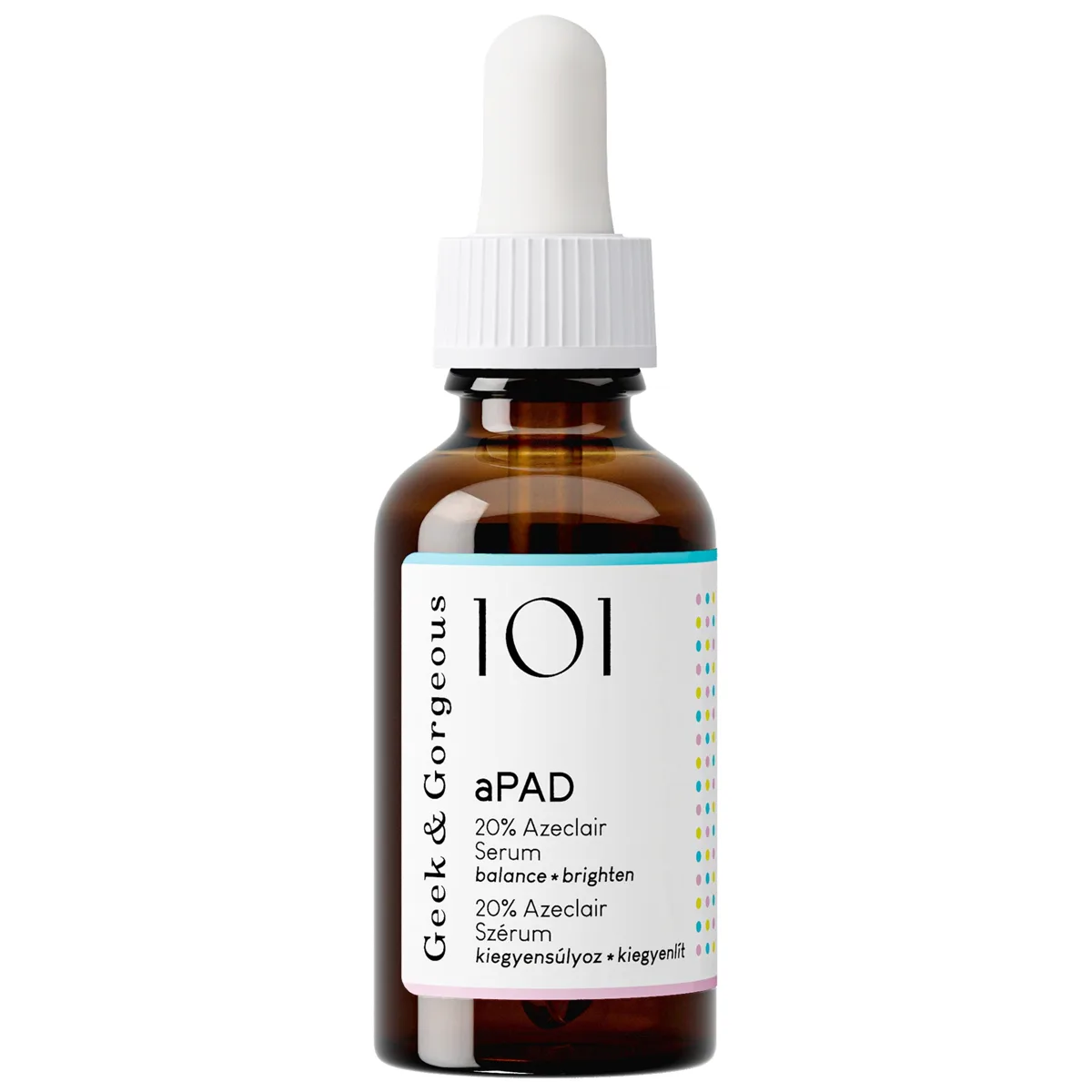
 aPAD 20% Azelaic Acid Derivative Serum
A gentle, elegant azelaic acid derivative serum that delivers the classic benefits of azelaic acid — redness reduction, tone evening, mild acne modulation — without the stinging or gritty texture of traditional azelaic creams. Pregnancy-safe, sensitive-skin-friendly, and priced so accessibly that it belongs on almost any rosacea-prone or tone-evening routine.
 Oily Skin Pore Fighter
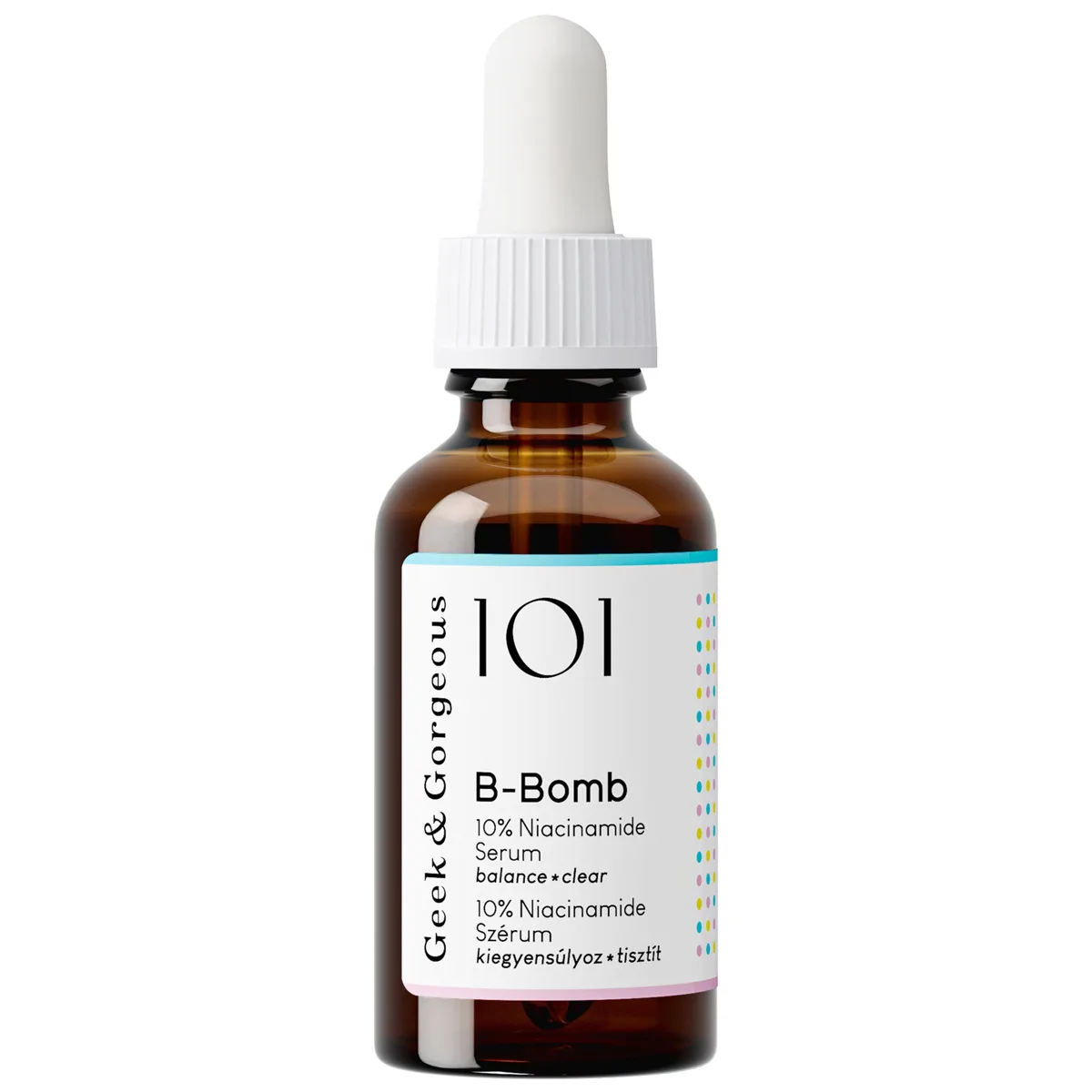
 B-Bomb 10% Niacinamide Concentrate
A well-supported 10% niacinamide concentrate with zinc PCA and sarcosine as complementary oil-control actives, in a clean fragrance-free vehicle at a genuinely affordable price. For users specifically targeting oiliness, pore visibility, and post-acne pigmentation, this is one of the best budget-tier options in the niacinamide category. Sensitive skin should still consider the lower-strength alternatives.
 Sensitive Skin MVP
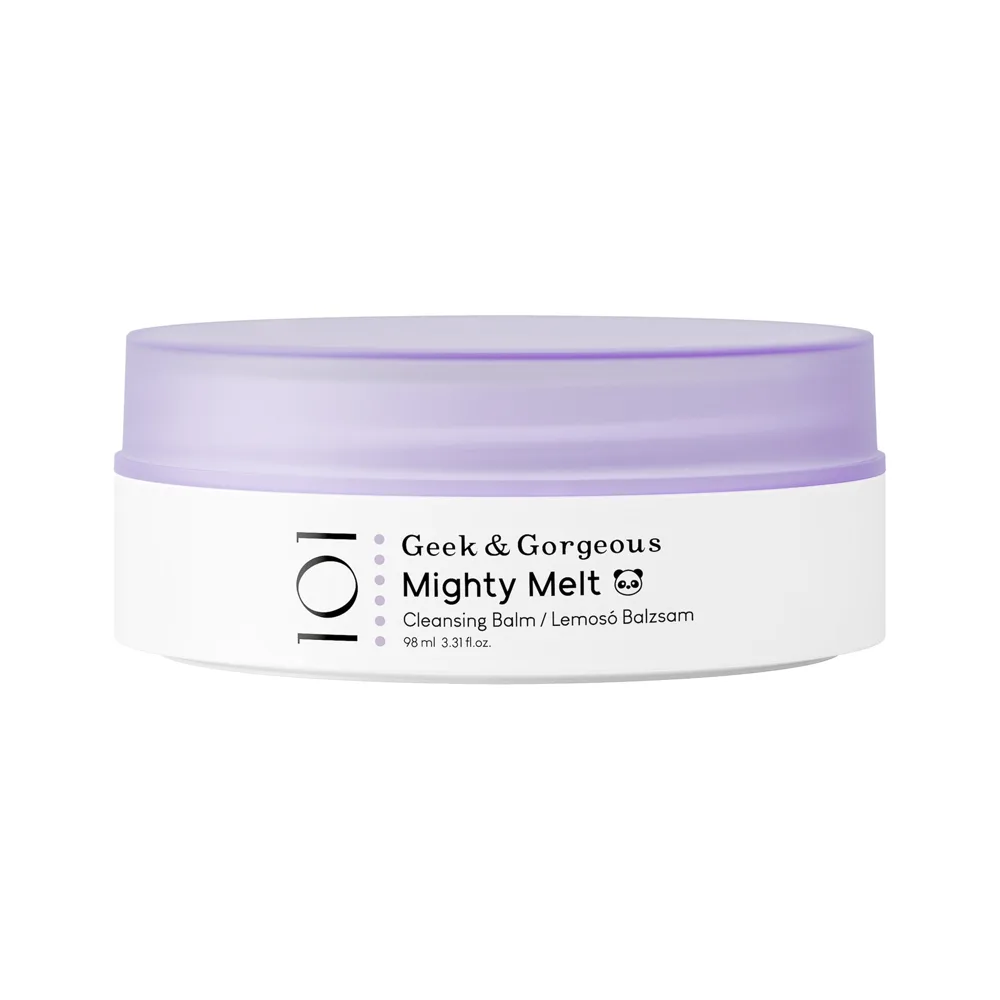
 Mighty Melt Cleansing Balm
The fragrance-free sibling to Jelly Joker, and genuinely the better choice for reactive skin. Bisabolol, allantoin, and panthenol push it beyond 'unscented' into actively soothing territory, at a price most premium sensitive-skin balms can't touch.