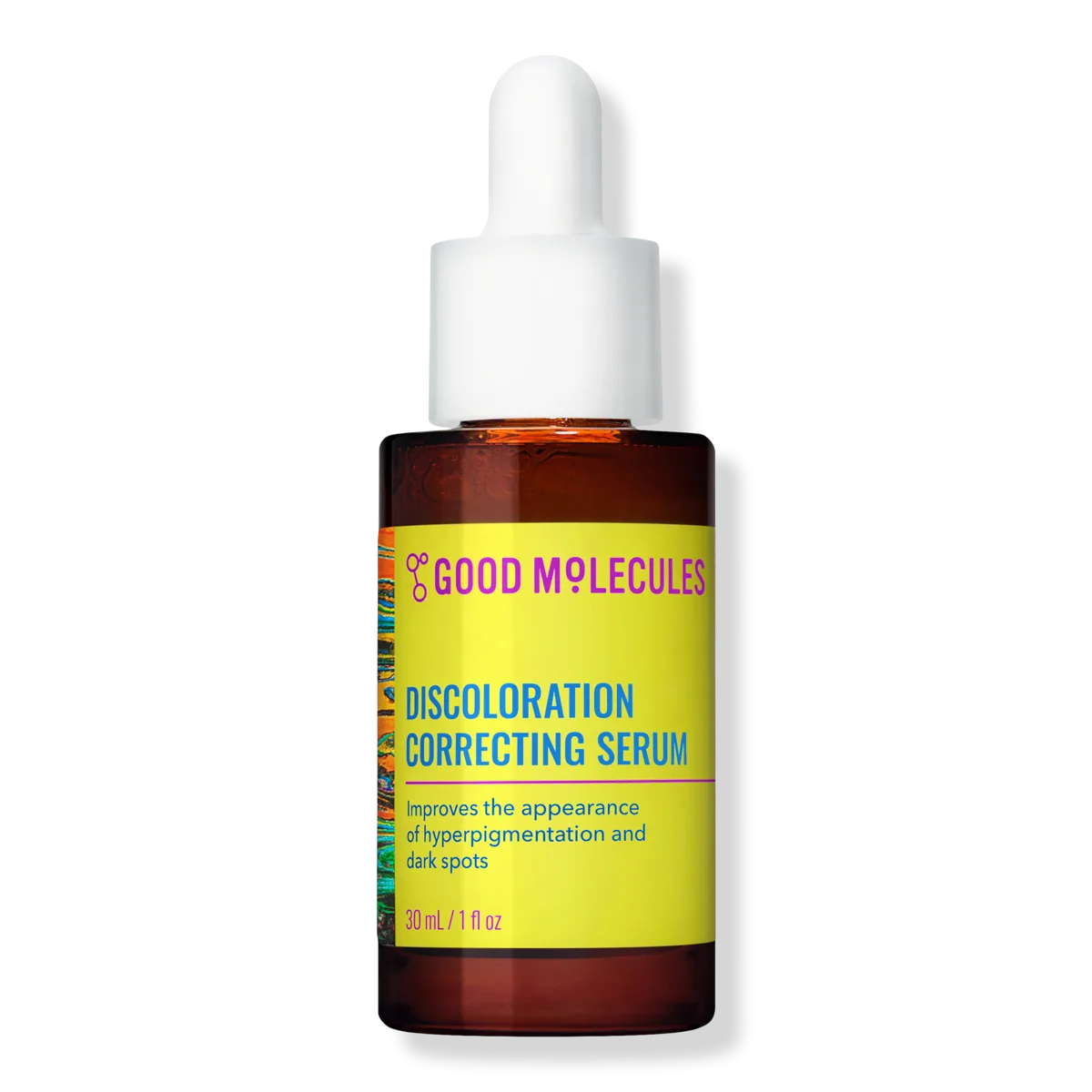
A masterclass in minimalist formulation — two proven brightening actives, a clean delivery base, and nothing else. At $12 for 30ml, the Good Molecules Discoloration Correcting Serum delivers tranexamic acid and niacinamide at effective concentrations for a fraction of what competing serums charge. Results require patience, but the dual-pathway approach to hyperpigmentation is clinically sound.
Discoloration Correcting Serum
A masterclass in minimalist formulation — two proven brightening actives, a clean delivery base, and nothing else. At $12 for 30ml, the Good Molecules Discoloration Correcting Serum delivers tranexamic acid and niacinamide at effective concentrations for a fraction of what competing serums charge. Results require patience, but the dual-pathway approach to hyperpigmentation is clinically sound.
Score Breakdown
A brilliantly minimalist brightening serum that combines two of the most effective hyperpigmentation fighters — tranexamic acid and niacinamide — at effective concentrations. The exceptional value ($12 for 30ml) and near-zero irritation risk from the 12-ingredient formula push the overall score significantly higher.
Data Confidence: high
This serum has been available since 2020 with over 4,500 reviews on Ulta alone and thousands more across Amazon and Beautylish. The two key actives — niacinamide and tranexamic acid — have robust clinical evidence supporting their brightening efficacy.
0/100
Overall Score
Ingredient Quality 0
Value for Money 0
Suitability Breadth 0
Irritation Risk (↑ = safer) 0
Assessment
Pros
- Exceptional value — $12 for a tranexamic acid and niacinamide serum at effective concentrations
- Only 12 ingredients with zero irritants — safe for sensitive, reactive, and fungal-acne-prone skin
- Dual-pathway brightening targets both melanin production and melanin transfer simultaneously
- Lipophilic tranexamic acid derivative offers enhanced skin penetration over standard forms
- Fragrance-free, oil-free, silicone-free — layers seamlessly under any routine
- Available in a 75ml value size for long-term committed users
Cons
- Results require 4-8 weeks of consistent use — no immediate visible effect
- Slight tackiness during absorption that some users notice under layered products
- Minimal formula lacks supporting brighteners that could enhance efficacy
- Less effective on deep, longstanding hyperpigmentation or genetic melasma
- Pregnancy safety uncertain due to topical tranexamic acid derivative
Full Review
There's a moment in every skincare enthusiast's journey when they flip over a $60 brightening serum and realize the first three ingredients are water, butylene glycol, and glycerin. The same moment when they wonder: what exactly is costing $58?
Good Molecules built this serum on the radical premise that the answer is usually 'not the active ingredients.' Twelve ingredients. Two actives. Twelve dollars. And it works.
The formula reads like a skincare textbook answer to 'what would you formulate for hyperpigmentation?' Niacinamide at 4% handles the melanin transfer pathway — it physically prevents pigment granules from moving from the cells that produce them (melanocytes) to the cells that display them (keratinocytes). Think of it as intercepting the delivery truck before it can drop off the dark pigment at the skin surface. At 4%, the concentration is well within the clinically effective range demonstrated by the landmark Hakozaki study and subsequent research.
Cetyl Tranexamate Mesylate — the more sophisticated cousin of standard tranexamic acid — works on a completely different mechanism. It interrupts the plasminogen activator pathway, reducing the inflammatory signals that tell melanocytes to go into overdrive after UV exposure, acne, or any inflammatory skin event. The 'cetyl' modification makes it lipophilic, meaning it penetrates through the oil-rich layers of the stratum corneum more effectively than standard water-soluble tranexamic acid. This is a genuinely smart ingredient choice, not marketing fluff — the enhanced penetration matters for a topical product that needs to reach the melanocytes sitting at the dermal-epidermal junction.
Together, these two actives create what dermatologists call a multi-mechanism approach: one agent prevents new pigmentation from forming (tranexamic acid blocking upstream melanocyte stimulation), while the other prevents existing pigmentation from reaching the visible surface (niacinamide blocking downstream melanosome transfer). This dual-pathway strategy is more comprehensive than either active alone and is the same principle behind prescription-level hyperpigmentation treatments.
What's absent from this formula is as notable as what's present. No fragrance. No essential oils. No botanical extracts of dubious brightening efficacy. No dimethicone or silicones. No retinoids. No vitamin C. The formula is so stripped down that it's fungal acne safe — a claim very few brightening serums can make. The remaining ingredients are structural necessities: butylene glycol and propanediol as solvents, glycerin as a humectant, cetearyl alcohol and plant-derived gums as stabilizers, and preservatives.
This minimalism is a double-edged sword. The upside is that there's essentially nothing to react to — sensitive, reactive, and eczema-prone skin types who get locked out of most brightening serums by fragrance or irritating actives can use this without concern. The downside is that the formula doesn't bring additional supporting ingredients that could enhance efficacy — antioxidants, additional brighteners like alpha arbutin or licorice root, or hydrating complexes that would make the serum feel more nourishing.
On the skin, the serum is unceremonious. It's a clear, slightly viscous liquid that absorbs within a minute or two. There's a brief period of light tackiness before it fully settles, which some users find noticeable under subsequent products. No immediate visual effect — no glow, no blurring, no instant gratification. This is not a serum that flatters you on first use. It's the serum that flatters you after six weeks of quiet, unsexy, consistent application.
And that's the critical point about this product: it requires patience. Post-acne marks from the last breakout cycle start visibly fading around the 4-6 week mark. Older sun spots and deeper hyperpigmentation need the full 8-12 week commitment. If you're someone who tries a product for two weeks and moves on, this isn't for you. But if you can commit to a daily routine — morning and evening, before moisturizer, with sunscreen during the day — the results are genuinely impressive for the price.
The product went viral on skincare TikTok and Reddit's SkincareAddiction community, where its results-to-price ratio became almost legendary. Users with post-inflammatory hyperpigmentation from acne shared before-and-after photos showing significant fading over 2-3 months, and the product consistently sold out at Ulta and on Beautylish. Good Molecules responded by releasing a 75ml size at $25 — better per-ml value for the daily users who'd made this a permanent staple.
Good Molecules, as a brand, launched in 2019 under the Beautylish umbrella. They're still emerging — the track record isn't as deep as established brands with decades of formulation history. But the Discoloration Correcting Serum demonstrated that the brand's formula-first, marketing-second philosophy could produce genuinely competitive products. The fact that they chose a lipophilic tranexamic acid derivative at this price point — when standard tranexamic acid would have been cheaper and easier — suggests real formulation intent behind the budget positioning.
The 4.2 average rating with over 4,500 reviews on Ulta tells an honest story: most people see results, but not everyone. The users who rate it lower tend to have deep, longstanding hyperpigmentation or genetic melasma that requires more aggressive intervention than any $12 serum can provide. For surface-level post-inflammatory marks and mild to moderate dark spots, the satisfaction rate is notably higher.
At twelve dollars, the risk-reward calculation barely requires thought. If it works for your hyperpigmentation — and for the majority of users with post-acne marks and sun spots, it does — you've found a daily treatment at a price that doesn't require justification. If it doesn't, you're out the cost of a mediocre lunch.
Formula
Ingredients
The hero actives that drive this product's performance.
| Ingredient | Function | Evidence |
|---|---|---|
| Niacinamide (4%) | At 4%, niacinamide inhibits melanosome transfer from melanocytes to keratinocytes — the final step in the pigmentation process that makes dark spots visible on the skin surface. In this streamlined formula, niacinamide works as the primary topical brightener alongside tranexamic acid, with each targeting a different stage of the melanin pathway for comprehensive discoloration correction. | well-established |
| Tranexamic Acid (as Cetyl Tranexamate Mesylate) (2%) | An advanced lipophilic derivative of tranexamic acid that offers enhanced skin penetration compared to standard tranexamic acid. It inhibits the plasminogen activator pathway, reducing melanocyte stimulation triggered by UV exposure and post-inflammatory processes. This addresses the root cause of new dark spot formation — particularly effective against post-acne marks and sun-induced hyperpigmentation — while the niacinamide handles existing pigmentation at the transfer stage. | well-established |
| Glycerin | Provides essential hydration in this minimal formula, maintaining the skin's moisture levels during the active brightening process. Listed fourth in a 12-ingredient INCI, glycerin is present at a meaningful concentration and helps keep the serum comfortable for daily use without requiring additional hydrating layers. | well-established |
Full INCI List
Water, Butylene Glycol, Propanediol, Glycerin, Niacinamide, Cetyl Tranexamate Mesylate, Cetearyl Alcohol, Ceratonia Siliqua (Carob) Gum, Tamarindus Indica Seed Gum, Phenoxyethanol, Ethylhexylglycerin, Caprylyl Glycol
Product Flags
✓ Fragrance Free✓ Alcohol Free✓ Oil Free✓ Silicone Free✓ Paraben Free✓ Sulfate Free✓ Cruelty Free✓ Vegan✓ Fungal Acne Safe
Compatibility
Skin Match
Best For
Works For
Not Ideal For
Addresses These Conditions
hyperpigmentation dark spots acne sun damage dullness melasma
Routine Step
serum
Time of Day
AM & PM
Pregnancy Safe
Unknown
Layering Tips
Apply after cleansing and toning, before heavier serums and moisturizer. The lightweight, water-based formula layers easily under any product. Always follow with sunscreen in the morning — brightening actives work best when new dark spots are prevented by UV protection.
Results Timeline
No immediate visible effect — this is a slow-build treatment. Skin tone begins to appear more even within 2-3 weeks. Post-acne marks and mild sun spots start fading at 4-6 weeks. Maximum results for stubborn hyperpigmentation require 8-12 weeks of consistent twice-daily use.
Pairs Well With
sunscreenvitamin-chyaluronic-acidretinol
Sample AM Routine
- Gentle cleanser
- Good Molecules Discoloration Correcting Serum
- Moisturizer
- Sunscreen
Sample PM Routine
- Oil cleanser
- Water-based cleanser
- Good Molecules Discoloration Correcting Serum
- Retinol or treatment
- Moisturizer
Evidence
Science
The Science
The dual-active approach in this serum targets hyperpigmentation through two well-established mechanisms. Niacinamide's brightening efficacy was demonstrated in a landmark 2002 study by Hakozaki et al. in the British Journal of Dermatology, which showed that niacinamide at concentrations as low as 2% significantly reduces hyperpigmentation by inhibiting melanosome transfer from melanocytes to keratinocytes. At 4%, this serum sits comfortably within the effective range.
Transexamic acid's dermatological application for hyperpigmentation gained momentum after a 2012 comprehensive review in the Journal of the American Academy of Dermatology demonstrated its efficacy in treating melasma through inhibition of the plasminogen-plasmin pathway. The specific derivative used here — cetyl tranexamate mesylate — has been modified with a cetyl chain to enhance lipophilicity and skin penetration. Research published in the Journal of Cosmetic Dermatology has shown that lipophilic derivatives of tranexamic acid achieve higher concentrations in the target skin layers compared to the standard water-soluble form, suggesting improved topical efficacy.
The combination of niacinamide and tranexamic acid addresses the pigmentation cascade at two distinct points: tranexamic acid reduces the initial melanocyte activation signal (upstream), while niacinamide blocks the final delivery of melanin to the skin surface (downstream). This multi-target approach is analogous to combination therapy used in clinical dermatology for stubborn hyperpigmentation, where attacking multiple steps in the melanin pathway produces better results than targeting a single step.
References
- The effect of niacinamide on reducing cutaneous pigmentation and suppression of melanosome transfer — British Journal of Dermatology (2002)
- Tranexamic acid in treatment of melasma: A comprehensive review of clinical studies — Journal of the American Academy of Dermatology (2012)
Dermatologist Perspective
Board-certified dermatologists who treat hyperpigmentation frequently recommend both niacinamide and tranexamic acid as first-line topical options. Dermatologists note that the combination of these two actives addresses hyperpigmentation through complementary mechanisms — a multi-pathway approach that aligns with clinical best practices. The lipophilic tranexamic acid derivative in this formula is recognized in dermatological literature for its enhanced penetration profile. Dermatologists emphasize that any brightening serum must be paired with daily broad-spectrum sunscreen to prevent UV-induced re-darkening of treated areas.
Guidance
Usage Guide
How to Use
Apply a thin layer to clean, dry skin morning and evening. Can be applied to the full face or targeted to areas of hyperpigmentation. Follow with moisturizer and sunscreen (morning). Layers well under all serums and creams. For enhanced brightening, pair with a vitamin C serum in the morning (apply vitamin C first). Consistent twice-daily use is key — the actives work through gradual inhibition of melanin pathways, not instant results.
Value Assessment
At $12 for 30ml, this is one of the best value propositions in the brightening serum category. Comparable tranexamic acid serums from other brands range from $30-80 for similar or lower concentrations. The 75ml size at $25 offers even better per-ml value for long-term use. The minimalist formula keeps manufacturing costs low without sacrificing the two key actives, passing savings directly to the consumer. This is the rare product where the value score is genuinely exceptional rather than just acceptable.
Who Should Buy
Anyone dealing with post-inflammatory hyperpigmentation from acne, mild to moderate sun spots, or uneven skin tone who wants an affordable daily treatment. Ideal for those who prefer minimal-ingredient formulas and those with sensitive skin who are locked out of most brightening serums by fragrance or irritants. Budget-conscious shoppers who want prescription-adjacent ingredients without the price tag.
Who Should Skip
Those with deep, longstanding hyperpigmentation or dermatologist-diagnosed melasma who likely need prescription-strength treatment or in-office procedures for meaningful improvement. Anyone who needs immediate visible results from their products — this is a slow-build serum. Pregnant individuals should consult their healthcare provider about the tranexamic acid derivative.
Ready to try Good Molecules Discoloration Correcting Serum?
Details
Details
Texture
Lightweight, slightly viscous water-based serum with a clear, gel-like consistency. Applies smoothly but can feel faintly tacky for a few minutes before fully absorbing into a non-sticky finish.
Scent
Unscented — no added fragrance. Essentially odorless.
Packaging
Frosted glass dropper bottle with Good Molecules' clean white labeling. Also available in a larger 75ml (2.5 oz) pump bottle for better value. The dropper provides controlled dispensing for the standard size.
Finish
lightweightnatural
What to Expect on First Use
The serum applies clear and thin, absorbing within 1-2 minutes. There's a brief moment of slight tackiness that resolves once fully absorbed. No tingling, stinging, or warmth — it feels like applying water with a bit of slip. Results are not immediately visible; this is a patience product that rewards consistent daily use over weeks.
How Long It Lasts
6-8 weeks with twice-daily use (30ml); 3-4 months for the 75ml size
Period After Opening
12 months
Best Season
All Year
Certifications
Cruelty-freeVegan
Background
The Why
This serum became Good Molecules' breakout product, going viral on skincare TikTok and Reddit for its remarkable results-to-price ratio. It demonstrated that effective discoloration treatment doesn't require luxury pricing or a 40-ingredient formula. The inclusion of cetyl tranexamate mesylate — a lipophilic tranexamic acid derivative with enhanced penetration — at a $12 price point shocked the skincare community and forced conversations about why similar actives cost $40-80 in other serums.
About Good Molecules Emerging Brand (2–5 years)
Good Molecules was founded in 2019 as the in-house skincare brand of Beautylish. The brand focuses on affordable, transparent formulations and has expanded to Ulta Beauty and Target, building a loyal following for accessible, no-frills skincare.
Brand founded: 2019 · Product launched: 2020
Myth vs. Reality
Myths
Myth
Cheap serums can't contain effective concentrations of active ingredients.
Reality
This serum contains 4% niacinamide and 2% tranexamic acid — concentrations that match or exceed many products at 3-5 times the price. The minimal 12-ingredient formula keeps costs low not by skimping on actives but by eliminating expensive botanical extracts, fragrances, and proprietary complex marketing.
Myth
You need vitamin C for dark spots — nothing else works as well.
Reality
Tranexamic acid and niacinamide work through different mechanisms than vitamin C and can be equally or more effective for certain types of hyperpigmentation, particularly post-inflammatory marks and melasma. Unlike vitamin C, they're stable in formula and don't require low pH or special storage, making them more reliable for consistent results.
FAQ
FAQ
How long does the Good Molecules Discoloration Correcting Serum take to work?
This is a gradual treatment — expect to see initial improvements in skin tone evenness within 2-3 weeks, with visible fading of post-acne marks and mild dark spots at 4-6 weeks. Stubborn hyperpigmentation and sun damage may take 8-12 weeks of consistent twice-daily use. The niacinamide and tranexamic acid work through different pathways, and their combined effect builds over time.
Can I use this serum with vitamin C?
Yes — niacinamide and tranexamic acid are compatible with vitamin C and actually complement its brightening effects. Apply the vitamin C serum first (it works best at lower pH), let it absorb, then follow with this serum. Using all three brightening pathways together can accelerate results for stubborn dark spots.
Is this serum safe for sensitive skin?
Yes. The 12-ingredient formula is fragrance-free, alcohol-free, oil-free, and contains no common irritants. Both niacinamide and tranexamic acid are well-tolerated by sensitive skin types. The formula is also fungal acne safe and free of comedogenic ingredients, making it suitable for virtually every skin type.
What size should I buy?
The 30ml ($12) bottle lasts 6-8 weeks with twice-daily use. If you plan to use this as a long-term staple, the 75ml ($25) bottle offers significantly better per-ml value and lasts 3-4 months. Given that brightening results build over time, the larger size makes financial sense for committed users.
Is this serum pregnancy-safe?
The tranexamic acid derivative (cetyl tranexamate mesylate) in this serum gives some healthcare providers pause. While it's applied topically at low concentration, tranexamic acid in oral form carries pregnancy contraindications. Consult your OB-GYN or dermatologist before using this product during pregnancy.
How does this compare to the Good Molecules Dark Spot Serum?
This Discoloration Correcting Serum focuses specifically on tranexamic acid and niacinamide as a two-active approach to hyperpigmentation. It's the more targeted, streamlined option with just 12 ingredients. Both products target dark spots but through different active ingredient strategies. Choose based on whether you prefer a minimalist formula or a more complex multi-active approach.
Community
Community
Common Praise
"Visibly fades dark spots and post-acne marks over 4-8 weeks"
"Incredibly affordable for a tranexamic acid serum"
"Minimal ingredient list — no unnecessary additives"
"Layers perfectly under other products without pilling"
Common Complaints
"Results are gradual — requires patience and consistent use"
"Texture can feel slightly tacky before fully absorbing"
"Some users see minimal improvement on deep, longstanding hyperpigmentation"
"The 30ml size runs out quickly with twice-daily use"
Notable Endorsements
Ulta Beauty bestsellerTikTok viral productBeautylish staff pick
Appears In
best serum for dark spots best budget brightening serum best tranexamic acid serum best serum for acne scars best serum for hyperpigmentation
Related Conditions
hyperpigmentation dark spots acne sun damage dullness melasma
Related Ingredients
You Might Also Like
 Sensitive Skin Soother
 Polyphenols In Propolis 15% Ampoule
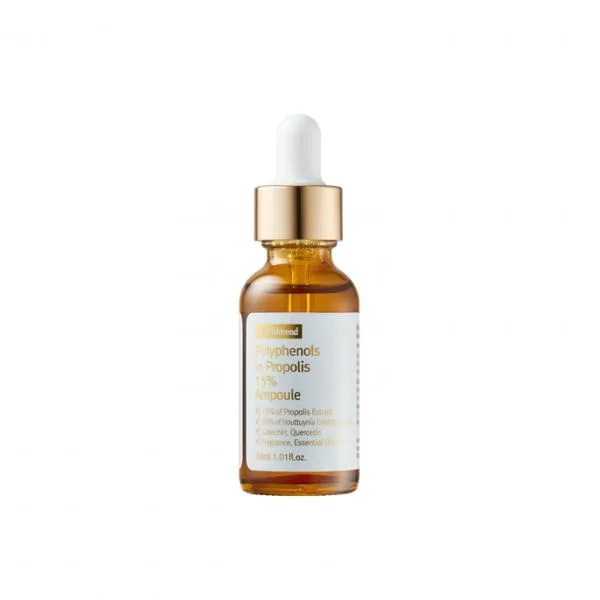
A 15% propolis ampoule that earns its name with a real polyphenol stack — French Auvergne propolis layered over a houttuynia cordata base, with tulsi and pomegranate piling on. It's slightly sticky and not cheap by volume, but for sensitive, breakout-prone skin chasing calm, this is one of the most reliable K-beauty soothers in production.
 Budget Brightening Hero
 Chlorophyll Discoloration Serum
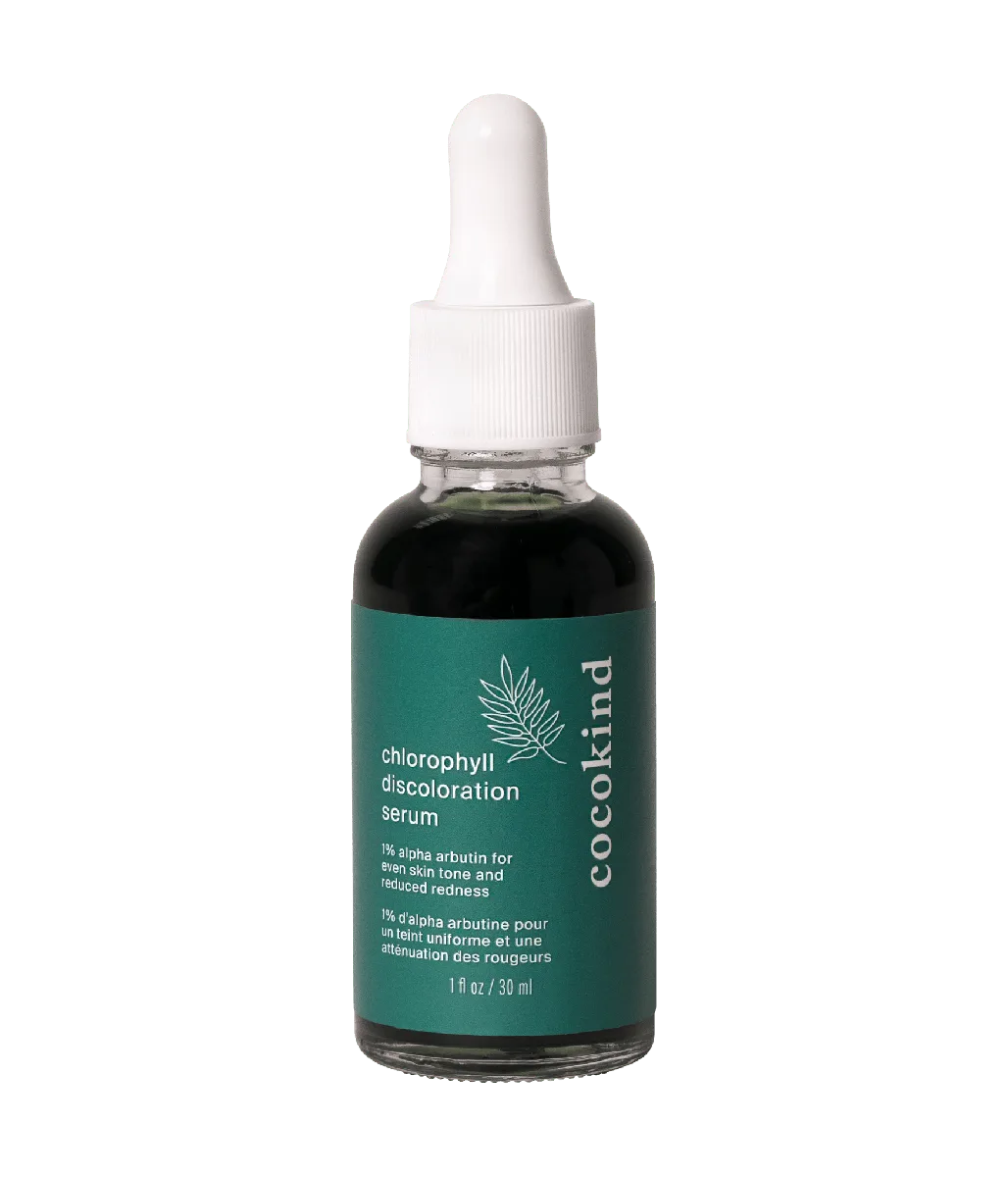
A quietly brilliant brightening serum that proves you do not need luxury prices or harsh actives to fade dark spots effectively. The alpha-arbutin and licorice root combination delivers genuine multi-pathway melanin inhibition, the sensitive-skin-friendly formula is impeccable, and $20 makes it accessible to virtually everyone. The chlorophyllin is more marketing differentiator than scientific powerhouse, but it does not hurt anything either.
 The People's HA Serum
 Revitalift Derm Intensives 1.5% Pure Hyaluronic Acid Serum
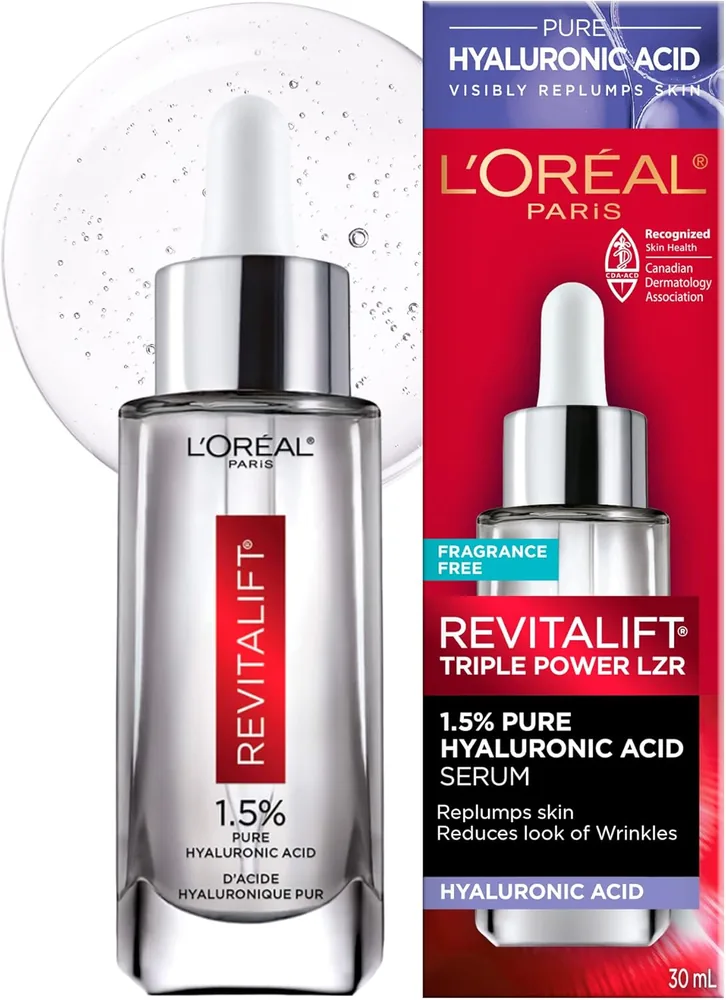
A masterclass in minimalist formulation — thirteen ingredients, no filler, four functional actives, and over thirty thousand glowing reviews. L'Oréal's multi-weight HA system delivers genuine hydration at every level of the skin, and the fragrance-free, alcohol-free formula is clean enough for virtually anyone. The drugstore serum that embarrasses its prestige competitors.
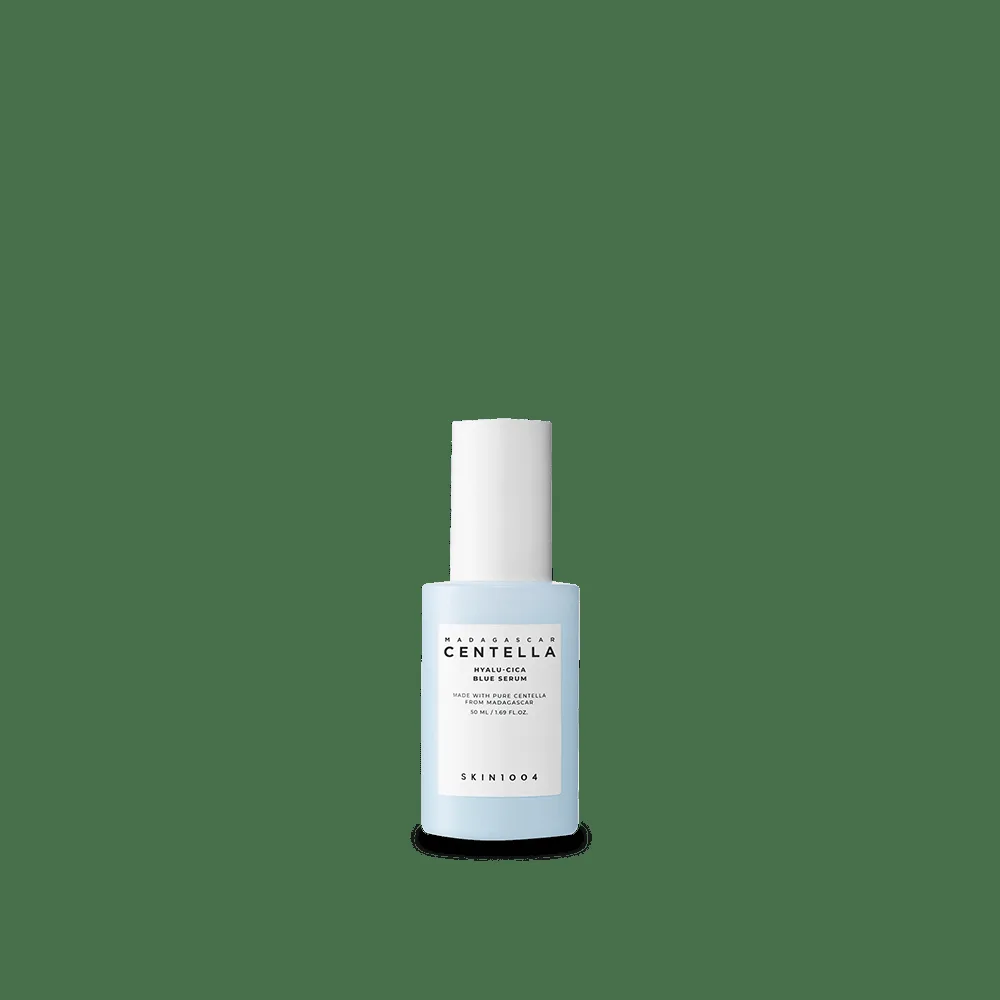 Budget Hydration Holy Grail
 Hyalu-Cica Blue Serum
A quietly excellent budget serum that stacks Centella asiatica leaf water, five types of hyaluronic acid, niacinamide, ceramide NP, and adenosine into a fragrance-free under-$20 bottle. It is genuinely one of the best hydration-plus-soothing serums at any price, and the fact that it costs less than a salad in Manhattan is the point.
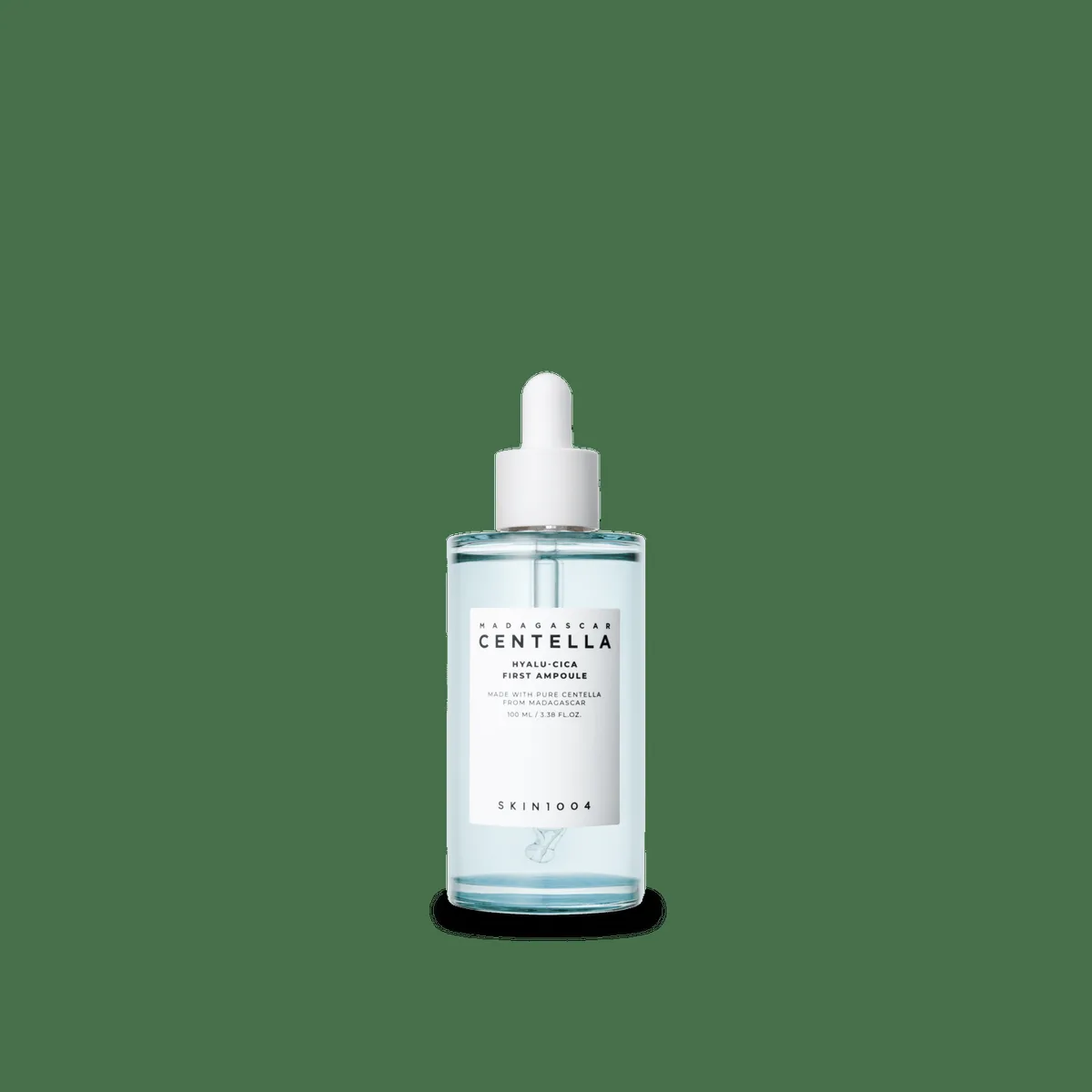 Sensitive Skin First-Line Defense
 Hyalu-Cica First Ampoule
A 92% Centella asiatica extract ampoule paired with niacinamide and a multi-weight HA complex, fragrance-free and purpose-built for sensitive, compromised, and reactive skin. At $25 for 100ml, it is one of the most justifiable skincare purchases a budget-conscious buyer can make, and it earns a place in almost any routine that needs a soothing anchor.
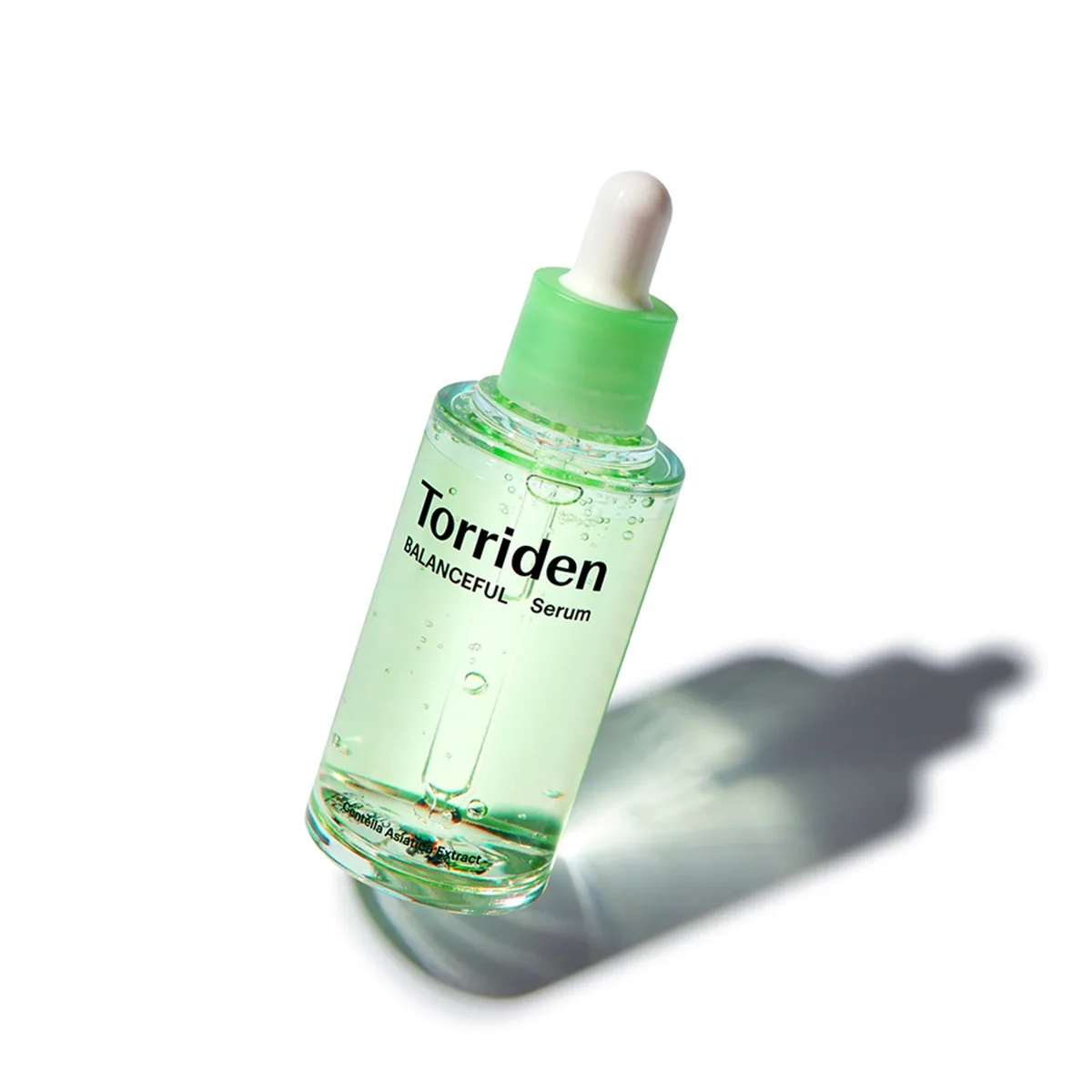 Sensitive Skin MVP
 Balanceful Cica Serum
Torriden's Balanceful Cica Serum is one of the most recommendable calming serums in K-beauty — a genuinely fragrance-free, multi-weight hyaluronic acid and 5D cica complex treatment that quietly reduces redness, supports the barrier, and buffers other actives without drama. At under $25 it's a near-automatic pick for sensitive, rosacea-prone, and barrier-compromised skin.