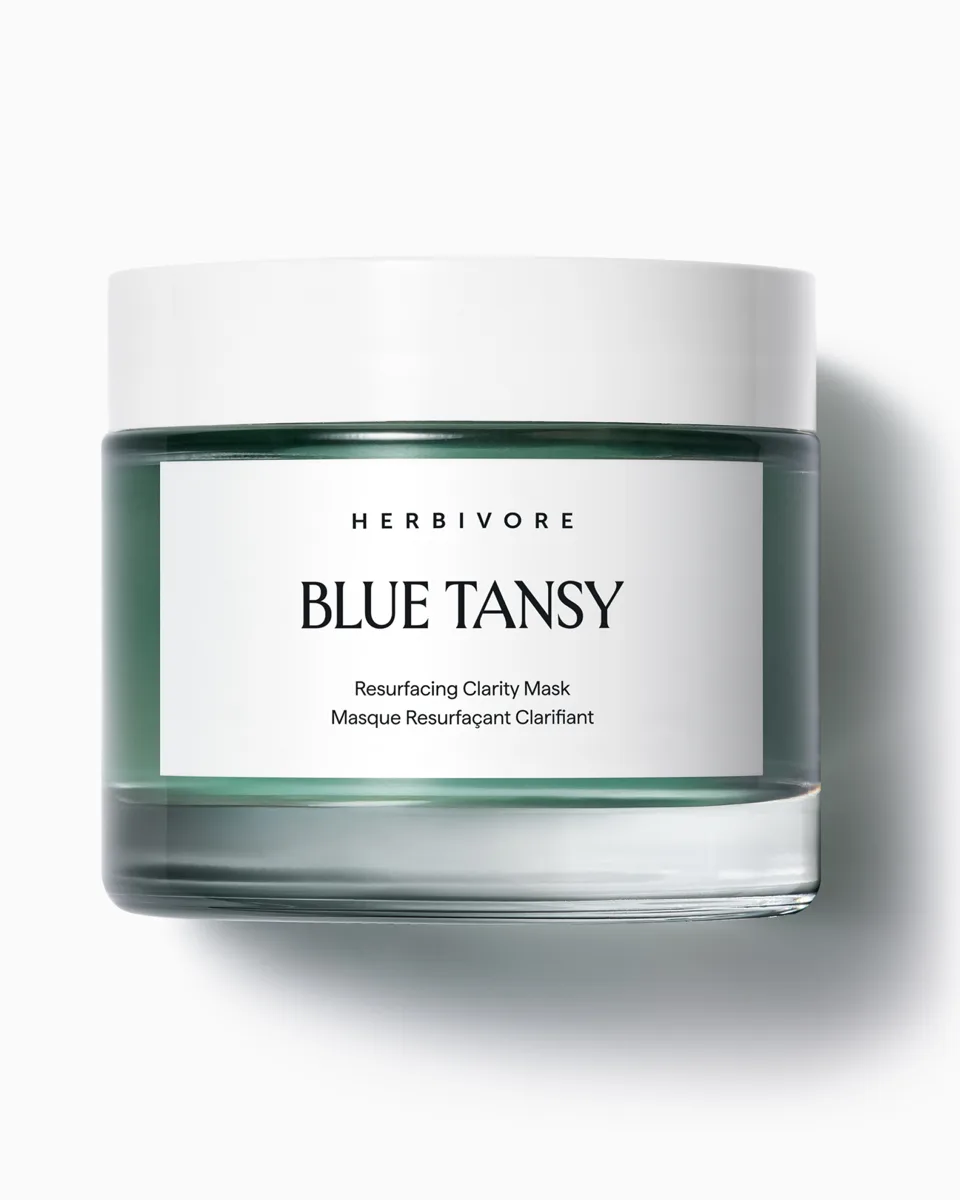
Herbivore's Blue Tansy Mask is a long-running Sephora cult product that pairs dual enzymes (papain and bromelain) with willow bark BHA and chamazulene-rich blue tansy oil for a genuinely effective weekly exfoliating mask. The striking blue color is real, the results are visible after one use, and the only real drawback is the $58 price tag and the essential oil content that rules it out for truly sensitive skin.
Blue Tansy Resurfacing Clarity Face Mask
Herbivore's Blue Tansy Mask is a long-running Sephora cult product that pairs dual enzymes (papain and bromelain) with willow bark BHA and chamazulene-rich blue tansy oil for a genuinely effective weekly exfoliating mask. The striking blue color is real, the results are visible after one use, and the only real drawback is the $58 price tag and the essential oil content that rules it out for truly sensitive skin.
Score Breakdown
Where this product gains points and where it loses them — broken down across the four scoring pillars.
A cult-favorite enzyme mask with genuine papain and bromelain activity, blue tansy soothing, and willow bark BHA. Loses points on a steep price for 60ml and essential oil load that rules it out for sensitive skin.
Pros & Cons
- ✓Dual enzyme system (papain and bromelain) provides genuine visible smoothing after first use
- ✓Natural deep blue color from chamazulene, not synthetic dye
- ✓Willow bark BHA and hyaluronic acid add supporting decongesting and hydration
- ✓Pleasant 10-minute ritual that feels spa-like
- ✓Vegan, cruelty-free, and established clean-beauty formulation
- ✓Long track record of consistent user satisfaction since 2017
- ✗$58 for 60ml is steep for a once-weekly enzyme mask
- ✗Blue tansy essential oil unsuitable for sensitive or rosacea-prone skin
- ✗Strong herbal scent is polarizing
- ✗Jar packaging isn't ideal for hygiene with hand-scooping
- ✗Not fungal-acne safe due to essential oils and botanical extracts
Full Review
In 2017, a specific deep blue showed up on a specific corner of Instagram. It was the color of a Mediterranean pool at 4 p.m., the color of German chamomile oil properly distilled, the color of chamazulene in all its strange saturated glory. The specific product producing it was Herbivore Botanicals' Blue Tansy Mask, and for about eighteen months that mask was everywhere — tagged in bathroom mirror selfies, featured in unboxings, used as a prop in clean-beauty editorials. It became one of the defining visual objects of the clean-beauty moment. And the question now, nearly a decade later and with the product still quietly selling at Sephora, is whether the mask deserves its reputation when nobody is looking at it anymore.
The short answer is mostly yes. Open the INCI list and the formulation is more thoughtful than the Instagram-era memory suggests. The chemical exfoliation comes from a dual enzyme system: papain from papaya and bromelain from pineapple juice, both proteolytic enzymes that digest the protein bonds holding dead corneocytes to the surface. A single-enzyme mask can feel underwhelming because papain and bromelain have different cleavage specificities — using both covers a broader range of targets in dead skin, and in a ten-minute leave-on contact time, that difference translates to visibly smoother skin after rinsing. Willow bark extract sits in position 8 on the INCI as a supporting BHA-adjacent active; its salicin content contributes mild decongesting action that helps with blackheads and pore appearance. Hyaluronic acid in position 3 replenishes hydration as the enzymes work, which is why the mask doesn't leave the stripped, tight feeling of cheaper exfoliating products.
The blue tansy oil is the star, of course, and it deserves its own paragraph. Tanacetum annuum is a North African chamomile relative whose essential oil is distilled to concentrate chamazulene, an azulene compound responsible for both the deep blue color and much of the documented anti-inflammatory activity. Unlike the faded pale yellow of many herbal oils, chamazulene is saturated enough to turn a clear mask into a cobalt gel. It's a real natural pigment from a real plant. In the mask context, blue tansy does two things: it provides the iconic visual that makes the product Instagram-worthy, and it contributes a calming action that helps balance the potential irritation from the enzyme plus willow bark exfoliation. Without the blue tansy, this would be a competent mask. With it, it becomes a ritual object.
The sensory experience is what you pay for. Spread a thin layer across clean skin and it feels cool and lightweight — no dragging, no thickness to remove. Within a few minutes you may notice a subtle tingling as the enzymes activate; that's normal and should stay mild. The herbal scent from the blue tansy is strong and polarizing — if you dislike aromatherapy-forward products, you'll find it aggressive. After 10 to 15 minutes, rinse with lukewarm water and skin looks visibly smoother and brighter. Over weeks of consistent use, blackheads soften and overall texture refines.
There are honest criticisms. The essential oil load means this is not a product for sensitive or rosacea-prone skin — blue tansy, even as a documented soother, is still an essential oil and introduces reactivity risk. Limonene, linalool, and geraniol show up as fragrance disclosures on the INCI list, which are the EU-mandated allergen declarations and confirm that this is not a hypoallergenic product. If your skin reacts to anything aromatic, patch test seriously before committing to a full application.
The bigger problem is price. At $58 for 60ml, this is genuinely expensive — Sephora-luxury pricing for a product that contains ingredients available in much cheaper formats. A drugstore papaya enzyme mask costs a fraction as much and delivers similar enzymatic action. A dedicated BHA serum at $15 provides more ongoing decongesting than a weekly willow bark mask. What you're paying for at $58 is the brand identity, the sensory experience, the jar on your counter, and the chamazulene color that you can't get anywhere else. At about six months of weekly use per jar, it works out to about $10 per month — not unreasonable as a ritual expense, but hard to defend as strict performance-shopping.
The honest framing is this: nearly a decade after the Instagram moment, the Blue Tansy Mask is still one of the better-formulated clean-beauty exfoliating masks you can buy, and it earns its place as a weekly ritual for people who specifically want the sensory experience and who can tolerate the essential oils. It's not the most efficient way to exfoliate — a leave-on BHA or a stronger AHA mask will do more of the clinical work for less money. But it's one of the few skincare products in its price range that delivers real visible results from the first use and a memorable experience every time you open the jar. For the right buyer, that's worth the premium. For everyone else, the math says there are more efficient options.
Formula
Key Ingredients
The hero actives that drive this product's performance.
| Ingredient | Function | Evidence |
|---|---|---|
| Papaya Fruit & Leaf Extract (Papain) | Papain is a proteolytic enzyme that digests the protein bonds holding dead skin cells together, providing the primary chemical exfoliation in this mask. In the 10-minute leave-on context of a mask application, papain has enough contact time to drive genuine enzymatic smoothing without the barrier risks of a high-strength AHA. | promising |
| Pineapple Fruit Juice (Bromelain) | Bromelain complements papain as a second proteolytic enzyme with slightly different cleavage specificity. Together they cover a broader range of protein targets in dead corneocytes, giving the mask the kind of resurfacing power that single-enzyme formulas often lack. | emerging |
| Willow Bark Extract (Natural BHA) | Adds a BHA-adjacent decongesting angle to the enzyme action. Willow bark salicin is milder than true salicylic acid, but in a leave-on mask it contributes enough pore-clearing activity to work alongside the enzymes for blackhead-prone skin. | emerging |
| Blue Tansy (Tanacetum Annuum) Flower Oil | The signature ingredient that gives the mask its famous deep blue color and much of its cult following. Chamazulene, the azulene compound in blue tansy oil, has documented anti-inflammatory activity and helps calm the potential reactivity from the enzyme exfoliation. | emerging |
| Hyaluronic Acid | Sits in position 3 on the INCI list at a meaningful level. In an exfoliating mask, HA is a smart inclusion because it replenishes hydration immediately after the enzymes loosen the surface — preventing the tight, stripped feeling that cheaper enzyme masks often leave behind. | well-established |
Full INCI List
Aqua/Water/Eau, Glycerin, Hyaluronic Acid, Aloe Barbadensis Leaf Juice, Carica Papaya (Papaya) Fruit Extract, Carica Papaya (Papaya) Leaf Extract, Ananas Sativus (Pineapple) Fruit Juice, Salix Alba (Willow) Bark Extract, Tanacetum Annuum Flower Oil, Sodium Levulinate, Sodium Anisate, Xanthan Gum, Lecithin, Sodium Phytate, Sclerotium Gum, Fucus Vesiculosus Extract, Silica, Oryza Sativa (Rice) Extract, Melia Azadirachta Leaf Extract, Melia Azadirachta Flower Extract, Corallina Officinalis Extract, Eclipta Prostrata Extract, Ocimum Sanctum Leaf Extract, Ocimum Basilicum (Basil) Flower/Leaf Extract, Coccinia Indica Fruit Extract, Solanum Melongena (Eggplant) Fruit Extract, Leuconostoc Ferment Filtrate, Curcuma Longa (Turmeric) Root Extract, Superoxide Dismutase, Soybean Peroxidase, Citric Acid, Limonene, Linalool, Benzyl Alcohol, Geraniol
Product Flags
✗ Fragrance Free✓ Alcohol Free✗ Oil Free✓ Silicone Free✓ Paraben Free✓ Sulfate Free✓ Cruelty Free✓ Vegan✗ Fungal Acne Safe
Potential Irritants
Tanacetum Annuum Flower OilLimoneneLinaloolGeraniol
Common Allergens
Tanacetum Annuum Flower OilLimoneneLinaloolGeraniol
Compatibility
Skin Match
Best For
Works For
Not Ideal For
Addresses These Conditions
blackheads large pores dullness texture oiliness
Use With Caution
sensitivity rosacea compromised skin barrier
Avoid With
Routine Step
treatment
Time of Day
PM
Pregnancy Safe
Yes ✓
Layering Tips
Use 1-2 times per week as a 10-15 minute leave-on mask. Avoid using on the same day as retinoids, AHAs, BHAs, or vitamin C. Follow with a hydrating toner, calming serum, and moisturizer.
Results Timeline
Immediate smoothness and visibly refined pores after the first use. Gradual improvements in blackhead clearance and overall texture over 4-8 weeks of weekly use.
Pairs Well With
hyaluronic-acid-serumniacinamide-serumceramide-moisturizer
Conflicts With
retinoltretinoinglycolic-acidsalicylic-acidbenzoyl-peroxide
Sample AM Routine
- Gentle Cleanser
- Niacinamide Serum
- Moisturizer
- Sunscreen
Sample PM Routine
- Cleanser
- THIS PRODUCT (1-2x weekly)
- Hydrating Toner
- Ceramide Moisturizer
Evidence
Science & Expert Perspective
The Science
The primary active mechanism in this mask is enzymatic exfoliation via papain and bromelain, both cysteine proteases with documented proteolytic activity against keratin and other structural proteins in dead corneocytes. Papain, extracted from green papaya, has been used in medical debridement applications and has a long track record in cosmetic enzyme exfoliation. Bromelain from pineapple stems provides complementary specificity, targeting slightly different peptide bonds. The combination covers a broader range of protein substrates than either enzyme alone.
In a leave-on mask context with 10-15 minutes of skin contact, enzyme activity has enough time to meaningfully loosen surface corneocyte cohesion, producing the visible smoothness most users report after the first use. Unlike AHAs, which work through pH-dependent hydrolysis of corneocyte bonds, enzymes work through direct protein cleavage at neutral pH, which is why enzyme masks tend to be gentler on barrier function than strong AHA treatments.
Willow bark extract contains salicin, which is a precursor to salicylic acid. Salicin's cosmetic bioactivity as a BHA is less well-characterized than salicylic acid itself, but in a leave-on mask with extended contact time, the decongesting effect is plausible. Chamazulene, the active compound in blue tansy essential oil, has documented anti-inflammatory activity in in vitro studies — it inhibits leukotriene synthesis and demonstrates calming effects on irritated skin. Its inclusion in an exfoliating mask is a formulation choice that helps offset the potential reactivity from the enzyme and BHA actives.
Superoxide dismutase, listed further down on the INCI, is an antioxidant enzyme that neutralizes superoxide free radicals — a sensible addition to a product where surface cell turnover is being accelerated. Soybean peroxidase contributes to the antioxidant profile and also functions as a mild additional enzymatic active.
Dermatologist Perspective
Dermatologists commonly view enzyme masks as a gentler alternative to AHA or BHA peels for patients who want the benefits of chemical exfoliation without the irritation risk. Board-certified dermatologists typically recommend enzyme exfoliation for sensitive-but-not-reactive skin types who can tolerate papain and bromelain without issue. For this specific product, the dermatological consensus is mixed: the enzyme formulation is sound, but the essential oil content — particularly blue tansy — raises concerns for rosacea, perioral dermatitis, or compromised-barrier patients. Dermatologists also note that weekly enzyme masking is a reasonable complement to a daily routine but isn't a substitute for consistent leave-on actives when the clinical goal is real acne or pigmentation treatment.
Guidance
Usage Guide
How to Use
Use once or twice weekly after cleansing. Apply a thin, even layer across the face, avoiding the eye area and lips. Leave on for 10 to 15 minutes — no longer. If you experience mild tingling, that's normal; if you feel burning or stinging, rinse off immediately. Remove with lukewarm water and a gentle washcloth, then follow with a hydrating toner, a calming serum, and a rich moisturizer. Avoid using on the same day as retinoids, AHAs, BHAs, benzoyl peroxide, or vitamin C. Patch test behind the ear first if your skin is reactive.
Value Assessment
At $58 for 60ml, the Blue Tansy Mask costs about $0.97 per milliliter — genuinely premium pricing for a weekly-use exfoliating product. At weekly application with a pea-sized amount, a jar lasts roughly six months, which works out to about $10 per month. That monthly math softens the sticker shock but doesn't eliminate it. Compared to a drugstore papaya enzyme mask at a fraction of the price, or a leave-on salicylic acid treatment that delivers daily decongesting, the value is about brand experience and sensory ritual rather than raw performance-per-dollar. If you love the Herbivore aesthetic and the blue tansy signature, it's a defensible ritual purchase. If you're strictly results-shopping, cheaper and more effective alternatives exist.
Who Should Buy
People with normal, combination, or oily skin who want a weekly exfoliating ritual with real enzyme action and don't mind the essential oil scent. It's a particularly good pick for Herbivore brand fans, clean-beauty shoppers, and those who enjoy the aesthetic and sensory aspect of skincare as much as the results.
Who Should Skip
Sensitive, rosacea-prone, or eczema-prone skin should avoid this because of the blue tansy essential oil. Skip it if you already use strong daily actives and don't have room for another exfoliating step. Budget-conscious shoppers can find equivalent enzyme masking for a fraction of the price.
Ready to try Herbivore Botanicals Blue Tansy Resurfacing Clarity Face Mask?
Details
Details
Texture
Deep blue gel with a lightweight, spreadable consistency. Sits on skin without dripping.
Scent
Strong herbal-aromatic scent from blue tansy oil — polarizing.
Packaging
Clear glass jar with a twist-off lid — iconic Herbivore packaging that shows off the blue color but isn't ideal for hygiene.
Finish
non-greasylightweight
What to Expect on First Use
First application is memorable — the striking blue color and distinctive herbal scent make it feel ritualistic. Most users notice a subtle tingling within a few minutes as the enzymes and willow bark activate. Skin appears noticeably smoother and more refined after rinsing.
How Long It Lasts
Approximately 4-6 months with weekly use.
Period After Opening
12 months
Best Season
All Year
Certifications
VeganCruelty-Free
Background
The Why
The Blue Tansy mask launched in 2017 and became one of the defining Sephora clean-beauty products of the late 2010s. Its striking blue color, driven entirely by the chamazulene content of blue tansy essential oil, made it an Instagram favorite and helped establish Herbivore's visual identity. The formula has been gently updated over the years but remains one of the brand's longest-running hero products.
About Herbivore Botanicals Established Brand (5–20 years)
Herbivore Botanicals was founded in 2011 in Seattle and has become one of Sephora's signature clean-beauty brands. The Blue Tansy mask is among its most iconic products and has been a consistent bestseller for nearly a decade.
Brand founded: 2011 · Product launched: 2017
Myth vs. Reality
Myths & Misconceptions
Myth
The blue color is added food dye.
Reality
The color is entirely from chamazulene, a natural compound in blue tansy essential oil that produces the same deep blue as German chamomile essential oil. No added colorants.
Myth
This mask will clear serious acne.
Reality
It's designed for surface exfoliation and pore refinement, not for treating inflammatory acne. Persistent breakouts need a dedicated BHA or retinoid treatment — this is a complementary weekly ritual, not a core treatment.
FAQ
Frequently Asked Questions
How long should I leave the mask on?
10 to 15 minutes is the sweet spot. Longer contact doesn't increase effectiveness and risks over-exfoliation. If you feel significant burning or stinging at any point, rinse off immediately.
How often should I use it?
Once or twice a week maximum. This is an enzyme plus BHA mask, so it belongs in the exfoliating tier of your routine — don't stack it with AHAs, retinoids, or other active treatments on the same day.
Is the blue color natural?
Yes — chamazulene, a compound in blue tansy essential oil, is responsible for the deep blue color. It's the same compound that turns properly distilled German chamomile oil blue. No synthetic dyes are added.
Will it help with acne?
It can improve blackheads and surface congestion over time thanks to the willow bark BHA and enzyme exfoliation, but it's not designed to treat inflammatory acne. For active breakouts, pair it with a dedicated BHA or retinoid treatment.
Is the mask pregnancy safe?
The enzymes and willow bark are generally considered pregnancy-compatible, but blue tansy essential oil has less safety data. Check with your OB if you have concerns, and pregnant users concerned about essential oils may want to choose a different exfoliating mask.
Why does it tingle?
The combination of enzymes, willow bark salicin, and blue tansy essential oil can produce a mild tingling sensation in the first few minutes. Mild tingling is normal; burning or stinging is a signal to rinse off immediately.
Is it worth the price?
At $58 for 60ml, it's expensive. If you love the sensory ritual and the brand, and you use it consistently, it lasts about six months and becomes a reasonable investment. For pure performance at lower cost, a drugstore enzyme mask or a proper BHA serum will deliver more results per dollar.
Community
Community Voices
Common Praise
"Visible smoothness after one use"
"Beautiful blue color and spa-like experience"
"Pores look refined afterward"
"Doesn't leave skin feeling stripped"
Common Complaints
"Very expensive for 60ml"
"Essential oil scent is strong"
"Can tingle or sting on reactive skin"
"Glass jar isn't the most hygienic packaging"
Notable Endorsements
Longtime Sephora bestsellerFeatured in numerous beauty editorials as a cult pick
Appears In
best enzyme face mask best blue tansy mask best pore refining mask best clean beauty exfoliating mask best weekly face mask
Related Conditions
blackheads large pores texture dullness
Related Ingredients
You Might Also Like
 Full Centella Overnight Gel
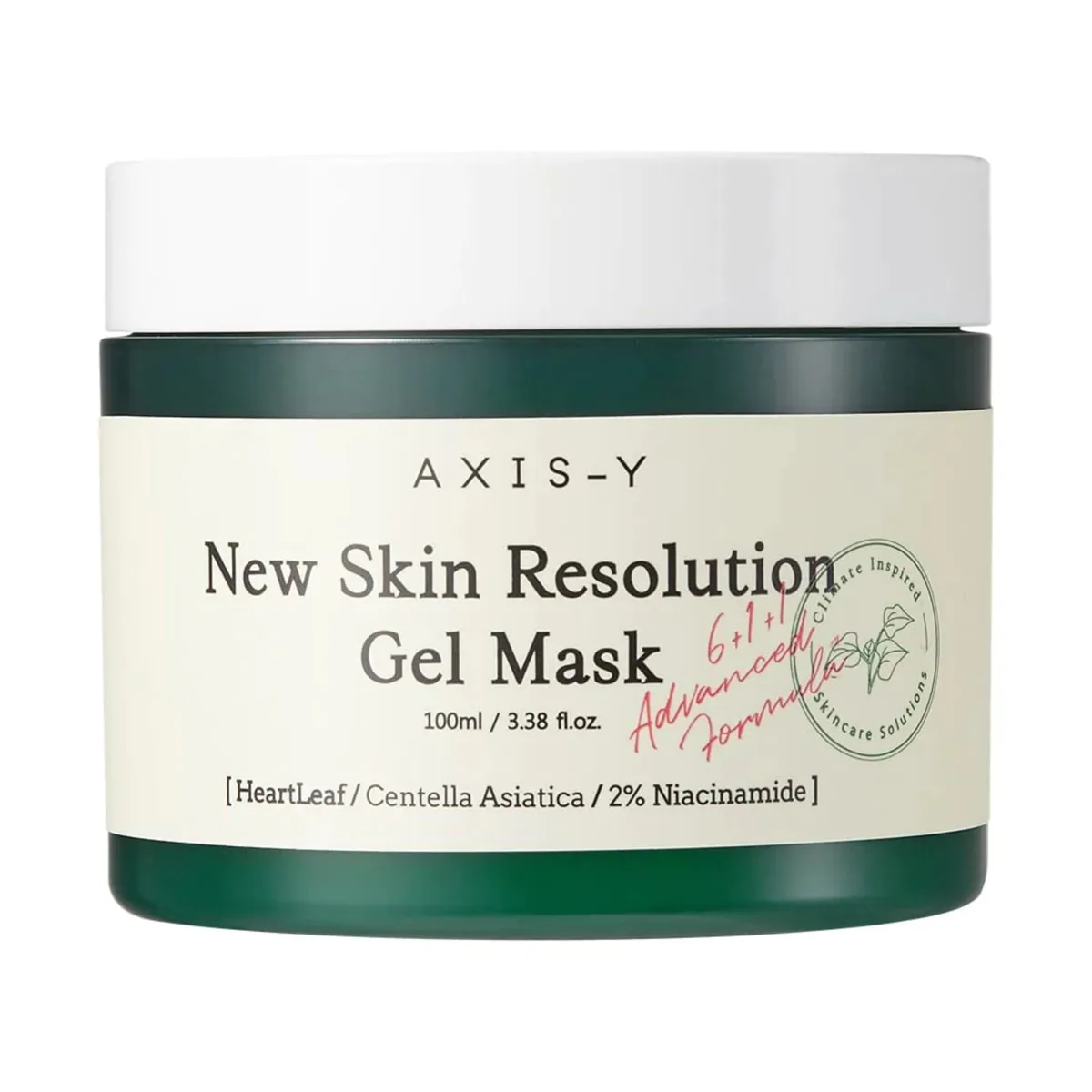
 New Skin Resolution Gel Mask
A fragrance-free overnight gel mask built around the complete centella complex, a physiological ceramide-cholesterol pair, and supporting adenosine and niacinamide. Lightweight enough to work across skin types and calming enough to make a real difference on reactive skin over a few weeks of regular use.
 Sustainability Icon
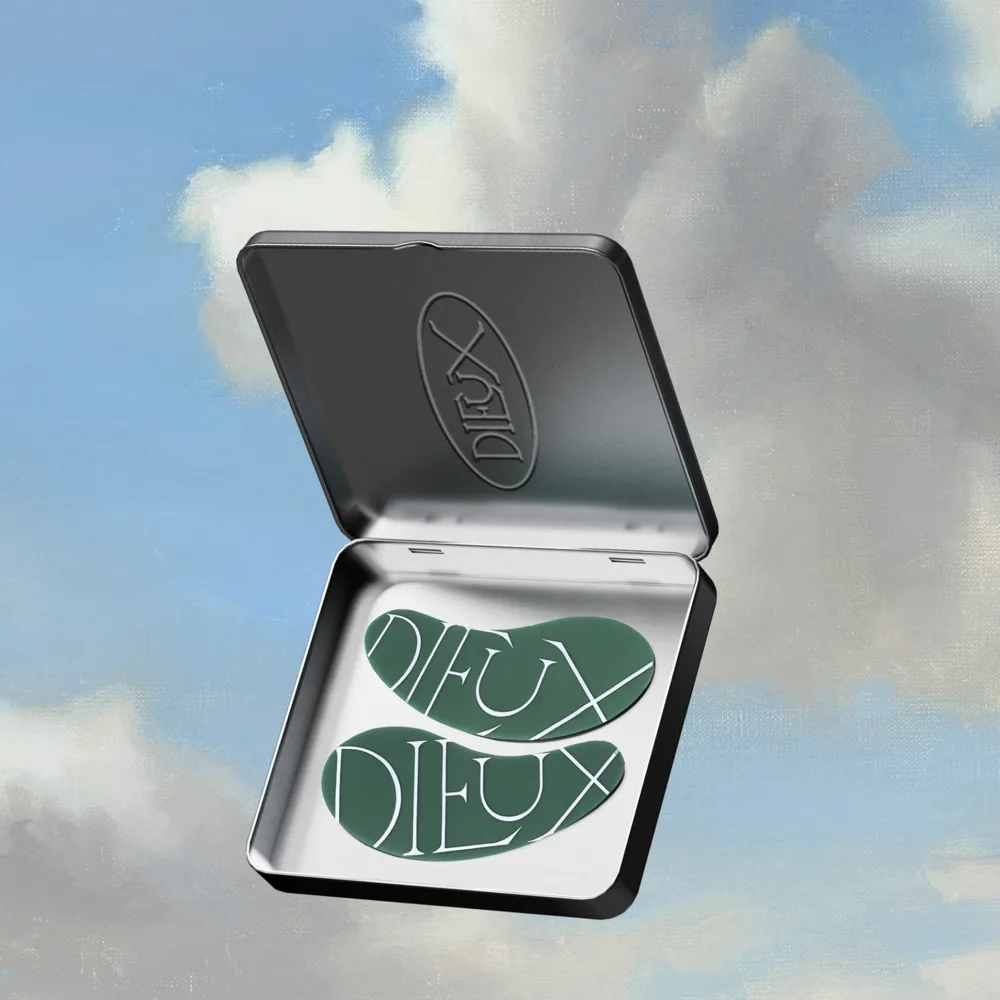
 Forever Eye Mask
The rare sustainability product that works genuinely better than the disposable alternative it replaces. A pair of reusable medical-grade silicone patches that create a real occlusive seal to drive your eye serum absorption, lasting years with proper care. At $28 it has already paid for itself after about ten single-use patch sessions.
 Mugwort-Led Calming Mask
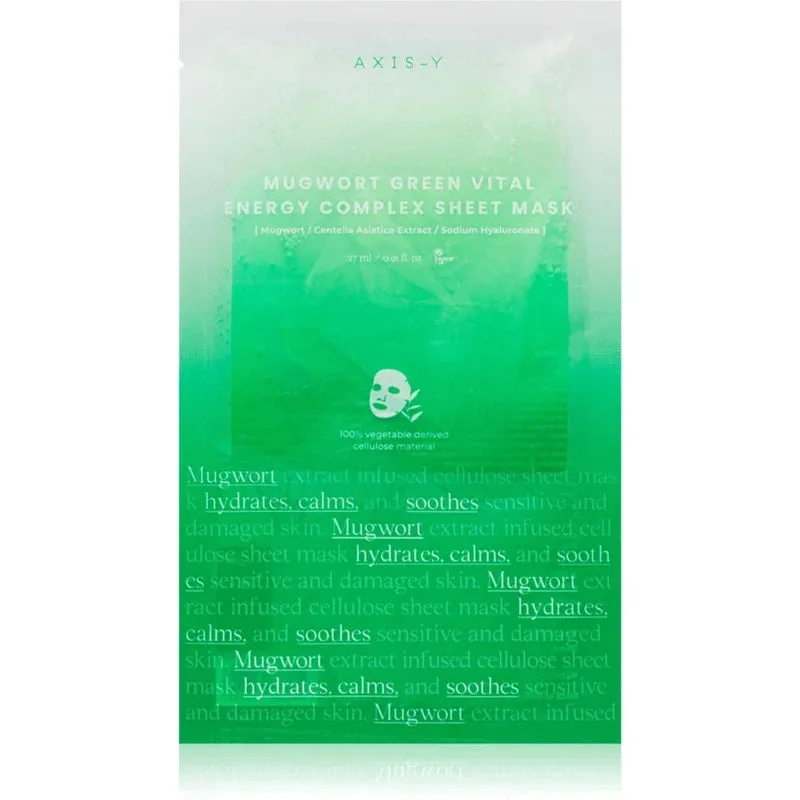
 Mugwort Green Vital Energy Complex Sheet Mask
A fragrance-free calming sheet mask with mugwort at the very top of the INCI and a genuine multi-plant supporting cast. Sheet masks have a low ceiling by format, but within the category this is one of the more thoughtfully formulated calming options from the K-beauty mid-tier.
 K-Beauty Overnight Recovery Pick
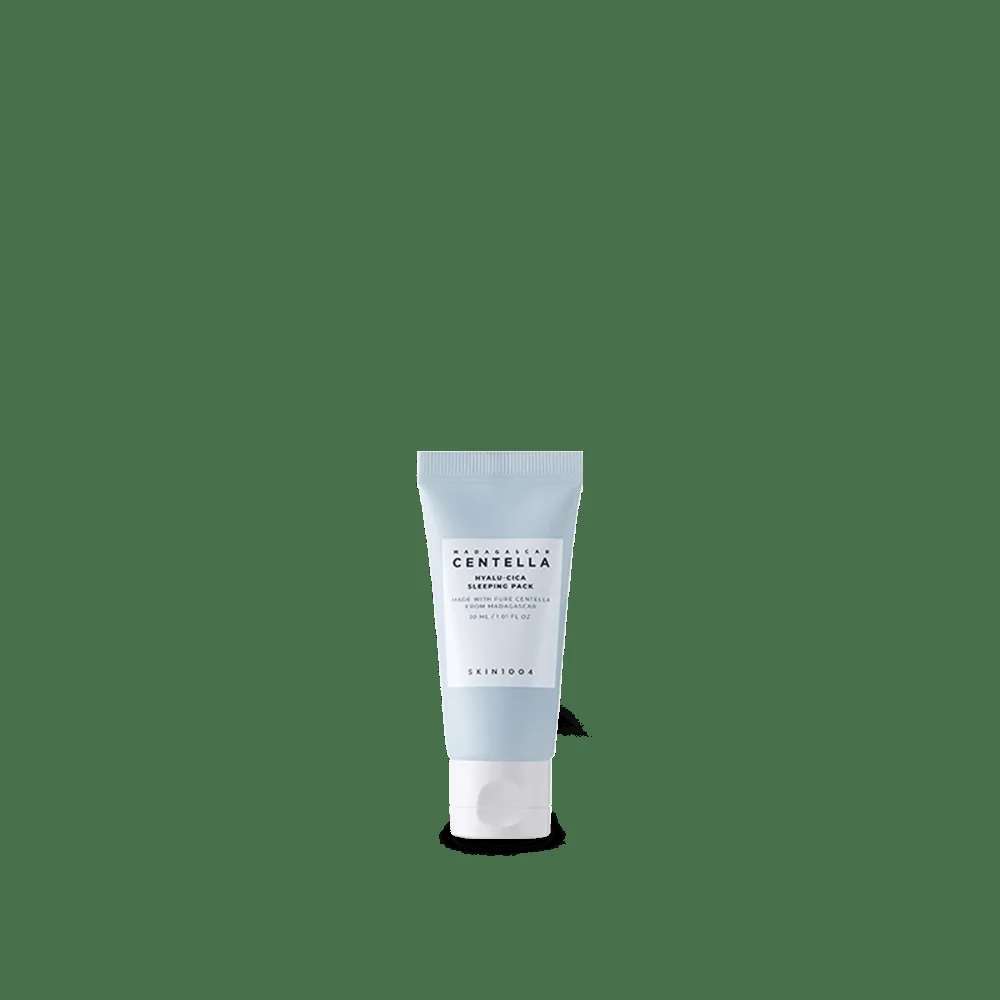
 Hyalu-Cica Sleeping Pack
A genuinely serious centella sleeping pack that discloses its active concentrations with unusual transparency — 40.9% centella leaf water as the hydration base and 1.44% total hyaluronic acid, which is higher than most competitors dare to disclose. Lightweight, calming, and fairly priced for 100ml of overnight treatment.
 K-Beauty Calming Sheet Mask Pick
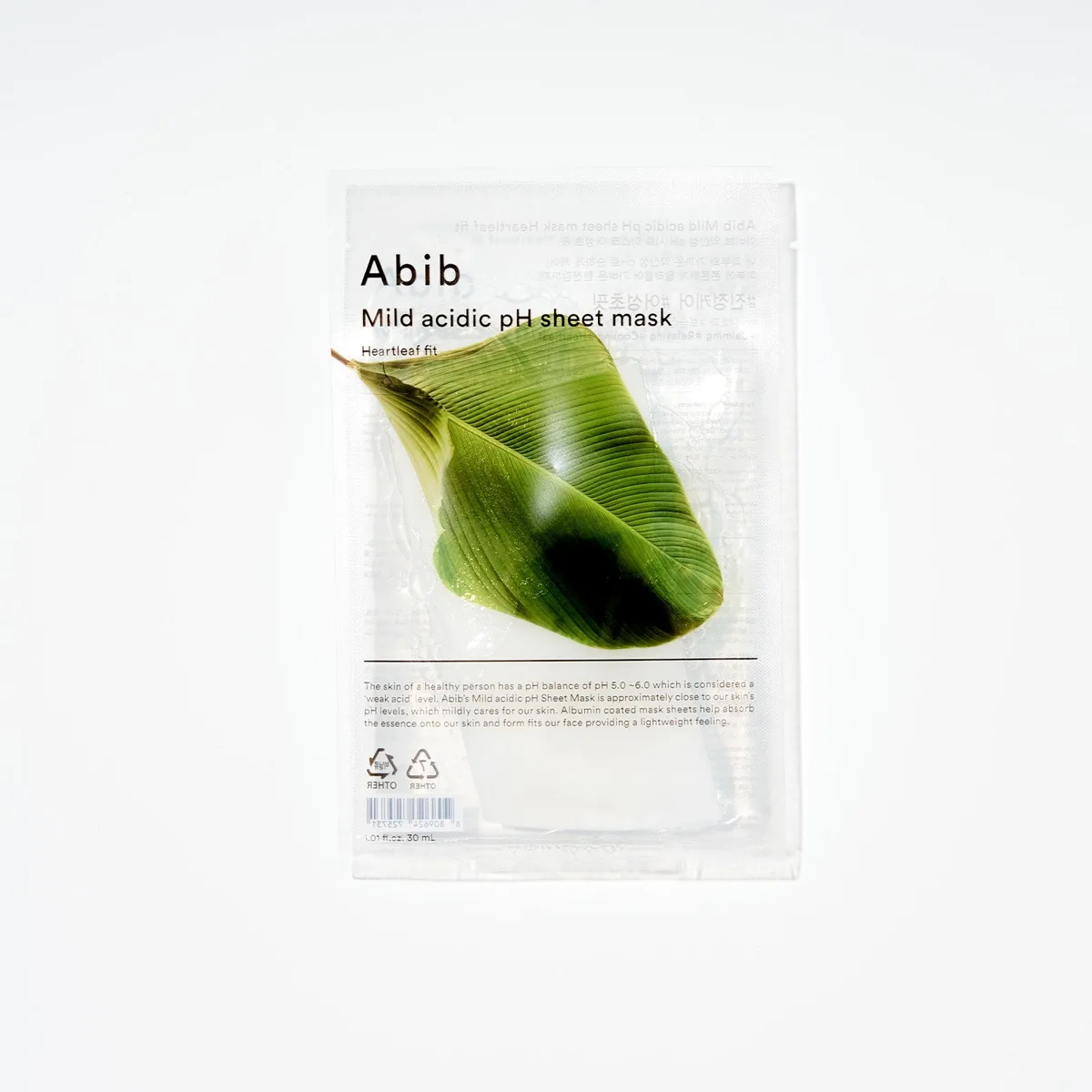
 Mild Acidic pH Sheet Mask Heartleaf Fit
Abib's Mild Acidic pH Sheet Mask Heartleaf Fit is one of the better-formulated calming sheet masks in K-beauty — the same Heartleaf-line logic of Houttuynia cordata, full centella complex, niacinamide, and tri-humectant hydration, applied to a 100% cotton sheet that actually fits the face and an essence calibrated to the skin's natural pH 5.5. A reliable supplement to the daily Heartleaf routine.
 Viral Mask Worth The Hype
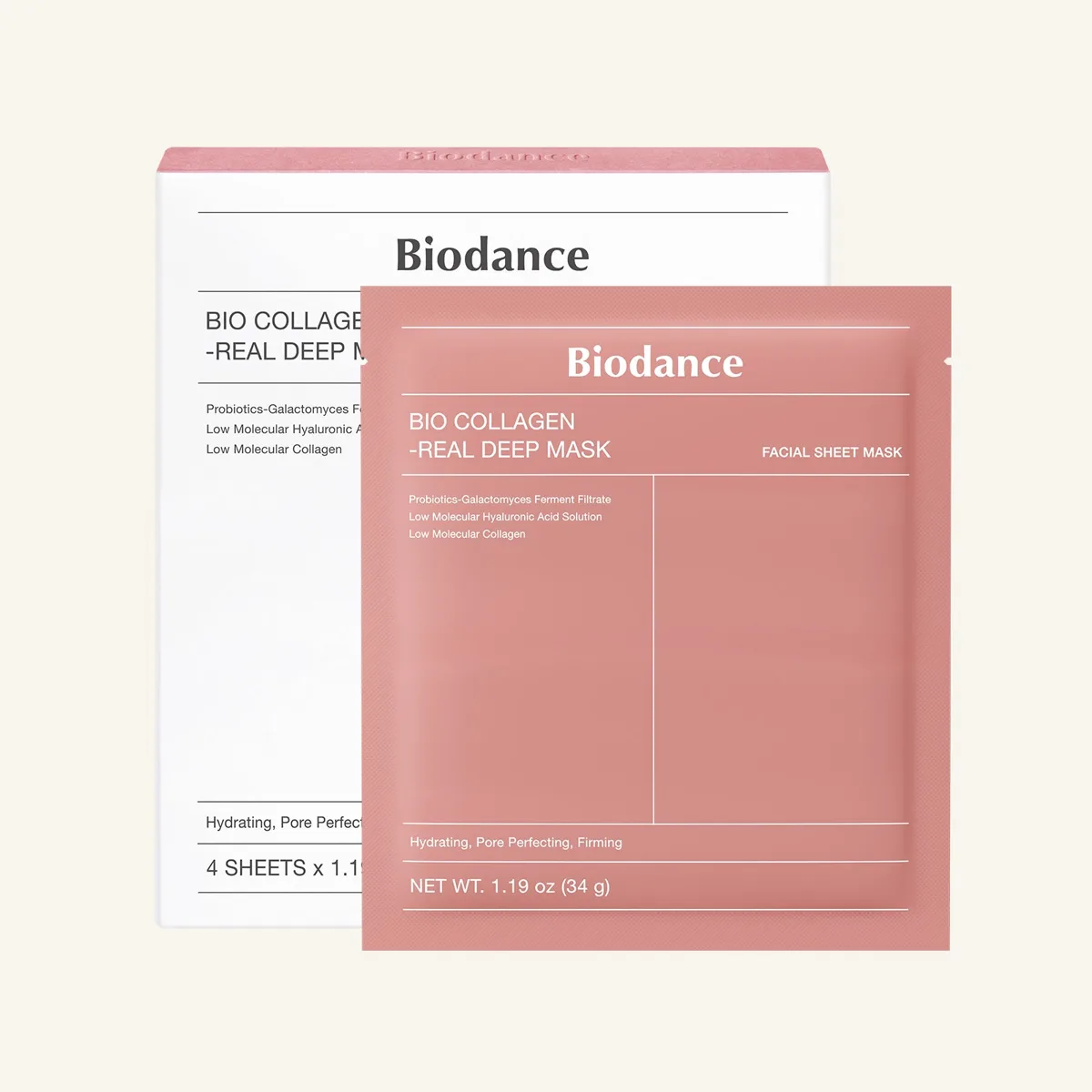
 Bio Collagen Hydrogel Concentrated Mask
The viral mask mostly earns the hype — a genuinely novel hydrogel delivery matrix, a fragrance-free formula with layered hyaluronic acid, a four-ferment probiotic bench, and a readable niacinamide dose. The morning-after plumping and pore-refining effect is real and consistent, even if the benefits fade without repeat use. Treat it as a weekly special step, not a daily treatment.