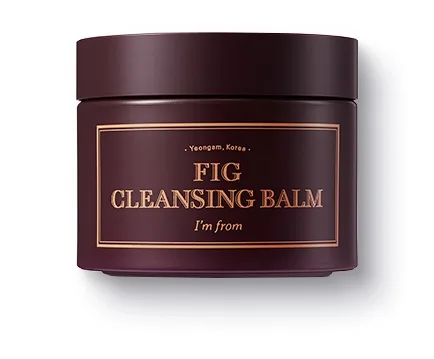
A sherbet-to-oil cleansing balm anchored in a specific 7.8% fig fruit extract that melts sunscreen and makeup efficiently and leaves skin comfortable without residue. The fragrance is the main note of caution, but for non-sensitive users looking for a mid-tier K-beauty first cleanser with an actual ingredient story, this earns its spot on the shelf.
Fig Cleansing Balm
A sherbet-to-oil cleansing balm anchored in a specific 7.8% fig fruit extract that melts sunscreen and makeup efficiently and leaves skin comfortable without residue. The fragrance is the main note of caution, but for non-sensitive users looking for a mid-tier K-beauty first cleanser with an actual ingredient story, this earns its spot on the shelf.
Score Breakdown
Where this product gains points and where it loses them — broken down across the four scoring pillars.
A well-made, pleasant-to-use sherbet cleansing balm with a distinctive fig-forward identity. The fragrance and moringa keep it out of the sensitive-skin top tier, but for most users it performs reliably at a fair mid-tier price.
Pros & Cons
- ✓Well-formulated sherbet-to-oil melt with efficient emulsification
- ✓Contains 7.8% fig fruit extract backed by moringa, turmeric, and neem
- ✓Removes sunscreen and makeup without aggressive rubbing
- ✓Non-greasy rinse-off with no residual film
- ✓Pleasant mild fragrance compared to louder K-beauty competitors
- ✓Good fit for blackhead-prone combination and oily skin
- ✓Consistent ingredient-forward identity from a reliable indie brand
- ✗Contains fragrance, making it off-limits for fragrance-sensitive skin
- ✗Not suitable for strict fungal-acne-safe routines
- ✗Price is mid-tier, not budget
- ✗Small 100ml size without a larger option
- ✗The fig hero story is more about brand identity than dramatic clinical benefit
Full Review
Most cleansing balms don't really have an ingredient story. They have a texture story — sherbet, melty, silky — and a marketing story, usually built around one botanical lending its name to the tub and fragrance. Underneath, the formula is almost always the same: a wax, a carrier ester, a secondary oil, an emulsifier, and whatever botanical extract the copywriting team picked. Open a dozen cleansing balms, and you'd have trouble telling the chassis apart.
I'm From is one of the few K-beauty brands that has tried to push against that pattern. Their whole brand identity is built around sourcing hero ingredients from specific Korean and Asian farms and then building each product around a meaningful percentage of that one ingredient. The Honey Mask gets 38.7% Jirisan honey. The Mugwort Essence gets 110,000 ppm of Ganghwa Island mugwort. The Fig Cleansing Balm, launched in 2018 as the brand's contribution to the first-step cleanser category, gets 7.8% Ficus carica fruit extract. That's not a trace ingredient — it's a meaningful percentage of a fruit extract in a product that doesn't strictly need one, and the rest of the formula is built around it rather than around it apologizing for it.
Open the jar and the balm looks exactly like the photos: a cream-colored sherbet with a slightly grainy finish, stored with a small spatula. Scoop a pea-sized amount, press it between your fingers, and it melts into a lightweight oil within a couple of seconds. Apply it to dry skin — dry, not damp, this is important — and massage for thirty seconds to a minute. You'll feel makeup and sunscreen break down almost immediately. The fig extract brings a mild fruity scent that's softer than the aggressive citrus and rose notes common in K-beauty cleansing balms, and it fades as you rinse.
The emulsification is where a cleansing balm earns its keep, and this one emulsifies well. Add a splash of water, keep massaging, and the oil turns milky and rinses cleanly — no greasy film, no residue across the hairline, no sting if you accidentally get some near your eyes. Follow with a water-based cleanser and your skin feels clean without that stripped squeaky feeling that suggests you overdid it.
The ingredient deck backs up the tactile experience. Cetyl ethylhexanoate and caprylic/capric triglyceride are the carrier esters — light, non-occlusive, efficient at binding sebum and sunscreen. Polyethylene and synthetic wax provide the sherbet structure. PEG-10 isostearate and PEG-20 glyceryl triisostearate handle the emulsification. And then the supporting cast starts getting interesting: moringa seed oil adds a secondary antioxidant-rich lipid, turmeric root extract contributes curcuminoids for mild anti-inflammatory activity, and a neem complex of flower, leaf, and bark extracts pairs with the fig to reinforce a blemish-friendly narrative. None of these are heavy hitters individually, but the supporting cast is more deliberate than what you find in a generic cleansing balm.
Who does this actually work for? Combination and oily skin dealing with blackheads and large pores get the clearest benefit — the fig's sebum-softening and the neem complex's tradition of anti-blemish use are both aligned with that concern, and the non-greasy rinse means you're not trading one problem for another. Normal skin will find it a pleasant, reliable first cleanse that doesn't leave any residue. Dry skin gets a comfortable melt that doesn't feel stripping, though in winter you might want something more occlusive like Banila Co or Beauty of Joseon's richer options.
Where it doesn't fit: fragrance-sensitive skin, active rosacea, and strict fungal-acne-safe routines. The fragrance is mild but present, and the fatty acid profile of the base oils isn't malassezia-compatible. For fungal acne sufferers, a cleansing balm built on squalane and MCT is the safer bet.
At $32 for 100ml, the price is mid-tier. It's more expensive than drugstore K-beauty options like Banila Co Clean It Zero Classic, which runs around $22, but cheaper than prestige plays like Sulwhasoo Gentle Cleansing Oil or Tatcha Camellia Cleansing Oil. Given the ingredient density and the consistent quality, the price feels appropriate rather than inflated. You're paying for the supporting cast — the turmeric, the neem complex, the 7.8% fig — more than for the base, and if you value that, it's a fair exchange.
The one thing worth mentioning in an honest review is that the fig, as much as the brand emphasizes it, isn't doing heroic work here. Fig fruit extract at 7.8% contributes fatty acids, polyphenols, and some mild enzymatic activity, but it's not radically changing how this balm performs compared to a well-made balm without fig. What the fig earns is not clinical superiority — it earns a reason for this particular product to exist. In a category where most offerings are interchangeable, that's not nothing.
Formula
Key Ingredients
The hero actives that drive this product's performance.
| Ingredient | Function | Evidence |
|---|---|---|
| Fig (Ficus Carica) Fruit Extract (7.8%) | The brand's hero ingredient — fig fruit extract brings fatty acids, polyphenols, and mild enzymatic activity that the brand leverages to help dissolve sebum and surface debris alongside the emollient wax-oil base, which is why this balm emphasizes sebum-softening for blackhead-prone areas. | traditional-use |
| Cetyl Ethylhexanoate | The primary carrier ester that gives the balm its signature sherbet-to-oil melt — it dissolves waxes at skin temperature and provides the lipid phase that binds and lifts sunscreen, makeup, and sebum off the skin surface. | well-established |
| Moringa Oleifera Seed Oil | A secondary oil that sits alongside caprylic/capric triglyceride to boost the antioxidant profile, adding oleic and behenic acids that reinforce the balm's emollient feel without pushing the comedogenic rating higher. | promising |
| Turmeric Root Extract | Contributes curcuminoids for mild anti-inflammatory activity during cleansing, a small but deliberate addition that nudges the balm toward calming rather than just lifting impurities — fitting for the sensitive-skin Korean ingredient-brand positioning. | promising |
| Neem (Melia Azadirachta) Complex | Flower, leaf, and bark extracts together add traditional anti-sebum and anti-blemish signaling that complements the fig's pore-targeting story — a recurring I'm From move of pairing a Korean-sourced hero with adjunct botanicals that reinforce its narrative. | limited |
Full INCI List
Cetyl Ethylhexanoate, Polyethylene, Synthetic Wax, Ficus Carica (Fig) Fruit Extract, PEG-10 Isostearate, PEG-20 Glyceryl Triisostearate, Caprylic/Capric Triglyceride, Fragrance, Sorbitan Sesquioleate, Caprylyl Glycol, Ethylhexylglycerin, Moringa Oleifera Seed Oil, Curcuma Longa (Turmeric) Root Extract, Melia Azadirachta Flower Extract, Melia Azadirachta Leaf Extract, Melia Azadirachta Bark Extract, Corallina Officinalis Extract, Ocimum Sanctum Leaf Extract
Product Flags
✗ Fragrance Free✓ Alcohol Free✗ Oil Free✓ Silicone Free✓ Paraben Free✓ Sulfate Free✓ Cruelty Free✓ Vegan✗ Fungal Acne Safe
Comedogenic Ingredients
moringa oleifera seed oil
Potential Irritants
fragrance
Common Allergens
fragrance
Compatibility
Skin Match
Best For
Works For
Not Ideal For
Addresses These Conditions
blackheads large pores dullness oiliness
Use With Caution
fungal acne rosacea sensitivity
Routine Step
cleanser
Time of Day
PM
Pregnancy Safe
Yes ✓
Layering Tips
First step of a double cleanse. Massage into dry skin for 30-60 seconds, add a splash of water to emulsify, then rinse. Follow with a water-based cleanser.
Results Timeline
Cleaner-feeling skin after first use. Blackhead appearance and texture softening visible after 2-3 weeks of nightly use.
Pairs Well With
gel cleanserslow-pH cleansershydrating toners
Sample AM Routine
- Gentle water cleanser
- Hydrating toner
- Serum
- Moisturizer
- Sunscreen
Sample PM Routine
- I'm From Fig Cleansing Balm
- Water-based cleanser
- Toner
- Treatment
- Moisturizer
Evidence
Science & Expert Perspective
The Science
The first-step cleanser category operates on a simple lipid chemistry principle: oil dissolves oil. Waterproof sunscreens, silicone-based makeup primers, and sebum all resist water-based cleansers because they're held together by non-polar bonds, and breaking them down requires a compatible lipid phase. Research in Contact Dermatitis has compared oil-based cleansers to surfactant-based options for sunscreen removal, showing that oil cleansers remove both chemical and mineral filters more efficiently and with less barrier disruption. The added value of cleansing balms over cleansing oils comes from the wax structure, which allows for targeted application and longer massage contact time without the product running off the face. Fig fruit extract contains mild proteolytic activity from ficin, an enzyme in the papain family, along with antioxidant polyphenols. Studies in the Journal of Medicinal Food have documented fig's antioxidant profile, though the direct cosmetic application data is limited. The more established supporting actors in this formula are turmeric — curcuminoids have well-documented anti-inflammatory activity published in Phytotherapy Research and elsewhere — and moringa seed oil, which research in the International Journal of Molecular Sciences has shown contains oleic acid and antioxidants that contribute to emollient and mild protective effects on the stratum corneum. None of these ingredients transforms the cleansing category, but they reinforce the formula beyond a plain base-and-wax execution.
Dermatologist Perspective
Dermatologists generally endorse oil-based cleansers as the first step in a double cleanse, particularly for users wearing daily sunscreen, since oil cleansers remove lipid-based filters more effectively than surfactant cleansers alone. Board-certified dermatologists often recommend sherbet-style cleansing balms as easier to control than cleansing oils because the waxy base provides longer contact time and reduces the risk of product running into the eyes. The caution dermatologists flag for balms is the fragrance question — fragrance remains one of the most common contact allergens, and patients with rosacea, eczema, or known fragrance reactions are typically steered toward fragrance-free options. Beyond that, standard cleansing balms like this one pose minimal dermatological concern for most users.
Guidance
Usage Guide
How to Use
Apply a spatula-scoop of balm to completely dry skin. Do not wet your face first — the balm needs a dry surface to work efficiently. Massage in circular motions across the face and neck for 30 to 60 seconds, paying attention to areas with makeup or heavy sunscreen. Add a small splash of lukewarm water and continue massaging until the balm emulsifies into a milky liquid. Rinse thoroughly. Follow with a water-based cleanser to complete the double cleanse. Use once nightly; not needed in the morning routine.
Value Assessment
At $32 for 100ml, this sits in the upper half of the K-beauty cleansing balm range. Comparable balms from Banila Co Clean It Zero ($22) and Beauty of Joseon Radiance Cleansing Balm ($18) offer similar functional performance at lower price points. Prestige options from Sulwhasoo, Tatcha, or Shiseido run $55-90, so this occupies a middle position. The ingredient density — especially the 7.8% fig, turmeric, and neem complex — is more substantial than the cheaper options, which justifies some of the markup. Whether it's worth paying $10-14 more than Clean It Zero depends on how much you value the ingredient story. No larger size is offered, so there's no economy-of-scale saving to be had.
Who Should Buy
Combination or oily skin users dealing with blackheads and congestion who want a first cleanser with a thoughtful supporting cast. Also fits K-beauty enthusiasts who appreciate brand identity built around specific sourced ingredients, and anyone looking for an effective sherbet-style balm in the mid-tier price range.
Who Should Skip
Anyone with fragrance sensitivity, rosacea, or strict fungal-acne routines. Budget-conscious shoppers who don't need the ingredient story can get comparable functional performance from Banila Co Clean It Zero Classic or Beauty of Joseon's cleansing balm for less.
Ready to try I'm From Fig Cleansing Balm?
Details
Details
Texture
Solid sherbet that melts into a lightweight oil on contact with skin
Scent
Soft fruity-floral fragrance, subtly fig-forward
Packaging
Compact round tub with spatula and inner seal, simple minimalist design
Finish
non-greasyfast-absorbing
What to Expect on First Use
First scoop is firm but melts instantly on warm skin. Glides over makeup and sunscreen smoothly, emulsifies into a milky rinse with water, and leaves skin comfortable rather than squeaky or stripped. No tingling or adjustment.
How Long It Lasts
2-3 months with nightly full-face use
Period After Opening
12 months
Best Season
All Year
Background
The Why
I'm From built its brand identity around sourcing hero ingredients from specific Korean and Asian farms — honey from Jirisan, mugwort from Ganghwa Island. The Fig Cleansing Balm launched in 2018 as the first-step version of that ethos, extending the single-ingredient-forward approach to the cleansing category.
About I'm From Established Brand (5–20 years)
I'm From is a Korean indie brand launched in 2015 focused on single-ingredient-forward formulas sourced from specific Korean farms, including their flagship Honey Mask and Mugwort Essence. The brand has built solid credibility through ingredient transparency and consistent formulation, though it remains newer than legacy derm-backed K-beauty labels.
Brand founded: 2015 · Product launched: 2018
Myth vs. Reality
Myths & Misconceptions
Myth
Cleansing balms clog pores
Reality
Properly emulsified balms rinse cleanly and don't leave a film. The moringa oil here is mildly comedogenic in theory, but at the concentrations used in a rinse-off product it rarely causes issues for non-acne-prone skin.
Myth
You don't need to double cleanse if you don't wear makeup
Reality
Sunscreen alone is enough reason to use an oil-based first cleanse, and this balm is particularly good at breaking down mineral and chemical SPF without requiring aggressive scrubbing.
FAQ
Frequently Asked Questions
Does it remove waterproof makeup and sunscreen?
Yes, reliably. The cetyl ethylhexanoate and caprylic/capric triglyceride base handles long-wear foundation, most waterproof mascara, and both chemical and mineral SPF without requiring heavy rubbing. Massage for 30-60 seconds before emulsifying.
Is it fungal acne safe?
No. The fatty acids in the base oils are not compatible with a strict malassezia-safe routine, so fungal acne sufferers should swap in a squalane-only or MCT-based balm instead.
Can sensitive skin use it?
Proceed cautiously. The balm contains fragrance, which is a common reactive-skin trigger. If you tolerate other lightly fragranced K-beauty products without issue, this is usually fine, but strictly fragrance-free routines should skip.
How is it different from Banila Co Clean It Zero?
Clean It Zero leans on papaya enzymes and has a firmer sorbet texture; this leans on fig extract, turmeric, and neem, and melts faster into a lighter oil. Both are solid — I'm From's version is slightly more ingredient-forward in its supporting cast.
Is this pregnancy safe?
Yes. There are no retinoids, salicylic acid, or hormone-active ingredients in this formula. It's a safe cleansing balm option during pregnancy and breastfeeding.
Do I still need a second cleanser after?
Yes — this is specifically designed as a first-step oil cleanser in a double cleanse routine. Follow with a low-pH water-based cleanser to fully rinse away the emulsified residue and any water-soluble debris.
Community
Community Voices
Common Praise
"Melts makeup effortlessly"
"Sherbet texture is pleasant"
"Doesn't leave greasy residue"
"Light pleasant scent"
Common Complaints
"Contains fragrance"
"Price is mid-tier not budget"
"Small 100ml size"
"Can sting eyes if applied too close"
Notable Endorsements
Featured in Soko Glam editorial rotationsFrequently cited in K-beauty cleansing balm roundups
Appears In
best k beauty cleansing balm best cleansing balm for blackheads best first step cleanser best cleansing balm under 40 best fig skincare
Related Conditions
blackheads oiliness large pores
Related Ingredients
You Might Also Like
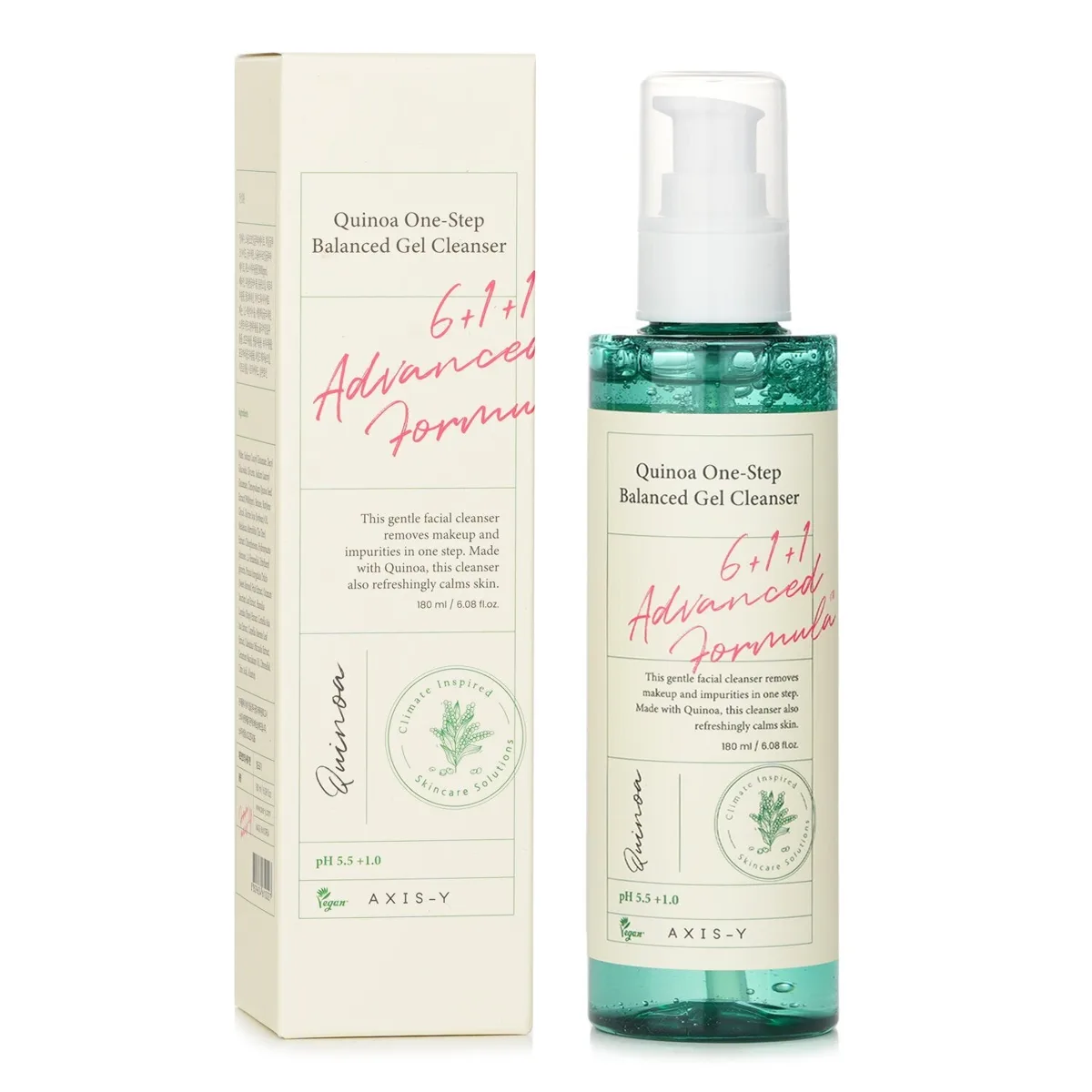 Quinoa-Led Gentle Daily Cleanser
 Quinoa One Step Balanced Gel Cleanser
A fragrance-free, sulfate-free gel cleanser built around quinoa seed extract and a gentle amphoteric-plus-nonionic surfactant pair. Non-stripping, broadly suitable, and priced reasonably — one of the safest recommendations in the daily gentle cleanser category.
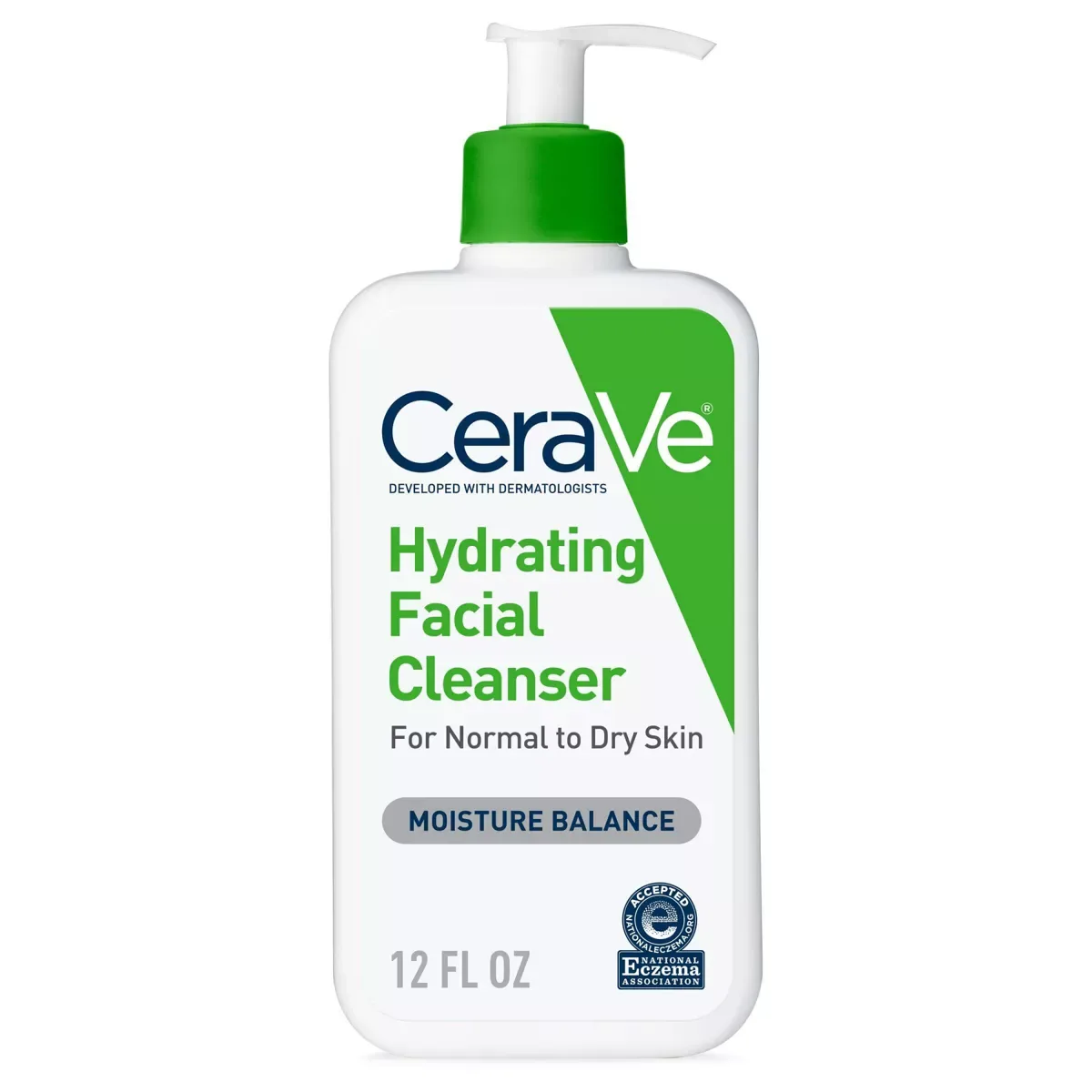 Sensitive Skin MVP
 Hydrating Facial Cleanser
The CeraVe Hydrating Facial Cleanser is the cleanser that taught a generation of dry-skin sufferers that washing your face does not have to mean punishing it. A lotion-textured, non-foaming formula that genuinely hydrates while it cleans, it remains the benchmark drugstore cleanser for anyone whose skin drinks moisture faster than most products can provide it.
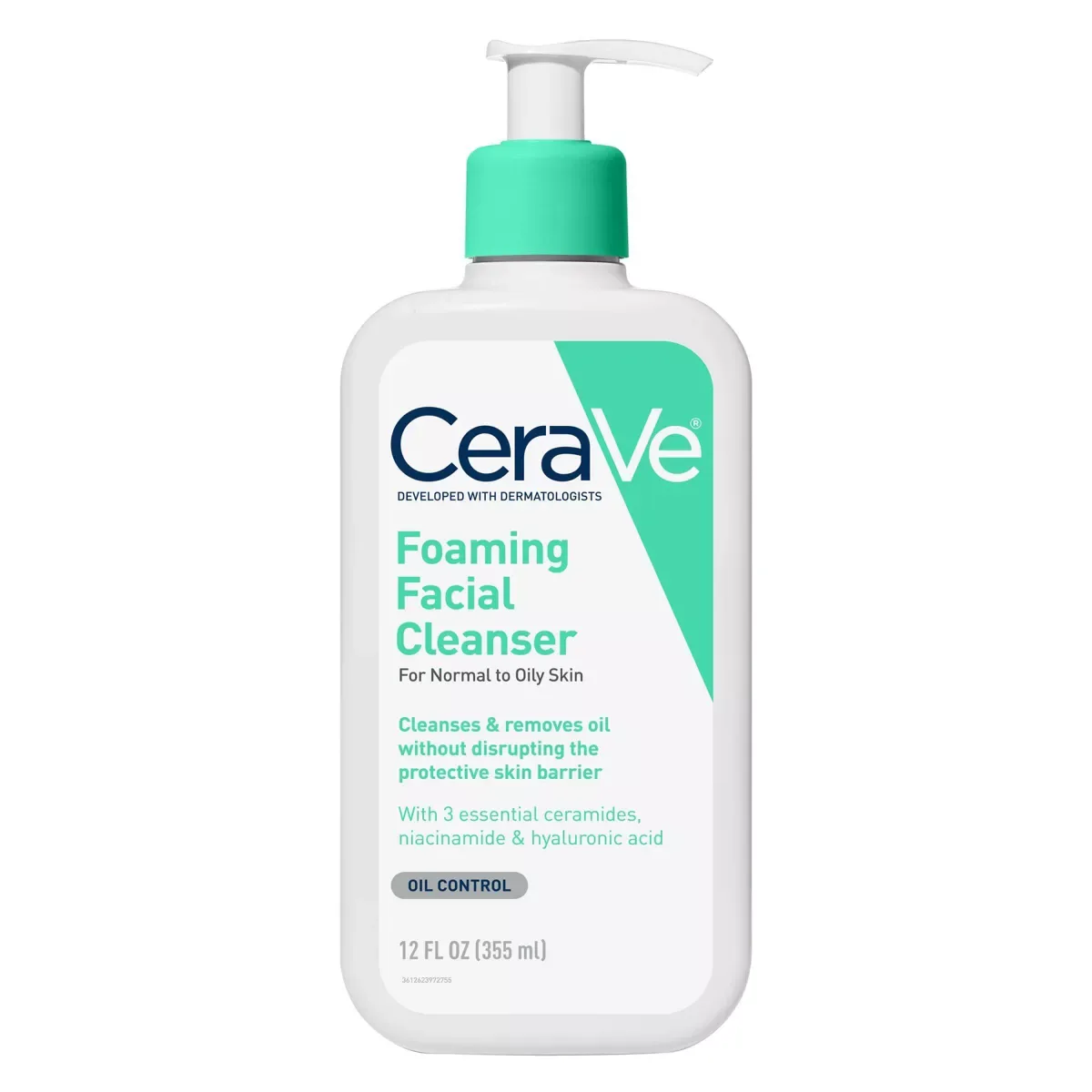 Derm Office Staple
 Foaming Facial Cleanser
The CeraVe Foaming Facial Cleanser is the rare drugstore cleanser that dermatologists actually use themselves — a genuinely gentle foaming wash that removes excess oil without triggering the rebound sebum production that plagues most lathering cleansers. At under sixteen dollars for a bottle that lasts months, it makes skipping it almost irrational.
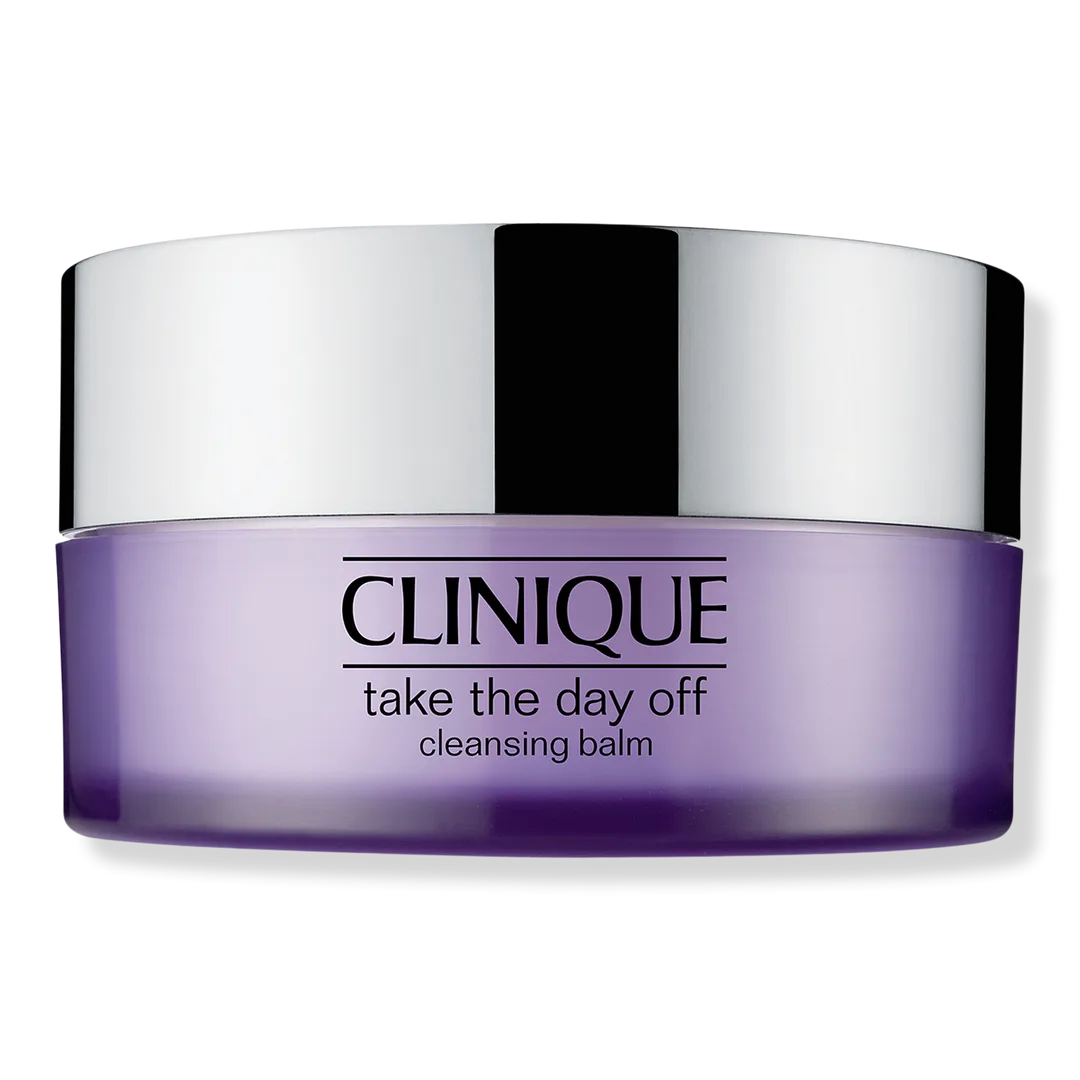 Cult-Status Makeup Eraser
 Take the Day Off Cleansing Balm
The cleansing balm that earned its cult status through radical restraint — nine ingredients, zero fragrance, and the ability to dissolve anything from waterproof mascara to SPF 50 without disturbing even the most reactive skin. Not the most glamorous product in any routine, but possibly the most universally reliable.
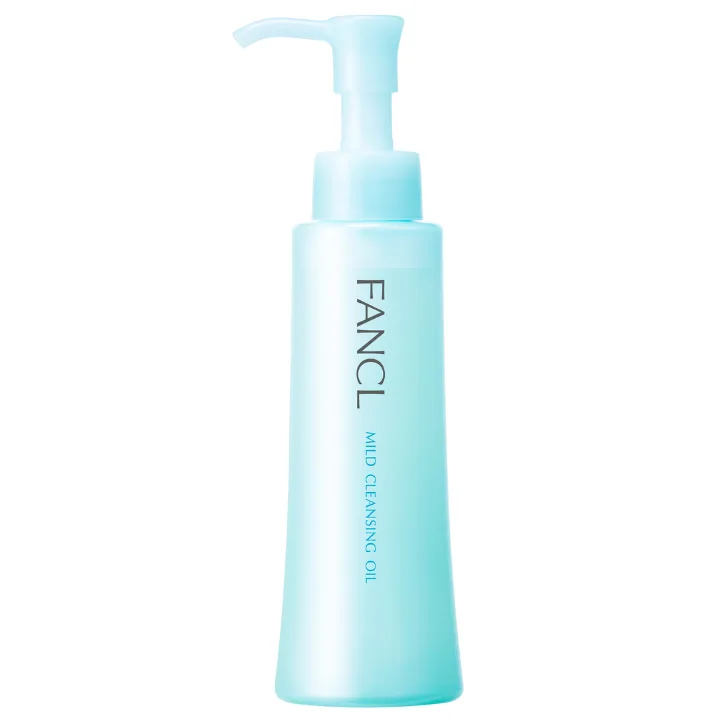 Japanese Drugstore Classic
 Mild Cleansing Oil
A two-decade-old Japanese drugstore staple that still outperforms most modern cleansing oils on the single metric that matters: does it remove sunscreen cleanly without leaving a film. The fragrance-free, ester-based formula is gentle enough for reactive skin and thoughtfully augmented with vitamin C and plant oils. Quietly one of the best first-cleanse options on the market.
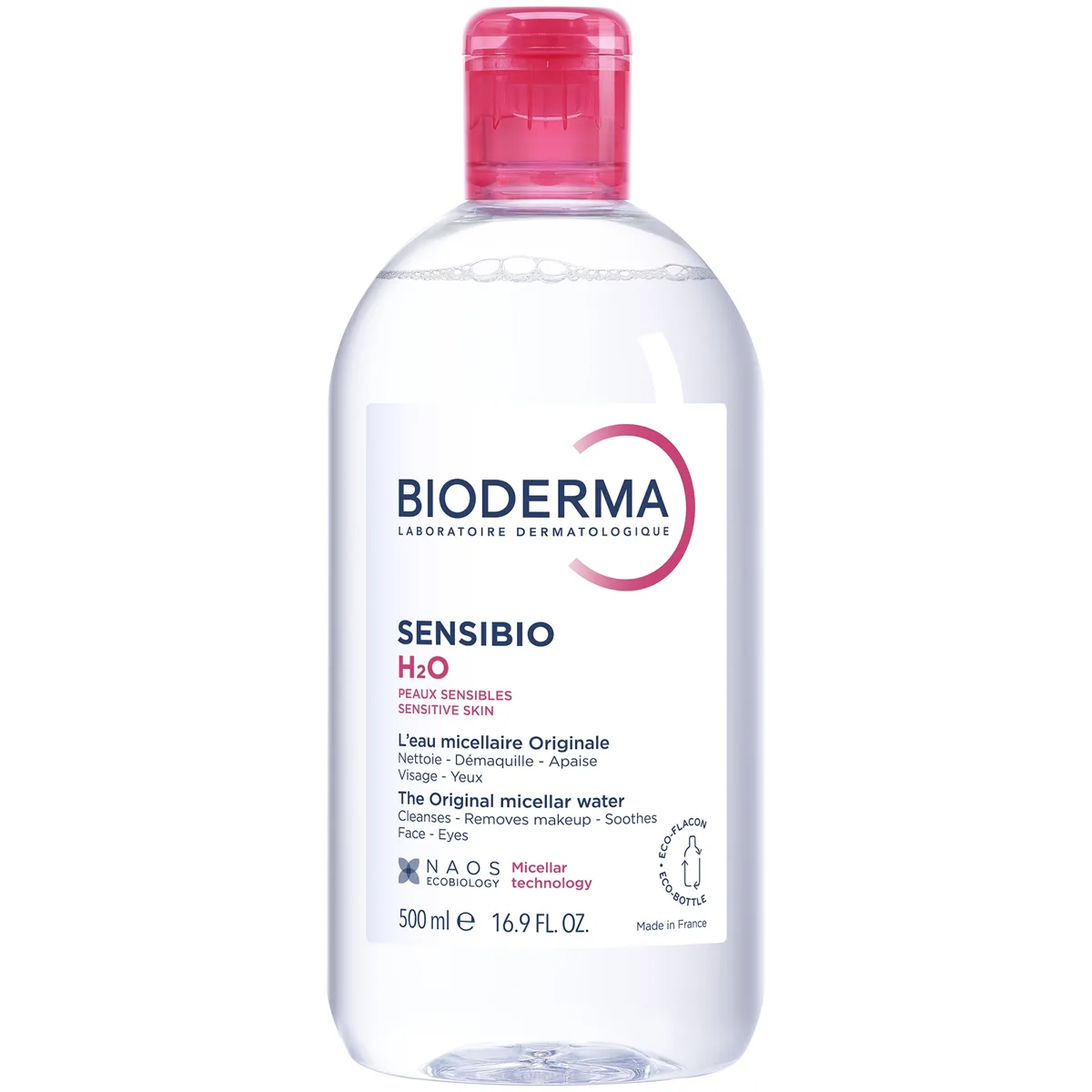 The Original Micellar Water
 Sensibio H2O Micellar Water
The product that launched an entire skincare category remains, three decades later, one of the gentlest and most effective no-rinse cleansers available. Bioderma Sensibio H2O earns its cult status through radical simplicity — 10 ingredients, zero fragrance, and a formula so mild it was originally dispensed by prescription.