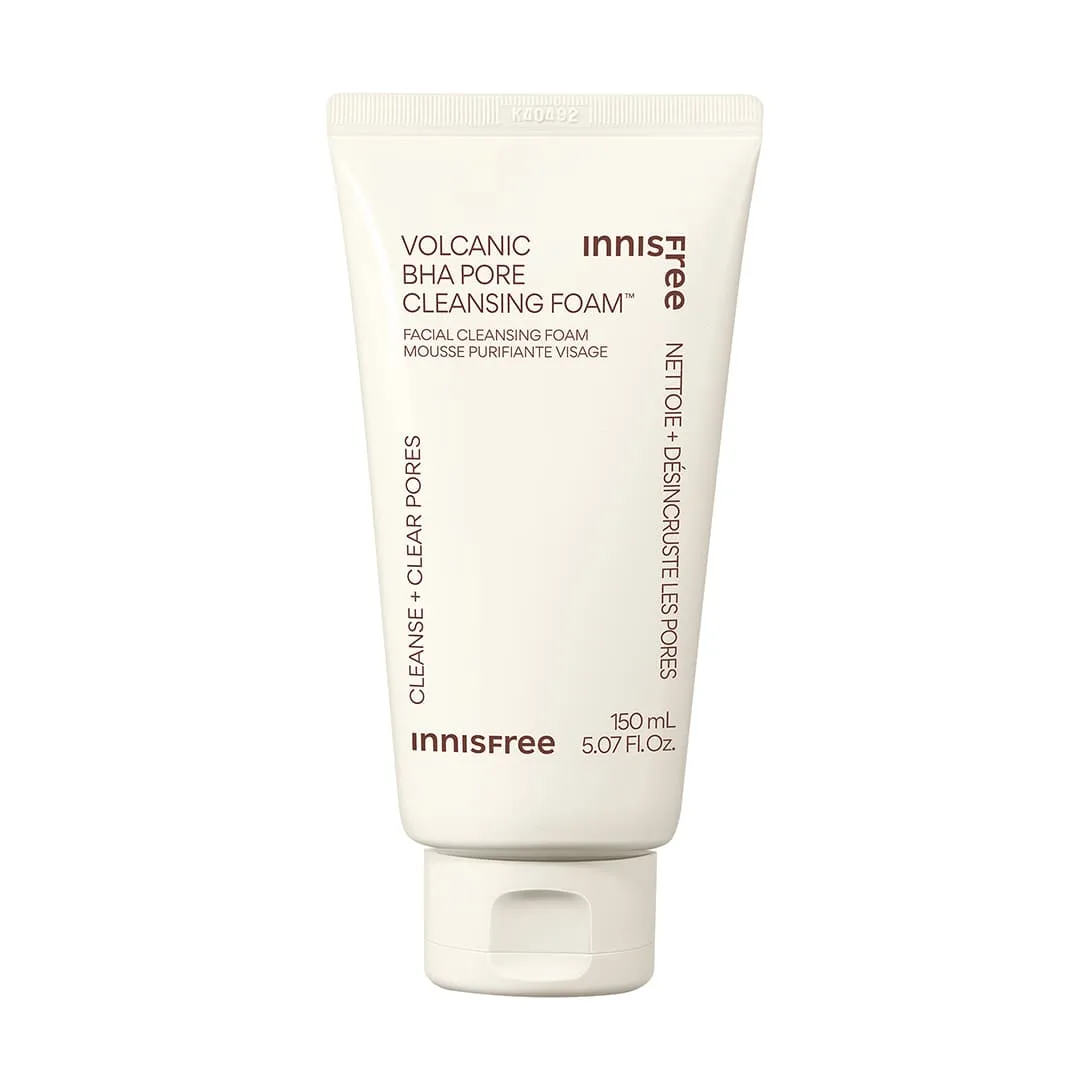
A K-beauty icon that earned its third-generation upgrade. The BHA reformulation transforms this from a simple volcanic-ash cleanser into a multi-mechanism pore treatment with triple acids and sebum regulation. Excellent for oily skin at $14, but it can be too thorough for dry or sensitive types — follow with hydration or skip entirely.
Jeju Volcanic Pore Cleansing Foam
A K-beauty icon that earned its third-generation upgrade. The BHA reformulation transforms this from a simple volcanic-ash cleanser into a multi-mechanism pore treatment with triple acids and sebum regulation. Excellent for oily skin at $14, but it can be too thorough for dry or sensitive types — follow with hydration or skip entirely.
Score Breakdown
Where this product gains points and where it loses them — broken down across the four scoring pillars.
A well-priced pore cleanser with a clever triple-acid system and volcanic ash, but the narrow suitability (oily/combo only), fragrance, and potential to over-strip limit the overall score. The BHA reformulation significantly improved the formula's pore-clearing credentials, but this remains a targeted product rather than a universal cleanser.
Pros & Cons
- ✓Triple-acid system (BHA + glycolic acid + sustained-release AHA copolymer) provides genuine pore-clearing exfoliation
- ✓Zinc PCA regulates sebum production upstream rather than just removing surface oil
- ✓Dense, satisfying foam from a sulfate-free formula — excellent lather from minimal product
- ✓Madecassoside adds anti-inflammatory soothing to counterbalance the exfoliation
- ✓Outstanding value at $14 for 150 mL lasting 3-4 months of daily use
- ✓12-year product evolution demonstrates genuine iterative improvement
- ✓Vegan, cruelty-free, sulfate-free, and silicone-free
- ✗Can be too stripping for dry, sensitive, or dehydrated skin types
- ✗Contains fragrance with no fragrance-free alternative available
- ✗Saponified fatty acid base pushes pH higher than ideal for skin
- ✗Scientific evidence for Jeju volcanic ash specifically is limited to physical principles
- ✗Contact time in a rinse-off product limits how much the acids can actually do
- ✗May cause tightness or dryness without immediate follow-up hydration
Full Review
If K-beauty has a Mount Rushmore of cleansers, the Innisfree Jeju Volcanic Pore Cleansing Foam is carved into the basalt. Since 2012, this gray tube has sat in bathroom cabinets from Seoul to São Paulo, promising that volcanic rock from a UNESCO World Heritage island would somehow fix your pores. For most of that decade, the formula was straightforward: saponified fatty acids, volcanic ash microparticles, and the hope that porous mineral fragments could sponge up sebum better than a regular cleanser. It worked — mostly. It also stripped skin like it had something personal against your moisture barrier.
The 2023 BHA reformulation is a meaningful rethinking of what this product should be. The volcanic ash remains, but the formula now layers three exfoliating acids (salicylic acid, glycolic acid, and a clever lactic acid/glycolic acid copolymer for sustained release), zinc PCA for sebum regulation, and madecassoside for anti-inflammatory protection. This is no longer a cleanser that just washes oil away. It is a cleanser that dissolves pore congestion, smooths surface texture, calms the inflammation that comes with oily skin, and absorbs excess sebum — all in the sixty seconds it takes to lather and rinse.
The triple-acid system deserves closer examination because it is genuinely smart for a rinse-off product. The fundamental limitation of active ingredients in cleansers is contact time — thirty to sixty seconds is not enough for most actives to meaningfully penetrate. Salicylic acid partially sidesteps this because it is oil-soluble and has natural affinity for sebum-filled pores, allowing some pore penetration even in brief contact. The lactic acid/glycolic acid copolymer is the more interesting inclusion — this sustained-release form extends the exfoliating window, potentially continuing to work even as you rinse. Whether this delivers clinically meaningful exfoliation in a cleanser is debatable, but the formulation intent is more sophisticated than most foam cleansers attempt.
Zinc PCA addresses the upstream problem. Rather than just removing sebum after it reaches the skin surface, zinc PCA helps regulate sebum production at the cellular level. This is the difference between mopping a floor and fixing the leak — and combining both approaches in a single product gives oily skin a fighting chance on both fronts.
Madecassoside, a purified Centella asiatica active, is the formula's diplomatic gesture to skin that might object to triple-acid exfoliation. Its anti-inflammatory properties help soothe the potential irritation that BHA and glycolic acid can trigger, particularly on skin that is already inflamed from acne or congestion. Whether the concentration in a rinse-off product is sufficient for meaningful soothing is unclear, but its presence signals a formula designed with more nuance than the strip-and-go approach of the original.
The volcanic ash itself — Innisfree's signature ingredient — works through physical adsorption. The porous microstructure of Jeju volcanic rock creates a high surface area that absorbs oil on contact, like microscopic charcoal sponges. The scientific evidence for this specific mechanism is limited to the general principles of mineral adsorption rather than peer-reviewed skincare studies. Innisfree's own consumer testing claims 94 percent reduction in oiliness after one use in a 32-person study, but independent clinical validation of Jeju volcanic ash's superiority over other mineral-based cleansing agents does not currently exist. It works. Whether it works better than kaolin clay or bentonite is an open question.
The sensory experience is satisfying in the way that oily skin types crave. A small amount of the dense cream-colored paste whips into a voluminous, pillowy foam that feels substantial on the skin. The volcanic ash and silica particles provide a subtle grit — not scrubby, not harsh, just enough texture to feel like something is working beyond bubbles. Rinsing leaves skin immediately matte, clean, and tight. That tightness is the product's double-edged sword. For oily skin, it reads as thorough. For anything dryer than combination, it reads as stripping. The earlier formula tested at a pH around 7.6 — considerably above the skin's natural pH of 4.5 to 5.5 — and while the BHA version likely runs lower due to the added acids, the base of saponified fatty acids inherently pushes pH upward.
The fragrance is present and polarizing. Some users find it clean and fresh with an earthy mineral quality. Others find it perfumy and unnecessary in a product that touches your face for sixty seconds. For fragrance-sensitive skin, there is no fragrance-free version of this cleanser — it is a take-it-or-leave-it situation.
At fourteen dollars for 150 milliliters, the value is strong. A small amount generates substantial foam, and most users report three to four months of daily use from a single tube. For a pore-focused cleanser with BHA, dual AHAs, zinc PCA, and madecassoside, this undercuts most comparable products significantly.
The Innisfree Jeju Volcanic Pore Cleansing Foam has earned its iconic status not because volcanic ash is a skincare miracle, but because the brand kept iterating. The BHA version is the best this product has ever been — smarter about how it cleans, more considerate about what it leaves behind, and still accessible enough that the fourteen-dollar price tag does not make you think twice. For oily and combination skin that wants a thorough, satisfying cleanse with actual pore-clearing actives, this is the foam cleanser to beat in K-beauty.
Formula
Key Ingredients
The hero actives that drive this product's performance.
| Ingredient | Function | Evidence |
|---|---|---|
| Jeju Volcanic Ash | Innisfree's signature ingredient — porous microparticles sourced from Jeju Island volcanic rock that physically adsorb excess sebum from pores. The high surface area of these porous clusters allows them to absorb oil like microscopic sponges during the cleansing process, providing a physical deep-clean mechanism alongside the formula's chemical surfactants. | limited |
| Salicylic Acid (BHA) | The star addition in the current BHA reformulation, salicylic acid is oil-soluble and can penetrate into pores to dissolve the sebum and dead cell buildup that causes blackheads and congestion. While contact time in a rinse-off cleanser limits its exfoliating depth, it provides ongoing pore-clearing benefits that the original volcanic-only formula lacked. | well-established |
| Glycolic Acid + Lactic Acid/Glycolic Acid Copolymer | A dual AHA system that provides surface-level exfoliation to complement the BHA's pore-penetrating work. The lactic acid/glycolic acid copolymer is a sustained-release form that extends the exfoliating contact time even in a rinse-off product — an intelligent formulation choice that partially addresses the short contact time limitation of cleansers. | well-established |
| Zinc PCA | A zinc salt of pyrrolidone carboxylic acid that regulates sebum production at the cellular level. In this pore-focused cleanser, zinc PCA works upstream of the sebum problem — reducing oil production rather than just removing it — while the volcanic ash and acids handle what is already on the skin surface. | promising |
| Madecassoside | A purified Centella asiatica active that provides anti-inflammatory soothing to counterbalance the triple-acid exfoliation. Its inclusion signals awareness that pore-clearing cleansers often over-strip — the madecassoside helps calm any irritation before you even step out of the sink. | well-established |
Full INCI List
Water/Aqua/Eau, Glycerin, Myristic Acid, Stearic Acid, PEG-32, Potassium Hydroxide, Butylene Glycol, Palmitic Acid, Lauric Acid, Cocamidopropyl Betaine, Hydrated Silica, Lauryl Glucoside, Glyceryl Stearate, PEG-100 Stearate, Fragrance/Parfum, Sodium Chloride, Silica, Salicylic Acid, Polyquaternium-7, Zinc PCA, Volcanic Ash, Sodium Metaphosphate, Sodium Benzoate, Lactic Acid, Lactic Acid/Glycolic Acid Copolymer, Glycolic Acid, Madecassoside, Citric Acid, Polyquaternium-10
Product Flags
✗ Fragrance Free✓ Alcohol Free✓ Oil Free✓ Silicone Free✓ Paraben Free✓ Sulfate Free✓ Cruelty Free✓ Vegan✗ Fungal Acne Safe
Comedogenic Ingredients
Glyceryl StearatePEG-100 Stearate
Potential Irritants
FragranceSalicylic AcidGlycolic Acid
Common Allergens
Fragrance
Compatibility
Skin Match
Best For
Works For
Not Ideal For
Addresses These Conditions
oiliness large pores blackheads acne texture
Use With Caution
Avoid With
eczema compromised skin barrier dryness
Routine Step
cleanser
Time of Day
AM & PM
Pregnancy Safe
Unknown
Layering Tips
Use as a second cleanser after an oil-based first cleanse in the PM, or as a standalone morning cleanser for oily skin. Follow immediately with hydrating toner and moisturizer — the thorough cleansing action means your skin will need replenishment. Do not pair with other exfoliating cleansers or use alongside strong acid treatments without building tolerance.
Results Timeline
Immediate clean, matte feeling from first use. Visible reduction in surface oiliness and pore appearance within 1-2 weeks. Blackhead improvement typically takes 3-4 weeks of consistent use. The BHA and AHA components provide cumulative exfoliation benefits over time.
Pairs Well With
oil cleanserhydrating tonerniacinamide serumlightweight moisturizer
Conflicts With
benzoyl peroxide cleanserother BHA cleansers
Sample AM Routine
- Innisfree Jeju Volcanic Pore Cleansing Foam
- Hydrating toner
- Moisturizer
- Sunscreen
Sample PM Routine
- Oil cleanser
- Innisfree Jeju Volcanic Pore Cleansing Foam
- Hydrating toner
- Treatment serum
- Moisturizer
Evidence
Who Should Skip
- Can be too stripping for dry, sensitive, or dehydrated skin types
- Contains fragrance with no fragrance-free alternative available
- Saponified fatty acid base pushes pH higher than ideal for skin
- Scientific evidence for Jeju volcanic ash specifically is limited to physical principles
Science & Expert Perspective
The Science
The BHA reformulation of this cleanser brings established exfoliating science to a rinse-off format. Salicylic acid is the most studied BHA in dermatology, with oil-soluble properties that allow it to penetrate sebum-filled pores more effectively than water-soluble AHAs. Kligman and Kligman demonstrated in 1998 that salicylic acid produces desquamation of the stratum corneum and comedolysis — dissolving the dead cell and sebum plugs that cause blackheads and congestion. While most clinical studies use leave-on formulations, the oil-soluble nature of BHA provides some pore affinity even during brief cleanser contact.
Glycolic acid, the smallest AHA molecule, has well-documented evidence for improving skin texture and promoting cell turnover. The inclusion of a lactic acid/glycolic acid copolymer is a formulation innovation — copolymer forms of exfoliating acids release their active components more gradually than free acids, potentially extending the effective contact window in a rinse-off product. This controlled-release approach was developed to address the fundamental limitation of actives in cleansers.
Zinc PCA (zinc salt of pyrrolidone carboxylic acid) has evidence for sebum regulation. A study published in the International Journal of Cosmetic Science demonstrated that zinc PCA reduced sebum secretion rate in subjects with oily skin, working through inhibition of 5-alpha reductase activity. In this formula, it addresses the root cause of oiliness rather than merely its surface effects.
The Jeju volcanic ash works through physical adsorption — the porous microstructure of volcanic rock creates a high surface area for oil absorption. While the physical mechanism is well-understood in material science, peer-reviewed dermatological studies specifically validating Jeju volcanic ash in skincare do not currently exist. The closest analogous research involves bentonite and kaolin clays, which have demonstrated sebum absorption and pore-clearing properties in controlled studies published in the Journal of Cosmetic Dermatology.
Dermatologist Perspective
Board-certified dermatologists would view this cleanser as a reasonable option for oily and acne-prone skin that needs thorough cleansing, though they would note that the active ingredients have limited efficacy in a rinse-off format compared to leave-on treatments. The salicylic acid inclusion is directionally appropriate for pore-clearing, but dermatologists would typically recommend a leave-on BHA treatment for meaningful comedolytic effects. The formula's tendency to strip moisture makes it important to pair with appropriate hydrating products afterward. Dermatologists would likely recommend limiting use to once daily, particularly for patients using other active treatments like retinoids or prescription acne medications.
Guidance
Usage Guide
How to Use
Wet face with lukewarm water. Squeeze a pea-to-nickel-sized amount onto fingertips and work into a lather between palms. Massage the foam across the face for 30-60 seconds, focusing on the T-zone, nose, and areas prone to congestion. Rinse thoroughly with lukewarm water. Follow immediately with hydrating toner and moisturizer. Use once daily (PM preferred, as part of a double-cleansing routine after oil cleanser). For combination skin, consider alternating with a gentler cleanser to avoid over-stripping.
Value Assessment
At $14 for 150 mL, this is among the most affordable pore-clearing cleansers at Sephora. The formula's ingredient complexity — triple acids, zinc PCA, volcanic ash, madecassoside — would typically command a higher price point from Western brands. A single tube lasts 3-4 months with daily use, making the cost-per-use exceptionally low. For oily skin types looking for a thorough, satisfying cleanse with genuine active ingredients, the price-to-performance ratio is excellent.
Who Should Buy
Oily and combination skin types who want a satisfying, thorough cleanse that targets pores, blackheads, and excess sebum. Ideal for those who enjoy a dense foam texture and want BHA exfoliation built into their cleansing step rather than added as a separate treatment.
Who Should Skip
Dry, sensitive, or barrier-compromised skin types should avoid this cleanser entirely — the triple-acid system and thorough cleansing action will exacerbate dryness and irritation. Anyone using prescription retinoids or strong acid treatments should also be cautious about layering this much exfoliation into their cleansing step.
Ready to try Innisfree Jeju Volcanic Pore Cleansing Foam?
Details
Details
Texture
Dense, cream-colored paste that whips into a rich, voluminous foam with water. The lather is thick and pillowy with a slightly gritty quality from the volcanic ash and silica particles.
Scent
Fresh, slightly earthy fragrance with a perfumed quality. Some users find it pleasant and clean-smelling, while others describe it as too strong.
Packaging
Gray squeeze tube with flip-top cap and volcanic-inspired minimalist branding in Innisfree's signature style. The 150 mL tube is sturdy and travel-friendly.
Finish
mattenon-greasy
What to Expect on First Use
First use delivers an immediately satisfying deep-clean feeling — the dense foam lifts oil effectively, and skin feels noticeably matte and refreshed after rinsing. The volcanic ash provides a subtle physical component to the cleanse without being abrasive. Important to follow with hydrating products right away, as the thorough cleansing can leave skin feeling tight.
How Long It Lasts
3-4 months with once-daily facial use
Period After Opening
12 months
Best Season
spring summer
Certifications
PETA Beauty Without BunniesVeganInnisfree Clean Standard
Background
The Why
Innisfree's volcanic line was born from Jeju Island's geology — the island's volcanic soil and rock formations are a UNESCO World Natural Heritage site, and Innisfree built an entire product range around its mineral-rich volcanic ash. The cleansing foam became one of K-beauty's most recognizable products globally, and the 2023 BHA reformulation was the brand's biggest update to the formula, adding chemical exfoliation to what was previously a purely physical approach.
About Innisfree Established Brand (5–20 years)
Innisfree's Volcanic line is the brand's second flagship alongside Green Tea, built on Jeju Island's volcanic geology. The cleansing foam has undergone three reformulations over 12 years, with the current BHA version adding chemical exfoliation to the original physical sebum-absorption concept. Innisfree operates under Amorepacific's R&D umbrella.
Brand founded: 2000 · Product launched: 2012
Myth vs. Reality
Myths & Misconceptions
Myth
Volcanic ash can shrink your pores permanently.
Reality
Pore size is genetically determined and cannot be permanently changed by any topical product. Volcanic ash absorbs excess sebum, which makes pores appear temporarily smaller by reducing the oil that stretches them. Consistent use maintains this appearance, but skipping the product returns pores to their natural state.
Myth
The 'squeaky clean' feeling means the cleanser is working well.
Reality
That tight, squeaky feeling actually indicates the cleanser has disrupted your skin's acid mantle. While this foam is effective at oil removal, the tight sensation is a sign to immediately replenish moisture and may indicate the product is too stripping for your skin type.
FAQ
Frequently Asked Questions
Is the Innisfree Volcanic Cleansing Foam too harsh for combination skin?
For combination skin, this cleanser works well in the T-zone but may over-strip drier cheek areas. Consider using it only in your evening routine (after oil cleansing) and switching to a gentler cleanser in the morning. Always follow with hydrating toner and moisturizer to replenish the moisture this thorough cleanser removes.
Does the Innisfree Volcanic Foam contain sulfates?
No — this cleanser is sulfate-free (no SLS or SLES). It uses Lauryl Glucoside and Cocamidopropyl Betaine as its primary surfactants, with saponified fatty acids (myristic, stearic, palmitic, lauric acid + potassium hydroxide) providing the cleansing foam. Despite being sulfate-free, it generates a rich, dense lather.
What's the difference between the original and BHA version?
The current BHA version (sold at Sephora and innisfree.com) adds salicylic acid, glycolic acid, a lactic acid/glycolic acid copolymer, zinc PCA, and madecassoside — none of which were in the original formula. This transforms the product from a physical oil-absorbing cleanser into a multi-mechanism pore treatment with chemical exfoliation, sebum regulation, and anti-inflammatory soothing.
Can I use this cleanser with a retinol routine?
Use with caution. The triple-acid system (BHA + glycolic acid + lactic acid copolymer) combined with retinol may cause over-exfoliation and irritation. If you use retinol, consider alternating — use the volcanic foam on non-retinol nights, or switch to a gentler cleanser during active retinol use.
Does the volcanic ash physically exfoliate skin?
The volcanic ash microparticles primarily work through adsorption — absorbing oil like microscopic sponges — rather than abrasive physical scrubbing. The current formula has no scrub beads. You may notice a slight grit from the volcanic ash and silica particles, but the exfoliation in this formula comes primarily from the BHA and AHA acids, not physical scrubbing.
Community
Community Voices
Common Praise
"Extremely effective at removing excess oil and leaving skin feeling clean"
"Rich creamy lather from a small amount — very economical"
"Noticeable reduction in blackhead appearance with consistent use"
"Pores look visibly smaller and cleaner after each wash"
"Sulfate-free formula still generates satisfying dense foam"
"Excellent value at $14 for 150 mL"
Common Complaints
"Can be drying and stripping, especially for dry or dehydrated skin"
"Fragrance is noticeable and may irritate sensitive skin"
"Skin can feel tight and dry after washing without immediate moisturizer"
"Some users find the blackhead removal claims overpromised"
"Original formula had a higher-than-ideal pH around 7.6"
Notable Endorsements
Sephora retailerPETA Beauty Without BunniesIconic K-beauty cleanser
Appears In
best cleanser for oiliness best cleanser for large pores best cleanser for blackheads best k beauty cleanser
Related Conditions
oiliness large pores blackheads acne texture
Related Ingredients
You Might Also Like
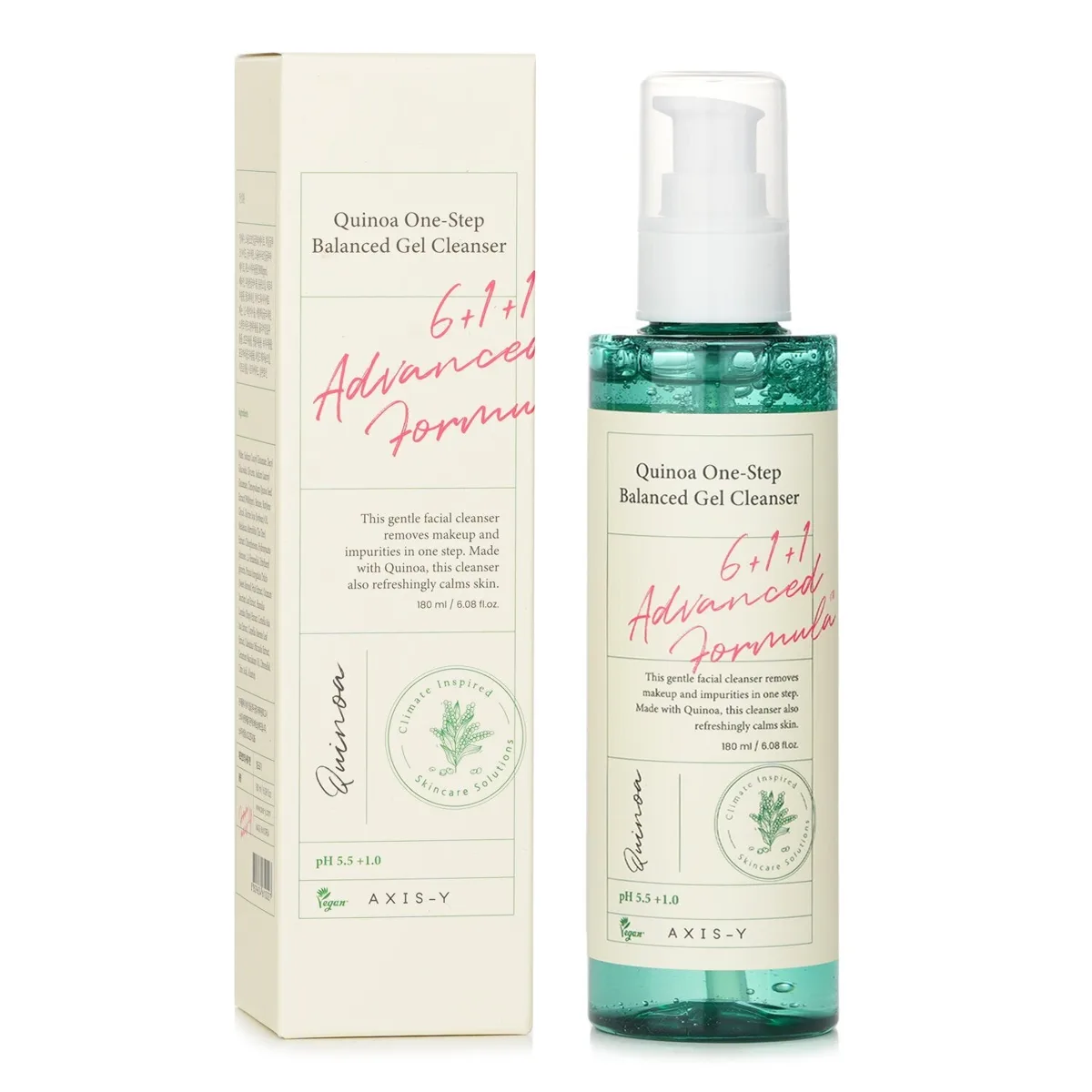 Quinoa-Led Gentle Daily Cleanser
 Quinoa One Step Balanced Gel Cleanser
A fragrance-free, sulfate-free gel cleanser built around quinoa seed extract and a gentle amphoteric-plus-nonionic surfactant pair. Non-stripping, broadly suitable, and priced reasonably — one of the safest recommendations in the daily gentle cleanser category.
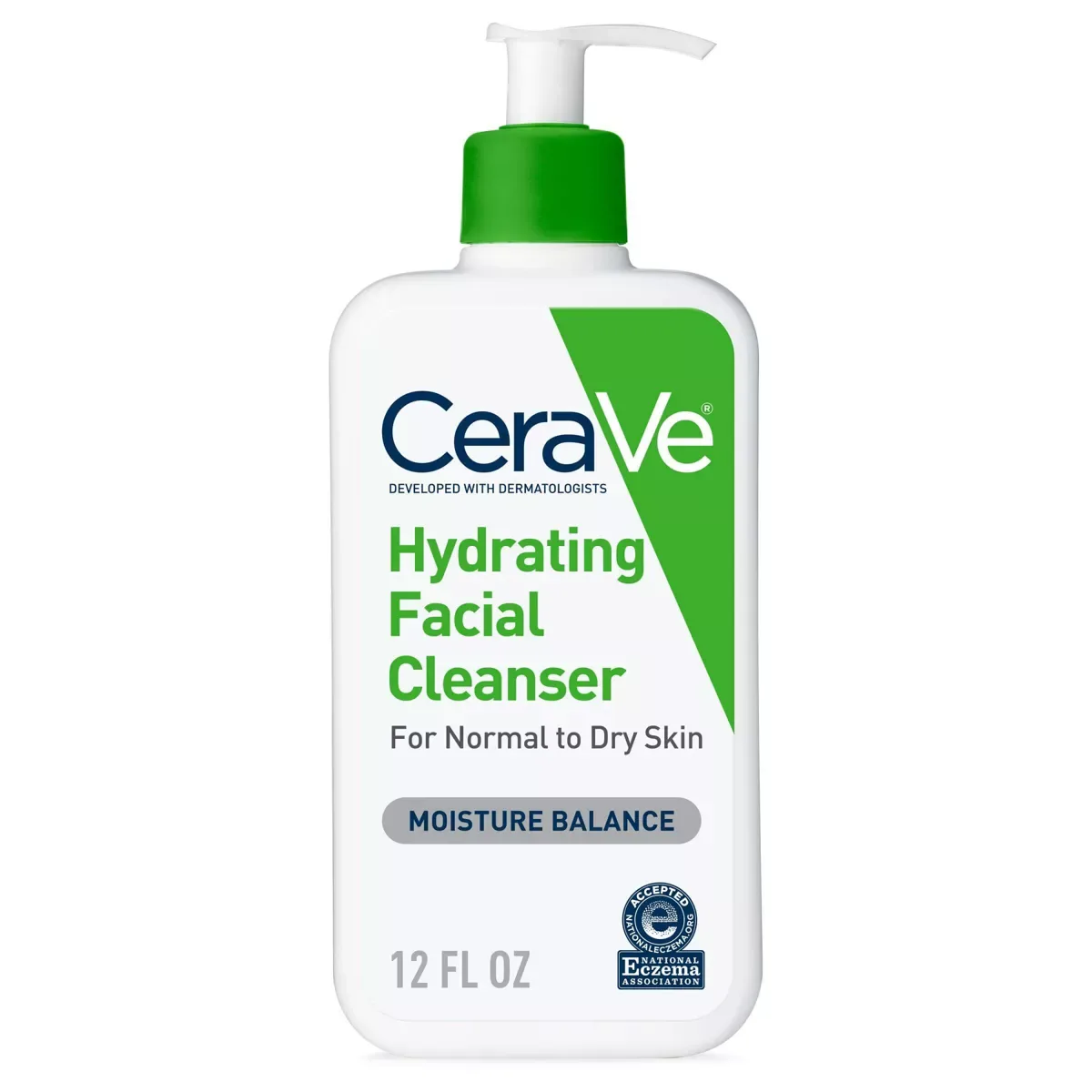 Sensitive Skin MVP
 Hydrating Facial Cleanser
The CeraVe Hydrating Facial Cleanser is the cleanser that taught a generation of dry-skin sufferers that washing your face does not have to mean punishing it. A lotion-textured, non-foaming formula that genuinely hydrates while it cleans, it remains the benchmark drugstore cleanser for anyone whose skin drinks moisture faster than most products can provide it.
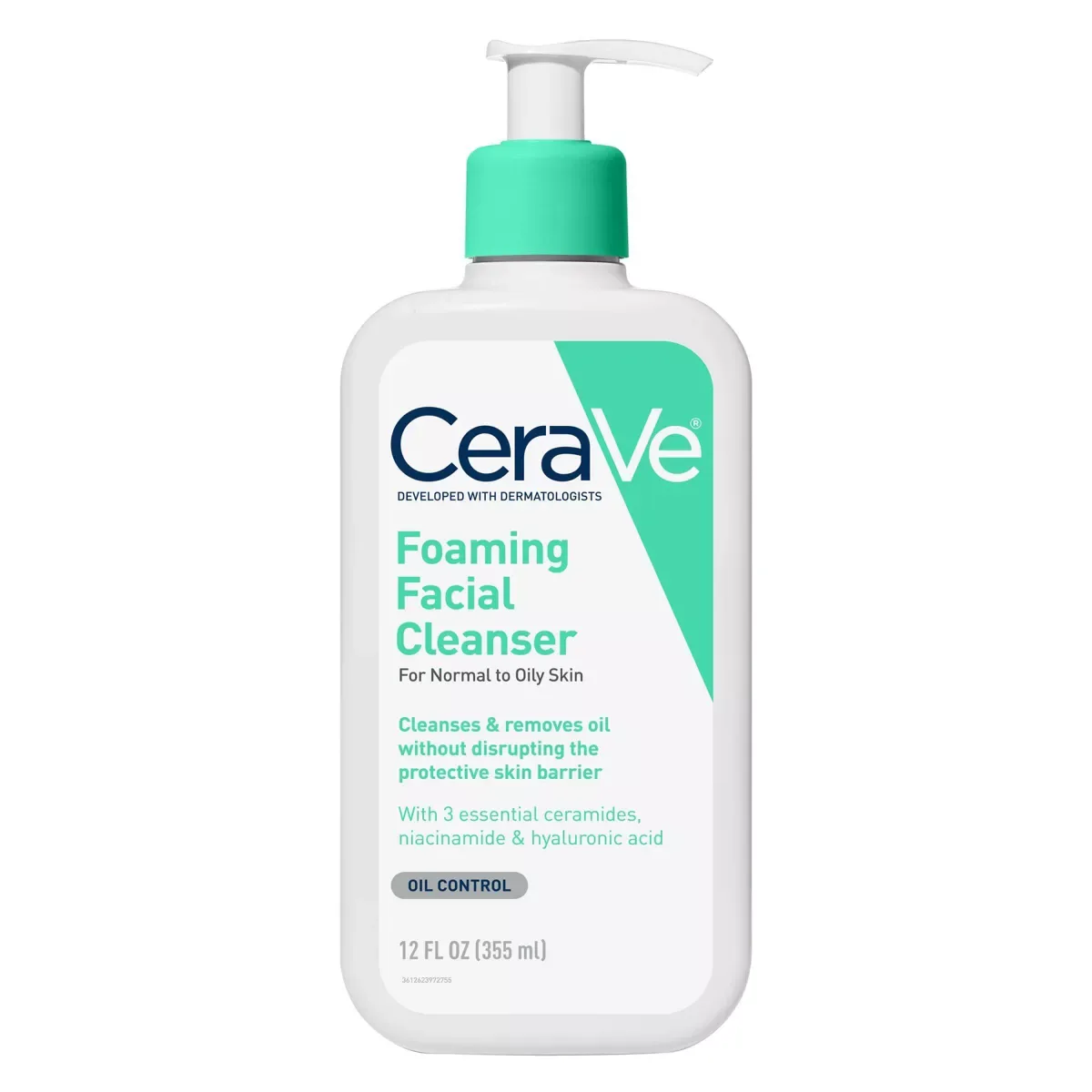 Derm Office Staple
 Foaming Facial Cleanser
The CeraVe Foaming Facial Cleanser is the rare drugstore cleanser that dermatologists actually use themselves — a genuinely gentle foaming wash that removes excess oil without triggering the rebound sebum production that plagues most lathering cleansers. At under sixteen dollars for a bottle that lasts months, it makes skipping it almost irrational.
 Cult-Status Makeup Eraser
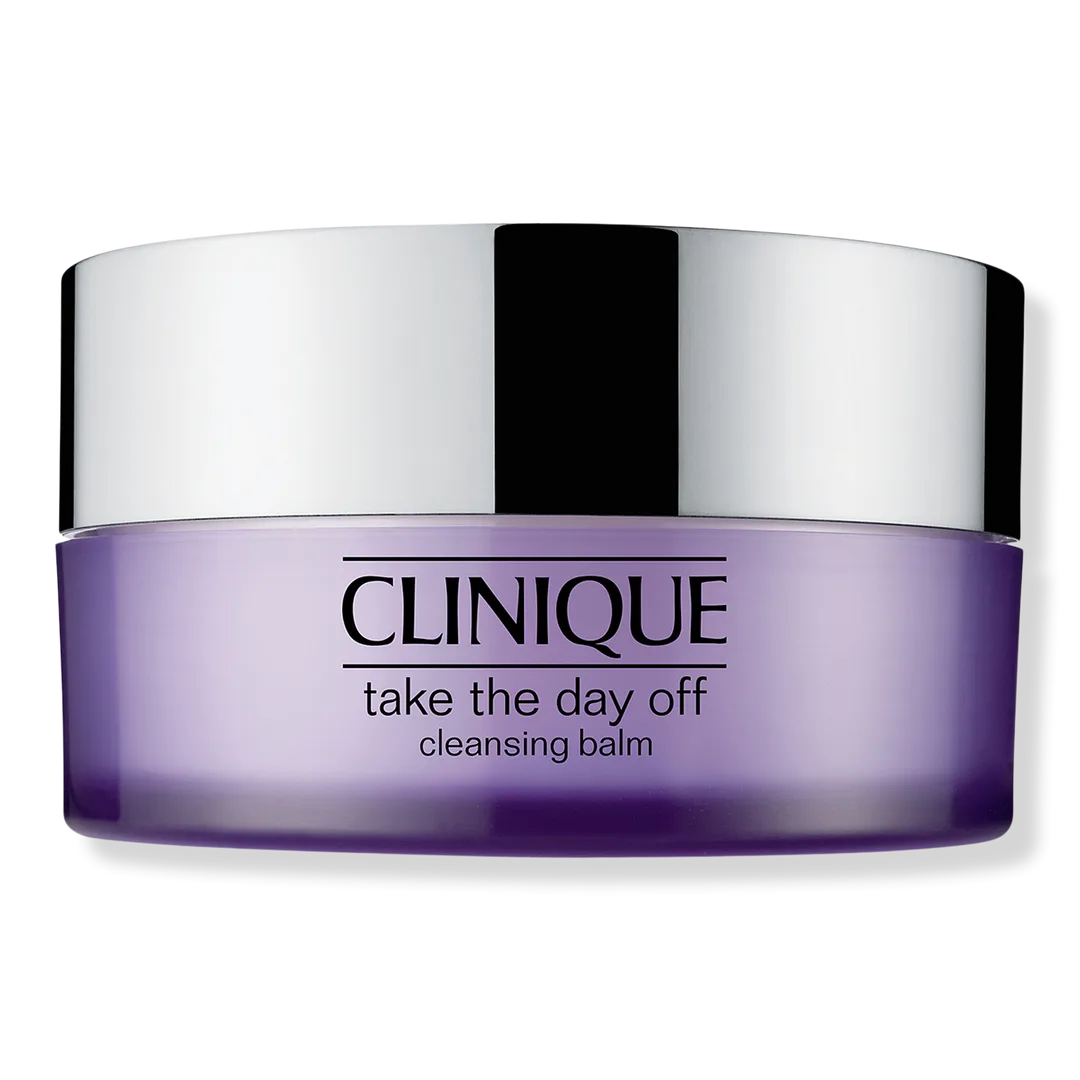
 Take the Day Off Cleansing Balm
The cleansing balm that earned its cult status through radical restraint — nine ingredients, zero fragrance, and the ability to dissolve anything from waterproof mascara to SPF 50 without disturbing even the most reactive skin. Not the most glamorous product in any routine, but possibly the most universally reliable.
 Japanese Drugstore Classic
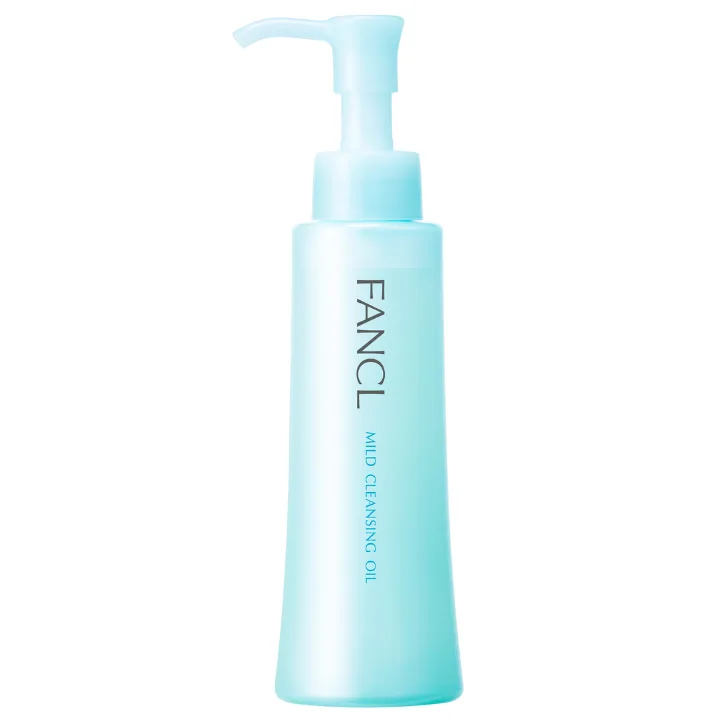
 Mild Cleansing Oil
A two-decade-old Japanese drugstore staple that still outperforms most modern cleansing oils on the single metric that matters: does it remove sunscreen cleanly without leaving a film. The fragrance-free, ester-based formula is gentle enough for reactive skin and thoughtfully augmented with vitamin C and plant oils. Quietly one of the best first-cleanse options on the market.
 The Original Micellar Water
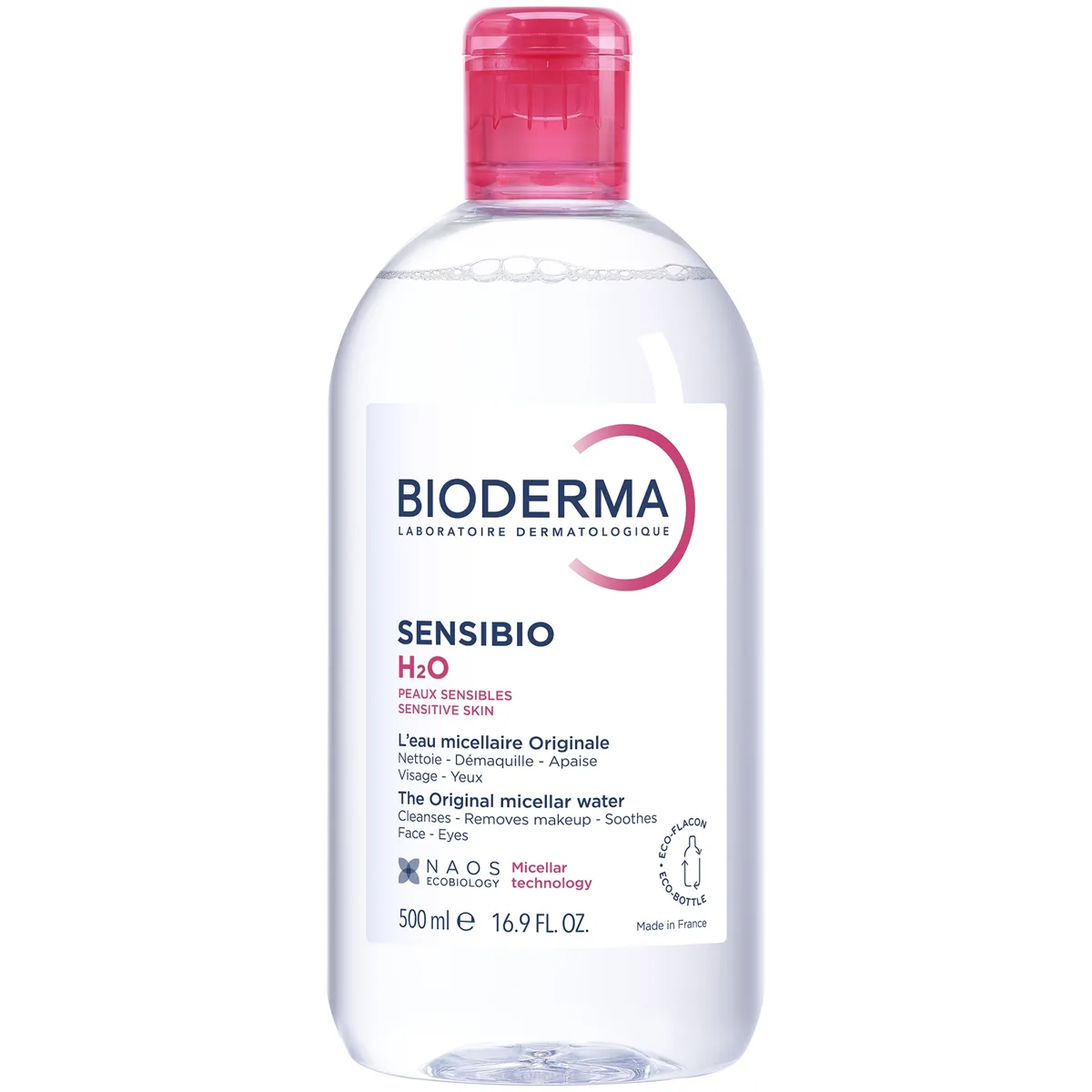
 Sensibio H2O Micellar Water
The product that launched an entire skincare category remains, three decades later, one of the gentlest and most effective no-rinse cleansers available. Bioderma Sensibio H2O earns its cult status through radical simplicity — 10 ingredients, zero fragrance, and a formula so mild it was originally dispensed by prescription.
This review reflects our independent analysis of publicly available ingredient data, manufacturer claims, and verified user reviews. We are reader-supported — Amazon links may earn us a commission at no cost to you. We do not accept paid placements; rankings are based solely on the evidence.