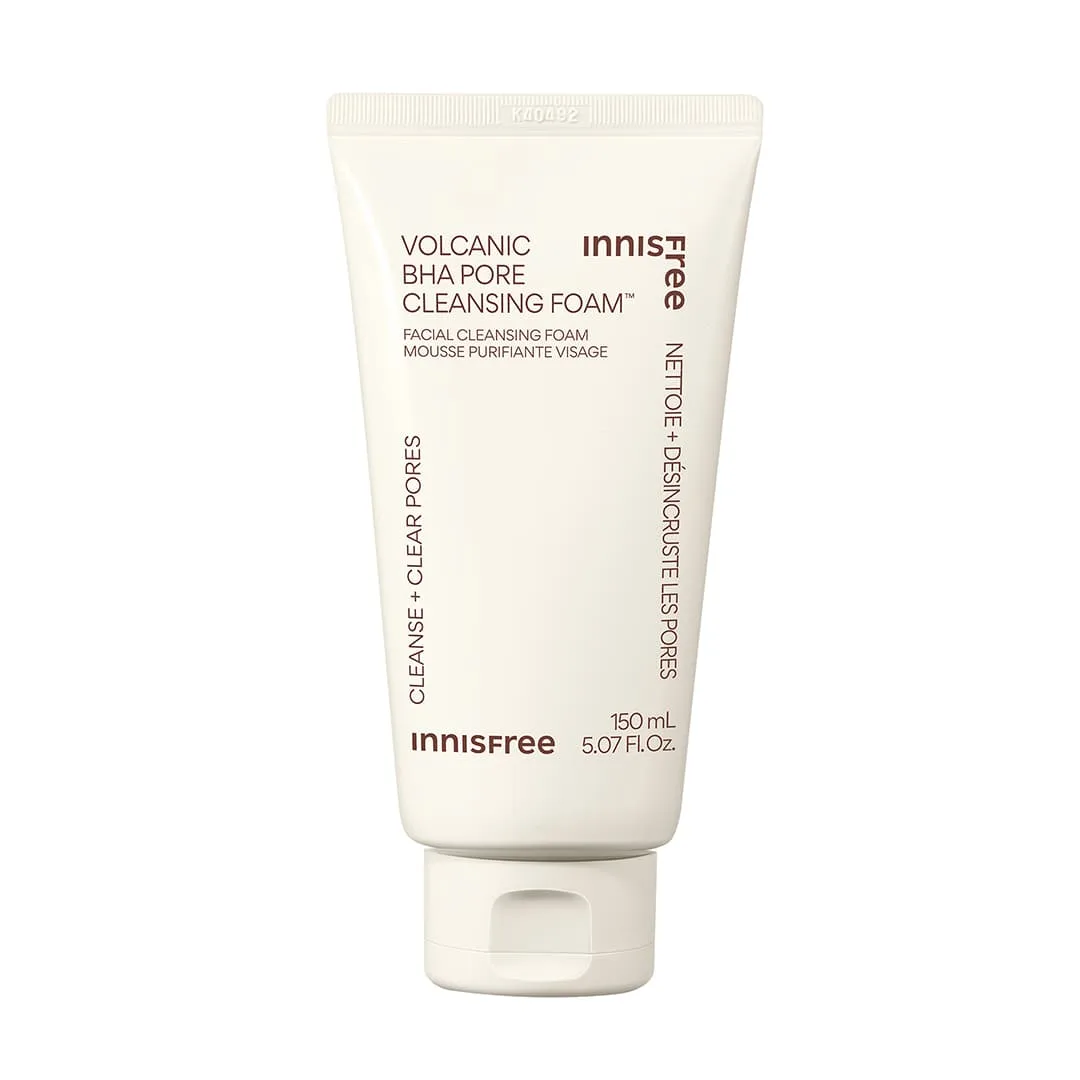
A multi-acid pore cleanser that combines Jeju volcanic ash with salicylic, glycolic, and lactic acids in a sulfate-free foam. Effective for oily and combination skin seeking daily pore care, with the K-beauty advantage of thoughtful soothing ingredients to keep the exfoliation comfortable.
Volcanic Pore BHA Cleansing Foam
A multi-acid pore cleanser that combines Jeju volcanic ash with salicylic, glycolic, and lactic acids in a sulfate-free foam. Effective for oily and combination skin seeking daily pore care, with the K-beauty advantage of thoughtful soothing ingredients to keep the exfoliation comfortable.
Score Breakdown
Where this product gains points and where it loses them — broken down across the four scoring pillars.
A well-formulated multi-acid pore cleanser with Jeju volcanic ash as a unique physical adsorbent. The triple acid approach (BHA + AHAs) in a sulfate-free base is sophisticated for the price, though the fragrance and acid content narrow its suitability.
Pros & Cons
- ✓Triple-acid formula (BHA + AHAs) provides multi-mechanism pore cleaning in one step
- ✓Sulfate-free surfactants generate rich foam without harsh lipid stripping
- ✓Zinc PCA and madecassoside add oil control and soothing beyond basic cleansing
- ✓Excellent value at $14 for 150 mL — lasts 3-4 months with daily use
- ✓Vegan, cruelty-free, and free from parabens, sulfates, and mineral oil
- ✓Dense, satisfying foam texture makes the cleansing experience enjoyable
- ✗Contains fragrance that can irritate sensitive and acne-prone skin
- ✗Too active and potentially drying for dry and sensitive skin types
- ✗BHA contact time in a rinse-off cleanser limits deep exfoliating benefits
- ✗Volcanic ash contribution is modest in a brief-contact cleanser format
- ✗May cause tightness if not followed immediately with hydrating products
Full Review
Jeju Island sits roughly sixty miles off the southern coast of mainland South Korea, a volcanic landmass whose geological history produced soil and mineral deposits unlike anything on the Korean peninsula. Innisfree, with the narrative instincts that Korean beauty brands seem to possess genetically, looked at that volcanic ash and saw not just a geological curiosity but a skincare ingredient with natural oil-adsorbing properties and a story that practically markets itself.
The Volcanic Pore line has been an Innisfree cornerstone for years, and this BHA-enhanced cleansing foam represents the modernized version of the original concept. Where early iterations relied primarily on the volcanic ash's physical adsorption to pull excess oil from pores, this formula adds a sophisticated chemical exfoliation layer: salicylic acid for in-pore cleaning, plus lactic and glycolic acids for surface-level cell turnover. It's the volcanic rock with a chemistry degree.
The cleansing experience is genuinely satisfying. A small amount of the creamy paste, worked between wet palms, generates a dense, substantial foam that feels far more luxurious than the price suggests. The lather has body to it — it doesn't dissolve on contact with skin the way thinner cleansers do. You can feel the volcanic ash micro-particles providing the faintest textural dimension as you massage, though it's far from a scrub — more like a reminder that there's something physical working alongside the chemical ingredients.
The sulfate-free surfactant system deserves credit. Innisfree achieves this foam density through cocamidopropyl betaine and lauryl glucoside — gentler alternatives that clean effectively without the lipid-stripping aggression of sodium lauryl sulfate. The result is a cleanser that removes makeup residue, sunscreen, and excess sebum without leaving your skin barrier feeling compromised. Though, in fairness, following up quickly with a hydrating toner is advisable, as any foaming cleanser with active acids will temporarily increase transepidermal water loss.
The triple acid approach is the formula's genuine innovation. Salicylic acid is oil-soluble, meaning it can actually penetrate into the sebum-filled environment of a pore — something water-soluble AHAs cannot do. The glycolic and lactic acids handle the surface, dissolving the dead cell layer that contributes to dullness and rough texture. Zinc PCA adds sebum regulation and antimicrobial support. And madecassoside — one of centella asiatica's key triterpenes — works behind the scenes to soothe the mild inflammatory response that exfoliating acids can trigger.
The honest assessment of the volcanic ash itself: its adsorptive properties are real but modest in a rinse-off format. In a mask that sits on the skin for ten to fifteen minutes, volcanic ash has meaningful time to draw out sebum. In a cleanser that contacts the skin for thirty to sixty seconds, the contribution is supplementary. The acids and zinc PCA are doing the primary pore-clearing work. The volcanic ash adds incremental benefit and excellent marketing — both of which have value, just in different proportions than the product name suggests.
Daily use over two to four weeks reveals measurable improvements in pore appearance and blackhead frequency. Skin texture smooths noticeably, and the midday oil slick that combination-to-oily skin types know intimately becomes less pronounced. These results are real, though it's important to calibrate expectations: this is a cleanser, not a treatment. The exfoliating acids have brief contact time, and while that contact time is enough for surface-level benefits, deep pore transformation requires leave-on products.
The fragrance is the primary caveat. It's a fresh, herbal-mineral scent that fits the 'volcanic pore purifying' narrative but disqualifies this cleanser for anyone with fragrance sensitivities. Given that many people seeking pore care also have acne-prone or reactive skin, the fragrance inclusion is a puzzling choice.
At $14 for 150 mL — enough for three to four months of twice-daily use — the value proposition is strong. You're getting a multi-acid, sulfate-free cleanser with genuine K-beauty formulation sophistication at a price that undercuts most Western equivalents. For oily and combination skin types looking for an everyday cleanser that quietly works on pore clarity with each wash, the Volcanic Pore BHA Cleansing Foam earns its place in the routine.
Formula
Key Ingredients
The hero actives that drive this product's performance.
| Ingredient | Function | Evidence |
|---|---|---|
| Jeju Volcanic Ash | Innisfree's signature ingredient sourced from Jeju Island's volcanic soil. The porous volcanic clusters act as micro-sponges that adsorb excess sebum and impurities from pores during cleansing, providing physical pore-clearing that complements the chemical exfoliation from the acids in this formula. | limited |
| Salicylic Acid | An oil-soluble BHA that penetrates into pores to dissolve the sebum and dead skin cell mixture that causes blackheads and congestion. In a cleanser format, the contact time is brief, so the salicylic acid primarily works to loosen surface-level pore blockages during each wash rather than providing deep ongoing exfoliation. | well-established |
| Lactic Acid + Glycolic Acid | A duo of AHAs that provide water-soluble exfoliation on the skin surface, dissolving dead cell bonds and improving texture. Combined with the BHA in this cleanser, they create a multi-acid approach that addresses both surface dullness and in-pore congestion during the cleansing step. | well-established |
| Zinc PCA | A zinc salt that regulates surface sebum and provides antimicrobial activity. In this cleanser targeting oily, pore-prone skin, zinc PCA leaves behind a mild oil-controlling effect even after rinsing, helping to keep skin balanced between washes. | promising |
| Madecassoside | A centella asiatica triterpene included to soothe and calm the skin after the exfoliating acids do their work. Prevents the post-cleanse tightness and irritation that multi-acid cleansers can cause, keeping the formula appropriate for daily use. | well-established |
Full INCI List
Water, Glycerin, Myristic Acid, Stearic Acid, Potassium Hydroxide, Butylene Glycol, Palmitic Acid, Lauric Acid, Cocamidopropyl Betaine, Hydrated Silica, Lauryl Glucoside, Glyceryl Stearate, PEG-100 Stearate, Fragrance, Sodium Chloride, Silica, Salicylic Acid, Polyquaternium-7, Zinc PCA, Volcanic Ash, Sodium Metaphosphate, Sodium Benzoate, Lactic Acid, Lactic Acid/Glycolic Acid Copolymer, Glycolic Acid, Madecassoside, Citric Acid, Polyquaternium-10
Product Flags
✗ Fragrance Free✓ Alcohol Free✓ Oil Free✓ Silicone Free✓ Paraben Free✓ Sulfate Free✓ Cruelty Free✓ Vegan✗ Fungal Acne Safe
Potential Irritants
FragranceSalicylic AcidGlycolic Acid
Common Allergens
Fragrance
Compatibility
Skin Match
Best For
Works For
Not Ideal For
Addresses These Conditions
oiliness large pores blackheads acne texture dullness
Use With Caution
Routine Step
cleanser
Time of Day
AM & PM
Pregnancy Safe
Unknown
Layering Tips
Use as your second cleanse in a double-cleansing routine (after oil-based cleanser in PM) or as your sole cleanser in the morning. Lather between palms with water, massage onto wet face for 30-60 seconds, then rinse thoroughly. Follow immediately with hydrating toner to rebalance.
Results Timeline
Immediately cleaner, more matte-feeling skin after first use. Noticeable reduction in blackheads and pore congestion within 1-2 weeks of daily use. Smoother, more refined skin texture by 3-4 weeks.
Pairs Well With
Oil cleanser (first step)Hydrating tonerNiacinamide serum
Sample AM Routine
- Innisfree Volcanic Pore BHA Cleansing Foam
- Hydrating toner
- Serum
- Moisturizer
- SPF 30+
Sample PM Routine
- Oil cleanser
- Innisfree Volcanic Pore BHA Cleansing Foam
- Toner
- Treatment serum
- Moisturizer
Evidence
Who Should Skip
- Contains fragrance that can irritate sensitive and acne-prone skin
- Too active and potentially drying for dry and sensitive skin types
- BHA contact time in a rinse-off cleanser limits deep exfoliating benefits
- Volcanic ash contribution is modest in a brief-contact cleanser format
Science & Expert Perspective
The Science
Salicylic acid's efficacy in pore-targeted cleansing is supported by its unique oil-soluble chemistry. Unlike water-soluble AHAs, salicylic acid can penetrate the lipid-rich environment within pores, dissolving the mixture of sebum and desquamated keratinocytes that form comedones. Research published in the Journal of the European Academy of Dermatology and Venereology has demonstrated that even brief salicylic acid exposure during cleansing can reduce comedone counts with regular use, though leave-on formulations provide superior results.
The glycolic acid and lactic acid components provide complementary surface exfoliation. Glycolic acid, the smallest AHA molecule, penetrates efficiently to dissolve intercellular bonds between dead corneocytes. Lactic acid, slightly larger, works at a more superficial level while providing humectant properties that mitigate the drying effect of exfoliation. The lactic acid/glycolic acid copolymer in this formula may provide a controlled-release mechanism that extends the acids' activity slightly beyond the rinse-off contact time.
Volcanic ash's adsorptive properties have been studied for cosmetic applications. Research on volcanic mineral clays demonstrates their ability to bind to lipids and organic compounds through surface charge interactions. The porous structure of volcanic ash particles creates a high surface-area-to-volume ratio that theoretically enhances oil adsorption. However, published studies on volcanic ash in rinse-off cleansers are limited, and the evidence for its benefits in brief-contact products is primarily extrapolated from longer-contact mask studies.
Zinc PCA contributes to the formula's anti-acne positioning. Published research has shown that zinc salts possess both antimicrobial activity against Cutibacterium acnes and sebum-regulatory effects. A study in Dermatology demonstrated that zinc compounds applied topically can reduce the P. acnes bacterial load and decrease sebum production, effects that persist to some degree even after rinsing.
Dermatologist Perspective
Dermatologists would view this cleanser as a reasonable daily option for patients with oily, congestion-prone skin who want mild exfoliation built into their cleansing step. Board-certified dermatologists would note that while salicylic acid in a rinse-off format provides less benefit than leave-on treatments, the cumulative effect of daily use can contribute to overall pore clarity. Dermatologists would caution patients with rosacea, eczema, or compromised barrier conditions against using this cleanser, as the triple-acid content and fragrance present unnecessary irritation risk for sensitive skin. For patients already using leave-on AHA/BHA products, dermatologists might recommend a gentler, non-exfoliating cleanser to avoid cumulative over-exfoliation.
Guidance
Usage Guide
How to Use
Wet face and hands. Squeeze a pea-sized amount onto palm and lather with water until a rich foam forms. Massage gently onto face in circular motions for 30-60 seconds, focusing on T-zone and pore-prone areas. Rinse thoroughly with lukewarm water. Use morning and evening. Follow immediately with hydrating toner. As part of a double-cleanse routine, use as the second cleanser after an oil-based first cleanser in the evening.
Value Assessment
At $14 for 5.07 fl oz, this is exceptional value for a multi-acid, sulfate-free cleanser. A tube lasts approximately 3-4 months with twice-daily use, making the daily cost negligible. Comparable Western cleansers with BHA and AHA content typically retail for $20-35 at smaller volumes. The generous size and sophisticated formula make this one of the better value propositions in K-beauty cleansing.
Who Should Buy
Oily and combination skin types looking for daily pore maintenance in their cleansing step. K-beauty routine enthusiasts who want an effective second cleanser with built-in exfoliation. Anyone dealing with blackheads, enlarged pores, or excess sebum who wants a sulfate-free foaming option.
Who Should Skip
Dry or dehydrated skin types who need a gentler, non-exfoliating cleanser. Sensitive skin or rosacea-prone individuals who react to fragrance or exfoliating acids. Those already using strong leave-on AHA/BHA treatments who risk over-exfoliation from adding acids to their cleansing step.
Ready to try Innisfree Volcanic Pore BHA Cleansing Foam?
Details
Details
Texture
Creamy paste that lathers into a rich, dense foam when worked with water
Scent
Fresh, clean fragrance with a slightly herbal-mineral quality
Packaging
Squeeze tube with a flip cap, practical for daily bathroom use. The 150 mL size is generous for the price and lasts several months with twice-daily use.
Finish
mattenon-greasynatural
What to Expect on First Use
Dispense a pea-sized amount and add water — the paste transforms into a surprisingly luxurious, dense foam that feels substantial on the skin. The volcanic ash provides a very mild physical texture, almost imperceptible, that adds a slight grit-free exfoliating dimension. Rinses cleanly without residue. Skin immediately feels cleaner, smoother, and slightly more matte. The first few uses may create a mild tight feeling for those accustomed to non-foaming cleansers.
How Long It Lasts
3-4 months with twice-daily use
Period After Opening
12 months
Best Season
All Year
Certifications
VeganCruelty-FreeSulfate-FreeParaben-Free
Background
The Why
Innisfree's Jeju Volcanic line has been one of K-beauty's most recognizable product ranges since the brand's early days. The volcanic ash is sourced from Jeju Island's unique geological formations — the result of volcanic activity that created mineral-rich soil with natural adsorptive properties. This BHA-enhanced version modernized the classic volcanic cleanser with chemical exfoliants to meet growing consumer demand for active-ingredient cleansers.
About Innisfree Established Brand (5–20 years)
Innisfree was founded in 2000 by Amorepacific, South Korea's largest cosmetics conglomerate with origins dating to the 1930s. The brand pioneered eco-conscious K-beauty using ingredients sourced from Jeju Island, and has over two decades of formulation experience with a strong presence in both Asian and Western markets.
Brand founded: 2000 · Product launched: 2020
Myth vs. Reality
Myths & Misconceptions
Myth
BHA in a cleanser provides the same exfoliation as a BHA leave-on treatment.
Reality
In a rinse-off product, salicylic acid has contact time measured in seconds to a minute, far less than the extended contact of a leave-on treatment. A BHA cleanser provides surface-level pore clearing and mild exfoliation, but those seeking clinical BHA benefits for acne need a leave-on product like a BHA toner or serum.
Myth
Volcanic ash is just a marketing ingredient with no real skincare benefit.
Reality
Volcanic ash does have documented adsorptive properties — the porous structure can bind to oil and impurities. However, its effects in a rinse-off cleanser are modest compared to leave-on volcanic clay masks. The ingredient is functional but its contribution is supplementary to the chemical acids doing the primary pore-clearing work.
FAQ
Frequently Asked Questions
Is Innisfree Volcanic Pore cleanser good for acne?
It can help manage mild acne and blackheads through its triple-acid formula (salicylic acid, lactic acid, glycolic acid) and sebum-adsorbing volcanic ash. However, for moderate-to-severe acne, a dedicated leave-on BHA treatment or prescription product would be more effective, as the brief contact time in a cleanser limits the acids' acne-fighting potential.
Can I use Innisfree Volcanic Pore cleanser every day?
Yes — the formula is designed for daily AM and PM use. The acid concentrations are formulated for a rinse-off product, making them gentle enough for regular use. However, if you're also using leave-on acid treatments (AHA/BHA serums), monitor for over-exfoliation and consider reducing to once daily.
Is Innisfree Volcanic Pore cleanser sulfate-free?
Yes — despite producing rich, dense foam, this cleanser uses sulfate-free surfactants including cocamidopropyl betaine and lauryl glucoside. This means it generates lather without the harsh cleansing action that sodium lauryl sulfate or sodium laureth sulfate can cause.
Does Innisfree Volcanic Pore cleanser dry out skin?
For oily and combination skin types, it cleanses effectively without excessive dryness. Dry and sensitive skin types may find it too stripping, especially with twice-daily use. Following immediately with a hydrating toner helps counteract any tight feeling. If your skin feels persistently dry after use, switch to a gentler, non-exfoliating cleanser.
Is this cleanser good for sensitive skin?
Not ideal — the combination of salicylic acid, glycolic acid, lactic acid, and fragrance makes this cleanser too active for sensitive or reactive skin. Those with sensitivity should look for fragrance-free, non-exfoliating cleansers like gentle cream or micellar formulas.
Community
Community Voices
Common Praise
"Effectively deep cleans pores without stripping moisture"
"Rich, creamy lather that rinses clean"
"Skin feels smooth and refreshed after each wash"
"Sulfate-free formula that still foams generously"
"Affordable daily pore care at a K-beauty price point"
Common Complaints
"Contains fragrance which can irritate sensitive skin"
"Too drying for already-dry skin types"
"BHA in a rinse-off product has limited contact time"
"Volcanic ash claims may be more marketing than function"
"Tight feeling after use if not followed quickly with hydrating products"
Notable Endorsements
One of Innisfree's bestselling products globallySephora Clean at Sephora badge eligible
Appears In
best cleanser for oiliness best cleanser for large pores best cleanser for blackheads best k beauty cleanser
Related Conditions
oiliness large pores blackheads acne texture
Related Ingredients
salicylic acid glycolic acid lactic acid zinc centella asiatica
You Might Also Like
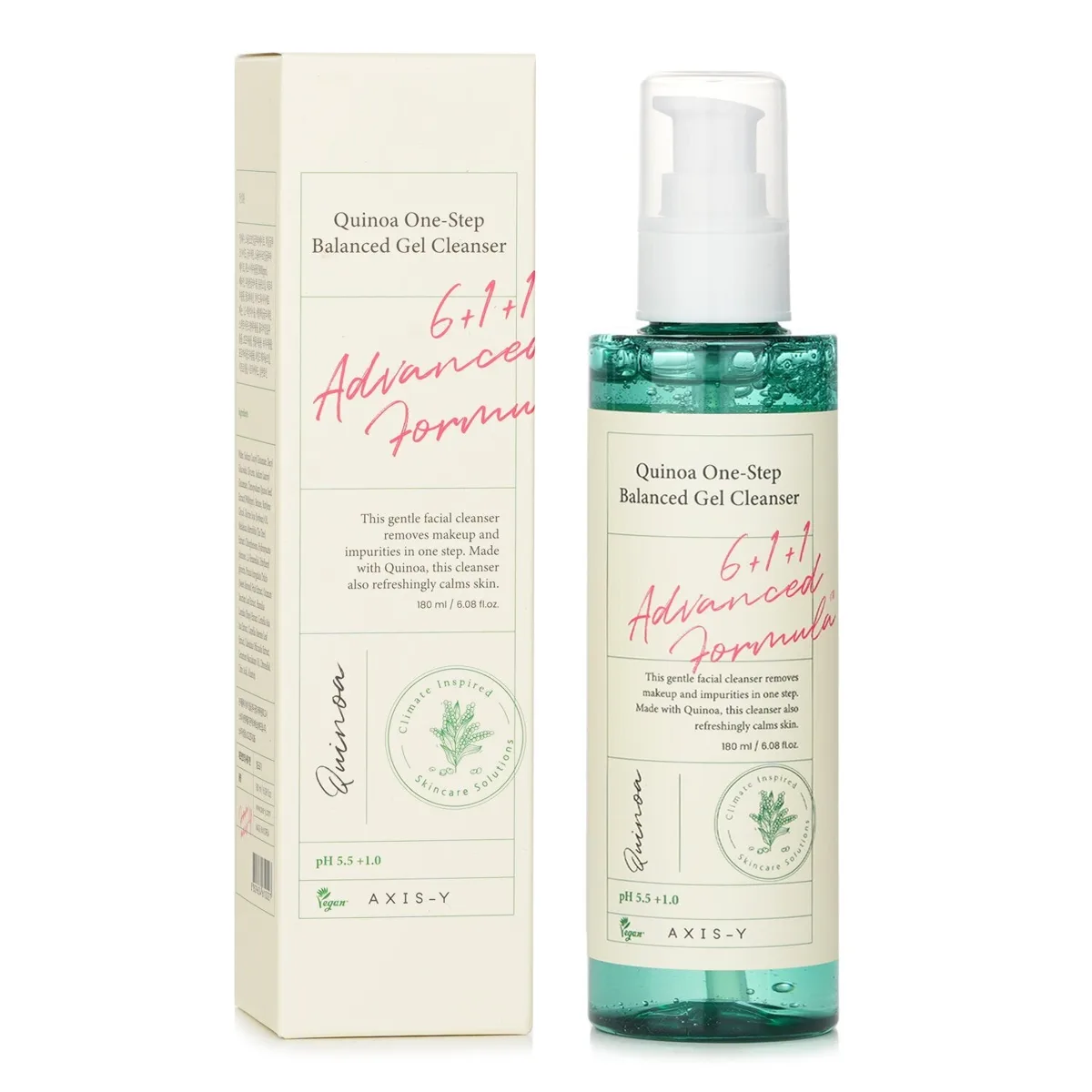 Quinoa-Led Gentle Daily Cleanser
 Quinoa One Step Balanced Gel Cleanser
A fragrance-free, sulfate-free gel cleanser built around quinoa seed extract and a gentle amphoteric-plus-nonionic surfactant pair. Non-stripping, broadly suitable, and priced reasonably — one of the safest recommendations in the daily gentle cleanser category.
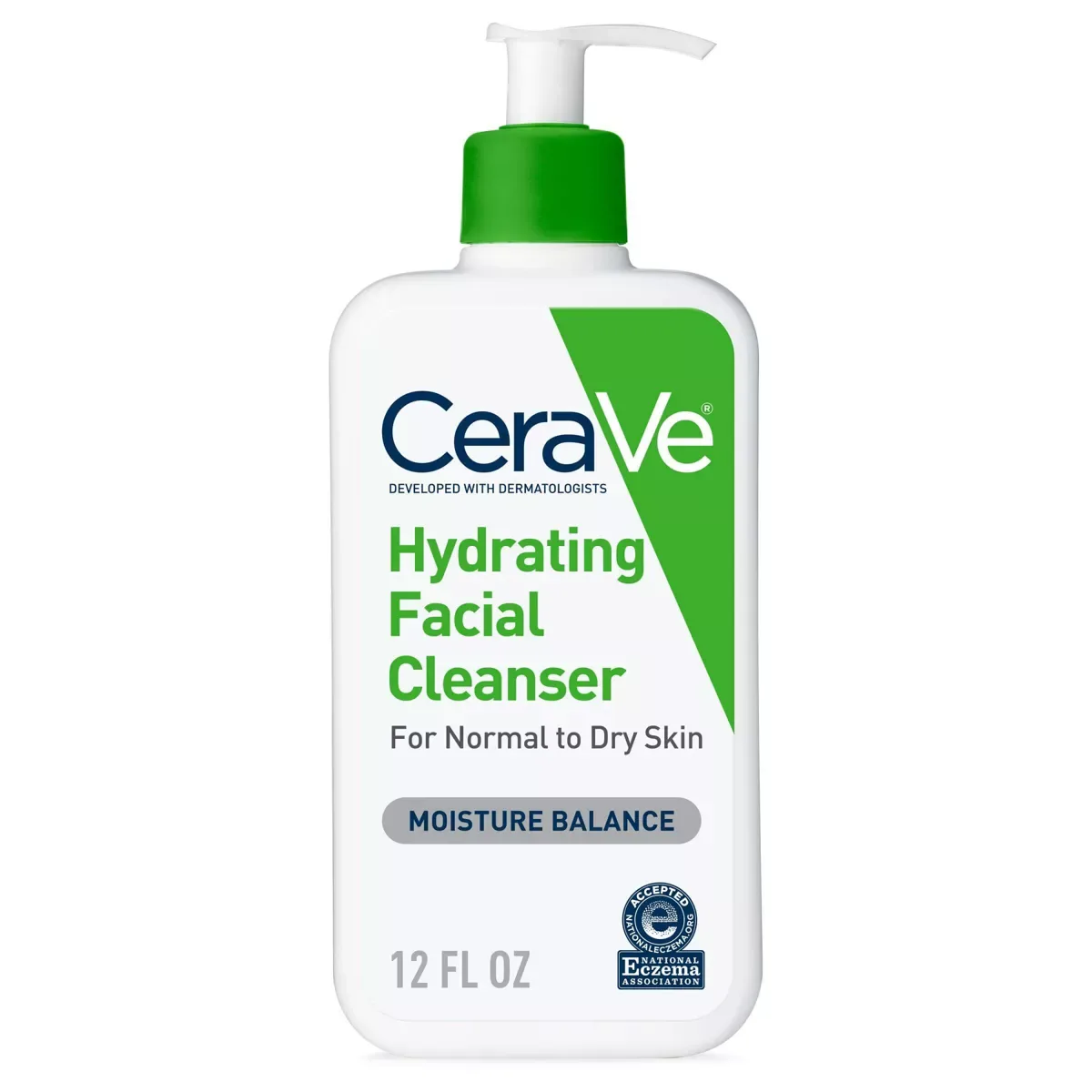 Sensitive Skin MVP
 Hydrating Facial Cleanser
The CeraVe Hydrating Facial Cleanser is the cleanser that taught a generation of dry-skin sufferers that washing your face does not have to mean punishing it. A lotion-textured, non-foaming formula that genuinely hydrates while it cleans, it remains the benchmark drugstore cleanser for anyone whose skin drinks moisture faster than most products can provide it.
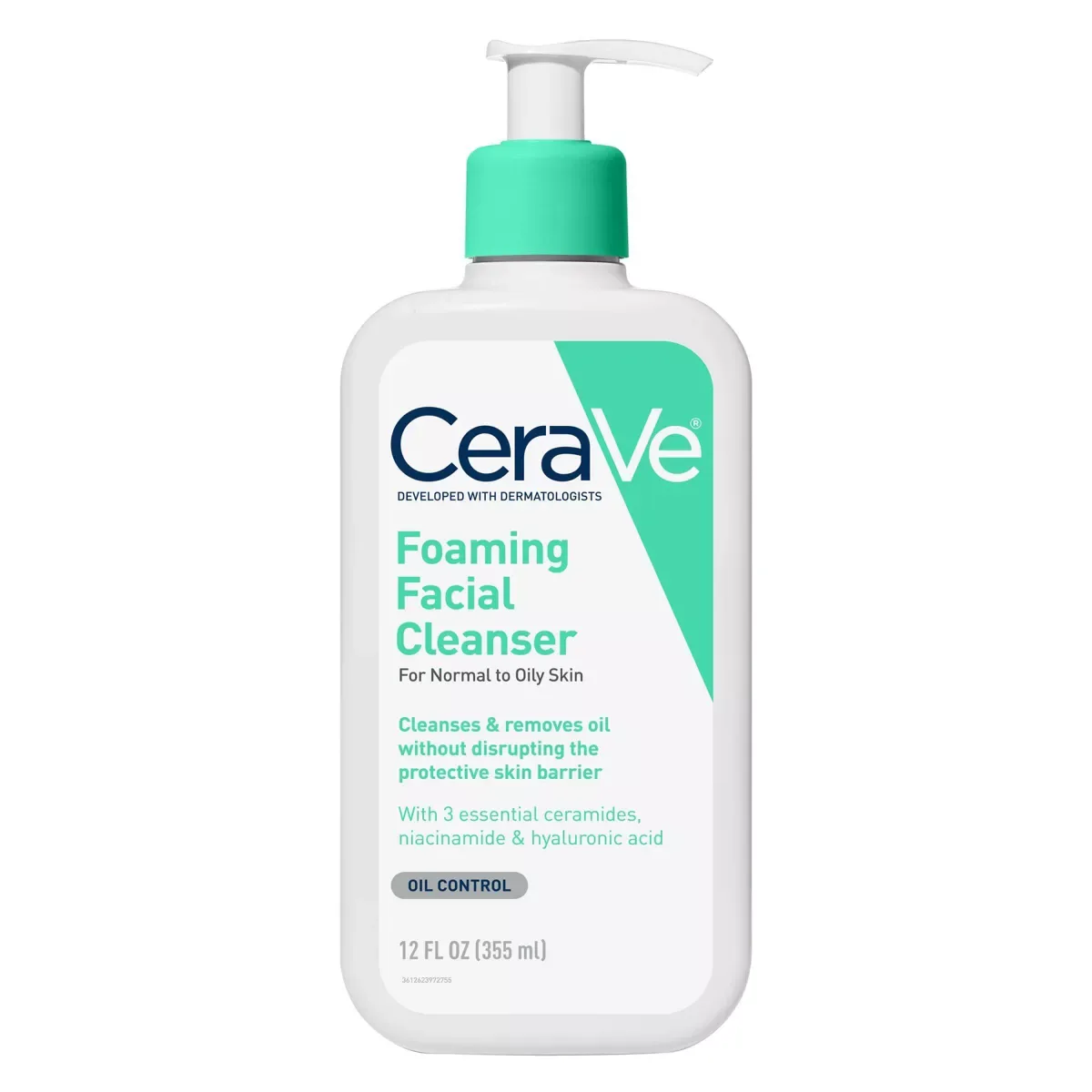 Derm Office Staple
 Foaming Facial Cleanser
The CeraVe Foaming Facial Cleanser is the rare drugstore cleanser that dermatologists actually use themselves — a genuinely gentle foaming wash that removes excess oil without triggering the rebound sebum production that plagues most lathering cleansers. At under sixteen dollars for a bottle that lasts months, it makes skipping it almost irrational.
 Cult-Status Makeup Eraser
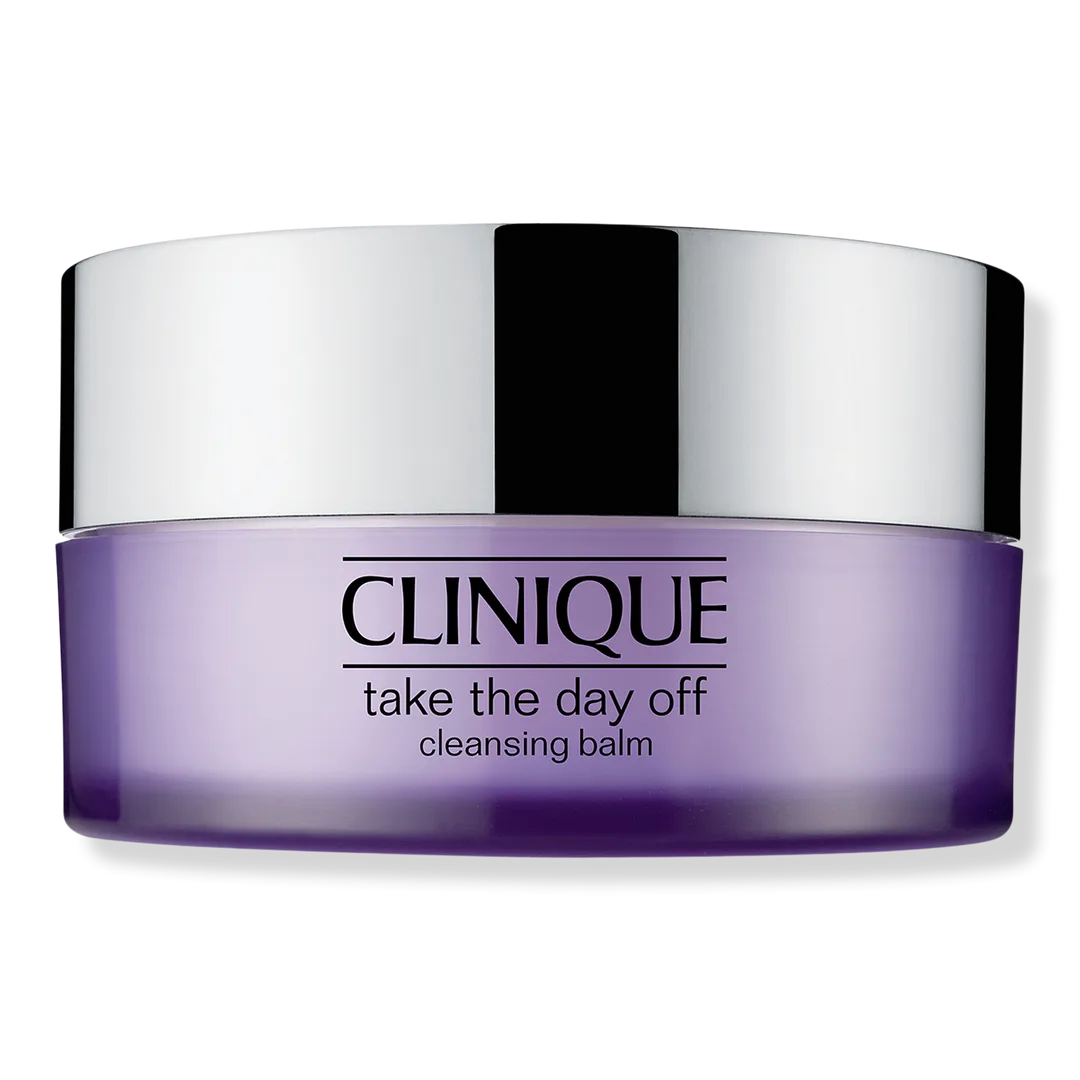
 Take the Day Off Cleansing Balm
The cleansing balm that earned its cult status through radical restraint — nine ingredients, zero fragrance, and the ability to dissolve anything from waterproof mascara to SPF 50 without disturbing even the most reactive skin. Not the most glamorous product in any routine, but possibly the most universally reliable.
 Japanese Drugstore Classic
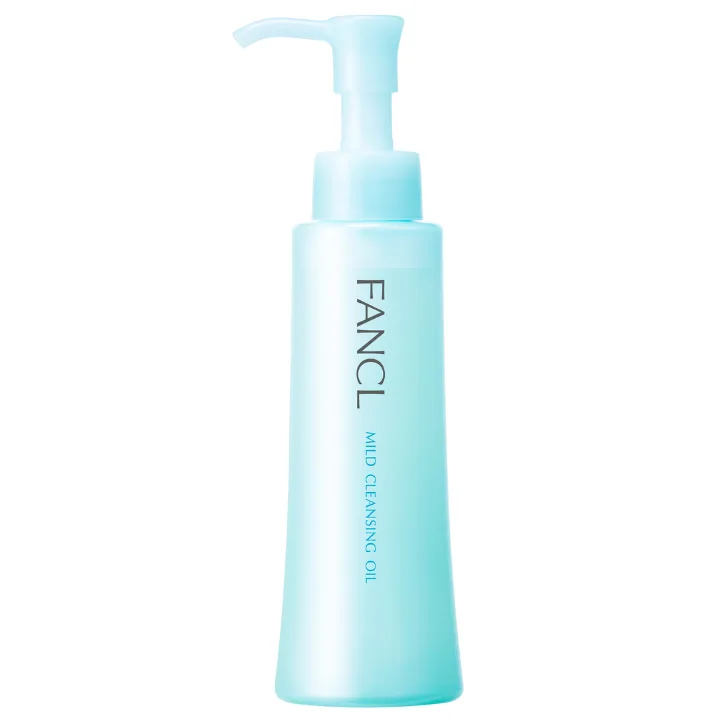
 Mild Cleansing Oil
A two-decade-old Japanese drugstore staple that still outperforms most modern cleansing oils on the single metric that matters: does it remove sunscreen cleanly without leaving a film. The fragrance-free, ester-based formula is gentle enough for reactive skin and thoughtfully augmented with vitamin C and plant oils. Quietly one of the best first-cleanse options on the market.
 The Original Micellar Water
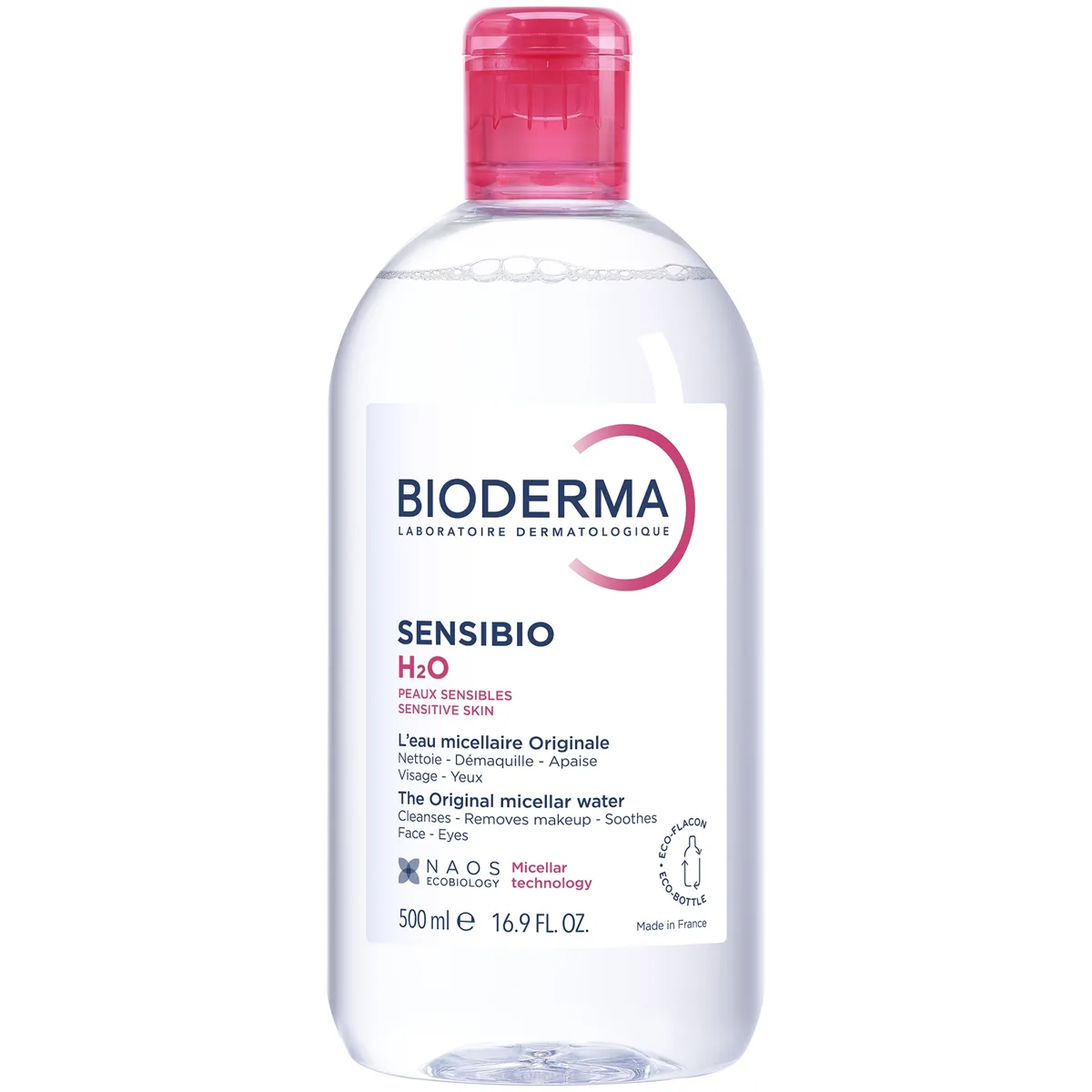
 Sensibio H2O Micellar Water
The product that launched an entire skincare category remains, three decades later, one of the gentlest and most effective no-rinse cleansers available. Bioderma Sensibio H2O earns its cult status through radical simplicity — 10 ingredients, zero fragrance, and a formula so mild it was originally dispensed by prescription.
This review reflects our independent analysis of publicly available ingredient data, manufacturer claims, and verified user reviews. We are reader-supported — Amazon links may earn us a commission at no cost to you. We do not accept paid placements; rankings are based solely on the evidence.