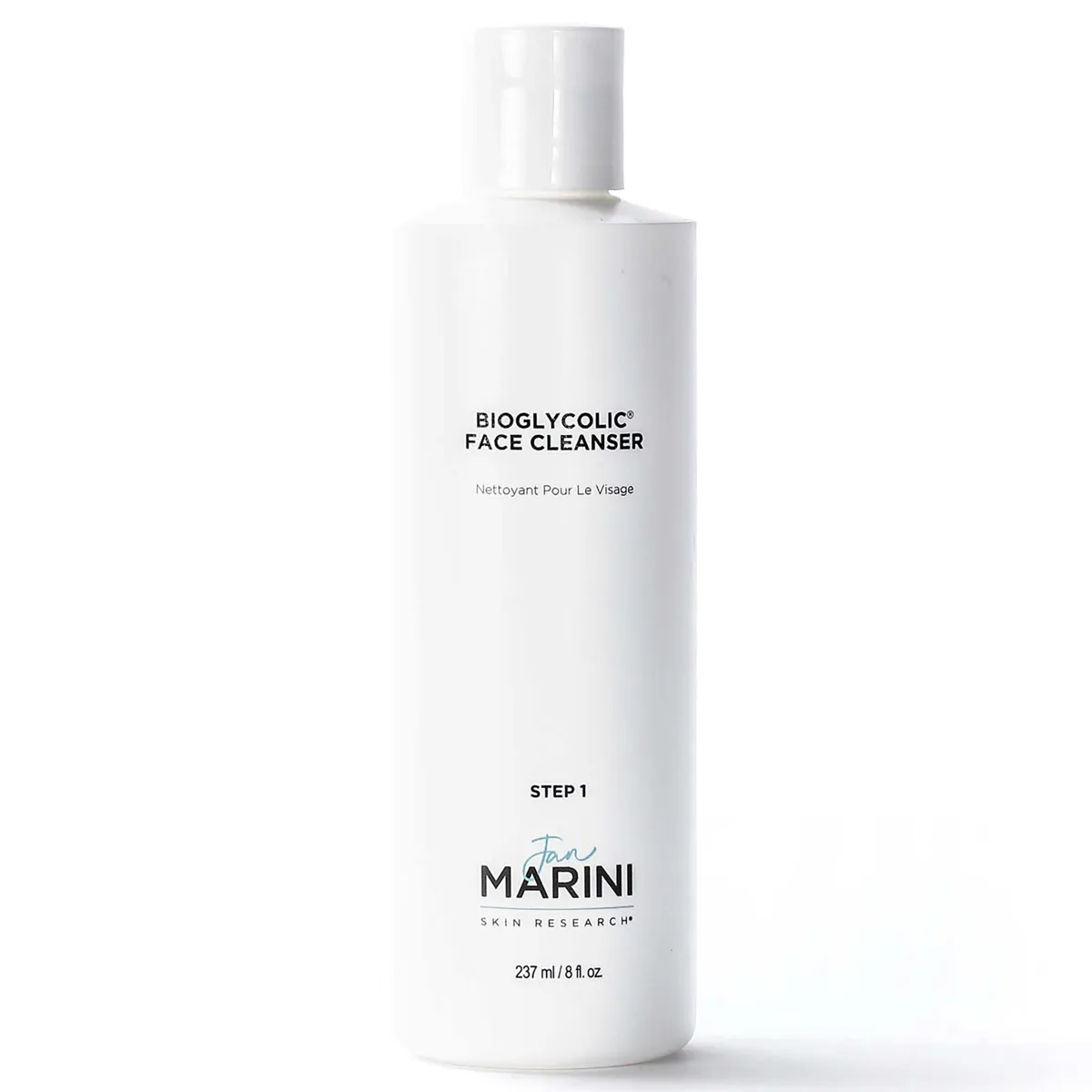
The original Jan Marini product and still one of the few glycolic cleansers that earns the name. A non-foaming lotion base carries a genuinely active glycolic dose without stripping drier skin, which is why it remains the priming step in dermatology-office routines three decades after launch. Expensive for a cleanser, but the right one to start a Jan Marini regimen.
Bioglycolic Face Cleanser
The original Jan Marini product and still one of the few glycolic cleansers that earns the name. A non-foaming lotion base carries a genuinely active glycolic dose without stripping drier skin, which is why it remains the priming step in dermatology-office routines three decades after launch. Expensive for a cleanser, but the right one to start a Jan Marini regimen.
Score Breakdown
Where this product gains points and where it loses them — broken down across the four scoring pillars.
A well-formulated non-foaming glycolic cleanser that has earned its place as the first step in Jan Marini routines for decades. The price is the main drag for what is ultimately a simple formulation, and sensitive users may find the ALS and glycolic combination a bit much twice a day.
Pros & Cons
- ✓Non-foaming lotion base is unusually well tolerated by dry skin
- ✓Meaningful glycolic dose that actually works in contact time
- ✓Primes skin effectively for leave-on acids and retinoids
- ✓Fragrance-free and alcohol-free despite being an active cleanser
- ✓Leaves a cushioned finish without residue
- ✓Proven three-decade track record in dermatology offices
- ✗Primary surfactant is ammonium lauryl sulfate
- ✗Expensive for a cleanser at $50 for 8 ounces
- ✗Too active for genuinely sensitive or rosacea skin twice daily
- ✗Plain packaging feels clinical rather than premium
- ✗Not suitable the night of a peel or procedure
Full Review
Every professional skincare brand has a product that built the company. For Jan Marini, that product is not one of the flashy growth factor serums or the Bioclear acid creams. It is this unassuming white bottle of non-foaming cleanser, the one the founder started shipping to dermatology offices in 1994 because she wanted her in-office glycolic peels to have a consistent priming step at home. The formula has been tuned over the years, but the logic has never changed, and that is the interesting part. Most glycolic cleansers on the shelf today are foaming gels that dump a high percentage of glycolic into an already drying sulfate base. They technically deliver the acid, but the skin they leave behind is too stripped to enjoy it. Bioglycolic Face Cleanser does the opposite. It tucks a meaningful glycolic dose into a lotion base with sorbitol and fatty alcohols, so the moment the acid gets to work, the surrounding formula is already cushioning the damage you usually associate with a glycolic wash.
That small structural decision is why this cleanser still has a place in dermatology routines almost thirty years after it launched. You feel it the first time you use it. Skin gets a faint tingle across the lower cheeks and chin, the kind that tells you the pH has actually dropped, not the kind that tells you your barrier is being scraped. Rinse and your face feels soft rather than tight. Over the next couple of weeks, tiny surface bumps on the forehead and jaw clear out, clogged pores shrink slightly, and the tone evens in the way you expect from a good at-home glycolic protocol. It is not doing the work of a leave-on acid cream, and it is not pretending to. What it is doing is lowering the bar for every treatment that comes after it, which is exactly how a priming cleanser is supposed to behave.
Texture-wise, the product is unglamorous in a way that is almost charming. A thick milky white lotion that sits on damp skin, massages smoothly, and rinses cleanly. No foam. No fragrance. No aesthetic ambition. The packaging is a plain squeeze bottle in the 8 oz consumer size and a pump on the 16 oz professional size, which is the kind of detail that tells you this product still thinks of itself as a clinic supply first and a retail item second. The scent is faintly soapy from the surfactants themselves with nothing added on top, which is a relief given how many modern glycolic cleansers feel the need to smell like a spa.
There are honest limitations to address. The surfactant backbone is ammonium lauryl sulfate, which is effective but is the harsher end of modern cleanser design. For most combination and oily skin it is a non-issue, but genuinely sensitive or reactive skin may find twice-daily use too much, and rosacea-prone skin in particular should treat it as a once-a-day product at most. The price is the other conversation. Fifty dollars for eight ounces of cleanser is professional pricing, and while the formula earns more of that price than a lot of prestige cleansers do, you can absolutely find a competent glycolic cleanser for a third of the cost. What you cannot find cheaply is the non-foaming emollient base, which is what makes this one tolerable on drier skin where the cheaper options are not.
The reader this cleanser is really for is the adult who has just been handed a Jan Marini routine at a dermatology visit or who is assembling one on their own. It is the correct first step because the rest of the line assumes you used it. It is also a credible standalone pick for any adult with clogged, dull, or mildly breakout-prone skin who has bounced off foaming acid cleansers and wants something that treats exfoliation as part of a routine rather than an event. Seen that way, the price starts to feel less like a luxury markup and more like the cost of buying into a system that has outlived almost every trend cycle since it launched.
Formula
Key Ingredients
The hero actives that drive this product's performance.
| Ingredient | Function | Evidence |
|---|---|---|
| Glycolic Acid | Listed second on the INCI, this cleanser carries an unusually high concentration of glycolic acid for a wash-off product, which is the whole reason the formula exists. Even in the short contact time of a cleanse, it lowers surface pH and loosens the corneocyte bonds holding dead cells in the follicle, priming the skin for the rest of Jan Marini's Bioglycolic or Bioclear routine. | well-established |
| Sorbitol | A humectant sugar alcohol placed high in the formula to offset the potential drying effect of the glycolic acid and ammonium lauryl sulfate below it. It draws water into the stratum corneum during the cleanse so the finish feels soft rather than squeaky. | well-established |
| Cetyl Alcohol / Stearyl Alcohol | Fatty alcohols that give this cleanser its lotion-like, non-foaming texture and leave a thin emollient film at the end of the rinse. That cushion is why many dry-skinned users tolerate a glycolic cleanser here that would tighten them on a typical AHA foaming wash. | well-established |
| Ammonium Lauryl Sulfate | The primary anionic surfactant for sebum removal. It is a relatively aggressive cleanser on its own but is kept in check here by the sorbitol and fatty alcohols in the same base, so the final wash is thorough without feeling stripping. | well-established |
Full INCI List · pH 4
Water/Aqua/Eau, Glycolic Acid, Sorbitol, Cetyl Alcohol, Stearyl Alcohol, Sodium Hydroxide, Ammonium Lauryl Sulfate, Palmitic Acid, Caprylyl Glycol, Ethylhexylglycerin, Hexylene Glycol, Phenoxyethanol.
Product Flags
✓ Fragrance Free✓ Alcohol Free✓ Oil Free✓ Silicone Free✓ Paraben Free✗ Sulfate Free✓ Cruelty Free✓ Vegan✗ Fungal Acne Safe
Comedogenic Ingredients
Cetyl AlcoholStearyl Alcohol
Potential Irritants
Glycolic AcidAmmonium Lauryl Sulfate
Compatibility
Skin Match
Best For
Works For
Not Ideal For
Addresses These Conditions
acne blackheads dullness texture large pores
Use With Caution
rosacea sensitivity compromised skin barrier eczema
Avoid With
Routine Step
cleanser
Time of Day
AM & PM
Pregnancy Safe
Unknown
Layering Tips
Use as the first step of any Jan Marini routine or as a morning cleanser to prime skin for actives. Massage for 30 to 60 seconds before rinsing. Avoid pairing with other AHA or BHA cleansers on the same day, and do not use the night of a peel or microneedling.
Results Timeline
Skin feels smoother and slightly brighter immediately after the first wash. Within two to three weeks of twice-daily use, most people notice fewer clogged pores and a more even tone, with cumulative improvement through week six.
Pairs Well With
bioclear-creamc-esta-serumfactor-a-plus-creamceramide-moisturizer
Conflicts With
other-aha-cleansersbha-cleanserssame-day-peels
Sample AM Routine
- Jan Marini Bioglycolic Face Cleanser
- C-Esta Serum
- Moisturizer
- SPF 50
Sample PM Routine
- Jan Marini Bioglycolic Face Cleanser
- Bioclear Lotion or Cream
- Factor-A Plus Cream
Evidence
Science & Expert Perspective
The Science
The case for a glycolic acid cleanser rests on a narrower band of evidence than the case for leave-on glycolic products, but it is a real one. Work published over the last two decades has shown that even short-contact glycolic exposure can lower surface pH enough to activate endogenous desquamation enzymes and begin loosening corneocyte adhesions, provided the concentration and the base allow the acid to stay unbuffered on the skin for the duration of the cleanse. Early glycolic acid research in the 1990s by Van Scott and Yu laid the mechanism for corneocyte cohesion disruption, and subsequent clinical work on glycolic acid in acne and photoaging has consistently shown improvement at concentrations and pH values that a well-designed cleanser can momentarily deliver. The specific structural choice in Bioglycolic Face Cleanser is the non-foaming lotion base. By avoiding a gel or foam format, the formula keeps the acid in closer contact with the skin rather than flashing off into bubbles that carry activity away. That, combined with humectants like sorbitol that protect the barrier during exposure, is what distinguishes a glycolic cleanser that does meaningful priming work from one that is essentially a marketing label. The product is not a replacement for a leave-on AHA, and the research literature does not support treating it as one, but as a preparation step before Bioclear, a retinoid, or an in-office peel, the mechanism has a reasonable foundation.
Dermatologist Perspective
Dermatologists frequently use Bioglycolic Face Cleanser as the priming step when starting patients on the Jan Marini system, particularly when the treatment plan includes the Bioclear leave-on creams or in-office glycolic peels. Board-certified dermatologists often note that the non-foaming base makes it easier to justify a glycolic cleanser for patients whose skin cannot tolerate a typical AHA foaming wash, and the meaningful acid dose is what keeps them specifying this product by name rather than any generic glycolic cleanser. It is usually framed as a twice-daily option for oilier and combination skin and a once-a-day evening cleanser for drier or more reactive complexions. Dermatologists typically advise patients to pause use on the day of an in-office peel, to avoid layering with other AHA or BHA cleansers, and to reinforce daily sunscreen given the cumulative resurfacing effect of the routine.
Guidance
Usage Guide
How to Use
Apply a nickel-sized amount to damp skin and massage gently for 30 to 60 seconds, focusing on the forehead, nose, and chin. Rinse thoroughly with lukewarm water and pat dry. Use twice daily for combination or oily skin and once nightly for drier or more reactive skin. Follow with a Jan Marini treatment such as Bioclear, C-Esta, or Factor-A Plus, or with any other leave-on actives in your routine. Do not pair with other AHA or BHA cleansers on the same day, and skip it the night of a peel, microneedling, or waxing. Always pair the routine with daily broad-spectrum SPF 30 or higher.
Value Assessment
Fifty dollars for an 8 oz bottle is firmly in professional-tier territory, and the formula is simple enough that the price is partly a distribution charge rather than a raw-material story. What you are paying for is the non-foaming lotion base with a meaningfully active glycolic dose, which is genuinely hard to find below thirty dollars. A 16 oz pro size exists and offers better per-ounce economics for people who are fully committed to the routine. For a casual glycolic user, this is an overspend. For someone running a complete Jan Marini system on dry or mature skin, the cost per day of use is reasonable and the cleanser does actual work rather than acting as a marketing introduction to the rest of the line.
Who Should Buy
Adults with combination, oily, or normal skin who are building a glycolic-based at-home routine and want a cleanser that primes the skin for the rest of their actives. Also a strong pick for anyone who has struggled with foaming glycolic cleansers stripping their skin and wants the same acid effect in a non-foaming lotion base.
Who Should Skip
Truly sensitive skin, rosacea-prone skin, or anyone with an actively compromised barrier, who will do better with a plain gentle cleanser and keep their acid exposure to a leave-on product. Budget shoppers can find competent glycolic cleansers for far less, and minimalists who do not otherwise use the Jan Marini system will not get full value.
Ready to try Jan Marini Bioglycolic Face Cleanser?
Details
Details
Texture
A milky white non-foaming lotion that stays put on damp skin long enough for a proper massage.
Scent
Faint, clean, and slightly soapy with no added fragrance.
Packaging
Plain white squeeze bottle in the 8 oz size and a pump bottle in the pro 16 oz version. Functional and clinic-friendly rather than aspirational.
Finish
non-greasysatin
What to Expect on First Use
Expect a very light tingle around the nose and chin on the first few uses. Skin feels cushioned and soft afterward rather than squeaky. Some users see tiny surface bumps clear within the first week as the glycolic loosens existing clogs.
How Long It Lasts
About 3 to 4 months of twice-daily use from the 8 oz bottle.
Period After Opening
12 months
Best Season
All Year
Background
The Why
Bioglycolic Face Cleanser is the original Jan Marini product, dating back to the brand's launch in 1994 when glycolic acid was only beginning to move from peel rooms into daily routines. It was designed as the priming step for the brand's professional glycolic peels and evolved into the cleanser dermatologists still recommend for patients starting an at-home acid regimen.
About Jan Marini Legacy Brand (20+ years)
Jan Marini Skin Research, founded in 1994, built its reputation on glycolic acid formulations and has been a physician-dispensed staple for three decades. The Bioglycolic line is the backbone of that identity and is widely used in dermatology and medspa offices.
Brand founded: 1994
Myth vs. Reality
Myths & Misconceptions
Myth
Glycolic acid does nothing in a cleanser because you rinse it off too quickly.
Reality
Low percentages do very little, but Bioglycolic uses enough glycolic acid that even a 60 second massage lowers surface pH and begins corneocyte loosening, which is confirmed by users who feel a genuine tingle and see measurable texture change.
Myth
You cannot use a glycolic cleanser if you have dry skin.
Reality
Dry skin reacts poorly to glycolic cleansers built on harsh foaming bases. This one is non-foaming and carries sorbitol plus fatty alcohols, which is why it is often tolerated by drier skin types twice a day.
FAQ
Frequently Asked Questions
Is Jan Marini Bioglycolic Face Cleanser too strong for daily use?
For most combination and normal skin types it is a daily cleanser. Drier and sensitive users typically do best using it once a day at night and rinsing with a gentle cream cleanser in the morning, especially in winter.
Does this cleanser actually exfoliate given that it is rinsed off?
Yes, modestly. The formula carries enough glycolic acid to lower surface pH during the cleanse and loosen dead cells. It is not a substitute for a leave-on acid treatment like Bioclear, but it meaningfully primes skin so those products work better.
Can I use it with a retinoid or Bioclear at night?
Yes, this is exactly how the Jan Marini system is designed. Cleanse with Bioglycolic, then apply Bioclear or your retinoid on dry skin. If your skin is irritated, rinse with a plain cleanser on retinoid nights instead.
Is it safe for sensitive skin?
It is formulated to be gentler than a typical sulfate glycolic cleanser, but it still contains ammonium lauryl sulfate and a meaningful amount of glycolic acid. Truly sensitive or rosacea-prone skin usually needs a milder daily cleanser.
Is Bioglycolic Face Cleanser safe during pregnancy?
Glycolic acid in a rinse-off cleanser is generally considered low-concern, but policies vary. Most obstetricians consider a short-contact glycolic cleanser acceptable, though anyone uncertain should confirm with their own physician.
Does it remove makeup?
It removes light makeup and sunscreen adequately but struggles with long-wear foundation or waterproof mascara. Users who wear full makeup typically double cleanse with an oil or balm first.
How long does an 8 oz bottle last?
With twice-daily use on the face and neck, most people finish an 8 oz bottle in about three to four months, which is roughly in line with other professional cleansers at this tier.
Community
Community Voices
Common Praise
"Leaves skin genuinely cleaner without the tight feeling"
"Noticeably smoother texture within two weeks"
"Pairs perfectly with the rest of the Bioglycolic line"
"Non-foaming formula is gentle enough for morning use"
Common Complaints
"Expensive for a cleanser"
"Contains ammonium lauryl sulfate"
"Too active for sensitive skin twice a day"
"No pump on the smaller size"
Notable Endorsements
Long-standing pick in professional skincare regimensFrequent recommendation in Jan Marini pre-peel protocols
Appears In
best cleanser for glycolic acid best professional cleanser best cleanser for acne prone skin best non foaming exfoliating cleanser
Related Conditions
acne blackheads texture dullness
Related Ingredients
You Might Also Like
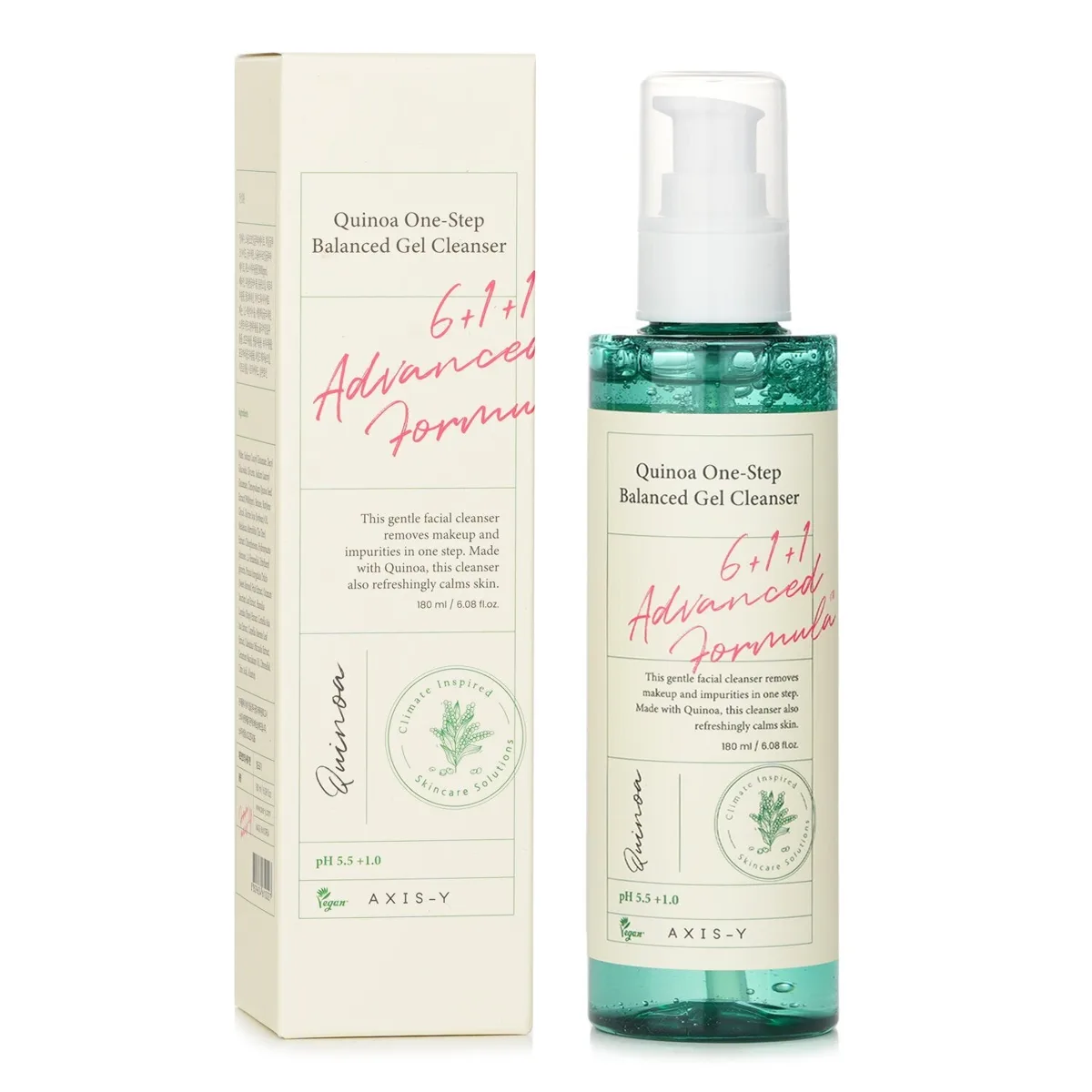 Quinoa-Led Gentle Daily Cleanser
 Quinoa One Step Balanced Gel Cleanser
A fragrance-free, sulfate-free gel cleanser built around quinoa seed extract and a gentle amphoteric-plus-nonionic surfactant pair. Non-stripping, broadly suitable, and priced reasonably — one of the safest recommendations in the daily gentle cleanser category.
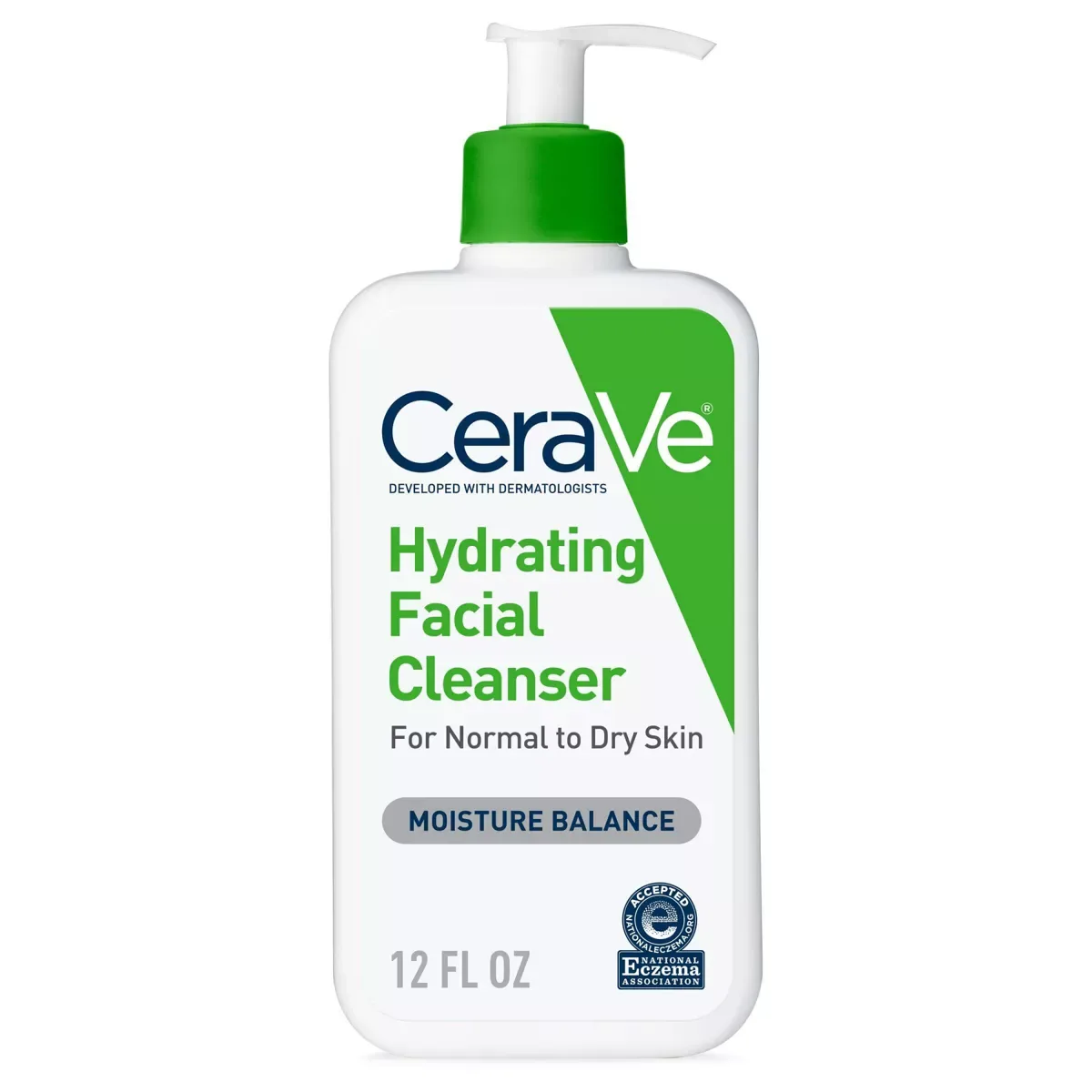 Sensitive Skin MVP
 Hydrating Facial Cleanser
The CeraVe Hydrating Facial Cleanser is the cleanser that taught a generation of dry-skin sufferers that washing your face does not have to mean punishing it. A lotion-textured, non-foaming formula that genuinely hydrates while it cleans, it remains the benchmark drugstore cleanser for anyone whose skin drinks moisture faster than most products can provide it.
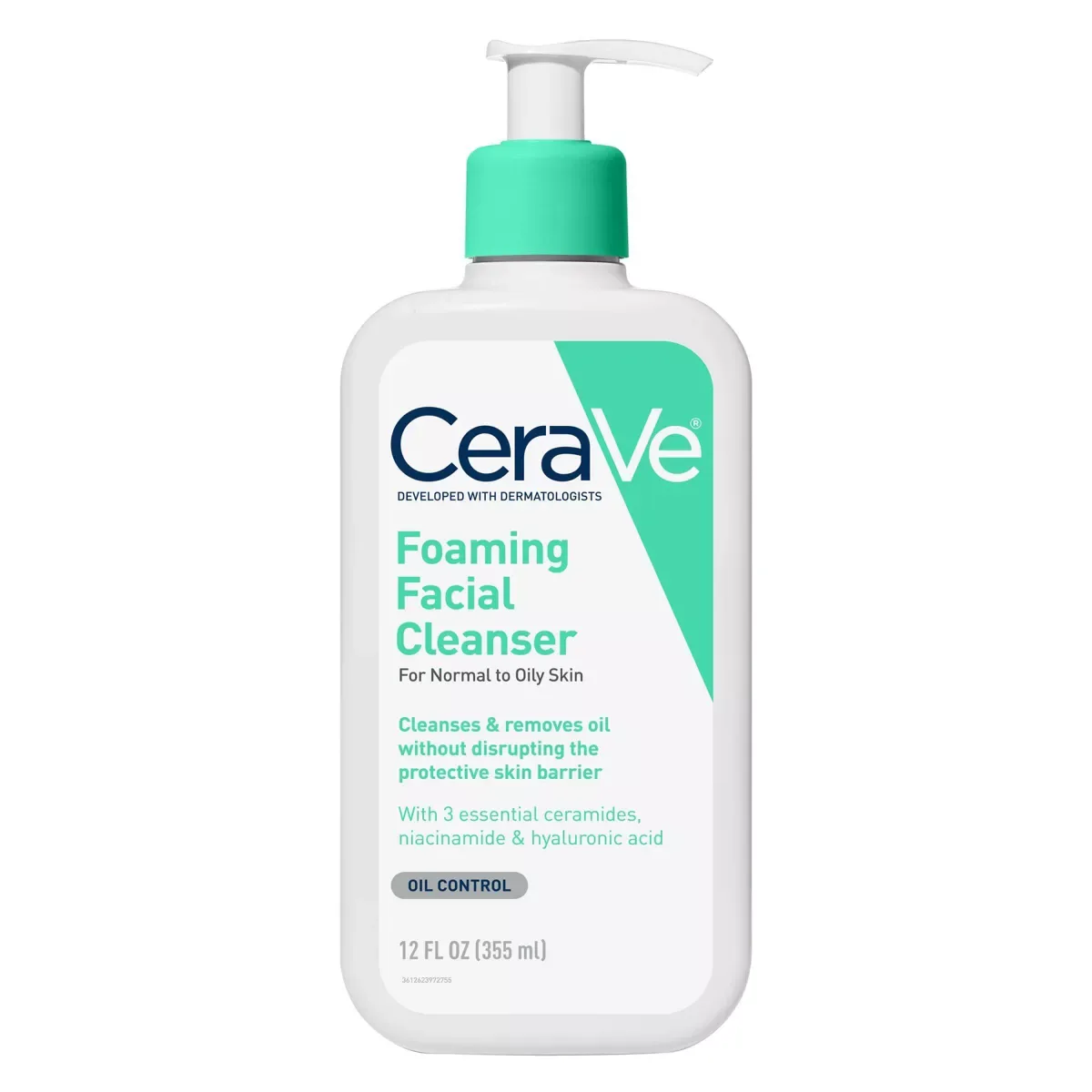 Derm Office Staple
 Foaming Facial Cleanser
The CeraVe Foaming Facial Cleanser is the rare drugstore cleanser that dermatologists actually use themselves — a genuinely gentle foaming wash that removes excess oil without triggering the rebound sebum production that plagues most lathering cleansers. At under sixteen dollars for a bottle that lasts months, it makes skipping it almost irrational.
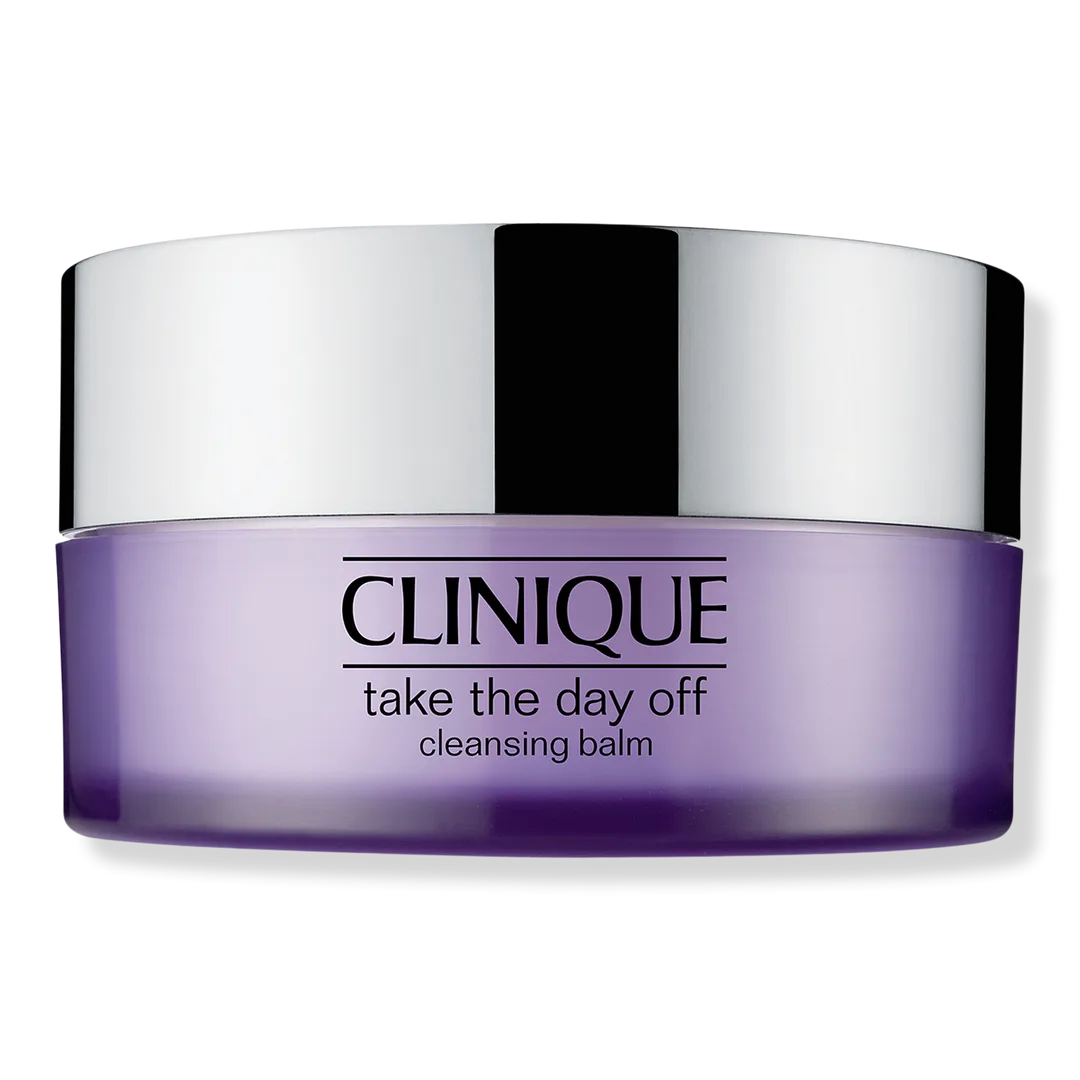 Cult-Status Makeup Eraser
 Take the Day Off Cleansing Balm
The cleansing balm that earned its cult status through radical restraint — nine ingredients, zero fragrance, and the ability to dissolve anything from waterproof mascara to SPF 50 without disturbing even the most reactive skin. Not the most glamorous product in any routine, but possibly the most universally reliable.
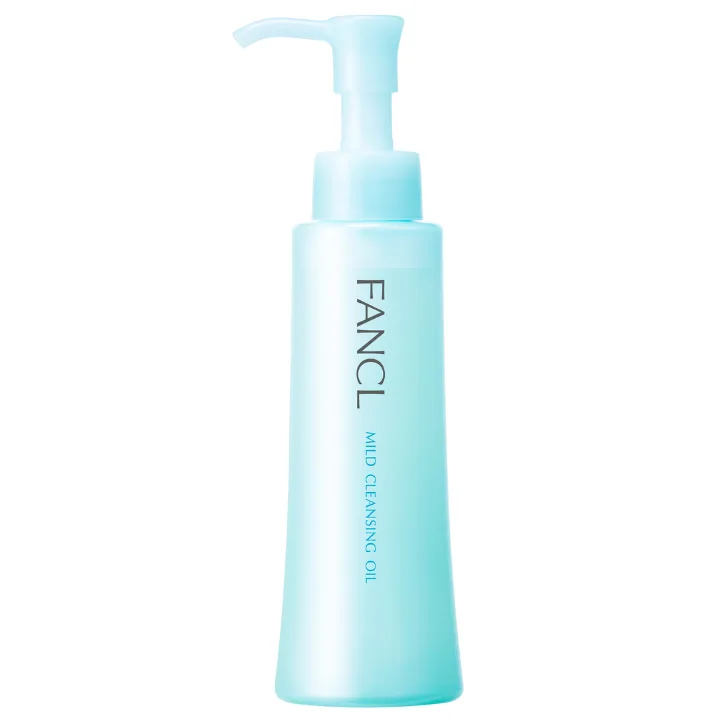 Japanese Drugstore Classic
 Mild Cleansing Oil
A two-decade-old Japanese drugstore staple that still outperforms most modern cleansing oils on the single metric that matters: does it remove sunscreen cleanly without leaving a film. The fragrance-free, ester-based formula is gentle enough for reactive skin and thoughtfully augmented with vitamin C and plant oils. Quietly one of the best first-cleanse options on the market.
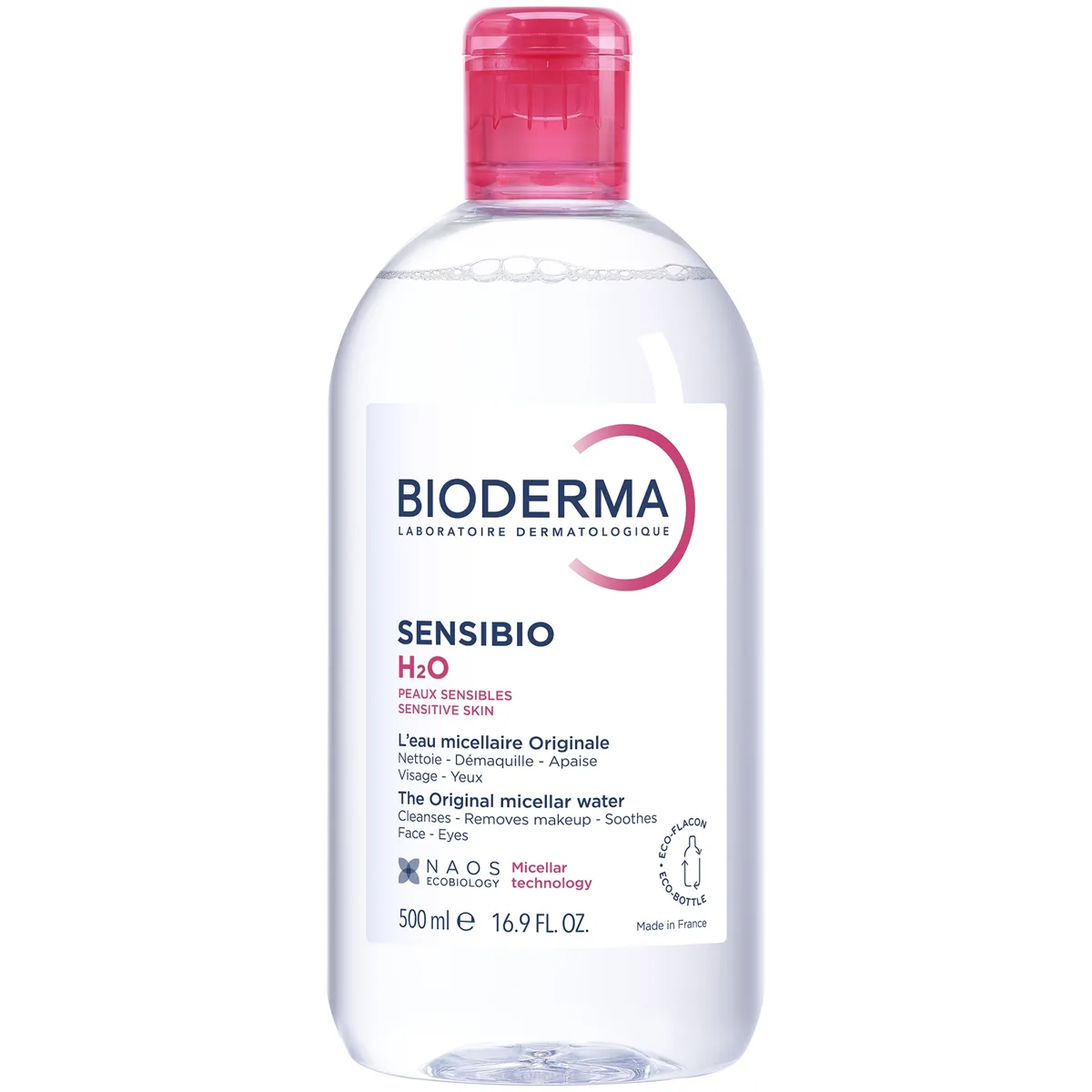 The Original Micellar Water
 Sensibio H2O Micellar Water
The product that launched an entire skincare category remains, three decades later, one of the gentlest and most effective no-rinse cleansers available. Bioderma Sensibio H2O earns its cult status through radical simplicity — 10 ingredients, zero fragrance, and a formula so mild it was originally dispensed by prescription.