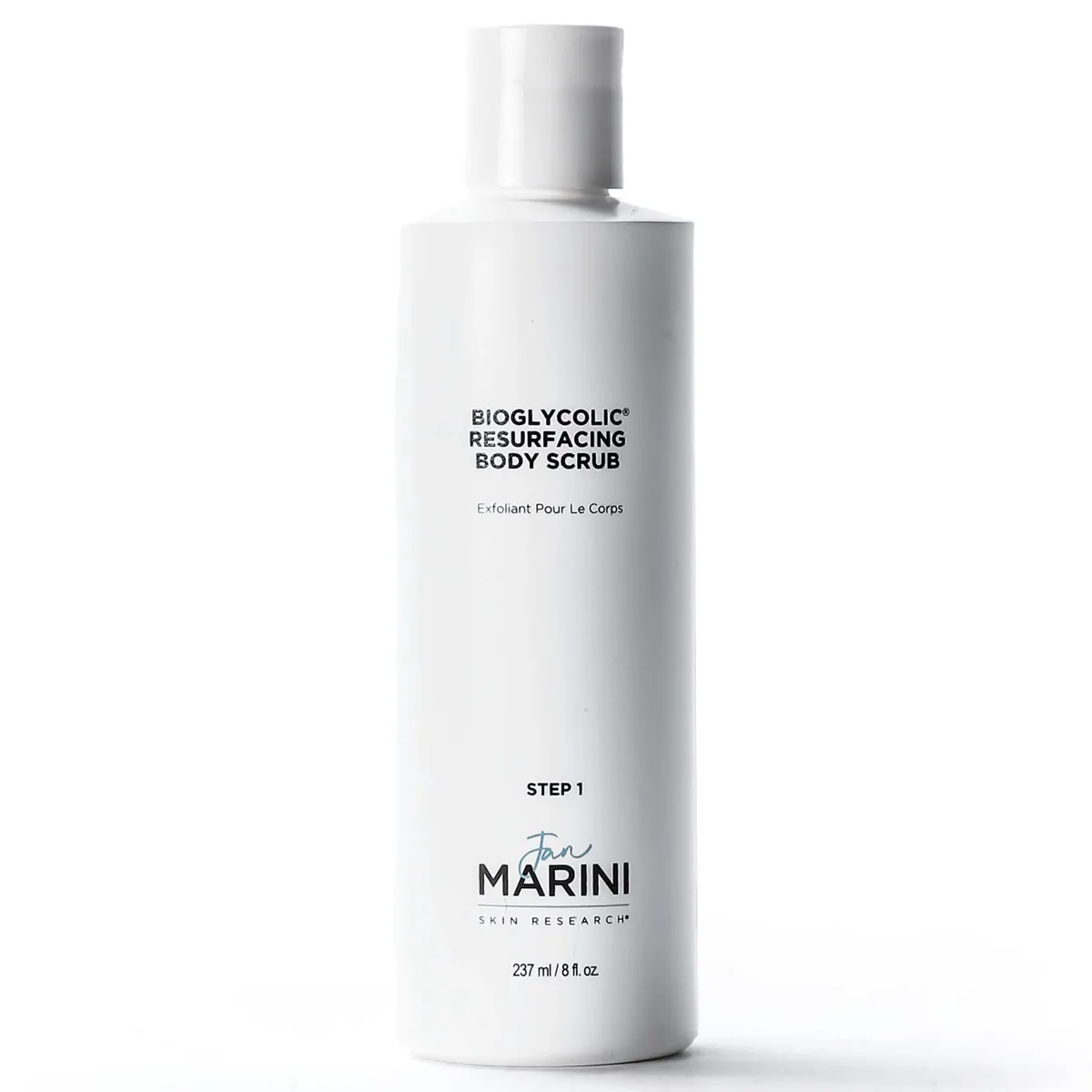
A genuinely effective professional body scrub that pairs a meaningful glycolic dose with biodegradable PLA beads, and one of the few products that reliably moves the needle on stubborn keratosis pilaris. The price is steep and the added fragrance holds it back for sensitive users, but the mechanism is right and the results show up fast.
Bioglycolic Resurfacing Body Scrub
A genuinely effective professional body scrub that pairs a meaningful glycolic dose with biodegradable PLA beads, and one of the few products that reliably moves the needle on stubborn keratosis pilaris. The price is steep and the added fragrance holds it back for sensitive users, but the mechanism is right and the results show up fast.
Score Breakdown
Where this product gains points and where it loses them — broken down across the four scoring pillars.
A genuinely effective glycolic plus mechanical body scrub that the brand has maintained well over the years, including a welcome switch to PLA beads. Loses points for a steep price, added fragrance with limonene and linalool, and an MIT-based preservative system that is outside current European best practice.
Pros & Cons
- ✓Meaningfully high glycolic dose for a body scrub
- ✓Uniform polylactic acid beads exfoliate without scratching
- ✓Visibly softens keratosis pilaris within 2 to 3 weeks
- ✓Excellent on rough feet, elbows, and calluses
- ✓Legacy formula updated to remove polyethylene microbeads
- ✓Cream base glides on wet skin without dragging
- ✗$82 for 8 oz is expensive for a body scrub
- ✗Contains added fragrance with limonene and linalool
- ✗Preservative system uses methylisothiazolinone
- ✗Not suitable for sensitive or eczema-prone body skin
- ✗Cannot be used on recently shaved legs
Full Review
Keratosis pilaris is the chronic condition that launched a thousand body lotions, and almost none of them work on their own. The backs of the arms stay bumpy because the keratin plugs inside each follicle are protected from the surface, and the only way to reliably break them down is a two-front attack: a chemical that softens the plug and a mechanical action that lifts it out. Most body scrubs choose one side of that equation, usually the mechanical one, and usually with sugar or sea salt, both of which dissolve before they do anything useful. Jan Marini's Bioglycolic Resurfacing Body Scrub is one of the few commercial products that actually commits to both. It parks a meaningful dose of glycolic acid at the third slot of the ingredient list and surrounds it with round, biodegradable polylactic acid beads in a thick emulsion that stays put on wet skin long enough for both to do their work.
The texture is heavier than you expect, a bit like a cream cleanser that someone crossed with a gentle microdermabrasion paste. You scoop a quarter-sized amount onto damp skin, massage it over the upper arms or thighs for about a minute, and you can feel the beads doing their job without the scratchy drag of walnut shell or apricot pit scrubs. Rinse and the difference is immediate. Skin feels softer after the very first use, and for people with moderate keratosis pilaris, the actual flattening of the bumps begins in the second week. By about the six-week mark the skin on the backs of the arms looks like it belongs on someone who does not have KP at all, which is a result most lactic acid lotions take several months to deliver on their own.
The formula logic is also smart in a way Jan Marini is easy to underrate. The glycolic is buffered in the emulsion rather than thrown in at a stinging pH, the PLA beads are round and uniform rather than angular, and the base includes aloe and a small complement of botanical extracts to cool the skin after a resurfacing pass. The brand replaced the original polyethylene microbeads with polylactic acid beads in the 2010s, quietly and without making a sustainability campaign out of it, which is the kind of update you wish more legacy products would do. On body skin, which is thicker and slower to turn over than the face, the scrub hits the right balance between aggressive and tolerable, and on rough feet and elbows it is one of the most satisfying products you can use.
The drawbacks are real. This is a fragranced product. It smells clean and herbal, rosemary and chamomile with a soapy top note, but it is meaningfully perfumed by the standards of clinical skincare, and the INCI lists limonene and linalool as expected fragrance components. If you are reactive to body fragrance or manage eczema or prurigo, this is not the scrub for you. The preservative system also uses methylchloroisothiazolinone and methylisothiazolinone, which are effective at very low doses in rinse-off products but sit outside the current European best practice for leave-on cosmetics and are a sensitization risk for a minority of users. The third drawback is the price. Eighty-two dollars for an eight-ounce body scrub is a real ask, and while the formula earns more of that tag than a drugstore scrub, it is still expensive enough that the average buyer will rightly think twice.
The person this product is genuinely for is someone with moderate to severe keratosis pilaris who has tried the Eucerin and AmLactin route, seen only modest improvement, and wants a rinse-off treatment that moves faster. It is also a strong pick for anyone with consistently rough, dull body skin who uses body sunscreen and self-tanner regularly and wants a professional-grade prep step. If your skin is fine and you just want a nice shower product, you do not need this. But if you have a specific body-texture problem that nothing else has solved, Bioglycolic Resurfacing Body Scrub is one of the short list of products that tends to solve it, which is why it still sits in dermatology back rooms two decades after its launch.
Formula
Key Ingredients
The hero actives that drive this product's performance.
| Ingredient | Function | Evidence |
|---|---|---|
| Glycolic Acid | Sits third on the INCI and is the chemical engine of this scrub. Because body skin is thicker and slower to desquamate than facial skin, the combination of a meaningful glycolic dose plus mechanical polish is what actually smooths the keratin-rich bumps and rough patches on arms, thighs, and feet that a physical scrub alone never reaches. | well-established |
| Polylactic Acid (PLA) Granules | Biodegradable round beads that Jan Marini moved to after phasing out polyethylene microbeads. They provide the mechanical polish that loosens the softened keratin from the glycolic layer above, and because they are uniform spheres they are meaningfully gentler than fruit pits or sugar crystals. | well-established |
| Aloe Barbadensis Leaf Juice | Added to the base to cool and rehydrate the skin immediately after the glycolic-plus-bead massage, which is particularly useful on legs and arms where the scrub can leave a mild flush. | promising |
| Chamomile and Rosemary Extracts | A supporting soothing pair chosen to buffer the rosemary-tinged herbal scent and offer mild anti-inflammatory activity on body skin that has just been resurfaced. | limited |
Full INCI List · pH 4
Water/Aqua/Eau, Polylactic Acid, Glycolic Acid, C12-15 Alkyl Benzoate, Cetyl Ethylhexanoate, Ammonium Lauryl Sulfate, Cetyl Alcohol, Glyceryl Stearate, PEG-100 Stearate, C12-20 Acid PEG-8 Ester, Sodium Hydroxide, Aloe Barbadensis (Aloe Vera) Leaf Juice, Chamomilla Recutita (Matricaria) Flower Extract, Rosmarinus Officinalis (Rosemary) Leaf Extract, Glycerin, Xanthan Gum, Magnesium Aluminum Silicate, Fragrance (Parfum), Limonene, Linalool, C10-16 Alcohols, Ammonium Sulfate, Methylchloroisothiazolinone, Methylisothiazolinone, Phenoxyethanol.
Product Flags
✗ Fragrance Free✓ Alcohol Free✓ Oil Free✓ Silicone Free✓ Paraben Free✗ Sulfate Free✓ Cruelty Free✓ Vegan✗ Fungal Acne Safe
Comedogenic Ingredients
C12-15 Alkyl BenzoateCetyl Alcohol
Potential Irritants
Glycolic AcidAmmonium Lauryl SulfateFragranceLimoneneLinaloolMethylchloroisothiazolinoneMethylisothiazolinone
Common Allergens
FragranceLimoneneLinaloolMethylisothiazolinone
Compatibility
Skin Match
Best For
Works For
Not Ideal For
Addresses These Conditions
keratosis pilaris texture dullness blackheads acne
Use With Caution
eczema psoriasis sensitivity compromised skin barrier
Avoid With
Routine Step
treatment
Time of Day
AM & PM
Pregnancy Safe
Unknown
Layering Tips
Use in the shower on wet skin, focusing on rough areas such as the backs of the arms, thighs, and feet. Rinse well and follow with a urea or lactic acid body lotion while skin is still damp. Do not use on the face or on freshly shaved legs.
Results Timeline
Skin feels immediately smoother after the first use. Keratosis pilaris bumps on the upper arms and thighs usually soften within two to three weeks of two-to-three uses per week, with the most noticeable flattening by week six.
Pairs Well With
urea-body-lotionlactic-acid-body-lotionbody-sunscreen
Conflicts With
other-body-aha-treatments-same-dayretinoid-body-cream-same-nightrecently-shaved-skin
Sample AM Routine
- Gentle Body Wash
- THIS PRODUCT (2-3x per week)
- Urea Body Lotion
- Body SPF
Sample PM Routine
- Gentle Body Wash
- Urea or Lactic Acid Body Lotion
Evidence
Science & Expert Perspective
The Science
Keratosis pilaris and generalized body roughness are driven by the same underlying process of hyperkeratinization around the hair follicle, and the literature consistently supports a dual mechanism approach. Peer-reviewed work on keratosis pilaris has shown that topical alpha hydroxy acids, especially glycolic and lactic acid, soften the keratin plug by disrupting corneocyte cohesion, while mechanical exfoliation with uniform particles helps remove the softened material. Clinical dermatology references such as the American Academy of Dermatology's patient guidance on KP recommend exactly this pattern of gentle exfoliation plus an AHA, which is what this scrub delivers in a single step. The choice of polylactic acid beads is itself evidence-informed. PLA is a biodegradable polymer that forms uniform spherical particles, reducing the microtears historically associated with ground walnut shell or apricot pit scrubs while still providing the physical loosening the glycolic layer benefits from. Body skin is also less reactive and slower to desquamate than facial skin, so the higher glycolic dose that would be punishing on the face is appropriate on the thighs and upper arms. No formal randomized trial has been published on this specific product, but each mechanism inside it has its own supporting evidence base, and the combination reflects standard dermatologic logic for treating body roughness and KP.
Dermatologist Perspective
Dermatologists commonly recommend Bioglycolic Resurfacing Body Scrub as part of keratosis pilaris protocols, particularly for patients who have hit a plateau with a leave-on lactic acid body lotion. Board-certified dermatologists often pair this scrub with a daily leave-on AHA cream and emphasize that the scrub itself is not meant for daily use. It is also frequently used as a preparation step before body peels, professional spray tanning, and cosmetic laser treatments on the body, because the combined chemical and mechanical action strips the uneven keratin layer more thoroughly than a simple wash. Dermatologists usually advise patients to avoid the scrub on freshly shaved skin, to pause around body lasers or waxing, and to follow it with a humectant-rich body lotion to restore hydration immediately after the treatment step.
Guidance
Usage Guide
How to Use
Use in the shower on wet, unshaven skin. Scoop a quarter-sized amount into your palm and massage in circular motions over the upper arms, thighs, chest, and rough spots like elbows, knees, and feet for about 60 seconds. Avoid the face, the bikini area, and any freshly shaved skin. Rinse thoroughly with lukewarm water and follow with a humectant-rich body lotion while skin is still damp. Limit to two or three uses per week, and pause for several days around waxing, professional peels, spray tanning, or body laser treatments.
Value Assessment
At $82 for 8 oz, this scrub is priced like a professional treatment product rather than a shower upgrade, and that is the right lens to judge it through. A bottle lasts most users three to four months of twice-weekly focused use on the rougher zones, which brings the per-use cost down meaningfully. Compared to repeated in-office glycolic body peels, which run hundreds of dollars per session, the scrub is a sensible home extension. Compared to an AmLactin bottle from the drugstore, it is an obvious overspend for most people. The fair verdict is that the price is justified for people with a real keratosis pilaris or body-texture problem who are willing to pay for a professional-grade rinse-off treatment, and unjustified for anyone who just wants a pleasant shower scrub.
Who Should Buy
Anyone with moderate to severe keratosis pilaris, rough or dull body skin, or chronic buildup on the back, elbows, knees, or feet who wants a professional-tier rinse-off treatment that actually moves the needle. Also a strong pick for regular self-tanner users who need a thorough prep step before application.
Who Should Skip
Anyone with sensitive or eczema-prone body skin, active body rosacea, or fragrance intolerance, since the added perfume and preservative system can trigger reactions. Budget shoppers can replicate part of the effect with a lactic acid body lotion and a soft washcloth for a fraction of the price.
Ready to try Jan Marini Bioglycolic Resurfacing Body Scrub?
Details
Details
Texture
A thick white cream loaded with small, uniform biodegradable beads. Massages smoothly on wet skin without dragging.
Scent
Clean herbal rosemary-chamomile with a faint soapy edge. Noticeably perfumed compared to the brand's face products.
Packaging
Standard white plastic squeeze bottle with a flip cap. Practical for shower use.
Finish
non-greasylightweight
What to Expect on First Use
Expect a brief tingle on rougher areas like the backs of the arms and a faint flush that fades within minutes. Skin feels immediately softer after the first rinse. Keratosis pilaris bumps soften visibly within two to three weeks of regular use.
How Long It Lasts
About 3 to 4 months with two-to-three uses per week focused on arms, thighs, and feet.
Period After Opening
12 months
Best Season
All Year
Background
The Why
Jan Marini extended the Bioglycolic franchise to the body in the early 2000s in response to aesthetician demand for a professional-grade scrub to use before spray tanning and before body peels. The formula was updated in the 2010s to replace the original polyethylene microbeads with biodegradable polylactic acid spheres after growing pressure on plastic microbead use in rinse-off products.
About Jan Marini Legacy Brand (20+ years)
Jan Marini Skin Research was founded in 1994 and has specialized in glycolic acid formulations for three decades. The Bioglycolic line is the brand's flagship franchise and is widely stocked in dermatology and medspa offices.
Brand founded: 1994
Myth vs. Reality
Myths & Misconceptions
Myth
Body scrubs do nothing for keratosis pilaris — only leave-on acids work.
Reality
A leave-on lactic acid lotion is still the gold standard, but a glycolic-plus-bead scrub used two to three times a week meaningfully accelerates the flattening process, especially on skin that is too sensitive to daily leave-on acids.
Myth
All physical scrubs damage the skin barrier.
Reality
Uniform spherical beads like the polylactic acid used here are markedly less abrasive than walnut shells or apricot pits. The historical complaint about microtears applies to angular fruit particles, not modern PLA spheres in a cream base.
FAQ
Frequently Asked Questions
Is this scrub safe for keratosis pilaris?
Yes, KP is one of the conditions it is most often recommended for. The combination of glycolic acid softening the keratin plugs and the PLA beads mechanically lifting them is the classic two-step approach dermatologists use against KP.
Can I use it on my face?
No. The bead size, glycolic concentration, and added fragrance are all calibrated for body skin. Use Jan Marini's facial resurfacing products on the face instead.
How often should I use the scrub?
Most people get the best results with two to three uses per week, focused on rough areas. Daily use is too much for most skin types and can leave the barrier pink and irritated.
Can I use it after shaving?
No. Apply the scrub before shaving or on a non-shaving day. Using it on freshly shaved skin will sting and increase the risk of irritation and ingrown hairs.
Is this scrub safe during pregnancy?
Glycolic acid in a rinse-off body product is generally considered low-concern, but policies vary. Many pregnant users continue use and many do not. Confirm with your own physician if uncertain.
Why does it cost $82 when drugstore body scrubs are under $20?
You are paying for the professional glycolic concentration and the switch to polylactic acid beads in a cream base. That combination is genuinely rare on the drugstore shelf, though the scent system and preservatives do not fully justify the tier.
Does it help with body acne or bacne?
Yes, modestly. The glycolic component helps keep follicles clear on the back and chest, but for true inflammatory back acne a salicylic acid body wash plus a leave-on treatment will do more work than this scrub alone.
Community
Community Voices
Common Praise
"Dramatically smooths keratosis pilaris on arms and thighs"
"Great for rough, calloused feet and elbows"
"Works visibly after the first use"
"Bead texture is firm but not scratchy"
Common Complaints
"Very expensive for a body scrub"
"Added fragrance can irritate reactive skin"
"Preservative system includes methylisothiazolinone"
"Too harsh for daily use"
Notable Endorsements
Commonly recommended for keratosis pilaris in dermatology and medspa settings
Appears In
best body scrub for kp best glycolic acid body scrub best professional body exfoliant best scrub for rough arms and thighs
Related Conditions
keratosis pilaris texture dullness
Related Ingredients
You Might Also Like
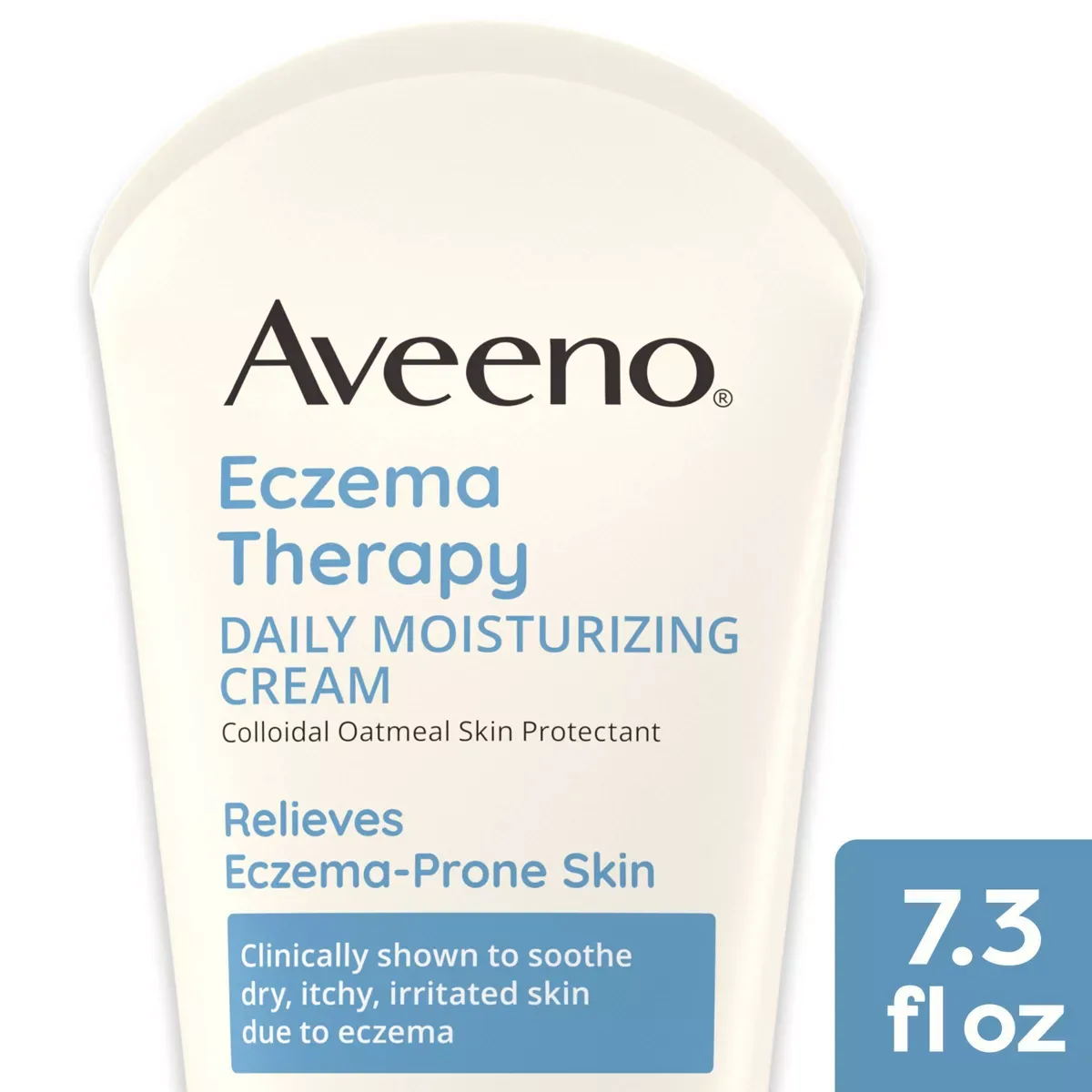 Eczema Gold Standard
 Eczema Therapy Moisturizing Cream
The strongest formulation in Aveeno's lineup for eczema-prone skin, combining FDA-regulated colloidal oatmeal with ceramide NP and panthenol for a multi-mechanism approach to barrier repair. Steroid-free, fragrance-free, and HSA/FSA eligible — this is the drugstore eczema cream dermatologists actually recommend by name.
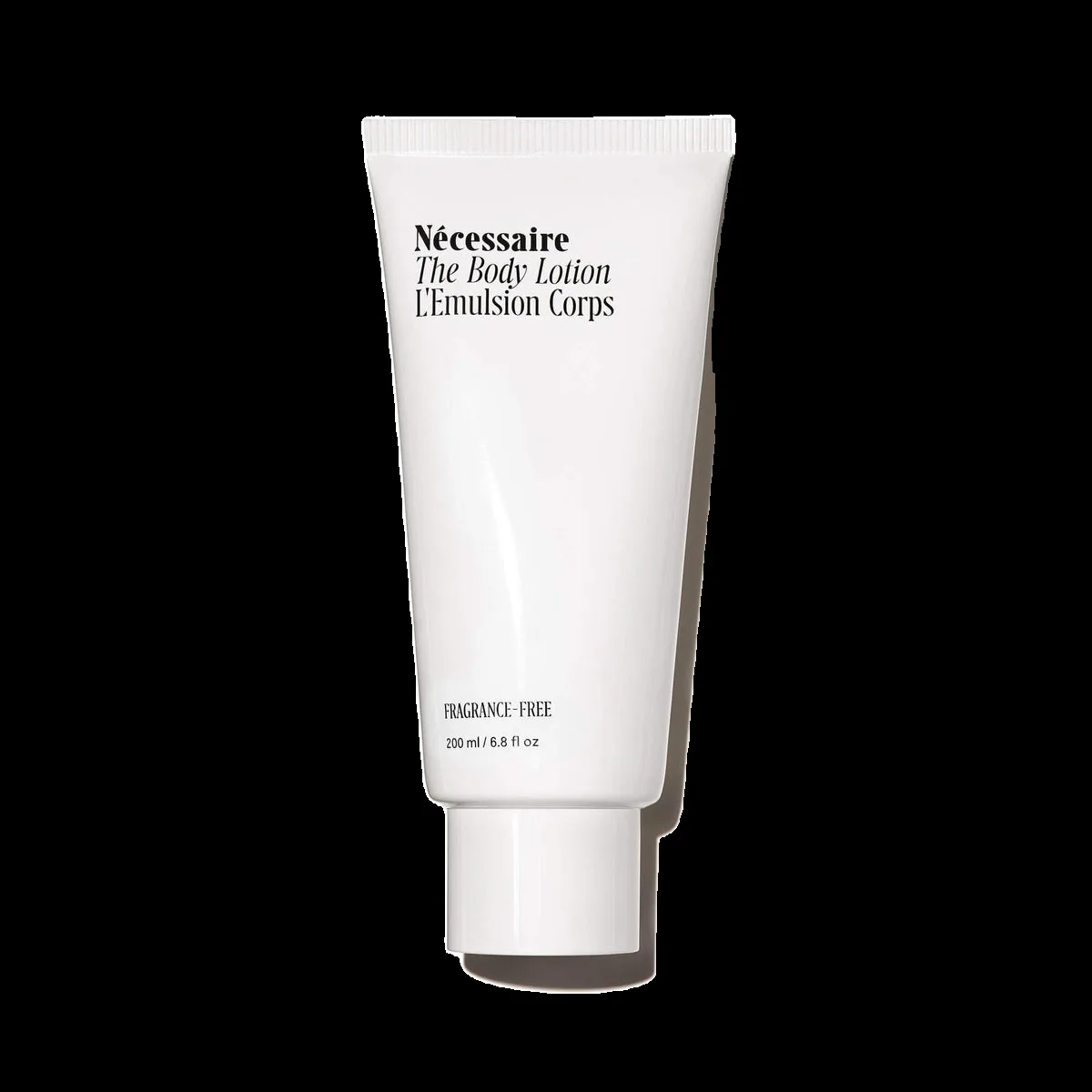 Sensitive Skin MVP
 The Body Lotion Fragrance-Free
The scented version's equal on active ingredients with none of the fragrance risk — and that makes this the better pick for sensitive skin, eczema-prone users, and anyone pregnant who wants to play it safe. At $25 it's still a premium price, but the formula genuinely earns it.
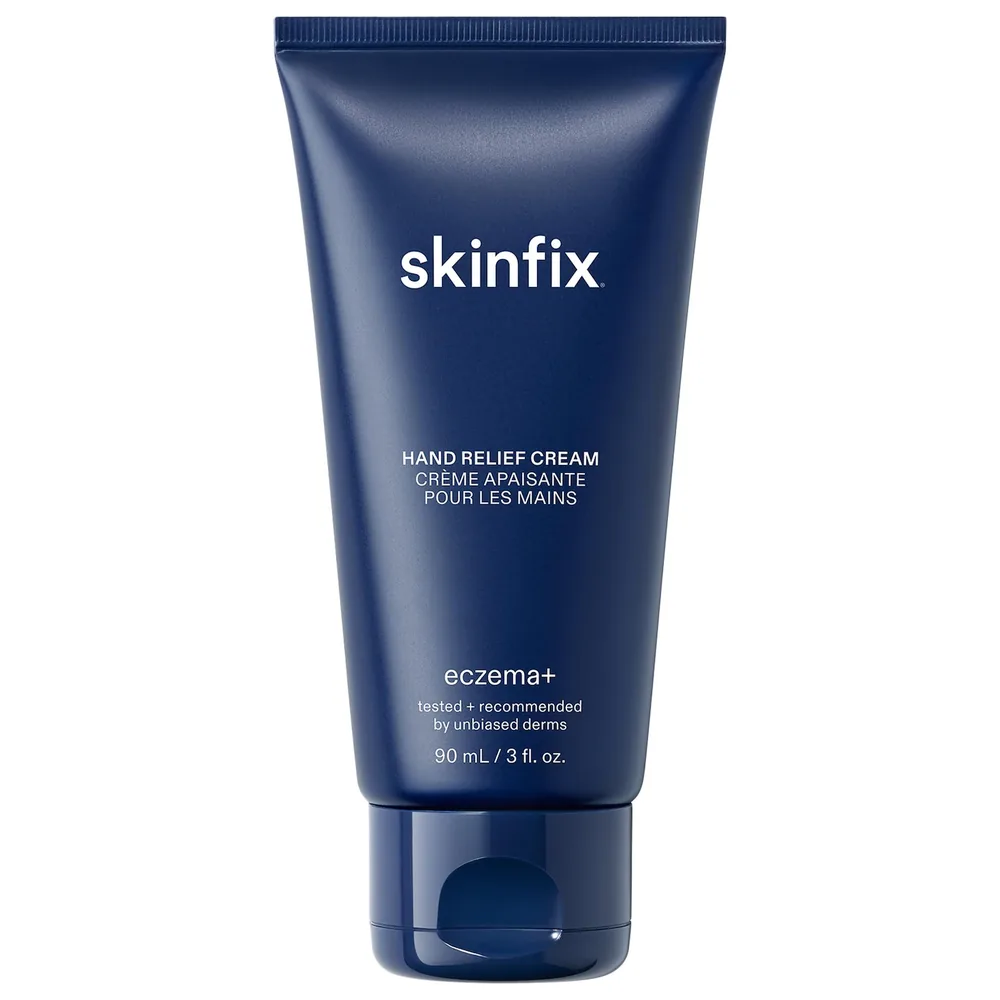 Sensitive Skin MVP
 Eczema+ Hand Repair Cream
A serious, NEA-seal-certified hand cream that treats the underlying mechanism of hand eczema rather than just coating it. Colloidal oatmeal, ceramide-cholesterol lipid repair, and panthenol combine in a texture that actually absorbs fast enough to use at the sink. At eighteen dollars it's genuinely well-priced for what it does.
 Korean Derm-Clinic Staple
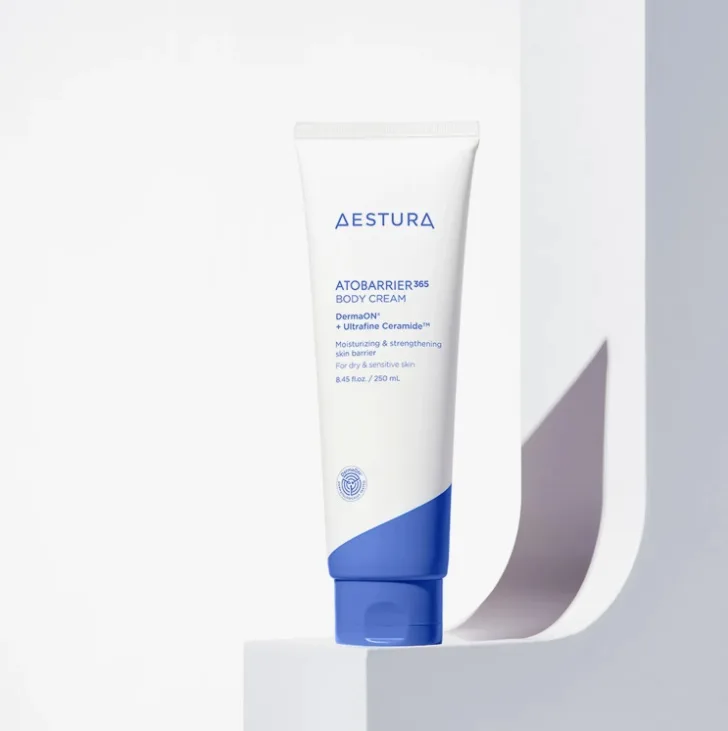
 Atobarrier 365 Body Cream
A genuinely outstanding ceramide-forward body cream from a dermatologist-developed Korean brand with real clinical backing. Fragrance-free, effective for compromised body barriers, and reasonably priced for a 300ml jar — this is one of the better body moisturizers available in the barrier-repair category.
 Clean Baby Staple
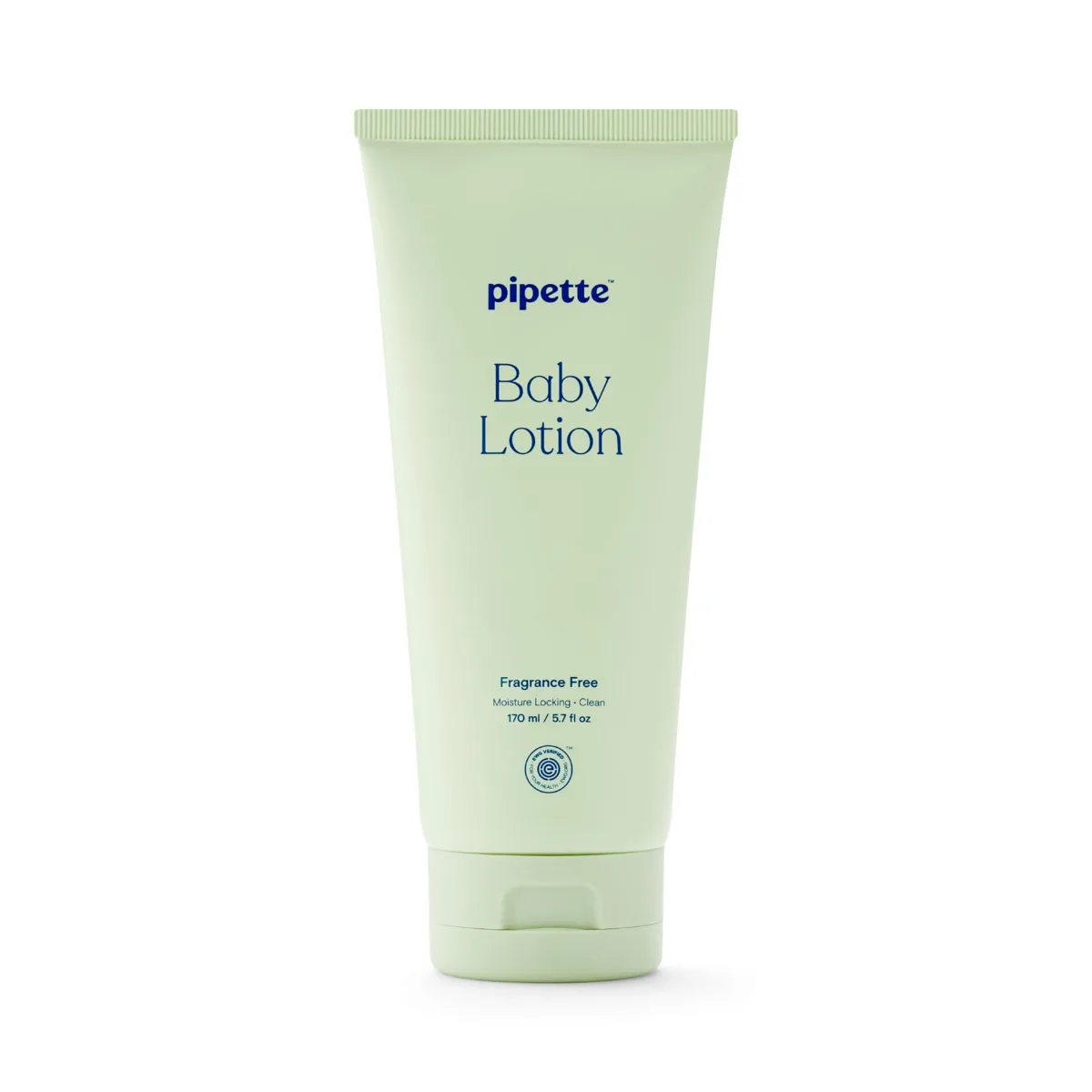
 Baby Lotion Fragrance Free
A lightweight, biomimetic baby lotion that proves you do not need mineral oil, silicones, or fragrances to deliver serious hydration. The squalane-ceramide-glycerin core provides evidence-based barrier support, and the olive-derived emulsifier system ensures it integrates into skin rather than sitting on top. At under $12 for 5.7 ounces with EWG Verified certification, the value is genuinely remarkable.
 Daily Atopic Companion
 Exomega Control Emollient Cream
The lighter sibling of A-Derma's Exomega Control balm — same Rhealba oat, sunflower oil unsaponifiables, and niacinamide active set, in a cream base that works better for year-round daily use and milder atopic-prone skin. For most adult users and for summer routines, this is the more practical choice of the two Exomega variants.