
A minimalist antioxidant serum that delivers quiet, cumulative brightening without fuss — but the premium price for a straightforward vitamin C derivative and a handful of supporting antioxidants makes it a harder recommendation as the market has evolved around it.
Total Vitamin Antioxidant Face Serum
A minimalist antioxidant serum that delivers quiet, cumulative brightening without fuss — but the premium price for a straightforward vitamin C derivative and a handful of supporting antioxidants makes it a harder recommendation as the market has evolved around it.
Score Breakdown
Where this product gains points and where it loses them — broken down across the four scoring pillars.
A clean, simple antioxidant serum with a stable vitamin C derivative and solid supporting cast, but the modest formulation complexity and high price per ounce make it a tough sell against more feature-rich competitors.
Pros & Cons
- ✓Stable vitamin C derivative maintains efficacy throughout shelf life without oxidation
- ✓Exceptionally lightweight texture absorbs instantly and layers invisibly under other products
- ✓Clean, focused formula with no unnecessary filler ingredients or silicones
- ✓Gentle enough for most skin types including those who react to L-ascorbic acid serums
- ✓Complementary antioxidant network pairs vitamin C with green tea and vitamin E
- ✓Oil-free formula works well for combination and oily skin types
- ✗Premium $65 price for 1 oz is hard to justify for a simple antioxidant formula
- ✗Less potent vitamin C form delivers slower, subtler results than L-ascorbic acid serums
- ✗Contains essential oils (lavender, geranium) that introduce unnecessary allergens
- ✗Results are gradual and preventive — users expecting dramatic visible changes may be disappointed
- ✗The brand has largely moved on to newer vitamin C products, suggesting limited future support
Full Review
In a skincare market where serums increasingly read like doctoral dissertations in biochemistry — seventeen peptides, four forms of vitamin C, encapsulated retinol, fermented sea kelp — there is something almost contrarian about the Kate Somerville Total Vitamin Antioxidant Face Serum. Its ingredient list fits on a Post-it note. It does one thing. It has been doing that one thing, quietly, for over a decade.
The formula centers on aminopropyl ascorbyl phosphate, a water-soluble vitamin C derivative listed as the second ingredient, suggesting a meaningful concentration. This is not L-ascorbic acid — the gold standard for potency but also the most unstable and irritation-prone form of topical vitamin C. Aminopropyl ascorbyl phosphate trades some of that peak potency for stability and gentleness. It does not oxidize and turn orange in the bottle. It does not sting on application. It does not require a low pH that conflicts with other actives. What it does is provide consistent, reliable antioxidant protection and gradual brightening — the vitamin C equivalent of a dependable mid-range sedan rather than a temperamental sports car.
The supporting ingredients are well-chosen if minimal. Green tea extract, listed third, brings polyphenol antioxidants — particularly EGCG — that work through a different mechanism than vitamin C, providing complementary free radical neutralization. Chamomile extract adds anti-inflammatory protection. Sodium hyaluronate provides hydration at the deeper epidermal level, while sodium PCA — a component of the skin's own natural moisturizing factor — supplements surface-level hydration. Tocopheryl acetate rounds out the antioxidant network as the lipid-soluble vitamin E partner. Three amino acids (lysine, glycine, proline) appear near the bottom of the list, likely supporting collagen-related functions at whatever concentration they are present.
This is, genuinely, a clean and focused formula. No filler humectants padding the ingredient list. No silicones smoothing the texture. No unnecessary thickeners creating an illusion of richness. What you see is essentially what you get: a vitamin C derivative, two botanical antioxidants, a couple of hydrators, vitamin E, and some amino acids.
In use, the serum reflects this simplicity. It applies like water — thin, lightweight, completely transparent. Within seconds of pressing it into the skin, it has absorbed entirely, leaving no residue, no stickiness, no film. If you were blindfolded, you would not know you had applied anything. This makes it an exceptionally good layering product — it disappears under moisturizer and sunscreen without affecting their texture or performance. For the person who hates the feeling of product on their face, this invisible profile is ideal.
Results build gradually, as antioxidant serums should. The first week or two, you notice your skin looks slightly more luminous in the morning, a subtle lit-from-within quality. Over a month, skin tone becomes marginally more even, particularly if you are using it consistently under sunscreen. The protection is largely invisible — antioxidants prevent oxidative damage rather than reversing it, so the value manifests as what does not happen: less sun-induced dullness, less environmental wear, less cumulative free radical damage over months and years.
The honest limitation is that this is a lot of money for a simple serum. At sixty-five dollars for one ounce, you are paying Kate Somerville's prestige premium for a formula that — stripped of branding — would cost significantly less to produce. The vitamin C derivative, while effective and stable, is not exotic or expensive to formulate with. The supporting ingredients are basic antioxidant staples. The essential oils at the bottom of the list (lavender, geranium, chamomile flower) add fragrance but also introduce allergens that a truly minimalist formula would omit.
The market has also moved. When this serum launched around 2014, stable vitamin C derivatives in clean formulas were less common. Today, numerous brands offer comparable or superior vitamin C serums — with additional actives, without essential oils, at significantly lower price points. The Total Vitamin serum's simplicity, once a selling point, now reads as under-formulated relative to its price bracket. Kate Somerville herself seems to recognize this shift, having developed the +Retinol Vita C Power Serum as a more feature-rich successor.
For the consumer who specifically wants a gentle, stable, lightweight vitamin C serum with nothing else competing for attention — and who has the budget for it — this remains a perfectly effective product. But the recommendation comes with an asterisk that reads: explore your options, because the landscape has changed considerably since this formula debuted.
Formula
Key Ingredients
The hero actives that drive this product's performance.
| Ingredient | Function | Evidence |
|---|---|---|
| Aminopropyl Ascorbyl Phosphate (Vitamin C) | A stable, water-soluble vitamin C derivative listed as the second ingredient, indicating a significant concentration. This form provides antioxidant protection and brightening benefits without the instability and irritation issues of pure L-ascorbic acid, making it suitable for the daily-use, gentle positioning of this serum. | promising |
| Sodium Hyaluronate | The salt form of hyaluronic acid provides deep hydration by drawing and binding water molecules into the skin, creating a plumped, dewy base layer that enhances the vitamin C's brightening effects and keeps the serum's lightweight texture comfortably hydrating. | well-established |
| Green Tea Extract (Camellia Sinensis) | Listed high in the formula as a potent polyphenol antioxidant that works synergistically with the vitamin C derivative, providing complementary free radical protection through EGCG and catechins while offering anti-inflammatory benefits for environmentally stressed skin. | well-established |
| Vitamin E (Tocopheryl Acetate) | Completes the classic antioxidant trio (C + E + botanical polyphenols) in this formula, stabilizing and recycling the vitamin C derivative while providing its own lipid-soluble antioxidant protection against UV-induced free radical damage. | well-established |
| Sodium PCA | A natural component of the skin's own moisture factor (NMF) that enhances the serum's hydrating performance alongside sodium hyaluronate, drawing moisture into the stratum corneum through a mechanism the skin is naturally equipped to utilize. | well-established |
Full INCI List
Water, Aminopropyl Ascorbyl Phosphate, Chamomilla Recutita (Matricaria) Extract, Camellia Sinensis Leaf Extract, Ethylhexylglycerin, Polysorbate 20, Hydroxyethylcellulose, Sodium Hyaluronate, Hydrogenated Lecithin, Sodium PCA, Tocopheryl Acetate, Xanthan Gum, Lysine, Glycine, Proline, Potassium Sorbate, Sodium Benzoate, Anthemis Nobilis Flower Oil, Lavandula Angustifolia (Lavender) Oil, Geranium Maculatum (Geranium) Oil, Limonene, Citronellol, Geraniol, Linalool
Product Flags
✗ Fragrance Free✓ Alcohol Free✓ Oil Free✓ Silicone Free✓ Paraben Free✓ Sulfate Free✓ Cruelty Free✓ Vegan✓ Fungal Acne Safe
Potential Irritants
Lavender OilGeranium OilLinaloolLimoneneCitronellolGeraniol
Common Allergens
Lavender OilGeranium OilLinaloolLimoneneCitronellolGeraniol
Compatibility
Skin Match
Best For
Works For
Not Ideal For
Addresses These Conditions
dullness sun damage aging dehydration
Use With Caution
Routine Step
serum
Time of Day
AM
Pregnancy Safe
Yes ✓
Layering Tips
Apply 2-3 pumps to clean, dry skin in the morning before moisturizer and sunscreen. This pairs especially well with sunscreen, as the antioxidant complex provides supplementary photoprotection that complements UV filters.
Results Timeline
Skin appears more luminous and hydrated within the first few applications. Brightening and evening of skin tone becomes noticeable over 3-4 weeks. Full antioxidant-driven improvements in radiance and environmental protection build over 8-12 weeks of daily use.
Pairs Well With
Broad-spectrum sunscreenHydrating moisturizersNiacinamide
Sample AM Routine
- Gentle cleanser
- Kate Somerville Total Vitamin Antioxidant Face Serum
- Moisturizer
- Sunscreen SPF 30+
Sample PM Routine
- Cleanser
- Retinol or treatment serum
- Night cream
Evidence
Who Should Skip
- Premium $65 price for 1 oz is hard to justify for a simple antioxidant formula
- Less potent vitamin C form delivers slower, subtler results than L-ascorbic acid serums
- Contains essential oils (lavender, geranium) that introduce unnecessary allergens
- Results are gradual and preventive — users expecting dramatic visible changes may be disappointed
Science & Expert Perspective
The Science
The Total Vitamin serum's core active, aminopropyl ascorbyl phosphate, is a phosphorylated ascorbic acid derivative with enhanced stability compared to L-ascorbic acid. While published research on this specific derivative is limited compared to the extensively studied L-ascorbic acid, phosphorylated ascorbates as a class have been shown to deliver antioxidant benefits through enzymatic conversion to ascorbic acid in the skin. The derivative's stability at neutral pH means it maintains potency in the formulation over time — addressing the primary limitation of pure L-ascorbic acid serums, which degrade rapidly when exposed to air and light.
The synergistic antioxidant approach — combining a vitamin C derivative with tocopheryl acetate (vitamin E) and Camellia sinensis (green tea) polyphenols — is well-supported in dermatological research. A landmark 2005 study by Lin et al. published in the Journal of Investigative Dermatology demonstrated that combining vitamins C and E with ferulic acid provided synergistic photoprotection superior to either vitamin alone. While this formula uses green tea polyphenols rather than ferulic acid, the principle of multi-mechanism antioxidant defense remains sound — vitamin C neutralizes aqueous-phase free radicals, vitamin E addresses lipid-phase radicals, and EGCG from green tea provides additional polyphenol-mediated protection.
Sodium PCA is a natural component of the skin's natural moisturizing factor (NMF), representing approximately 12% of the NMF by composition. Research published in the International Journal of Cosmetic Science has confirmed that topical application of sodium PCA effectively increases stratum corneum hydration by attracting and retaining water through its hygroscopic properties.
References
- Synthesis of L-ascorbic acid 2-phosphate and its biological activities — Journal of Investigative Dermatology (2005)
Dermatologist Perspective
Board-certified dermatologists generally recommend daily antioxidant serum use as a complement to sunscreen, and this formula's stable vitamin C derivative aligns with that guidance. Dermatologists note that while aminopropyl ascorbyl phosphate is less studied than L-ascorbic acid, its stability advantage means patients are more likely to receive consistent antioxidant protection over the product's lifespan. However, dermatologists who prioritize evidence-backed formulations may recommend products with L-ascorbic acid at documented effective concentrations (10-20%) for patients seeking maximum brightening and photoprotection. The essential oil content would prompt dermatologists to recommend fragrance-free alternatives for patients with atopic tendencies.
Guidance
Usage Guide
How to Use
Apply 2-3 pumps to clean, dry face and neck every morning. Press the serum gently into the skin — it absorbs within seconds. Follow immediately with moisturizer and broad-spectrum sunscreen SPF 30+. For best results, use consistently every morning as part of your antioxidant protection routine. Can be layered under any moisturizer or sunscreen without pilling.
Value Assessment
At $65 for 1 fl oz ($65 per ounce), this is premium pricing for a serum with a straightforward ingredient list. The formula offers genuine antioxidant protection from its stable vitamin C derivative, green tea, and vitamin E — but comparable or more sophisticated vitamin C serums are available at lower price points from both clinical and drugstore brands. The value proposition rests on the formula's simplicity and the Kate Somerville brand. For committed fans of the brand or those who have tried and prefer this specific lightweight texture, the price may be acceptable. For value-conscious shoppers, the antioxidant market now offers significantly more per dollar.
Who Should Buy
Minimalists who want a lightweight, invisible antioxidant serum without the complexity or instability of L-ascorbic acid formulas. Ideal for those who react to potent vitamin C serums and prefer a gentler daily antioxidant with no learning curve.
Who Should Skip
Anyone seeking dramatic brightening results — a stable L-ascorbic acid serum will deliver faster. Value-conscious consumers can find comparable or better antioxidant serums at lower price points. Fragrance-sensitive users should note the essential oils in the formula.
Ready to try Kate Somerville Total Vitamin Antioxidant Face Serum?
Details
Details
Texture
Lightweight, watery serum that absorbs almost instantly into the skin. No stickiness, no residue — it disappears completely, leaving skin feeling like nothing was applied.
Scent
A light floral-herbal fragrance from the chamomile, lavender, and geranium essential oils. Subtle and brief, but present.
Packaging
Glass bottle with a pump dispenser. Allows precise, hygienic dosing. The amber-tinted glass helps protect the vitamin C from light degradation.
Finish
lightweightmatteinvisible
What to Expect on First Use
The serum applies like water and disappears within seconds, leaving no trace on the skin's surface. The first few days provide subtle hydration and a gentle luminosity. There is no adjustment period or purging — this is a gentle, additive product from day one.
How Long It Lasts
2-3 months with daily morning use of 2-3 pumps on face and neck
Period After Opening
12 months
Best Season
All Year
Certifications
Cruelty-free
Background
The Why
The Total Vitamin Antioxidant Serum was part of Kate Somerville's earlier product philosophy focused on clinic-grade protection rather than aggressive treatment. As the brand evolved toward its +Retinol Vita C range, this simpler antioxidant serum has become a legacy product — still available but no longer the centerpiece of the lineup.
About Kate Somerville Established Brand (5–20 years)
Kate Somerville was founded in 2004 by aesthetician Kate Somerville, who operates a renowned skin clinic on Melrose Place in Los Angeles. The Total Vitamin serum was part of the brand's earlier antioxidant-focused lineup, though the brand has since shifted focus to its +Retinol Vita C range.
Brand founded: 2004 · Product launched: 2014
Myth vs. Reality
Myths & Misconceptions
Myth
Only L-ascorbic acid works as topical vitamin C — all derivatives are ineffective.
Reality
Aminopropyl ascorbyl phosphate is a stable vitamin C derivative that has demonstrated antioxidant activity in studies. While it does not achieve the same peak potency as L-ascorbic acid at high concentrations, its stability means it remains active in the formula throughout its shelf life — something pure L-AA in many serums cannot claim.
Myth
Antioxidant serums provide immediate visible results.
Reality
Antioxidant protection is primarily preventive — it neutralizes free radicals before they damage collagen and DNA. The visible benefits (brightening, more even tone) develop gradually over weeks. Think of it as sunscreen for oxidative stress: the value is in what it prevents, not what it visibly fixes.
FAQ
Frequently Asked Questions
Is Kate Somerville Total Vitamin Serum a good vitamin C serum?
It uses aminopropyl ascorbyl phosphate — a stable but less potent vitamin C derivative than L-ascorbic acid. For those seeking maximum brightening power, a pure L-ascorbic acid serum may deliver faster visible results. However, this formula's stability means it maintains its efficacy without the oxidation issues that plague many vitamin C serums.
Can I use this serum with retinol?
Yes — this stable vitamin C derivative does not conflict with retinol the way pure L-ascorbic acid sometimes can. Use this serum in the morning for antioxidant protection and your retinol product in the evening for complementary anti-aging benefits.
Why is this serum $65 for such a simple ingredient list?
The price reflects Kate Somerville's prestige positioning and the clinical-grade concentrations of the vitamin C derivative (listed second on the INCI). However, the formulation's simplicity means you are paying primarily for the brand and the vitamin C — consumers seeking more complex multi-active serums may find better value elsewhere.
Does this serum work for oily skin?
The oil-free, silicone-free, lightweight formula absorbs instantly and leaves no residue, making it compatible with oily skin types. The serum provides antioxidant protection without adding any oils or heaviness.
Is the Total Vitamin Serum being discontinued?
Kate Somerville has shifted focus toward its +Retinol Vita C Power Serum, which combines retinol with vitamin C. While the Total Vitamin serum remains available through some retailers, availability may vary. If it is a staple in your routine, consider stocking up or exploring the brand's newer vitamin C offerings.
Community
Community Voices
Common Praise
"Absorbs quickly without leaving any greasy residue"
"Provides a noticeable healthy glow within the first two weeks"
"Lightweight texture layers well under moisturizer and makeup"
"Simple, clean ingredient list appeals to minimalists"
Common Complaints
"Expensive at $65 for 1 oz with a simple ingredient list"
"Some users noticed no visible improvement after 30 days"
"Contains essential oils that irritate fragrance-sensitive skin"
"Less potent vitamin C form compared to L-ascorbic acid serums"
Appears In
best serum for dullness best serum for sun damage best antioxidant serum
Related Conditions
dullness sun damage aging dehydration
Related Ingredients
You Might Also Like
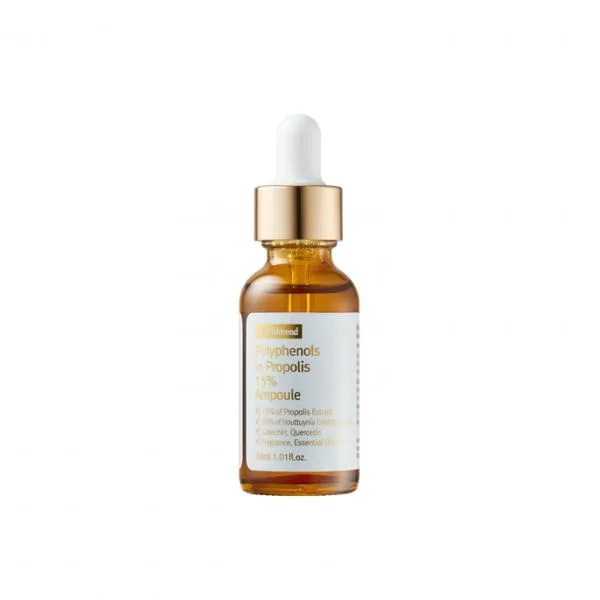 Sensitive Skin Soother
 Polyphenols In Propolis 15% Ampoule
A 15% propolis ampoule that earns its name with a real polyphenol stack — French Auvergne propolis layered over a houttuynia cordata base, with tulsi and pomegranate piling on. It's slightly sticky and not cheap by volume, but for sensitive, breakout-prone skin chasing calm, this is one of the most reliable K-beauty soothers in production.
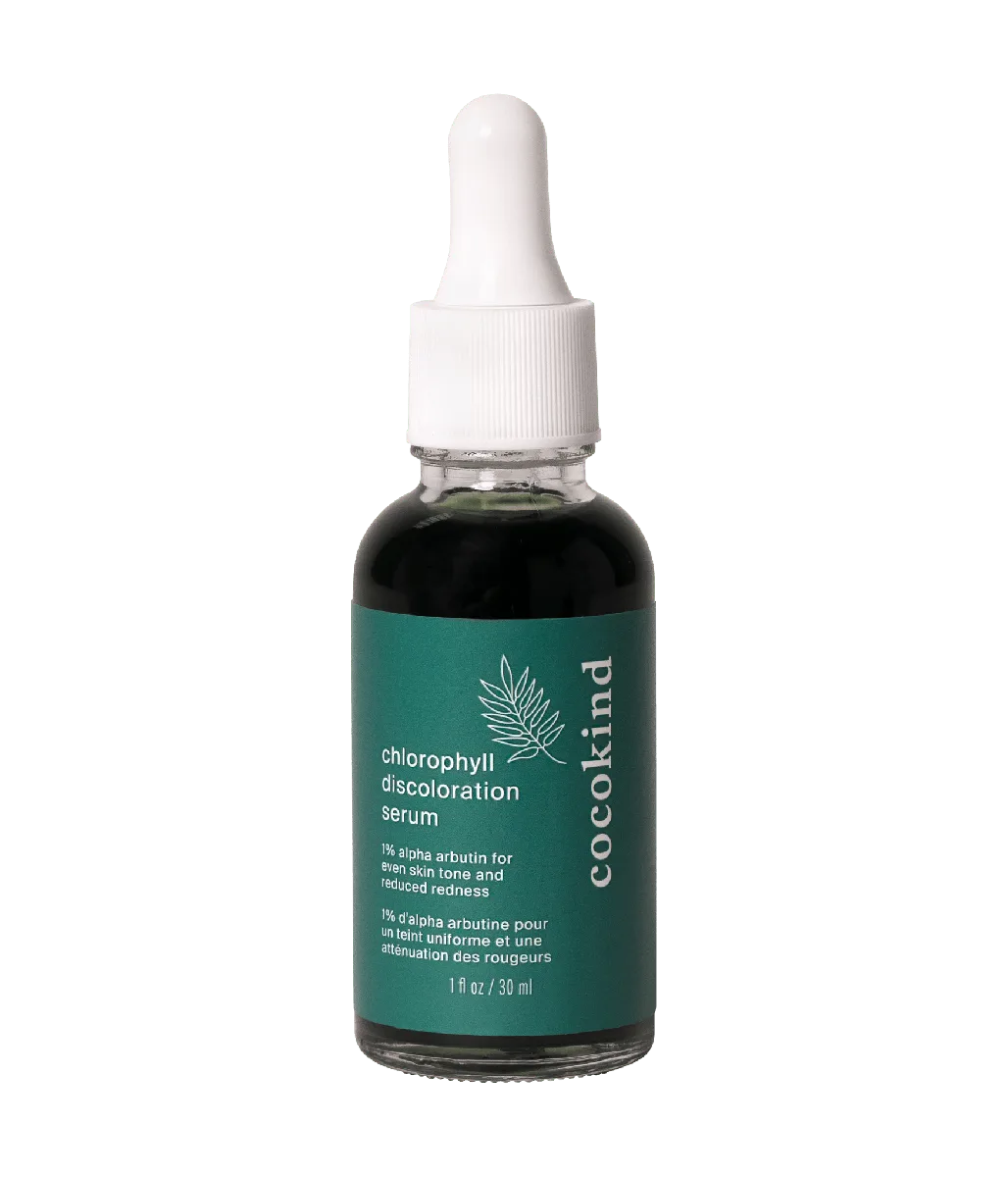 Budget Brightening Hero
 Chlorophyll Discoloration Serum
A quietly brilliant brightening serum that proves you do not need luxury prices or harsh actives to fade dark spots effectively. The alpha-arbutin and licorice root combination delivers genuine multi-pathway melanin inhibition, the sensitive-skin-friendly formula is impeccable, and $20 makes it accessible to virtually everyone. The chlorophyllin is more marketing differentiator than scientific powerhouse, but it does not hurt anything either.
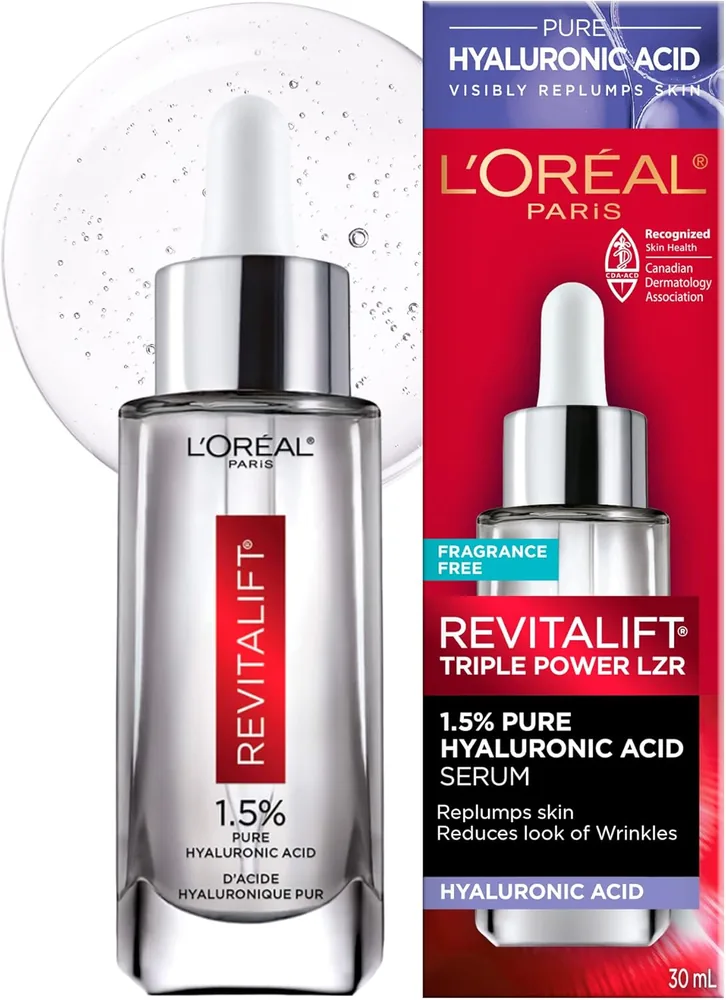 The People's HA Serum
 Revitalift Derm Intensives 1.5% Pure Hyaluronic Acid Serum
A masterclass in minimalist formulation — thirteen ingredients, no filler, four functional actives, and over thirty thousand glowing reviews. L'Oréal's multi-weight HA system delivers genuine hydration at every level of the skin, and the fragrance-free, alcohol-free formula is clean enough for virtually anyone. The drugstore serum that embarrasses its prestige competitors.
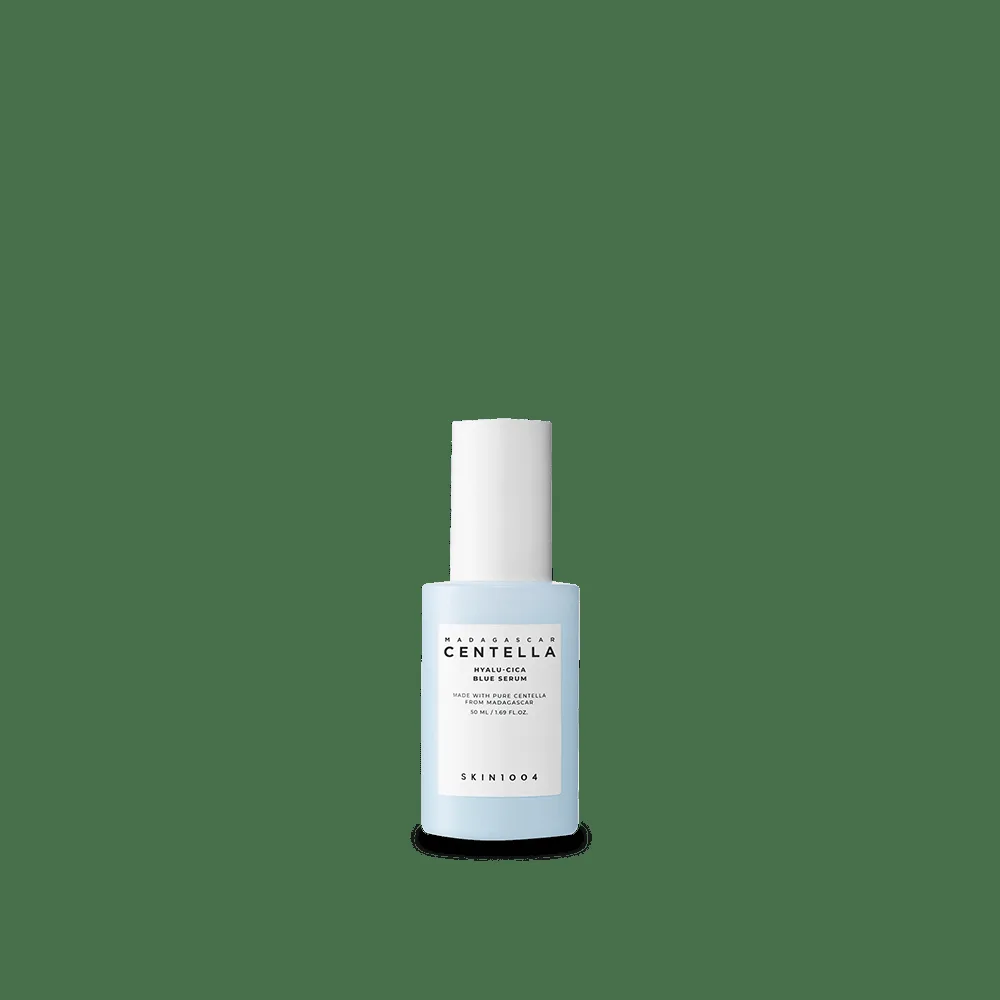 Budget Hydration Holy Grail
 Hyalu-Cica Blue Serum
A quietly excellent budget serum that stacks Centella asiatica leaf water, five types of hyaluronic acid, niacinamide, ceramide NP, and adenosine into a fragrance-free under-$20 bottle. It is genuinely one of the best hydration-plus-soothing serums at any price, and the fact that it costs less than a salad in Manhattan is the point.
 Sensitive Skin First-Line Defense
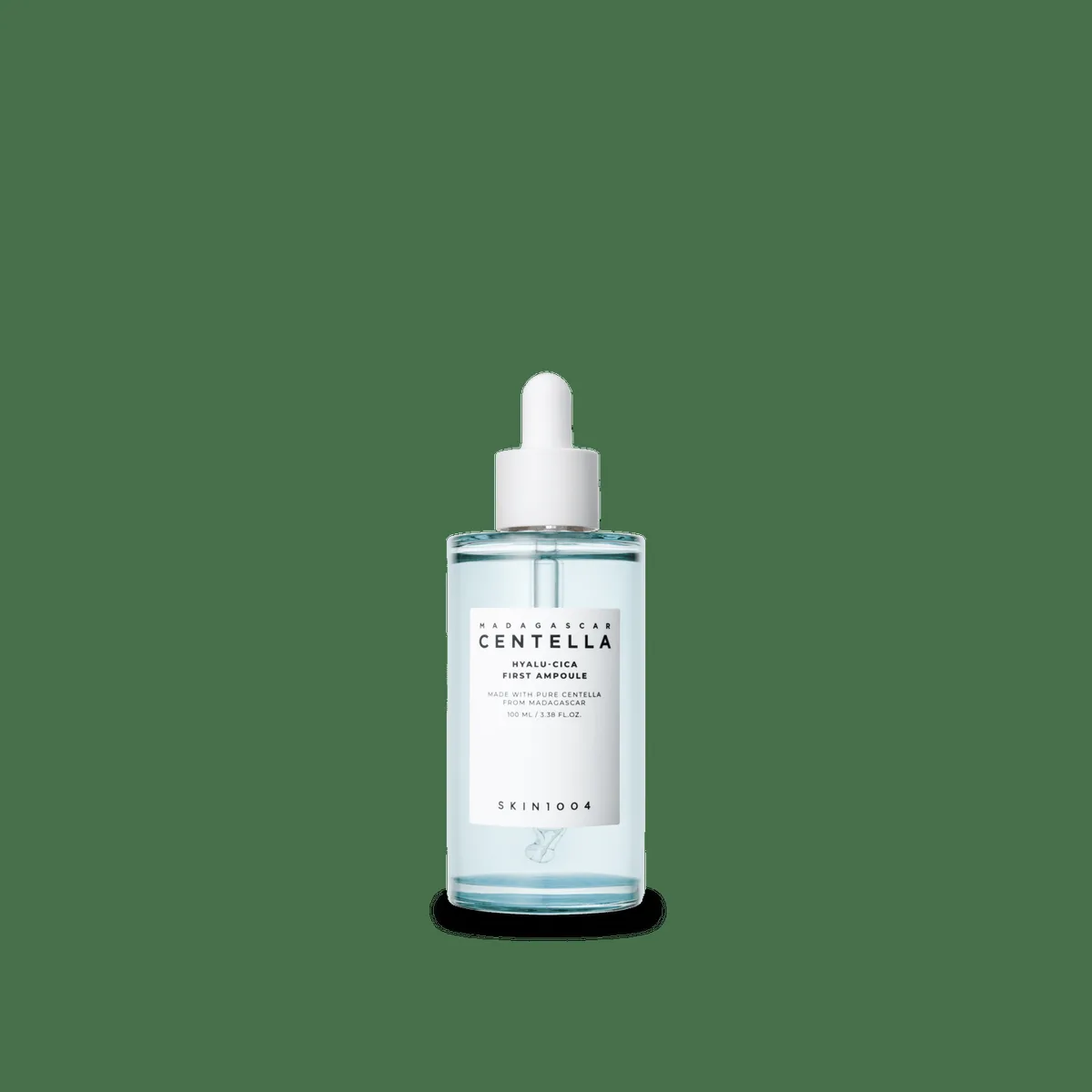
 Hyalu-Cica First Ampoule
A 92% Centella asiatica extract ampoule paired with niacinamide and a multi-weight HA complex, fragrance-free and purpose-built for sensitive, compromised, and reactive skin. At $25 for 100ml, it is one of the most justifiable skincare purchases a budget-conscious buyer can make, and it earns a place in almost any routine that needs a soothing anchor.
 Sensitive Skin MVP
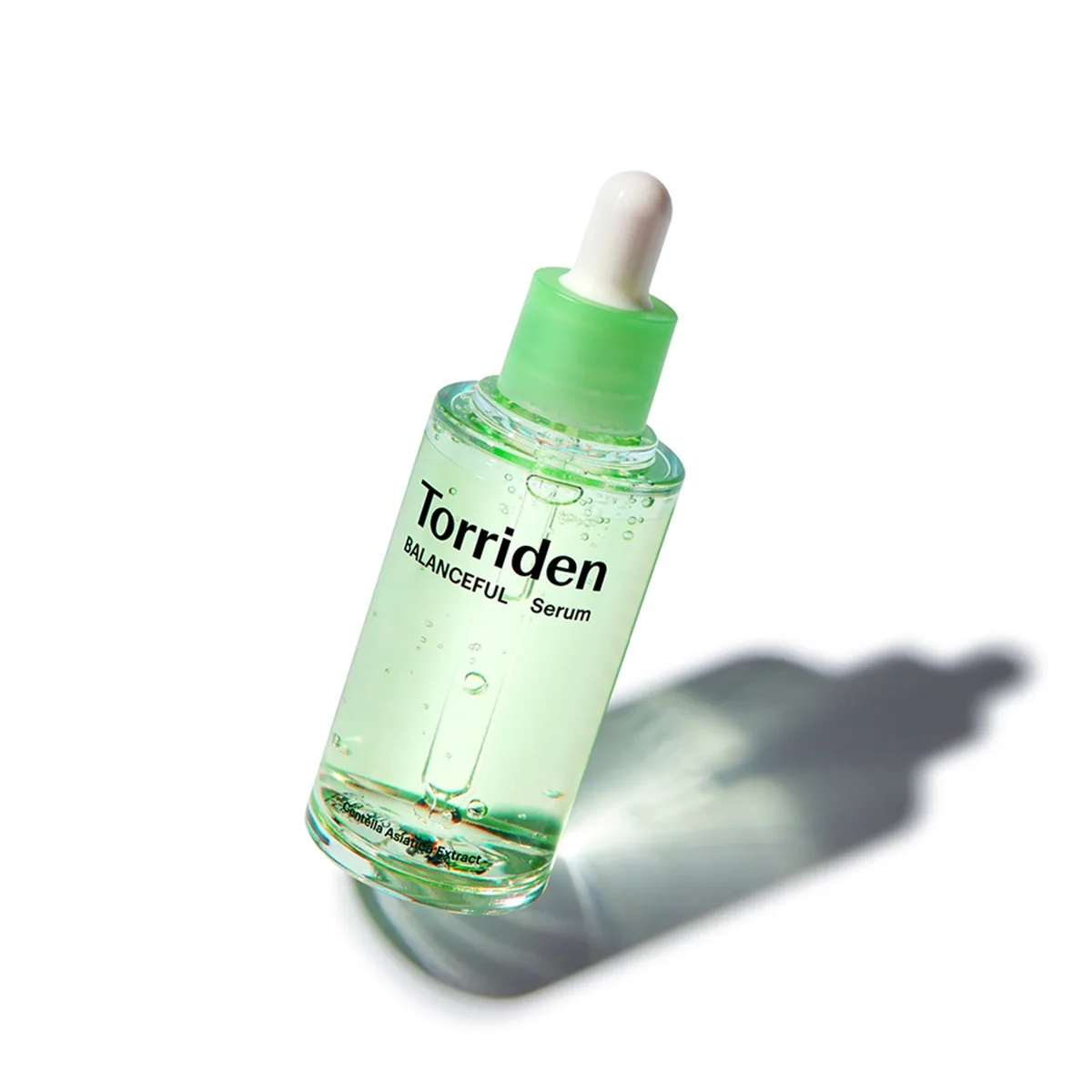
 Balanceful Cica Serum
Torriden's Balanceful Cica Serum is one of the most recommendable calming serums in K-beauty — a genuinely fragrance-free, multi-weight hyaluronic acid and 5D cica complex treatment that quietly reduces redness, supports the barrier, and buffers other actives without drama. At under $25 it's a near-automatic pick for sensitive, rosacea-prone, and barrier-compromised skin.
This review reflects our independent analysis of publicly available ingredient data, manufacturer claims, and verified user reviews. We are reader-supported — Amazon links may earn us a commission at no cost to you. We do not accept paid placements; rankings are based solely on the evidence.