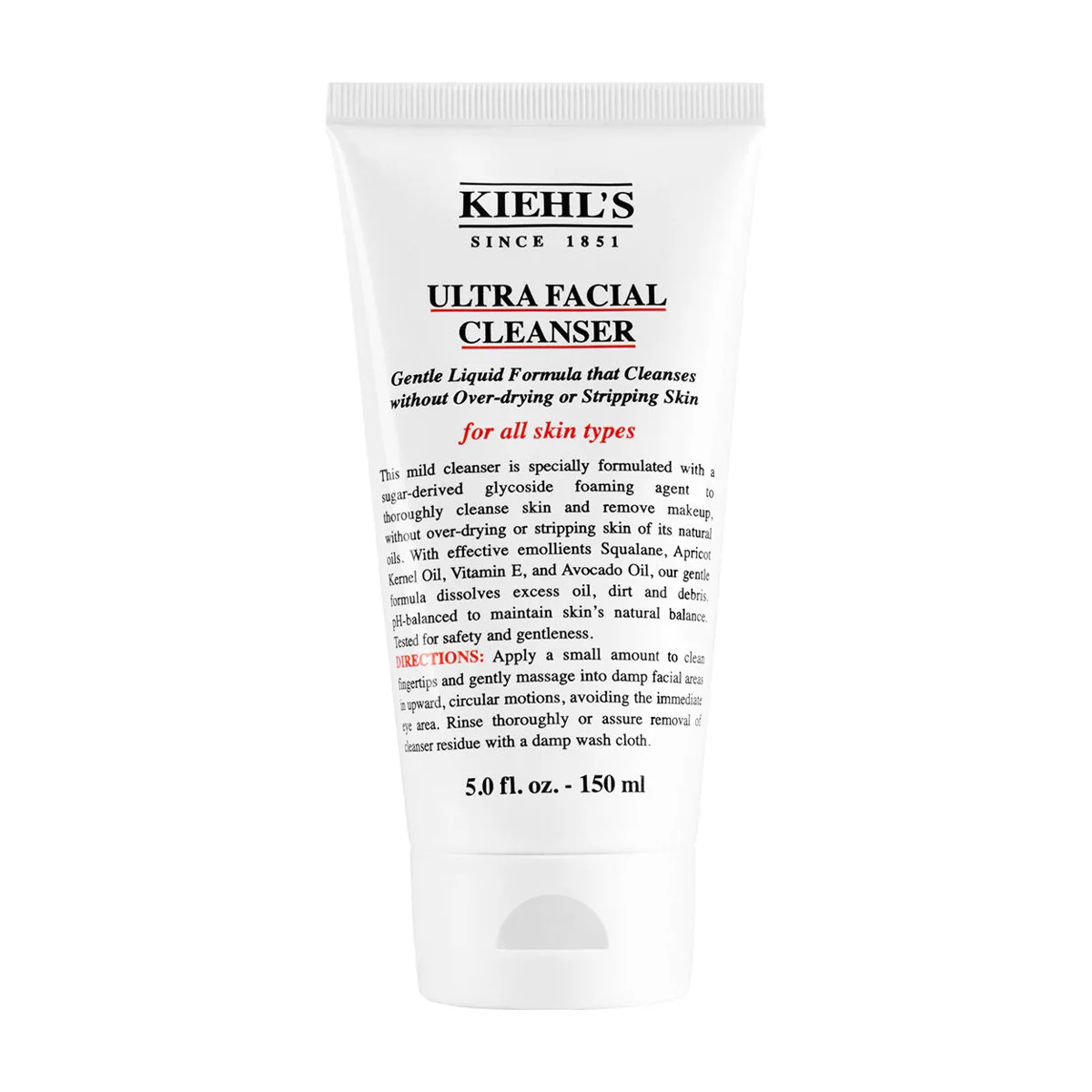
A dependable, unflashy daily cleanser that earns its keep through a clever tri-oil conditioning system that prevents the tight, stripped feeling common to foaming cleansers. The SLES and paraben inclusions may give ingredient-conscious consumers pause, but the formula genuinely delivers a comfortable cleanse for most skin types.
Ultra Facial Cleanser
A dependable, unflashy daily cleanser that earns its keep through a clever tri-oil conditioning system that prevents the tight, stripped feeling common to foaming cleansers. The SLES and paraben inclusions may give ingredient-conscious consumers pause, but the formula genuinely delivers a comfortable cleanse for most skin types.
Score Breakdown
Where this product gains points and where it loses them — broken down across the four scoring pillars.
A solid, no-frills daily cleanser with conditioning oils that prevent stripping, but the inclusion of SLES as the primary surfactant and multiple parabens may deter ingredient-conscious consumers. Good value for a Kiehl's product.
Pros & Cons
- ✓Tri-oil system prevents the tight, stripped feeling common to foaming cleansers
- ✓Fragrance-free formula suitable for morning and evening use
- ✓Rinses completely clean without film or residue
- ✓Practical squeeze tube packaging in two convenient sizes
- ✓Modest foaming action that satisfies without over-stripping
- ✓3-4 month lifespan makes the per-use cost reasonable
- ✗Primary surfactant is sodium laureth sulfate, which may irritate sensitive or compromised skin
- ✗Contains methylparaben and propylparaben as preservatives
- ✗Not effective at removing heavy makeup or waterproof sunscreen alone
- ✗Ascorbyl glucoside inclusion is largely inconsequential in a rinse-off product
- ✗Premium pricing for a relatively basic cleanser formula
Full Review
Some products arrive with elaborate origin stories. They were developed in a French thermal spring town, or inspired by ancient Korean beauty rituals, or formulated by a celebrity who just discovered what hyaluronic acid does. The Kiehl's Ultra Facial Cleanser has no such story. It exists because a 170-year-old apothecary brand needed a cleanser to match its already beloved Ultra Facial Cream, and it needed to do exactly one thing well: clean your face without making you regret it afterward.
That might sound like a low bar, but anyone who has cycled through a dozen foaming cleansers that left their skin tight, dry, and vaguely resentful knows it's actually a surprisingly difficult needle to thread. Foaming cleansers get their lather from surfactants, and most surfactants are enthusiastic about removing everything — dirt, oil, makeup, and also the natural lipids your skin would very much like to keep. The Ultra Facial Cleanser addresses this with what is, by cleanser standards, a fairly sophisticated approach: a tri-oil conditioning system of squalane, avocado oil, and apricot kernel oil that deposits a thin layer of emollience during the wash-off process.
The result is a cleanser that foams without the consequences typically associated with foam. You get the satisfying lather, the feeling of genuine cleanliness, the way water runs clear when you rinse — but without the tight, stripped aftermath. It's the cleanser equivalent of having your cake and eating it too, if the cake were made of squalane and smelled like nothing.
And it does genuinely smell like nothing, which is worth noting. Kiehl's kept this formula fragrance-free, a decision that reflects the brand's pharmaceutical heritage more than its more recent forays into essential oil territory. For a morning cleanser, this is exactly right — nobody needs a botanical garden experience at 7 AM before coffee.
The texture is a clear, lightweight gel that requires water activation. It doesn't have the thick, luxurious consistency of cream cleansers or the jelly-like bounce of some newer gel formulations. It's straightforward, unpretentious gel that turns into modest foam when you add water and work it between your palms. The lather is fine-textured rather than dense — think gentle bubbles, not shaving cream — and it rinses completely clean without any film or residue.
Now, let's address the ingredients that will make some consumers pause. The primary surfactant is sodium laureth sulfate, which occupies an awkward position in the skincare conversation. It's been demonized by clean beauty advocates and defended by cosmetic chemists, and the reality sits somewhere in between. SLES is a more gentle cousin of SLS (sodium lauryl sulfate), with larger molecules that are less penetrating and less irritating. For most skin types, it's perfectly fine in a rinse-off product. But for those with eczema, rosacea, or genuinely compromised barriers, it can still cause irritation, and there are gentler surfactant options available.
The preservative system also includes methylparaben and propylparaben, which remain the subject of consumer anxiety despite extensive safety data supporting their use at cosmetic concentrations. The Cosmetic Ingredient Review panel — an independent expert panel — has repeatedly affirmed their safety. But consumer perception matters, and many brands have moved on to alternative preservative systems. Kiehl's itself offers paraben-free options in other lines.
The vitamin C derivative — ascorbyl glucoside — appears at the tail end of the ingredient list. In a rinse-off product with brief skin contact time, its antioxidant contribution is modest at best. It's a nice-to-have, not a reason to buy. The real value here is in the conditioning oils that make the daily cleansing experience genuinely pleasant.
As a daily driver, the Ultra Facial Cleanser excels at the mundane work of skincare. It removes the overnight oil buildup in the morning. It cleans away the grime of the day in the evening (though it shouldn't be relied upon to remove heavy makeup or waterproof sunscreen — pair it with an oil cleanser for that). It does this day after day without causing irritation, without stripping, and without requiring you to think about it. This is, fundamentally, what a good cleanser should do.
At $26 for 5 ounces, it's not a budget pick, but it's not outrageously priced either. A bottle lasts 3-4 months, which brings the monthly cost to roughly what you'd spend on a couple of coffees. The 2.5-ounce travel size at $16 is handy for trips but offers worse per-ounce value.
This is not a product that will transform your skin. It will not brighten, resurface, or anti-age. It's a cleanser, and it knows it's a cleanser, and it does cleanser things with quiet competence. In a market full of cleansers promising to be serums in disguise, there's something refreshing about a product that simply does its job and gets out of the way.
Formula
Key Ingredients
The hero actives that drive this product's performance.
| Ingredient | Function | Evidence |
|---|---|---|
| Squalane | Provides lipid replenishment during the cleansing process, counteracting the stripping effect of the surfactant system. In a cleanser context, squalane helps ensure the skin's moisture barrier isn't compromised by the foam, leaving skin feeling soft rather than tight after rinsing. | well-established |
| Glycerin | Positioned high in the formula as the primary humectant, glycerin attracts water to the skin surface during cleansing. It works alongside the plant oils to mitigate the drying potential of the sodium laureth sulfate base, keeping this cleanser in the gentle-use territory. | well-established |
| Avocado Oil | A fatty acid-rich emollient that deposits a thin conditioning layer on skin during cleansing. Avocado oil's high oleic acid content makes it particularly effective at preventing the tight, stripped feeling that foaming cleansers often cause, especially on dry or mature skin. | well-established |
| Apricot Kernel Oil | Contributes lightweight emollience and a subtle skin-softening effect. In this formula, it complements the avocado oil and squalane to create a multi-oil system that keeps skin comfortable during and after cleansing without leaving a heavy residue. | well-established |
| Ascorbyl Glucoside | A stable vitamin C derivative included at the tail end of the formula to provide mild antioxidant protection. While the concentration in a rinse-off product limits its brightening potential, it offers a small boost of antioxidant defense during the cleansing step. | well-established |
Full INCI List
Water, Sodium Laureth Sulfate, Decyl Glucoside, Glycerin, Cocamidopropyl Betaine, Disodium Cocoamphodiacetate, Acrylates Copolymer, PEG-200 Hydrogenated Glyceryl Palmate, Lauryl Glucoside, Sodium Chloride, Pentylene Glycol, Triethanolamine, Phenoxyethanol, PEG-7 Glyceryl Cocoate, Ethylhexylglycerin, Distearyl Ether, Behenyl Alcohol, Methylparaben, Laureth-2, Citric Acid, Disodium EDTA, Propylparaben, Polyaminopropyl Biguanide, Sodium Methylparaben, Squalane, Prunus Amygdalus Dulcis (Sweet Almond) Oil, Prunus Armeniaca (Apricot) Kernel Oil, Tocopherol, Ascorbyl Glucoside, Persea Gratissima (Avocado) Oil
Product Flags
✓ Fragrance Free✓ Alcohol Free✗ Oil Free✓ Silicone Free✗ Paraben Free✗ Sulfate Free✗ Cruelty Free✗ Vegan✗ Fungal Acne Safe
Potential Irritants
Sodium Laureth Sulfate
Compatibility
Skin Match
Best For
Works For
Not Ideal For
Addresses These Conditions
Use With Caution
Avoid With
Routine Step
cleanser
Time of Day
AM & PM
Pregnancy Safe
Yes ✓
Layering Tips
Use as the second step in a double-cleanse routine in the evening, after an oil or balm cleanser removes sunscreen and makeup. In the morning, it works well as a standalone cleanser. Follow immediately with toner and serums while skin is still slightly damp.
Results Timeline
Immediate gentle cleansing without tightness from the first use. Skin feels noticeably softer and less stripped compared to harsher cleansers within the first few uses. Long-term benefits are maintenance — this is about preserving skin health rather than delivering transformative results.
Pairs Well With
Kiehl's Ultra Facial CreamHyaluronic acid serumNiacinamide serum
Sample AM Routine
- Kiehl's Ultra Facial Cleanser
- Toner
- Vitamin C serum
- Moisturizer
- Sunscreen
Sample PM Routine
- Cleansing oil or balm
- Kiehl's Ultra Facial Cleanser
- Exfoliant or treatment
- Serum
- Night cream
Evidence
Who Should Skip
- Primary surfactant is sodium laureth sulfate, which may irritate sensitive or compromised skin
- Contains methylparaben and propylparaben as preservatives
- Not effective at removing heavy makeup or waterproof sunscreen alone
- Ascorbyl glucoside inclusion is largely inconsequential in a rinse-off product
Science & Expert Perspective
The Science
The formulation strategy behind this cleanser centers on minimizing the irritation potential of its surfactant system through lipid replenishment. Squalane, a saturated hydrocarbon derived from squalene, is structurally similar to the skin's own sebum and has been shown to integrate into the lipid matrix of the stratum corneum. A study published in the International Journal of Cosmetic Science (2009) demonstrated that squalane application improved skin barrier function and reduced transepidermal water loss.
The surfactant blend itself is designed for reduced irritation: sodium laureth sulfate (SLES) has larger ethoxylated molecules compared to sodium lauryl sulfate (SLS), resulting in lower skin penetration and reduced protein denaturation. The co-surfactants — decyl glucoside, cocamidopropyl betaine, and disodium cocoamphodiacetate — are all considered mild to very mild surfactants. The inclusion of amphoteric surfactants (cocamidopropyl betaine, disodium cocoamphodiacetate) helps buffer the irritation potential of SLES through micelle interaction, creating mixed micelles with lower critical micelle concentrations and reduced monomer activity at the skin surface.
Glycerin, positioned fourth in the formula, provides humectant properties that help retain moisture during the cleansing process. Research published in the British Journal of Dermatology has established glycerin's role in improving skin hydration and barrier repair, even in brief-contact applications like cleansing.
Dermatologist Perspective
Dermatologists frequently recommend the Kiehl's Ultra Facial Cleanser as a straightforward daily cleanser for patients who want something reliable without unnecessary complexity. Board-certified dermatologists note that the conditioning oil system is a thoughtful addition to a foaming cleanser, as it helps maintain barrier integrity during the cleansing step — a concern that is often overlooked in cleanser selection. However, dermatologists working with eczema or rosacea patients typically suggest sulfate-free alternatives, as even the milder SLES can exacerbate these conditions. For most patients with normal to combination skin, this cleanser provides an appropriate balance of cleansing efficacy and gentleness.
Guidance
Usage Guide
How to Use
Wet face with lukewarm water. Squeeze a small amount (about the size of a nickel) into palms and work into a light lather. Massage gently over the face and neck in circular motions for 30-60 seconds, avoiding the eye area. Rinse thoroughly with lukewarm water and pat dry. Use morning and evening. For makeup removal, precede with an oil-based cleanser or cleansing balm as the first step in a double-cleanse routine.
Value Assessment
At $26 for 5 fl oz, this cleanser sits in the accessible-premium range — more expensive than drugstore options but well below luxury cleanser pricing. The value proposition rests on the conditioning oil blend and Kiehl's formulation heritage rather than exotic or trending ingredients. With a 3-4 month lifespan at twice-daily use, the per-month cost comes to approximately $7-9. The 2.5 oz size at $16 is useful for travel but offers worse per-ounce economics. For a brand with 170+ years of apothecary heritage, the pricing feels fair if not exceptional.
Who Should Buy
Anyone looking for a reliable, fragrance-free daily cleanser that won't disrupt their skin's moisture balance. It's particularly well-suited for combination skin types who want the satisfying feel of a foaming cleanser without the drying aftermath, and for those building a Kiehl's-centered routine alongside the Ultra Facial Cream.
Who Should Skip
Those with very sensitive, eczema-prone, or rosacea-affected skin should look for sulfate-free alternatives. Consumers who prioritize paraben-free formulas will also want to look elsewhere. And anyone expecting transformative skincare benefits from their cleanser — brightening, anti-aging, acne treatment — should direct those expectations toward their leave-on products instead.
Ready to try Kiehl's Ultra Facial Cleanser?
Details
Details
Texture
Clear, lightweight gel that produces a soft, foamy lather when activated with water. Not overly sudsy — the lather is moderate and fine-textured rather than dense or pillowy.
Scent
Fragrance-free. Very mild, neutral product scent that dissipates immediately.
Packaging
Clear plastic squeeze tube with a flip-top cap. Available in 2.5 oz and 5 oz sizes. The tube format is practical and hygienic, dispensing product without air exposure.
Finish
non-greasyfast-absorbing
What to Expect on First Use
First impression is of a cleanser that does its job without fanfare. The gel lathers into a soft foam that rinses cleanly without leaving residue or a tight feeling. Skin feels comfortably clean — neither stripped nor coated. No adjustment period or initial irritation expected for most users.
How Long It Lasts
3-4 months with twice-daily use
Period After Opening
12 months
Best Season
All Year
Background
The Why
Part of Kiehl's Ultra Facial line, which has become the brand's most recognized collection. The cleanser was developed to complement the iconic Ultra Facial Cream, sharing the same philosophy of reliable, no-nonsense hydration. It represents Kiehl's apothecary approach — simple formulation, effective ingredients, minimal marketing theatrics.
About Kiehl's Legacy Brand (20+ years)
Kiehl's was founded in 1851 as a New York City apothecary and has been formulating skincare for over 170 years. Acquired by L'Oréal in 2000, the brand launched its Dermatologist Solutions line in 2005, developed in collaboration with an advisory panel of leading dermatologists. Its formulations draw on both pharmaceutical heritage and modern clinical research.
Brand founded: 1851 · Product launched: 2010
Myth vs. Reality
Myths & Misconceptions
Myth
Foaming cleansers always strip the skin and damage the moisture barrier.
Reality
This formula's inclusion of squalane, avocado oil, and apricot kernel oil specifically counteracts the stripping potential of the surfactant system. The oils deposit a thin conditioning layer during cleansing, so the foam does its job without taking moisture with it.
Myth
Parabens in skincare are dangerous and should always be avoided.
Reality
The methylparaben and propylparaben in this formula are used at regulatory-approved concentrations as preservatives. Decades of safety data support their use at these levels. The Cosmetic Ingredient Review panel and the European Commission's Scientific Committee on Consumer Safety have both affirmed their safety in cosmetic products at concentrations up to 0.4% for individual parabens.
FAQ
Frequently Asked Questions
Is Kiehl's Ultra Facial Cleanser good for sensitive skin?
It's formulated to be gentle enough for most skin types, and the tri-oil system (squalane, avocado, apricot kernel) helps prevent stripping. However, it contains sodium laureth sulfate as its primary surfactant, which can be irritating for very sensitive or eczema-prone skin. If you have reactive skin, the newer Ultra Facial Barrier-Hydrating Cleanser may be a better option.
Does Kiehl's Ultra Facial Cleanser remove makeup?
It removes light makeup, dirt, and excess oil effectively, but it's not designed to break down heavy foundation, waterproof mascara, or long-wear products. For thorough makeup removal, use it as the second step after an oil-based cleanser or balm in a double-cleanse routine.
Why does Kiehl's Ultra Facial Cleanser contain parabens?
Methylparaben and propylparaben serve as preservatives to prevent microbial contamination and extend shelf life. They're used at concentrations well within regulatory safety limits established by the Cosmetic Ingredient Review panel. While some consumers prefer paraben-free products, these ingredients have decades of safety data supporting their use in cosmetics.
Can I use Kiehl's Ultra Facial Cleanser with retinol?
Yes — its gentle, conditioning formula makes it a suitable cleanser to use in a retinol routine. The squalane and plant oils help maintain barrier integrity, which is important when using potentially irritating actives like retinol. Cleanse gently, pat dry, then wait a few minutes before applying retinol.
Is Kiehl's Ultra Facial Cleanser worth the price?
At $26 for 5 oz, it's priced higher than drugstore cleansers but delivers genuine conditioning benefits during the wash step thanks to its squalane and plant oil blend. The 5 oz tube lasts 3-4 months with twice-daily use, bringing the monthly cost to around $7-9. Whether that's worth it depends on how much you value a cleanser that actively protects your barrier while cleansing.
Community
Community Voices
Common Praise
"Doesn't strip or dry out the skin despite foaming lather"
"Works well for combination and sensitive skin types"
"Fragrance-free and gentle enough for daily use"
"A little product goes a long way"
Common Complaints
"Contains sodium laureth sulfate which some users prefer to avoid"
"Contains parabens as preservatives"
"Some find it too drying for very dry or eczema-prone skin"
"Price is high for a basic cleanser formula"
Notable Endorsements
Allure Best of Beauty Award (2011)Widely recommended by dermatologists and estheticians
Appears In
best cleanser for combination skin best gentle foaming cleanser best daily face wash best cleanser with squalane
Related Conditions
Related Ingredients
You Might Also Like
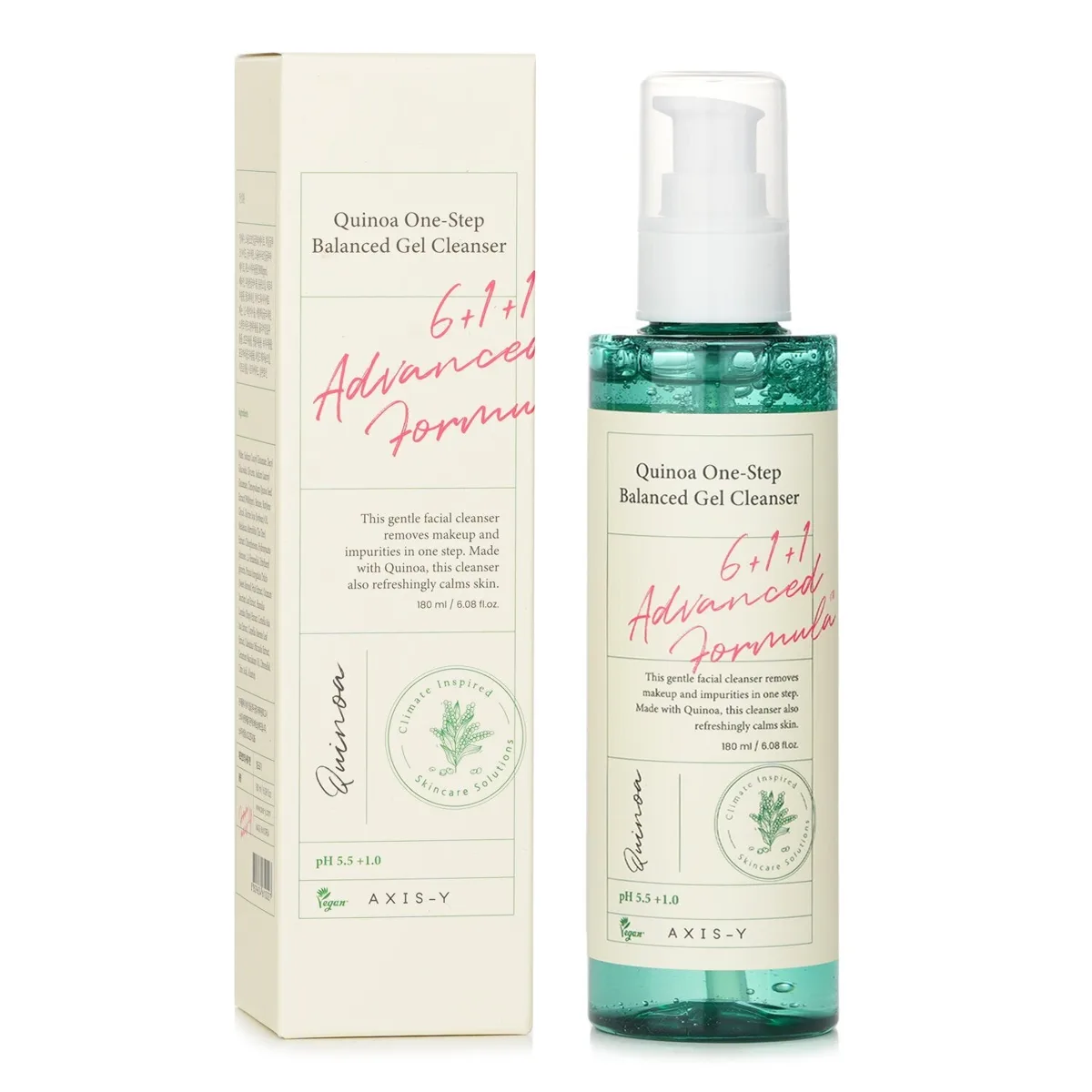 Quinoa-Led Gentle Daily Cleanser
 Quinoa One Step Balanced Gel Cleanser
A fragrance-free, sulfate-free gel cleanser built around quinoa seed extract and a gentle amphoteric-plus-nonionic surfactant pair. Non-stripping, broadly suitable, and priced reasonably — one of the safest recommendations in the daily gentle cleanser category.
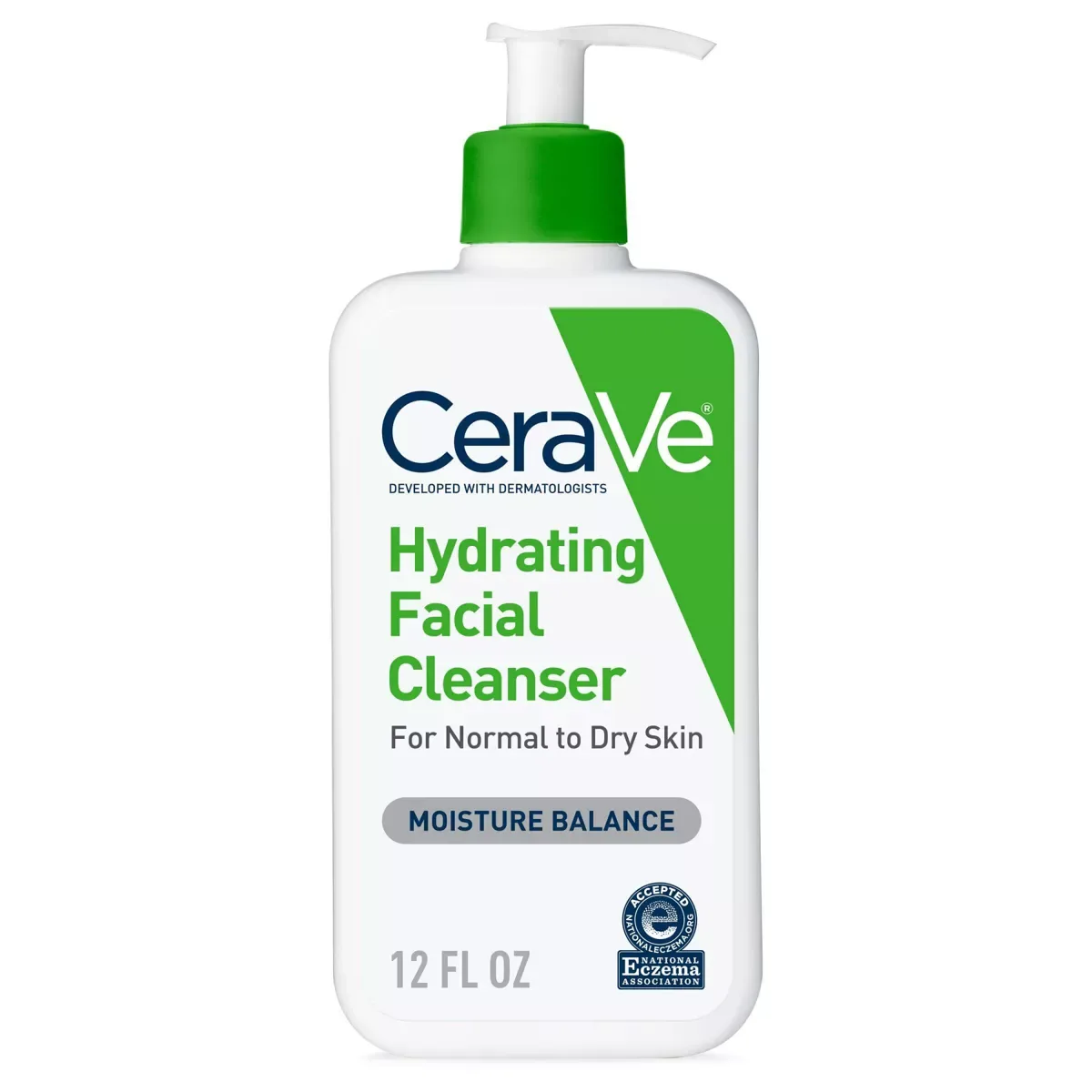 Sensitive Skin MVP
 Hydrating Facial Cleanser
The CeraVe Hydrating Facial Cleanser is the cleanser that taught a generation of dry-skin sufferers that washing your face does not have to mean punishing it. A lotion-textured, non-foaming formula that genuinely hydrates while it cleans, it remains the benchmark drugstore cleanser for anyone whose skin drinks moisture faster than most products can provide it.
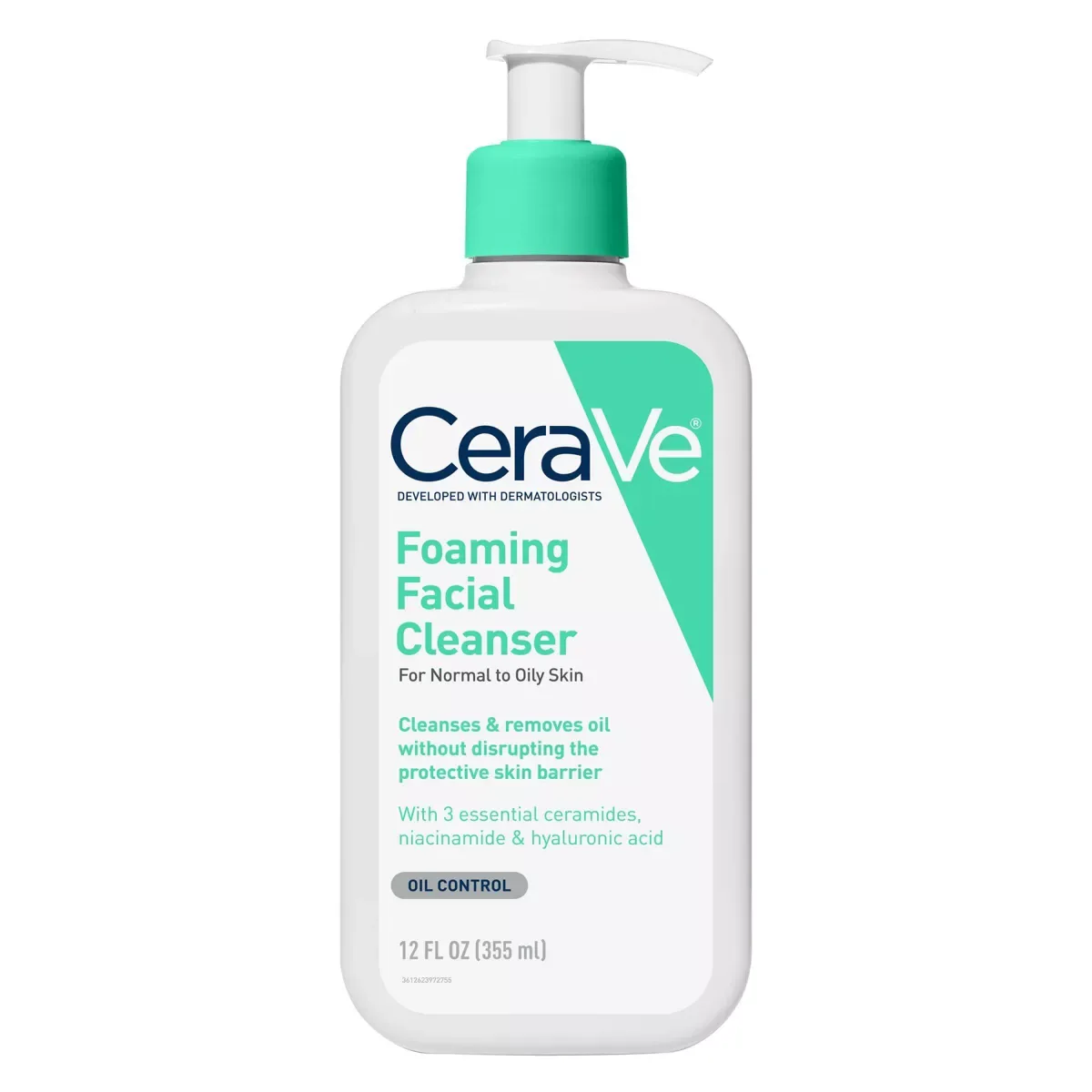 Derm Office Staple
 Foaming Facial Cleanser
The CeraVe Foaming Facial Cleanser is the rare drugstore cleanser that dermatologists actually use themselves — a genuinely gentle foaming wash that removes excess oil without triggering the rebound sebum production that plagues most lathering cleansers. At under sixteen dollars for a bottle that lasts months, it makes skipping it almost irrational.
 Cult-Status Makeup Eraser
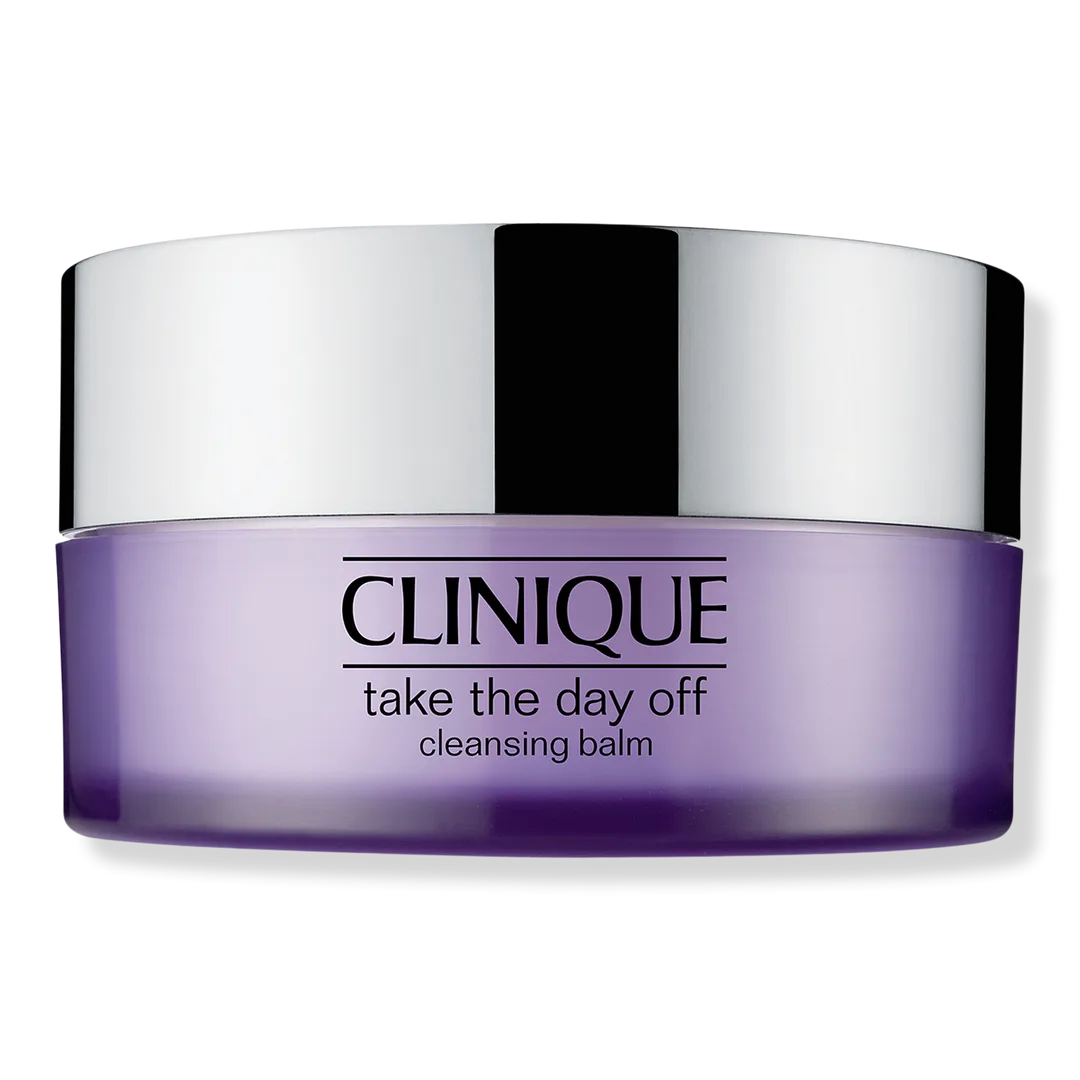
 Take the Day Off Cleansing Balm
The cleansing balm that earned its cult status through radical restraint — nine ingredients, zero fragrance, and the ability to dissolve anything from waterproof mascara to SPF 50 without disturbing even the most reactive skin. Not the most glamorous product in any routine, but possibly the most universally reliable.
 Japanese Drugstore Classic
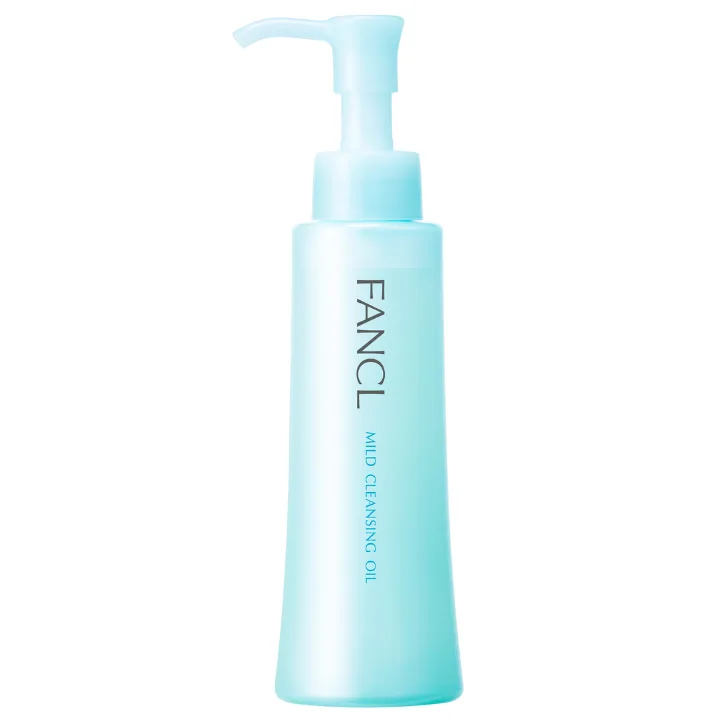
 Mild Cleansing Oil
A two-decade-old Japanese drugstore staple that still outperforms most modern cleansing oils on the single metric that matters: does it remove sunscreen cleanly without leaving a film. The fragrance-free, ester-based formula is gentle enough for reactive skin and thoughtfully augmented with vitamin C and plant oils. Quietly one of the best first-cleanse options on the market.
 The Original Micellar Water
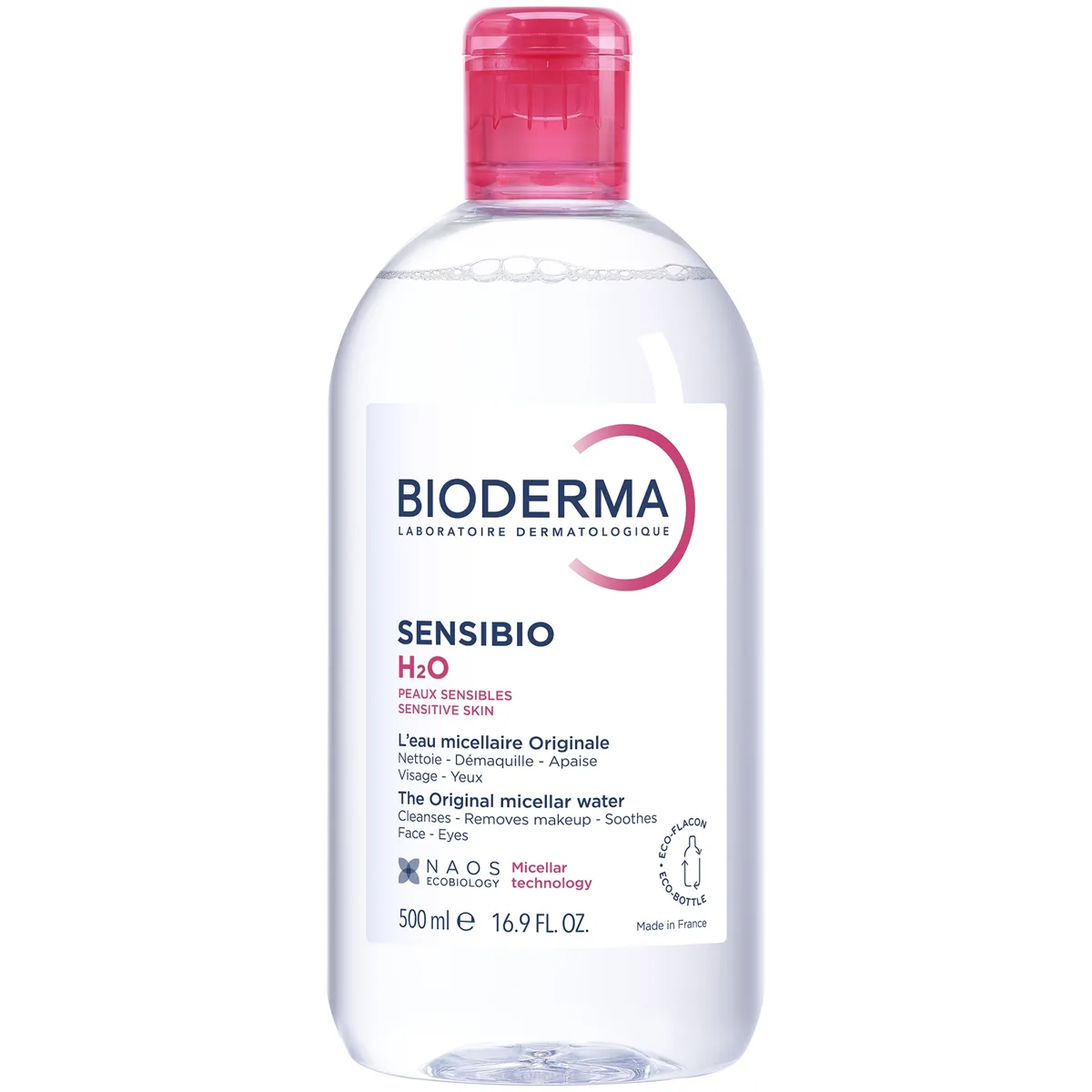
 Sensibio H2O Micellar Water
The product that launched an entire skincare category remains, three decades later, one of the gentlest and most effective no-rinse cleansers available. Bioderma Sensibio H2O earns its cult status through radical simplicity — 10 ingredients, zero fragrance, and a formula so mild it was originally dispensed by prescription.
This review reflects our independent analysis of publicly available ingredient data, manufacturer claims, and verified user reviews. We are reader-supported — Amazon links may earn us a commission at no cost to you. We do not accept paid placements; rankings are based solely on the evidence.