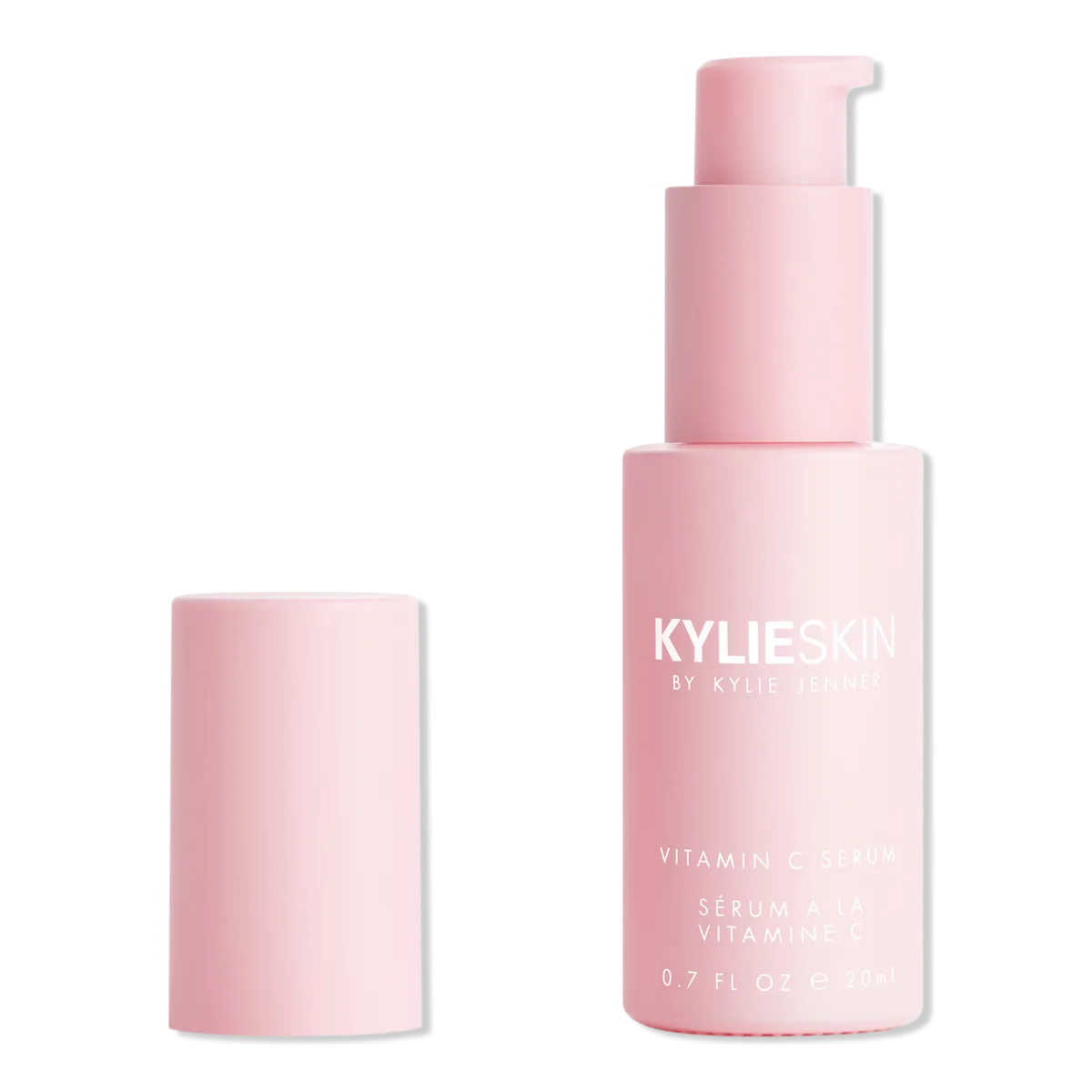
A surprisingly well-conceived vitamin C serum hiding behind a celebrity brand name. The C+E+ferulic acid combination follows proven antioxidant science, and the short 17-ingredient formula is more thoughtful than the branding might suggest. The deal-breaker is size: 0.7 oz for $29 makes this one of the most expensive vitamin C serums per ounce on the market, and the undisclosed concentration leaves you guessing about potency.
Vitamin C Serum
A surprisingly well-conceived vitamin C serum hiding behind a celebrity brand name. The C+E+ferulic acid combination follows proven antioxidant science, and the short 17-ingredient formula is more thoughtful than the branding might suggest. The deal-breaker is size: 0.7 oz for $29 makes this one of the most expensive vitamin C serums per ounce on the market, and the undisclosed concentration leaves you guessing about potency.
Score Breakdown
Where this product gains points and where it loses them — broken down across the four scoring pillars.
The C+E+ferulic acid antioxidant combination is well-conceived, and the short 17-ingredient formula with a fragrance-free profile earns respect. However, tetrahexyldecyl ascorbate has less clinical evidence than L-ascorbic acid, and the price-to-volume ratio is unfavorable at $29 for just 0.7 oz.
Pros & Cons
- ✓Well-conceived C+E+ferulic acid antioxidant trio follows proven synergy research
- ✓Impressively short 17-ingredient formula with no filler or fragrance
- ✓Stable vitamin C derivative will not oxidize or turn brown in the bottle
- ✓Gentle formula causes no stinging suitable for vitamin C beginners
- ✓Green tea extract adds additional polyphenol antioxidant support
- ✓Lightweight texture layers cleanly under moisturizer and sunscreen
- ✗Very small 0.7 oz bottle runs out in 4-6 weeks of daily use
- ✗Vitamin C concentration is not disclosed by the brand
- ✗Tetrahexyldecyl ascorbate has less clinical evidence than L-ascorbic acid
- ✗Price per ounce is high compared to non-celebrity vitamin C serums
- ✗Tocopheryl acetate is a less bioavailable form of vitamin E than pure tocopherol
- ✗Results develop more slowly than with direct L-ascorbic acid formulations
Full Review
Expectations are a powerful thing in skincare. When a product comes from a brand built on lip kits and reality television, the assumption is that the skincare line is an afterthought — a cash grab dressed in clean packaging. And sometimes that assumption is correct. But the Kylie Skin Vitamin C Serum presents an interesting case: a formula that is actually smarter than it needed to be.
The ingredient list is seventeen items long. Seventeen. In a category where vitamin C serums routinely contain thirty or forty ingredients — including fragrance, dyes, and botanical extracts that exist primarily for label appeal — this kind of restraint is worth acknowledging. Every ingredient has a clear function, and there is no filler.
The vitamin C form is tetrahexyldecyl ascorbate, listed second after water, which signals a meaningful concentration even though the exact percentage is not disclosed. This is an oil-soluble, stable derivative of vitamin C that does not require the acidic pH environment that L-ascorbic acid demands. It does not oxidize and turn brown in the bottle. It does not sting on application. And it does not require the careful storage rituals that pure vitamin C serums necessitate.
The trade-off is potency. Tetrahexyldecyl ascorbate must be converted to active ascorbic acid within the skin, which introduces a conversion efficiency variable. In-vitro studies show promising antioxidant and collagen-stimulating activity, but the human clinical evidence is less robust than what exists for L-ascorbic acid at documented concentrations. If L-ascorbic acid is a direct flight, tetrahexyldecyl ascorbate is a connecting one — you still get to the destination, but it takes longer and there is some uncertainty about the arrival time.
The supporting cast is where the formula earns genuine respect. Ferulic acid and tocopheryl acetate complete the classic antioxidant trio inspired by the 2005 Duke University research that demonstrated vitamin C, vitamin E, and ferulic acid work synergistically to provide significantly greater photoprotection than any of them alone. While the original Pinnell study used L-ascorbic acid and pure tocopherol rather than their derivative forms, the foundational chemistry of the combination still applies.
Glycerin at position three provides hydration. Safflower seed oil contributes linoleic acid. Panthenol soothes. Green tea extract adds polyphenol antioxidant support. Sodium metabisulfite acts as an antioxidant preservative specifically to protect the vitamin C from degradation. Each ingredient serves the formula. Nothing is wasted.
The texture is lightweight and slightly oily — natural for a serum containing an oil-soluble vitamin C derivative. It absorbs within about a minute and leaves a subtle glow without greasiness. Under moisturizer and sunscreen, it layers cleanly with no pilling or interference. The complete absence of fragrance is a genuine positive that many competing vitamin C serums, even from clinical brands, cannot claim.
Results follow the expected timeline for a vitamin C derivative. The immediate effect is a subtle luminosity from the glycerin and oil base. Within two to four weeks, skin tone begins to look more even and vibrant. Meaningful fading of dark spots and hyperpigmentation requires eight to twelve weeks of consistent daily use — the patience that derivative forms demand.
The problem — and it is a significant one — is the economics. At twenty-nine dollars for 0.7 ounces, this serum will last roughly four to six weeks with daily morning application. That means you are spending roughly sixty to seventy dollars per year on a single serum step — which is not outrageous in absolute terms, but becomes harder to justify when you consider that vitamin C serums with disclosed concentrations, L-ascorbic acid formulations, and larger volumes are widely available at the same or lower annual cost.
The undisclosed concentration is the other sticking point. When a brand does not tell you how much of the active ingredient is in the formula, you are taking the positioning on trust. The high INCI placement (second ingredient) suggests a meaningful amount, but whether that is five percent or fifteen percent makes a real difference in expected results. Brands that disclose concentration communicate confidence in their formulation. Brands that do not leave a question mark.
For a celebrity brand, this serum represents the best-case scenario: a product where real thought went into the formulation, where the active ingredient strategy follows genuine science, and where the absence of fragrance and filler shows respect for the consumer's skin. It is let down by the tiny volume, the premium pricing, and the missing concentration disclosure that would let consumers make a fully informed comparison.
If this is your first vitamin C serum and you are drawn to the brand, you will get a gentle, well-formulated introduction to vitamin C that is unlikely to irritate or disappoint. If you are an experienced vitamin C user looking for maximum potency per dollar, the math does not add up.
Formula
Key Ingredients
The hero actives that drive this product's performance.
| Ingredient | Function | Evidence |
|---|---|---|
| Tetrahexyldecyl Ascorbate | An oil-soluble, stable vitamin C derivative listed second — suggesting a meaningful concentration. Unlike L-ascorbic acid, this form does not oxidize quickly or require low pH, making it more stable in formulation. It must be converted to ascorbic acid in the skin, which means results develop more gradually but with less irritation risk. | promising |
| Ferulic Acid | A plant-derived antioxidant that stabilizes and enhances vitamin C's photoprotective effects. The classic vitamin C + E + ferulic acid combination (inspired by the Duke University patent) is well-studied, and ferulic acid's inclusion here, even at a lower INCI position, adds genuine antioxidant value to the formula. | well-established |
| Tocopheryl Acetate | A stable form of vitamin E that completes the antioxidant trio with vitamin C and ferulic acid. While tocopheryl acetate is less bioavailable than pure tocopherol, it provides antioxidant protection and works synergistically with the ascorbate derivative to enhance photoprotection. | well-established |
| Glycerin | Listed third, glycerin provides robust humectant hydration that supports the vitamin C's effects. Well-hydrated skin absorbs and utilizes vitamin C derivatives more effectively, making glycerin a smart functional companion in this formula. | well-established |
| Panthenol | Vitamin B5 provides soothing and skin-barrier-supporting properties that help mitigate any potential irritation from the vitamin C derivative. Also acts as a humectant, complementing glycerin's moisture-drawing capacity. | well-established |
| Camellia Sinensis Leaf Extract | Green tea extract adds an additional layer of antioxidant protection from its polyphenol content, particularly EGCG. While listed last, it reinforces the formula's overall antioxidant strategy alongside the vitamin C, E, and ferulic acid combination. | well-established |
Full INCI List
Water/Aqua/Eau, Tetrahexyldecyl Ascorbate, Glycerin, Phenoxyethanol, Carthamus Tinctorius (Safflower) Seed Oil, Ammonium Acryloyldimethyltaurate/VP Copolymer, Dipalmitoyl Hydroxyproline, Tocopheryl Acetate, Tetrasodium Glutamate Diacetate, Carbomer, Polysorbate 20, Sodium Metabisulfite, Panthenol, Ferulic Acid, Ethylhexylglycerin, Sodium Hydroxide, Camellia Sinensis Leaf Extract
Product Flags
✓ Fragrance Free✓ Alcohol Free✗ Oil Free✓ Silicone Free✓ Paraben Free✓ Sulfate Free✓ Cruelty Free✓ Vegan✗ Fungal Acne Safe
Compatibility
Skin Match
Best For
Works For
Not Ideal For
Addresses These Conditions
dullness hyperpigmentation sun damage aging
Routine Step
serum
Time of Day
AM
Pregnancy Safe
Yes ✓
Layering Tips
Apply to clean, dry skin in the morning before moisturizer and sunscreen. The oil-soluble vitamin C form means it plays well with most other products without pH-dependent timing. Can be layered under any moisturizer or sunscreen.
Results Timeline
Subtle glow improvement within 1-2 weeks. Gradual brightening and evening of skin tone over 4-8 weeks. Noticeable reduction in dark spots and sun damage typically requires 8-12 weeks of consistent daily use.
Pairs Well With
sunscreenmoisturizerhyaluronic acid serumniacinamide
Sample AM Routine
- Gentle cleanser
- Kylie Skin Vitamin C Serum
- Moisturizer
- Sunscreen
Sample PM Routine
- Cleanser
- Treatment serum
- Moisturizer
Evidence
Who Should Skip
- Very small 0.7 oz bottle runs out in 4-6 weeks of daily use
- Vitamin C concentration is not disclosed by the brand
- Tetrahexyldecyl ascorbate has less clinical evidence than L-ascorbic acid
- Price per ounce is high compared to non-celebrity vitamin C serums
Science & Expert Perspective
The Science
The antioxidant strategy in this serum follows the foundational research by Pinnell et al. published in the Journal of Investigative Dermatology in 2005, which demonstrated that a combination of L-ascorbic acid 15%, alpha-tocopherol 1%, and ferulic acid 0.5% provided significantly enhanced photoprotection against UV-induced erythema and thymine dimer formation compared to vitamin C and E alone.
While the original study used L-ascorbic acid and pure tocopherol, the adaptation to derivative forms (tetrahexyldecyl ascorbate and tocopheryl acetate) reflects a stability-oriented approach. Tetrahexyldecyl ascorbate has been studied in several in-vitro contexts: research published in the Journal of Cosmetic Dermatology demonstrated its ability to stimulate collagen synthesis in fibroblast cultures, and its oil-soluble nature allows better penetration through the lipid-rich stratum corneum compared to water-soluble vitamin C forms.
However, the clinical evidence gap between L-ascorbic acid and tetrahexyldecyl ascorbate is real. L-ascorbic acid benefits from decades of human clinical trials documenting its efficacy in photoprotection, collagen stimulation, and pigmentation reduction. Tetrahexyldecyl ascorbate requires enzymatic conversion to ascorbic acid within the skin, and the efficiency of this conversion in vivo remains less well-characterized.
Ferulic acid's contribution extends beyond stabilization. Research has documented its own independent antioxidant properties, including free radical scavenging and UV absorption in the UVA/UVB range. The combination with vitamin C creates a self-reinforcing antioxidant network where each component helps regenerate the others.
References
- Ferulic acid stabilizes a solution of vitamins C and E and doubles its photoprotection of skin — Journal of Investigative Dermatology (2005)
Dermatologist Perspective
Dermatologists widely recommend daily vitamin C as a foundational antioxidant step, though opinions vary on the optimal form. Board-certified dermatologists note that tetrahexyldecyl ascorbate is a reasonable choice for patients who cannot tolerate L-ascorbic acid serums due to irritation or who want a more forgiving product that does not require refrigeration or rapid use after opening. However, dermatologists generally prefer formulations with disclosed concentrations, as this allows informed comparison and dosage confidence. The C+E+ferulic acid combination is viewed favorably regardless of the specific vitamin C form used.
Guidance
Usage Guide
How to Use
Apply 3-4 drops to clean, dry skin every morning after cleansing. Pat gently into the face and neck, avoiding the eye area. Wait 1-2 minutes for absorption, then apply moisturizer followed by broad-spectrum SPF 30+ sunscreen. The oil-soluble vitamin C form does not require pH-dependent timing, so it can be layered freely with other serums. Use within 6 months of opening.
Value Assessment
At $29 for 0.7 oz, the per-ounce cost of approximately $41 makes this one of the pricier vitamin C serums on the market. With a bottle lasting only 4-6 weeks, annual cost runs roughly $60-70. The formula's quality — the C+E+ferulic trio, the minimal ingredient list, the fragrance-free profile — partially justifies the premium, but comparable formulations from non-celebrity brands offer disclosed concentrations and larger volumes at similar or lower price points. The tiny size is the primary value concern; the formula itself is better than you would expect.
Who Should Buy
Vitamin C beginners who want a gentle, non-irritating introduction to antioxidant serums. Those with sensitive skin who have reacted to L-ascorbic acid formulations. Fans of the Kylie Skin brand who want a well-formulated product within their existing routine. Anyone who prioritizes stability and ease of use over maximum potency.
Who Should Skip
Experienced vitamin C users seeking maximum potency and disclosed concentrations at a better price-per-ounce. Those on a budget who want more product for their money. Anyone seeking rapid, aggressive brightening results that L-ascorbic acid formulations can provide faster.
Ready to try Kylie Skin Vitamin C Serum?
Details
Details
Texture
Lightweight, slightly gel-like serum with a mild oily feel from the safflower seed oil and oil-soluble vitamin C. Absorbs within a minute to a non-greasy finish. The thin consistency allows for easy layering under moisturizer and sunscreen.
Scent
Fragrance-free with no detectable scent beyond a very faint, neutral serum base.
Packaging
Small dropper bottle with a clean white design. The dark-tinted glass or opaque container helps protect the vitamin C from light degradation, though the small 0.7 oz volume means frequent repurchasing.
Finish
lightweightnon-greasyglowy
What to Expect on First Use
No tingling or stinging on first application — the tetrahexyldecyl ascorbate form is much gentler than L-ascorbic acid serums. Immediate subtle glow from the glycerin and oil base. No adjustment period needed.
How Long It Lasts
4-6 weeks with daily morning application
Period After Opening
6 months
Best Season
All Year
Certifications
VeganCruelty-Free
Background
The Why
The Vitamin C Serum was part of Kylie Skin's original 2019 launch lineup. In a market saturated with high-concentration L-ascorbic acid serums that can irritate and oxidize, the brand opted for a gentler vitamin C derivative — a choice that makes sense for the brand's audience of skincare newcomers who may not be ready for the sensitivity and careful storage that pure vitamin C demands.
About Kylie Skin Established Brand (5–20 years)
Kylie Skin launched in 2019 as an extension of Kylie Jenner's cosmetics empire. While the brand has grown to include a full skincare range available at major retailers, its formulations are developed by contract manufacturers rather than dermatological research teams. The brand's visibility is driven primarily by its founder's celebrity status rather than clinical credentials.
Brand founded: 2019 · Product launched: 2019
Myth vs. Reality
Myths & Misconceptions
Myth
All vitamin C serums are the same — only the percentage matters.
Reality
The form of vitamin C matters enormously. Tetrahexyldecyl ascorbate is oil-soluble and more stable than L-ascorbic acid, but it requires conversion in the skin and has less clinical research. It is a trade-off between potency and user-friendliness, not a simple better-or-worse comparison.
Myth
Vitamin C serums must sting or tingle to be working.
Reality
Stinging is a sign of skin sensitivity or low pH, not efficacy. Tetrahexyldecyl ascorbate works at neutral pH without irritation. The absence of stinging means this formula is gentler — it does not mean it is inactive.
FAQ
Frequently Asked Questions
What type of vitamin C is in Kylie Skin Vitamin C Serum?
This serum uses tetrahexyldecyl ascorbate, an oil-soluble, stable derivative of vitamin C. Unlike L-ascorbic acid, it does not require acidic pH to function and is far less likely to irritate or oxidize. The trade-off is that it must be converted to active vitamin C in the skin, which means results develop more gradually.
Is Kylie Skin Vitamin C Serum worth the price?
At $29 for just 0.7 oz, this is one of the more expensive vitamin C serums per ounce, particularly given that the concentration is not disclosed and the vitamin C form is a derivative rather than pure L-ascorbic acid. The formula itself is well-conceived (C+E+ferulic acid combo, fragrance-free, short INCI), but similar or superior formulations are available at lower prices per milliliter.
Can I use Kylie Skin Vitamin C Serum with retinol?
Yes — use the vitamin C serum in the morning and retinol in the evening. The tetrahexyldecyl ascorbate form does not have the pH sensitivity of L-ascorbic acid, so it is less likely to interact negatively with other products. This approach maximizes antioxidant protection during the day and retinoid treatment at night.
Is Kylie Skin Vitamin C Serum pregnancy safe?
Yes — vitamin C in all forms is considered safe for use during pregnancy. This formula contains no retinoids, salicylic acid, or other pregnancy-flagged ingredients. The gentle, fragrance-free formulation makes it suitable for the increased skin sensitivity many people experience during pregnancy.
How long does Kylie Skin Vitamin C Serum last?
The small 0.7 oz bottle typically lasts 4-6 weeks with daily morning use. The product should be used within 6 months of opening due to the potential for vitamin C degradation, even with the more stable derivative form. Store in a cool, dark place to maximize shelf life.
Community
Community Voices
Common Praise
"Noticeable brightening effect within the first few weeks"
"Lightweight texture absorbs quickly without greasiness"
"Gentle formula that does not irritate or sting"
"Fragrance-free and suitable for sensitive skin"
Common Complaints
"Very small bottle for the price — runs out quickly"
"Vitamin C derivative may be less potent than L-ascorbic acid"
"No disclosed concentration percentage"
"Price per ounce is high compared to non-celebrity alternatives"
Appears In
best gentle vitamin c serum best vitamin c serum for sensitive skin best vitamin c serum for beginners best celebrity skincare serum
Related Conditions
dullness hyperpigmentation sun damage aging
Related Ingredients
You Might Also Like
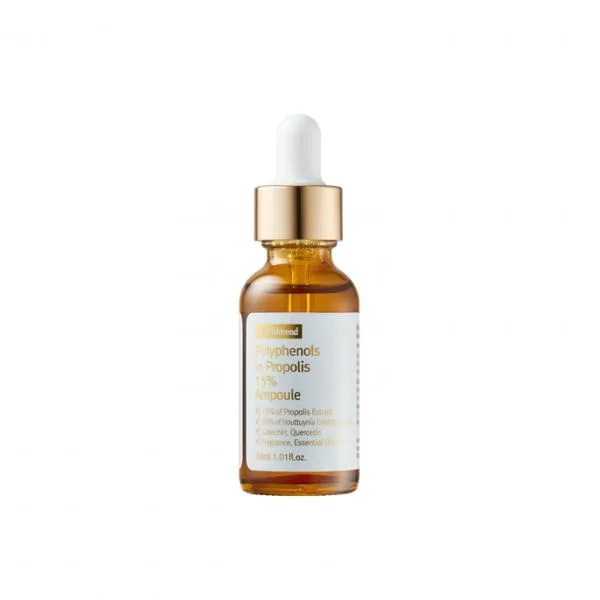 Sensitive Skin Soother
 Polyphenols In Propolis 15% Ampoule
A 15% propolis ampoule that earns its name with a real polyphenol stack — French Auvergne propolis layered over a houttuynia cordata base, with tulsi and pomegranate piling on. It's slightly sticky and not cheap by volume, but for sensitive, breakout-prone skin chasing calm, this is one of the most reliable K-beauty soothers in production.
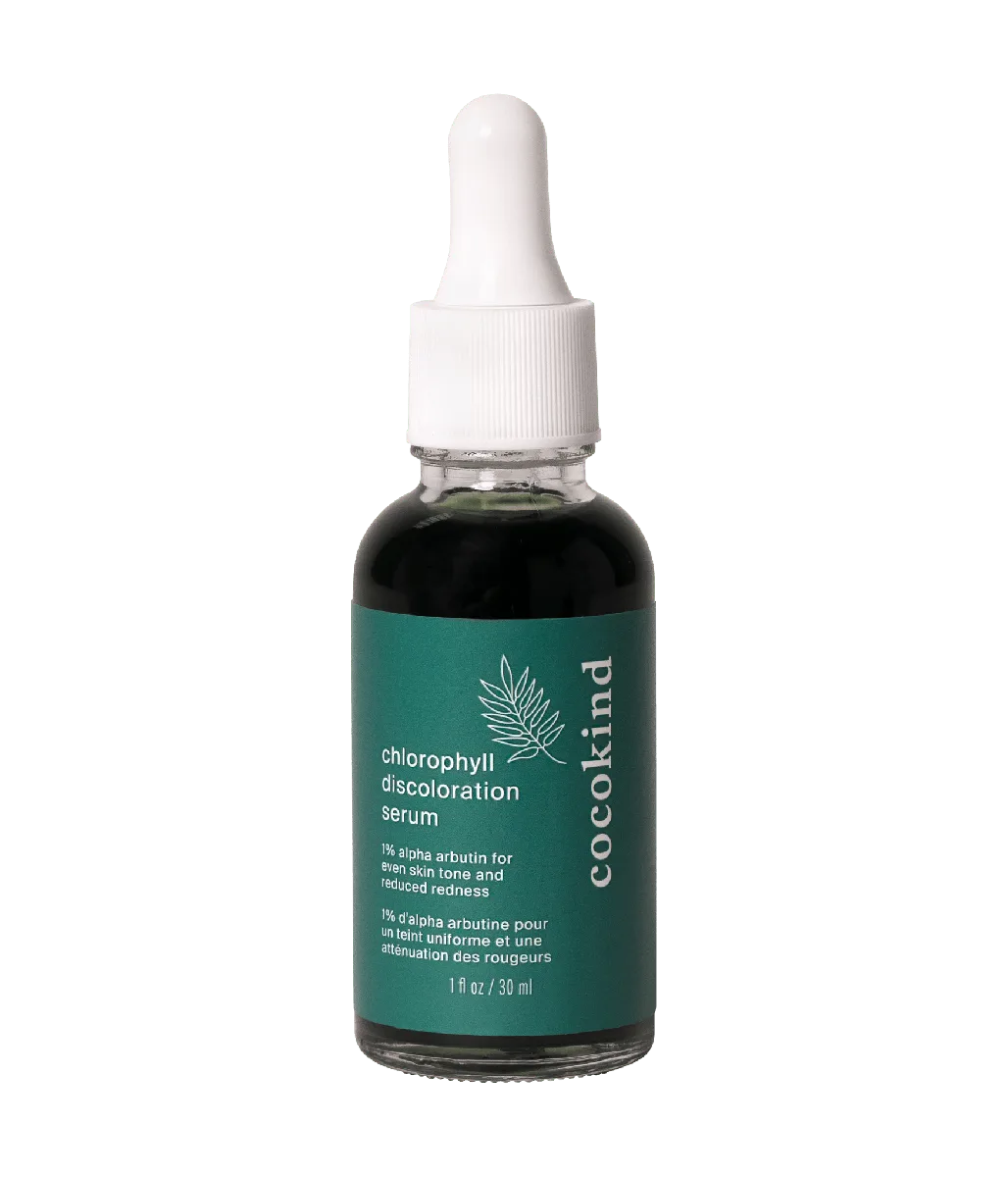 Budget Brightening Hero
 Chlorophyll Discoloration Serum
A quietly brilliant brightening serum that proves you do not need luxury prices or harsh actives to fade dark spots effectively. The alpha-arbutin and licorice root combination delivers genuine multi-pathway melanin inhibition, the sensitive-skin-friendly formula is impeccable, and $20 makes it accessible to virtually everyone. The chlorophyllin is more marketing differentiator than scientific powerhouse, but it does not hurt anything either.
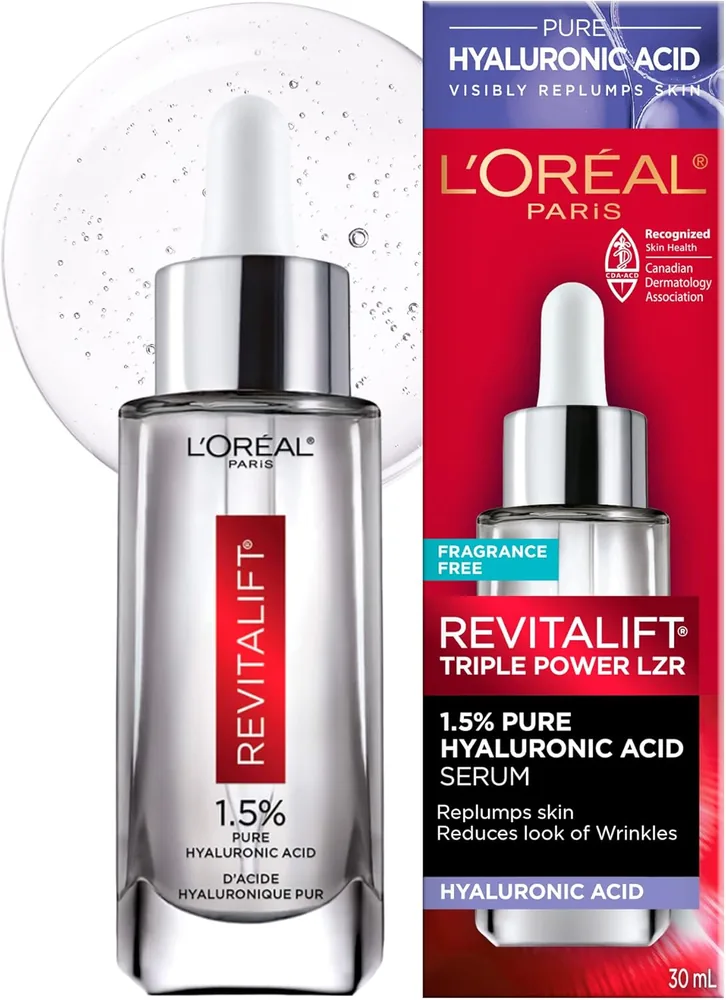 The People's HA Serum
 Revitalift Derm Intensives 1.5% Pure Hyaluronic Acid Serum
A masterclass in minimalist formulation — thirteen ingredients, no filler, four functional actives, and over thirty thousand glowing reviews. L'Oréal's multi-weight HA system delivers genuine hydration at every level of the skin, and the fragrance-free, alcohol-free formula is clean enough for virtually anyone. The drugstore serum that embarrasses its prestige competitors.
 Budget Hydration Holy Grail
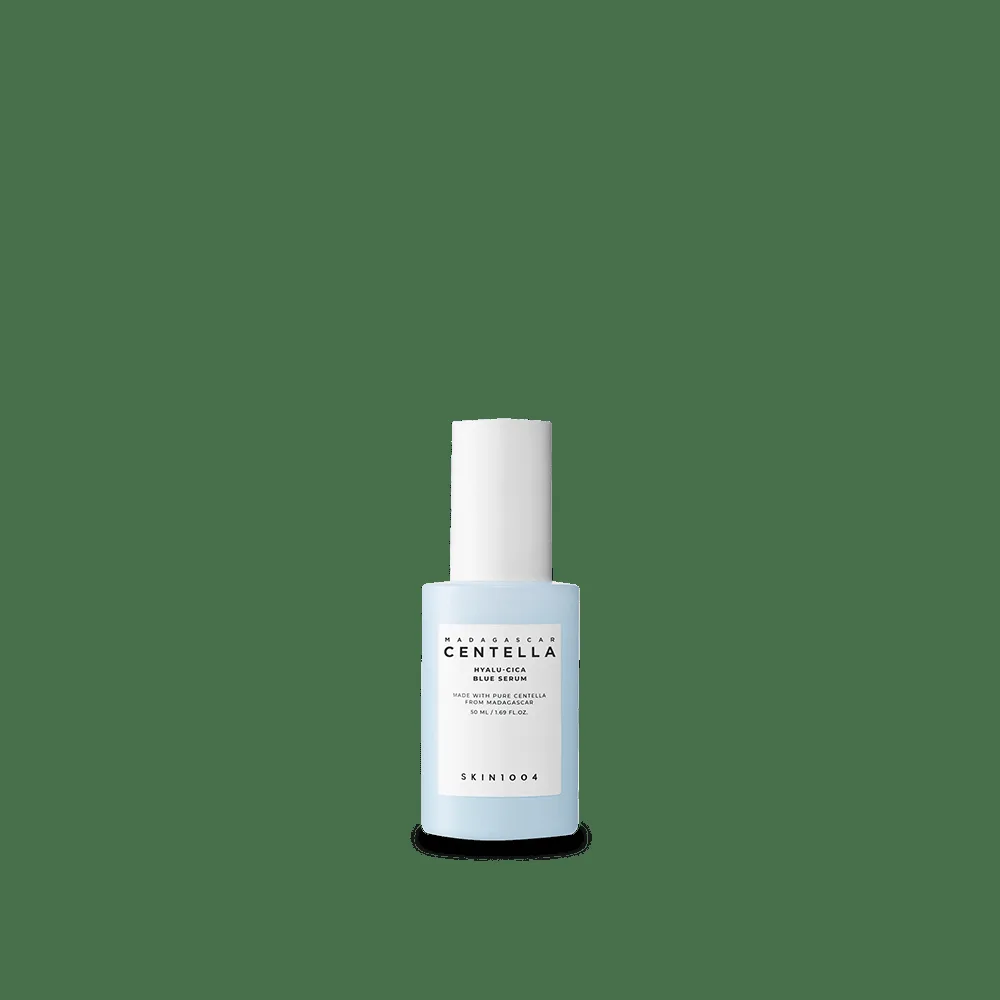
 Hyalu-Cica Blue Serum
A quietly excellent budget serum that stacks Centella asiatica leaf water, five types of hyaluronic acid, niacinamide, ceramide NP, and adenosine into a fragrance-free under-$20 bottle. It is genuinely one of the best hydration-plus-soothing serums at any price, and the fact that it costs less than a salad in Manhattan is the point.
 Sensitive Skin First-Line Defense
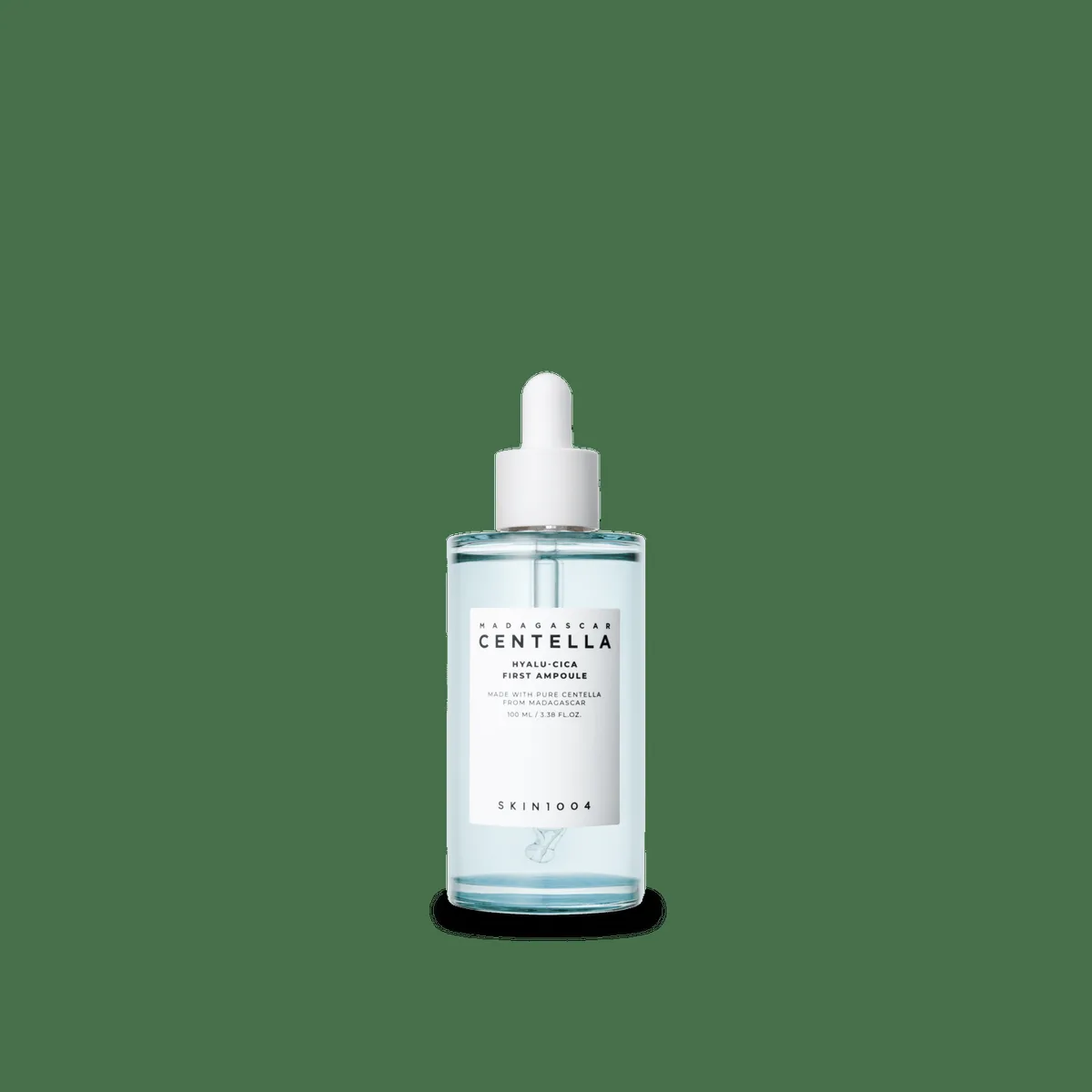
 Hyalu-Cica First Ampoule
A 92% Centella asiatica extract ampoule paired with niacinamide and a multi-weight HA complex, fragrance-free and purpose-built for sensitive, compromised, and reactive skin. At $25 for 100ml, it is one of the most justifiable skincare purchases a budget-conscious buyer can make, and it earns a place in almost any routine that needs a soothing anchor.
 Sensitive Skin MVP
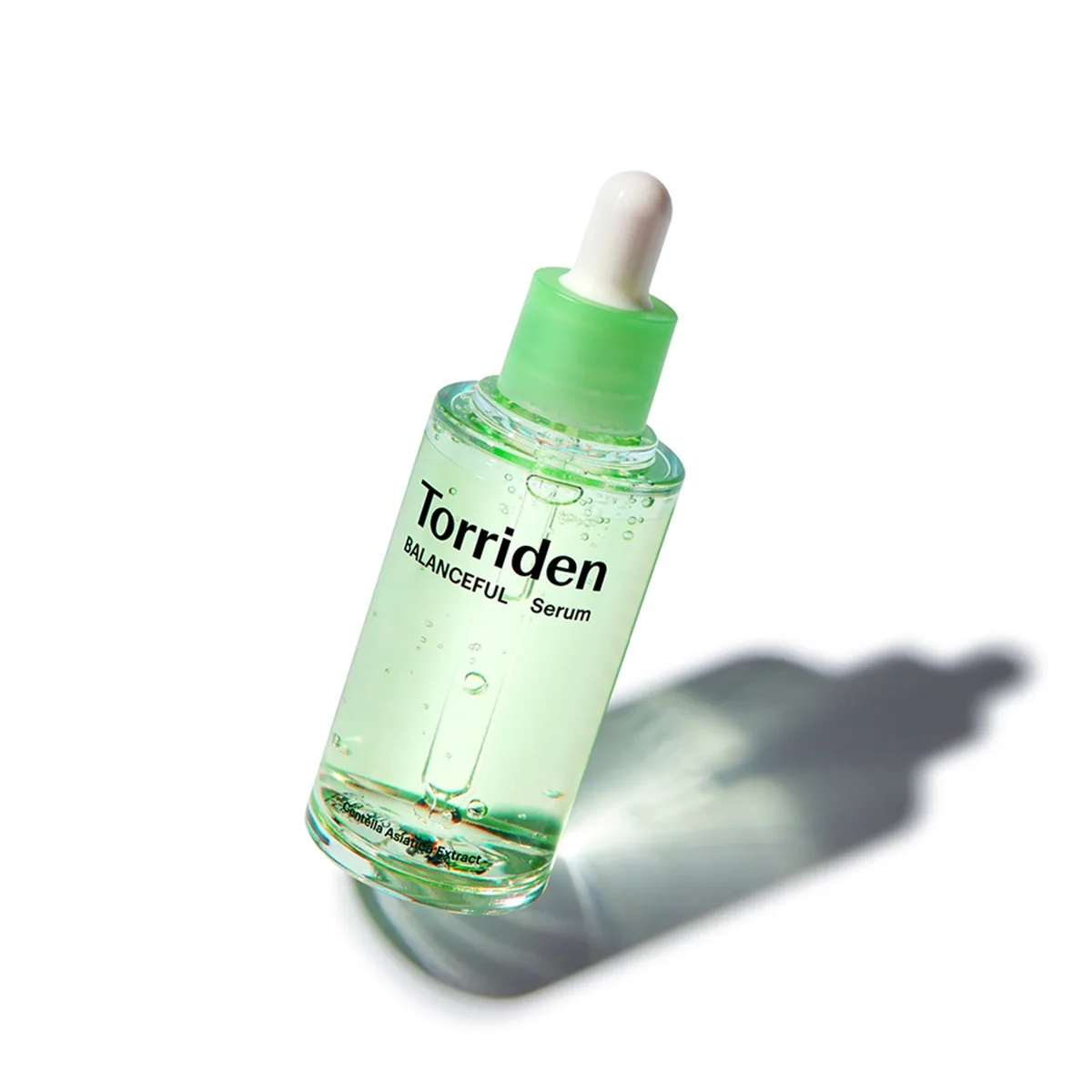
 Balanceful Cica Serum
Torriden's Balanceful Cica Serum is one of the most recommendable calming serums in K-beauty — a genuinely fragrance-free, multi-weight hyaluronic acid and 5D cica complex treatment that quietly reduces redness, supports the barrier, and buffers other actives without drama. At under $25 it's a near-automatic pick for sensitive, rosacea-prone, and barrier-compromised skin.
This review reflects our independent analysis of publicly available ingredient data, manufacturer claims, and verified user reviews. We are reader-supported — Amazon links may earn us a commission at no cost to you. We do not accept paid placements; rankings are based solely on the evidence.