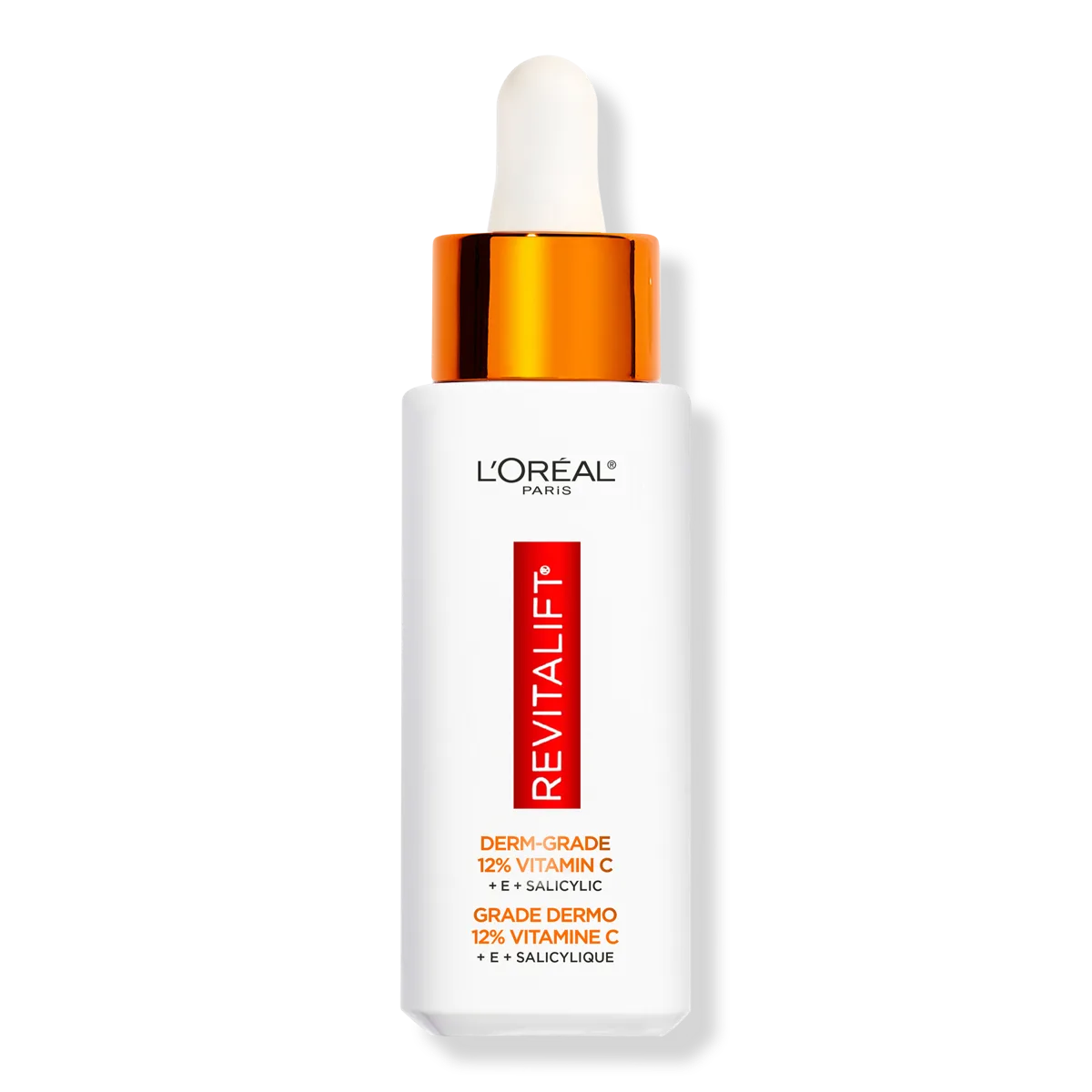
A genuinely impressive drugstore vitamin C serum that puts 12% pure L-ascorbic acid in a stabilized, higher-pH formula that most skin types can actually tolerate daily. The addition of salicylic acid makes it a dual-action brightener, and the price-to-performance ratio embarrasses many prestige alternatives. Fragrance and alcohol are the unnecessary compromises.
Bright Reveal 12% Vitamin C + E + Salicylic Acid Serum
A genuinely impressive drugstore vitamin C serum that puts 12% pure L-ascorbic acid in a stabilized, higher-pH formula that most skin types can actually tolerate daily. The addition of salicylic acid makes it a dual-action brightener, and the price-to-performance ratio embarrasses many prestige alternatives. Fragrance and alcohol are the unnecessary compromises.
Score Breakdown
Where this product gains points and where it loses them — broken down across the four scoring pillars.
An impressively formulated drugstore vitamin C serum with pure L-ascorbic acid at a clinically meaningful 12%, supported by vitamin E and salicylic acid. The pH 6 formulation approach is interesting and more tolerable, though the alcohol and fragrance inclusion slightly undercuts the otherwise strong ingredient profile.
Pros & Cons
- ✓12% pure L-ascorbic acid at a clinically meaningful concentration for real brightening results
- ✓pH 6 formulation significantly reduces irritation compared to traditional low-pH vitamin C serums
- ✓Synergistic vitamin C + E combination follows the gold standard for antioxidant photoprotection
- ✓Salicylic acid addition promotes gentle cell turnover for enhanced brightening and texture refinement
- ✓Silicone-smoothed texture absorbs quickly and layers elegantly under moisturizer and SPF
- ✓Exceptional value at approximately $33 for the same active molecule found in $100+ prestige serums
- ✓Dark glass dropper packaging protects light-sensitive L-ascorbic acid from degradation
- ✗Alcohol Denat. at a meaningful concentration adds unnecessary drying potential to a daily serum
- ✗Added fragrance increases sensitization risk in a formula already containing two active irritants
- ✗Salicylic acid content makes it unsuitable during pregnancy
- ✗Six-month period after opening is shorter than many serums due to vitamin C instability
- ✗Can still cause tingling on initial use despite the higher pH formulation
Full Review
The dirty secret of the vitamin C serum market is that the molecule everyone is chasing — L-ascorbic acid — is essentially the same whether it costs thirty dollars or one hundred and seventy. What changes is how brands solve the stability problem. Pure L-ascorbic acid is notoriously unstable: it oxidizes on contact with air, degrades in light, and loses potency at the wrong pH. For decades, the standard approach was to formulate at pH 2-3.5, which maximizes penetration but also maximizes the stinging, redness, and irritation that send half of vitamin C users reaching for the return label. L'Oréal's answer, backed by over a billion euros in annual R&D spending, was to stabilize the molecule at pH 6 — a level close to the skin's natural acidity — and claim equivalent results with dramatically better tolerability.
The Bright Reveal 12% Vitamin C + E + Salicylic Acid Serum is the latest iteration of that research, upgrading the earlier 10% Revitalift formula with a higher concentration and added actives. Twelve percent L-ascorbic acid is solidly in the clinically effective range — most dermatological studies showing significant brightening, collagen stimulation, and photoprotective benefits use concentrations between 10% and 20%. You are not getting a token sprinkle of vitamin C dressed up with marketing; you are getting a dose that published research supports.
The pH 6 approach is where this formula gets genuinely interesting. Traditional vitamin C formulation wisdom says you need a pH below 3.5 for L-ascorbic acid to penetrate effectively. L'Oréal argues that their stabilization technology maintains the vitamin C in its active form at a higher pH, allowing it to work without the chemical assault that low-pH formulas inflict on the skin. The result, in practice, is a serum that still tingles mildly on application — twelve percent is twelve percent — but does not produce the intense stinging that makes many people abandon their vitamin C routine after a week.
The vitamin E (tocopherol) inclusion is not a novelty; it is sound formulation science. The classic study by Sheldon Pinnell, published in the Journal of Investigative Dermatology, demonstrated that vitamins C and E together provide superior photoprotection compared to either alone. Vitamin E regenerates oxidized vitamin C, extending its functional life on the skin. This combination has been the gold standard in antioxidant serum design for over two decades, and its presence here at a drugstore price is notable.
Salicylic acid rounds out the active trio, though its position at the very end of the INCI list signals a low concentration. This is not an exfoliating treatment in the BHA sense — think of it as a texture-refining accent that gently promotes cell turnover to prevent the dull surface buildup that vitamin C aims to brighten. It is a smart supporting ingredient rather than a primary active.
The base formula uses dimethicone and polysilicone-11 to create a smooth, silky application experience. For anyone accustomed to the watery drip of traditional vitamin C serums, this feels distinctly different — controlled, spreadable, and surprisingly elegant. It absorbs within seconds and leaves a velvety finish that works well under moisturizer and sunscreen. The silicone base also helps seal the vitamin C against the skin, potentially improving its contact time and efficacy.
The clinical claims are bold: 70% brighter skin in eight weeks, 59% less visible pores, 83% smoother texture. These are self-assessed consumer claims rather than instrument-measured clinical data, so apply appropriate calibration. What users consistently confirm in the four-thousand-plus reviews across retailers is that brightening effects are genuine and visible, dark spots show meaningful improvement over one to two months, and overall skin tone becomes more even. The pore-refining claims are harder to validate but are consistent with what salicylic acid and regular vitamin C use can achieve.
Now for the compromises. Alcohol Denat. appears fifth in the formula — a significant position. It likely serves as a solvent for the ascorbic acid and contributes to the fast-absorbing texture, but its presence in a daily-use serum adds unnecessary drying potential, particularly for those with dry or dehydrated skin. Glycerin and sodium hyaluronate are included to compensate, but one could wish for a formula that achieved the same texture without the alcohol.
Then there is the fragrance. Parfum appears last in the INCI list, suggesting a low concentration, but its presence in an active treatment serum is a formulation choice that prioritizes sensorial appeal over sensitization risk. For a serum that already contains 12% ascorbic acid and salicylic acid — both potential irritants — adding fragrance increases the cumulative irritation load without functional benefit.
These are genuine criticisms, but they should be weighed against what this serum achieves at its price point. At approximately thirty-three dollars, you are getting a 12% pure L-ascorbic acid formula stabilized with proprietary technology, supported by vitamin E and salicylic acid, in packaging designed to protect the unstable active. Prestige serums with comparable formulations sell for one hundred to one hundred seventy dollars. The vitamin C molecule does not know the price tag on its bottle.
For normal, combination, and oily skin types seeking a daily brightening serum that addresses dark spots, uneven tone, and early aging signs, this delivers clinical-grade results at a mass-market price. The pH 6 formulation makes it more tolerable than traditional low-pH options, and the silicone base provides a user experience that feels more refined than you might expect from a drugstore shelf. Use it in the morning, follow with SPF, and give it eight weeks. The results are real.
Formula
Key Ingredients
The hero actives that drive this product's performance.
| Ingredient | Function | Evidence |
|---|---|---|
| L-Ascorbic Acid (Vitamin C) (12%) | Pure L-ascorbic acid at a clinically meaningful 12% concentration — high enough for visible brightening and collagen-stimulating effects, formulated at pH 6 rather than the traditional low pH. This higher pH approach reduces the stinging associated with traditional vitamin C serums while L'Oréal claims equivalent efficacy through their stabilization technology. | well-established |
| Tocopherol (Vitamin E) | Pairs with the ascorbic acid to create a synergistic antioxidant duo. Vitamin E regenerates oxidized vitamin C and provides its own lipid-soluble free radical protection. In this formula, it enhances the photoprotective benefits and extends the functional life of the vitamin C on the skin. | well-established |
| Salicylic Acid | Added as a gentle exfoliant to enhance the brightening action of the vitamin C by promoting cell turnover and preventing dead skin buildup that dulls the complexion. Its position late in the INCI list suggests a low concentration — enough for mild exfoliation without aggressive peeling. | well-established |
| Sodium Hyaluronate | Provides humectant hydration to counterbalance the potentially drying effects of the ascorbic acid and alcohol denat. in the formula. Draws moisture into the skin to maintain a plump, hydrated appearance while the active ingredients work. | well-established |
| Glycerin | A secondary humectant working alongside sodium hyaluronate to ensure adequate skin hydration. Listed fourth in the formula, it provides a moisture foundation that helps the silicone-smoothed vitamin C serum feel comfortable on the skin rather than drying. | well-established |
Full INCI List · pH 6
Aqua/Water/Eau, Ascorbic Acid, Dimethicone, Glycerin, Alcohol Denat., Potassium Hydroxide, Polysilicone-11, Pentaerythrityl Tetraethylhexanoate, Acetyl Dipeptide-1 Cetyl Ester, Adenosine, Sodium Hyaluronate, Tocopherol, Silica, Ammonium Polyacryloyldimethyl Taurate, Butylene Glycol, Caprylyl Glycol, C13-14 Isoparaffin, Hydroxyethylcellulose, Laureth-7, PEG-20 Methyl Glucose Sesquistearate, Poloxamer 338, Polyacrylamide, Sorbitan Laurate, Xanthan Gum, Bis-PEG/PPG-16/16 PEG/PPG-16/16 Dimethicone, Caprylic/Capric Triglyceride, Pentaerythrityl Tetra-Di-t-Butyl Hydroxyhydrocinnamate, Salicylic Acid, Parfum/Fragrance
Product Flags
✗ Fragrance Free✗ Alcohol Free✓ Oil Free✗ Silicone Free✓ Paraben Free✓ Sulfate Free✗ Cruelty Free✗ Vegan✗ Fungal Acne Safe
Potential Irritants
Alcohol Denat.Ascorbic Acid (12%)Salicylic AcidParfum/Fragrance
Common Allergens
Parfum/Fragrance
Compatibility
Skin Match
Best For
Works For
Not Ideal For
Addresses These Conditions
hyperpigmentation dullness dark spots aging texture large pores
Use With Caution
sensitivity rosacea compromised skin barrier
Routine Step
serum
Time of Day
AM
Pregnancy Safe
No ✗
Layering Tips
Apply 2-3 drops to clean, dry skin in the morning before moisturizer. Allow to absorb for 30-60 seconds before layering. Always follow with broad-spectrum SPF 30+ as vitamin C enhances sun protection but does not replace sunscreen. Can be used at night as well, but morning use maximizes the antioxidant photoprotective benefits.
Results Timeline
Immediate brightening glow visible from first use. Noticeable improvement in skin radiance and tone evenness within 1-2 weeks. Significant dark spot reduction and pore refinement after 4-8 weeks of consistent daily use. Clinical claims suggest 70% brighter skin and 59% less visible pores at 8 weeks.
Pairs Well With
Hyaluronic acid serums for added hydrationBroad-spectrum SPF 30+ sunscreenGentle hydrating moisturizer
Conflicts With
Retinol in the same routine (use at different times of day)Niacinamide at high concentrations (may reduce vitamin C efficacy)
Sample AM Routine
- Gentle cleanser
- L'Oréal Paris Bright Reveal 12% Vitamin C + E + Salicylic Acid Serum
- Moisturizer
- Sunscreen SPF 30+
Sample PM Routine
- Gentle cleanser
- Retinol or treatment serum
- Night moisturizer
Evidence
Who Should Skip
- Alcohol Denat. at a meaningful concentration adds unnecessary drying potential to a daily serum
- Added fragrance increases sensitization risk in a formula already containing two active irritants
- Salicylic acid content makes it unsuitable during pregnancy
- Six-month period after opening is shorter than many serums due to vitamin C instability
Science & Expert Perspective
The Science
L-ascorbic acid at 12% concentration falls within the 10-20% range shown to be effective in peer-reviewed research. The landmark study by Pinnell et al., published in the Journal of Investigative Dermatology (2001), demonstrated that topical vitamin C at 15% provided significant photoprotection and collagen synthesis stimulation. The study also showed that combining vitamin C with vitamin E enhanced these effects synergistically — a finding this formula directly leverages.
The pH 6 formulation represents a departure from the traditional Pinnell approach, which found that L-ascorbic acid penetrates optimally at pH below 3.5. L'Oréal's position is that their stabilization technology maintains the active form of ascorbic acid at higher pH, reducing irritation without sacrificing efficacy. Independent verification of this claim is limited, but the brand's clinical testing data and extensive user feedback suggest meaningful brightening results, even if the mechanism at pH 6 may differ from low-pH formulations.
Salicylic acid's role in this formula is primarily as a gentle keratolytic agent. Research published in the Journal of the American Academy of Dermatology (2000) established that salicylic acid at low concentrations promotes desquamation of the stratum corneum, enhancing the penetration and efficacy of co-applied actives — in this case, the L-ascorbic acid. The combination creates a dual-action approach: BHA clears dead surface cells while vitamin C brightens the fresh cells beneath.
References
- Topical L-ascorbic acid: percutaneous absorption studies — Journal of Investigative Dermatology (2001)
Dermatologist Perspective
Dermatologists widely recommend daily vitamin C as part of a comprehensive anti-aging and photoprotective routine. Board-certified dermatologists note that 12% L-ascorbic acid is within the effective concentration range and that the vitamin C + E combination follows evidence-based formulation principles. The pH 6 approach is viewed with cautious optimism — while it deviates from traditional penetration science, the practical benefit of reduced irritation may improve patient compliance, which is ultimately more important than theoretical optimal penetration. Dermatologists caution that the alcohol and fragrance content may limit tolerability for patients with rosacea or compromised barriers, and recommend morning use with mandatory SPF.
Guidance
Usage Guide
How to Use
Apply 2-3 drops to clean, dry skin every morning. Gently press into the face and neck — avoid the eye area. Allow 30-60 seconds for absorption before applying moisturizer and sunscreen. Always follow with SPF 30 or higher, as vitamin C enhances but does not replace sun protection. If new to vitamin C, start with every other day for the first week to build tolerance. Store in a cool, dark place and use within six months of opening.
Value Assessment
At approximately $33 for 30 mL, this represents outstanding value in the vitamin C serum category. The same concentration of pure L-ascorbic acid in comparable formulations from prestige brands costs $100-$170. L'Oréal's R&D investment in vitamin C stabilization technology is real and well-documented, and the formula includes genuinely useful supporting ingredients (vitamin E, hyaluronic acid, salicylic acid). The six-month PAO is shorter than some competitors, so factoring in potential waste, the effective cost per use remains significantly below prestige alternatives. This is one of the strongest value propositions in drugstore skincare.
Who Should Buy
Anyone seeking a clinically effective vitamin C serum without the prestige price tag. Ideal for normal, combination, and oily skin types targeting dark spots, uneven tone, dullness, and early signs of aging. Particularly suited for those who have found low-pH vitamin C serums too irritating — the pH 6 formulation offers a more comfortable daily experience.
Who Should Skip
Sensitive or rosacea-prone skin types may still find the 12% concentration and alcohol content irritating despite the higher pH. Pregnant individuals should avoid due to the salicylic acid content. Those who require strictly fragrance-free skincare will find the added parfum a dealbreaker. If you have very dry skin, the alcohol may exacerbate dehydration.
Ready to try L'Oréal Paris Bright Reveal 12% Vitamin C + E + Salicylic Acid Serum?
Details
Details
Texture
Lightweight liquid serum with a silicone-smoothed slip. Absorbs quickly without greasiness, leaving a velvety finish. The dimethicone base gives it a slightly silky feel compared to watery vitamin C serums.
Scent
Contains added fragrance — a light, clean scent that is noticeable on application but fades quickly. Not overpowering, though its presence in an active treatment serum is a formulation choice many clean beauty advocates would prefer omitted.
Packaging
Dark-tinted glass bottle with a dropper applicator to protect the light-sensitive L-ascorbic acid from UV degradation. The opaque packaging is essential for maintaining formula stability. Sealed until first use.
Finish
lightweightnon-greasysatinfast-absorbing
What to Expect on First Use
Expect a mild tingling or warming sensation on first application — this is normal with 12% L-ascorbic acid and typically subsides within a minute. The serum absorbs quickly and leaves skin feeling smooth and slightly luminous. No purging period expected; brightening effects are often visible within the first week. If stinging persists beyond the first few applications, reduce frequency to every other day.
How Long It Lasts
2-3 months with daily morning use (2-3 drops per application)
Period After Opening
6 months
Best Season
All Year
Certifications
Allergy tested
Background
The Why
This serum represents the evolution of L'Oréal's original Revitalift Derm Intensives 10% Pure Vitamin C Serum, upgraded to 12% concentration and enhanced with vitamin E and salicylic acid. The reformulation reflects L'Oréal's massive investment in vitamin C stabilization research — one of the cosmetic industry's most challenging formulation problems. By solving the stability issue at a higher pH, they created a product that delivers clinical-grade vitamin C with a significantly more comfortable application experience.
About L'Oréal Paris Legacy Brand (20+ years)
L'Oréal Paris was founded in 1909 by chemist Eugène Schueller and is the consumer products division of the world's largest beauty company. L'Oréal invests over one billion euros annually in R&D, with extensive research on vitamin C formulation stability and delivery.
Brand founded: 1909 · Product launched: 2022
Myth vs. Reality
Myths & Misconceptions
Myth
Vitamin C serums must be at a low pH (under 3.5) to be effective.
Reality
While traditional research suggests L-ascorbic acid penetrates best at pH 2-3.5, L'Oréal has developed stabilization technology that maintains vitamin C activity at pH 6. This higher-pH approach reduces the stinging and irritation that prevents many people from using vitamin C consistently — and consistent daily use may ultimately deliver better results than a lower-pH formula used sporadically due to discomfort.
Myth
Drugstore vitamin C serums are less effective than prestige alternatives.
Reality
This formula contains 12% pure L-ascorbic acid — the same form and a comparable concentration to serums costing $100-$180. L'Oréal's R&D budget exceeds that of most prestige skincare brands combined. The vitamin C molecule does not know the price tag on its bottle.
FAQ
Frequently Asked Questions
How does L'Oréal's 12% Vitamin C Serum compare to more expensive options?
This serum contains 12% pure L-ascorbic acid — the same bioactive form found in prestige serums costing three to five times as much. The key differences are the pH formulation (pH 6 vs traditional pH 2-3.5) and the addition of silicone smoothing agents that improve texture. The vitamin C concentration is clinically meaningful, and L'Oréal's stabilization technology addresses the oxidation problem that plagues many vitamin C formulas.
Can I use L'Oréal Vitamin C Serum with retinol?
Yes, but not at the same time. Use this vitamin C serum in the morning for antioxidant protection and brightening, and apply retinol in the evening. Using both simultaneously can increase irritation risk, and the different pH requirements of each active mean they perform better in separate routines.
Why does L'Oréal Vitamin C Serum tingle when I apply it?
Mild tingling is normal with 12% L-ascorbic acid and typically subsides within 30-60 seconds. Despite the higher pH 6 formulation designed to minimize irritation, the concentration is still potent enough to cause a brief warming sensation. If stinging persists or you experience redness, reduce usage to every other day while your skin acclimates.
How should I store L'Oréal Vitamin C Serum?
Store in a cool, dark place away from direct sunlight and heat. The dark glass bottle protects against UV degradation, but vitamin C is inherently unstable. If the serum turns dark brown or develops an off odor, it has oxidized and should be replaced. Use within six months of opening for best efficacy.
Is L'Oréal Bright Reveal Vitamin C Serum safe during pregnancy?
This serum contains salicylic acid, which most dermatologists recommend avoiding during pregnancy. While the concentration is low, the precautionary approach is to choose a vitamin C serum without BHA ingredients during pregnancy and breastfeeding.
Community
Community Voices
Common Praise
"Visible brightening results within the first two weeks of daily use"
"Lightweight, fast-absorbing texture that layers well under moisturizer and SPF"
"Noticeable improvement in dark spots and overall skin tone evenness"
"Excellent value compared to luxury vitamin C serums at three to four times the price"
"Non-greasy formula works well for oily and combination skin types"
Common Complaints
"Can cause tingling or irritation during initial use particularly on sensitive areas"
"Contains alcohol denat. which may be drying for some skin types"
"Fragrance inclusion is unnecessary in an active treatment serum"
"Requires consistent daily use for several weeks to see meaningful results"
"Formula stability concerns — vitamin C can oxidize if not stored properly"
Notable Endorsements
L'Oréal clinical testing claims 70% brighter skin in 8 weeksAllergy tested
Appears In
best serum for hyperpigmentation best serum for dullness best serum for dark spots best drugstore vitamin c serum best serum for aging
Related Conditions
hyperpigmentation dullness dark spots aging texture
Related Ingredients
You Might Also Like
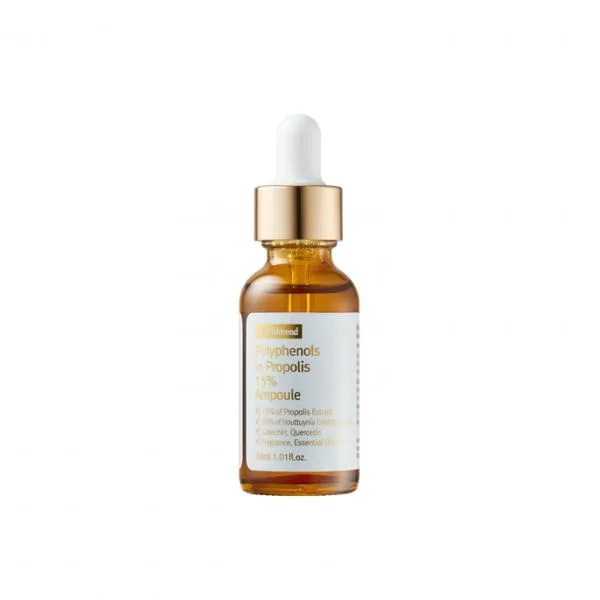 Sensitive Skin Soother
 Polyphenols In Propolis 15% Ampoule
A 15% propolis ampoule that earns its name with a real polyphenol stack — French Auvergne propolis layered over a houttuynia cordata base, with tulsi and pomegranate piling on. It's slightly sticky and not cheap by volume, but for sensitive, breakout-prone skin chasing calm, this is one of the most reliable K-beauty soothers in production.
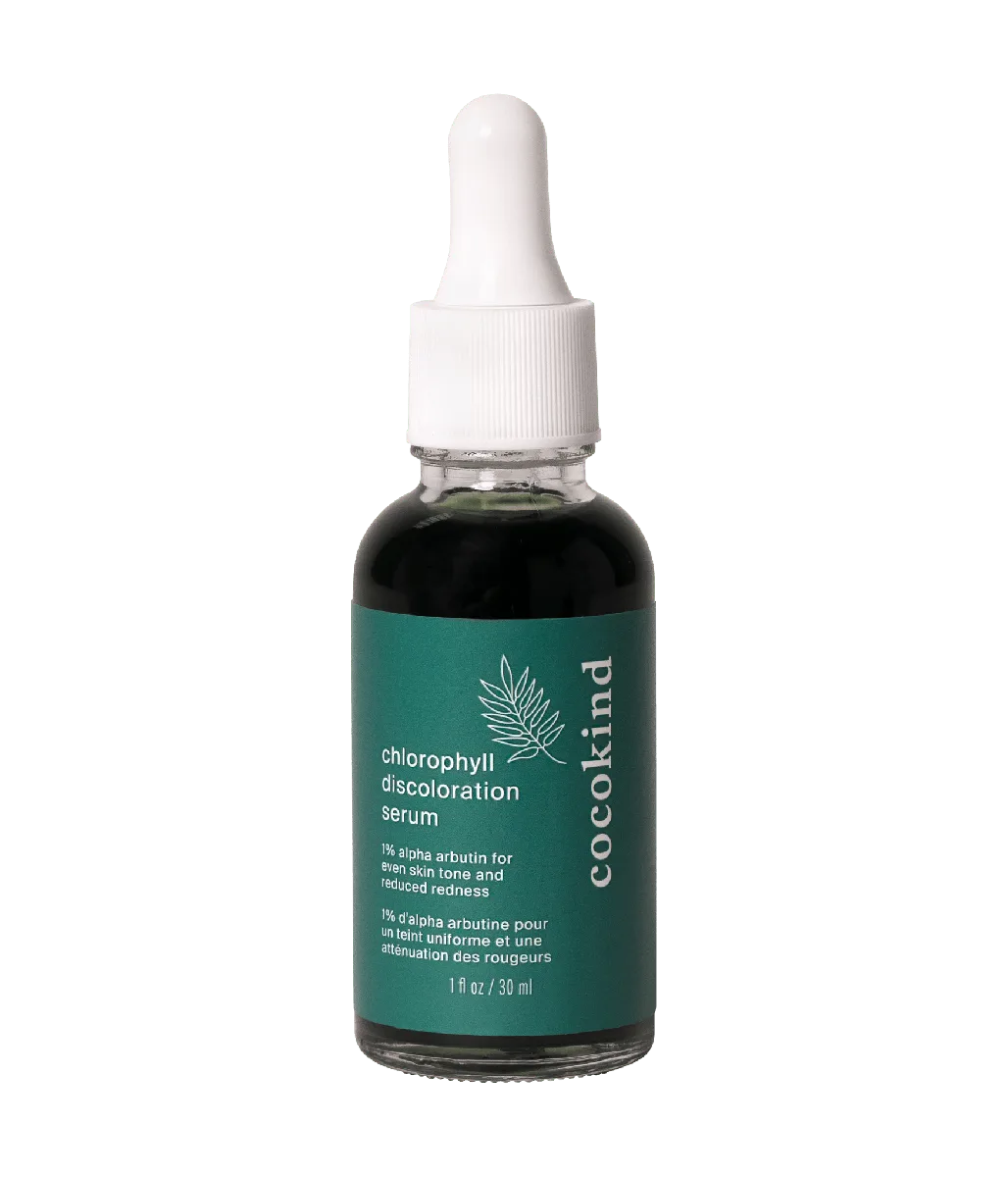 Budget Brightening Hero
 Chlorophyll Discoloration Serum
A quietly brilliant brightening serum that proves you do not need luxury prices or harsh actives to fade dark spots effectively. The alpha-arbutin and licorice root combination delivers genuine multi-pathway melanin inhibition, the sensitive-skin-friendly formula is impeccable, and $20 makes it accessible to virtually everyone. The chlorophyllin is more marketing differentiator than scientific powerhouse, but it does not hurt anything either.
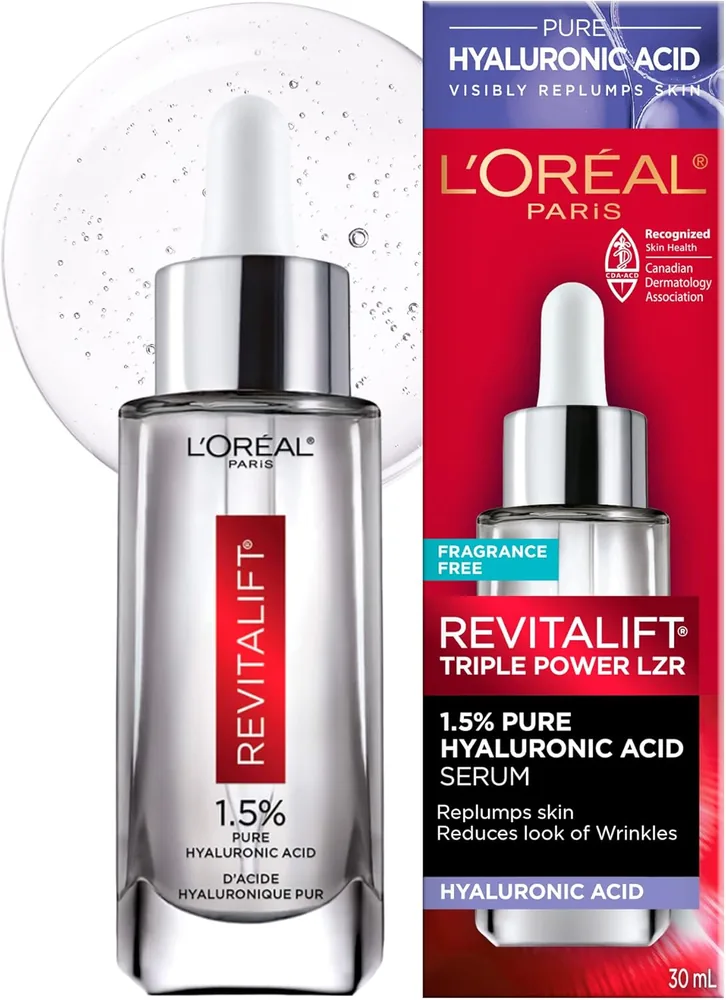 The People's HA Serum
 Revitalift Derm Intensives 1.5% Pure Hyaluronic Acid Serum
A masterclass in minimalist formulation — thirteen ingredients, no filler, four functional actives, and over thirty thousand glowing reviews. L'Oréal's multi-weight HA system delivers genuine hydration at every level of the skin, and the fragrance-free, alcohol-free formula is clean enough for virtually anyone. The drugstore serum that embarrasses its prestige competitors.
 Budget Hydration Holy Grail
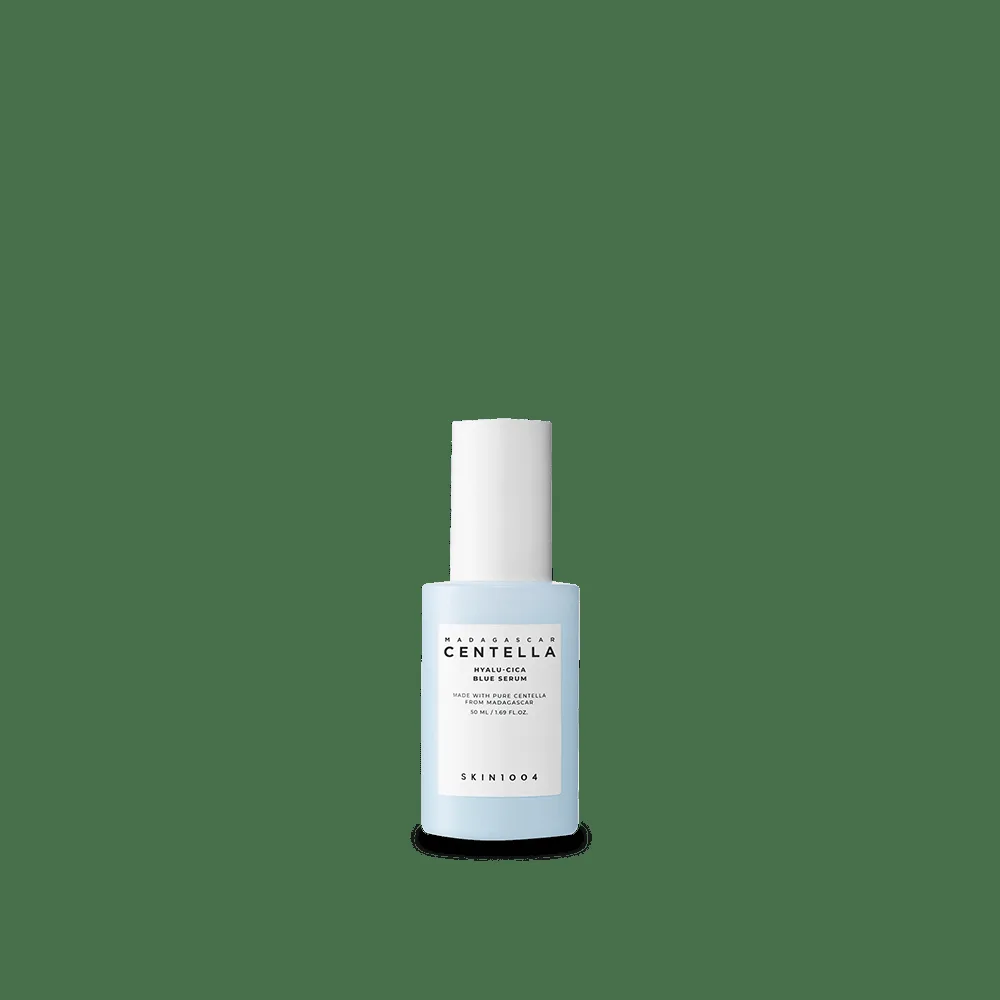
 Hyalu-Cica Blue Serum
A quietly excellent budget serum that stacks Centella asiatica leaf water, five types of hyaluronic acid, niacinamide, ceramide NP, and adenosine into a fragrance-free under-$20 bottle. It is genuinely one of the best hydration-plus-soothing serums at any price, and the fact that it costs less than a salad in Manhattan is the point.
 Sensitive Skin First-Line Defense
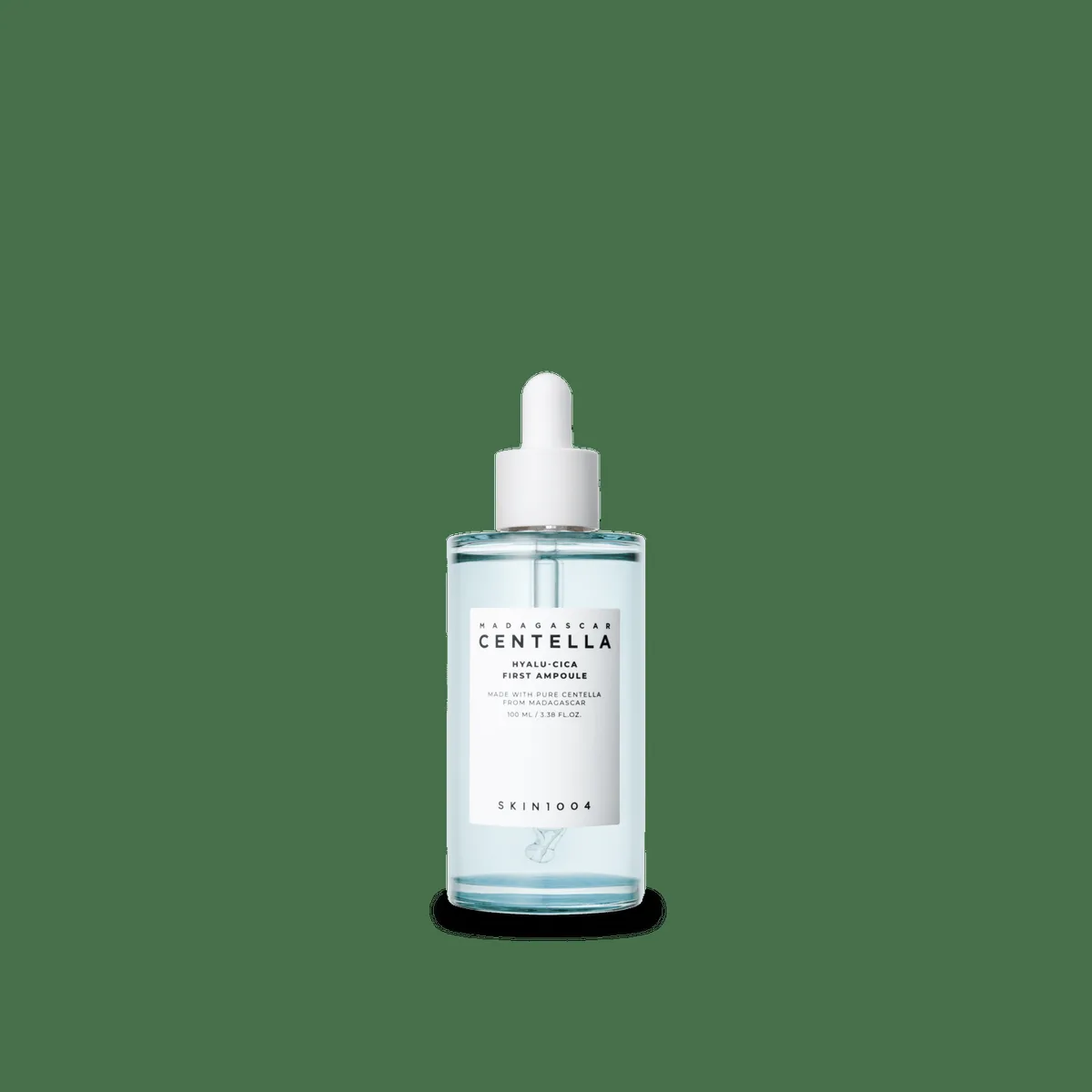
 Hyalu-Cica First Ampoule
A 92% Centella asiatica extract ampoule paired with niacinamide and a multi-weight HA complex, fragrance-free and purpose-built for sensitive, compromised, and reactive skin. At $25 for 100ml, it is one of the most justifiable skincare purchases a budget-conscious buyer can make, and it earns a place in almost any routine that needs a soothing anchor.
 Sensitive Skin MVP
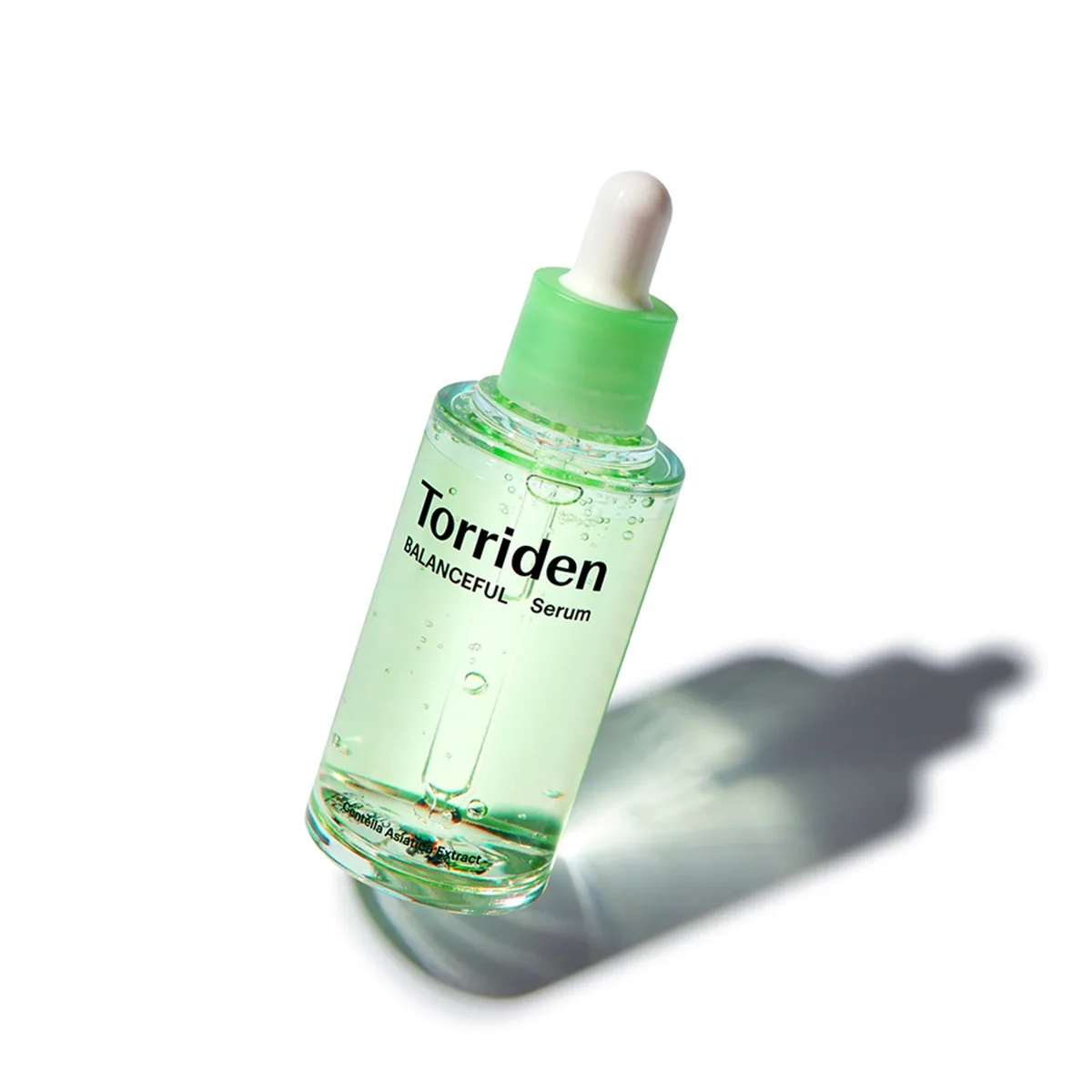
 Balanceful Cica Serum
Torriden's Balanceful Cica Serum is one of the most recommendable calming serums in K-beauty — a genuinely fragrance-free, multi-weight hyaluronic acid and 5D cica complex treatment that quietly reduces redness, supports the barrier, and buffers other actives without drama. At under $25 it's a near-automatic pick for sensitive, rosacea-prone, and barrier-compromised skin.
This review reflects our independent analysis of publicly available ingredient data, manufacturer claims, and verified user reviews. We are reader-supported — Amazon links may earn us a commission at no cost to you. We do not accept paid placements; rankings are based solely on the evidence.