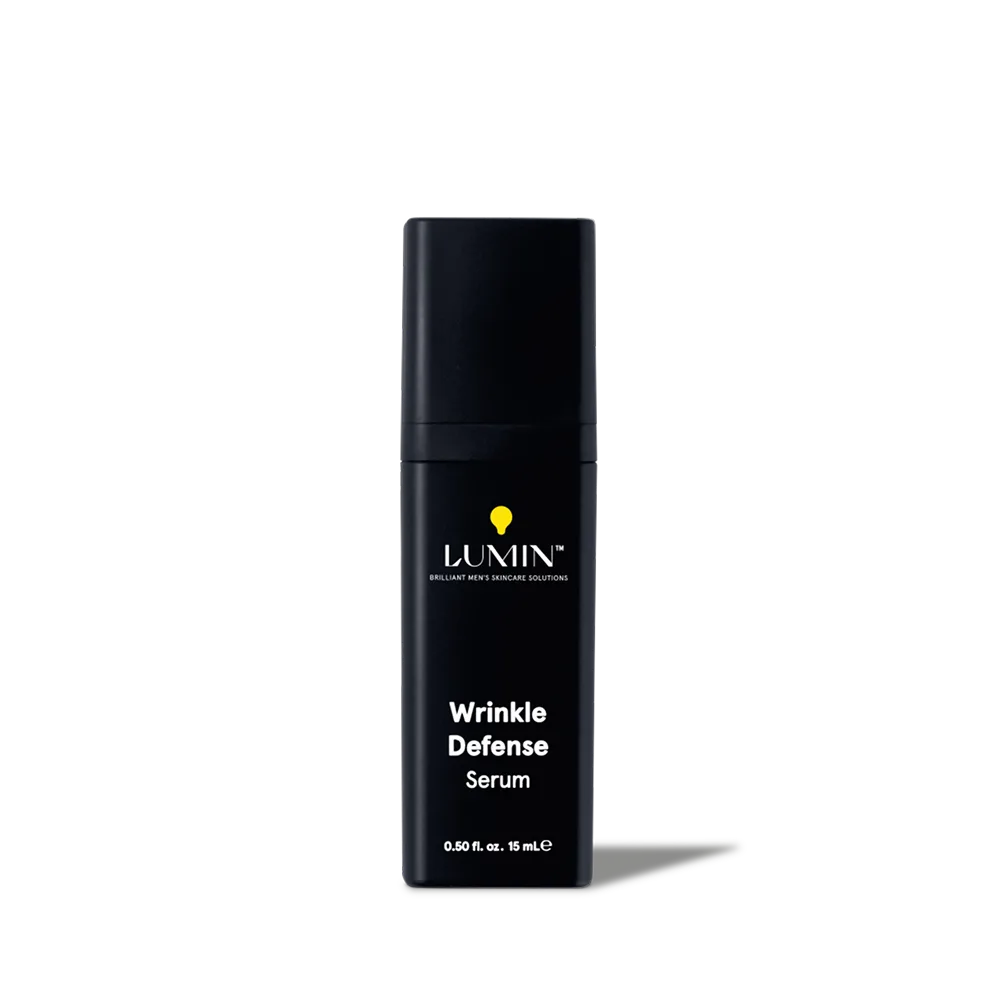
An earnest attempt to bring real vitamin C actives to the men's skincare market, hampered by a formula that skips the stabilization technology needed to keep ascorbic acid effective, and a price-to-size ratio that's hard to justify. Decent as a first serum experience for men, but underpowered for anyone who's already seen what a well-formulated vitamin C can do.
Revitalizing Face Serum
An earnest attempt to bring real vitamin C actives to the men's skincare market, hampered by a formula that skips the stabilization technology needed to keep ascorbic acid effective, and a price-to-size ratio that's hard to justify. Decent as a first serum experience for men, but underpowered for anyone who's already seen what a well-formulated vitamin C can do.
Score Breakdown
Where this product gains points and where it loses them — broken down across the four scoring pillars.
Ascorbic acid as the second ingredient shows intent, but the water-based formula without ferulic acid raises stability concerns. At $22 for just 0.51 oz, the price-to-volume ratio is steep, and the citrus extracts plus parfum add unnecessary irritation risk.
Pros & Cons
- ✓Ascorbic acid listed second suggests genuinely high vitamin C concentration
- ✓Multi-pathway antioxidant approach with CoQ10, pomegranate, and green tea
- ✓Lightweight, fast-absorbing texture that works well under moisturizer and sunscreen
- ✓Unique botanical extract complex adds antioxidant diversity beyond basic vitamin C
- ✓Hyaluronic acid counterbalances potential dryness from the ascorbic acid
- ✓Approachable format for men new to serum-step skincare
- ✗No ferulic acid to stabilize the ascorbic acid — a significant formulation gap
- ✗At 0.51 oz for $22, the price-per-ounce is steep for the formulation quality
- ✗Contains parfum and citrus extracts that add unnecessary irritation risk to an acidic formula
- ✗Non-airless packaging allows oxidation with every use, shortening effective product life
- ✗pH is not documented, leaving uncertainty about vitamin C penetration efficacy
Full Review
There is something charmingly ambitious about a men's skincare brand that decides its vitamin C serum should also contain celery, cabbage, turnip, broccoli, carrot, and tomato extracts. Lumin's Revitalizing Face Serum doesn't just want to brighten your skin — it wants to nourish it with what appears to be the ingredient list from a particularly virtuous smoothie. The produce-aisle approach is unusual, and whether it's genius formulation or marketing theater depends on how deeply you look at the science.
Let's start with what matters most: ascorbic acid is the second ingredient on this list, right after water. That's a bold move for any serum, let alone one from a brand whose core audience might be trying skincare products for the first time. Pure L-ascorbic acid at high concentrations is the gold standard for topical vitamin C — it has decades of research supporting its ability to stimulate collagen synthesis, brighten skin, fade hyperpigmentation, and provide antioxidant protection against UV-generated free radicals. Listing it second suggests a genuinely therapeutic concentration, likely north of 10%.
But here's where the formulation gets complicated. L-ascorbic acid is one of the most finicky actives in skincare. It needs an acidic pH (ideally below 3.5) to penetrate skin effectively, and it oxidizes rapidly when exposed to water, light, and air. The gold-standard stabilization system — pioneered by the research of Sheldon Pinnell — pairs ascorbic acid with vitamin E and ferulic acid, which synergistically boost both stability and efficacy by up to eightfold. This Lumin formula includes tocopheryl acetate (a vitamin E derivative), but conspicuously lacks ferulic acid. The potassium hydroxide in the formula also raises questions about the final pH — it's used as a pH adjuster, and without knowing the exact pH, it's impossible to say whether the ascorbic acid is in its optimal penetration range.
The vegetable extract complex is where this serum gets interesting, even if the clinical significance is debatable. Broccoli extract contains sulforaphane, a compound with emerging antioxidant research. Tomato extract provides lycopene. Carrot extract offers beta-carotene. These are all legitimate antioxidant compounds, but in a serum where they're listed well after the primary actives and solvents, their concentrations are likely too low to deliver meaningful standalone benefits. They're better understood as supporting players in a broad antioxidant cocktail rather than star ingredients.
The pomegranate extract, positioned higher in the list, carries more weight. Punicalagins and ellagic acid from pomegranate have demonstrated antioxidant potency in multiple studies, and ellagic acid specifically has shown tyrosinase-inhibiting properties that complement the brightening action of vitamin C. This is a sensible pairing that adds genuine formulation value.
Coenzyme Q10 (ubiquinone) is another thoughtful inclusion. As a mitochondrial antioxidant, it works through a different pathway than ascorbic acid — CoQ10 targets oxidative stress at the cellular energy production level, while vitamin C scavenges free radicals in the aqueous phase. The combination offers multi-layered antioxidant defense, which is particularly relevant for men's skin that's often less protected by daily skincare than women's skin tends to be.
The amino acid complex at the bottom of the ingredient list — asparagine, proline, methionine, serine, isoleucine, glutamine, cysteine, and tryptophan — is an interesting inclusion that nods to the K-beauty-inspired formulation philosophy Lumin was built on. Proline is a collagen precursor, and cysteine contributes to glutathione synthesis. At these likely concentrations, the functional benefit is minimal, but it signals a formulator who was thinking beyond the basics.
Then there's the packaging and size problem. At 0.51 ounces — barely fifteen milliliters — this is a tiny product. With once-daily application, you'll get six to eight weeks from a tube, and at $22, that's roughly $43 per ounce. For a vitamin C serum without ferulic acid stabilization, without documented pH optimization, and without airless packaging to prevent oxidation, that's a steep ask. The roll-on application format is convenient but doesn't protect the formula from the air exposure that degrades ascorbic acid with every use.
The fragrance is another misstep. Adding parfum to a vitamin C serum that's already working at a low pH with citrus extracts (lime, lemon, and orange) is piling irritation risk on top of irritation risk. It's unnecessary in a product where the target audience — men — generally cares less about scent in skincare than about results.
In practice, the serum goes on lightweight, absorbs quickly, and leaves no residue. The texture is well-executed for its intended audience: guys who don't want to wait for a serum to dry or deal with sticky layers. It plays nicely under moisturizer and sunscreen. Some users report visible brightening within a few weeks, while others see minimal difference — a split that's consistent with the stability concerns.
The honest assessment is that this is a serum with good intentions and a genuinely interesting ingredient concept, sold in a package that undermines the formula's potential. The ascorbic acid concentration appears generous, but without proper stabilization and pH documentation, you're trusting that the vitamin C remains active long enough to deliver results. For a guy buying his first serum, the experience is pleasant and the brand makes the process feel approachable. For anyone who's researched what makes vitamin C effective, the missing pieces are hard to overlook.
Formula
Key Ingredients
The hero actives that drive this product's performance.
| Ingredient | Function | Evidence |
|---|---|---|
| Ascorbic Acid | Listed as the second ingredient after water, this pure L-ascorbic acid is the primary active for brightening and collagen support. However, ascorbic acid is notoriously unstable and this water-based formula raises questions about oxidation protection — the tocopheryl acetate provides some stabilization but there's no ferulic acid to enhance efficacy. | well-established |
| Hyaluronic Acid | Provides humectant hydration to counterbalance the potential dryness from the ascorbic acid, drawing moisture into the skin and helping maintain plumpness. In this lightweight serum format, it prevents the vitamin C from making skin feel tight. | well-established |
| Ubiquinone (Coenzyme Q10) | Adds mitochondrial antioxidant support that complements the ascorbic acid's free-radical scavenging. CoQ10 targets oxidative stress at the cellular energy level, offering a different antioxidant pathway than the vitamin C. | promising |
| Punica Granatum Fruit Extract | Pomegranate extract contributes ellagic acid and punicalagins, polyphenol antioxidants that support the vitamin C's photoprotective effects and may help inhibit melanin production for mild brightening. | promising |
| Camellia Sinensis Leaf Extract | Delivers EGCG polyphenols that work alongside the ascorbic acid and CoQ10 to create a multi-pathway antioxidant defense, particularly relevant for men's skin that experiences daily environmental stress. | well-established |
Full INCI List
Water, Ascorbic Acid, Potassium Hydroxide, Propylene Glycol, Butylene Glycol, 1,2-Hexanediol, PEG-60 Hydrogenated Castor Oil, Carbomer, Hyaluronic Acid, Punica Granatum Fruit Extract, Apium Graveolens (Celery) Extract, Oryza Sativa (Rice) Extract, Brassica Oleracea Capitata (Cabbage) Leaf Extract, Brassica Rapa (Turnip) Leaf Extract, Solanum Lycopersicum (Tomato) Fruit/Leaf/Stem Extract, Daucus Carota Sativa (Carrot) Root Extract, Brassica Oleracea Italica (Broccoli) Extract, Camellia Sinensis Leaf Extract, Chaenomeles Sinensis Fruit Extract, Citrus Aurantifolia (Lime) Fruit Extract, Citrus Aurantium Dulcis (Orange) Fruit Extract, Laminaria Japonica Extract, Phellinus Linteus Extract, Citrus Limon (Lemon) Fruit Extract, Caprylic/Capric Triglyceride, Glycerin, Hydrogenated Lecithin, Polysorbate, Ubiquinone, Tocopheryl Acetate, Asparagine, Proline, Methionine, Serine, Isoleucine, Glutamine, Cysteine, Tryptophan, Ethylhexylglycerin, Disodium EDTA, Parfum
Product Flags
✗ Fragrance Free✓ Alcohol Free✗ Oil Free✓ Silicone Free✓ Paraben Free✓ Sulfate Free✓ Cruelty Free✓ Vegan✗ Fungal Acne Safe
Potential Irritants
Citrus Aurantifolia Fruit ExtractCitrus Limon Fruit ExtractParfumAscorbic Acid (at high concentrations)
Common Allergens
ParfumCitrus Lime ExtractCitrus Lemon ExtractCitrus Orange Extract
Compatibility
Skin Match
Best For
Works For
Not Ideal For
Addresses These Conditions
dullness hyperpigmentation aging dark spots sun damage
Use With Caution
Avoid With
Routine Step
serum
Time of Day
AM
Pregnancy Safe
Unknown
Layering Tips
Apply to clean, slightly damp skin before moisturizer. Wait 1-2 minutes for absorption before layering. Always follow with SPF 30+ sunscreen in the morning — vitamin C enhances sun protection but does not replace sunscreen.
Results Timeline
Skin may look slightly brighter and feel more hydrated within the first week. Visible improvement in dullness and uneven tone typically appears after 3-4 weeks of consistent use. Meaningful anti-aging and dark spot results require 8-12 weeks.
Pairs Well With
Broad-spectrum sunscreenHyaluronic acid moisturizerGentle cleanser
Conflicts With
Niacinamide at the same time (can reduce vitamin C efficacy)Retinol (use separately AM/PM)AHA/BHA exfoliants (alternate days)
Sample AM Routine
- Gentle cleanser
- Lumin Revitalizing Face Serum
- Lightweight moisturizer
- Sunscreen SPF 30+
Sample PM Routine
- Cleanser
- Retinol treatment (optional)
- Night moisturizer
Evidence
Who Should Skip
- No ferulic acid to stabilize the ascorbic acid — a significant formulation gap
- At 0.51 oz for $22, the price-per-ounce is steep for the formulation quality
- Contains parfum and citrus extracts that add unnecessary irritation risk to an acidic formula
- Non-airless packaging allows oxidation with every use, shortening effective product life
Science & Expert Perspective
The Science
L-ascorbic acid remains the most-studied form of topical vitamin C, with research spanning over three decades. A landmark study by Pinnell et al. published in Dermatologic Surgery (2001) established that L-ascorbic acid requires a pH below 3.5 for effective percutaneous absorption, with optimal delivery at pH 2.5. The same research group later demonstrated in the Journal of Investigative Dermatology (2005) that combining 15% L-ascorbic acid with 1% vitamin E and 0.5% ferulic acid doubled the vitamin C's photoprotection and significantly improved stability — a finding that shaped modern vitamin C serum formulation. This Lumin formula includes tocopheryl acetate (a vitamin E ester) but omits ferulic acid, foregoing the synergistic enhancement.
The CoQ10 (ubiquinone) inclusion has supporting evidence. A study in BioFactors (2008) demonstrated that topical CoQ10 can reduce oxidative stress markers in human skin and reduce wrinkle depth. Its mechanism complements ascorbic acid: while vitamin C scavenges reactive oxygen species in the aqueous cellular environment, CoQ10 operates within the mitochondrial membrane, protecting the cell's energy-producing machinery.
Punica granatum (pomegranate) extract has shown antioxidant activity in dermatological research. A 2014 study in the Journal of Ethnopharmacology demonstrated pomegranate's photoprotective potential through both antioxidant and anti-inflammatory mechanisms. The ellagic acid component has exhibited tyrosinase inhibition in vitro, though clinical evidence for topical brightening in humans remains limited.
The amino acid complex, while present at likely low concentrations, reflects emerging interest in supplying skin with collagen precursors. Proline and its hydroxylated form are essential building blocks for collagen synthesis, though topical delivery and efficacy at cosmetic concentrations require further clinical validation.
Dermatologist Perspective
Dermatologists generally endorse L-ascorbic acid as one of the most evidence-backed topical antioxidants available. However, board-certified dermatologists frequently emphasize that the formulation context matters as much as the active itself — a vitamin C serum without proper pH optimization and stabilization may deliver significantly less benefit than its concentration suggests. For men beginning an anti-aging routine, dermatologists would typically recommend ensuring consistent sunscreen use before adding a vitamin C serum, as UV protection provides the foundation that antioxidants build upon. The additional botanical antioxidants in this formula are not harmful, but dermatologists would note that a simpler, well-stabilized vitamin C formulation may outperform a complex but unstable one.
Guidance
Usage Guide
How to Use
Apply a pea-sized amount to clean, slightly damp skin every morning. Gently press the serum into your face and neck — don't rub vigorously. Allow 1-2 minutes to absorb before applying moisturizer and sunscreen. Always use SPF 30+ when using vitamin C during the day. Store the product in a cool, dark place to slow oxidation. If the serum turns dark amber or brown, it has oxidized significantly and should be replaced.
Value Assessment
At $22 for 0.51 oz (approximately $43 per ounce), this serum sits at a premium price point that's difficult to justify against the broader vitamin C serum market. Well-formulated vitamin C serums with ferulic acid stabilization, documented pH levels, and airless packaging can be found at comparable or lower prices with more product per bottle. The value proposition here is largely experiential — Lumin's branding and packaging make serums feel approachable for men, and for some buyers, that ease-of-entry is worth the premium. But for pure formulation value, the math doesn't favor this product.
Who Should Buy
Men with normal to combination skin who want to add a vitamin C brightening step to their routine and prefer a brand that makes skincare feel straightforward. It's a reasonable entry point for guys who find clinical vitamin C brands intimidating.
Who Should Skip
Anyone with sensitive or reactive skin should be cautious due to the citrus extracts and parfum. Skincare-experienced buyers looking for optimal vitamin C delivery will find better-stabilized formulations at comparable prices. If you've used vitamin C serums before and know what works, this likely won't impress.
Ready to try Lumin Revitalizing Face Serum?
Details
Details
Texture
Lightweight, slightly viscous gel-serum with a clear to pale yellow tint
Scent
Light citrus-herbal scent from the fruit extracts and parfum
Packaging
Small roll-on tube with minimalist matte black design, consistent with Lumin's brand aesthetic
Finish
lightweightfast-absorbingnon-greasy
What to Expect on First Use
Applies smoothly with a slight tingling sensation that's normal for vitamin C products. Absorbs quickly and doesn't leave residue. The tiny 0.51 oz size is immediately noticeable — this is a small product. Some users may experience mild stinging if skin is freshly exfoliated or compromised.
How Long It Lasts
6-8 weeks with once-daily application to face
Period After Opening
6 months
Best Season
All Year
Background
The Why
Part of Lumin's original 2019 launch lineup, this serum was designed to bring serious actives — specifically vitamin C — into the men's skincare space at an accessible price. It targets the gap between men's grooming basics and the clinical-grade vitamin C serums that dominate the broader market but feel intimidating to guys just entering the skincare world.
About Lumin Established Brand (5–20 years)
Lumin was founded in 2018 in Los Angeles as a direct-to-consumer men's skincare brand inspired by Korean formulation principles. The brand has expanded into Target retail and built a global community, but independent clinical validation of its specific product formulations remains limited.
Brand founded: 2018 · Product launched: 2019
Myth vs. Reality
Myths & Misconceptions
Myth
Vitamin C serums make your skin more sensitive to the sun
Reality
Vitamin C is actually a photoprotective antioxidant — it helps neutralize free radical damage from UV exposure. It doesn't increase sun sensitivity. However, it's not a sunscreen replacement, so SPF is still essential.
Myth
You need a high-percentage vitamin C product to see results
Reality
While this formula lists ascorbic acid second (suggesting high concentration), studies show benefits starting at 8-10%. The bigger factor is stability — pure ascorbic acid in a water-based formula oxidizes quickly, potentially reducing efficacy before the bottle is finished.
FAQ
Frequently Asked Questions
Does Lumin Revitalizing Face Serum actually work for wrinkles?
The ascorbic acid in this formula has well-established evidence for stimulating collagen production and reducing fine lines. However, results depend on the vitamin C remaining stable and active throughout the product's life. At 0.51 oz, you'll finish the bottle quickly enough that oxidation is less of a concern than with larger vitamin C products.
How do I use Lumin's face serum in my routine?
Apply to clean, slightly damp skin in the morning before moisturizer and sunscreen. Use a pea-sized amount and gently press into skin. The vitamin C provides antioxidant protection during the day when UV exposure is highest. Avoid combining with retinol in the same routine — use retinol at night instead.
Is this serum worth the price at $22 for 0.51 oz?
The per-ounce cost is steep compared to many vitamin C serums on the market. The formulation is decent but lacks ferulic acid, which would significantly boost the vitamin C's stability and efficacy. For men who want a simple, branded entry into serums, the experience is good — but skincare-savvy buyers can find better-formulated vitamin C serums for similar or lower prices.
Can I use Lumin serum with retinol?
Yes, but not at the same time. Use this vitamin C serum in your morning routine for antioxidant protection, and apply retinol at night. Using them simultaneously can cause irritation and reduce the efficacy of both actives.
Why does my Lumin serum look yellow or brown?
Pure ascorbic acid oxidizes when exposed to air and light, turning from clear to yellow and eventually brown. A slightly yellow tint is normal, but if the serum has turned dark amber or brown, it has oxidized significantly and should be replaced, as oxidized vitamin C can actually be pro-oxidant.
Community
Community Voices
Common Praise
"Makes face look fresher and more vibrant after a few weeks"
"Lightweight texture absorbs quickly without greasiness"
"Good introduction to serums for men new to skincare"
Common Complaints
"Very small bottle for the price — runs out quickly"
"Some users report no visible improvement after extended use"
"Citrus scent can feel irritating on freshly cleansed skin"
"Packaging doesn't protect vitamin C from light exposure"
Appears In
best serum for men best vitamin c serum for beginners best brightening serum for men best anti aging serum for men
Related Conditions
dullness hyperpigmentation aging dark spots sun damage
Related Ingredients
You Might Also Like
 Sensitive Skin Soother
 Polyphenols In Propolis 15% Ampoule
A 15% propolis ampoule that earns its name with a real polyphenol stack — French Auvergne propolis layered over a houttuynia cordata base, with tulsi and pomegranate piling on. It's slightly sticky and not cheap by volume, but for sensitive, breakout-prone skin chasing calm, this is one of the most reliable K-beauty soothers in production.
 Budget Brightening Hero
 Chlorophyll Discoloration Serum
A quietly brilliant brightening serum that proves you do not need luxury prices or harsh actives to fade dark spots effectively. The alpha-arbutin and licorice root combination delivers genuine multi-pathway melanin inhibition, the sensitive-skin-friendly formula is impeccable, and $20 makes it accessible to virtually everyone. The chlorophyllin is more marketing differentiator than scientific powerhouse, but it does not hurt anything either.
 The People's HA Serum
 Revitalift Derm Intensives 1.5% Pure Hyaluronic Acid Serum
A masterclass in minimalist formulation — thirteen ingredients, no filler, four functional actives, and over thirty thousand glowing reviews. L'Oréal's multi-weight HA system delivers genuine hydration at every level of the skin, and the fragrance-free, alcohol-free formula is clean enough for virtually anyone. The drugstore serum that embarrasses its prestige competitors.
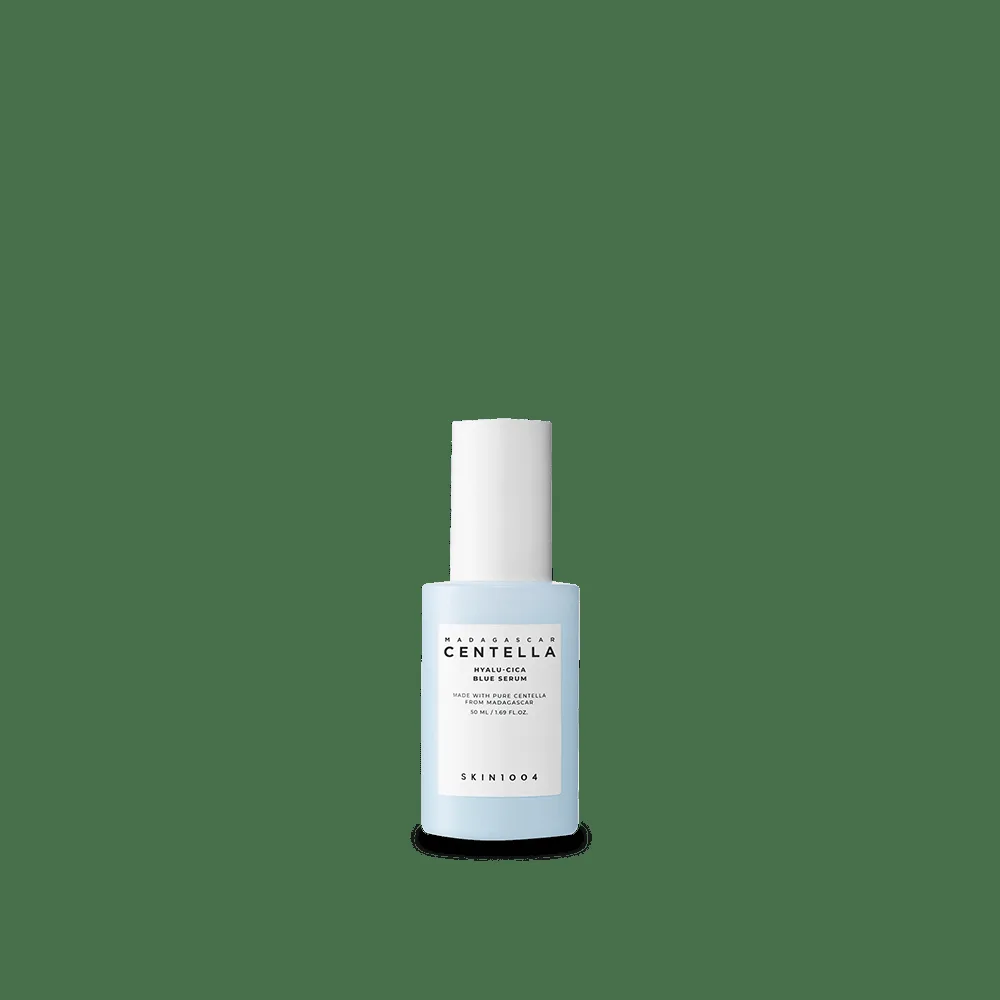 Budget Hydration Holy Grail
 Hyalu-Cica Blue Serum
A quietly excellent budget serum that stacks Centella asiatica leaf water, five types of hyaluronic acid, niacinamide, ceramide NP, and adenosine into a fragrance-free under-$20 bottle. It is genuinely one of the best hydration-plus-soothing serums at any price, and the fact that it costs less than a salad in Manhattan is the point.
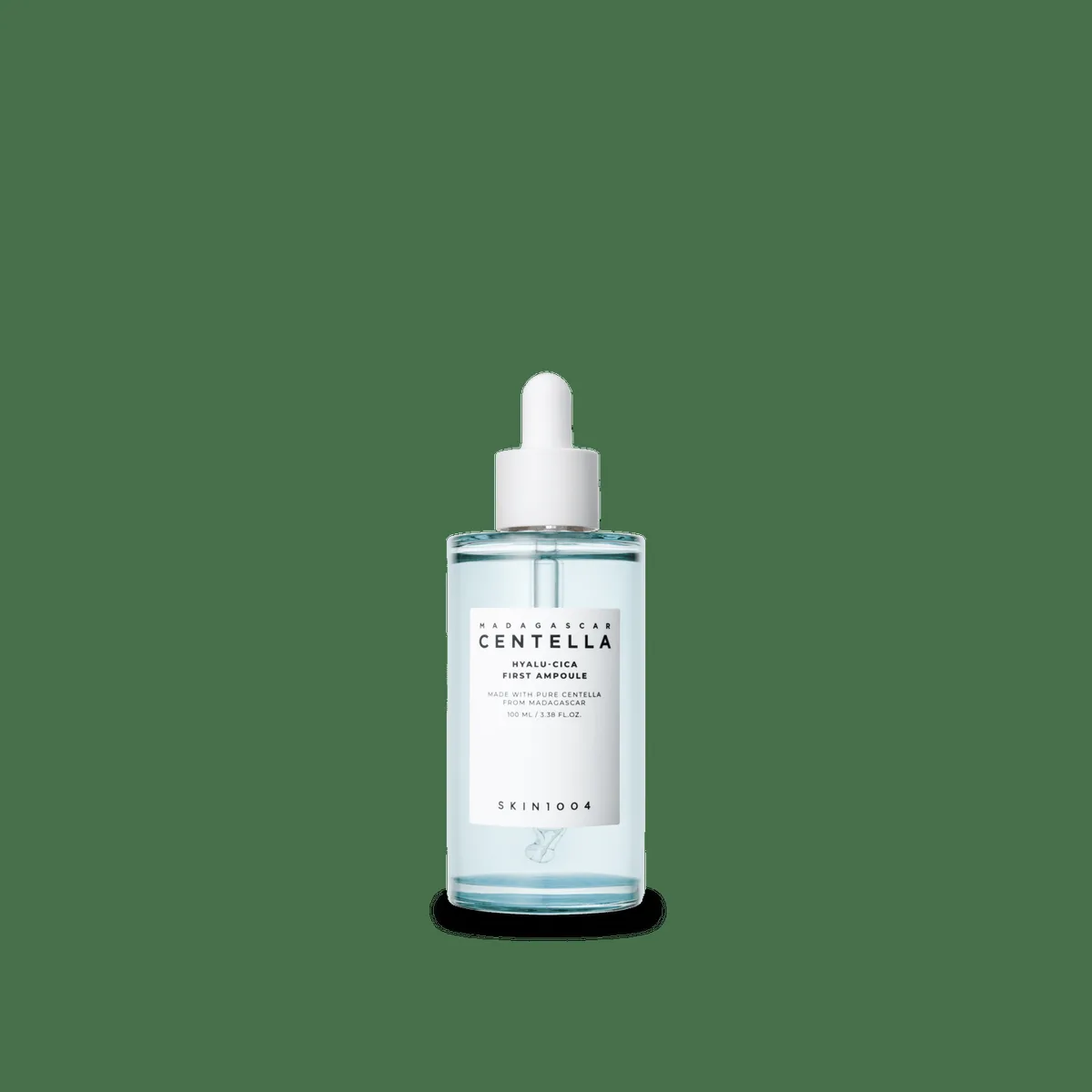 Sensitive Skin First-Line Defense
 Hyalu-Cica First Ampoule
A 92% Centella asiatica extract ampoule paired with niacinamide and a multi-weight HA complex, fragrance-free and purpose-built for sensitive, compromised, and reactive skin. At $25 for 100ml, it is one of the most justifiable skincare purchases a budget-conscious buyer can make, and it earns a place in almost any routine that needs a soothing anchor.
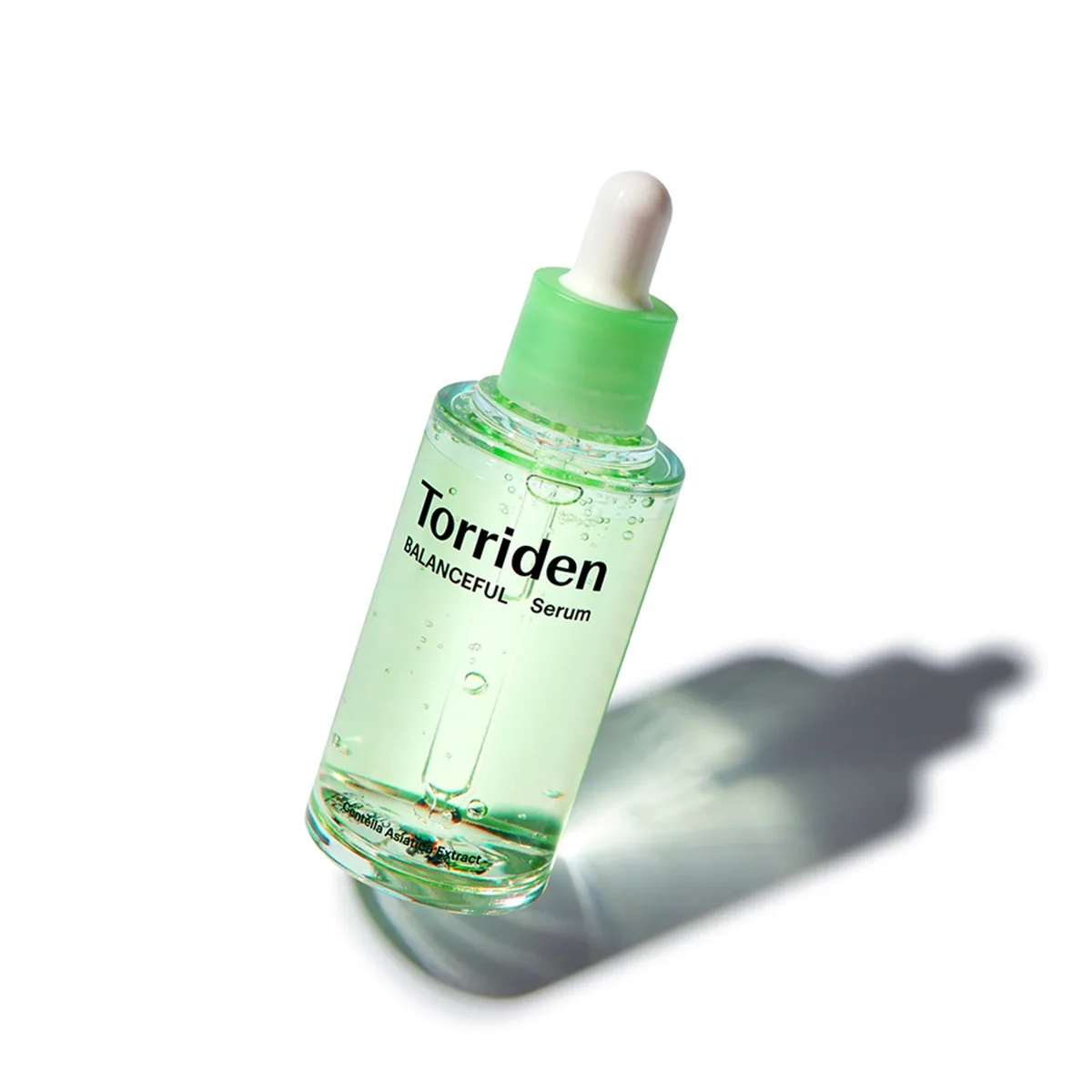 Sensitive Skin MVP
 Balanceful Cica Serum
Torriden's Balanceful Cica Serum is one of the most recommendable calming serums in K-beauty — a genuinely fragrance-free, multi-weight hyaluronic acid and 5D cica complex treatment that quietly reduces redness, supports the barrier, and buffers other actives without drama. At under $25 it's a near-automatic pick for sensitive, rosacea-prone, and barrier-compromised skin.
This review reflects our independent analysis of publicly available ingredient data, manufacturer claims, and verified user reviews. We are reader-supported — Amazon links may earn us a commission at no cost to you. We do not accept paid placements; rankings are based solely on the evidence.