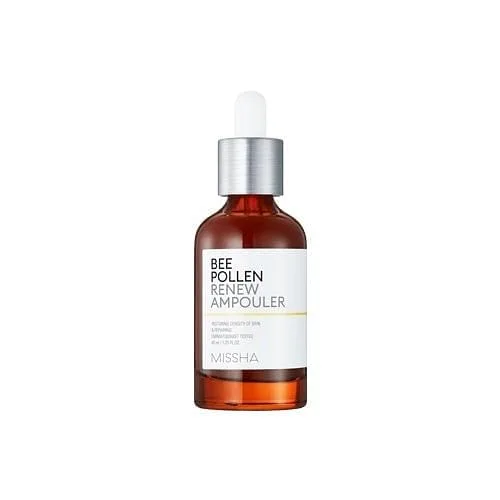
A richly concentrated bee-derived ampoule that delivers genuine hydration and barrier repair, anchored by 42% bee pollen extract and a supporting cast of niacinamide, ceramide, and panthenol. The essential oil blend and dewy finish narrow its audience, but for dry and depleted skin, this is nourishing K-beauty at its most distinctive.
Bee Pollen Renew Ampouler
A richly concentrated bee-derived ampoule that delivers genuine hydration and barrier repair, anchored by 42% bee pollen extract and a supporting cast of niacinamide, ceramide, and panthenol. The essential oil blend and dewy finish narrow its audience, but for dry and depleted skin, this is nourishing K-beauty at its most distinctive.
Score Breakdown
Where this product gains points and where it loses them — broken down across the four scoring pillars.
A richly formulated bee-derived ampoule with strong hydrating and barrier-repair credentials, but the essential oil blend and bee allergen profile narrow its suitability, and the dewy finish may not suit oily skin types.
Pros & Cons
- ✓42% bee pollen extract concentration makes this a genuinely active-forward treatment
- ✓Five bee-derived ingredients create a comprehensive hive complex unique in K-beauty
- ✓Niacinamide, ceramide NP, and panthenol provide proven barrier repair support
- ✓Delivers visible plumping and glow, particularly impressive for overnight recovery
- ✓Available in standard 40ml and larger 75ml sizes for value seekers
- ✓Premium amber glass packaging with visible liposome capsules adds luxurious appeal
- ✓Excellent rescue treatment for dry, depleted, winter-stressed skin
- ✗Thick, syrupy texture absorbs slowly and can feel tacky on oily or combination skin
- ✗Essential oil blend including bergamot and lavender may irritate fragrance-sensitive users
- ✗Bee-derived ingredients are a hard no for anyone with bee or pollen product allergies
- ✗Dropper mechanism operates counterintuitively and takes a few uses to master
- ✗Dewy, rich finish limits daytime wearability in warm or humid climates
Full Review
The wellness world had been putting bee pollen in smoothie bowls for years before anyone thought to put it on their face. Missha, a brand that has spent over two decades turning emerging ingredients into affordable skincare, saw an opportunity. In 2018, while the rest of K-beauty was still obsessing over snail mucin and centella, Missha launched the Bee Pollen Renew line with this ampoule as its centerpiece — a concentrated treatment built around an ingredient that most skincare consumers had never even considered.
The formula leads with bee pollen extract at an impressive 42%, making it the single dominant ingredient by a wide margin. This is not a token sprinkle of an exotic-sounding extract buried at the bottom of the INCI list. Bee pollen is genuinely the star here, and Missha has structured the entire formulation around it. Research published in Molecules in 2020 documented bee pollen's antioxidant, anti-inflammatory, and antimicrobial properties in dermatological applications, noting its rich profile of flavonoids, amino acids, and unsaturated fatty acids. The evidence base is still developing compared to established actives like niacinamide, but what exists is encouraging.
Speaking of niacinamide — it's here too, working alongside the bee pollen to brighten skin tone and strengthen the moisture barrier. Ceramide NP contributes lipid barrier repair, panthenol adds soothing hydration, and then the formula pulls an interesting move: it layers in propolis extract, honey extract, royal jelly extract, and hydrolyzed royal jelly protein, creating a comprehensive five-ingredient bee complex. It is, for lack of a better term, the entire hive in a bottle.
The texture is where this product either wins you over or sends you searching for something lighter. It is thick. Viscous. Slightly syrupy in a way that immediately evokes snail mucin, with visible liposome capsules floating in the amber formula that dissolve as you pat them into skin. This is not a quick-absorbing watery essence — it demands patience. You press it into your skin, wait, and then feel the slow reward of deep hydration settling in. By morning, skin that felt papery and tired the night before looks noticeably plumper and more luminous.
The dropper dispenser has a quirk that catches first-time users off guard: you pinch before inserting rather than after. It is a small thing, but enough people mention it in reviews that it is worth flagging. Once you figure out the mechanism, dispensing is straightforward — three to five drops is plenty for the full face.
The scent is sweet and honeyed with essential oil complexity — lavender, rose, ylang-ylang, and bergamot blend into something that smells genuinely pleasant if you enjoy natural fragrances. If you do not, or if your skin reacts to essential oils, this is a legitimate concern. The bergamot oil in particular carries theoretical phototoxicity risk, though its concentration here is likely well below the threshold. Still, it is an ingredient list that fragrance-sensitive users will want to approach with caution.
Performance-wise, this ampoule excels in one specific scenario: rescuing dry, depleted, barrier-compromised skin. Users consistently report dramatic improvement in tight, flaky, winter-ravaged skin within days of regular use. The combination of humectant hydration (glycerin, sodium hyaluronate, hydroxyethyl urea) and occlusive barrier support (ceramide, shea butter, silicones) creates a layered hydration approach that actually works. Skin feels softer, looks more radiant, and bounces back from dehydration faster than most serums can manage.
Where it struggles is versatility. The rich, dewy finish that dry skin adores is precisely what oily skin types will find excessive. Daytime wear in humid climates can feel tacky and heavy. And the bee-derived ingredient profile, while genuinely distinctive, creates a significant allergen footprint — anyone with bee allergies, bee sting sensitivity, or propolis allergy must avoid this entirely.
The value proposition sits in a comfortable middle ground. At around $24 for 40 ml (with a 75 ml size available), the cost per use is reasonable for an ampoule with 42% active concentration. You are not paying luxury prices, but this is not drugstore-cheap either. For what it delivers in terms of ingredient concentration and formulation complexity, the price is fair.
Missha took a genuine risk building an entire line around bee pollen, an ingredient without the decades of clinical validation that ceramides or retinol enjoy. But sometimes the interesting products are the ones that bet on something new. This ampoule will not be for everyone — the texture is too thick for some, the essential oils too risky for others, the bee ingredients impossible for allergy sufferers. But for dry, tired skin that needs serious nourishment and does not mind a bit of sticky patience, the Bee Pollen Renew Ampouler delivers something that feels genuinely different from the hundreds of hyaluronic acid serums competing for the same shelf space.
Formula
Key Ingredients
The hero actives that drive this product's performance.
| Ingredient | Function | Evidence |
|---|---|---|
| Bee Pollen Extract (42%) | Listed first in this formula at a substantial concentration, bee pollen delivers a complex of flavonoids, amino acids, and unsaturated fatty acids that work as antioxidants and anti-inflammatory agents, forming the nutritive backbone of this ampoule's barrier-repair strategy. | emerging |
| Niacinamide | Complements the bee pollen's anti-inflammatory action with proven brightening and barrier-strengthening effects, helping to even skin tone while supporting the ceramide and panthenol in this formula's multi-pronged approach to barrier repair. | well-established |
| Propolis Extract | Works synergistically with the bee pollen and honey extract as part of a complete bee-derived complex, contributing antibacterial and wound-healing properties that amplify the formula's soothing and repair capabilities. | promising |
| Ceramide NP | Provides lipid barrier reinforcement that works alongside the panthenol and bee pollen to restore compromised skin barriers, replenishing the intercellular cement that holds skin cells together. | well-established |
| Panthenol | Acts as a humectant and anti-inflammatory agent in this formula, soothing irritated skin while improving hydration from within — supporting the bee pollen extract's renewing claims with proven skin-conditioning action. | well-established |
| Honey Extract & Royal Jelly Extract | Rounds out the bee-derived ingredient complex with humectant sugars and growth-factor-like proteins from royal jelly, adding nourishing depth to the formula's hydrating and restorative profile. | promising |
Full INCI List
Pollen Extract, Glycerin, Water, Propanediol, Butylene Glycol, Glycereth-26, Methyl Trimethicone, Dipropylene Glycol, Niacinamide, C14-22 Alcohols, Dimethicone, Octyldodecanol, Panthenol, 1,2-Hexanediol, Glyceryl Stearate, Hydroxyethyl Urea, Chondrus Crispus Extract, Hydroxyethyl Acrylate/Sodium Acryloyldimethyl Taurate Copolymer, Choleth-24, C12-20 Alkyl Glucoside, Saccharum Officinarum (Sugarcane) Extract, Diphenyl Dimethicone, Triethylhexanoin, Sodium Polyacrylate, Hydrogenated Lecithin, Carbomer, Glyceryl Acrylate/Acrylic Acid Copolymer, Caprylic/Capric Triglyceride, Caprylyl Glycol, Tromethamine, Adenosine, Polysorbate 60, Sorbitan Isostearate, Helianthus Annuus (Sunflower) Seed Oil, Citric Acid, Disodium EDTA, Lavandula Angustifolia (Lavender) Oil, Ceramide NP, Dextrin, Theobroma Cacao (Cocoa) Seed Extract, Royal Jelly Extract, Pelargonium Graveolens Flower Oil, Anthemis Nobilis Flower Oil, Cananga Odorata Flower Oil, Citrus Aurantium Bergamia (Bergamot) Fruit Oil, Honey Extract, Rosa Damascena Flower Oil, Leontopodium Alpinum Callus Culture Extract, Aspalathus Linearis Leaf Extract, Anthemis Nobilis Flower Extract, Propolis Extract, Butyrospermum Parkii (Shea) Butter, Chrysanthemum Boreale Flower Extract, Ethylhexylglycerin, Sodium Hyaluronate, Phenethyl Alcohol, Maltodextrin, Hydrolyzed Royal Jelly Protein
Product Flags
✗ Fragrance Free✓ Alcohol Free✗ Oil Free✗ Silicone Free✓ Paraben Free✓ Sulfate Free✗ Cruelty Free✗ Vegan✗ Fungal Acne Safe
Comedogenic Ingredients
Sorbitan Isostearate
Potential Irritants
Lavandula Angustifolia OilCananga Odorata Flower OilCitrus Aurantium Bergamia Fruit OilPelargonium Graveolens Flower OilPhenethyl Alcohol
Common Allergens
Bee Pollen ExtractPropolis ExtractRoyal Jelly ExtractHoney ExtractFragrant Essential Oils
Compatibility
Skin Match
Best For
Works For
Not Ideal For
Addresses These Conditions
dryness dullness compromised skin barrier aging dehydration
Use With Caution
Avoid With
Routine Step
serum
Time of Day
AM & PM
Pregnancy Safe
Unknown
Layering Tips
Apply 3-5 drops after toner and before moisturizer. Pat gently into skin rather than rubbing to avoid pilling. Allow a minute to absorb before layering heavier products. Works particularly well in PM routines when skin has time to absorb the rich formula overnight.
Results Timeline
Immediate hydration and glow from first use. Skin feels softer and more supple within 3-5 days of consistent use. Visible improvement in dullness and barrier resilience typically appears at 2-4 weeks. Full nourishing and repair benefits develop over 6-8 weeks.
Pairs Well With
Hydrating tonerCeramide moisturizerSleeping mask
Sample AM Routine
- Gentle cleanser
- Hydrating toner
- THIS PRODUCT (2-3 drops)
- Moisturizer
- Sunscreen
Sample PM Routine
- Double cleanse
- Hydrating toner
- THIS PRODUCT (4-5 drops)
- Moisturizer or sleeping mask
Evidence
Science & Expert Perspective
The Science
Bee pollen's role in skincare is supported by a growing body of cosmeceutical research. A comprehensive review published in Molecules in 2020, titled "Bee Products in Dermatology and Skin Care," documented that bee pollen contains over 200 biologically active substances — including flavonoids, phenolic acids, amino acids, and unsaturated fatty acids — that collectively contribute antioxidant, anti-inflammatory, and antimicrobial effects relevant to skin health (Molecules, 2020). The same review noted that bee products including pollen and propolis showed protective effects against UV-induced skin damage and supported wound healing processes.
A 2018 review in the Journal of the Science of Food and Agriculture specifically examined bee pollen's cosmeceutical potential, concluding that its rich flavonoid content (primarily quercetin, kaempferol, and isorhamnetin glycosides) provides meaningful antioxidant protection against free radical damage — a key mechanism in premature skin aging (Journal of the Science of Food and Agriculture, 2018).
The formula's supporting cast adds well-established mechanisms. Niacinamide at topical concentrations has been shown to increase ceramide synthesis in the stratum corneum, reduce transepidermal water loss, and inhibit melanin transfer — effects that complement the bee pollen's anti-inflammatory action. Ceramide NP directly replenishes the intercellular lipid matrix, while panthenol's conversion to pantothenic acid within the skin supports cellular energy metabolism and wound repair. The inclusion of propolis adds its own documented antimicrobial and anti-inflammatory profile — studies have shown propolis extracts can accelerate re-epithelialization and modulate inflammatory cytokines.
The combined bee complex approach — pollen, propolis, honey, royal jelly — creates theoretical synergy, as each component addresses different aspects of skin repair. However, clinical studies on this specific combination in topical skincare remain limited, and the evidence base for topical bee pollen specifically is still emerging compared to more established actives.
References
- Bee Products in Dermatology and Skin Care — Molecules (2020)
- The Potential of Using Bee Pollen in Cosmetics: a Review — Journal of the Science of Food and Agriculture (2018)
Dermatologist Perspective
Dermatologists recognize bee-derived ingredients as an emerging area of cosmeceutical interest, though most note that the clinical evidence base is still maturing compared to established actives like retinoids and niacinamide. The formulation's inclusion of ceramide NP, niacinamide, and panthenol provides a solid foundation of proven barrier-repair ingredients that dermatologists frequently recommend for compromised skin. Board-certified dermatologists generally advise patients with known bee or bee product allergies to strictly avoid formulations containing bee pollen, propolis, honey, or royal jelly. For non-allergic patients with dry, barrier-damaged skin, the multi-humectant and lipid-replenishing approach in this ampoule aligns with evidence-based barrier repair strategies.
Guidance
Usage Guide
How to Use
Dispense 3-5 drops onto clean fingertips after toner. Press and pat gently into the face and neck — avoid rubbing, which can cause pilling with this thick texture. Allow 30-60 seconds for absorption before following with moisturizer. Use morning and evening for best results, though the richer finish makes evening use particularly effective. In the AM, use fewer drops (2-3) to minimize tackiness under sunscreen and makeup. For an intensive overnight treatment, apply a generous layer and seal with a sleeping mask.
Value Assessment
At approximately $24 for 40 ml, this ampoule sits in a reasonable mid-range for K-beauty treatments. The 42% bee pollen concentration represents genuine active loading — you are paying for formulation substance, not just packaging. A 75 ml size is also available and offers better per-milliliter value for committed users. Compared to premium bee-derived treatments from brands like Guerlain (which charges luxury prices for royal jelly formulations), Missha delivers comparable ingredient complexity at a fraction of the cost. The price is fair for what you get, though not the steal that some other Missha products represent.
Who Should Buy
Dry, dehydrated, or barrier-compromised skin types looking for a concentrated nourishing treatment with a unique ingredient profile. Ideal for anyone whose skin feels depleted after harsh winters, over-exfoliation, or environmental stress and who appreciates distinctive K-beauty formulations.
Who Should Skip
Anyone with bee or bee product allergies — this formula contains five bee-derived ingredients. Also not ideal for oily skin types who find dewy, viscous textures too heavy for daily wear, or fragrance-sensitive individuals who react to essential oil blends.
Ready to try Missha Bee Pollen Renew Ampouler?
Details
Details
Texture
Thick, viscous gel-like consistency with visible liposome capsules suspended throughout. Slightly syrupy, reminiscent of snail mucin products. Requires patting rather than rubbing for best absorption.
Scent
Sweet, honey-like propolis fragrance blended with lavender, ylang-ylang, rose, and chamomile essential oils. Subtle but present — fades within a few minutes of application.
Packaging
Amber-toned glass bottle with a dropper applicator. The honey-colored glass lets you see the visible liposome capsules suspended in the formula. Premium, apothecary-style appearance that fits the natural bee theme.
Finish
dewyglowylightweight
What to Expect on First Use
On first use, the thick, syrupy texture may surprise — it feels richer than most serums. The visible capsules dissolve as you pat the product in, and skin immediately feels plumped and hydrated. A dewy glow appears within minutes. Some users may notice slight tackiness until a moisturizer is layered over top.
How Long It Lasts
2-3 months with twice-daily use of 3-5 drops per application
Period After Opening
12 months
Best Season
fall winter
Background
The Why
Missha developed the Bee Pollen Renew line in 2018 to capitalize on growing interest in bee-derived cosmeceuticals. While propolis and honey had already become staples in K-beauty, bee pollen remained largely untapped as a topical ingredient despite research showing its antioxidant and anti-inflammatory potential. The Ampouler was designed to be the concentrated treatment step in a full bee pollen skincare routine.
About Missha Established Brand (5–20 years)
Missha launched in 2000 as a pioneer of affordable Korean skincare and has spent over two decades building a reputation for science-forward formulations at accessible prices. The Bee Pollen line represents the brand's foray into natural bee-derived ingredients backed by emerging cosmeceutical research.
Brand founded: 2000 · Product launched: 2018
Myth vs. Reality
Myths & Misconceptions
Myth
Bee pollen in skincare can cause allergic reactions in anyone with seasonal allergies
Reality
While people with confirmed bee or bee product allergies should absolutely avoid this product, seasonal pollen allergies (hay fever) are typically triggered by airborne grass, tree, or weed pollen — not bee-collected flower pollen. That said, cross-reactivity is possible, so patch testing is always prudent.
Myth
Ampoules are just serums with fancier packaging
Reality
In K-beauty, ampoules are generally formulated with higher concentrations of active ingredients than serums. This product's 42% bee pollen extract concentration supports that distinction — it's a concentrated treatment meant to be used in targeted amounts rather than applied liberally like a hydrating serum.
FAQ
Frequently Asked Questions
Is the Missha Bee Pollen Renew Ampouler safe for sensitive skin?
This ampoule contains niacinamide, ceramide NP, and panthenol — all excellent for sensitive skin. However, the essential oil blend (lavender, bergamot, ylang-ylang) and bee-derived ingredients could trigger reactions in very reactive or allergy-prone skin. Patch test on your inner arm for 48 hours before applying to your face.
Can I use the Missha Bee Pollen Ampouler with retinol?
Yes — the nourishing, barrier-supportive formula with ceramide NP and panthenol can actually help buffer retinol irritation. Apply retinol first on dry skin, wait a few minutes, then follow with 3-4 drops of this ampoule to seal in hydration and support the skin barrier.
What does bee pollen do for skin?
Bee pollen is rich in flavonoids, amino acids, and fatty acids that provide antioxidant and anti-inflammatory benefits. In this formula at 42% concentration, it works to protect against oxidative stress, soothe irritation, and support the skin's natural repair processes — backed by emerging cosmeceutical research.
How is the Missha Bee Pollen Ampouler different from propolis serums?
While propolis serums focus on a single bee ingredient, this ampoule combines five bee-derived actives — pollen, propolis, honey, royal jelly, and hydrolyzed royal jelly protein — into one formula. The 42% bee pollen concentration is the star, with the other bee ingredients playing supporting roles for a more comprehensive approach.
Why does this ampoule feel sticky?
The thick, viscous texture comes from the high concentration of bee pollen extract and the visible liposome capsules in the formula. To reduce tackiness, use fewer drops (2-3 instead of 4-5), pat rather than rub, and allow a full minute of absorption before applying moisturizer on top.
Community
Community Voices
Common Praise
"Excellent for restoring damaged or compromised moisture barriers"
"Provides deep, lasting hydration without feeling heavy"
"Creates a visible glow and plumpness, especially noticeable by morning"
"Soothing for dry, irritated winter skin"
"Luxurious sensory experience with premium-looking amber bottle"
"Layers well under moisturizer and makeup"
"Good value for the quality and concentration of bee-derived ingredients"
Common Complaints
"Can feel tacky or sticky, especially in humid climates"
"Slower absorption compared to lightweight water-based serums"
"Dropper mechanism operates counterintuitively and takes practice"
"Not ideal for oily skin during daytime due to dewy richness"
"Essential oils may irritate truly sensitive or reactive skin"
Appears In
best serum for dryness best serum for compromised skin barrier best korean ampoule best serum for dullness best serum for dehydration
Related Conditions
dryness dullness compromised skin barrier dehydration aging
Related Ingredients
You Might Also Like
 Sensitive Skin Soother
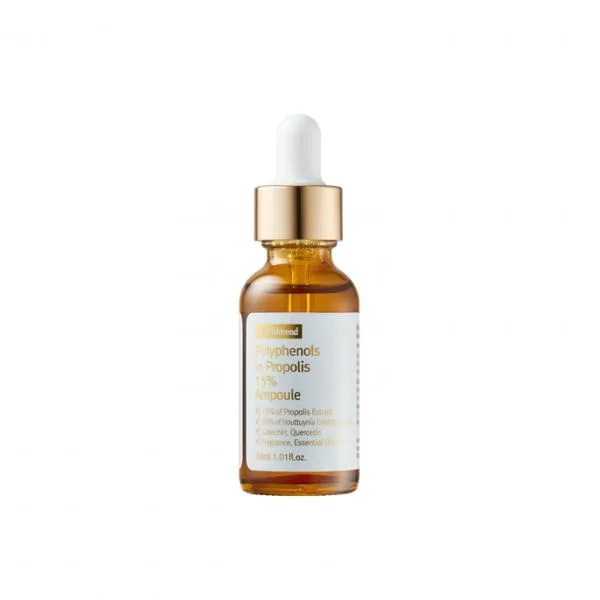
 Polyphenols In Propolis 15% Ampoule
A 15% propolis ampoule that earns its name with a real polyphenol stack — French Auvergne propolis layered over a houttuynia cordata base, with tulsi and pomegranate piling on. It's slightly sticky and not cheap by volume, but for sensitive, breakout-prone skin chasing calm, this is one of the most reliable K-beauty soothers in production.
 Budget Brightening Hero
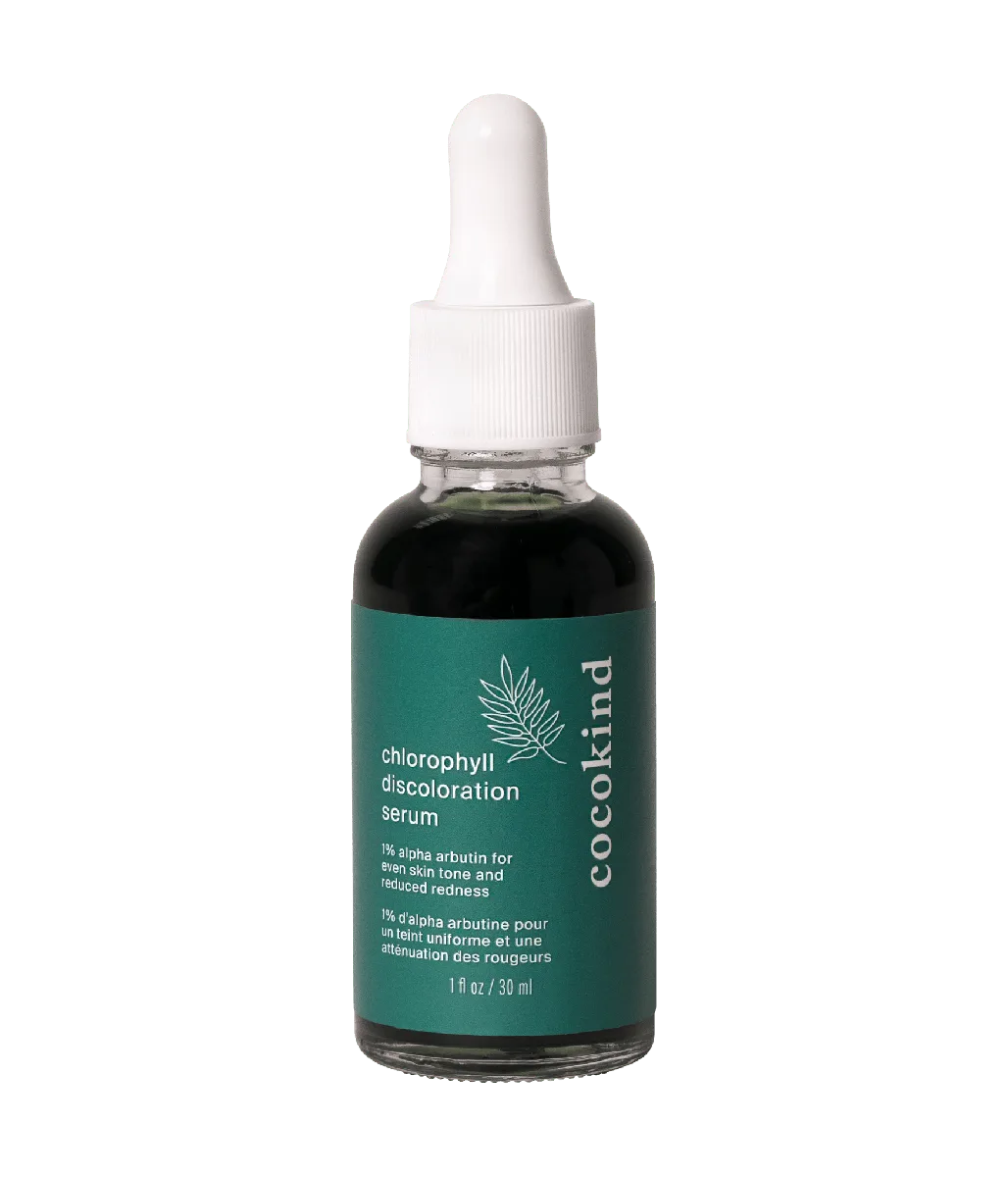
 Chlorophyll Discoloration Serum
A quietly brilliant brightening serum that proves you do not need luxury prices or harsh actives to fade dark spots effectively. The alpha-arbutin and licorice root combination delivers genuine multi-pathway melanin inhibition, the sensitive-skin-friendly formula is impeccable, and $20 makes it accessible to virtually everyone. The chlorophyllin is more marketing differentiator than scientific powerhouse, but it does not hurt anything either.
 The People's HA Serum
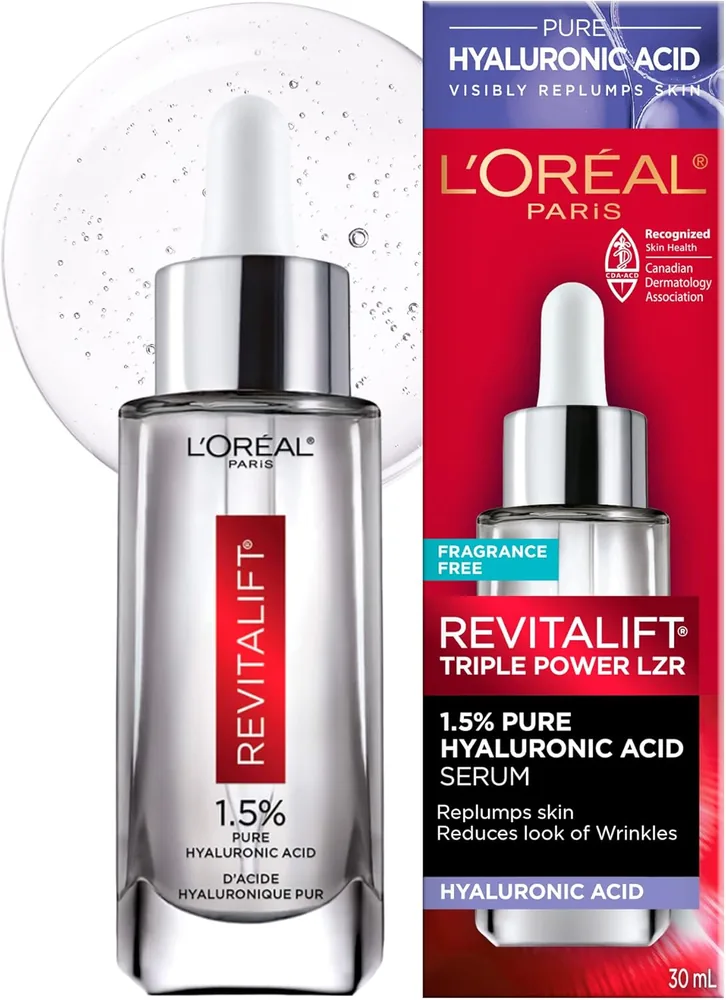
 Revitalift Derm Intensives 1.5% Pure Hyaluronic Acid Serum
A masterclass in minimalist formulation — thirteen ingredients, no filler, four functional actives, and over thirty thousand glowing reviews. L'Oréal's multi-weight HA system delivers genuine hydration at every level of the skin, and the fragrance-free, alcohol-free formula is clean enough for virtually anyone. The drugstore serum that embarrasses its prestige competitors.
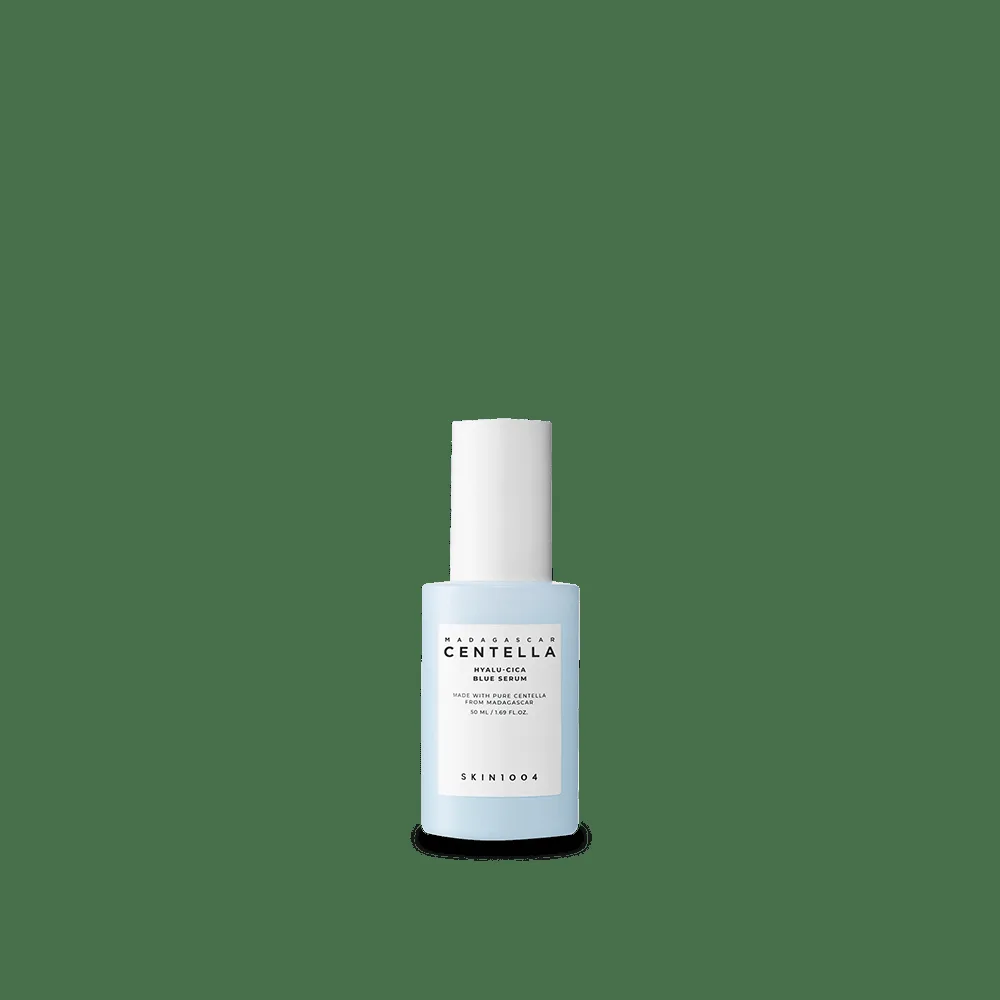 Budget Hydration Holy Grail
 Hyalu-Cica Blue Serum
A quietly excellent budget serum that stacks Centella asiatica leaf water, five types of hyaluronic acid, niacinamide, ceramide NP, and adenosine into a fragrance-free under-$20 bottle. It is genuinely one of the best hydration-plus-soothing serums at any price, and the fact that it costs less than a salad in Manhattan is the point.
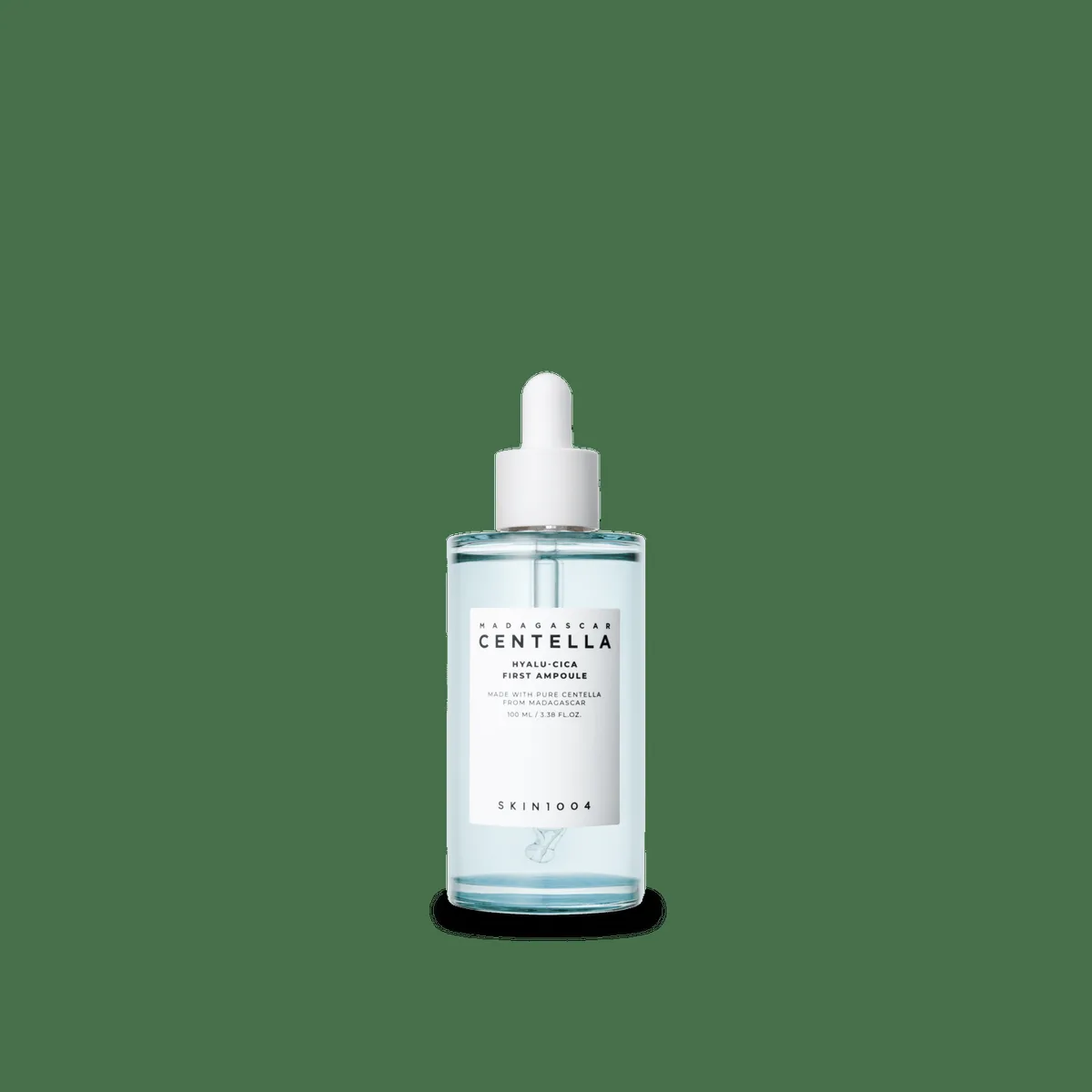 Sensitive Skin First-Line Defense
 Hyalu-Cica First Ampoule
A 92% Centella asiatica extract ampoule paired with niacinamide and a multi-weight HA complex, fragrance-free and purpose-built for sensitive, compromised, and reactive skin. At $25 for 100ml, it is one of the most justifiable skincare purchases a budget-conscious buyer can make, and it earns a place in almost any routine that needs a soothing anchor.
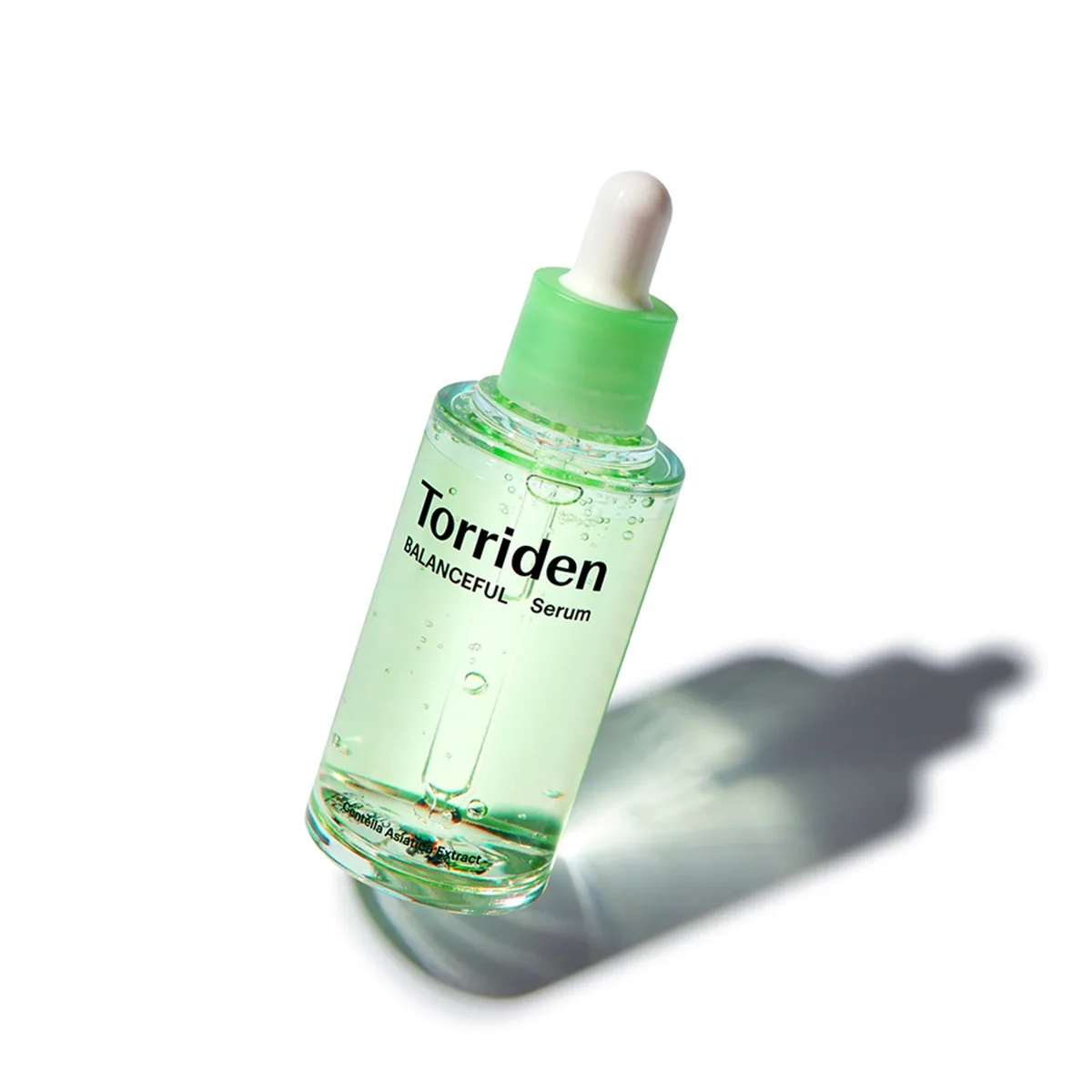 Sensitive Skin MVP
 Balanceful Cica Serum
Torriden's Balanceful Cica Serum is one of the most recommendable calming serums in K-beauty — a genuinely fragrance-free, multi-weight hyaluronic acid and 5D cica complex treatment that quietly reduces redness, supports the barrier, and buffers other actives without drama. At under $25 it's a near-automatic pick for sensitive, rosacea-prone, and barrier-compromised skin.