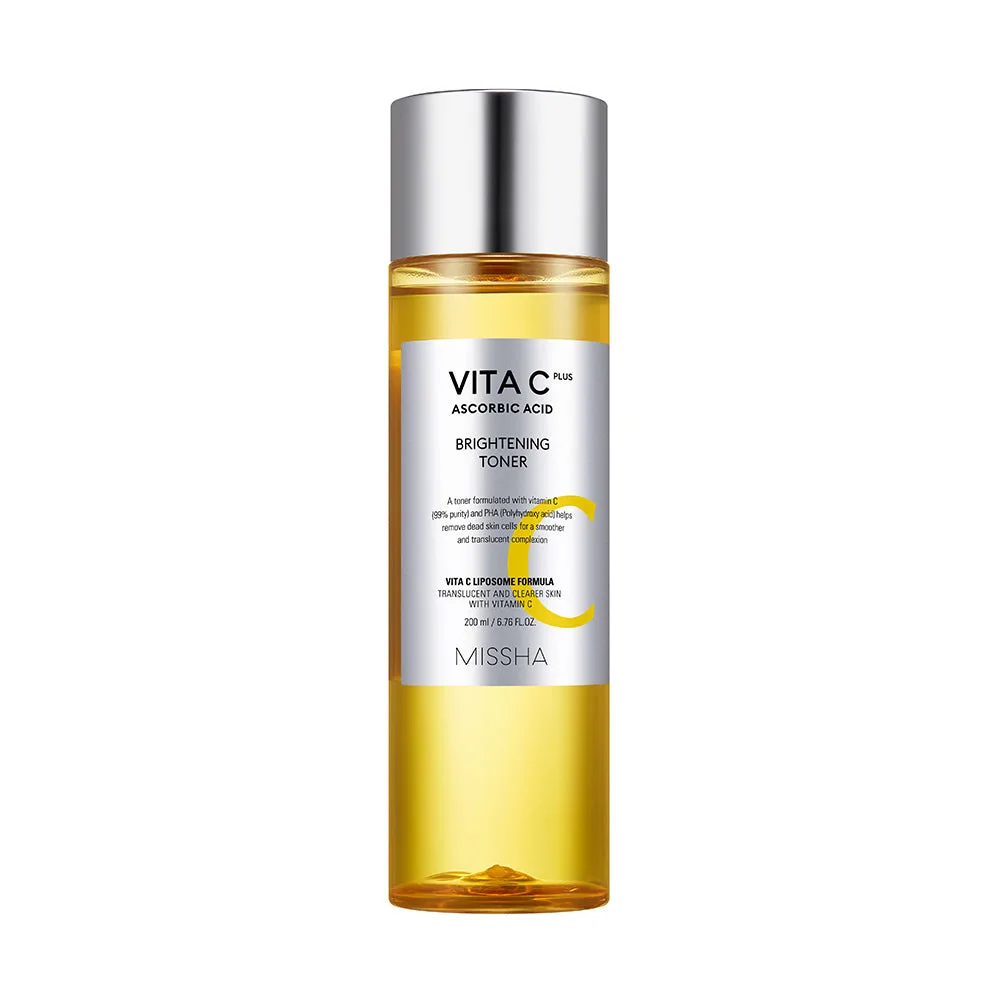
A kitchen-sink approach to brightening that actually makes sense — three forms of vitamin C, niacinamide, tranexamic acid, arbutin, and a PHA all in one toner. The undisclosed concentrations and essential oils keep it from brilliance, but for a comprehensive anti-dark-spot first step at $30 for 200ml, the formula ambition is genuine and the results, while gradual, are real.
Vita C Plus Brightening Toner
A kitchen-sink approach to brightening that actually makes sense — three forms of vitamin C, niacinamide, tranexamic acid, arbutin, and a PHA all in one toner. The undisclosed concentrations and essential oils keep it from brilliance, but for a comprehensive anti-dark-spot first step at $30 for 200ml, the formula ambition is genuine and the results, while gradual, are real.
Score Breakdown
Where this product gains points and where it loses them — broken down across the four scoring pillars.
An impressively comprehensive brightening toner with multiple forms of vitamin C, tranexamic acid, niacinamide, and arbutin. The four essential oils and undisclosed active concentrations prevent higher scores, but the ingredient ambition and generous 200ml size deliver solid value.
Pros & Cons
- ✓Three forms of vitamin C plus niacinamide, tranexamic acid, and arbutin create multi-pathway brightening
- ✓Lactobionic acid provides gentle PHA exfoliation without harsh irritation
- ✓Generous 200ml size at $30 delivers excellent value for a multi-active formula
- ✓Lightweight watery texture absorbs instantly and suits oily and combination skin types
- ✓Ceramide NP, bifida ferment lysate, and triple hyaluronic acid add barrier and hydration support
- ✓Silicone-free and paraben-free with alcohol-free formulation
- ✗Four essential oils (orange, grapefruit, eucalyptus, lavender) limit sensitive skin suitability
- ✗Undisclosed active concentrations make potency impossible to evaluate precisely
- ✗Insufficient standalone hydration for dry skin types
- ✗Brightening results are gradual and may take 4-8 weeks to become visible
- ✗59-ingredient formula means most actives are likely at sub-optimal concentrations
- ✗pH of 6.4 is not optimal for maximizing vitamin C efficacy
Full Review
There is a kind of product that exists at the intersection of ambition and restraint. The Missha Vita C Plus Brightening Toner is not that product. It is pure ambition. Fifty-nine ingredients. Three forms of vitamin C. Niacinamide, tranexamic acid, arbutin, lactobionic acid, licorice root extract, bifida ferment lysate, two peptides, three molecular weights of hyaluronic acid, ceramide NP, fullerenes — yes, actual fullerenes, the same carbon molecules that earned a Nobel Prize in chemistry — and a partridge in a pear tree.
On paper, this reads like someone challenged Missha's formulation team to include every brightening ingredient from the last two decades of dermatological research and they said yes to everything. The question, as always with kitchen-sink formulations, is whether any of these ingredients are present at concentrations high enough to matter.
Let us start with what we can reasonably infer. Niacinamide is listed fourth in the INCI, after water, glycerin, and butylene glycol. That positioning suggests a concentration somewhere in the 2-5% range — high enough to be functional for brightening and barrier support. The 3-O-ethyl ascorbic acid, the star vitamin C derivative, appears fifteenth. It is a stable form that resists the rapid oxidation that plagues pure ascorbic acid in watery formulations, making it a smart choice for a toner meant to sit on a bathroom shelf for months. Pure ascorbic acid also appears deeper in the list, along with ascorbyl glucoside — a third vitamin C form that converts to ascorbic acid on the skin. The total vitamin C load across all three forms is unknowable without concentration data, but the multi-form approach at least suggests Missha is serious about the vitamin C story rather than just sprinkling it in for label appeal.
Transexamic acid is the ingredient that elevates this from a generic vitamin C toner to something more interesting. Originally developed as a hemostatic agent, tranexamic acid has gained significant traction in dermatology for its ability to reduce melanin production through plasminogen activator inhibition — a pathway that is completely distinct from how vitamin C, niacinamide, or arbutin work. Adding it to a formula that already contains those three brightening agents creates a genuinely multi-pathway approach to hyperpigmentation. Whether the concentration here is high enough to deliver the benefits seen in clinical studies (typically 2-5% topically) is the unanswerable question.
The lactobionic acid adds gentle PHA exfoliation — significantly milder than glycolic or lactic acid, with the added benefit of humectant properties. In a brightening toner, this makes sense: you want to accelerate cell turnover to bring fresh, unblemished skin to the surface faster, but you do not want to irritate the skin so aggressively that you trigger post-inflammatory hyperpigmentation and undo your own brightening work.
The texture is what you would expect from a watery toner: thin, fluid, fast-absorbing. It dispenses easily, absorbs in seconds, and leaves skin feeling lightly hydrated but not drenched. The slight yellow tint from the vitamin C derivatives is reassuring — it tells you the actives are present, though it also means you should not panic if the tint deepens slightly over time as the ascorbic acid oxidizes.
The scent situation is the formula's most obvious compromise. Missha claims no artificial fragrance, which is technically true. But citrus peel oils (orange and grapefruit), eucalyptus, and lavender essential oils provide a noticeable citrus-herbal scent that fragrance-sensitive users will clock immediately. In a product designed around vitamin C, which itself can be sensitizing at higher concentrations, adding four essential oils known to contain sensitizers (limonene, linalool) is a puzzling choice. It does not ruin the product, but it limits its audience unnecessarily.
Performance-wise, this toner delivers gradual, cumulative brightening that becomes visible around the four to eight week mark. Skin tone evens out, dark spots lighten incrementally, and overall radiance improves. The effects are subtle rather than dramatic — do not expect the transformation you might see from a prescription-strength hydroquinone or a high-concentration vitamin C serum. But as a toner-step treatment that you apply twice daily with minimal effort, the results are satisfying and consistent with what the ingredients at their likely concentrations should deliver.
Hydration is where dry skin types will feel shortchanged. This is a brightening toner first and a hydrating toner second. Despite the glycerin, betaine, trehalose, and triple hyaluronic acid, the watery formula simply does not deliver the deep, lasting hydration that very dry skin craves. Layer it under a hydrating serum and rich moisturizer, or try the K-beauty technique of applying multiple thin layers.
The 200 ml size at $30 offers solid value — roughly $0.15 per milliliter for a formula containing this many active ingredients. At twice-daily use, the bottle lasts three to four months. For a toner that delivers niacinamide, three vitamin C forms, tranexamic acid, arbutin, a PHA, and peptides, the per-active cost is genuinely impressive. You would spend considerably more buying dedicated products for each of these actives.
The Missha Vita C Plus Brightening Toner is not a subtle product. It does not pick one thing and do it perfectly. It picks seven things and does them all at concentrations that are probably good enough. For a toner — a product category where most brands are content with a bit of hyaluronic acid and some marketing copy — this level of formulation ambition is refreshing. It will not replace your dedicated vitamin C serum or your dermatologist-recommended brightening treatment. But as the foundation of a brightening routine, applied twice daily before your other actives, it creates a consistently vitamin-C-rich environment on your skin that supports everything else you layer on top.
Formula
Key Ingredients
The hero actives that drive this product's performance.
| Ingredient | Function | Evidence |
|---|---|---|
| 3-O-Ethyl Ascorbic Acid | A stable vitamin C derivative that resists oxidation better than pure L-ascorbic acid, providing sustained brightening and antioxidant effects in this multi-vitamin-C formula without the stability concerns that plague pure ascorbic acid in watery toners. | promising |
| Niacinamide | Listed fourth in the formula at what appears to be a meaningful concentration, inhibiting melanosome transfer to complement the vitamin C's tyrosinase inhibition — attacking hyperpigmentation through two distinct pathways simultaneously. | well-established |
| Tranexamic Acid | Adds a third anti-hyperpigmentation mechanism by blocking plasminogen activator, reducing UV-induced melanin production through a pathway that neither vitamin C nor niacinamide directly addresses. | well-established |
| Arbutin | A fourth brightening agent that competitively inhibits tyrosinase, working alongside the three vitamin C forms and niacinamide to create one of the most comprehensive anti-dark-spot approaches in a single toner. | well-established |
| Lactobionic Acid | A polyhydroxy acid that provides gentle chemical exfoliation to improve cell turnover and enhance penetration of the brightening actives, while being significantly gentler than glycolic or lactic acid. | well-established |
Full INCI List · pH 6.4
Water, Glycerin, Butylene Glycol, Niacinamide, Pentylene Glycol, Betaine, Trehalose, 1,2-Hexanediol, Glycyrrhiza Uralensis Root Extract, Bifida Ferment Lysate, Panthenol, Hippophae Rhamnoides Water, C12-14 Pareth-12, Tranexamic Acid, 3-O-Ethyl Ascorbic Acid, Chlorella Vulgaris Extract, Glucose, Curcuma Longa Root Extract, Lactobacillus Ferment, Fructooligosaccharides, Fructose, Ethylhexylglycerin, Adenosine, Melia Azadirachta Flower Extract, Carbomer, Tromethamine, Allantoin, Melia Azadirachta Leaf Extract, Disodium EDTA, Sodium Hyaluronate, Glycine Soja Seed Extract, Citrus Aurantium Dulcis Peel Oil, Ocimum Sanctum Leaf Extract, Ascorbic Acid, Citrus Grandis Peel Oil, Corallina Officinalis Extract, Eucalyptus Globulus Leaf Oil, Lavandula Angustifolia Oil, Octanediol, Hydrolyzed Collagen, Lactobionic Acid, Glyceryl Glucoside, Caprylic/Capric Triglyceride, Cyanocobalamin, PVP, Hydrogenated Lecithin, Tocopherol, Ceramide NP, Palmitoyl Tripeptide-5, Caprylyl Glycol, Hyaluronic Acid, Acetyl Hexapeptide-8, Fullerenes, Arbutin, Dipropylene Glycol, Hydrolyzed Hyaluronic Acid, Laurdimonium Hydroxypropyl Hydrolyzed Wheat Protein, Phytosterols, Ascorbyl Glucoside
Product Flags
✗ Fragrance Free✓ Alcohol Free✗ Oil Free✓ Silicone Free✓ Paraben Free✓ Sulfate Free✗ Cruelty Free✗ Vegan✗ Fungal Acne Safe
Potential Irritants
Citrus Aurantium Dulcis Peel OilCitrus Grandis Peel OilEucalyptus Globulus Leaf OilLavandula Angustifolia OilLactobionic Acid
Common Allergens
Citrus Peel OilsLavender OilEucalyptus OilGlycine Soja Seed ExtractHydrolyzed Wheat Protein
Compatibility
Skin Match
Best For
Works For
Not Ideal For
Addresses These Conditions
hyperpigmentation dark spots dullness texture sun damage
Use With Caution
Routine Step
toner
Time of Day
AM & PM
Pregnancy Safe
Unknown
Layering Tips
Apply after cleansing (and after first treatment essence if using one). Pour onto a cotton pad or into palms and pat across the face and neck. Follow with serum and moisturizer. Can be layered 2-3 times for additional hydration. Use sunscreen during the day as the vitamin C and brightening actives increase photosensitivity.
Results Timeline
Immediate hydration and subtle glow from first use. Skin texture may begin to smooth within 1-2 weeks. Visible brightening and dark spot reduction typically becomes noticeable at 4-8 weeks of consistent twice-daily use.
Pairs Well With
Vitamin C serumSunscreenHydrating moisturizer
Conflicts With
Direct acids at high concentrations in the same routine step
Sample AM Routine
- Gentle cleanser
- Missha Vita C Plus Brightening Toner
- Vitamin C serum (optional boost)
- Moisturizer
- Sunscreen (essential)
Sample PM Routine
- Double cleanse
- Missha Vita C Plus Brightening Toner
- Treatment serum
- Moisturizer
Evidence
Science & Expert Perspective
The Science
The Vita C Plus Brightening Toner's multi-pathway approach to hyperpigmentation is grounded in established dermatological science, even if the specific concentrations are undisclosed.
3-O-Ethyl Ascorbic Acid is a stable vitamin C derivative that maintains 86% of its activity after 6 months in aqueous solution — significantly more stable than pure L-ascorbic acid. A study published in the Journal of Cosmetic Dermatology demonstrated that 3-O-ethyl ascorbic acid at 2% concentration significantly reduced melanin index and improved skin brightness after 28 days of application (Journal of Cosmetic Dermatology, 2019). The stability advantage makes it particularly suitable for a toner format that sits on a shelf for months.
Transexamic acid's dermatological use for hyperpigmentation has been extensively studied, primarily in the context of melasma. A randomized controlled trial published in the Journal of the European Academy of Dermatology and Venereology found that topical tranexamic acid at 5% significantly reduced melasma severity scores compared to placebo (JEADV, 2020). The mechanism — inhibiting plasminogen activator to reduce UV-induced melanin production — is distinct from and complementary to the tyrosinase-inhibiting pathways of vitamin C and arbutin.
Niacinamide's brightening effects operate through yet another mechanism: inhibiting melanosome transfer from melanocytes to keratinocytes. A study in the British Journal of Dermatology demonstrated that 5% niacinamide significantly reduced hyperpigmentation and improved skin lightness compared to vehicle control (British Journal of Dermatology, 2002).
Lactobionic acid, a polyhydroxy acid, provides gentle chemical exfoliation with the added benefit of antioxidant and humectant properties. PHAs are better tolerated than AHAs by sensitive skin while still promoting cell turnover — supporting the clearance of hyperpigmented cells that the other actives are working to produce less of. The pH of 6.4 is higher than optimal for acid exfoliation, which limits the lactobionic acid's exfoliating efficacy but also reduces irritation risk.
Dermatologist Perspective
Dermatologists appreciate the multi-pathway approach to hyperpigmentation treatment, as combination therapy targeting different melanogenesis mechanisms typically outperforms single-agent treatment. Board-certified dermatologists note that the formula includes several ingredients with robust clinical evidence for brightening — particularly tranexamic acid and niacinamide — though the undisclosed concentrations make clinical efficacy difficult to predict. The pH of 6.4 is a point of discussion: while it makes the product gentler and better tolerated, it is suboptimal for maximizing the efficacy of both ascorbic acid (which works best below pH 3.5) and the PHA component. Dermatologists would likely recommend this as a supportive brightening step rather than a primary treatment, pairing it with a dedicated vitamin C serum at a more effective pH.
Guidance
Usage Guide
How to Use
After cleansing (and first treatment essence if applicable), pour a small amount onto a cotton pad or directly into cupped palms. Gently pat or sweep across the face and neck, avoiding the eye area. Allow to absorb for 30 seconds before applying serum and moisturizer. Use morning and evening. In the AM, always follow with broad-spectrum SPF 30+ as the vitamin C and brightening actives can increase photosensitivity. Can be layered 2-3 times for additional hydration using the 7-skin method.
Value Assessment
At $30 for 200 ml, this toner offers strong value for a formula containing this many active brightening ingredients. The per-milliliter cost of approximately $0.15 is reasonable, and the three to four month duration with twice-daily use makes the monthly cost roughly $7.50-10. Buying dedicated products for each of the brightening actives contained here (vitamin C, niacinamide, tranexamic acid, arbutin, PHA) would cost significantly more. No larger or smaller sizes are available, but the 200 ml volume is generous for the category.
Who Should Buy
Anyone dealing with hyperpigmentation, dark spots, post-inflammatory marks, or general dullness who wants a comprehensive brightening approach at the toner step. Particularly suited for oily and combination skin types who want brightening without heaviness, and for those who appreciate maximalist K-beauty formulation philosophy.
Who Should Skip
Dry skin types who need substantial hydration from their toner. Fragrance-sensitive individuals who react to citrus or lavender essential oils. Those seeking a pure, high-concentration vitamin C product — the undisclosed concentrations here likely don't match a dedicated 15-20% vitamin C serum.
Ready to try Missha Vita C Plus Brightening Toner?
Details
Details
Texture
Lightweight, watery consistency that flows freely and absorbs quickly. Not viscous or gel-like — a true liquid toner. Slightly yellow-tinted from the vitamin C derivatives.
Scent
Subtle citrus scent from the orange, grapefruit, eucalyptus, and lavender essential oils. Not overpowering but noticeable upon application. Fades quickly.
Packaging
Clear plastic bottle with a yellow-orange cap consistent with the Vita C Plus line branding. The product itself is a slightly yellow-tinted clear liquid visible through the packaging. Simple, functional design with a screw-cap or flip-cap dispensing mechanism.
Finish
lightweightfast-absorbingnatural
What to Expect on First Use
On first use, the watery toner applies easily and absorbs within seconds. The citrus scent is immediately noticeable but pleasant and brief. No stinging or burning sensation for most users. Skin feels lightly hydrated but not deeply moisturized — dry skin types may need to layer additional hydrating products.
How Long It Lasts
3-4 months with twice-daily use
Period After Opening
12 months
Best Season
All Year
Background
The Why
The Vita C Plus line launched around 2020 as Missha's dedicated vitamin C range. While the brand had long been known for fermented skincare (Time Revolution line), the Vita C Plus represented a strategic expansion into the brightening category. Rather than creating a single-active vitamin C product, Missha took its characteristic kitchen-sink approach and combined every brightening active it could into one toner.
About Missha Established Brand (5–20 years)
Missha launched in 2000 and has over two decades of formulation experience. The Vita C Plus line represents the brand's approach to vitamin C skincare, combining multiple forms of vitamin C with complementary brightening actives like tranexamic acid and arbutin in a comprehensive anti-hyperpigmentation range.
Brand founded: 2000 · Product launched: 2020
Myth vs. Reality
Myths & Misconceptions
Myth
You can't combine niacinamide with vitamin C
Reality
This outdated myth is based on a 1960s study conducted at extreme temperatures that don't reflect real skincare conditions. Modern formulations routinely combine niacinamide and vitamin C — as this toner does — without issues. The ingredients work through complementary mechanisms and can be used together safely.
Myth
More forms of vitamin C means better brightening
Reality
Having three forms of vitamin C in one formula (3-O-ethyl ascorbic acid, ascorbic acid, ascorbyl glucoside) is more about stability insurance than triple the efficacy. Each form has different stability and penetration profiles, but the total vitamin C concentration across all three forms is what determines efficacy — and that concentration is undisclosed in this product.
FAQ
Frequently Asked Questions
How many forms of vitamin C does this toner contain?
Three forms: 3-O-Ethyl Ascorbic Acid (a stable derivative), pure Ascorbic Acid, and Ascorbyl Glucoside (a water-soluble derivative). Each has different stability and penetration characteristics, providing a multi-pronged approach to vitamin C delivery. However, the concentration of each form is not disclosed.
Can I use this with other vitamin C products?
Yes — the stable vitamin C derivatives in this toner layer well under a dedicated vitamin C serum for an intensified brightening routine. Apply the toner first, allow it to absorb, then follow with your serum. The toner's pH of 6.4 won't interfere with a lower-pH vitamin C serum applied after it.
Is this toner hydrating enough for dry skin?
On its own, probably not. The lightweight, watery formula is designed more for brightening than deep hydration. Dry skin types should layer this under a hydrating serum and rich moisturizer, or apply multiple layers of the toner (the '7-skin method') for additional moisture.
Does this toner really contain fullerenes?
Yes — fullerenes (a carbon molecule with potent antioxidant properties) appear in the ingredient list. However, they are listed near the end of the 59-ingredient formula, suggesting a very low concentration. Their inclusion is interesting from a formulation perspective but unlikely to be a primary driver of results.
Should I use sunscreen with this toner?
Absolutely — the vitamin C, tranexamic acid, and lactobionic acid in this formula can increase photosensitivity. Always follow your morning routine with broad-spectrum SPF 30+ when using this toner. The brightening benefits will also be undermined by unprotected sun exposure.
Community
Community Voices
Common Praise
"Effective brightening with visibly more even skin tone after 2-8 weeks"
"Lightweight, fast-absorbing texture that suits oily and combination skin"
"Impressive 59-ingredient formula with multiple vitamin C forms and brightening actives"
"Generous 200ml size offers good value for a multi-active toner"
"Non-irritating for most users despite containing active brightening ingredients"
"Smooths skin texture alongside brightening effects"
"Works well as part of a comprehensive anti-hyperpigmentation routine"
Common Complaints
"Insufficient hydration for dry skin types — can feel tight"
"Essential oil fragrances bother sensitive users despite 'no artificial fragrance' claims"
"Brightening results are slow and subtle for some users"
"Undisclosed active concentrations make potency hard to gauge"
"Can cause breakouts in a minority of users"
Appears In
best toner for hyperpigmentation best toner for dark spots best toner for dullness best korean brightening toner
Related Conditions
hyperpigmentation dark spots dullness texture sun damage
Related Ingredients
vitamin c niacinamide tranexamic acid arbutin lactobionic acid
You Might Also Like
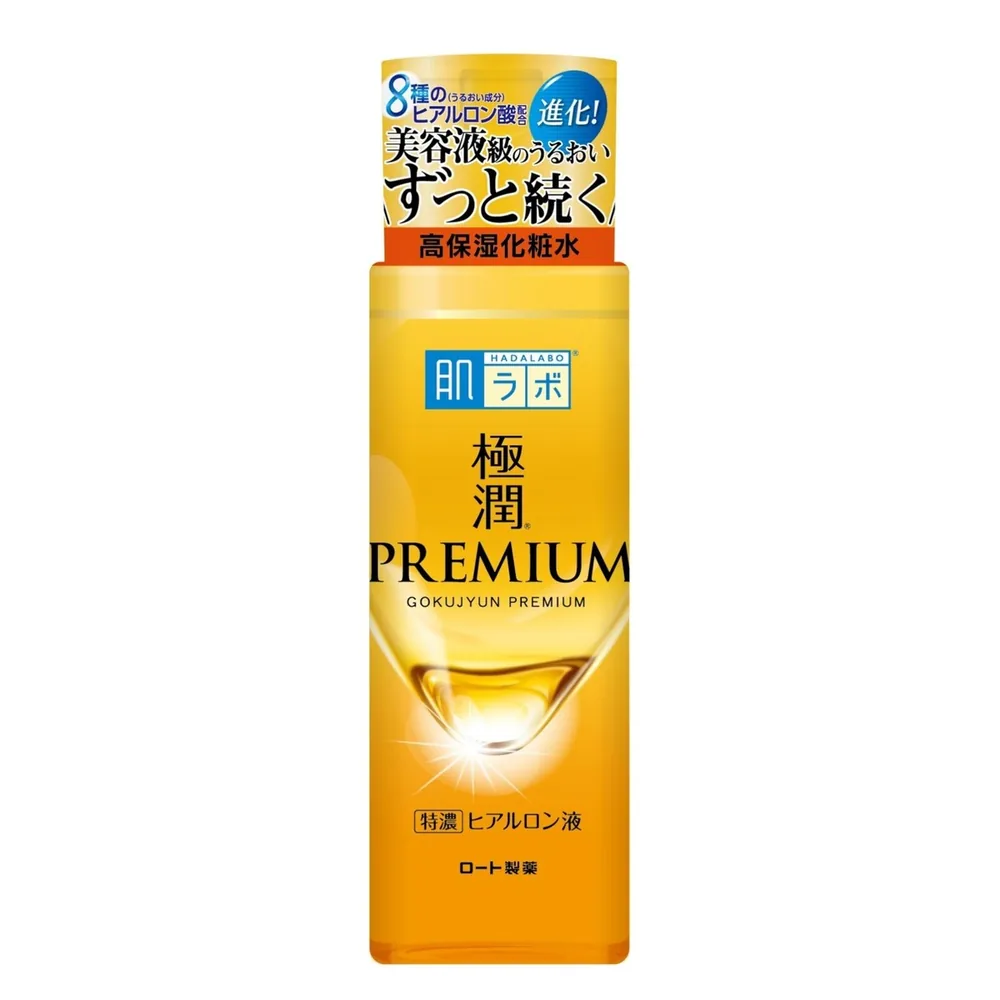 J-Beauty Holy Grail
 Gokujyun Premium Lotion
The single most impressive hyaluronic acid delivery system available in consumer skincare — seven distinct HA forms plus sacran and lipidure, in a fragrance-free formula that costs less than most drugstore serums. Japan's best-selling lotion earned that title honestly.
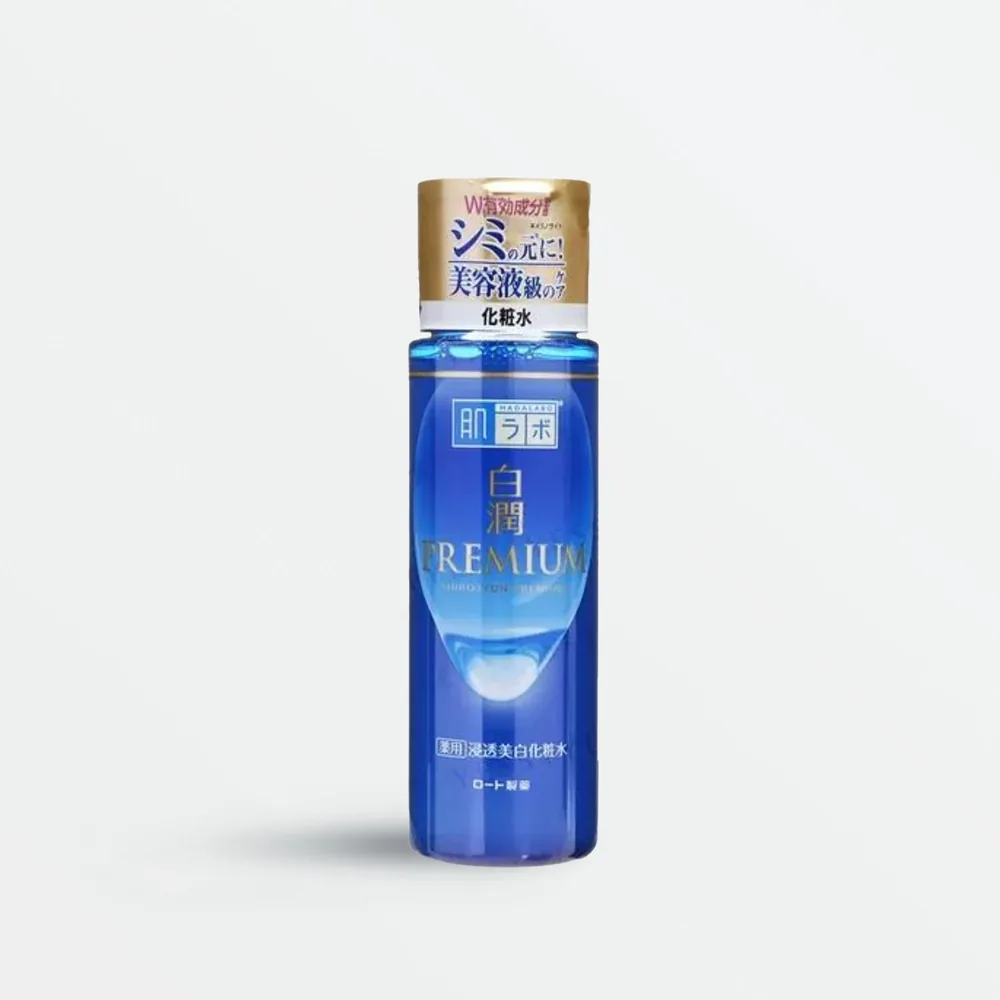 Budget Brightening Hero
 Shirojyun Premium Whitening Lotion
A triple-threat brightening toner that combines tranexamic acid, licorice root, and vitamin C in a hydrating, fungal-acne-safe formula that costs less than most single-active brightening products. The Shirojyun Premium Lotion is the Gokujyun Premium Lotion's equally brilliant, pigmentation-fighting sibling.
 K-Beauty Cult Favorite
 Hyaluronic Acid Toner
One of the most quietly influential K-beauty products of the last decade — a fragrance-free, six-weight hyaluronic acid toner that helped establish Isntree as a trusted brand and made a mockery of premium HA toners charging three times the price. It's not glamorous, it's not reformulated every season, and it's still one of the first things a thoughtful K-beauty routine should consider.
 Beginner-Friendly Pick
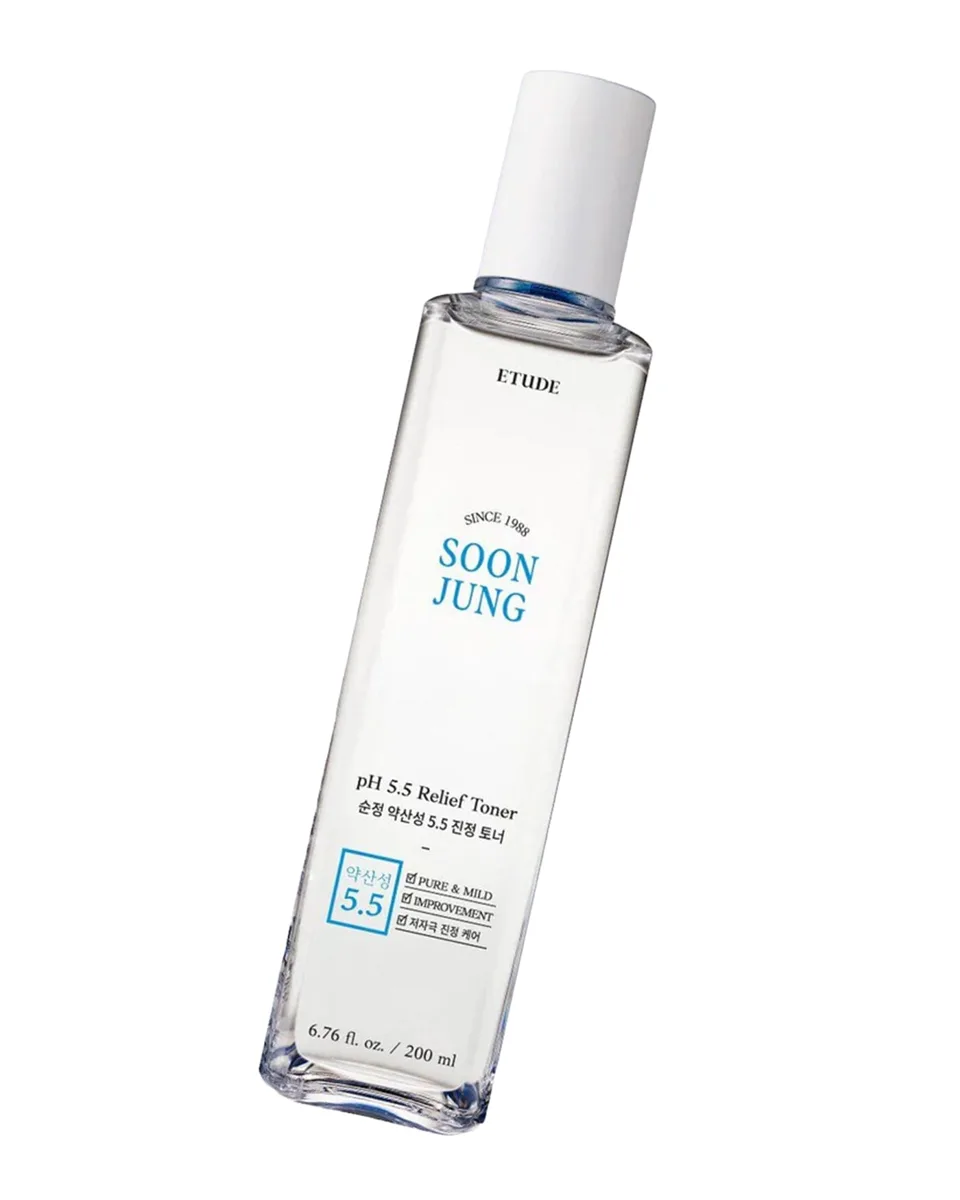
 Soon Jung Relief Toner
The gold standard for sensitive skin toners — 13 ingredients, pH 5.5, zero irritants, and genuinely effective hydration from a glycerin-betaine-panthenol system. At $20 for 200 mL, it's one of the best values in K-beauty and one of the safest products you can put on your face. It won't do anything dramatic, and that's exactly the point.
 Sensitive Skin MVP
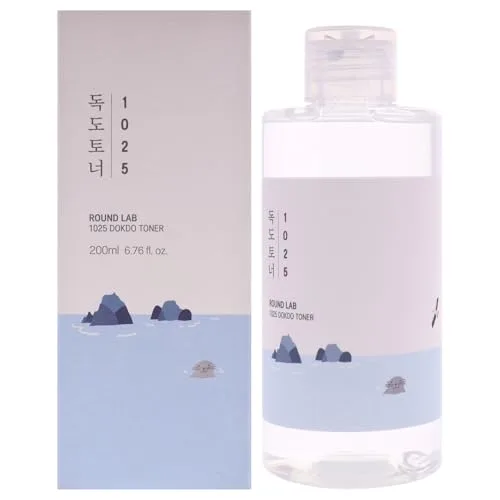
 1025 Dokdo Toner
A cult-favorite K-beauty hydrator that's earned its reputation by doing less on purpose. Deep seawater, a whisper of niacinamide, panthenol, and a handful of calming botanicals add up to one of the most reliable sensitive-skin toners on the market — and at under $20 for 200 ml, one of the best values in K-beauty.
 K-Beauty Hydrating Toner MVP
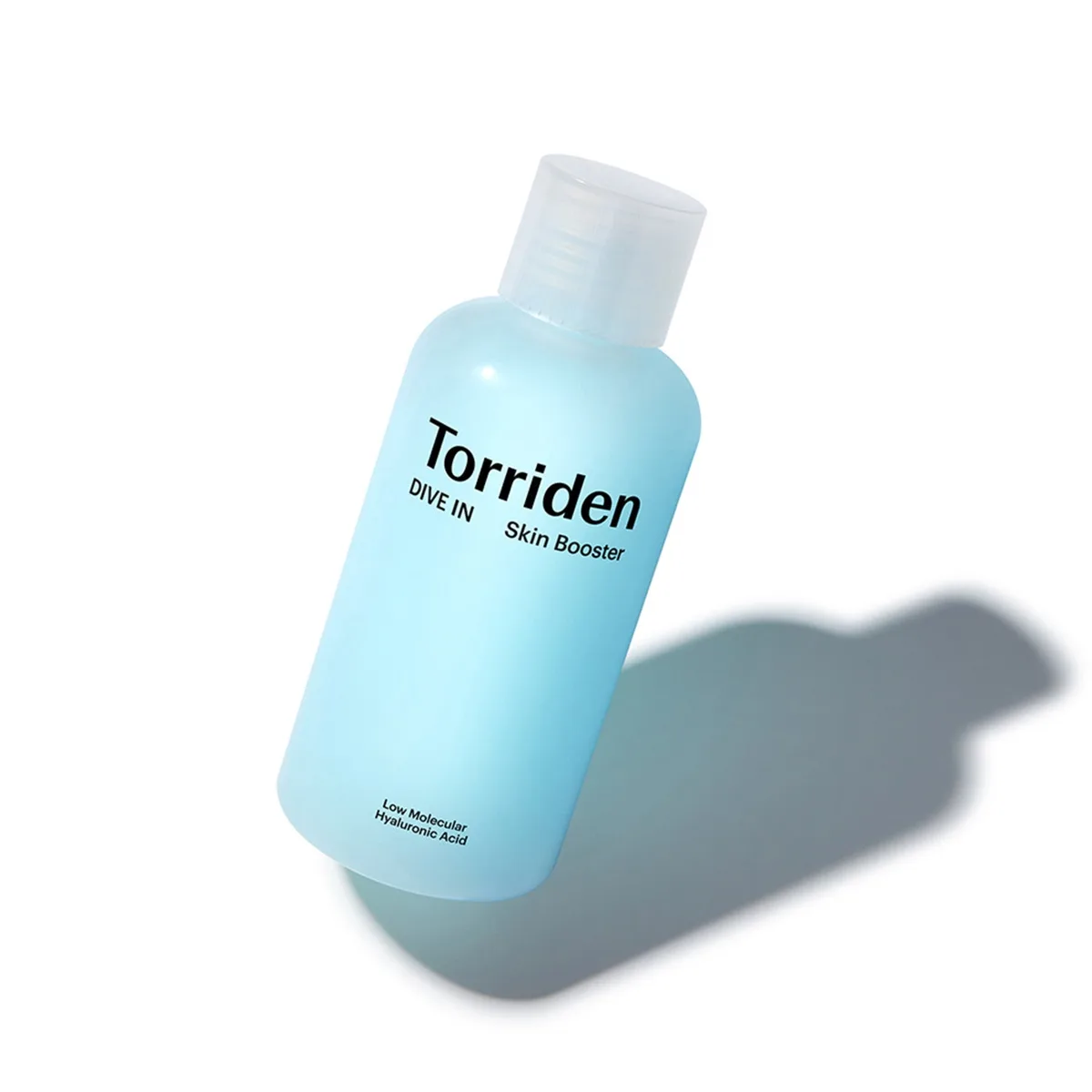
 DIVE-IN Skin Booster
A hydrating toner-essence that layers ceramide NP and phytosphingosine on top of Torriden's signature 5-form hyaluronic acid system, producing a genuine barrier-repair step rather than a pure humectant prep. Fragrance-free, alcohol-free, suitable for essentially all skin types, and fairly priced at $20 for 200ml. One of the more complete toners in the current K-beauty market.