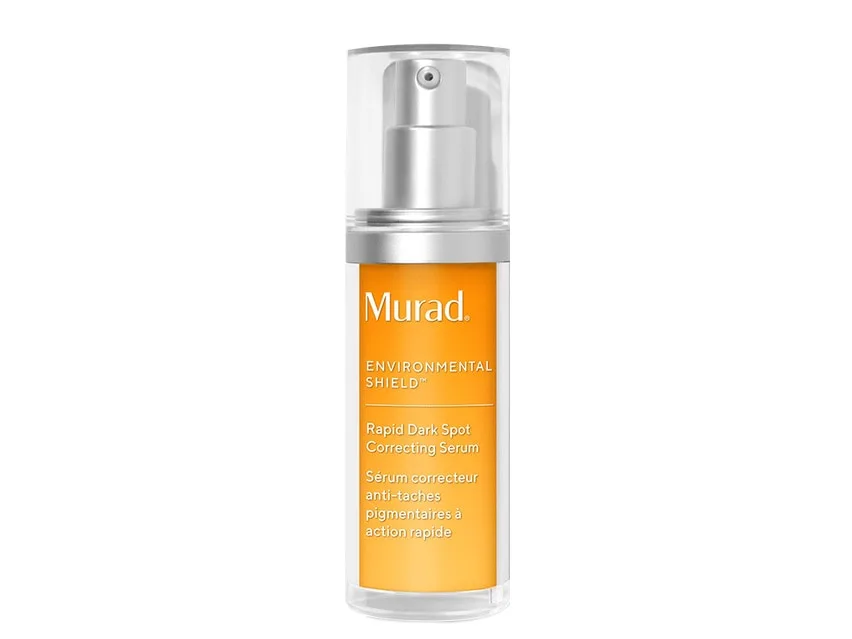
The upgraded successor to Murad's original Age Spot serum, now armed with tranexamic acid and glycolic acid for a more aggressive multi-pathway approach to hyperpigmentation. It's genuinely effective — but the alcohol-heavy base, citrus essential oils, and premium price tag make this a high-risk, high-reward proposition for your skin and your wallet.
Rapid Dark Spot Correcting Serum
The upgraded successor to Murad's original Age Spot serum, now armed with tranexamic acid and glycolic acid for a more aggressive multi-pathway approach to hyperpigmentation. It's genuinely effective — but the alcohol-heavy base, citrus essential oils, and premium price tag make this a high-risk, high-reward proposition for your skin and your wallet.
Score Breakdown
Where this product gains points and where it loses them — broken down across the four scoring pillars.
A potent multi-pathway brightening serum with clinically validated ingredients like tranexamic acid and glycolic acid. However, the aggressive formulation — alcohol as the second ingredient, citrus essential oils, and heavy fragrance — creates significant irritation risk that limits who can tolerate this product long-term.
Pros & Cons
- ✓Tranexamic acid addresses inflammatory and hormonal pigmentation pathways
- ✓Four distinct brightening mechanisms for comprehensive dark spot targeting
- ✓Glycolic acid provides visible surface-level brightening within days
- ✓Patented 4-ethylresorcinol targets two melanin enzymes simultaneously
- ✓Effective on post-acne marks, sun spots, and some melasma patterns
- ✓Lightweight, instant-absorbing texture from the alcohol vehicle
- ✗Alcohol as second ingredient causes significant drying and barrier disruption
- ✗Citrus essential oils (bergamot, lemon) are photosensitizing and allergenic
- ✗Heavy fragrance allergen load including limonene, linalool, and benzyl salicylate
- ✗Premium price at 4 for 1 oz — among the most expensive brightening serums
- ✗Too aggressive for dry, sensitive, or barrier-compromised skin
- ✗Not safe during pregnancy due to glycolic acid and essential oils
Full Review
When your bestselling product is working well, reformulating it is either brave or foolish. In late 2020, Murad chose brave — retiring the Rapid Age Spot Correcting Serum and replacing it with the Rapid Dark Spot Correcting Serum, a formula that trades the original's relatively gentle approach for something considerably more aggressive. The gamble was that consumers wanted faster, more dramatic results. The question is whether the trade-offs were worth it.
The most significant addition is tranexamic acid, an ingredient that had been building serious credibility in the dermatology world for melasma treatment. Tranexamic acid works through a mechanism entirely different from traditional brightening agents — it interrupts the plasmin pathway, reducing the inflammatory signals that tell melanocytes to overproduce melanin. In clinical dermatology, oral and topical tranexamic acid have shown effectiveness against pigmentation that resists standard treatments, including hormonally driven melasma. Its inclusion here signals that Murad is targeting not just sun spots but the full spectrum of dark spot causes.
The second major change is the formula's backbone. Where the original used a silicone-glycerin base, this version leads with alcohol (denatured, second ingredient) and glycolic acid (third ingredient). This is an intentional choice — the alcohol drives rapid penetration of the actives and creates the instant-absorbing texture, while the glycolic acid provides chemical exfoliation that removes pigmented surface cells and enhances the penetration of everything else. It's effective, but it's also the most potentially irritating design decision in the entire formula.
Murad's patented Resorcinol Technology has been upgraded from hexylresorcinol to 4-ethylresorcinol, which inhibits both tyrosinase and DHICA polymerase — targeting two steps in the melanin cascade rather than one. The hexapeptide-2 carries over from the original, reducing melanocyte-stimulating hormone receptor activity. And dipotassium glycyrrhizate (licorice root derivative) adds anti-inflammatory brightening while helping to calm the skin from the aggressive actives.
The result is a serum with four distinct brightening mechanisms — enzymatic inhibition (ethylresorcinol), inflammatory pathway interruption (tranexamic acid), hormonal signal reduction (hexapeptide-2), and surface resurfacing (glycolic acid) — all hitting melanin production simultaneously. On paper, this is one of the most comprehensive brightening formulas available without a prescription.
In practice, it works. Dark spots begin to visibly lighten within the first two weeks, and the glycolic acid's exfoliating effect produces a brightness and smoothness that's noticeable almost immediately. By the 8-12 week mark, the cumulative effect of the tranexamic acid and ethylresorcinol produces meaningful reduction in stubborn hyperpigmentation that simpler serums struggle with.
But the formula has a cost — and not just the 4 price tag. Alcohol as the second ingredient means this serum is actively drying. The glycolic acid adds stinging, particularly in the first few weeks. And then there are the citrus essential oils: bergamot, lemon, and orange peel oils appear at the tail of the ingredient list alongside a roster of fragrance allergens. In a product designed for evening use, the photosensitivity risk from citrus oils is manageable if you're rigorous about morning SPF. But their inclusion as fragrance components in a dermatologist-developed treatment serum feels like a misstep — these are known photoirritants and contact allergens that add zero therapeutic value.
The irritation profile means this serum has a narrower audience than its predecessor. Sensitive skin types, dry skin types, anyone with a compromised barrier, rosacea sufferers, and fragrance-reactive users should look elsewhere. This is a serum for resilient, normal-to-oily skin that can handle potent actives and recover overnight with a good moisturizer.
At 4 for one ounce, this is premium pricing — a noticeable increase from the original Age Spot version. A mini size is available for those wanting to patch-test before committing. Given the potency and the narrower tolerance window, starting small is prudent. For those whose skin can handle it, the multi-pathway approach delivers on its promise of rapid, visible dark spot correction. For everyone else, there are gentler brightening serums that take longer but don't ask your skin to fight a war on two fronts.
Formula
Key Ingredients
The hero actives that drive this product's performance.
| Ingredient | Function | Evidence |
|---|---|---|
| Tranexamic Acid | The star addition to this reformulated serum, tranexamic acid interrupts the plasmin-mediated pathway that triggers melanocyte activation. Originally used in dermatology for melasma treatment, tranexamic acid addresses pigmentation at the inflammatory signaling level — making it effective against both sun-induced and hormonally influenced dark spots. This is the key differentiator from the older Age Spot formula. | well-established |
| Glycolic Acid | Positioned second in this formula's ingredient list, glycolic acid provides aggressive surface exfoliation that accelerates the shedding of pigmented cells while enhancing the penetration of the other brightening actives. In a dark spot serum, this resurfacing action brings melanin-laden cells to the surface faster, speeding up visible results. | well-established |
| 4-Ethylresorcinol (Patented Resorcinol Technology) | Murad's patented resorcinol derivative that inhibits both tyrosinase and DHICA polymerase — two enzymes in the melanin production pathway. This dual-enzyme approach makes 4-ethylresorcinol more comprehensive than single-target tyrosinase inhibitors. It's the evolved version of the hexylresorcinol used in the older Age Spot serum. | promising |
| Hexapeptide-2 | Reduces melanocyte-stimulating hormone (MSH) receptor sensitivity, dialing down the hormonal signals that tell melanocytes to produce melanin. In this formula, hexapeptide-2 adds a signaling-level intervention that complements the enzymatic inhibition from ethylresorcinol and the inflammatory pathway interruption from tranexamic acid. | emerging |
| Dipotassium Glycyrrhizate (Licorice Root) | A licorice-derived anti-inflammatory that calms the skin's inflammatory response to the potent actives in this formula. Also contributes its own brightening action by dispersing existing melanin deposits, adding a soothing counterbalance to the aggressive glycolic acid and alcohol in the base. | well-established |
Full INCI List
Water (Aqua), Alcohol, Glycolic Acid, Butylene Glycol, Glycerin, Methyl Gluceth-20, Tranexamic Acid, 4-Ethylresorcinol, Hexapeptide-2, Rice Amino Acids, Urea, Yeast Amino Acids, Trehalose, Inositol, Taurine, Betaine, Zinc Gluconate, Dipotassium Glycyrrhizate, Allantoin, Hydroxyethylcellulose, Sodium Metabisulfite, Sodium Sulfite, Sodium Hydroxide, PPG-26-Buteth-26, PEG-40 Hydrogenated Castor Oil, Polyquaternium-4, Disodium EDTA, Denatonium Benzoate, t-Butyl Alcohol, Phenoxyethanol, Potassium Sorbate, Benzyl Alcohol, Sodium Benzoate, Citrus Aurantium Bergamia (Bergamot) Peel Oil, Citronellol, Linalool, Citrus Limon (Lemon) Peel Oil, Geranyl Acetate, Limonene, Benzyl Salicylate, Citrus Aurantium Peel Oil, Fragrance (Parfum).
Product Flags
✗ Fragrance Free✗ Alcohol Free✓ Oil Free✓ Silicone Free✓ Paraben Free✓ Sulfate Free✗ Cruelty Free✗ Vegan✗ Fungal Acne Safe
Potential Irritants
AlcoholGlycolic AcidFragrance (Parfum)Citrus Aurantium Bergamia (Bergamot) Peel OilCitrus Limon (Lemon) Peel OilLimoneneLinaloolBenzyl Salicylate
Common Allergens
Fragrance (Parfum)LimoneneLinaloolCitronellolBenzyl AlcoholBenzyl SalicylateGeranyl Acetate
Compatibility
Skin Match
Best For
Works For
Not Ideal For
Addresses These Conditions
hyperpigmentation dark spots sun damage dullness melasma
Use With Caution
sensitivity rosacea dryness eczema compromised skin barrier
Routine Step
serum
Time of Day
PM
Pregnancy Safe
No ✗
Layering Tips
Best used in the PM due to the glycolic acid and citrus oils, which increase photosensitivity. Apply to clean, dry skin before moisturizer. Absolutely requires SPF 30+ during the day. Can alternate nights with retinol if too irritating to combine. Start with every-other-night use to assess tolerance.
Results Timeline
Visible reduction in dark spot intensity starting within 7-14 days. More significant overall brightening and tone evening over 4-8 weeks. Full results from the tranexamic acid and resorcinol technology typically peak at 12 weeks of consistent use.
Pairs Well With
hyaluronic-acidceramidesniacinamide
Conflicts With
retinolascorbic-acid
Sample AM Routine
- Gentle cleanser
- Vitamin C serum (optional)
- Moisturizer
- Sunscreen SPF 30+ (non-negotiable)
Sample PM Routine
- Gentle cleanser
- Murad Rapid Dark Spot Correcting Serum
- Hydrating moisturizer with ceramides
Evidence
Science & Expert Perspective
The Science
Tranexamic acid's role in hyperpigmentation treatment has been validated through multiple clinical studies. Research published in the Journal of the American Academy of Dermatology has demonstrated that topical tranexamic acid significantly reduces melasma severity through inhibition of the plasminogen/plasmin pathway. Plasmin activates melanocytes through keratinocyte-derived signals; by blocking this pathway, tranexamic acid reduces melanin production at the inflammatory signaling level rather than at the enzymatic level, making it complementary to tyrosinase inhibitors.
Glycolic acid, the smallest alpha-hydroxy acid, penetrates the stratum corneum efficiently and promotes desquamation of pigmented corneocytes. Research in the Journal of Cosmetic Dermatology has shown that glycolic acid at concentrations above 5% significantly reduces melanin content in the epidermis through both direct keratolytic action and stimulation of epidermal turnover. In this formula, glycolic acid serves the dual purpose of removing existing pigmented cells while enhancing the penetration of the tranexamic acid and ethylresorcinol.
4-Ethylresorcinol represents an evolution from hexylresorcinol, offering inhibition of both tyrosinase (the rate-limiting enzyme in melanogenesis) and DHICA oxidase (which catalyzes a downstream polymerization step in melanin formation). This dual-target approach, documented in patents assigned to Murad, provides more complete inhibition of the melanin cascade than single-enzyme inhibitors.
The concern regarding citrus essential oils in this formula warrants mention. Research published in Contact Dermatitis has established bergamot oil (specifically bergapten/5-methoxypsoralen) as a known phototoxic agent. While modern bergamot oil may be bergapten-free, the inclusion alongside other citrus oils in a nighttime treatment intended for use with daily SPF represents an avoidable risk.
Dermatologist Perspective
Dermatologists have embraced topical tranexamic acid as a meaningful addition to the hyperpigmentation treatment toolkit, particularly for patients with melasma who haven't responded adequately to hydroquinone or retinoid-based approaches. Board-certified dermatologists note that combining tranexamic acid with glycolic acid and a tyrosinase inhibitor represents a clinically sound multi-target strategy. However, dermatologists also express concern about the alcohol-forward vehicle and citrus essential oils, noting that these ingredients increase the risk of irritant contact dermatitis — particularly problematic in patients already dealing with post-inflammatory hyperpigmentation, where additional inflammation could worsen the pigmentation they're trying to treat.
Guidance
Usage Guide
How to Use
Apply 1-2 pumps to clean, dry skin in the evening only. Allow to absorb for 30-60 seconds before following with a hydrating, ceramide-rich moisturizer to buffer the drying effect of the alcohol and glycolic acid. Start with every-other-night application for the first two weeks to assess tolerance. Always apply SPF 30+ the following morning — this is absolutely non-negotiable with glycolic acid. Avoid applying to broken or irritated skin.
Value Assessment
At 4 for 1.0 fl oz, this is among the most expensive brightening serums in the prestige market. A mini size (0.5 fl oz) is available for approximately 2, offering a lower-risk entry point for testing tolerance. The multi-active formula delivers genuine potency — tranexamic acid, glycolic acid, and patented resorcinol technology in a single step — which partially justifies the premium. However, the alcohol base and fragrance components detract from the perceived value of a dermatologist-developed product at this price point. Budget-conscious users can build an effective brightening routine with separate tranexamic acid and glycolic acid products for significantly less.
Who Should Buy
Those with stubborn dark spots from sun damage, post-acne hyperpigmentation, or mild melasma who have resilient normal-to-oily skin that can tolerate potent actives. Ideal for users who want faster results than gentler brightening serums provide and are committed to rigorous daily SPF use.
Who Should Skip
Dry, sensitive, or barrier-compromised skin types — the alcohol and glycolic acid will cause irritation. Pregnant or nursing individuals should avoid due to glycolic acid and essential oil content. Fragrance-sensitive users should steer clear given the extensive allergen profile. Anyone already using strong acids or retinoids should consult a dermatologist before adding this to their routine.
Ready to try Murad Rapid Dark Spot Correcting Serum?
Details
Details
Texture
Lightweight, water-thin liquid serum that absorbs almost instantly. The alcohol base gives it a quick-drying feel.
Scent
Noticeable citrus fragrance from bergamot, lemon, and orange peel oils. Fresh and bright but potentially irritating for fragrance-sensitive users.
Packaging
Pump bottle with controlled dispensing for precise application.
Finish
lightweightfast-absorbingnatural
What to Expect on First Use
On first application, expect a tingling or slight stinging sensation — this is the glycolic acid at work and is normal for acid-based serums. The alcohol base means it absorbs almost instantly. Some users with sensitive skin may experience redness or warmth. Start with every-other-night use to build tolerance. The citrus scent is immediately noticeable.
How Long It Lasts
2-3 months with nightly facial application
Period After Opening
12 months
Best Season
All Year
Background
The Why
The Rapid Dark Spot Correcting Serum launched in November 2020 as a reformulation of Murad's bestselling Rapid Age Spot Correcting Serum. The key evolution was the inclusion of tranexamic acid — an ingredient that had been generating significant clinical interest for melasma treatment — alongside Murad's upgraded 4-ethylresorcinol (replacing the original hexylresorcinol). The reformulation reflected the growing understanding that dark spots have multiple causes requiring multiple mechanisms.
About Murad Legacy Brand (20+ years)
Murad was founded in 1989 by Dr. Howard Murad, a board-certified dermatologist and trained pharmacist who has treated over 50,000 patients. The brand pioneered clinical-grade skincare sold directly to consumers and maintains a strong reputation in professional dermatology settings.
Brand founded: 1989 · Product launched: 2020
Myth vs. Reality
Myths & Misconceptions
Myth
Tranexamic acid is only for melasma and doesn't work on regular dark spots.
Reality
While tranexamic acid gained attention for melasma treatment, its mechanism — interrupting plasmin-mediated inflammatory signaling to melanocytes — is relevant to all types of hyperpigmentation. In this serum, it helps with sun spots, post-inflammatory hyperpigmentation, and hormone-related pigmentation alike.
Myth
Products with alcohol as the second ingredient will destroy your skin barrier.
Reality
Denatured alcohol in this formula serves as a penetration enhancer and quick-drying vehicle for the active ingredients. While it can be drying with prolonged use, following with a ceramide-rich moisturizer mitigates barrier disruption. That said, dry and sensitive skin types should genuinely consider whether the irritation trade-off is worth the brightening benefits.
FAQ
Frequently Asked Questions
What is the difference between Murad Rapid Age Spot and Rapid Dark Spot serums?
The Rapid Dark Spot Correcting Serum is the newer, reformulated version. It replaces hexylresorcinol with 4-ethylresorcinol (upgraded patented technology), adds tranexamic acid for broader pigmentation targeting including hormonal spots, and incorporates glycolic acid for active resurfacing. The Dark Spot version is more potent but also more potentially irritating.
Does Murad Rapid Dark Spot Correcting Serum contain alcohol?
Yes — denatured alcohol is the second ingredient. It serves as a penetration enhancer and fast-drying vehicle, but it can cause dryness and barrier disruption with daily use. Always follow with a hydrating, ceramide-rich moisturizer. If your skin is already dry or compromised, this serum may not be appropriate.
Can I use this serum in the morning?
It's best used at night. The glycolic acid increases photosensitivity, and the citrus essential oils (bergamot, lemon) can cause phototoxic reactions when exposed to UV. If you do use it in the AM, SPF 50 is essential. Most dermatologists recommend evening-only application for acid-based serums.
Is Murad Rapid Dark Spot Correcting Serum safe during pregnancy?
No — this serum is not recommended during pregnancy. Glycolic acid at high concentrations, along with certain essential oils (bergamot, citrus), are generally advised against during pregnancy. Consult your healthcare provider for pregnancy-safe alternatives for dark spots.
How long does it take to see results from Murad Rapid Dark Spot Correcting Serum?
Clinical testing shows visible dark spot reduction starting at 7-14 days with consistent use. The glycolic acid provides faster surface-level results (smoother texture, brighter appearance within days), while the tranexamic acid and resorcinol deliver deeper pigmentation correction over 8-12 weeks.
Community
Community Voices
Common Praise
"Visibly fades dark spots within weeks"
"Lightweight, fast-absorbing texture"
"Tranexamic acid addition makes it more effective than predecessor"
"Noticeable improvement in overall skin radiance"
"Works on both post-acne marks and sun spots"
Common Complaints
"Alcohol as second ingredient causes drying and irritation"
"Strong fragrance with citrus essential oils"
"Very expensive at 4 per ounce"
"Too harsh for sensitive or dry skin types"
"Citrus oils can cause photosensitivity"
Notable Endorsements
Patented Resorcinol TechnologyDeveloped by Dr. Howard Murad, board-certified dermatologistViral popularity on social media
Appears In
best serum for dark spots best serum for hyperpigmentation best serum for melasma best serum for dullness
Related Conditions
hyperpigmentation dark spots sun damage dullness melasma
Related Ingredients
You Might Also Like
 Sensitive Skin Soother
 Polyphenols In Propolis 15% Ampoule
A 15% propolis ampoule that earns its name with a real polyphenol stack — French Auvergne propolis layered over a houttuynia cordata base, with tulsi and pomegranate piling on. It's slightly sticky and not cheap by volume, but for sensitive, breakout-prone skin chasing calm, this is one of the most reliable K-beauty soothers in production.
 Budget Brightening Hero
 Chlorophyll Discoloration Serum
A quietly brilliant brightening serum that proves you do not need luxury prices or harsh actives to fade dark spots effectively. The alpha-arbutin and licorice root combination delivers genuine multi-pathway melanin inhibition, the sensitive-skin-friendly formula is impeccable, and $20 makes it accessible to virtually everyone. The chlorophyllin is more marketing differentiator than scientific powerhouse, but it does not hurt anything either.
 The People's HA Serum
 Revitalift Derm Intensives 1.5% Pure Hyaluronic Acid Serum
A masterclass in minimalist formulation — thirteen ingredients, no filler, four functional actives, and over thirty thousand glowing reviews. L'Oréal's multi-weight HA system delivers genuine hydration at every level of the skin, and the fragrance-free, alcohol-free formula is clean enough for virtually anyone. The drugstore serum that embarrasses its prestige competitors.
 Budget Hydration Holy Grail
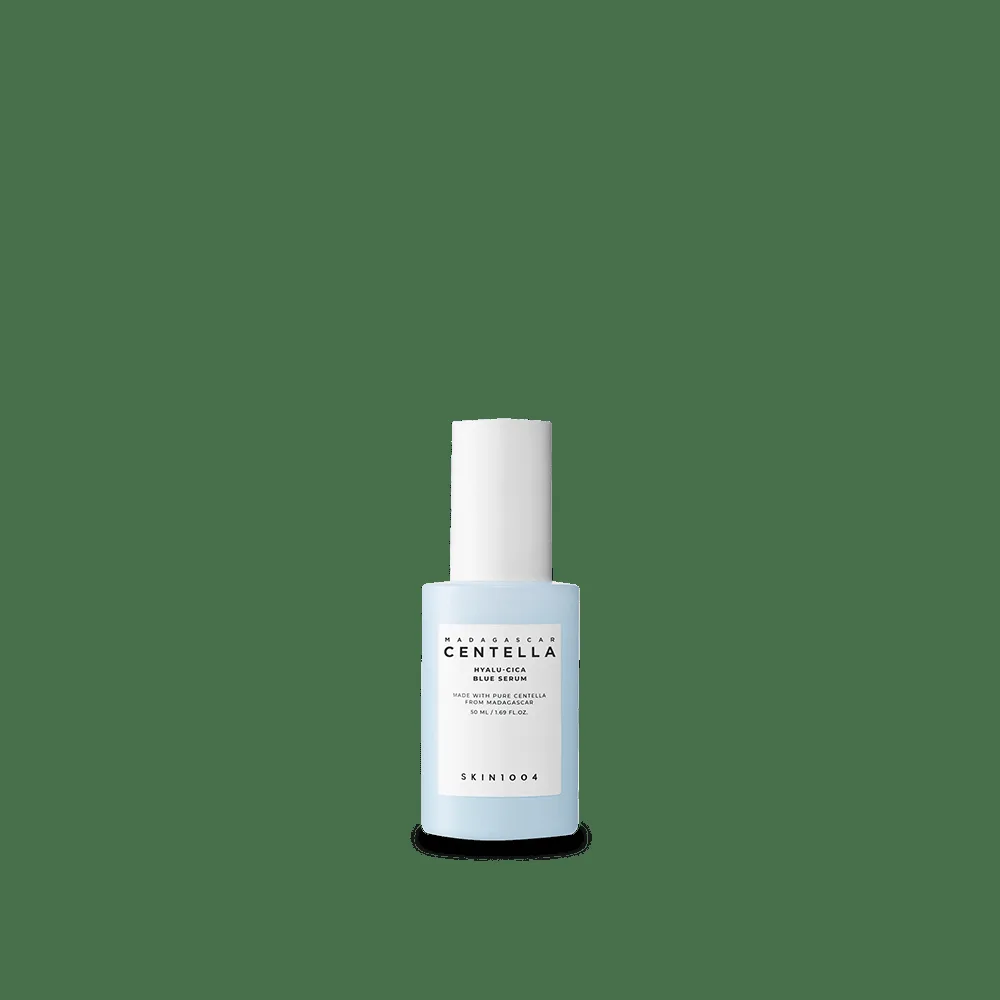
 Hyalu-Cica Blue Serum
A quietly excellent budget serum that stacks Centella asiatica leaf water, five types of hyaluronic acid, niacinamide, ceramide NP, and adenosine into a fragrance-free under-$20 bottle. It is genuinely one of the best hydration-plus-soothing serums at any price, and the fact that it costs less than a salad in Manhattan is the point.
 Sensitive Skin First-Line Defense
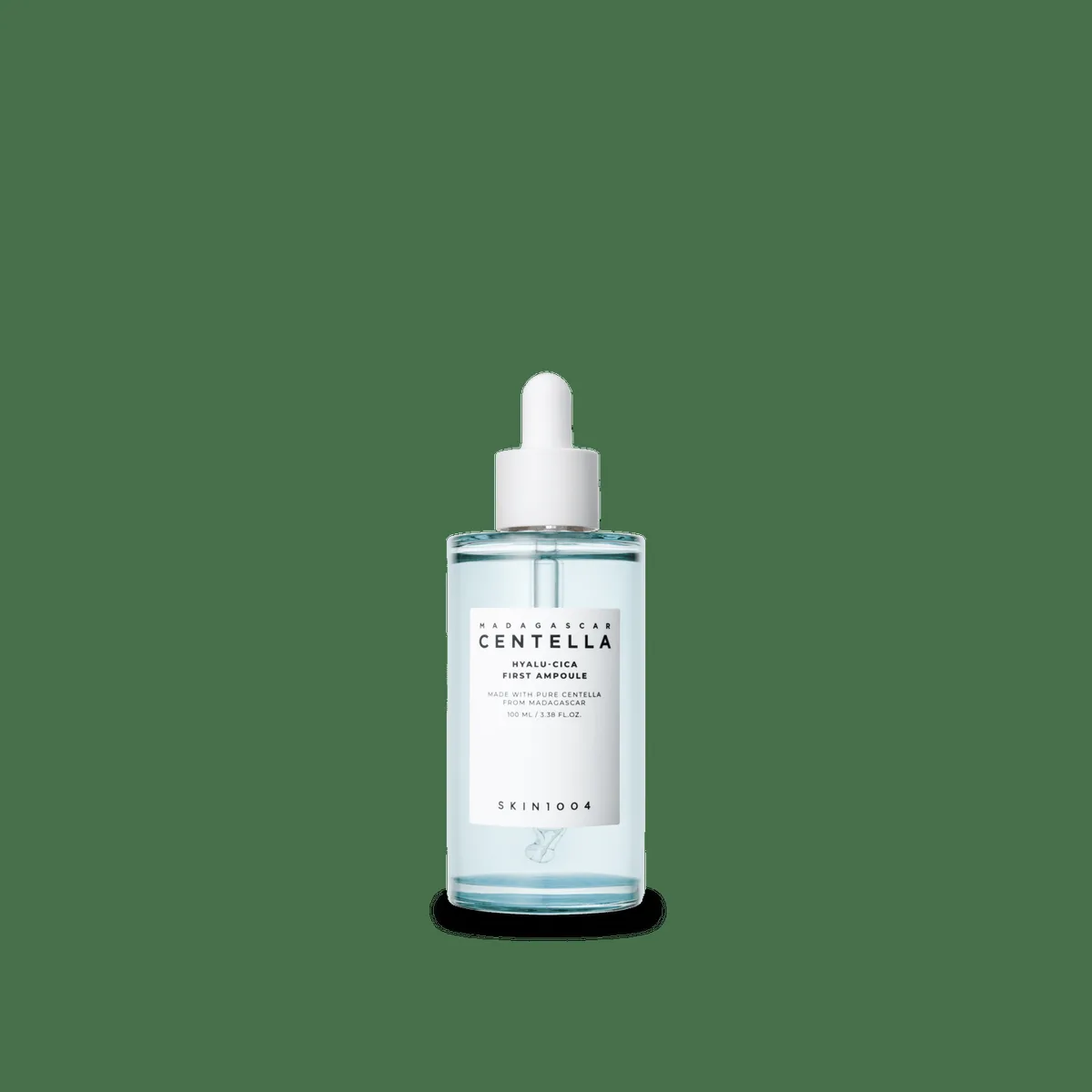
 Hyalu-Cica First Ampoule
A 92% Centella asiatica extract ampoule paired with niacinamide and a multi-weight HA complex, fragrance-free and purpose-built for sensitive, compromised, and reactive skin. At $25 for 100ml, it is one of the most justifiable skincare purchases a budget-conscious buyer can make, and it earns a place in almost any routine that needs a soothing anchor.
 Sensitive Skin MVP
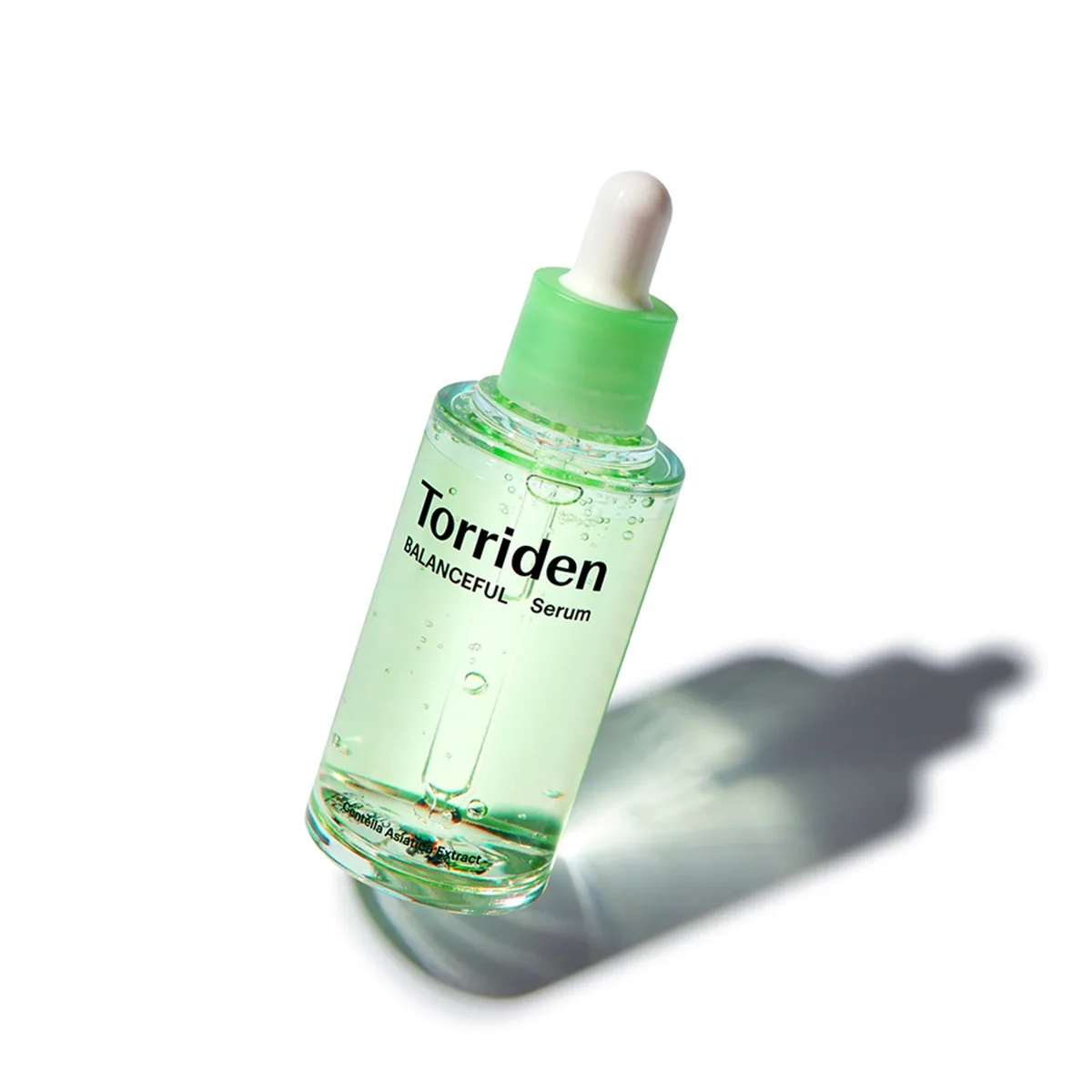
 Balanceful Cica Serum
Torriden's Balanceful Cica Serum is one of the most recommendable calming serums in K-beauty — a genuinely fragrance-free, multi-weight hyaluronic acid and 5D cica complex treatment that quietly reduces redness, supports the barrier, and buffers other actives without drama. At under $25 it's a near-automatic pick for sensitive, rosacea-prone, and barrier-compromised skin.