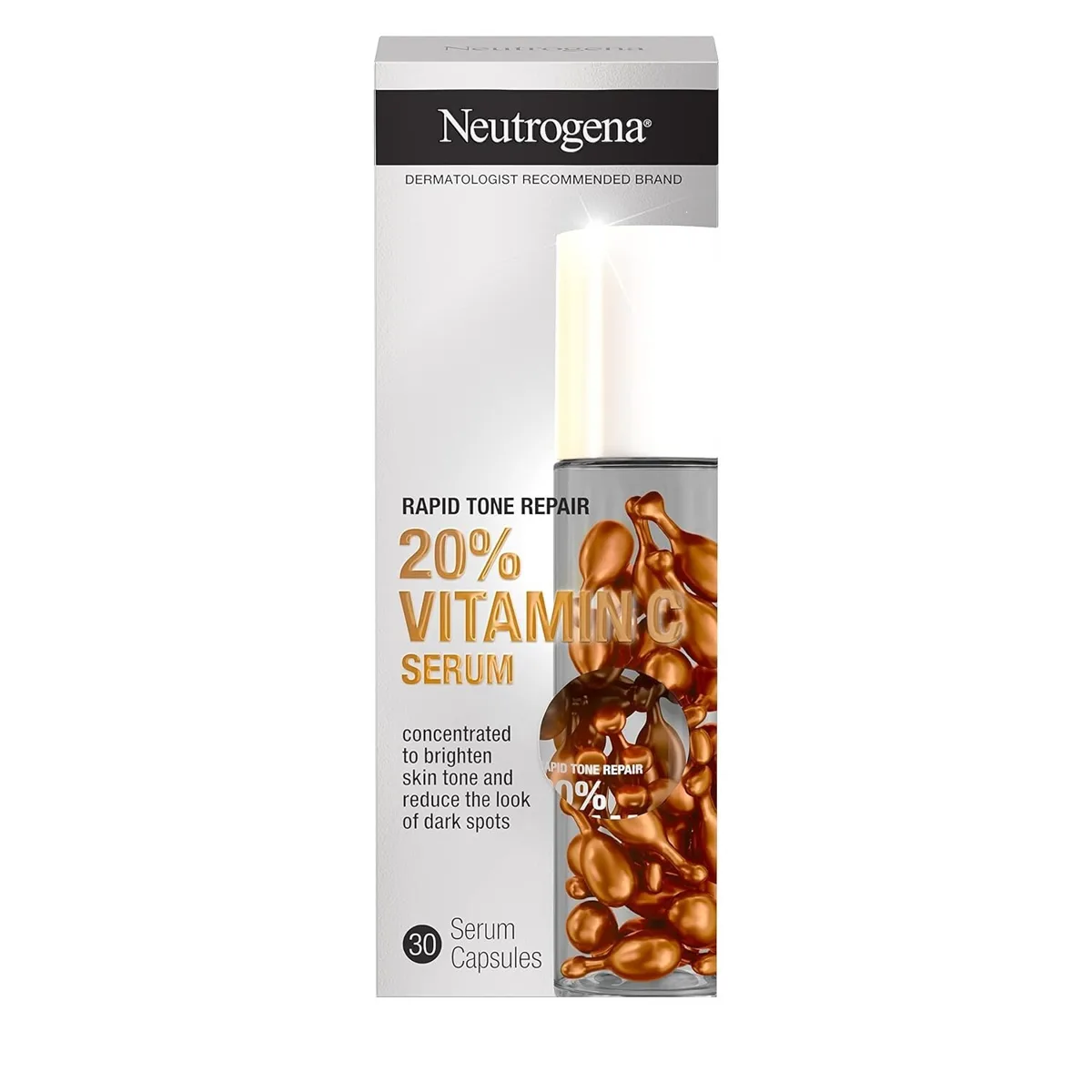
A genuinely clever solution to vitamin C's stability problem — each sealed anhydrous capsule delivers a fresh dose of 20% L-ascorbic acid that hasn't degraded since bottling. The 10-ingredient formula is refreshingly clean, and the results for brightening and dark spot fading are real. Its discontinuation is a genuine loss to the affordable vitamin C market.
Rapid Tone Repair 20% Vitamin C Serum Capsules
A genuinely clever solution to vitamin C's stability problem — each sealed anhydrous capsule delivers a fresh dose of 20% L-ascorbic acid that hasn't degraded since bottling. The 10-ingredient formula is refreshingly clean, and the results for brightening and dark spot fading are real. Its discontinuation is a genuine loss to the affordable vitamin C market.
Score Breakdown
Where this product gains points and where it loses them — broken down across the four scoring pillars.
A cleverly formulated vitamin C serum that solves the stability problem through anhydrous single-use capsules, with a remarkably clean 10-ingredient formula. The lack of ferulic acid and the discontinued status temper the score, but the formulation approach is genuinely smart.
Pros & Cons
- ✓Single-use capsules solve L-ascorbic acid's oxidation problem — every dose is fresh and full-potency
- ✓Remarkably clean 10-ingredient formula with zero fragrance, dyes, parabens, or preservatives
- ✓20% L-ascorbic acid at the top of the clinically effective concentration range
- ✓Anhydrous silicone base eliminates water — the primary catalyst for vitamin C degradation
- ✓Biodegradable seaweed-derived capsule shells address single-use packaging concerns
- ✓Visible brightening and dark spot fading consistent with clinical vitamin C timelines
- ✓Was significantly more affordable than most comparable 20% L-ascorbic acid serums
- ✗Product has been discontinued — remaining stock is scarce and often overpriced
- ✗No ferulic acid to complete the gold-standard C+E+ferulic synergistic combination
- ✗Silicone-heavy base causes pilling under mineral sunscreens with titanium dioxide
- ✗20% concentration can burn or sting sensitive and compromised skin types
- ✗Fixed capsule dosing prevents adjusting the amount per application
Full Review
Every skincare enthusiast has the same experience with vitamin C at some point. You buy a serum, use it diligently for a few weeks, notice some brightening, feel pleased with yourself — and then one morning you pump out a dose that's turned distinctly orange. That amber tint isn't a feature. It means your L-ascorbic acid has oxidized, and you're now applying a less effective, potentially irritating byproduct to your face. The cycle repeats with the next bottle. And the next. Neutrogena's Rapid Tone Repair 20% Vitamin C Serum Capsules addressed this problem with an elegance that the rest of the skincare industry mostly ignored.
The concept is borrowed from the supplement world: seal each dose in an individual capsule, in an anhydrous base, and the vitamin C never encounters its three mortal enemies — air, light, and water — until the moment you twist it open. It's so logical that the surprise isn't that Neutrogena did it, but that so few other brands have followed suit.
The formula inside each capsule is remarkably lean. Ten ingredients. That's it. Dimethicone serves as the primary vehicle — a silicone base that provides slip, smoothing, and critically, zero water content. L-ascorbic acid at 20% sits at the top of the clinically validated concentration range. Tocopheryl acetate adds vitamin E antioxidant support. A photostabilizer, a touch of raspberry leaf extract, and supporting silicones round out the list. There's nothing in here that doesn't need to be in here.
The absence of ferulic acid deserves an honest discussion. The landmark 2005 study by Pinnell and colleagues at Duke University demonstrated that adding ferulic acid to a vitamin C and E formulation boosted photoprotection eightfold and dramatically improved stability. The CE Ferulic combination became the gold standard, and SkinCeuticals built an empire on it. This product lacks ferulic acid, which is a meaningful omission from an efficacy standpoint. However, the stability argument loses some force here — the anhydrous capsule format already addresses stability through physical isolation rather than chemical stabilization. Each capsule is effectively a brand-new, sealed product until you open it.
The tocopheryl acetate rather than pure tocopherol is another formulation compromise worth noting. Tocopheryl acetate is more stable but must be converted to active tocopherol by skin enzymes, making it less immediately bioactive. For a stability-focused product, the choice makes sense — pure tocopherol would be another oxidation-prone ingredient to manage. But it does mean this isn't delivering the full CE Ferulic experience.
On the skin, the serum feels distinctly different from typical vitamin C products. The heavy silicone base creates a silky, slippery texture — more like a primer than a traditional serum. One capsule covers the full face with product to spare. It absorbs within a minute or two, leaving a satin-smooth finish with a subtle blurring effect on pores and texture. There's no stickiness, no residue, and no fragrance whatsoever.
The 20% concentration is potent. If your skin hasn't met L-ascorbic acid at this level before, expect tingling — possibly bordering on stinging — during the first week. This is the acid doing its job and is normal for most skin types. It typically subsides as your skin acclimates. But if you have genuinely sensitive or compromised skin, twenty percent is aggressive, and you might want to start with a lower concentration product.
The pilling issue with mineral sunscreens is the most practical complaint worth flagging. The silicone-heavy base doesn't play well with titanium dioxide, and if you use a mineral or mineral-blend sunscreen, you may find the layers balling up during application. Chemical sunscreens layer smoothly over this formula, which is worth knowing before you commit.
Results, when they come, are legitimate. Users consistently report visible brightening within the first one to two weeks and meaningful fading of post-inflammatory hyperpigmentation and sun spots around the four-week mark. This tracks with the clinical timeline for topical L-ascorbic acid at therapeutic concentrations. The vitamin C is doing what vitamin C does — inhibiting melanin production, quenching free radicals, and supporting collagen synthesis. The capsule format simply ensures you're getting the full twenty percent every time rather than a declining percentage as oxidation progresses.
The price was always part of the appeal. At roughly twenty-two dollars for thirty capsules — a month's supply — this undercut most comparable twenty-percent L-ascorbic acid serums by a significant margin. The per-dose cost of about seventy-five cents put clinical-grade vitamin C within reach of consumers who couldn't justify the sixty-dollar-and-up price tags of prestige alternatives.
Which makes the discontinuation genuinely frustrating. Neutrogena pulled this product from its line around 2024-2025, and no direct replacement has emerged. The remaining stock is dwindling across third-party sellers, often at inflated prices. Whatever internal calculus led to the decision — perhaps the capsule manufacturing was more expensive than traditional bottling, perhaps it didn't sell in the volumes Kenvue needed — the result is one less smart, affordable vitamin C option on the market.
For those who can still find it at a reasonable price, this remains one of the most thoughtfully engineered vitamin C delivery systems available at any price point. The formula isn't perfect — the ferulic acid gap is real, the tocopheryl acetate is a compromise, and the silicone base limits layering flexibility. But the core proposition — fresh, stable, potent L-ascorbic acid in every capsule, with a ten-ingredient formula that minimizes everything extraneous — is sound. Sometimes the smartest innovation isn't a new ingredient but a better way to deliver an old one.
Formula
Key Ingredients
The hero actives that drive this product's performance.
| Ingredient | Function | Evidence |
|---|---|---|
| Ascorbic Acid (L-Ascorbic Acid) (20%) | Pure vitamin C at the top of the clinically effective range (5-20%), sealed in individual anhydrous capsules that prevent the oxidation and degradation that plague bottled vitamin C serums — each capsule delivers a fresh, potent dose of the most well-studied form of topical vitamin C. | well-established |
| Tocopheryl Acetate | Vitamin E derivative providing antioxidant support alongside the ascorbic acid, though notably in its ester form (less immediately bioactive than pure tocopherol) — the formula lacks ferulic acid that would complete the gold-standard C+E+ferulic triad. | well-established |
| Dimethicone | Primary vehicle that serves a dual purpose: creating the silky application texture and maintaining the anhydrous environment critical to ascorbic acid stability — water is vitamin C's enemy, and this silicone base eliminates it entirely from the formula. | well-established |
| Diethylhexyl Syringylidenemalonate | Photostabilizer that helps protect both the formula and skin from UV-induced oxidative degradation, adding a subtle layer of environmental defense to complement the vitamin C's antioxidant activity. | promising |
Full INCI List
Dimethicone, Ascorbic Acid, Trisiloxane, Dimethiconol, Silica Dimethyl Silylate, Dimethicone/Vinyltrimethylsiloxysilicate Crosspolymer, Tocopheryl Acetate, Caprylic/Capric Triglyceride, Diethylhexyl Syringylidenemalonate, Rubus Idaeus (Raspberry) Leaf Extract
Product Flags
✓ Fragrance Free✓ Alcohol Free✓ Oil Free✗ Silicone Free✓ Paraben Free✓ Sulfate Free✗ Cruelty Free✗ Vegan✓ Fungal Acne Safe
Potential Irritants
Ascorbic Acid (at 20% concentration)
Compatibility
Skin Match
Best For
Works For
Not Ideal For
Addresses These Conditions
hyperpigmentation dark spots dullness sun damage aging
Use With Caution
Routine Step
serum
Time of Day
AM
Pregnancy Safe
Yes ✓
Layering Tips
Apply one capsule to clean, dry skin in the morning before moisturizer and sunscreen. The silicone base can cause pilling under mineral sunscreens containing titanium dioxide — chemical sunscreens layer better over this formula. Allow 1-2 minutes to absorb before the next step.
Results Timeline
Visible brightening and radiance improvement within 1 week of daily use. Dark spots begin fading noticeably around 4 weeks. Maximum tone-evening and anti-aging benefits develop over 8-12 weeks of consistent morning application.
Pairs Well With
Hyaluronic acid serums (layer underneath for hydration)Chemical sunscreen (AM)Retinoids (PM only — don't combine in same routine)
Conflicts With
Mineral sunscreens with titanium dioxide (pilling)Other vitamin C serums (redundant, risk of irritation)
Sample AM Routine
- Gentle cleanser
- Hyaluronic acid serum
- Neutrogena Rapid Tone Repair 20% Vitamin C Serum Capsules
- Moisturizer
- Chemical sunscreen
Sample PM Routine
- Gentle cleanser
- Retinoid treatment
- Moisturizer
Evidence
Who Should Skip
- Product has been discontinued — remaining stock is scarce and often overpriced
- No ferulic acid to complete the gold-standard C+E+ferulic synergistic combination
- Silicone-heavy base causes pilling under mineral sunscreens with titanium dioxide
- 20% concentration can burn or sting sensitive and compromised skin types
Science & Expert Perspective
The Science
L-ascorbic acid is the most extensively studied form of topical vitamin C, with decades of research supporting its efficacy in photoprotection, collagen synthesis, and melanin inhibition. The landmark study by Pinnell et al. published in the Journal of the American Academy of Dermatology (2001) established that topical L-ascorbic acid at concentrations of 10-20% penetrates the stratum corneum and provides measurable photoprotective effects.
The critical challenge with L-ascorbic acid formulation is stability. In aqueous solutions at optimal pH (2.5-3.5), ascorbic acid begins oxidizing immediately upon exposure to air and light. A study published in the International Journal of Pharmaceutics demonstrated that L-ascorbic acid in water-based formulations loses significant potency within weeks of opening. The anhydrous capsule approach in this product addresses this by eliminating water entirely from the formula and sealing each dose from air and light until use.
The 20% concentration sits at the upper end of the effective range established by research. Studies by Traikovich published in the Journal of the American Academy of Dermatology (1999) demonstrated that topical vitamin C at this concentration range produces statistically significant improvements in photoaged skin, including fine wrinkling, roughness, and skin tone.
The absence of ferulic acid is a formulation trade-off worth contextualizing. The seminal 2005 study by Pinnell et al. in the Journal of Investigative Dermatology showed that adding 0.5% ferulic acid to a vitamin C (15%) + vitamin E (1%) solution doubled its photoprotection and improved chemical stability of the vitamins by approximately 10x. However, the stability benefit is partially addressed in this product by the anhydrous capsule delivery — the physical isolation achieves what chemical stabilization does in liquid formulations, albeit through a different mechanism.
References
- Topical L-ascorbic acid: percutaneous absorption studies — Journal of the American Academy of Dermatology (2001)
- Ferulic acid stabilizes a solution of vitamins C and E and doubles its photoprotection of skin — Journal of Investigative Dermatology (2005)
Dermatologist Perspective
Dermatologists generally support 20% L-ascorbic acid as a proven concentration for topical vitamin C therapy, and the capsule delivery format has been viewed favorably as a practical solution to the oxidation problem. Board-certified dermatologists note that the anhydrous base eliminates the primary driver of vitamin C degradation, ensuring consistent potency across each capsule. However, dermatologists have also flagged the absence of ferulic acid as a missed opportunity, given the strong evidence for the C+E+ferulic synergy. Dermatologists typically recommend vitamin C serums as a morning antioxidant step paired with sunscreen, and advise patients new to L-ascorbic acid at this concentration to introduce it gradually — every other day initially — to minimize the stinging that the 20% concentration can cause.
Guidance
Usage Guide
How to Use
Pinch and twist the capsule tip to release the serum. Squeeze the full contents onto clean, dry fingertips. Apply to clean face in the morning, gently pressing and spreading across forehead, cheeks, nose, and chin. Allow 1-2 minutes to absorb before applying moisturizer and sunscreen. Use one capsule per application. For vitamin C beginners, start every other day for the first week to allow skin to acclimate to the 20% concentration, then increase to daily use.
Value Assessment
At its original retail price of approximately $22 for 30 capsules, this was one of the most affordable 20% L-ascorbic acid serums on the market — roughly 75 cents per dose for a month's supply. Comparable products from prestige brands typically cost $60-170 for the same ingredient at similar concentrations. The discontinued status has disrupted this value proposition, with remaining stock sometimes sold at inflated third-party prices. If you find it near the original MSRP, it remains an excellent value. A 7-capsule trial size was also available at approximately $10, offering a low-commitment way to test the formula.
Who Should Buy
Ideal for anyone frustrated by traditional vitamin C serums that oxidize before the bottle is finished. Particularly well-suited for consumers who want clinical-concentration L-ascorbic acid for brightening and dark spot treatment without paying prestige prices, and for travelers who need a spill-proof vitamin C option.
Who Should Skip
Skip this if you have sensitive or reactive skin that can't tolerate 20% L-ascorbic acid, or if you rely on a mineral sunscreen as your daily SPF — the silicone base and titanium dioxide don't mix well. Also be aware that this product is discontinued, so long-term availability is not guaranteed.
Ready to try Neutrogena Rapid Tone Repair 20% Vitamin C Serum Capsules?
Details
Details
Texture
Silky, concentrated silicone-based serum with a lightweight oil-like consistency. Spreads easily across the face from a single capsule and absorbs to a smooth, non-greasy finish.
Scent
Fragrance-free with no discernible scent.
Packaging
Individual single-use biodegradable capsules made from seaweed-derived material, housed in a clear plastic jar. Each capsule has a twist-off tip for easy dispensing. The sealed format prevents air and light exposure — the primary degradation pathways for L-ascorbic acid.
Finish
satinnon-greasylightweight
What to Expect on First Use
On first use, twist open a capsule and squeeze the contents onto fingertips. The serum feels distinctly silicone-based — silky and slippery rather than watery. It spreads across the face easily and absorbs within a minute or two. Some users experience mild tingling from the 20% ascorbic acid, which is normal and typically subsides within the first week of regular use.
How Long It Lasts
1 month with daily use of the 30-capsule jar
Period After Opening
12 months
Best Season
All Year
Certifications
Non-comedogenicFragrance-freeDye-freeParaben-freePreservative-freeAlcohol-free
Background
The Why
Launched in 2020 as Neutrogena's entry into the vitamin C serum category, these capsules represented a genuinely innovative approach to a well-known formulation challenge. L-ascorbic acid is the gold standard of topical vitamin C, but its rapid oxidation in traditional bottles means consumers are often applying degraded product by the time they finish a bottle. The biodegradable seaweed-derived capsule format addressed this directly. Despite positive reception, Neutrogena discontinued the product — a loss that many loyal users have vocally lamented online.
About Neutrogena Legacy Brand (20+ years)
Neutrogena was founded in 1930 and is the #1 dermatologist-recommended skincare brand in the United States. This vitamin C capsule product launched in 2020 and has since been discontinued, though the brand's clinical research infrastructure and decades of dermatological partnership underpin its formulation credibility.
Brand founded: 1930 · Product launched: 2020
Myth vs. Reality
Myths & Misconceptions
Myth
Vitamin C serums in capsule form can't be as effective as traditional liquid serums.
Reality
The opposite may be true for L-ascorbic acid. Traditional bottled serums begin degrading from first opening — by the end of a typical bottle, potency can drop significantly. Each sealed capsule delivers a fresh, unoxidized dose. The anhydrous base eliminates water, the primary catalyst for ascorbic acid breakdown.
Myth
You need ferulic acid with vitamin C for it to work.
Reality
Ferulic acid enhances vitamin C's photoprotective effects and stability, but L-ascorbic acid at 20% is effective on its own for brightening, collagen synthesis, and antioxidant protection. The ferulic acid combination is optimal but not required — and in an anhydrous capsule format, the stability concern that ferulic acid helps address is already partially solved by the delivery system.
FAQ
Frequently Asked Questions
Is Neutrogena Rapid Tone Repair Vitamin C Serum discontinued?
Yes — Neutrogena has officially discontinued this product. It may still be available through third-party sellers on Amazon, Walmart Marketplace, or eBay with limited and dwindling stock. Prices may be inflated above the original MSRP due to scarcity.
Can I use this vitamin C serum with retinol?
Yes, but use them at different times. Apply this vitamin C serum in the morning under sunscreen for daytime antioxidant protection, and use your retinol product at night. Using both in the same routine can increase irritation without adding benefit. The silicone base of the capsules also layers better without other actives competing for absorption.
Why does this vitamin C serum sting when I apply it?
The 20% L-ascorbic acid concentration is at the top of the effective range and the acid is in its pure, active form. Some tingling is normal, especially during the first week of use or if your skin barrier is compromised. The stinging typically diminishes as your skin acclimates. If burning persists or causes redness, reduce to every other day or consider a lower-concentration vitamin C product.
Why does this serum pill under my sunscreen?
The dimethicone-heavy base can be incompatible with mineral sunscreens containing titanium dioxide, causing pilling. Chemical sunscreens tend to layer better over this formula. Allow 1-2 minutes for full absorption before applying sunscreen, and avoid rubbing — pat sunscreen on gently instead.
Are the capsules really biodegradable?
Yes — the capsule shell is made from seaweed-derived material that biodegrades in water. This addresses the environmental concern of single-use packaging, though the outer plastic jar is standard recyclable plastic.
Community
Community Voices
Common Praise
"Visible brightening and radiance improvement within weeks of daily use"
"Excellent silky texture that spreads easily with no mess or stickiness"
"Single-use capsules keep each dose fresh — no worrying about oxidation"
"Remarkably affordable compared to other 20% vitamin C serums"
"Fragrance-free with only 10 ingredients — minimal irritation risk from vehicle"
"Travel-friendly capsule format with no liquid to spill or leak"
Common Complaints
"20% concentration can burn or sting on sensitive or compromised skin"
"Silicone-heavy base causes pilling under mineral sunscreens with titanium dioxide"
"Product has been discontinued — increasingly hard to find at retail"
"No ferulic acid to complete the C+E+ferulic synergistic combination"
"Cannot adjust the amount per use — one capsule may be too much or too little"
Notable Endorsements
Reviewed by Dr. Andrea Suarez (Dr. Dray), who acknowledged the capsule stability concept as a positive
Appears In
best serum for hyperpigmentation best vitamin c serum best drugstore serum best serum for dark spots
Related Conditions
hyperpigmentation dark spots dullness sun damage aging
Related Ingredients
You Might Also Like
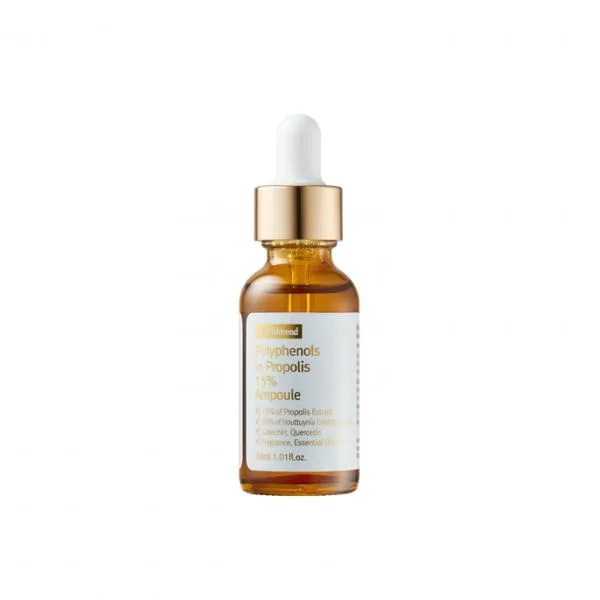 Sensitive Skin Soother
 Polyphenols In Propolis 15% Ampoule
A 15% propolis ampoule that earns its name with a real polyphenol stack — French Auvergne propolis layered over a houttuynia cordata base, with tulsi and pomegranate piling on. It's slightly sticky and not cheap by volume, but for sensitive, breakout-prone skin chasing calm, this is one of the most reliable K-beauty soothers in production.
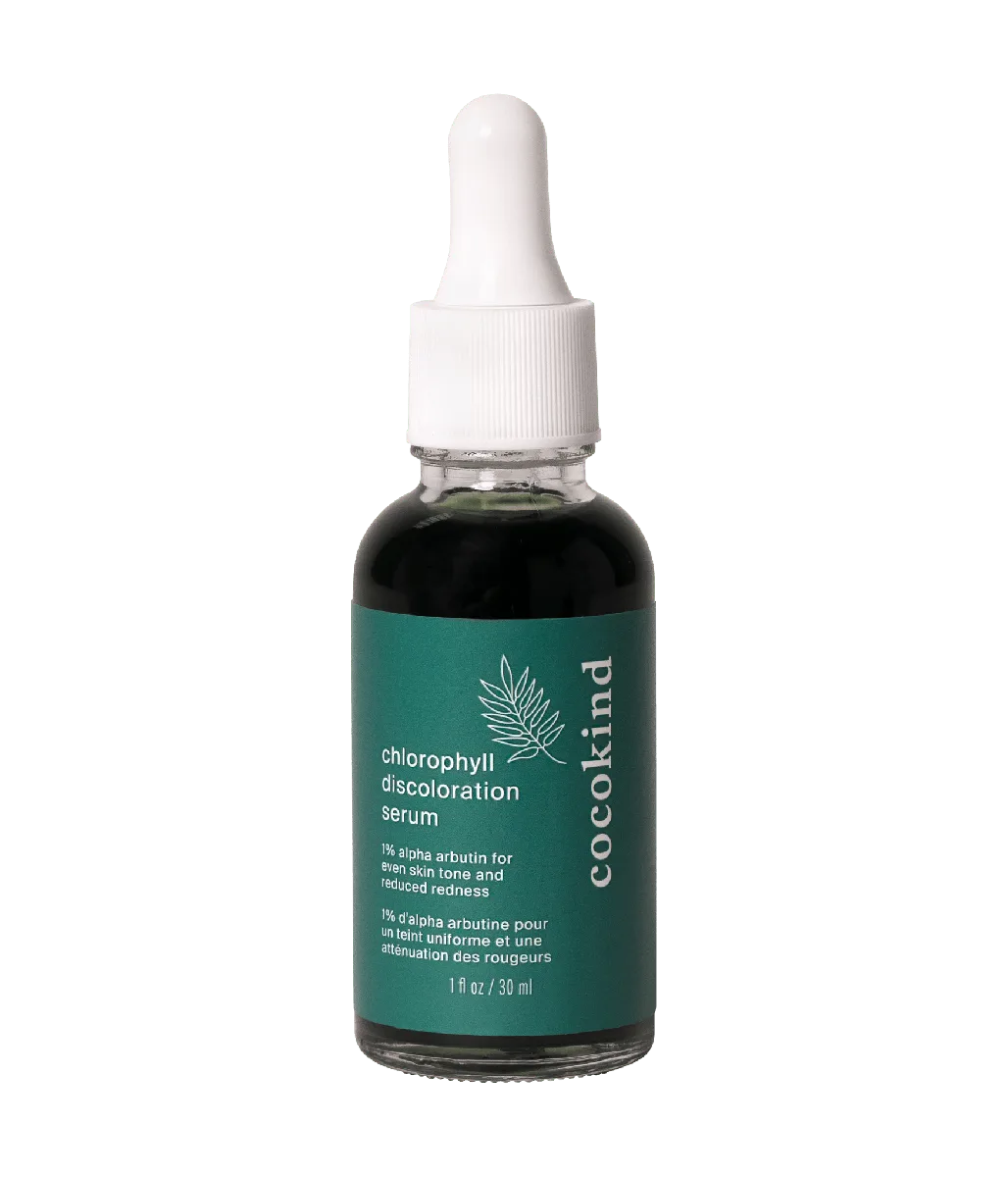 Budget Brightening Hero
 Chlorophyll Discoloration Serum
A quietly brilliant brightening serum that proves you do not need luxury prices or harsh actives to fade dark spots effectively. The alpha-arbutin and licorice root combination delivers genuine multi-pathway melanin inhibition, the sensitive-skin-friendly formula is impeccable, and $20 makes it accessible to virtually everyone. The chlorophyllin is more marketing differentiator than scientific powerhouse, but it does not hurt anything either.
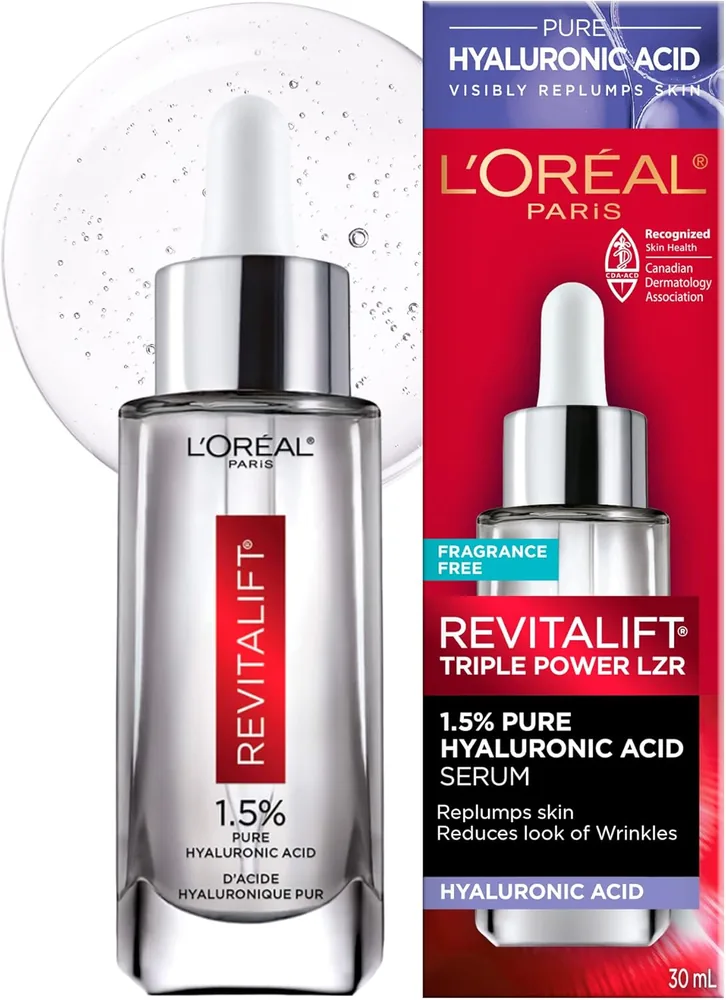 The People's HA Serum
 Revitalift Derm Intensives 1.5% Pure Hyaluronic Acid Serum
A masterclass in minimalist formulation — thirteen ingredients, no filler, four functional actives, and over thirty thousand glowing reviews. L'Oréal's multi-weight HA system delivers genuine hydration at every level of the skin, and the fragrance-free, alcohol-free formula is clean enough for virtually anyone. The drugstore serum that embarrasses its prestige competitors.
 Budget Hydration Holy Grail
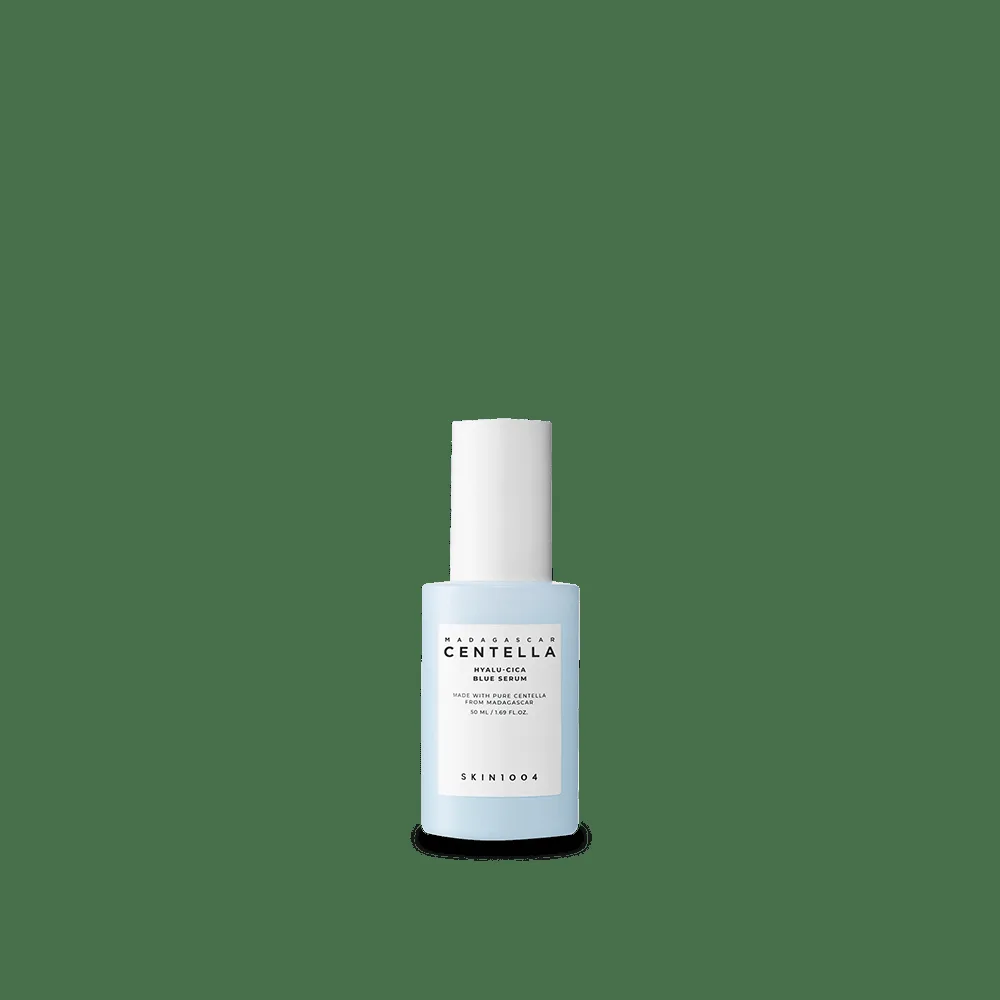
 Hyalu-Cica Blue Serum
A quietly excellent budget serum that stacks Centella asiatica leaf water, five types of hyaluronic acid, niacinamide, ceramide NP, and adenosine into a fragrance-free under-$20 bottle. It is genuinely one of the best hydration-plus-soothing serums at any price, and the fact that it costs less than a salad in Manhattan is the point.
 Sensitive Skin First-Line Defense
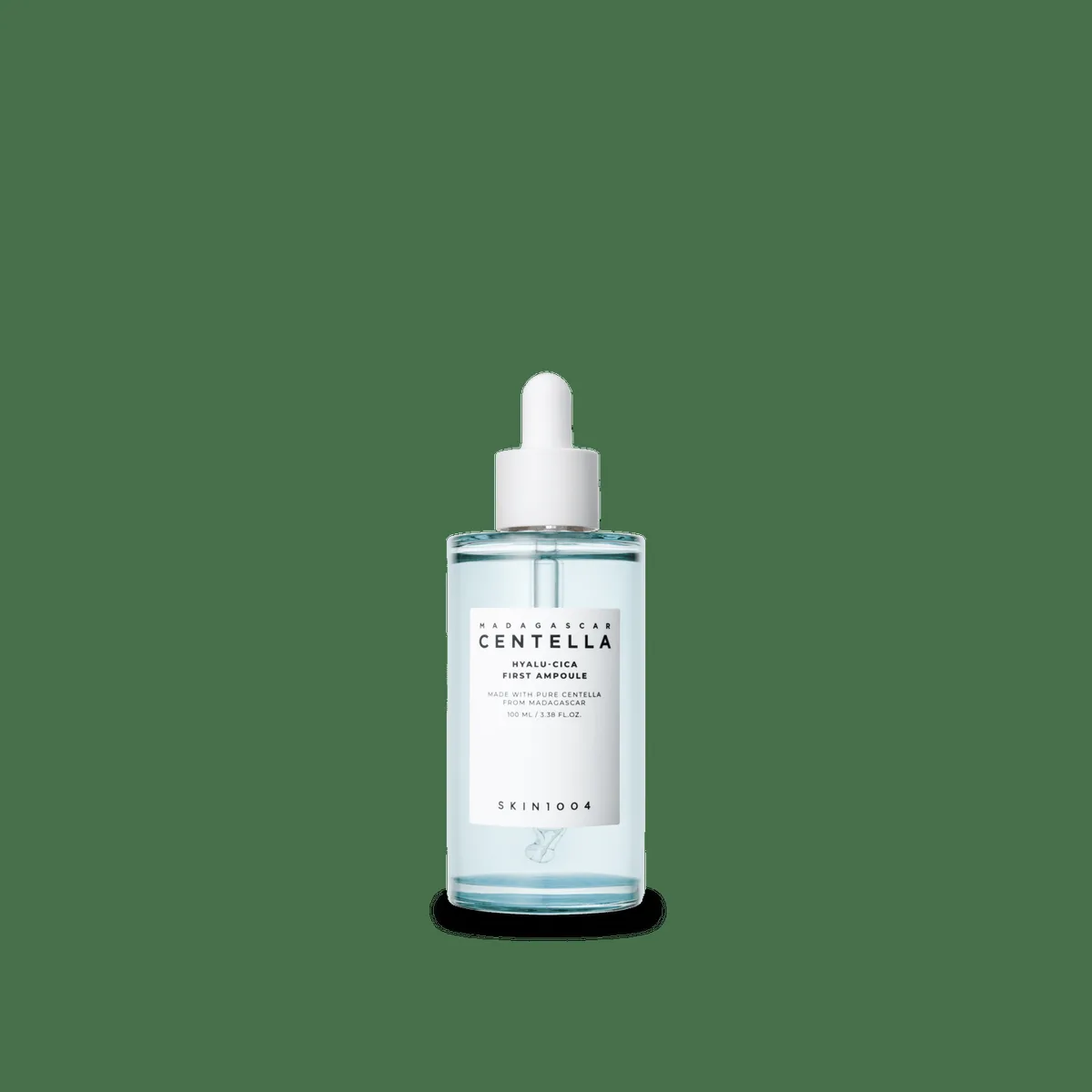
 Hyalu-Cica First Ampoule
A 92% Centella asiatica extract ampoule paired with niacinamide and a multi-weight HA complex, fragrance-free and purpose-built for sensitive, compromised, and reactive skin. At $25 for 100ml, it is one of the most justifiable skincare purchases a budget-conscious buyer can make, and it earns a place in almost any routine that needs a soothing anchor.
 Sensitive Skin MVP
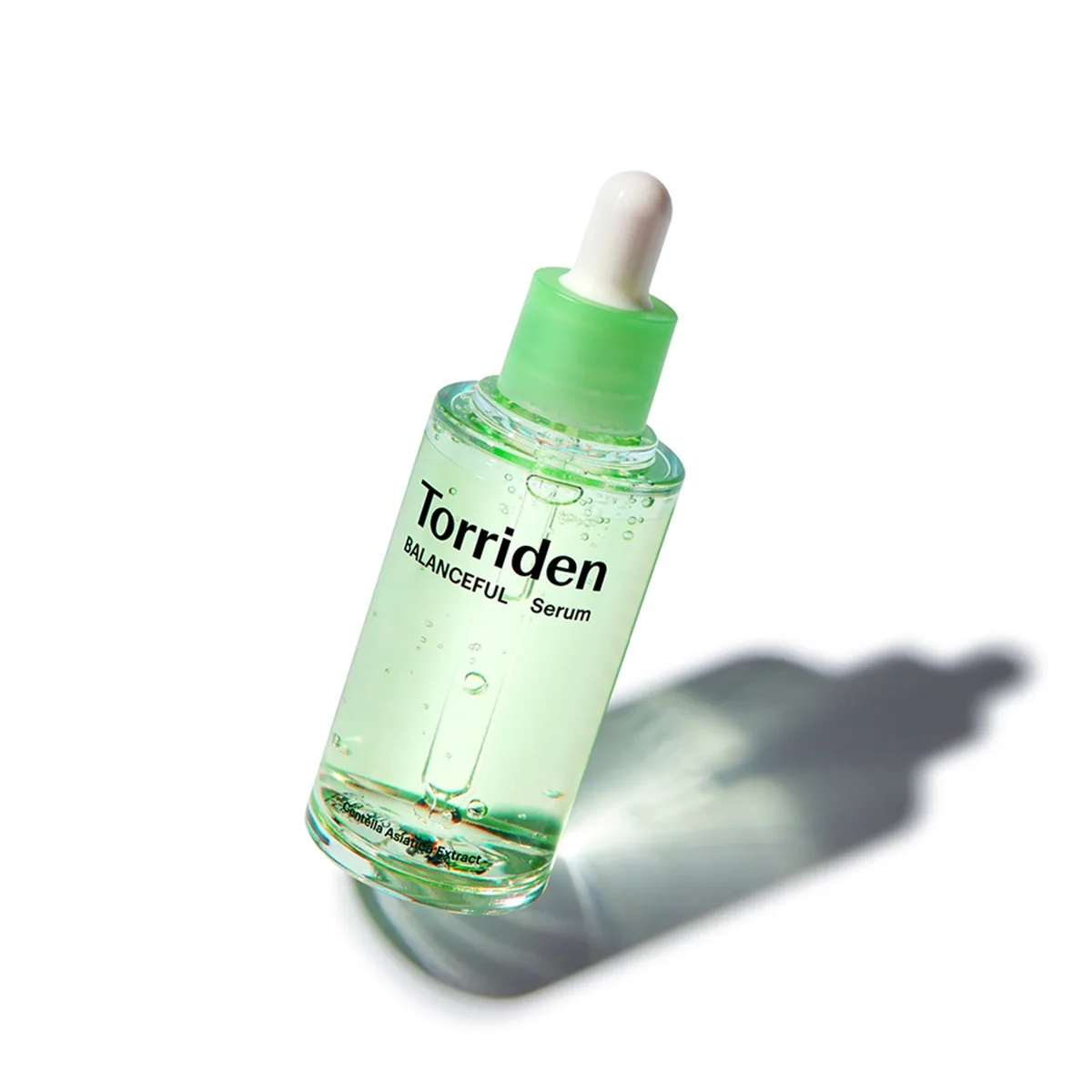
 Balanceful Cica Serum
Torriden's Balanceful Cica Serum is one of the most recommendable calming serums in K-beauty — a genuinely fragrance-free, multi-weight hyaluronic acid and 5D cica complex treatment that quietly reduces redness, supports the barrier, and buffers other actives without drama. At under $25 it's a near-automatic pick for sensitive, rosacea-prone, and barrier-compromised skin.
This review reflects our independent analysis of publicly available ingredient data, manufacturer claims, and verified user reviews. We are reader-supported — Amazon links may earn us a commission at no cost to you. We do not accept paid placements; rankings are based solely on the evidence.