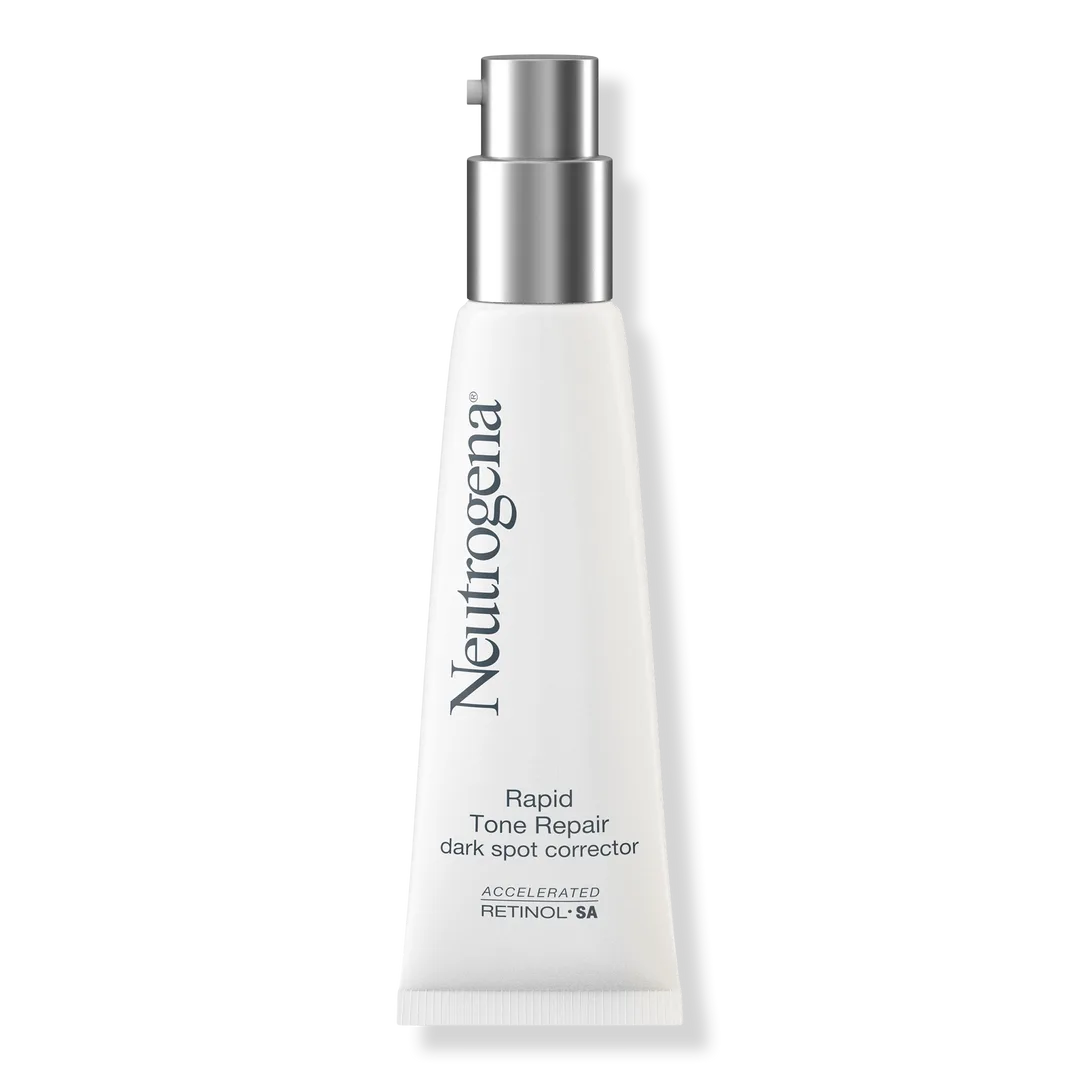
A no-nonsense drugstore dark spot serum that delivers retinol and vitamin C through a smart sustained-release system at a price that won't make you wince. It's not going to perform miracles overnight, but with consistent use, it quietly and reliably fades hyperpigmentation — earning its keep as a solid entry point for anyone new to retinol-based brightening.
Rapid Tone Repair Dark Spot Corrector
A no-nonsense drugstore dark spot serum that delivers retinol and vitamin C through a smart sustained-release system at a price that won't make you wince. It's not going to perform miracles overnight, but with consistent use, it quietly and reliably fades hyperpigmentation — earning its keep as a solid entry point for anyone new to retinol-based brightening.
Score Breakdown
Where this product gains points and where it loses them — broken down across the four scoring pillars.
A well-formulated drugstore dark spot corrector that combines retinol and vitamin C at a competitive price, though the inclusion of fragrance and relatively low placement of key actives in the INCI list temper the ingredient quality score.
Pros & Cons
- ✓Sustained-release retinol delivery reduces irritation compared to standard retinol serums
- ✓Combines retinol and vitamin C in one stable formula — no need for separate products
- ✓Silky, primer-like texture absorbs quickly and layers well under most products
- ✓Immediate optical brightening from mica and titanium dioxide while actives work long-term
- ✓Affordable multi-active serum at roughly $22 for 2-3 months of nightly use
- ✓Paraben-free and oil-free formulation suitable for acne-prone skin types
- ✓Backed by published clinical research on the Retinol SA delivery system
- ✗Contains synthetic fragrance — unnecessary in a treatment product for potentially sensitized skin
- ✗Results are gradual and subtle, requiring 8-12 weeks of consistent use to see meaningful fading
- ✗Silicone-heavy base can pill when layered with certain water-based moisturizers
- ✗Retinol appears low on the INCI list, suggesting modest concentration
- ✗Only available in one small size (1 fl oz) with no economical larger option
Full Review
For years, the skincare world treated retinol and vitamin C like rival siblings who couldn't sit at the same dinner table. The pH requirements clashed, the stability concerns multiplied, and the conventional wisdom was clear: pick one for your PM routine and save the other for morning. Neutrogena's Rapid Tone Repair Dark Spot Corrector walked into that conversation in 2013 and quietly said, actually, we figured it out.
The solution was elegantly practical. Instead of using L-ascorbic acid — the diva of vitamin C forms that demands acidic conditions and throws a fit when exposed to light — Neutrogena went with ascorbyl glucoside, a stabilized derivative that plays nicely at neutral pH and gets converted to active vitamin C by your skin's own enzymes. Pair that with their Retinol SA technology, which uses a glucose complex and myrtle leaf extract to meter out retinol gradually rather than dumping it all at once, and you've got two actives that can coexist without the formula compromises that plague most multi-active serums.
The texture is the first thing you'll notice. This is not a watery serum. Dimethicone sits second on the ingredient list, giving it a silky, almost primer-like slip that feels more luxurious than the price tag suggests. It glides on smoothly, absorbs without that tacky residue some serums leave behind, and dries to a satin finish that works equally well as a final PM step or under makeup for those who want the immediate optical brightening during the day. And about that brightening — mica and titanium dioxide in the formula act as light diffusers, creating a subtle luminous effect that makes your skin look more even-toned from the very first application. It's a clever psychological hook: you see an instant result that motivates you to keep using the product long enough for the actual actives to do their work.
The retinol story here is interesting. Neutrogena doesn't disclose concentrations, and retinol appears relatively low on the INCI list, which suggests this isn't a high-potency formula. That's not necessarily a drawback. The sustained-release mechanism means whatever retinol is present gets delivered gradually over hours rather than hitting your skin all at once, which is precisely why most people can tolerate this product without the dramatic peeling and redness that sends retinol newbies running. If you've tried retinol before and abandoned it because your face looked like it was staging a rebellion, this gentler approach might be worth revisiting.
As for the ascorbyl glucoside, it sits eighth on the ingredient list — a respectable placement that suggests meaningful concentration. While it's less potent than pure L-ascorbic acid on a milligram-for-milligram basis, recent research on ascorbyl glucoside complexes has shown significant improvement in solar lentigos over extended use periods. The tradeoff — slightly slower results in exchange for dramatically better stability and tolerability — is exactly the kind of pragmatic decision that makes sense in a daily-use drugstore product.
Honesty demands acknowledging what this product isn't. It's not going to compete with prescription-strength hydroquinone for stubborn melasma. It's not going to erase years of sun damage in a month. The user reviews tell a consistent story: results are real but gradual, with most people noticing meaningful improvement around the 8-12 week mark. Some users report no visible change at all, which likely reflects the lower retinol concentration and the inherent difficulty of treating certain types of hyperpigmentation with OTC ingredients alone.
The fragrance is the most legitimate complaint. For a product targeting dark spots — which often means post-inflammatory hyperpigmentation on skin that may be irritation-prone — synthetic fragrance is an unwelcome addition. It's not overwhelmingly scented, but its presence will be a dealbreaker for the fragrance-free faithful, and rightfully so. The BHT preservative may also give pause to those monitoring their exposure to synthetic antioxidant preservatives, though the concentration here is minimal.
Pilling is the other friction point. That silicone-rich base that feels so elegant on its own can ball up spectacularly when layered with certain water-based moisturizers. The fix is simple — wait a full two to three minutes before applying your next product, and pat rather than rub — but it's an annoyance that a reformulation could address.
At roughly twenty-two dollars for a one-ounce tube that lasts two to three months, the value proposition is strong. You're getting a multi-active treatment serum with a proprietary delivery system for less than the price of a single-ingredient vitamin C serum from most prestige brands. The tube is small, yes, but you only need a pea-sized amount per application, and the concentrated formula means a little goes further than you'd expect.
Neutrogena's legacy as the number-one dermatologist-recommended brand in the US isn't just marketing — it reflects decades of clinical partnerships and formulation research that trickles down into products like this one. The Retinol SA technology has been studied in published clinical trials, including a 2015 study in the Journal of Drugs in Dermatology showing significant improvement in mottled pigmentation over 52 weeks. This isn't a product built on hype; it's built on incremental, well-documented science.
The Rapid Tone Repair Dark Spot Corrector is the skincare equivalent of a reliable mid-range sedan. It's not flashy, it won't turn heads at the metaphorical car show, and nobody's posting breathless unboxing videos about it. But it starts every morning, it does exactly what it claims, and it costs a fraction of the alternatives that promise the same destination. For anyone looking to start addressing dark spots without committing to a complex routine or a prestige price tag, this is a genuinely smart place to begin.
Formula
Key Ingredients
The hero actives that drive this product's performance.
| Ingredient | Function | Evidence |
|---|---|---|
| Retinol SA (Sustained Action) | Neutrogena's proprietary time-released retinol uses a glucose complex and myrtle extract to deliver sustained retinoid activity, accelerating cell turnover to push pigmented cells to the surface faster. In this formula, it works alongside ascorbyl glucoside to attack dark spots from two angles — turnover and melanin inhibition. | well-established |
| Ascorbyl Glucoside (Vitamin C) | A stabilized vitamin C derivative that skin enzymes convert to active ascorbic acid, inhibiting tyrosinase to slow melanin production. Unlike L-ascorbic acid, it remains stable at this formula's neutral pH and doesn't compete with or destabilize the retinol — allowing both actives to coexist in one product without degradation. | promising |
| Sodium Hyaluronate | Low-molecular-weight hyaluronic acid provides hydration support to counterbalance the potential drying effects of retinol, helping maintain barrier function while the retinol and vitamin C work to correct pigmentation. | well-established |
| Hydrolyzed Myrtus Communis Leaf Extract | Part of Neutrogena's Retinol SA complex, this myrtle leaf extract works synergistically with the retinol to enhance its skin-renewing activity, acting as a biological booster that helps amplify the retinoid signal for faster results. | emerging |
| Glycerin | A cornerstone humectant that draws water into the upper skin layers, working alongside sodium hyaluronate to keep the skin hydrated and comfortable during the adjustment period that retinol and brightening actives can trigger. | well-established |
Full INCI List
Water, Dimethicone, Aluminum Starch Octenylsuccinate, Dimethicone Crosspolymer, Ammonium Acryloyldimethyltaurate/VP Copolymer, Trisiloxane, Nylon-12, Ascorbyl Glucoside, C12-15 Alkyl Benzoate, Glycerin, Caprylyl Glycol, Polyacrylamide, Xanthan Gum, C13-14 Isoparaffin, Fragrance, Sodium Hyaluronate, Sodium Lactate, Hydrolyzed Myrtus Communis Leaf Extract, Sodium Hydroxide, BHT, Disodium EDTA, Laureth-7, Polysorbate 20, Retinol, Sodium PCA, Sorbitol, Proline, Hinokitiol, Mica, Titanium Dioxide
Product Flags
✗ Fragrance Free✓ Alcohol Free✓ Oil Free✗ Silicone Free✓ Paraben Free✓ Sulfate Free✗ Cruelty Free✗ Vegan✗ Fungal Acne Safe
Potential Irritants
FragranceRetinolBHT
Common Allergens
Fragrance
Compatibility
Skin Match
Best For
Works For
Not Ideal For
Addresses These Conditions
hyperpigmentation dark spots sun damage aging dullness
Use With Caution
Avoid With
rosacea compromised skin barrier
Routine Step
treatment
Time of Day
PM
Pregnancy Safe
No ✗
Layering Tips
Apply a pea-sized amount to clean, dry skin before moisturizer. Avoid mixing with other retinoids or strong exfoliants. Allow to absorb fully before layering. Always use SPF 30+ the following morning.
Results Timeline
Immediate subtle luminosity from optical brighteners (mica, titanium dioxide). Dark spots begin to lighten within 2-4 weeks of consistent nightly use. Full brightening and tone-evening benefits typically visible after 8-12 weeks.
Pairs Well With
gentle hydrating cleanserceramide moisturizerbroad-spectrum SPF 30+
Conflicts With
benzoyl peroxideAHA/BHA exfoliants (same routine)other retinoids
Sample AM Routine
- Gentle cleanser
- Vitamin C serum (optional, skip if irritation occurs)
- Moisturizer
- Broad-spectrum SPF 30+
Sample PM Routine
- Gentle cleanser
- Neutrogena Rapid Tone Repair Dark Spot Corrector
- Hydrating moisturizer
Evidence
Science & Expert Perspective
The Science
The Retinol SA system at the core of this product has been studied in controlled settings. A 2015 double-blind, vehicle-controlled trial published in the Journal of Drugs in Dermatology (Randhawa et al., PMID: 25738849) demonstrated that stabilized retinol at 0.1% produced an 84% improvement in mottled pigmentation and 44% reduction in fine lines over 52 weeks. Histochemical analysis revealed increased type I procollagen, hyaluronan, and Ki67 expression — markers of genuine skin renewal rather than superficial effects.
The retinol-vitamin C combination strategy is supported by a 2016 open-label trial (Herndon et al., Journal of Drugs in Dermatology, PMID: 27050703) in which 44 women using a retinol and vitamin C regimen showed statistically significant improvement across all hyperpigmentation parameters by weeks 8-12, with some improvements detectable as early as week four.
The choice of ascorbyl glucoside as the vitamin C vehicle is notable. Unlike L-ascorbic acid, which requires a pH below 3.5 for optimal penetration and rapidly oxidizes in the presence of light and air, ascorbyl glucoside remains stable at neutral pH and is enzymatically converted to active ascorbic acid by glucosidases in the skin. A 2024 study published in the International Journal of Molecular Sciences (Takada et al.) found that an ascorbyl glucoside complex significantly improved solar lentigos over 24 weeks without adverse effects, supporting this derivative's efficacy for pigmentation concerns specifically.
The sustained-release mechanism also ties into hyaluronic acid production. A 2017 study in Archives of Dermatological Research (Li et al., PMID: 28247017) showed that stabilized retinol formulations induce expression of all three hyaluronic acid synthase genes, meaning the retinol in this product may stimulate the skin's own hyaluronic acid production — supplementing the sodium hyaluronate already in the formula.
References
- One-year topical stabilized retinol treatment improves photodamaged skin in a double-blind, vehicle-controlled trial — Journal of Drugs in Dermatology (2015)
- An Open Label Clinical Trial to Evaluate the Efficacy and Tolerance of a Retinol and Vitamin C Facial Regimen in Women With Mild-to-Moderate Hyperpigmentation and Photodamaged Facial Skin — Journal of Drugs in Dermatology (2016)
- Treatment with Ascorbyl Glucoside-Arginine Complex Ameliorates Solar Lentigos — International Journal of Molecular Sciences (2024)
- Topical stabilized retinol treatment induces the expression of HAS genes and HA production in human skin in vitro and in vivo — Archives of Dermatological Research (2017)
Dermatologist Perspective
Dermatologists frequently recommend OTC retinol as a first-line treatment for mild to moderate hyperpigmentation in patients who aren't candidates for prescription-strength retinoids or hydroquinone. The sustained-release delivery in this product addresses one of the most common reasons patients discontinue retinol therapy — irritation during the adjustment period. Board-certified dermatologists note that the combination of retinol (for cell turnover) and a vitamin C derivative (for tyrosinase inhibition) targets pigmentation through complementary mechanisms, which is consistent with evidence-based approaches to hyperpigmentation management. This product is often recommended as an accessible starting point for patients new to retinol, with the understanding that more potent prescription options exist for stubborn or deeper pigmentation.
Guidance
Usage Guide
How to Use
Apply a pea-sized amount to clean, dry skin every evening. Start with every other night for the first two weeks to assess tolerance, then increase to nightly use. Smooth over the entire face and neck, concentrating on areas of hyperpigmentation. Wait 2-3 minutes before applying moisturizer to prevent pilling. Avoid the immediate eye area. Always apply broad-spectrum SPF 30 or higher the following morning — retinol increases sun sensitivity, and UV exposure directly worsens dark spots.
Value Assessment
At approximately $22 for a 1 oz tube lasting 2-3 months, this serum delivers genuine multi-active treatment at a fraction of prestige pricing. Comparable retinol-plus-vitamin-C serums from mid-range and luxury brands typically run $45-85 for similar volumes. The Retinol SA delivery system and stabilized vitamin C derivative add real formulation value beyond basic ingredient quality. The only drawback is the single size offering — there's no larger, more economical option for long-term users. For a drugstore product backed by published clinical research, the price-to-performance ratio is strong.
Who Should Buy
Anyone looking for an affordable, low-commitment entry into retinol-based dark spot treatment. Ideal for retinol beginners, those with mild to moderate sun spots or post-acne marks, and budget-conscious consumers who want multi-active treatment without a prestige price tag.
Who Should Skip
Those with sensitive or rosacea-prone skin should steer clear due to the fragrance and retinol combination. If you're pregnant or nursing, this product is off-limits. And if you have deep, stubborn melasma or severe hyperpigmentation, you'll likely need something more potent than what this OTC formula can deliver.
Ready to try Neutrogena Rapid Tone Repair Dark Spot Corrector?
Details
Details
Texture
Rich, silicone-based serum with a smooth, creamy consistency. Glides on easily and feels velvety rather than watery.
Scent
Light synthetic fragrance that dissipates quickly after application.
Packaging
White squeeze tube with screw-on cap featuring navy Neutrogena branding. Compact and travel-friendly at 1 fl oz.
Finish
satinnon-greasylightweight
What to Expect on First Use
On first application, expect a silky, almost primer-like feel with an immediate subtle luminosity from the optical brighteners. No stinging or burning for most users. During the first 1-2 weeks, mild flaking or dryness may occur as skin adjusts to the retinol — this is normal and typically subsides.
How Long It Lasts
2-3 months with nightly application of a pea-sized amount to the face
Period After Opening
12 months
Best Season
All Year
Background
The Why
Developed as part of Neutrogena's Rapid Tone Repair line, this product was designed to bring multi-active dark spot correction to the mass market at a fraction of prestige pricing. The Retinol SA delivery system was a key innovation, addressing the primary reason consumers abandon retinol — irritation during the adjustment period.
About Neutrogena Legacy Brand (20+ years)
Neutrogena was founded in 1930 and has been the #1 dermatologist-recommended skincare brand in the United States for decades. The brand is backed by extensive clinical research partnerships and its formulations are widely referenced in dermatological literature.
Brand founded: 1930 · Product launched: 2013
Myth vs. Reality
Myths & Misconceptions
Myth
Retinol and vitamin C can't be used in the same product because they cancel each other out.
Reality
This formula uses ascorbyl glucoside, a vitamin C derivative stable at neutral pH, which doesn't compete with or degrade retinol the way L-ascorbic acid might in acidic formulations. The two actives work through different brightening mechanisms and are formulated to coexist here.
Myth
Dark spot correctors should show results within days.
Reality
Melanin turnover takes time. This product's retinol accelerates cell turnover while the vitamin C inhibits new melanin production, but visible results typically require 4-12 weeks of consistent nightly use. The immediate brightening you see is from optical diffusers, not pigment correction.
FAQ
Frequently Asked Questions
How long does Neutrogena Rapid Tone Repair take to fade dark spots?
Most users begin to see subtle lightening of dark spots within 2-4 weeks of consistent nightly use. The retinol SA accelerates cell turnover while the ascorbyl glucoside inhibits new melanin production, but full results typically require 8-12 weeks. The immediate luminosity you notice on first application comes from optical brighteners (mica and titanium dioxide), not pigment correction.
Can I use Neutrogena Rapid Tone Repair Dark Spot Corrector with other retinol products?
It's not recommended to layer this with other retinoids, as doubling up can cause excessive irritation, peeling, and barrier damage. This product already contains Neutrogena's sustained-release retinol, so additional retinol isn't necessary. If you're using a prescription retinoid like tretinoin, choose one or the other for your PM routine.
Is Neutrogena Rapid Tone Repair safe during pregnancy?
No — this product contains retinol, which is not recommended during pregnancy or nursing. Neutrogena's own label advises consulting a physician if pregnant or considering pregnancy. For pregnancy-safe dark spot options, look for products with vitamin C, azelaic acid, or niacinamide instead.
Why does Neutrogena Rapid Tone Repair pill under my moisturizer?
The silicone-heavy base (dimethicone is the second ingredient) can ball up when layered with certain water-based moisturizers or products containing conflicting polymers. To prevent pilling, let this serum fully absorb for 2-3 minutes before applying moisturizer, and avoid rubbing — pat your next product on instead.
What is Retinol SA and how is it different from regular retinol?
Retinol SA stands for 'Sustained Action' — Neutrogena's proprietary delivery system that pairs retinol with a glucose complex and myrtle leaf extract for time-released delivery. Instead of dumping all the retinol at once (which causes the irritation spike that makes many people quit), it releases gradually, aiming to maintain efficacy while reducing side effects like peeling and redness.
Does Neutrogena Rapid Tone Repair work on acne scars?
It can help fade post-inflammatory hyperpigmentation (the dark marks left after acne heals) through its combination of retinol-driven cell turnover and vitamin C-based melanin inhibition. However, it won't improve textural acne scarring (indented or raised scars), which requires different treatments like professional chemical peels, microneedling, or laser therapy.
Do I need to wear sunscreen with Neutrogena Rapid Tone Repair?
Absolutely — this is non-negotiable. Retinol increases photosensitivity, and UV exposure is the primary cause of the dark spots you're trying to treat. Using this product without daily SPF 30+ is counterproductive. Apply it at night only, and wear broad-spectrum sunscreen every morning regardless of weather.
Community
Community Voices
Common Praise
"Visible fading of dark spots and acne marks with consistent use"
"Lightweight, silky texture that absorbs quickly"
"Non-greasy finish works well under makeup"
"Affordable price for a multi-active retinol serum"
"Immediate subtle brightening effect on application"
Common Complaints
"Results are subtle and gradual rather than dramatic"
"Contains fragrance which may irritate sensitive skin"
"Can pill or flake when layered under certain moisturizers"
"Small 1 oz tube runs out quickly with daily use"
"Some users report no visible improvement after months of use"
Notable Endorsements
Neutrogena is the #1 dermatologist-recommended skincare brand in the US
Appears In
best serum for hyperpigmentation best drugstore dark spot corrector best retinol serum for dark spots best serum for sun damage best affordable retinol serum
Related Conditions
hyperpigmentation dark spots sun damage aging dullness
Related Ingredients
You Might Also Like
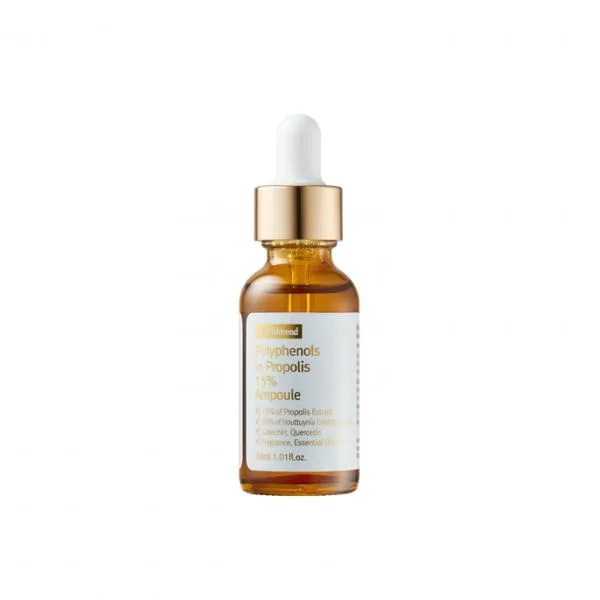 Sensitive Skin Soother
 Polyphenols In Propolis 15% Ampoule
A 15% propolis ampoule that earns its name with a real polyphenol stack — French Auvergne propolis layered over a houttuynia cordata base, with tulsi and pomegranate piling on. It's slightly sticky and not cheap by volume, but for sensitive, breakout-prone skin chasing calm, this is one of the most reliable K-beauty soothers in production.
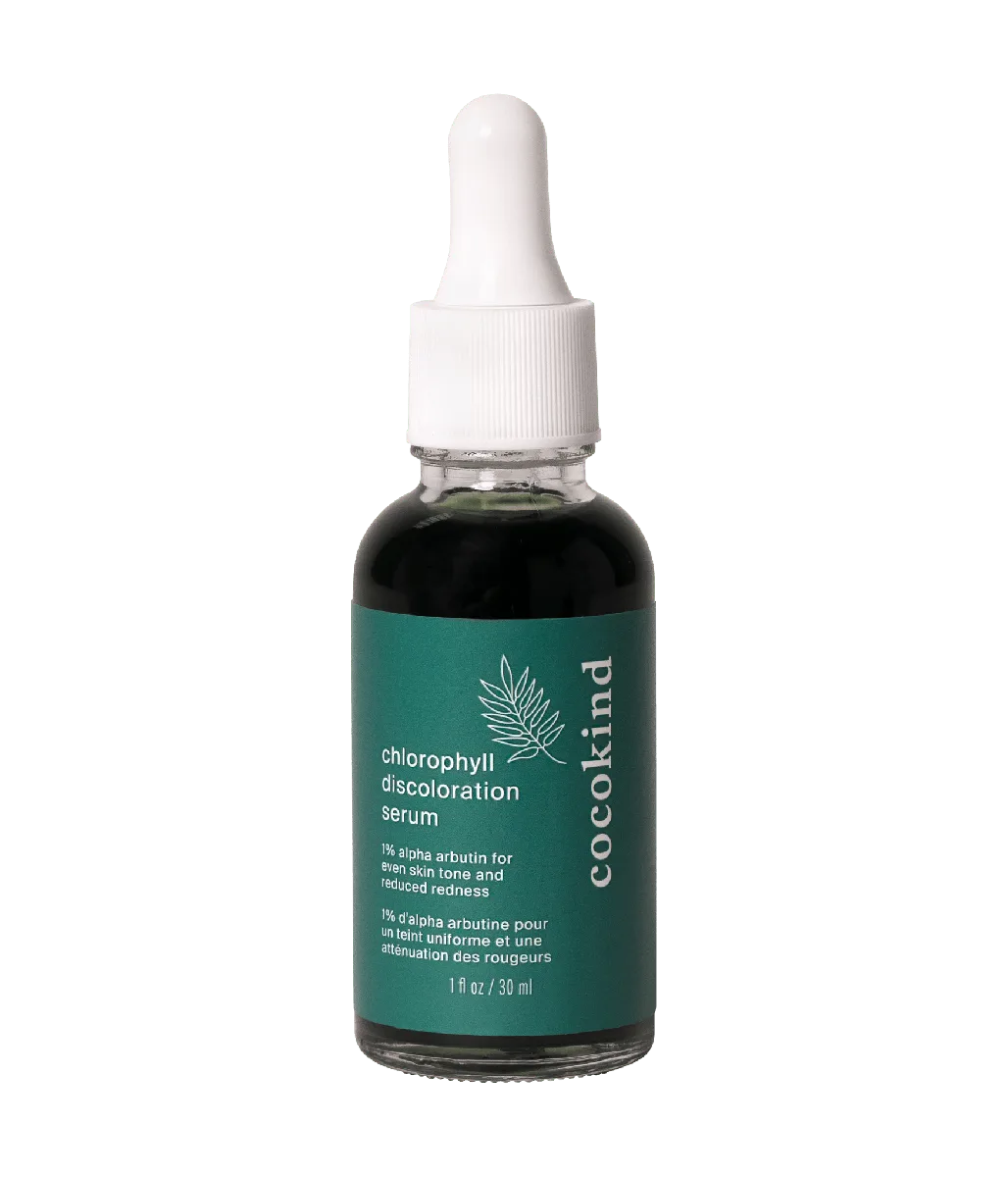 Budget Brightening Hero
 Chlorophyll Discoloration Serum
A quietly brilliant brightening serum that proves you do not need luxury prices or harsh actives to fade dark spots effectively. The alpha-arbutin and licorice root combination delivers genuine multi-pathway melanin inhibition, the sensitive-skin-friendly formula is impeccable, and $20 makes it accessible to virtually everyone. The chlorophyllin is more marketing differentiator than scientific powerhouse, but it does not hurt anything either.
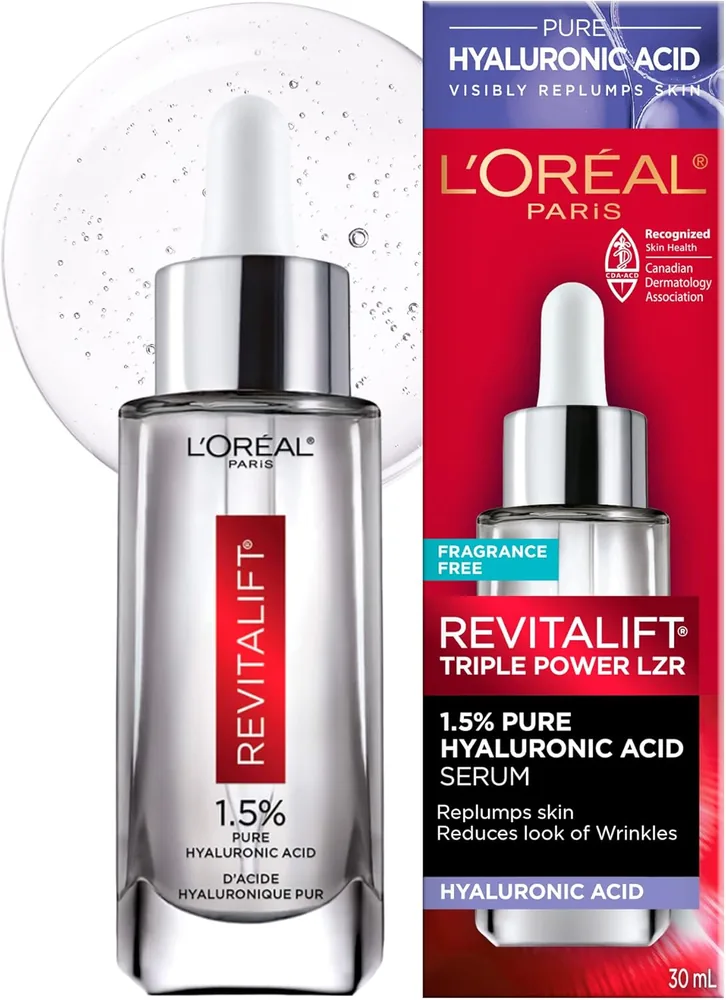 The People's HA Serum
 Revitalift Derm Intensives 1.5% Pure Hyaluronic Acid Serum
A masterclass in minimalist formulation — thirteen ingredients, no filler, four functional actives, and over thirty thousand glowing reviews. L'Oréal's multi-weight HA system delivers genuine hydration at every level of the skin, and the fragrance-free, alcohol-free formula is clean enough for virtually anyone. The drugstore serum that embarrasses its prestige competitors.
 Budget Hydration Holy Grail
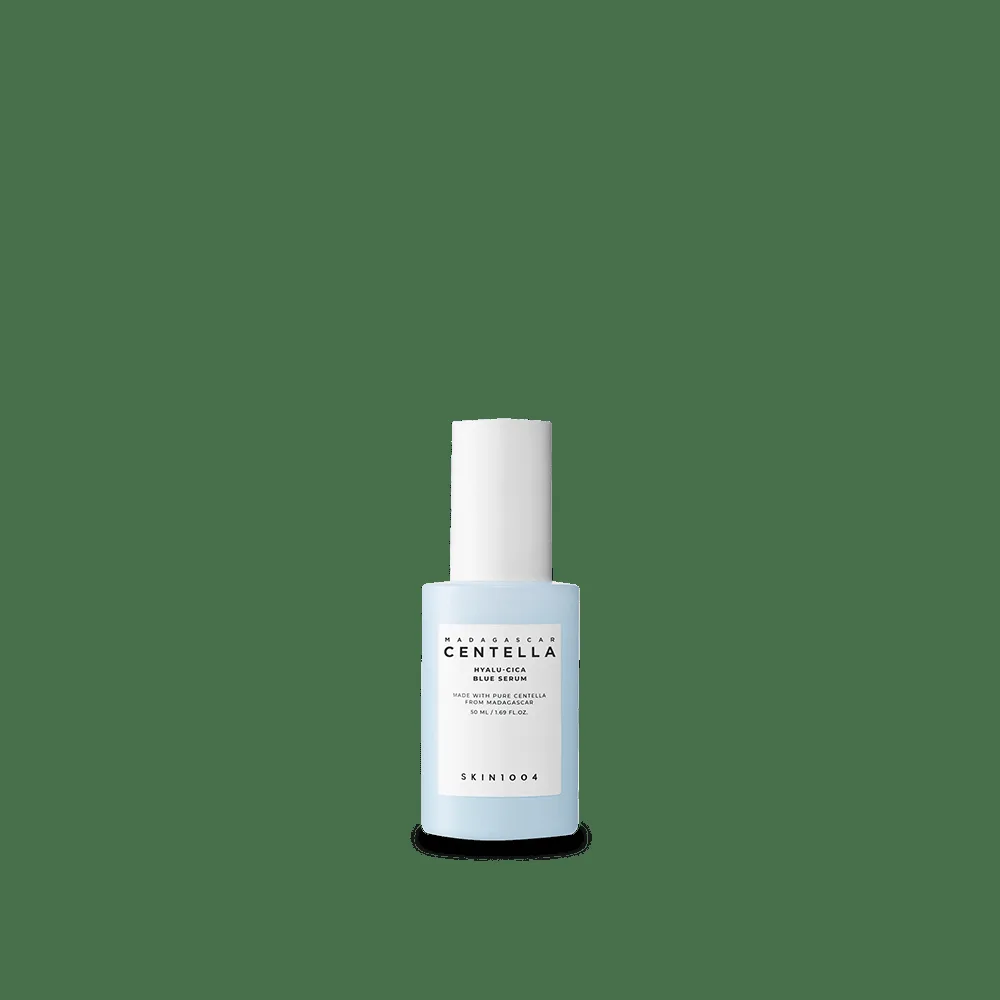
 Hyalu-Cica Blue Serum
A quietly excellent budget serum that stacks Centella asiatica leaf water, five types of hyaluronic acid, niacinamide, ceramide NP, and adenosine into a fragrance-free under-$20 bottle. It is genuinely one of the best hydration-plus-soothing serums at any price, and the fact that it costs less than a salad in Manhattan is the point.
 Sensitive Skin First-Line Defense
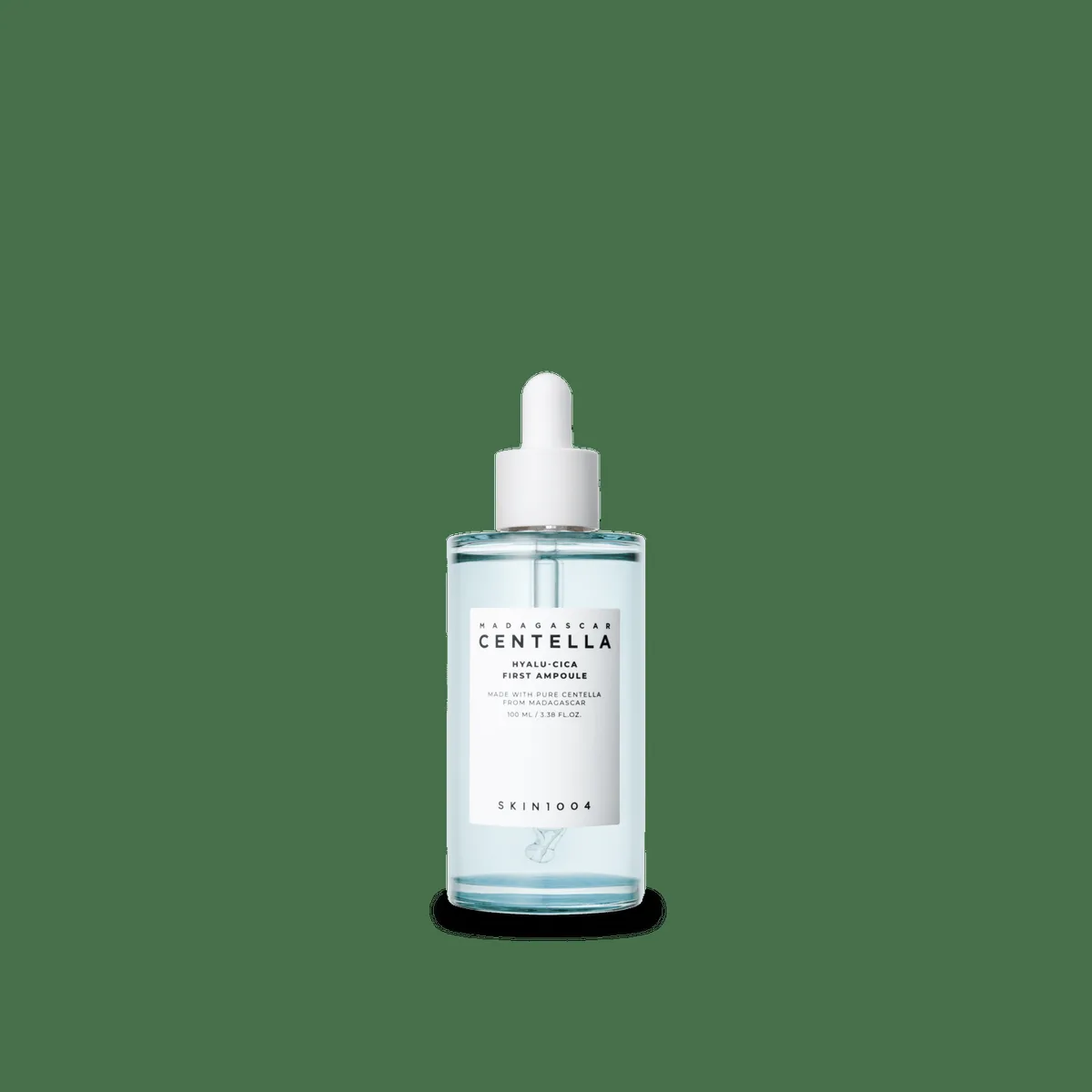
 Hyalu-Cica First Ampoule
A 92% Centella asiatica extract ampoule paired with niacinamide and a multi-weight HA complex, fragrance-free and purpose-built for sensitive, compromised, and reactive skin. At $25 for 100ml, it is one of the most justifiable skincare purchases a budget-conscious buyer can make, and it earns a place in almost any routine that needs a soothing anchor.
 Sensitive Skin MVP
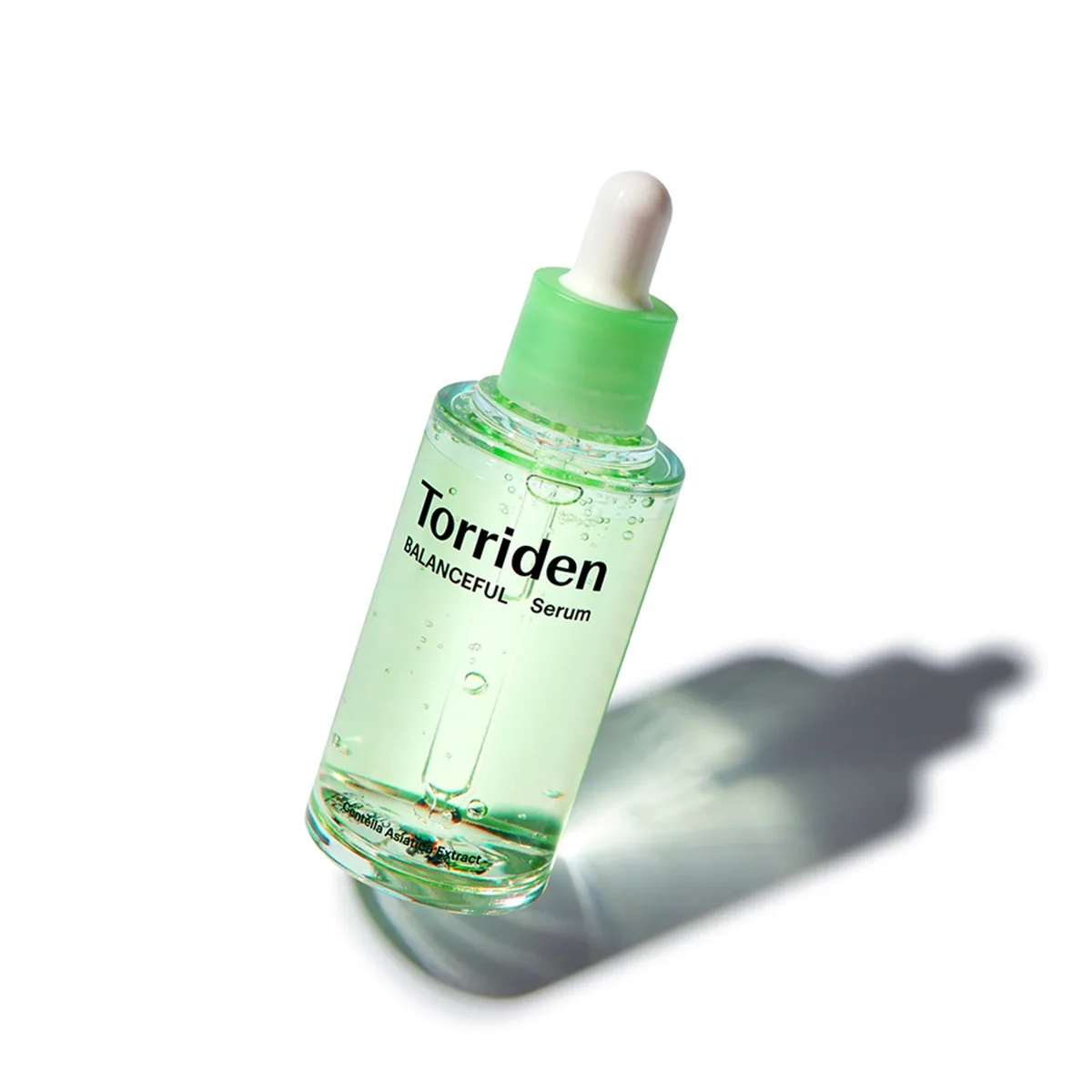
 Balanceful Cica Serum
Torriden's Balanceful Cica Serum is one of the most recommendable calming serums in K-beauty — a genuinely fragrance-free, multi-weight hyaluronic acid and 5D cica complex treatment that quietly reduces redness, supports the barrier, and buffers other actives without drama. At under $25 it's a near-automatic pick for sensitive, rosacea-prone, and barrier-compromised skin.