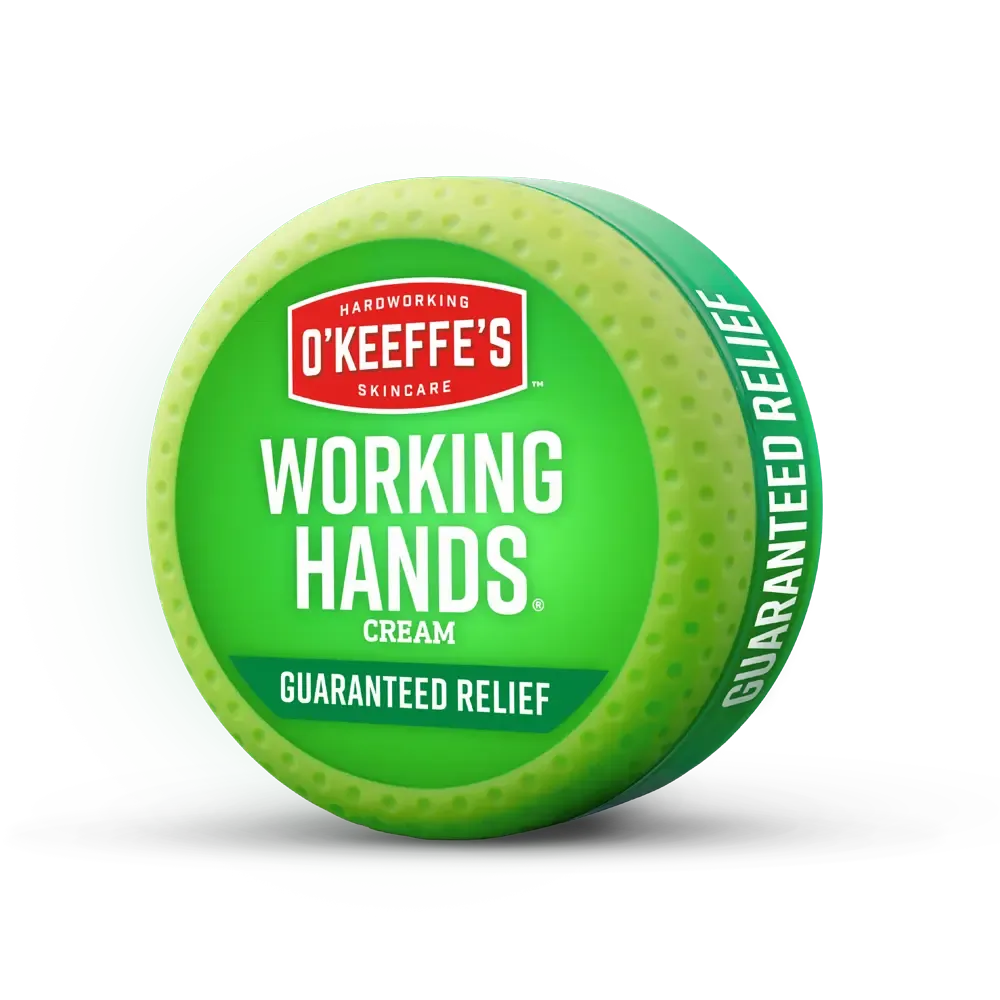
The hand cream that built an empire from a kitchen and a father's cracked hands. Nearly three decades later, Working Hands remains America's best-selling hand cream for one simple reason — a 13-ingredient formula that does exactly what it promises, every single time, for the price of a coffee.
Working Hands Hand Cream
The hand cream that built an empire from a kitchen and a father's cracked hands. Nearly three decades later, Working Hands remains America's best-selling hand cream for one simple reason — a 13-ingredient formula that does exactly what it promises, every single time, for the price of a coffee.
Score Breakdown
Where this product gains points and where it loses them — broken down across the four scoring pillars.
America's best-selling hand cream earns its position through exceptional value, proven effectiveness, and a formula optimized for real-world hand abuse, though the simple ingredient list scores modestly on formulation sophistication.
Pros & Cons
- ✓Non-greasy, fast-absorbing formula allows immediate use of hands after application
- ✓America's #1 selling hand cream with nearly three decades of proven performance
- ✓Completely fragrance-free — safe for raw, cracked skin without stinging
- ✓Under $9 for a jar that lasts 3-4 months of heavy daily use
- ✓Available in multiple formats: jar, tube, and pump for different preferences
- ✓Diabetic-safe formulation with a 100% money-back guarantee
- ✓Overnight cotton glove method delivers dramatic results within 2-3 nights
- ✗Simple formula lacks anti-aging or antioxidant benefits for mature hands
- ✗Jar packaging requires dipping fingers into the product
- ✗Formaldehyde-releasing preservatives may concern ingredient-conscious users
- ✗May not provide enough moisture for some extremely severe cases without glove treatment
- ✗Formula is nearly identical to Healthy Feet — minimal specialization
Full Review
Before O'Keeffe's Working Hands appeared on an endcap at Sephora or earned a single beauty editor mention, it was already a legend in the aisles of Tractor Supply, Home Depot, and rural pharmacies across America. Farmers bought it by the case. Construction workers kept a jar in their trucks. Welders passed it around job sites like contraband. This was a hand cream that earned its reputation in places where hand cream is supposed to be a joke — and the joke was on every expensive, beautifully packaged hand cream sitting untouched on bathroom counters.
The origin story is almost too perfect to be real, but it is. In 1998, pharmacist Tara O'Keeffe watched her father Bill — a rancher, a diabetic, a man whose hands split open from years of wire, wood, and weather — try and fail with every cream on the market. So she went into her kitchen and made one herself. That formula, with minor refinements, is the same one sitting in the green jar today. Water, glycerin, stearic acid, sodium hydroxide, paraffin, hydroxypropyl methylcellulose, allantoin, and a handful of supporting ingredients. Thirteen total. Most hand creams list that many before they get past the emulsifiers.
The formula's strategy is elegantly direct. Glycerin — a humectant with more dermatological research behind it than most ingredients that cost fifty times as much — sits at the number two position, pulling moisture into skin that has been stripped raw by soap, sanitizer, detergent, cement dust, or whatever else the day threw at it. Paraffin and mineral oil form an occlusive cap over that moisture, preventing the evaporative loss that keeps cracked hands in a perpetual cycle of damage. Allantoin rounds out the functional trio, promoting cell turnover and soothing the irritation that comes with fissured skin. That's the whole thesis. Hydrate, seal, repair. Repeat.
What makes this formula genuinely innovative isn't what's in it — it's what isn't. There's no fragrance, which matters when your hands are cracked and raw. There's no greasy residue, which matters when you need to grip a hammer or a steering wheel sixty seconds after application. There's no elaborate texture play or silicone slip — just a dense, concentrated cream that spreads thin, absorbs fast, and gets out of the way. This was designed by a pharmacist for a rancher, not by a cosmetic chemist for an Instagram flatlay.
The practical performance is where Working Hands separates itself from the hand cream pack. The fast-absorbing, non-greasy texture is genuinely unusual in a product this occlusive. Most hand creams face a tradeoff: heavy enough to actually repair, or light enough to use and immediately function. Working Hands threads this needle by using a soap-cream base (stearic acid saponified with sodium hydroxide) that creates a unique texture — concentrated and slightly waxy out of the jar, but fast-thinning and quick-absorbing once warmed between palms. You can apply this and type on a keyboard, swipe a phone screen, or shake someone's hand within a minute.
For severely cracked hands, the overnight cotton glove method unlocks another level. A generous application sealed under gloves creates an extended occlusive chamber — essentially the same principle as a hydrocolloid wound bandage — that allows hours of uninterrupted glycerin penetration. Users consistently report that two to three nights of this transforms hands that have been splitting and bleeding for weeks.
The limitations are real but contextual. The ingredient list is simple to the point of austerity — no ceramides, no sophisticated lipid complexes, no antioxidants beyond what incidental protection the paraffin provides. For hands that need both repair and anti-aging support (think visible dryness plus age spots and crepey texture), a more sophisticated hand cream will address more concerns simultaneously. The preservative system uses diazolidinyl urea, a formaldehyde releaser that, while common and considered safe at regulated concentrations, may give pause to the ingredient-conscious. And the jar format, while iconic, means dipping fingers into the product — the tube and pump versions solve this.
The value proposition is almost absurd. At under nine dollars for a 3.4 oz jar that lasts months, with larger sizes available for even better per-ounce economics, Working Hands costs less per application than virtually any hand cream on the market, including generic store brands. The 6.8 oz value jar typically runs around twelve dollars — roughly the price of one tube of many boutique hand creams. Nielsen sales data confirms what hardware store managers have known for years: people come back for this product more reliably than almost anything else on the shelf.
There's something honest about a product that doesn't pretend to be more than it is. Working Hands doesn't claim to reverse aging or protect against blue light or deliver spa-grade luxury. It claims to fix your cracked, dry hands. It has been doing exactly that, in exactly the same green jar, for nearly thirty years. Some products earn loyalty through innovation. This one earns it through reliability.
Formula
Key Ingredients
The hero actives that drive this product's performance.
| Ingredient | Function | Evidence |
|---|---|---|
| Glycerin | The workhorse humectant of this minimalist formula, present at high concentration as the second ingredient. Draws moisture into the dehydrated, roughened skin of hands that face daily exposure to water, soap, chemicals, and friction — conditions that strip the skin's natural moisture-retention capacity far more aggressively than facial skin typically endures. | well-established |
| Allantoin | Provides gentle cell-proliferating and soothing action to help hands recover from the micro-damage caused by manual labor, frequent washing, and environmental exposure. In this formula, allantoin complements glycerin's hydrating action by promoting the turnover of damaged surface cells that glycerin alone cannot repair. | well-established |
| Paraffin | Creates the occlusive barrier that seals glycerin-attracted moisture into the hands. Critical for this product's intended users — people who wash hands frequently or work with their hands — because the paraffin layer provides ongoing moisture protection between applications even after some surface wear. | well-established |
| Mineral Oil | Works alongside paraffin to reinforce the occlusive moisture barrier while contributing additional emollient softening. The dual-occlusive approach with both paraffin and mineral oil creates a more durable moisture seal suited to hands that are constantly in motion and exposed to elements. | well-established |
Full INCI List
Water, Glycerin, Stearic Acid, Sodium Hydroxide, Paraffin, Hydroxypropyl Methylcellulose, Allantoin, Octyldodecyl Stearate, Diazolidinyl Urea, Iodopropynyl Butylcarbamate, Acrylates/Acrylamide Copolymer, Mineral Oil, Polysorbate 85
Product Flags
✓ Fragrance Free✓ Alcohol Free✗ Oil Free✓ Silicone Free✓ Paraben Free✓ Sulfate Free✗ Cruelty Free✓ Vegan✗ Fungal Acne Safe
Potential Irritants
Diazolidinyl UreaIodopropynyl Butylcarbamate
Common Allergens
Iodopropynyl Butylcarbamate
Compatibility
Skin Match
Best For
Works For
Not Ideal For
Addresses These Conditions
dryness compromised skin barrier
Routine Step
moisturizer
Time of Day
AM & PM
Pregnancy Safe
Yes ✓
Layering Tips
Apply to clean, dry hands after washing. For severe cracking, apply a generous layer at bedtime and wear cotton gloves overnight. Reapply after each hand wash for best results during the day.
Results Timeline
Immediate softening after first application. Noticeable reduction in roughness and cracking within 2-3 days. Severely cracked hands typically show major improvement within 1-2 weeks of consistent multiple-daily application.
Pairs Well With
Cotton glove treatment overnightGentle hand wash
Sample AM Routine
- Wash hands
- Pat dry
- O'Keeffe's Working Hands Hand Cream
Sample PM Routine
- Wash hands
- Pat dry
- O'Keeffe's Working Hands Hand Cream
- Cotton gloves overnight (for severe cases)
Evidence
Who Should Skip
- Simple formula lacks anti-aging or antioxidant benefits for mature hands
- Jar packaging requires dipping fingers into the product
- Formaldehyde-releasing preservatives may concern ingredient-conscious users
- May not provide enough moisture for some extremely severe cases without glove treatment
Science & Expert Perspective
The Science
Working Hands operates on a glycerin-occlusive mechanism that represents one of the most validated approaches to treating xerosis in dermatological literature. The formula's effectiveness is rooted in well-established science rather than novel ingredients.
Glycerin's role as a humectant extends beyond simple water attraction. Research published in the British Journal of Dermatology (2008) demonstrated that glycerin influences corneocyte maturation and promotes proper desquamation — the natural shedding process that keeps skin smooth. For hands subjected to repeated washing and mechanical stress, this promotion of healthy cell turnover is particularly valuable, as the damage cycle otherwise traps dead cells on the surface in thick, cracked layers.
The occlusive layer formed by paraffin and mineral oil addresses the other half of the dehydration equation. Transepidermal water loss (TEWL) from hand skin is accelerated by frequent washing, exposure to detergents, and mechanical friction — all common in the manual labor environment this product targets. Studies have shown that mineral oil reduces TEWL by up to 98%, and when layered with paraffin wax, the seal becomes more durable against the physical wear that hands experience.
Allantoin's inclusion provides mild keratolytic and cell-proliferant activity. While not as aggressive as urea or alpha hydroxy acids, allantoin has documented wound-healing properties — it promotes fibroblast proliferation and extracellular matrix synthesis, which are directly relevant to repairing the fissures that characterize severely cracked hands.
The soap-cream base (stearic acid + sodium hydroxide) is a formulation choice worth noting. This creates sodium stearate in situ, producing a cream with a unique fast-absorbing texture that delivers the occlusive agents without the heavy, lingering greasiness typical of paraffin-based products. This formulation technology is what allows the product to be simultaneously highly occlusive and practically non-greasy — the key engineering achievement behind its success with manual workers.
References
- Glycerol and the skin: holistic approach to its origin and functions — British Journal of Dermatology (2008)
Dermatologist Perspective
Dermatologists regularly recommend O'Keeffe's Working Hands as a first-line over-the-counter option for occupational hand dermatitis and chronic hand xerosis. Board-certified dermatologists note that the glycerin-occlusive formula aligns with evidence-based treatment principles for barrier-compromised hand skin. For patients whose hand dryness stems from frequent washing — healthcare workers, food service employees, parents of young children — dermatologists often suggest applying Working Hands after every wash to rebuild the moisture barrier progressively. While prescription-strength options exist for severe hand eczema, this product fills the crucial maintenance role that prevents mild dryness from escalating to fissuring.
Guidance
Usage Guide
How to Use
Scoop a small amount (about the size of a dime) and rub between palms, focusing on knuckles, cuticles, and any cracked areas. Apply after every hand wash and before bed. For severely cracked hands, apply a generous layer at bedtime and wear cotton gloves overnight — this occlusive method dramatically accelerates healing. During cold or dry weather, increase application frequency. The formula absorbs within about a minute, so there's no need to wait before using your hands normally.
Value Assessment
Working Hands represents arguably the best value proposition in the hand cream category. The standard 3.4 oz jar at approximately $8.49 lasts 3-4 months of multiple daily applications. The 6.8 oz value jar at around $12 extends that to 6+ months, bringing the per-ounce cost to roughly $1.75. For reference, many department store hand creams cost $15-30 for 2-3 oz. The larger sizes and pumpable 10 oz format offer progressively better per-unit value for those who go through hand cream quickly.
Who Should Buy
Anyone with chronically dry, rough, or cracked hands — from manual laborers and healthcare workers to parents and gardeners. Especially valuable for people who wash their hands frequently and need a cream that absorbs fast enough to not interfere with their work or daily activities.
Who Should Skip
Those seeking a multi-benefit hand cream with anti-aging, brightening, or SPF properties should look elsewhere. Anyone with confirmed sensitivity to formaldehyde-releasing preservatives should patch-test first. If your hands are only mildly dry, a lighter daily hand lotion may be sufficient.
Ready to try O'Keeffe's Working Hands Hand Cream?
Details
Details
Texture
Concentrated, dense cream that spreads easily and absorbs within a minute. Not greasy despite the paraffin content — leaves hands feeling smooth rather than slick.
Scent
Unscented — no fragrance, essential oils, or masking agents
Packaging
Available in jar (3.4 oz, 5.4 oz, 6.8 oz) and tube (3 oz, 7 oz) formats, plus a 10 oz pumpable option. The iconic green jar is the most recognized format.
Finish
non-greasymattefast-absorbing
What to Expect on First Use
The cream feels concentrated and slightly thick when first scooped from the jar, but it thins and spreads easily once warmed between palms. Absorbs within about a minute, leaving no slippery residue — you can grip a steering wheel or phone immediately after application.
How Long It Lasts
3-4 months with multiple daily applications
Period After Opening
12 months
Best Season
All Year
Background
The Why
This is the founding product of the O'Keeffe's brand, created in 1998 by pharmacist Tara O'Keeffe when she couldn't find anything to help her father Bill, a rancher and diabetic, whose hands were perpetually cracked and bleeding. She formulated it in her kitchen, and word spread through farming and construction communities before it ever appeared in a traditional retail channel. The Gorilla Glue Company eventually acquired the brand, and Working Hands has since become the #1 selling hand cream in America — a position it's held through consistent performance rather than marketing spend.
About O'Keeffe's Legacy Brand (20+ years)
O'Keeffe's Working Hands is the original product that launched the brand in 1998, created by pharmacist Tara O'Keeffe for her father's severely cracked hands. It has been the #1 selling hand cream in America by Nielsen sales data and has maintained that position for years through consistent real-world performance.
Brand founded: 1998 · Product launched: 1998
Myth vs. Reality
Myths & Misconceptions
Myth
Hand creams need to feel rich and heavy to be effective
Reality
Working Hands deliberately avoids the heavy, greasy texture of traditional hand creams because its intended users need to grip tools and surfaces immediately after application. The glycerin-paraffin formula provides equivalent moisture barrier protection in a fast-absorbing format.
Myth
Professional-grade hand creams need expensive, exotic ingredients
Reality
Working Hands uses 13 ingredients — most hand creams use 25-40. The concentration of glycerin and occlusive agents, not ingredient novelty, drives its effectiveness. Thousands of manual laborers have validated this approach over nearly three decades.
FAQ
Frequently Asked Questions
How often should you apply O'Keeffe's Working Hands?
For best results, apply after every hand wash and before bed. The formula works by building a protective moisture barrier that gets partially removed with washing, so reapplication is key. For severely cracked hands, apply a generous layer at night with cotton gloves for intensive overnight repair.
What's the difference between O'Keeffe's Working Hands jar and tube?
The jar and tube formulations are slightly different. The jar version uses the original glycerin-paraffin-allantoin formula, while the tube adds cetyl alcohol, dimethicone, and isopropyl myristate for a slightly different texture suited to the tube format. Both deliver similar results — choose the tube for portability and hygiene, the jar for home use and value.
Is O'Keeffe's Working Hands safe for sensitive skin?
The formula is fragrance-free, alcohol-free, and non-irritating for most users. However, it contains diazolidinyl urea and iodopropynyl butylcarbamate as preservatives, which are formaldehyde-releasing agents. While reactions are uncommon, those with known sensitivities to these preservatives should patch-test first.
Can you use O'Keeffe's Working Hands on your face?
It's not recommended. Working Hands is formulated for the thicker skin of hands and contains mineral oil and paraffin in concentrations that could be comedogenic on thinner facial skin. The preservative system is also more aggressive than what's typically used in facial moisturizers. Stick to a dedicated facial moisturizer instead.
Does O'Keeffe's Working Hands help with eczema on hands?
While not specifically formulated for eczema, the fragrance-free, occlusive formula can help manage hand eczema dryness by restoring the moisture barrier. However, it's not a treatment for eczema flares and doesn't contain anti-inflammatory ingredients. Consult a dermatologist for eczema-specific management alongside using this for general moisture maintenance.
Community
Community Voices
Common Praise
"Heals severely cracked hands within days"
"Non-greasy formula absorbs quickly"
"Works for manual laborers and frequent hand washers"
"Incredibly affordable for how well it works"
"Unscented — no fragrance irritation"
Common Complaints
"Jar format requires dipping fingers in"
"May not be rich enough for some extremely dry conditions"
"Preservative system concerns for ingredient-conscious users"
"Formula is nearly identical to Healthy Feet"
Notable Endorsements
#1 selling hand cream in America (Nielsen)100% money-back guarantee
Appears In
best hand cream for cracked hands best body care for dryness best drugstore hand cream best hand cream for workers
Related Conditions
dryness compromised skin barrier
Related Ingredients
You Might Also Like
 Eczema Gold Standard
 Eczema Therapy Moisturizing Cream
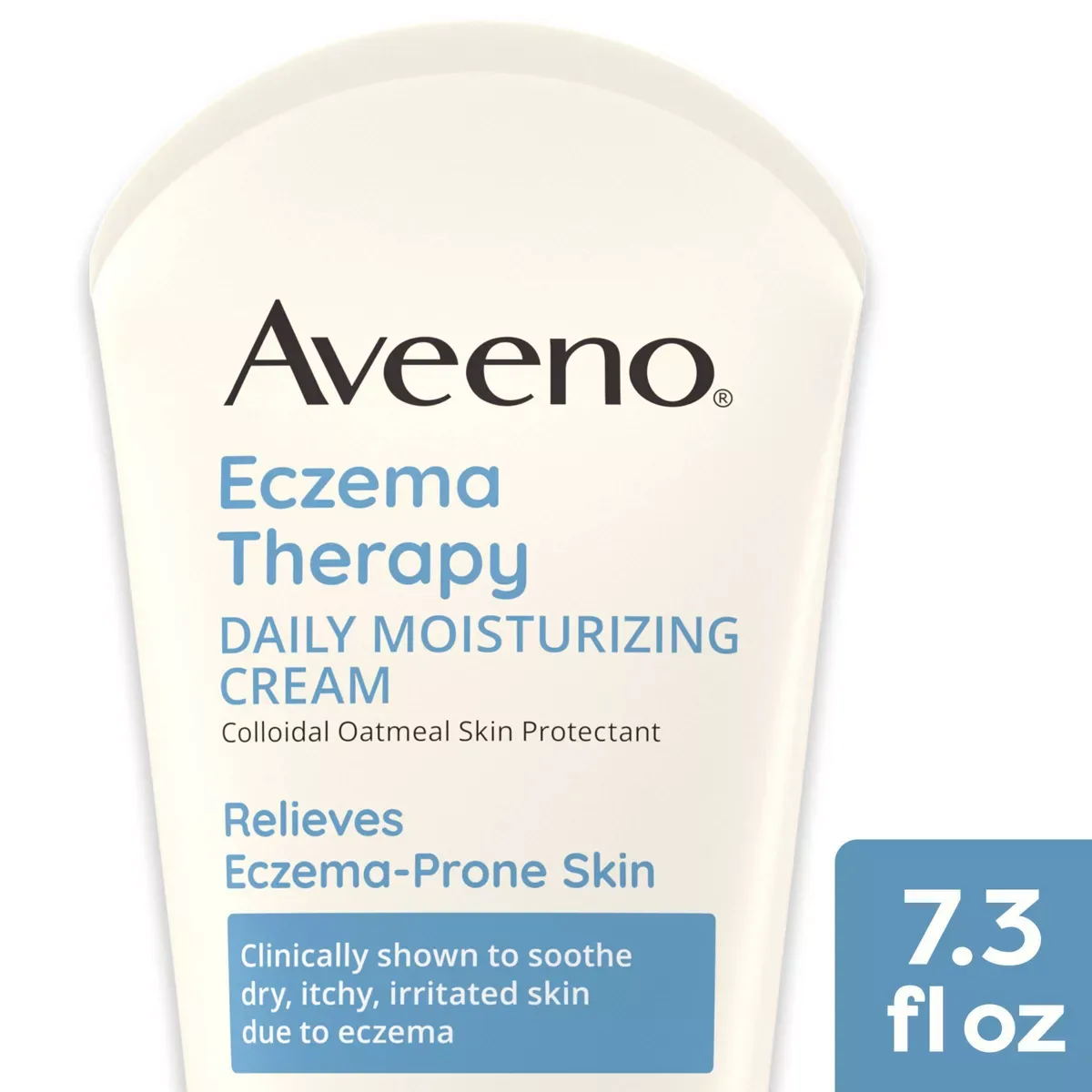
The strongest formulation in Aveeno's lineup for eczema-prone skin, combining FDA-regulated colloidal oatmeal with ceramide NP and panthenol for a multi-mechanism approach to barrier repair. Steroid-free, fragrance-free, and HSA/FSA eligible — this is the drugstore eczema cream dermatologists actually recommend by name.
 Sensitive Skin MVP
 The Body Lotion Fragrance-Free
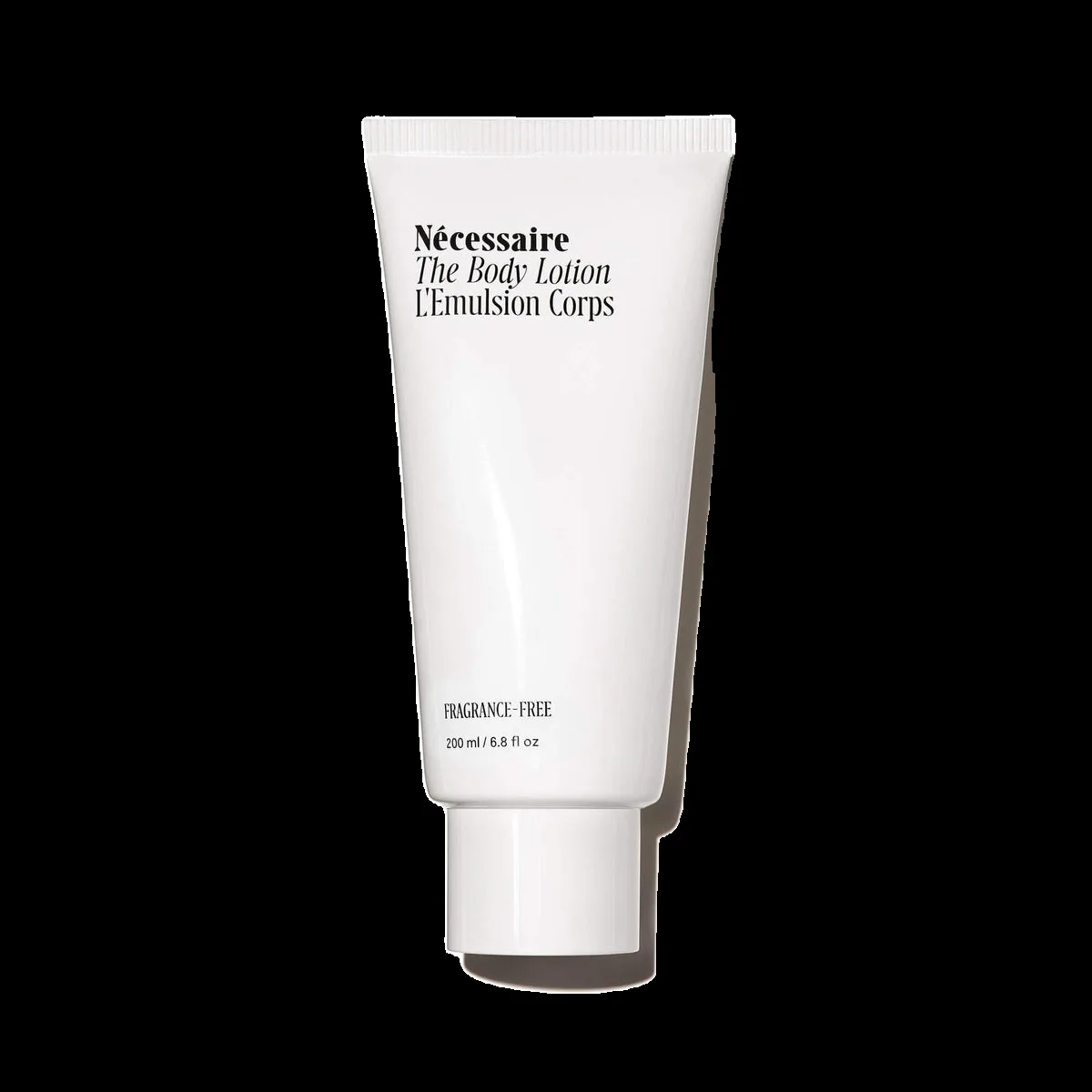
The scented version's equal on active ingredients with none of the fragrance risk — and that makes this the better pick for sensitive skin, eczema-prone users, and anyone pregnant who wants to play it safe. At $25 it's still a premium price, but the formula genuinely earns it.
 Sensitive Skin MVP
 Eczema+ Hand Repair Cream
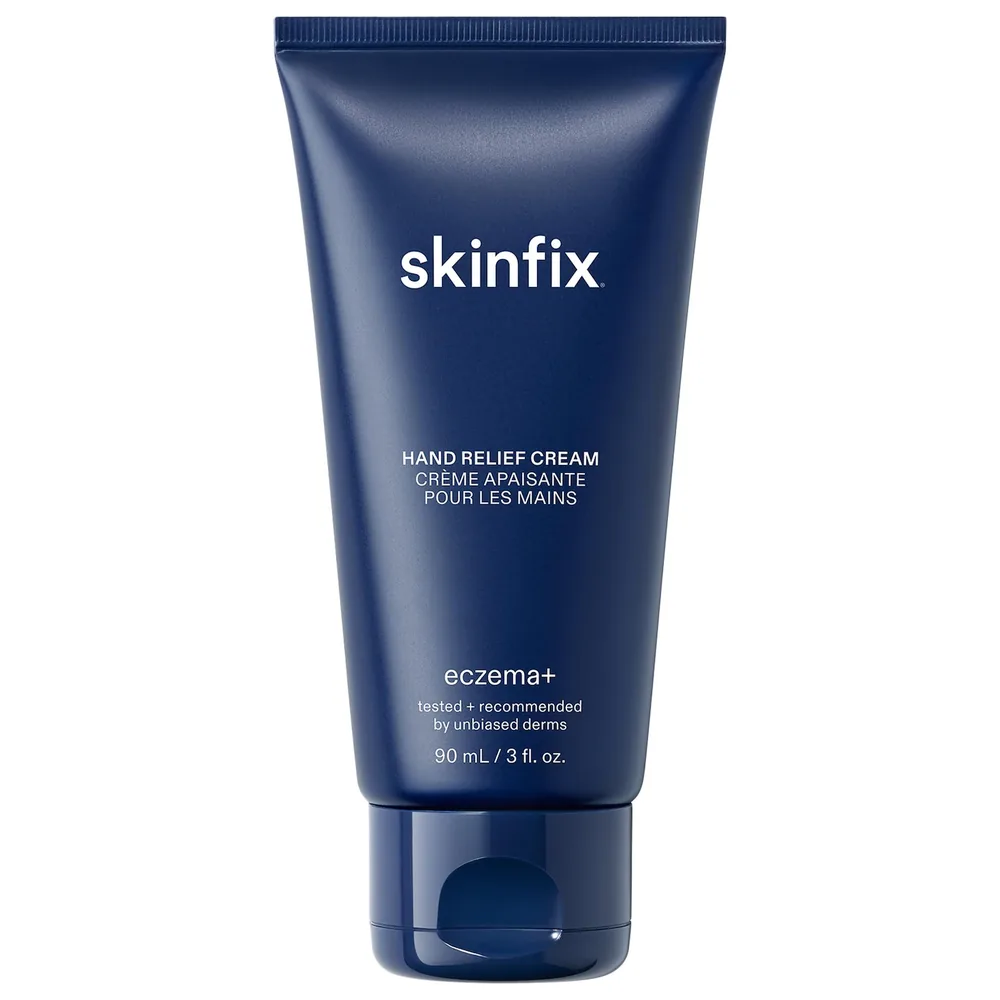
A serious, NEA-seal-certified hand cream that treats the underlying mechanism of hand eczema rather than just coating it. Colloidal oatmeal, ceramide-cholesterol lipid repair, and panthenol combine in a texture that actually absorbs fast enough to use at the sink. At eighteen dollars it's genuinely well-priced for what it does.
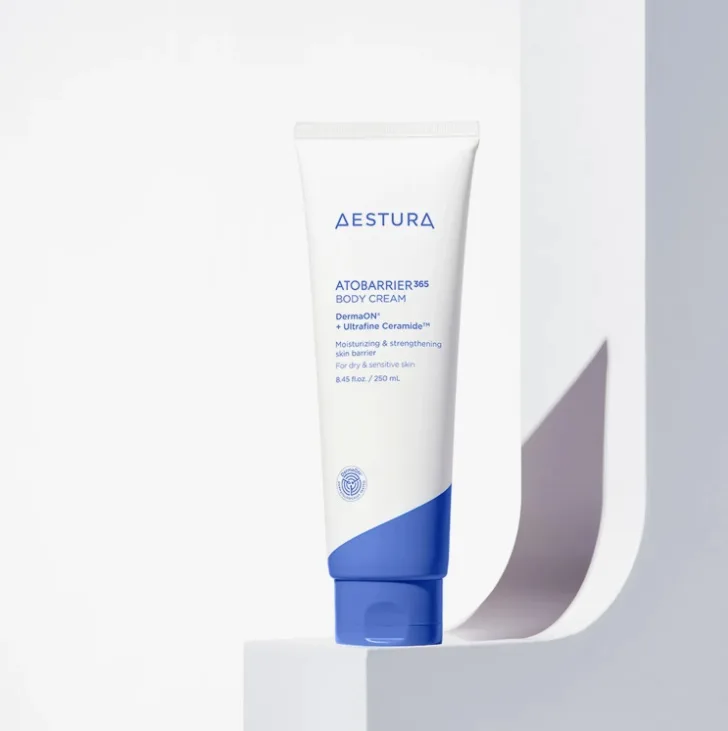 Korean Derm-Clinic Staple
 Atobarrier 365 Body Cream
A genuinely outstanding ceramide-forward body cream from a dermatologist-developed Korean brand with real clinical backing. Fragrance-free, effective for compromised body barriers, and reasonably priced for a 300ml jar — this is one of the better body moisturizers available in the barrier-repair category.
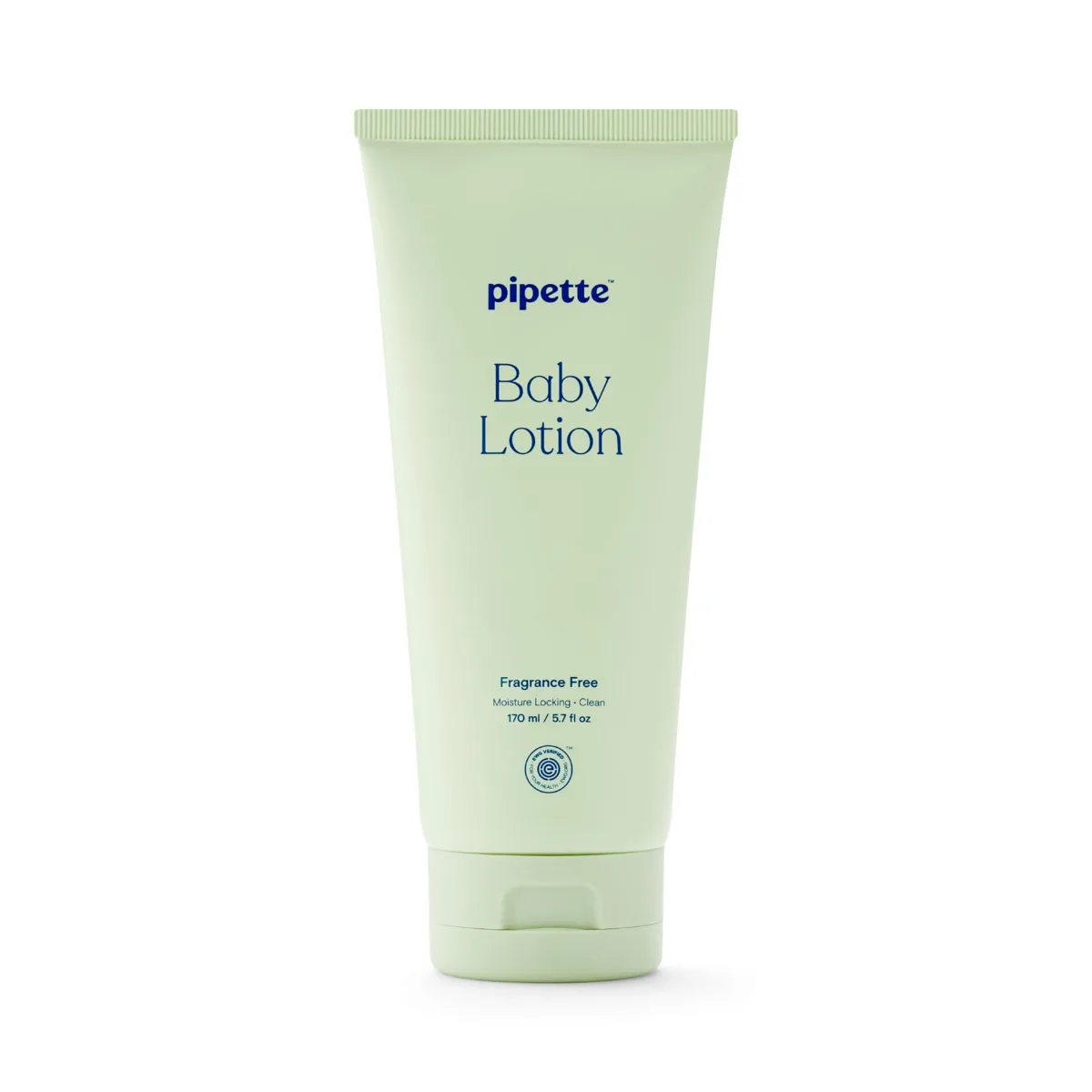 Clean Baby Staple
 Baby Lotion Fragrance Free
A lightweight, biomimetic baby lotion that proves you do not need mineral oil, silicones, or fragrances to deliver serious hydration. The squalane-ceramide-glycerin core provides evidence-based barrier support, and the olive-derived emulsifier system ensures it integrates into skin rather than sitting on top. At under $12 for 5.7 ounces with EWG Verified certification, the value is genuinely remarkable.
 Daily Atopic Companion
 Exomega Control Emollient Cream
The lighter sibling of A-Derma's Exomega Control balm — same Rhealba oat, sunflower oil unsaponifiables, and niacinamide active set, in a cream base that works better for year-round daily use and milder atopic-prone skin. For most adult users and for summer routines, this is the more practical choice of the two Exomega variants.
This review reflects our independent analysis of publicly available ingredient data, manufacturer claims, and verified user reviews. We are reader-supported — Amazon links may earn us a commission at no cost to you. We do not accept paid placements; rankings are based solely on the evidence.