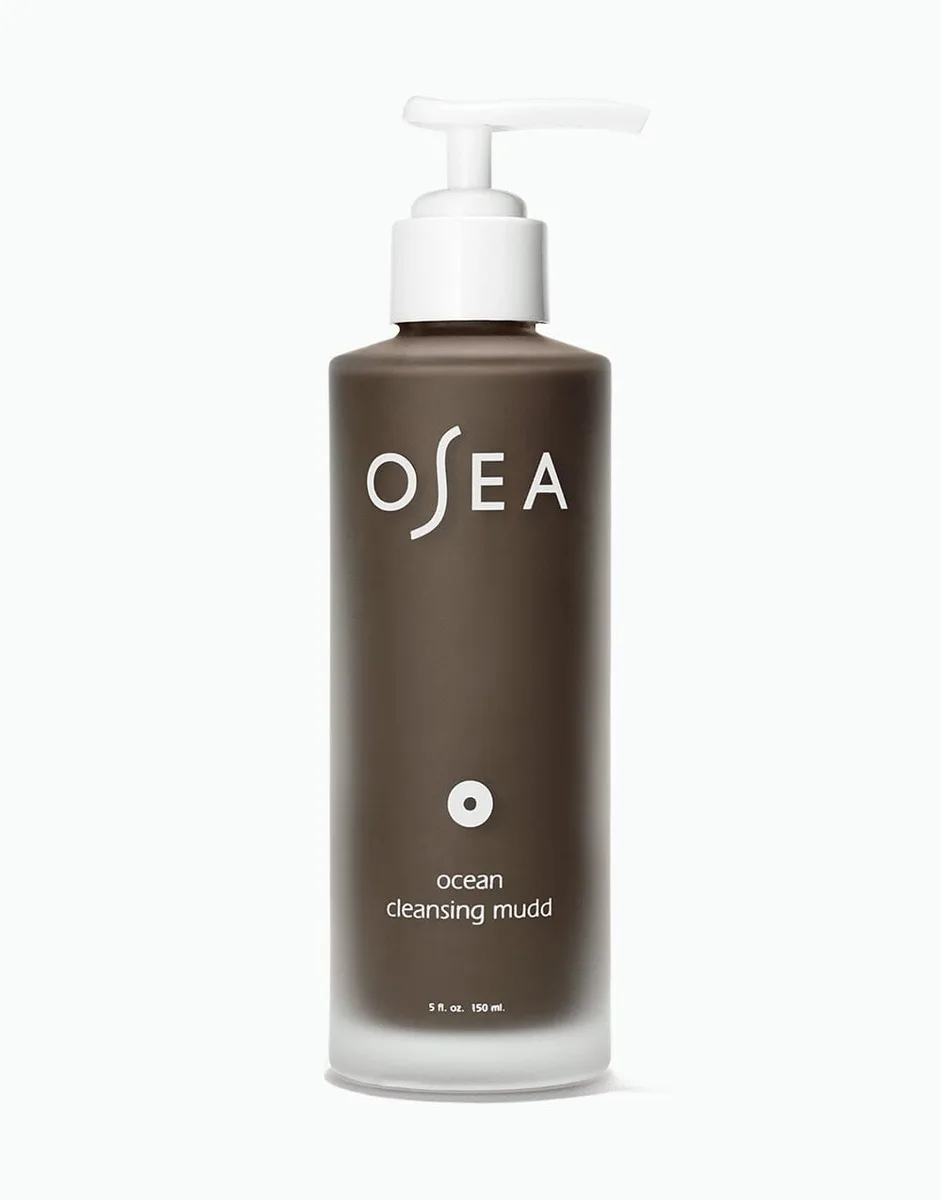
A satisfying deep-clean experience for oily and blemish-prone skin that channels real marine science into a genuinely effective clay cleanser — but the essential oil trifecta and premium price tag mean this is a targeted tool, not a universal crowd-pleaser.
Ocean Cleansing Mudd
A satisfying deep-clean experience for oily and blemish-prone skin that channels real marine science into a genuinely effective clay cleanser — but the essential oil trifecta and premium price tag mean this is a targeted tool, not a universal crowd-pleaser.
Score Breakdown
Where this product gains points and where it loses them — broken down across the four scoring pillars.
A thoughtfully formulated seaweed and clay cleanser with genuine antibacterial actives, but the essential oil trio limits its suitability for reactive skin and the $48 price is steep for a rinse-off product with modest active concentrations.
Pros & Cons
- ✓Dual seaweed formula provides mineral-rich antioxidant and anti-inflammatory benefits beyond typical clay cleansers
- ✓Sulfate-free gentle surfactants cleanse effectively without stripping the skin barrier
- ✓Tea tree oil delivers well-documented antibacterial action against acne-causing bacteria
- ✓Natural smectite clay absorbs excess sebum without the aggressive drying of bentonite
- ✓Invigorating mint cooling sensation creates a genuinely enjoyable cleansing ritual
- ✓Vegan, cruelty-free, and formulated without parabens, sulfates, or synthetic fragrance
- ✓Glycerin, jojoba, and safflower oils counterbalance clay drying for a balanced post-cleanse feel
- ✗Essential oil trio (tea tree, peppermint, wild mint) makes it unsuitable for sensitive or reactive skin
- ✗Premium $48 price for a rinse-off cleanser that stays on skin for under a minute
- ✗Strong mint scent may be overwhelming for those sensitive to aromatic essential oils
- ✗Vitamin C and antioxidant actives sit at the tail of the INCI list suggesting low concentrations
- ✗Not effective for dry skin types — the clay and mint combination skews strongly oil-control
Full Review
Before clean beauty had a hashtag, before every brand claimed to be non-toxic, and before seaweed became the darling ingredient of wellness Instagram, Jenefer Palmer was mixing ocean-derived formulas in her Malibu garage. That was 1996. The Ocean Cleansing Mudd is a product born from that original obsession — a belief that the sea holds legitimate answers for troubled skin, not just good marketing copy.
The formula hinges on two distinct seaweed species, and this matters more than it might seem. Fucus Vesiculosus, commonly known as bladderwrack, is a brown algae rich in fucoidan polysaccharides that research has linked to antioxidant and anti-inflammatory activity. Laminaria Digitata, a kelp species, brings a complementary mineral profile and has shown promise in supporting collagen production and skin hydration in cosmeceutical studies. Together, they give this cleanser a marine mineral foundation that goes beyond the typical kaolin-and-bentonite clay approach.
Speaking of clay — the formula uses magnesium aluminum silicate, a natural smectite clay that provides oil absorption and pore-purging action without the aggressive drying effect of pure bentonite. It gives the product its distinctive muddy texture: a thick, dark greenish-gray paste flecked with visible seaweed particles that feels like something you might find in a high-end spa, not a bathroom cabinet.
The surfactant system deserves credit. Decyl glucoside and sodium lauroyl oat amino acids are about as gentle as cleansing agents get — both are sulfate-free, biodegradable, and far less likely to disrupt the skin barrier than the sodium lauryl sulfate or cocamidopropyl betaine found in many mass-market cleansers. They provide enough lather to feel like you are actually cleaning your face without that squeaky, stripped sensation.
Then there is the essential oil trio, and this is where the product reveals its personality — for better and worse. Tea tree oil is a well-documented antibacterial agent with legitimate evidence supporting its use against Cutibacterium acnes. Peppermint and wild mint oils amplify the sensory experience with an intense cooling tingle that kicks in within seconds of application. If you enjoy that ice-on-your-face wake-up call, this cleanser delivers it in spades. If you have reactive skin, it might deliver a reaction you did not sign up for.
The cooling sensation is unmistakable. You apply the mudd to damp skin, massage for about a minute, and feel a wave of minty freshness that suggests something is happening. And something is — tea tree oil is working its antibacterial magic while the clay absorbs sebum and the seaweed delivers minerals. But the intensity of the mint means that anyone with rosacea, eczema, or a compromised moisture barrier should look elsewhere. This is a cleanser with conviction, and that conviction does not include gentleness as its primary virtue.
Texture-wise, it rinses clean without residue, leaving skin that feels genuinely purified rather than parched. The inclusion of glycerin, jojoba oil, and safflower seed oil provides a backstop against the clay's drying tendency, and most users with oily or combination skin report that their face feels balanced rather than tight after use. Dry skin types, however, are not the target audience here — and the product does not pretend otherwise.
The INCI list closes with magnesium ascorbyl phosphate, a stable vitamin C derivative, and tocopherol. Their positions at the tail suggest modest concentrations — this is not a vitamin C treatment masquerading as a cleanser, but the antioxidant support is a thoughtful addition for a rinse-off product.
Value is the sticking point. At forty-eight dollars for five ounces, this is a premium cleanser by any standard. You are paying for OSEA's nearly three decades of seaweed expertise, vegan and cruelty-free formulation, and a genuinely enjoyable sensory experience. Whether that justifies nearly ten dollars per ounce for a product that stays on your face for sixty seconds is a personal calculation. The travel size at eighteen dollars for 0.6 ounces is even less economical and works better as a trial than a commitment.
The Ocean Cleansing Mudd does what it promises: it clears oil, fights blemishes, and delivers a spa-worthy sensory experience rooted in marine ingredients with real scientific backing. It does not try to be everything to everyone, and that focus is both its strength and its limitation.
Formula
Key Ingredients
The hero actives that drive this product's performance.
| Ingredient | Function | Evidence |
|---|---|---|
| Fucus Vesiculosus (Bladderwrack) Powder | This brown seaweed is the foundational active in OSEA's formula, delivering fucoidan polysaccharides that work alongside the Laminaria Digitata to provide mineral-rich detoxification and antioxidant protection while the clay component draws out impurities. | promising |
| Laminaria Digitata Powder | This kelp species complements the Fucus Vesiculosus with a distinct mineral and polysaccharide profile, boosting the formula's ability to soothe inflammation and support the skin barrier while the surfactants clear away excess sebum. | promising |
| Melaleuca Alternifolia (Tea Tree) Leaf Oil | Provides antibacterial and anti-inflammatory action that targets acne-causing bacteria directly on freshly cleansed skin, working synergistically with the peppermint and wild mint oils to create a cooling, blemish-fighting trifecta. | well-established |
| Magnesium Aluminum Silicate (Natural Clay) | A natural smectite clay that gives this cleanser its 'mudd' texture, absorbing excess oil and physically drawing impurities from pores while the gentle surfactants (decyl glucoside, oat amino acids) lift debris without stripping moisture. | well-established |
| Magnesium Ascorbyl Phosphate (Vitamin C) | A stable, water-soluble vitamin C derivative included at the tail of the formula to provide mild antioxidant brightening support, complementing the tocopherol to protect skin from oxidative stress during the cleansing step. | well-established |
Full INCI List
Aqua (Water), Decyl Glucoside, Sodium Lauroyl Oat Amino Acids, Fucus Vesiculosus Powder, Magnesium Aluminum Silicate, Sorbitan Olivate, Glycerin, Leuconostoc/Radish Root Ferment Filtrate, Laminaria Digitata Powder, Carthamus Tinctorius (Safflower) Seed Oil, Simmondsia Chinensis (Jojoba) Seed Oil, Melaleuca Alternifolia (Tea Tree) Leaf Oil, Mentha Arvensis (Wild Mint) Leaf Oil, Mentha Piperita (Peppermint) Oil, Xanthan Gum, Tocopherol, Citric Acid, Magnesium Ascorbyl Phosphate
Product Flags
✗ Fragrance Free✓ Alcohol Free✗ Oil Free✓ Silicone Free✓ Paraben Free✓ Sulfate Free✓ Cruelty Free✓ Vegan✗ Fungal Acne Safe
Potential Irritants
Melaleuca Alternifolia (Tea Tree) Leaf OilMentha Piperita (Peppermint) OilMentha Arvensis (Wild Mint) Leaf Oil
Common Allergens
Melaleuca Alternifolia (Tea Tree) Leaf OilMentha Piperita (Peppermint) Oil
Compatibility
Skin Match
Best For
Works For
Not Ideal For
Addresses These Conditions
acne oiliness blackheads large pores
Use With Caution
Avoid With
eczema compromised skin barrier
Routine Step
cleanser
Time of Day
AM & PM
Pregnancy Safe
Unknown
Layering Tips
Use on damp skin, massage gently for 30-60 seconds to let the clay and seaweed work, then rinse thoroughly. Follow with a hydrating toner and moisturizer — the mint oils create a cooling sensation that signals a thorough cleanse but can leave skin slightly tight if not followed by hydration.
Results Timeline
Immediate cooling and refreshed sensation after first use. Pores appear cleaner within 1-2 weeks of consistent use. Reduction in excess oiliness and minor breakouts typically noticed at 3-4 weeks with twice-daily use.
Pairs Well With
niacinamide serumlightweight oil-free moisturizersalicylic acid treatment
Sample AM Routine
- Osea Ocean Cleansing Mudd
- Hydrating toner
- Niacinamide serum
- Oil-free moisturizer
- Sunscreen
Sample PM Routine
- Osea Ocean Cleansing Mudd
- Exfoliating treatment (2-3x/week)
- Hydrating serum
- Lightweight moisturizer
Evidence
Science & Expert Perspective
The Science
The two seaweed species in this formula have garnered increasing attention in cosmeceutical research. Fucus Vesiculosus (bladderwrack) is particularly rich in fucoidan, a sulfated polysaccharide that has demonstrated antioxidant, anti-inflammatory, and photoprotective properties. A 2020 study published in Marine Drugs explored the biological potential of Fucus species for skin applications, finding significant free radical scavenging activity and inhibition of enzymes related to skin aging, including collagenase and elastase.
Laminaria Digitata has been studied for its effects on collagen synthesis and skin barrier function. Research published in the Journal of Clinical and Aesthetic Dermatology examined macroalgae extracts in cosmeceuticals, noting that Laminaria species improved type I collagen production and supported keratin 10 expression, a protein critical to the skin's functional barrier.
The tea tree oil component (Melaleuca Alternifolia) has arguably the strongest evidence base of any ingredient in this formula. A landmark study published in the Medical Journal of Australia (1990) compared 5% tea tree oil to 5% benzoyl peroxide for the treatment of acne, finding comparable efficacy with fewer side effects. Subsequent research has confirmed tea tree oil's antimicrobial activity against Cutibacterium acnes at concentrations as low as 0.5-1%.
The combination of mineral-rich seaweed extracts with antibacterial essential oils and oil-absorbing clay creates a multi-mechanism approach to blemish-prone skin: the clay physically removes sebum, the tea tree targets bacteria, and the seaweed extracts provide antioxidant and anti-inflammatory support to reduce post-inflammatory redness.
References
- Highlighting the Biological Potential of the Brown Seaweed Fucus spiralis for Skin Applications — Marine Drugs (2020)
- Clinical Studies of the Safety and Efficacy of Macroalgae Extracts in Cosmeceuticals — Journal of Clinical and Aesthetic Dermatology (2020)
- A comparative study of tea-tree oil versus benzoylperoxide in the treatment of acne — Medical Journal of Australia (1990)
Dermatologist Perspective
Dermatologists generally recognize tea tree oil as a viable topical antibacterial for mild acne, with the caveat that it can cause contact dermatitis in sensitized individuals. Board-certified dermatologists note that clay-based cleansers can be effective for reducing surface sebum in oily skin types, but they recommend following with a non-comedogenic moisturizer to prevent rebound oil production. The essential oil content in this formula — particularly peppermint and mentha arvensis — would typically prompt dermatologists to advise patch testing before regular use, especially for patients with a history of contact sensitivity or rosacea. For oily, blemish-prone patients who tolerate essential oils well, this type of multi-active botanical cleanser can complement a broader acne management regimen.
Guidance
Usage Guide
How to Use
Wet face with lukewarm water. Squeeze a nickel-sized amount onto fingertips and massage over face in circular motions for 30 to 60 seconds, allowing the clay and seaweed to contact the skin. Avoid the eye area. Rinse thoroughly with cool to lukewarm water. Can be used morning and evening for oily skin, or once daily in the evening for normal-to-combination skin. Follow immediately with a hydrating toner and moisturizer to replenish any moisture displaced by the clay.
Value Assessment
At $48 for 5 fl oz, the Ocean Cleansing Mudd sits firmly in the premium cleanser tier. A travel size (0.6 fl oz for $18) is available for trialing but offers poor per-ounce economics. The price reflects OSEA's clean beauty positioning, vegan certification, and seaweed sourcing — but the active ingredients are present at concentrations typical of a mid-range product. Oily-skin devotees who value the sensory ritual and the brand's clean ingredient philosophy will find the price justifiable. Those primarily seeking blemish control could find equally effective tea tree and clay cleansers at a fraction of the cost, though few match this formula's specific seaweed-forward approach.
Who Should Buy
Oily and combination skin types looking for a deep-cleansing, blemish-fighting cleanser within the clean beauty space. Ideal for those who enjoy an invigorating sensory experience and want a sulfate-free formula that still delivers a thorough cleanse.
Who Should Skip
Anyone with sensitive, dry, or reactive skin — the tea tree, peppermint, and wild mint oils are likely to cause irritation. Also not the best choice for those on a tight skincare budget, as the premium price is hard to justify for a rinse-off product.
Ready to try Osea Ocean Cleansing Mudd?
Details
Details
Texture
A thick, dark greenish-gray muddy paste with visible specks of seaweed powder. Spreads easily on damp skin and lathers lightly with the gentle surfactants.
Scent
Strong herbal-minty aroma from the blend of peppermint, wild mint, and tea tree oils. Noticeably cooling on application — somewhere between a spa facial and a eucalyptus steam room.
Packaging
Recyclable squeeze tube with a flip cap. Clean, ocean-inspired minimalist design consistent with OSEA's branding.
Finish
mattenon-greasyfast-absorbing
What to Expect on First Use
Expect an immediate cooling tingle from the mint and tea tree oils — this is normal and fades within a minute of rinsing. Skin feels noticeably clean and slightly taut after the first use. If tingling feels excessive, reduce to once daily until skin adjusts.
How Long It Lasts
2-3 months with twice-daily use on face only
Period After Opening
12 months
Best Season
spring summer
Certifications
VeganCruelty-FreeEWG Verified
Background
The Why
Born from OSEA founder Jenefer Palmer's belief in the ocean's healing power, this cleanser channels the brand's nearly three-decade commitment to seaweed-based formulations. It was designed to offer oily and blemish-prone skin types a serious deep-clean option within the clean beauty space, where many cleansers skew gentle to the point of being ineffective for acne-prone users.
About Osea Established Brand (5–20 years)
Osea was founded in 1996 in Malibu, California by Jenefer Palmer, making it one of the original clean beauty brands. With nearly three decades of seaweed-based formulations and a multi-generational family legacy, the brand has built credibility through consistent ingredient transparency and a loyal following, though it relies more on clean beauty ethos than peer-reviewed clinical trials of its specific products.
Brand founded: 1996
Myth vs. Reality
Myths & Misconceptions
Myth
Clay cleansers always strip the skin and damage the moisture barrier.
Reality
This formula pairs its smectite clay with glycerin, jojoba oil, and safflower oil to offset the drying effect of clay-based cleansing. The gentle surfactants (decyl glucoside, oat amino acids) are among the mildest available, reducing the stripping effect compared to sulfate-based clay cleansers.
Myth
Seaweed in skincare is just a gimmick with no real benefits.
Reality
Both Fucus Vesiculosus and Laminaria Digitata have documented antioxidant and anti-inflammatory properties in cosmeceutical research. While specific clinical trials on this exact cleanser formulation don't exist, the individual seaweed extracts have demonstrated skin-soothing and photoprotective potential in peer-reviewed studies.
FAQ
Frequently Asked Questions
Is Osea Ocean Cleansing Mudd good for acne?
Yes — this cleanser combines tea tree oil's antibacterial properties with natural clay and dual seaweed extracts to target blemish-prone skin. The formula absorbs excess oil and clears pores without harsh sulfates. It works best for oily and combination skin types dealing with mild to moderate breakouts.
Can I use Osea Ocean Cleansing Mudd on sensitive skin?
This cleanser is not ideal for sensitive skin. The tea tree oil, peppermint oil, and wild mint oil can cause irritation and a strong tingling sensation on reactive skin. OSEA's Ocean Cleanser or Ocean Cleansing Milk are gentler alternatives from the same brand.
How often should I use Osea Ocean Cleansing Mudd?
Most users with oily or combination skin can use it twice daily. If you have normal skin or find it slightly drying, once daily in the evening is sufficient. Always follow with a hydrating moisturizer to replenish any moisture lost during the deep-cleansing process.
Is Osea Ocean Cleansing Mudd worth the price?
At $48 for 5 fl oz, it's a premium cleanser. The marine-based formula with two seaweed species and quality surfactants justifies some of the markup, but the active ingredients sit at the lower end of the INCI list. For budget-conscious buyers, there are effective tea tree and clay cleansers at lower price points — but few match this specific seaweed-forward approach within the clean beauty category.
Does Osea Ocean Cleansing Mudd contain fragrance?
It doesn't contain synthetic fragrance, but the formula includes peppermint oil, wild mint oil, and tea tree oil, which provide a strong natural scent and cooling sensation. If you're sensitive to essential oils, this may still cause irritation despite the absence of synthetic fragrance compounds.
Community
Community Voices
Common Praise
"Skin feels clean without stripping"
"Refreshing mint scent and cooling sensation"
"Effective at reducing excess oil"
"Works well for blemish-prone skin"
"Pleasant spa-like experience"
Common Complaints
"Can feel drying for non-oily skin types"
"Strong mint scent may be overwhelming"
"Expensive for a cleanser"
"Not suitable for sensitive or very dry skin"
Appears In
best cleanser for oily skin best clean beauty cleanser best clay cleanser for acne best seaweed cleanser
Related Conditions
acne oiliness blackheads large pores
Related Ingredients
You Might Also Like
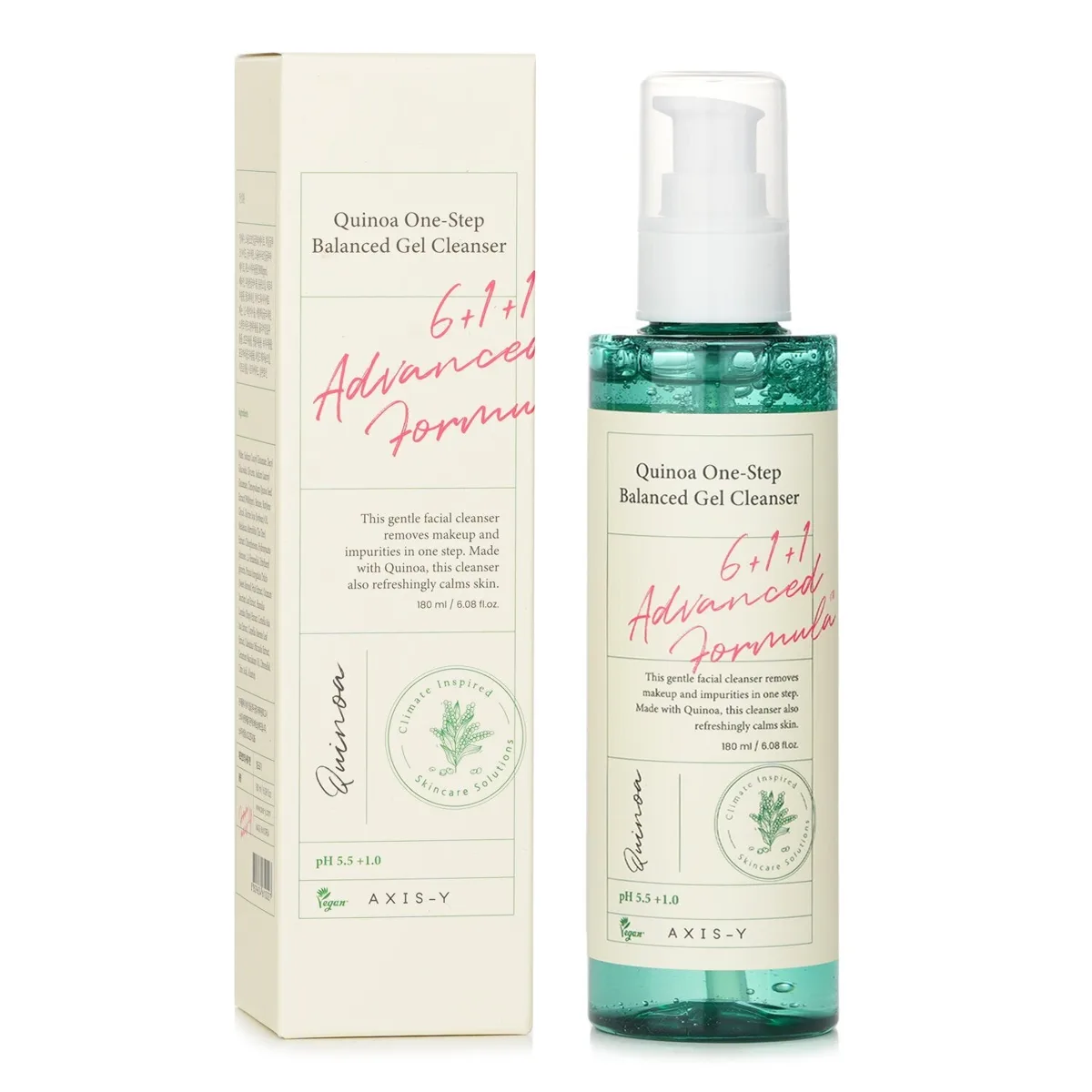 Quinoa-Led Gentle Daily Cleanser
 Quinoa One Step Balanced Gel Cleanser
A fragrance-free, sulfate-free gel cleanser built around quinoa seed extract and a gentle amphoteric-plus-nonionic surfactant pair. Non-stripping, broadly suitable, and priced reasonably — one of the safest recommendations in the daily gentle cleanser category.
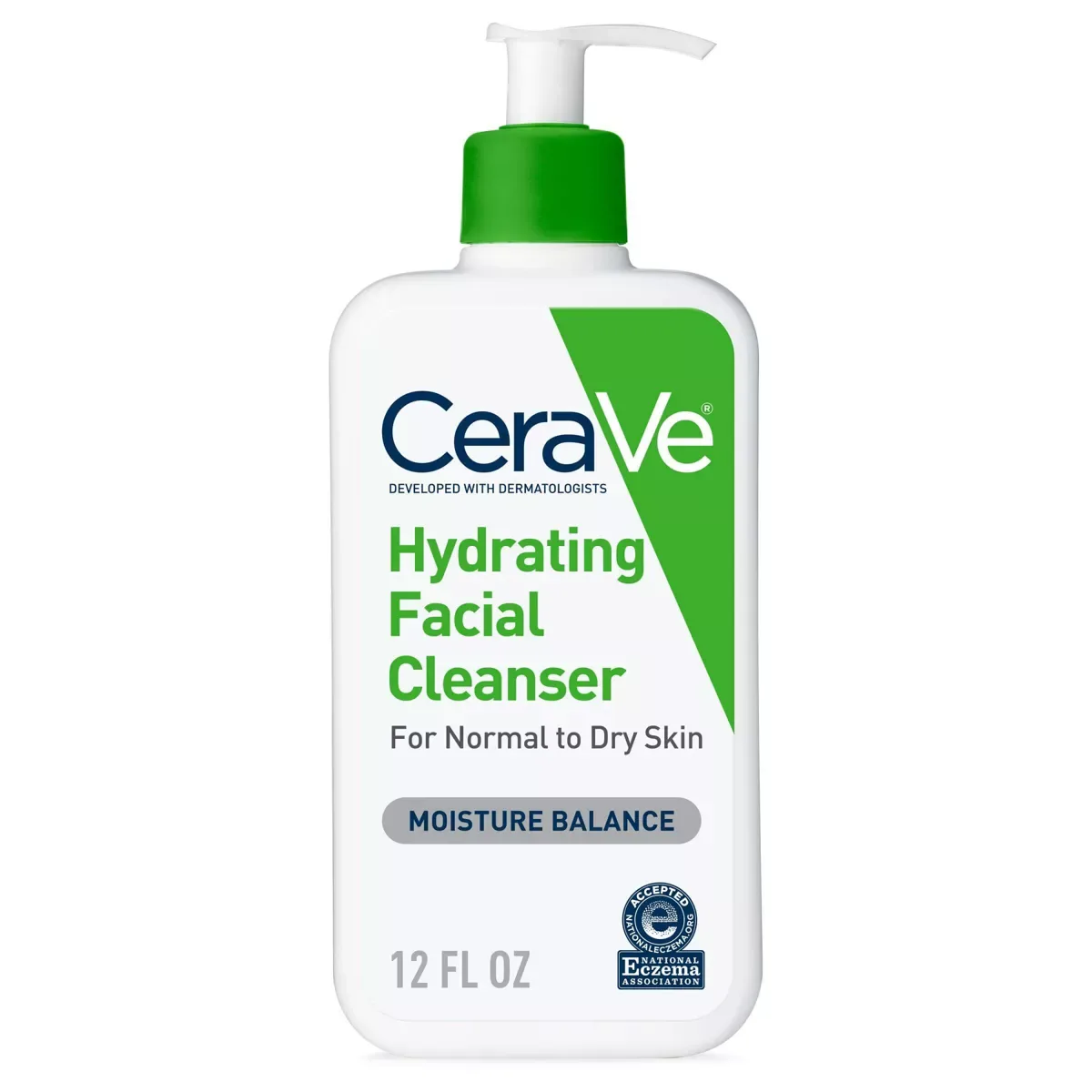 Sensitive Skin MVP
 Hydrating Facial Cleanser
The CeraVe Hydrating Facial Cleanser is the cleanser that taught a generation of dry-skin sufferers that washing your face does not have to mean punishing it. A lotion-textured, non-foaming formula that genuinely hydrates while it cleans, it remains the benchmark drugstore cleanser for anyone whose skin drinks moisture faster than most products can provide it.
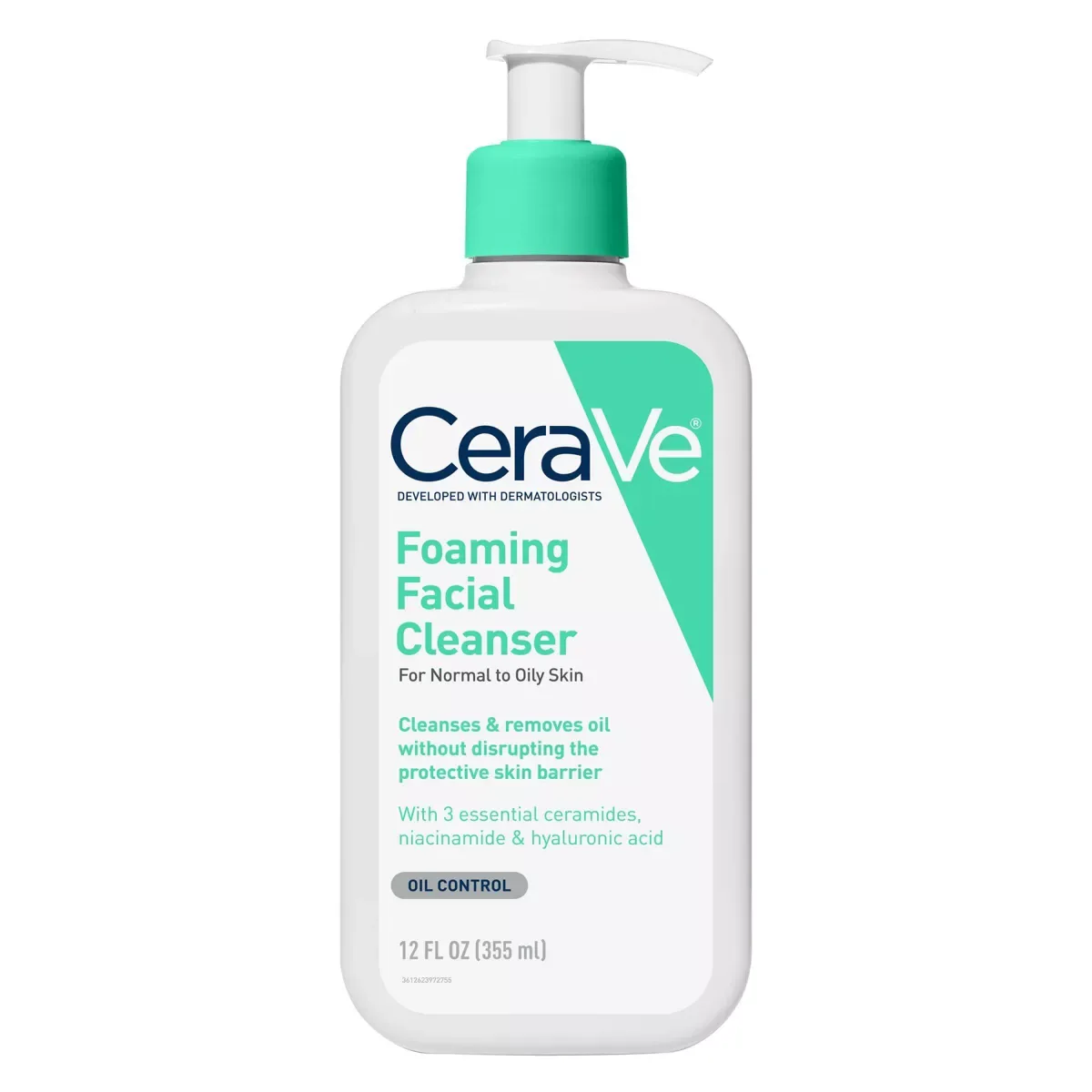 Derm Office Staple
 Foaming Facial Cleanser
The CeraVe Foaming Facial Cleanser is the rare drugstore cleanser that dermatologists actually use themselves — a genuinely gentle foaming wash that removes excess oil without triggering the rebound sebum production that plagues most lathering cleansers. At under sixteen dollars for a bottle that lasts months, it makes skipping it almost irrational.
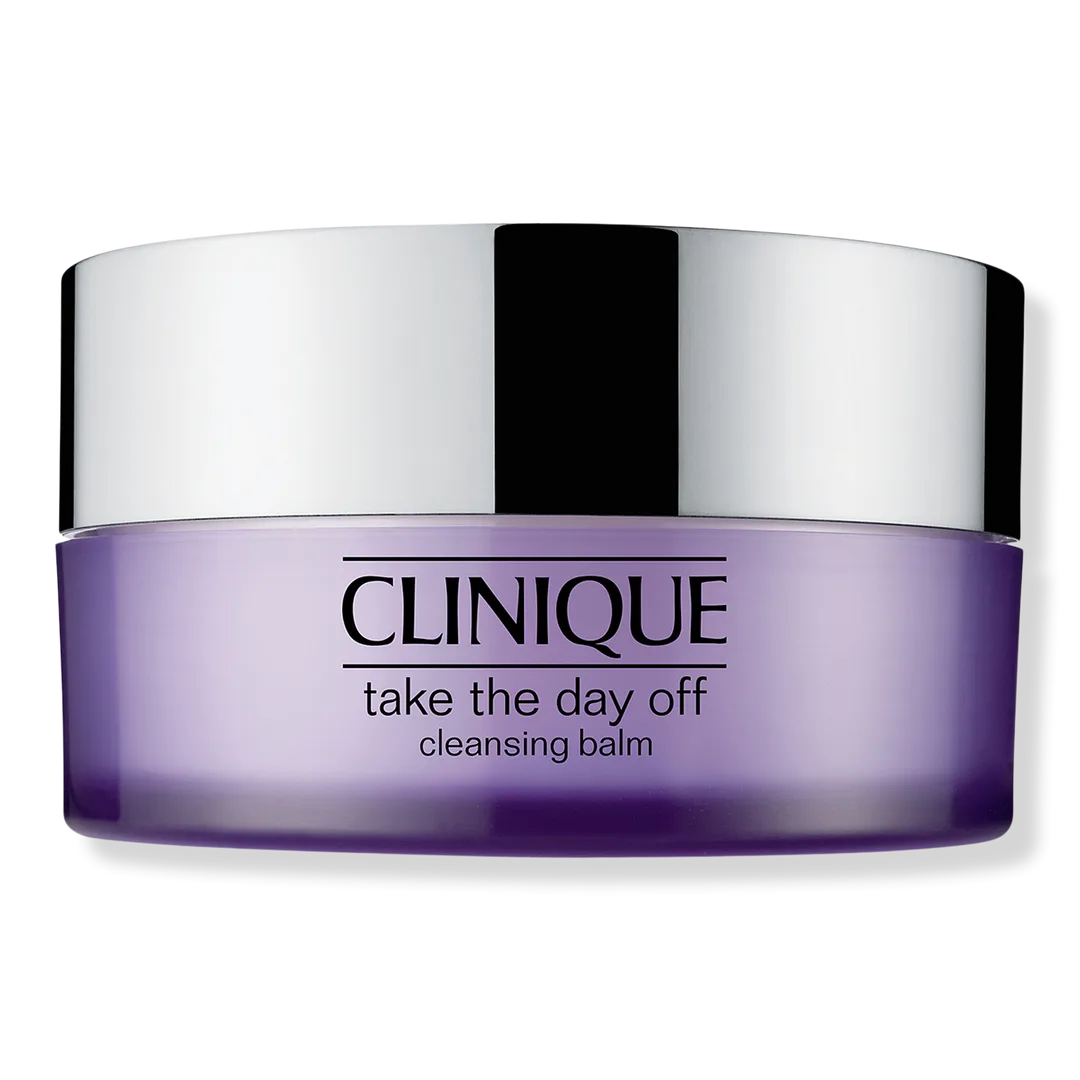 Cult-Status Makeup Eraser
 Take the Day Off Cleansing Balm
The cleansing balm that earned its cult status through radical restraint — nine ingredients, zero fragrance, and the ability to dissolve anything from waterproof mascara to SPF 50 without disturbing even the most reactive skin. Not the most glamorous product in any routine, but possibly the most universally reliable.
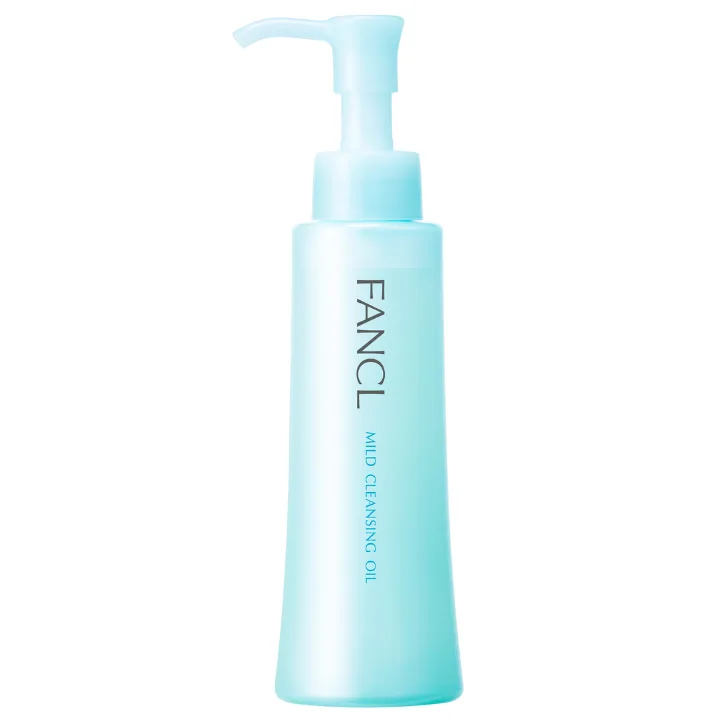 Japanese Drugstore Classic
 Mild Cleansing Oil
A two-decade-old Japanese drugstore staple that still outperforms most modern cleansing oils on the single metric that matters: does it remove sunscreen cleanly without leaving a film. The fragrance-free, ester-based formula is gentle enough for reactive skin and thoughtfully augmented with vitamin C and plant oils. Quietly one of the best first-cleanse options on the market.
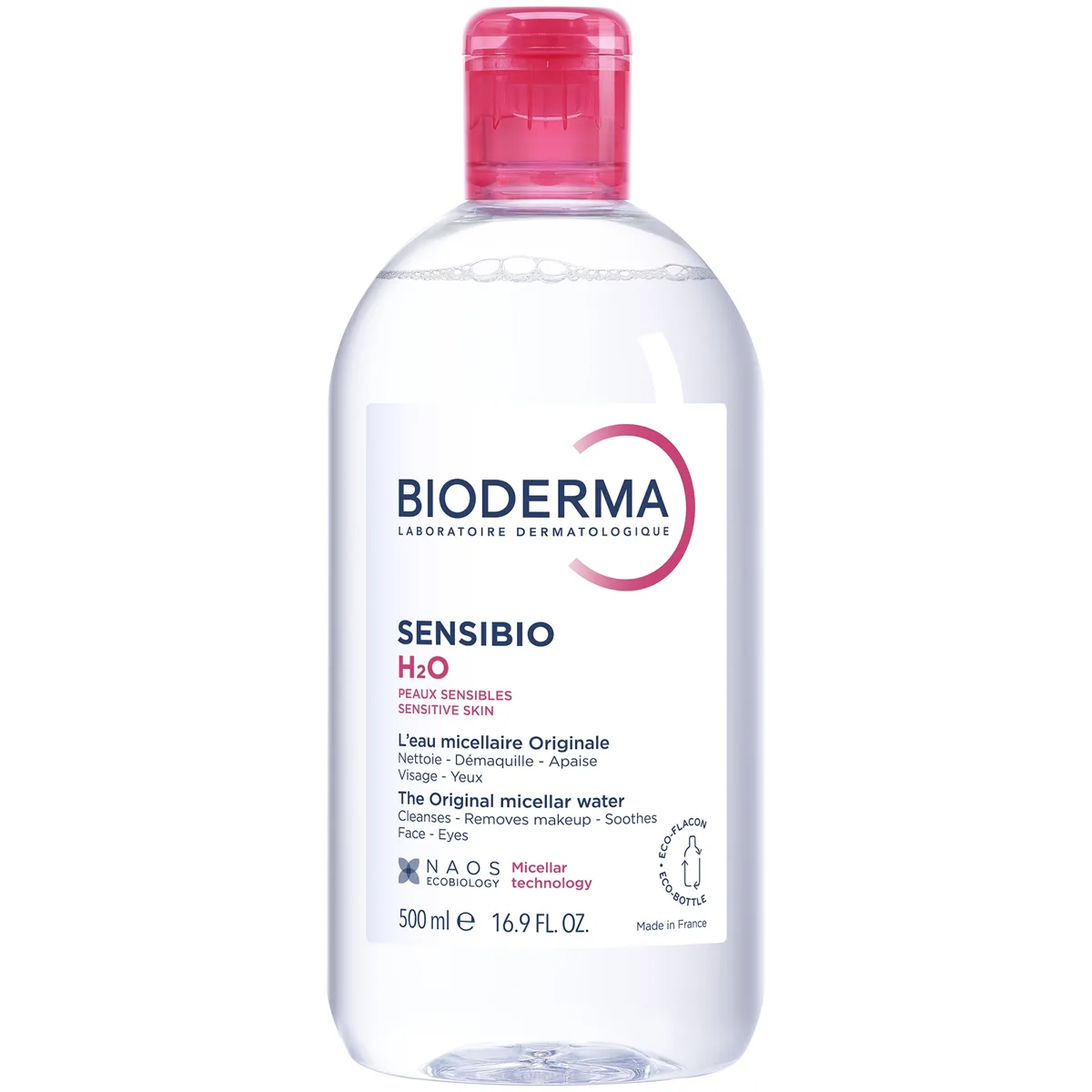 The Original Micellar Water
 Sensibio H2O Micellar Water
The product that launched an entire skincare category remains, three decades later, one of the gentlest and most effective no-rinse cleansers available. Bioderma Sensibio H2O earns its cult status through radical simplicity — 10 ingredients, zero fragrance, and a formula so mild it was originally dispensed by prescription.