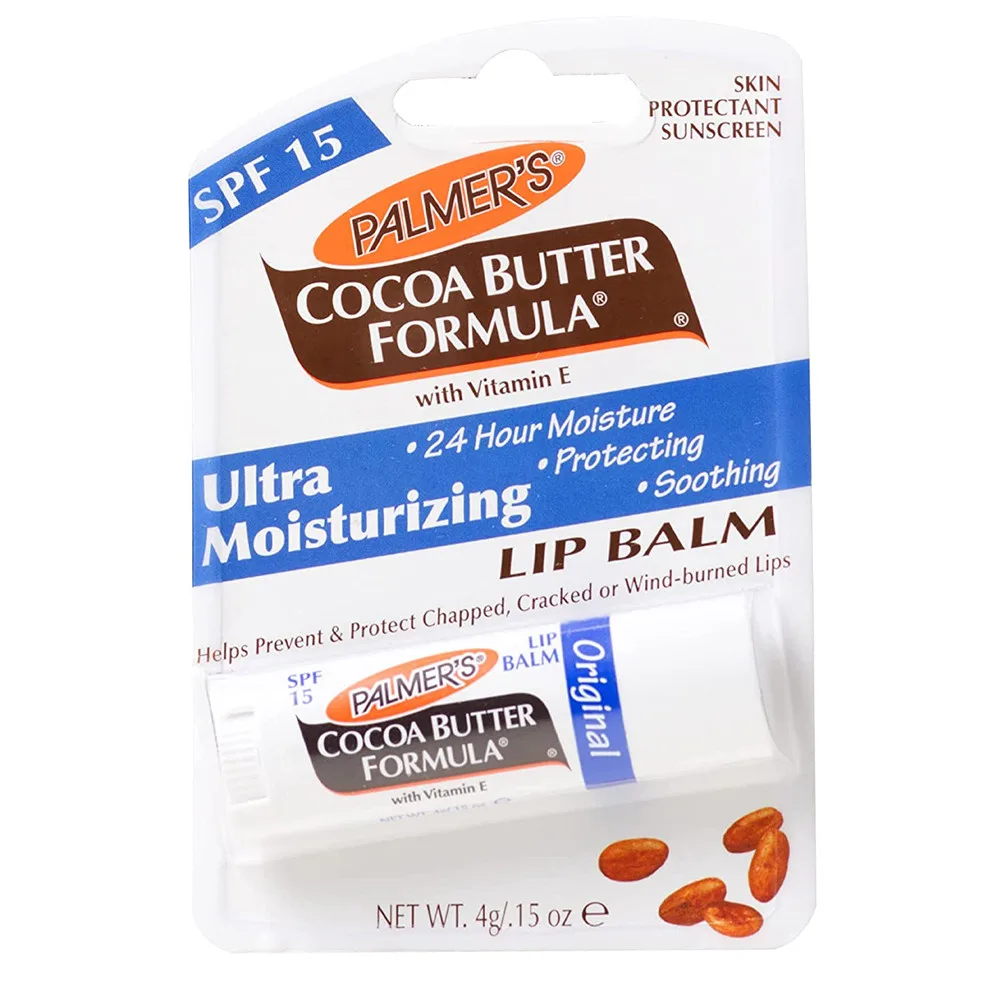
A dirt-cheap SPF lip balm that delivers cocoa butter moisturization and basic sun protection, but the oxybenzone and synthetic fragrance keep it from being an easy universal recommendation. Best for budget-conscious users who tolerate fragrance and are not concerned about chemical UV filter safety debates.
Cocoa Butter Formula Moisturizing Lip Balm SPF 15
A dirt-cheap SPF lip balm that delivers cocoa butter moisturization and basic sun protection, but the oxybenzone and synthetic fragrance keep it from being an easy universal recommendation. Best for budget-conscious users who tolerate fragrance and are not concerned about chemical UV filter safety debates.
Score Breakdown
Where this product gains points and where it loses them — broken down across the four scoring pillars.
An incredibly affordable SPF lip balm that delivers basic sun protection and cocoa butter moisturization. The low ingredient quality score reflects the use of oxybenzone (under FDA safety review) and synthetic fragrance, while the exceptional value score acknowledges the near-unbeatable price point.
Pros & Cons
- ✓Nearly unbeatable price at approximately two dollars for a branded SPF lip balm
- ✓Smooth, non-sticky application with a comfortable satin finish on lips
- ✓Cocoa butter base provides genuine moisturization beyond simple petroleum coating
- ✓Contains real UV protection with two active chemical sunscreen filters
- ✓Compact, travel-friendly stick format for easy everyday carry and reapplication
- ✓Immediately recognizable Palmer's cocoa butter scent that loyal brand fans appreciate
- ✗Contains oxybenzone at 4.5% which is under FDA safety review and banned in some reef areas
- ✗SPF 15 falls below the dermatologist-recommended minimum of SPF 30 for sun-exposed skin
- ✗Synthetic fragrance and benzyl alcohol may cause stinging or irritation on sensitive lips
- ✗Wears off relatively quickly requiring more frequent reapplication than modern lip SPF products
- ✗Mineral oil base and dated ingredient profile compared to current lip care innovations
Full Review
There is a particular type of product that survives not because it is the best, but because it is everywhere, it costs almost nothing, and it works just well enough. Palmer's Cocoa Butter Formula Moisturizing Lip Balm SPF 15 is that product. It has been sitting in drugstore checkout lanes, grocery store impulse racks, and gas station counters for over a decade, priced so low that buying one feels like rounding up your change.
At roughly two dollars per stick, this is one of the most affordable SPF lip balms you can find from a recognized brand. That alone explains its persistence. But in a skincare landscape that has shifted dramatically since this product launched — with increasing scrutiny on chemical sunscreens, fragrance ingredients, and what we put on our bodies — the price tag alone is no longer enough to earn an uncritical pass.
The application experience is pleasant enough. The stick glides on smoothly, the cocoa butter base melting slightly on contact with warm lip skin to deposit a creamy, non-sticky layer. It feels protective without being heavy, leaving a soft satin sheen that is noticeable but not overly glossy. The classic Palmer's cocoa butter scent is immediately present — warm, sweet, faintly chocolatey — and for fans of the brand, this alone is part of the appeal. You are essentially getting the Palmer's body lotion experience miniaturized for your lips.
The SPF protection comes from a combination of octinoxate at 7.5% and oxybenzone at 4.5%. Together, these chemical UV filters deliver SPF 15, which blocks approximately 93% of UVB rays and provides some UVA coverage through the oxybenzone. This is real, functional sun protection — not a token claim — and for a product at this price, the fact that it offers any SPF at all is notable.
However, SPF 15 falls short of current dermatological recommendations. The American Academy of Dermatology now recommends SPF 30 or higher for all sun-exposed skin, and lips are particularly vulnerable to UV damage because they contain virtually no melanin. SPF 15 is better than nothing, certainly, but users who spend significant time outdoors should not consider this adequate protection.
The bigger concern is oxybenzone. Once a standard chemical sunscreen ingredient, oxybenzone has come under increasing scrutiny over the past decade. It has been detected in blood and breast milk at levels that concern some researchers, and the FDA has stated it lacks sufficient safety data to classify oxybenzone as generally recognized as safe and effective. Hawaii and Key West have banned it from reef-safe sunscreen products due to its documented toxicity to coral. For a lip product — applied directly to mucous membrane tissue that is thinner and more permeable than regular skin — the presence of oxybenzone at 4.5% is a legitimate point of concern for health-conscious consumers.
The moisturizing performance is adequate but unexceptional. Cocoa seed butter provides a rich, fatty acid-based barrier that helps prevent moisture loss from the lip surface, and the mineral oil base creates a smooth, protective film. Vitamin E in its tocopheryl acetate form adds antioxidant support. For everyday dry lip maintenance, this is sufficient. For severely chapped, cracked, or winter-damaged lips, you will want something more intensive — this is a maintenance product, not a repair treatment.
The formula contains synthetic fragrance (Parfum) and benzyl alcohol, both of which are known sensitizers. For a product applied to one of the most sensitive areas of the face — lip tissue that is thinner, more vascular, and more reactive than surrounding skin — this is a less-than-ideal inclusion. Some reviewers report stinging or burning sensations, which likely trace to these ingredients rather than the SPF actives.
The packaging is a standard twist-up stick in Palmer's signature chocolate-brown tube. It is compact, travel-friendly, and utterly unremarkable. The cap stays on, the mechanism works, and the product fits in any pocket. At two dollars, you are not paying for design innovation.
Durability on the lips is moderate. The balm lasts well under normal indoor conditions but wears off quickly with eating, drinking, or extended outdoor exposure. The SPF labeling recommends reapplication every two hours, which is standard for any sunscreen product, but the practical reality is that you will want to reapply this more frequently than you might expect.
The competitive landscape has shifted since this product launched. Newer lip balms offer mineral SPF 30+ protection without oxybenzone, fragrance-free formulations for sensitive lips, and more sophisticated moisturizing ingredients — though typically at three to five times the price. Palmer's lip balm exists in a space where the price is so low that it almost defies comparison. If your criteria are simple — some sun protection, some moisturization, the Palmer's scent, and a price under three dollars — this delivers exactly that.
The honest assessment is that this lip balm is a product of its era. When it launched, SPF 15 was standard, oxybenzone was uncontroversial, and fragrance in lip products was expected. The formula has not evolved to reflect the changes in ingredient safety standards and consumer expectations that have occurred since. It remains functional, remarkably affordable, and perfectly adequate for users who are not tracking the oxybenzone debate. For everyone else, it is a reminder that the cheapest option is not always the best value — even when it costs two dollars.
Formula
Key Ingredients
The hero actives that drive this product's performance.
| Ingredient | Function | Evidence |
|---|---|---|
| Octinoxate 7.5% (7.5%) | The primary UV filter in this lip balm, octinoxate absorbs UVB rays to prevent sunburn on the delicate lip tissue. At 7.5%, it provides the bulk of the SPF 15 protection when combined with oxybenzone's broader UV coverage. | well-established |
| Oxybenzone 4.5% (4.5%) | A broad-spectrum chemical UV filter that absorbs both UVA and UVB rays, expanding the protection beyond the UVB-only coverage of octinoxate. At 4.5%, it contributes to the lip balm's overall SPF while providing some UVA defense. Currently under FDA safety review. | well-established |
| Cocoa Seed Butter (Theobroma Cacao) | The signature Palmer's emollient, cocoa seed butter provides rich moisturization and a protective layer on the lip surface. Its high concentration of saturated fatty acids creates a barrier that helps prevent moisture loss from the thin, exposed lip tissue while delivering the product's characteristic warm scent. | well-established |
| Vitamin E (Tocopheryl Acetate) | Provides antioxidant protection that complements the UV filters by neutralizing free radicals generated by sun exposure. In this lip balm format, vitamin E also helps condition and protect the delicate lip skin from environmental damage. | well-established |
Full INCI List
Active Ingredients: Dimethicone 1.5% (Skin Protectant), Octinoxate (Octyl Methoxycinnamate) 7.5% (Sunscreen), Oxybenzone 4.5% (Sunscreen). Inactive Ingredients: Mineral Oil (Paraffinum Liquidum), Microcrystalline Wax (Cera Microcristallina), Copernicia Cerifera (Carnauba) Wax, Theobroma Cacao (Cocoa) Seed Butter, Fragrance (Parfum), Tocopheryl Acetate, Helianthus Annuus (Sunflower) Seed Oil, Isopropyl Myristate, Beta-Carotene (CI 40800), Zea Mays (Corn) Oil, Benzyl Alcohol
Product Flags
✗ Fragrance Free✗ Alcohol Free✗ Oil Free✗ Silicone Free✓ Paraben Free✓ Sulfate Free✗ Cruelty Free✗ Vegan✗ Fungal Acne Safe
Potential Irritants
OxybenzoneFragrance (Parfum)Benzyl Alcohol
Common Allergens
OxybenzoneFragrance (Parfum)Benzyl Alcohol
Compatibility
Skin Match
Best For
Works For
Not Ideal For
Addresses These Conditions
Use With Caution
Routine Step
sunscreen
Time of Day
AM
Pregnancy Safe
Yes ✓
Layering Tips
Apply liberally to lips 15 minutes before sun exposure. Reapply at least every 2 hours, and more frequently after eating, drinking, or wiping lips. Can be applied over lip treatments or under lipstick for daily SPF protection.
Results Timeline
Immediate moisturizing and SPF protection upon application. Lips feel softer and more conditioned within the first day of regular use. Reduction in chronic dryness and chapping within 1-2 weeks of consistent application.
Pairs Well With
lip scrubs for prepovernight lip masks for nighttime recoveryfacial sunscreen for complete UV protection
Sample AM Routine
- Gentle lip scrub (if needed)
- THIS PRODUCT applied liberally
- Reapply every 2 hours
Sample PM Routine
- Remove with gentle cleanser
- Overnight lip treatment or mask
Evidence
Who Should Skip
- Contains oxybenzone at 4.5% which is under FDA safety review and banned in some reef areas
- SPF 15 falls below the dermatologist-recommended minimum of SPF 30 for sun-exposed skin
- Synthetic fragrance and benzyl alcohol may cause stinging or irritation on sensitive lips
- Wears off relatively quickly requiring more frequent reapplication than modern lip SPF products
Science & Expert Perspective
The Science
The SPF 15 protection in this lip balm comes from two chemical UV filters working in tandem. Octinoxate (octyl methoxycinnamate) at 7.5% absorbs UVB radiation in the 290-320nm range — the wavelengths primarily responsible for sunburn. Oxybenzone (benzophenone-3) at 4.5% provides broader coverage, absorbing both UVB and short-wave UVA (UVA II) radiation up to approximately 350nm. Together, they deliver SPF 15, which theoretically blocks about 93% of UVB radiation according to FDA testing methodology.
The safety profile of these filters has become a significant topic in dermatological research. A landmark 2019 FDA-funded study published in JAMA by Matta et al. demonstrated that oxybenzone, octinoxate, and other chemical sunscreen ingredients are absorbed systemically at levels exceeding the FDA's threshold for requiring additional safety studies (0.5 ng/mL plasma concentration). Oxybenzone specifically reached plasma concentrations over 200 times this threshold after maximal-use application. A follow-up 2020 study in JAMA confirmed these findings with additional UV filters.
Oxybenzone's potential endocrine-disrupting properties have been documented in multiple studies. A 2008 study by Kunisue et al. in Environmental Science and Technology detected oxybenzone in 97% of urine samples from a representative US population. Research published in Reproductive Toxicology has shown weak estrogenic activity in vitro and in animal models, though the clinical significance for humans at cosmetic exposure levels remains debated.
Cocoa butter's moisturizing mechanism relies on its high saturated fatty acid content — approximately 57-64% stearic and palmitic acids. These lipids create an occlusive barrier that reduces transepidermal water loss from the thin lip epithelium. Lips lack sebaceous glands and produce no natural oils, making external emollient application particularly important for maintaining moisture.
Dimethicone at 1.5% functions as an FDA-approved skin protectant, forming a breathable silicone film that provides additional barrier protection and a smooth feel on the lip surface.
References
- Effect of Sunscreen Application Under Maximal Use Conditions on Plasma Concentration of Sunscreen Active Ingredients — JAMA (2019)
- Effect of Sunscreen Application on Plasma Concentration of Sunscreen Active Ingredients: A Randomized Clinical Trial — JAMA (2020)
Dermatologist Perspective
Dermatologists universally agree that lip sun protection is important — lips are among the most UV-vulnerable areas of the face due to their lack of melanin and thin epithelium. However, most board-certified dermatologists now recommend SPF 30 or higher for lip protection, making SPF 15 products like this one a baseline rather than an ideal. The presence of oxybenzone is a point of divergence among dermatologists: some consider the absorption data concerning enough to recommend mineral alternatives, while others note that the benefits of UV protection outweigh the theoretical risks at cosmetic exposure levels. For patients specifically asking about lip SPF, dermatologists would typically recommend mineral SPF lip balms with zinc oxide or titanium dioxide as a first choice, reserving chemical-filter products for situations where mineral options are unavailable.
Guidance
Usage Guide
How to Use
Apply liberally to lips 15 minutes before sun exposure, ensuring complete coverage of both upper and lower lips. Reapply at least every 2 hours during sun exposure, and immediately after eating, drinking, or wiping your lips. For daily use, apply in the morning as part of your skincare routine and carry the stick for reapplication throughout the day. Can be worn under lipstick or lip gloss. Not recommended as a nighttime lip treatment — use a dedicated lip mask or balm without UV filters for overnight conditioning.
Value Assessment
At approximately $1.99 per stick, this is nearly impossible to beat on price. A single stick provides 4-6 weeks of daily use, making the annual cost under $25 for year-round lip SPF. Multi-packs on Walmart and Amazon bring the per-unit cost even lower. The value is undeniable for basic lip protection and moisturization. However, the ingredient quality gap between this and a $6-8 mineral SPF lip balm is significant — the upgrade cost is modest, and the ingredient improvement is substantial for those concerned about oxybenzone or fragrance sensitivity.
Who Should Buy
Budget-conscious consumers who want basic lip SPF protection and enjoy the Palmer's cocoa butter experience. Ideal for those who frequently forget or lose lip balms — at this price, you can stock multiple sticks in different bags, pockets, and locations without financial concern.
Who Should Skip
Consumers concerned about oxybenzone safety, those with fragrance-sensitive lips, and anyone seeking SPF 30+ protection should look elsewhere. If you spend significant time outdoors, a higher-SPF mineral lip balm is a worthwhile investment despite the price difference.
Ready to try Palmer's Cocoa Butter Formula Moisturizing Lip Balm SPF 15?
Details
Details
Texture
Smooth, waxy stick that glides on easily. The cocoa butter base melts slightly on contact with warm lip skin, depositing a creamy, non-sticky layer that feels protective without being heavy.
Scent
The signature Palmer's warm cocoa butter fragrance — sweet, subtly chocolatey, and instantly recognizable. The scent is noticeable on application and lingers lightly.
Packaging
Standard twist-up lip balm tube in dark brown/chocolate color with Palmer's Cocoa Butter Formula branding. Compact at 0.15 oz, it is designed for everyday carry. Snap-on cap keeps the product clean.
Finish
satinnon-greasylightweight
What to Expect on First Use
On first application, the balm glides smoothly with a slight cooling sensation from the dimethicone. Lips feel immediately coated and protected with a soft satin sheen. The cocoa butter scent is noticeable. No stinging for most users, though those sensitive to oxybenzone or fragrance may notice mild irritation.
How Long It Lasts
4-6 weeks with multiple daily applications
Period After Opening
12 months
Best Season
All Year
Certifications
paraben-free
Background
The Why
Palmer's extended its Cocoa Butter Formula brand into lip care to capture the everyday sun protection market with the same cocoa butter identity that made its body lotions iconic. The lip balm entered a crowded drugstore category but carved a niche through sheer affordability and the brand recognition of the Palmer's name — for many consumers, reaching for a Palmer's lip balm is as instinctive as grabbing the body lotion they grew up with.
About Palmer's Legacy Brand (20+ years)
Palmer's is produced by E.T. Browne Drug Co., founded in 1840 and one of America's oldest skincare companies. The Cocoa Butter Formula line launched in 1975 and has become the world's #1 cocoa butter brand. While trusted for body care, the brand's lip care line does not carry the same depth of clinical validation as dedicated lip care brands.
Brand founded: 1840 · Product launched: 2011
Myth vs. Reality
Myths & Misconceptions
Myth
SPF 15 on lips is sufficient for sun protection
Reality
While SPF 15 blocks approximately 93% of UVB rays, dermatologists now recommend SPF 30+ for all sun-exposed areas, including lips. Lips are particularly vulnerable to UV damage because they lack melanin. SPF 15 provides basic protection but falls short of current clinical recommendations, especially for prolonged outdoor exposure.
Myth
Lip balm causes lip dependency — your lips get drier if you stop using it
Reality
Lip balm does not cause physiological dependency. However, some ingredients (like fragrance or menthol) can irritate lips, creating a cycle of irritation and reapplication that feels like dependency. This particular formula's fragrance could contribute to that cycle for sensitive individuals.
FAQ
Frequently Asked Questions
Does Palmer's Cocoa Butter Lip Balm really protect against the sun?
Yes — the lip balm contains two FDA-approved chemical UV filters: octinoxate (7.5%) for UVB protection and oxybenzone (4.5%) for UVA/UVB protection. SPF 15 blocks approximately 93% of UVB rays when applied properly. However, dermatologists now recommend SPF 30+ for optimal protection, and the balm needs reapplication every 2 hours.
Is the oxybenzone in Palmer's Lip Balm safe?
Oxybenzone is FDA-approved for use in sunscreens but is currently under additional safety review. Studies have detected it in blood and breast milk, and it has been flagged as a potential endocrine disruptor. It is banned in Hawaii and Key West reef areas due to coral toxicity concerns. Consumers concerned about oxybenzone may prefer mineral or newer-generation chemical sunscreen lip balms.
Is Palmer's Lip Balm SPF 15 fragrance-free?
No — this lip balm contains added fragrance (Parfum) that creates the characteristic Palmer's cocoa butter scent. It also contains benzyl alcohol, which is both a preservative and a fragrance allergen. Those with lip sensitivities should be aware of these ingredients.
How often should you reapply Palmer's Lip Balm SPF 15?
Apply 15 minutes before sun exposure and reapply at least every 2 hours. You should also reapply after eating, drinking, or wiping your lips. SPF protection diminishes with time and physical removal, so consistent reapplication is essential for maintaining protection.
Is Palmer's Cocoa Butter Lip Balm good for very dry lips?
The cocoa butter and mineral oil base provides decent moisturization for moderately dry lips. However, for severely chapped or cracked lips, this may not be intensive enough — it lacks ingredients like lanolin, ceramides, or hyaluronic acid found in more treatment-focused lip products. It works best as a daily protective balm rather than a lip repair treatment.
Community
Community Voices
Common Praise
"Unbeatable price for an SPF lip balm at around two dollars per stick"
"Beloved warm cocoa butter scent that users find comforting and pleasant"
"Smooth, non-sticky application that goes on easily without waxy drag"
"Effective at softening dry and chapped lips with noticeable results"
"Convenient travel-friendly stick format that fits easily in any pocket or bag"
Common Complaints
"Contains oxybenzone which is under FDA safety review and banned in some reef areas"
"SPF 15 is below the dermatologist-recommended minimum of SPF 30"
"Fragrance and benzyl alcohol can cause stinging or irritation on sensitive lips"
"Wears off relatively quickly requiring frequent reapplication especially when eating"
"Mineral oil base feels more waxy than nourishing compared to modern lip balms"
Appears In
best lip care for sun damage best budget spf lip balm best lip care for dryness best drugstore lip balm with spf
Related Conditions
Related Ingredients
You Might Also Like
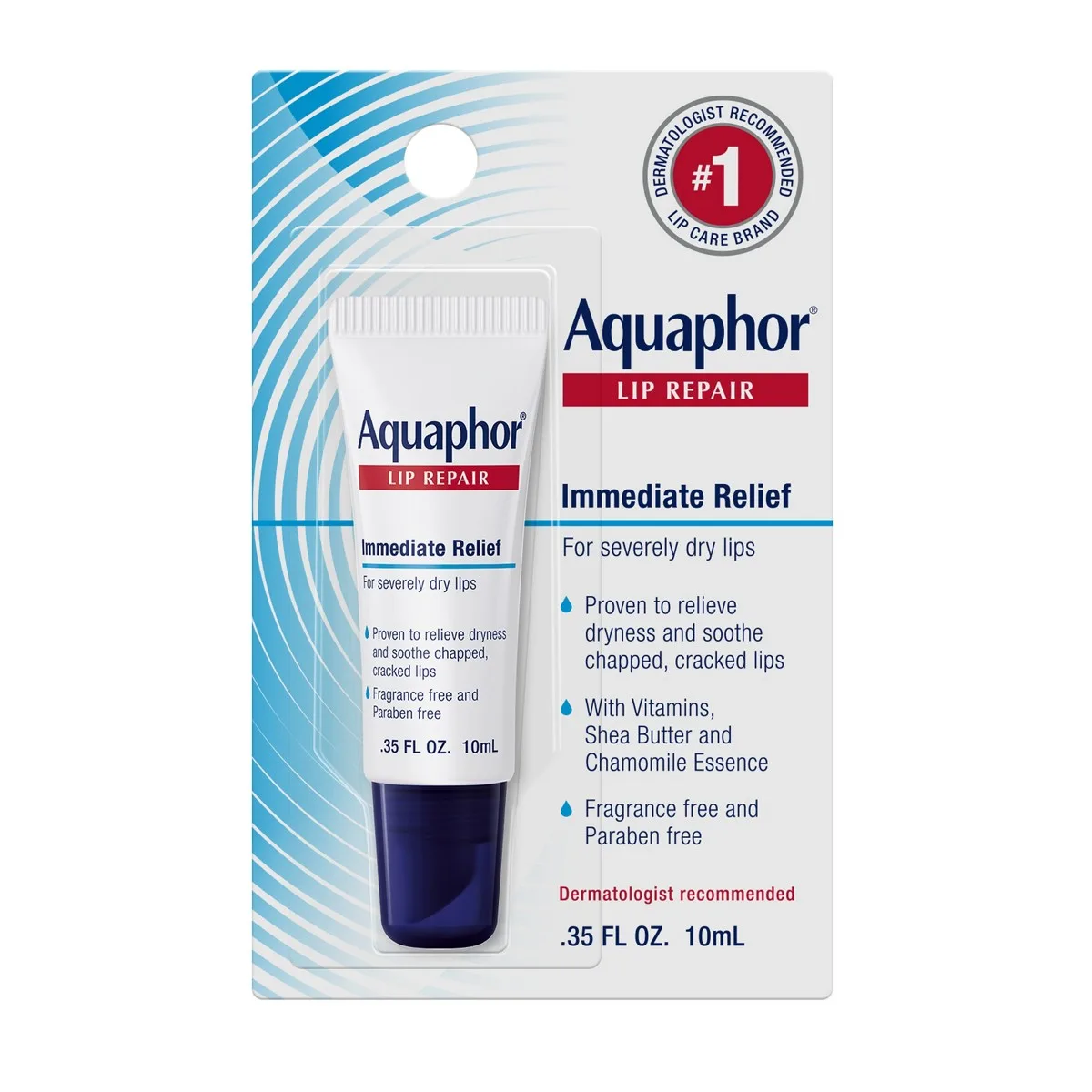 Derm Office Lip Staple
 Lip Repair
The lip balm that dermatologists actually recommend — not as marketing, but as clinical practice. Fifteen years and 50,000+ reviews have validated what the panthenol-bisabolol research confirms: this simple formula genuinely heals chapped lips rather than just coating them. The glossy finish and frequent reapplication needs are the only real drawbacks.
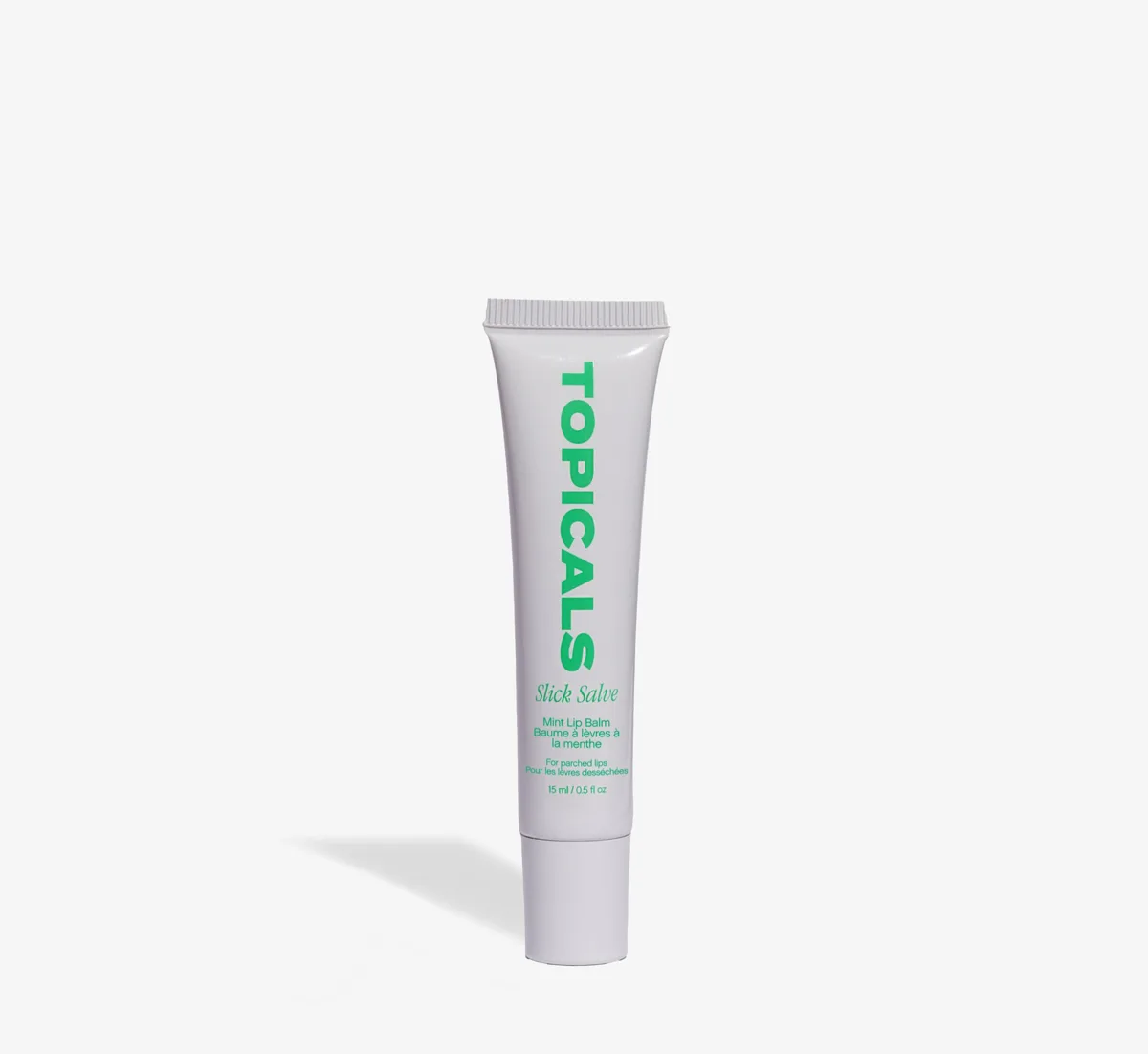 TikTok Cult Lip Treatment
 Slick Salve Glossy Lip Balm
The viral TikTok lip balm that actually deserves the hype — built on three ceramide types, cholesterol, peptides, and ergothioneine in a glossy wet-look format that looks like a beauty product and performs like a dermatology product. The mint essential oils are the only real caveat for sensitive users.
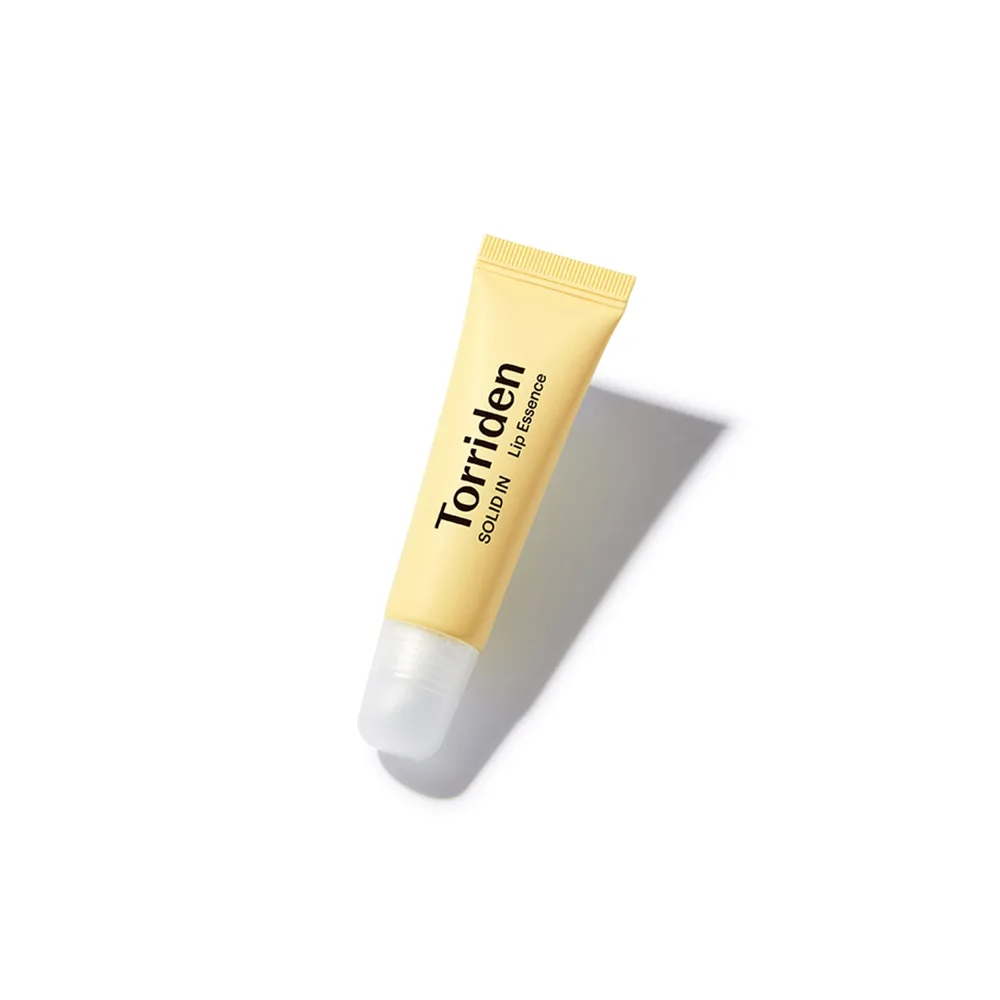 Ceramide Lip MVP
 SOLID-IN Lip Essence
Torriden ports its multi-ceramide-cholesterol repair architecture into lip-care format, producing one of the few lip products that actually addresses the underlying lipid loss behind chronically chapped lips. Fragrance-free, well-tolerated, and effective. The price feels slightly ambitious for the size, but the ingredient quality earns it.
 Sensitive-Skin Gloss MVP
 ShineOn Lip Jelly
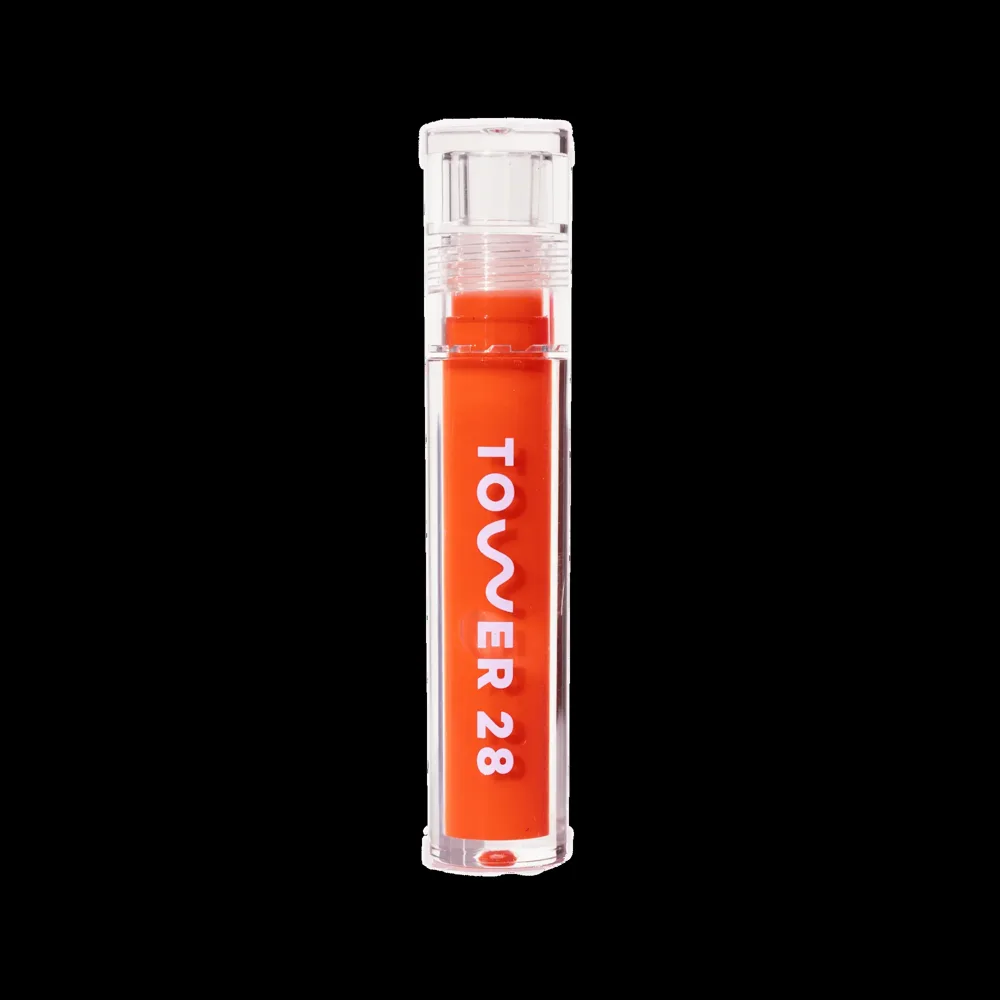
The product that built Tower 28's reputation: a fragrance-free, dye-free, lanolin-free lip jelly that delivers serious gloss and a sheer wash of color without stickiness, and is genuinely safe for eczema-prone lips. Sheer pigment and a Sephora price tag are the only honest gripes.
 Vegan Lip Essential
 Vegan Melting Lip Balm
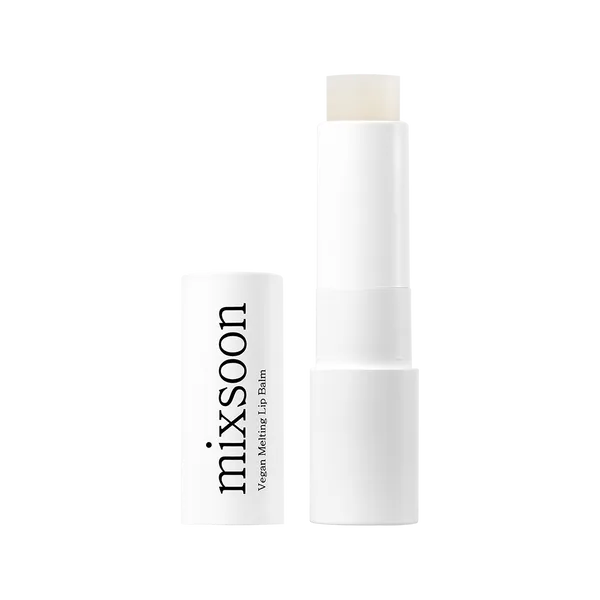
mixsoon's Vegan Melting Lip Balm brings the brand's minimalist, plant-based philosophy to lip care with a genuinely unique melting texture and clean ingredient list. It's a comfortable, fragrance-free lip treatment that softens dry lips effectively, though the $16 price and need for frequent reapplication are honest limitations in a crowded lip balm market.
 Australian Sun-Smart Essential
 Lip Balm SPF 30
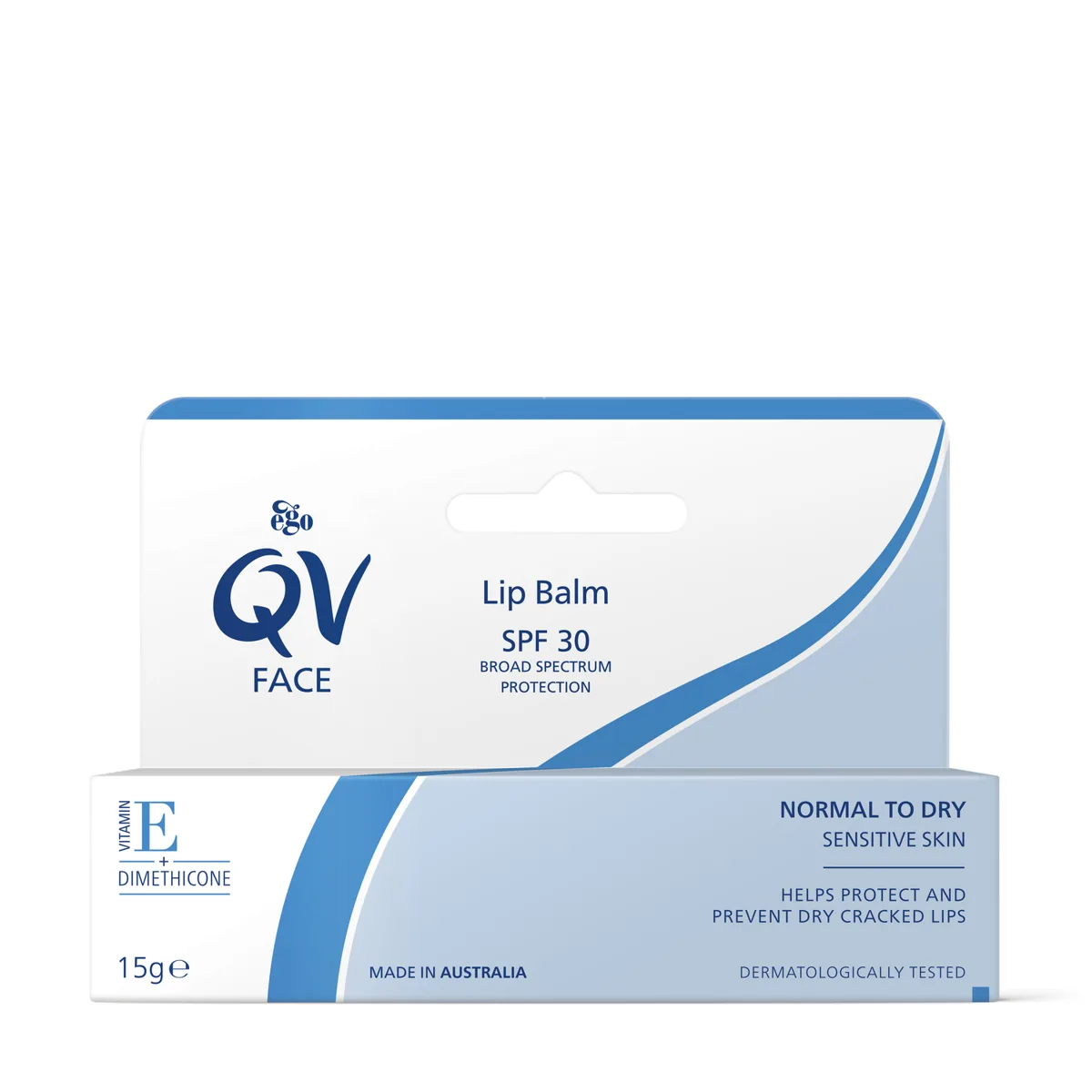
QV's Lip Balm SPF 30 is the rare drugstore lip balm that treats SPF as the point, not a garnish. With a four-filter broad-spectrum system in a petrolatum-and-wax base, it offers genuine daily lip protection from a brand whose parent company has been formulating Australian sun care since the 1970s.
This review reflects our independent analysis of publicly available ingredient data, manufacturer claims, and verified user reviews. We are reader-supported — Amazon links may earn us a commission at no cost to you. We do not accept paid placements; rankings are based solely on the evidence.