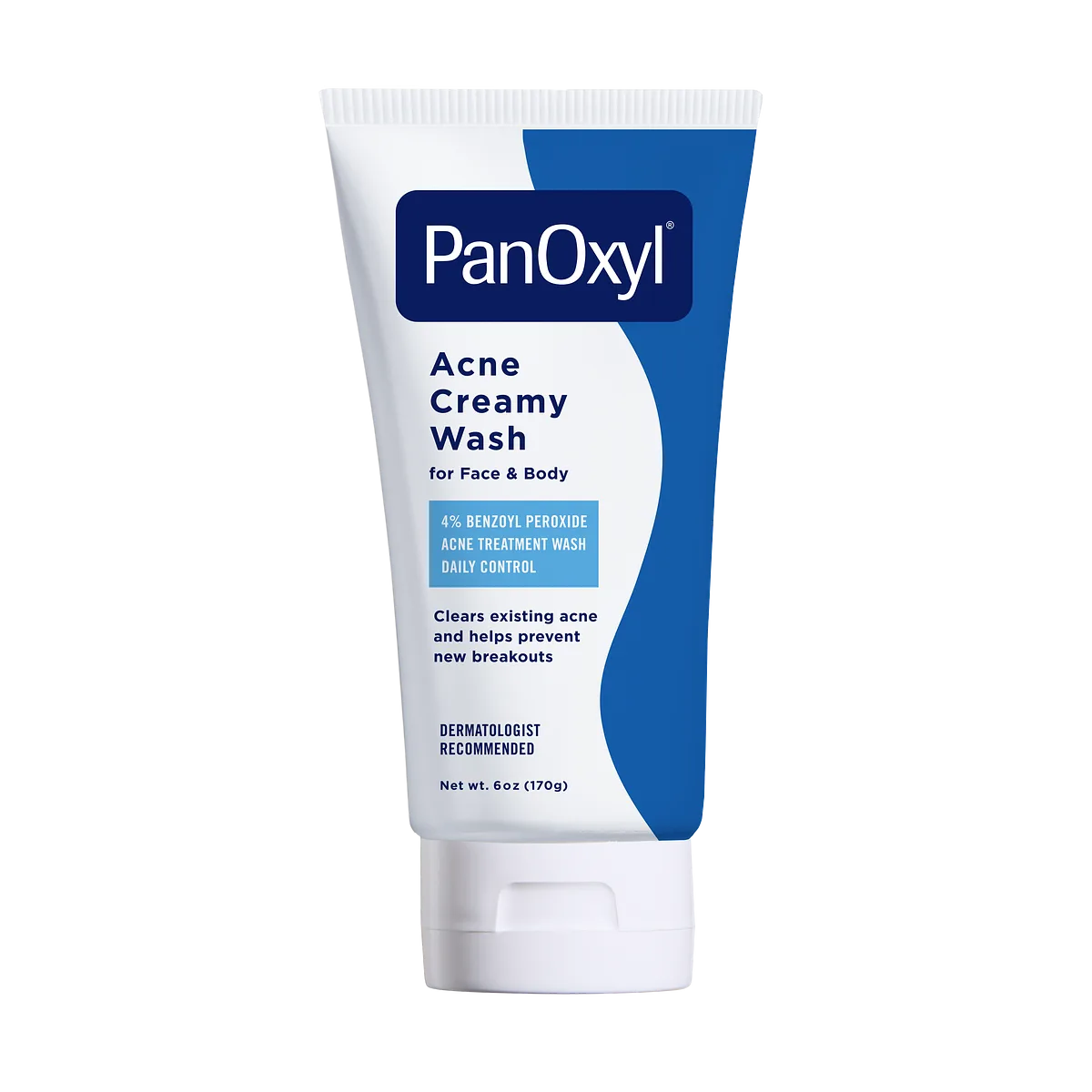
The gentlest member of America's most dermatologist-recommended benzoyl peroxide lineup. The 2023 reformulation successfully balances bacterial killing power with genuine skin hydration, making this the BP wash to try if the 10% Foaming Wash left your skin stripped and angry.
Antimicrobial Hydrating Acne Wash
The gentlest member of America's most dermatologist-recommended benzoyl peroxide lineup. The 2023 reformulation successfully balances bacterial killing power with genuine skin hydration, making this the BP wash to try if the 10% Foaming Wash left your skin stripped and angry.
Score Breakdown
Where this product gains points and where it loses them — broken down across the four scoring pillars.
A well-formulated benzoyl peroxide cleanser that balances antimicrobial efficacy with a hydrating base. The 4% BP concentration is backed by extensive clinical evidence, and the 2023 reformulation with humectants and emollients addresses the primary complaint of BP products — dryness. The score reflects excellent ingredient quality tempered by the inherent irritation potential of benzoyl peroxide.
Pros & Cons
- ✓4% BP concentration is clinically proven as effective as 10% with significantly less irritation and dryness
- ✓2023 reformulation with three humectants and four emollients keeps skin hydrated during cleansing
- ✓Backed by the #1 dermatologist-recommended OTC benzoyl peroxide brand with 50+ year heritage
- ✓Fragrance-free, paraben-free, sulfate-free — a genuine modernization of the original formula
- ✓Effective on both face and body acne with visible results within 1-2 weeks
- ✓HSA/FSA eligible for zero out-of-pocket cost with flexible spending accounts
- ✗Bleaches colored towels, pillowcases, and clothing on contact — an unavoidable BP characteristic
- ✗6 oz tube is relatively small and runs out quickly when treating body acne areas
- ✗Adjustment period of 1-2 weeks with potential mild dryness and redness as skin acclimates
- ✗4% concentration may be insufficient for stubborn cystic or nodular acne
- ✗Can bleach eyebrows and hair at the hairline if not rinsed thoroughly
Full Review
For decades, benzoyl peroxide washes operated on a simple premise: the more it burned, the more it was working. PanOxyl's 10% Foaming Wash became the best-selling acne wash in America on the strength of that scorched-earth approach — kill the bacteria, worry about your moisture barrier later. It worked. It also left a lot of skin feeling like it had been power-washed.
The Antimicrobial Hydrating Acne Wash is PanOxyl's acknowledgment that the approach needed refinement. Reformulated in 2023, this is the 4% creamy version — half the benzoyl peroxide concentration of the foaming wash, wrapped in a base that includes three humectants and four emollients. The concept: fight acne without waging war on the skin that houses it.
The clinical logic is sound, and it is worth spending a moment on because the marketing rarely explains it. Multiple peer-reviewed studies — including a frequently cited 1995 trial in the Journal of the American Academy of Dermatology — have demonstrated that 2.5-5% benzoyl peroxide reduces acne lesion counts as effectively as 10%, with significantly less irritation. The 4% concentration in this wash sits squarely in that evidence-supported sweet spot. You are not sacrificing efficacy by stepping down from 10%; you are eliminating unnecessary collateral damage.
The texture immediately communicates the product's intent. Where the 10% Foaming Wash is thin and detergent-like, this is a thick, opaque cream that spreads without sudsing. It lathers only slightly on wet skin — enough to feel like a cleanser, not enough to feel like a soap. The formula includes glycerin, sorbitol, and propanediol as humectants, plus dimethicone and oleic acid as emollients. When you rinse, the difference from a standard BP wash is obvious: skin feels clean and slightly soft rather than tight and stripped.
The recommended technique is simple but important. Apply to wet skin, distribute the cream across the affected area, and leave it on for one to two minutes. This contact time allows the benzoyl peroxide to begin its antimicrobial action — BP works by releasing oxygen into the anaerobic environment inside pores, killing Cutibacterium acnes bacteria that thrive without oxygen. Then rinse thoroughly. The leave-on step is what separates a benzoyl peroxide wash from a regular cleanser; skipping it or shortening it reduces efficacy.
The acne-clearing results are consistent with what clinical literature predicts for 4% BP. Most users report a noticeable reduction in new inflammatory breakouts within one to two weeks, with significant improvement by week four to six. The wash is not a spot treatment — it works by reducing overall bacterial load across the treated area, which means fewer pimples forming in the first place rather than faster resolution of existing ones.
The bleaching issue is unavoidable and worth addressing directly. Benzoyl peroxide is an oxidizing agent. It will bleach any colored fabric it contacts — towels, pillowcases, shirt collars, washcloths. This is not a PanOxyl-specific problem; it is inherent to the molecule. The standard advice applies: use white towels, rinse thoroughly, be careful around hairlines and eyebrows, and accept that you may sacrifice a few towels to the acne gods. This is the single biggest practical downside of any BP product, and no reformulation can change it.
The formula is fragrance-free, paraben-free, sulfate-free, and vegan — a significant upgrade from the pre-2023 version, which contained parabens, sodium lauryl sulfate, and mineral oil. The newer surfactant system (decyl glucoside, sodium laurylglucosides hydroxypropylsulfonate) is notably gentler, contributing to the wash's ability to cleanse without compromising the skin barrier. For a product with prescription-heritage credentials, the modernized inactive ingredient list reflects genuine responsiveness to what dermatologists now understand about maintaining skin barrier health during acne treatment.
PanOxyl's dermatological pedigree gives this product a credibility advantage that most drugstore acne washes cannot match. Recommended by 53.8% of dermatologists when prescribing OTC benzoyl peroxide — more than twice any competitor — PanOxyl occupies a position in the acne wash market similar to what CeraVe holds in moisturizers: the product your dermatologist actually tells you to buy. Multiple named dermatologists have publicly endorsed the brand, and PanOxyl originated as a prescription product before going OTC in 2011.
The practical limitation is size. At six ounces for approximately eleven dollars, the tube is adequate for face-only use over four to six weeks. If you are treating body acne — back, chest, shoulders — the product will last two to three weeks at most, making it a relatively expensive per-use option for body treatment. The 10% Foaming Wash, sold in a similar size, may be more cost-effective for body-only use where the stronger concentration is less of a concern on thicker body skin.
For acne sufferers who have tried the 10% PanOxyl and found it too harsh, who have avoided benzoyl peroxide entirely because of dryness concerns, or who are new to BP treatment and want to start at a sensible strength — this is the wash to try first. The 2023 reformulation proved that PanOxyl could evolve its formula without abandoning the clinical rigor that earned the brand five decades of dermatologist trust.
Formula
Key Ingredients
The hero actives that drive this product's performance.
| Ingredient | Function | Evidence |
|---|---|---|
| Benzoyl Peroxide 4% (4%) | The active drug ingredient at 'daily control' strength. Benzoyl peroxide kills Cutibacterium acnes bacteria through oxidative mechanisms, reducing the bacterial load in pores that drives inflammatory acne. At 4%, it provides effective antimicrobial action while minimizing the dryness and irritation associated with higher concentrations like 10%. | well-established |
| Glycerin | A key humectant in this reformulated wash, glycerin counterbalances the drying effect of benzoyl peroxide by drawing water into the stratum corneum. Its presence in a BP cleanser is particularly important — it helps the wash cleanse without stripping the skin barrier, leaving skin feeling hydrated rather than tight after rinsing. | well-established |
| Dimethicone | A silicone-based skin protectant that deposits a thin, protective film during the washing process. In this BP cleanser, dimethicone helps mitigate the irritation and dryness that benzoyl peroxide can cause by leaving a subtle conditioning layer on the skin after rinsing. | well-established |
| Sorbitol | A sugar alcohol humectant that works alongside glycerin and propanediol to create the hydrating base that differentiates this creamy wash from PanOxyl's more stripping foaming formulations. Sorbitol helps maintain skin moisture during the cleansing process. | well-established |
Full INCI List
Active Ingredient: Benzoyl Peroxide 4%. Inactive Ingredients: Aqua (Water), Carbomer, Decyl Glucoside, Diethylhexyl Sodium Sulfosuccinate, Dimethicone, Glycerin, Oleic Acid, Palmitic Acid, PEG-40 Stearate, Polyacrylate Crosspolymer-6, Propanediol, Silica, Sodium Chloride, Sodium Citrate, Sodium Hydroxide, Sodium Laurylglucosides Hydroxypropylsulfonate, Sorbitan Stearate, Sorbitol, Stearic Acid, t-Butyl Alcohol, Xanthan Gum
Product Flags
✓ Fragrance Free✗ Alcohol Free✗ Oil Free✗ Silicone Free✓ Paraben Free✓ Sulfate Free✓ Cruelty Free✓ Vegan✗ Fungal Acne Safe
Comedogenic Ingredients
Oleic Acid
Potential Irritants
Benzoyl Peroxide
Compatibility
Skin Match
Best For
Works For
Not Ideal For
Addresses These Conditions
Use With Caution
eczema rosacea compromised skin barrier
Routine Step
cleanser
Time of Day
AM & PM
Pregnancy Safe
Yes ✓
Layering Tips
Apply to wet skin, lather gently, and leave on for 1-2 minutes to allow benzoyl peroxide contact time before rinsing thoroughly. Follow with a non-comedogenic moisturizer. Introduce gradually — start with once daily and increase to twice daily as skin tolerates. White towels are recommended as BP bleaches colored fabrics.
Results Timeline
Reduction in new inflammatory breakouts typically begins within 1-2 weeks of consistent use. Significant improvement in acne severity within 4-6 weeks. The antimicrobial effect (killing acne-causing bacteria) begins with each wash, but visible skin clearing requires consistent daily use over weeks.
Pairs Well With
non-comedogenic moisturizersniacinamide serumsSPF (essential as BP increases photosensitivity)
Conflicts With
tretinoin (apply at separate times)high-concentration AHA/BHA exfoliants (risk of over-irritation)
Sample AM Routine
- THIS PRODUCT (leave on 1-2 min, rinse)
- Niacinamide serum
- Non-comedogenic moisturizer
- Broad-spectrum SPF 30+
Sample PM Routine
- Micellar water or oil cleanser (if wearing makeup/SPF)
- THIS PRODUCT (leave on 1-2 min, rinse)
- Treatment serum (retinoid or niacinamide)
- Non-comedogenic moisturizer
Evidence
Who Should Skip
- Bleaches colored towels, pillowcases, and clothing on contact — an unavoidable BP characteristic
- 6 oz tube is relatively small and runs out quickly when treating body acne areas
- Adjustment period of 1-2 weeks with potential mild dryness and redness as skin acclimates
- 4% concentration may be insufficient for stubborn cystic or nodular acne
Science & Expert Perspective
The Science
Benzoyl peroxide is one of the most extensively studied topical acne treatments, with over 60 years of clinical use. Its antimicrobial mechanism is unique among acne treatments: BP decomposes into benzoic acid and oxygen free radicals upon contact with skin, and the released oxygen creates an inhospitable environment for the anaerobic Cutibacterium acnes (formerly Propionibacterium acnes) bacteria that colonize sebaceous follicles and drive inflammatory acne.
A landmark 1995 study by Mills et al. published in the Journal of the American Academy of Dermatology compared 2.5%, 5%, and 10% BP formulations over 12 weeks and found no statistically significant difference in inflammatory or non-inflammatory lesion reduction between concentrations. However, the 2.5% and 5% groups experienced significantly less irritation — establishing that lower-concentration BP formulations offer comparable efficacy with better tolerability.
A key advantage of benzoyl peroxide over antibiotics is its resistance profile. A 2004 review by Eady et al. in the British Journal of Dermatology noted that no bacterial resistance to benzoyl peroxide has ever been documented, even after decades of widespread use. This makes BP particularly valuable as an adjunctive treatment or as an alternative to topical antibiotics (clindamycin, erythromycin) where resistance is increasingly problematic.
The wash-off format has specific pharmacokinetic implications. A 2009 study by Bucks et al. demonstrated that a 2-minute contact time with a benzoyl peroxide wash deposits a meaningful concentration of BP in the follicular reservoir — the drug continues working after rinse-off by remaining in the pore environment. This supports the 1-2 minute leave-on recommendation and explains why short-contact BP washes are clinically effective despite being rinsed away.
The reformulated vehicle with glycerin and sorbitol addresses a well-documented limitation of BP therapy. A 2019 study in the Journal of Drugs in Dermatology found that benzoyl peroxide-induced irritation and barrier disruption could be significantly mitigated by incorporating humectant and emollient ingredients into the vehicle without reducing antimicrobial efficacy — validating the approach PanOxyl took with this reformulation.
References
- Comparison of 2.5%, 5%, and 10% benzoyl peroxide on inflammatory acne vulgaris — Journal of the American Academy of Dermatology (1995)
- Antibiotic resistance in Propionibacterium acnes: mechanisms and clinical significance — British Journal of Dermatology (2004)
- Short-contact benzoyl peroxide wash: follicular penetration and clinical efficacy — Journal of Drugs in Dermatology (2009)
Dermatologist Perspective
Dermatologists consider benzoyl peroxide a cornerstone of acne treatment, and PanOxyl's Creamy Wash represents the current best practice of using an evidence-based concentration (4%) in a skin-barrier-friendly vehicle. Board-certified dermatologists frequently prescribe this wash as a first-line OTC treatment before escalating to prescription retinoids or antibiotics. The wash-off format is particularly valued because it minimizes contact time and thus irritation potential while still delivering clinically meaningful BP deposition in the follicular reservoir. Dermatologists also appreciate BP's unique resistance profile — unlike topical antibiotics, no bacterial resistance to benzoyl peroxide has ever been documented, making it safe for long-term maintenance therapy.
Guidance
Usage Guide
How to Use
Wet face or affected body area with lukewarm water. Squeeze a nickel-sized amount onto fingertips and apply in gentle circular motions, avoiding the eye area. Leave on for 1-2 minutes — this contact time is essential for benzoyl peroxide to work. Rinse thoroughly with lukewarm water and pat dry with a white towel (BP bleaches colored fabrics). Follow immediately with a non-comedogenic moisturizer and, in the morning, a broad-spectrum SPF 30+. Start with once-daily use (preferably evening) for the first 1-2 weeks to allow your skin to adjust, then increase to twice daily if tolerated.
Value Assessment
At approximately $10.69 for 6 oz, the per-ounce cost of $1.78 is reasonable for a medicated acne cleanser backed by the #1 dermatologist-recommended BP brand. For face-only use (twice daily), one tube lasts 4-6 weeks, making the monthly cost roughly $8-11 — comparable to prescription copays and less than many boutique acne treatments. HSA/FSA eligibility effectively eliminates the cost for insured consumers. For body acne treatment, the tube depletes faster, and the 10% Foaming Wash may offer more practical value per application on thicker body skin.
Who Should Buy
Acne sufferers who want the proven efficacy of benzoyl peroxide without the harsh dryness of the 10% Foaming Wash. Ideal for those new to BP treatment, those with sensitive or combination skin, and anyone whose dermatologist has recommended a gentle benzoyl peroxide wash. Also excellent for maintaining clear skin after completing a prescription acne regimen.
Who Should Skip
Those with very dry or eczema-prone skin may find even 4% BP too irritating, even in this hydrating vehicle. If your acne is primarily non-inflammatory (blackheads, whiteheads without redness), a salicylic acid wash may be more appropriate as BP primarily targets inflammatory, bacteria-driven acne. If you cannot tolerate any fabric bleaching, benzoyl peroxide products are not for you.
Ready to try PanOxyl Antimicrobial Hydrating Acne Wash?
Details
Details
Texture
Thick, opaque white cream cleanser that lathers lightly when applied to wet skin. Significantly less foaming than PanOxyl's 10% Foaming Wash. The creamy consistency feels gentle and non-stripping during use.
Scent
Fragrance-free with no added scent. A mild, faint medicinal/clinical note from the benzoyl peroxide is noticeable during use but does not linger after rinsing.
Packaging
White squeeze tube with blue-teal PanOxyl branding and flip-top cap. Current packaging features 'NEW & IMPROVED' labeling on the 2023 reformulation. The 6 oz tube is compact and travel-friendly.
Finish
mattenon-greasylightweight
What to Expect on First Use
On first use, the creamy cleanser feels noticeably gentler than typical benzoyl peroxide washes. Some mild tingling may occur during the 1-2 minute leave-on time, which is normal. Skin should feel clean but not tight after rinsing. An adjustment period of 1-2 weeks is typical — mild redness and dryness may occur as skin acclimates to benzoyl peroxide. Start with once-daily use and increase to twice daily as tolerated.
How Long It Lasts
4-6 weeks with twice-daily facial use; 2-3 weeks if also using on body areas
Period After Opening
12 months
Best Season
All Year
Certifications
paraben-freefragrance-freeveganhypoallergenicnon-comedogenicHSA/FSA eligible
Background
The Why
PanOxyl's Creamy Wash originated as a prescription product under Stiefel Laboratories before going OTC in May 2011. When Crown Laboratories acquired the brand in 2018, they inherited a formulation that was effective but dated — it still contained parabens and sulfates. The 2023 reformulation was Crown's attempt to modernize the product for a market that now demands both efficacy and skin health, adding hydrating ingredients while removing legacy preservatives and harsh surfactants.
About PanOxyl Legacy Brand (20+ years)
PanOxyl originated in the early 1970s under Stiefel Laboratories as a prescription benzoyl peroxide brand. Now owned by Crown Laboratories, PanOxyl is the #1 dermatologist-recommended OTC benzoyl peroxide brand, recommended 53.8% of the time per IQVIA ProVoice survey — twice as often as any competitor. The Creamy Wash was reformulated in 2023 with enhanced hydrating ingredients.
Brand founded: 1970 · Product launched: 2011
Myth vs. Reality
Myths & Misconceptions
Myth
Higher percentage benzoyl peroxide works better than lower percentages
Reality
Multiple clinical studies have demonstrated that 2.5-5% benzoyl peroxide is as effective at reducing acne lesions as 10% concentrations, with significantly less irritation, dryness, and peeling. A landmark 1995 study in the Journal of the American Academy of Dermatology found no statistically significant difference in acne reduction between 2.5%, 5%, and 10% BP formulations. The 4% in this wash hits the sweet spot of efficacy and tolerability.
Myth
Benzoyl peroxide thins the skin like retinoids do
Reality
Benzoyl peroxide does not thin the skin or increase cell turnover the way retinoids do. It works by releasing oxygen into the pore to kill anaerobic Cutibacterium acnes bacteria. The dryness and peeling some users experience is a surface-level irritation response, not structural skin thinning. Benzoyl peroxide is safe for long-term daily use.
FAQ
Frequently Asked Questions
What is the difference between PanOxyl 4% Creamy Wash and 10% Foaming Wash?
The Creamy Wash contains 4% benzoyl peroxide in a hydrating, non-foaming cream base designed for daily use with minimal dryness. The Foaming Wash contains 10% BP in a more stripping, foaming formula for stubborn or severe acne. Clinical research shows 4% BP is as effective as 10% for most acne with significantly less irritation, making the Creamy Wash the better choice for sensitive or dry-prone skin.
How long should you leave PanOxyl Creamy Wash on your face?
Leave the wash on for 1-2 minutes to allow the benzoyl peroxide adequate contact time with the skin before rinsing thoroughly. This brief leave-on period is sufficient for the BP to begin its antimicrobial action. Do not leave on for extended periods as this increases irritation risk without proportionally increasing efficacy.
Does PanOxyl Creamy Wash bleach towels and fabrics?
Yes — benzoyl peroxide is an oxidizing agent that will bleach colored towels, pillowcases, and clothing on contact. Use white towels and rinse thoroughly to minimize fabric staining. This is a universal characteristic of all benzoyl peroxide products, not specific to PanOxyl.
Can you use PanOxyl Creamy Wash with retinol or tretinoin?
Yes, but with careful timing. Using BP and retinoids in the same routine can increase irritation. A common dermatologist-recommended approach is to use the PanOxyl wash in the morning and your retinoid product at night, or to use them on alternating days until your skin builds tolerance.
Is PanOxyl 4% Creamy Wash safe during pregnancy?
Benzoyl peroxide is generally considered safe during pregnancy as it has minimal systemic absorption when used topically in a wash-off product. The American College of Obstetricians and Gynecologists does not list BP as a pregnancy-contraindicated ingredient. However, always consult your healthcare provider before starting new acne treatments during pregnancy.
Is PanOxyl Creamy Wash good for back acne?
Yes — PanOxyl is effective on body acne including back, chest, and shoulders. The 4% BP concentration kills acne-causing bacteria on body skin just as it does on the face. The main consideration is that the 6 oz tube may run out quickly when covering larger body areas — the 10% Foaming Wash in the 5.5 oz bottle may be more practical for body-only use.
Community
Community Voices
Common Praise
"Effectively clears acne without over-drying skin like the 10% foaming version"
"Creamy texture feels hydrating and leaves skin soft rather than stripped after rinsing"
"Works well on both face and body acne including back and chest"
"Noticeable improvement in breakouts within 1-2 weeks of daily use"
"Fragrance-free and gentle enough for sensitive acne-prone skin"
Common Complaints
"Bleaches towels, pillowcases, and colored clothing on contact"
"Can bleach eyebrows and hairline if not rinsed thoroughly"
"Some initial dryness and irritation during the adjustment period (first 1-2 weeks)"
"6 oz tube is relatively small and runs out quickly when used on body areas"
"4% concentration may not be strong enough for stubborn or cystic acne"
Notable Endorsements
Dr. Suneel Chilukuri, MD (Director of Cosmetic Surgery at Refresh Dermatology)Dr. Tiffany Libby, MD (Board-Certified Dermatologist)
Appears In
best cleanser for acne best benzoyl peroxide wash best cleanser for oily skin best gentle acne cleanser best cleanser for body acne
Related Conditions
Related Ingredients
You Might Also Like
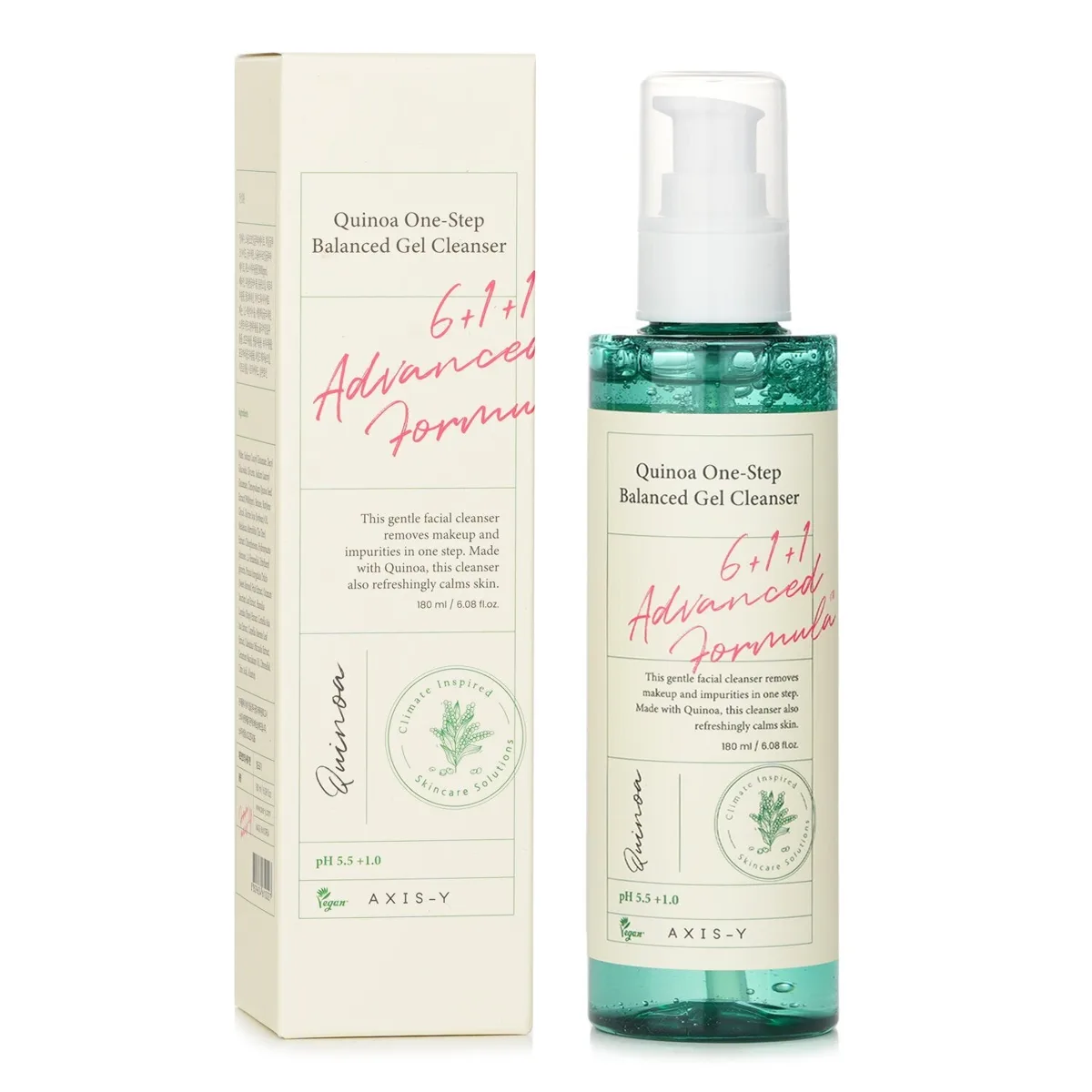 Quinoa-Led Gentle Daily Cleanser
 Quinoa One Step Balanced Gel Cleanser
A fragrance-free, sulfate-free gel cleanser built around quinoa seed extract and a gentle amphoteric-plus-nonionic surfactant pair. Non-stripping, broadly suitable, and priced reasonably — one of the safest recommendations in the daily gentle cleanser category.
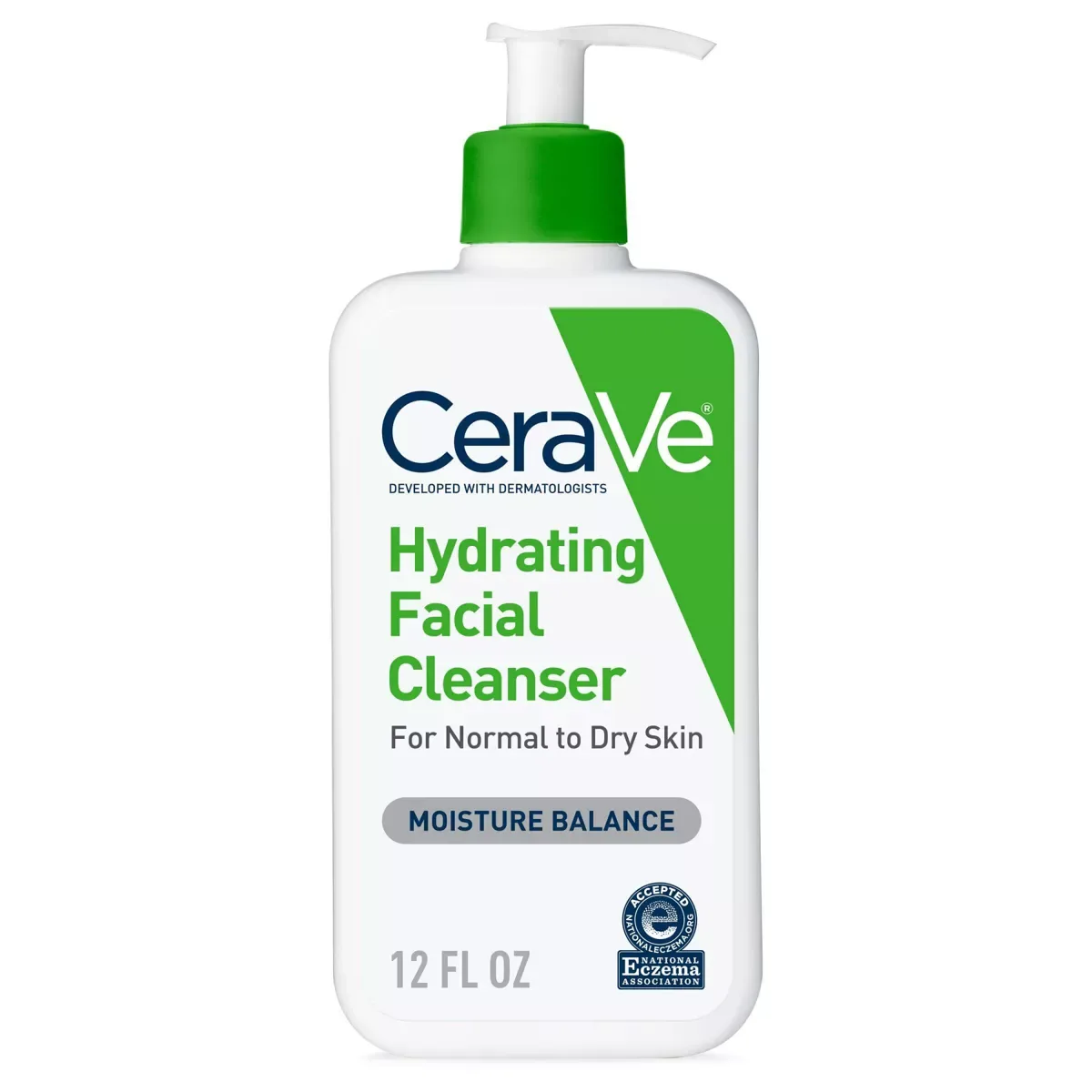 Sensitive Skin MVP
 Hydrating Facial Cleanser
The CeraVe Hydrating Facial Cleanser is the cleanser that taught a generation of dry-skin sufferers that washing your face does not have to mean punishing it. A lotion-textured, non-foaming formula that genuinely hydrates while it cleans, it remains the benchmark drugstore cleanser for anyone whose skin drinks moisture faster than most products can provide it.
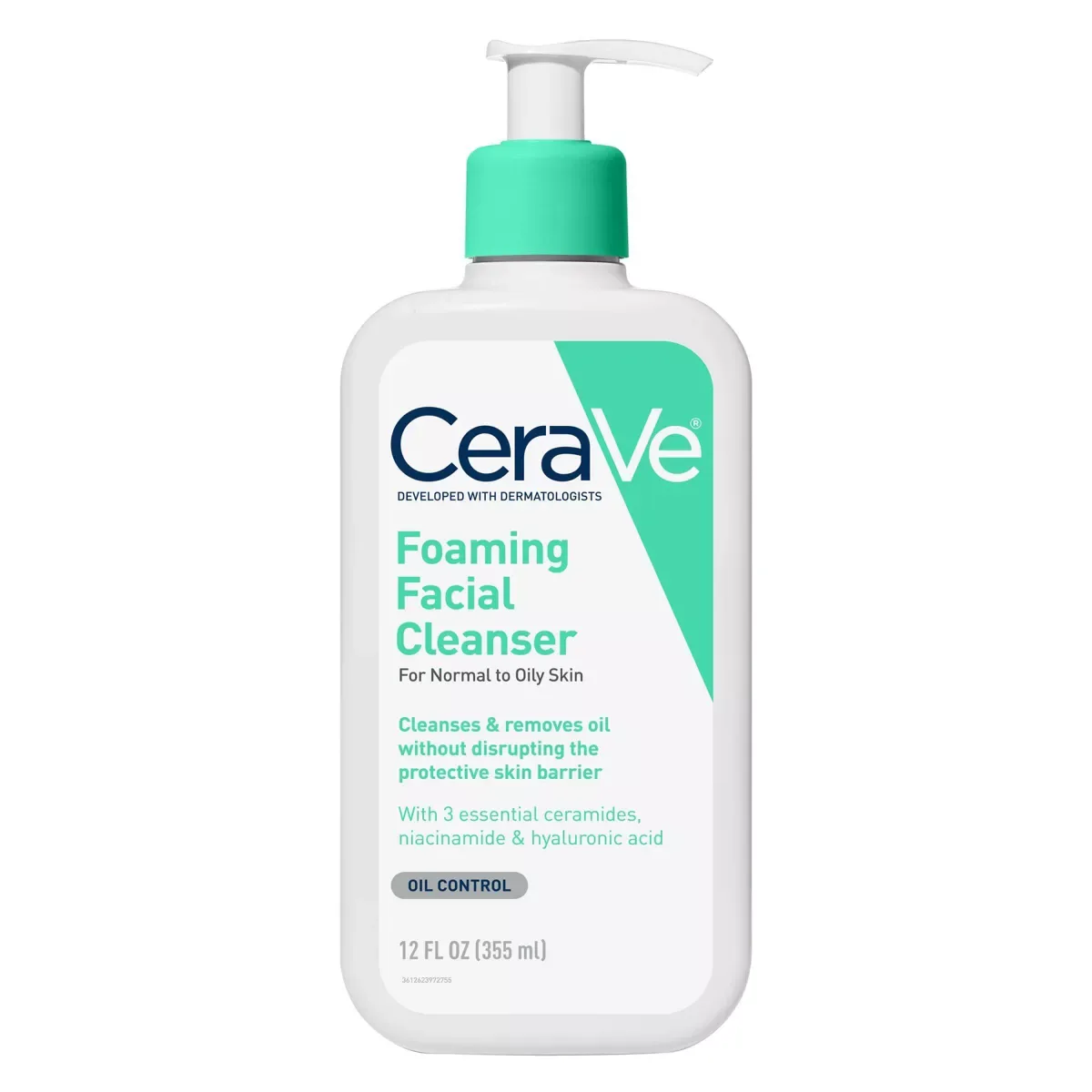 Derm Office Staple
 Foaming Facial Cleanser
The CeraVe Foaming Facial Cleanser is the rare drugstore cleanser that dermatologists actually use themselves — a genuinely gentle foaming wash that removes excess oil without triggering the rebound sebum production that plagues most lathering cleansers. At under sixteen dollars for a bottle that lasts months, it makes skipping it almost irrational.
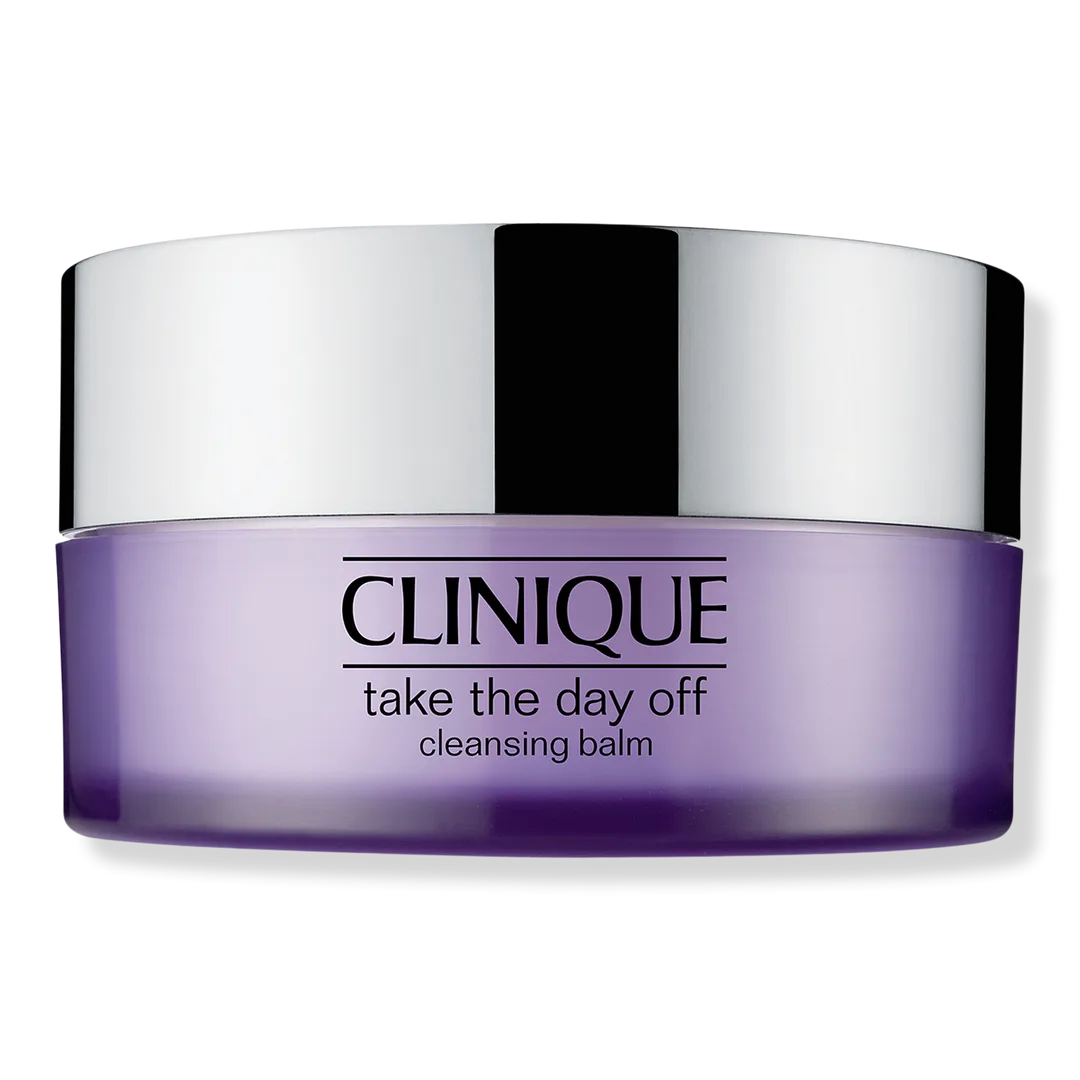 Cult-Status Makeup Eraser
 Take the Day Off Cleansing Balm
The cleansing balm that earned its cult status through radical restraint — nine ingredients, zero fragrance, and the ability to dissolve anything from waterproof mascara to SPF 50 without disturbing even the most reactive skin. Not the most glamorous product in any routine, but possibly the most universally reliable.
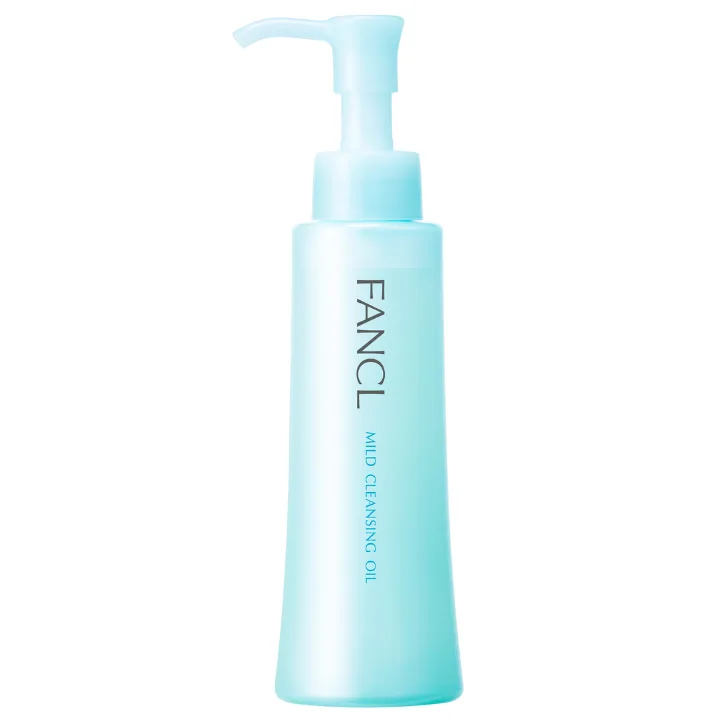 Japanese Drugstore Classic
 Mild Cleansing Oil
A two-decade-old Japanese drugstore staple that still outperforms most modern cleansing oils on the single metric that matters: does it remove sunscreen cleanly without leaving a film. The fragrance-free, ester-based formula is gentle enough for reactive skin and thoughtfully augmented with vitamin C and plant oils. Quietly one of the best first-cleanse options on the market.
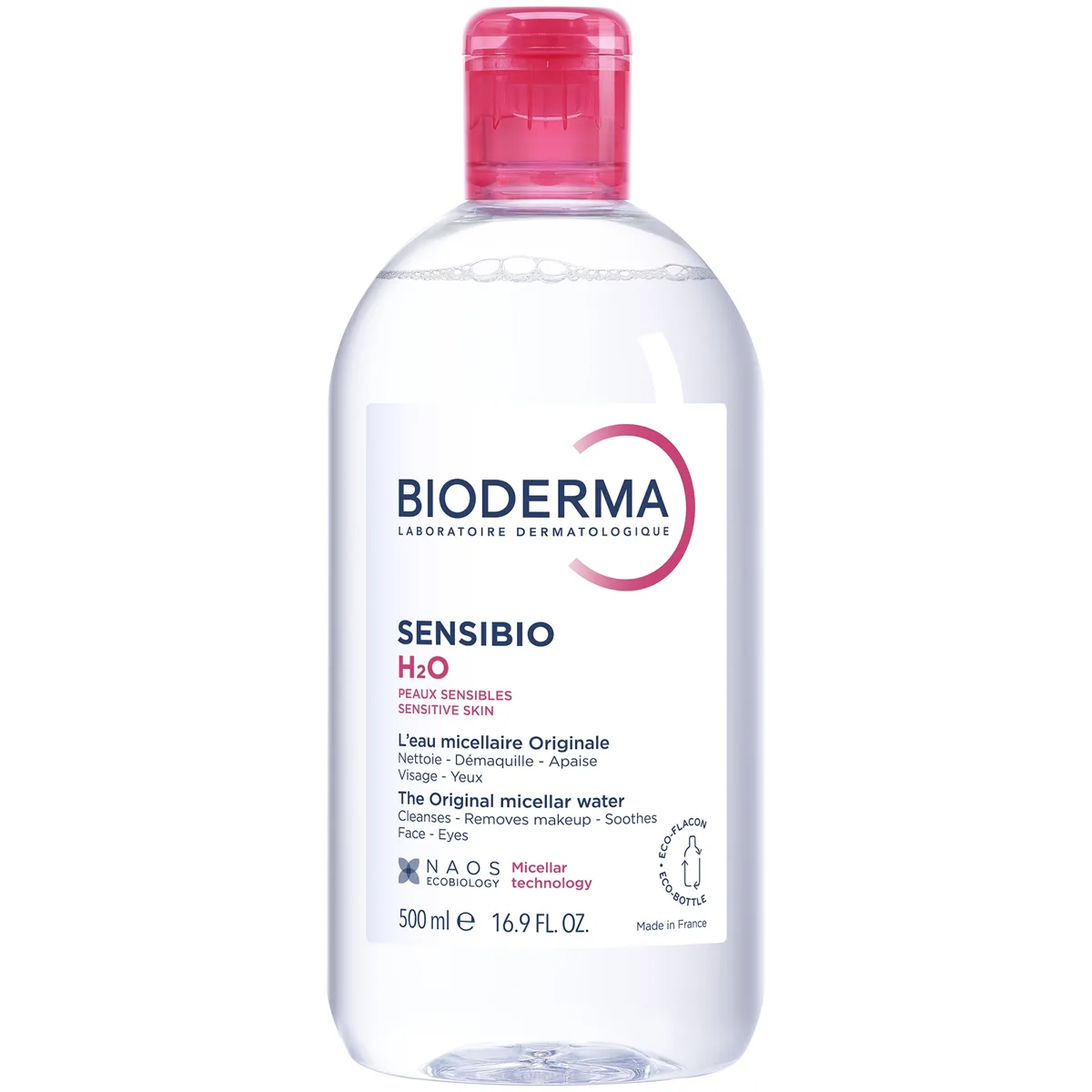 The Original Micellar Water
 Sensibio H2O Micellar Water
The product that launched an entire skincare category remains, three decades later, one of the gentlest and most effective no-rinse cleansers available. Bioderma Sensibio H2O earns its cult status through radical simplicity — 10 ingredients, zero fragrance, and a formula so mild it was originally dispensed by prescription.
This review reflects our independent analysis of publicly available ingredient data, manufacturer claims, and verified user reviews. We are reader-supported — Amazon links may earn us a commission at no cost to you. We do not accept paid placements; rankings are based solely on the evidence.