A genuinely multitasking treatment that earns its place in routines targeting redness, acne marks, and uneven tone. The 10% azelaic acid concentration delivers real results backed by decades of clinical research, though the premium price for a small tube means you're paying for formulation intelligence over quantity.
Azelaic Acid Booster
A genuinely multitasking treatment that earns its place in routines targeting redness, acne marks, and uneven tone. The 10% azelaic acid concentration delivers real results backed by decades of clinical research, though the premium price for a small tube means you're paying for formulation intelligence over quantity.
Score Breakdown
Where this product gains points and where it loses them — broken down across the four scoring pillars.
A well-formulated multi-benefit treatment with a thoughtful supporting cast of soothing and brightening ingredients, held back slightly by a premium price for a 1 oz tube and the inherent tingling that limits use on very sensitive skin.
Pros & Cons
- ✓Maximum OTC azelaic acid concentration at 10% addresses acne, rosacea, and hyperpigmentation simultaneously
- ✓Thoughtful supporting ingredients including salicylic acid, licorice root, and adenosine add multi-target efficacy
- ✓Fragrance-free, oil-free gel-cream texture absorbs quickly and layers cleanly under other products
- ✓Booster format allows flexible use — alone, mixed into serum, or blended with moisturizer
- ✓Pregnancy-safe formula makes it one of the few effective active treatments available during pregnancy
- ✓Leaping Bunny certified cruelty-free with a transparent, evidence-based brand philosophy
- ✓Allantoin and bisabolol buffer the tingling that azelaic acid commonly causes
- ✓Compatible with virtually every other active ingredient including retinol, vitamin C, and AHAs
- ✗Noticeable chemical scent from the azelaic acid itself despite being fragrance-free
- ✗Initial tingling or stinging that persists beyond the adjustment period for some users
- ✗Small 1 oz tube feels expensive at $36 even though cost-per-use is reasonable
- ✗10% concentration may be insufficient for moderate-to-severe rosacea or deep hyperpigmentation
- ✗Contains dimethicone and cyclopentasiloxane which may not suit silicone-averse users
- ✗Results require 8-12 weeks of consistent use for visible brightening
Full Review
For years, azelaic acid was the ingredient dermatologists kept prescribing while the rest of skincare obsessed over retinol and vitamin C. It sat quietly in prescription pads, doing its unglamorous but remarkably effective work on rosacea, acne, and hyperpigmentation while flashier actives dominated Instagram shelves. Paula's Choice saw the gap and filled it, bringing azelaic acid to the OTC market at 10% — the highest concentration you can get without a prescription in the United States.
The formula itself is deceptively simple-looking but thoughtfully constructed. Azelaic acid at this concentration works through multiple pathways simultaneously: it inhibits tyrosinase to address hyperpigmentation, normalizes the keratinization process inside pores to prevent acne, reduces inflammation through its effect on reactive oxygen species, and has documented antibacterial activity against Cutibacterium acnes. That breadth of action is unusual for a single active, and it explains why dermatologists have relied on it for decades across multiple skin conditions.
What makes this particular formula smarter than just dumping 10% azelaic acid into a tube is the supporting cast. The 0.5% salicylic acid works at a gentle enough concentration that it won't overwhelm sensitive skin but still provides pore-clearing exfoliation that helps the azelaic acid penetrate more effectively into the follicular unit. Licorice root extract and boerhavia diffusa root provide additional brightening through different mechanisms than the azelaic acid itself, creating a multi-pathway approach to evening skin tone. Allantoin at 0.3% and bisabolol act as the formula's built-in soothing system, anticipating and buffering the tingling that azelaic acid is known to cause.
The gel-cream texture is one of the product's genuine strengths. It has a lightweight, slightly silicone-y slip from the dimethicone that helps it spread evenly without feeling heavy. It absorbs within about a minute, leaves a semi-matte finish, and layers cleanly under moisturizers and sunscreens without pilling. The 'booster' format is more than marketing — it genuinely invites flexibility. You can apply it as a standalone treatment, mix it into a serum, or blend it with moisturizer for a gentler introduction.
Let's address the tingling. Nearly every review mentions it, and it's real. Azelaic acid interacts with nerve endings in the skin, producing a warm, prickling sensation that can range from barely noticeable to genuinely uncomfortable, particularly on compromised or freshly exfoliated skin. For most users, this subsides entirely within the first week of daily use. For a smaller subset, it persists. The formula's allantoin and bisabolol help, but they don't eliminate it entirely for everyone. If you have very reactive skin, starting every other day and mixing with moisturizer is the smart move.
There is a scent to reckon with, despite the fragrance-free label. Azelaic acid itself has a faintly chemical, slightly dusty quality that several reviewers describe as medicinal. It dissipates quickly and is much milder than, say, a vitamin C serum's metallic tang, but it's worth noting if you're scent-sensitive.
Results follow a predictable timeline. Soothing and redness reduction tend to show up within the first two to four weeks. Texture improvement and smoother skin follow shortly after. The real payoff — visible fading of post-inflammatory hyperpigmentation, acne marks, and general unevenness — requires patience. Eight to twelve weeks of consistent use is the realistic window, which aligns with the clinical literature on azelaic acid's melanocyte-modulating effects.
The honest limitation is the concentration. At 10%, this is effective but undeniably less potent than the 15-20% prescription formulations that generated most of the clinical data. If you have moderate-to-severe rosacea or deep hyperpigmentation, you may find this product pleasant but insufficient on its own. It excels as a maintenance treatment, a preventive measure, and a gentle introduction to azelaic acid for those who aren't ready for or don't need prescription strength.
The price conversation is straightforward: thirty-six dollars for one ounce is not cheap for a product you'll use daily. That ounce lasts roughly two to three months with once-daily application over the full face, which brings the cost-per-use into reasonable territory. A travel size exists for those who want to test before committing. For what you're getting — a well-formulated, multi-active treatment from a brand with three decades of evidence-based credibility and Leaping Bunny certification — the price reflects genuine formulation work rather than brand markup. But it doesn't change the fact that the tube feels small in your hand for the number on the receipt.
This is a product that rewards patience and consistency. It won't give you the dramatic overnight transformation that retinol or a strong chemical peel might. What it will give you is a steady, visible improvement in redness, tone, and texture with one of the gentlest risk profiles of any active treatment in skincare. For anyone dealing with the intersection of acne, redness, and discoloration — particularly during pregnancy, when most other actives are off the table — this booster fills a gap that very few products can.
Formula
Key Ingredients
The hero actives that drive this product's performance.
| Ingredient | Function | Evidence |
|---|---|---|
| Azelaic Acid 10% (10%) | The star active here, working as a multitasker that inhibits tyrosinase to fade hyperpigmentation while also normalizing keratinization in pores — particularly effective because the gel-cream vehicle enhances skin penetration compared to water-based formulas. The 10% concentration sits at the maximum OTC threshold, just below prescription-strength 15-20%. | well-established |
| Salicylic Acid (BHA) (0.5%) | At this low concentration, salicylic acid complements the azelaic acid by gently exfoliating within pores, enhancing the penetration of azelaic acid into the follicular unit where it can better target acne-related bacteria and excess keratinization. | well-established |
| Licorice Root Extract | Reinforces the brightening action of azelaic acid through a different mechanism — glabridin inhibits UVB-induced pigmentation while the extract's anti-inflammatory compounds help calm the redness that azelaic acid is already targeting, creating a dual-pathway approach to evening skin tone. | promising |
| Allantoin (0.3%) | Acts as a soothing buffer against the potential tingling from the azelaic acid and salicylic acid, promoting cell proliferation and keeping the skin comfortable during the adjustment period that many users experience with this formula. | well-established |
| Adenosine | Provides anti-aging support that extends this booster beyond just brightening and acne — adenosine stimulates collagen production and has documented anti-wrinkle effects, making this a particularly efficient product for those addressing multiple concerns simultaneously. | promising |
| Bisabolol | A chamomile-derived anti-inflammatory that works synergistically with the allantoin to mitigate irritation from the active acids, while also contributing its own mild skin-lightening properties to the formula's overall brightening mission. | promising |
Full INCI List
Water (Aqua), Azelaic Acid, C12-15 Alkyl Benzoate, Caprylic/Capric Triglyceride, Methyl Glucose Sesquistearate, Glycerin, Cetearyl Alcohol, Glyceryl Stearate, Dimethicone, Salicylic Acid, Adenosine, Glycyrrhiza Glabra (Licorice) Root Extract, Boerhavia Diffusa Root Extract, Allantoin, Bisabolol, Cyclopentasiloxane, Xanthan Gum, Sclerotium Gum, Propanediol, Butylene Glycol, Phenoxyethanol
Product Flags
✓ Fragrance Free✓ Alcohol Free✓ Oil Free✗ Silicone Free✓ Paraben Free✓ Sulfate Free✓ Cruelty Free✓ Vegan✗ Fungal Acne Safe
Comedogenic Ingredients
Cetearyl Alcohol
Potential Irritants
Azelaic AcidSalicylic Acid
Compatibility
Skin Match
Best For
Works For
Not Ideal For
Addresses These Conditions
acne rosacea hyperpigmentation dark spots texture dullness
Use With Caution
sensitivity compromised skin barrier
Routine Step
treatment
Time of Day
AM & PM
Pregnancy Safe
Yes ✓
Layering Tips
Apply after water-based serums and before moisturizer. Can be mixed with moisturizer or serum for a less intense application. Use as a standalone treatment or layer over other actives — azelaic acid plays well with most ingredients.
Results Timeline
Mild tingling on first use is normal and usually subsides within a week. Redness reduction and smoother texture may be visible within 2-4 weeks. Full brightening and hyperpigmentation-fading benefits typically appear after 8-12 weeks of consistent use.
Pairs Well With
NiacinamideVitamin CHyaluronic AcidRetinol
Sample AM Routine
- Gentle cleanser
- Niacinamide serum
- Paula's Choice Azelaic Acid Booster
- Moisturizer
- Sunscreen SPF 30+
Sample PM Routine
- Gentle cleanser
- Hydrating toner
- Paula's Choice Azelaic Acid Booster
- Moisturizer
Evidence
Science & Expert Perspective
The Science
Azelaic acid's clinical pedigree is one of the most robust in dermatology. A 2023 systematic review by King et al. in the Journal of Cosmetic Dermatology analyzed 20 rosacea studies and found significant improvement in erythema severity, inflammatory lesion counts, and overall treatment success with azelaic acid versus vehicle after 12 weeks. A comprehensive 2024 review in Clinical, Cosmetic and Investigational Dermatology detailed the ingredient's antibacterial activity against Cutibacterium acnes, its inhibition of tyrosinase for melanin reduction, its anti-keratinizing effects in the follicular unit, and its antioxidant capacity through inhibition of reactive oxygen species.
The majority of this clinical data, however, comes from prescription-strength formulations at 15% and 20% concentrations. Thiboutot et al.'s landmark 2008 study on azelaic acid 15% gel for rosacea, published in Cutis, demonstrated clear efficacy at that concentration. At 10%, the mechanism of action is identical, but the dose-response relationship means effects may be milder or take longer to manifest.
What makes this particular formulation interesting from a scientific standpoint is the inclusion of 0.5% salicylic acid. While BHA and azelaic acid work through different exfoliation mechanisms — salicylic acid is lipophilic and penetrates into the sebaceous follicle, while azelaic acid acts on keratinization within the follicular infundibulum — the combination theoretically enhances delivery of both actives into the pore environment. The addition of glycyrrhiza glabra (licorice) root extract, which contains glabridin, provides a second melanogenesis-inhibiting pathway independent of azelaic acid's tyrosinase inhibition, creating a multi-target approach to pigmentation that is more effective than either ingredient alone.
References
- A systematic review to evaluate the efficacy of azelaic acid in the management of acne, rosacea, melasma and skin aging — Journal of Cosmetic Dermatology (2023)
- Azelaic Acid: Mechanisms of Action and Clinical Applications — Clinical, Cosmetic and Investigational Dermatology (2024)
- Azelaic acid 15% gel in the treatment of rosacea — Cutis (2008)
Dermatologist Perspective
Board-certified dermatologists frequently recommend azelaic acid as a first-line treatment for papulopustular rosacea and as a safe option for pregnancy-related acne and melasma. Dermatologists note that at 10%, this over-the-counter formulation provides meaningful activity for mild-to-moderate concerns, though patients with more severe rosacea or resistant hyperpigmentation may ultimately need prescription-strength 15% or 20% formulations. The inclusion of 0.5% salicylic acid and soothing botanicals makes this a particularly well-rounded formulation that dermatologists can recommend for patients seeking to address multiple concerns — acne, redness, and discoloration — in a single, well-tolerated step.
Guidance
Usage Guide
How to Use
Apply a pea-sized amount to clean, dry skin once or twice daily. Spread evenly across the face or use as a targeted spot treatment on areas of redness or hyperpigmentation. Layer after water-based serums and toners but before moisturizer. For sensitive skin, start with once daily or mix a small amount into your moisturizer to dilute the formula. Allow one minute for absorption before applying the next step in your routine. Always follow with sunscreen during the day when using any exfoliating active.
Value Assessment
At $36 for 1 oz, this sits in the mid-premium range for a targeted treatment booster. A travel size (0.17 oz) is available for those wanting to test it first. With once-daily use, the full-size tube lasts roughly two to three months, bringing the effective daily cost to about $0.40-$0.60. For a brand with 30 years of evidence-based credibility, Leaping Bunny certification, and a formula that packs six functional actives into a single step, the price reflects genuine formulation sophistication rather than brand markup. That said, the per-ounce cost is undeniably high, and budget-conscious consumers may find the small tube frustrating given how quickly treatments get used up.
Who Should Buy
Anyone dealing with the overlap of redness, post-acne marks, and uneven skin tone — particularly combination and oily skin types who want an oil-free, lightweight treatment. Especially valuable for pregnant individuals seeking an effective active treatment when retinoids and hydroquinone are off the table.
Who Should Skip
Those with very sensitive or severely compromised skin barriers who find even mild tingling intolerable. If you have moderate-to-severe rosacea already managed by prescription azelaic acid, this 10% OTC version may feel like a step backward in efficacy.
Ready to try Paula's Choice Azelaic Acid Booster?
Details
Details
Texture
Lightweight gel-cream with a slight silicone slip from the dimethicone. Spreads easily and absorbs quickly without feeling heavy or sticky.
Scent
Fragrance-free but has a subtle chemical or slightly dusty medicinal scent from the azelaic acid itself. Dissipates within a minute of application.
Packaging
White and bright green squeezable plastic tube with a screw cap. Standard Paula's Choice tube design with detailed ingredient and usage information printed on the packaging.
Finish
mattenon-greasylightweight
What to Expect on First Use
Most users experience mild tingling or a warm sensation on first application, particularly on areas with active breakouts or irritation. This typically subsides after the first week of consistent use. No purging period is expected, and early soothing benefits may be noticeable within the first few applications.
How Long It Lasts
2-3 months with once-daily use over the full face; 4-6 weeks if used twice daily
Period After Opening
12 months
Best Season
All Year
Certifications
Leaping Bunny CertifiedPETA Cruelty-Free
Background
The Why
Paula Begoun developed this booster to bring a prescription-grade dermatological ingredient into the OTC space at its maximum allowable concentration. Azelaic acid had long been a well-kept secret in dermatology for rosacea and hyperpigmentation but was virtually unavailable without a prescription until products like this made it accessible.
About Paula's Choice Legacy Brand (20+ years)
Paula's Choice was founded in 1995 by consumer advocate Paula Begoun, known as the 'Cosmetics Cop,' and has built its reputation on evidence-based, fragrance-free formulations. The brand is Leaping Bunny certified and widely recommended by dermatologists for its transparent, research-driven approach.
Brand founded: 1995 · Product launched: 2016
Myth vs. Reality
Myths & Misconceptions
Myth
Azelaic acid is too harsh for daily use and should only be used a few times a week.
Reality
At 10%, azelaic acid is well-tolerated daily by most skin types. Unlike retinoids, it doesn't thin the skin or increase photosensitivity, and the allantoin and bisabolol in this formula further buffer any irritation.
Myth
You can't use azelaic acid with other exfoliants like AHAs or BHAs.
Reality
Azelaic acid is actually one of the most compatible actives in skincare. This formula already includes 0.5% salicylic acid, and dermatologists routinely recommend layering azelaic acid with retinoids, vitamin C, and other exfoliants.
FAQ
Frequently Asked Questions
Can I use Paula's Choice Azelaic Acid Booster with retinol?
Yes — azelaic acid is one of the most compatible actives in skincare. This booster can be applied before or after retinol products. Many dermatologists actually recommend the combination, as azelaic acid addresses pigmentation concerns that retinol alone may not fully resolve, while the allantoin and bisabolol in this formula help soothe any retinol-related irritation.
Is this product safe to use during pregnancy?
Azelaic acid is considered one of the safest active ingredients for use during pregnancy and breastfeeding, and dermatologists frequently recommend it as a pregnancy-safe alternative to retinoids and hydroquinone. The 0.5% salicylic acid in this formula is also at a concentration generally considered safe for topical use during pregnancy.
How long does it take to see results from the Azelaic Acid Booster?
Soothing and redness-reduction benefits can appear within 2-4 weeks of consistent daily use. For hyperpigmentation and acne mark fading, expect 8-12 weeks before significant changes are visible. The initial tingling most users experience typically subsides within the first week.
Why does the Azelaic Acid Booster sting when I apply it?
Mild tingling is a well-documented and normal response to azelaic acid, caused by the ingredient's interaction with nerve endings in the skin. In this formula, the allantoin and bisabolol are included specifically to minimize this sensation. It typically resolves within the first week of regular use, but if persistent burning occurs, reduce to every other day or mix with moisturizer.
Can I use this booster on rosacea-prone skin?
Yes — azelaic acid is one of the most frequently dermatologist-recommended ingredients for rosacea, and this fragrance-free, oil-free formula includes soothing agents like allantoin, bisabolol, and licorice root specifically to calm redness. Start with once daily and increase as tolerated.
What's the difference between this 10% OTC booster and prescription 15-20% azelaic acid?
Prescription azelaic acid (Finacea, Azelex) contains higher concentrations and may produce faster results for moderate-to-severe rosacea or acne. This 10% OTC version is gentler, includes complementary actives like salicylic acid and licorice root that prescription versions lack, and is available without a doctor visit — making it a strong option for mild-to-moderate concerns.
Should I apply this before or after moisturizer?
Apply this booster after water-based serums and before moisturizer for maximum efficacy. Alternatively, you can mix a few drops into your moisturizer for a gentler introduction. The gel-cream texture layers well without pilling under most products.
Community
Community Voices
Common Praise
"Effectively reduces redness and rosacea symptoms"
"Fades post-acne marks and hyperpigmentation over time"
"Lightweight, non-greasy gel-cream texture"
"Layers well with other skincare products"
"Calms and soothes irritated skin"
"Visible skin-tone evening and brightening"
Common Complaints
"Noticeable chemical or medicinal scent despite being fragrance-free"
"Initial stinging or tingling that can persist for some users"
"Small tube relative to price at $36 per ounce"
"Takes 8-12 weeks for full brightening results"
Notable Endorsements
Dr. Adeline Kikam, board-certified dermatologist, has publicly recommended this product for its 10% azelaic acid and allantoin combination
Appears In
best treatment for rosacea best treatment for hyperpigmentation best treatment for acne best treatment for dark spots best brightening treatment for combination skin
Related Conditions
rosacea acne hyperpigmentation dark spots texture dullness
Related Ingredients
azelaic acid salicylic acid licorice root allantoin adenosine
You Might Also Like
 Barrier Rescue Hero
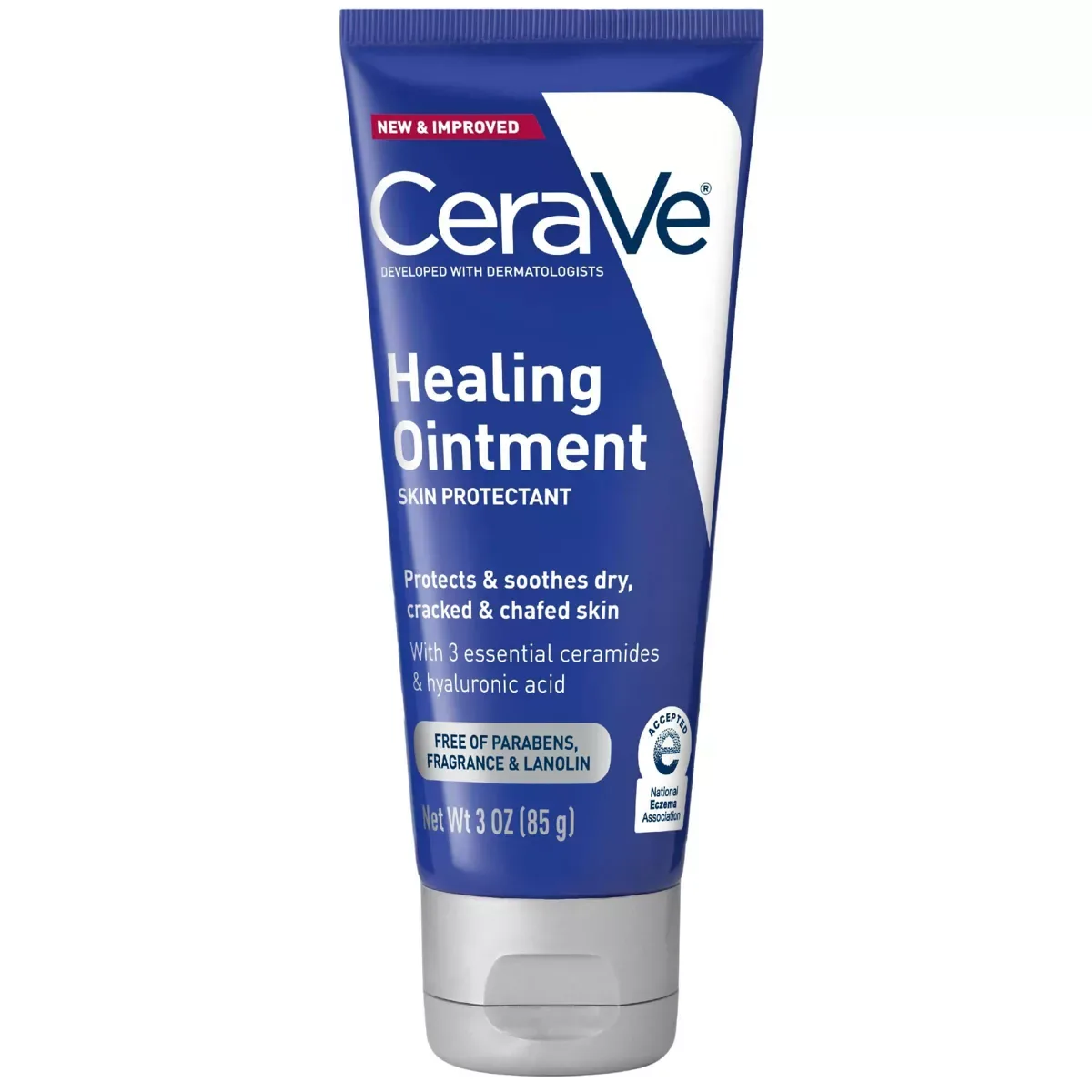
 Healing Ointment
CeraVe's Healing Ointment takes the simplest concept in skincare — seal the skin with petrolatum — and makes it genuinely intelligent by adding ceramides, hyaluronic acid, and panthenol beneath the occlusive layer. It is the gold standard drugstore occlusive for barrier rescue, slugging, and post-procedure care.
 Derm Office Staple
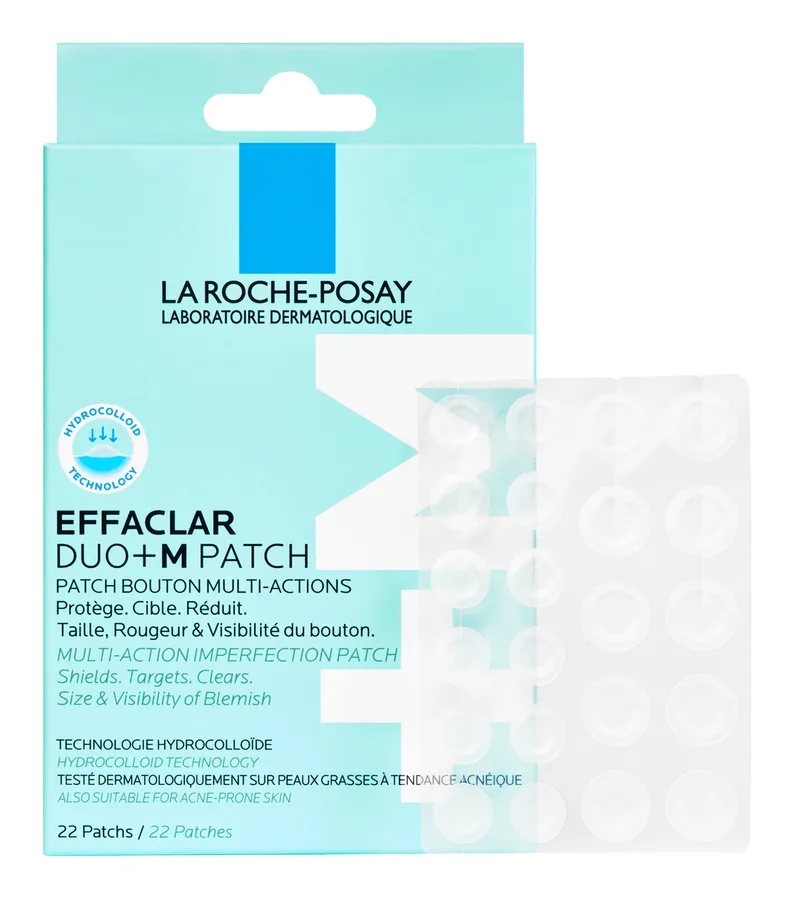
 Effaclar Multi-Target Blemish Patches
One of the few hydrocolloid pimple patches that actually stays on overnight without curling off at 3am. At 420 microns thick with two size options in one pack and zero actives to irritate sensitive skin, this is the Effaclar line's quiet overachiever — and a legitimately good answer for anyone whose acne routine has been sabotaged by thinner patches that refuse to stay put.
 Gentle Glow Specialist
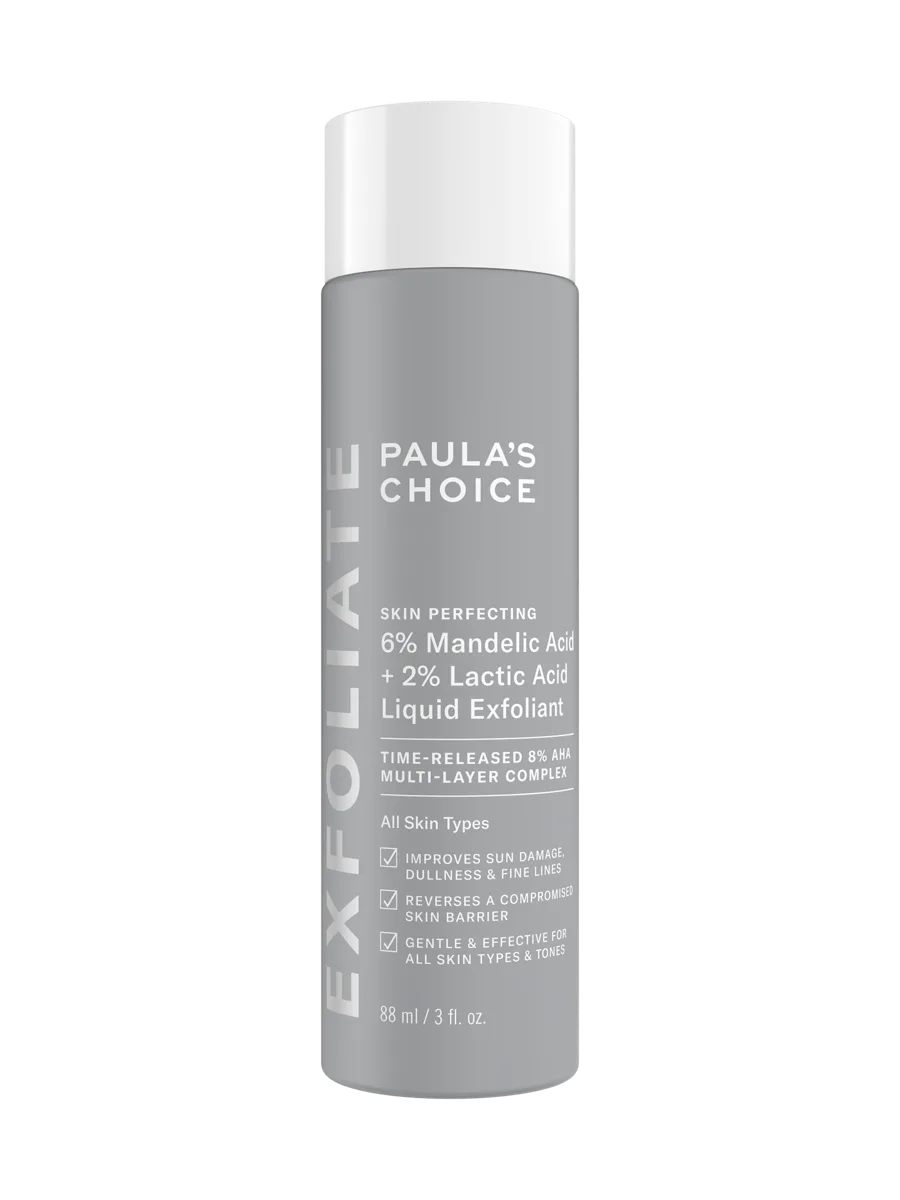
 Skin Perfecting 6% Mandelic Acid + 2% Lactic Acid Liquid Exfoliant
The exfoliant that finally treats sensitive and melanin-rich skin as the design priority rather than an afterthought. With a 4.8-star rating and 660+ reviews, this mandelic-lactic formula proves that gentleness and efficacy aren't mutually exclusive — it just requires smarter acid selection.
 Reactive-Skin Cult Favorite
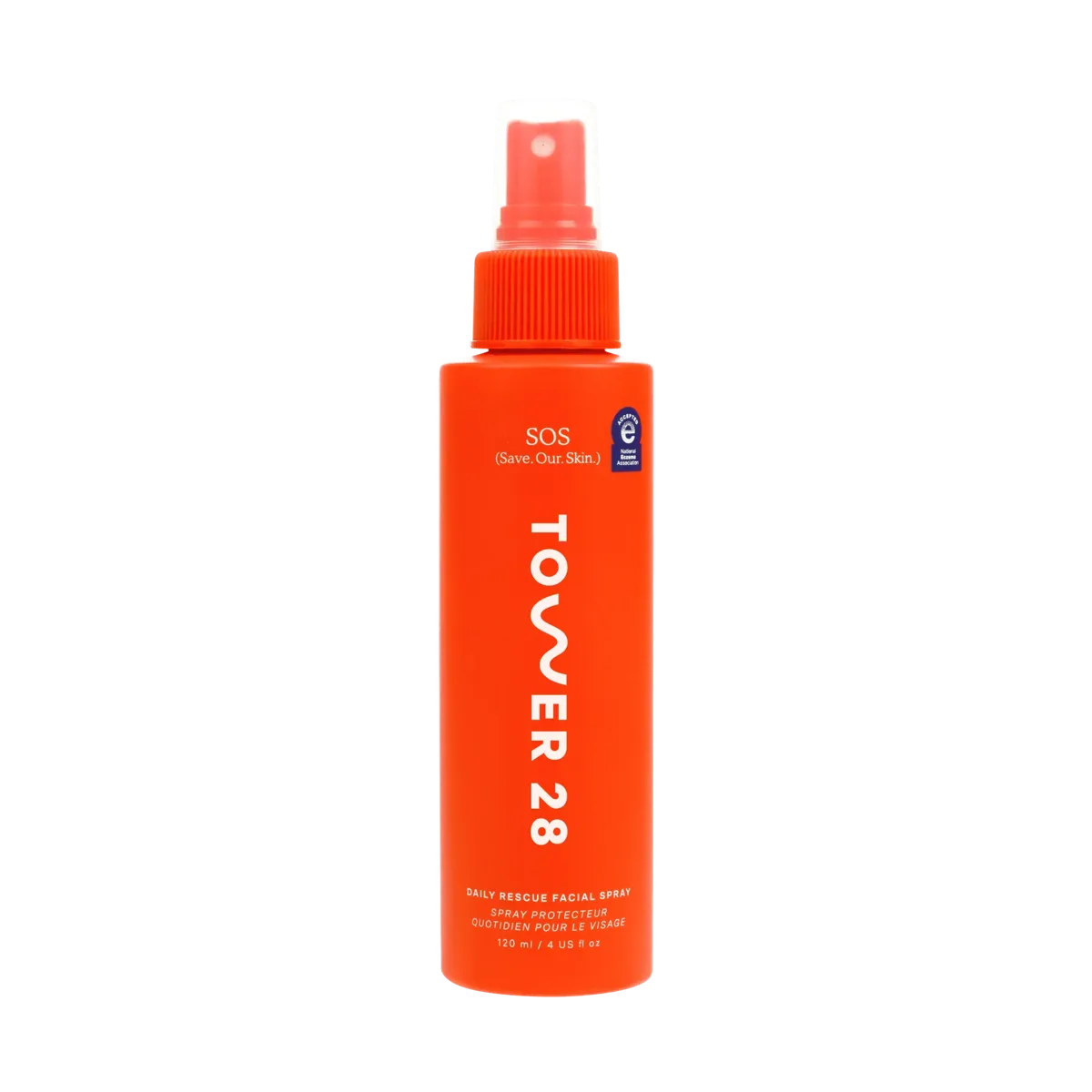
 SOS Save Our Skin Daily Rescue Facial Spray
The product that single-handedly brought hypochlorous acid into mainstream skincare. A fine-mist HOCl spray with genuine dermatology-organization validation, a near-perfect tolerability profile, and a cult following among people whose skin reacts to everything else. The price runs steeper than medical-grade HOCl, but the stabilization and design are worth the difference for daily use.
Mighty Patch Invisible+
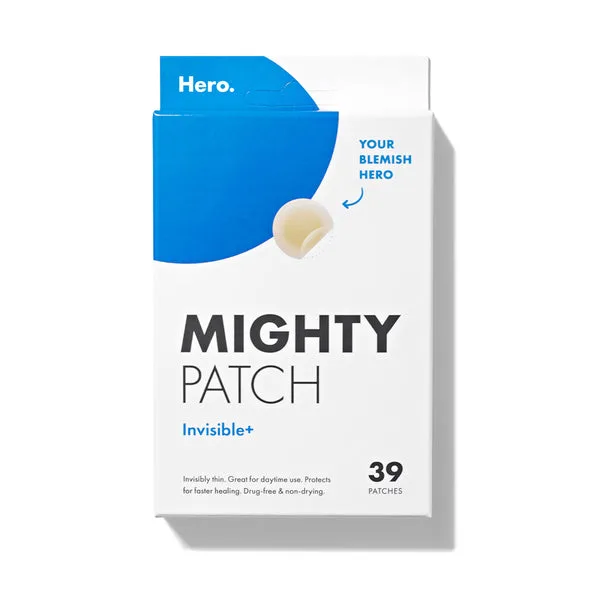
The pimple patch that proved acne treatment could be invisible — Mighty Patch Invisible+ delivers the same fluid-absorbing hydrocolloid technology as the category-defining Original, but engineered thin enough to disappear under makeup. For daytime blemish management, nothing else comes this close to invisible.
 Barrier Rebuilder
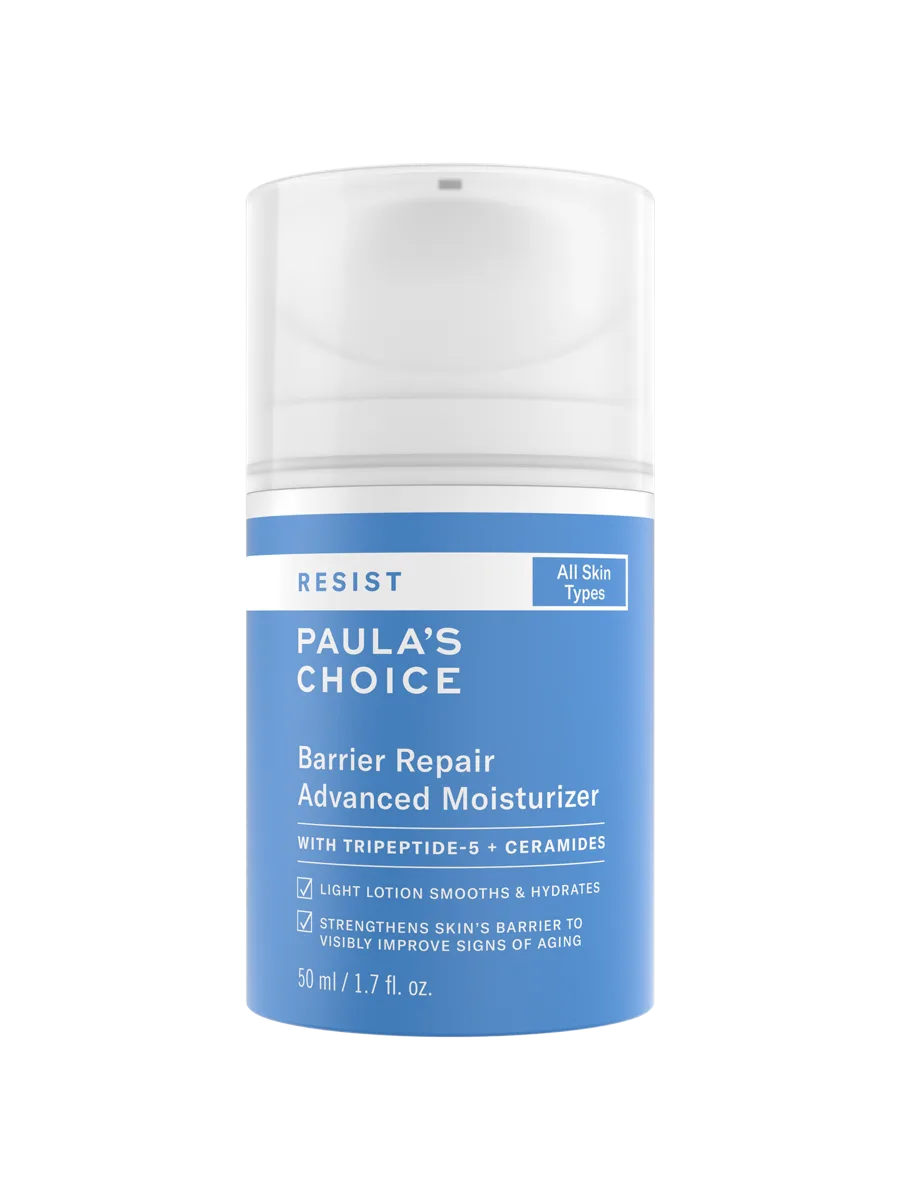
 Barrier Repair Moisturizer
A ceramide moisturizer that actually earns the term 'barrier repair' — five ceramides plus cholesterol replicate the skin's own lipid architecture rather than offering token ceramide inclusion. It's the safety net for anyone pushing their skin with retinol or acids, and it does that job exceptionally well.