A scientifically rigorous vitamin C serum that delivers the gold-standard C+E+Ferulic trio at a validated pH, now enhanced with modern peptides and ergothioneine. The tiny bottle and 3-month shelf life sting, but the formulation itself is nearly beyond reproach.
C15 Super Booster
A scientifically rigorous vitamin C serum that delivers the gold-standard C+E+Ferulic trio at a validated pH, now enhanced with modern peptides and ergothioneine. The tiny bottle and 3-month shelf life sting, but the formulation itself is nearly beyond reproach.
Score Breakdown
Where this product gains points and where it loses them — broken down across the four scoring pillars.
An exceptionally formulated vitamin C serum built on the gold-standard C+E+Ferulic trio with modern peptide additions, but the tiny bottle, premium price, and short shelf life after opening significantly impact its value proposition.
Pros & Cons
- ✓Gold-standard C+E+Ferulic trio at concentrations and pH validated by peer-reviewed research
- ✓2024 reformulation adds ergothioneine and collagen-stimulating peptides without compromising the core formula
- ✓Lightweight watery texture absorbs in under a minute and layers perfectly under sunscreen
- ✓Immediate visible brightening glow that deepens into genuine complexion evening over weeks
- ✓Fragrance-free, oil-free, silicone-free — minimal sensitization risk beyond the inherent acidity
- ✓Booster format allows flexible use including mixing with moisturizer for sensitive skin
- ✓Improved UV-protective packaging with airflow restrictor slows vitamin C oxidation
- ✓Pregnancy-safe antioxidant treatment for those avoiding retinoids
- ✗Tiny 20 mL bottle at $52 with no larger size option makes it one of the priciest per-ounce serums
- ✗Must be used within 3 months of opening — oxidation waits for no one
- ✗pH 3.0 causes noticeable tingling that limits tolerance for reactive or sensitized skin
- ✗Not fungal-acne safe due to PEG-40 Hydrogenated Castor Oil
- ✗Slight tacky residue if more than 4 drops are applied in a single layer
Full Review
Most product reformulations are cost-cutting exercises dressed up as innovation. When Paula's Choice announced the 2024 overhaul of its C15 Super Booster — a vitamin C serum that had been quietly earning loyalty since around 2013 — the skepticism was reasonable. Vitamin C serums are the most crowded category in skincare, and brands tinker with winning formulas at their peril. In this case, though, the reformulation is the story because it's genuinely better.
The foundation remains the same: 15% pure L-ascorbic acid at pH 3.0, paired with vitamin E (tocopherol) and ferulic acid. This isn't just a good combination — it's the combination, the one validated by Dr. Sheldon Pinnell's landmark 2005 study at Duke University. That research demonstrated that adding 0.5% ferulic acid to a 15% vitamin C and 1% vitamin E solution doubled its photoprotective capacity from four-fold to eight-fold. Every serious vitamin C serum on the market is, in some way, chasing that paper. Paula's Choice has been delivering on it for over a decade.
What the 2024 reformulation adds is genuinely interesting. Ergothioneine — a mushroom-derived amino acid antioxidant that accumulates in cells under oxidative stress — provides a secondary defense system that persists even after the ascorbic acid has been metabolized. Two new peptides, palmitoyl tripeptide-5 and tridecapeptide-1, stimulate collagen through pathways independent of vitamin C's own procollagen effects. It's not just more ingredients — it's additional mechanisms of action that don't compete with the existing ones.
The texture is distinctly different from the thick, oily vitamin C serums that dominate this space. This is a lightweight, almost watery liquid that flows easily from the dropper and absorbs into skin within a minute. There's a barely perceptible oiliness — more slip than slick — and a faint acidic note that dissipates almost before you register it. The finish is satin-leaning-dewy, never greasy, and layers beautifully under moisturizer and sunscreen without a trace of pilling.
The immediate effect is visible. After the first application, there's a subtle luminosity — not the artificial shimmer of a highlighter but the natural glow of well-nourished skin. This isn't a coincidence; the low pH triggers a very mild exfoliation that reveals brighter skin underneath, while the antioxidants get to work neutralizing the free radicals that cause oxidative dullness. Over weeks of consistent use, that initial glow deepens into genuine complexion-evening: dark spots lighten, sun damage fades, and the overall tone becomes more uniform.
The tingling on first use needs honest discussion. At pH 3.0, this is an acidic product, and skin that's recently been exfoliated, is slightly compromised, or is simply reactive will notice it. For most users, it's a brief warm prickle that fades within 30 seconds. For some, it's more pronounced. The booster format is actually a blessing here — you can mix drops into moisturizer to buffer the pH if direct application is too intense. This flexibility is something a dedicated serum formulation can't easily offer.
The reformulated packaging deserves mention because it addresses one of the original formula's legitimate weaknesses. L-ascorbic acid is notoriously unstable — exposure to air, light, and heat accelerates its oxidation. The new UV-coated glass container with an internal airflow restrictor is a meaningful upgrade over the original dropper bottle. It's not a hermetically sealed system, but it's a genuine effort to protect a temperamental ingredient.
And now the conversation nobody who makes vitamin C serums wants to have: this is a tiny bottle at a steep price. Twenty milliliters — barely more than four teaspoons — for around fifty-two dollars, with a firm instruction to use it within three months of opening regardless of how much remains. With once-daily use of three to four drops, you'll get roughly two months from a bottle, and there's no larger size option. The per-drop cost is justifiable given the formulation quality, but the absolute number on the receipt makes people wince, and the race against the oxidation clock adds a layer of pressure that other skincare products don't have.
The ferulic acid and vitamin E do extend the formula's stability compared to L-ascorbic acid alone, and the improved packaging helps further. But if you're someone who forgets to use products consistently, you may watch a half-full bottle turn amber before you finish it. This is a product that rewards daily discipline and punishes sporadic use — literally at the molecular level.
For all the price anxiety, the formulation itself is difficult to criticize. It replicates the most-cited antioxidant research in dermatology, enhances it with modern ingredients that have their own emerging evidence base, and delivers it in a vehicle that's pleasant to use daily. The immediate glow is satisfying, the long-term brightening is real, and the anti-aging benefits of consistent antioxidant use are among the most thoroughly documented outcomes in skincare science. If your morning routine has room for one active, a well-formulated vitamin C serum is the single highest-impact product you can add — and this is one of the best-formulated options available.
Formula
Key Ingredients
The hero actives that drive this product's performance.
| Ingredient | Function | Evidence |
|---|---|---|
| L-Ascorbic Acid 15% (15%) | Pure L-ascorbic acid at the concentration validated by Pinnell's research as optimal for skin penetration. At pH 3.0, this formula maximizes absorption into the epidermis where it stimulates collagen synthesis, neutralizes free radicals, and inhibits melanogenesis — effects amplified by the vitamin E and ferulic acid in this specific formulation. | well-established |
| Ferulic Acid | The critical stabilizer in this formula's antioxidant trio. Ferulic acid doesn't just prevent the L-ascorbic acid from oxidizing — Pinnell's 2005 research showed it doubles the photoprotective capacity of the C+E combination from 4-fold to 8-fold, making this ingredient the difference between a good vitamin C serum and an exceptional one. | well-established |
| Tocopherol (Vitamin E) | Completes the gold-standard antioxidant trio alongside L-ascorbic acid and ferulic acid. Tocopherol regenerates oxidized vitamin C, extending its active lifespan on the skin, while providing its own lipid-soluble antioxidant protection in the cell membrane — a complementary defense layer to the water-soluble vitamin C. | well-established |
| Palmitoyl Tripeptide-5 | A collagen-stimulating peptide added in the 2024 reformulation that works through a TGF-beta signaling pathway to boost collagen production — a mechanism independent of vitamin C's procollagen effect, creating a dual-pathway approach to firming and anti-aging in this single formula. | promising |
| Ergothioneine | A potent amino acid antioxidant added in the 2024 reformulation that accumulates in cells with high oxidative stress. It provides an additional layer of free radical defense that persists even after the vitamin C has been metabolized, extending the overall antioxidant protection window of each application. | promising |
| Sodium Hyaluronate | The low-molecular-weight form of hyaluronic acid provides hydration that counterbalances the potentially drying effect of the low pH environment required for L-ascorbic acid absorption, ensuring the formula brightens without compromising skin moisture. | well-established |
Full INCI List · pH 3
Water (Aqua/Eau), Ascorbic Acid, Glycerin, Ethoxydiglycol, PPG-26-Buteth-26, Mannitol, Tridecapeptide-1, Palmitoyl Tripeptide-5, Sodium Hyaluronate, Pentylene Glycol, PEG-40 Hydrogenated Castor Oil, Bisabolol, Sodium Gluconate, Decylene Glycol, Ferulic Acid, Oryza Sativa (Rice) Bran Extract, Tocopherol, Polyacrylate Crosspolymer-6, 1,2-Hexanediol, Panthenol, Sodium Phytate, Sodium Hydroxide, Citric Acid, Ergothioneine, Phenoxyethanol
Product Flags
✓ Fragrance Free✓ Alcohol Free✓ Oil Free✓ Silicone Free✓ Paraben Free✓ Sulfate Free✓ Cruelty Free✓ Vegan✗ Fungal Acne Safe
Potential Irritants
Ascorbic Acid (15%, pH 3.0)Ethoxydiglycol
Compatibility
Skin Match
Best For
Works For
Not Ideal For
Addresses These Conditions
hyperpigmentation dark spots dullness aging sun damage texture
Use With Caution
sensitivity rosacea compromised skin barrier
Routine Step
serum
Time of Day
AM
Pregnancy Safe
Yes ✓
Layering Tips
Apply 3-4 drops to clean, dry skin in the morning before moisturizer and sunscreen. Wait 1-2 minutes for absorption. Do not mix directly with niacinamide products at the same time — use one in the AM and one in the PM. The booster format allows mixing into moisturizer for dilution if skin is reactive.
Results Timeline
Immediate brightening glow after first application. Visible reduction in dullness within 1-2 weeks. Hyperpigmentation fading and skin tone evening typically visible at 4-8 weeks. Collagen-related firming benefits require 12+ weeks of consistent daily use.
Pairs Well With
SunscreenHyaluronic AcidRetinol (at night)Azelaic Acid
Conflicts With
Benzoyl Peroxide (can oxidize vitamin C)Copper peptides (pH incompatibility)
Sample AM Routine
- Gentle cleanser
- Paula's Choice C15 Super Booster
- Hyaluronic acid serum
- Moisturizer
- Sunscreen SPF 30+
Sample PM Routine
- Gentle cleanser
- Retinol or exfoliant
- Moisturizer
Evidence
Who Should Skip
- Tiny 20 mL bottle at $52 with no larger size option makes it one of the priciest per-ounce serums
- Must be used within 3 months of opening — oxidation waits for no one
- pH 3.0 causes noticeable tingling that limits tolerance for reactive or sensitized skin
- Not fungal-acne safe due to PEG-40 Hydrogenated Castor Oil
Science & Expert Perspective
The Science
The scientific foundation of this formula rests on one of the most frequently cited papers in cosmetic dermatology. Pinnell et al.'s 2005 study in the Journal of Investigative Dermatology demonstrated that adding 0.5% ferulic acid to a solution of 15% L-ascorbic acid and 1% alpha-tocopherol doubled its photoprotective capacity as measured by both erythema reduction and sunburn cell formation. This synergistic combination provided approximately 8-fold protection against UV-induced oxidative damage — significantly more than any single antioxidant alone.
Murray et al. confirmed these findings in 2008 in the Journal of the American Academy of Dermatology, showing reduced thymine dimer formation (a direct marker of DNA damage) and decreased apoptosis with topical C+E+Ferulic application before UV exposure. The clinical implication is clear: this antioxidant combination doesn't replace sunscreen, but it adds a layer of photoprotection that sunscreen alone cannot provide.
The pH of 3.0 is deliberate and evidence-based. Pinnell's earlier 2001 work in Dermatologic Surgery established that L-ascorbic acid requires a pH below 3.5 for effective percutaneous absorption, with penetration increasing as pH decreases. At pH 3.0, this formula sits squarely in the optimal absorption range.
The 2024 addition of ergothioneine is scientifically interesting. This mushroom-derived amino acid antioxidant has a unique cellular uptake mechanism via the OCTN1 transporter, allowing it to accumulate preferentially in cells experiencing high oxidative stress. It provides antioxidant activity through a mechanism distinct from vitamin C's electron donation, potentially extending the protective window of each application beyond the active lifespan of the ascorbic acid itself.
References
- Ferulic acid stabilizes a solution of vitamins C and E and doubles its photoprotection of skin — Journal of Investigative Dermatology (2005)
- A topical antioxidant solution containing vitamins C and E stabilized by ferulic acid provides protection for human skin against damage caused by ultraviolet irradiation — Journal of the American Academy of Dermatology (2008)
- Topical L-ascorbic acid: percutaneous absorption studies — Dermatologic Surgery (2001)
- Topical Vitamin C and the Skin: Mechanisms of Action and Clinical Applications — Journal of Clinical and Aesthetic Dermatology (2017)
Dermatologist Perspective
Board-certified dermatologists consistently rank topical vitamin C among the most evidence-supported active ingredients in skincare. Dermatologists note that the C+E+Ferulic acid combination in this formula replicates the antioxidant synergy validated in peer-reviewed research, making it one of the more scientifically grounded vitamin C options available without a prescription. The pH of 3.0 is recognized by dermatologists as optimal for L-ascorbic acid absorption, though they commonly advise patients with rosacea or eczema to introduce it gradually. Dermatologists frequently recommend morning application before sunscreen, as the antioxidant protection complements UV filtration through a different mechanism.
Guidance
Usage Guide
How to Use
Apply 3-4 drops to clean, completely dry skin every morning. Pat gently across the face and neck — do not rub vigorously. Wait 1-2 minutes for full absorption before applying moisturizer and sunscreen. For sensitive skin, start with 2 drops or mix into moisturizer to buffer the low pH. Store in a cool, dark place and use within 3 months of opening. If the liquid turns dark amber or brown, it has oxidized beyond useful potency and should be replaced.
Value Assessment
At approximately $52 for 20 mL (0.67 oz), this is undeniably premium-priced — roughly $78 per ounce. There is no larger size available, and the 3-month shelf life after opening means unused product is wasted money. With once-daily use, a bottle lasts about 2 months, bringing the cost to roughly $0.85 per day. For a brand with 30 years of credibility and a formula that faithfully replicates gold-standard research, the price reflects real formulation sophistication. The 2024 reformulation added meaningful ingredients (ergothioneine, peptides) without raising the price substantially, which is notable. Still, budget-conscious consumers will feel the pinch, and the small bottle does make this one of the harder value propositions in the Paula's Choice lineup.
Who Should Buy
Anyone seeking a scientifically validated antioxidant serum for brightening, photoprotection, and anti-aging. Ideal for combination and normal skin types who want maximum efficacy from their morning active step and are willing to invest in a proven C+E+Ferulic formula.
Who Should Skip
Those with very sensitive or rosacea-prone skin who react to low-pH products, and budget-conscious consumers who find the cost-per-ounce difficult to justify. Also not suitable for anyone who uses skincare sporadically — the 3-month oxidation window demands daily consistency.
Ready to try Paula's Choice C15 Super Booster?
Details
Details
Texture
Lightweight, watery liquid with a very slight oiliness. Not viscous — flows easily from the dropper. Absorbs quickly into the skin within 30-60 seconds.
Scent
Fragrance-free with a very faint acidic or metallic note from the ascorbic acid. Dissipates almost immediately upon application.
Packaging
UV-coated glass container designed to shield vitamin C from light degradation, with an internal restrictor that reduces airflow per use. Separate dropper head minimizes oxygen exposure. The 2024 reformulation significantly improved packaging over the original dropper bottle.
Finish
satindewylightweight
What to Expect on First Use
Most users notice an immediate brightening glow after the first application. A mild warm tingle is common, especially for those new to vitamin C serums, and typically fades within 30 seconds. The watery texture may surprise those expecting a thicker serum consistency.
How Long It Lasts
1-2.5 months with once-daily use of 3-4 drops; must be used within 3 months of opening regardless of remaining volume
Period After Opening
3 months
Best Season
All Year
Certifications
Leaping Bunny CertifiedPETA Cruelty-Free
Background
The Why
The original RESIST C15 Super Booster launched around 2013 as Paula's Choice's answer to the growing consumer demand for vitamin C serums backed by real science. It was reformulated in 2024 with ergothioneine, new peptides, and improved UV-protective packaging — a rare case where a reformulation genuinely improved on an already well-regarded product rather than cutting costs.
About Paula's Choice Legacy Brand (20+ years)
Paula's Choice was founded in 1995 by consumer advocate Paula Begoun, known as the 'Cosmetics Cop,' and has built its reputation on evidence-based, fragrance-free formulations. The brand is Leaping Bunny certified and widely recommended by dermatologists for its transparent, research-driven approach.
Brand founded: 1995 · Product launched: 2013
Myth vs. Reality
Myths & Misconceptions
Myth
You can't use vitamin C and niacinamide together because they cancel each other out.
Reality
This myth comes from a misinterpretation of a 1960s study conducted at extremely high temperatures. At room temperature and skin pH, vitamin C and niacinamide are perfectly compatible. That said, applying them seconds apart at conflicting pH levels can reduce efficacy — spacing them by a few minutes or using them at different times of day is the practical solution.
Myth
If a vitamin C serum turns yellow, it's gone bad and should be thrown away.
Reality
Slight yellowing is a normal part of L-ascorbic acid oxidation and doesn't immediately mean the product is ineffective. A deep amber or brown color, however, indicates significant degradation. This formula's ferulic acid and vitamin E help slow oxidation, but the 3-month use window exists precisely because L-ascorbic acid is inherently unstable.
FAQ
Frequently Asked Questions
What form of vitamin C is in the Paula's Choice C15 Super Booster?
This serum uses 15% pure L-ascorbic acid, the most bioavailable and extensively studied form of topical vitamin C. The formula is set at pH 3.0, which is within the optimal range (below 3.5) for L-ascorbic acid to penetrate the skin effectively, as established by Dr. Sheldon Pinnell's research.
How long does the C15 Super Booster last once opened?
Paula's Choice recommends using this product within 3 months of opening. L-ascorbic acid is inherently unstable and degrades with exposure to air and light. The 2024 reformulation includes improved UV-protective packaging and an airflow restrictor to slow oxidation, but the 3-month window is firm for optimal potency.
Can I use this vitamin C booster with retinol?
Yes, but ideally at different times of day. Use this vitamin C booster in the morning for antioxidant protection and pair it with sunscreen, then use retinol in your evening routine. While they can technically be layered, the different pH requirements mean you'll get maximum efficacy from each by separating them.
Why does this serum tingle when I apply it?
The pH of 3.0 — necessary for L-ascorbic acid absorption — is acidic enough to cause a brief tingling sensation, especially on skin that's been recently exfoliated or is mildly compromised. This is normal and typically subsides within 30 seconds. If it persists or causes redness, try mixing the drops into your moisturizer to buffer the pH.
Is this the same as SkinCeuticals CE Ferulic?
Both products are built on the same foundational research by Dr. Sheldon Pinnell — the C+E+Ferulic acid antioxidant combination. Paula's Choice uses 15% L-ascorbic acid at a similar pH, but adds peptides, ergothioneine, and hyaluronic acid that the SkinCeuticals formula doesn't include. The price difference is substantial, making this a strong alternative for budget-conscious consumers.
Should I apply this on damp or dry skin?
Apply to clean, dry skin. Water on the skin can dilute the acidic pH needed for L-ascorbic acid penetration, potentially reducing efficacy. Wait for your cleanser to fully dry, apply 3-4 drops of this booster, let it absorb for 1-2 minutes, then continue with the rest of your routine.
Can I use this vitamin C serum during pregnancy?
Yes — topical vitamin C is considered safe during pregnancy and breastfeeding. This formula contains no retinoids, hydroquinone, or other pregnancy-restricted ingredients. It's actually one of the best active treatments available for pregnant individuals looking to address hyperpigmentation safely.
Community
Community Voices
Common Praise
"Visible brightening and radiance after consistent use"
"Lightweight watery texture absorbs quickly without greasiness"
"Fragrance-free and layers well under moisturizer and sunscreen"
"Effective for evening skin tone and reducing dullness"
"Well-formulated with the gold-standard antioxidant trio"
"No pilling under makeup or other products"
Common Complaints
"Very small bottle (20 mL) for $49-55 runs out in 1-2 months"
"Must use within 3 months of opening before oxidation degrades potency"
"Can cause stinging or tingling on sensitized or freshly exfoliated skin"
"Slight tacky feel if too many drops are applied"
Notable Endorsements
Widely stocked at Dermstore, a dermatologist-curated retailer; the C+E+Ferulic formulation approach is based on research by Dr. Sheldon Pinnell of Duke University
Appears In
best serum for hyperpigmentation best serum for dullness best vitamin c serum for combination skin best serum for sun damage best brightening serum for aging
Related Conditions
hyperpigmentation dark spots dullness aging sun damage texture
Related Ingredients
vitamin c ferulic acid vitamin e peptides ergothioneine hyaluronic acid
You Might Also Like
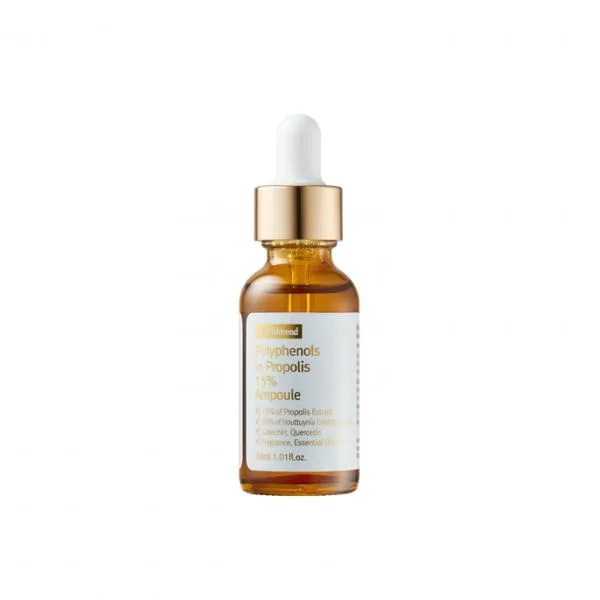 Sensitive Skin Soother
 Polyphenols In Propolis 15% Ampoule
A 15% propolis ampoule that earns its name with a real polyphenol stack — French Auvergne propolis layered over a houttuynia cordata base, with tulsi and pomegranate piling on. It's slightly sticky and not cheap by volume, but for sensitive, breakout-prone skin chasing calm, this is one of the most reliable K-beauty soothers in production.
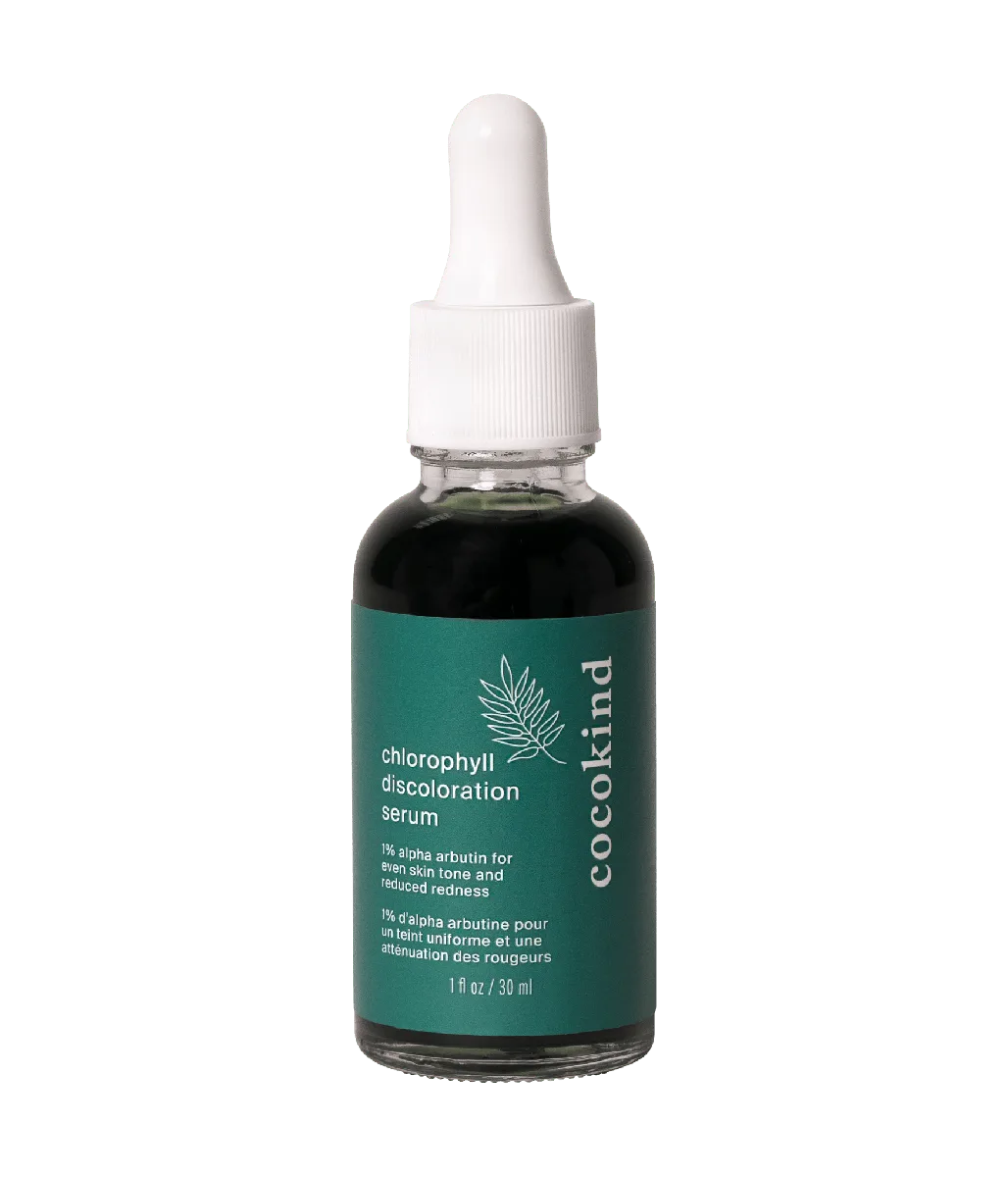 Budget Brightening Hero
 Chlorophyll Discoloration Serum
A quietly brilliant brightening serum that proves you do not need luxury prices or harsh actives to fade dark spots effectively. The alpha-arbutin and licorice root combination delivers genuine multi-pathway melanin inhibition, the sensitive-skin-friendly formula is impeccable, and $20 makes it accessible to virtually everyone. The chlorophyllin is more marketing differentiator than scientific powerhouse, but it does not hurt anything either.
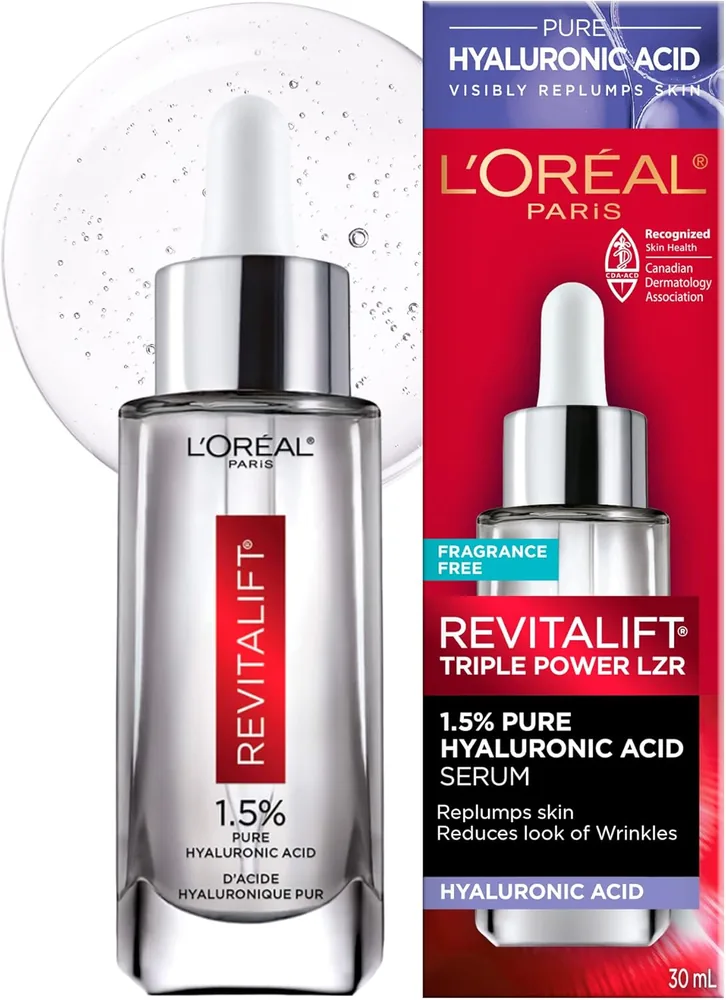 The People's HA Serum
 Revitalift Derm Intensives 1.5% Pure Hyaluronic Acid Serum
A masterclass in minimalist formulation — thirteen ingredients, no filler, four functional actives, and over thirty thousand glowing reviews. L'Oréal's multi-weight HA system delivers genuine hydration at every level of the skin, and the fragrance-free, alcohol-free formula is clean enough for virtually anyone. The drugstore serum that embarrasses its prestige competitors.
 Gentle Glow Specialist
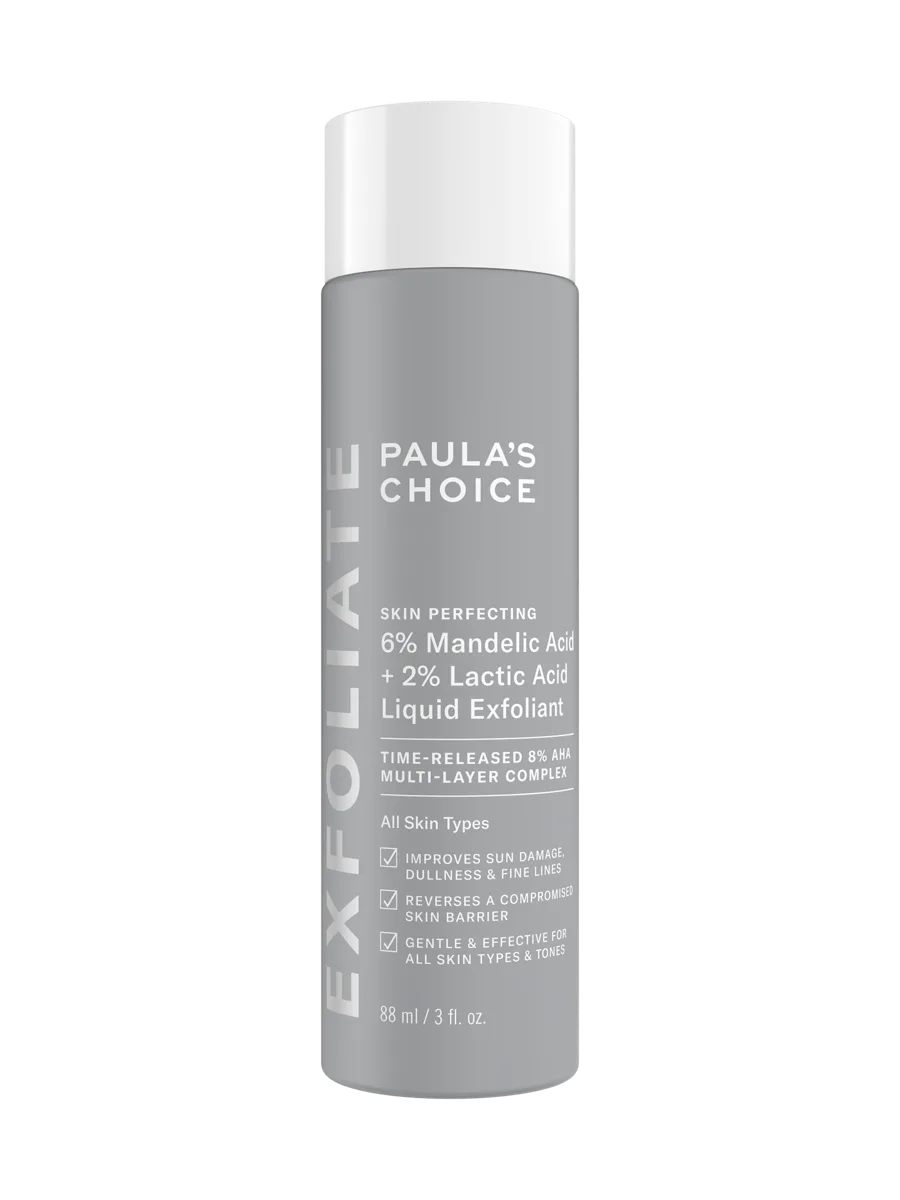
 Skin Perfecting 6% Mandelic Acid + 2% Lactic Acid Liquid Exfoliant
The exfoliant that finally treats sensitive and melanin-rich skin as the design priority rather than an afterthought. With a 4.8-star rating and 660+ reviews, this mandelic-lactic formula proves that gentleness and efficacy aren't mutually exclusive — it just requires smarter acid selection.
 Budget Hydration Holy Grail
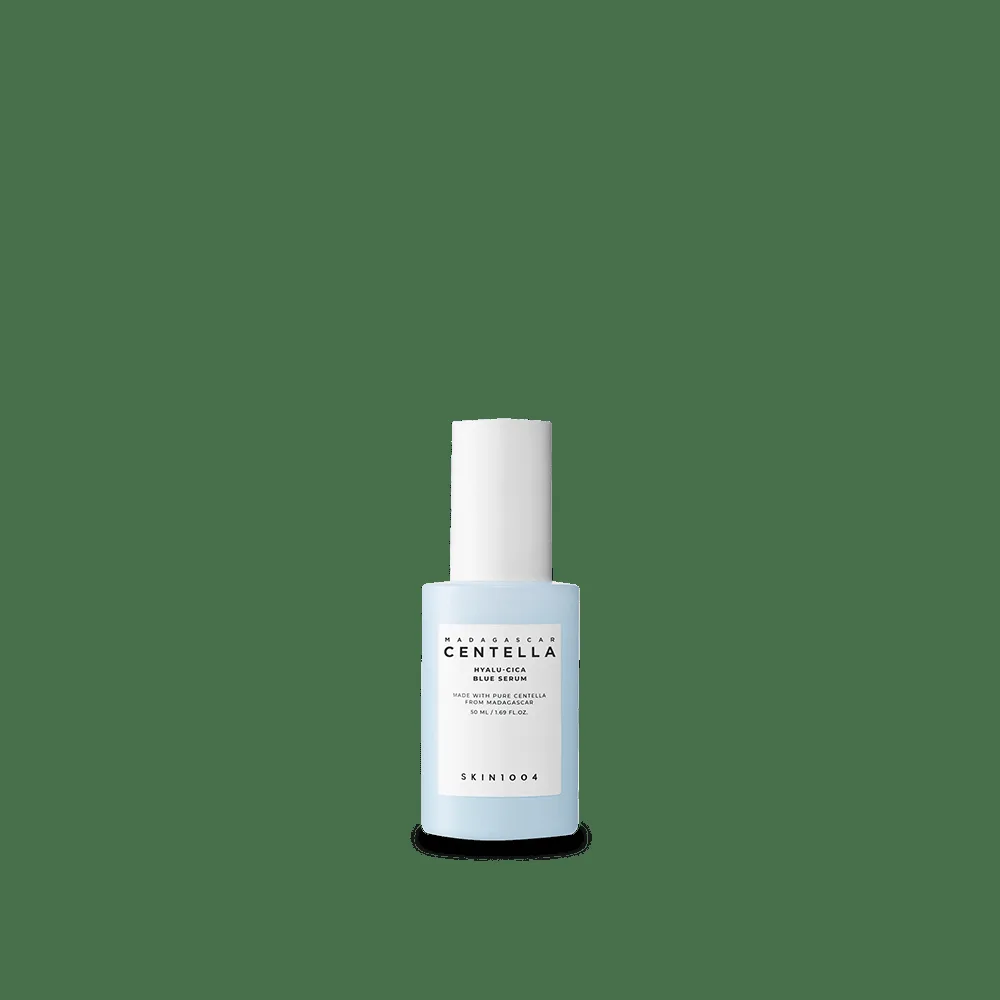
 Hyalu-Cica Blue Serum
A quietly excellent budget serum that stacks Centella asiatica leaf water, five types of hyaluronic acid, niacinamide, ceramide NP, and adenosine into a fragrance-free under-$20 bottle. It is genuinely one of the best hydration-plus-soothing serums at any price, and the fact that it costs less than a salad in Manhattan is the point.
 Sensitive Skin First-Line Defense
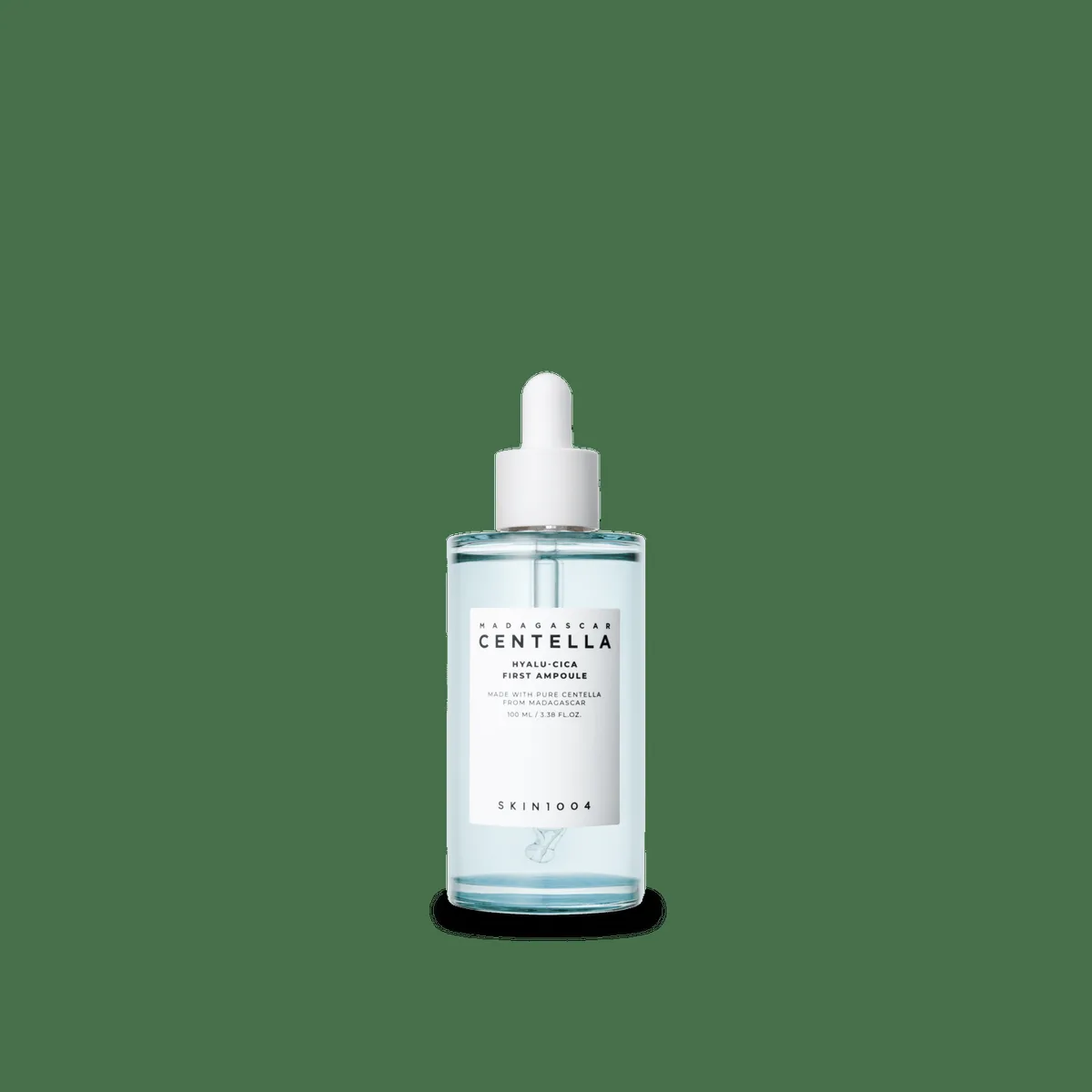
 Hyalu-Cica First Ampoule
A 92% Centella asiatica extract ampoule paired with niacinamide and a multi-weight HA complex, fragrance-free and purpose-built for sensitive, compromised, and reactive skin. At $25 for 100ml, it is one of the most justifiable skincare purchases a budget-conscious buyer can make, and it earns a place in almost any routine that needs a soothing anchor.
This review reflects our independent analysis of publicly available ingredient data, manufacturer claims, and verified user reviews. We are reader-supported — Amazon links may earn us a commission at no cost to you. We do not accept paid placements; rankings are based solely on the evidence.