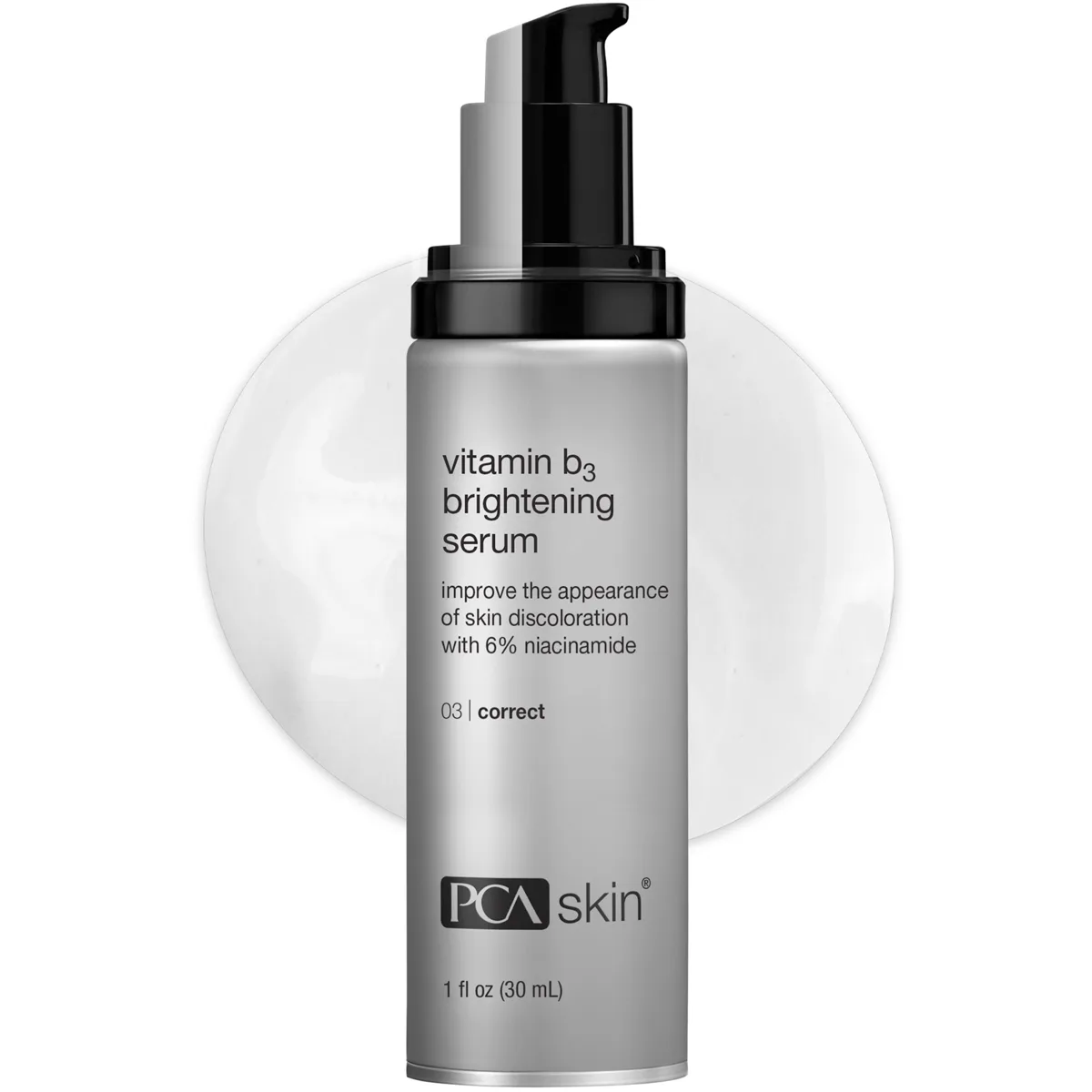
A thoughtfully engineered brightening serum that attacks hyperpigmentation through three distinct mechanisms — niacinamide, mulberry extract, and a melanogenesis-targeting peptide. It earns its professional-grade reputation with excellent tolerability and genuine results, but the 30 price tag for one ounce is a hard pill to swallow when excellent niacinamide serums exist at a fraction of the cost.
Vitamin B3 Brightening Serum
A thoughtfully engineered brightening serum that attacks hyperpigmentation through three distinct mechanisms — niacinamide, mulberry extract, and a melanogenesis-targeting peptide. It earns its professional-grade reputation with excellent tolerability and genuine results, but the 30 price tag for one ounce is a hard pill to swallow when excellent niacinamide serums exist at a fraction of the cost.
Score Breakdown
Where this product gains points and where it loses them — broken down across the four scoring pillars.
An intelligently formulated multi-pathway brightening serum with excellent tolerability across skin types, held back primarily by its steep 30 price point for a 1 oz bottle.
Pros & Cons
- ✓Multi-pathway brightening approach targeting melanin production, transfer, and oxidation simultaneously
- ✓Exceptionally gentle — no stinging, purging, or adjustment period even on sensitive skin
- ✓6% niacinamide at a clinically validated concentration for barrier repair and brightening
- ✓Silky silicone-based texture layers beautifully under sunscreen and makeup
- ✓Safe during pregnancy and suitable for post-procedure skincare regimens
- ✓Antioxidant support from green tea extract and unique microalgae-derived oils
- ✓Airless pump packaging protects active ingredients from degradation
- ✗30 for 1 oz is extremely expensive for a niacinamide-based serum
- ✗Silicone-heavy base may feel coated or heavy for those preferring water-based textures
- ✗Dark spot fading is gradual — requires 8-12 weeks for significant visible improvement
- ✗Only available in one size with no larger, better-value option
- ✗Brightening effects are subtle rather than dramatic compared to prescription treatments
Full Review
There is a particular kind of trust that gets built when a skincare brand sells primarily through the hands of professionals. PCA Skin's Vitamin B3 Brightening Serum didn't become popular because an influencer held it up on TikTok. It became a staple because estheticians kept reaching for it after peels and laser sessions, handing it to clients with compromised, freshly treated skin and saying: use this twice a day, it won't sting, and your pigmentation will fade. That is a very specific kind of product confidence, and the formulation backs it up.
The 6% niacinamide concentration anchors everything here. That number matters — it sits right at the threshold where clinical studies have demonstrated meaningful effects on hyperpigmentation and barrier function. A landmark 2003 study by Hakozaki et al. demonstrated that 5% niacinamide significantly reduced hyperpigmentation and increased skin lightness over 8 weeks. PCA Skin goes slightly above that benchmark, providing a nudge of additional efficacy without venturing into concentrations that might cause the flushing some people experience with niacinamide above 10%.
But this serum isn't a one-trick niacinamide play. The mulberry leaf extract (Morus Alba) adds a second brightening pathway by directly inhibiting tyrosinase — the enzyme responsible for the first critical step in melanin production. Where niacinamide works downstream by blocking the transfer of melanosomes to skin cells, mulberry extract works upstream by reducing how much melanin gets produced in the first place. Then there's oligopeptide-51, a signaling peptide that targets the melanogenesis pathway at yet another point. Three mechanisms, three stages of the pigmentation process. It's the kind of strategic layering that separates a professional formulation from a bottle of niacinamide in water.
The texture is distinctly PCA Skin — that silky, silicone-based slip that the brand uses across much of its serum range. It applies with the velvety glide of a primer, leaving skin immediately smoother and softer without any residual stickiness or film. For some users, this silicone-forward base is ideal. It sits beautifully under makeup and sunscreen, and it doesn't interfere with layering other products on top. For others — particularly those who prefer the clean, water-like feel of a hyaluronic acid serum — the dimethicone-heavy base may feel unnecessarily coated.
The supporting cast is quietly interesting. Dicrateria Rotunda and Ruttnera Lamellosa — two microalgae species — contribute omega-rich oils with antioxidant properties. These aren't marketing filler. Microalgae-derived lipids are increasingly researched for their anti-inflammatory and skin-barrier-supporting properties, and they add a dimension to this formula that most brightening serums lack. The green tea extract provides broad-spectrum antioxidant coverage via EGCG polyphenols, while sodium ascorbate (a stable vitamin C salt) adds a final brightening note at the end of the ingredient list.
In daily use, this serum is spectacularly gentle. There is genuinely no adjustment period — no tingling on first application, no purging period, no dryness or peeling. This makes sense given its professional context. When an esthetician recommends a product for post-procedure use, that product cannot cause additional inflammation on already-sensitized skin. The result is a brightening serum that even rosacea-prone and highly reactive skin types can typically tolerate without incident.
Results build slowly and steadily. The initial effect is cosmetic — skin looks smoother and slightly more luminous from the silicone base and glycerin hydration. The genuine brightening begins to surface around the four to six week mark, with dark spots and areas of uneven tone appearing less prominent. By eight to twelve weeks, the multi-pathway approach delivers visible improvement in overall radiance and dark spot reduction. This is not a dramatic before-and-after product. It is a steady, quiet worker that rewards patience.
Now, the price. At 30 for a single ounce, this is one of the more expensive niacinamide serums on the market. That's 30 per ounce for a product where the primary active — niacinamide — is available in effective concentrations from brands charging -15 for the same or larger size. The supporting ingredients — mulberry, oligopeptide-51, microalgae oils — add genuine formulation value, and the professional-channel credibility carries real weight. But the gap between what's in the bottle and what you're paying is wider than it should be. If your primary concern is hyperpigmentation and you're budget-conscious, you can build a very effective brightening routine for less.
Where the price becomes justifiable is in the specific contexts PCA Skin designed for: post-procedure care, extremely sensitive skin that reacts to most brightening products, or layering into a professionally guided skincare regimen where the esthetician has assessed your skin and determined this specific multi-pathway approach is warranted. In those situations, the tolerability and formulation sophistication earn their premium. For everyone else, it's a matter of how much you value that silky texture, the professional pedigree, and the three-mechanism approach over simpler, cheaper niacinamide options.
Formula
Key Ingredients
The hero actives that drive this product's performance.
| Ingredient | Function | Evidence |
|---|---|---|
| Niacinamide 6% (6%) | The workhorse of this formula at a clinically validated 6% concentration — inhibits melanosome transfer to reduce hyperpigmentation while simultaneously strengthening the lipid barrier and reducing transepidermal water loss. Works synergistically with the mulberry extract and oligopeptide-51 to target pigmentation through multiple pathways. | well-established |
| Morus Alba (Mulberry) Leaf Extract | A natural tyrosinase inhibitor that complements the niacinamide by blocking melanin production at an earlier stage in the pigmentation cascade. In this formula, it adds a botanical brightening pathway alongside the peptide and vitamin approaches. | promising |
| Camellia Sinensis (Green Tea) Leaf Extract | Provides antioxidant protection via polyphenols, particularly EGCG, that neutralize free radicals contributing to photoaging and pigmentation. In this serum, it supports the brightening actives by preventing oxidative stress that triggers new melanin production. | well-established |
| Oligopeptide-51 | A signaling peptide that targets the melanogenesis pathway to reduce unwanted pigmentation. Works as a third brightening mechanism alongside niacinamide and mulberry, creating a multi-pronged approach to uneven skin tone that no single ingredient could achieve alone. | promising |
| Sodium Ascorbate (Vitamin C) | A stable vitamin C salt form that provides additional antioxidant support and inhibits melanin formation. Positioned at the end of the INCI list suggesting a lower concentration, it serves as a supporting brightening agent rather than a primary active in this formulation. | well-established |
| Glycerin | Listed second in the INCI, indicating a substantial concentration — draws moisture into the skin and supports the barrier-strengthening effects of the niacinamide. Ensures the brightening actives are delivered in a hydrating vehicle that prevents the dryness some brightening serums can cause. | well-established |
Full INCI List
Water, Glycerin, Dimethicone, Niacinamide, Butylene Glycol, Diphenylsiloxy Phenyl Trimethicone, Microcrystalline Cellulose, PEG-9 Polydimethylsiloxyethyl Dimethicone, Polymethylsilsesquioxane, Dimethicone/PEG-10/15 Crosspolymer, Phenoxyethanol, Sodium Chloride, Dimethicone/Phenyl Vinyl Dimethicone Crosspolymer, Sodium Citrate, Caprylyl Glycol, Disodium EDTA, Cellulose Gum, Chlorphenesin, Camellia Sinensis Leaf Extract, Morus Alba Leaf Extract, Oligopeptide-51, Dicrateria Rotunda Oil, Ruttnera Lamellosa Oil, Lecithin, Sodium Ascorbate
Product Flags
✓ Fragrance Free✓ Alcohol Free✗ Oil Free✗ Silicone Free✓ Paraben Free✓ Sulfate Free✗ Cruelty Free✗ Vegan✗ Fungal Acne Safe
Compatibility
Skin Match
Best For
Works For
Not Ideal For
Addresses These Conditions
hyperpigmentation dark spots dullness sun damage aging sensitivity
Routine Step
serum
Time of Day
AM & PM
Pregnancy Safe
Yes ✓
Layering Tips
Apply after cleansing and toning, before moisturizer. In the AM, follow with sunscreen — niacinamide pairs exceptionally well with SPF for pigmentation prevention. Can be layered under retinoids at night for a comprehensive anti-aging and brightening routine.
Results Timeline
Immediate smoothing and hydration from the silicone and glycerin base. Visible brightness improvements typically begin around 4-6 weeks with consistent twice-daily use. Significant dark spot fading generally requires 8-12 weeks of continued application.
Pairs Well With
sunscreenretinolhyaluronic acidvitamin C serumsazelaic acid
Sample AM Routine
- Gentle cleanser
- PCA Skin Vitamin B3 Brightening Serum
- Moisturizer
- Broad spectrum sunscreen SPF 30+
Sample PM Routine
- Cleanser
- PCA Skin Vitamin B3 Brightening Serum
- Retinoid (optional)
- Moisturizer
Evidence
Who Should Skip
- 30 for 1 oz is extremely expensive for a niacinamide-based serum
- Silicone-heavy base may feel coated or heavy for those preferring water-based textures
- Dark spot fading is gradual — requires 8-12 weeks for significant visible improvement
- Only available in one size with no larger, better-value option
Science & Expert Perspective
The Science
Niacinamide's brightening mechanism is well-documented in dermatological literature. The foundational study by Hakozaki et al. (2002), published in the British Journal of Dermatology, demonstrated that 5% topical niacinamide significantly decreased hyperpigmentation and increased skin lightness in a 8-week double-blind, randomized controlled trial. The mechanism is distinct from traditional brighteners — rather than inhibiting tyrosinase (as hydroquinone does), niacinamide works by blocking the transfer of melanosomes from melanocytes to surrounding keratinocytes, reducing visible pigmentation without affecting melanin production itself.
This serum layers mulberry extract on top of that mechanism. Morus Alba has been studied as a tyrosinase inhibitor, with research showing that its active compounds can suppress melanin synthesis at the enzymatic level. A study by Lee et al. (2002) in the Journal of Cosmetic Science confirmed mulberry extract's dose-dependent inhibition of tyrosinase activity. By combining downstream melanosome transfer inhibition (niacinamide) with upstream tyrosinase inhibition (mulberry), this formula addresses the pigmentation cascade at two distinct control points.
The 6% niacinamide concentration also delivers documented barrier function benefits. Tanno et al. (2000) demonstrated in the British Journal of Dermatology that niacinamide increases ceramide and fatty acid synthesis in the stratum corneum, strengthening the lipid barrier and reducing transepidermal water loss. This dual action — brightening plus barrier repair — is particularly relevant for post-procedure use where barrier compromise and pigmentation risk coexist.
References
- The effect of niacinamide on reducing cutaneous pigmentation and suppression of melanosome transfer — British Journal of Dermatology (2002)
- Niacinamide increases biosynthesis of ceramides as well as other stratum corneum lipids — British Journal of Dermatology (2000)
Dermatologist Perspective
Board-certified dermatologists frequently recommend niacinamide as a first-line brightening ingredient because of its established safety profile and multi-functional benefits. At 6%, this serum aligns with the concentrations used in peer-reviewed clinical trials showing efficacy against hyperpigmentation. Dermatologists note that the advantage of niacinamide over hydroquinone for long-term use is the absence of ochronosis risk and the additional barrier-strengthening properties. This product is commonly recommended in dermatology practices as part of a maintenance protocol following in-office brightening treatments such as chemical peels, IPL, and laser therapy. The multi-ingredient approach — combining niacinamide with tyrosinase inhibitors and antioxidants — reflects the current dermatological consensus that targeting multiple steps of the melanogenesis pathway yields better outcomes than single-agent therapy.
Guidance
Usage Guide
How to Use
After cleansing (and toning if desired), dispense 1-2 pumps and apply evenly to the face and neck. Use morning and evening for best results. In the morning, follow with moisturizer and broad spectrum sunscreen SPF 30 or higher — sun protection is essential when using any brightening product. At night, this can be applied before retinoids or moisturizer. Allow the serum to absorb for 1-2 minutes before layering additional products. Suitable for year-round use.
Value Assessment
At 30 for 1 fluid ounce, this is premium pricing even within the professional skincare category. The cost per ounce places it well above comparable niacinamide serums from brands like Paula's Choice or The Ordinary, which offer effective niacinamide concentrations at a fraction of the price. What you're paying for beyond the niacinamide is the multi-pathway formulation (mulberry, oligopeptide-51, microalgae oils), the professional-channel credibility, and the silicone-based delivery vehicle designed for post-procedure tolerance. No alternative sizes are available to improve value. For patients working with a dermatologist or esthetician on a targeted pigmentation protocol, the premium may be justified. For general brightening needs, the price-to-ingredient ratio is hard to defend.
Who Should Buy
This serum is best suited for those dealing with hyperpigmentation, dark spots, or post-inflammatory marks who also have sensitive or reactive skin that cannot tolerate stronger brightening agents like hydroquinone, vitamin C at high concentrations, or acid-based treatments. Post-procedure patients following their provider's recommendation will find it exceptionally gentle.
Who Should Skip
Budget-conscious consumers who primarily want niacinamide benefits can find effective alternatives at a fraction of the price. Those who dislike silicone-based textures or prefer minimalist water-based serums may find the dimethicone-heavy base uncomfortable for daily wear.
Ready to try PCA Skin Vitamin B3 Brightening Serum?
Details
Details
Texture
Lightweight, silky serum with a slightly viscous consistency. The silicone base gives it a velvety, smooth-glide application that absorbs without tackiness.
Scent
Fragrance-free with no detectable scent.
Packaging
Airless pump bottle in PCA Skin's signature clean, clinical design. The pump dispenses controlled amounts and protects the active ingredients from air exposure.
Finish
satinnon-greasylightweight
What to Expect on First Use
Applies smoothly with a silky slip. No tingling, burning, or adjustment period. Skin immediately feels softer and more hydrated. The brightening effects build gradually over weeks — this is a slow-burn product, not an instant-gratification one.
How Long It Lasts
2-3 months with twice-daily face application
Period After Opening
12 months
Best Season
All Year
Background
The Why
PCA Skin developed this serum as part of their professional brightening protocol, designed to be dispensed by estheticians and dermatologists as a daily-use complement to in-office treatments like chemical peels and laser therapy. The 6% niacinamide concentration was chosen to match clinical study dosing while remaining gentle enough for post-procedure use.
About PCA Skin Legacy Brand (20+ years)
PCA Skin was founded in 1990 by an aesthetician and developed with a dermatologist. Over 35 years, the brand has built a reputation as a professional-grade skincare line dispensed through licensed skincare professionals and dermatology offices, with formulations developed by an in-house PhD chemist.
Brand founded: 1990 · Product launched: 2019
Myth vs. Reality
Myths & Misconceptions
Myth
Niacinamide and vitamin C cannot be used together because they cancel each other out.
Reality
This formula actually contains both niacinamide and sodium ascorbate (a vitamin C derivative) together. The outdated claim was based on a study using conditions not found in skincare. Modern formulation science confirms they are complementary and can be safely combined.
Myth
A brightening serum needs to tingle or sting to be effective.
Reality
This serum works through enzyme inhibition and cellular signaling, not acid exfoliation. The lack of irritation is a feature, not a weakness — it means the formula can be used consistently without causing inflammation that paradoxically worsens pigmentation.
FAQ
Frequently Asked Questions
What percentage of niacinamide is in PCA Skin Vitamin B3 Brightening Serum?
This serum contains 6% niacinamide, which falls within the clinically studied range of 2-5% shown to improve hyperpigmentation and barrier function. The 6% concentration provides meaningful brightening activity while remaining well-tolerated even on sensitive skin.
Can I use PCA Skin Vitamin B3 Brightening Serum with retinol?
Yes — niacinamide is one of the best companions for retinol. The 6% niacinamide in this serum helps buffer retinol irritation while the glycerin and silicone base provides additional barrier support. Apply this serum first, then follow with your retinoid product.
How long does PCA Skin Vitamin B3 Brightening Serum take to show results?
Most users report initial brightness improvements around 4-6 weeks of consistent twice-daily use. Significant dark spot fading typically requires 8-12 weeks. The triple-pathway approach targeting melanin production, transfer, and oxidation helps accelerate results compared to single-ingredient serums.
Is PCA Skin Vitamin B3 Brightening Serum safe during pregnancy?
Yes. This formula contains no retinoids, hydroquinone, or other pregnancy-contraindicated ingredients. Niacinamide is considered safe during pregnancy by dermatologists, making this an excellent brightening option for expectant mothers dealing with melasma or pregnancy-related pigmentation changes.
Can I use PCA Skin Vitamin B3 Brightening Serum on sensitive skin?
Yes — this is one of the more sensitive-skin-friendly brightening serums available. The 6% niacinamide actually helps strengthen the skin barrier and reduce redness. There are no acids, fragrances, or common irritants in the formula. It is frequently recommended for post-procedure use on compromised skin.
What makes PCA Skin Vitamin B3 Brightening Serum different from other niacinamide serums?
Beyond the niacinamide, this formula includes mulberry extract (a tyrosinase inhibitor), oligopeptide-51 (a melanogenesis-targeting peptide), and plankton-derived microalgae oils for antioxidant support. This multi-pathway approach attacks pigmentation from multiple angles, which single-ingredient niacinamide serums do not offer.
Community
Community Voices
Common Praise
"Noticeably brighter and more even skin tone"
"Smooth velvety texture absorbs quickly"
"Gentle enough for sensitive skin"
"Visible results within 4-6 weeks"
"Helps reduce redness and post-inflammatory marks"
Common Complaints
"Very expensive at 30 per ounce"
"Dark spot fading can be slow for deep pigmentation"
"Silicone base may not suit those who prefer lightweight water-based serums"
"Only available in one size"
Notable Endorsements
Widely recommended by licensed estheticiansDispensed in dermatology practices
Appears In
best serum for hyperpigmentation best brightening serum for sensitive skin best niacinamide serum best serum for dark spots best serum for dullness
Related Conditions
hyperpigmentation dark spots melasma dullness sun damage sensitivity
Related Ingredients
You Might Also Like
 Sensitive Skin Soother
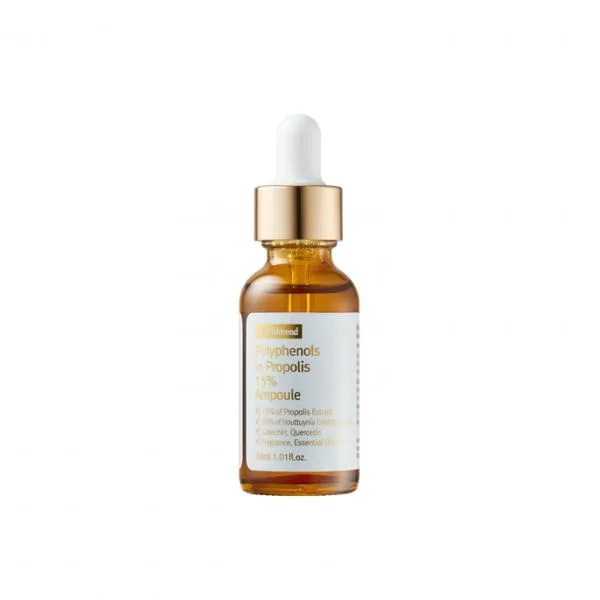
 Polyphenols In Propolis 15% Ampoule
A 15% propolis ampoule that earns its name with a real polyphenol stack — French Auvergne propolis layered over a houttuynia cordata base, with tulsi and pomegranate piling on. It's slightly sticky and not cheap by volume, but for sensitive, breakout-prone skin chasing calm, this is one of the most reliable K-beauty soothers in production.
 Budget Brightening Hero
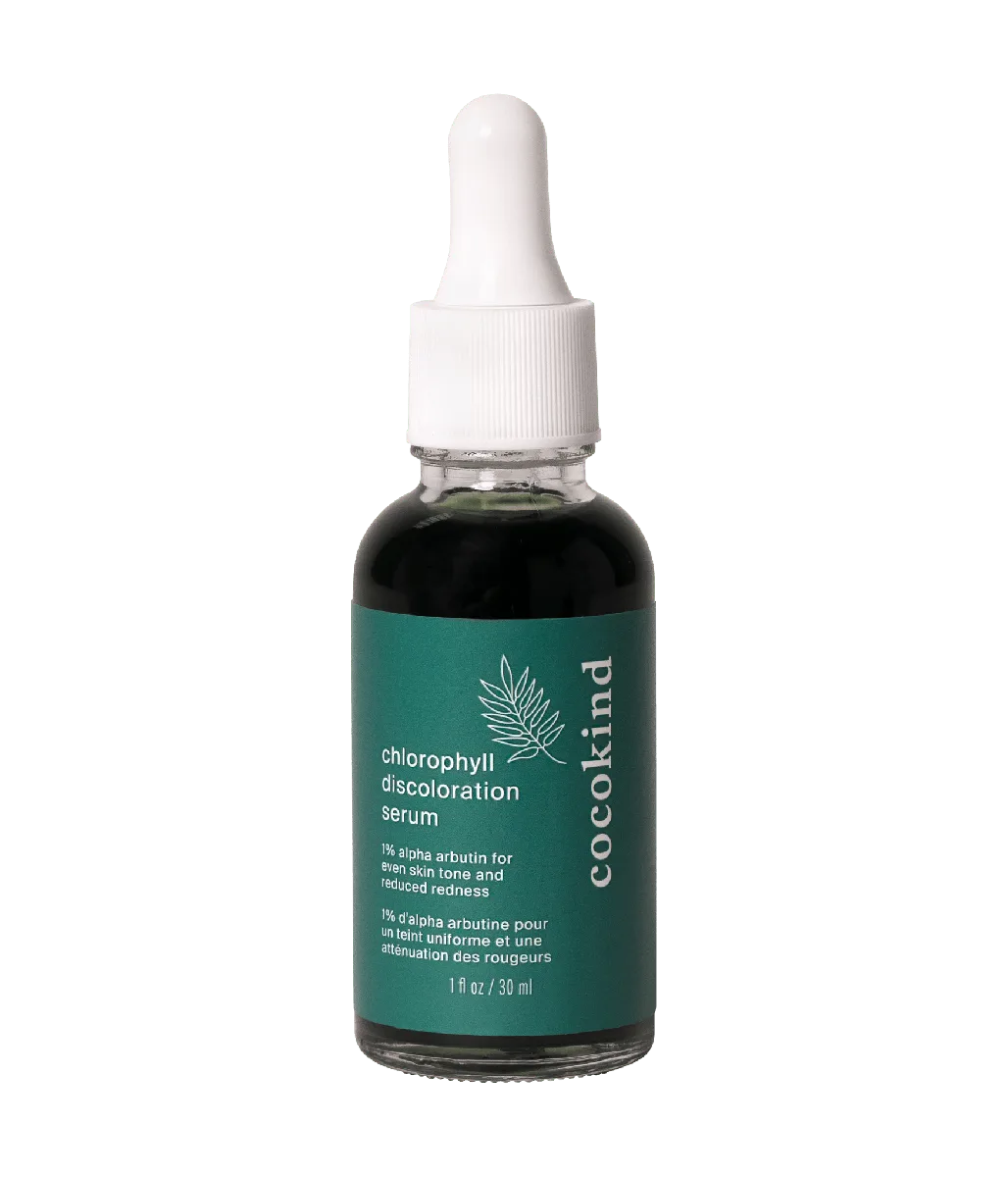
 Chlorophyll Discoloration Serum
A quietly brilliant brightening serum that proves you do not need luxury prices or harsh actives to fade dark spots effectively. The alpha-arbutin and licorice root combination delivers genuine multi-pathway melanin inhibition, the sensitive-skin-friendly formula is impeccable, and $20 makes it accessible to virtually everyone. The chlorophyllin is more marketing differentiator than scientific powerhouse, but it does not hurt anything either.
 The People's HA Serum
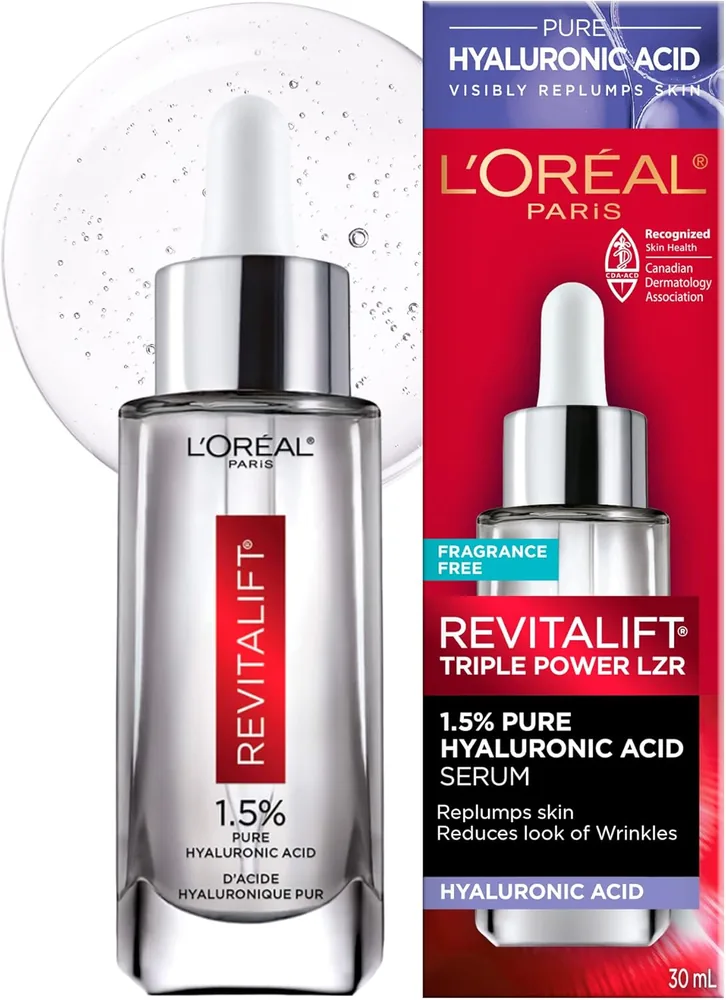
 Revitalift Derm Intensives 1.5% Pure Hyaluronic Acid Serum
A masterclass in minimalist formulation — thirteen ingredients, no filler, four functional actives, and over thirty thousand glowing reviews. L'Oréal's multi-weight HA system delivers genuine hydration at every level of the skin, and the fragrance-free, alcohol-free formula is clean enough for virtually anyone. The drugstore serum that embarrasses its prestige competitors.
 Budget Hydration Holy Grail
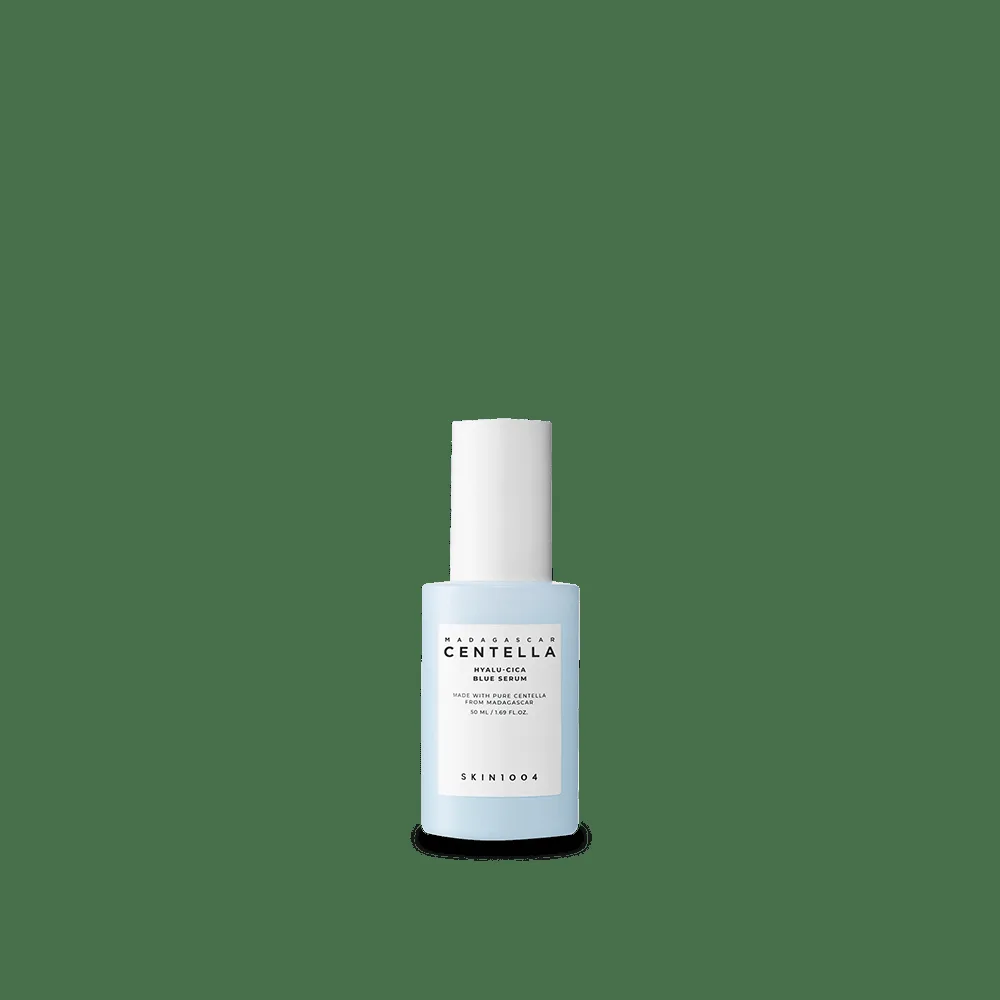
 Hyalu-Cica Blue Serum
A quietly excellent budget serum that stacks Centella asiatica leaf water, five types of hyaluronic acid, niacinamide, ceramide NP, and adenosine into a fragrance-free under-$20 bottle. It is genuinely one of the best hydration-plus-soothing serums at any price, and the fact that it costs less than a salad in Manhattan is the point.
 Sensitive Skin First-Line Defense
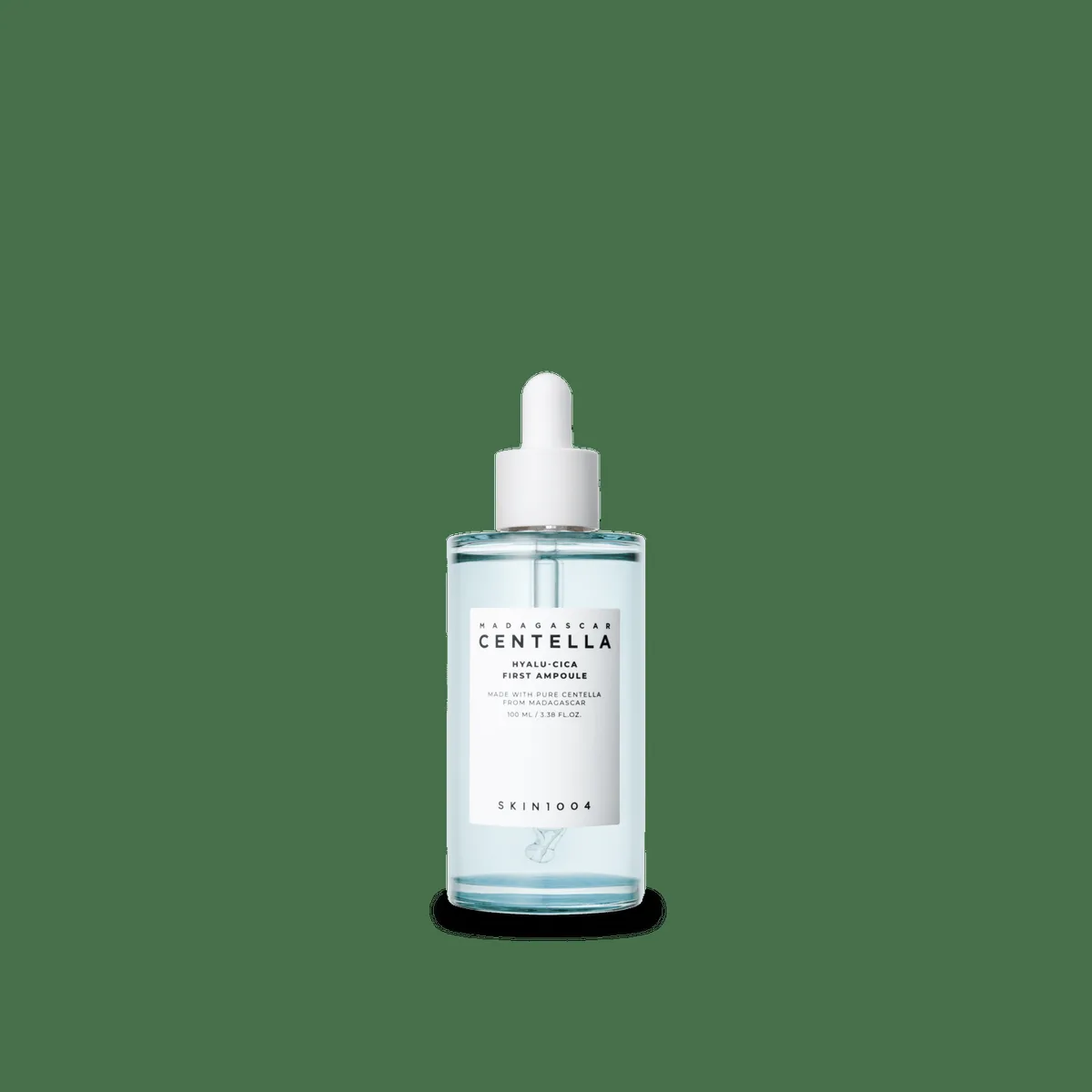
 Hyalu-Cica First Ampoule
A 92% Centella asiatica extract ampoule paired with niacinamide and a multi-weight HA complex, fragrance-free and purpose-built for sensitive, compromised, and reactive skin. At $25 for 100ml, it is one of the most justifiable skincare purchases a budget-conscious buyer can make, and it earns a place in almost any routine that needs a soothing anchor.
 Sensitive Skin MVP
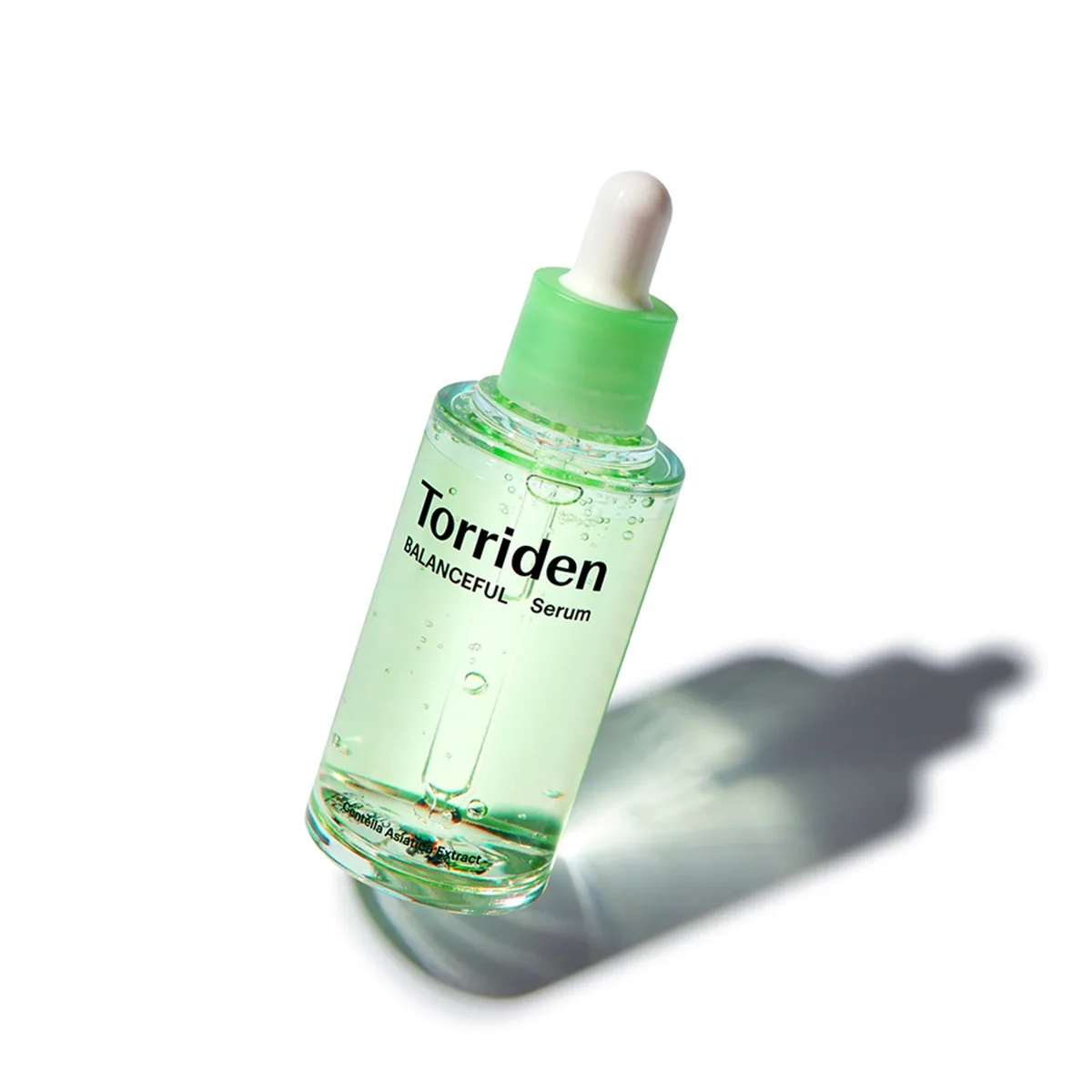
 Balanceful Cica Serum
Torriden's Balanceful Cica Serum is one of the most recommendable calming serums in K-beauty — a genuinely fragrance-free, multi-weight hyaluronic acid and 5D cica complex treatment that quietly reduces redness, supports the barrier, and buffers other actives without drama. At under $25 it's a near-automatic pick for sensitive, rosacea-prone, and barrier-compromised skin.
This review reflects our independent analysis of publicly available ingredient data, manufacturer claims, and verified user reviews. We are reader-supported — Amazon links may earn us a commission at no cost to you. We do not accept paid placements; rankings are based solely on the evidence.