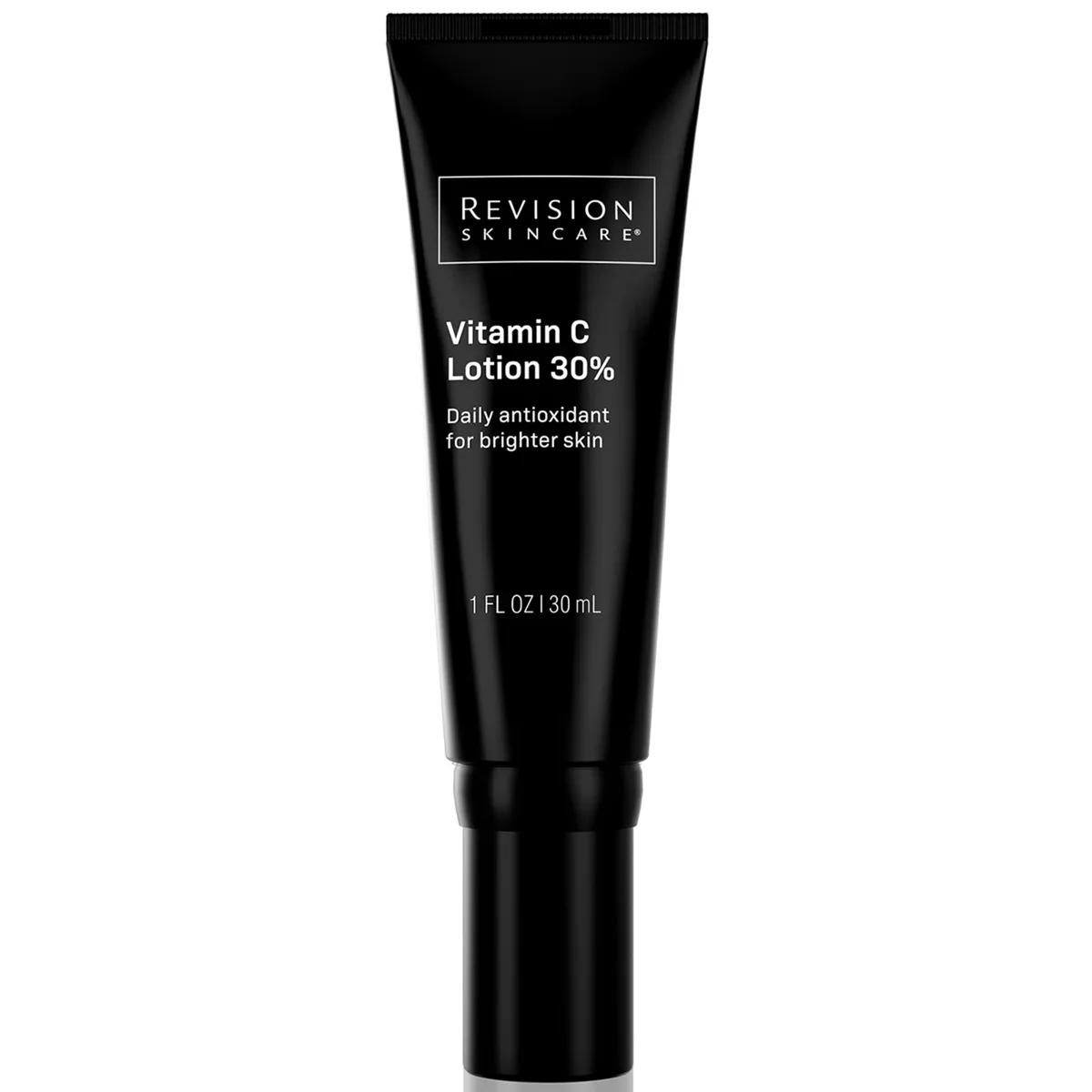
The high-octane version of Revision's vitamin C lotion delivers 30% THD ascorbate — one of the highest stable vitamin C concentrations available — with clinical data to back up its brightening and anti-aging claims. Remarkably gentle for its potency, it represents the best argument that vitamin C derivatives can outperform L-ascorbic acid in real-world daily use.
Vitamin C Lotion 30%
The high-octane version of Revision's vitamin C lotion delivers 30% THD ascorbate — one of the highest stable vitamin C concentrations available — with clinical data to back up its brightening and anti-aging claims. Remarkably gentle for its potency, it represents the best argument that vitamin C derivatives can outperform L-ascorbic acid in real-world daily use.
Score Breakdown
Where this product gains points and where it loses them — broken down across the four scoring pillars.
One of the highest-concentration stable vitamin C products available, backed by clinical data and a triple antioxidant system. The 30% THD ascorbate is genuinely potent, and the formula maintains the gentleness that makes Revision's vitamin C line stand out. Price is steep but reflects the concentration and stability.
Pros & Cons
- ✓30% THD ascorbate — one of the highest stable vitamin C concentrations available in skincare
- ✓Clinical study showing 100% participant improvement in fine lines and radiance at 12 weeks
- ✓Remarkably gentle despite the high concentration — no low-pH irritation like L-ascorbic acid
- ✓Superior stability means no oxidation or color change throughout the product's lifespan
- ✓Triple antioxidant system (C + E + CoQ10) for comprehensive cellular protection
- ✓Fragrance-free, minimal formula with no unnecessary filler ingredients
- ✗Premium $149 price for 1 oz — among the most expensive vitamin C products available
- ✗Some sensitive skin types may need a brief adjustment period at this concentration
- ✗Only available in 1 oz size at most retailers
- ✗THD ascorbate requires metabolic conversion, technically reducing immediate bioavailability versus L-ascorbic acid
- ✗The high price makes the 15% version a more practical everyday choice for many budgets
Full Review
The vitamin C market has a credibility problem. Every serum claims to brighten, firm, and protect, but very few can point to clinical data where every single participant improved. Revision Skincare's Vitamin C Lotion 30% can. In their 12-week study, 100% of participants showed improvement in fine lines and radiance, 90% improved in overall photodamage, and 93% reported more even, brighter skin tone. Those numbers do not happen with poorly formulated products, and they do not happen with unstable ones.
The secret — and it is not really a secret so much as an engineering decision — is Tetrahexyldecyl Ascorbate at 30%. This is double the concentration of Revision's own 15% version and higher than virtually any other vitamin C product on the market. The reason most brands top out at 15-20% with L-ascorbic acid is not conservatism — it is because L-ascorbic acid at higher concentrations becomes intolerably irritating and rapidly unstable. THD ascorbate changes the calculus entirely. It is oil-soluble, works at neutral pH, remains stable in the bottle and on the skin, and does not cause the stinging and redness that make high-concentration L-ascorbic acid impractical for daily use.
The formula itself is deliberately minimal. Water, THD ascorbate (second ingredient), glycerin, and a handful of supportive ingredients including tocopherol (vitamin E), ubiquinone (CoQ10), squalane, and stabilizers. There is no fragrance, no unnecessary botanicals, no marketing-driven ingredient list padding. The triple antioxidant system — vitamin C, vitamin E, and CoQ10 — creates comprehensive cellular protection: vitamin C works in the aqueous cellular environment, vitamin E protects lipid membranes, and CoQ10 guards the mitochondria. At 30% vitamin C, this triple system has more raw antioxidant substrate to work with, extending the duration and depth of protection.
The texture is virtually identical to the 15% version — a lightweight lotion that absorbs quickly and layers well under sunscreen and moisturizer. This is noteworthy because doubling the vitamin C concentration could easily have resulted in a heavier, greasier, or more difficult-to-apply product. The fact that the 30% formula maintains the same elegant application speaks to the stability of the THD ascorbate in this emulsion base.
Brightening results come faster and more dramatically than with the 15%. Users consistently report a visible luminosity within the first week and meaningful improvement in dark spots and uneven tone by week four. The clinical study timeline aligns — significant improvements in multiple parameters were measurable at 12 weeks, but many users see changes well before that. For anyone dealing with hyperpigmentation, sun damage, or the general dullness that accumulates with age, this is a genuinely effective brightening treatment.
The gentle profile at this concentration remains one of the most compelling aspects. Most users report zero irritation — no tingling, no redness, no dryness. Some sensitive skin types may notice a mild initial warmth that subsides quickly and diminishes with continued use. But compared to a 20% L-ascorbic acid serum, which would cause noticeable stinging and potentially lasting redness in many users, the contrast is stark. Revision essentially offers more vitamin C with less irritation, which is the kind of trade-off that wins lifetime customers.
The price is the main barrier. At $149 for one ounce, this is among the most expensive vitamin C products available. The concentration justifies some of the premium — you are getting double the vitamin C of the 15% formula — but the per-ounce cost is still significant. A 0.5 oz size is available at some retailers for testing. The stability advantage adds practical value: unlike L-ascorbic acid serums that can oxidize within weeks of opening, the THD ascorbate formula maintains its potency for the full duration of use. You are paying for what you actually get to use, not for vitamin C that degrades before the bottle is empty.
For anyone who has tried L-ascorbic acid serums and found them irritating, unstable, or underwhelming, this formula represents a fundamentally different approach that may change your relationship with vitamin C entirely. It is not cheap. But when 100% of clinical trial participants improve, and users consistently report that this product outperforms every other vitamin C they have tried, the price starts to look less like a premium and more like the cost of getting it right.
Formula
Key Ingredients
The hero actives that drive this product's performance.
| Ingredient | Function | Evidence |
|---|---|---|
| Tetrahexyldecyl Ascorbate (30%) (30%) | Double the concentration of Revision's 15% formula, this is one of the highest THD ascorbate concentrations available in any skincare product. The oil-soluble vitamin C derivative penetrates the lipid barrier directly, converts to active ascorbic acid in the skin, and provides potent brightening, collagen-stimulating, and antioxidant benefits — with clinical data showing 100% of participants improved in fine lines and radiance over 12 weeks. | well-established |
| Tocopherol (Vitamin E) | Creates the classic C+E antioxidant synergy where each regenerates the other after neutralizing free radicals. At the 30% vitamin C concentration in this formula, the vitamin E plays an even more critical role in extending the antioxidant cycle and preventing the higher concentration from causing oxidative byproducts. | well-established |
| Ubiquinone (Coenzyme Q10) | Completes the triple antioxidant system by protecting the mitochondria — the cellular power plants — while vitamins C and E handle membrane and cytoplasmic antioxidant defense. At this high vitamin C concentration, the CoQ10 supports the increased metabolic demand of enhanced collagen synthesis. | well-established |
| Squalane | The lipophilic vehicle that enhances delivery of the 30% THD ascorbate into the skin's deeper layers. At this concentration, the squalane base is even more important for ensuring the vitamin C reaches its target rather than sitting on the surface. | well-established |
Full INCI List
Water, Tetrahexyldecyl Ascorbate, Glycerin, PPG-12/SMDI Copolymer, Corn Starch Modified, Cyclopentasiloxane, Cetearyl Glucoside, Tocopherol, Ubiquinone, Glyceryl Caprylate, Hydrogenated Lecithin, Squalane, Xanthan Gum, Chlorphenesin, Acrylates/C10-30 Alkyl Acrylate Crosspolymer, Phenoxyethanol, Benzoic Acid, Leuconostoc/Radish Root Ferment Filtrate, Triethanolamine, Butylene Glycol, Sorbic Acid, Cetyl Alcohol, Stearyl Alcohol, Tocopheryl Acetate
Product Flags
✓ Fragrance Free✓ Alcohol Free✗ Oil Free✗ Silicone Free✓ Paraben Free✓ Sulfate Free✗ Cruelty Free✗ Vegan✗ Fungal Acne Safe
Compatibility
Skin Match
Best For
Works For
Not Ideal For
Addresses These Conditions
dullness hyperpigmentation aging sun damage dark spots
Use With Caution
Routine Step
serum
Time of Day
AM
Pregnancy Safe
Yes ✓
Layering Tips
Apply after cleansing and toning, before moisturizer and sunscreen. Pairs ideally with sunscreen for maximum photoprotection. If you experience any warmth or mild sensitivity, reduce to every other day until skin acclimates.
Results Timeline
Noticeable brightness boost within 1-2 weeks. Significant improvement in dark spots and skin tone evenness at 4-6 weeks. Clinical study data shows 100% of participants improved in fine lines and radiance at 12 weeks, with 93% reporting more even skin tone.
Pairs Well With
sunscreenhyaluronic acid serumretinoids (PM use)
Sample AM Routine
- Gentle cleanser
- Hyaluronic acid serum
- Revision Skincare Vitamin C Lotion 30%
- Moisturizer
- Broad-spectrum SPF
Sample PM Routine
- Gentle cleanser
- Retinoid treatment
- Night cream
Evidence
Who Should Skip
- Premium $149 price for 1 oz — among the most expensive vitamin C products available
- Some sensitive skin types may need a brief adjustment period at this concentration
- Only available in 1 oz size at most retailers
- THD ascorbate requires metabolic conversion, technically reducing immediate bioavailability versus L-ascorbic acid
Science & Expert Perspective
The Science
Tetrahexyldecyl ascorbate at 30% represents a concentration rarely achieved in stable vitamin C formulations. Research published in the Journal of Cosmetic Dermatology has demonstrated that THD ascorbate penetrates the skin's lipid barrier more efficiently than L-ascorbic acid, with studies showing superior skin retention and sustained release of active ascorbic acid over time. The oil-soluble nature of THD ascorbate allows it to bypass the stratum corneum's aqueous resistance — the primary barrier to L-ascorbic acid penetration.
Revision's 12-week clinical study showed 100% improvement in fine lines and radiance, 90% improvement in photodamage and smoothness, and 93% reported more even skin tone. While brand-sponsored studies should be interpreted with appropriate context, the 100% response rate is notable — vitamin C studies with L-ascorbic acid typically show improvement in 60-80% of participants at comparable timeframes.
The vitamin C + E synergy at this concentration follows the Pinnell research model (Journal of the American Academy of Dermatology, 2003), where the two antioxidants regenerate each other in a cycle that extends overall protective capacity. At 30% vitamin C, the regeneration cycle has significantly more substrate to work with, theoretically extending the duration of effective antioxidant protection throughout the day.
Coenzyme Q10 (ubiquinone) provides mitochondria-targeted antioxidant defense. At the cellular level, the enhanced collagen synthesis driven by high-concentration vitamin C increases metabolic demand on fibroblasts. CoQ10 supports the electron transport chain that powers this increased protein synthesis, ensuring that the cells can follow through on the collagen-stimulating signals that vitamin C provides.
Dermatologist Perspective
Dermatologists recommend the 30% concentration for patients who have established tolerance with the 15% version and seek more aggressive brightening and anti-aging results. Board-certified dermatologists note that the clinical study data gives them confidence when recommending this to patients with significant hyperpigmentation, photodamage, or dullness. The gentle profile at this concentration is frequently cited as the key differentiator from L-ascorbic acid products — physicians can recommend a higher concentration without the usual irritation concerns that accompany stronger vitamin C treatments. For post-procedure patients who need antioxidant support, the 15% is typically recommended first, with the 30% introduced once healing is complete.
Guidance
Usage Guide
How to Use
Apply one pump to clean, dry skin in the morning after cleansing. Spread evenly across face and neck. Follow with moisturizer and sunscreen. If new to this concentration, consider using every other day for the first week to assess tolerance, then build to daily use. Always use sunscreen — the vitamin C complements but does not replace UV protection.
Value Assessment
At $149 for 1 fl oz lasting 2-3 months, the per-month cost is approximately $50-75 — significantly higher than the 15% version at $114 for the same size. The price premium buys double the vitamin C concentration and the clinical data showing near-universal improvement. For someone specifically targeting hyperpigmentation, photodamage, or aggressive brightening, the 30% concentration may deliver enough additional benefit to justify the premium. For general antioxidant maintenance, the 15% version provides excellent value at a lower price point. Both formulations maintain their stability advantage over L-ascorbic acid products that may lose potency before the bottle is finished.
Who Should Buy
Those seeking maximum-strength vitamin C for brightening, hyperpigmentation correction, and aggressive anti-aging. Ideal for patients who have successfully used the 15% version and want to upgrade, or experienced vitamin C users looking for the highest available stable concentration. Best for normal and combination skin types.
Who Should Skip
Vitamin C beginners who should start with the 15% version. Those with very sensitive skin who may find even THD ascorbate too active at 30%. Budget-conscious consumers who can achieve meaningful results with the more affordable 15% formula.
Ready to try Revision Skincare Vitamin C Lotion 30%?
Details
Details
Texture
Similar lotion consistency to the 15% version — lightweight, smooth, and absorptive. The higher vitamin C concentration does not noticeably change the texture or feel on the skin.
Scent
Fragrance-free — no discernible scent.
Packaging
Airless pump bottle protecting the high-concentration vitamin C from light and air exposure.
Finish
satinnon-greasylightweight
What to Expect on First Use
Absorbs smoothly with no tingling or irritation for most users. Those with sensitive skin may notice a mild warmth on first use that subsides within minutes and diminishes with continued use. Skin appears immediately brighter with a healthy luminosity.
How Long It Lasts
2-3 months with once-daily facial application
Period After Opening
12 months
Best Season
All Year
Background
The Why
Revision Skincare developed the 30% formula as the next step for patients who had succeeded with the 15% version and wanted more aggressive brightening and anti-aging results. The ability to offer 30% vitamin C without significant irritation increase is only possible because of the THD ascorbate derivative — attempting this concentration with L-ascorbic acid would be intolerable for most users.
About Revision Skincare Legacy Brand (20+ years)
Revision Skincare was founded in 1984 and has built its reputation as a physician-dispensed brand sold exclusively through dermatologists, plastic surgeons, and medical spas. The 30% formulation is backed by a brand-sponsored 12-week clinical study.
Brand founded: 1984 · Product launched: 2020
Myth vs. Reality
Myths & Misconceptions
Myth
30% vitamin C is too much and will irritate the skin.
Reality
THD ascorbate at 30% is remarkably well-tolerated because it works at skin-neutral pH rather than the acidic pH required by L-ascorbic acid. The clinical study showed that participants tolerated the 30% concentration over 12 weeks with improvement rather than irritation. The derivative's gentle nature is precisely what makes this high concentration feasible.
Myth
Higher percentage always means better results with vitamin C.
Reality
There is a ceiling to the benefit of increasing vitamin C concentration. Research suggests that beyond a certain point, the skin cannot utilize additional vitamin C, and the excess sits on the surface. At 30% THD ascorbate, this formula is at or near the practical maximum for topical vitamin C efficacy. Going higher would not necessarily improve results.
FAQ
Frequently Asked Questions
Is 30% vitamin C too strong for my skin?
For most skin types, no. THD ascorbate at 30% is significantly more gentle than L-ascorbic acid at 15-20% because it does not require a low pH. In Revision's clinical study, 100% of participants showed improvement over 12 weeks without significant adverse effects. However, if you are new to vitamin C, consider starting with the 15% version and upgrading once your skin is acclimatized.
What results did the clinical study show for Revision Vitamin C Lotion 30%?
In a 12-week study, 100% of participants showed improvement in fine lines and radiance, 90% showed improvement in overall photodamage and tactile smoothness, and 93% reported that their skin tone appeared more even, radiant, and brighter. These are unusually high response rates for a skincare clinical study.
Should I use the 15% or 30% Revision Vitamin C Lotion?
The 15% is ideal for sensitive skin, vitamin C beginners, and those looking for gentle daily antioxidant protection. The 30% is for users who want maximum brightening, more aggressive anti-aging benefits, and faster visible results. Many dermatologists recommend starting with the 15% and upgrading to the 30% once tolerance is established.
Can I use Revision Vitamin C Lotion 30% with other active ingredients?
Yes — THD ascorbate is compatible with most other skincare actives because it does not require a low pH. Use it in the morning with sunscreen for maximum photoprotection, and use retinoids, AHAs, or other treatments in the evening. Avoid layering it directly with other high-concentration antioxidant treatments to prevent product competition.
How does Revision Vitamin C Lotion 30% compare to SkinCeuticals CE Ferulic?
They use different forms of vitamin C. SkinCeuticals CE Ferulic uses 15% L-ascorbic acid (water-soluble, low pH, highly researched). Revision uses 30% THD ascorbate (oil-soluble, neutral pH, significantly more stable and gentle). Both are well-formulated. The choice depends on your skin's tolerance: if you handle acids well, either works. If you prefer stability and gentleness, the THD ascorbate approach has advantages.
Community
Community Voices
Common Praise
"Dramatic brightening effect surpassing other vitamin C products"
"Absorbs quickly without greasiness despite high concentration"
"Stable formula that does not oxidize or change color"
"Noticeable improvement in skin tone and dark spots"
"Gentle despite the 30% concentration"
Common Complaints
"Premium $149 price for 1 oz is a significant investment"
"Some sensitive skin users may need to build tolerance gradually"
"Only available in 1 oz size"
Notable Endorsements
Physician-dispensed through dermatologist officesClinical study showing 100% improvement in fine lines and radiance
Appears In
best high concentration vitamin c best vitamin c for brightening best stable vitamin c serum best anti aging vitamin c treatment
Related Conditions
dullness hyperpigmentation aging sun damage dark spots
Related Ingredients
You Might Also Like
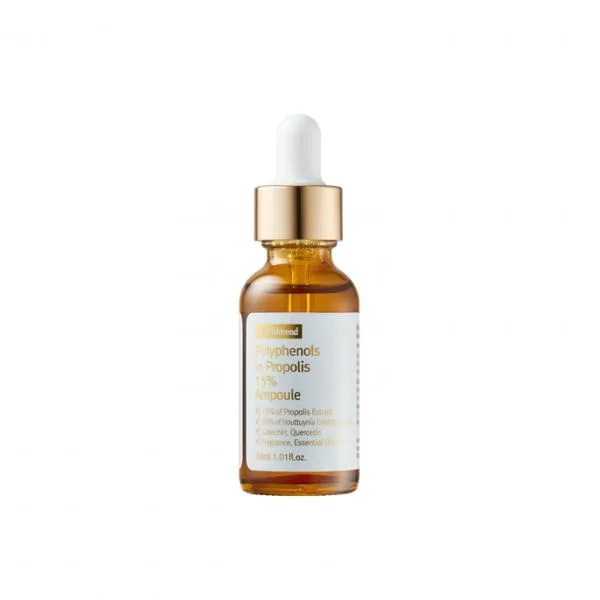 Sensitive Skin Soother
 Polyphenols In Propolis 15% Ampoule
A 15% propolis ampoule that earns its name with a real polyphenol stack — French Auvergne propolis layered over a houttuynia cordata base, with tulsi and pomegranate piling on. It's slightly sticky and not cheap by volume, but for sensitive, breakout-prone skin chasing calm, this is one of the most reliable K-beauty soothers in production.
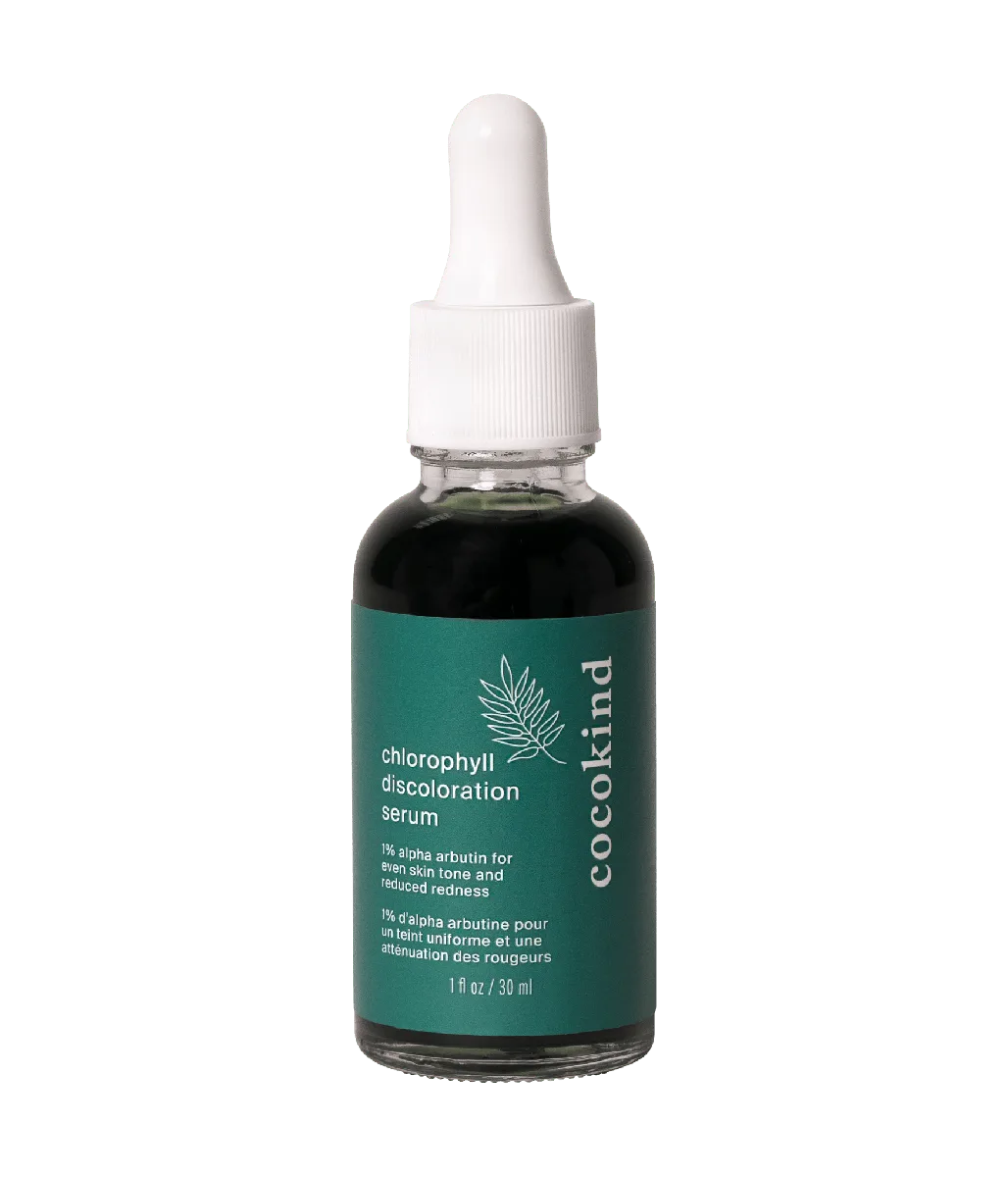 Budget Brightening Hero
 Chlorophyll Discoloration Serum
A quietly brilliant brightening serum that proves you do not need luxury prices or harsh actives to fade dark spots effectively. The alpha-arbutin and licorice root combination delivers genuine multi-pathway melanin inhibition, the sensitive-skin-friendly formula is impeccable, and $20 makes it accessible to virtually everyone. The chlorophyllin is more marketing differentiator than scientific powerhouse, but it does not hurt anything either.
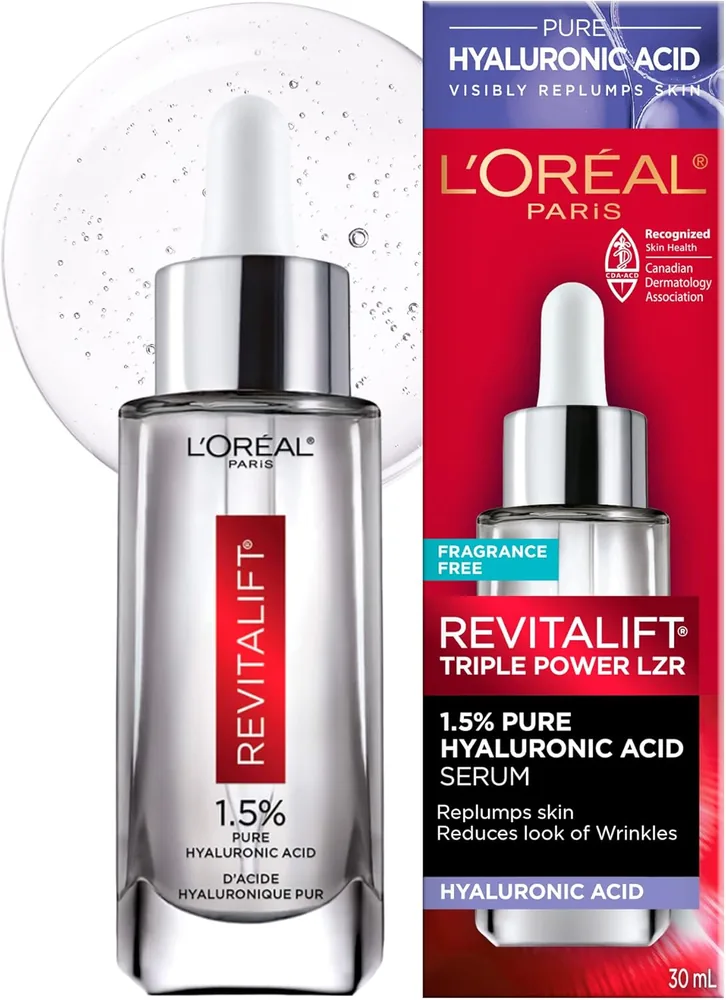 The People's HA Serum
 Revitalift Derm Intensives 1.5% Pure Hyaluronic Acid Serum
A masterclass in minimalist formulation — thirteen ingredients, no filler, four functional actives, and over thirty thousand glowing reviews. L'Oréal's multi-weight HA system delivers genuine hydration at every level of the skin, and the fragrance-free, alcohol-free formula is clean enough for virtually anyone. The drugstore serum that embarrasses its prestige competitors.
 Budget Hydration Holy Grail
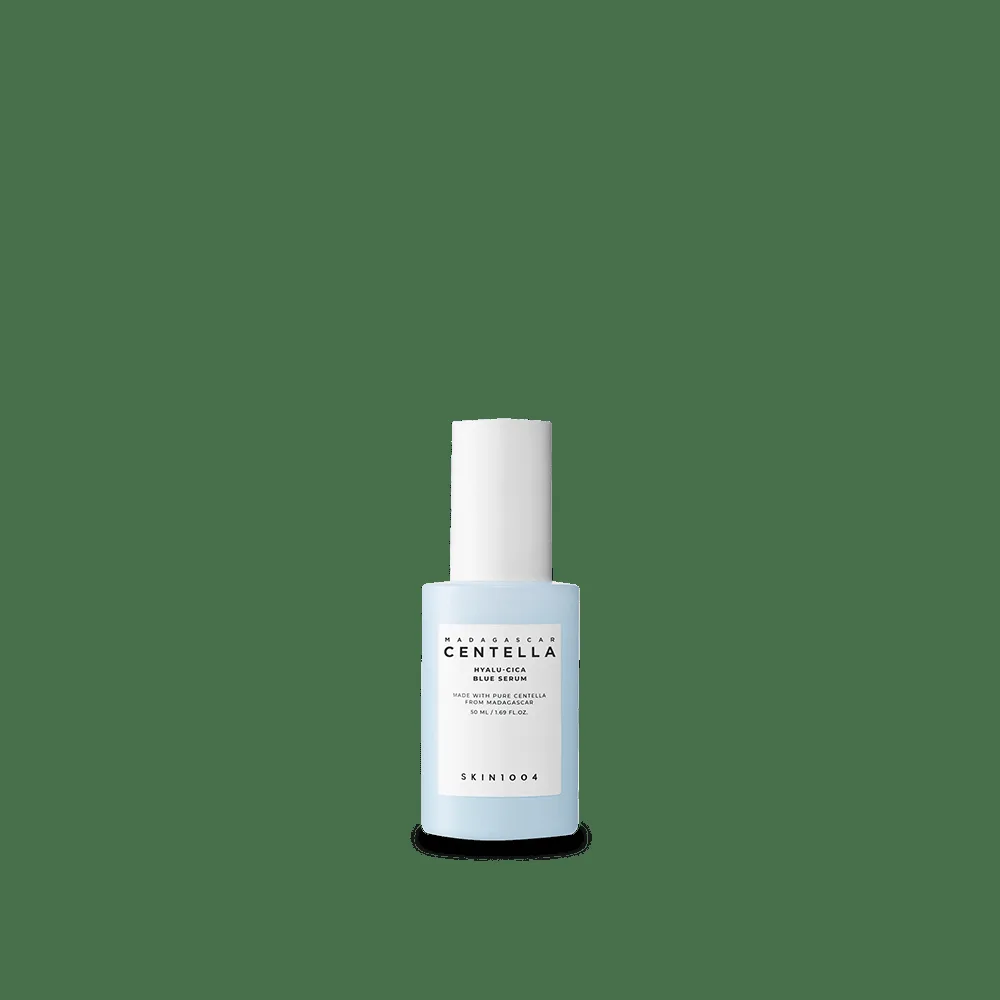
 Hyalu-Cica Blue Serum
A quietly excellent budget serum that stacks Centella asiatica leaf water, five types of hyaluronic acid, niacinamide, ceramide NP, and adenosine into a fragrance-free under-$20 bottle. It is genuinely one of the best hydration-plus-soothing serums at any price, and the fact that it costs less than a salad in Manhattan is the point.
 Sensitive Skin First-Line Defense
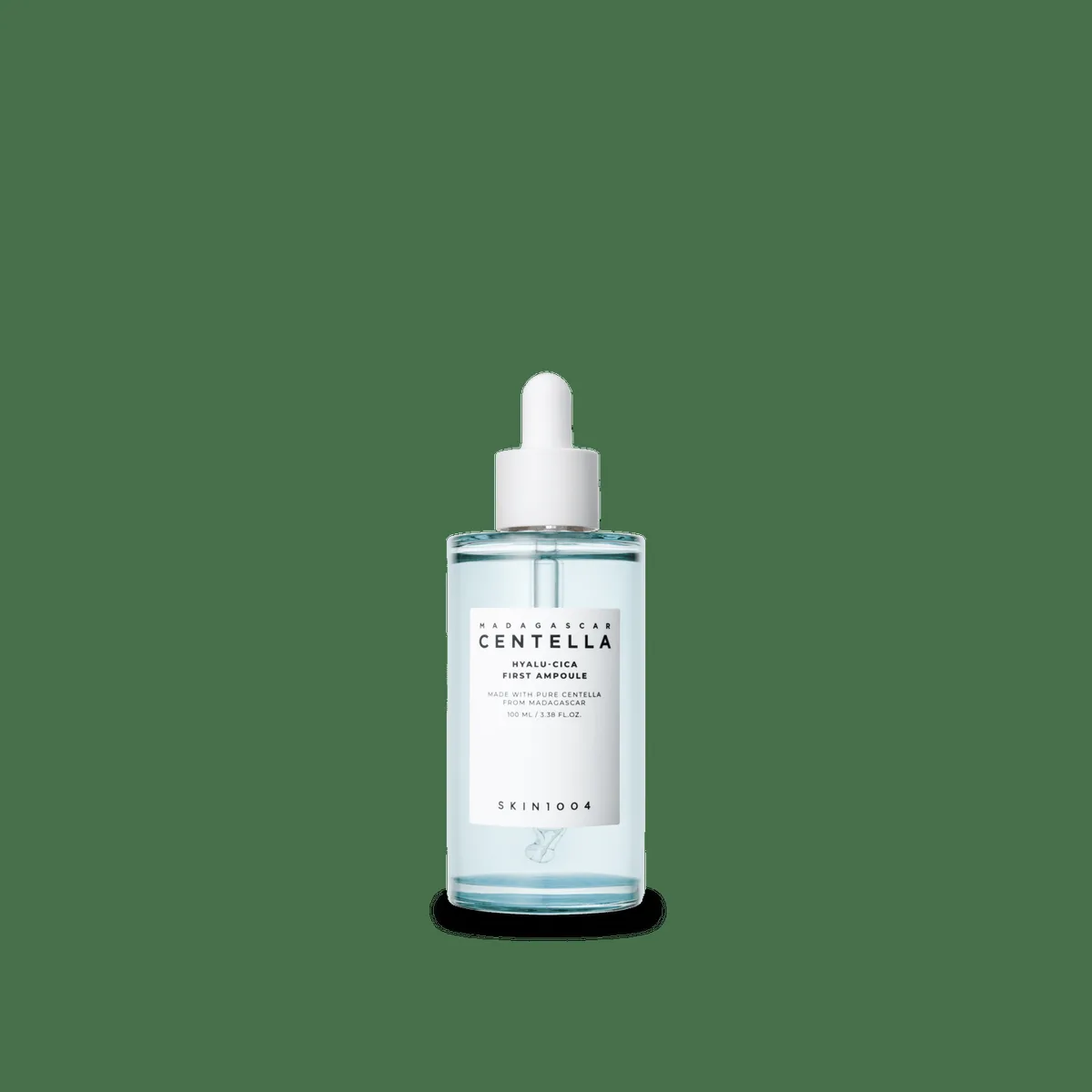
 Hyalu-Cica First Ampoule
A 92% Centella asiatica extract ampoule paired with niacinamide and a multi-weight HA complex, fragrance-free and purpose-built for sensitive, compromised, and reactive skin. At $25 for 100ml, it is one of the most justifiable skincare purchases a budget-conscious buyer can make, and it earns a place in almost any routine that needs a soothing anchor.
 Sensitive Skin MVP
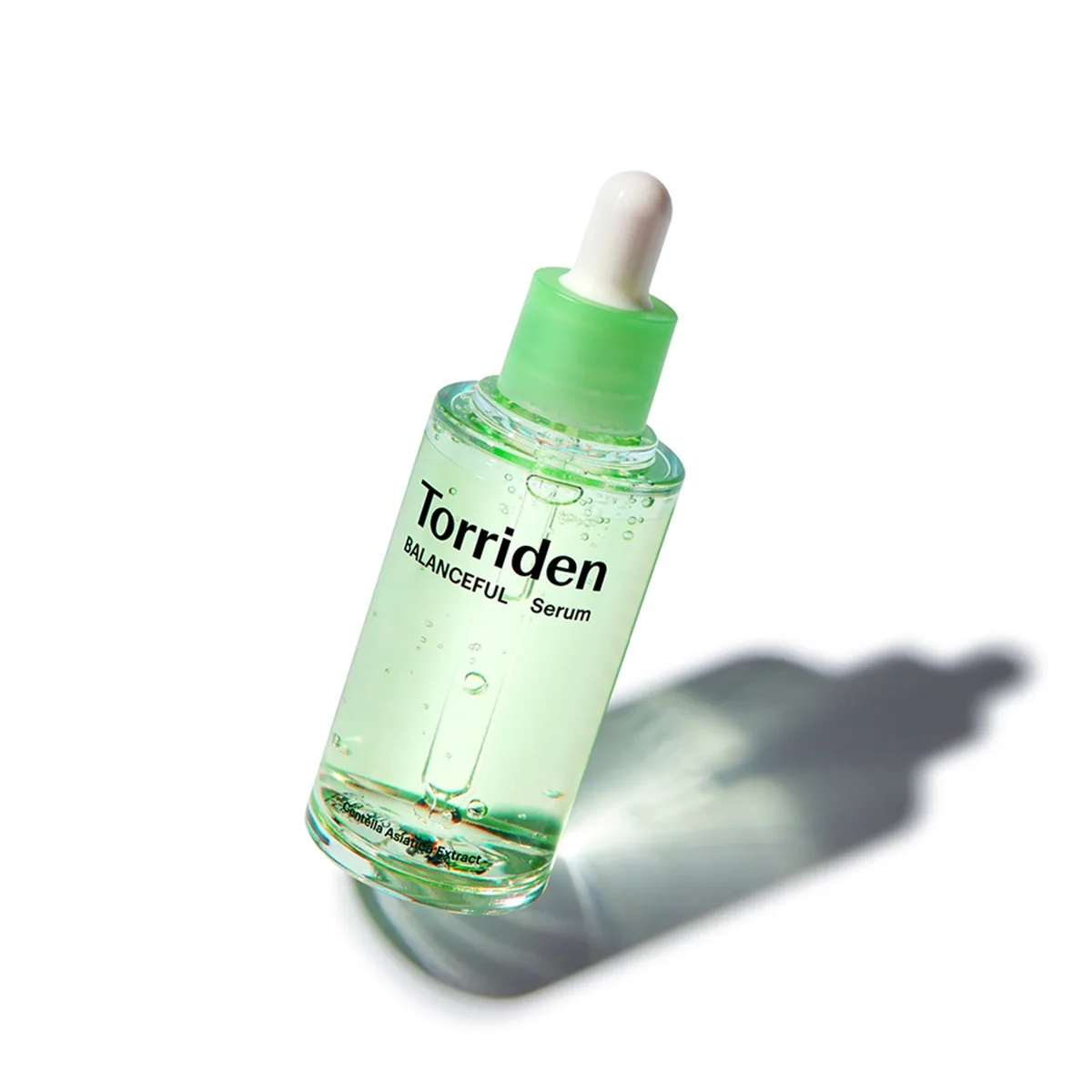
 Balanceful Cica Serum
Torriden's Balanceful Cica Serum is one of the most recommendable calming serums in K-beauty — a genuinely fragrance-free, multi-weight hyaluronic acid and 5D cica complex treatment that quietly reduces redness, supports the barrier, and buffers other actives without drama. At under $25 it's a near-automatic pick for sensitive, rosacea-prone, and barrier-compromised skin.
This review reflects our independent analysis of publicly available ingredient data, manufacturer claims, and verified user reviews. We are reader-supported — Amazon links may earn us a commission at no cost to you. We do not accept paid placements; rankings are based solely on the evidence.