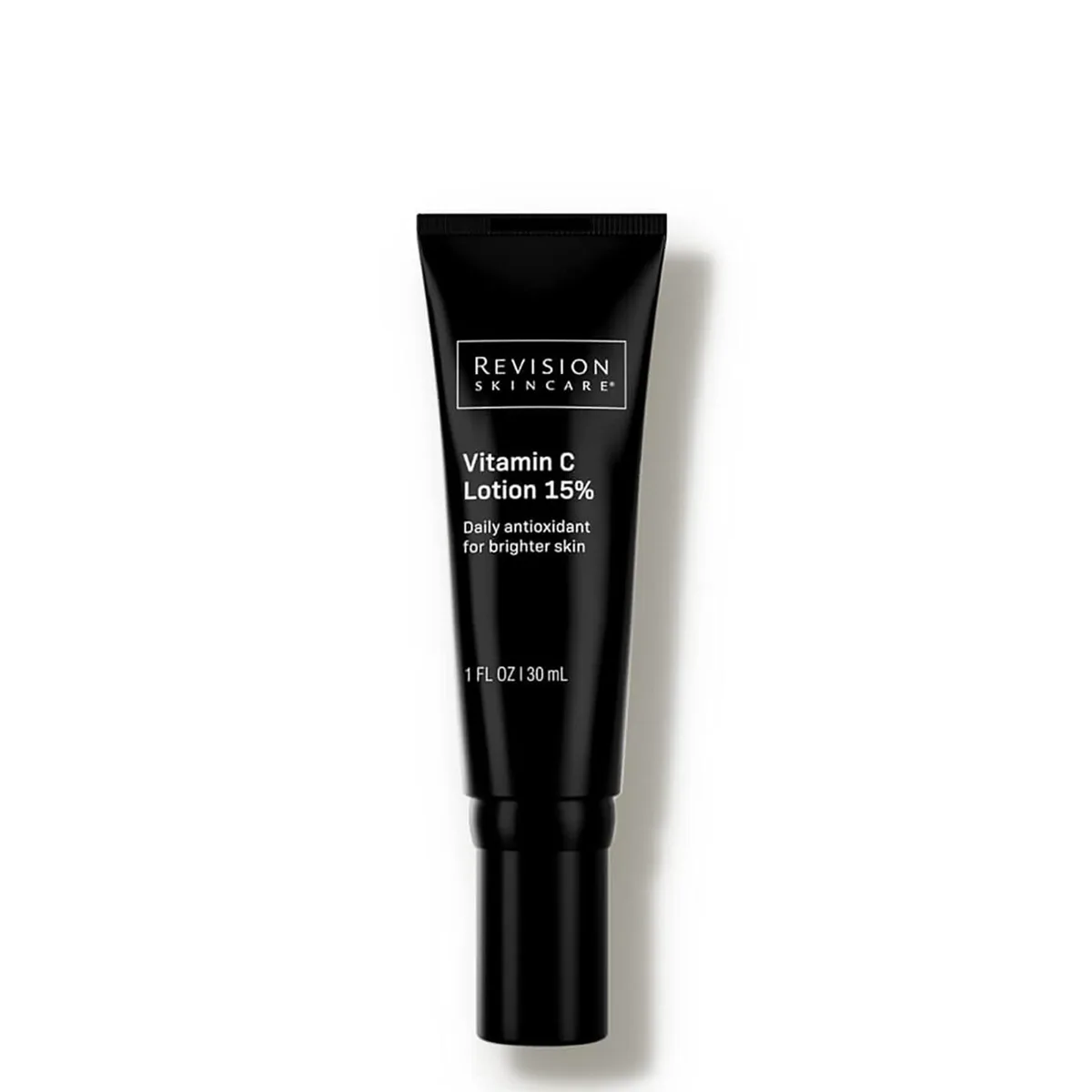
A thoughtfully formulated vitamin C treatment that prioritizes stability and tolerability over raw potency. The 15% THD ascorbate delivers meaningful brightening and antioxidant benefits without the irritation, instability, and pH headaches of L-ascorbic acid serums — making it one of the best vitamin C options for sensitive and post-procedure skin.
Vitamin C Lotion
A thoughtfully formulated vitamin C treatment that prioritizes stability and tolerability over raw potency. The 15% THD ascorbate delivers meaningful brightening and antioxidant benefits without the irritation, instability, and pH headaches of L-ascorbic acid serums — making it one of the best vitamin C options for sensitive and post-procedure skin.
Score Breakdown
Where this product gains points and where it loses them — broken down across the four scoring pillars.
A well-formulated, stable vitamin C treatment with broad skin-type compatibility and a triple antioxidant system. The 15% THD ascorbate concentration is clinically meaningful, and the minimal ingredient list reduces irritation risk. Price is premium but not unreasonable for the vitamin C concentration and quality.
Pros & Cons
- ✓THD ascorbate at 15% provides meaningful vitamin C benefits without the irritation of L-ascorbic acid
- ✓Triple antioxidant system (vitamin C + E + CoQ10) provides comprehensive photoprotection
- ✓Exceptional stability — does not oxidize or turn orange like L-ascorbic acid serums
- ✓Fragrance-free and gentle enough for sensitive and post-procedure skin
- ✓Lotion texture absorbs smoothly and layers well under sunscreen and moisturizer
- ✓Airless pump packaging maintains ingredient integrity from first to last use
- ✗Premium $114 price for 1 oz is significant for a vitamin C treatment
- ✗THD ascorbate requires metabolic conversion, slightly reducing immediate bioavailability versus pure L-ascorbic acid
- ✗Only one size available — no trial size for testing compatibility
- ✗Lotion texture may feel too heavy for very oily skin types
- ✗Results are gradual — not for those seeking immediate dramatic brightening
Full Review
The vitamin C serum market has a potency problem. Brands compete to offer the highest percentage of L-ascorbic acid, marketing 20%, 25%, even 30% concentrations as if more is always better. What they do not advertise as loudly is that L-ascorbic acid is inherently unstable, requires a punishingly low pH of 2.5-3.5 to penetrate the skin, oxidizes rapidly once opened, and causes significant irritation at the concentrations needed for clinical efficacy. Revision Skincare sidestepped this entire arms race by building their vitamin C products around Tetrahexyldecyl Ascorbate — and the reasoning is characteristically pragmatic.
THD ascorbate is oil-soluble, which fundamentally changes its relationship with the skin. Rather than sitting on the surface waiting for active transport through the hydrophilic stratum corneum (as L-ascorbic acid must), THD ascorbate dissolves directly into the skin's lipid matrix and penetrates to the deeper layers where it converts to active ascorbic acid. It does not require a low pH to work. It does not oxidize into an orange mess within weeks. And it does not cause the burning, tingling, and redness that make pure vitamin C serums intolerable for a significant portion of the population. For a physician-dispensed brand whose patients include post-laser, post-peel, and sensitive skin types, this was the only logical choice.
At 15%, the concentration is clinically meaningful. This is not a token amount of vitamin C dissolved in a moisturizer — it is a dedicated treatment product where THD ascorbate appears as the second ingredient, immediately after water. The supporting cast is minimal but strategic: tocopherol (vitamin E) creates the classic C+E synergy where each antioxidant regenerates the other, extending the total antioxidant capacity beyond what either provides alone. Ubiquinone (CoQ10) adds a third dimension of antioxidant defense while supporting mitochondrial energy production. Squalane provides the lipophilic vehicle that enhances THD ascorbate penetration while hydrating the skin.
The lotion texture sets this apart from the thin, watery serums that dominate the vitamin C category. It is a light, smooth lotion that absorbs quickly and leaves a soft, slightly dewy finish — more hydrating than a serum, less heavy than a cream. For those who find serums too thin or too tacky, the lotion format is a genuine functional difference. It layers well under moisturizer and sunscreen without pilling, and the complete absence of fragrance means you are not smelling anything during or after application.
The stability factor cannot be overstated. Anyone who has spent $30-150 on a vitamin C serum only to watch it turn orange within six weeks knows the frustration. THD ascorbate in an airless pump is a fundamentally different proposition — the product maintains its efficacy for months without the oxidation anxiety that plagues L-ascorbic acid formulations. You are getting what you paid for from the first pump to the last.
Results follow the typical vitamin C timeline. A subtle brightness boost is noticeable within the first few weeks. Dark spots and uneven tone begin to improve at 4-8 weeks. The deeper collagen-supporting and photoprotective benefits accumulate over months of daily use. None of this is dramatic — vitamin C is a slow-build active — but the consistency of results among users reflects the stable delivery system.
At $114 for one ounce, this is in the upper tier of vitamin C treatments. The price reflects both the 15% concentration and the physician-dispensed positioning. For those who want a more aggressive approach, Revision offers a 30% version. For most users, particularly those new to vitamin C or with sensitive skin, the 15% provides an ideal balance of efficacy and tolerability. The cost per month works out to roughly $40-55, which is competitive with premium L-ascorbic acid serums that may oxidize before the bottle is finished.
The honest limitation is that THD ascorbate, while well-studied, does require an additional metabolic conversion step in the skin to become active ascorbic acid. This means the immediate biological availability is slightly lower than pure L-ascorbic acid. For someone with robust, non-sensitive skin who tolerates acids well, an L-ascorbic acid serum at the same price point may deliver marginally faster results. But for the majority of users — and especially for sensitive, post-procedure, or vitamin C-naive skin — the stability, tolerability, and penetration advantages of THD ascorbate make this the smarter long-term investment.
Formula
Key Ingredients
The hero actives that drive this product's performance.
| Ingredient | Function | Evidence |
|---|---|---|
| Tetrahexyldecyl Ascorbate (15%) (15%) | An oil-soluble vitamin C derivative at a clinically meaningful 15% concentration that penetrates the lipid barrier more effectively than water-soluble L-ascorbic acid. Once in the skin, it converts to active ascorbic acid. Its superior stability means it does not oxidize or degrade as rapidly as pure vitamin C, maintaining efficacy throughout the product's life. | well-established |
| Tocopherol (Vitamin E) | A lipid-soluble antioxidant that works synergistically with vitamin C — the classic C+E pairing where each regenerates the other after neutralizing free radicals, creating a self-sustaining antioxidant cycle that provides greater photoprotection than either vitamin alone. | well-established |
| Ubiquinone (Coenzyme Q10) | A mitochondrial antioxidant that supports cellular energy production while providing its own antioxidant defense. In this formula, it creates a triple antioxidant system with vitamins C and E — each operating in different cellular compartments for comprehensive oxidative stress protection. | well-established |
| Squalane | A lightweight emollient that serves double duty — it enhances the penetration of the oil-soluble vitamin C derivative through the skin's lipid matrix while providing hydration and barrier support. Its non-comedogenic nature makes this formula suitable for a range of skin types. | well-established |
Full INCI List
Water, Tetrahexyldecyl Ascorbate, Glycerin, PPG-12/SMDI Copolymer, Corn Starch Modified, Cyclopentasiloxane, Tocopherol, Ubiquinone, Glyceryl Caprylate, Cetearyl Glucoside, Hydrogenated Lecithin, Squalane, Xanthan Gum, Chlorphenesin, Acrylates/C10-30 Alkyl Acrylate Crosspolymer, Phenoxyethanol, Benzoic Acid, Sodium Polyacrylate, Leuconostoc/Radish Root Ferment Filtrate, Triethanolamine, Butylene Glycol, Sorbic Acid, Cetyl Alcohol, Stearyl Alcohol, Tocopheryl Acetate
Product Flags
✓ Fragrance Free✓ Alcohol Free✗ Oil Free✗ Silicone Free✓ Paraben Free✓ Sulfate Free✗ Cruelty Free✗ Vegan✗ Fungal Acne Safe
Compatibility
Skin Match
Best For
Works For
Not Ideal For
Addresses These Conditions
dullness hyperpigmentation aging sun damage dark spots
Routine Step
serum
Time of Day
AM
Pregnancy Safe
Yes ✓
Layering Tips
Apply after cleansing and toning, before moisturizer and sunscreen. Pairs exceptionally well with sunscreen for comprehensive photoprotection — the vitamin C provides antioxidant defense against UV-generated free radicals that sunscreen alone does not address.
Results Timeline
Improved skin brightness and a more even tone within 2-3 weeks. Visible reduction in dark spots and hyperpigmentation at 4-8 weeks. Cumulative collagen-supporting and photoprotective benefits develop over 3-6 months of consistent daily use.
Pairs Well With
sunscreenhyaluronic acid serum (underneath)retinoids (PM use)
Sample AM Routine
- Gentle cleanser
- Hyaluronic acid serum
- Revision Skincare Vitamin C Lotion
- Moisturizer
- Broad-spectrum SPF
Sample PM Routine
- Gentle cleanser
- Retinoid treatment
- Night cream
Evidence
Who Should Skip
- Premium $114 price for 1 oz is significant for a vitamin C treatment
- THD ascorbate requires metabolic conversion, slightly reducing immediate bioavailability versus pure L-ascorbic acid
- Only one size available — no trial size for testing compatibility
- Lotion texture may feel too heavy for very oily skin types
Science & Expert Perspective
The Science
Tetrahexyldecyl ascorbate (THD ascorbate) is an esterified, lipid-soluble form of vitamin C that has demonstrated significant advantages over L-ascorbic acid in skin penetration studies. Research published in the Journal of Cosmetic Dermatology showed that THD ascorbate penetrates the skin at higher rates than L-ascorbic acid due to its lipophilic nature, which allows direct passage through the stratum corneum's lipid bilayers. Once in the viable epidermis and dermis, esterases cleave the THD ascorbate to release free ascorbic acid at the site of action.
The vitamin C + E synergy in this formula follows the foundational research by Sheldon Pinnell and colleagues at Duke University, published in the Journal of the American Academy of Dermatology (2003). Their work demonstrated that combining vitamins C and E provided significantly greater photoprotection than either vitamin alone — the two antioxidants regenerate each other after neutralizing free radicals, creating an extended antioxidant cycle. While Pinnell's work used L-ascorbic acid specifically, the mechanism of C+E regeneration applies to the active ascorbic acid released from THD ascorbate.
Ubiquinone (Coenzyme Q10) adds a mitochondria-specific antioxidant dimension. Research published in BioFactors demonstrated that topical CoQ10 reduces oxidative stress markers in UV-irradiated skin and supports cellular energy production in aging keratinocytes. In this formula, the three antioxidants operate in different cellular compartments — vitamin C in the aqueous phase, vitamin E in the lipid membranes, and CoQ10 in the mitochondria — providing layered protection that single-antioxidant products cannot achieve.
Dermatologist Perspective
Dermatologists frequently recommend this vitamin C lotion for patients who have tried and failed L-ascorbic acid serums due to irritation, instability, or intolerance. Board-certified dermatologists note that THD ascorbate addresses the two biggest practical problems with topical vitamin C — skin irritation and product stability — making it a more reliable daily-use option for their patients. The 15% concentration is typically recommended as the starting point, with the 30% version available for patients who tolerate the lower concentration well and want enhanced brightening. Dermatologists particularly value this product for post-procedure patients who need antioxidant support during healing but cannot tolerate the low pH of L-ascorbic acid.
Guidance
Usage Guide
How to Use
Apply one pump to clean, dry skin in the morning after cleansing and toning. Spread evenly across face and neck. Allow a moment to absorb, then follow with moisturizer and sunscreen. The vitamin C provides antioxidant defense that complements sunscreen protection — using both together offers significantly better photoprotection than sunscreen alone.
Value Assessment
At $114 for 1 fl oz lasting 2-3 months, the per-month cost is approximately $40-55. This is competitive with premium L-ascorbic acid serums in the $40-80 range, with the added benefit that this product will not oxidize before you finish it. The stability advantage effectively means you use 100% of what you buy, whereas L-ascorbic acid serums often lose efficacy before the bottle is empty. For sensitive skin users who have wasted money on irritating vitamin C serums they had to abandon, the tolerance factor adds practical value. The 30% version is available for those who want a stronger effect at a similar price point.
Who Should Buy
Anyone seeking a stable, gentle vitamin C treatment for brightening, antioxidant protection, and anti-aging — especially those who have been irritated by L-ascorbic acid serums. Ideal for sensitive, post-procedure, and vitamin C-naive skin. Also suitable for those tired of vitamin C products that oxidize before the bottle is finished.
Who Should Skip
Those who tolerate L-ascorbic acid well and want the most direct potency for the price. Users seeking a lighter serum texture rather than a lotion format. Budget-conscious consumers who can find effective vitamin C options at lower price points.
Ready to try Revision Skincare Vitamin C Lotion?
Details
Details
Texture
Lightweight lotion consistency — not a traditional thin serum. Absorbs smoothly without greasiness, leaving a soft, slightly dewy finish.
Scent
No fragrance added — virtually no scent, which is a benefit of using THD ascorbate rather than L-ascorbic acid (which can have an oxidized metallic smell).
Packaging
Airless pump bottle that protects the vitamin C from light and air exposure, maintaining stability throughout the product's lifespan.
Finish
satinnon-greasylightweight
What to Expect on First Use
On first application, the lotion feels hydrating and smooth with no tingling, stinging, or warmth. This is a stark contrast to L-ascorbic acid serums, which often cause discomfort at similar concentrations. Skin looks subtly brighter immediately after application.
How Long It Lasts
2-3 months with once-daily facial application
Period After Opening
12 months
Best Season
All Year
Background
The Why
Revision Skincare chose THD ascorbate over the more common L-ascorbic acid specifically because their physician-dispensed model requires products that work for sensitive, post-procedure skin. L-ascorbic acid's instability and irritation potential made it unsuitable for their patient base, so they formulated around a derivative that sacrifices some immediate potency for dramatically better stability, tolerability, and skin penetration.
About Revision Skincare Legacy Brand (20+ years)
Revision Skincare was founded in 1984 and has built its reputation as a physician-dispensed brand sold exclusively through dermatologists, plastic surgeons, and medical spas.
Brand founded: 1984 · Product launched: 2010
Myth vs. Reality
Myths & Misconceptions
Myth
Only L-ascorbic acid is effective — derivatives are a waste of money.
Reality
THD ascorbate has demonstrated comparable antioxidant and collagen-stimulating activity to L-ascorbic acid in research, with the added benefits of superior stability and skin penetration. It converts to active ascorbic acid within the skin. For sensitive skin types, the trade-off favors THD ascorbate significantly.
Myth
If a vitamin C product does not tingle, it is not working.
Reality
Tingling from L-ascorbic acid serums is caused by their low pH (typically 2.5-3.5) irritating the skin, not by the vitamin C being effective. THD ascorbate works at skin-neutral pH, so the absence of tingling reflects better formulation, not reduced efficacy.
FAQ
Frequently Asked Questions
What type of vitamin C is in Revision Vitamin C Lotion?
It contains 15% Tetrahexyldecyl Ascorbate (THD Ascorbate), an oil-soluble vitamin C derivative. Unlike L-ascorbic acid, THD ascorbate is highly stable, penetrates the skin's lipid barrier effectively, and does not cause the tingling or irritation associated with pure vitamin C at similar concentrations. It converts to active ascorbic acid within the skin.
What is the difference between Revision Vitamin C Lotion 15% and 30%?
Both use the same THD ascorbate derivative and supporting ingredients. The 15% is the standard concentration suitable for most skin types, including sensitive skin and vitamin C beginners. The 30% doubles the vitamin C concentration for those seeking more aggressive brightening and anti-aging effects. Many dermatologists recommend starting with the 15% and upgrading if more results are desired.
Can I use Revision Vitamin C Lotion with retinol?
Yes — use the Vitamin C Lotion in the morning and your retinol product at night. THD ascorbate is stable at a wider pH range than L-ascorbic acid, so there is no pH conflict concern. The daytime antioxidant protection from vitamin C complements the nighttime cell renewal from retinol for a comprehensive anti-aging strategy.
Is Revision Vitamin C Lotion safe for sensitive skin?
Yes — this is one of the most gentle vitamin C formulations available. THD ascorbate does not require a low pH to be effective, eliminating the irritation that L-ascorbic acid serums cause. The formula is fragrance-free, and most sensitive skin users report zero irritation. It is commonly recommended for post-procedure skin.
Will Revision Vitamin C Lotion turn orange or oxidize?
THD ascorbate is significantly more stable than L-ascorbic acid and does not undergo the rapid oxidation that turns conventional vitamin C serums orange. The airless pump packaging further protects against air and light exposure. You should not experience color changes during normal use.
Community
Community Voices
Common Praise
"Noticeable brightening effect within weeks"
"Gentle formula that does not irritate sensitive skin"
"Hydrating lotion texture absorbs well"
"Does not cause the tingling or stinging of pure vitamin C serums"
Common Complaints
"Pricey at $114 for 1 oz"
"Some users prefer a higher concentration (30% version available)"
"Lotion texture may feel too heavy for very oily skin"
Notable Endorsements
Physician-dispensed through dermatologist officesEntry-level vitamin C option in the Revision lineup
Appears In
best vitamin c for sensitive skin best gentle vitamin c serum best thd ascorbate product best brightening serum for sensitive skin
Related Conditions
dullness hyperpigmentation aging sun damage dark spots
Related Ingredients
You Might Also Like
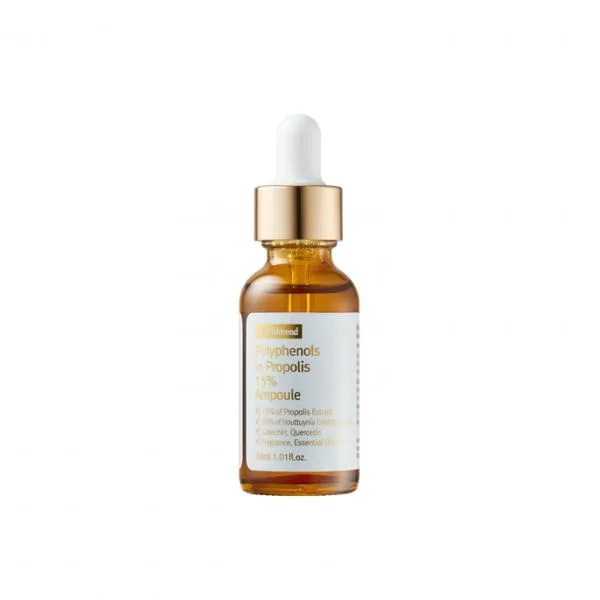 Sensitive Skin Soother
 Polyphenols In Propolis 15% Ampoule
A 15% propolis ampoule that earns its name with a real polyphenol stack — French Auvergne propolis layered over a houttuynia cordata base, with tulsi and pomegranate piling on. It's slightly sticky and not cheap by volume, but for sensitive, breakout-prone skin chasing calm, this is one of the most reliable K-beauty soothers in production.
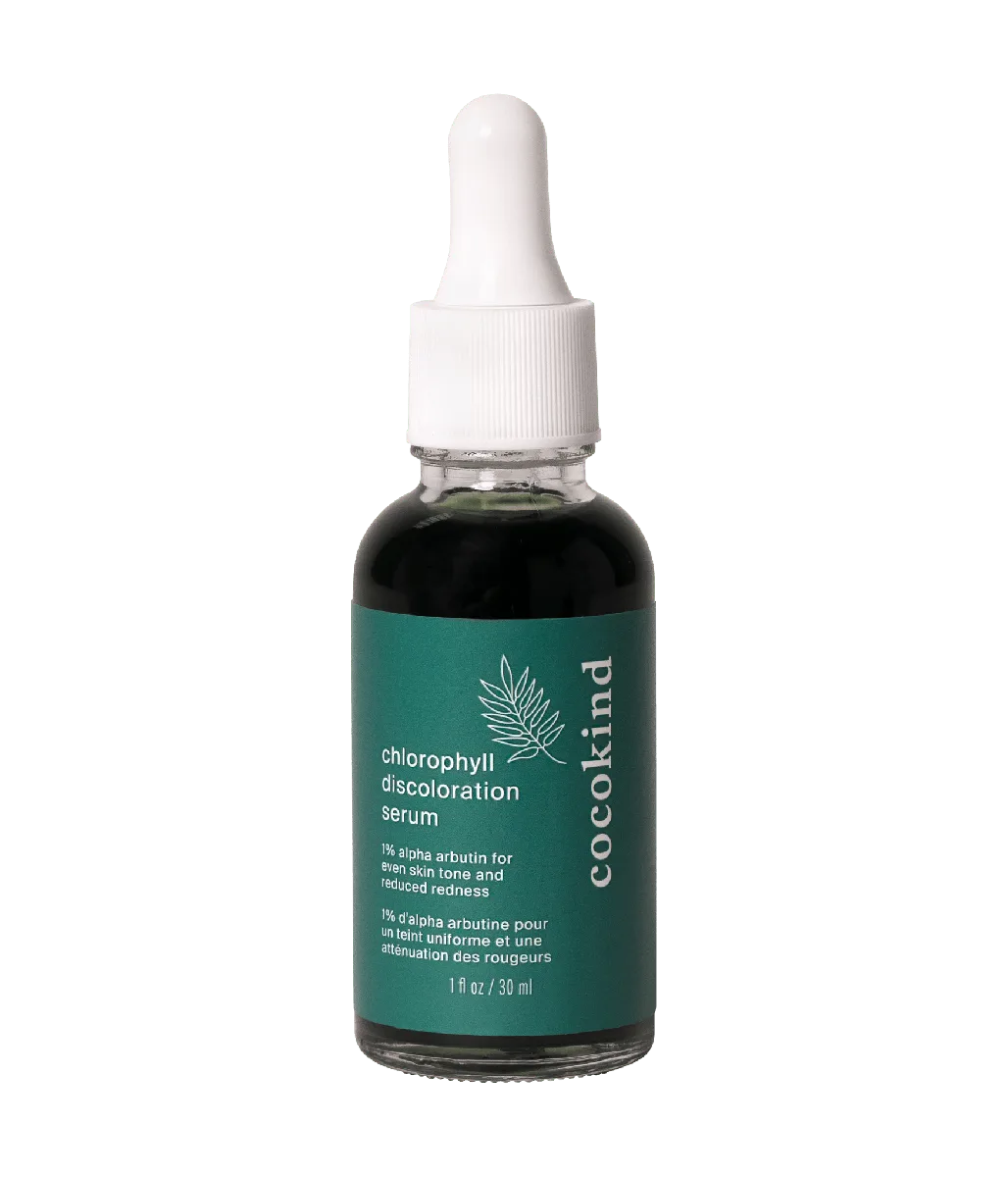 Budget Brightening Hero
 Chlorophyll Discoloration Serum
A quietly brilliant brightening serum that proves you do not need luxury prices or harsh actives to fade dark spots effectively. The alpha-arbutin and licorice root combination delivers genuine multi-pathway melanin inhibition, the sensitive-skin-friendly formula is impeccable, and $20 makes it accessible to virtually everyone. The chlorophyllin is more marketing differentiator than scientific powerhouse, but it does not hurt anything either.
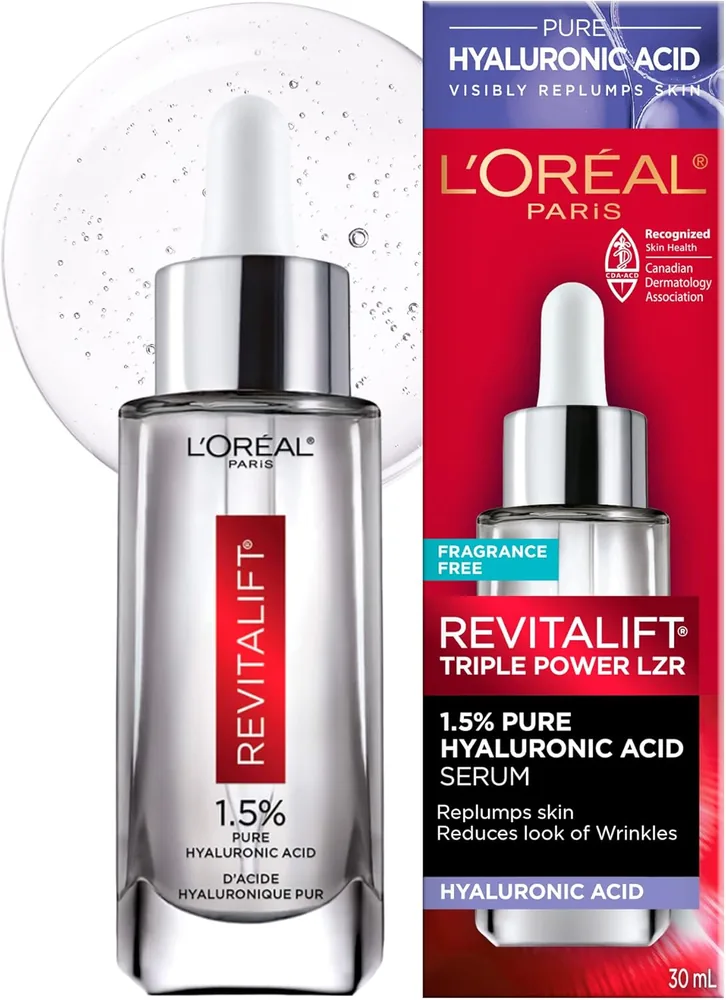 The People's HA Serum
 Revitalift Derm Intensives 1.5% Pure Hyaluronic Acid Serum
A masterclass in minimalist formulation — thirteen ingredients, no filler, four functional actives, and over thirty thousand glowing reviews. L'Oréal's multi-weight HA system delivers genuine hydration at every level of the skin, and the fragrance-free, alcohol-free formula is clean enough for virtually anyone. The drugstore serum that embarrasses its prestige competitors.
 Budget Hydration Holy Grail
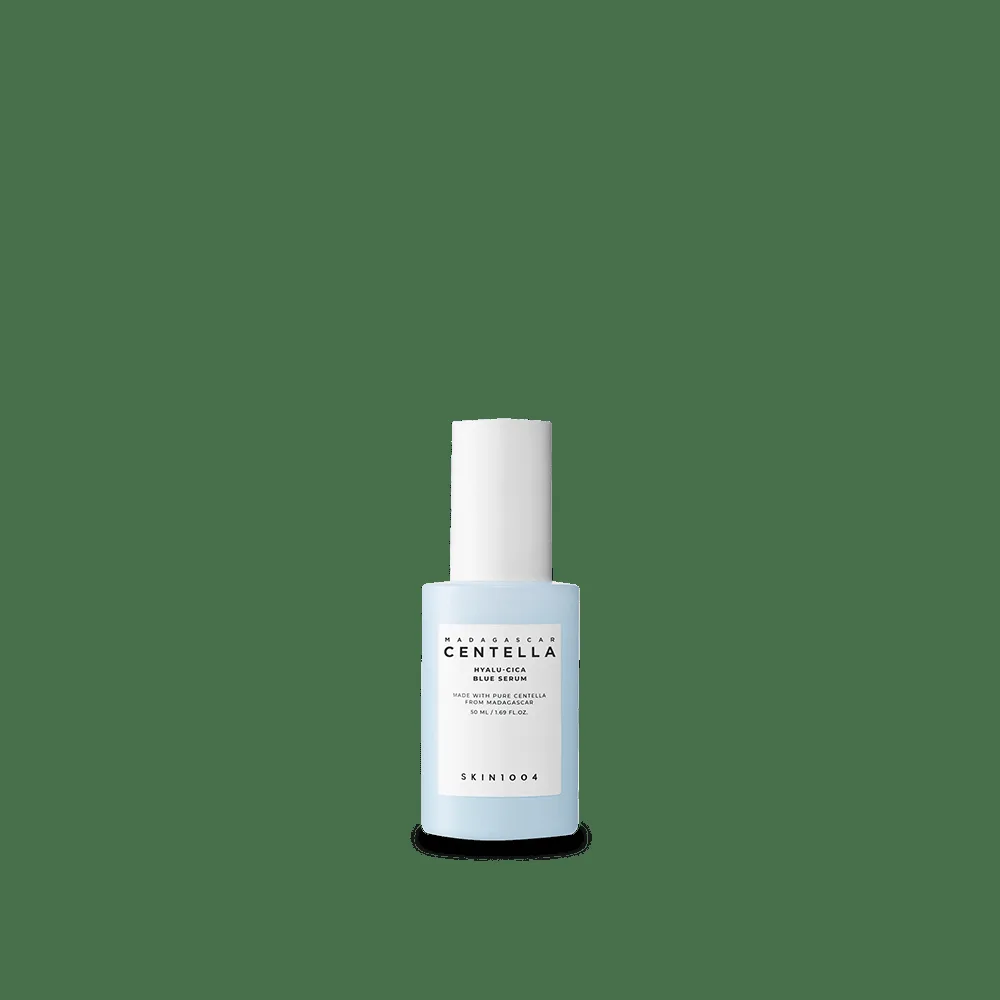
 Hyalu-Cica Blue Serum
A quietly excellent budget serum that stacks Centella asiatica leaf water, five types of hyaluronic acid, niacinamide, ceramide NP, and adenosine into a fragrance-free under-$20 bottle. It is genuinely one of the best hydration-plus-soothing serums at any price, and the fact that it costs less than a salad in Manhattan is the point.
 Sensitive Skin First-Line Defense
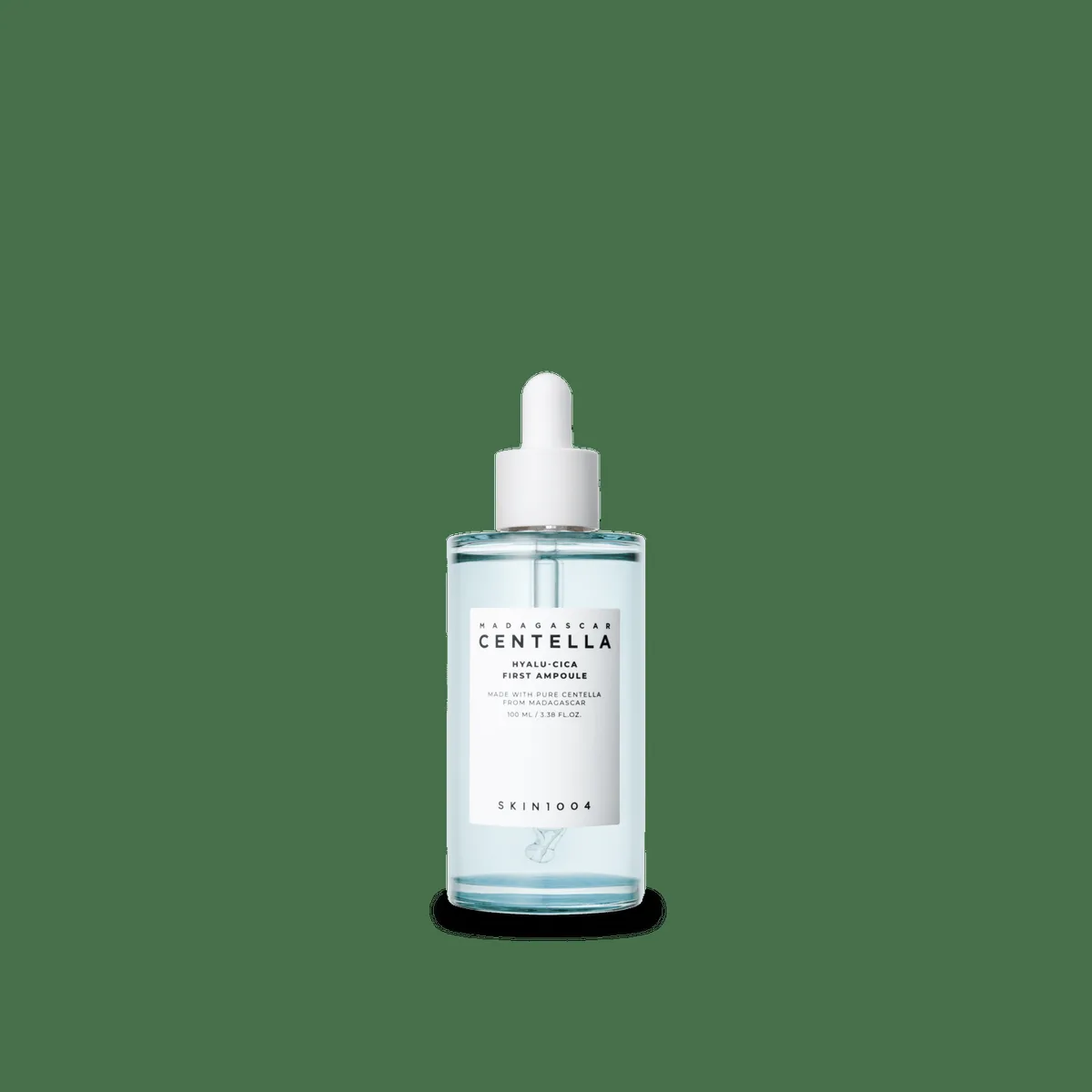
 Hyalu-Cica First Ampoule
A 92% Centella asiatica extract ampoule paired with niacinamide and a multi-weight HA complex, fragrance-free and purpose-built for sensitive, compromised, and reactive skin. At $25 for 100ml, it is one of the most justifiable skincare purchases a budget-conscious buyer can make, and it earns a place in almost any routine that needs a soothing anchor.
 Sensitive Skin MVP
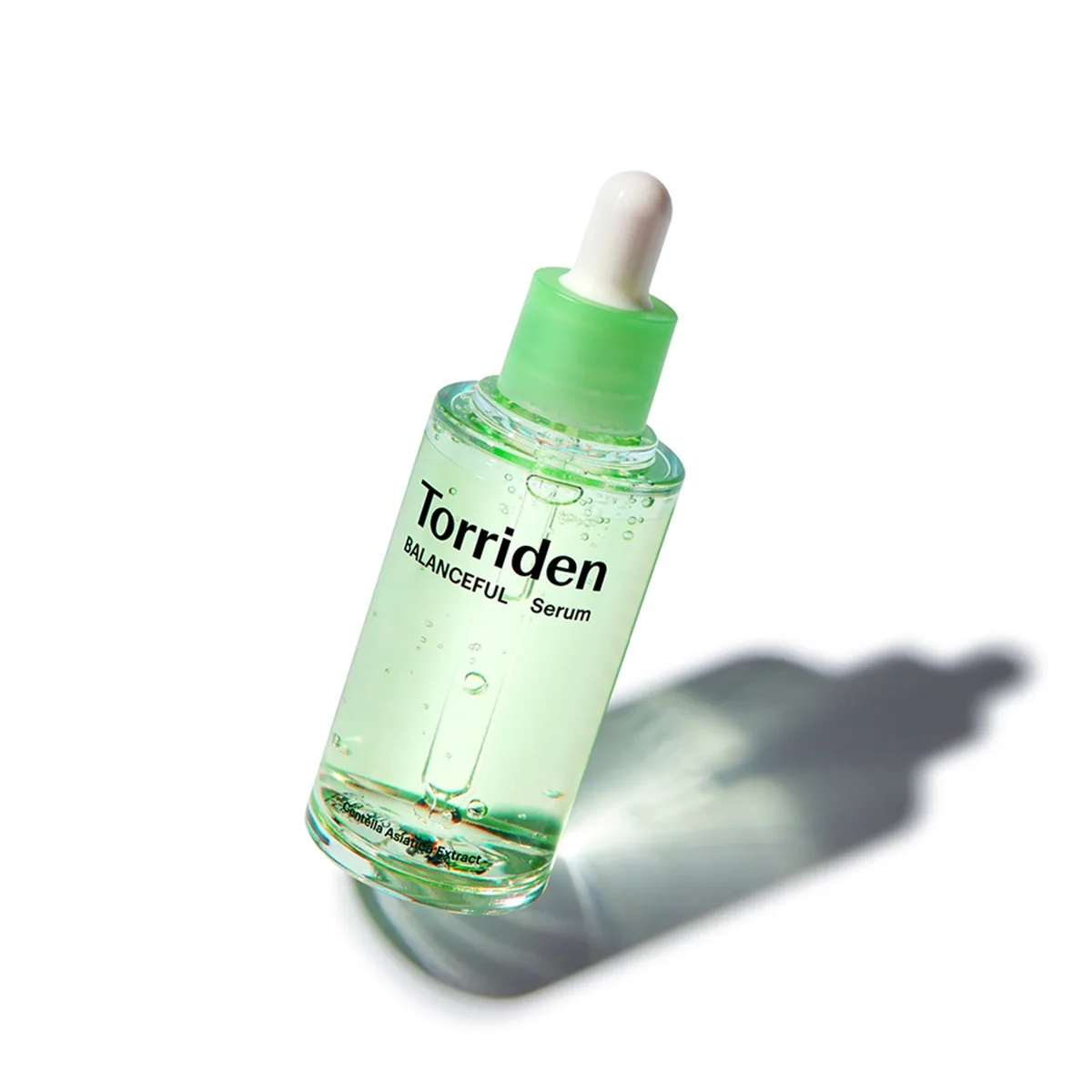
 Balanceful Cica Serum
Torriden's Balanceful Cica Serum is one of the most recommendable calming serums in K-beauty — a genuinely fragrance-free, multi-weight hyaluronic acid and 5D cica complex treatment that quietly reduces redness, supports the barrier, and buffers other actives without drama. At under $25 it's a near-automatic pick for sensitive, rosacea-prone, and barrier-compromised skin.
This review reflects our independent analysis of publicly available ingredient data, manufacturer claims, and verified user reviews. We are reader-supported — Amazon links may earn us a commission at no cost to you. We do not accept paid placements; rankings are based solely on the evidence.