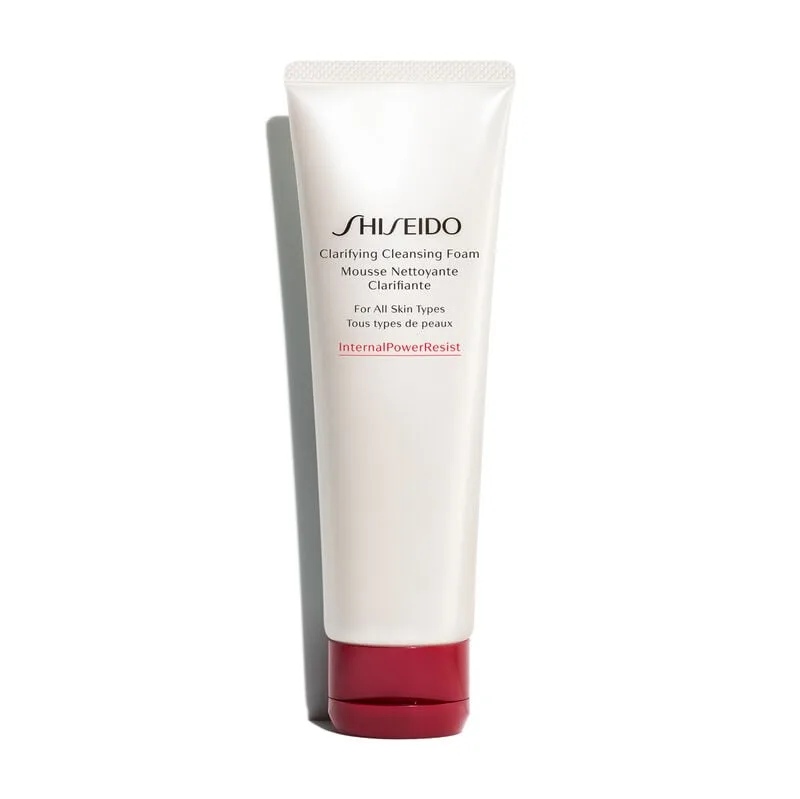
A thoroughly Japanese cleanser that brings kaolin clay purification and botanical conditioning to a satisfying foam, ideal for oily and combination skin — though the soap-based surfactant system and SLS inclusion make it a skip for anyone on the dry or sensitive side.
Clarifying Cleansing Foam
A thoroughly Japanese cleanser that brings kaolin clay purification and botanical conditioning to a satisfying foam, ideal for oily and combination skin — though the soap-based surfactant system and SLS inclusion make it a skip for anyone on the dry or sensitive side.
Score Breakdown
Where this product gains points and where it loses them — broken down across the four scoring pillars.
A well-formulated cleanser with thoughtful Japanese botanical additions, but the presence of SLS and fragrance limits its suitability, and the soap-based surfactant system can be too stripping for dry or sensitive skin types.
Pros & Cons
- ✓Kaolin clay provides genuine oil-absorbing purification beyond basic surfactant cleansing
- ✓Yomogi extract offers scientifically supported barrier protection during cleansing
- ✓Dense, luxurious lather from a small amount makes the tube last 3-4 months
- ✓Sodium acetylated hyaluronate deposits hydration even in a rinse-off format
- ✓Silicone-free and paraben-free formula with Japanese botanical heritage
- ✓Kirishima volcanic mineral spring water base adds a unique mineral profile
- ✓Post-rinse skin feel is exceptionally smooth and polished
- ✗Contains Sodium Lauryl Sulfate, a known irritant even at low concentrations
- ✗Soap-based surfactant system likely has alkaline pH in the 8-9 range
- ✗Fragrance plus three EU-regulated allergens rules out sensitive skin
- ✗Can feel drying and tight on dry skin types, especially in winter
- ✗Not cruelty-free — Shiseido sells in mainland China
- ✗Contains silk powder (animal-derived), not suitable for vegans
Full Review
Most cleansers are built on ordinary purified water and call it a day. Shiseido starts with something more particular: water drawn from Kirishima, a volcanic spring region in southern Japan where the mineral composition — potassium, sodium, magnesium, calcium — reads like a prescription for skin health. Whether this makes a measurable difference in a product you rinse off in sixty seconds is debatable, but it tells you something about Shiseido's approach to even the humblest step in a skincare routine.
The Clarifying Cleansing Foam launched in 2018 as part of Shiseido's InternalPowerResist line, built on 25 years of the company's research into skin immunity and Langerhans cell protection. For a cleanser, that is an unusual amount of scientific backing, and the formula reflects it. Kaolin — white clay — does the heavy lifting on oil control, absorbing excess sebum during the cleansing process in a way that surfactants alone cannot replicate. It is the ingredient that gives this cleanser its clarifying identity, distinguishing it from standard foaming face washes that rely solely on detergents.
The Japanese botanical story is what elevates this from functional to interesting. Artemisia princeps — yomogi, or Japanese mugwort — is a plant with serious credentials in the dermatological literature. Published research demonstrates its ability to upregulate filaggrin and loricrin, proteins essential for maintaining the skin's protective barrier. Including it in a cleanser is a thoughtful choice: you are protecting the very barrier that cleansing threatens to disrupt. Rice germ oil adds conditioning and softening, a nod to centuries of Japanese beauty tradition involving rice water. And silk powder — derived from actual silkworm cocoons — contributes to that unmistakably polished, smooth feeling that lingers after you rinse.
The formula also includes sodium acetylated hyaluronate, a modified hyaluronic acid with enhanced skin affinity. Finding this in a rinse-off product is unusual and suggests Shiseido is betting it deposits enough of a hydrating film to matter even after the foam goes down the drain. It is an interesting formulation choice that distinguishes this from cleansers that are purely about removal.
Now for the reality check. The surfactant system here is soap-based — stearic acid and myristic acid saponified with potassium hydroxide. This produces a luxuriously rich, dense foam from just a pearl-sized amount, and the lather is genuinely satisfying. But saponified fatty acid systems are inherently alkaline, likely pushing the pH into the 8-9 range. For oily and combination skin that can handle this, the thorough cleanse feels fantastic. For dry or sensitive skin, this is where problems start. Multiple reviewers report a tight, squeaky-clean feeling that signals the natural lipid barrier has been disrupted.
Then there is the SLS question. Sodium Lauryl Sulfate appears at the end of the ingredient list, suggesting a low concentration, but its presence at all in a product from a brand with 150 years of pharmaceutical heritage raises an eyebrow. SLS is a well-documented irritant, and its inclusion — even at trace levels — will be a dealbreaker for some. Add the fragrance (with linalool, geraniol, and citronellol) and you have a cleanser that, despite its botanical elegance, is firmly not for reactive skin.
The sensory experience is where Shiseido's craftsmanship shines brightest. The creamy paste transforms into a cloud of dense, fine foam with minimal effort. The scent is a subtle floral — pleasant rather than aggressive, though opinions vary. And the post-rinse feeling, for skin types that can tolerate the formula, is genuinely luxurious: clean, smooth, and polished without that parched tightness that lesser cleansers inflict.
At $39 for 125 mL, this is premium cleanser territory, but the product is concentrated enough that a tube lasts three to four months of twice-daily use. On a per-wash basis, the cost becomes reasonable. Shiseido's legacy — Japan's oldest and largest cosmetics company, founded in 1872 — lends this a credibility that extends beyond marketing, and the InternalPowerResist technology represents genuine R&D investment.
This is a cleanser that rewards the right skin type handsomely. If you are oily or combination, if you appreciate Japanese botanical formulation, and if fragrance and SLS are not concerns for you, the Clarifying Cleansing Foam delivers a daily cleansing experience that is more thoughtful and more pleasurable than it strictly needs to be. For dry or sensitive skin, the botanical bells and whistles cannot compensate for a surfactant system that may be too aggressive.
Formula
Key Ingredients
The hero actives that drive this product's performance.
| Ingredient | Function | Evidence |
|---|---|---|
| Kaolin (White Clay) | Gentle mineral clay that absorbs excess sebum and surface impurities during the cleansing process, providing a mild purifying action beyond what the surfactant system alone achieves — giving this foam its oil-control character. | well-established |
| Artemisia Princeps Leaf Extract (Yomogi) | Japanese mugwort extract with demonstrated anti-inflammatory and barrier-supporting properties — research shows it upregulates filaggrin and loricrin expression, helping to protect the skin barrier during the potentially stripping cleansing process. | promising |
| Oryza Sativa (Rice) Germ Oil | Traditional Japanese emollient that softens and conditions skin during cleansing, helping to counterbalance the soap-based surfactant system and prevent that stripped, tight feeling. | promising |
| Sodium Acetylated Hyaluronate | A modified hyaluronic acid with enhanced skin affinity compared to standard HA — unusual for a rinse-off cleanser, it deposits a thin hydrating layer that persists even after rinsing. | well-established |
| Silk Powder (Serica) | Fine silk protein powder that contributes to the polished, smooth skin feel after cleansing, acting as a tactile finishing agent that distinguishes this cleanser's post-rinse experience. | limited |
Full INCI List
Water (Aqua/Eau), Stearic Acid, PEG-8, Myristic Acid, Glycerin, Potassium Hydroxide, Dipropylene Glycol, Lauric Acid, Glyceryl Stearate SE, Sorbitol, Cocamidopropyl Betaine, PEG-60 Glyceryl Isostearate, Sodium Methyl Cocoyl Taurate, Phytosteryl Macadamiate, Fragrance (Parfum), Polyquaternium-39, Disodium EDTA, Oryza Sativa (Rice) Germ Oil, Linalool, Geraniol, Citronellol, Kaolin, Sodium Benzoate, Butylene Glycol, Acrylates Copolymer, Betaine, Silk Powder (Serica/Poudre De Soie), Tocopherol, Sodium Acetylated Hyaluronate, Artemisia Princeps Leaf Extract, Sodium Lauryl Sulfate
Product Flags
✗ Fragrance Free✓ Alcohol Free✗ Oil Free✓ Silicone Free✓ Paraben Free✗ Sulfate Free✗ Cruelty Free✗ Vegan✗ Fungal Acne Safe
Comedogenic Ingredients
Lauric Acid
Potential Irritants
FragranceSodium Lauryl SulfateLinaloolGeraniolCitronellolCocamidopropyl Betaine
Common Allergens
LinaloolGeraniolCitronellol
Compatibility
Skin Match
Best For
Works For
Not Ideal For
Addresses These Conditions
Use With Caution
dryness sensitivity compromised skin barrier
Avoid With
Routine Step
cleanser
Time of Day
AM & PM
Pregnancy Safe
Yes ✓
Layering Tips
Use as the second step in a double-cleanse routine (after oil cleanser at night) or as your sole morning cleanser. Lather a pearl-sized amount in wet hands before applying to damp face. Follow immediately with hydrating toner.
Results Timeline
Immediate clean, smooth skin feel after first use. Clearer complexion and more balanced oil production visible within 1-2 weeks. Best results when used consistently as part of a complete routine.
Pairs Well With
Hydrating tonersHyaluronic acid serumsOil cleansers (for double cleansing)
Sample AM Routine
- Shiseido Clarifying Cleansing Foam
- Hydrating toner
- Vitamin C serum
- Moisturizer
- Sunscreen SPF 30+
Sample PM Routine
- Oil cleanser
- Shiseido Clarifying Cleansing Foam
- Exfoliant (2-3x/week)
- Treatment serum
- Night cream
Evidence
Science & Expert Perspective
The Science
The most scientifically interesting ingredient in this cleanser is Artemisia princeps leaf extract, commonly known as yomogi or Japanese mugwort. A 2017 study published in the International Journal of Molecular Sciences demonstrated that Artemisia princeps extract upregulates the expression of filaggrin and loricrin — two proteins critical to the skin barrier's structural integrity — via the AHR/OVOL1 pathway. This is particularly relevant in a cleansing context, where the surfactant system actively challenges the barrier. Having a botanical that supports barrier protein expression working alongside the cleansing agents represents thoughtful formulation design.
A separate 2016 study published in the International Journal of Molecular Sciences found that topical application of Artemisia leaf extract prevented epidermal hyperplasia and immune cell infiltration in a contact dermatitis model, suggesting genuine anti-inflammatory potential.
Kaolin's role as an oil-absorbing clay in skincare is well-documented. A 2023 study published in PMC assessed a clay-based face mask in 75 adults with oily and acne-prone skin over four weeks, finding significant improvement in comedones, sebum content, and skin evenness. While that study examined a leave-on mask rather than a rinse-off cleanser, the sebum-absorbing mechanism is the same.
The inclusion of sodium acetylated hyaluronate in a rinse-off product is an interesting formulation choice. This modified hyaluronic acid has been shown to have greater affinity for the stratum corneum compared to standard sodium hyaluronate, which theoretically allows it to deposit a hydrating film that persists even after rinsing. The clinical significance in a 60-second cleansing window is modest, but it represents an attempt to mitigate the dehydrating effects of the surfactant system.
References
- Antioxidant Artemisia princeps Extract Enhances the Expression of Filaggrin and Loricrin via the AHR/OVOL1 Pathway — International Journal of Molecular Sciences (2017)
- Anti-Inflammatory Effects of Artemisia Leaf Extract in Mice with Contact Dermatitis In Vitro and In Vivo — International Journal of Molecular Sciences (2016)
- Comprehensive assessment of the efficacy and safety of a clay mask in oily and acne skin — PMC (PubMed Central) (2023)
Dermatologist Perspective
Dermatologists generally consider soap-based cleansers like this one to be effective for oily and combination skin but potentially problematic for dry or sensitive types. The alkaline pH inherent to saponified fatty acid systems can disrupt the skin's acid mantle, which board-certified dermatologists frequently cite as a concern for patients with compromised barriers. The inclusion of SLS, even at a low concentration, is something dermatologists commonly advise against for eczema and rosacea patients. However, the kaolin and botanical additions represent a more sophisticated approach to cleansing than standard soap-based foams, and dermatologists who practice in Japan may be more familiar with Shiseido's research-backed approach to incorporating traditional Japanese ingredients.
Guidance
Usage Guide
How to Use
Wet hands and face with lukewarm water. Squeeze a pearl-sized amount into palms and work into a rich lather with a small amount of water. Massage gently over face in circular motions for 30-60 seconds, paying extra attention to oily zones. Rinse thoroughly with lukewarm water and pat dry. Follow immediately with a hydrating toner to restore pH balance. Use morning and evening. For a double-cleanse routine, use after an oil cleanser at night.
Value Assessment
At $39 for 125 mL, this is firmly premium for a cleanser. However, the concentrated formula — requiring only a pearl-sized amount for a full lather — stretches the tube to 3-4 months of twice-daily use, bringing the per-wash cost to roughly $0.20. That is reasonable for the quality of ingredients and the sensory experience. Shiseido's 150-year pharmaceutical heritage lends this more credibility than similarly priced cleansers from brands without comparable research backing. The value proposition is strongest for oily and combination skin types who will appreciate the kaolin-enhanced purification; dry skin types would get more mileage from gentler, lower-pH options even at a lower price point.
Who Should Buy
Best suited for oily to combination skin types looking for a thorough, satisfying cleanse with Japanese botanical heritage. Ideal for those who enjoy a rich foam experience and want kaolin clay purification without a full mask commitment. A good choice for double-cleansing enthusiasts who need a reliable second-step foam.
Who Should Skip
Dry and sensitive skin types should avoid this cleanser — the soap-based surfactant system and SLS inclusion can disrupt the barrier. Anyone with eczema, rosacea, or fragrance sensitivity should look elsewhere. Vegan consumers should note the silk powder ingredient.
Ready to try Shiseido Clarifying Cleansing Foam?
Details
Details
Texture
White creamy paste that transforms into a rich, dense lather when worked with water. A small pearl-sized amount produces abundant foam.
Scent
Light floral fragrance. Most users describe it as clean and pleasant, though some find it slightly strong. Not overpowering.
Packaging
White plastic squeeze tube with flip-top cap. Clean, minimal design with Shiseido Ginza Tokyo branding. Hygienic dispensing format.
Finish
non-greasymattefast-absorbing
What to Expect on First Use
Immediate squeaky-clean feeling after first use. Oily and combination skin types will notice a fresh, balanced feel. Dry skin types may notice tightness — follow immediately with a hydrating toner. No purging or adjustment period expected.
How Long It Lasts
3-4 months with twice-daily use, as a small amount produces abundant lather
Period After Opening
12 months
Best Season
All Year
Certifications
Dermatologist-tested
Background
The Why
This cleanser emerged from Shiseido's 2018 skincare line relaunch built around 25 years of research into skin immunity and Langerhans cell protection. The use of Kirishima Mineral Spring Water — sourced from a volcanic spring in Japan — reflects Shiseido's commitment to grounding luxury skincare in Japanese natural heritage.
About Shiseido Legacy Brand (20+ years)
Shiseido was founded in 1872 as Japan's first Western-style pharmacy and operates one of the world's largest cosmetic research facilities with approximately 600 researchers. The company has over 150 years of scientific expertise spanning pharmaceutical and cosmetic innovation.
Brand founded: 1872 · Product launched: 2018
Myth vs. Reality
Myths & Misconceptions
Myth
Foaming cleansers are always bad for skin.
Reality
While some foaming cleansers can be harsh, this formula includes conditioning agents like rice germ oil, silk powder, and sodium acetylated hyaluronate to mitigate stripping. The issue is more about the specific surfactant system — this uses a soap-based (saponified fatty acid) system which is inherently more alkaline than syndets.
Myth
The squeaky-clean feeling means your face is properly clean.
Reality
That squeaky feeling often indicates the skin's natural lipid barrier has been disrupted. For oily skin this is tolerable, but for dry or sensitive skin it signals over-cleansing. Following with a hydrating toner immediately helps restore balance.
FAQ
Frequently Asked Questions
Is Shiseido Clarifying Cleansing Foam good for oily skin?
Yes — the kaolin clay absorbs excess sebum while the soap-based surfactant system provides thorough cleansing. This is one of its strongest suits. However, even oily skin should follow with a hydrating toner to maintain balance.
Can I use Shiseido Clarifying Cleansing Foam for double cleansing?
This works well as the second step in a double-cleanse routine. Use an oil cleanser first to dissolve sunscreen and makeup, then follow with this foam to remove any remaining residue. The kaolin clay adds extra purifying power to the second cleanse.
Is Shiseido Clarifying Cleansing Foam too harsh for sensitive skin?
This cleanser contains Sodium Lauryl Sulfate and fragrance, both of which can trigger reactions in sensitive skin. The soap-based surfactant system also tends to have a higher pH. Sensitive skin types should consider Shiseido's gentler options or look for sulfate-free alternatives.
What is the pH of Shiseido Clarifying Cleansing Foam?
Shiseido does not disclose the pH, but the soap-based surfactant system (stearic acid saponified with potassium hydroxide) typically produces a pH in the 8-9 range, which is more alkaline than the skin's natural pH of 4.5-5.5.
Does Shiseido Clarifying Cleansing Foam remove makeup?
It effectively removes light daily makeup and surface impurities, but is not designed for heavy or waterproof makeup removal. For full makeup removal, use an oil-based cleanser first and follow with this foam as your second cleanse.
Community
Community Voices
Common Praise
"Leaves skin feeling clean, soft, and smooth without residue"
"A little product goes a long way with excellent lather"
"Effectively removes daily impurities and light makeup"
"Luxurious foam texture and cleansing experience"
"Skin looks clearer and more radiant over time"
Common Complaints
"Can feel drying and stripping, especially for dry skin types"
"Contains fragrance that some users find unpleasant"
"Squeaky clean feeling indicates over-cleansing for some"
"Contains SLS which is a known irritant"
"High price for a rinse-off cleanser"
Notable Endorsements
Dermatologist-tested per Shiseido
Appears In
best cleanser for oiliness best japanese cleanser best foaming cleanser best cleanser for large pores
Related Conditions
Related Ingredients
You Might Also Like
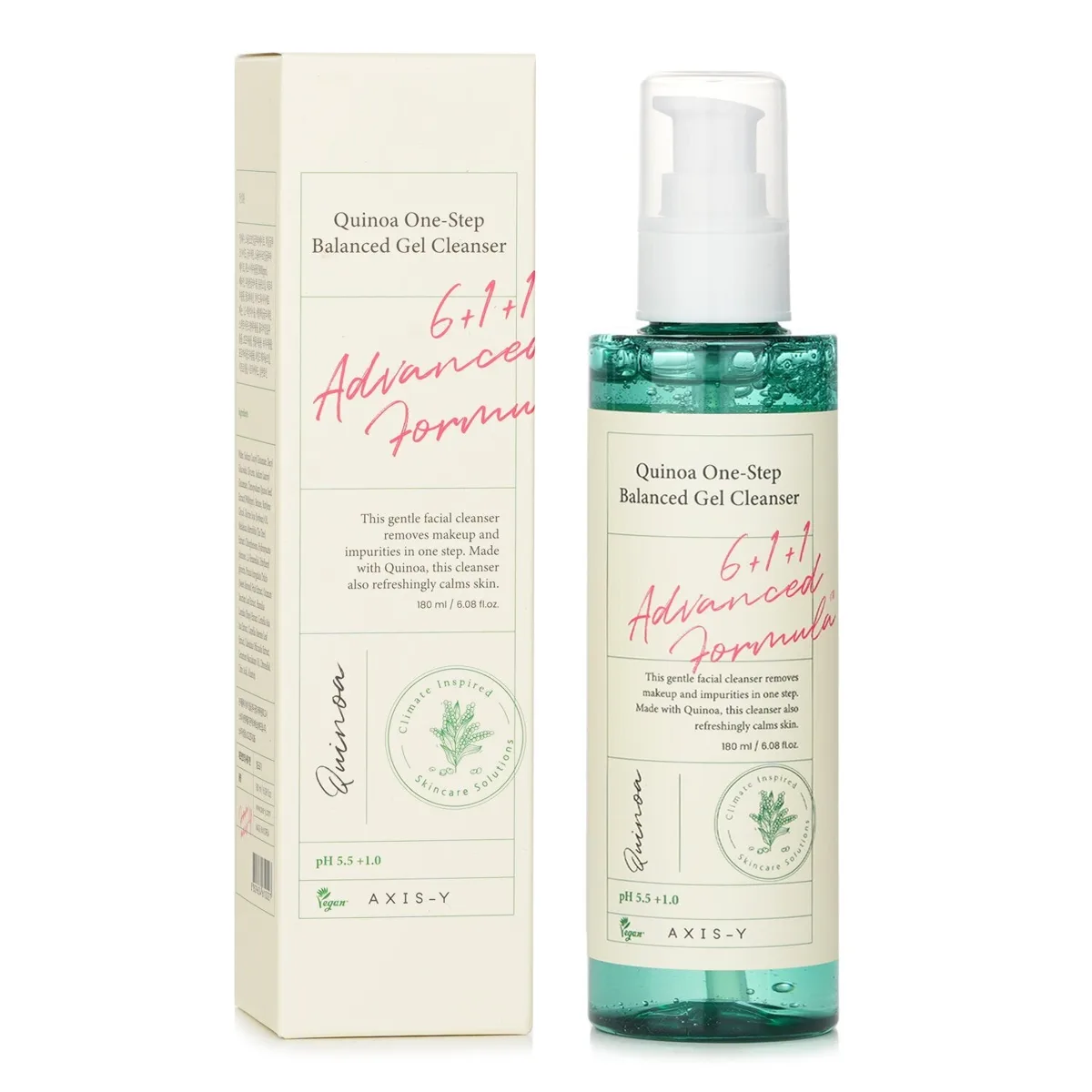 Quinoa-Led Gentle Daily Cleanser
 Quinoa One Step Balanced Gel Cleanser
A fragrance-free, sulfate-free gel cleanser built around quinoa seed extract and a gentle amphoteric-plus-nonionic surfactant pair. Non-stripping, broadly suitable, and priced reasonably — one of the safest recommendations in the daily gentle cleanser category.
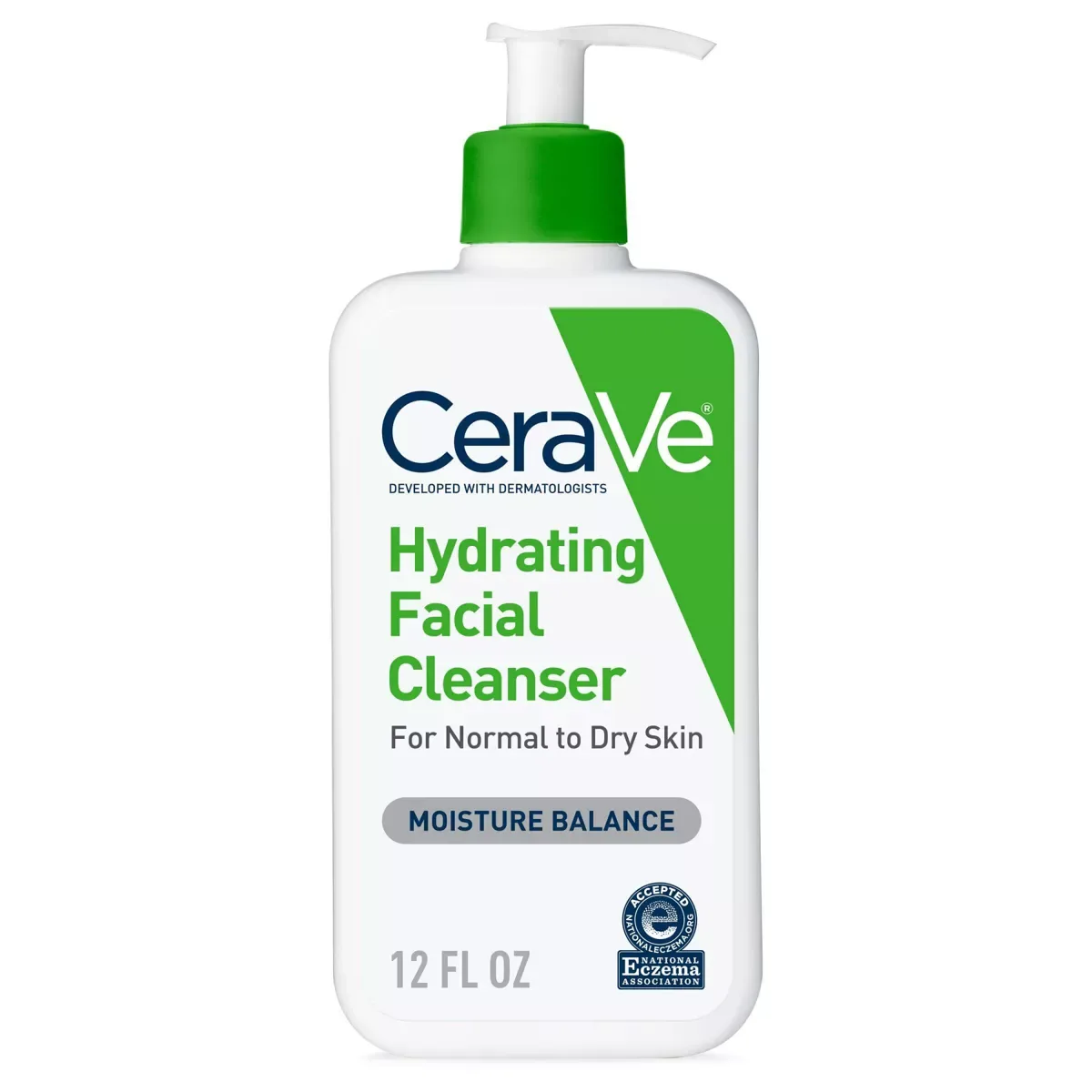 Sensitive Skin MVP
 Hydrating Facial Cleanser
The CeraVe Hydrating Facial Cleanser is the cleanser that taught a generation of dry-skin sufferers that washing your face does not have to mean punishing it. A lotion-textured, non-foaming formula that genuinely hydrates while it cleans, it remains the benchmark drugstore cleanser for anyone whose skin drinks moisture faster than most products can provide it.
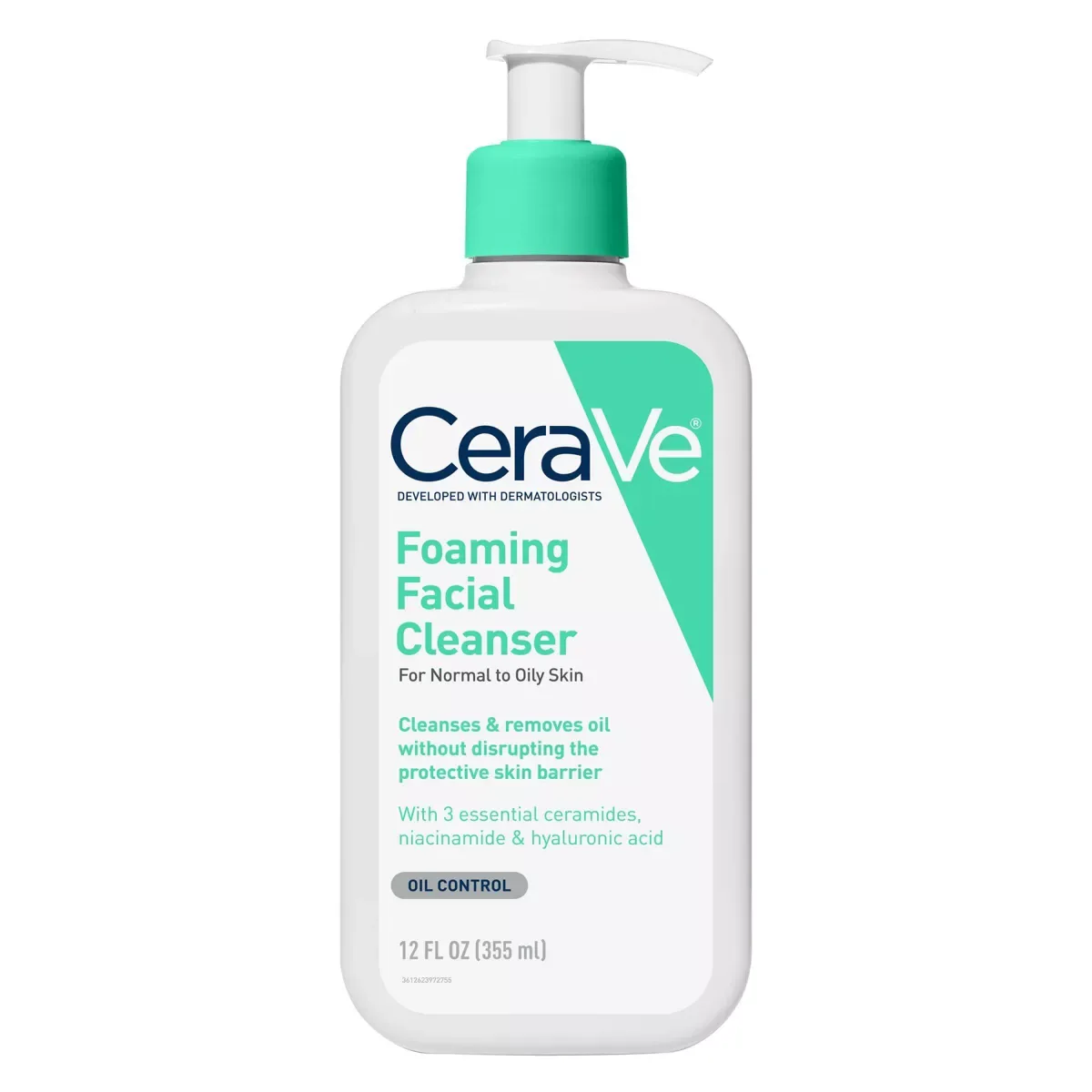 Derm Office Staple
 Foaming Facial Cleanser
The CeraVe Foaming Facial Cleanser is the rare drugstore cleanser that dermatologists actually use themselves — a genuinely gentle foaming wash that removes excess oil without triggering the rebound sebum production that plagues most lathering cleansers. At under sixteen dollars for a bottle that lasts months, it makes skipping it almost irrational.
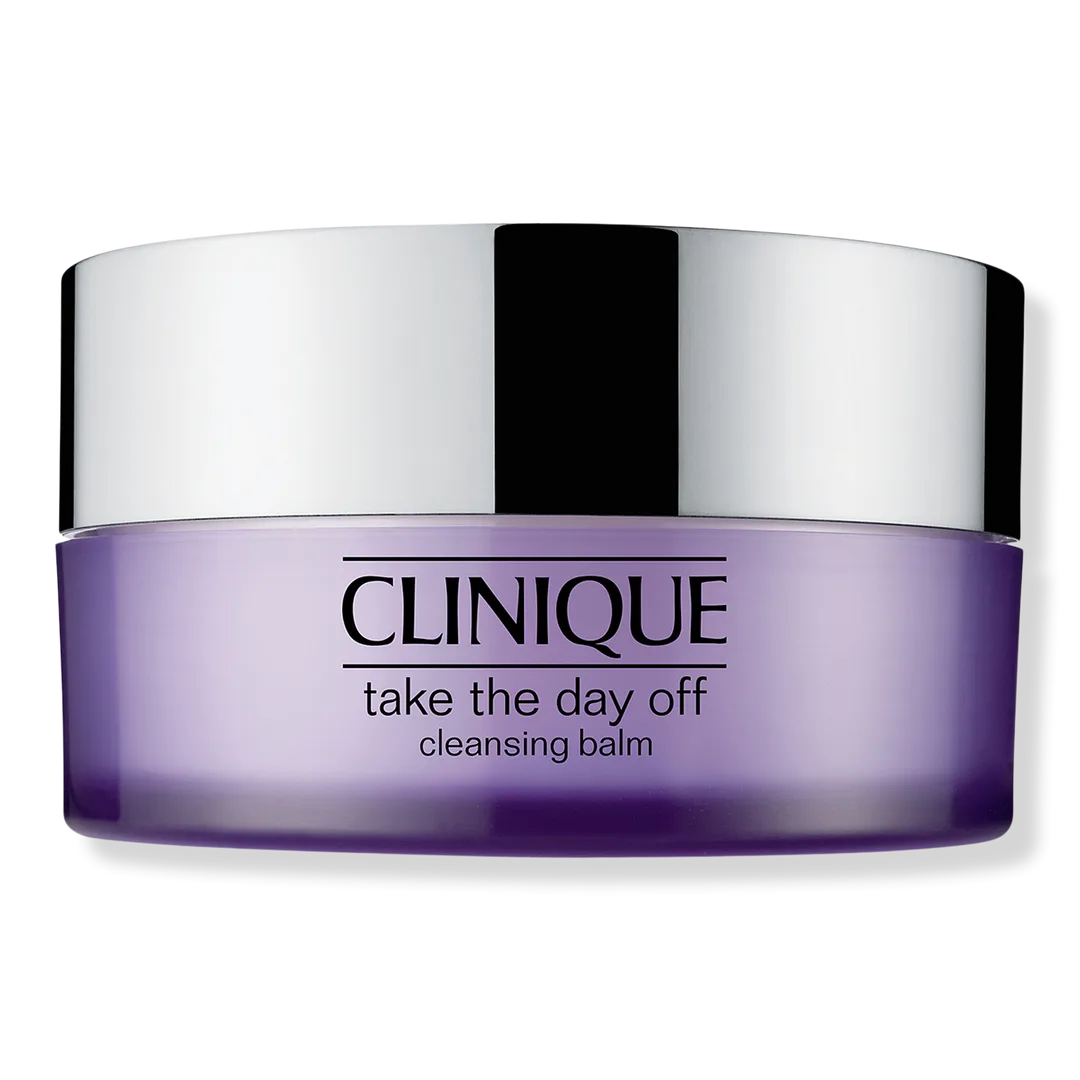 Cult-Status Makeup Eraser
 Take the Day Off Cleansing Balm
The cleansing balm that earned its cult status through radical restraint — nine ingredients, zero fragrance, and the ability to dissolve anything from waterproof mascara to SPF 50 without disturbing even the most reactive skin. Not the most glamorous product in any routine, but possibly the most universally reliable.
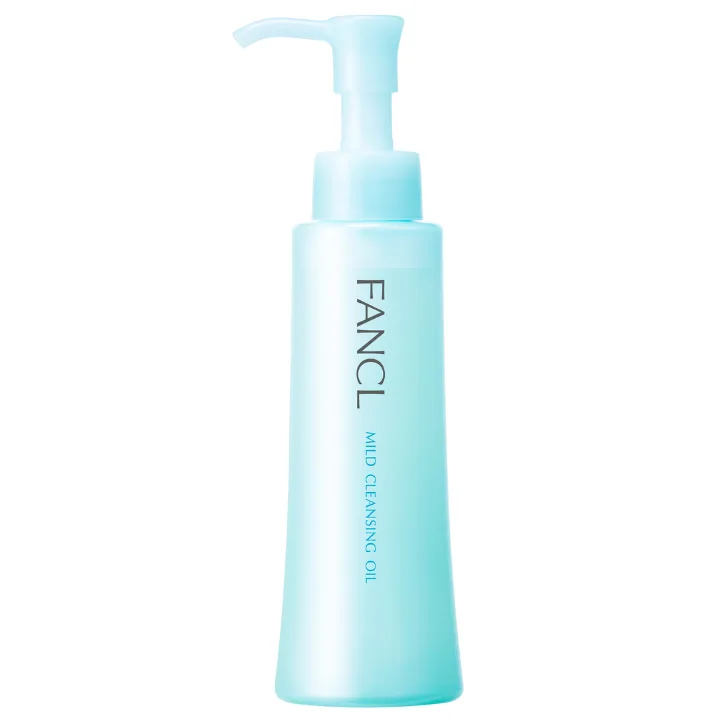 Japanese Drugstore Classic
 Mild Cleansing Oil
A two-decade-old Japanese drugstore staple that still outperforms most modern cleansing oils on the single metric that matters: does it remove sunscreen cleanly without leaving a film. The fragrance-free, ester-based formula is gentle enough for reactive skin and thoughtfully augmented with vitamin C and plant oils. Quietly one of the best first-cleanse options on the market.
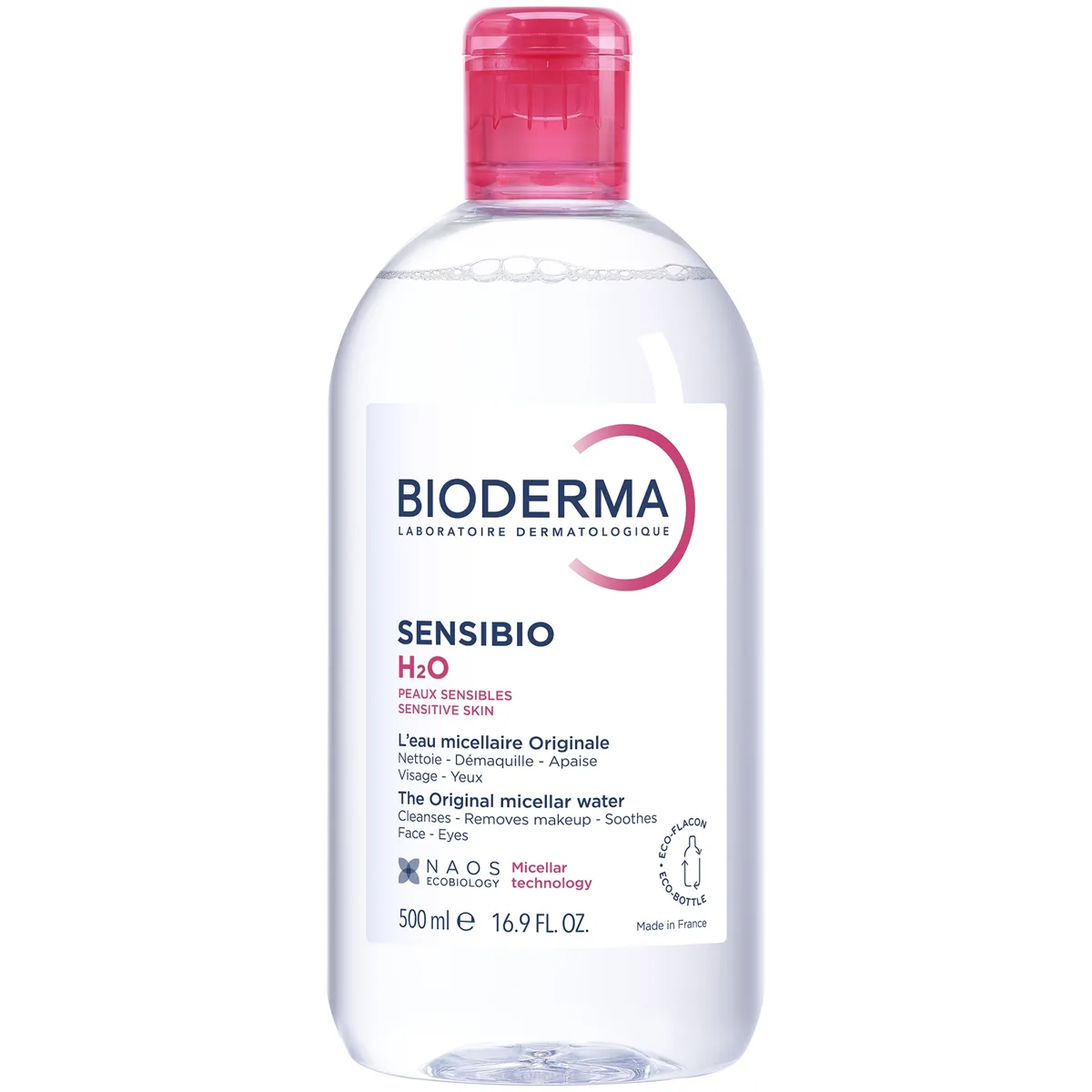 The Original Micellar Water
 Sensibio H2O Micellar Water
The product that launched an entire skincare category remains, three decades later, one of the gentlest and most effective no-rinse cleansers available. Bioderma Sensibio H2O earns its cult status through radical simplicity — 10 ingredients, zero fragrance, and a formula so mild it was originally dispensed by prescription.