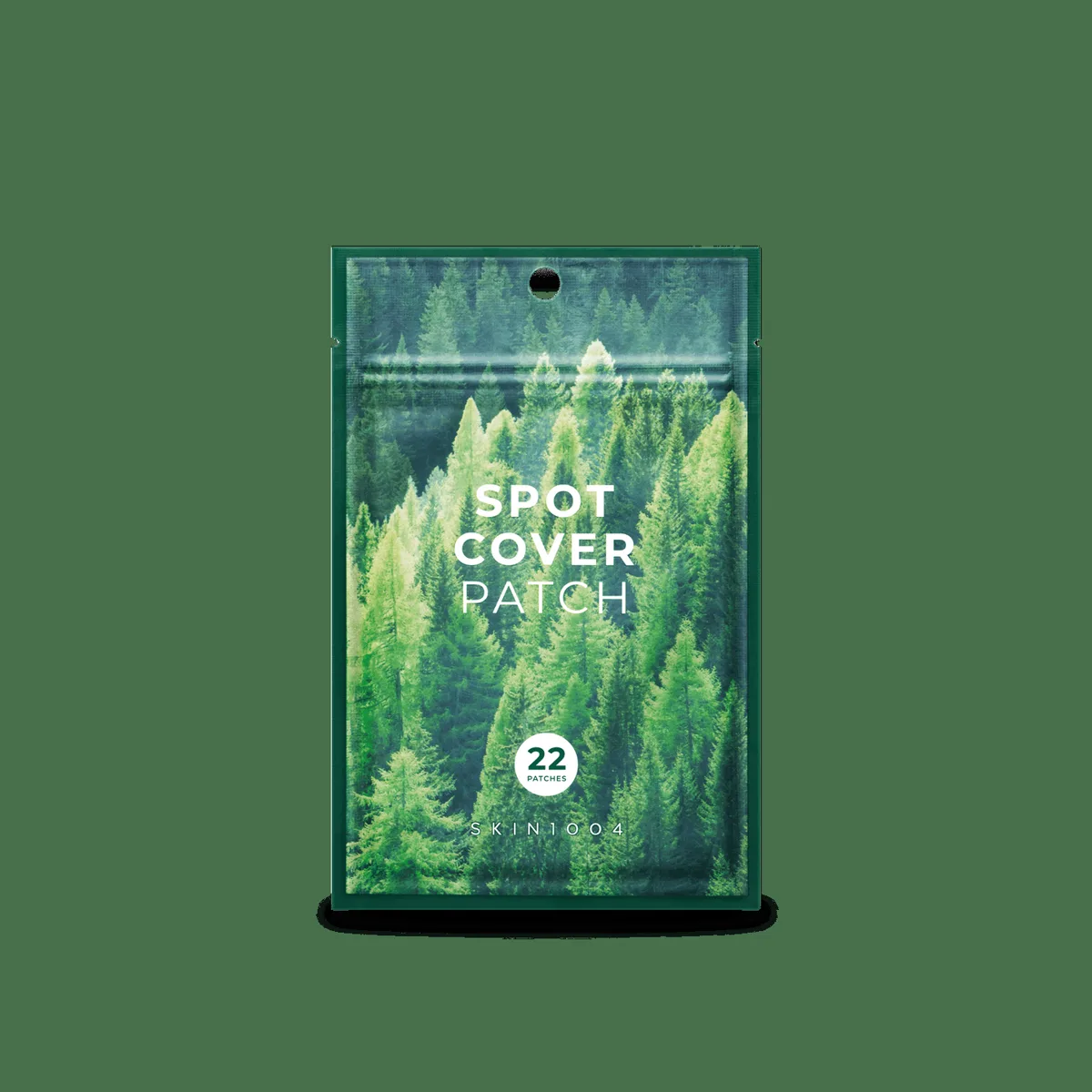
A solid tea-tree-and-centella-enhanced hydrocolloid patch at a strong per-patch price. Does what a good pimple patch should: absorbs fluid overnight, protects from picking, and leaves a less angry spot behind. Doesn't rewrite the category, but doesn't need to.
Tea-Trica Spot Cover Patch
A solid tea-tree-and-centella-enhanced hydrocolloid patch at a strong per-patch price. Does what a good pimple patch should: absorbs fluid overnight, protects from picking, and leaves a less angry spot behind. Doesn't rewrite the category, but doesn't need to.
Score Breakdown
A competent tea tree and cica-enhanced hydrocolloid patch at strong value. The tea tree oil slightly raises irritation risk vs plain hydrocolloid, but the centella buffering mitigates it for most users.
Data Confidence: medium
Launched 2023 with moderate review volume. Score draws on the well-established hydrocolloid patch category and ingredient analysis of the tea tree and centella additions.
0/100
Overall Score
Ingredient Quality 0
Value for Money 0
Suitability Breadth 0
Irritation Risk (↑ = safer) 0
Assessment
Pros
- Thin, translucent patch with good adhesion and matte finish
- Microdose of tea tree oil adds real antimicrobial action in isolated contact
- Centella and madecassoside reduce post-pimple redness
- Strong per-patch value in the hydrocolloid category
- Works well overnight on surfaced whiteheads and popped pimples
Cons
- Doesn't help cystic, deep, or non-inflammatory breakouts
- Tea tree oil can sting very sensitive skin on contact
- Mineral oil and petrolatum in the adhesive base
- Two sizes don't always match large pimple diameters
Full Review
Hydrocolloid patches didn't start in skincare. They were invented for wound care — specifically for moist wound healing, where covering a sore or small ulcer with a soft, absorbent gel-based dressing was shown to accelerate re-epithelialization and reduce scarring compared to dry gauze. That research dates back to the 1960s and has decades of clinical evidence behind it. The reason it matters for acne is that a whitehead or a popped pimple is functionally a small wound, and the same mechanisms that help a surgical incision heal faster also help a pimple heal with less scarring and less picking damage. K-beauty brands didn't invent the hydrocolloid patch for acne; they adapted an existing medical technology for a new use case, and in doing so turned it into a staple of the modern breakout routine. The Tea-Trica Spot Cover Patch is SKIN1004's version of that adaptation, and they've added a few thoughtful touches to what could otherwise be a generic product.
The base of the patch is the standard hydrocolloid matrix — polyisobutene and styrene-isoprene-styrene copolymer for the flexible adhesive backing, sodium carboxymethyl cellulose for the absorbent gel, and petrolatum for the sticky side. This is essentially the same construction as Compeed blister patches or CosRx Acne Pimple Master patches, and it's the part of the product that does the heaviest lifting. When you put it on a whitehead, the gel layer absorbs the fluid from the pimple over 4-8 hours, turning white as it fills. By morning, the pimple is usually visibly flatter, less red, and far less likely to have been picked at in the night. The evidence for this mechanism is well established — it's not a beauty marketing claim, it's a wound-care technology being used for its intended function.
Where SKIN1004 has added their own fingerprint is in the active layer embedded in the patch matrix. A microdose of tea tree essential oil provides slow-release antimicrobial activity throughout the wear time, targeting the acne-causing bacteria in the spot. Tea tree's evidence base against Cutibacterium acnes is well documented in published research, and the patch format is actually an ideal delivery system — the contact is sustained, the exposure is localized, and the irritation risk that comes with topical tea tree oil on large areas of skin is effectively eliminated because the oil only touches the pimple itself. Centella extract and madecassoside are also embedded in the matrix. Their role is to calm the inflammation around the pimple and support the healing process, which is what reduces the post-inflammatory redness and mark that usually lingers after a pimple flattens. A small amount of salicylic acid adds a light keratolytic action at the spot.
On skin, the patches are thin and translucent, with a matte finish that disappears under makeup more easily than glossy hydrocolloid versions. Adhesion is good — they stay on through washing the face if you're careful, and survive a night of sleeping without falling off. The tea tree note is faint but present on application, and sensitive skin may notice a mild tingle for the first few minutes before it fades. That's the one small tradeoff compared to a plain hydrocolloid patch: the tea tree slightly raises the irritation potential, but the centella and madecassoside buffer it for most users.
Honest limitations: these won't do anything for cystic acne or for blackheads. Hydrocolloid patches require something to absorb, and a deep cystic lesion doesn't have fluid at the surface. They also won't prevent new breakouts — they treat existing ones. For anyone whose breakouts are primarily deep, painful, or under the skin, these patches are a supporting tool at best. The mineral oil and petrolatum in the adhesive also mean the patch adhesive surface is comedogenic, though the patch format keeps that contact isolated to the area over the pimple. And fungal acne users should know the base isn't on strict safe lists.
At around $6 for 24 patches, the per-patch price is excellent — cheaper than CosRx in most markets and comparable to or cheaper than Starface. For anyone already invested in the Tea-Trica line, adding these as a spot treatment round-out is a small and inexpensive extension. For anyone looking for just a good pimple patch, this is a perfectly reasonable pick with a small edge on plain hydrocolloid versions thanks to the cica and tea tree additives. They're not revolutionary — the category is mature and most decent patches work well — but they do the job they're designed for, they do it at a fair price, and they do it without the drawbacks of the poorly executed 'medicated' patches from less thoughtful brands that tend to pack in irritating actives at much higher concentrations.
Formula
Ingredients
The hero actives that drive this product's performance.
| Ingredient | Function | Evidence |
|---|---|---|
| Hydrocolloid Matrix | The physical base of the patch — absorbs fluid from open or surface-level pimples and turns white as it fills, protecting the spot from picking and bacteria while it heals. | well-established |
| Tea Tree Oil (microdosed) | A small amount of tea tree essential oil embedded in the patch matrix delivers slow-release antimicrobial activity during the hours the patch is worn — the occlusive contact makes it effective without the irritation of pure topical oil. | well-established |
| Madecassoside & Centella Extract | Adds a calming and healing-support layer that's missing from typical plain hydrocolloid patches — helps reduce the redness and post-inflammatory mark that a healing pimple usually leaves behind. | well-established |
| Salicylic Acid (microdosed) | Provides a small BHA exfoliation action directly on the spot during wear — helps the skin around the pimple turn over while the patch handles absorption and protection. | well-established |
Full INCI List
Hydrocolloid Base (Polyisobutene, Styrene-Isoprene-Styrene Copolymer, Sodium Carboxymethyl Cellulose, Petrolatum), Mineral Oil, Melaleuca Alternifolia (Tea Tree) Leaf Oil, Centella Asiatica Extract, Madecassoside, Salicylic Acid, Tocopheryl Acetate
Product Flags
✓ Fragrance Free✓ Alcohol Free✗ Oil Free✓ Silicone Free✓ Paraben Free✓ Sulfate Free✓ Cruelty Free✗ Vegan✗ Fungal Acne Safe
Comedogenic Ingredients
Mineral OilPetrolatum
Potential Irritants
Tea Tree Oil
Common Allergens
Tea Tree Oil
Compatibility
Skin Match
Best For
Works For
Not Ideal For
Addresses These Conditions
Use With Caution
Routine Step
treatment
Time of Day
AM & PM
Pregnancy Safe
Yes ✓
Layering Tips
Apply on clean, dry skin directly over a whitehead or open pimple. Skip the moisturizer and sunscreen on the spot itself.
Results Timeline
Visible fluid absorption within 4-6 hours. Spots often flattened within 12-24 hours. Works best on whiteheads and already-surfaced pimples.
Pairs Well With
centella-asiaticatea-tree-oilsalicylic-acid
Sample AM Routine
- Cleanser
- Toner
- Serum
- Moisturizer
- THIS PRODUCT (over spot)
- SPF elsewhere
Sample PM Routine
- Double cleanse
- Toner
- Serum
- Moisturizer
- THIS PRODUCT (over spot)
Evidence
Science
The Science
Hydrocolloid dressings have a substantial clinical evidence base from wound care research, where they've been used since the 1960s for moist wound healing. Published studies have shown hydrocolloid dressings accelerate re-epithelialization, reduce scarring, and protect wounds from external contamination compared to dry dressings. For acne applications, the same mechanism applies — the patch absorbs exudate from open or surfaced pimples while protecting the spot from picking and external bacteria. Tea tree oil (Melaleuca alternifolia) has a well-established evidence base for antimicrobial activity against Cutibacterium acnes, with published clinical trials showing efficacy in mild-to-moderate inflammatory acne comparable to low-dose benzoyl peroxide. The embedded patch format delivers tea tree activity in sustained, isolated contact — a delivery route that maximizes benefit while eliminating the broad-area irritation risk of topical tea tree oil. Centella triterpenes, particularly madecassoside, have documented anti-inflammatory and wound-healing activity supported by peer-reviewed research, making them a natural fit for a patch meant to reduce post-pimple marks. Salicylic acid has decades of published evidence for comedolytic activity at low concentrations. The overall patch mechanism — absorption, protection, antimicrobial action, and anti-inflammatory support — is a coherent multi-function approach rooted in well-established wound care and acne literature.
Dermatologist Perspective
Dermatologists routinely recommend hydrocolloid patches as a first-line tool for managing individual surfaced pimples, particularly for patients who tend to pick at their skin. Board-certified dermatologists note that hydrocolloid dressings have strong clinical backing from wound care research, and that adding tea tree or centella to the patch matrix provides modest additional benefits without significantly changing the core mechanism. This type of patch is commonly suggested as a nighttime tool for acne-prone patients, with the understanding that it's most effective on whiteheads and open pimples rather than cystic or deep lesions. Patients with very sensitive skin are sometimes advised to use plain hydrocolloid patches without added actives.
Guidance
Usage Guide
How to Use
Cleanse and dry the spot before applying — hydrocolloid patches won't adhere well to skin that's still wet or covered in moisturizer. Peel one patch off the backing, press gently onto the pimple, and leave on for at least 4-6 hours for daytime use or overnight for best results. Remove once the patch turns white and saturated. For popped or drained pimples, apply a fresh patch every 8-12 hours until the spot is healed. Avoid applying moisturizer, serum, or sunscreen directly over the patch — apply those first, wait, then stick the patch on the clean spot.
Value Assessment
At around $6 for 24 patches, this is excellent per-patch value in the hydrocolloid category. It's priced below CosRx Acne Pimple Master Patches in most markets and comparable to Starface Hydro-Stars without the cute branding premium. For the added tea tree and centella actives, you're effectively getting the standard hydrocolloid function plus a small treatment bonus at the same or lower price than plain patches. A pack typically lasts several weeks for most users.
Who Should Buy
Anyone with surfaced whiteheads, popped pimples, or inflamed spots looking for a safe overnight treatment. Particularly useful for pickers who want a physical barrier to keep their hands off a healing spot. A small accessible entry into the SKIN1004 Tea-Trica line for anyone curious about the brand.
Who Should Skip
Anyone with primarily cystic, deep, or closed-comedone acne — the hydrocolloid mechanism doesn't work on these. Very sensitive skin may prefer a plain hydrocolloid patch without the tea tree oil. Strict fungal acne routines that exclude mineral oil and petrolatum should avoid the adhesive base.
Ready to try SKIN1004 Tea-Trica Spot Cover Patch?
Details
Details
Texture
Thin, translucent hydrocolloid patch with light matte finish
Scent
Very faint tea tree note
Packaging
Resealable plastic sheet — 24 patches per pack in two sizes
Finish
invisiblematte
What to Expect on First Use
Press onto clean, dry skin over the pimple. Within 4-6 hours, the patch turns white where it has absorbed fluid. Remove when saturated or after 8-12 hours.
How Long It Lasts
A 24-patch pack typically lasts a few weeks depending on breakout frequency
Period After Opening
24 months
Best Season
All Year
Background
The Why
Hydrocolloid patches originated in wound care, where they've been used for decades to support moist wound healing. K-beauty brands adapted them for acne in the early 2010s, and tea tree and centella enhancements followed as the category matured.
About SKIN1004 Emerging Brand (2–5 years)
SKIN1004 launched in 2016 around Madagascar centella. The Tea-Trica Spot Cover Patch is the brand's entry into the hydrocolloid patch category, pairing the standard acne patch mechanism with tea tree and centella actives.
Brand founded: 2016 · Product launched: 2023
Myth vs. Reality
Myths
Myth
Acne patches work on any pimple
Reality
Hydrocolloid patches work best on whiteheads and surfaced pimples where there's fluid to absorb. They don't do much for cystic acne, closed blackheads, or non-inflammatory bumps — the mechanism requires something to pull out.
FAQ
FAQ
How long should I leave the patch on?
Until it turns white, which means it's absorbed all it can — usually 4-8 hours for open pimples, up to 12 hours overnight. You can also apply a fresh patch once the first one is saturated if the pimple is still active.
Can I wear it during the day?
Yes — the patches are thin and discreet, and the matte finish makes them less noticeable than shiny hydrocolloid patches. You can even apply makeup over them if you're comfortable with it.
Does it work on cystic acne?
Not really. Hydrocolloid patches work by absorbing fluid from surfaced pimples. Cystic acne sits deeper and doesn't have anything for the patch to pull out. Use warm compresses and see a dermatologist for cysts.
Is the Tea-Trica Spot Cover Patch pregnancy safe?
Generally yes — the microdoses of tea tree oil and salicylic acid are very small and contact-limited. But if you're concerned, a plain hydrocolloid patch without actives is an even safer alternative.
Can I use it over a popped pimple?
Yes, this is actually an ideal use case. The patch protects the open wound, prevents picking, and absorbs fluid while the tea tree and centella support healing and reduce the mark.
Community
Community
Common Praise
"Flattens whiteheads overnight"
"Thin and discreet on skin"
"Good adhesion"
"Affordable per patch"
Common Complaints
"Tea tree oil can sting sensitive skin"
"Not helpful for cystic acne (as expected)"
"Mineral oil and petrolatum in the adhesive"
Appears In
best pimple patch best tea tree patch best hydrocolloid patch best acne patch for overnight use
Related Conditions
Related Ingredients
You Might Also Like
 Barrier Rescue Hero
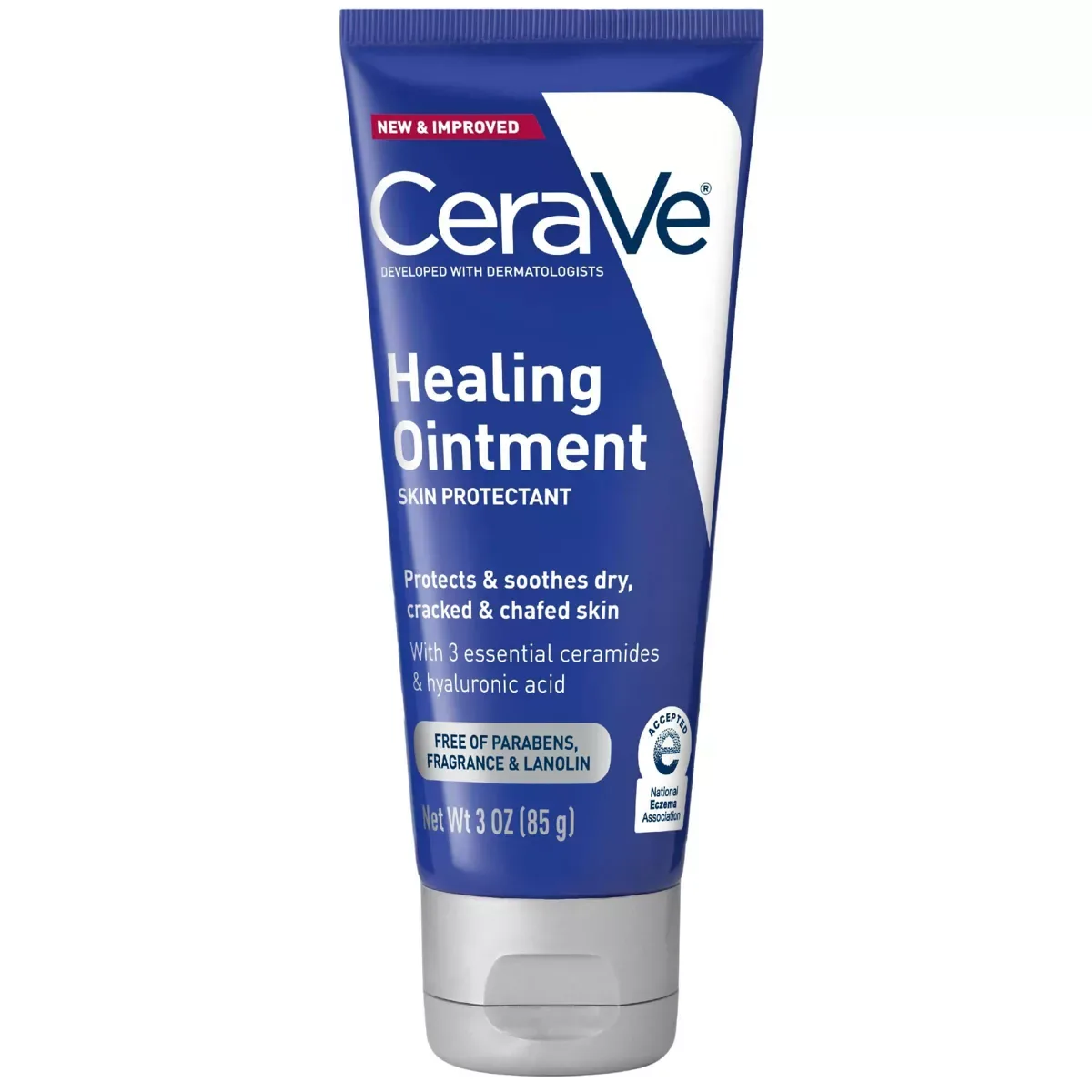
 Healing Ointment
CeraVe's Healing Ointment takes the simplest concept in skincare — seal the skin with petrolatum — and makes it genuinely intelligent by adding ceramides, hyaluronic acid, and panthenol beneath the occlusive layer. It is the gold standard drugstore occlusive for barrier rescue, slugging, and post-procedure care.
 Derm Office Staple
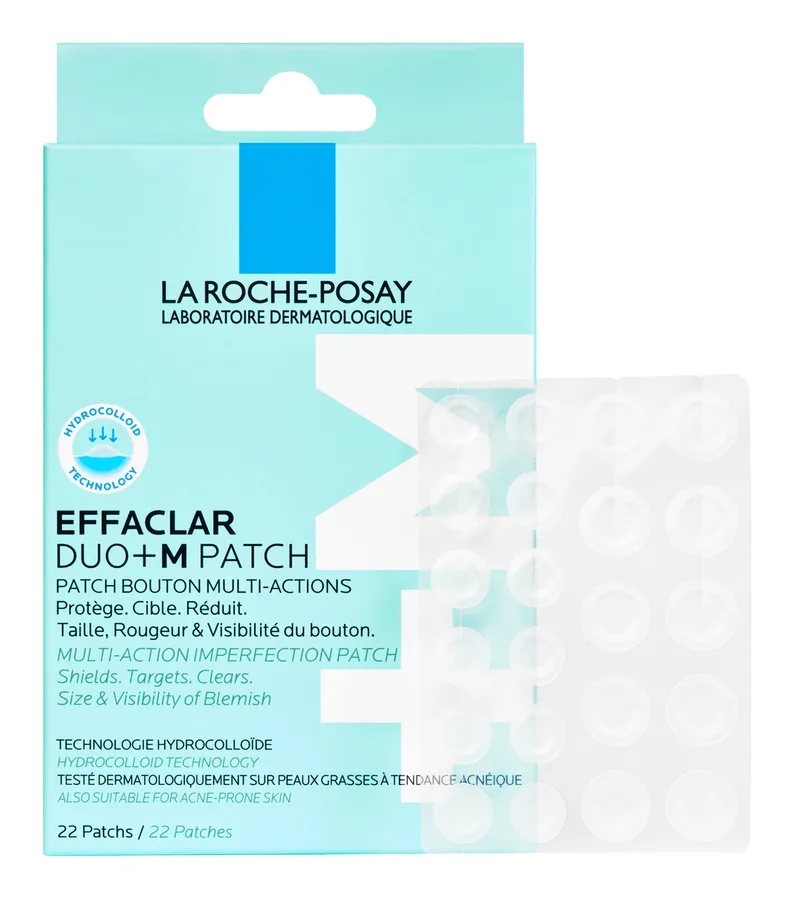
 Effaclar Multi-Target Blemish Patches
One of the few hydrocolloid pimple patches that actually stays on overnight without curling off at 3am. At 420 microns thick with two size options in one pack and zero actives to irritate sensitive skin, this is the Effaclar line's quiet overachiever — and a legitimately good answer for anyone whose acne routine has been sabotaged by thinner patches that refuse to stay put.
 Budget Hydration Holy Grail
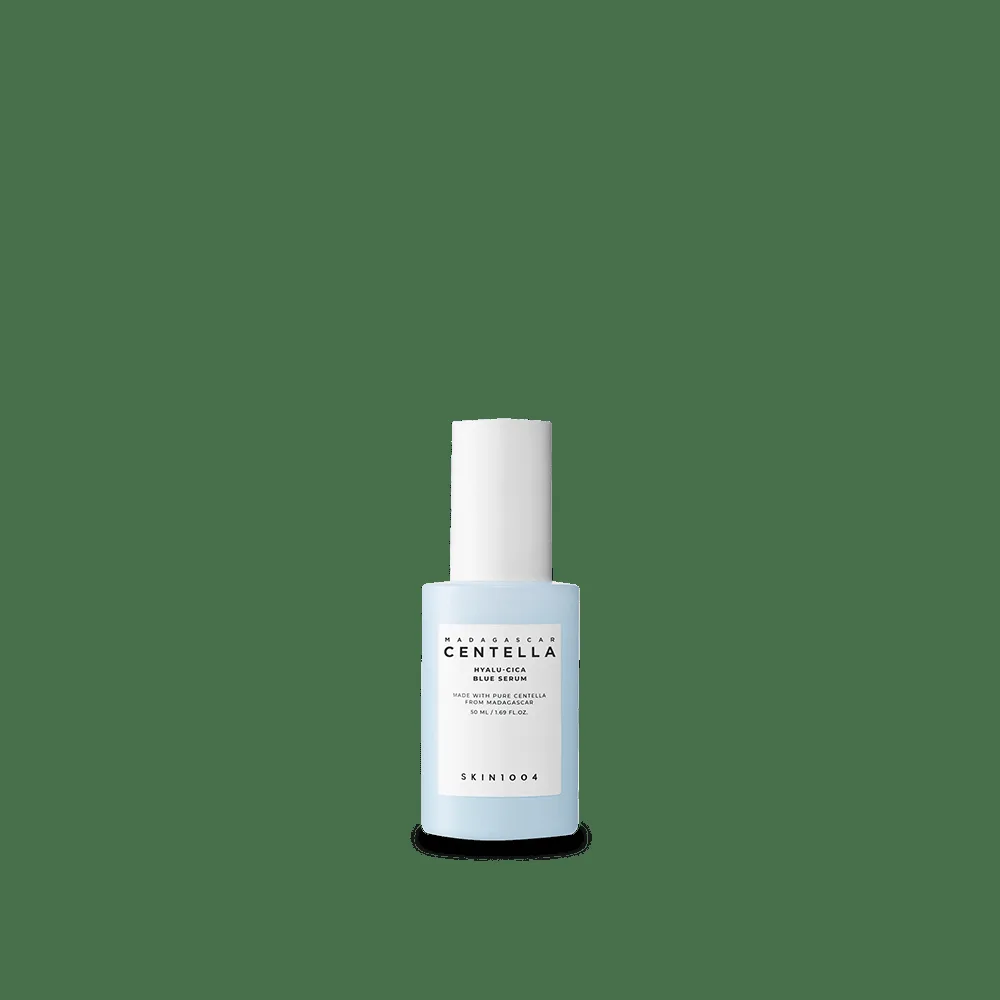
 Hyalu-Cica Blue Serum
A quietly excellent budget serum that stacks Centella asiatica leaf water, five types of hyaluronic acid, niacinamide, ceramide NP, and adenosine into a fragrance-free under-$20 bottle. It is genuinely one of the best hydration-plus-soothing serums at any price, and the fact that it costs less than a salad in Manhattan is the point.
 Sensitive Skin First-Line Defense
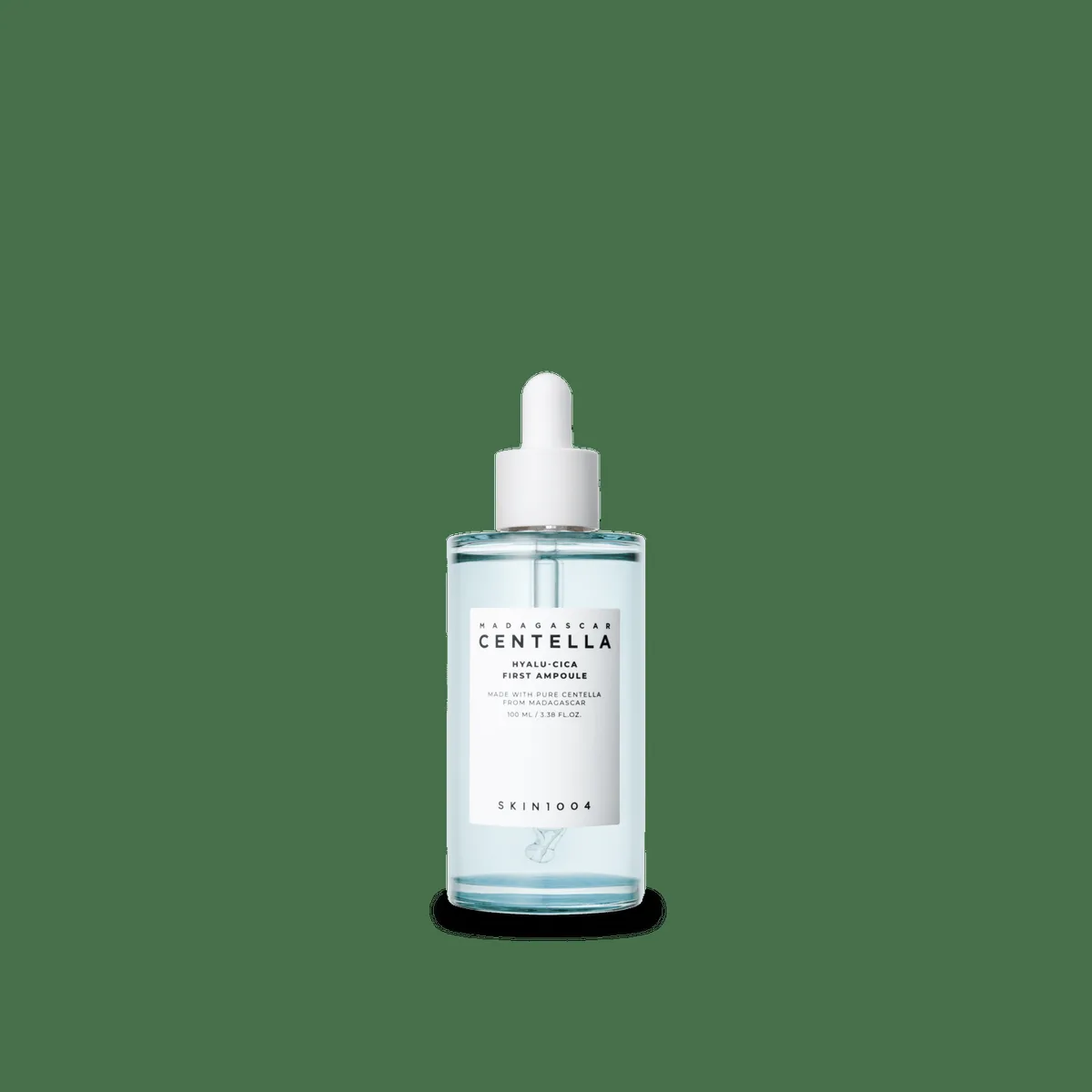
 Hyalu-Cica First Ampoule
A 92% Centella asiatica extract ampoule paired with niacinamide and a multi-weight HA complex, fragrance-free and purpose-built for sensitive, compromised, and reactive skin. At $25 for 100ml, it is one of the most justifiable skincare purchases a budget-conscious buyer can make, and it earns a place in almost any routine that needs a soothing anchor.
 Reactive-Skin Cult Favorite
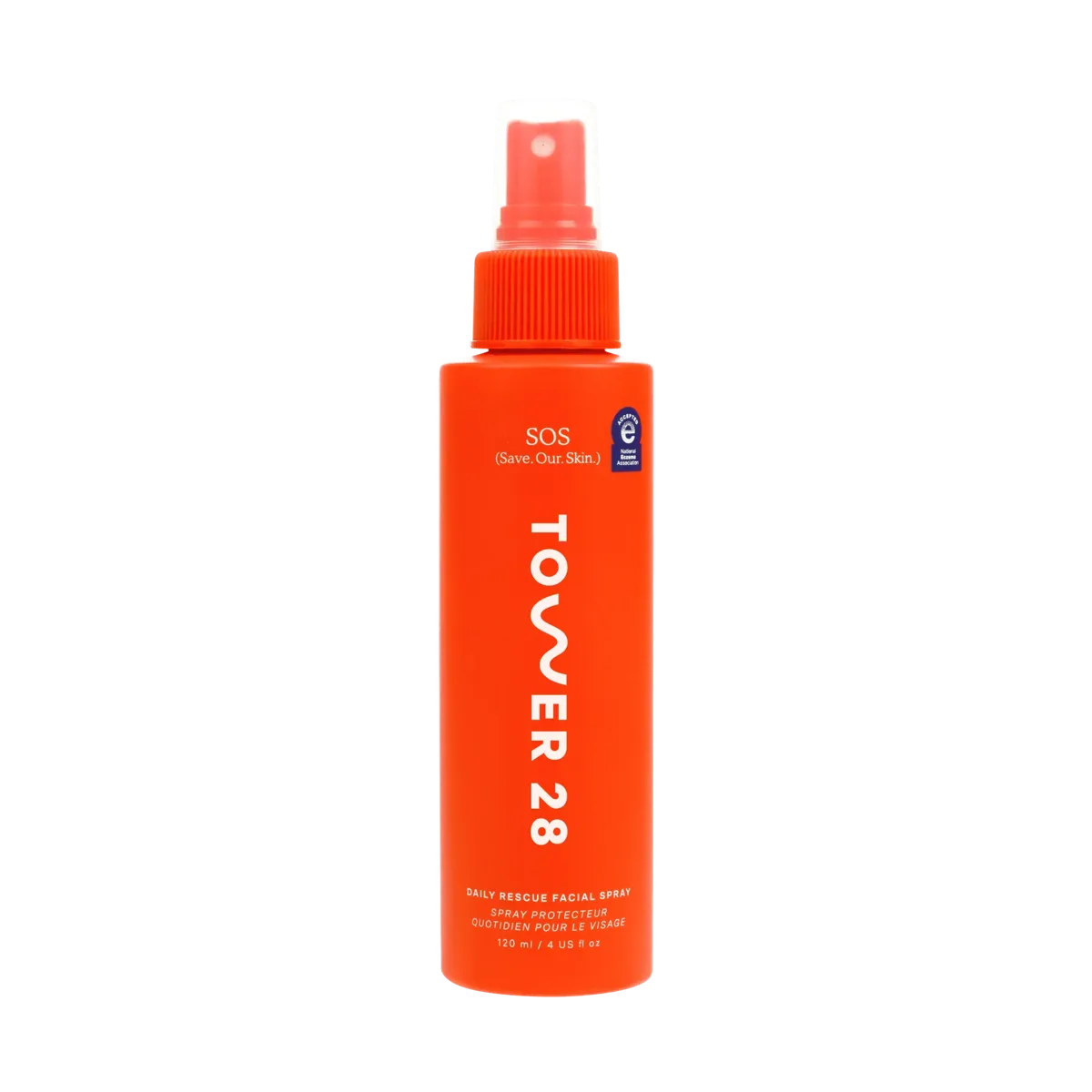
 SOS Save Our Skin Daily Rescue Facial Spray
The product that single-handedly brought hypochlorous acid into mainstream skincare. A fine-mist HOCl spray with genuine dermatology-organization validation, a near-perfect tolerability profile, and a cult following among people whose skin reacts to everything else. The price runs steeper than medical-grade HOCl, but the stabilization and design are worth the difference for daily use.
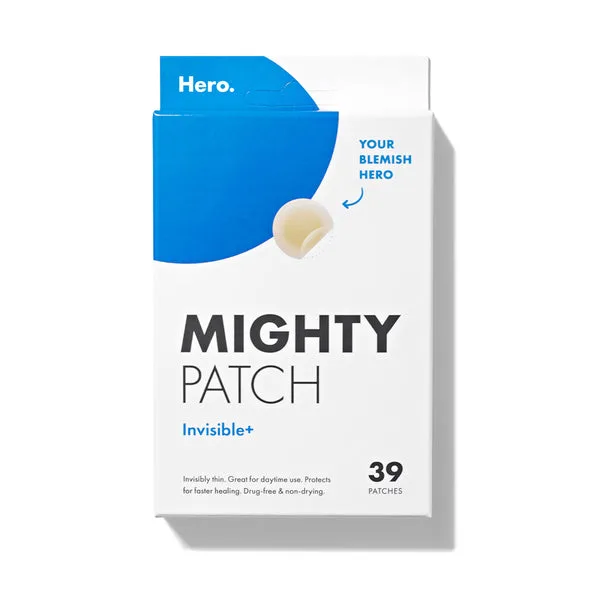
Mighty Patch Invisible+
The pimple patch that proved acne treatment could be invisible — Mighty Patch Invisible+ delivers the same fluid-absorbing hydrocolloid technology as the category-defining Original, but engineered thin enough to disappear under makeup. For daytime blemish management, nothing else comes this close to invisible.