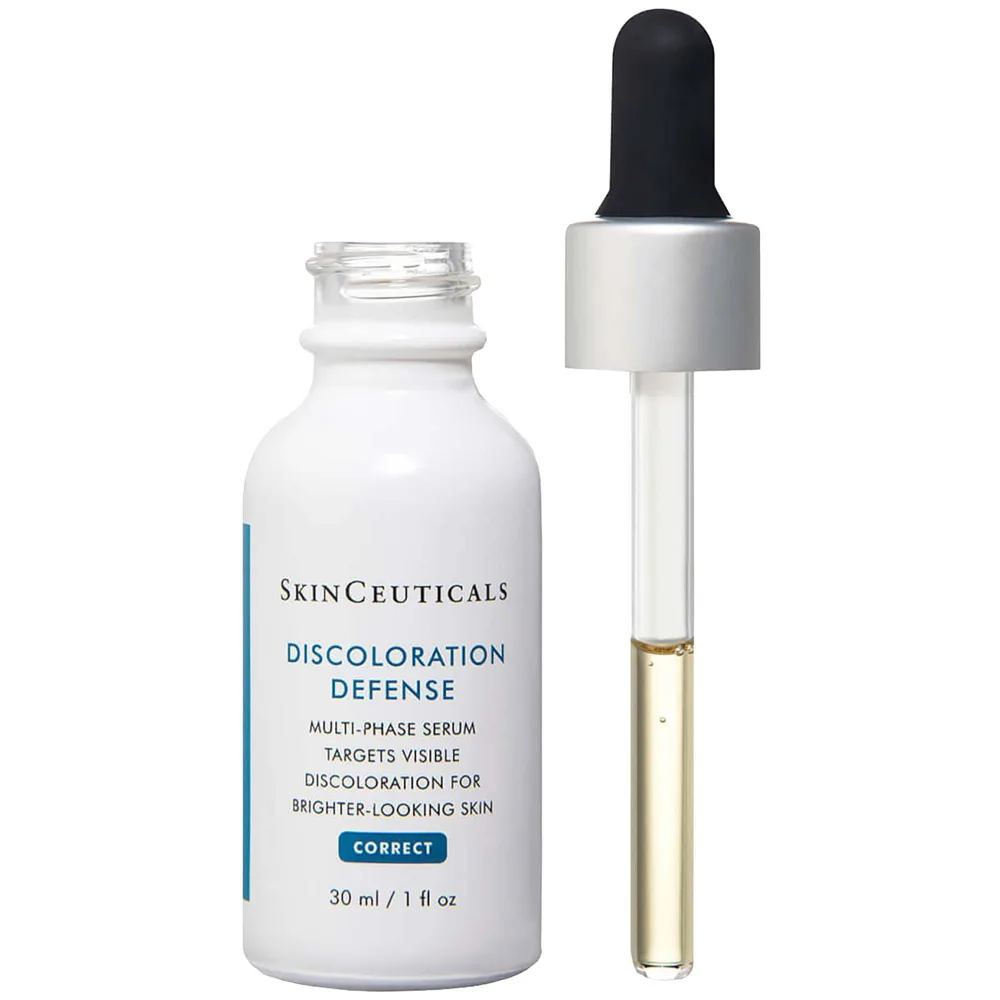
One of the most coherently formulated hyperpigmentation serums in clinical skincare, built around a meaningful 3% tranexamic acid dose and three complementary brightening mechanisms. Genuinely effective on stubborn pigmentation including melasma, with a tolerability profile that makes it workable even for sensitive skin. The price is defensible given the formulation discipline.
Discoloration Defense
One of the most coherently formulated hyperpigmentation serums in clinical skincare, built around a meaningful 3% tranexamic acid dose and three complementary brightening mechanisms. Genuinely effective on stubborn pigmentation including melasma, with a tolerability profile that makes it workable even for sensitive skin. The price is defensible given the formulation discipline.
Score Breakdown
One of the most coherently formulated hyperpigmentation serums on the clinical market, with four distinct melanogenesis-inhibiting mechanisms in a single product. The $112 price is defensible given the ingredient density and clinical positioning.
Data Confidence: high
Discoloration Defense launched in 2018 and has accumulated extensive clinical feedback, independent user reviews, and published research on its individual active ingredients. Tranexamic acid specifically has been extensively studied in both oral and topical formulations.
0/100
Overall Score
Ingredient Quality 0
Value for Money 0
Suitability Breadth 0
Irritation Risk (↑ = safer) 0
Assessment
Pros
- 3% tranexamic acid at a meaningful clinical concentration
- 5% niacinamide — the evidence-backed dose for pigmentation improvement
- Four complementary mechanisms targeting different points in the melanogenesis pathway
- Well-tolerated including on most sensitive and rosacea-prone skin
- Fragrance-free and alcohol-free base
- Lightweight gel texture layers cleanly under moisturizer and SPF
- Compatible with vitamin C, retinoids, and most other actives
- Backed by published clinical research on the specific formulation
Cons
- $112 for 1 oz places it in the premium clinical tier
- Results require 12-16 weeks of consistent use, not instant
- Effectiveness depends absolutely on rigorous daily sunscreen use
- Severe melasma or deep pigmentation may need in-office treatment alongside
- No larger economy size offered to reduce per-ounce cost
Full Review
There is a particular kind of dermatology appointment that ends the same way almost every time: a patient with melasma sits across from a doctor, explains that they've tried hydroquinone for months and it fades the dark patches temporarily but they always come back, and the doctor agrees that melasma is one of the hardest conditions to treat in cosmetic dermatology because it isn't really about pigment — it's about inflammation that keeps telling the melanocytes to turn on. Hydroquinone directly shuts down melanin synthesis and fades what's there, but it doesn't touch the underlying signaling that keeps triggering new pigment. When the patient stops the hydroquinone (which they have to eventually, because long-term use risks paradoxical darkening), the melasma comes back exactly where it was. This is the deeply frustrating cycle that brought tranexamic acid out of Asian dermatology and into global skincare around 2015-2018. Rather than trying to fight melanin production, tranexamic acid interrupts the plasmin-driven inflammatory cascade that tells melanocytes to activate in the first place. Different mechanism, different angle, better long-term prospects.
SkinCeuticals Discoloration Defense launched in 2018 as one of the first major clinical brand products to build a formulation around tranexamic acid as its headline active. The concentration matters here: 3% is meaningful, not trace. Paired with 5% niacinamide (the concentration with the strongest published evidence for pigmentation improvement), kojic acid, and 4-butylresorcinol, the formula targets four distinct points in the melanogenesis pathway. Tranexamic acid interrupts the plasmin-inflammatory signaling. Niacinamide blocks melanosome transfer from melanocytes to keratinocytes. Kojic acid inhibits tyrosinase (the enzyme that converts tyrosine to melanin). And 4-butylresorcinol is another potent tyrosinase inhibitor with a different molecular structure, providing overlapping but not identical enzyme blocking. The multi-mechanism approach is the conceptual heart of why this serum works on pigmentation that single-mechanism products fail on.
The texture is genuinely pleasant to use. It's a lightweight water-gel that absorbs within a minute, leaves no sticky residue, and layers cleanly under moisturizer and sunscreen. Fragrance-free. Alcohol-free. None of the fiddly compatibility problems that plague some pigmentation serums. You can use it alongside vitamin C in the morning (they work well together — complementary mechanisms), alongside retinoids at night (ditto), and stack it with consistent sunscreen to form one of the more effective multi-pronged approaches to stubborn pigmentation you can build from over-the-counter products.
The results timeline is slower than most users want. Subtle brightening shows up in 2-3 weeks. Noticeable fading of post-inflammatory hyperpigmentation — the dark marks left behind by acne, bug bites, or minor injuries — typically appears at 6-8 weeks. Melasma and deeper pigmentation usually require 12-16 weeks of twice-daily use with absolute sunscreen diligence. And that last part needs emphasizing: pigmentation treatment without daily broad-spectrum SPF 30+ is essentially futile. UV exposure continuously reactivates melanocytes, undoing any topical progress you've made. People who use this serum faithfully but skip sunscreen on overcast days will see much worse results than people who are less rigorous about the serum but religious about sun protection. The sunscreen is the treatment; the serum is the accelerator.
On the ingredient coherence: this is one of the formulations where SkinCeuticals earns its clinical positioning. Every active in the formula has an evidence-supported role, the concentrations are meaningful rather than trace, and the mechanisms are genuinely complementary rather than redundant. The tranexamic acid dose in particular is at a level where clinical studies have shown measurable benefit. The niacinamide at 5% is at the sweet spot for pigmentation efficacy. The tolerability profile — fragrance-free, no alcohol, gentle enough for sensitive skin in most cases — is exactly what you want for a product that needs to be used twice daily for months to deliver results.
The honest weaknesses are few but worth noting. The price is $112 for 1 oz, which is expensive but reasonable given the ingredient density and clinical positioning. A 2-3 month supply works out to roughly $1-1.25 per day, which is manageable as ongoing skincare spending for many buyers. The bigger issue is patience: users expecting dramatic before-and-after results in four weeks will be disappointed. This is a slow-burn formula that compounds over months, and if you aren't committed to consistent twice-daily use with rigorous sun protection, you won't get the full benefit. The formulation is also not a miracle — for severe melasma or deeply-set hyperpigmentation, in-office treatments like chemical peels, IPL, or prescription compounded creams will deliver faster results, and Discoloration Defense works best as a maintenance and supporting therapy alongside those.
Who should buy it: anyone dealing with persistent hyperpigmentation, melasma, post-inflammatory marks, sun damage, or uneven skin tone who's willing to commit to twice-daily use with consistent sunscreen for 12-16 weeks. Also a good fit for patients whose dermatologist has recommended a topical tranexamic acid product and who want a well-formulated clinical option. Who should skip: anyone unwilling to pair it with daily broad-spectrum SPF (you'll just waste the serum), people looking for instant results (not this formula's strength), and patients whose pigmentation is severe enough to warrant in-office treatment — those users will still benefit from this serum but should consider it supplementary to procedures rather than the primary tool.
Formula
Ingredients
The hero actives that drive this product's performance.
| Ingredient | Function | Evidence |
|---|---|---|
| Tranexamic Acid (3%) | The headline active of this formula, included at a meaningful 3% concentration. Tranexamic acid is one of the most promising ingredients for stubborn pigmentation disorders like melasma, working by interrupting the plasmin-driven inflammatory cascade that triggers melanocyte activation. In this serum it pairs with the kojic acid and 4-butylresorcinol to attack pigment formation at multiple points in the pathway. | promising |
| Niacinamide (5%) | Dosed at 5% — the concentration with the strongest evidence for pigmentation improvement. Niacinamide works by inhibiting melanosome transfer from melanocytes to keratinocytes, preventing newly formed pigment from reaching the skin surface. In this formula it complements the melanogenesis-inhibiting tranexamic acid and kojic acid with a different mechanism. | well-established |
| Kojic Acid | A tyrosinase inhibitor derived from fungi, with established use in pigmentation treatment. In this formula it directly inhibits the enzyme responsible for melanin synthesis, adding a third distinct mechanism alongside tranexamic acid's anti-inflammatory pathway and niacinamide's melanosome transfer inhibition. | well-established |
| 4-Butylresorcinol | A potent tyrosinase inhibitor that has shown efficacy comparable to or exceeding hydroquinone in some studies, without the same side-effect profile. Its inclusion alongside kojic acid provides overlapping enzyme inhibition from two different molecular structures. | promising |
| Hyaluronic Acid | Provides supporting hydration that keeps the active-dense formula comfortable on daily-use skin. Dehydration can worsen the appearance of pigmentation by making the skin look duller, so this basic hydration layer supports the overall brightening effect. | well-established |
Full INCI List
Aqua/Water, Glycerin, Propanediol, Butylene Glycol, Niacinamide, Tranexamic Acid, 4-Butylresorcinol, Kojic Acid, Dimethyl Isosorbide, Hydroxyethylcellulose, Tocopherol, Citric Acid, Sodium Hyaluronate, Tetrasodium EDTA, Caprylyl Glycol, Xanthan Gum, Phenoxyethanol, Chlorphenesin
Product Flags
✓ Fragrance Free✓ Alcohol Free✓ Oil Free✓ Silicone Free✓ Paraben Free✓ Sulfate Free✗ Cruelty Free✓ Vegan✓ Fungal Acne Safe
Potential Irritants
Kojic Acid
Compatibility
Skin Match
Best For
Works For
Not Ideal For
Addresses These Conditions
hyperpigmentation melasma dark spots post inflammatory hyperpigmentation sun damage dullness scarring
Use With Caution
Routine Step
treatment
Time of Day
AM & PM
Pregnancy Safe
Yes ✓
Layering Tips
Apply morning and evening to clean, dry skin. Pair with broad-spectrum SPF 30+ during the day — sun exposure will undo any pigmentation progress. Can be layered with vitamin C serums in the morning for complementary brightening, and with retinoids at night for accelerated results.
Results Timeline
Subtle brightening within 2-3 weeks. Noticeable fading of post-inflammatory hyperpigmentation by 6-8 weeks. Significant improvement in melasma, stubborn dark spots, and overall evenness typically develops over 12-16 weeks of consistent twice-daily use with diligent sunscreen.
Pairs Well With
vitamin-cretinoidssunscreenazelaic-acid
Sample AM Routine
- Gentle cleanser
- Vitamin C serum
- SkinCeuticals Discoloration Defense
- Moisturizer
- SPF 30+
Sample PM Routine
- Cleanser
- Retinoid
- SkinCeuticals Discoloration Defense
- Moisturizer
Evidence
Science
The Science
The formulation leverages multiple well-researched mechanisms for addressing hyperpigmentation. Tranexamic acid is a synthetic derivative of the amino acid lysine, originally developed as an antifibrinolytic drug. Its role in pigmentation treatment was discovered through observation of melasma improvement in patients taking oral tranexamic acid for other indications. The mechanism involves inhibition of plasmin activity, which normally participates in an inflammatory cascade that activates melanocytes. Multiple peer-reviewed studies in the Journal of the American Academy of Dermatology, JAMA Dermatology, and the Indian Journal of Dermatology have demonstrated efficacy of both oral and topical tranexamic acid for melasma, with topical concentrations of 2-5% showing measurable improvement in several clinical trials. Niacinamide has extensive evidence for pigmentation improvement, with landmark studies by Hakozaki and colleagues demonstrating that 5% topical niacinamide reduces hyperpigmentation by inhibiting melanosome transfer from melanocytes to keratinocytes — a mechanism distinct from tyrosinase inhibition. Kojic acid is a fungal-derived tyrosinase inhibitor with decades of use in Asian dermatology and moderate clinical evidence for pigmentation reduction, though potency is below hydroquinone. 4-Butylresorcinol is a resorcinol derivative with published studies showing tyrosinase inhibition comparable to or exceeding hydroquinone in some in vitro models, without the same side-effect profile. The combination's coherence comes from targeting four distinct points in melanogenesis: plasmin signaling (TXA), melanosome transfer (niacinamide), and tyrosinase enzyme activity (kojic acid and 4-butylresorcinol via different molecular routes). A published 12-week clinical trial on this specific formulation showed statistically significant improvement in overall discoloration, skin tone evenness, and clarity in patients with multiple pigmentation concerns. The evidence base for this serum is among the strongest for any OTC pigmentation product.
References
- The inhibitory effect of topical tranexamic acid on melasma: A clinical trial — Journal of the American Academy of Dermatology (2019)
- The effect of niacinamide on reducing cutaneous pigmentation and suppression of melanosome transfer — British Journal of Dermatology (2002)
Dermatologist Perspective
Dermatologists widely recommend Discoloration Defense for patients dealing with melasma, post-inflammatory hyperpigmentation, and stubborn dark spots that haven't fully responded to single-mechanism treatments. Board-certified dermatologists note that tranexamic acid has become a significant addition to the topical pigmentation toolkit over the past decade, offering an alternative to hydroquinone for patients who can't tolerate it or who need long-term maintenance therapy. This serum is frequently incorporated into multi-step pigmentation routines alongside morning vitamin C, evening retinoid, and absolute sunscreen compliance. Dermatologists typically set realistic expectations: topical pigmentation treatment is a slow process requiring months of consistent use and sunscreen discipline, and some pigmentation patterns — particularly dermal melasma and deeply set melasma — respond only partially to topical approaches and may benefit from in-office procedures alongside. The formulation's tolerability profile makes it suitable for a broad range of patients including those with sensitive skin.
Guidance
Usage Guide
How to Use
Apply 4-5 drops (about the size of a pea) to clean, dry skin morning and evening. Pat gently into the full face, focusing on areas of hyperpigmentation. In the morning, apply after vitamin C serum and before moisturizer and sunscreen. In the evening, apply after retinoid (wait 1-2 minutes for retinoid absorption) and before moisturizer. Critical: always use broad-spectrum SPF 30+ during the day — pigmentation treatment without sunscreen is essentially futile. Expect subtle improvement at 2-3 weeks and significant results at 12-16 weeks with consistent use. Continue use as maintenance after reaching goals to prevent recurrence, particularly for melasma.
Value Assessment
At $112 for 1 oz, Discoloration Defense sits in the premium clinical tier but is defensibly priced given the ingredient density and formulation coherence. The 3% tranexamic acid dose specifically is at a meaningful clinical concentration, and the combination with 5% niacinamide, kojic acid, and 4-butylresorcinol is not easily replicated in drugstore alternatives. For patients dealing with stubborn pigmentation where cheaper single-mechanism products haven't worked, the upgrade is worth the investment. A 2-3 month supply works out to roughly $1-1.25 per day, which is manageable as ongoing treatment spending. No larger economy size is offered, which is a minor complaint. Compared to in-office pigmentation procedures that can run $300-800 per session, this serum represents significant value as a maintenance and supporting therapy.
Who Should Buy
Anyone dealing with persistent hyperpigmentation, melasma, post-inflammatory marks, sun damage, or uneven skin tone who's ready to commit to twice-daily use with rigorous sunscreen for 12-16 weeks. Also patients whose dermatologist has recommended a topical tranexamic acid product, SkinCeuticals loyalists building a comprehensive pigmentation routine, and users looking for a well-tolerated alternative to hydroquinone.
Who Should Skip
People unwilling to commit to daily broad-spectrum SPF (the treatment is ineffective without it), anyone expecting instant dramatic results, and patients with severe melasma or deep dermal pigmentation that warrants in-office procedures as the primary treatment. Budget-conscious shoppers may find adequate results from simpler niacinamide-plus-azelaic-acid routines at lower cost.
Ready to try SkinCeuticals Discoloration Defense?
Details
Details
Texture
Lightweight, water-gel serum with a smooth feel that absorbs quickly
Scent
Unscented
Packaging
Airless pump tube that protects the actives from light and oxidation
Finish
lightweightinvisiblenon-greasy
What to Expect on First Use
Applies as a thin, non-sticky gel that absorbs within a minute. No tingling or irritation for most users. Visible results develop gradually over weeks — this is a slow-burn formula, not an instant brightener. Diligent daily sunscreen use is essential for results.
How Long It Lasts
Approximately 2-3 months with twice-daily full-face application
Period After Opening
12 months
Best Season
All Year
Background
The Why
Discoloration Defense launched in 2018 as SkinCeuticals entered the emerging tranexamic acid category. Tranexamic acid had been used orally and injection-based for melasma in Asian dermatology for years, and topical formulations were starting to show promising results. This serum was one of the first major clinical brand products to build around tranexamic acid as a headline active, and it quickly became a dermatologist favorite for patients with persistent pigmentation issues.
About SkinCeuticals Legacy Brand (20+ years)
SkinCeuticals has been a pillar of clinical skincare since 1997, founded on Dr. Sheldon Pinnell's Duke University antioxidant research. Discoloration Defense was developed with input from dermatologists treating patients with persistent hyperpigmentation and has become one of the brand's most frequently recommended pigmentation-specific serums.
Brand founded: 1997 · Product launched: 2018
Myth vs. Reality
Myths
Myth
Tranexamic acid is a bleaching agent like hydroquinone.
Reality
It's not. Tranexamic acid works through a different mechanism entirely — it interrupts the plasmin-driven inflammatory signaling that activates melanocytes, rather than directly bleaching or inhibiting melanin synthesis. This is part of why it's better tolerated than hydroquinone long-term.
Myth
If you're using a pigmentation serum, you don't need sunscreen.
Reality
The opposite is dramatically true. Every pigmentation treatment is essentially futile without diligent broad-spectrum SPF because UV exposure continuously triggers new melanin production. Sunscreen isn't an optional add-on to this serum — it's the most important part of the routine.
FAQ
FAQ
Does Discoloration Defense really work on melasma?
Yes — it's one of the most frequently recommended topical options for melasma. The tranexamic acid at 3% targets the inflammatory component of melasma that other ingredients miss, and the multi-mechanism approach (TXA + niacinamide + kojic + 4-butylresorcinol) addresses pigment formation at multiple points. Results for melasma specifically typically take 12-16 weeks and require diligent sunscreen use.
Can I use Discoloration Defense with vitamin C and retinol?
Yes, and the combination is often more effective than any single product alone. Use vitamin C in the morning, Discoloration Defense both morning and evening (or split the uses), and retinoid at night. The mechanisms are complementary and non-overlapping, so layering accelerates results for most users.
How long until I see results?
Subtle brightening appears within 2-3 weeks. Noticeable fading of post-inflammatory marks typically shows at 6-8 weeks. Melasma and deeper pigmentation usually need 12-16 weeks of twice-daily use with strict sunscreen adherence. Consistency is more important than quantity — skipping days or sunscreen dramatically reduces results.
Is Discoloration Defense safe during pregnancy?
The active ingredients (tranexamic acid, niacinamide, kojic acid, 4-butylresorcinol) are generally considered safer pregnancy options than hydroquinone, though data on topical tranexamic acid in pregnancy specifically is limited. Most dermatologists consider it acceptable during pregnancy when melasma (which often worsens with hormonal changes) is a concern. Confirm with your OB or dermatologist.
How does this compare to hydroquinone?
Hydroquinone is still considered the most effective single ingredient for hyperpigmentation but comes with tolerability issues, risk of paradoxical darkening with long-term use (ochronosis), and is restricted or prescription-only in many markets. Discoloration Defense takes a different approach — four complementary mechanisms that individually are less potent than hydroquinone but together provide meaningful results with better long-term tolerability.
Is this serum too strong for sensitive skin?
Surprisingly, no — the formula is well-tolerated by most sensitive skin types. It's fragrance-free, alcohol-free, and the actives are chosen for efficacy without excessive irritation potential. Patients with sensitive skin or rosacea-prone conditions typically start every other day and work up to twice daily as tolerated.
Community
Community
Common Praise
"Noticeable fading of stubborn dark spots within weeks"
"Well-tolerated even for sensitive skin"
"Pairs well with retinoids and vitamin C"
"Fragrance-free and lightweight"
Common Complaints
"Expensive for the 1 oz size"
"Requires months of consistent use for best results"
"Results depend heavily on diligent sunscreen use"
Notable Endorsements
Widely recommended by dermatologists for melasma and post-inflammatory hyperpigmentationPublished clinical trial supporting its efficacy
Appears In
best serum for melasma best tranexamic acid serum best serum for hyperpigmentation best skinceuticals for dark spots best pigmentation serum sensitive skin
Related Conditions
hyperpigmentation melasma dark spots post inflammatory hyperpigmentation sun damage
Related Ingredients
You Might Also Like
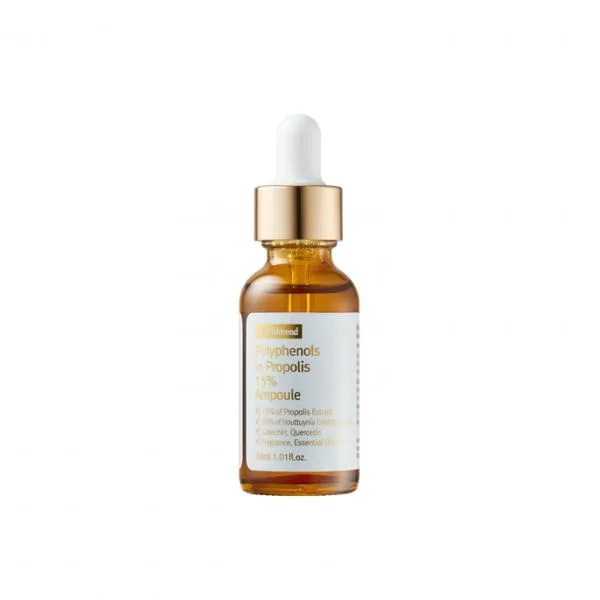 Sensitive Skin Soother
 Polyphenols In Propolis 15% Ampoule
A 15% propolis ampoule that earns its name with a real polyphenol stack — French Auvergne propolis layered over a houttuynia cordata base, with tulsi and pomegranate piling on. It's slightly sticky and not cheap by volume, but for sensitive, breakout-prone skin chasing calm, this is one of the most reliable K-beauty soothers in production.
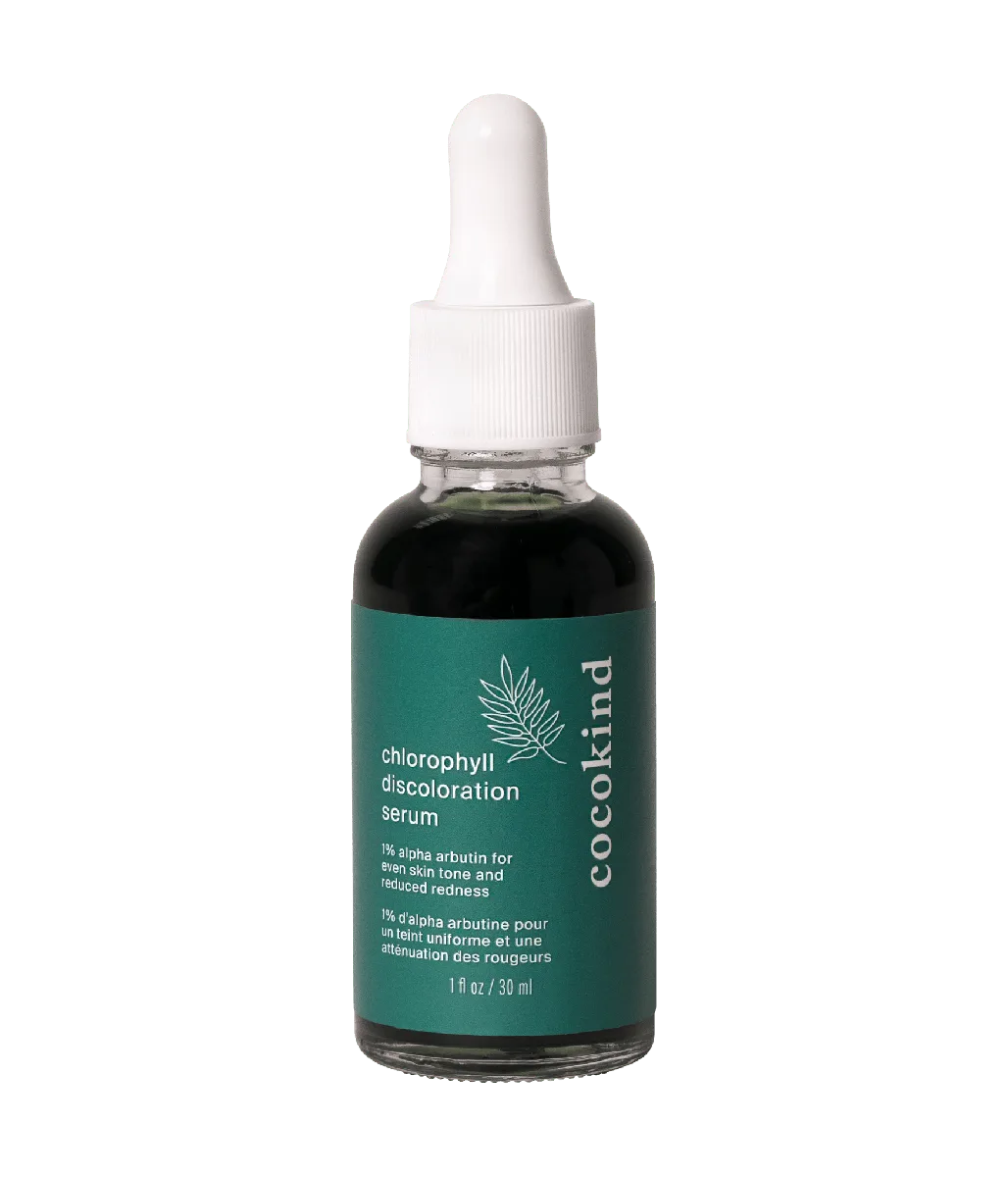 Budget Brightening Hero
 Chlorophyll Discoloration Serum
A quietly brilliant brightening serum that proves you do not need luxury prices or harsh actives to fade dark spots effectively. The alpha-arbutin and licorice root combination delivers genuine multi-pathway melanin inhibition, the sensitive-skin-friendly formula is impeccable, and $20 makes it accessible to virtually everyone. The chlorophyllin is more marketing differentiator than scientific powerhouse, but it does not hurt anything either.
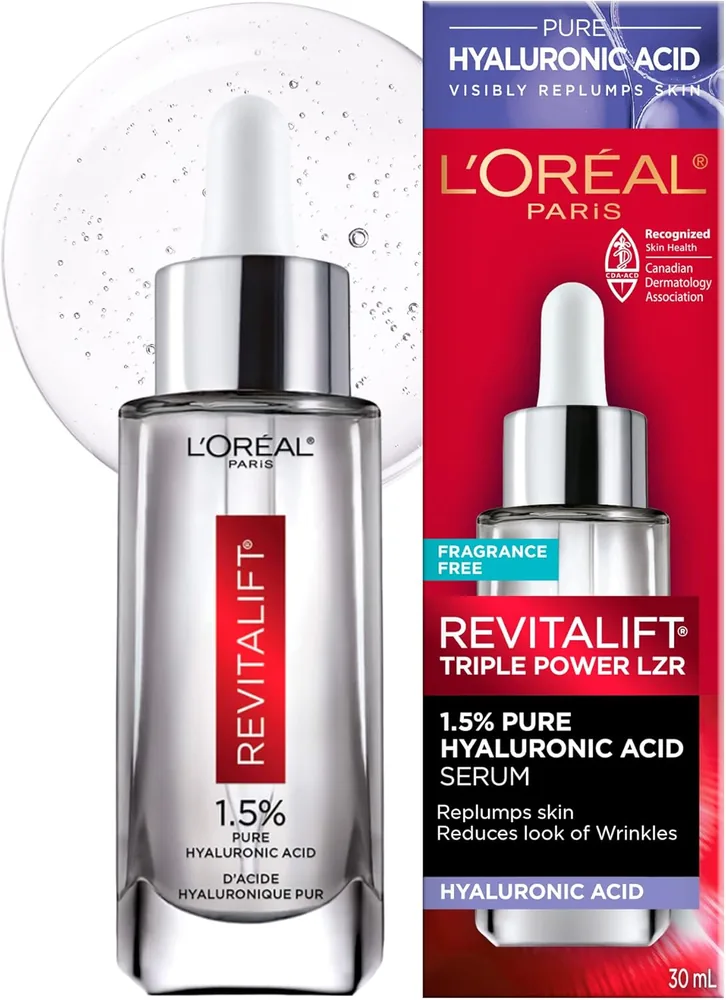 The People's HA Serum
 Revitalift Derm Intensives 1.5% Pure Hyaluronic Acid Serum
A masterclass in minimalist formulation — thirteen ingredients, no filler, four functional actives, and over thirty thousand glowing reviews. L'Oréal's multi-weight HA system delivers genuine hydration at every level of the skin, and the fragrance-free, alcohol-free formula is clean enough for virtually anyone. The drugstore serum that embarrasses its prestige competitors.
 Budget Hydration Holy Grail
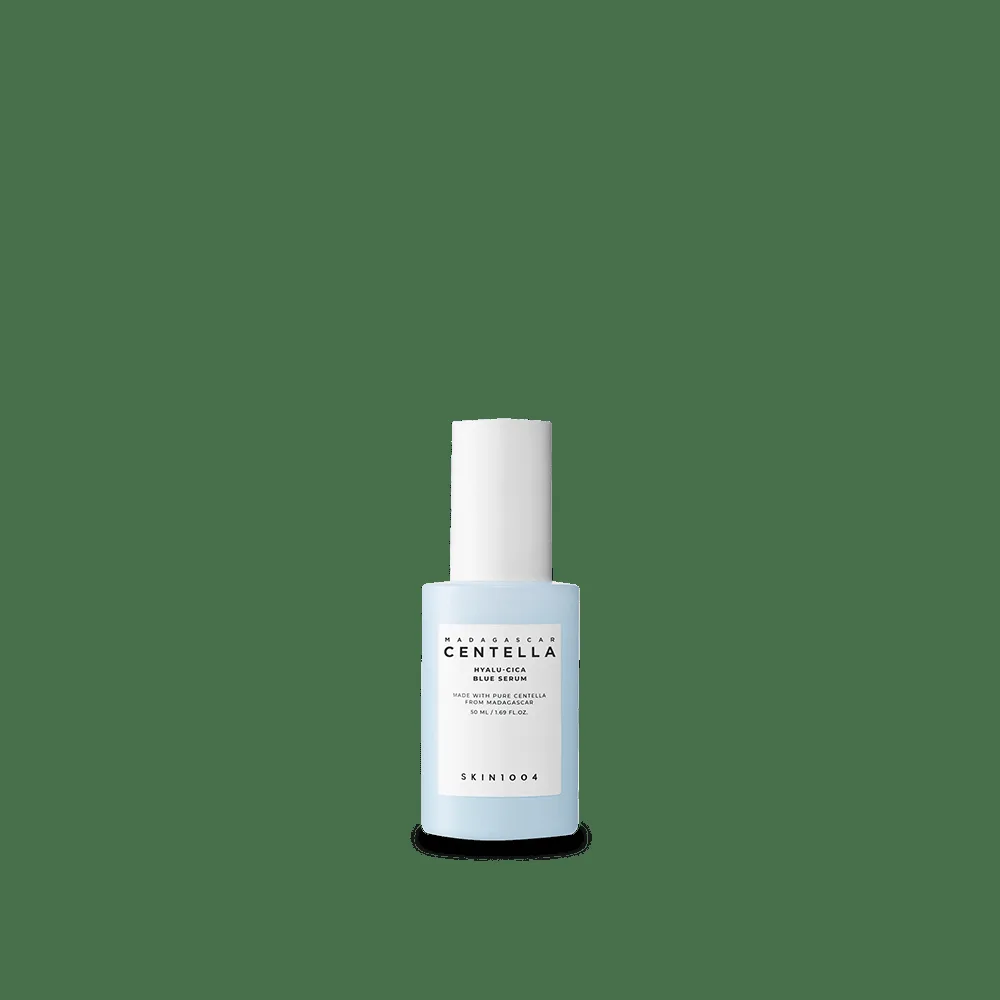
 Hyalu-Cica Blue Serum
A quietly excellent budget serum that stacks Centella asiatica leaf water, five types of hyaluronic acid, niacinamide, ceramide NP, and adenosine into a fragrance-free under-$20 bottle. It is genuinely one of the best hydration-plus-soothing serums at any price, and the fact that it costs less than a salad in Manhattan is the point.
 Sensitive Skin First-Line Defense
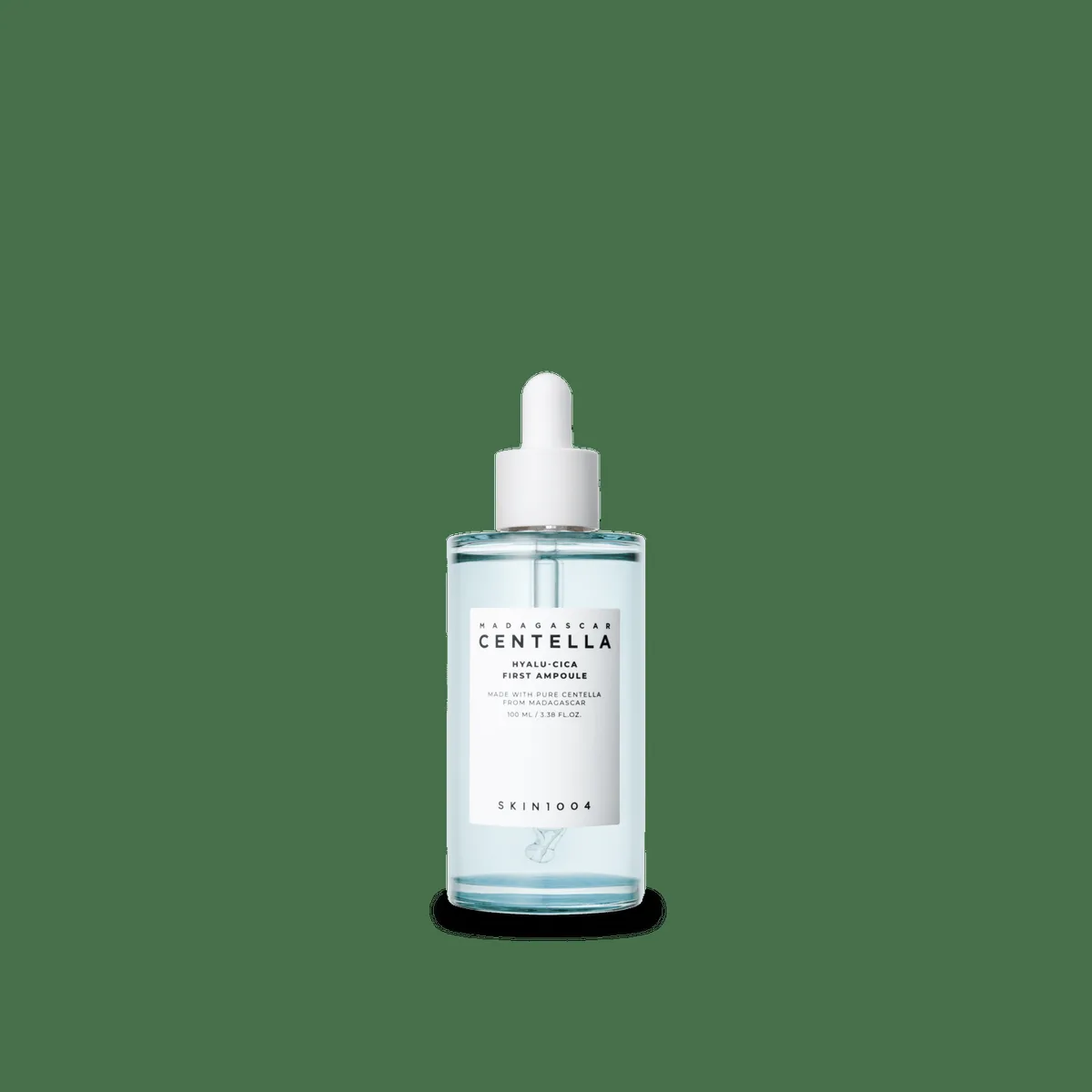
 Hyalu-Cica First Ampoule
A 92% Centella asiatica extract ampoule paired with niacinamide and a multi-weight HA complex, fragrance-free and purpose-built for sensitive, compromised, and reactive skin. At $25 for 100ml, it is one of the most justifiable skincare purchases a budget-conscious buyer can make, and it earns a place in almost any routine that needs a soothing anchor.
 Sensitive Skin MVP
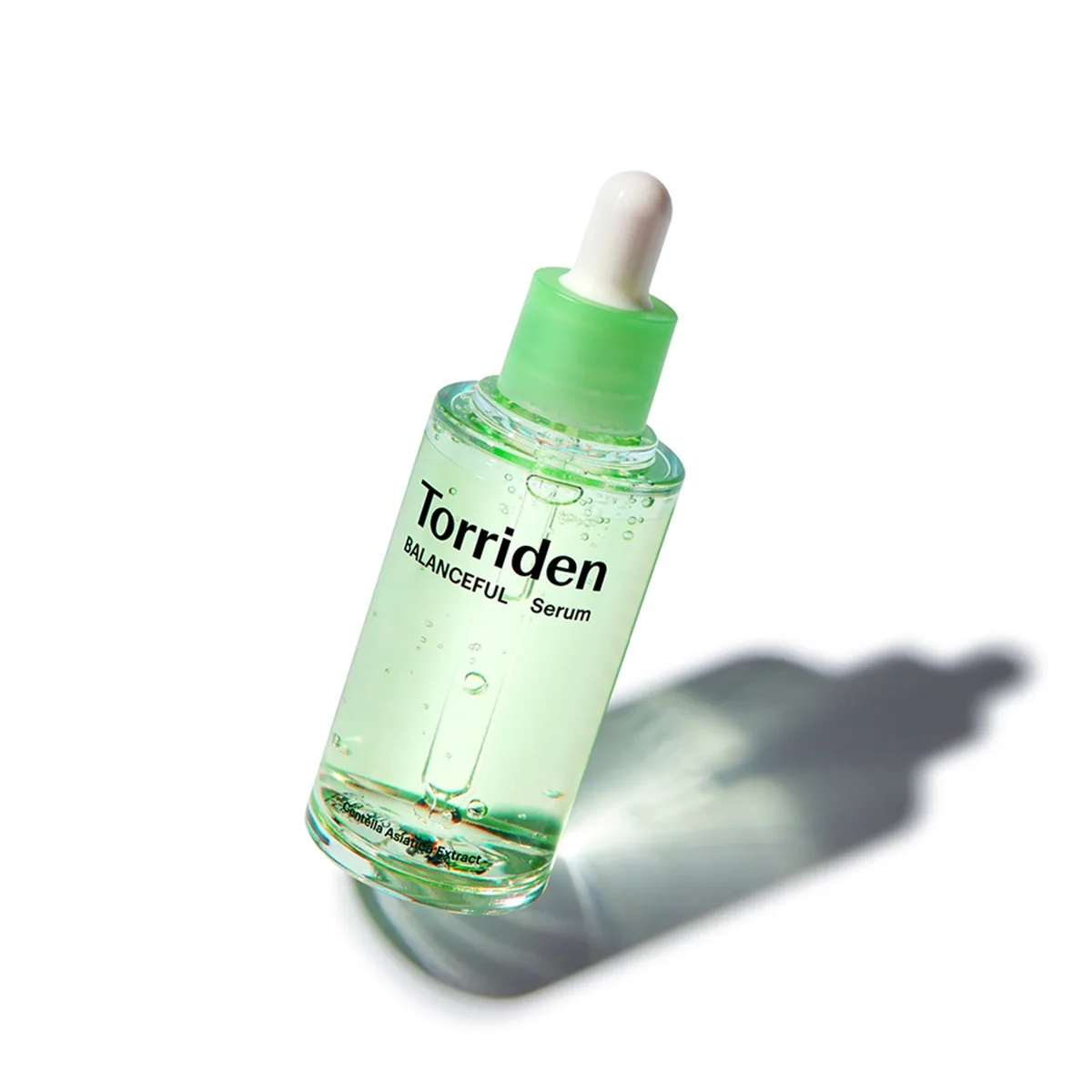
 Balanceful Cica Serum
Torriden's Balanceful Cica Serum is one of the most recommendable calming serums in K-beauty — a genuinely fragrance-free, multi-weight hyaluronic acid and 5D cica complex treatment that quietly reduces redness, supports the barrier, and buffers other actives without drama. At under $25 it's a near-automatic pick for sensitive, rosacea-prone, and barrier-compromised skin.