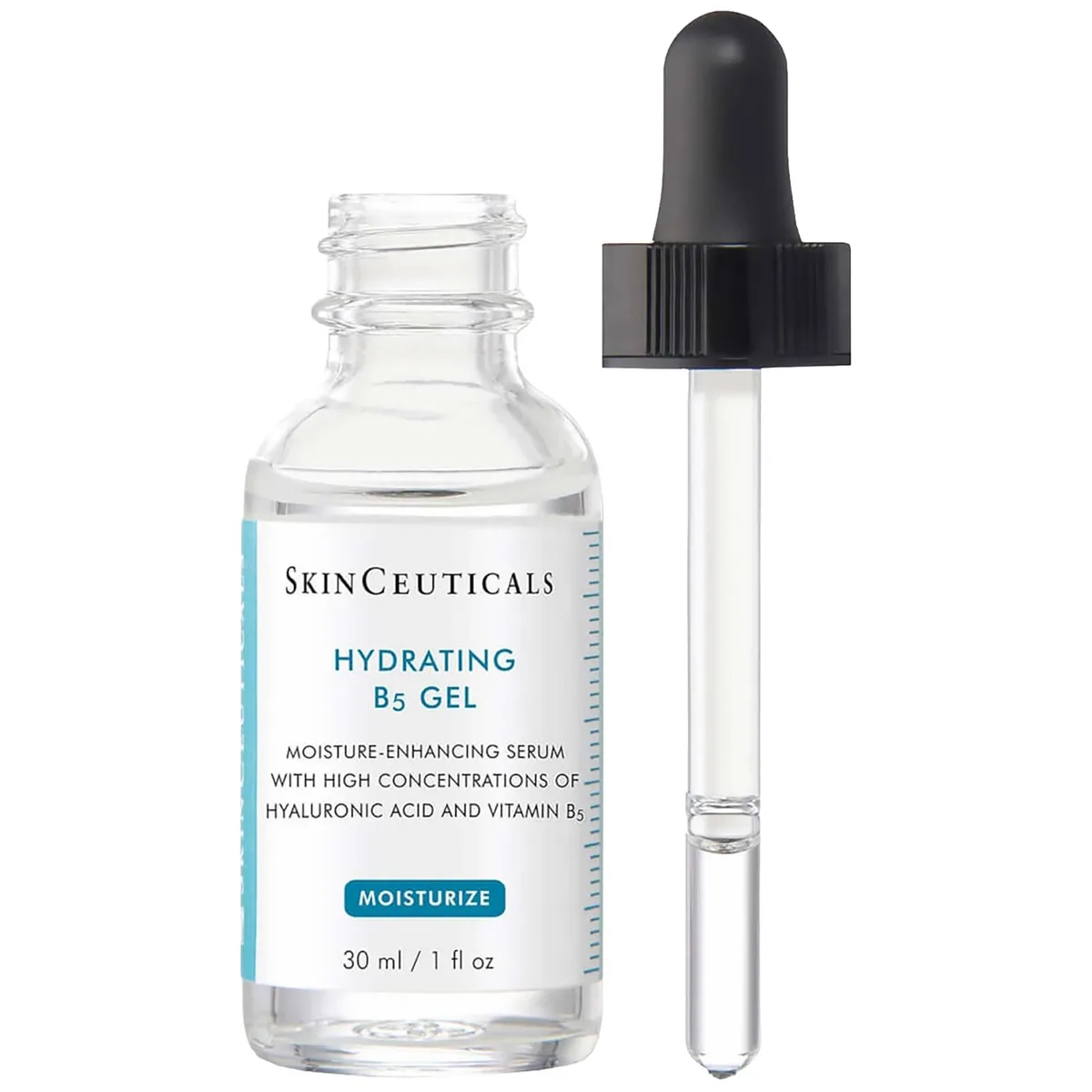
Hydrating B5 Gel is the oil-free hydration workhorse of the SkinCeuticals lineup, pairing glycerin, hyaluronic acid, panthenol, and urea in a deliberately minimal gel that has sat on derm-office shelves for over twenty years. It is genuinely well-suited to oily, acne-prone, and post-procedure skin — though the $93 price tag is steep for how simple the formula really is.
Hydrating B5 Gel
Hydrating B5 Gel is the oil-free hydration workhorse of the SkinCeuticals lineup, pairing glycerin, hyaluronic acid, panthenol, and urea in a deliberately minimal gel that has sat on derm-office shelves for over twenty years. It is genuinely well-suited to oily, acne-prone, and post-procedure skin — though the $93 price tag is steep for how simple the formula really is.
Score Breakdown
Where this product gains points and where it loses them — broken down across the four scoring pillars.
A simple, well-executed oil-free hydrating gel that has been a derm-office staple for over 20 years. The formulation is solid and broadly suitable but the $93 price is difficult to defend against cheaper humectant alternatives.
Pros & Cons
- ✓Oil-free, silicone-light humectant layer works on acne-prone skin
- ✓Meaningful 5% panthenol dose plus multi-weight hyaluronic acid
- ✓Fragrance-free and fungal-acne safe
- ✓Layers cleanly under CE Ferulic, retinoids, and SPF
- ✓Pregnancy-friendly with no restricted ingredients
- ✓Twenty-plus years of consistent dermatology-office track record
- ✓Pleasant cooling, fast-absorbing texture
- ✗Expensive at $93 for 1 oz relative to similar drugstore options
- ✗Simple formulation has not evolved in two decades
- ✗Small bottle runs out quickly with twice-daily use
- ✗Pure humectant gel may feel inadequate on very dry skin alone
Full Review
Every few years, skincare goes through a trend cycle. Ceramides take over. Then peptides. Then copper. Then snail mucin. Then exosomes. Somewhere in the middle of all that, SkinCeuticals Hydrating B5 Gel has been sitting quietly in the same bottle, with essentially the same formulation, selling steadily to the same audiences for over twenty years. That kind of longevity is rare in skincare, and it is usually a sign that a product does one specific thing well enough that nobody has felt the need to reinvent it.
Pull up the INCI list and you will see why. The formulation is almost defiantly simple: water, glycerin, sodium hyaluronate, panthenol, urea, a small amount of glyceryl polyacrylate and dimethicone for texture, a preservative system, and not much else. No vitamin C. No peptides. No ferments. No fragrance. No essential oils. No colorants. What you have is essentially a clean humectant cocktail — hyaluronic acid plus a meaningful panthenol dose (typically cited around 5%, hence the name) plus urea as a second-layer humectant and natural moisturizing factor component. Glycerin sits at number two on the list, which means it is doing real work rather than being a decorative afterthought.
The texture is what makes this gel work as well as it does. It is genuinely fluid — it pours out of the dropper almost like water, spreads across the face with zero drag, and absorbs within thirty seconds into a finish that feels cool, slightly dewy, and completely un-tacky. There is no silicone slip, no oily residue, no film left behind. On oily and combination skin this is transformative, because most hydration serums either feel heavy (silicone-rich) or evaporate too quickly (pure HA in water). Hydrating B5 Gel sits in the middle and delivers a visible plumping effect that lasts most of the day.
This is the serum dermatology offices hand to acne patients starting tretinoin, to combination-skin patients who cannot tolerate Emollience, and to post-procedure patients who need a fragrance-free hydrator that will not sting. It pairs cleanly with CE Ferulic — apply the antioxidant first, let it dry for a minute, then layer the gel on top and your morning routine is essentially complete before sunscreen goes on. It buffers retinol dehydration effectively, which is why it has become a default recommendation for people in their first month of a prescription retinoid. And because the formulation is free of oils, fatty esters, and silicones, it plays nicely with benzoyl peroxide and acids — actives that often fight with heavier humectants.
Honesty requires a conversation about the price. Ninety-three dollars for one ounce of a humectant gel is, in absolute terms, a lot. The individual ingredients here are not expensive. The Inkey List makes a hyaluronic acid serum for eight dollars. The Ordinary makes one for ten. La Roche-Posay Hyalu B5 retails at forty-five and contains a similar panthenol-HA combination with some additional ingredients. On pure formulation economics, Hydrating B5 Gel is priced well above what the INCI list alone would justify.
The counterargument — and it is a legitimate one, if not a decisive one — is that formulation quality includes things you cannot see on an INCI list: the raw material grade of the hyaluronic acid, the molecular-weight distribution, the consistency of the panthenol dose, the processing that makes the final gel feel as weightless as it does. SkinCeuticals spends real money on manufacturing consistency, and the product you buy today feels identical to the one you bought five years ago. Twenty years of dermatology-office distribution without a reformulation scandal is a data point that matters more than most skincare shoppers realize.
For the right person, this gel is worth it — someone with oily or acne-prone skin who already trusts the brand, who wants a reliable hydrator that will layer with anything, and who is willing to pay a clinical-brand premium for consistency and institutional validation. For the wrong person, it is an expensive way to buy ingredients that can be bought cheaper. Both conclusions can be true. What is not true is the occasional dismissive take that this is "just marketing" — the product is real, the formulation is genuinely well-built, and the reason it has survived two decades is that it actually does its job.
One practical note: the 2 oz size offers meaningfully better per-ounce value than the 1 oz, so if you use this regularly, the larger size is the smart choice. And keep the dropper clean — a product this simple does not need the added risk of contamination from repeated touching.
Formula
Key Ingredients
The hero actives that drive this product's performance.
| Ingredient | Function | Evidence |
|---|---|---|
| Sodium Hyaluronate | The humectant backbone of the gel, listed third on the INCI — it draws water into the skin quickly and gives this formula its signature plumping effect without needing any oils or silicones to carry it. | well-established |
| Panthenol (5%) | Pro-vitamin B5 at roughly 5% is what gives this gel its name — it supports barrier function and reduces transepidermal water loss, pairing with the hyaluronic acid to make the hydration last through the day. | well-established |
| Urea | A natural moisturizing factor component that adds a second layer of water-binding beneath the hyaluronic acid, while also giving the gel a very slight smoothing effect on dehydrated texture. | well-established |
| Glycerin | Sits second on the INCI and does the fast humectant work within seconds of application — it is the reason this gel plumps visibly before the HA has even finished spreading. | well-established |
Full INCI List · pH 5.5
Water, Glycerin, Sodium Hyaluronate, Panthenol, Urea, Propanediol, Glyceryl Polyacrylate, Dimethicone, Citric Acid, Triethanolamine, Sodium Citrate, Phenoxyethanol, Caprylyl Glycol, Ethylhexylglycerin, Disodium EDTA
Product Flags
✓ Fragrance Free✓ Alcohol Free✓ Oil Free✗ Silicone Free✓ Paraben Free✓ Sulfate Free✗ Cruelty Free✓ Vegan✓ Fungal Acne Safe
Compatibility
Skin Match
Best For
Works For
Not Ideal For
Addresses These Conditions
dehydration oiliness compromised skin barrier post procedure
Routine Step
serum
Time of Day
AM & PM
Pregnancy Safe
Yes ✓
Layering Tips
Apply to slightly damp skin and follow within 30 seconds with a moisturizer or SPF to lock in the humectant layer before it evaporates.
Results Timeline
Immediate plumping and dewy finish within minutes. Over 2-3 weeks, surface dehydration and rough texture smooth visibly. Full barrier support benefit develops over 4-6 weeks of consistent use.
Pairs Well With
skinceuticals-ce-ferulicretinoidsbenzoyl-peroxideacids
Sample AM Routine
- Gentle cleanser
- CE Ferulic
- SkinCeuticals Hydrating B5 Gel
- Light moisturizer
- SPF
Sample PM Routine
- Cleanser
- Acid or retinol
- SkinCeuticals Hydrating B5 Gel
- Moisturizer
Evidence
Who Should Skip
- Expensive at $93 for 1 oz relative to similar drugstore options
- Simple formulation has not evolved in two decades
- Small bottle runs out quickly with twice-daily use
- Pure humectant gel may feel inadequate on very dry skin alone
Science & Expert Perspective
The Science
The formulation logic here is a clean textbook humectant stack layered with supporting actives. Sodium hyaluronate — the salt form of hyaluronic acid — has decades of research supporting its ability to bind water in the skin's upper layers and improve visible hydration, smoothness, and fine-line appearance. Glycerin, present at a high concentration based on its second-place ingredient position, is one of the most thoroughly studied humectants in dermatology and has robust data on improving stratum corneum water content and supporting barrier recovery. Panthenol (pro-vitamin B5) converts to pantothenic acid in the skin and has documented effects on reducing transepidermal water loss, supporting wound healing, and reducing visible redness at the concentration SkinCeuticals uses here. Urea is a natural moisturizing factor component that functions both as a humectant and a mild keratolytic at low concentrations; it is well-validated in eczema and xerosis literature. What makes this formulation distinctive is not novelty but restraint — by avoiding the silicones, oils, and secondary actives that most modern serums include, the brand built a product that is exceptionally compatible with acids, retinoids, and post-procedure skin. There are no peer-reviewed clinical trials specific to the finished Hydrating B5 Gel formulation, but the ingredient-level evidence for each component is strong enough that the product can reasonably be assessed as "validated by composition" rather than requiring a finished-product trial.
Dermatologist Perspective
Board-certified dermatologists frequently recommend Hydrating B5 Gel as a default hydrator for patients with oily, combination, or acne-prone skin who cannot tolerate heavier creams. It is commonly prescribed as a buffer layer for patients starting retinoids or benzoyl peroxide, where the panthenol and hyaluronic acid combination helps manage the dehydration and tightness associated with those actives. Dermatologists also routinely hand it to post-procedure patients — after peels, microneedling, or light laser treatments — because the fragrance-free, minimally irritating formulation is safe to apply over compromised skin without stinging. It is widely considered one of the more broadly tolerable products in the SkinCeuticals catalog and has earned its place as a clinical staple despite the absence of peptides, antioxidants, or other trendy actives.
Guidance
Usage Guide
How to Use
Apply 3-4 drops to slightly damp, freshly cleansed skin in the morning and evening. In the morning, layer after your antioxidant serum and before your moisturizer and SPF. In the evening, apply after retinol or acids if those are part of your routine, letting them absorb first. For acne-prone skin, this gel can serve as the main hydration layer without needing a cream on top. For very dry skin, always follow with a richer moisturizer. Store upright to protect the dropper from contamination. Consider the 2 oz size for better per-use value.
Value Assessment
At $93 for 1 oz, Hydrating B5 Gel is objectively priced above what the raw ingredients alone would justify — the active combination (glycerin, HA, panthenol, urea) is available in much cheaper formulations from The Ordinary, The Inkey List, and La Roche-Posay. The 2 oz size offers meaningfully better per-unit value for regular users and is the right choice for anyone committing to the product long-term. The price reflects brand positioning, manufacturing consistency, and the clinical-office distribution network rather than a dramatic formulation advantage. If you are budget-conscious, cheaper options will deliver most of the same benefits; if you are already invested in SkinCeuticals, the gel fits its ecosystem well and has the track record to justify the premium.
Who Should Buy
Oily, combination, and acne-prone skin types who need a serious hydration layer that will not feel heavy or trigger breakouts. Also ideal for patients starting retinoids, those recovering from in-office procedures, and anyone committed to the SkinCeuticals routine who needs the oil-free humectant slot filled.
Who Should Skip
Very dry skin will find this gel insufficient on its own and should consider Triple Lipid Restore or Emollience instead. Budget shoppers can get most of the same benefits from drugstore humectant serums at a fraction of the price.
Ready to try SkinCeuticals Hydrating B5 Gel?
Details
Details
Texture
Cool, slick gel that spreads like water and absorbs fast
Scent
Essentially unscented
Packaging
Frosted bottle with dropper
Finish
dewyfast-absorbinglightweight
What to Expect on First Use
Immediate cooling and plumping on application. No sting, no tingling. Most users notice surface dehydration softening within days and the product layers cleanly under everything from CE Ferulic to sunscreen without pilling.
How Long It Lasts
2-3 months with twice-daily face and neck application
Period After Opening
12 months
Best Season
All Year
Background
The Why
Hydrating B5 Gel launched in the early 2000s as the oil-free counterpart to SkinCeuticals' richer Emollience cream, specifically so that dermatology patients with oily or acne-prone skin could layer a humectant under CE Ferulic without triggering breakouts. It quickly became one of the brand's highest-volume products and has stayed in the lineup virtually unchanged for two decades.
About SkinCeuticals Legacy Brand (20+ years)
SkinCeuticals was founded in 1997 around Dr. Sheldon Pinnell's research on topical antioxidants at Duke University. Its formulations are widely used in dermatology offices and the brand has a long track record of independent clinical validation.
Brand founded: 1997 · Product launched: 2002
Myth vs. Reality
Myths & Misconceptions
Myth
Hydrating B5 Gel is just overpriced hyaluronic acid — you can get the same thing from The Ordinary for $10.
Reality
The formulation is genuinely simpler and cleaner than many drugstore HA serums (no added silicones, oils, or actives), and the panthenol dose is meaningful. Whether that simplicity is worth the price premium is a fair question, but it is not chemically identical to a $10 product.
FAQ
Frequently Asked Questions
Is Hydrating B5 Gel good for oily skin?
Yes — this is one of the best oily-skin options in the SkinCeuticals catalog. The oil-free, silicone-light formulation delivers meaningful hydration without the weight of cream-based humectants, which is why dermatologists routinely recommend it to acne-prone patients.
Can I use Hydrating B5 Gel with CE Ferulic?
Yes — this is the intended pairing for oily and combination skin within the SkinCeuticals routine. Apply CE Ferulic first, let it absorb for 60 seconds, then layer Hydrating B5 Gel on top before your moisturizer or SPF.
Is Hydrating B5 Gel worth $93?
The formulation is solid and the track record is decades long, but the core ingredients (glycerin, HA, panthenol, urea) are also available in much cheaper formulations. The price is defensible only if you value the brand ecosystem or are on a dermatologist-recommended protocol.
Does Hydrating B5 Gel help with retinol irritation?
Yes — the panthenol and HA combination is well-suited to buffering retinoid-associated dehydration and tightness. Many dermatologists recommend it specifically as a hydration layer for patients starting retinoids.
Is Hydrating B5 Gel fungal acne safe?
Yes — the formulation is simple enough to avoid the fatty acids and esters that typically feed Malassezia, making it one of the safer choices for fungal-acne-prone skin.
How long does one bottle last?
Most users get 2-3 months from the 1 oz bottle with twice-daily application. The 2 oz size offers better per-unit value for regular users.
Community
Community Voices
Common Praise
"Works for oily skin without feeling heavy"
"Calms post-procedure skin effectively"
"Absorbs fast under makeup"
"Helps with retinol dehydration"
"Non-comedogenic"
Common Complaints
"Expensive for a simple HA-B5 gel"
"Small bottle runs out fast"
"Basic formulation hasn't evolved"
"Not as plumping as thicker serums"
Notable Endorsements
Widely recommended in dermatology offices as a post-procedure hydratorFrequently included in acne-routine protocols
Appears In
best hydrating serum for oily skin best hydrating serum for acne best oil free serum for dehydration best serum for post procedure
Related Conditions
dehydration oiliness compromised skin barrier post procedure
Related Ingredients
You Might Also Like
 Sensitive Skin Soother
 Polyphenols In Propolis 15% Ampoule
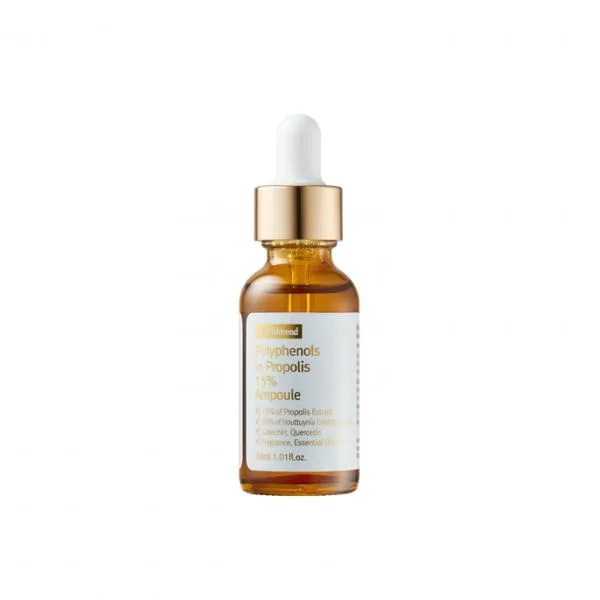
A 15% propolis ampoule that earns its name with a real polyphenol stack — French Auvergne propolis layered over a houttuynia cordata base, with tulsi and pomegranate piling on. It's slightly sticky and not cheap by volume, but for sensitive, breakout-prone skin chasing calm, this is one of the most reliable K-beauty soothers in production.
 Budget Brightening Hero
 Chlorophyll Discoloration Serum
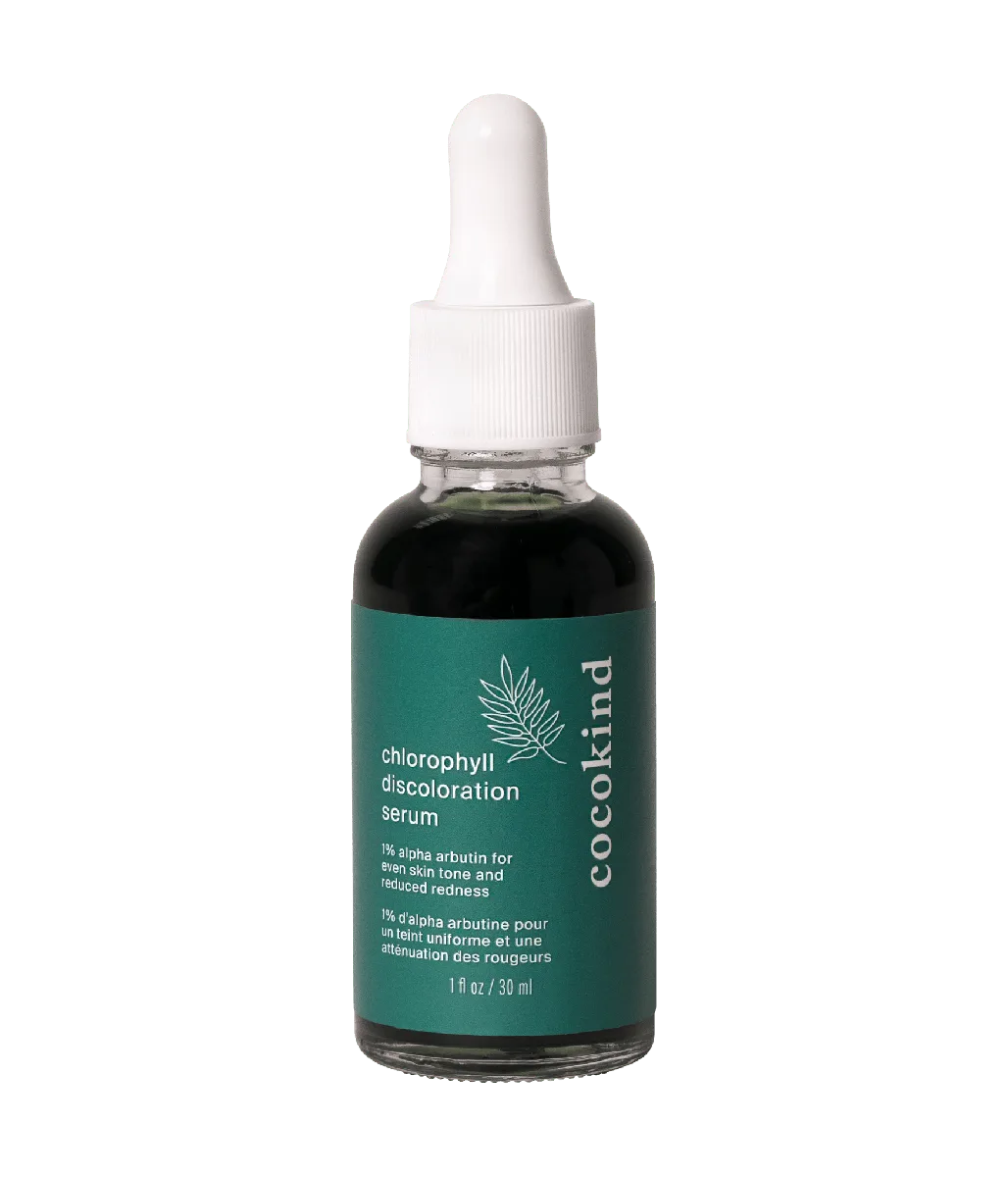
A quietly brilliant brightening serum that proves you do not need luxury prices or harsh actives to fade dark spots effectively. The alpha-arbutin and licorice root combination delivers genuine multi-pathway melanin inhibition, the sensitive-skin-friendly formula is impeccable, and $20 makes it accessible to virtually everyone. The chlorophyllin is more marketing differentiator than scientific powerhouse, but it does not hurt anything either.
 The People's HA Serum
 Revitalift Derm Intensives 1.5% Pure Hyaluronic Acid Serum
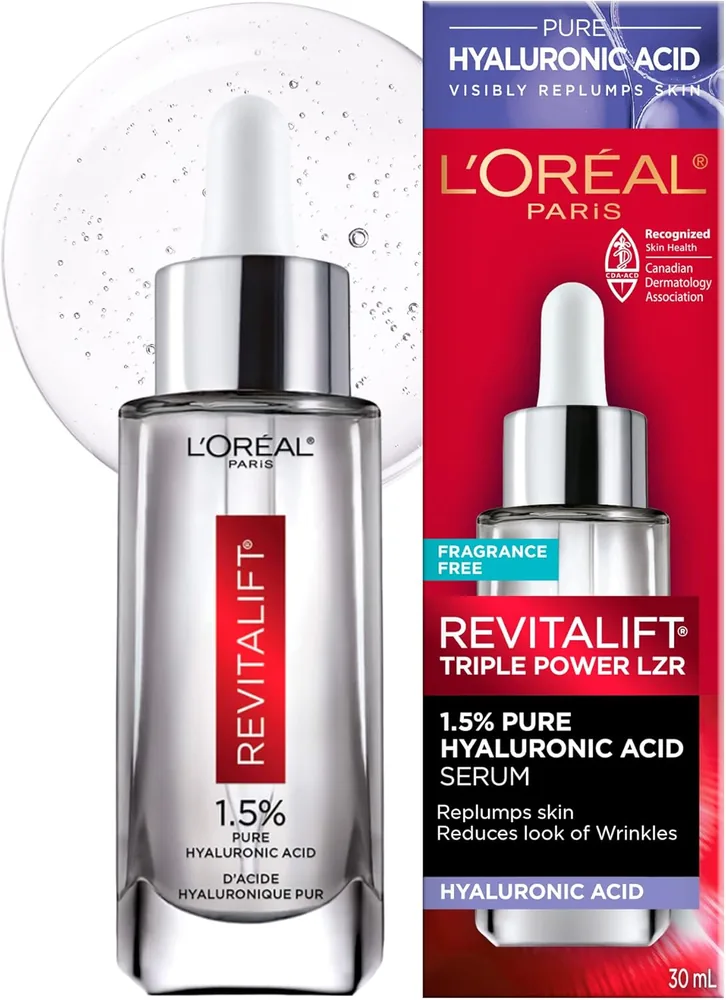
A masterclass in minimalist formulation — thirteen ingredients, no filler, four functional actives, and over thirty thousand glowing reviews. L'Oréal's multi-weight HA system delivers genuine hydration at every level of the skin, and the fragrance-free, alcohol-free formula is clean enough for virtually anyone. The drugstore serum that embarrasses its prestige competitors.
 Budget Hydration Holy Grail
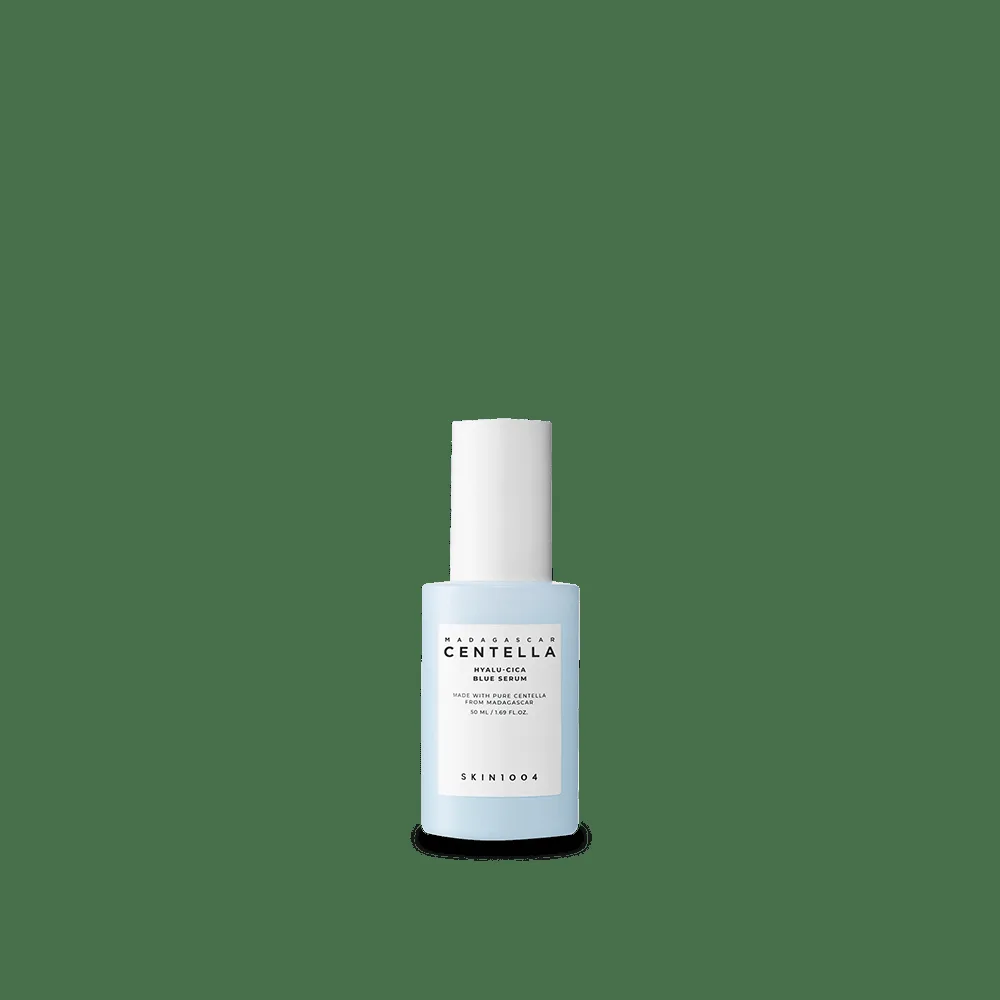
 Hyalu-Cica Blue Serum
A quietly excellent budget serum that stacks Centella asiatica leaf water, five types of hyaluronic acid, niacinamide, ceramide NP, and adenosine into a fragrance-free under-$20 bottle. It is genuinely one of the best hydration-plus-soothing serums at any price, and the fact that it costs less than a salad in Manhattan is the point.
 Sensitive Skin First-Line Defense
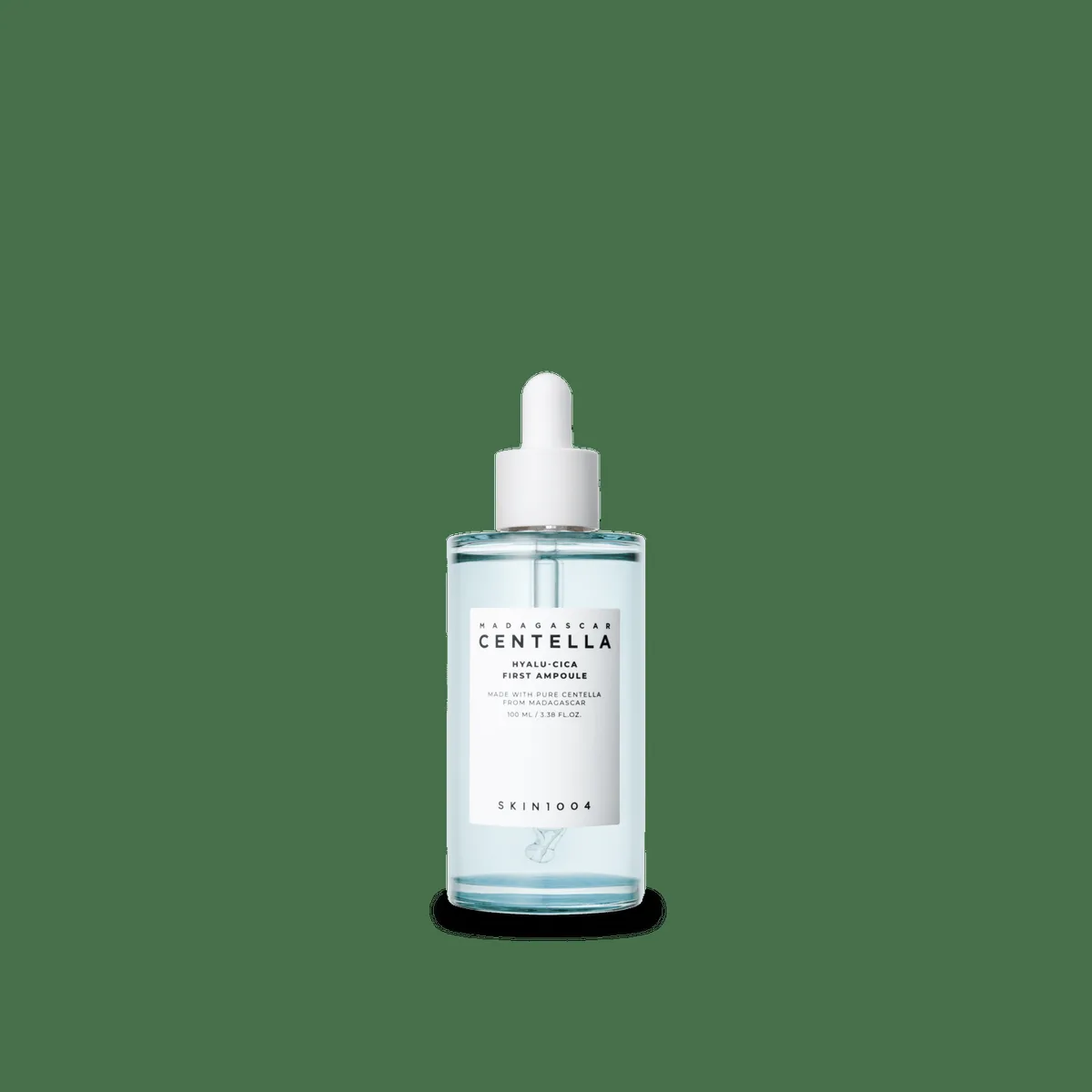
 Hyalu-Cica First Ampoule
A 92% Centella asiatica extract ampoule paired with niacinamide and a multi-weight HA complex, fragrance-free and purpose-built for sensitive, compromised, and reactive skin. At $25 for 100ml, it is one of the most justifiable skincare purchases a budget-conscious buyer can make, and it earns a place in almost any routine that needs a soothing anchor.
 Sensitive Skin MVP
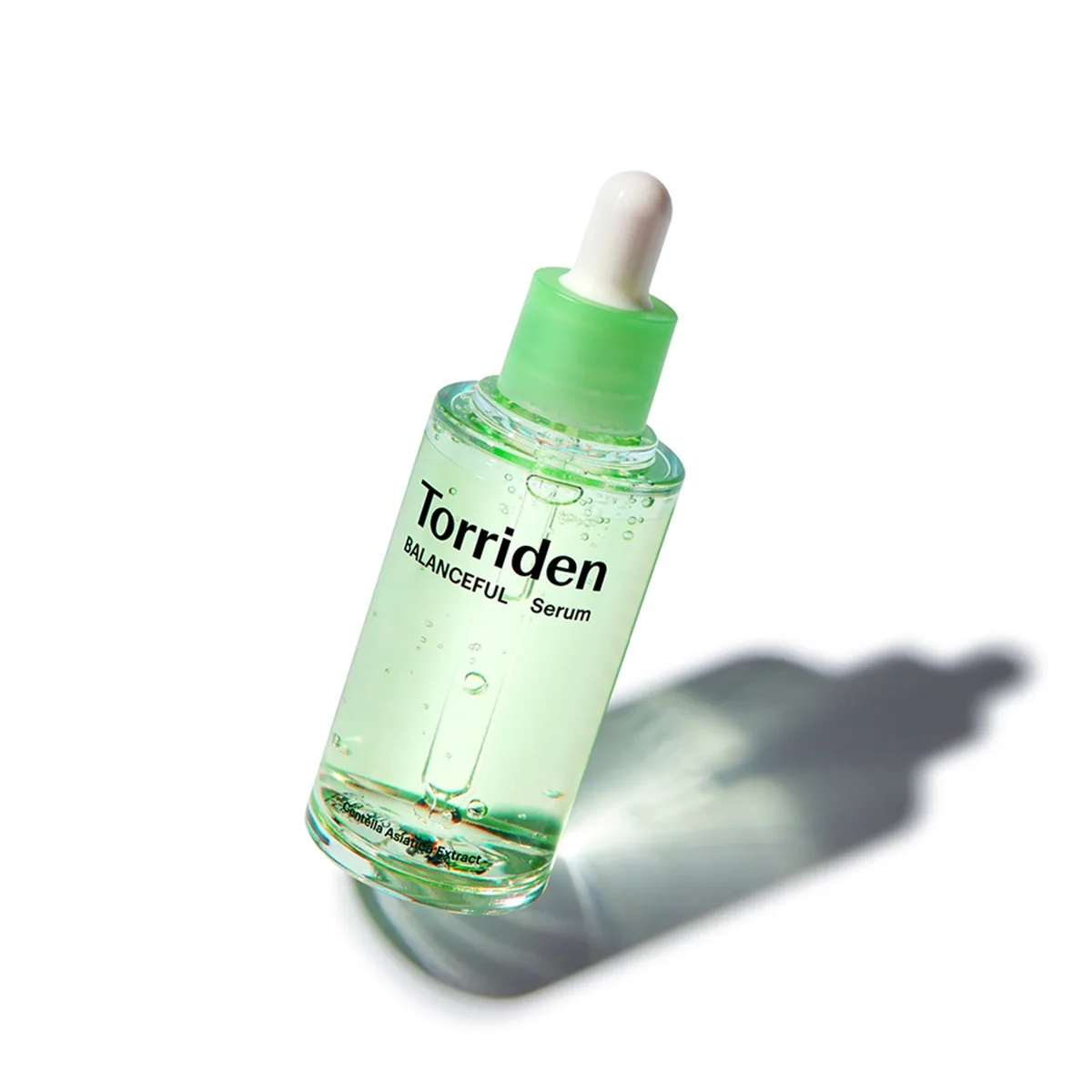
 Balanceful Cica Serum
Torriden's Balanceful Cica Serum is one of the most recommendable calming serums in K-beauty — a genuinely fragrance-free, multi-weight hyaluronic acid and 5D cica complex treatment that quietly reduces redness, supports the barrier, and buffers other actives without drama. At under $25 it's a near-automatic pick for sensitive, rosacea-prone, and barrier-compromised skin.
This review reflects our independent analysis of publicly available ingredient data, manufacturer claims, and verified user reviews. We are reader-supported — Amazon links may earn us a commission at no cost to you. We do not accept paid placements; rankings are based solely on the evidence.