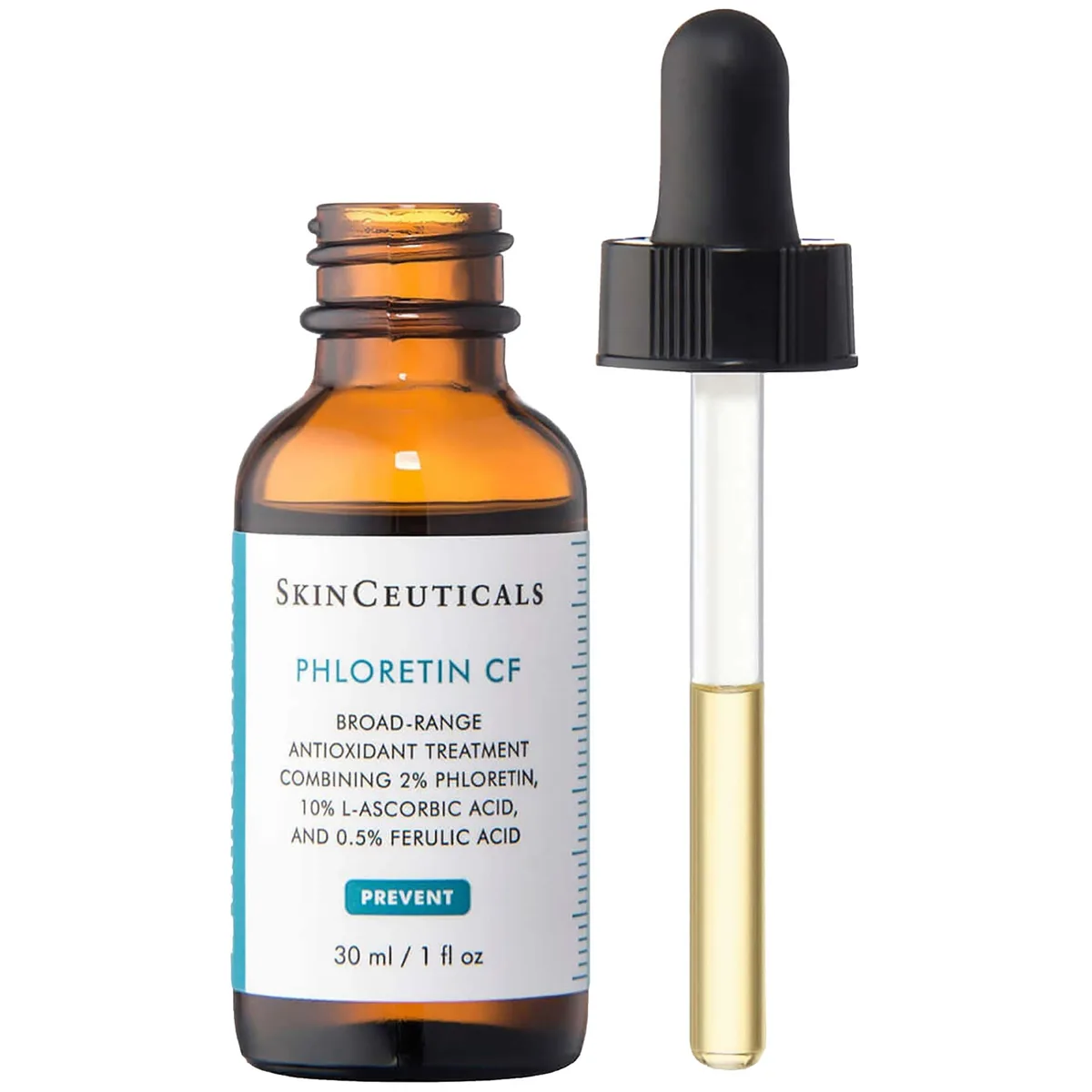
Phloretin CF is SkinCeuticals' 10% L-ascorbic acid antioxidant serum designed for oily, combination, and hyperpigmentation-focused skin. Built on the Duke antioxidant patent and stabilized with ferulic and phloretin instead of vitamin E, it is one of the most clinically validated vitamin C serums on the market — and one of the most expensive. For the right skin type, it earns the price.
Phloretin CF
Phloretin CF is SkinCeuticals' 10% L-ascorbic acid antioxidant serum designed for oily, combination, and hyperpigmentation-focused skin. Built on the Duke antioxidant patent and stabilized with ferulic and phloretin instead of vitamin E, it is one of the most clinically validated vitamin C serums on the market — and one of the most expensive. For the right skin type, it earns the price.
Score Breakdown
Where this product gains points and where it loses them — broken down across the four scoring pillars.
One of the most clinically referenced antioxidant serums in dermatology, with the Duke patent chemistry and a meaningful phloretin addition for oilier and hyperpigmentation-focused skin. The price remains the core weakness — $182 for 1 oz is steep even by clinical-brand standards.
Pros & Cons
- ✓10% L-ascorbic acid at pH 3.2 — the validated Duke patent chemistry
- ✓Phloretin addition makes it better for oily and pigmentation-focused skin
- ✓Meaningful visible brightening and pigmentation improvement
- ✓Stabilized by ferulic acid for full-day antioxidant activity
- ✓Nearly 20 years of clinical and dermatology office validation
- ✓Layers cleanly under the rest of the SkinCeuticals routine
- ✗Extremely expensive at $182 for 1 oz
- ✗Will oxidize and lose potency if stored improperly
- ✗Brief tingle on first few applications can deter sensitive users
- ✗Cheaper L-ascorbic acid serums deliver most of the general antioxidant benefit
- ✗Not suitable for very sensitive or rosacea-prone skin
Full Review
If you have spent any time researching vitamin C serums, you have almost certainly run into the name CE Ferulic — SkinCeuticals' flagship antioxidant serum, the product that built the modern vitamin C category and that dermatologists have been quietly recommending for nearly two decades. What you may not have noticed is that CE Ferulic has a sibling. Phloretin CF is built on the same Duke antioxidant patent, uses the same 10% L-ascorbic acid at the same pH of 3.2, and includes the same 0.5% ferulic acid to stabilize the ascorbic acid — but instead of vitamin E, it uses phloretin, a flavonoid polyphenol derived from apple skin. That swap changes everything about who this serum is for.
The pitch is specific. CE Ferulic was designed for dry, normal, and mature skin — the vitamin E content makes it slightly richer and more emollient, and it reads better on skin that needs a little extra comfort. Phloretin CF was designed for the opposite: oily, combination, and hyperpigmentation-focused skin, where the vitamin E content would feel too heavy and where the phloretin component specifically targets pigmentation pathways more effectively. Both serums share the Duke patent chemistry that makes them so reliably effective. The difference is in who they serve, and if you have oily skin or melasma, Phloretin CF is almost certainly the one you want.
The formulation is exactly what you would expect from a serum at this price point: 10% pure L-ascorbic acid (the only form with truly robust clinical data for topical antioxidant effects), 2% phloretin, 0.5% ferulic acid, sodium hyaluronate for a lighter feel, and a solvent system built around dipropylene glycol and ethoxydiglycol to carry the ascorbic acid at low pH. The pH of 3.2 is deliberately low, because L-ascorbic acid needs to stay protonated to penetrate the stratum corneum effectively. That low pH also explains why first-time users sometimes feel a brief tingle on application — it is not a defect, it is the chemistry doing what it is designed to do.
The texture is a clear, slightly viscous amber-gold liquid that pours out of the dropper in drops rather than streams. It absorbs within thirty seconds into a nearly invisible finish with just a hint of slickness from the hyaluronic acid. There is a distinctive scent — faintly metallic, slightly acidic, unmistakably vitamin-C-forward — that is completely unlike the perfumed products most skincare buyers are used to. If you have used Phloretin CF or CE Ferulic before, you know the smell. If you have not, it can take a couple of uses to get used to it, but it does not linger after application.
Results show up in the mirror on a consistent timeline. Within two weeks, most users notice that skin looks visibly brighter and slightly more even in tone. Within four weeks, the effect on dullness and luminosity is clearly present. Over eight to twelve weeks of daily morning use, the more specific benefits — reduced dark spots, improved melasma, better tone evenness, reduced appearance of fine lines — develop and become obvious. The effect on hyperpigmentation is particularly notable with Phloretin CF specifically, which is why dermatologists treating melasma and sun damage reach for this version over CE Ferulic.
The clinical backing here is unusually strong for a cosmetic product. The Duke patent (often referenced by the lead researcher Dr. Sheldon Pinnell) has been independently cited in peer-reviewed dermatology literature, and the specific combination of L-ascorbic acid at 10% plus ferulic acid at 0.5% has been studied for its ability to maintain stability and provide measurable photoprotection at the skin level when used under sunscreen. Phloretin CF inherits that base and adds the phloretin component, which is supported by research into flavonoid antioxidant mechanisms, though the specific finished-product trials for Phloretin CF come primarily from the manufacturer.
And now, the price. One hundred eighty-two dollars for one ounce is legitimately expensive, and we need to be honest about what that premium pays for. It pays for the Duke patent chemistry, the clinical validation, the brand's manufacturing consistency, and the integration into a full SkinCeuticals morning routine. It does not pay for dramatically better efficacy than a well-formulated cheaper vitamin C serum — Timeless 20% Vitamin C + E + Ferulic, Paula's Choice C15 Super Booster, and several others deliver meaningful antioxidant benefits at significantly lower prices. What those cheaper serums do not deliver is the specific Phloretin CF formulation, the brand research story, or the clinical-office distribution network that makes SkinCeuticals the default recommendation in so many dermatology practices.
The right buyer is someone focused specifically on hyperpigmentation or melasma, or someone committed to a clinical-brand morning routine and looking for the best possible vitamin C serum for oily or combination skin. For that buyer, Phloretin CF is genuinely one of the best products in its category and earns most of its price tag. For a budget-conscious shopper whose main goal is general antioxidant protection, cheaper alternatives will deliver most of the benefit. The value decision comes down to how specifically you care about the Phloretin CF formulation and how much the clinical brand track record matters to you. Both answers are valid, but neither is trivial.
Formula
Key Ingredients
The hero actives that drive this product's performance.
| Ingredient | Function | Evidence |
|---|---|---|
| L-Ascorbic Acid (10%) | 10% pure L-ascorbic acid at pH 3.2 — the Duke antioxidant protocol formulation that drives free radical neutralization and supports collagen synthesis, pairing in this formula with ferulic and phloretin to extend the active lifespan and broaden the antioxidant coverage. | well-established |
| Phloretin (2%) | A polyphenol flavonoid derived from apple skin that differentiates this serum from CE Ferulic. It penetrates into the skin and supports the ascorbic acid in neutralizing oxidative damage, particularly from pollution and infrared exposure. | promising |
| Ferulic Acid (0.5%) | Plant-derived antioxidant included at 0.5% to stabilize the ascorbic acid and extend its photoprotective effect. It is the same ferulic used in CE Ferulic and is essential to keeping the vitamin C active over the full wear window. | well-established |
| Sodium Hyaluronate | A small humectant addition that softens the texture of the underlying alcohol-heavy solvent system — it does not change the product's positioning as an antioxidant, but it makes the morning application more comfortable on typical oily and combination skin. | well-established |
Full INCI List · pH 3.2
Dipropylene Glycol, Water, Ethoxydiglycol, Ascorbic Acid, Glycerin, Propylene Glycol, Phloretin, Ferulic Acid, Sodium Hyaluronate, Panthenol, Triethanolamine, Phenoxyethanol, Sodium Hydroxide, Caprylyl Glycol
Product Flags
✓ Fragrance Free✗ Alcohol Free✓ Oil Free✓ Silicone Free✓ Paraben Free✓ Sulfate Free✗ Cruelty Free✓ Vegan✓ Fungal Acne Safe
Potential Irritants
l-ascorbic acid at low pH
Compatibility
Skin Match
Best For
Works For
Not Ideal For
Addresses These Conditions
hyperpigmentation dark spots aging sun damage dullness melasma
Use With Caution
Routine Step
serum
Time of Day
AM
Pregnancy Safe
Yes ✓
Layering Tips
Apply 4-5 drops to clean, dry skin as the first step after cleansing. Wait 60 seconds before layering the rest of your routine. Always follow with a broad-spectrum SPF — antioxidant serums extend the protection of sunscreen rather than replace it.
Results Timeline
Immediate antioxidant protection within minutes of application. Visible improvements in luminosity and tone within 2-4 weeks. Longer-term benefits — reduced hyperpigmentation, improved fine line appearance, photoaging support — develop over 8-12 weeks of daily morning use.
Pairs Well With
skinceuticals-hydrating-b5-gelskinceuticals-triple-lipid-restoremineral-spf
Conflicts With
niacinamide-same-layerbenzoyl-peroxide
Sample AM Routine
- Gentle cleanser
- SkinCeuticals Phloretin CF
- Hydrating B5 Gel
- Moisturizer
- SPF
Sample PM Routine
- Cleanser
- Retinol
- Moisturizer
Evidence
Science & Expert Perspective
The Science
The core of Phloretin CF's evidence base comes from the Duke antioxidant patent research associated with Dr. Sheldon Pinnell and colleagues, which established that 10-15% L-ascorbic acid at pH below 3.5 combined with 0.5% ferulic acid produces a stable topical antioxidant that measurably improves skin photoprotection when used under sunscreen. L-ascorbic acid is the only form of vitamin C with robust published evidence for topical antioxidant effects — it has been studied for its ability to neutralize free radicals, support collagen synthesis through its cofactor role with prolyl hydroxylase, and inhibit melanogenesis by interacting with tyrosinase-mediated pigment production. Ferulic acid is an important stabilizer in this formulation because L-ascorbic acid is notoriously unstable in aqueous solution, and ferulic has been shown to extend the active life of ascorbic acid while also contributing its own antioxidant activity. Phloretin, the differentiating ingredient in this serum versus CE Ferulic, is a dihydrochalcone flavonoid derived from apple skin and bark. Research into phloretin has suggested antioxidant, anti-inflammatory, and tyrosinase-inhibiting properties, which support its use in a vitamin C serum targeted at hyperpigmentation. The peer-reviewed literature on phloretin specifically is less developed than on ferulic acid or vitamin C, and most of the finished-product research on Phloretin CF itself comes from manufacturer-sponsored studies. The ingredient-level evidence is nevertheless strong enough that the formulation can be reasonably assessed as clinically meaningful rather than speculative. The pH of 3.2 is deliberate and necessary for effective ascorbic acid penetration, and it is the reason this product can sting briefly on first use.
Dermatologist Perspective
Board-certified dermatologists widely consider Phloretin CF one of the gold-standard vitamin C serums for oily, combination, and hyperpigmentation-focused skin. It is commonly recommended alongside or in place of CE Ferulic, depending on the patient's skin type and concerns. Dermatologists typically position Phloretin CF as the preferred option for patients with melasma, post-inflammatory hyperpigmentation, acne-related dark spots, or oily skin that finds CE Ferulic too rich. It is often paired with retinoids, azelaic acid, or hydroquinone in pigmentation treatment protocols, and is considered compatible with most leave-on routines as long as niacinamide is not layered directly on top in the same step. Dermatologists also commonly advise patients to store the bottle upright, away from light and heat, and to replace it within six to eight months of opening to ensure full potency.
Guidance
Usage Guide
How to Use
Apply 4-5 drops to clean, dry skin as the first step after cleansing, in the morning only. Pat gently across face, neck, and chest — vitamin C is typically used on the chest area to address photoaging there as well. Wait 60 seconds before layering your next product. Always follow with broad-spectrum SPF 30 or higher as your final step — antioxidant serums extend the protection of sunscreen rather than replace it. Store the bottle upright, tightly capped, away from direct light and heat. Replace within 6-8 months of opening. Do not use in the evening — the product is designed for daytime free radical neutralization and works best paired with UV exposure protection.
Value Assessment
At $182 for 1 oz, Phloretin CF is one of the most expensive vitamin C serums on the market, and the value math only works if you are specifically committed to the Duke patent formulation and the SkinCeuticals ecosystem. The per-use cost works out to roughly $2 per day with daily morning application, which is defensible for a serum with this level of clinical backing but still hard to justify when cheaper L-ascorbic acid alternatives from Timeless, Paula's Choice, and The Inkey List deliver meaningful antioxidant benefits at a fraction of the price. What the cheaper options do not offer is the specific phloretin component, the clinical validation, or the integration with the rest of the SkinCeuticals routine. For pigmentation-focused buyers and committed brand users, the price is earned. For general antioxidant protection, cheaper alternatives are the smarter value.
Who Should Buy
Oily, combination, and normal skin types focused on hyperpigmentation, melasma, dark spots, or photoaging. Also ideal for committed SkinCeuticals users who want the most clinically validated vitamin C option in the lineup and are willing to pay for the specific Duke patent formulation.
Who Should Skip
Very sensitive or rosacea-prone skin may find the low pH too irritating — choose a gentler vitamin C derivative like magnesium ascorbyl phosphate instead. Budget shoppers can get most of the general antioxidant benefit from Timeless or Paula's Choice at a fraction of the price. Dry and mature skin may prefer CE Ferulic, which is richer and more emollient.
Ready to try SkinCeuticals Phloretin CF?
Details
Details
Texture
Thin, slightly viscous serum with an amber-gold color, applied in drops
Scent
Distinctive vitamin-C-forward scent from the ascorbic acid — not fragrant but noticeable
Packaging
Amber glass bottle with dropper to protect the ascorbic acid from light
Finish
fast-absorbing
What to Expect on First Use
Most users feel a very brief tingle on first application, which typically disappears within a week. Skin looks visibly brighter within 10-14 days of daily use. The characteristic vitamin C scent is unmistakable but does not linger.
How Long It Lasts
2-3 months with daily morning application
Period After Opening
6 months
Best Season
All Year
Background
The Why
Phloretin CF launched in 2008 as the second member of SkinCeuticals' Duke antioxidant patent lineup, designed to give oilier skin types and hyperpigmentation-focused users an alternative to the vitamin-E-rich CE Ferulic. The phloretin component came from research into flavonoid antioxidants derived from apple skin, and the product quickly established itself in dermatology offices as the go-to vitamin C for patients with oily skin or melasma.
About SkinCeuticals Legacy Brand (20+ years)
SkinCeuticals was founded in 1997 based on Dr. Sheldon Pinnell's antioxidant research at Duke University. Its vitamin C serums are among the most clinically referenced products in dermatology, with multiple peer-reviewed studies on the Duke antioxidant patent that underpins CE Ferulic and Phloretin CF.
Brand founded: 1997 · Product launched: 2008
Myth vs. Reality
Myths & Misconceptions
Myth
Phloretin CF and CE Ferulic are essentially the same product.
Reality
They share the ascorbic acid and ferulic acid base, but Phloretin CF swaps vitamin E for phloretin, which makes it better for oily and combination skin and more targeted toward hyperpigmentation. CE Ferulic is richer and better for dry or mature skin.
FAQ
Frequently Asked Questions
Phloretin CF vs CE Ferulic — which should I choose?
CE Ferulic is better for dry, normal, and mature skin — it contains vitamin E for extra emollience. Phloretin CF is better for oily, combination, and hyperpigmentation-focused skin — it uses phloretin instead of vitamin E for a lighter feel and more targeted pigment action.
Is Phloretin CF worth $182?
It is expensive, but the product is backed by the Duke antioxidant patent and nearly two decades of clinical use. For users focused on hyperpigmentation, melasma, or photoaging, the specific formulation delivers on its claims. Whether the price justifies the premium over cheaper vitamin C serums depends on how committed you are to the clinical brand.
How do I know if my Phloretin CF has gone bad?
Fresh Phloretin CF is a clear amber-gold color. If it turns dark brown or orange, the ascorbic acid has oxidized and the product has lost potency. Store it upright, away from direct light and heat, and use within 6-8 months of opening.
Can I use Phloretin CF with niacinamide?
Yes — recent research has largely debunked the older concern about vitamin C and niacinamide incompatibility. You can layer Phloretin CF first, let it absorb, and follow with niacinamide without issue.
Does Phloretin CF replace sunscreen?
No. Antioxidant serums work alongside sunscreen to neutralize free radicals that form even when sunscreen is blocking UV. You still need broad-spectrum SPF 30 or higher applied as your final morning step.
How long does one bottle last?
With daily morning application of 4-5 drops, expect 2-3 months per bottle. The product must be used within 6 months of opening for full potency, so do not stockpile.
Community
Community Voices
Common Praise
"Visible brightening within weeks"
"Better for oily skin than CE Ferulic"
"Helps with hyperpigmentation and dark spots"
"Long-standing clinical validation"
"Fragrance-free formulation"
Common Complaints
"Extremely expensive"
"Can oxidize if stored improperly"
"The propylene glycol base can feel slightly tacky"
"Overlap with cheaper vitamin C alternatives"
Notable Endorsements
Referenced in multiple peer-reviewed dermatology studies on topical antioxidantsWidely stocked in US dermatology and cosmetic surgery officesFeatured alongside CE Ferulic in the Duke antioxidant patent
Appears In
best vitamin c serum for oily skin best vitamin c serum for hyperpigmentation best vitamin c serum for melasma best antioxidant serum clinical
Related Conditions
hyperpigmentation dark spots aging sun damage melasma dullness
Related Ingredients
You Might Also Like
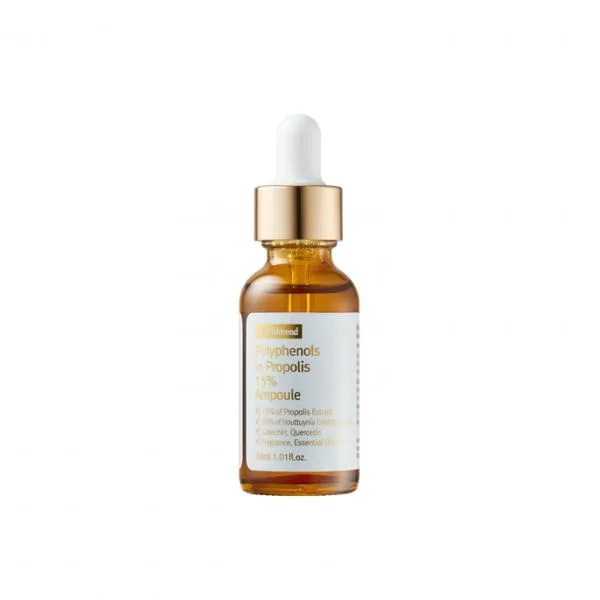 Sensitive Skin Soother
 Polyphenols In Propolis 15% Ampoule
A 15% propolis ampoule that earns its name with a real polyphenol stack — French Auvergne propolis layered over a houttuynia cordata base, with tulsi and pomegranate piling on. It's slightly sticky and not cheap by volume, but for sensitive, breakout-prone skin chasing calm, this is one of the most reliable K-beauty soothers in production.
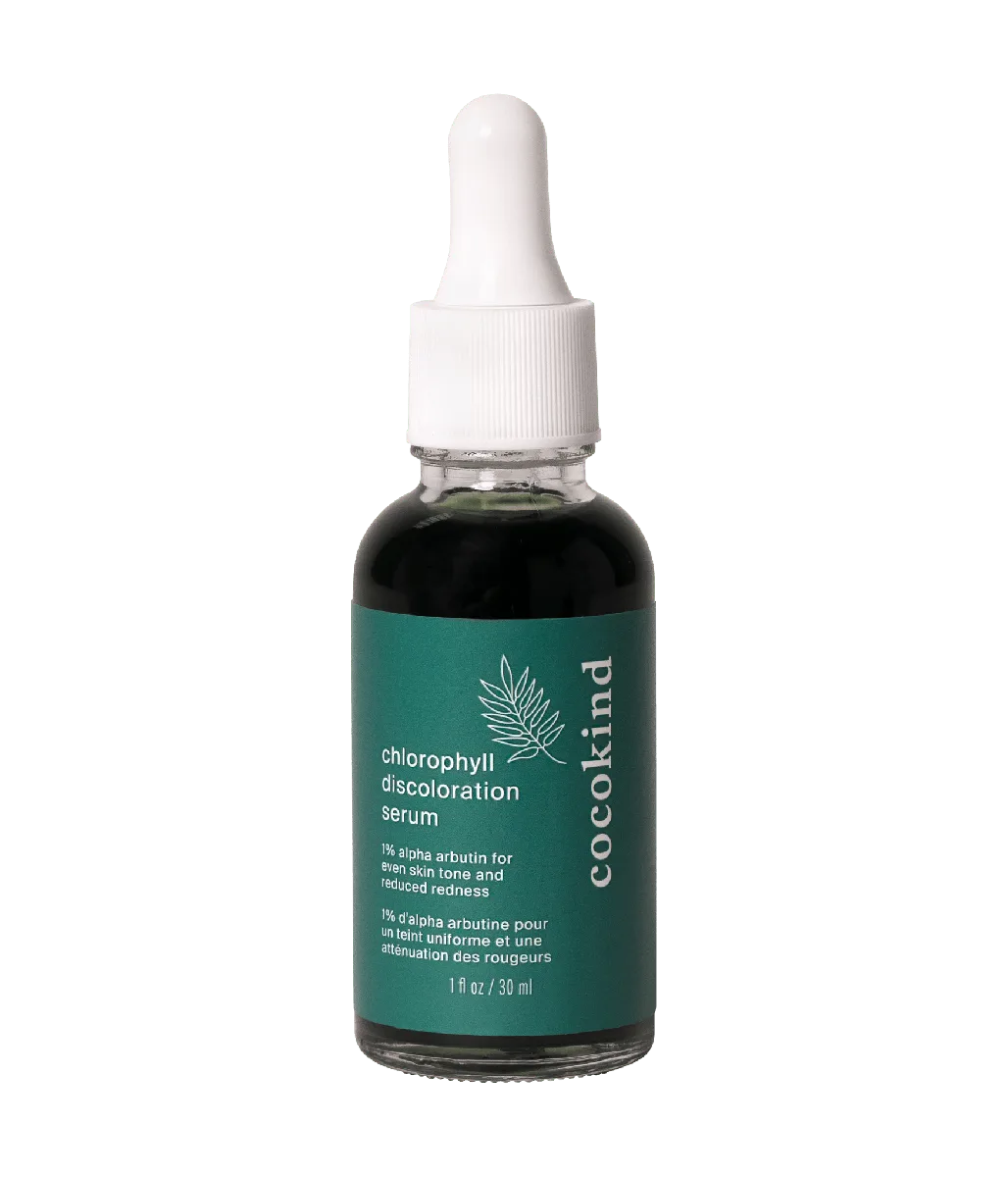 Budget Brightening Hero
 Chlorophyll Discoloration Serum
A quietly brilliant brightening serum that proves you do not need luxury prices or harsh actives to fade dark spots effectively. The alpha-arbutin and licorice root combination delivers genuine multi-pathway melanin inhibition, the sensitive-skin-friendly formula is impeccable, and $20 makes it accessible to virtually everyone. The chlorophyllin is more marketing differentiator than scientific powerhouse, but it does not hurt anything either.
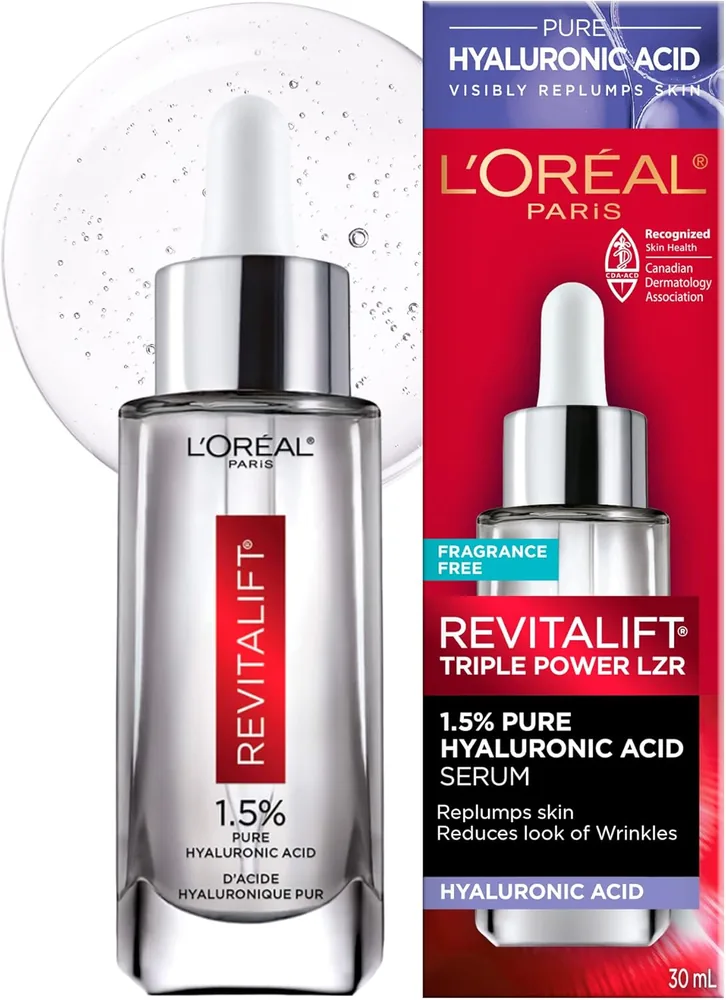 The People's HA Serum
 Revitalift Derm Intensives 1.5% Pure Hyaluronic Acid Serum
A masterclass in minimalist formulation — thirteen ingredients, no filler, four functional actives, and over thirty thousand glowing reviews. L'Oréal's multi-weight HA system delivers genuine hydration at every level of the skin, and the fragrance-free, alcohol-free formula is clean enough for virtually anyone. The drugstore serum that embarrasses its prestige competitors.
 Budget Hydration Holy Grail
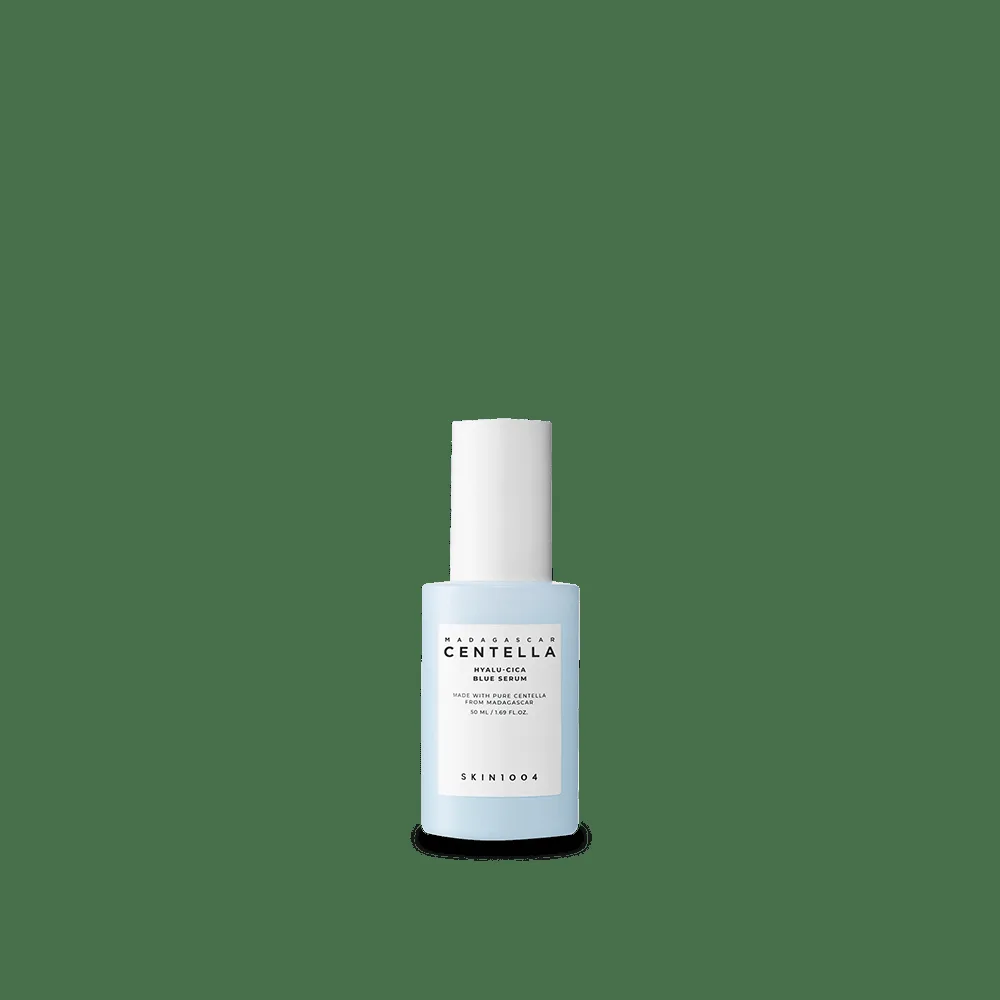
 Hyalu-Cica Blue Serum
A quietly excellent budget serum that stacks Centella asiatica leaf water, five types of hyaluronic acid, niacinamide, ceramide NP, and adenosine into a fragrance-free under-$20 bottle. It is genuinely one of the best hydration-plus-soothing serums at any price, and the fact that it costs less than a salad in Manhattan is the point.
 Sensitive Skin First-Line Defense
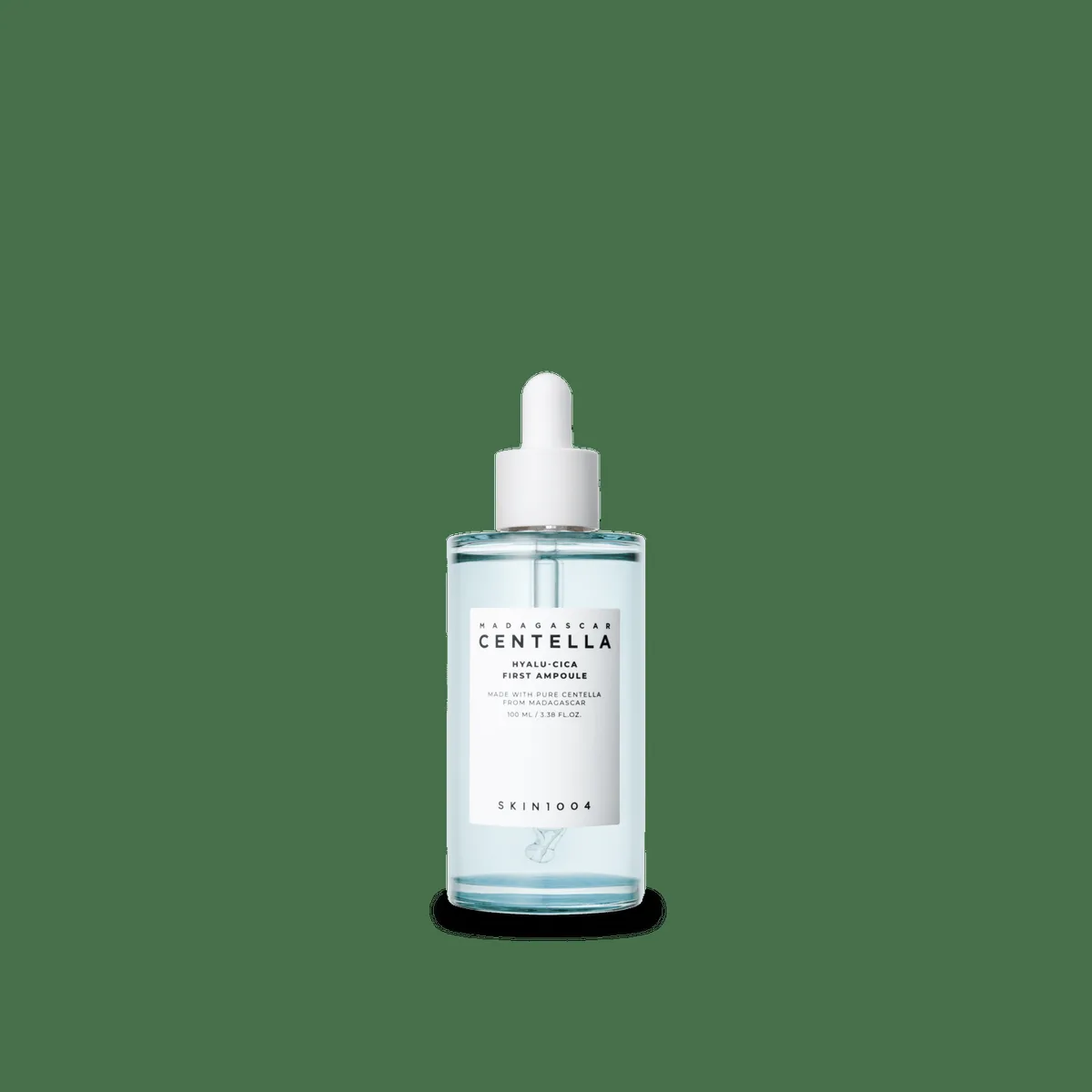
 Hyalu-Cica First Ampoule
A 92% Centella asiatica extract ampoule paired with niacinamide and a multi-weight HA complex, fragrance-free and purpose-built for sensitive, compromised, and reactive skin. At $25 for 100ml, it is one of the most justifiable skincare purchases a budget-conscious buyer can make, and it earns a place in almost any routine that needs a soothing anchor.
 Sensitive Skin MVP
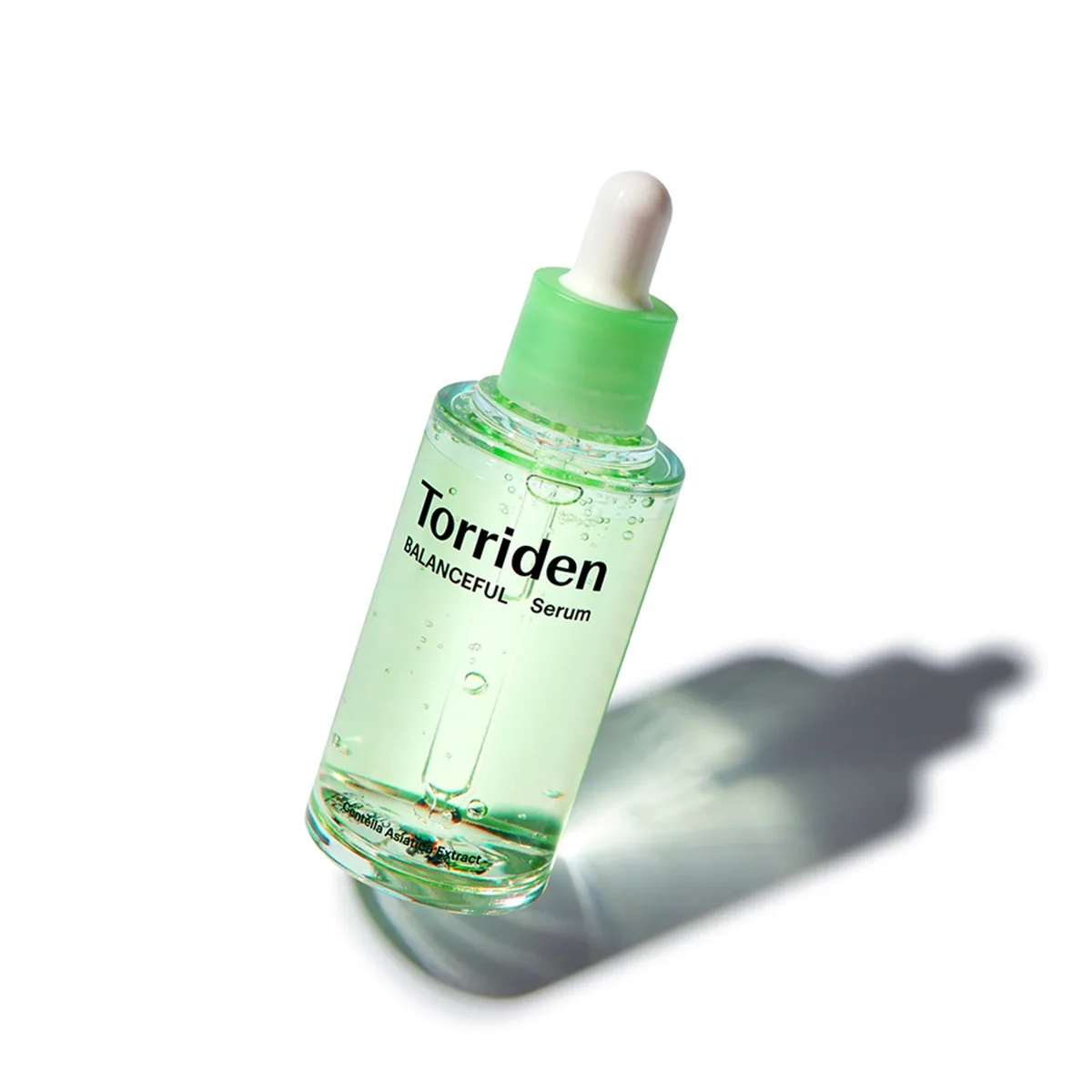
 Balanceful Cica Serum
Torriden's Balanceful Cica Serum is one of the most recommendable calming serums in K-beauty — a genuinely fragrance-free, multi-weight hyaluronic acid and 5D cica complex treatment that quietly reduces redness, supports the barrier, and buffers other actives without drama. At under $25 it's a near-automatic pick for sensitive, rosacea-prone, and barrier-compromised skin.