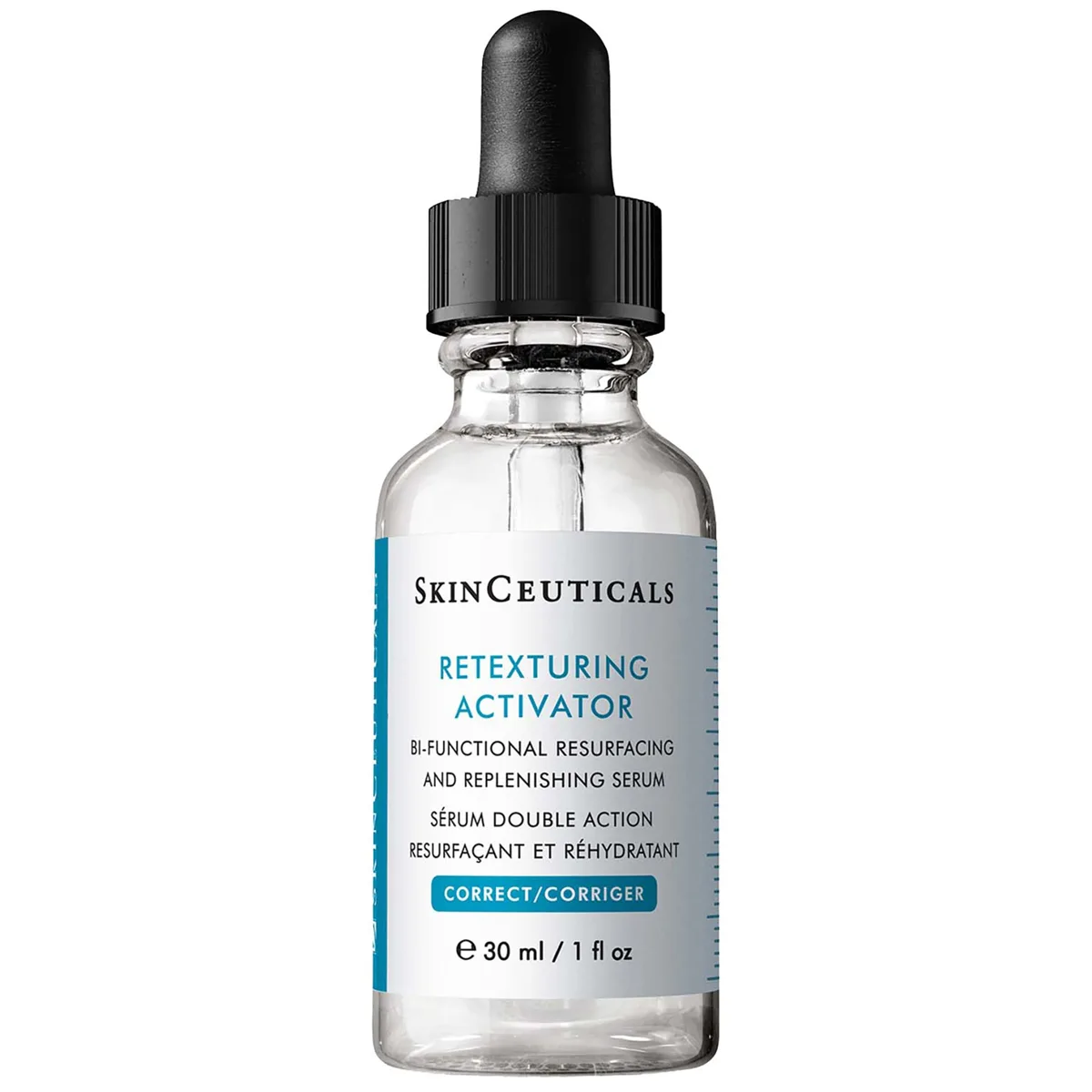
The sensitive-skin entry point to the SkinCeuticals L-ascorbic acid ecosystem — same formulation principles as C E Ferulic, lower concentration, and genuinely more tolerable for patients who found the flagship too aggressive. Priced at a premium that's harder to justify than the flagship unless you specifically need the gentler version.
Serum 10
The sensitive-skin entry point to the SkinCeuticals L-ascorbic acid ecosystem — same formulation principles as C E Ferulic, lower concentration, and genuinely more tolerable for patients who found the flagship too aggressive. Priced at a premium that's harder to justify than the flagship unless you specifically need the gentler version.
Score Breakdown
Where this product gains points and where it loses them — broken down across the four scoring pillars.
A well-formulated 10% L-ascorbic acid serum with a dermatology-office pedigree, but priced at a significant premium given that C E Ferulic exists at the same brand for more active per dollar.
Pros & Cons
- ✓Gentler 10% L-ascorbic acid concentration tolerable for sensitive skin
- ✓Same formulation science as C E Ferulic at a lower active load
- ✓Stabilized with 0.5% ferulic acid for enhanced photoprotection
- ✓Dermatology-office entry point into the SkinCeuticals vitamin C system
- ✓Pregnancy-friendly antioxidant option during retinoid pause
- ✓Lightweight, non-tacky texture layers well under sunscreen
- ✗$109 for 1 oz is expensive for 10% L-ascorbic acid concentration
- ✗C E Ferulic delivers more active for only a modest price increase
- ✗L-ascorbic acid oxidizes within 4-6 months of opening
- ✗Slow cumulative results require patience and consistency
- ✗Lower pH can still sting very sensitive skin despite the reduced concentration
Full Review
Inside every SkinCeuticals customer there's a question most of the brand's marketing doesn't address directly: why are there three different L-ascorbic acid serums in the lineup? C E Ferulic gets the spotlight, Phloretin CF occupies the combination-skin slot, and Serum 10 sits quietly in the middle with a number for a name and a slightly smaller price tag. The answer is that C E Ferulic's 15% L-ascorbic acid and 1% vitamin E combination is genuinely too much for some skin — particularly sensitive, rosacea-prone, or first-time vitamin C users who find the stinging and initial adjustment period intolerable. Serum 10 exists for those patients. It's not a compromise version. It's the product that makes the SkinCeuticals vitamin C system accessible to skin that would otherwise have to leave the brand entirely.
The formula is a direct descendant of the Duke Antioxidant Patent that underlies the entire SkinCeuticals L-ascorbic acid line. Dr. Sheldon Pinnell's work at Duke established the parameters required for stable topical L-ascorbic acid delivery: concentration between 8 and 20 percent, pH below 3.5 (optimally around 2.5-3.0), and an anhydrous or low-water vehicle to preserve stability. Serum 10 hits these parameters with a 10% ascorbic acid concentration at pH 2.8, stabilized and photoprotectively enhanced by 0.5% ferulic acid. It's the same approach as C E Ferulic minus the vitamin E and at a lower active load — which makes it meaningfully gentler without abandoning the science that makes the brand's vitamin C serums work.
Application is straightforward. The serum dispenses as a thin, clear-to-pale-yellow liquid with the slightly acidic note that anyone familiar with L-ascorbic acid products recognizes immediately. It absorbs in under a minute and leaves essentially no residue. First-time sensitive-skin users often feel a brief tingling on the first few applications, which typically subsides within a week as the skin adjusts to the acidic pH. The color of the serum will gradually deepen over the months after opening — this is normal oxidation, and it's a visual cue for when to replace the bottle. Most users should plan to finish a bottle within four to six months; after that, the antioxidant activity drops noticeably.
Results follow the same slow-and-cumulative curve as any well-formulated vitamin C serum. The first month brings subtle radiance improvements that might be visible in good lighting but aren't dramatic. By month three, hyperpigmentation from sun damage often looks slightly lighter and the overall complexion looks a bit more even. By month six, users typically notice that their skin has maintained better tone and brightness than they would expect from sunscreen alone — the long-term photoprotection benefit that makes daytime antioxidant serums worth the commitment. None of this is the kind of visible dramatic change an AHA or retinoid delivers; antioxidant serums are preventative tools, and their benefits are best measured over seasons rather than weeks.
The honest tension with Serum 10 is the price relative to its sibling. One hundred and nine dollars for one ounce of 10% L-ascorbic acid is premium pricing, and C E Ferulic — which has 50% more vitamin C, adds 1% vitamin E, and is the flagship of the brand — sits at roughly one hundred seventy-five dollars for the same size. If your skin can tolerate C E Ferulic, it's almost always the better value purchase. The only reason to specifically buy Serum 10 is that your skin can't tolerate the stronger version or you've already tried and returned it. That's a real audience and the product earns its position for them, but it means the value math requires confirming that sensitive-skin tolerance is actually the issue rather than assuming it is.
Board-certified dermatologists tend to recommend Serum 10 specifically for sensitive or rosacea-prone patients who want the SkinCeuticals vitamin C system but can't handle the 15% version, for first-time vitamin C users who've had bad experiences with other L-ascorbic acid formulas, and for pregnant or nursing patients who want a gentler antioxidant during their retinoid pause. If one of those descriptions fits, this is a legitimate option worth the price for the specific use case. If you have resilient skin and a stable actives routine, C E Ferulic is almost always the better purchase at the same brand.
Formula
Key Ingredients
The hero actives that drive this product's performance.
| Ingredient | Function | Evidence |
|---|---|---|
| L-Ascorbic Acid (10%) | Pure vitamin C in its most bioavailable form — at 10%, this is the gentler concentration in the SkinCeuticals L-ascorbic acid lineup, making it the entry point for patients who can't tolerate the 15% of C E Ferulic. The low pH of 2.8 is required for skin penetration and active delivery. | well-established |
| Ferulic Acid (0.5%) | Stabilizes the vitamin C and doubles its photoprotective capacity — this is the addition that distinguishes Serum 10 from SkinCeuticals' original C E formulation and aligns it with the brand's patented synergistic antioxidant technology. | well-established |
| Sodium Hyaluronate | Adds a light humectant layer to the low-pH acidic vehicle — necessary because straight L-ascorbic acid at pH 2.8 can feel drying, and the hyaluronic acid softens that experience without compromising the serum's active delivery. | well-established |
| Panthenol (Vitamin B5) | Provides barrier-soothing support to help sensitive skin tolerate the acidic pH of this formula — a key reason Serum 10 can be recommended for skin that would react to more concentrated vitamin C products. | well-established |
Full INCI List · pH 2.8
Water/Aqua, Ethoxydiglycol, Ascorbic Acid, Propylene Glycol, Glycerin, Laureth-23, Phenoxyethanol, Sodium Hyaluronate, Panthenol, Ferulic Acid, Tocopherol, Triethanolamine, Sodium Hydroxide, BHT
Product Flags
✓ Fragrance Free✓ Alcohol Free✓ Oil Free✓ Silicone Free✓ Paraben Free✓ Sulfate Free✗ Cruelty Free✓ Vegan✓ Fungal Acne Safe
Potential Irritants
ascorbic acid at low pH
Compatibility
Skin Match
Best For
sensitive normal oily combination
Works For
Not Ideal For
Addresses These Conditions
sun damage dullness aging hyperpigmentation
Use With Caution
rosacea compromised skin barrier
Avoid With
Routine Step
serum
Time of Day
AM
Pregnancy Safe
Yes ✓
Layering Tips
Apply to clean, dry skin in the morning as the first treatment step, before moisturizer and sunscreen. Wait 60-90 seconds for absorption. Don't layer immediately under niacinamide serums or benzoyl peroxide, which can interfere with stability.
Results Timeline
Short-term (4-6 weeks): subtle brightening and improved radiance. Full benefits (3-6 months): more even tone, reduced sun damage, and the long-term photoprotection benefits that make daytime antioxidant use worthwhile. Effects are cumulative and best measured at 3+ month intervals.
Pairs Well With
vitamin-eferulic-acidhyaluronic-acidsunscreen
Conflicts With
niacinamidebenzoyl-peroxide
Sample AM Routine
- Gentle cleanser
- SkinCeuticals Serum 10
- Moisturizer
- Sunscreen
Sample PM Routine
- Gentle cleanser
- Retinoid
- Moisturizer
Evidence
Who Should Skip
- $109 for 1 oz is expensive for 10% L-ascorbic acid concentration
- C E Ferulic delivers more active for only a modest price increase
- L-ascorbic acid oxidizes within 4-6 months of opening
- Slow cumulative results require patience and consistency
Science & Expert Perspective
The Science
L-ascorbic acid at cosmetic-relevant concentrations is one of the most thoroughly studied actives in dermatology, with a large body of literature supporting its role in photoprotection, pigment regulation, collagen synthesis, and free radical neutralization. The Duke Antioxidant Patent work by Dr. Sheldon Pinnell and colleagues established that topical L-ascorbic acid requires specific formulation parameters to deliver active ingredient to skin: concentration between 8-20%, pH below 3.5, and protection from oxidative degradation. Serum 10 meets these parameters with 10% L-ascorbic acid at pH 2.8. The addition of 0.5% ferulic acid is supported by published research demonstrating that ferulic acid stabilizes L-ascorbic acid against oxidation and approximately doubles its photoprotective capacity against UV-induced dimer formation. The mechanism of vitamin C activity includes direct electron donation to neutralize reactive oxygen species, inhibition of tyrosinase activity in melanin synthesis (which is why it helps with hyperpigmentation), and cofactor activity for enzymes involved in collagen hydroxylation. At 10% rather than 15%, Serum 10 delivers proportionally less active ingredient per application but retains the same mechanism — and for sensitive skin that can't maintain consistent use of a higher-concentration product, the real-world efficacy can actually be better because consistency matters more than peak concentration. Vitamin C serums in general have a large, well-established evidence base that places them among the highest-confidence actives in dermatology.
Dermatologist Perspective
Dermatologists commonly recommend Serum 10 for sensitive, rosacea-prone, or reactive skin that wants the benefits of the SkinCeuticals vitamin C system but can't tolerate the flagship C E Ferulic. Board-certified dermatologists often suggest this as a starting point for patients new to L-ascorbic acid, with the option to graduate to C E Ferulic once the skin has built tolerance. It is also frequently recommended during pregnancy and nursing for patients who want to continue a vitamin C routine while pausing retinoids. Dermatologists tend to steer patients elsewhere when the skin can tolerate C E Ferulic at a similar price point, when the patient's budget doesn't support premium vitamin C, or when a different brightening strategy is more appropriate for the specific pigmentation concern.
Guidance
Usage Guide
How to Use
Apply 4-5 drops to clean, dry skin in the morning as the first treatment step. Pat into the face, neck, and décolletage. Wait 60-90 seconds for full absorption before following with moisturizer and sunscreen. Daily use is standard; sensitive skin may want to start with every other day and build tolerance. Avoid layering with niacinamide serums or benzoyl peroxide. Store out of direct sunlight and heat to preserve stability. Replace the bottle within 4-6 months of opening, or earlier if the serum turns deep amber. Always pair with a daily broad-spectrum sunscreen — vitamin C amplifies photoprotection but doesn't replace it.
Value Assessment
At one hundred and nine dollars for one fluid ounce, Serum 10 is premium-priced for a 10% L-ascorbic acid formula. The value math depends heavily on whether the buyer specifically needs the gentler version or could use C E Ferulic, which is about sixty percent more expensive but delivers fifty percent more active plus additional vitamin E. For sensitive-skin users who genuinely can't tolerate C E Ferulic, Serum 10 is the appropriate choice and the price is reasonable for the target audience. For everyone else, C E Ferulic or even Phloretin CF typically delivers more value from the same brand. Lower-priced alternatives from Timeless, Paula's Choice, and Naturium offer similar concentrations for a fraction of the cost, though without the same formulation stability track record. Serum 10 comes in a larger 50ml size that offers a modest per-ounce improvement for committed users.
Who Should Buy
Sensitive, rosacea-prone, or first-time vitamin C users who want the SkinCeuticals L-ascorbic acid system but cannot tolerate the flagship C E Ferulic. Also appropriate for pregnant patients seeking a gentler antioxidant during their retinoid pause, and for patients whose skin specifically reacts to 15% ascorbic acid formulations.
Who Should Skip
Resilient, non-sensitive skin should almost always choose C E Ferulic or Phloretin CF at the same brand for better active density. Budget-conscious users will find meaningful alternatives from Timeless, Paula's Choice, and other brands at significantly lower prices. Patients whose primary concern is severe hyperpigmentation should look to combination approaches with exfoliants and potentially prescription therapies.
Ready to try SkinCeuticals Serum 10?
Details
Details
Texture
Thin, watery serum that absorbs in under a minute
Scent
Slightly acidic, characteristic of L-ascorbic acid formulations
Packaging
Amber glass bottle with dropper
Finish
lightweightnon-greasyfast-absorbing
What to Expect on First Use
Dispenses as a thin clear-to-pale-yellow serum with a faintly acidic note. Absorbs quickly and leaves no residue. Sensitive skin may feel a brief tingling sensation for the first few applications — this typically subsides within a week. As the serum ages, it may take on a more amber color, which is a sign of gradual oxidation but doesn't immediately mean it's unusable.
How Long It Lasts
3-4 months with daily single-use application
Period After Opening
6 months
Best Season
All Year
Background
The Why
Serum 10 is an evolution of SkinCeuticals' original Serum 15, which was one of the first commercial products based on Dr. Sheldon Pinnell's Duke Antioxidant Patent for stable topical L-ascorbic acid. The brand developed the 10% concentration specifically to give patients who found the 15% version too aggressive an on-ramp to the benefits of clinical vitamin C, and it has remained a dermatology-office staple for sensitive-skin users for over two decades.
About SkinCeuticals Established Brand (5–20 years)
SkinCeuticals was founded in 1997 on the antioxidant research of Dr. Sheldon Pinnell at Duke University, whose Duke Antioxidant Patent established the parameters for stable topical L-ascorbic acid delivery that underlie both Serum 10 and C E Ferulic.
Brand founded: 1997 · Product launched: 2002
Myth vs. Reality
Myths & Misconceptions
Myth
Serum 10 is just a weaker version of C E Ferulic.
Reality
It's weaker in L-ascorbic acid concentration and missing the vitamin E, but the active mechanism and stabilization approach are the same. For sensitive skin that can't tolerate C E Ferulic, it's not a compromise — it's often the only version of SkinCeuticals vitamin C that's actually usable.
Myth
Higher vitamin C concentration always means better results.
Reality
Above about 10-15% in L-ascorbic acid formulas, the returns diminish sharply and the irritation risk climbs. Sensitive skin often gets better real-world results from 10% than from a 15-20% formulation it can't tolerate consistently.
FAQ
Frequently Asked Questions
How is Serum 10 different from C E Ferulic?
Serum 10 contains 10% L-ascorbic acid and ferulic acid but no vitamin E. C E Ferulic contains 15% L-ascorbic acid, 1% vitamin E, and 0.5% ferulic acid. C E Ferulic is stronger and more complete, but Serum 10 is designed for sensitive skin that can't tolerate the higher concentration.
Who should choose Serum 10 over C E Ferulic?
Patients with sensitive skin, rosacea-prone skin, first-time vitamin C users, or anyone who found C E Ferulic too aggressive or stinging. It's also a common recommendation during pregnancy for patients who want to continue a vitamin C routine but prefer a gentler formulation.
How long does it stay effective after opening?
L-ascorbic acid formulas gradually oxidize after opening. Most users should plan to finish the bottle within 4-6 months. If the serum turns deep amber or brown, it has oxidized significantly and will lose most of its antioxidant activity — though it isn't harmful to use, it won't deliver full benefits.
Can I use it with retinoids?
Yes, but typically at different times of day. Most dermatologists suggest vitamin C in the morning and retinoids at night. Combining them in the same routine isn't harmful but can increase irritation potential, especially for sensitive skin using Serum 10 in the first place.
Can I use it with niacinamide?
They can be used on the same face but preferably at different times — niacinamide in the evening, vitamin C in the morning. Recent research has softened the old concern about them being incompatible, but low-pH vitamin C can still interact with niacinamide in some cases, and separating them is the safer approach.
Is it safe during pregnancy?
Yes, L-ascorbic acid and ferulic acid at these concentrations are generally considered pregnancy-safe. Serum 10 is frequently recommended to pregnant patients who need a gentler vitamin C during their retinoid pause.
Will it help with dark spots?
Yes, but slowly. Vitamin C inhibits tyrosinase activity in melanin production, which can gradually improve hyperpigmentation over 8-12 weeks of consistent use. For stubborn dark spots, it typically works best in combination with sunscreen, exfoliants, and potentially prescription brightening agents.
Community
Community Voices
Common Praise
"Gentler than C E Ferulic for sensitive skin"
"Noticeable brightening over 6-8 weeks"
"Lightweight and non-tacky texture"
"Pairs well under sunscreen"
Common Complaints
"Expensive for 10% vitamin C"
"C E Ferulic offers more actives for similar cost"
"Oxidizes within 4-6 months after opening"
Notable Endorsements
Recommended by dermatologists as an entry-point L-ascorbic acid for patients intolerant of C E Ferulic
Appears In
best vitamin c for sensitive skin best 10 percent vitamin c best beginner vitamin c serum best morning antioxidant serum best l ascorbic acid for sensitive skin
Related Conditions
sun damage dullness aging hyperpigmentation
Related Ingredients
You Might Also Like
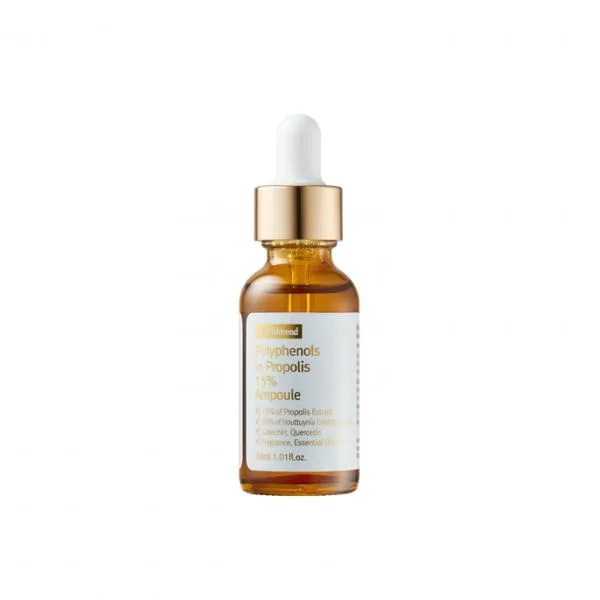 Sensitive Skin Soother
 Polyphenols In Propolis 15% Ampoule
A 15% propolis ampoule that earns its name with a real polyphenol stack — French Auvergne propolis layered over a houttuynia cordata base, with tulsi and pomegranate piling on. It's slightly sticky and not cheap by volume, but for sensitive, breakout-prone skin chasing calm, this is one of the most reliable K-beauty soothers in production.
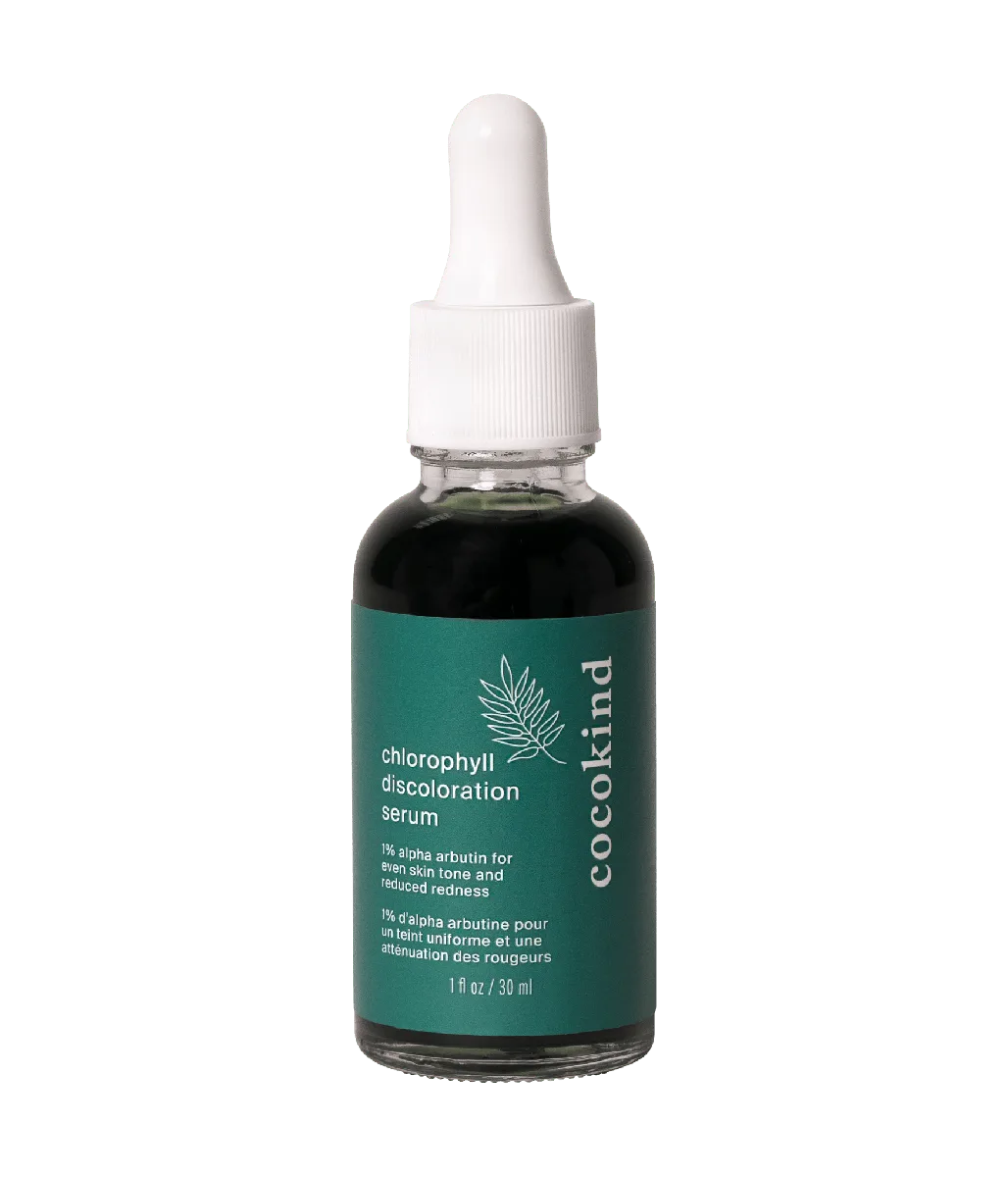 Budget Brightening Hero
 Chlorophyll Discoloration Serum
A quietly brilliant brightening serum that proves you do not need luxury prices or harsh actives to fade dark spots effectively. The alpha-arbutin and licorice root combination delivers genuine multi-pathway melanin inhibition, the sensitive-skin-friendly formula is impeccable, and $20 makes it accessible to virtually everyone. The chlorophyllin is more marketing differentiator than scientific powerhouse, but it does not hurt anything either.
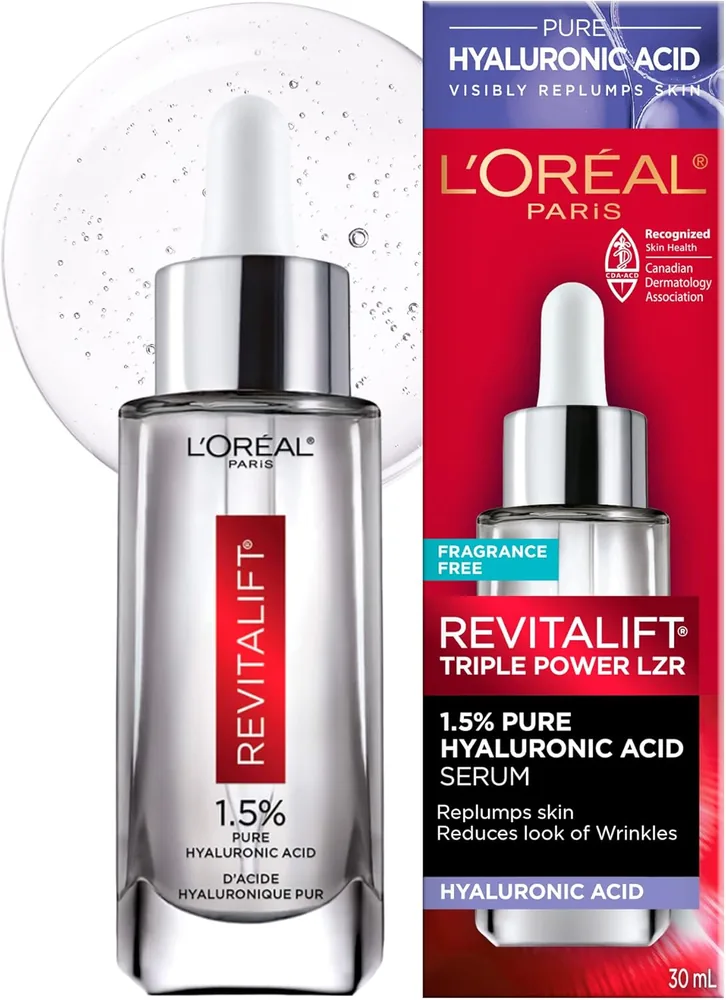 The People's HA Serum
 Revitalift Derm Intensives 1.5% Pure Hyaluronic Acid Serum
A masterclass in minimalist formulation — thirteen ingredients, no filler, four functional actives, and over thirty thousand glowing reviews. L'Oréal's multi-weight HA system delivers genuine hydration at every level of the skin, and the fragrance-free, alcohol-free formula is clean enough for virtually anyone. The drugstore serum that embarrasses its prestige competitors.
 Budget Hydration Holy Grail
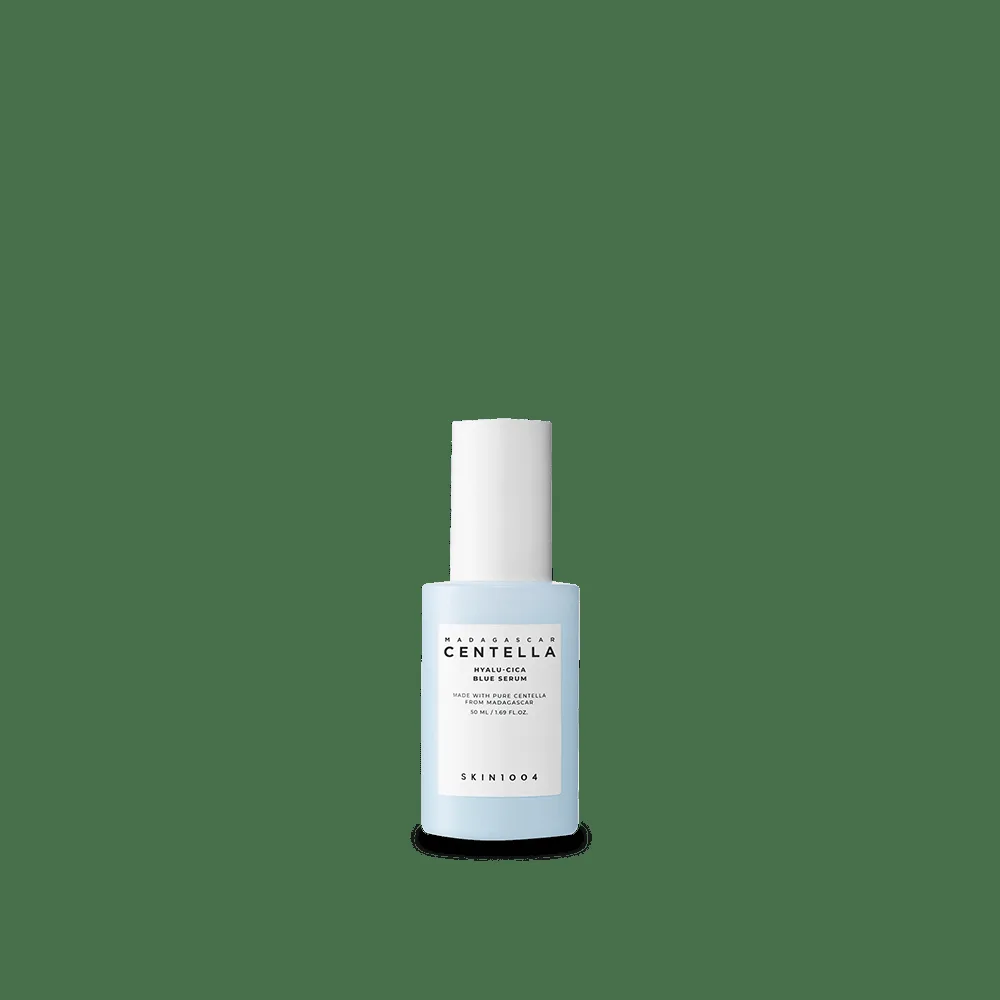
 Hyalu-Cica Blue Serum
A quietly excellent budget serum that stacks Centella asiatica leaf water, five types of hyaluronic acid, niacinamide, ceramide NP, and adenosine into a fragrance-free under-$20 bottle. It is genuinely one of the best hydration-plus-soothing serums at any price, and the fact that it costs less than a salad in Manhattan is the point.
 Sensitive Skin First-Line Defense
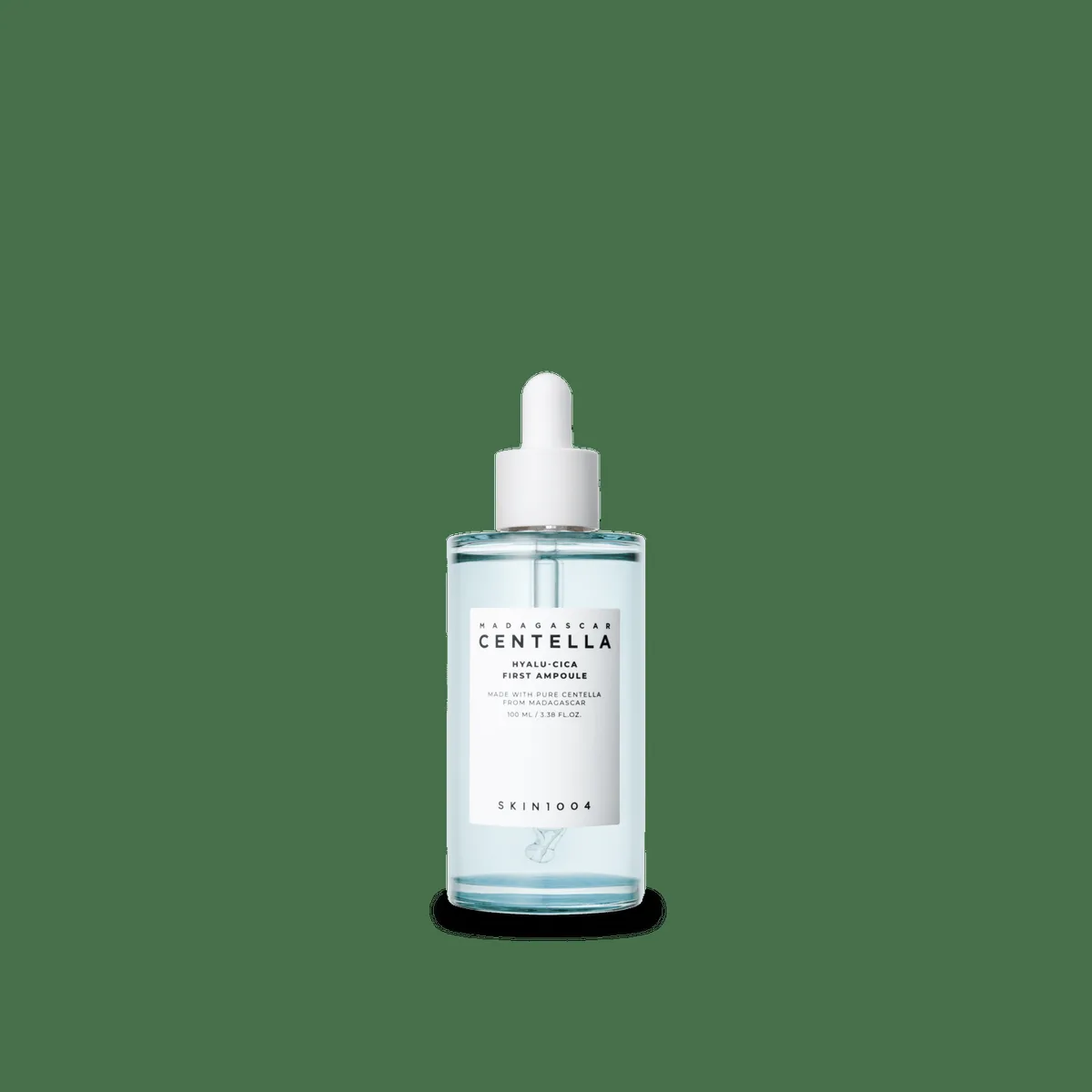
 Hyalu-Cica First Ampoule
A 92% Centella asiatica extract ampoule paired with niacinamide and a multi-weight HA complex, fragrance-free and purpose-built for sensitive, compromised, and reactive skin. At $25 for 100ml, it is one of the most justifiable skincare purchases a budget-conscious buyer can make, and it earns a place in almost any routine that needs a soothing anchor.
 Sensitive Skin MVP
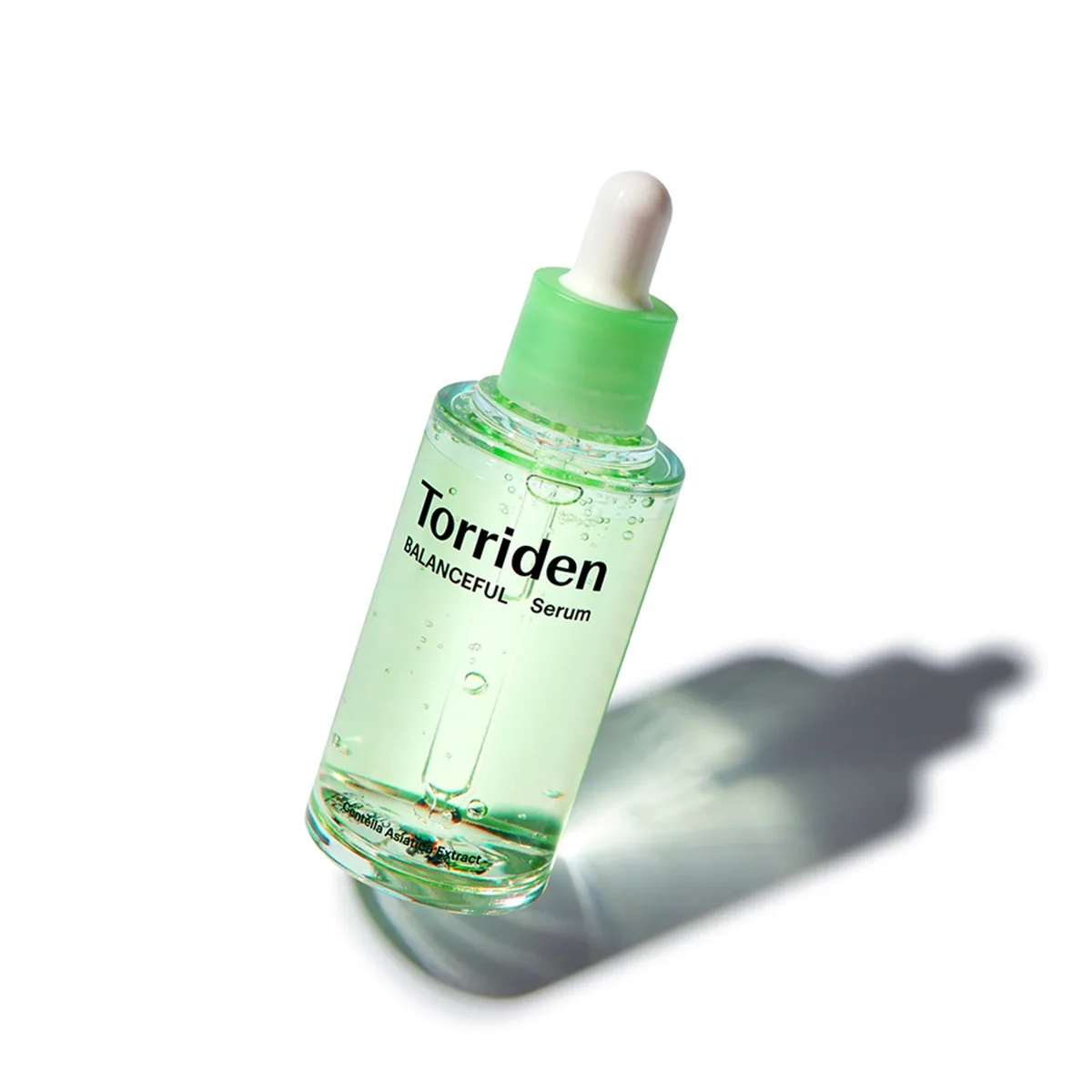
 Balanceful Cica Serum
Torriden's Balanceful Cica Serum is one of the most recommendable calming serums in K-beauty — a genuinely fragrance-free, multi-weight hyaluronic acid and 5D cica complex treatment that quietly reduces redness, supports the barrier, and buffers other actives without drama. At under $25 it's a near-automatic pick for sensitive, rosacea-prone, and barrier-compromised skin.
This review reflects our independent analysis of publicly available ingredient data, manufacturer claims, and verified user reviews. We are reader-supported — Amazon links may earn us a commission at no cost to you. We do not accept paid placements; rankings are based solely on the evidence.