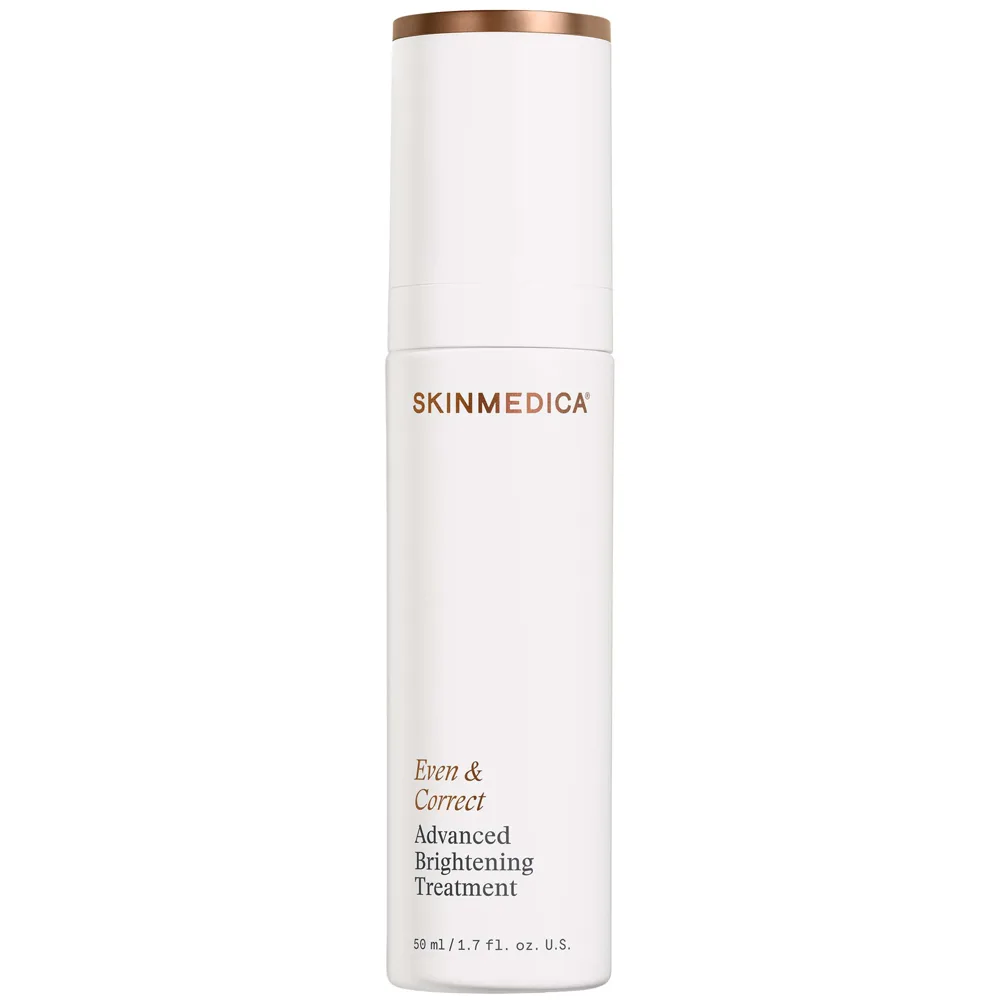
A serious multi-pathway brightening serum that stacks hexylresorcinol, tranexamic acid, phenylethyl resorcinol, and niacinamide to address pigmentation from several angles at once. On stubborn melasma and post-inflammatory hyperpigmentation, it genuinely outperforms single-active brighteners — but the price is steep and you have to commit to consistent sunscreen for it to pay off.
Even & Correct Advanced Brightening Treatment
A serious multi-pathway brightening serum that stacks hexylresorcinol, tranexamic acid, phenylethyl resorcinol, and niacinamide to address pigmentation from several angles at once. On stubborn melasma and post-inflammatory hyperpigmentation, it genuinely outperforms single-active brighteners — but the price is steep and you have to commit to consistent sunscreen for it to pay off.
Score Breakdown
Where this product gains points and where it loses them — broken down across the four scoring pillars.
A multi-pathway brightening serum with a clinically grounded stack of hexylresorcinol, tranexamic acid, phenylethyl resorcinol, and niacinamide. Genuinely effective on stubborn melasma and PIH, but the price is firmly in professional territory and the fragrance inclusion is a mild drawback.
Pros & Cons
- ✓Multi-pathway brightening stack addresses several pigmentation mechanisms
- ✓Hexylresorcinol and tranexamic acid combination is clinically validated
- ✓Effective on stubborn melasma where single-active serums plateau
- ✓Lightweight silky texture layers cleanly under SPF
- ✓Non-hydroquinone — safe for long-term maintenance use
- ✓Airless pump protects ingredient stability
- ✓Works alongside retinoids for accelerated results
- ✗Very expensive at $160 for 30ml
- ✗Contains fragrance — a drawback for the fragrance-reactive
- ✗Slow initial results require patience of 8-12 weeks
- ✗Not pregnancy-safe due to tranexamic acid
- ✗Requires strict daily sunscreen to be worth the investment
Full Review
If you've ever used a brightening serum for three months, seen some initial fading, and then watched your dark spots sit stubbornly on your face refusing to budge any further, you've encountered the ceiling that most single-active brighteners hit. It's not that the product stopped working — it's that pigmentation, and especially melasma, is not caused by a single biological mechanism. Melanocytes produce pigment through a tyrosinase-dependent enzymatic cascade. Melanosomes then transfer finished pigment to surrounding keratinocytes. Inflammatory and vascular factors, particularly in hormone-driven melasma, drive the whole process forward and often underlie its stubbornness. A serum that only inhibits tyrosinase is treating one of three parts of the problem, which is why you hit a ceiling. This serum's design premise is that if you want to actually break that ceiling, you stack multiple mechanisms in a single formula. What that looks like in the ingredient list is a combination of hexylresorcinol — a clinically validated tyrosinase inhibitor that has been compared favorably to low-dose hydroquinone in several studies — alongside phenylethyl resorcinol, which hits the same enzyme through a different binding mechanism to provide redundancy and boosted coverage. Then tranexamic acid, which addresses the inflammatory and vascular component of melasma specifically — it's the ingredient that makes this serum different from a standard brightener and the reason it's often recommended for patients whose pigmentation has been resistant to single-active products. Niacinamide sits in the mid-list blocking melanosome transfer downstream, which means finished pigment has a harder time reaching the visible surface of the skin. Ascorbyl glucoside provides antioxidant support and a mild secondary tyrosinase-inhibiting effect. Centella asiatica, milk thistle, and grape seed extracts round out the formula with supporting anti-inflammatory and antioxidant activity. It's a thoughtfully layered stack, not a shotgun blast of unrelated ingredients. On skin, the serum behaves modestly. It's a lightweight silky texture, absorbs in under a minute, and layers cleanly under moisturizer and sunscreen. The fragrance is light but present, which is a mild drawback for fragrance-sensitive users. The first few weeks are quiet — you will not see dramatic change by week two, and anyone expecting Instagram-before-and-after transformations at that point is going to be disappointed. The actual payoff arrives around the six-to-eight week mark, when overall luminosity begins to improve and stubborn spots start to fade. By twelve weeks, users with melasma or post-inflammatory hyperpigmentation that had plateaued on other products typically see meaningful visible improvement. Results are incremental rather than dramatic, but they're real, and they're sustained with continued use because the multi-pathway approach doesn't create the rebound pigmentation that long-term hydroquinone users sometimes encounter. The non-negotiable companion to this serum is daily mineral sunscreen. Without it, you are wasting your money — any brightening gains this serum achieves overnight will be erased by visible light and UV exposure the next day. Dermatologists who recommend this product almost always pair it with SkinMedica's own Essential Defense Mineral Shield or a comparable iron-oxide mineral sunscreen, and patients who don't commit to the sunscreen side of the protocol consistently report poor results that the product itself is not responsible for. The honest frustrations are about price and patience. At one hundred and sixty dollars for thirty milliliters, this is genuinely expensive. A three-to-four-month supply costs roughly the same as a monthly visit to a dermatologist's office in some cities. For patients who have tried and failed on cheaper single-active brighteners, the math often works out — the incremental cost for this serum is worth the incremental effect on stubborn pigmentation. For users with mild, generalized dullness or early sun spots, a less expensive vitamin C serum or a niacinamide-only product will probably do the job for a fraction of the cost. Patience is the other non-negotiable. This serum rewards consistency over the long term, not impatience over the short term, and users who discontinue at week four because they don't see dramatic change are leaving the actual payoff on the table. For the patient user with stubborn melasma, post-procedural hyperpigmentation, or sun damage that hasn't responded to easier interventions, this is one of the smartest non-hydroquinone choices available in the professional-tier market, and the multi-pathway formulation is a genuine advance over the single-active brighteners that dominated the category a decade ago.
Formula
Key Ingredients
The hero actives that drive this product's performance.
| Ingredient | Function | Evidence |
|---|---|---|
| Hexylresorcinol | A tyrosinase-inhibiting brightening agent that acts on the upstream enzymatic step of melanin synthesis, with clinical evidence as a hydroquinone alternative. Works in tandem with phenylethyl resorcinol and tranexamic acid in this formula to address multiple points in the pigmentation pathway simultaneously. | well-established |
| Tranexamic Acid | Targets the inflammatory and vascular component of melasma specifically, rather than just the melanocyte output. Its inclusion alongside hexylresorcinol is what makes this serum meaningfully different from single-mechanism brightening products and more effective on hormone-driven and stubborn pigmentation. | well-established |
| Phenylethyl Resorcinol | Another potent tyrosinase inhibitor that complements hexylresorcinol by hitting the same enzyme through a different binding approach. The layered use of two resorcinol-based actives in this formula provides redundancy and boosted efficacy on resistant pigmentation patches. | promising |
| Niacinamide | Inhibits melanosome transfer from melanocytes to surrounding keratinocytes, preventing finished pigment from reaching the visible surface of the skin. This complements the tyrosinase inhibitors by adding a downstream blocker in the pigmentation pathway. | well-established |
| Ascorbyl Glucoside | A stable vitamin C derivative that adds antioxidant support and a mild tyrosinase-inhibiting secondary effect. Its inclusion is both a brightening synergy and a protection against oxidative triggers that can worsen hyperpigmentation. | promising |
Full INCI List · pH 5
Water, Glycerin, Niacinamide, Butylene Glycol, Dimethicone, Caprylic/Capric Triglyceride, Hexylresorcinol, Tranexamic Acid, Phenylethyl Resorcinol, Ascorbyl Glucoside, Allantoin, Panthenol, Sodium Hyaluronate, Tocopherol, Centella Asiatica Extract, Silybum Marianum Extract, Vitis Vinifera (Grape) Seed Extract, Cetearyl Alcohol, Glyceryl Stearate, PEG-100 Stearate, Phenoxyethanol, Ethylhexylglycerin, Disodium EDTA, Fragrance
Product Flags
✗ Fragrance Free✓ Alcohol Free✗ Oil Free✗ Silicone Free✓ Paraben Free✓ Sulfate Free✗ Cruelty Free✗ Vegan✗ Fungal Acne Safe
Potential Irritants
fragrance
Common Allergens
fragrance
Compatibility
Skin Match
Best For
Works For
Not Ideal For
Addresses These Conditions
hyperpigmentation melasma dark spots sun damage dullness
Use With Caution
Routine Step
serum
Time of Day
AM & PM
Pregnancy Safe
No ✗
Layering Tips
Apply twice daily after cleansing and before moisturizer. Always pair with a daily mineral sunscreen — brightening treatments without sun protection are counterproductive. Safe to layer with most retinoids, but introduce slowly if combining with other actives.
Results Timeline
Initial improvements in overall luminosity and subtle brightening within 4 weeks. Visible reduction in dark spots and more even tone by 8-12 weeks. Peak effect on stubborn melasma and post-inflammatory hyperpigmentation around 12-16 weeks of consistent twice-daily use paired with sunscreen.
Pairs Well With
essential-defense-mineral-shield-spf-35retinol-complextns-advanced-serum
Sample AM Routine
- Gentle cleanser
- SkinMedica Even & Correct Advanced Brightening Treatment
- Moisturizer
- Mineral sunscreen
Sample PM Routine
- Gentle cleanser
- SkinMedica Even & Correct Advanced Brightening Treatment
- Retinol
- Moisturizer
Evidence
Who Should Skip
- Very expensive at $160 for 30ml
- Contains fragrance — a drawback for the fragrance-reactive
- Slow initial results require patience of 8-12 weeks
- Not pregnancy-safe due to tranexamic acid
Science & Expert Perspective
The Science
The formulation is built on multiple clinically supported mechanisms for pigmentation reduction. Hexylresorcinol has been studied as a tyrosinase inhibitor with efficacy comparable to 2% hydroquinone in some published comparisons, acting upstream in the melanin synthesis pathway. Tranexamic acid, originally a systemic antifibrinolytic medication, has a well-established topical role in melasma management — it addresses the vascular and inflammatory components that drive melasma progression, which are mechanistically distinct from pure melanocyte activity and which explain why standard tyrosinase inhibitors often plateau on hormonal pigmentation. Phenylethyl resorcinol is a more recent tyrosinase inhibitor with promising clinical data, and its inclusion alongside hexylresorcinol provides layered inhibition of the same enzyme through different binding approaches. Niacinamide has an independent evidence base for reducing hyperpigmentation, primarily through inhibition of melanosome transfer from melanocytes to surrounding keratinocytes — a downstream mechanism that complements the upstream tyrosinase inhibition of the resorcinol-based actives. Ascorbyl glucoside contributes antioxidant and secondary brightening activity. The scientific case for this formula therefore rests not on any single ingredient breakthrough but on the strategic layering of multiple validated mechanisms, which is the current gold standard approach for persistent pigmentation management in non-hydroquinone frameworks.
Dermatologist Perspective
Dermatologists frequently recommend this serum to patients with melasma, post-inflammatory hyperpigmentation, and chronic sun damage who have either plateaued on other brighteners or are not candidates for hydroquinone due to pregnancy planning, long-term use concerns, or rebound risk. Board-certified dermatologists note that the multi-pathway formulation is a meaningful improvement over single-active brighteners and is particularly useful for patients whose pigmentation has an inflammatory or vascular component. It is commonly recommended as part of a paired protocol with daily iron-oxide mineral sunscreen and, in many cases, a retinoid for accelerated results. Dermatology advice typically stresses patience, consistency, and strict sun protection as the three factors that determine whether this serum delivers on its promise.
Guidance
Usage Guide
How to Use
Apply 2-3 drops to clean, dry skin morning and night, before moisturizer. Press gently into the face and neck, focusing on pigmented areas. Follow with moisturizer and, in the morning, a mineral sunscreen with iron oxides. Use consistently twice daily for at least 8-12 weeks before assessing results. Can be layered with retinoids at night — introduce slowly if combining multiple actives. Daily sunscreen is non-negotiable for results.
Value Assessment
At one hundred and sixty dollars for 30 milliliters, this serum is priced at the high end of the professional skincare market. For users with mild hyperpigmentation or early dullness, cheaper alternatives with niacinamide, vitamin C, or alpha arbutin can deliver adequate results at a fraction of the cost. For users with stubborn melasma or treatment-resistant pigmentation, however, the multi-pathway approach genuinely justifies the premium — patients who have spent equivalent amounts on cheaper products that didn't work often find this serum is the one that finally delivers. No larger sizes are available, which locks long-term users into the premium pricing indefinitely.
Who Should Buy
People with melasma, post-inflammatory hyperpigmentation, or stubborn dark spots who have plateaued on single-active brighteners, patients who cannot use hydroquinone, and anyone committed to a long-term non-hydroquinone pigmentation protocol with daily sunscreen.
Who Should Skip
Pregnant or breastfeeding users, people with mild early pigmentation who can get adequate results from cheaper products, fragrance-sensitive users, and anyone unwilling to commit to 8-12 weeks of consistent use and daily sunscreen.
Ready to try SkinMedica Even & Correct Advanced Brightening Treatment?
Details
Details
Texture
Lightweight silky serum with a slight milky appearance that absorbs in under a minute
Scent
Light clean fragrance
Packaging
Airless pump bottle
Finish
satinnon-greasylightweight
What to Expect on First Use
First use feels like a standard lightweight serum — silky, absorbs quickly, no tingle. The first 2-4 weeks are quiet; don't expect dramatic visible change. Patience is required. Around the 6-8 week mark, users typically notice overall skin looks brighter and more even, with stubborn spots beginning to fade by week 10-12.
How Long It Lasts
3-4 months with twice-daily face application
Period After Opening
12 months
Best Season
All Year
Background
The Why
SkinMedica's original Lytera serum was one of the first professional-tier non-hydroquinone brighteners to gain traction in dermatology offices. Even & Correct is the modern evolution of that approach, launched in 2021 with an expanded ingredient stack designed to address multiple points in the pigmentation pathway simultaneously — particularly for patients whose melasma had plateaued on earlier products.
About SkinMedica Legacy Brand (20+ years)
SkinMedica was founded in 1999 and is part of Allergan Aesthetics. The Lytera pigmentation line has been in dermatology offices for over a decade; the Even & Correct line is the modern iteration built around non-hydroquinone brightening pathways.
Brand founded: 1999 · Product launched: 2021
Myth vs. Reality
Myths & Misconceptions
Myth
Non-hydroquinone brighteners don't really work
Reality
Modern non-hydroquinone actives like hexylresorcinol and tranexamic acid have solid clinical evidence for pigmentation reduction, particularly when stacked as this formula does. They're slower than hydroquinone but avoid the long-term safety concerns and rebound pigmentation risks.
Myth
Brightening serums work without sunscreen
Reality
They don't. Without daily sun protection, any brightening gains are quickly erased by fresh pigmentation from UV and visible light exposure. This serum is only worth buying if you're also committed to daily mineral sunscreen.
FAQ
Frequently Asked Questions
How long until I see results?
Expect subtle improvements in overall brightness around 4 weeks, with visible dark spot reduction by 8-12 weeks of consistent twice-daily use. Stubborn melasma and deep post-inflammatory hyperpigmentation may take 12-16 weeks to respond. Daily sunscreen is essential throughout — without it, results will be significantly diminished.
Is this better than hydroquinone?
Hydroquinone is still more potent and faster-acting, but its long-term safety profile and rebound pigmentation risks make it a short-course prescription treatment. This serum uses a stack of non-hydroquinone actives that work more slowly but can be used indefinitely without rebound concerns, making it a better long-term maintenance option.
Can I use it during pregnancy?
No — the tranexamic acid and multi-active brightening stack is not typically recommended during pregnancy. Pregnant or breastfeeding users should wait until after weaning, or consult a dermatologist about safer pregnancy-compatible brightening options.
Does it work on melasma specifically?
Yes — the inclusion of tranexamic acid is specifically targeted at the vascular and inflammatory component of melasma, which is why this serum tends to outperform single-active brighteners on hormonal pigmentation. Results still require patience and strict sun avoidance.
Can I layer it with retinol?
Yes — the combination is synergistic, as retinol increases cell turnover and helps the brightening actives reach fresh skin. Start by using them at different times of day if your skin is sensitive, then work up to layering them in the same routine.
Is it safe for sensitive skin?
Generally yes, though the fragrance inclusion is a minor drawback for the fragrance-reactive. Most sensitive users tolerate the formula well, but those with rosacea or highly reactive skin may want to patch test first.
Does it replace my vitamin C serum?
It contains a stable vitamin C derivative as a supporting ingredient, but it's not a dedicated antioxidant serum. For maximum benefit, many users still pair this with a standalone vitamin C serum like SkinMedica Lumivive or another morning antioxidant.
Community
Community Voices
Common Praise
"Visible brightening on stubborn dark spots"
"Evens out overall tone"
"Works on melasma where other serums failed"
"Lightweight texture layers well"
Common Complaints
"Very expensive"
"Contains fragrance"
"Slow initial results"
"Small 30ml size"
Notable Endorsements
Frequently recommended by dermatologists for melasmaBrand-sponsored clinical studies on pigmentation reduction
Appears In
best serum for melasma best serum for hyperpigmentation best brightening serum best serum for dark spots
Related Conditions
hyperpigmentation melasma dark spots sun damage
Related Ingredients
You Might Also Like
 Sensitive Skin Soother
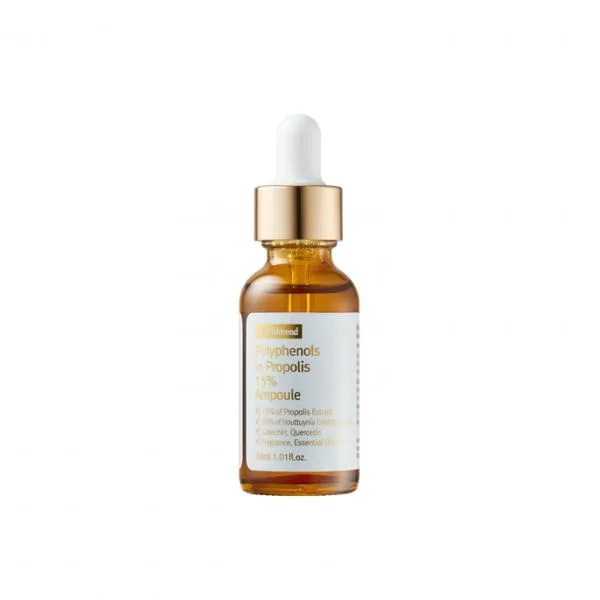
 Polyphenols In Propolis 15% Ampoule
A 15% propolis ampoule that earns its name with a real polyphenol stack — French Auvergne propolis layered over a houttuynia cordata base, with tulsi and pomegranate piling on. It's slightly sticky and not cheap by volume, but for sensitive, breakout-prone skin chasing calm, this is one of the most reliable K-beauty soothers in production.
 Budget Brightening Hero
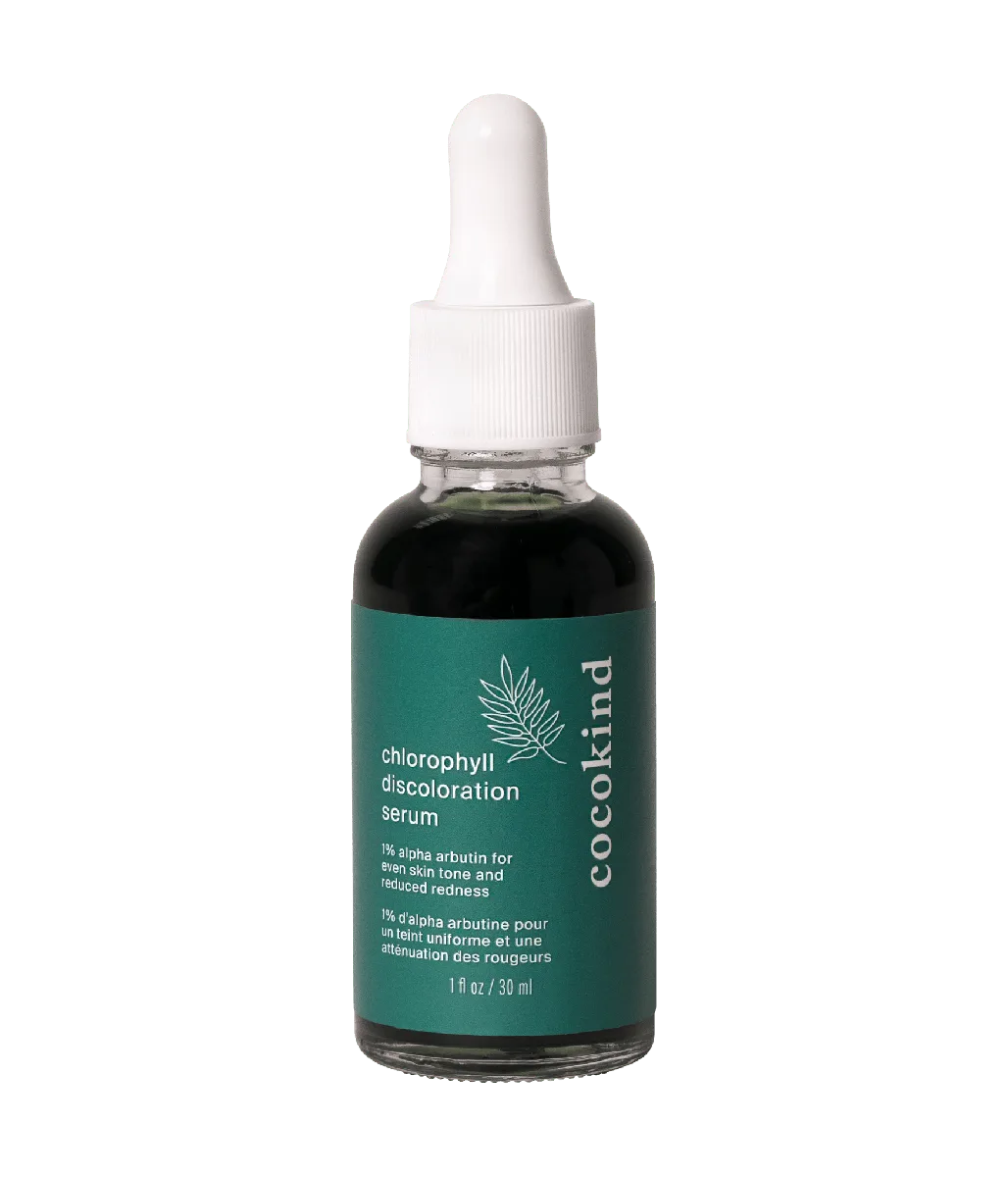
 Chlorophyll Discoloration Serum
A quietly brilliant brightening serum that proves you do not need luxury prices or harsh actives to fade dark spots effectively. The alpha-arbutin and licorice root combination delivers genuine multi-pathway melanin inhibition, the sensitive-skin-friendly formula is impeccable, and $20 makes it accessible to virtually everyone. The chlorophyllin is more marketing differentiator than scientific powerhouse, but it does not hurt anything either.
 The People's HA Serum
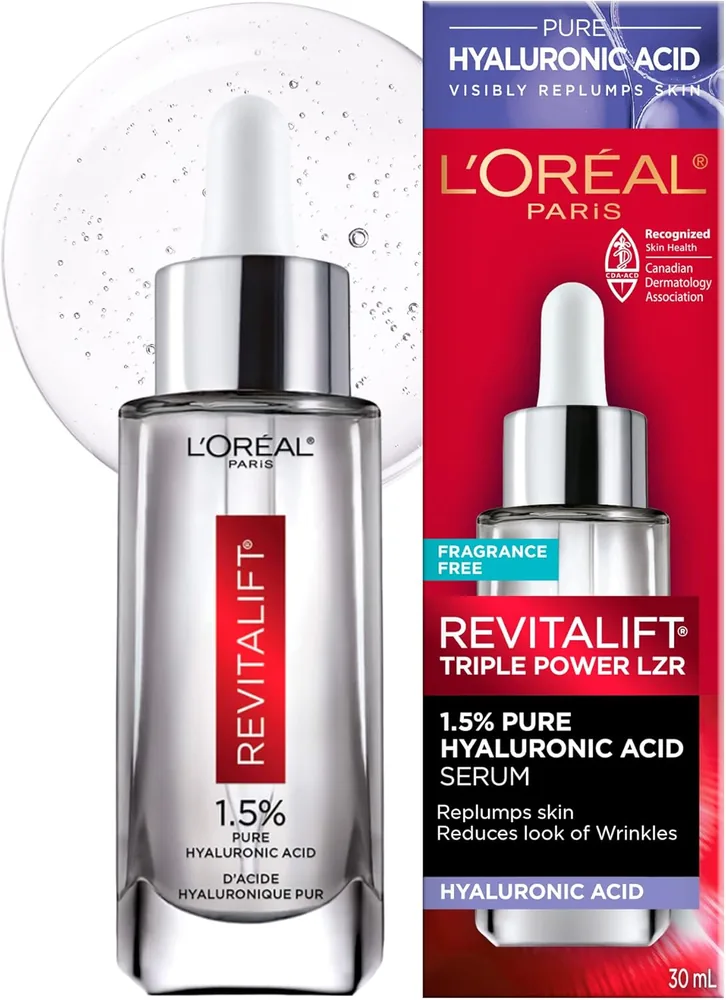
 Revitalift Derm Intensives 1.5% Pure Hyaluronic Acid Serum
A masterclass in minimalist formulation — thirteen ingredients, no filler, four functional actives, and over thirty thousand glowing reviews. L'Oréal's multi-weight HA system delivers genuine hydration at every level of the skin, and the fragrance-free, alcohol-free formula is clean enough for virtually anyone. The drugstore serum that embarrasses its prestige competitors.
 Budget Hydration Holy Grail
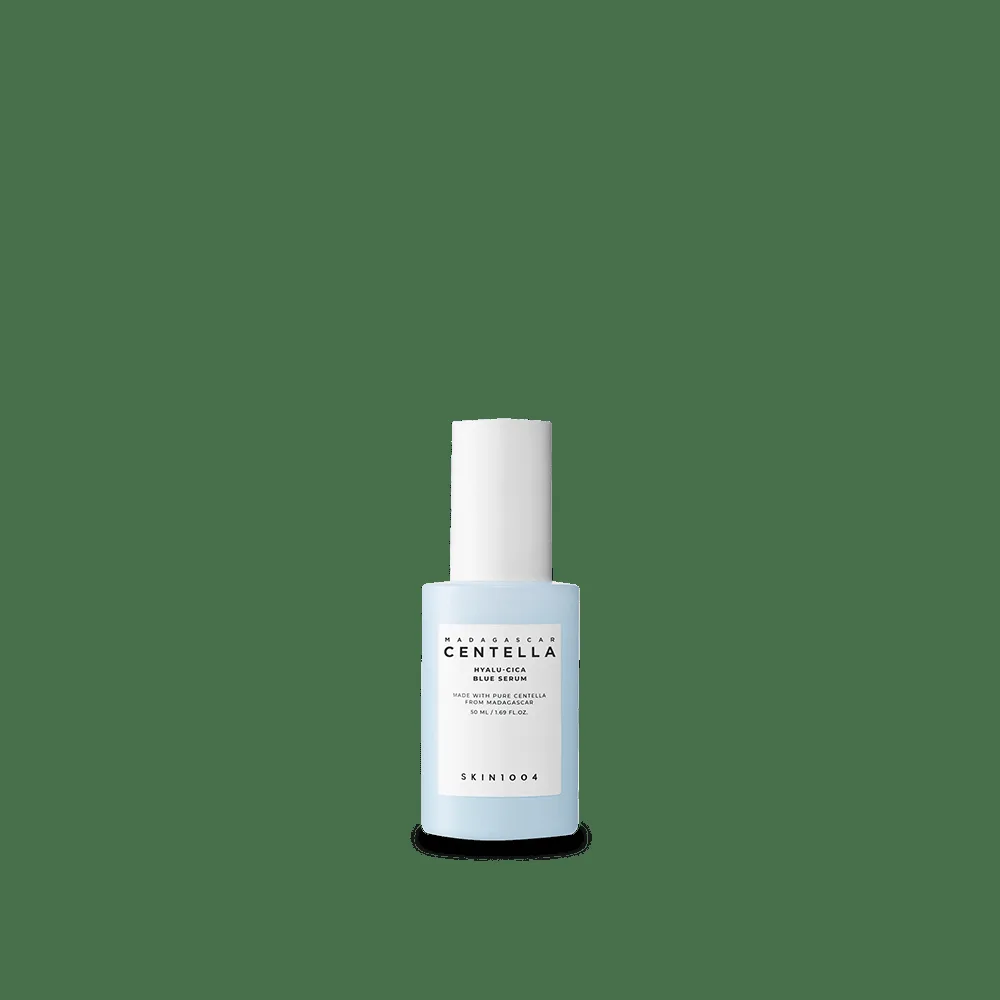
 Hyalu-Cica Blue Serum
A quietly excellent budget serum that stacks Centella asiatica leaf water, five types of hyaluronic acid, niacinamide, ceramide NP, and adenosine into a fragrance-free under-$20 bottle. It is genuinely one of the best hydration-plus-soothing serums at any price, and the fact that it costs less than a salad in Manhattan is the point.
 Sensitive Skin First-Line Defense
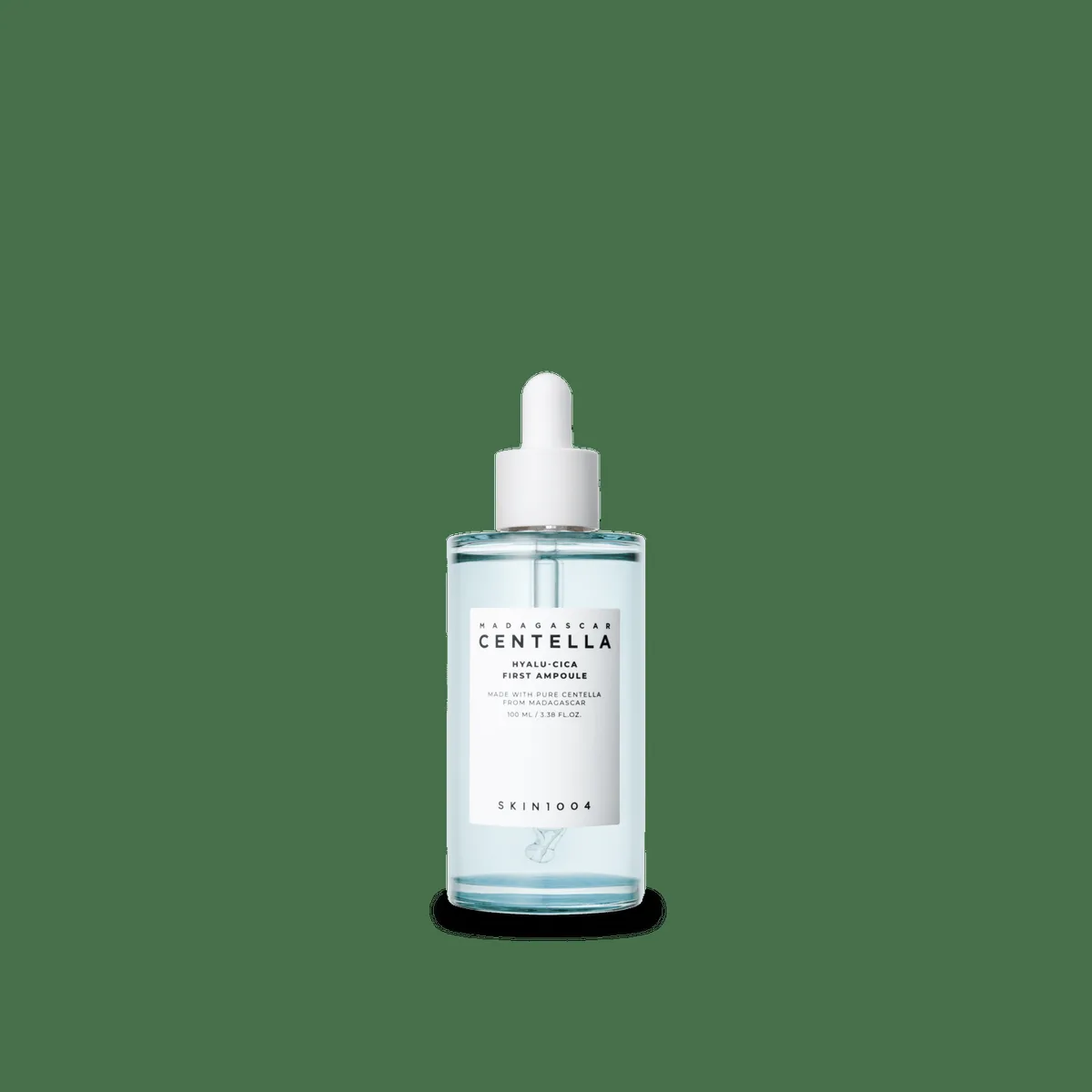
 Hyalu-Cica First Ampoule
A 92% Centella asiatica extract ampoule paired with niacinamide and a multi-weight HA complex, fragrance-free and purpose-built for sensitive, compromised, and reactive skin. At $25 for 100ml, it is one of the most justifiable skincare purchases a budget-conscious buyer can make, and it earns a place in almost any routine that needs a soothing anchor.
 Sensitive Skin MVP
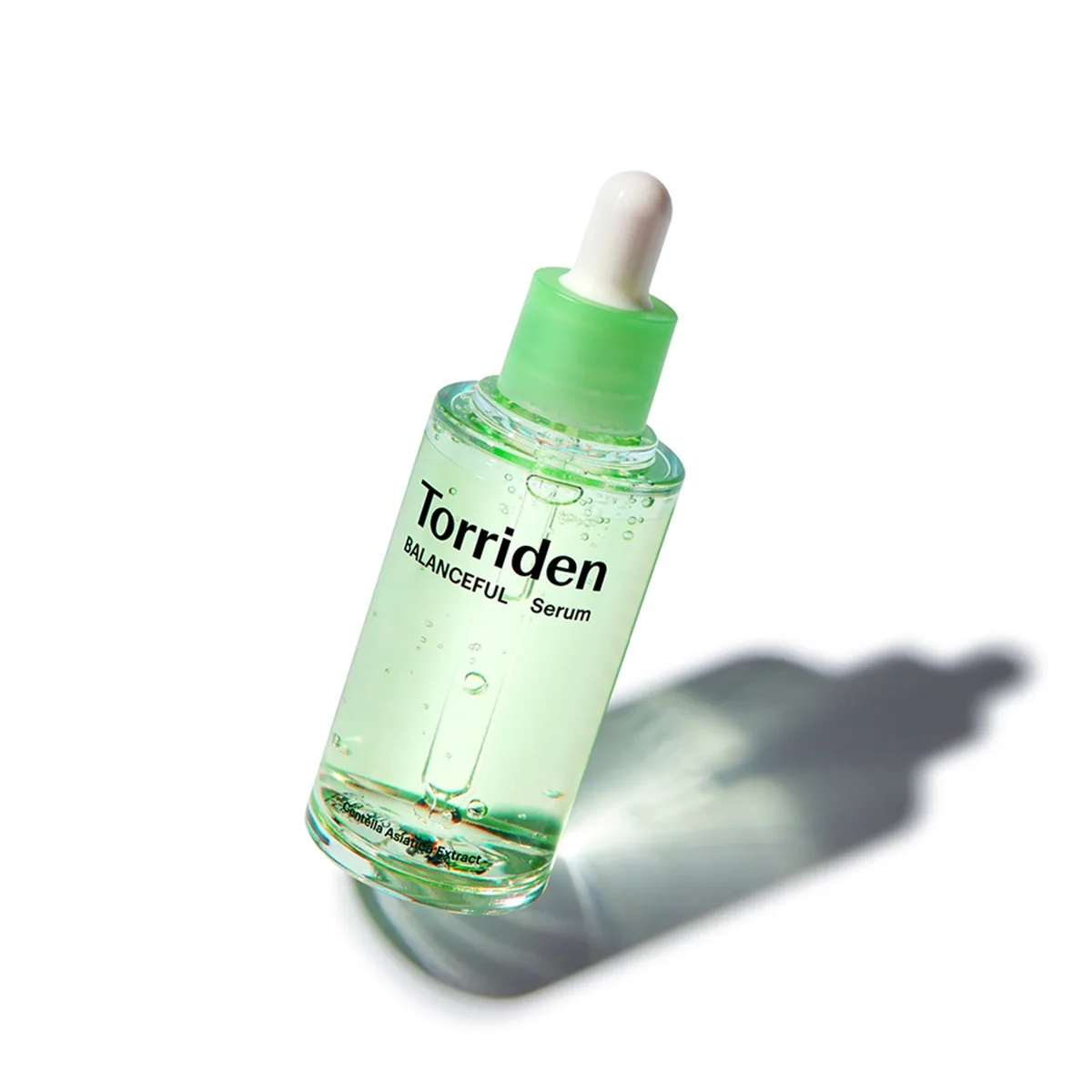
 Balanceful Cica Serum
Torriden's Balanceful Cica Serum is one of the most recommendable calming serums in K-beauty — a genuinely fragrance-free, multi-weight hyaluronic acid and 5D cica complex treatment that quietly reduces redness, supports the barrier, and buffers other actives without drama. At under $25 it's a near-automatic pick for sensitive, rosacea-prone, and barrier-compromised skin.
This review reflects our independent analysis of publicly available ingredient data, manufacturer claims, and verified user reviews. We are reader-supported — Amazon links may earn us a commission at no cost to you. We do not accept paid placements; rankings are based solely on the evidence.