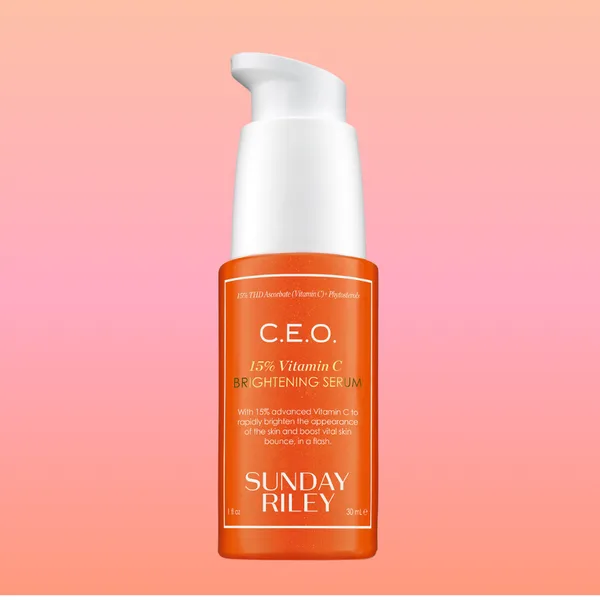
C.E.O. is the vitamin C serum for people who have given up on vitamin C serums. The THD ascorbate formula is genuinely gentle, impressively stable, and delivers real brightening over time. The disclosed 15% concentration inspires confidence. But the citrus essential oils undercut the gentle positioning, the beeswax excludes vegans, and the $85 price tag is increasingly hard to justify as THD ascorbate becomes available at lower price points.
C.E.O. 15% Vitamin C Brightening Serum
C.E.O. is the vitamin C serum for people who have given up on vitamin C serums. The THD ascorbate formula is genuinely gentle, impressively stable, and delivers real brightening over time. The disclosed 15% concentration inspires confidence. But the citrus essential oils undercut the gentle positioning, the beeswax excludes vegans, and the $85 price tag is increasingly hard to justify as THD ascorbate becomes available at lower price points.
Score Breakdown
Where this product gains points and where it loses them — broken down across the four scoring pillars.
A thoughtfully formulated vitamin C serum using a stable, well-tolerated derivative at a disclosed 15% concentration with good supporting ingredients. Penalized for the high price, presence of citrus essential oils as potential sensitizers, and the use of beeswax which limits the audience.
Pros & Cons
- ✓THD ascorbate at a disclosed 15% provides effective, stable brightening without L-ascorbic acid's sting
- ✓Squalane-based delivery system is specifically optimized for lipid-soluble vitamin C penetration
- ✓Vitamin C + E synergy creates a self-reinforcing antioxidant loop that enhances photoprotection
- ✓Creamy emulsion texture layers well under moisturizer and sunscreen without pilling
- ✓Formula remains stable for months without the rapid oxidation typical of L-ascorbic acid serums
- ✓Pregnancy-safe vitamin C option for those who want to maintain brightening routines
- ✓Multiple beauty awards and strong community validation with over 2,500 reviews
- ✗At $85 for 1 oz, the price is increasingly hard to justify as THD ascorbate has been democratized
- ✗Citrus essential oils and limonene are potential sensitizers that contradict the gentle positioning
- ✗Not vegan due to beeswax content — a surprising omission for a B Corp brand in 2026
- ✗Pump mechanism wastes the last 15-20% of product, adding to the effective cost per use
- ✗THD ascorbate requires intracellular conversion, so effective vitamin C levels are lower than the 15% label suggests
- ✗Emulsion base may clog pores or cause breakouts in acne-prone skin types
Full Review
The vitamin C serum conversation has been dominated by one question for the better part of a decade: how much L-ascorbic acid can you tolerate? The industry pushed concentrations from 10% to 15% to 20% and beyond, each bump bringing more potency and more of the face-melting sting that vitamin C devotees learned to accept as the price of a bright complexion. Sunday Riley looked at this arms race and made a different choice.
When C.E.O. launched in 2017 as the 'Rapid Flash Brightening Serum,' it was built around tetrahexyldecyl ascorbate — THD ascorbate — at a disclosed 15% concentration. This is not L-ascorbic acid. It is a lipid-soluble vitamin C ester with a fundamentally different pharmacological profile. Where L-ascorbic acid dissolves in water, requires a pH below 3.5 to penetrate skin, and degrades within weeks of opening, THD ascorbate dissolves in lipids, works across a wider pH range, and maintains stability for months. The trade-off is that THD ascorbate must be converted to ascorbic acid inside the cell before it can do its vitamin C work, meaning the effective concentration of active vitamin C is lower than the 15% on the label. But what you lose in immediate potency, you gain in consistency, tolerance, and daily usability.
The formulation reflects this philosophy. THD ascorbate sits second on the INCI list, followed immediately by squalane — a lightweight emollient that doubles as an ideal solvent for fat-soluble actives. This is not an accident. A lipid-soluble vitamin C in a lipid-rich base creates a delivery system where every component supports penetration through the stratum corneum's lipid matrix. Water-based L-ascorbic acid serums fight against the skin's natural oil barrier; C.E.O. works with it.
The supporting cast is carefully chosen. Tocopherol (vitamin E) creates the well-documented C+E synergy — vitamin C regenerates oxidized vitamin E, and vitamin E stabilizes vitamin C, forming a self-reinforcing antioxidant loop that enhances photoprotection beyond what either delivers alone. A small amount of glycolic acid provides gentle exfoliation that keeps the skin surface smooth and receptive to the vitamin C, while saccharide isomerate offers sustained-release hydration that persists even after washing.
The texture sets C.E.O. apart from the watery, fast-drying vitamin C serums most people are used to. This is a creamy emulsion — substantial enough to feel like it is doing something, but light enough to layer under moisturizer and sunscreen without pilling or heaviness. The initial application has a slight tackiness that resolves within a minute or two, leaving behind a soft, luminous finish. It feels more like applying a lightweight moisturizer than a treatment serum, which is part of its appeal for vitamin C newcomers.
The results build gradually. The squalane base provides immediate luminosity — skin looks healthier and more glowy from day one. Over the first two weeks, an overall brightening effect emerges as the vitamin C's antioxidant protection accumulates and the glycolic acid encourages surface cell turnover. By four to eight weeks, dark spot fading becomes noticeable, particularly on superficial sun spots and post-inflammatory marks. The brand's clinical data cites visible brightening in seven days, which aligns with the immediate radiance boost rather than meaningful depigmentation — that takes longer.
But C.E.O. has some contradictions that are worth examining. The most glaring is the fragrance profile. This serum contains citrus sinensis (sweet orange) oil, citrus tangerina (tangerine) peel oil, limonene, and linalool — a significant load of known sensitizers in a product positioned as gentle enough for sensitive skin. Limonene sits sixth in the INCI list, suggesting a meaningful concentration. For anyone with fragrance sensitivity or reactive skin, these inclusions are puzzling at best and irritating at worst. A serum that earns its reputation on being gentler than L-ascorbic acid should not then introduce sensitizers that L-ascorbic acid serums typically avoid.
The beeswax in the formula — present as both PEG-8 beeswax and polyglyceryl-3 beeswax — serves as an emulsifier that creates the creamy texture, but it disqualifies the product for vegan consumers and may contribute to the clogged pores and breakouts that some users report. For an $85 product from a B Corp-certified brand in 2026, the beeswax feels like a formulation choice that could be modernized.
Value is where C.E.O. faces its toughest scrutiny. At $85 for one ounce, it sits in the premium tier for vitamin C serums. When it launched in 2017, THD ascorbate at this quality and concentration in a well-formulated base was genuinely uncommon. In 2026, the landscape has shifted. Multiple brands offer THD ascorbate serums at a fraction of the price. The Allure and Cosmopolitan awards from 2018 reflect a moment when C.E.O. was the best option in its lane; today, it is one of many.
The pump packaging is well-designed for protecting the formula from air and light, but it has a practical flaw that users consistently flag: the pump mechanism cannot extract the last 15-20% of product from the bottle, leading to waste. For a product at this price point, leaving seven to twelve dollars' worth of serum trapped in the bottle is a legitimate frustration.
All that said, C.E.O. remains a genuinely good vitamin C serum that solves a real problem for a significant audience. If you have tried L-ascorbic acid and found it too irritating, too unstable, or too unpleasant to use consistently, THD ascorbate is a validated alternative — and C.E.O. is one of the best-formulated examples of the approach. The disclosed 15% concentration, the thoughtful C+E synergy, and the well-designed lipid delivery system represent real formulation expertise. Whether that expertise is worth $85 when the core ingredient has been democratized is the question each buyer has to answer for themselves.
Formula
Key Ingredients
The hero actives that drive this product's performance.
| Ingredient | Function | Evidence |
|---|---|---|
| Tetrahexyldecyl Ascorbate (THD Ascorbate) 15% (15%) | A lipid-soluble vitamin C ester that penetrates skin more readily than water-soluble L-ascorbic acid, crossing the cell membrane to be converted to active ascorbic acid intracellularly. Listed second in this formula at a disclosed 15% concentration, THD ascorbate is stable at a wider pH range than L-AA, does not require the harsh low-pH environment that causes stinging, and works alongside the squalane base to enhance lipophilic delivery into the skin. | promising |
| Squalane | Listed third in the formula, squalane serves dual roles — as an emollient that softens and hydrates skin, and as a lipophilic solvent that enhances the penetration of THD ascorbate into the stratum corneum. The combination of a lipid-soluble vitamin C in a squalane-rich base creates a delivery system optimized for fat-soluble actives, a fundamentally different approach than water-based L-ascorbic acid serums. | well-established |
| Glycolic Acid | Present at a low concentration for gentle exfoliation and pH adjustment rather than aggressive chemical peeling. In this vitamin C serum, the glycolic acid supports brightening by encouraging cell turnover of pigmented surface cells while the THD ascorbate works to inhibit new melanin formation — a surface-and-depth approach to uneven tone. | well-established |
| Tocopherol (Vitamin E) | A powerful lipid-soluble antioxidant that works synergistically with vitamin C — tocopherol neutralizes lipid peroxyl radicals while ascorbate regenerates oxidized tocopherol, creating a self-reinforcing antioxidant cycle. In this formula, vitamin E both enhances the photoprotective benefits of the vitamin C and helps stabilize the THD ascorbate against oxidative degradation. | well-established |
| Saccharide Isomerate | A sugar-based humectant that bonds to the skin through hydrogen bonding, providing sustained moisture retention that persists even after washing. In this vitamin C serum, it helps maintain hydration levels that support the barrier function — important because vitamin C treatments can be mildly drying, and a well-hydrated stratum corneum absorbs actives more efficiently. | promising |
Full INCI List
Aqua/Water, Tetrahexyldecyl Ascorbate, Squalane, Polyglyceryl-6 Distearate, PEG-8 Beeswax, Limonene, Citrus Sinensis (Sweet Orange) Oil, Citrus Tangerina (Tangerine) Peel Oil, Glycine Soja (Soybean) Sterols, PPG-12/SMDI Copolymer, Sodium Phytate, Tocopherol, Phenoxyethanol, Acetamidoethoxyethanol, Hydroxyethyl Acrylate/Sodium Acryloyldimethyl Taurate Copolymer, Sodium Acrylate/Sodium Acryloyldimethyl Taurate Copolymer, Jojoba Esters, Glycolic Acid, Caprylyl Glycol, Cetyl Alcohol, Polyglyceryl-3 Beeswax, Chlorphenesin, Glycerin, Polysorbate 60, Sorbitan Isostearate, Saccharide Isomerate, Linalool
Product Flags
✗ Fragrance Free✓ Alcohol Free✗ Oil Free✓ Silicone Free✓ Paraben Free✓ Sulfate Free✓ Cruelty Free✗ Vegan✗ Fungal Acne Safe
Comedogenic Ingredients
Cetyl Alcohol (mildly comedogenic for some)PEG-8 Beeswax
Potential Irritants
Citrus Sinensis OilCitrus Tangerina Peel OilLimoneneLinalool
Common Allergens
LimoneneLinaloolCitrus essential oilsBeeswax (not vegan)
Compatibility
Skin Match
Best For
Works For
Not Ideal For
Addresses These Conditions
hyperpigmentation dullness aging dark spots sun damage texture
Use With Caution
Routine Step
serum
Time of Day
AM
Pregnancy Safe
Yes ✓
Layering Tips
Apply 3-4 pumps to clean, dry skin in the morning after cleansing and toning. Allow 1-2 minutes to absorb before applying moisturizer and sunscreen. The emulsion texture layers well under most moisturizers and SPF products. Can also be used at night but maximum photoprotective benefit comes from morning application.
Results Timeline
Immediate luminosity and glow from the squalane and emulsion base. Visible brightening of overall complexion within 1-2 weeks. Dark spot fading and more even skin tone typically develop over 4-8 weeks. Fine line improvement and firming effects require 8-12 weeks of consistent daily use.
Pairs Well With
SPF 30+ sunscreen (enhances photoprotection)Hyaluronic acid serum underneath for additional hydrationRetinoid at night (vitamin C in AM, retinoid in PM)
Conflicts With
Other vitamin C serums (redundant)Niacinamide applied simultaneously may reduce efficacy (use at different times)Strong AHAs at high concentrations (may over-exfoliate when combined with the glycolic acid in this formula)
Sample AM Routine
- Gentle cleanser
- Sunday Riley C.E.O. 15% Vitamin C Brightening Serum
- Moisturizer
- SPF 30+ sunscreen
Sample PM Routine
- Double cleanse
- Hydrating toner
- Retinoid treatment
- Night moisturizer
Evidence
Science & Expert Perspective
The Science
Tetrahexyldecyl ascorbate (THD ascorbate) is a lipid-soluble ester of ascorbic acid that takes a fundamentally different route into the skin than water-soluble L-ascorbic acid. Its eight branched alkyl chains allow it to partition into the lipid bilayer of cell membranes, where it is cleaved by intracellular esterases to release active ascorbic acid directly within the cell. This bypasses the pH-dependent absorption barrier that makes L-ascorbic acid formulations so irritating.
A 2024 open-label study by Min et al. in the Journal of Cosmetic Dermatology evaluated a THD ascorbate-containing serum on 35 participants over 12 weeks. The study found statistically significant improvements in skin pigmentation (p < 0.0001), fine lines and wrinkles (p < 0.0001), smoothness, firmness, and skin barrier function — demonstrating clinical efficacy for the derivative across multiple aging parameters (Min et al., J Cosmet Dermatol, 2024).
However, THD ascorbate's antioxidant stability has nuances. A 2021 study by Swindell et al. in the International Journal of Molecular Sciences found that THD ascorbate alone degraded rapidly under oxidative stress — complete degradation within six minutes in their model system. The study demonstrated that combining THD ascorbate with acetyl zingerone prevented this degradation, raising questions about the long-term stability of THD ascorbate formulations without such stabilizers. C.E.O.'s formula includes tocopherol (vitamin E), which provides some antioxidant protection for the vitamin C, but does not include acetyl zingerone.
The vitamin C + vitamin E synergy in C.E.O. is well-supported. Landmark research has established that the combination of ascorbic acid and tocopherol provides greater photoprotection than either alone — vitamin C regenerates vitamin E from its oxidized form (tocopheroxyl radical), effectively recycling the antioxidant. This mechanism is well-established regardless of the vitamin C derivative used, as the intracellularly released ascorbic acid performs the same regeneration function.
References
- Open-label topical application of tetrahexyldecyl ascorbate and acetyl zingerone containing serum improves the appearance of photoaging and uneven pigmentation — Journal of Cosmetic Dermatology (2024)
- Tetrahexyldecyl Ascorbate (THDC) Degrades Rapidly under Oxidative Stress but Can Be Stabilized by Acetyl Zingerone to Enhance Collagen Production and Antioxidant Effects — International Journal of Molecular Sciences (2021)
Dermatologist Perspective
Dermatologists generally regard THD ascorbate as a viable alternative for patients who cannot tolerate L-ascorbic acid's low-pH formulations. Board-certified dermatologists note that while L-ascorbic acid has the deepest evidence base, THD ascorbate's lipid solubility allows for better penetration through the stratum corneum's lipid matrix, and its pH independence eliminates the irritation that causes many patients to abandon vitamin C entirely. Dr. Joshua Zeichner, Director of Cosmetic and Clinical Research at Mount Sinai Hospital, has spoken favorably about the ingredient's brightening and anti-aging properties. Dermatologists typically recommend using any vitamin C serum in the morning alongside broad-spectrum sunscreen for synergistic photoprotection, noting that consistent use matters more than the specific derivative chosen.
Guidance
Usage Guide
How to Use
Pump 3-4 drops into clean hands and press gently into clean, dry skin in the morning. Allow 1-2 minutes to absorb before applying moisturizer and SPF 30+ sunscreen. The emulsion texture does not require waiting as long as water-based serums. Can also be applied at night, but maximum antioxidant benefit comes from morning use when the skin faces UV and environmental stress. Store in a cool, dark place to preserve stability.
Value Assessment
At $85 for 1 oz (with a $50 mini at 0.5 oz and a $122 large at 1.7 oz), C.E.O. sits in the upper tier for vitamin C serums. The larger size offers the best per-ounce value for committed users. When it launched in 2017, the formulation was genuinely premium — THD ascorbate at a disclosed concentration with a purpose-built lipid delivery system was uncommon. By 2026, the ingredient has been widely adopted across price points. The disclosed 15% concentration, Allure-award-winning formulation, and the C+E synergy are real differentiators, but the citrus essential oils and beeswax feel like formulation choices that could be improved. For a brand founded in 2009 with established prestige positioning, the pricing reflects brand equity as much as ingredient innovation.
Who Should Buy
C.E.O. is ideal for anyone who wants vitamin C benefits but has been frustrated by the stinging, instability, or rapid oxidation of L-ascorbic acid serums. It suits normal to dry skin types seeking brightening and anti-aging without irritation, and people who value a disclosed active concentration and a luxurious application experience.
Who Should Skip
Skip C.E.O. if you're allergic or sensitive to citrus essential oils, if you're vegan (the beeswax is a dealbreaker), or if you're looking for the most cost-effective THD ascorbate serum — the same core ingredient is now available at significantly lower price points. Those who prefer the proven potency of high-concentration L-ascorbic acid may also find the derivative approach insufficiently aggressive.
Ready to try Sunday Riley C.E.O. 15% Vitamin C Brightening Serum?
Details
Details
Texture
A creamy-milky emulsion that is thicker than water-based vitamin C serums but lighter than a moisturizer. Applies smoothly with a slight initial tackiness that dissipates within 1-2 minutes. The squalane base gives it a more nourishing feel than typical serums, leaving skin soft and slightly luminous rather than tight or dry.
Scent
Moderate citrus fragrance from sweet orange and tangerine peel essential oils. Most users find it pleasant and fresh, though some consider it too strong for daily use. Limonene is the sixth ingredient by concentration, indicating a notable fragrance load. The scent fades within a few minutes of application.
Packaging
White opaque pump bottle that protects the vitamin C from light exposure. The pump mechanism works well for most of the product's life but struggles to dispense the last 15-20%, leading to some product waste. The opaque design prevents visual assessment of remaining product level.
Finish
dewyglowysatin
What to Expect on First Use
First application delivers immediate luminosity from the squalane-rich base. Unlike L-ascorbic acid serums, there is typically no tingling, stinging, or burning — a welcome relief for anyone who has struggled with harsher vitamin C formulations. The emulsion texture may feel unusual for those expecting a watery serum. No purging expected.
How Long It Lasts
2-3 months with daily morning use of 3-4 pumps (1 oz size)
Period After Opening
12 months
Best Season
All Year
Certifications
Leaping Bunny CertifiedPETA Cruelty-FreeB Corp Certified
Background
The Why
C.E.O. launched in 2017 as 'Rapid Flash Brightening Serum,' positioning itself as Sunday Riley's entry into the vitamin C serum market. The name was a playful nod — C.E.O. standing for the vitamin C focus. Rather than competing on L-ascorbic acid concentration (the prevailing arms race at the time), Sunday Riley chose THD ascorbate, betting on tolerance and stability over raw potency. The product won multiple beauty awards in 2018 and became one of Sunday Riley's top sellers alongside Good Genes and Luna.
About Sunday Riley Established Brand (5–20 years)
Sunday Riley was founded in 2009 by cosmetic chemist Sunday Riley in Houston, Texas. The brand is Leaping Bunny and PETA certified cruelty-free, B Corp certified, and holds the #1 brightening specialist position in the US by NPD data. The brand settled with the FTC in 2020 over fake reviews posted between 2015 and 2017.
Brand founded: 2009 · Product launched: 2017
Myth vs. Reality
Myths & Misconceptions
Myth
THD ascorbate is weaker than L-ascorbic acid and doesn't really work as well.
Reality
THD ascorbate works through a different mechanism — it penetrates the lipid bilayer of cell membranes and is converted to active ascorbic acid inside the cell. A 2024 clinical study showed significant improvements in pigmentation and fine lines over 12 weeks. While L-ascorbic acid has more extensive published research, THD ascorbate's stability and tolerability mean more consistent delivery over the product's shelf life.
Myth
This serum contains 15% pure vitamin C (L-ascorbic acid).
Reality
The 15% refers to tetrahexyldecyl ascorbate, a lipid-soluble vitamin C ester — not L-ascorbic acid. This distinction matters because THD ascorbate has a different molecular weight, penetration profile, and irritation potential. It is converted to ascorbic acid within the skin cells, so the effective concentration of active vitamin C is lower than 15%, but the delivery is more sustained and less irritating.
FAQ
Frequently Asked Questions
Is Sunday Riley CEO Vitamin C Serum worth the price?
At $85 for 1 oz, C.E.O. is one of the pricier vitamin C serums on the market. The value depends on what you're buying it for: if you've struggled with irritation from L-ascorbic acid serums, the THD ascorbate formula at a disclosed 15% offers a genuinely gentler alternative with good stability. However, THD ascorbate is available in less expensive products, and the citrus essential oils may be unnecessary additions that don't justify the premium.
Can I use Sunday Riley CEO with retinol?
Yes — use C.E.O. in the morning for antioxidant protection and brightening, and apply your retinol at night. This AM/PM separation gives you the benefits of both without the potential for increased sensitivity from layering them together. The vitamin C enhances your sunscreen's photoprotection during the day.
Is Sunday Riley CEO Vitamin C Serum pregnancy safe?
Sunday Riley markets this serum as pregnancy-safe. The formula uses THD ascorbate (not retinol) and does not contain ingredients typically flagged during pregnancy. However, the glycolic acid content, while low, may warrant discussion with your OB-GYN or dermatologist, as some practitioners advise caution with any exfoliating acids during pregnancy.
Why doesn't Sunday Riley CEO sting like other vitamin C serums?
Most vitamin C serums that sting use L-ascorbic acid, which requires a pH below 3.5 to penetrate skin — that acidity causes the burning sensation. C.E.O. uses THD ascorbate, a lipid-soluble form that is effective at a wider pH range and doesn't need an acidic environment. The result is a serum that delivers vitamin C without the harsh, stinging application experience.
Is Sunday Riley CEO vegan?
No — C.E.O. contains PEG-8 Beeswax and Polyglyceryl-3 Beeswax, both derived from bees. While Sunday Riley is cruelty-free (Leaping Bunny and PETA certified), this specific product is not suitable for vegans. The brand's Luna and Tidal products are vegan alternatives.
Does Sunday Riley CEO Vitamin C oxidize quickly?
THD ascorbate is significantly more stable than L-ascorbic acid and does not oxidize as rapidly. The opaque pump bottle provides additional protection from light. Users report the product maintaining its color and efficacy for months. However, one study noted THD ascorbate can degrade under prolonged oxidative stress, so store away from heat and direct sunlight.
Community
Community Voices
Common Praise
"Visible brightening and glow within the first two weeks of use"
"Non-irritating compared to L-ascorbic acid serums — no stinging or redness"
"Stable formula that does not oxidize or turn orange quickly"
"Lightweight emulsion absorbs well and works beautifully under makeup"
"Pleasant citrus scent that feels luxurious during application"
"Noticeable improvement in overall skin tone and texture over time"
Common Complaints
"At $85 for 1 oz, the price is steep for a vitamin C derivative serum"
"Citrus essential oils and limonene are potential sensitizers — contradicts gentle positioning"
"Some users experience clogged pores or breakouts from the beeswax and emulsion base"
"Pump dispenser wastes product — difficult to extract the last 15-20% from the bottle"
"Dark spot fading results are inconsistent and require months of daily use"
"Not vegan due to beeswax content"
Notable Endorsements
Allure Reader's Choice Award 2018Cosmopolitan Beauty Award 2018Sephora Community Favorite#1 Brightening Specialist in US (NPD FY 2021)
Appears In
best vitamin c serum for sensitive skin best brightening serum best vitamin c serum for dark spots best gentle vitamin c serum best serum for hyperpigmentation
Related Conditions
hyperpigmentation dullness aging dark spots sun damage texture
Related Ingredients
You Might Also Like
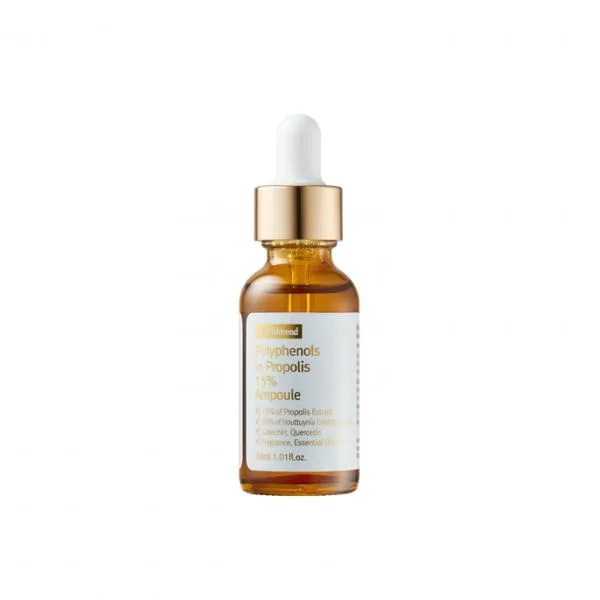 Sensitive Skin Soother
 Polyphenols In Propolis 15% Ampoule
A 15% propolis ampoule that earns its name with a real polyphenol stack — French Auvergne propolis layered over a houttuynia cordata base, with tulsi and pomegranate piling on. It's slightly sticky and not cheap by volume, but for sensitive, breakout-prone skin chasing calm, this is one of the most reliable K-beauty soothers in production.
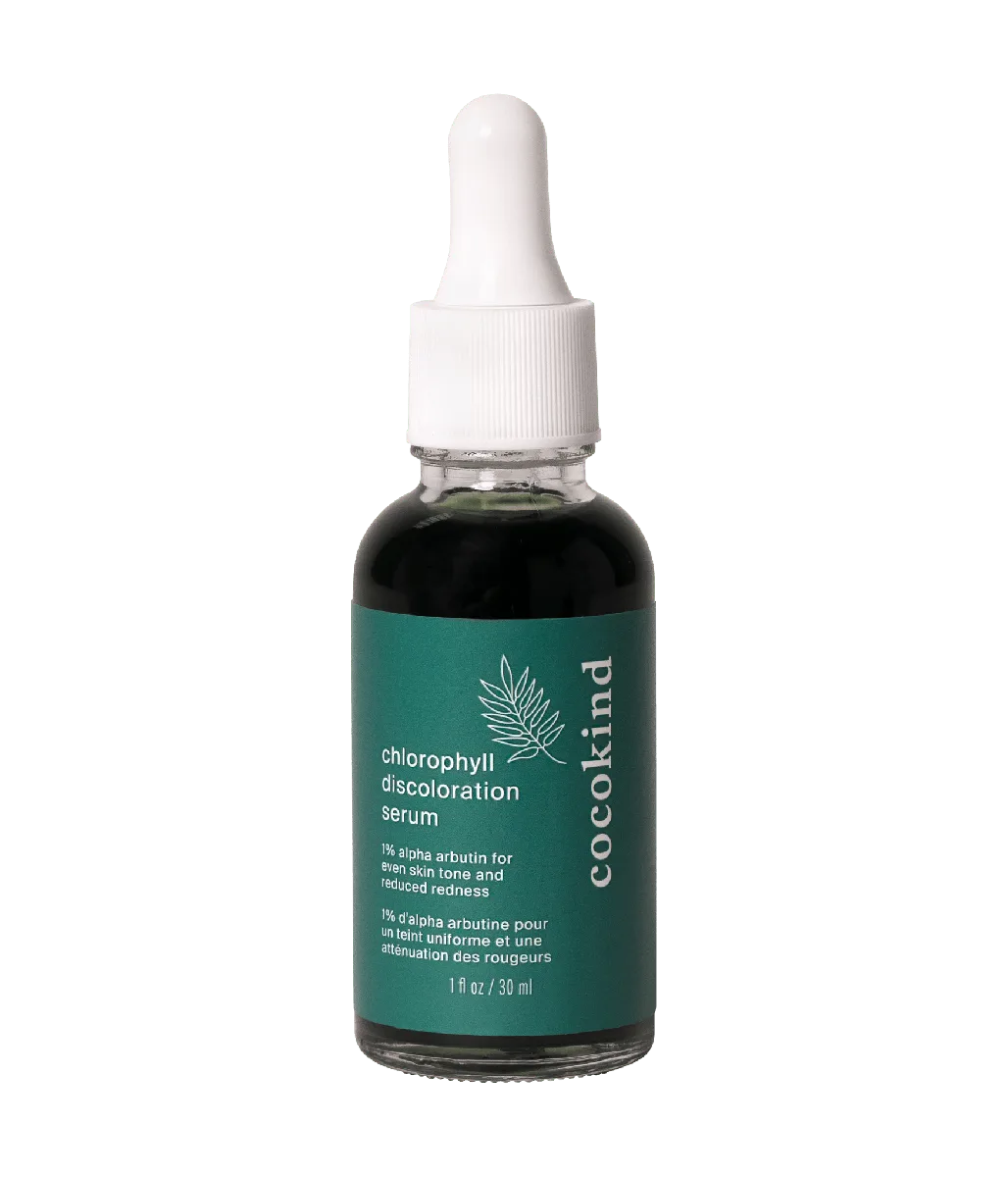 Budget Brightening Hero
 Chlorophyll Discoloration Serum
A quietly brilliant brightening serum that proves you do not need luxury prices or harsh actives to fade dark spots effectively. The alpha-arbutin and licorice root combination delivers genuine multi-pathway melanin inhibition, the sensitive-skin-friendly formula is impeccable, and $20 makes it accessible to virtually everyone. The chlorophyllin is more marketing differentiator than scientific powerhouse, but it does not hurt anything either.
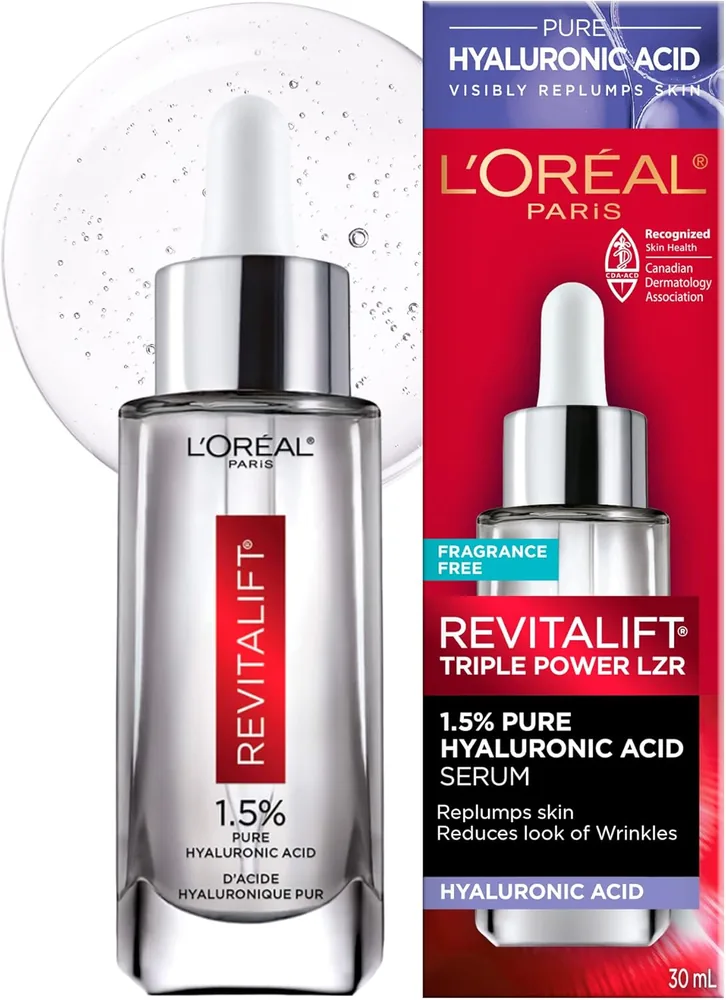 The People's HA Serum
 Revitalift Derm Intensives 1.5% Pure Hyaluronic Acid Serum
A masterclass in minimalist formulation — thirteen ingredients, no filler, four functional actives, and over thirty thousand glowing reviews. L'Oréal's multi-weight HA system delivers genuine hydration at every level of the skin, and the fragrance-free, alcohol-free formula is clean enough for virtually anyone. The drugstore serum that embarrasses its prestige competitors.
 Budget Hydration Holy Grail
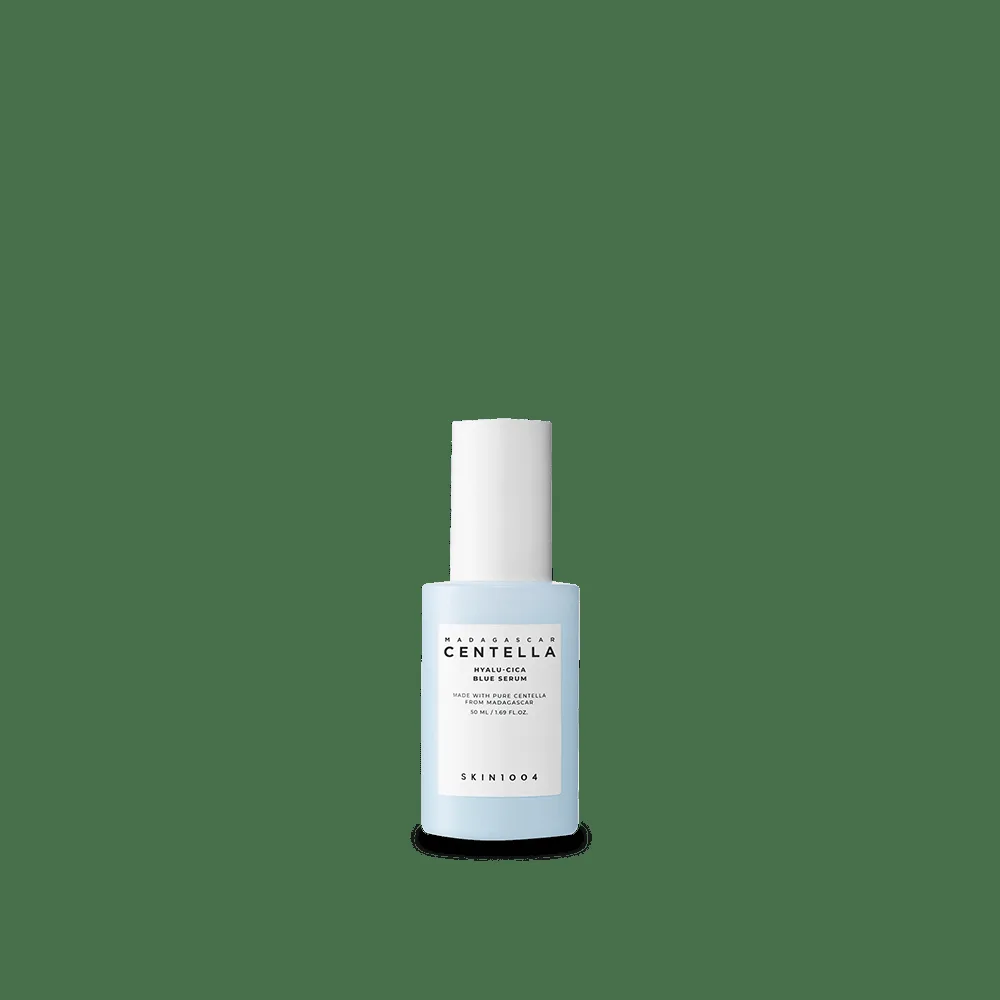
 Hyalu-Cica Blue Serum
A quietly excellent budget serum that stacks Centella asiatica leaf water, five types of hyaluronic acid, niacinamide, ceramide NP, and adenosine into a fragrance-free under-$20 bottle. It is genuinely one of the best hydration-plus-soothing serums at any price, and the fact that it costs less than a salad in Manhattan is the point.
 Sensitive Skin First-Line Defense
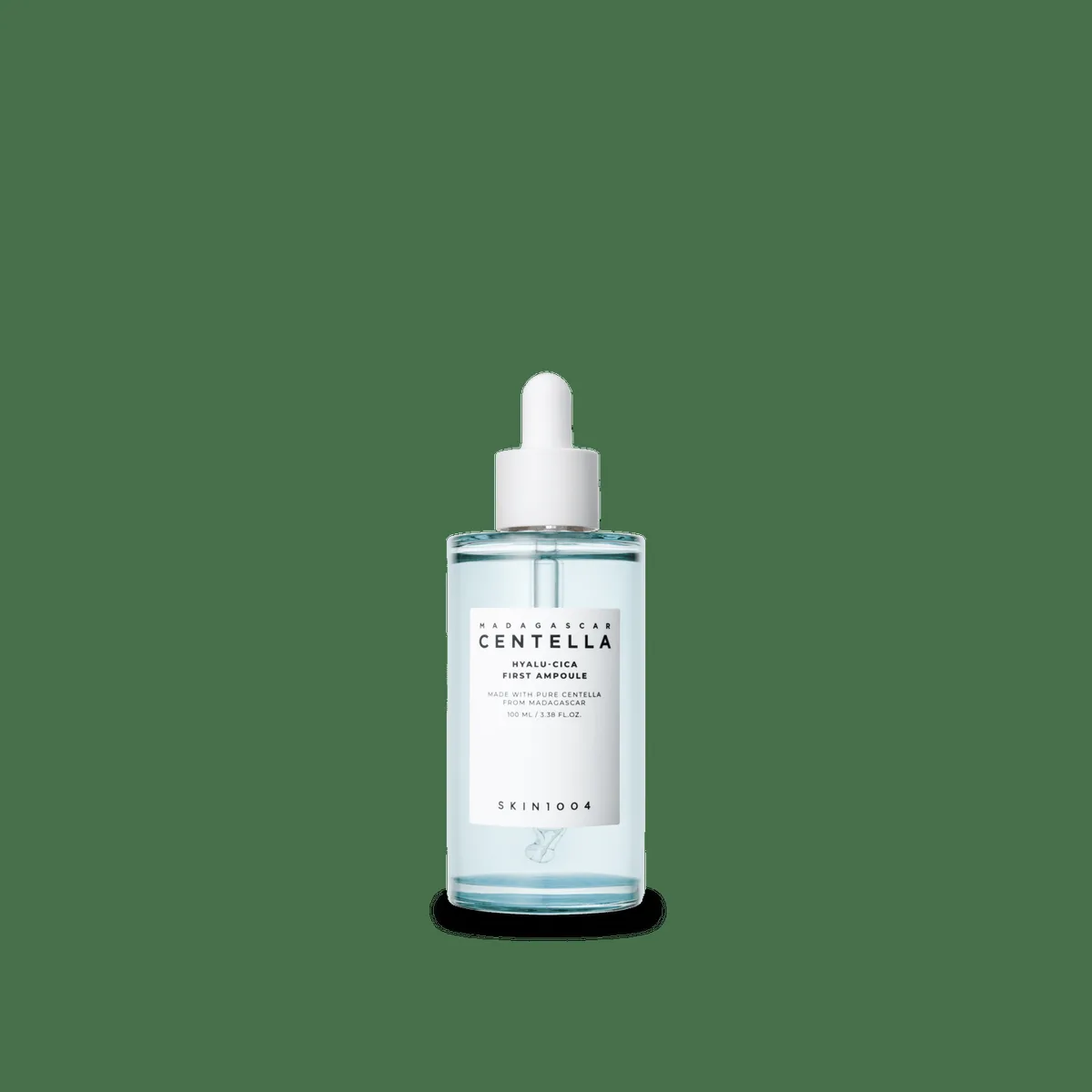
 Hyalu-Cica First Ampoule
A 92% Centella asiatica extract ampoule paired with niacinamide and a multi-weight HA complex, fragrance-free and purpose-built for sensitive, compromised, and reactive skin. At $25 for 100ml, it is one of the most justifiable skincare purchases a budget-conscious buyer can make, and it earns a place in almost any routine that needs a soothing anchor.
 Sensitive Skin MVP
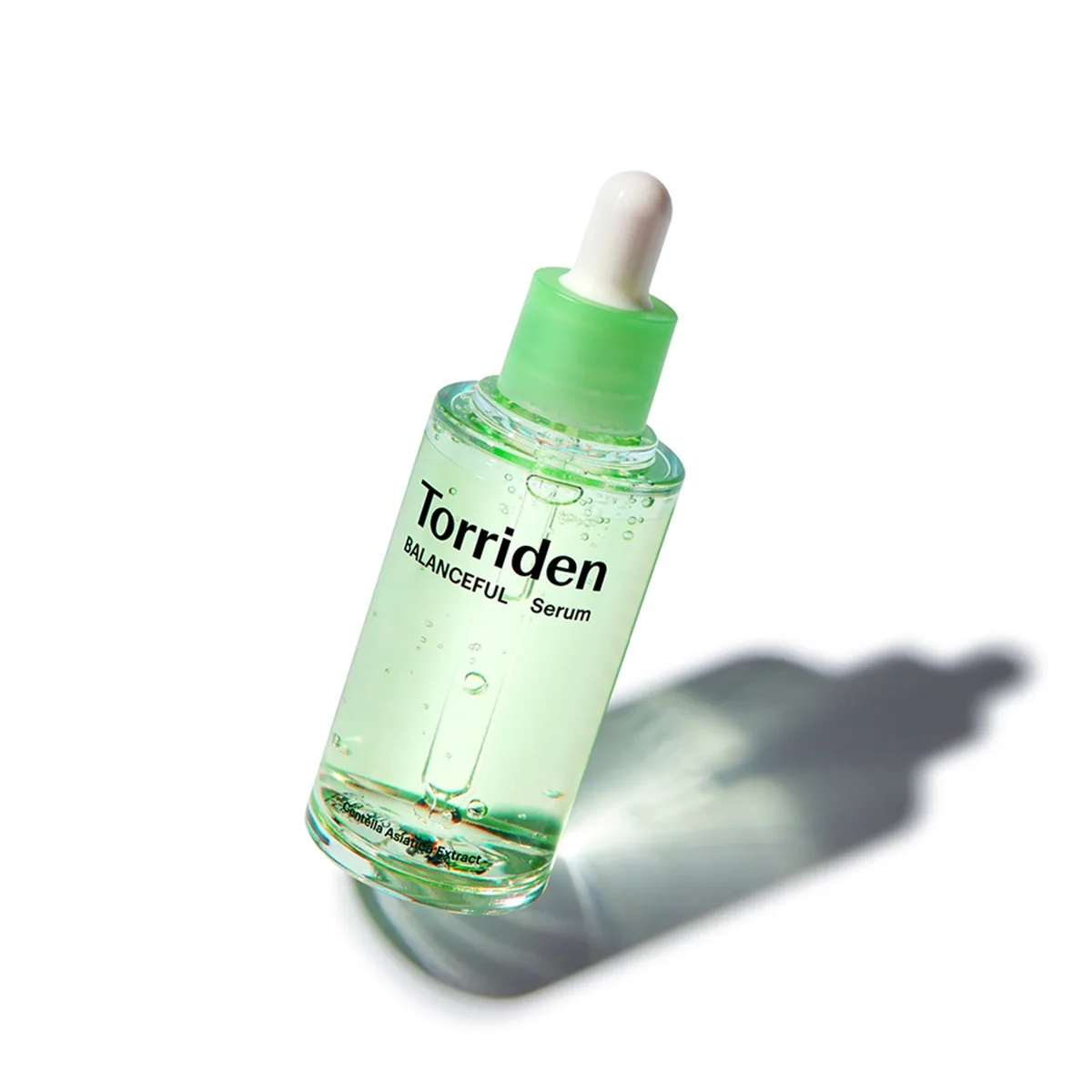
 Balanceful Cica Serum
Torriden's Balanceful Cica Serum is one of the most recommendable calming serums in K-beauty — a genuinely fragrance-free, multi-weight hyaluronic acid and 5D cica complex treatment that quietly reduces redness, supports the barrier, and buffers other actives without drama. At under $25 it's a near-automatic pick for sensitive, rosacea-prone, and barrier-compromised skin.