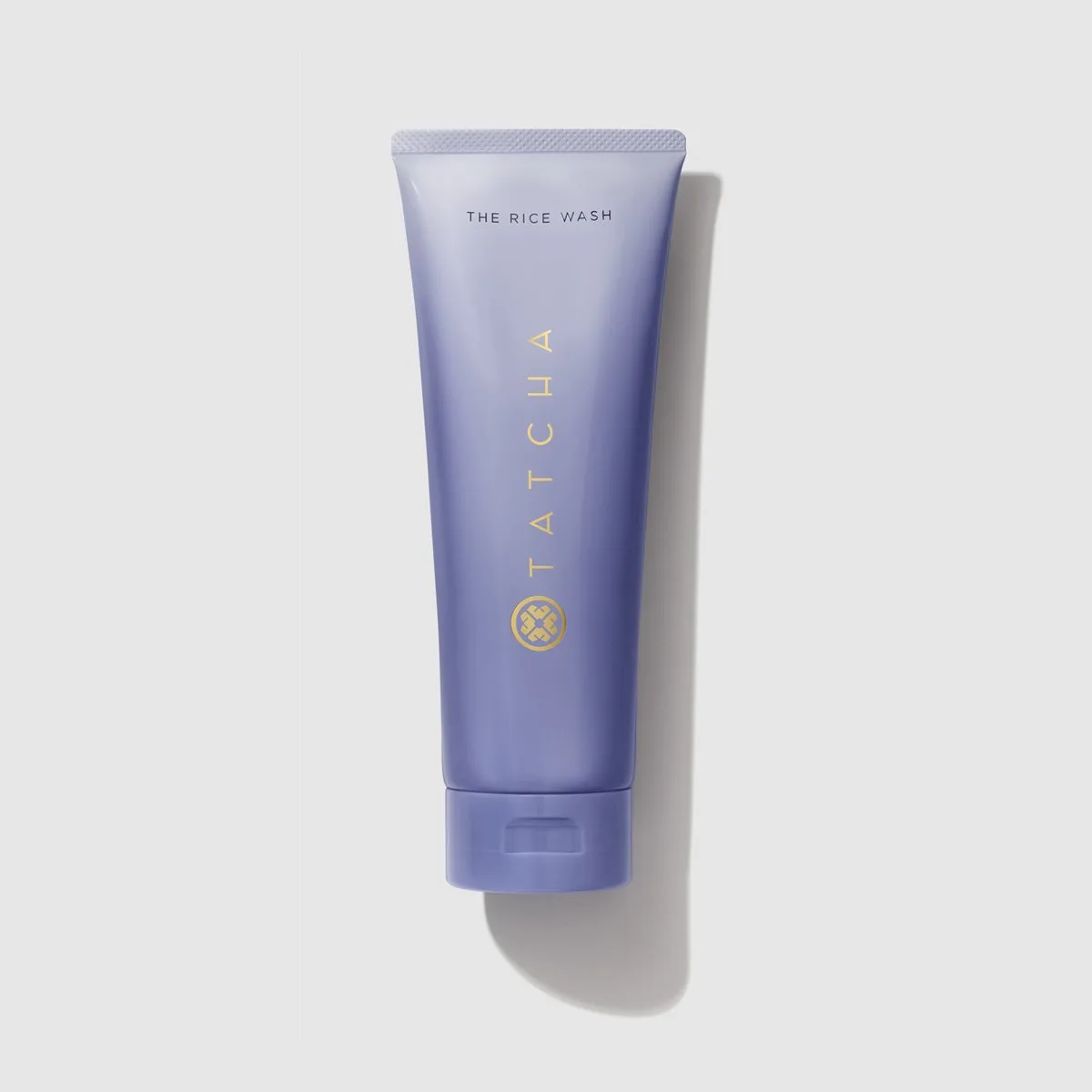
A genuinely gentle, beautifully textured cream cleanser that channels the Japanese tradition of rice water cleansing through modern amino acid surfactant science—leaving skin soft and luminous after every wash, though the $40 price for a rinse-off product demands consideration.
The Rice Wash
A genuinely gentle, beautifully textured cream cleanser that channels the Japanese tradition of rice water cleansing through modern amino acid surfactant science—leaving skin soft and luminous after every wash, though the $40 price for a rinse-off product demands consideration.
Score Breakdown
Where this product gains points and where it loses them — broken down across the four scoring pillars.
A genuinely gentle cream cleanser with a thoughtful amino acid surfactant system and rice powder exfoliation, broadly suitable for most skin types. The $40 price for a wash-off product and the inclusion of fragrance prevent a higher score.
Pros & Cons
- ✓Amino acid surfactant system is genuinely among the gentlest cleansing bases available
- ✓Rice powder provides daily-safe physical exfoliation that dissolves during use
- ✓Leaves skin feeling soft and luminous rather than tight or stripped
- ✓Sulfate-free formula preserves the acid mantle and natural moisture barrier
- ✓Hyaluronic acid and glycerin actively hydrate during the cleansing process
- ✓Available in three sizes including a value-oriented 240 mL option
- ✓Practical squeeze tube packaging is travel-friendly and hygienic
- ✗Contains fragrance and a small amount of alcohol at the end of the ingredient list
- ✗At $40 for 120 mL, it is expensive for a wash-off product with brief skin contact
- ✗Will not remove heavy, waterproof, or long-wear makeup on its own
- ✗Rice powder exfoliation is very subtle — may disappoint those seeking visible sloughing
- ✗Hadasei-3 ferment has limited treatment potential in a short-contact wash-off format
- ✗Cream texture may feel insufficiently cleansing for very oily skin types
Full Review
The practice of washing skin with rice water is one of those beauty traditions that sounds too simple to be real and too old to still be relevant. And yet here we are, centuries later, with dermatologists confirming that rice water contains starches, amino acids, and antioxidants that genuinely benefit skin. The Japanese beauty texts that documented geisha using the cloudy water leftover from rinsing rice were not engaging in poetic license — they were recording an effective skincare step before the concept of skincare existed.
Tatcha's The Rice Wash takes that observation and translates it into a modern cleanser with a pleasingly literal approach. There is actual rice powder in here — finely milled Oryza sativa particles that you can feel as a gentle grittiness when you first massage the cream onto damp skin. But unlike the DIY rice-water-in-a-bowl experience, this formula wraps the rice in a sophisticated amino acid surfactant system that handles the actual cleansing while the rice does its softening work.
The surfactant trio is worth noting because it represents a genuine commitment to gentleness rather than the usual marketing gloss over irritating cleansing agents. Sodium cocoyl glutamate is derived from coconut fatty acids and glutamic acid — one of the mildest surfactants available. Sodium caproyl methyltaurate adds moderate cleansing power without the stripping associated with sulfates. Coco-betaine provides the lather and foam that makes the cleansing experience feel complete. This is not a cleanser that accidentally happens to be gentle; the surfactant system was deliberately engineered for skin that cannot tolerate aggression.
The rice powder component is cleverer than it first appears. Unlike scrub particles that maintain their abrasiveness from start to finish, rice powder softens progressively as it absorbs water during the cleansing massage. The first ten seconds provide light physical exfoliation — a gentle polish that addresses surface dullness and helps lift dead skin cells. By the thirty-second mark, the particles have largely dissolved, and you are essentially massaging with a smooth cream. This built-in de-escalation means you get exfoliation benefits without the risk of over-scrubbing, making it safe for daily use without the irritation that dedicated exfoliating cleansers can cause.
The Hadasei-3 ferment complex appears here as well — the same Saccharomyces ferment of green tea, rice, and mozuku algae that runs through the entire Tatcha line. In a wash-off product, the contact time is limited to perhaps sixty seconds, which raises legitimate questions about how much conditioning the ferment actually delivers during a brief cleansing massage. The amino acids and organic acids in the ferment may contribute marginally to the soft, non-stripped feeling post-rinse, but crediting the ferment with significant treatment effects in a cleanser format requires some suspension of disbelief.
Sodium hyaluronate and glycerin are more straightforward in their contribution. Both are present at meaningful concentrations and serve the crucial function of preventing the surfactants from stripping skin of its natural moisture. The result is a cleanser that leaves skin feeling genuinely soft and hydrated rather than tight and squeaky — a distinction that matters enormously for dry and dehydrated skin types, and one that cheap sulfate-based cleansers almost universally fail at.
The texture experience is the product's strongest argument for its existence. The cream paste transforms into a milky, soft lather with the addition of water, and the dissolving rice powder creates a sensory evolution that makes the sixty-second cleansing step feel more intentional and pleasant than it normally would. Skin after rinsing feels noticeably different — smoother, softer, with a subtle luminosity that is likely the combined effect of the physical exfoliation removing surface dullness and the rice starch depositing a barely-there smoothing film.
The cleanser effectively removes daily buildup, light makeup, and non-waterproof sunscreen. It is not an industrial-strength makeup remover and was never intended to be — for heavy or waterproof products, an oil cleanser first step is necessary. As a second cleanse or a morning wash, it is excellent.
Fragrance is present, listed ninth in the INCI. The scent is lighter and less prominent than in some other Tatcha products, but it is there, and for a cleanser that contacts the face twice daily, the cumulative fragrance exposure is not trivial. Alcohol appears at the very end of the list, suggesting a minimal concentration — likely as part of a preservative system rather than a functional ingredient — but its presence will concern strict alcohol-avoiders.
The price conversation for cleansers is always more fraught than for leave-on products, because the contact time is measured in seconds. At $40 for 120 mL, you are paying luxury pricing for a product that touches your skin briefly before disappearing down the drain. The 240 mL Gratitude Size at $59 improves the per-unit value. The amino acid surfactant system is genuinely gentler than what most cleansers use, and the rice powder exfoliation adds a functional dimension that plain cream cleansers lack. Whether these refinements justify more than double the price of excellent drugstore cream cleansers depends on how much you value the texture experience and how sensitive your skin is to surfactant choice.
The Rice Wash occupies a sweet spot in the Tatcha lineup — it is the most practical, most defensible purchase in the range. Unlike a $110 essence or a $55 primer, a truly gentle cleanser that leaves skin soft and luminous after every wash addresses a genuine daily need. It will not transform your skin. It will not replace treatments or actives. But it will make the twice-daily cleansing step more pleasant and more gentle than whatever you were using before, and for some routines, upgrading the foundation matters more than adding another serum on top.
Formula
Key Ingredients
The hero actives that drive this product's performance.
| Ingredient | Function | Evidence |
|---|---|---|
| Japanese Rice Powder (Oryza Sativa) | Finely milled rice powder that provides gentle physical exfoliation while the cream base cleanses. Unlike harsh scrub particles, the rice powder softens as it contacts water and skin moisture, creating a progressively gentler exfoliation that polishes without scratching. The rice starch also contributes to the cleanser's skin-softening effect, leaving behind a smooth, luminous feel that inspired the product's name. | traditional-use |
| Hadasei-3 Ferment Complex | Tatcha's proprietary Saccharomyces ferment of green tea, rice, and mozuku algae, included here to deliver amino acids and conditioning compounds during the cleansing step. In a wash-off product, contact time is limited, but the ferment helps ensure the cleanser deposits beneficial compounds while removing dirt and oil — a treatment-while-you-cleanse approach that counteracts the stripping effect of even gentle surfactants. | promising |
| Sodium Hyaluronate | Added to maintain hydration during the cleansing process, counteracting the inherent drying tendency of surfactants. In this cream cleanser, hyaluronic acid helps create the 'cleansed but not stripped' feeling that users consistently describe — skin feels clean without the tight, squeaky sensation that signals moisture loss. | well-established |
| Amino Acid Surfactant System | The cleansing base uses sodium cocoyl glutamate (a glutamic acid-derived surfactant) paired with sodium caproyl methyltaurate and coco-betaine — a triple-surfactant system chosen for gentleness over stripping power. These amino acid-based cleansers match skin's natural pH more closely than traditional sulfate surfactants, preserving the acid mantle while effectively removing makeup, sunscreen, and daily buildup. | well-established |
| Glycerin | A humectant present at a meaningful concentration (fifth ingredient) to actively hydrate skin during the cleansing process. Works alongside the sodium hyaluronate to create a moisturizing cushion between the surfactants and skin, preventing the lipid-stripping that causes post-cleanse tightness. The glycerin also contributes to the rich, creamy lather texture. | well-established |
Full INCI List
Aqua/Water/Eau, Microcrystalline Cellulose, Propanediol, Sodium Cocoyl Glutamate, Glycerin, Acrylates Copolymer, Sodium Caproyl Methyltaurate, Coco-Betaine, Parfum/Fragrance, Saccharomyces/Camellia Sinensis Leaf/Cladosiphon Okamuranus/Rice Ferment Filtrate, Oryza Sativa (Rice) Powder, Chondrus Crispus Extract, Sodium Hyaluronate, Betaphycus Gelatinum Extract, Lauryl Glucoside, Potassium Hydroxide, Polyquaternium-39, Disodium EDTA, Phenoxyethanol, Ethylhexylglycerin, Sodium Benzoate, Sodium Carbonate, Alcohol
Product Flags
✗ Fragrance Free✗ Alcohol Free✓ Oil Free✓ Silicone Free✓ Paraben Free✓ Sulfate Free✓ Cruelty Free✓ Vegan✗ Fungal Acne Safe
Potential Irritants
Parfum/FragranceAlcohol
Common Allergens
Parfum/Fragrance
Compatibility
Skin Match
Best For
Works For
Not Ideal For
Addresses These Conditions
dryness dullness texture dehydration
Use With Caution
Routine Step
cleanser
Time of Day
AM & PM
Pregnancy Safe
Yes ✓
Layering Tips
Use as the second step in a double-cleanse routine (after an oil or balm cleanser in the evening) or as a standalone morning cleanser. Massage onto damp skin for 30-60 seconds, allowing the rice powder to gently exfoliate. Rinse thoroughly with lukewarm water. The gentle formula makes it suitable for twice-daily use.
Results Timeline
Immediate soft, luminous feeling after the first wash. Within 1-2 weeks of consistent use, skin texture may appear smoother and more even from the gentle daily rice powder exfoliation. This is a maintenance cleanser — expect gradual, cumulative refinement rather than dramatic transformation.
Pairs Well With
oil cleanser as first cleansehydrating tonerany serum or moisturizer
Sample AM Routine
- Tatcha The Rice Wash
- Toner
- Serum
- Moisturizer
- Sunscreen SPF 30+
Sample PM Routine
- Oil cleanser or micellar water
- Tatcha The Rice Wash
- Toner
- Treatment serum
- Moisturizer
Evidence
Science & Expert Perspective
The Science
The Rice Wash's surfactant system reflects the growing shift in cleansing science toward amino acid-based surfactants that cleanse effectively while preserving the skin's acid mantle. Sodium cocoyl glutamate, derived from coconut fatty acids and L-glutamic acid, has a critical micelle concentration that aligns closely with skin's physiological pH, minimizing barrier disruption during cleansing. Research comparing amino acid surfactants to traditional sodium lauryl sulfate has consistently demonstrated less transepidermal water loss, less protein denaturation, and lower irritation potential.
Sodium caproyl methyltaurate, a taurine-derived surfactant, provides moderate cleansing power without the lipid-stripping behavior of sulfate-based detergents. Its combination with coco-betaine (an amphoteric surfactant that acts as a co-surfactant and foam booster) creates a system that generates satisfying lather while maintaining mildness — addressing the consumer expectation that a cleanser should foam without sacrificing gentleness.
The rice powder (Oryza sativa) exfoliation component leverages the natural properties of rice starch granules, which are softer and more water-soluble than mineral or synthetic scrub particles. A study published in the Journal of Cosmetic Dermatology examined the effects of rice starch on skin and found improvements in skin surface smoothness and barrier function. The progressive dissolution of rice powder during use creates a decreasing-intensity exfoliation profile that is inherently self-limiting — the longer you massage, the gentler it becomes.
Sodium hyaluronate in a cleanser serves a specific purpose: by binding water to the skin surface during the cleansing process, it creates a hydrating buffer between surfactant micelles and the stratum corneum. This reduces the surfactant's ability to solubilize and remove the skin's natural lipids, which is the primary mechanism by which cleansers cause post-wash tightness. Research has shown that including humectants in cleanser formulations significantly reduces measurable moisture loss compared to surfactant-only systems.
Dermatologist Perspective
Dermatologists consistently emphasize that the cleanser step — while brief — sets the foundation for everything that follows in a skincare routine. Board-certified dermatologists would commend this formula's amino acid surfactant system, which represents the gentlest class of cleansing agents available. The sulfate-free, amino acid-based approach is particularly recommended for patients with dry skin, rosacea, or compromised barriers, where traditional surfactants can trigger irritation and exacerbate transepidermal water loss. The rice powder exfoliation is viewed as appropriately gentle for daily use — dermatologists would contrast it favorably with harsher physical exfoliants. The primary dermatological concern is the fragrance, which, while likely at a low concentration, adds unnecessary sensitization risk to a product used twice daily. Dermatologists would note that the Hadasei-3 ferment's benefit in a rinse-off product is minimal given the brief contact time.
Guidance
Usage Guide
How to Use
Dispense a pea-to-almond-sized amount onto fingertips. Apply to damp skin and massage gently in circular motions for 30-60 seconds, allowing the rice powder to provide light exfoliation as it dissolves. Add more water as needed to build a soft lather. Rinse thoroughly with lukewarm water. Use morning and evening. For evening use with makeup, precede with an oil or balm cleanser for thorough removal, then follow with The Rice Wash as the second cleanse.
Value Assessment
At $40 for 120 mL, The Rice Wash is premium-priced for a cleanser. The 240 mL 'Gratitude Size' at $59 ($0.25/mL vs $0.33/mL) offers substantially better value and is worth considering for committed users. A 50 mL travel size at $18 provides a reasonable trial investment. With twice-daily use, the standard size lasts 2-3 months — roughly $13-20 per month. The amino acid surfactant system and rice powder exfoliation add genuine formulation value, but effective gentle cleansers exist at every price point. The premium reflects the Hadasei-3 ferment, the rice powder texture experience, and the Tatcha brand. Among Tatcha products, this is arguably the most justifiable purchase — a good cleanser benefits every skin type, and the amino acid surfactant system represents real gentleness, not just marketing.
Who Should Buy
Anyone seeking a genuinely gentle daily cleanser that leaves skin feeling soft and luminous rather than tight. Ideal for dry to combination skin types who want mild daily exfoliation without a dedicated scrub product, and for those whose skin reacts poorly to sulfate-based or harsh cleansers.
Who Should Skip
Very oily skin types who prefer a more thoroughly stripping cleanse. Those on a strict budget for wash-off products — effective gentle cleansers exist at lower price points. Anyone who requires fragrance-free products for all skin contact. And those who expect a cleanser to remove heavy or waterproof makeup without a prior oil-cleansing step.
Ready to try Tatcha The Rice Wash?
Details
Details
Texture
A rich, creamy paste with visible fine rice powder particles dispersed throughout. When mixed with water, it transforms into a soft, milky lather that feels gentle on skin. The rice granules dissolve progressively during massage, starting with a slight grittiness that smooths to nothing by the rinse step.
Scent
A light, clean fragrance with subtle floral-herbal notes. Pleasant but present — less prominent than the scent in some other Tatcha products, though still detectable.
Packaging
A squeezable white tube with a gold flip-top cap. Practical and travel-friendly — the tube format is more hygienic and portable than Tatcha's glass jars. Dispenses cleanser easily without waste.
Finish
lightweightnon-greasyfast-absorbing
What to Expect on First Use
On first use, the cream feels rich but not heavy. When water is added and you begin massaging, a gentle lather forms and the rice powder creates a faint textural sensation — more of a soft polish than a scrub. After rinsing, skin feels notably soft and smooth, with a subtle luminosity that makes it look healthier. No tightness, no dryness, no residue.
How Long It Lasts
2-3 months with twice-daily use, using a pea-to-almond-sized amount per wash
Period After Opening
12 months
Best Season
All Year
Background
The Why
The Rice Wash is inspired by the Japanese tradition of washing skin with rice water — a practice documented in Japanese beauty texts for centuries. Geisha were known to use the cloudy water left over from rinsing rice to cleanse and soften their skin before applying their iconic white makeup. Tatcha translated this into a modern cleanser by combining actual rice powder with their Hadasei-3 rice ferment filtrate, creating a formula that references the tradition while delivering through contemporary surfactant science.
About Tatcha Established Brand (5–20 years)
Tatcha was founded in 2009 by Vicky Tsai, drawing on traditional Japanese beauty rituals. Acquired by Unilever in 2019, the brand has built a loyal following with formulations rooted in Japanese botanical ingredients and fermentation science, though it relies more on traditional knowledge than peer-reviewed clinical trials of its specific products.
Brand founded: 2009 · Product launched: 2020
Myth vs. Reality
Myths & Misconceptions
Myth
Physical exfoliants damage the skin barrier
Reality
Aggressive physical exfoliants with sharp or large particles (like crushed walnut shells) can cause microtears. The rice powder in this cleanser is finely milled and softens with water contact, creating a gentle polish that is far below the threshold for mechanical damage. Dermatologists distinguish between harmful scrubs and gentle physical exfoliation — this falls firmly in the latter category.
Myth
Cream cleansers don't effectively remove sunscreen and makeup
Reality
This cleanser's surfactant system (sodium cocoyl glutamate, sodium caproyl methyltaurate, coco-betaine) effectively removes light to moderate makeup and daily sunscreen. For heavy, waterproof makeup or mineral sunscreen, a first-step oil cleanser is recommended before using this as a second cleanse. The cream format does not indicate weak cleansing — it indicates gentle cleansing.
FAQ
Frequently Asked Questions
Is Tatcha The Rice Wash good for sensitive skin?
The amino acid surfactant system (sodium cocoyl glutamate and sodium caproyl methyltaurate) is among the gentlest available, and the rice powder exfoliation is very mild. However, the formula contains fragrance and a small amount of alcohol at the end of the ingredient list, which may concern some sensitive skin users. If fragrance is your primary trigger, this cleanser may not be suitable. If your sensitivity is primarily to harsh surfactants, this cleanser's gentle cleansing system should work well.
Can Tatcha The Rice Wash remove makeup?
It effectively removes light to moderate makeup, daily sunscreen, and surface buildup. For heavy, waterproof, or long-wear makeup, use an oil or balm cleanser first, then follow with The Rice Wash as your second cleanse. The gentle surfactant system is designed to preserve skin moisture rather than strip aggressively, which means it trades maximum removal power for skin comfort.
What does the rice powder in Tatcha The Rice Wash do?
The finely milled rice powder serves two functions: it provides gentle physical exfoliation as you massage the cleanser into skin (the particles soften and dissolve during use, so the exfoliation becomes progressively gentler), and it deposits rice starch on the skin surface, which contributes to the soft, luminous feeling after rinsing. It is not a scrub — it is a daily-use gentle polish.
Is Tatcha The Rice Wash worth $40?
At $40 for 120 mL, this is a premium-priced cleanser — especially considering it is a wash-off product that has limited contact time with skin. The amino acid surfactant system, rice powder, Hadasei-3 ferment, and hyaluronic acid are all quality inclusions. A 240 mL 'Gratitude Size' at $59 offers better per-unit value. However, the core function — gentle cleansing — can be achieved by more affordable options. The premium buys the rice powder texture experience, the Hadasei-3 ferment, and the Tatcha brand.
Can I use Tatcha The Rice Wash every day?
Yes — the gentle amino acid surfactants and soft rice powder exfoliation are designed for twice-daily use. Unlike dedicated exfoliating cleansers with acids or harsh scrub particles, the rice powder in this formula dissolves during use and will not over-exfoliate with daily application. Most users find it effective as a morning cleanser and a second-step evening cleanser.
Does Tatcha The Rice Wash contain sulfates?
No. The cleansing system uses amino acid-based surfactants (sodium cocoyl glutamate and sodium caproyl methyltaurate) and the amphoteric surfactant coco-betaine. These are gentler alternatives to SLS and SLES that cleanse effectively while maintaining skin's natural moisture balance and acid mantle.
Community
Community Voices
Common Praise
"Skin feels incredibly soft and luminous after every wash"
"Gentle enough for twice-daily use without any tightness or stripping"
"Rice powder provides just enough exfoliation without irritation"
"Beautiful creamy texture makes cleansing feel luxurious"
"Works well as both a morning cleanser and second cleanse at night"
Common Complaints
"Expensive at $40 for a wash-off cleanser"
"Contains fragrance and a small amount of alcohol"
"May not remove heavy makeup or waterproof sunscreen alone"
"Rice powder exfoliation is too subtle for those wanting visible sloughing"
"Cream texture can feel insufficiently cleansing for very oily skin"
Appears In
best cleanser for dryness best cleanser for dullness best cleanser for texture best gentle cleanser best cream cleanser
Related Conditions
dryness dullness texture dehydration
Related Ingredients
You Might Also Like
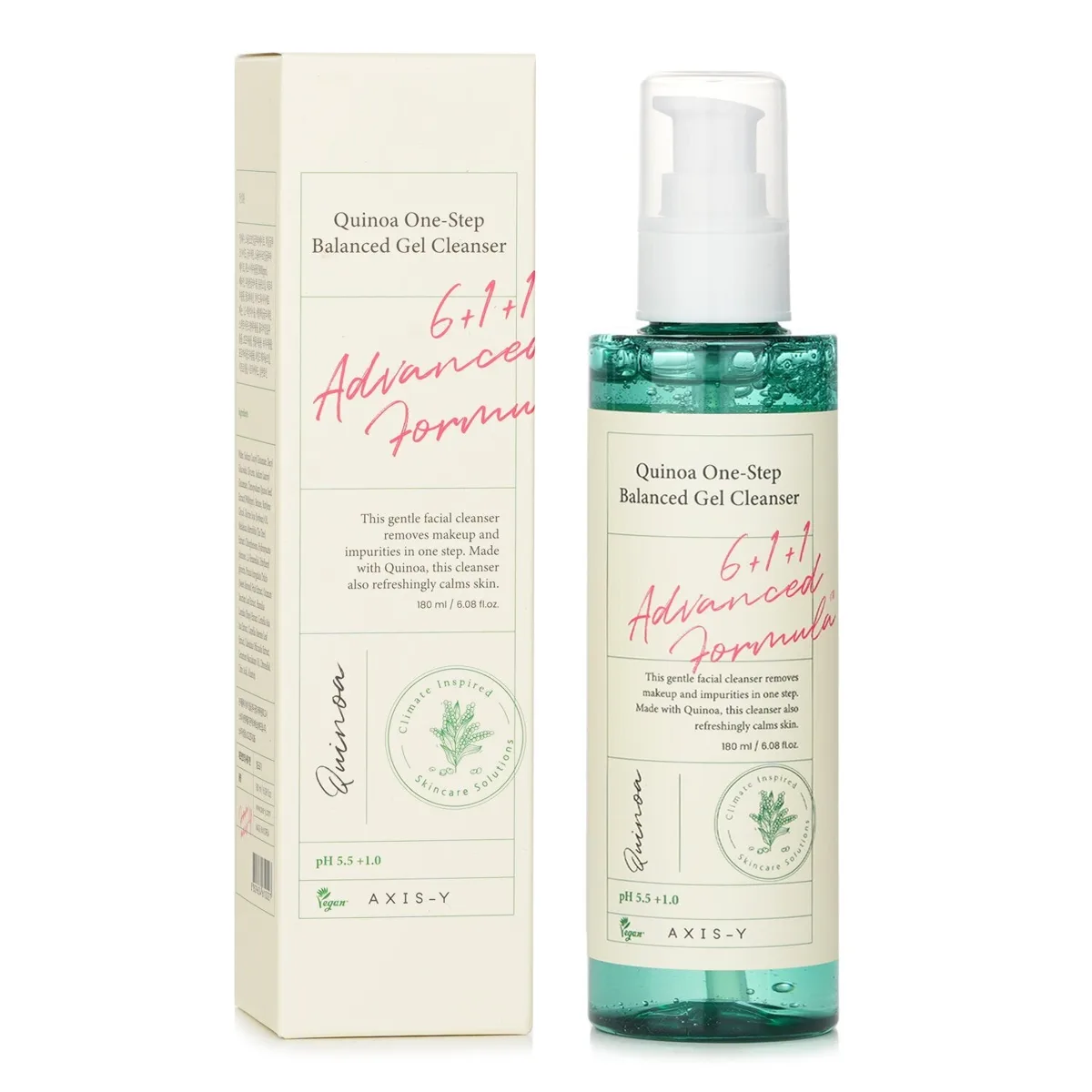 Quinoa-Led Gentle Daily Cleanser
 Quinoa One Step Balanced Gel Cleanser
A fragrance-free, sulfate-free gel cleanser built around quinoa seed extract and a gentle amphoteric-plus-nonionic surfactant pair. Non-stripping, broadly suitable, and priced reasonably — one of the safest recommendations in the daily gentle cleanser category.
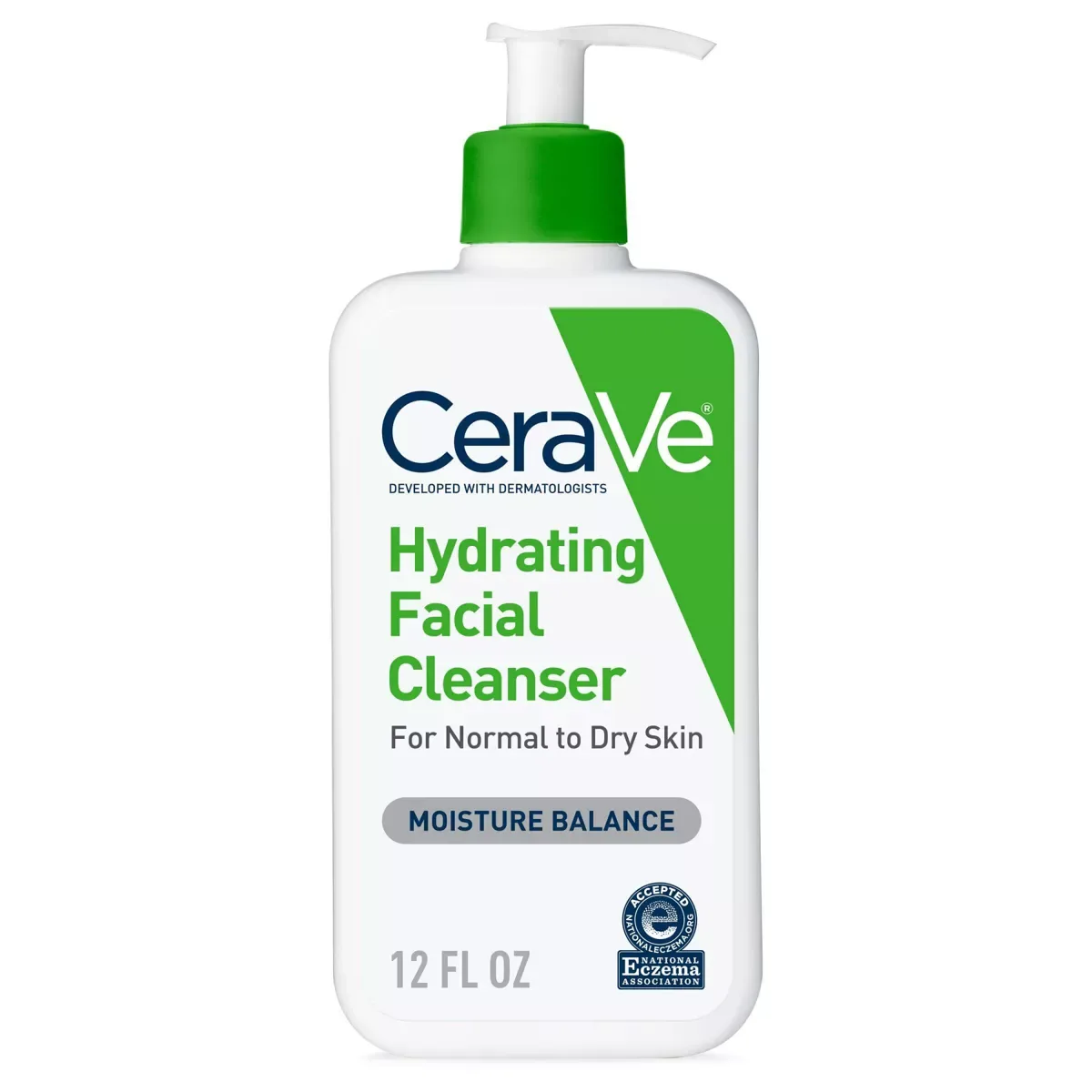 Sensitive Skin MVP
 Hydrating Facial Cleanser
The CeraVe Hydrating Facial Cleanser is the cleanser that taught a generation of dry-skin sufferers that washing your face does not have to mean punishing it. A lotion-textured, non-foaming formula that genuinely hydrates while it cleans, it remains the benchmark drugstore cleanser for anyone whose skin drinks moisture faster than most products can provide it.
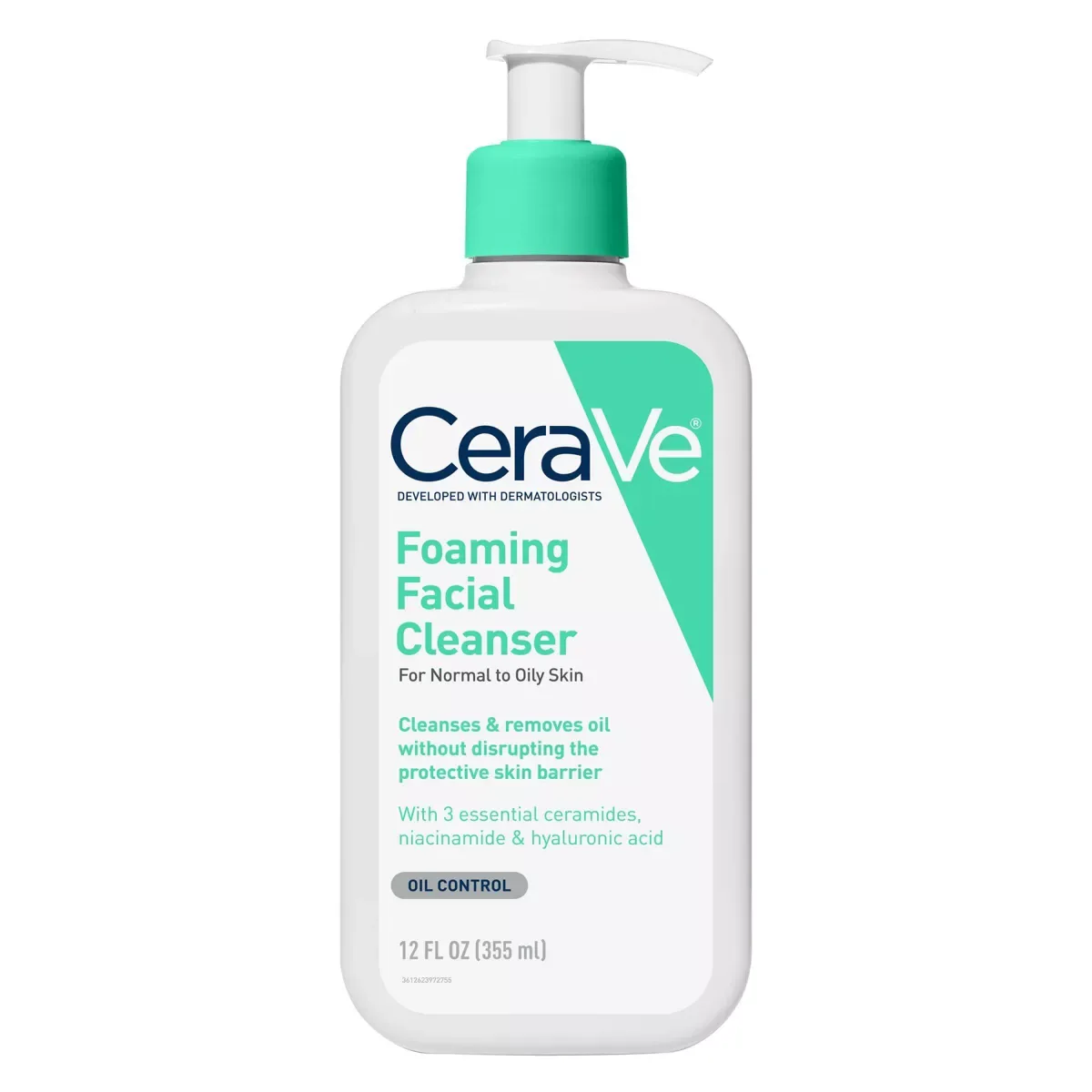 Derm Office Staple
 Foaming Facial Cleanser
The CeraVe Foaming Facial Cleanser is the rare drugstore cleanser that dermatologists actually use themselves — a genuinely gentle foaming wash that removes excess oil without triggering the rebound sebum production that plagues most lathering cleansers. At under sixteen dollars for a bottle that lasts months, it makes skipping it almost irrational.
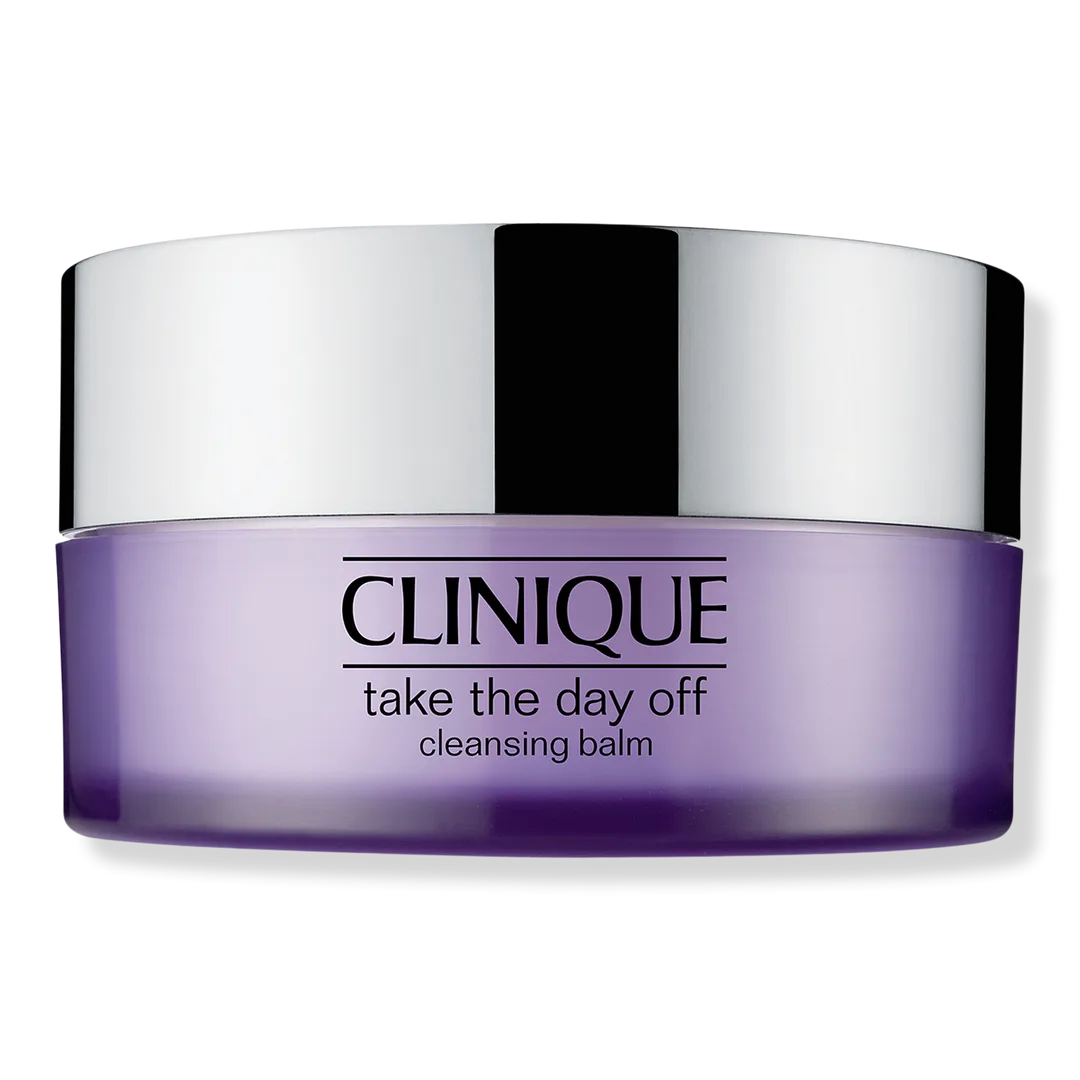 Cult-Status Makeup Eraser
 Take the Day Off Cleansing Balm
The cleansing balm that earned its cult status through radical restraint — nine ingredients, zero fragrance, and the ability to dissolve anything from waterproof mascara to SPF 50 without disturbing even the most reactive skin. Not the most glamorous product in any routine, but possibly the most universally reliable.
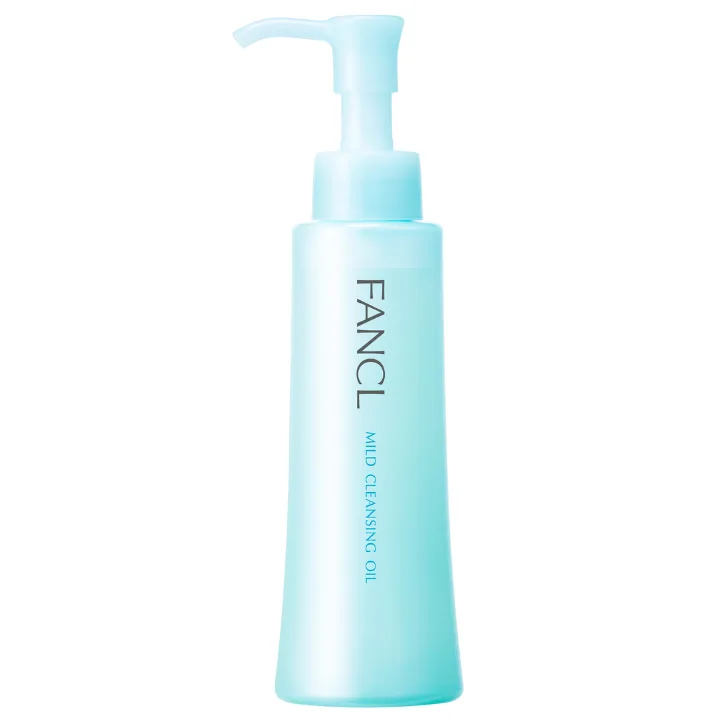 Japanese Drugstore Classic
 Mild Cleansing Oil
A two-decade-old Japanese drugstore staple that still outperforms most modern cleansing oils on the single metric that matters: does it remove sunscreen cleanly without leaving a film. The fragrance-free, ester-based formula is gentle enough for reactive skin and thoughtfully augmented with vitamin C and plant oils. Quietly one of the best first-cleanse options on the market.
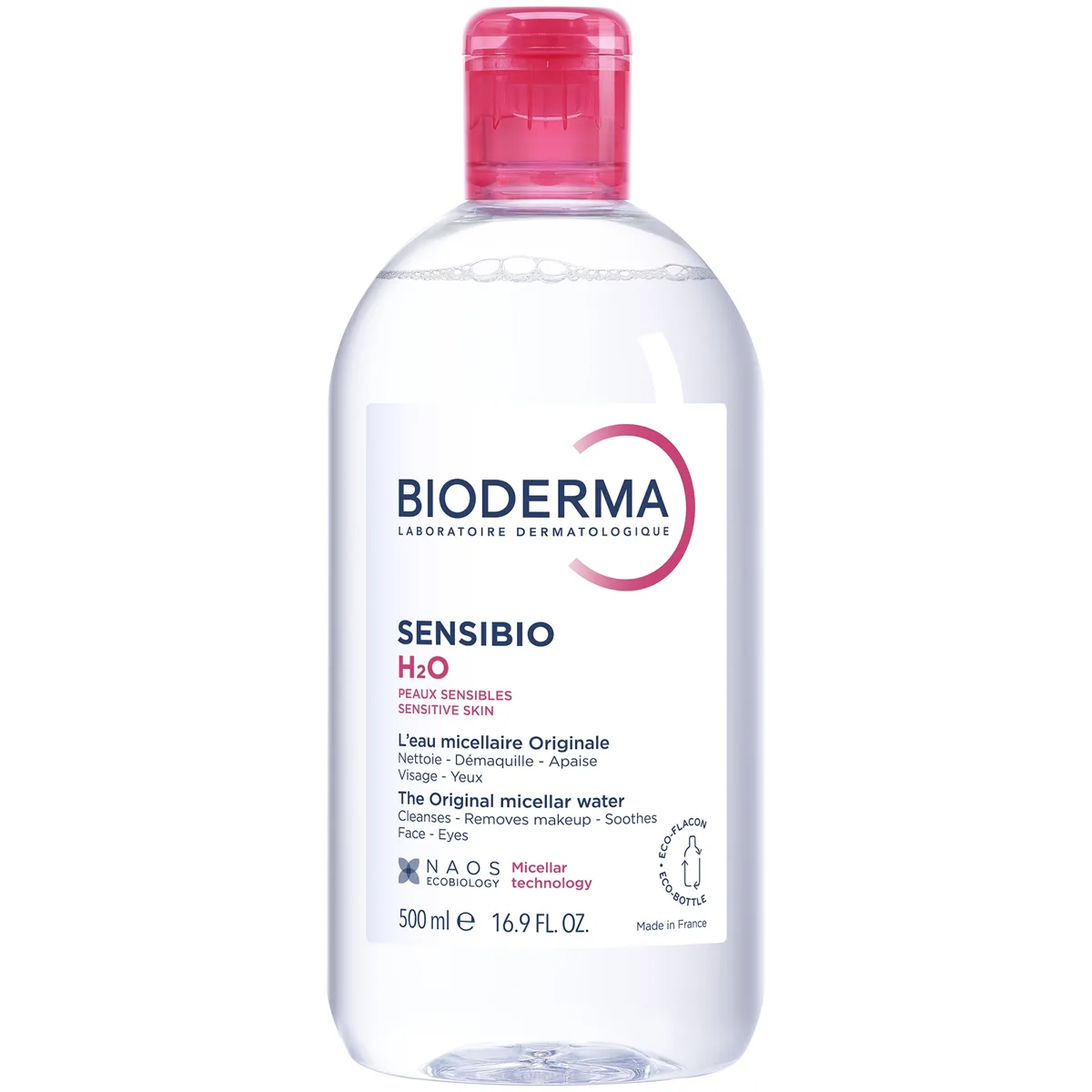 The Original Micellar Water
 Sensibio H2O Micellar Water
The product that launched an entire skincare category remains, three decades later, one of the gentlest and most effective no-rinse cleansers available. Bioderma Sensibio H2O earns its cult status through radical simplicity — 10 ingredients, zero fragrance, and a formula so mild it was originally dispensed by prescription.