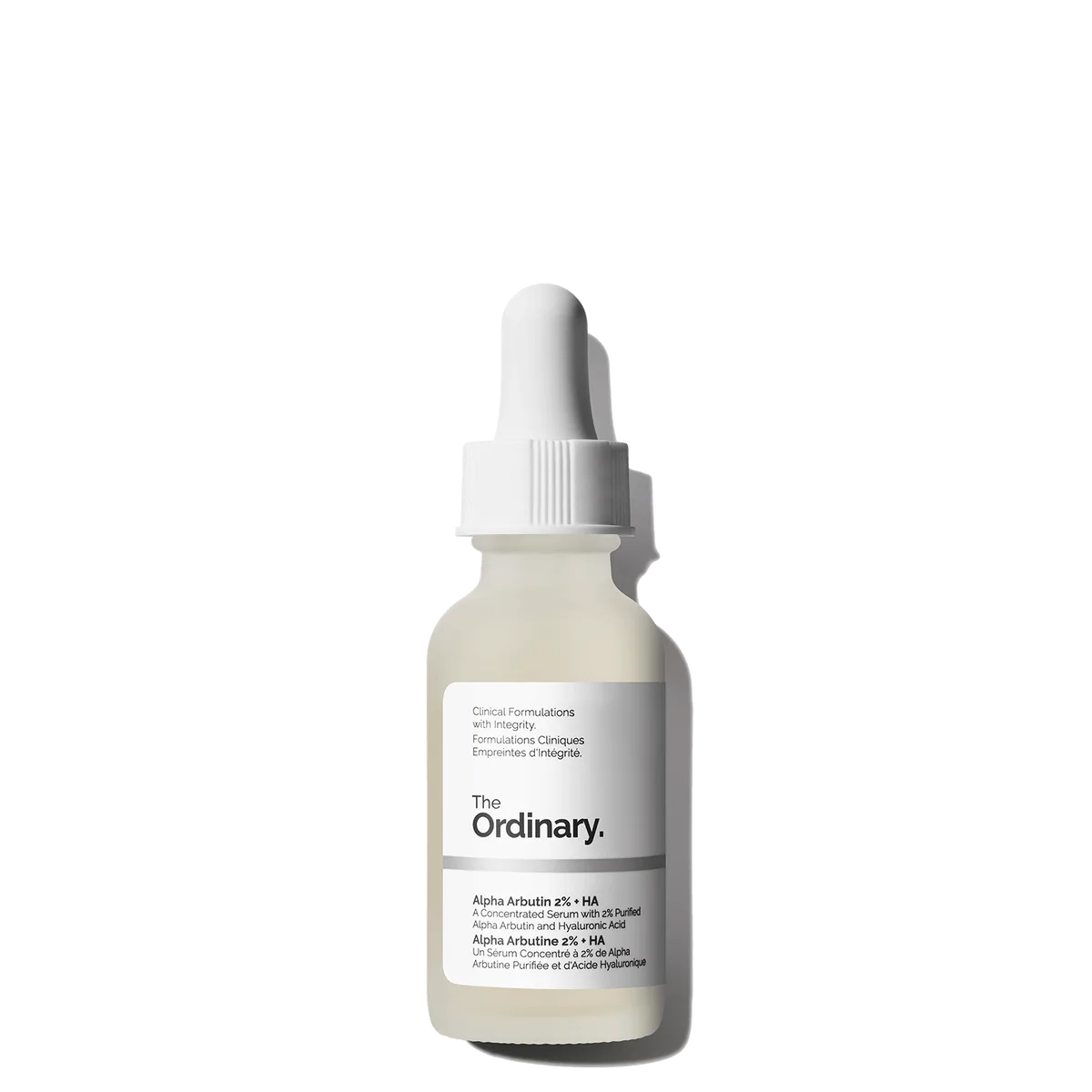
A precision-targeted brightening serum that delivers clinical-grade alpha-arbutin at maximum recommended concentration for $10. The pH-optimized formula ensures the active actually works in solution — a detail many competitors overlook. Patience is required, but for those willing to commit to 8-12 weeks, this is one of the most cost-effective approaches to fading hyperpigmentation available anywhere.
Alpha Arbutin 2% + HA
A precision-targeted brightening serum that delivers clinical-grade alpha-arbutin at maximum recommended concentration for $10. The pH-optimized formula ensures the active actually works in solution — a detail many competitors overlook. Patience is required, but for those willing to commit to 8-12 weeks, this is one of the most cost-effective approaches to fading hyperpigmentation available anywhere.
Score Breakdown
A well-formulated, targeted brightening serum at an exceptional price point. The pH-optimized alpha-arbutin at maximum recommended concentration is backed by strong clinical evidence, and the minimal ingredient list keeps irritation risk low. Suitability is slightly narrower due to the specific focus on pigmentation concerns.
Data Confidence: high
This product has been on market since 2017 with an estimated 15,000+ user reviews across major retailers. Alpha-arbutin is extensively studied as a depigmenting agent with multiple peer-reviewed publications confirming its efficacy and safety.
0/100
Overall Score
Ingredient Quality 0
Value for Money 0
Suitability Breadth 0
Irritation Risk (↑ = safer) 0
Assessment
Pros
- Alpha-arbutin at maximum SCCS-recommended 2% concentration for targeted brightening
- pH optimized at 4.9 to prevent arbutin degradation in aqueous solution
- Clean 12-ingredient formula with no unnecessary fillers or fragrances
- Extremely affordable at $10 compared to $40-80 clinical brightening serums
- Layers seamlessly under niacinamide, vitamin C, retinoids, and moisturizers
- Gentle enough for sensitive skin with minimal risk of irritation
- Strong clinical evidence supporting alpha-arbutin's efficacy for hyperpigmentation
- Over 15,000 user reviews with consistently positive feedback on dark spot fading
Cons
- Results require 8-12 weeks of patience — no immediate visible brightening
- Slightly tacky texture on initial application can occasionally cause pilling
- Not moisturizing on its own — requires layering with hydrating products
- Pregnancy safety unclear due to hydroquinone glycoside classification
- PEG-40 Hydrogenated Castor Oil may not be suitable for fungal-acne-prone skin
Full Review
Hydroquinone has been the gold standard for treating hyperpigmentation for decades, but its reputation has taken hits. Cytotoxicity concerns, bans or restrictions in multiple countries, and the risk of paradoxical darkening with prolonged use have sent both dermatologists and consumers looking for alternatives. Alpha-arbutin — a glycosylated form of hydroquinone that inhibits tyrosinase without the same safety baggage — emerged as the leading candidate. And in 2017, The Ordinary bottled it at the maximum recommended concentration and sold it for ten dollars.
The formulation here is deliberately minimal. Twelve ingredients, most of which serve the alpha-arbutin rather than adding their own marketing claims. The pH is held at approximately 4.9, which is a detail worth understanding: alpha-arbutin is notoriously unstable in aqueous solutions, degrading into hydroquinone if the pH drifts too low or losing efficacy if it drifts too high. That 4.9 sweet spot is where the molecule remains intact and active. Many competing brightening serums either don't disclose their pH or don't optimize for arbutin stability, which means the active on the label may not be the active reaching your skin.
The supporting cast is lean but thoughtful. Hydrolyzed sodium hyaluronate — a low-molecular-weight form of HA — provides hydration and improved absorption without competing with the star ingredient. Lactic acid at a sub-exfoliating dose helps maintain that critical pH while offering mild keratolytic activity that can enhance arbutin penetration. Propanediol ensures even distribution across the skin. There's nothing here that doesn't earn its place.
On the skin, this serum behaves like water with a brief moment of tack. A few drops dispensed from the glass pipette spread easily and absorb within seconds. There's no tingling, no warming, no immediate visible effect. This is not a product that announces its presence — it's quiet, almost invisible, and that's exactly what you want from something you'll be wearing under layers of other products twice a day for months.
And months are what you'll need. This is the single most important thing to understand about alpha-arbutin: it doesn't bleach existing pigment. It inhibits the enzyme (tyrosinase) responsible for producing new melanin. That means the dark spots you see today need to gradually shed through natural cell turnover while the cells replacing them produce less pigment. The clinical timeline is 8-12 weeks for meaningful results, and expecting anything faster is setting yourself up for disappointment.
But when results come, they're genuine. Users consistently report that post-inflammatory hyperpigmentation from acne fades faster and more completely with consistent use. Sun spots and areas of uneven tone gradually even out. The effect isn't dramatic in the way that a chemical peel can be — it's progressive, subtle, and sustainable. A 2025 split-face randomized controlled trial published in the Journal of Cosmetic Dermatology found that alpha-arbutin formulations achieved comparable results to hydroquinone 4% triple combination cream for treating melasma, which is remarkable for an ingredient that carries none of hydroquinone's safety concerns.
The formula layers beautifully. It plays well with niacinamide, vitamin C, retinoids, tranexamic acid, and azelaic acid — all ingredients that work through complementary pathways to address pigmentation. Building a multi-pronged brightening routine around this serum as the tyrosinase-inhibiting anchor is a strategy that dermatologists would recognize and approve of.
The limitations are real but manageable. This is not a moisturizer — it's a treatment serum that needs hydration and occlusion on top of it. The texture's brief tackiness, while minor, can occasionally cause pilling if the next product is applied too quickly. The dropper cap develops a slight crusty residue over weeks that requires occasional cleaning. And sunscreen is non-negotiable — using a brightening serum without UV protection is like bailing water from a boat while ignoring the hole in the hull.
Pregnancy safety is a legitimate question mark. While alpha-arbutin has much lower systemic absorption than hydroquinone, its status as a hydroquinone glycoside means most dermatologists recommend erring on the side of caution during pregnancy. Niacinamide, azelaic acid, and vitamin C are generally considered safer alternatives for expectant mothers.
At $10 for 30 mL, the value calculation borders on absurd. Clinical-grade brightening serums with comparable active concentrations from medical skincare brands routinely cost $40-80. The Ordinary doesn't just undercut the competition — it reframes the conversation about what brightening skincare should cost. The fact that this serum has accumulated over 15,000 reviews with a 4.4 average rating across major retailers isn't just social proof — it's a verdict from a jury of thousands who tested it on their own hyperpigmentation and came back to buy another bottle.
This isn't a miracle product. It's a well-formulated, pH-optimized delivery of a clinically validated active at a fair price. That description sounds modest, but in a skincare market saturated with overwrought claims and underperforming formulations, modest honesty might be the most radical thing on the shelf.
Formula
Ingredients
The hero actives that drive this product's performance.
| Ingredient | Function | Evidence |
|---|---|---|
| Alpha-Arbutin (2%) | A glycosylated hydroquinone that inhibits tyrosinase activity to reduce melanin production. At 2% — the maximum concentration recommended by the EU Scientific Committee on Consumer Safety — it works within this formula's optimized pH of 4.9, which minimizes degradation in aqueous solution. Alpha-arbutin is approximately 10 times more potent than beta-arbutin on human tyrosinase. | well-established |
| Hydrolyzed Sodium Hyaluronate | A low-molecular-weight form of hyaluronic acid that penetrates more effectively than standard HA. In this brightening formula, it provides hydration to counterbalance any potential dryness from the lactic acid while ensuring the skin stays plump and receptive to the alpha-arbutin. The hydrolyzed form also improves overall product absorption. | well-established |
| Lactic Acid | Present at a low, non-exfoliating concentration, lactic acid serves a dual purpose in this formula: it helps maintain the critical ~4.9 pH that prevents alpha-arbutin degradation in water, and provides mild keratolytic activity that can enhance arbutin penetration by promoting gentle surface cell turnover. | well-established |
| Propanediol | A plant-derived solvent and humectant that improves the spreadability and absorption of this lightweight serum. It helps distribute the alpha-arbutin evenly across the skin surface and enhances delivery of the active into the upper epidermis where tyrosinase activity occurs. | well-established |
Full INCI List · pH 4.9
Aqua (Water), Alpha-Arbutin, Polyacrylate Crosspolymer-6, Hydrolyzed Sodium Hyaluronate, Propanediol, PPG-26-Buteth-26, PEG-40 Hydrogenated Castor Oil, Lactic Acid, Trisodium Ethylenediamine Disuccinate, Ethoxydiglycol, Phenoxyethanol, Chlorphenesin
Product Flags
✓ Fragrance Free✓ Alcohol Free✓ Oil Free✓ Silicone Free✓ Paraben Free✓ Sulfate Free✓ Cruelty Free✓ Vegan✗ Fungal Acne Safe
Potential Irritants
Lactic acid (low concentration)Ethoxydiglycol (penetration enhancer)
Compatibility
Skin Match
Best For
Works For
Not Ideal For
Addresses These Conditions
hyperpigmentation dark spots melasma sun damage dullness scarring acne
Use With Caution
sensitivity compromised skin barrier
Routine Step
serum
Time of Day
AM & PM
Pregnancy Safe
Unknown
Layering Tips
Apply after cleansing and toning, before heavier serums and moisturizer. A few drops patted into areas of concern or across the full face. Always follow with sunscreen in the AM — brightening actives are undermined without UV protection.
Results Timeline
No visible brightening on first use, though skin feels hydrated from the hyaluronic acid. Mild improvement in overall tone evenness within 1-2 weeks. Early visible fading of lighter or newer dark spots at 4-6 weeks. Significant fading of established hyperpigmentation at 8-12 weeks with continued use.
Pairs Well With
NiacinamideVitamin C serumsRetinol or retinoid treatmentsTranexamic acidAzelaic acidSunscreen (essential)
Sample AM Routine
- Gentle cleanser
- The Ordinary Alpha Arbutin 2% + HA
- Niacinamide serum
- Moisturizer
- Sunscreen SPF 30+
Sample PM Routine
- Cleanser
- The Ordinary Alpha Arbutin 2% + HA
- Retinol treatment (alternate nights)
- Moisturizer
Evidence
Science
The Science
Alpha-arbutin's depigmenting mechanism is well characterized in the literature. It functions as a competitive inhibitor of tyrosinase — the rate-limiting enzyme in melanin biosynthesis — binding to the enzyme's active site and preventing it from oxidizing L-DOPA into melanin precursors. A foundational 1996 study published in the Journal of Pharmacology and Experimental Therapeutics demonstrated that arbutin inhibited tyrosinase activity in cultured human melanocytes at non-cytotoxic concentrations, establishing its safety advantage over hydroquinone.
A comprehensive 2021 review in the International Journal of Molecular Sciences confirmed that alpha-arbutin is approximately 10 times more potent than beta-arbutin on human tyrosinase, justifying its selection as the form used in this product. The same review documented additional antioxidant properties, suggesting alpha-arbutin may protect melanocytes from oxidative stress that triggers excess melanin production.
The clinical relevance of alpha-arbutin's concentration and formulation pH was underscored by kinetic analysis published in PLOS ONE (2017), which showed that alpha-arbutin's inhibitory activity is concentration-dependent and sensitive to environmental conditions. This product's 2% concentration aligns with the maximum recommended by the EU Scientific Committee on Consumer Safety for leave-on facial products, and its pH of approximately 4.9 falls within the stability window identified in formulation science literature.
Most recently, a 2025 split-face randomized controlled trial published in the Journal of Cosmetic Dermatology compared alpha-arbutin 5% plus kojic acid 2% against hydroquinone 4% triple combination cream for melasma treatment. The alpha-arbutin formulation achieved comparable improvement in modified MASI scores, suggesting that alpha-arbutin-based treatments can approach hydroquinone's gold-standard efficacy without its associated risks.
References
- Arbutin as a Skin Depigmenting Agent with Antimelanogenic and Antioxidant Properties — International Journal of Molecular Sciences (2021)
- Arbutin: mechanism of its depigmenting action in human melanocyte culture — Journal of Pharmacology and Experimental Therapeutics (1996)
- Action of tyrosinase on alpha and beta-arbutin: A kinetic study — PLOS ONE (2017)
- The Efficacy of Topical Cosmetic Containing Alpha-Arbutin 5% and Kojic Acid 2% Compared With Triple Combination Cream for the Treatment of Melasma — Journal of Cosmetic Dermatology (2025)
Dermatologist Perspective
Dermatologists widely recommend alpha-arbutin as a first-line brightening agent for patients who cannot tolerate hydroquinone or prefer to avoid its associated risks. Board-certified dermatologists note that alpha-arbutin's competitive tyrosinase inhibition provides meaningful depigmenting activity without the cytotoxicity that limits hydroquinone to short-term use. This product's 2% concentration and pH-optimized formulation align with dermatological best practices for maximizing arbutin stability and efficacy. Dermatologists consistently emphasize that alpha-arbutin should be used in conjunction with daily broad-spectrum sunscreen — without UV protection, ongoing melanin stimulation will outpace any brightening treatment. For patients with melasma, dermatologists often recommend combining alpha-arbutin with complementary agents like niacinamide, tranexamic acid, or azelaic acid for a multi-pathway approach.
Guidance
Usage Guide
How to Use
Apply a few drops to clean, dry skin morning and evening. Pat gently into areas of hyperpigmentation or across the full face. Layer under heavier serums, moisturizer, and sunscreen. In the AM, always follow with broad-spectrum SPF 30+ — brightening actives are ineffective without UV protection. Can be used alongside niacinamide, vitamin C, retinoids, and other treatments. Avoid applying directly to broken or severely compromised skin. Store in a cool, dark place to prevent oxidation.
Value Assessment
At $10 for 30 mL, this is an extraordinary value for a pH-optimized brightening serum with alpha-arbutin at the maximum recommended concentration. Clinical brightening serums from medical skincare brands with comparable active concentrations cost $40-80 for similar volumes. A larger 60 mL size is also available, offering even better per-milliliter value for those who've confirmed this works for their skin. The Ordinary's pricing reflects the brand's disruptive philosophy — the formulation science is legitimate, and the low price comes from eliminating marketing overhead rather than cutting ingredient quality.
Who Should Buy
Anyone dealing with post-inflammatory hyperpigmentation, sun spots, uneven skin tone, or mild melasma who wants a clinically validated brightening active at an accessible price. Particularly well-suited for those building a multi-step brightening routine who need a reliable tyrosinase inhibitor as the foundation.
Who Should Skip
Those who need immediate brightening results — this takes 8-12 weeks. Pregnant or breastfeeding individuals should consult a healthcare provider due to alpha-arbutin's classification as a hydroquinone glycoside. Anyone with a known allergy to arbutin or hydroquinone derivatives should avoid this product.
Ready to try The Ordinary Alpha Arbutin 2% + HA?
Details
Details
Texture
Lightweight water-based serum with a consistency between water and gel. Slightly tacky on initial application but absorbs within 10-15 seconds, leaving a smooth, non-greasy finish.
Scent
No added fragrance. Very faint, barely perceptible clean scent that dissipates immediately on application.
Packaging
30 mL frosted glass dropper bottle with white label and black text. Standard The Ordinary serum packaging. The dropper opening can accumulate residue with repeated use.
Finish
satinnon-greasylightweight
What to Expect on First Use
Skin feels immediately hydrated from the hyaluronic acid component. No tingling, burning, or visible changes on first use. The slightly tacky texture resolves within seconds. Don't expect brightening effects for several weeks — alpha-arbutin works by inhibiting future melanin production, not by immediately lightening existing pigment.
How Long It Lasts
2-3 months with twice-daily application across full face
Period After Opening
12 months
Best Season
All Year
Certifications
Cruelty-free (Leaping Bunny)Vegan
Background
The Why
Alpha-arbutin has long been the dermatologist-preferred alternative to hydroquinone for hyperpigmentation — offering similar tyrosinase inhibition without the cytotoxicity concerns that led to hydroquinone's restriction in several countries. The Ordinary made this clinical-grade brightening active accessible at a fraction of typical prices when this serum launched in 2017, and it has since become one of the brand's most-reviewed products.
About The Ordinary Established Brand (5–20 years)
The Ordinary launched in 2016 under DECIEM and rapidly became one of the most recognized clinical skincare brands globally. Its ingredient-first, transparency-driven approach is backed by formulation science, though the brand does not conduct proprietary clinical trials on most products.
Brand founded: 2016 · Product launched: 2017
Myth vs. Reality
Myths
Myth
Alpha arbutin is just a weaker version of hydroquinone.
Reality
Alpha-arbutin inhibits tyrosinase through a different mechanism than hydroquinone — it's a competitive inhibitor rather than a substrate analogue. A 2025 split-face RCT in the Journal of Cosmetic Dermatology found that alpha-arbutin formulations achieved comparable results to hydroquinone 4% triple combination cream for melasma, challenging the assumption that it's merely a weaker alternative.
Myth
You'll see results from alpha arbutin within a week or two.
Reality
Alpha-arbutin works by inhibiting melanin production in new skin cells, not by bleaching existing pigment. Results require the full skin cell turnover cycle — typically 8-12 weeks. Faster-fading products often contain stronger exfoliants that carry higher irritation risk.
FAQ
FAQ
How long does The Ordinary Alpha Arbutin take to work?
Alpha-arbutin inhibits future melanin production rather than bleaching existing pigment, so results require a full skin cell turnover cycle. Expect mild improvement in overall tone at 2-4 weeks, visible fading of lighter spots at 4-6 weeks, and significant results on established hyperpigmentation at 8-12 weeks of consistent twice-daily use with sunscreen.
Can I use The Ordinary Alpha Arbutin with vitamin C?
Yes — this is an excellent pairing. Alpha-arbutin and vitamin C work through complementary mechanisms: arbutin inhibits tyrosinase while vitamin C interrupts melanin synthesis at a different enzymatic step. Using both in the same routine provides multi-pathway brightening. Apply whichever has the lower pH first (typically vitamin C), then layer this serum on top.
Is The Ordinary Alpha Arbutin safe during pregnancy?
The safety data is insufficient to confirm or deny. Alpha-arbutin is a glycosylated form of hydroquinone with much lower systemic absorption, but most dermatologists recommend erring on the side of caution during pregnancy. Safer brightening alternatives include niacinamide, azelaic acid, and vitamin C.
Can I use The Ordinary Alpha Arbutin with niacinamide?
Yes — niacinamide and alpha-arbutin work through complementary pathways and are commonly recommended together. Niacinamide inhibits melanosome transfer from melanocytes to keratinocytes, while alpha-arbutin reduces melanin production at the source. In this product's pH-neutral-to-mildly-acidic range, both ingredients remain stable and effective.
Why is The Ordinary Alpha Arbutin so cheap?
The Ordinary's business model eliminates traditional skincare marketing overhead — no celebrity endorsements, minimal advertising, and direct-to-consumer distribution. The alpha-arbutin raw material itself is not prohibitively expensive; the premium pricing of competing products largely reflects brand positioning rather than ingredient cost. This formula delivers the same 2% concentration used in clinical studies.
Does The Ordinary Alpha Arbutin work on melasma?
Clinical evidence supports alpha-arbutin's efficacy for mild to moderate melasma. A 2025 split-face RCT in the Journal of Cosmetic Dermatology found alpha-arbutin formulations achieved comparable results to hydroquinone 4% triple combination cream. For best results with melasma, dermatologists recommend combining this serum with complementary agents like tranexamic acid and rigorous daily sunscreen use.
Should I use The Ordinary Alpha Arbutin morning or night?
Both. This serum is designed for twice-daily application. In the morning, always follow with broad-spectrum sunscreen — brightening actives without UV protection are counterproductive. In the evening, it can be layered with retinol or other treatments for complementary anti-pigmentation benefits.
Community
Community
Common Praise
"Extremely affordable for a targeted brightening serum at this concentration"
"Effectively prevents and fades post-inflammatory hyperpigmentation from breakouts"
"Lightweight formula absorbs quickly and layers well under other products"
"Minimal irritation even for users with sensitive skin"
"Clean, short ingredient list with no unnecessary fillers"
"Noticeable reduction in dark spots with 2-3 months of consistent use"
Common Complaints
"Results are slow — visible fading requires 8-12 weeks of patience"
"Slightly sticky texture upon initial application before absorption"
"Not moisturizing on its own — requires pairing with a hydrating product"
"Dropper cap can accumulate crusty residue over time"
"Can oxidize and turn slightly brown if not stored properly"
Appears In
best serum for hyperpigmentation best serum for dark spots best budget brightening serum best serum for melasma best serum for acne
Related Conditions
hyperpigmentation dark spots melasma sun damage dullness scarring acne
Related Ingredients
alpha arbutin hyaluronic acid lactic acid niacinamide vitamin c
You Might Also Like
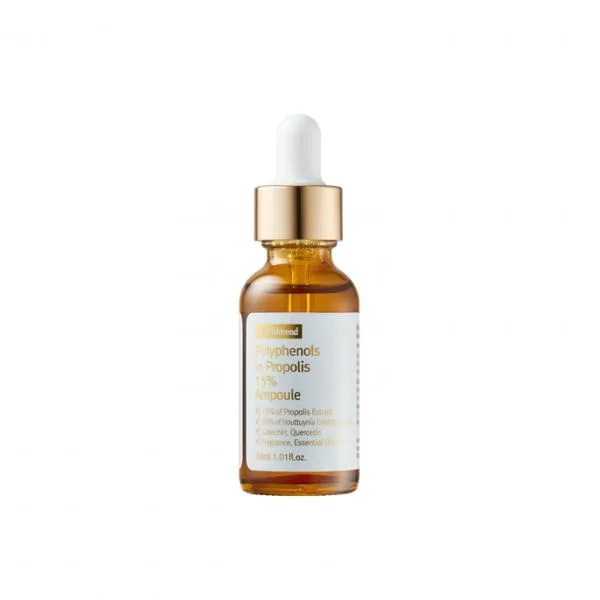 Sensitive Skin Soother
 Polyphenols In Propolis 15% Ampoule
A 15% propolis ampoule that earns its name with a real polyphenol stack — French Auvergne propolis layered over a houttuynia cordata base, with tulsi and pomegranate piling on. It's slightly sticky and not cheap by volume, but for sensitive, breakout-prone skin chasing calm, this is one of the most reliable K-beauty soothers in production.
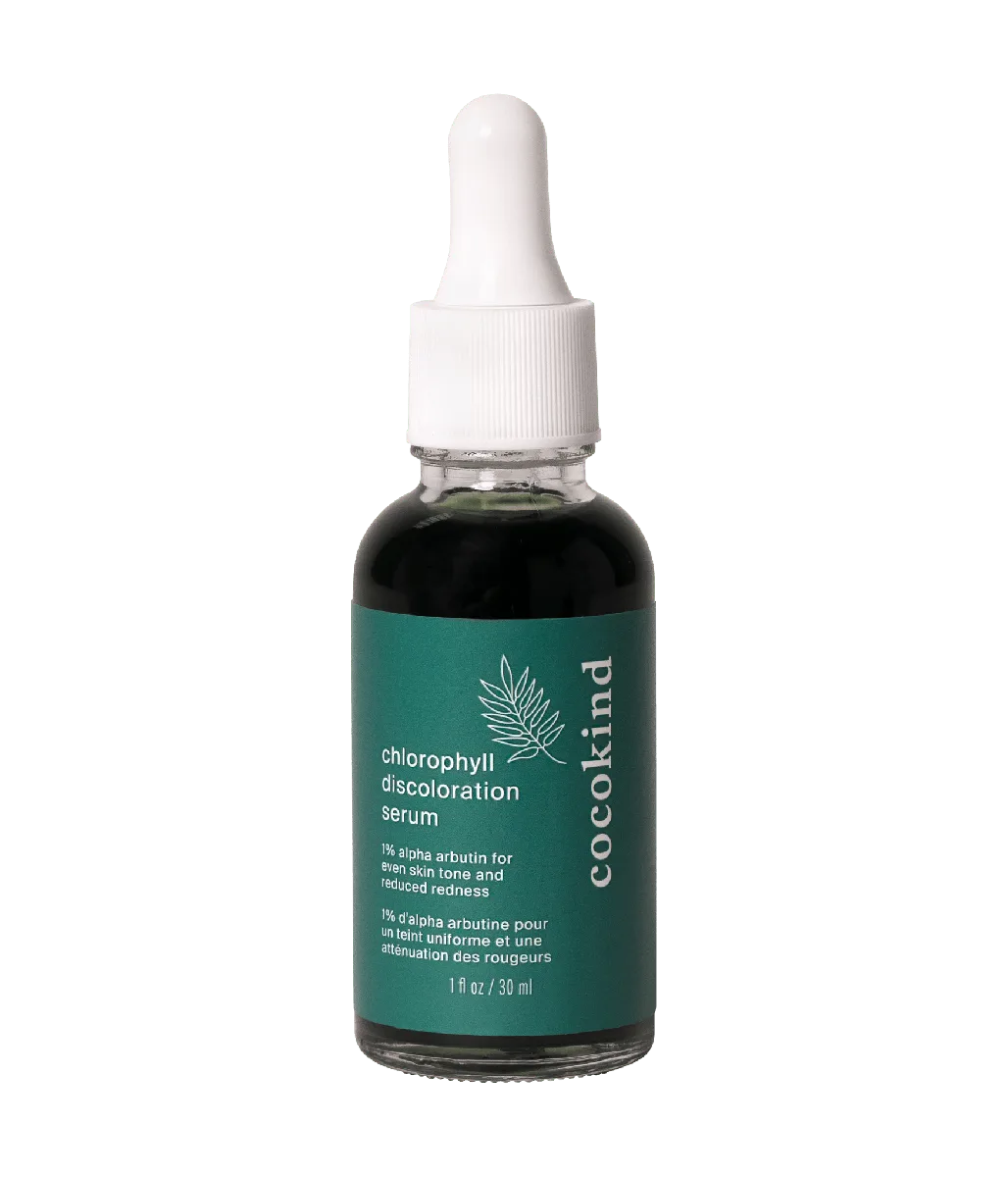 Budget Brightening Hero
 Chlorophyll Discoloration Serum
A quietly brilliant brightening serum that proves you do not need luxury prices or harsh actives to fade dark spots effectively. The alpha-arbutin and licorice root combination delivers genuine multi-pathway melanin inhibition, the sensitive-skin-friendly formula is impeccable, and $20 makes it accessible to virtually everyone. The chlorophyllin is more marketing differentiator than scientific powerhouse, but it does not hurt anything either.
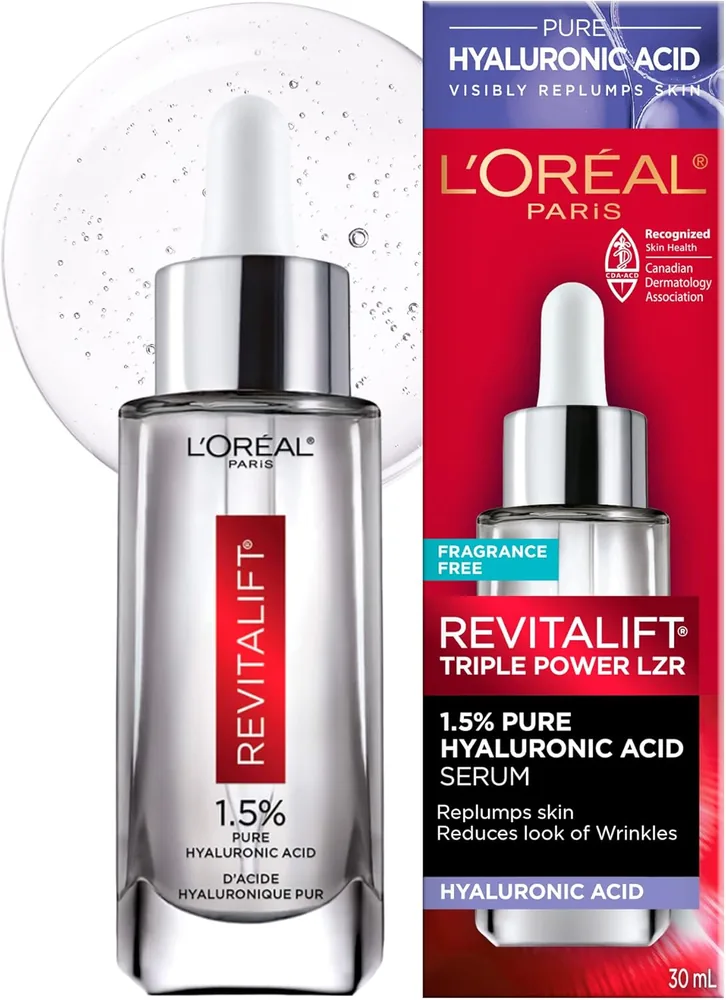 The People's HA Serum
 Revitalift Derm Intensives 1.5% Pure Hyaluronic Acid Serum
A masterclass in minimalist formulation — thirteen ingredients, no filler, four functional actives, and over thirty thousand glowing reviews. L'Oréal's multi-weight HA system delivers genuine hydration at every level of the skin, and the fragrance-free, alcohol-free formula is clean enough for virtually anyone. The drugstore serum that embarrasses its prestige competitors.
 Budget Hydration Holy Grail
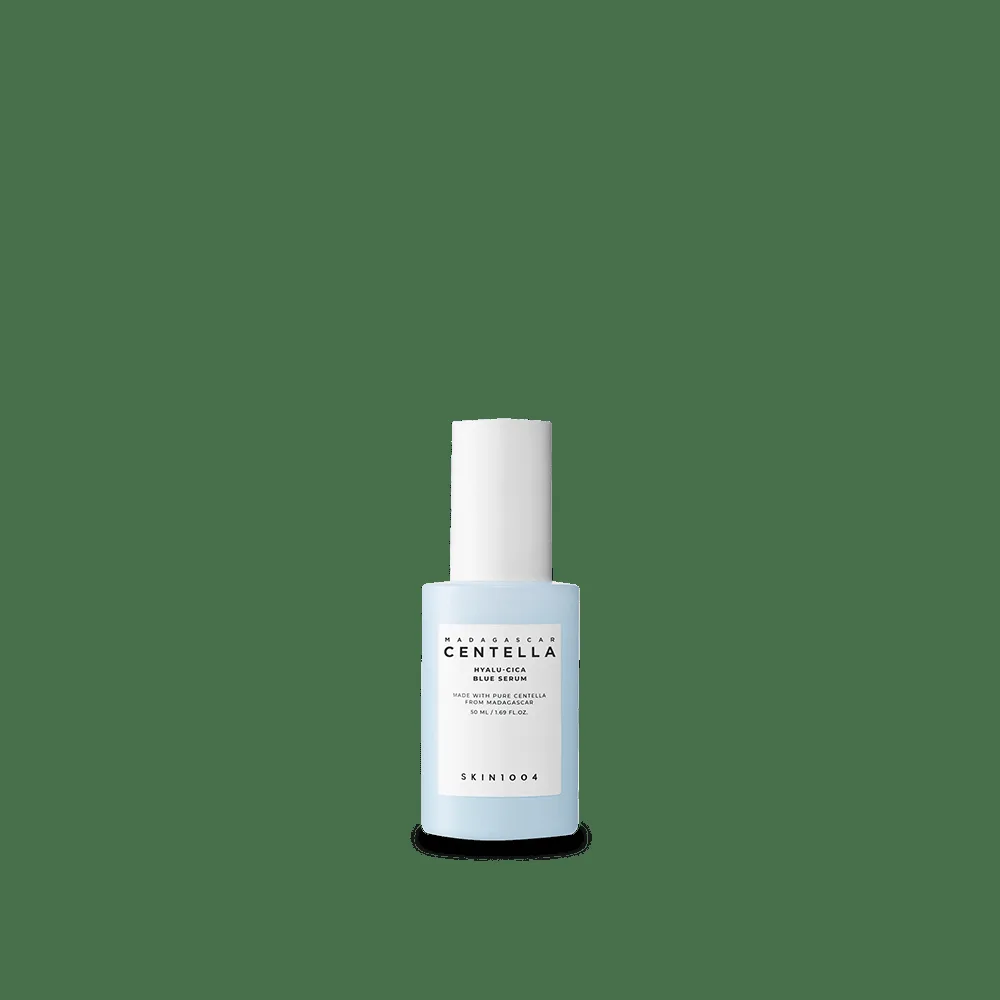
 Hyalu-Cica Blue Serum
A quietly excellent budget serum that stacks Centella asiatica leaf water, five types of hyaluronic acid, niacinamide, ceramide NP, and adenosine into a fragrance-free under-$20 bottle. It is genuinely one of the best hydration-plus-soothing serums at any price, and the fact that it costs less than a salad in Manhattan is the point.
 Sensitive Skin First-Line Defense
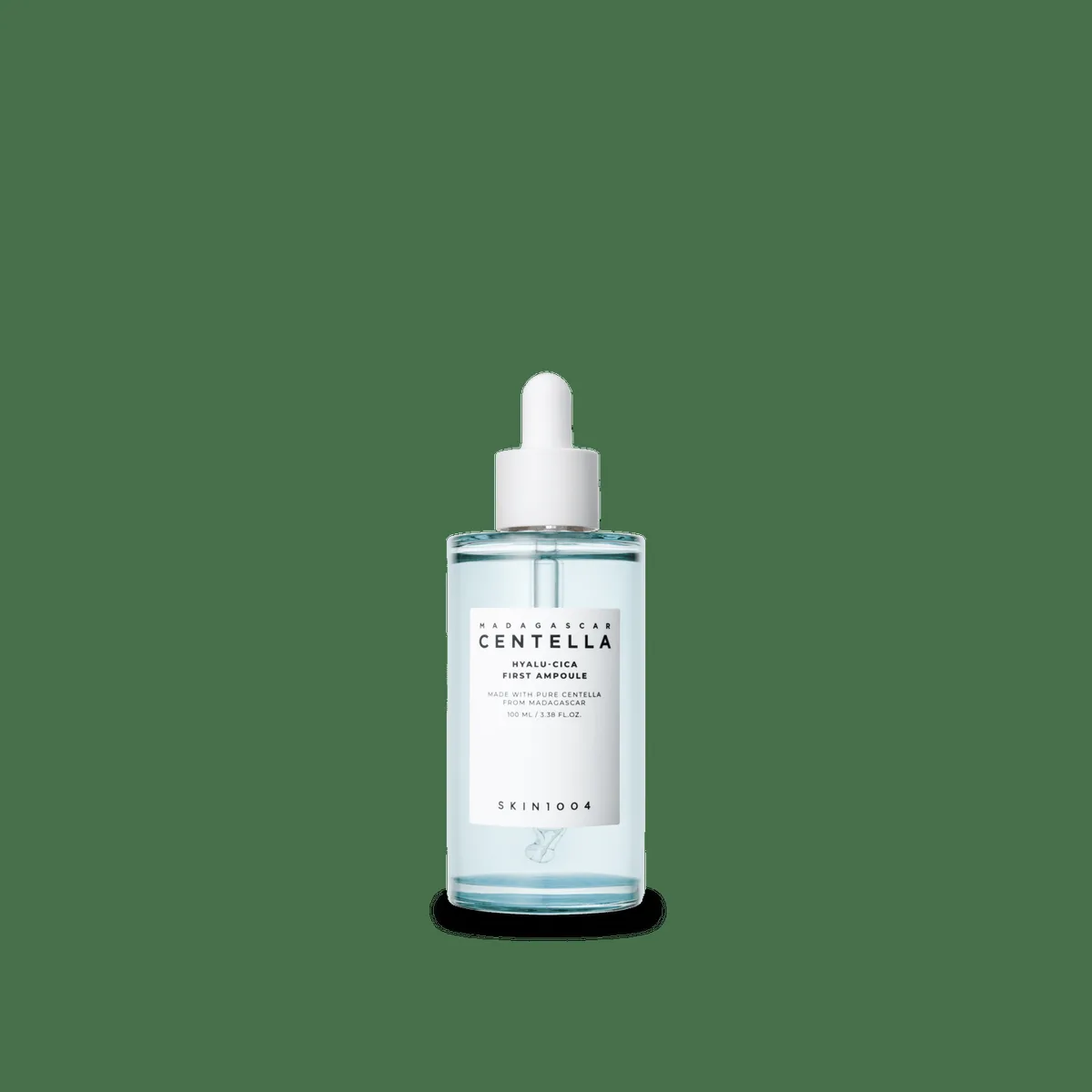
 Hyalu-Cica First Ampoule
A 92% Centella asiatica extract ampoule paired with niacinamide and a multi-weight HA complex, fragrance-free and purpose-built for sensitive, compromised, and reactive skin. At $25 for 100ml, it is one of the most justifiable skincare purchases a budget-conscious buyer can make, and it earns a place in almost any routine that needs a soothing anchor.
 Sensitive Skin MVP
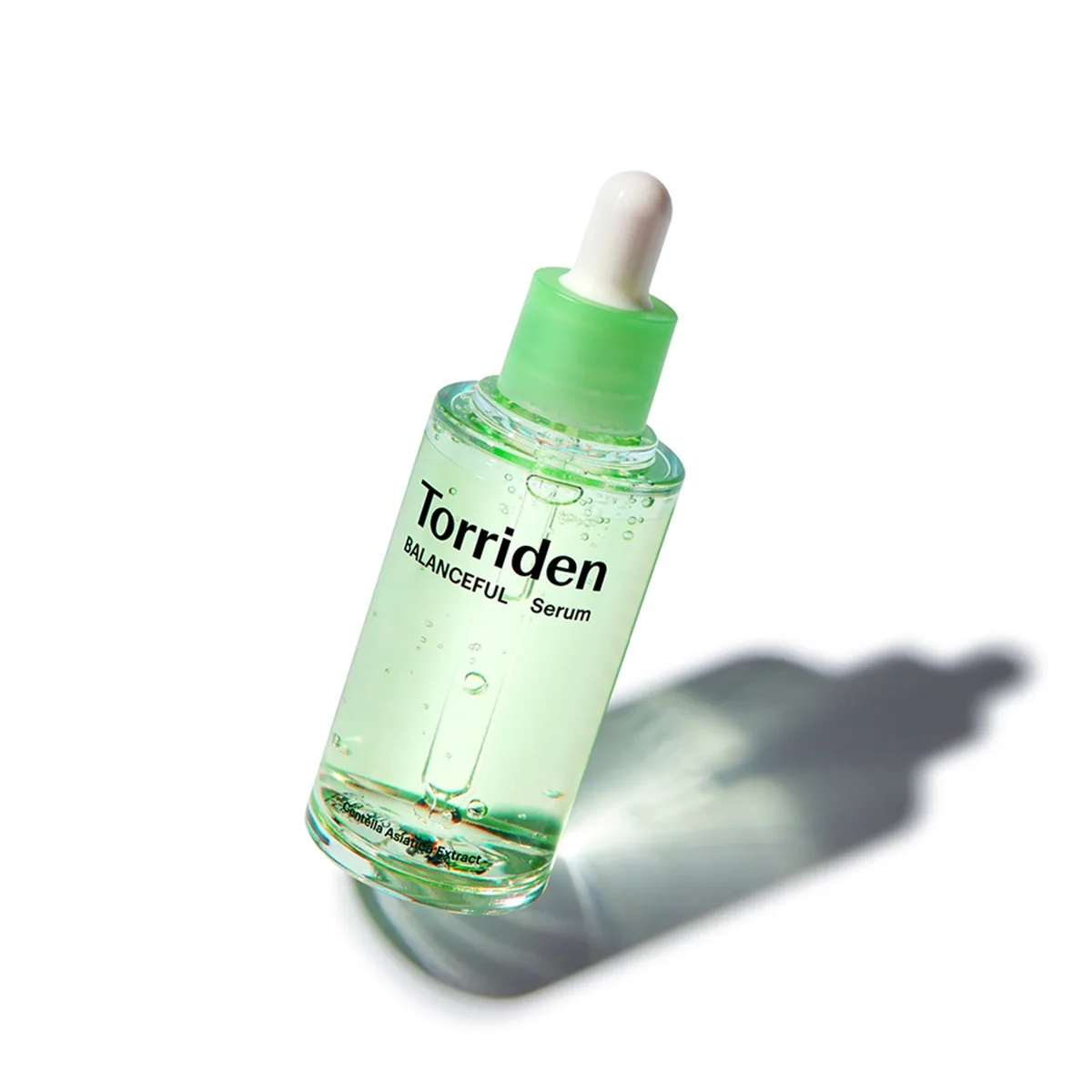
 Balanceful Cica Serum
Torriden's Balanceful Cica Serum is one of the most recommendable calming serums in K-beauty — a genuinely fragrance-free, multi-weight hyaluronic acid and 5D cica complex treatment that quietly reduces redness, supports the barrier, and buffers other actives without drama. At under $25 it's a near-automatic pick for sensitive, rosacea-prone, and barrier-compromised skin.