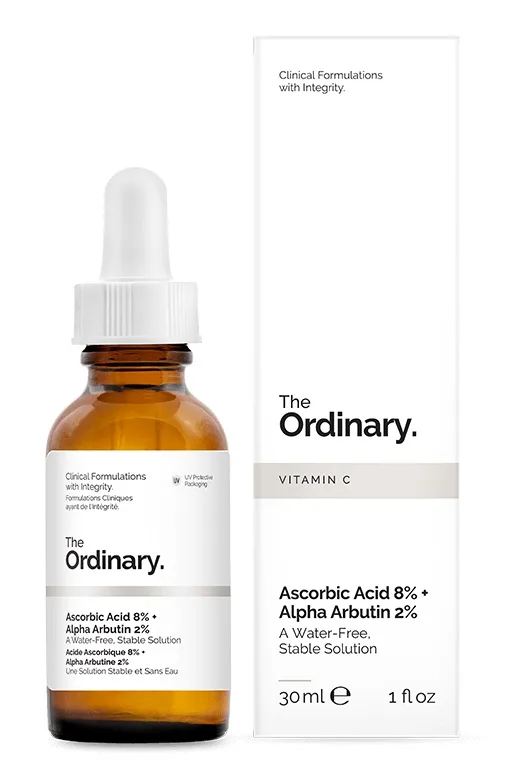
A minimalist, scientifically elegant brightening serum that pairs two complementary tyrosinase inhibitors in a stability-optimized anhydrous format. The 8% vitamin C is gentle enough for daily use while the alpha-arbutin amplifies the brightening effect through a separate pathway. It won't deliver overnight results, but for patient users, this $12 three-ingredient formula is one of the most efficient approaches to addressing hyperpigmentation.
Ascorbic Acid 8% + Alpha Arbutin 2%
A minimalist, scientifically elegant brightening serum that pairs two complementary tyrosinase inhibitors in a stability-optimized anhydrous format. The 8% vitamin C is gentle enough for daily use while the alpha-arbutin amplifies the brightening effect through a separate pathway. It won't deliver overnight results, but for patient users, this $12 three-ingredient formula is one of the most efficient approaches to addressing hyperpigmentation.
Score Breakdown
A clever dual-active brightening serum that solves vitamin C's biggest problem — stability — through an anhydrous delivery system. The synergistic combination of two complementary tyrosinase inhibitors is well-supported by research. Suitability is narrower due to the brightening-specific focus and L-ascorbic acid sensitivity concerns. Irritation risk is moderate given the direct vitamin C content.
Data Confidence: high
This product has been on market since 2019 with approximately 700 user reviews across major retailers. Both L-ascorbic acid and alpha-arbutin are extensively studied ingredients with strong clinical evidence for brightening efficacy.
0/100
Overall Score
Ingredient Quality 0
Value for Money 0
Suitability Breadth 0
Irritation Risk (↑ = safer) 0
Assessment
Pros
- Dual-pathway tyrosinase inhibition with synergistic L-ascorbic acid and alpha-arbutin
- Anhydrous formula solves vitamin C's notorious stability problem without derivatives
- Remarkably minimal 3-ingredient INCI list with zero unnecessary fillers
- Fungal acne safe with no comedogenic ingredients or fatty acid triggers
- 8% vitamin C concentration is gentle enough for consistent daily use
- Alpha-arbutin at SCCS-recommended maximum of 2% for facial products
- No preservatives needed due to water-free formulation
- Strong value at $12.20 for a dual-active brightening serum
Cons
- Propanediol base creates slippery texture that may pill under certain products
- Results require 4-8 weeks minimum — this is not a quick-fix brightening treatment
- Cannot be combined with niacinamide, direct acids, or peptides in the same step
- 8% vitamin C may be insufficient for users seeking dramatic collagen stimulation
- Pregnancy safety uncertain due to alpha-arbutin's hydroquinone glycoside classification
- 6-month PAO is shorter than most skincare products
Full Review
The skincare industry has spent decades trying to solve vitamin C's stability problem. L-ascorbic acid is the gold standard brightening antioxidant — more clinically validated than any derivative — but it oxidizes rapidly in water, turning brown and losing efficacy within weeks of opening. The solutions have ranged from airtight packaging to vitamin C derivatives to pH manipulation, each involving trade-offs. The Ordinary's approach with this product is more radical: just take the water out.
The entire INCI list is three ingredients. Propanediol, Ascorbic Acid, Alpha-Arbutin. That's it. No preservatives are needed because there's no water for bacteria to grow in. No emulsifiers because there's nothing to emulsify. No pH adjusters because pH is a concept that only applies to aqueous solutions. The formula's simplicity isn't a limitation — it's the point. Every ingredient serves a direct functional purpose.
Propanediol does the heavy lifting as the delivery vehicle. This corn-derived solvent dissolves both the L-ascorbic acid and the alpha-arbutin into a clear, stable solution that resists the oxidation cascade that destroys aqueous vitamin C formulations. It also functions as a humectant, contributing a smooth, slightly moisturizing feel on application. The result is a texture that's unlike most serums — slightly oily at first contact, with a dry-oil finish that absorbs within a minute.
The brightening strategy here is deliberately dual-pronged. L-ascorbic acid and alpha-arbutin both inhibit tyrosinase — the enzyme responsible for melanin production — but through different mechanisms. Ascorbic acid interacts with the copper ions at the enzyme's active site, while alpha-arbutin competitively binds at the L-tyrosine substrate site. A 2021 review in Antioxidants confirmed that alpha-arbutin's inhibitory activity is enhanced when combined with L-ascorbic acid, suggesting genuine synergy rather than just additive effects. This makes the combination more effective than either ingredient at the same concentrations alone.
The 8% ascorbic acid concentration is a deliberate choice, not a compromise. Clinical research published in the Journal of Clinical and Aesthetic Dermatology established that L-ascorbic acid shows brightening efficacy from concentrations as low as 5%, with the 10-20% range considered optimal for collagen stimulation and photoprotection. At 8%, this formula sits in the lower effective range — strong enough to meaningfully inhibit tyrosinase but gentle enough for daily use without the stinging, redness, and peeling that 15-20% formulations commonly cause.
That gentleness matters more than concentration purists might admit. The most effective vitamin C serum is the one you actually use consistently. A 20% formula that makes your face sting and that you skip three days a week will deliver worse cumulative results than an 8% formula that you apply every morning without hesitation. Brightening is a long game — months, not days — and daily compliance is what drives outcomes.
The alpha-arbutin at 2% matches the maximum concentration recommended by the EU Scientific Committee on Consumer Safety. Research has established that alpha-arbutin is approximately 10 times more potent than beta-arbutin on human tyrosinase, and a 2020 randomized controlled split-face study published in the Journal of Drugs in Dermatology found that multi-active formulations containing arbutin and vitamin C were 28.5% more effective than hydroquinone 4% in patient self-assessment for hyperpigmentation improvement.
In daily use, expect a brief adjustment period. The L-ascorbic acid may cause mild tingling or warmth on the first few applications — this is normal and typically resolves within a week as the skin acclimates. The texture takes some getting used to if you're accustomed to water-based serums. The propanediol base feels slippery initially, which can make layering with certain moisturizers and sunscreens tricky. Give products 30-60 seconds to absorb between steps to minimize pilling.
The conflict list is real and worth respecting. The Ordinary advises against combining this with niacinamide, direct acids, peptide serums, or other vitamin C products in the same routine step. This isn't arbitrary caution — low-pH ascorbic acid environments can reduce the efficacy of pH-sensitive ingredients. The simple solution is temporal separation: this serum in the AM, niacinamide or acids in the PM.
Results follow the typical timeline for brightening actives. Improved radiance appears within 1-2 weeks — that antioxidant glow that makes skin look more alive. Actual fading of dark spots and post-inflammatory hyperpigmentation takes 4-8 weeks to begin and 3-6 months for significant improvement. This is the biology of melanin turnover, not a limitation of the product.
The 6-month PAO is shorter than most skincare products but appropriate given the instability of L-ascorbic acid. Watch for significant color darkening — a light yellow tint is normal, but deep amber or brown indicates oxidation and reduced efficacy. Store away from direct sunlight and heat.
At $12.20 for a three-ingredient, dual-active brightening serum in a stability-optimized format, this product embodies what The Ordinary does best: stripping away everything that doesn't serve the formula and delivering proven actives at effective concentrations for a price that makes you wonder what you were paying for before.
Formula
Ingredients
The hero actives that drive this product's performance.
| Ingredient | Function | Evidence |
|---|---|---|
| Ascorbic Acid (L-Ascorbic Acid) (8%) | The primary antioxidant and brightening active in this anhydrous formula, where it remains remarkably stable without the water-mediated oxidation that plagues aqueous vitamin C products. At 8%, it sits at the lower end of clinically effective concentrations but is gentler than high-potency serums. It inhibits tyrosinase via copper ion interaction — a different mechanism than the alpha-arbutin in this same formula — creating a synergistic dual-pathway approach to melanin reduction. | well-established |
| Alpha-Arbutin (2%) | A secondary tyrosinase inhibitor that works through competitive binding at the L-tyrosine substrate site — complementing the ascorbic acid's copper ion interaction mechanism. At the SCCS-recommended maximum of 2%, research shows its inhibitory activity is enhanced when combined with L-ascorbic acid, particularly under limited oxygen conditions — directly relevant to this anhydrous, air-minimized formulation. | well-established |
| Propanediol (~90%) | Far more than a simple solvent — this corn-derived, Ecocert-approved carrier dissolves both actives into a stable water-free solution that prevents the oxidation that destroys vitamin C in aqueous formulations. Also functions as a humectant, drawing moisture to the skin and contributing to the smooth, moisturized feel after application. The anhydrous system eliminates the need for preservatives entirely. | well-established |
Full INCI List
Propanediol, Ascorbic Acid, Alpha-Arbutin
Product Flags
✓ Fragrance Free✓ Alcohol Free✓ Oil Free✓ Silicone Free✓ Paraben Free✓ Sulfate Free✓ Cruelty Free✓ Vegan✓ Fungal Acne Safe
Potential Irritants
L-Ascorbic acid (may cause tingling or stinging in sensitive individuals)
Compatibility
Skin Match
Best For
Works For
Not Ideal For
Addresses These Conditions
hyperpigmentation dark spots dullness sun damage aging melasma scarring
Use With Caution
rosacea sensitivity compromised skin barrier
Routine Step
serum
Time of Day
AM
Pregnancy Safe
Unknown
Layering Tips
Apply in the AM after cleansing, before moisturizer and sunscreen. Avoid layering with niacinamide, direct acids, peptides, or other pure vitamin C products in the same routine step. Sunscreen is essential — vitamin C enhances photoprotection but does not replace SPF.
Results Timeline
Skin feels smoother immediately from the propanediol base. Improved radiance and subtle glow within 1-2 weeks. Gradual fading of minor dark spots at 4-8 weeks. More significant improvement in hyperpigmentation and overall brightness after 3-6 months of consistent daily use.
Pairs Well With
Hyaluronic acidCeramide-based moisturizersSunscreen (essential)Retinoids (use at separate times — retinol PM, this AM)Tranexamic acid
Conflicts With
Niacinamide (in the same routine step)Direct acids (AHAs/BHAs)Other pure vitamin C productsPeptide serums (especially copper peptides)EUK 134Benzoyl peroxide
Sample AM Routine
- Gentle cleanser
- The Ordinary Ascorbic Acid 8% + Alpha Arbutin 2%
- Hyaluronic acid serum
- Moisturizer
- Sunscreen SPF 30+
Sample PM Routine
- Cleanser
- Retinol or exfoliant (alternate nights)
- Moisturizer
Evidence
Science
The Science
The synergistic brightening approach in this formula is well-supported by the biochemistry of melanin biosynthesis. L-ascorbic acid and alpha-arbutin both inhibit tyrosinase — the rate-limiting enzyme in melanogenesis — but through distinct mechanisms. Ascorbic acid interacts with the copper ions at the enzyme's catalytic center, reducing the Cu²⁺ ions required for tyrosinase's oxidase activity. Alpha-arbutin competitively binds at the L-tyrosine substrate site, physically blocking the enzyme's access to its natural substrate.
A 2021 review published in Antioxidants (PMC8301119) confirmed that alpha-arbutin's tyrosinase inhibitory activity is enhanced when combined with L-ascorbic acid, particularly under limited oxygen conditions. This is directly relevant to the anhydrous propanediol environment of this formula, where oxygen availability is inherently reduced compared to aqueous systems.
The 8% L-ascorbic acid concentration falls within the established therapeutic range. A comprehensive 2017 review in the Journal of Clinical and Aesthetic Dermatology by Al-Niaimi and Chiang confirmed that concentrations above 20% provide no additional benefit, while concentrations as low as 5% showed efficacy over a 6-month period. The anhydrous delivery system sidesteps the pH dependency that limits aqueous L-ascorbic acid — in water, the molecule requires a pH below 3.5 for effective stratum corneum penetration, but this constraint does not apply in a water-free propanediol vehicle.
Clinical evidence for the combination approach was reinforced by a 2020 randomized controlled split-face study by Kircik, published in the Journal of Drugs in Dermatology, which found that a multi-active formulation containing both arbutin and vitamin C was 28.5% more effective than hydroquinone 4% in patient self-assessment for treating hyperpigmentation. While that study used additional actives, it supports the principle that multi-pathway tyrosinase inhibition outperforms single-mechanism approaches.
References
- Arbutin as a Skin Depigmenting Agent with Antimelanogenic and Antioxidant Properties — Antioxidants (2021)
- Topical Vitamin C and the Skin: Mechanisms of Action and Clinical Applications — Journal of Clinical and Aesthetic Dermatology (2017)
- Evaluating the Safety and Efficacy of a Topical Formulation Containing EGF, Tranexamic Acid, Vitamin C, Arbutin, Niacinamide — Journal of Drugs in Dermatology (2020)
- Action of tyrosinase on alpha and beta-arbutin: A kinetic study — PLOS ONE (2017)
Dermatologist Perspective
Dermatologists recognize the combination of L-ascorbic acid and alpha-arbutin as a scientifically rational approach to hyperpigmentation. Board-certified dermatologists note that targeting tyrosinase through two complementary mechanisms — copper ion reduction and competitive substrate inhibition — provides broader melanogenesis suppression than either ingredient alone. The anhydrous delivery system addresses one of dermatology's long-standing frustrations with vitamin C: formulation instability. Dermatologists commonly recommend this type of dual-active approach for patients with post-inflammatory hyperpigmentation, melasma, and sun damage, particularly those who cannot tolerate hydroquinone or prefer to avoid it. The 8% concentration is frequently cited as appropriate for sensitive skin patients who benefit from vitamin C but cannot tolerate higher concentrations.
Guidance
Usage Guide
How to Use
Apply 4-5 drops to clean, dry skin in the morning. Allow 30-60 seconds to absorb before layering moisturizer and sunscreen. Do not combine with niacinamide, direct acids, peptides, or other pure vitamin C products in the same routine step — use those in your PM routine instead. Mild tingling on initial applications is normal and should subside within a week. If irritation persists, reduce to every other day. Sunscreen is non-negotiable — vitamin C enhances photoprotection but does not replace SPF. Store in a cool, dark place and discard if the formula turns deep amber or brown.
Value Assessment
At $12.20 for 30 mL, this dual-active brightening serum is exceptionally priced. Comparable vitamin C + arbutin formulations from medical skincare brands cost $40-70. The three-ingredient formula means every dollar goes toward actives and their delivery vehicle — there's literally nothing else in the bottle. Only one size is available, with a shorter 6-month PAO that means you'll need to repurchase more frequently than products with 12-month shelf lives. Even accounting for that, the per-month cost of approximately $2 for a daily brightening treatment is difficult to beat.
Who Should Buy
Anyone dealing with hyperpigmentation, dark spots, post-acne marks, or uneven skin tone who wants a clinically supported dual-active approach at an accessible price. Particularly suited for those who've been frustrated by oxidized vitamin C serums and want the stability of an anhydrous format. A great entry point for vitamin C newcomers who find 15-20% concentrations too irritating.
Who Should Skip
Those with extremely reactive or rosacea-prone skin who cannot tolerate any direct L-ascorbic acid. Pregnant or breastfeeding individuals should consult a healthcare provider due to the alpha-arbutin component. Users who want a single AM serum that covers brightening, hydration, and anti-aging — this is a targeted brightening treatment, not an all-in-one.
Ready to try The Ordinary Ascorbic Acid 8% + Alpha Arbutin 2%?
Details
Details
Texture
Lightweight anhydrous solution with a slightly oily, 'dry oil' feel from the propanediol base. Clear to slightly yellowish. Absorbs within a minute without leaving greasy residue, though the initial slip can feel unfamiliar if you're used to water-based serums.
Scent
No added fragrance. Very subtle, faintly sweet note from the propanediol that most users describe as essentially odorless.
Packaging
30 mL amber glass dropper bottle with pipette for controlled dispensing. The dark glass protects the light-sensitive ascorbic acid from UV degradation. Standard The Ordinary minimalist design.
Finish
satinnon-greasylightweight
What to Expect on First Use
Mild tingling or slight warmth may occur on first few applications — this is normal for L-ascorbic acid products and typically subsides as skin acclimates. The texture feels different from water-based serums — smoother and slightly slippery. If irritation persists beyond the first week, reduce frequency to every other day.
How Long It Lasts
2-3 months with daily AM application (4-5 drops per use)
Period After Opening
6 months
Best Season
All Year
Certifications
Cruelty-free (Leaping Bunny)Vegan
Background
The Why
L-ascorbic acid is the most clinically validated form of topical vitamin C, but its instability in water has been the formulation industry's longest-running headache. The Ordinary's approach here is elegant: remove the water entirely. By dissolving both the vitamin C and alpha-arbutin in propanediol, the formula avoids the oxidation cascade that turns most vitamin C serums brown and ineffective within weeks. The result is a three-ingredient product where everything serves a purpose.
About The Ordinary Established Brand (5–20 years)
The Ordinary launched in 2016 under DECIEM and rapidly became one of the most recognized clinical skincare brands globally. Its ingredient-first, transparency-driven approach is backed by formulation science, though the brand does not conduct proprietary clinical trials on most products.
Brand founded: 2016 · Product launched: 2019
Myth vs. Reality
Myths
Myth
Vitamin C and niacinamide can never be used together.
Reality
This outdated concern comes from a 1960s study using conditions irrelevant to modern skincare. However, The Ordinary does advise against using this specific product with their niacinamide serum in the same routine step — not because the ingredients are incompatible, but because combining a low-pH ascorbic acid formula with niacinamide can reduce the efficacy of both.
Myth
8% vitamin C is too low a concentration to do anything meaningful.
Reality
Clinical studies have shown brightening efficacy at concentrations as low as 5% over 6 months. While 10-20% is considered the peak efficacy range, 8% offers a meaningful dose with significantly lower irritation risk — making it more realistic for consistent daily use, which matters more than peak concentration for long-term brightening results.
FAQ
FAQ
Can I use The Ordinary Ascorbic Acid 8% + Alpha Arbutin 2% with niacinamide?
Not in the same routine step. The Ordinary advises separating these — use this serum in the AM and niacinamide in the PM. The low-pH ascorbic acid environment can reduce niacinamide's efficacy when applied together. Both ingredients are excellent for brightening but work best in separate applications.
Why is this vitamin C serum not water-based?
The anhydrous (water-free) propanediol base is the key to this formula's stability. L-ascorbic acid oxidizes rapidly in water, losing efficacy within weeks. By eliminating water entirely, this formula keeps the vitamin C stable for months longer than aqueous alternatives. The trade-off is a slightly oily texture, but the extended potency is worth it.
Is 8% vitamin C strong enough to work?
Yes. Clinical studies have shown L-ascorbic acid efficacy at concentrations as low as 5% over 6 months. While 10-20% is the peak range for collagen stimulation, 8% provides meaningful tyrosinase inhibition for brightening with significantly lower irritation risk. Consistent daily use at 8% will outperform sporadic use of a stronger formula that you skip because it stings.
How do I know if my vitamin C serum has oxidized?
A slight yellow tint is normal for this formula. However, if it turns deep amber or brown, the L-ascorbic acid has oxidized significantly and its efficacy is reduced. Store in a cool, dark place and use within 6 months of opening. The anhydrous format extends stability compared to water-based serums, but it's not indefinite.
Is The Ordinary Ascorbic Acid 8% + Alpha Arbutin 2% safe during pregnancy?
The vitamin C component is generally considered safe during pregnancy. However, the alpha-arbutin is a glycosylated form of hydroquinone, and its specific safety during pregnancy has not been well-studied. Most dermatologists recommend consulting a healthcare provider. For pregnancy-safe brightening, consider vitamin C-only or niacinamide products instead.
Community
Community
Common Praise
"Effectively brightens skin tone and fades dark spots over months of use"
"Gentle enough for sensitive skin compared to higher-concentration vitamin C serums"
"Minimal 3-ingredient formula with no fillers, preservatives, or fragrances"
"Water-free formula extends shelf life far beyond aqueous vitamin C products"
"Dual-active approach targets hyperpigmentation through two complementary pathways"
"Excellent value at $12.20 for a pure vitamin C + alpha arbutin serum"
Common Complaints
"Oily, slippery texture from propanediol base can feel unpleasant for AM use"
"Results are slow — requires months of consistent use for noticeable brightening"
"Can pill or not layer well under certain moisturizers and sunscreens"
"8% vitamin C concentration may be too low for those seeking dramatic results"
"Small bottle runs out quickly with daily use"
Appears In
best serum for hyperpigmentation best vitamin c serum for dark spots best budget brightening serum best serum for dullness best vitamin c serum for sensitive skin
Related Conditions
hyperpigmentation dark spots dullness sun damage aging melasma scarring
Related Ingredients
You Might Also Like
 Sensitive Skin Soother
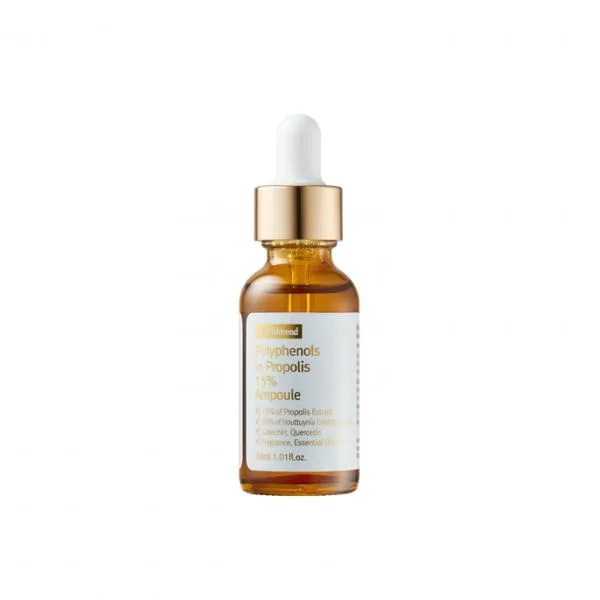
 Polyphenols In Propolis 15% Ampoule
A 15% propolis ampoule that earns its name with a real polyphenol stack — French Auvergne propolis layered over a houttuynia cordata base, with tulsi and pomegranate piling on. It's slightly sticky and not cheap by volume, but for sensitive, breakout-prone skin chasing calm, this is one of the most reliable K-beauty soothers in production.
 Budget Brightening Hero
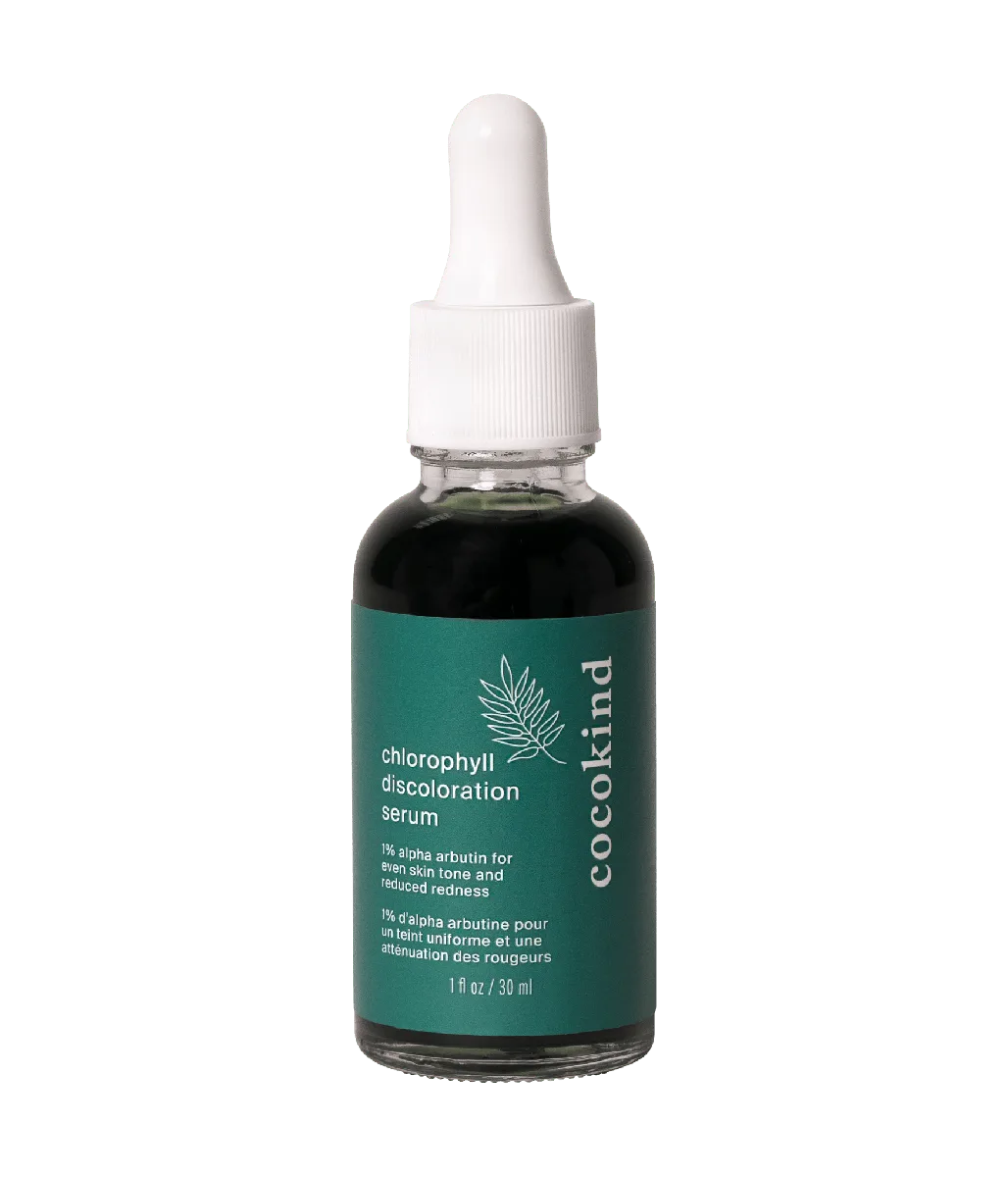
 Chlorophyll Discoloration Serum
A quietly brilliant brightening serum that proves you do not need luxury prices or harsh actives to fade dark spots effectively. The alpha-arbutin and licorice root combination delivers genuine multi-pathway melanin inhibition, the sensitive-skin-friendly formula is impeccable, and $20 makes it accessible to virtually everyone. The chlorophyllin is more marketing differentiator than scientific powerhouse, but it does not hurt anything either.
 The People's HA Serum
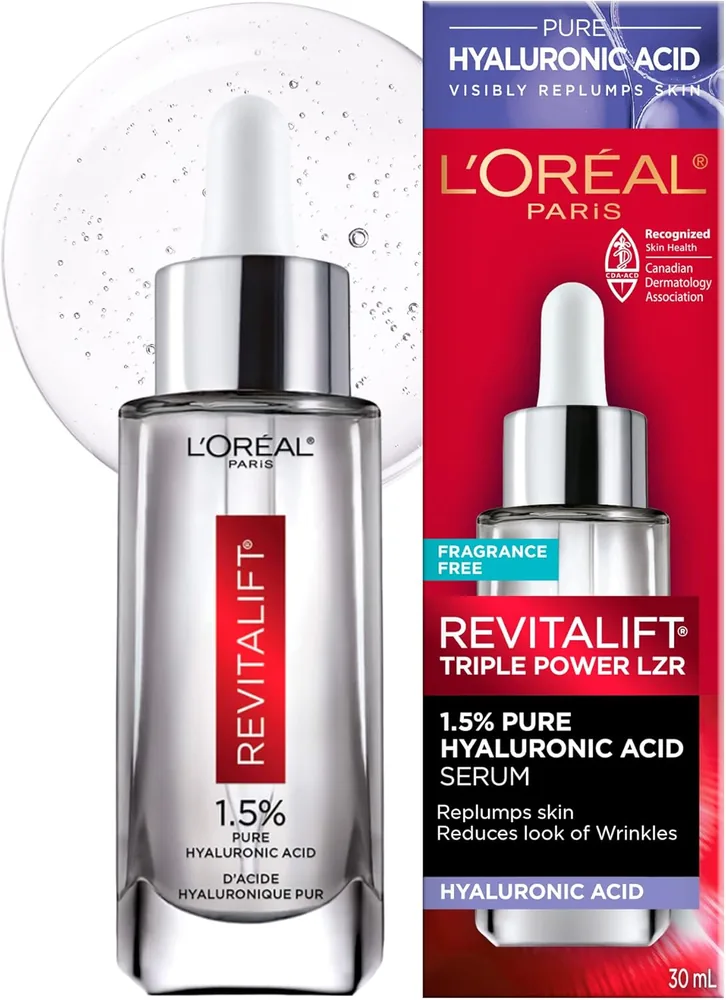
 Revitalift Derm Intensives 1.5% Pure Hyaluronic Acid Serum
A masterclass in minimalist formulation — thirteen ingredients, no filler, four functional actives, and over thirty thousand glowing reviews. L'Oréal's multi-weight HA system delivers genuine hydration at every level of the skin, and the fragrance-free, alcohol-free formula is clean enough for virtually anyone. The drugstore serum that embarrasses its prestige competitors.
 Budget Hydration Holy Grail
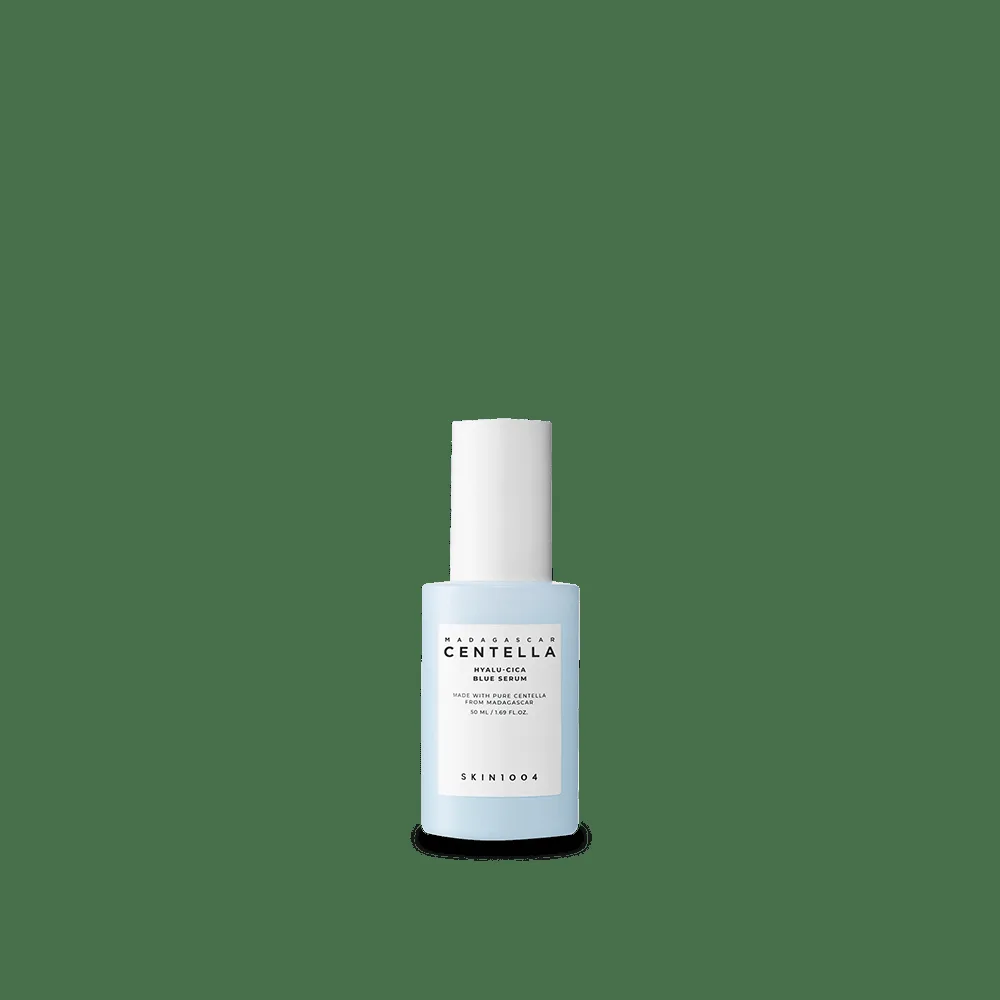
 Hyalu-Cica Blue Serum
A quietly excellent budget serum that stacks Centella asiatica leaf water, five types of hyaluronic acid, niacinamide, ceramide NP, and adenosine into a fragrance-free under-$20 bottle. It is genuinely one of the best hydration-plus-soothing serums at any price, and the fact that it costs less than a salad in Manhattan is the point.
 Sensitive Skin First-Line Defense
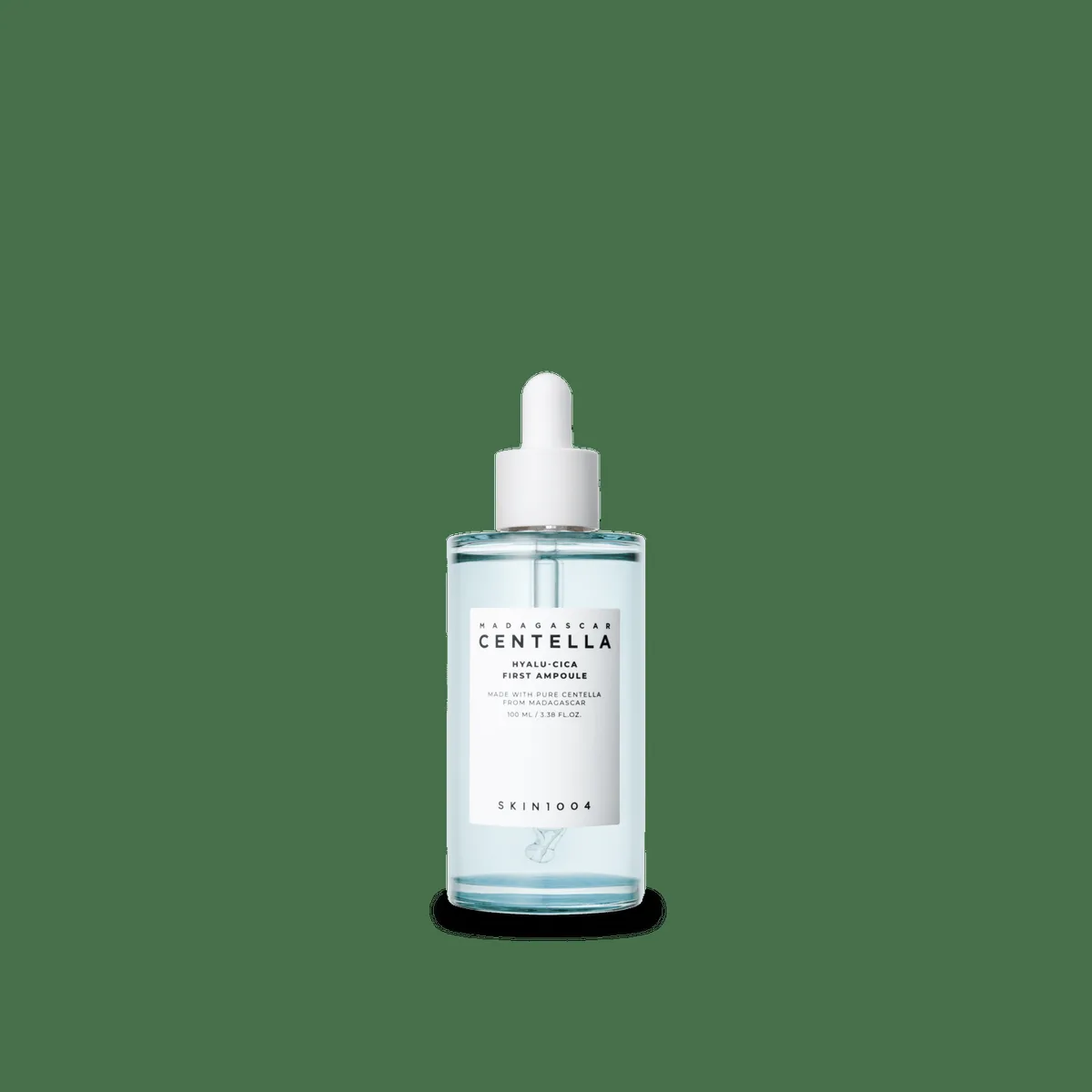
 Hyalu-Cica First Ampoule
A 92% Centella asiatica extract ampoule paired with niacinamide and a multi-weight HA complex, fragrance-free and purpose-built for sensitive, compromised, and reactive skin. At $25 for 100ml, it is one of the most justifiable skincare purchases a budget-conscious buyer can make, and it earns a place in almost any routine that needs a soothing anchor.
 Sensitive Skin MVP
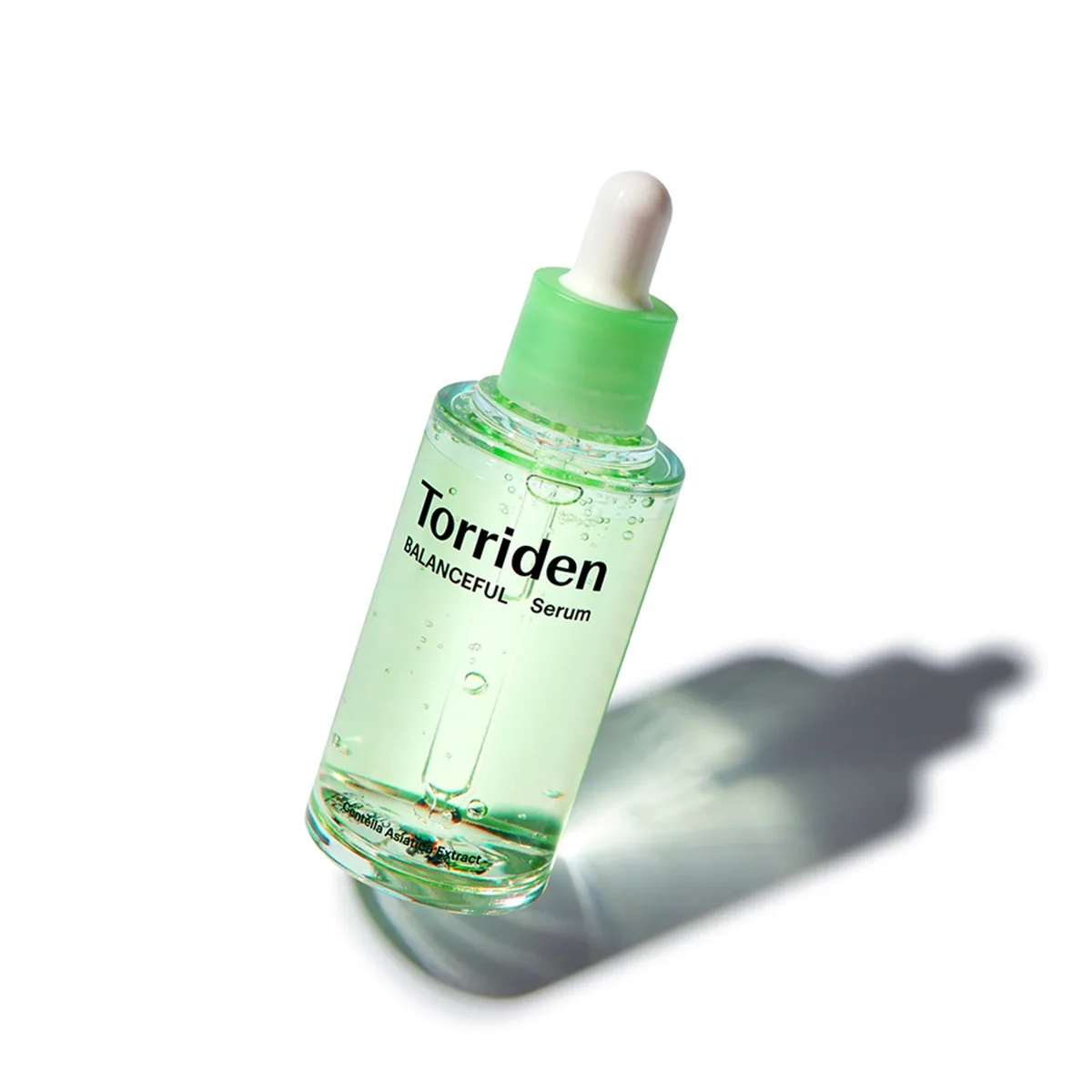
 Balanceful Cica Serum
Torriden's Balanceful Cica Serum is one of the most recommendable calming serums in K-beauty — a genuinely fragrance-free, multi-weight hyaluronic acid and 5D cica complex treatment that quietly reduces redness, supports the barrier, and buffers other actives without drama. At under $25 it's a near-automatic pick for sensitive, rosacea-prone, and barrier-compromised skin.