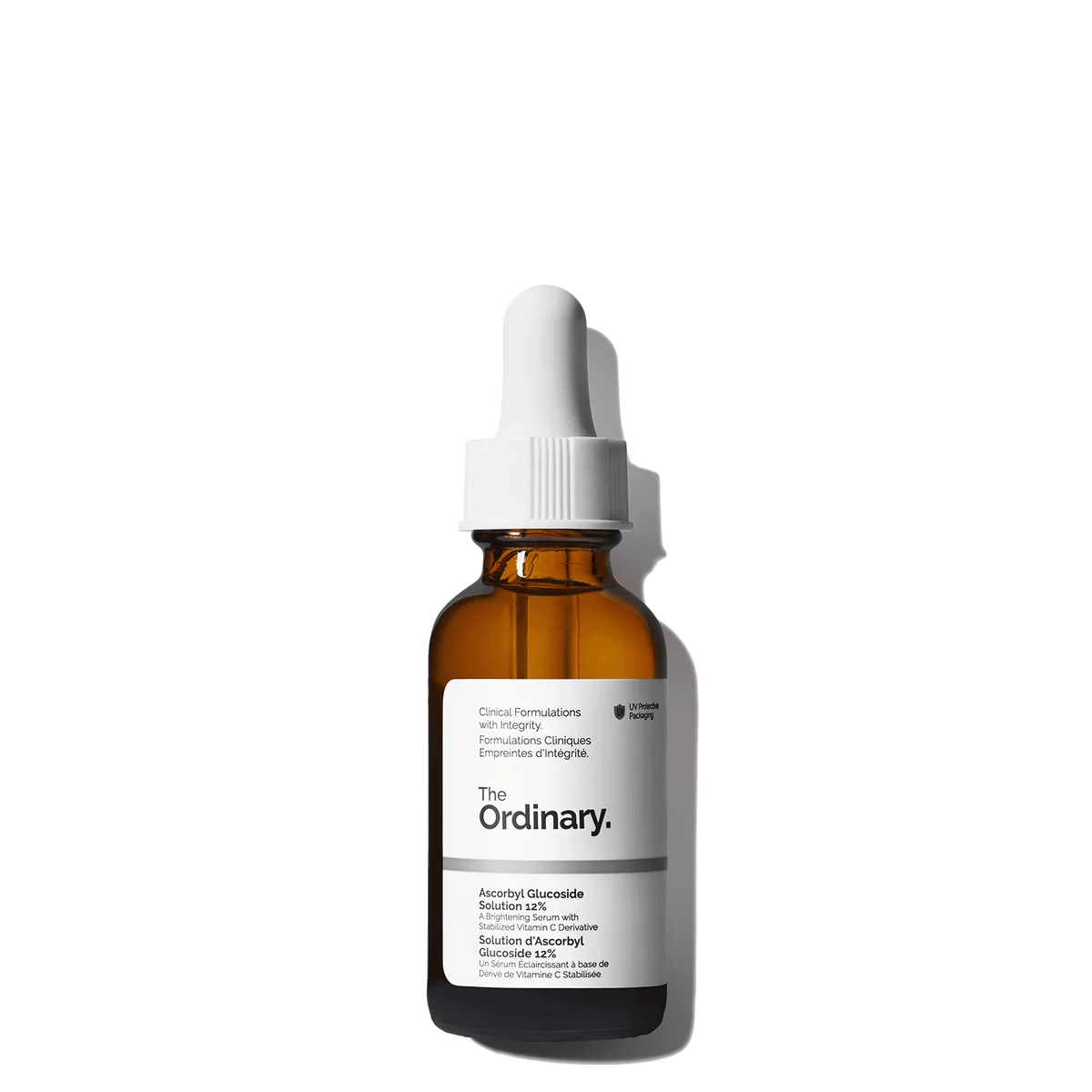
The most approachable vitamin C serum in The Ordinary's lineup — stable, gentle, and pregnancy-safe, with a neutral pH that won't sting, oxidize, or interact badly with most of your routine. The trade-off for all that gentleness is patience: results come slower than pure L-ascorbic acid, but they come steadily, and the formula stays effective for its full 12-month shelf life.
Ascorbyl Glucoside Solution 12%
The most approachable vitamin C serum in The Ordinary's lineup — stable, gentle, and pregnancy-safe, with a neutral pH that won't sting, oxidize, or interact badly with most of your routine. The trade-off for all that gentleness is patience: results come slower than pure L-ascorbic acid, but they come steadily, and the formula stays effective for its full 12-month shelf life.
Score Breakdown
Where this product gains points and where it loses them — broken down across the four scoring pillars.
A gentle, stable vitamin C derivative serum with dual penetration enhancers and very low irritation risk. The ingredient quality reflects the trade-off inherent in using a derivative rather than pure L-ascorbic acid — greater stability and gentleness, but slower and more subtle results. Suitability is broad thanks to the neutral pH and clean formula.
Pros & Cons
- ✓Stable vitamin C derivative that doesn't oxidize or degrade like pure L-ascorbic acid
- ✓Neutral pH (6-7) eliminates the stinging and flushing of acidic vitamin C serums
- ✓Dual penetration enhancers compensate for derivative's lower inherent absorption
- ✓12-month PAO — twice the shelf life of most vitamin C products
- ✓Safe during pregnancy with no flagged ingredients
- ✓Fungal acne safe with no comedogenic ingredients
- ✓Clean 12-ingredient formula with no fragrance, alcohol, or silicones
- ✓A 2021 study found AA2G at 1.8% matched 15% L-ascorbic acid's antioxidant protection
- ✗Results are slower and more subtle than pure L-ascorbic acid serums
- ✗Can feel tacky or sticky if more than 2-3 drops are applied
- ✗Pilling when layered with certain moisturizers or sunscreens before full absorption
- ✗Cannot be combined with niacinamide in the same routine step
- ✗Higher price than some of The Ordinary's other vitamin C options
Full Review
The vitamin C market is crowded with serums that promise radiant, bright, even-toned skin — and then turn orange in your medicine cabinet three weeks later. L-ascorbic acid, for all its clinical validation, is famously temperamental. It oxidizes in water, degrades in light, and requires pH levels below 3.5 that sting sensitive skin on contact. The beauty industry has spent years trying to have it both ways: the efficacy of ascorbic acid without the instability. Ascorbyl glucoside is one of the most promising solutions to that paradox.
The chemistry is elegant. Take L-ascorbic acid and bond it to a glucose molecule. The resulting compound — ascorbyl glucoside, or AA2G — is remarkably stable in water at neutral pH. It doesn't oxidize in the bottle, doesn't require refrigeration, and doesn't turn your serum into an expensive brown liquid within weeks. When applied to the skin, epidermal alpha-glucosidases cleave the glucose bond, releasing free ascorbic acid exactly where it's needed. It's a pro-drug approach: stable in the bottle, active on the skin.
A 2021 study published in the International Journal of Cosmetic Science put hard numbers on this advantage. Researchers found that ascorbyl glucoside at just 1.8% provided antioxidant protection equivalent to 15% pure ascorbic acid. More strikingly, the skin maintained a reserve of unconverted AA2G that continued releasing active vitamin C over 24 hours — a sustained-delivery effect that a single application of L-ascorbic acid cannot replicate. At 12%, this formula contains roughly seven times the concentration that matched 15% L-ascorbic acid's antioxidant activity.
The Ordinary's formulation is clean and purposeful. Twelve ingredients, with the ascorbyl glucoside at 12% as the star and the supporting cast focused on ensuring it reaches the epidermis. Dimethyl isosorbide and ethoxydiglycol serve as dual penetration enhancers — a smart decision that addresses the primary criticism of vitamin C derivatives at neutral pH, which is that they don't penetrate as readily as acidic L-ascorbic acid formulations. The pH of 6-7 sits comfortably within the skin's natural range, which is why this serum doesn't sting, tingle, or cause the flushing that pure vitamin C formulations commonly trigger.
On the skin, the experience is unremarkable in the best sense. One to three drops applied after cleansing feel like water — lightweight, fast-absorbing, invisible once dry. There's no scent, no color change on application, and no sensation at all. If you're coming from a 15% L-ascorbic acid serum that made your face feel like it was mildly sunburned for the first five minutes, this gentleness feels almost suspicious. But that's the point: stability and tolerability are the reasons you choose a derivative.
The results timeline is where expectations need calibrating. This is not a product that delivers a visible glow overnight or fades dark spots in two weeks. Ascorbyl glucoside's enzymatic conversion is gradual by design — the sustained-release mechanism that makes it more stable also means the skin receives lower peak concentrations of active vitamin C at any given moment. Most users report subtle improvements in radiance and tone evenness at 4-6 weeks, with more meaningful brightening appearing at the 8-12 week mark. If you're racing to address severe hyperpigmentation, pure L-ascorbic acid at higher concentrations will get there faster — but at the cost of stability, comfort, and product longevity.
The conflict list is shorter than The Ordinary's direct vitamin C products. The main caution is niacinamide in the same routine step — a recommendation that continues to perplex some users but relates to potential efficacy reduction at certain pH combinations. Separate your niacinamide into the PM routine and this becomes a non-issue. Unlike pure L-ascorbic acid, this derivative can be used alongside gentle AHAs and BHAs without pH conflicts.
For pregnant and breastfeeding users, this is one of the safest vitamin C options available. No retinoids, no salicylic acid, no hydroquinone derivatives — just a glucose-bonded vitamin C pro-drug that the skin converts naturally. It's one of the few brightening serums that dermatologists can recommend without qualifiers during pregnancy.
The $14.80 price is slightly higher than The Ordinary's other vitamin C options but still dramatically below the market. Comparable ascorbyl glucoside serums from medical skincare brands cost $30-50. The 12-month PAO — twice that of most vitamin C products — means your bottle actually stays effective for its full expected lifespan, which improves the real-world value proposition significantly.
This serum won't win any awards for excitement. It doesn't tingle, glow, or transform. It sits quietly in your morning routine, delivering a steady stream of converted vitamin C to your epidermis, protecting against oxidative damage, gently inhibiting melanin production, and supporting collagen synthesis — all while remaining stable, comfortable, and completely undramatic. For the many people who've been burned (sometimes literally) by aggressive vitamin C serums, that quiet reliability might be exactly what they've been looking for.
Formula
Key Ingredients
The hero actives that drive this product's performance.
| Ingredient | Function | Evidence |
|---|---|---|
| Ascorbyl Glucoside (12%) | A glucose-bonded vitamin C derivative that is enzymatically converted to free ascorbic acid by alpha-glucosidases in the epidermis. At 12% concentration in this near-neutral pH formula, it provides a stable reservoir of vitamin C that inhibits tyrosinase, supports collagen synthesis, and offers antioxidant protection — all without the irritation and oxidation instability of direct L-ascorbic acid. A 2021 study found that ascorbyl glucoside at just 1.8% provided antioxidant protection equivalent to 15% pure ascorbic acid. | well-established |
| Dimethyl Isosorbide | A penetration enhancer that increases the bioavailability of ascorbyl glucoside by helping it reach deeper into the epidermis where enzymatic conversion to active ascorbic acid occurs. Critical in this neutral-pH formula, where the derivative's inherent skin penetration is lower than acidic L-ascorbic acid formulations. | well-established |
| Ethoxydiglycol | A secondary penetration-enhancing solvent that works synergistically with dimethyl isosorbide to improve skin absorption of the ascorbyl glucoside. This dual-enhancer approach compensates for the vitamin C derivative's lower penetration at neutral pH compared to the highly acidic environment that pure L-ascorbic acid requires. | well-established |
| Propanediol | Functions as both a humectant solvent and delivery vehicle for the 12% ascorbyl glucoside. Provides a subtle hydrating feel to the otherwise lightweight water-based formula while ensuring the active is uniformly dissolved and distributed with each application. | well-established |
Full INCI List · pH 6.5
Aqua (Water), Ascorbyl Glucoside, Propanediol, Aminomethyl Propanol, Triethanolamine, Isoceteth-20, Xanthan Gum, Dimethyl Isosorbide, Ethoxydiglycol, Trisodium Ethylenediamine Disuccinate, 1,2-Hexanediol, Caprylyl Glycol
Product Flags
✓ Fragrance Free✓ Alcohol Free✓ Oil Free✓ Silicone Free✓ Paraben Free✓ Sulfate Free✓ Cruelty Free✓ Vegan✓ Fungal Acne Safe
Potential Irritants
Triethanolamine (pH adjuster, low concentration)Ethoxydiglycol (penetration enhancer)
Compatibility
Skin Match
Best For
Works For
Not Ideal For
Addresses These Conditions
hyperpigmentation dark spots dullness sun damage aging dehydration
Routine Step
serum
Time of Day
AM
Pregnancy Safe
Yes ✓
Layering Tips
Apply after cleansing and toning, before moisturizer and sunscreen. Use only 1-3 drops — more can cause tackiness. Allow 30 seconds to absorb before layering. Avoid combining with niacinamide in the same routine step. Always follow with sunscreen.
Results Timeline
Subtle hydrating and smoothing effect on first use. Mild improvement in radiance and glow within 1-2 weeks. Noticeable improvement in skin tone evenness and dark spot fading at 4-6 weeks. Maximum brightening and collagen-supporting benefits after 8-12 weeks of consistent daily use.
Pairs Well With
Hyaluronic acidMoisturizers with ceramidesSunscreen (essential)Retinol (use in separate AM/PM routines)Gentle AHA/BHA exfoliants
Conflicts With
Niacinamide (in the same routine step)Other vitamin C products
Sample AM Routine
- Gentle cleanser
- THIS PRODUCT (1-3 drops)
- Hyaluronic acid serum
- Moisturizer
- Sunscreen SPF 30+
Sample PM Routine
- Cleanser
- Retinol or exfoliant (alternate nights)
- Niacinamide serum
- Moisturizer
Evidence
Science & Expert Perspective
The Science
Ascorbyl glucoside (AA2G) functions as a pro-drug — stable in the bottle, converted to active L-ascorbic acid by epidermal alpha-glucosidases after application. A pivotal 2021 study by Jacques et al. in the International Journal of Cosmetic Science demonstrated that AA2G at just 1.8% provided antioxidant protection equivalent to 15% pure ascorbic acid. Critically, the study found that the skin maintained a reserve of unconverted AA2G that continued releasing active vitamin C over 24 hours, providing sustained antioxidant delivery that a single application of free L-ascorbic acid cannot replicate.
The brightening mechanism operates through the same pathway as free ascorbic acid: inhibition of tyrosinase, the rate-limiting enzyme in melanin biosynthesis. A 2024 study by Takada et al. in the International Journal of Molecular Sciences demonstrated that topical application of an ascorbyl glucoside complex produced statistically significant depigmentation of solar lentigines over 24 weeks, with increased lightness values and decreased melanin index compared to placebo. Notably, the formulation operated at pH 6.5 — similar to this product — confirming that the derivative's enzymatic activation pathway functions effectively at near-neutral pH.
A 2024 comparative study published in Pharmaceuticals confirmed that ascorbyl glucoside is non-photoreactive — it does not degrade under light exposure — while maintaining tyrosinase inhibitory activity. This photostability advantage means the derivative retains its efficacy even during AM use without the rapid light-induced degradation that limits L-ascorbic acid. The collagen-supporting evidence was reviewed by Boo (2022) in Antioxidants, confirming that ascorbyl glucoside specifically stimulates collagen synthesis and exhibits antioxidant and anti-senescence effects in human dermal fibroblasts through its conversion to free ascorbic acid, which is an essential cofactor for prolyl hydroxylase and lysyl hydroxylase in collagen maturation.
References
- Ascorbic acid 2-glucoside: An ascorbic acid pro-drug with longer-term antioxidant efficacy in skin — International Journal of Cosmetic Science (2021)
- Treatment with Ascorbyl Glucoside-Arginine Complex Ameliorates Solar Lentigos — International Journal of Molecular Sciences (2024)
- Ascorbic Acid (Vitamin C) as a Cosmeceutical to Increase Dermal Collagen for Skin Antiaging Purposes — Antioxidants (2022)
Dermatologist Perspective
Dermatologists recognize ascorbyl glucoside as a legitimate vitamin C alternative for patients who cannot tolerate pure L-ascorbic acid. Board-certified dermatologists note that its enzymatic pro-drug mechanism provides sustained delivery of active ascorbic acid without the pH-dependent penetration requirements and stability challenges that make L-ascorbic acid formulations difficult to use consistently. Dermatologists commonly recommend ascorbyl glucoside for sensitive skin patients, pregnant patients seeking brightening actives, and vitamin C beginners who have been deterred by the stinging of acidic formulations. The neutral pH of this product is particularly valued in dermatological practice for patients with compromised barriers or rosacea-prone skin who need antioxidant protection without acidic challenge.
Guidance
Usage Guide
How to Use
Apply 1-3 drops to clean skin in the morning after cleansing and toning. Less is more — using too many drops causes tackiness and pilling. Allow 30 seconds to absorb before layering moisturizer and sunscreen. Do not combine with niacinamide in the same routine step. Always follow with broad-spectrum SPF 30+. Can be used alongside gentle AHA/BHA exfoliants. Use retinol in your PM routine for complementary anti-aging benefits.
Value Assessment
At $14.80 for 30 mL, this is competitively priced for a stable vitamin C derivative serum — comparable ascorbyl glucoside products from medical skincare brands cost $30-50. While slightly more expensive than some of The Ordinary's other vitamin C options ($9.70-$12.20), the 12-month PAO provides significantly better real-world value per month than shorter-lived vitamin C serums. Only one size is available. The true value proposition is stability: unlike pure L-ascorbic acid serums that often oxidize within weeks of opening, this formula maintains efficacy for its full 12-month shelf life.
Who Should Buy
Vitamin C beginners who want to explore brightening without the irritation of pure L-ascorbic acid. Those with sensitive, rosacea-prone, or reactive skin who've been stung by acidic vitamin C serums. Pregnant or breastfeeding individuals seeking a safe brightening active. Anyone frustrated by vitamin C serums that oxidize before the bottle is half empty.
Who Should Skip
Advanced users seeking maximum-potency vitamin C for aggressive brightening or collagen stimulation — pure L-ascorbic acid at 15-20% will deliver faster, stronger results. Those who need a do-everything serum — this is purely a vitamin C treatment without additional actives. Users who already have a vitamin C product they're happy with.
Ready to try The Ordinary Ascorbyl Glucoside Solution 12%?
Details
Details
Texture
Lightweight, water-like serum that absorbs in 1-5 seconds. Slightly tacky if over-applied, but 1-3 drops provides a clean, non-greasy finish. Clear to very slightly yellow appearance.
Scent
No added fragrance. Essentially odorless.
Packaging
30 mL frosted glass dropper bottle with white dropper cap. Standard The Ordinary minimalist design with white label and black text.
Finish
lightweightnon-greasynatural
What to Expect on First Use
No tingling or stinging on first application — a stark contrast to pure L-ascorbic acid serums. The serum absorbs quickly and feels almost like water. This gentleness is the primary selling point for vitamin C beginners or those with reactive skin. Results build gradually over weeks.
How Long It Lasts
3-4 months with daily AM application (1-3 drops per use)
Period After Opening
12 months
Best Season
All Year
Certifications
Cruelty-free (Leaping Bunny)Vegan
Background
The Why
Ascorbyl glucoside (AA2G) was developed as a solution to vitamin C's fundamental paradox in skincare: L-ascorbic acid is the most clinically validated brightening antioxidant, but it's so unstable in cosmetic formulations that it often degrades before it can work. By bonding ascorbic acid to a glucose molecule, the derivative creates a stable 'pro-vitamin C' reservoir that the skin's own enzymes convert back to active ascorbic acid on demand. The Ordinary delivers this at a generous 12% concentration for under $15.
About The Ordinary Established Brand (5–20 years)
The Ordinary launched in 2016 under DECIEM and rapidly became one of the most recognized clinical skincare brands globally. Its ingredient-first, transparency-driven approach is backed by formulation science, though the brand does not conduct proprietary clinical trials on most products.
Brand founded: 2016 · Product launched: 2017
Myth vs. Reality
Myths & Misconceptions
Myth
Vitamin C derivatives like ascorbyl glucoside don't actually work because they're weaker than pure vitamin C.
Reality
A 2021 study in the International Journal of Cosmetic Science found that ascorbyl glucoside at 1.8% provided antioxidant protection equivalent to 15% pure ascorbic acid, with the added benefit of sustained release over 24 hours. The derivative is converted to active ascorbic acid by the skin's own enzymes, creating a reservoir effect that pure L-ascorbic acid cannot match.
Myth
You need an acidic pH (below 3.5) for any vitamin C product to work.
Reality
That pH requirement applies specifically to free L-ascorbic acid, which needs acidic conditions for skin penetration. Ascorbyl glucoside operates through a different delivery mechanism — enzymatic conversion in the epidermis — and works effectively at neutral pH (6-7). This formula includes dual penetration enhancers to further compensate.
FAQ
Frequently Asked Questions
Is ascorbyl glucoside as effective as pure vitamin C?
A 2021 study found that ascorbyl glucoside at just 1.8% provided antioxidant protection equivalent to 15% pure L-ascorbic acid, with the added benefit of sustained 24-hour release. At 12% in this formula, the concentration is well above that threshold. Results are more gradual than pure vitamin C but the stability advantage means the product stays effective throughout its 12-month shelf life.
Can I use The Ordinary Ascorbyl Glucoside with niacinamide?
Not in the same routine step. The Ordinary advises separating these — use ascorbyl glucoside in the AM and niacinamide in the PM. This avoids potential efficacy reduction when the two are layered directly. They're both excellent ingredients, just better used at different times of day.
Is The Ordinary Ascorbyl Glucoside safe during pregnancy?
Yes. This formula contains no retinoids, salicylic acid, hydroquinone, or any pregnancy-flagged ingredients. Ascorbyl glucoside is a glucose-bonded vitamin C derivative that is widely considered safe for use during pregnancy and breastfeeding. It's one of the few brightening serums that dermatologists can recommend without restriction during pregnancy.
Why doesn't this vitamin C serum sting or tingle?
Unlike pure L-ascorbic acid serums that require a pH below 3.5 (very acidic), this formula operates at a gentle pH of 6-7, which is within the skin's natural range. The ascorbyl glucoside is converted to active vitamin C by the skin's own enzymes after application, bypassing the need for the acidic conditions that cause stinging.
Will this vitamin C serum turn orange in the bottle?
No — that's one of its primary advantages. Ascorbyl glucoside is chemically stable and does not undergo the oxidation cascade that turns L-ascorbic acid serums brown. This product maintains its clear appearance and efficacy throughout its 12-month PAO, unlike pure vitamin C serums that may start degrading within weeks of opening.
Community
Community Voices
Common Praise
"Gentle and non-irritating compared to L-ascorbic acid serums"
"Lightweight water-based texture layers well under makeup and SPF"
"Visibly brighter and more even skin tone with consistent use"
"Excellent price point for a stable vitamin C serum"
"Great entry-level vitamin C for beginners and sensitive skin"
"Stable formula that doesn't oxidize or turn orange like pure vitamin C"
Common Complaints
"Can feel tacky or sticky if more than 2-3 drops are used"
"Pilling when layered with certain moisturizers or sunscreens"
"Results are slower and more subtle than pure L-ascorbic acid serums"
"Cannot be combined with niacinamide, limiting routine flexibility"
"Some users report no visible change even after weeks of consistent use"
Appears In
best serum for dullness best vitamin c for sensitive skin best serum for hyperpigmentation best pregnancy safe brightening serum
Related Conditions
hyperpigmentation dark spots dullness sun damage aging dehydration
Related Ingredients
You Might Also Like
 Sensitive Skin Soother
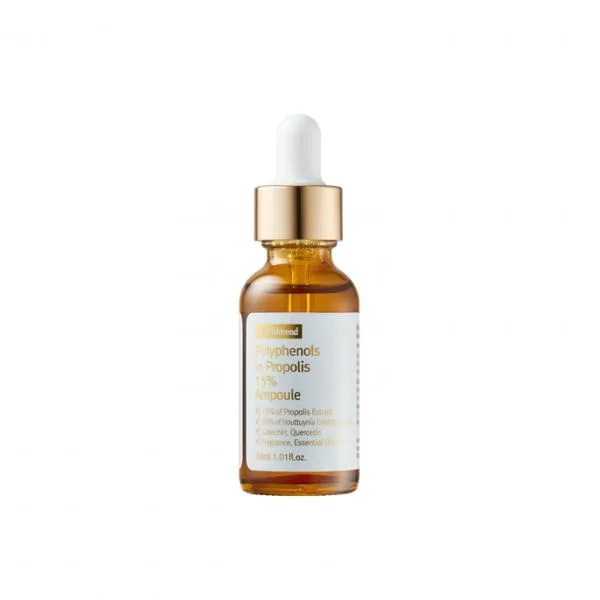
 Polyphenols In Propolis 15% Ampoule
A 15% propolis ampoule that earns its name with a real polyphenol stack — French Auvergne propolis layered over a houttuynia cordata base, with tulsi and pomegranate piling on. It's slightly sticky and not cheap by volume, but for sensitive, breakout-prone skin chasing calm, this is one of the most reliable K-beauty soothers in production.
 Budget Brightening Hero
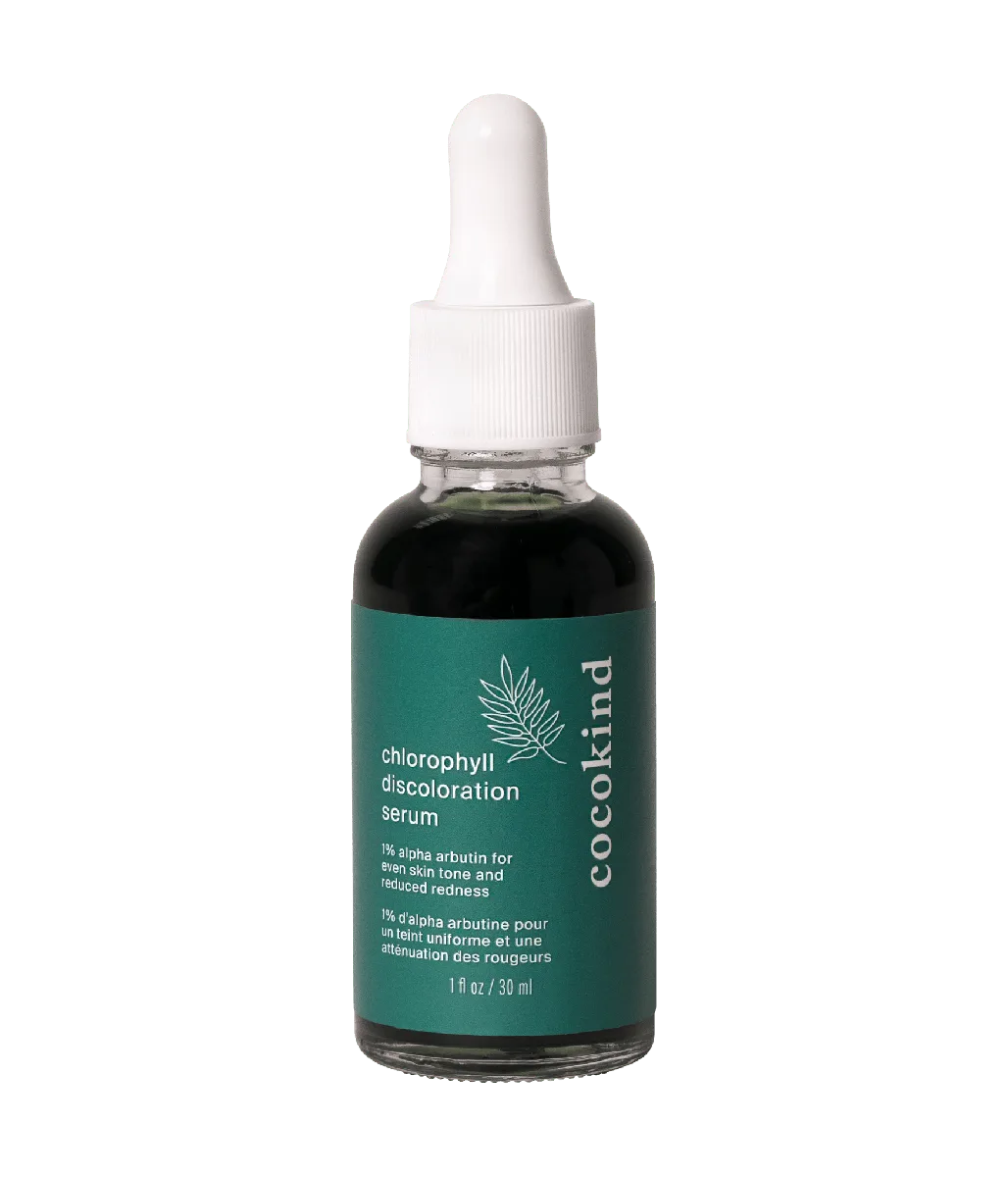
 Chlorophyll Discoloration Serum
A quietly brilliant brightening serum that proves you do not need luxury prices or harsh actives to fade dark spots effectively. The alpha-arbutin and licorice root combination delivers genuine multi-pathway melanin inhibition, the sensitive-skin-friendly formula is impeccable, and $20 makes it accessible to virtually everyone. The chlorophyllin is more marketing differentiator than scientific powerhouse, but it does not hurt anything either.
 The People's HA Serum
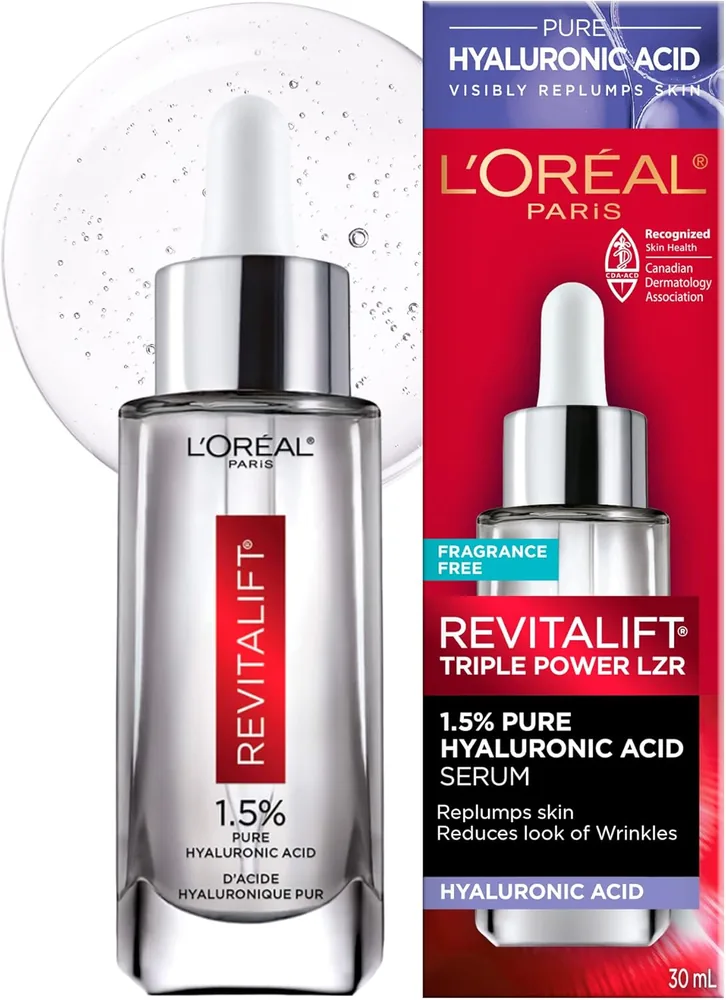
 Revitalift Derm Intensives 1.5% Pure Hyaluronic Acid Serum
A masterclass in minimalist formulation — thirteen ingredients, no filler, four functional actives, and over thirty thousand glowing reviews. L'Oréal's multi-weight HA system delivers genuine hydration at every level of the skin, and the fragrance-free, alcohol-free formula is clean enough for virtually anyone. The drugstore serum that embarrasses its prestige competitors.
 Budget Hydration Holy Grail
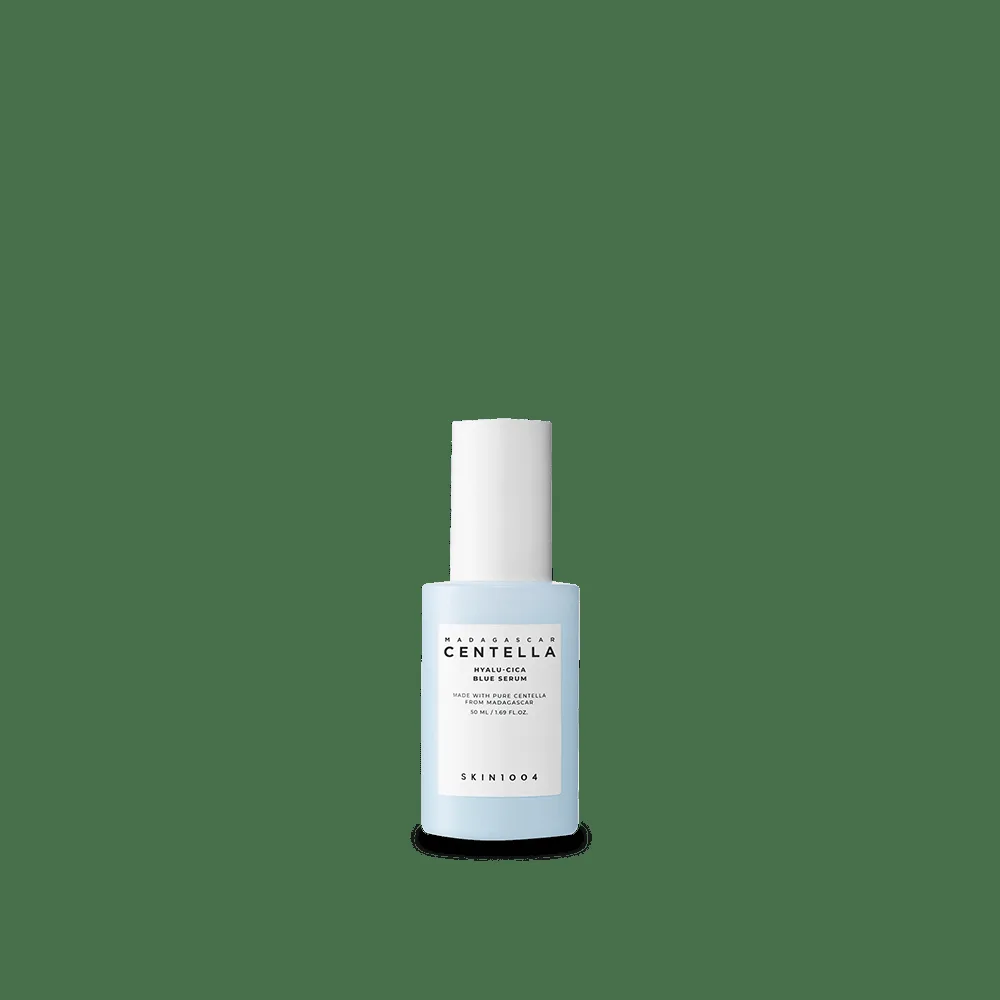
 Hyalu-Cica Blue Serum
A quietly excellent budget serum that stacks Centella asiatica leaf water, five types of hyaluronic acid, niacinamide, ceramide NP, and adenosine into a fragrance-free under-$20 bottle. It is genuinely one of the best hydration-plus-soothing serums at any price, and the fact that it costs less than a salad in Manhattan is the point.
 Sensitive Skin First-Line Defense
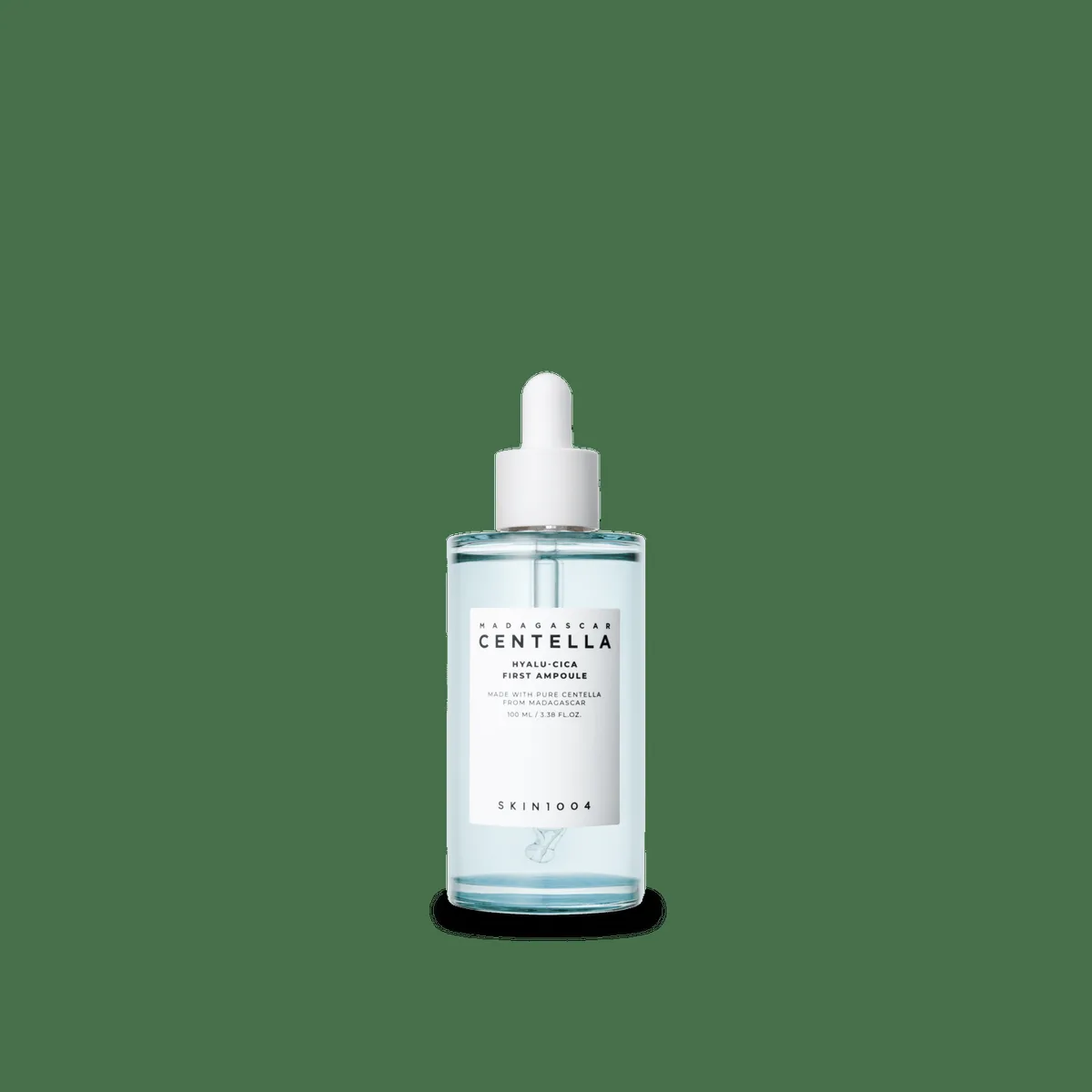
 Hyalu-Cica First Ampoule
A 92% Centella asiatica extract ampoule paired with niacinamide and a multi-weight HA complex, fragrance-free and purpose-built for sensitive, compromised, and reactive skin. At $25 for 100ml, it is one of the most justifiable skincare purchases a budget-conscious buyer can make, and it earns a place in almost any routine that needs a soothing anchor.
 Sensitive Skin MVP
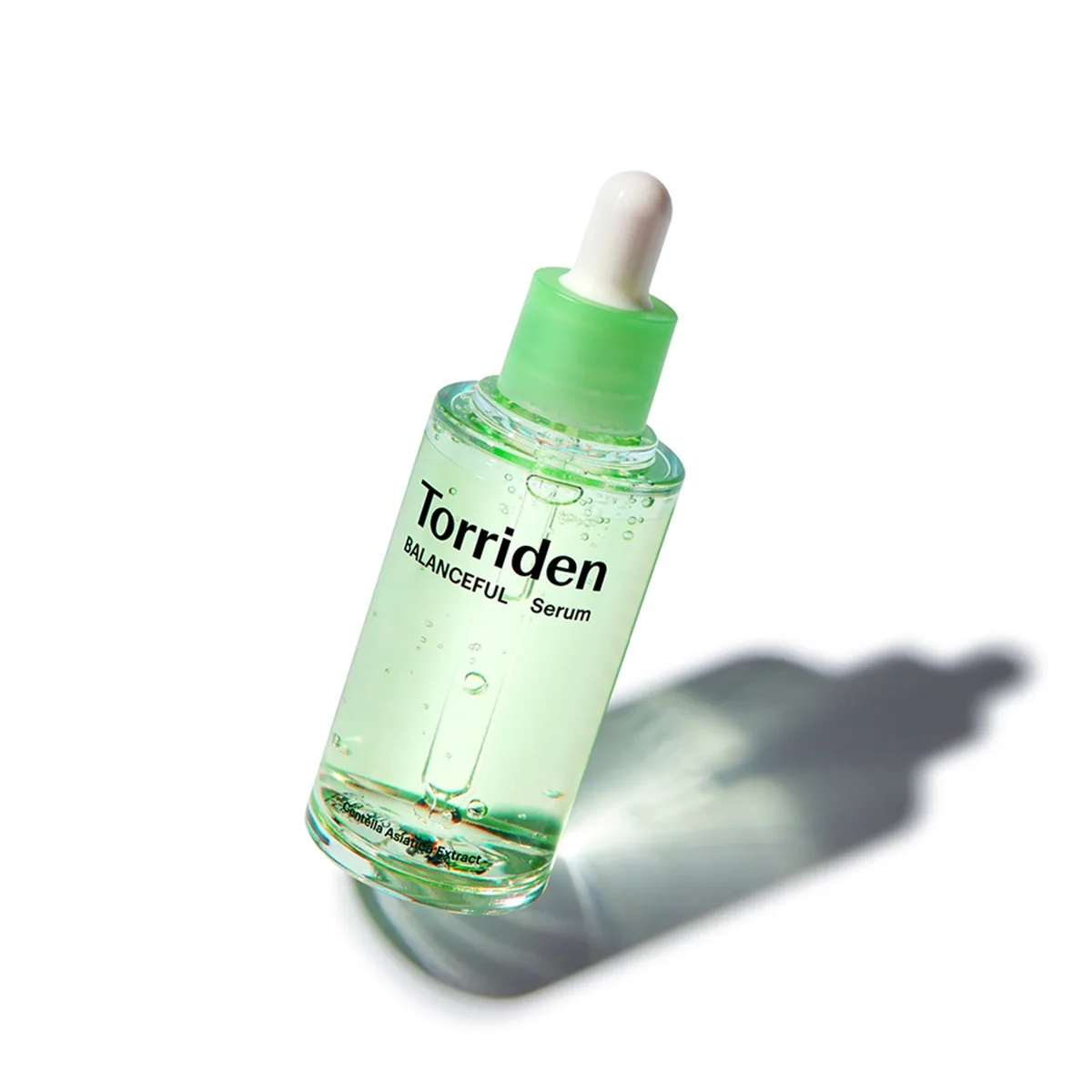
 Balanceful Cica Serum
Torriden's Balanceful Cica Serum is one of the most recommendable calming serums in K-beauty — a genuinely fragrance-free, multi-weight hyaluronic acid and 5D cica complex treatment that quietly reduces redness, supports the barrier, and buffers other actives without drama. At under $25 it's a near-automatic pick for sensitive, rosacea-prone, and barrier-compromised skin.