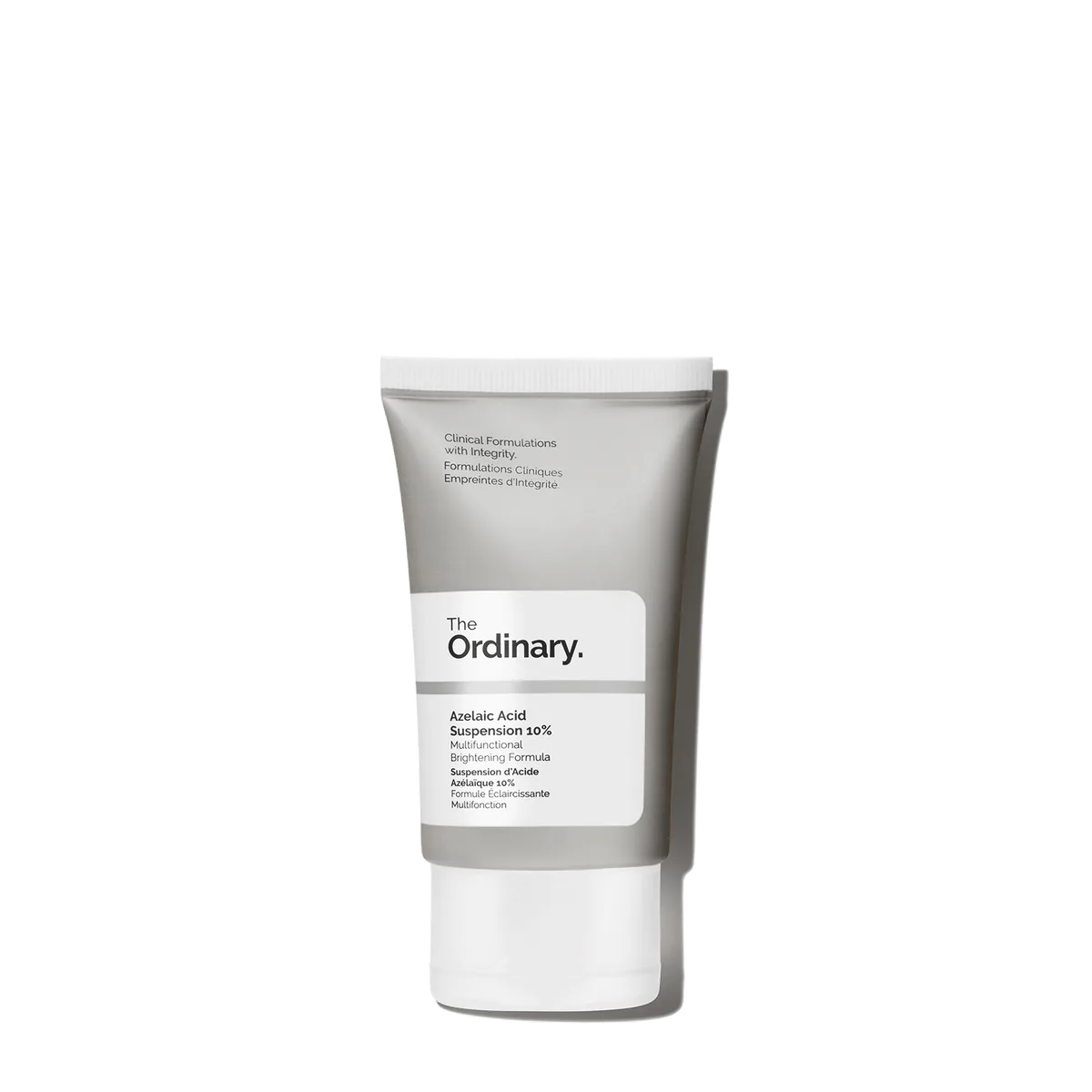
One of the most versatile and underrated actives in skincare — effective for acne, rosacea, and hyperpigmentation simultaneously — delivered at the highest OTC concentration with a penetration enhancer for under $13. The silicone suspension texture is polarizing, and pilling is a real issue, but for those who can work with the formula, this is prescription-grade efficacy at drugstore pricing.
Azelaic Acid Suspension 10%
One of the most versatile and underrated actives in skincare — effective for acne, rosacea, and hyperpigmentation simultaneously — delivered at the highest OTC concentration with a penetration enhancer for under $13. The silicone suspension texture is polarizing, and pilling is a real issue, but for those who can work with the formula, this is prescription-grade efficacy at drugstore pricing.
Score Breakdown
A well-formulated delivery of one of dermatology's most versatile actives at the highest OTC concentration, with a penetration enhancer and antioxidant support. The silicone-heavy base polarizes users — great matte finish for oily skin, but pilling issues reduce usability. Strong clinical evidence for azelaic acid across acne, rosacea, and pigmentation.
Data Confidence: high
This product has been on market since 2017 with approximately 25,000+ user reviews across major retailers. Azelaic acid is one of the most extensively studied topical actives in dermatology with systematic reviews covering acne, rosacea, and melasma.
0/100
Overall Score
Ingredient Quality 0
Value for Money 0
Suitability Breadth 0
Irritation Risk (↑ = safer) 0
Assessment
Pros
- Multi-pathway active that simultaneously treats acne, rosacea, and hyperpigmentation
- FDA Pregnancy Category B — one of the safest effective acne treatments during pregnancy
- Dimethyl isosorbide penetration enhancer addresses azelaic acid's poor OTC absorption
- Matte, primer-like finish is a bonus feature for oily skin types
- 25,000+ user reviews with consistently positive feedback on acne scar fading
- Costs $12.20 versus $150+ for prescription azelaic acid products
- Vitamin E provides complementary antioxidant support
- No fragrance, no alcohol, no parabens in the formula
Cons
- Thick, waxy suspension texture is heavy and divisive among users
- Significant pilling when layered with other skincare products or makeup
- Slightly gritty feel from undissolved azelaic acid particles during application
- Can leave a noticeable white cast, especially on deeper skin tones
- Contains silicones and polysorbates — not suitable for fungal acne
- Initial stinging or burning sensation during the first week of use
Full Review
There's a reason dermatologists reach for azelaic acid across conditions that would normally require entirely different treatment approaches. Acne? Azelaic acid kills C. acnes bacteria and normalizes the follicular keratinization that traps sebum. Rosacea? It's anti-inflammatory, reducing the erythema and papules that make rosacea miserable. Hyperpigmentation? It inhibits tyrosinase, fading dark spots without the bleaching risks of hydroquinone. It's the Swiss Army knife of topical dermatology, and The Ordinary sells the maximum OTC version for twelve dollars.
The formulation here is a suspension — meaning the azelaic acid particles are not fully dissolved in the vehicle, creating a slightly gritty texture that polarizes users from the first application. If you've ever used a silicone-based primer, the base will feel familiar: smooth, waxy, and surprisingly matte once dry. That matte finish is deliberate. The three silicones in the formula — dimethicone, dimethicone/bis-isobutyl PPG-20 crosspolymer, and polysilicone-11 — create a film that holds the azelaic acid particles against the skin for prolonged contact, maximizing the time the active spends where it can work.
The inclusion of dimethyl isosorbide as a penetration enhancer is a formulation decision that deserves recognition. Azelaic acid's biggest limitation at OTC concentrations is poor skin penetration — it's a relatively large, polar molecule that doesn't easily traverse the stratum corneum's lipid matrix. At prescription strength (15-20%), sheer concentration can compensate. At 10%, you need help getting it where it needs to go. Dimethyl isosorbide provides that assistance, and its presence in this formula is what separates it from simpler azelaic acid creams.
The clinical evidence for azelaic acid is among the strongest in topical dermatology. A 2023 systematic review published in the Journal of Cosmetic Dermatology analyzed 20 rosacea studies and found significant improvement in erythema severity and inflammatory lesion counts versus vehicle at 12 weeks. Sixteen acne studies showed azelaic acid more effective than vehicle. Seven melasma studies demonstrated that 20% azelaic acid outperformed both vehicle and 2% hydroquinone. A 2024 randomized double-blind trial in Dermatology and Therapy confirmed that 15% azelaic acid significantly reduced both post-inflammatory erythema and post-inflammatory hyperpigmentation at 8 and 12 weeks while maintaining skin barrier integrity.
At 10%, this product sits below the prescription threshold, and the results will be more gradual than what you'd get from Finacea (15% gel) or Azelex (20% cream). But there's an important context: those prescriptions cost $150+ even with insurance, require a dermatologist visit, and are often subject to prior authorization hassles. This delivers the same active ingredient at a meaningful concentration for under $13, available without a prescription, and with a penetration enhancer to partially compensate for the lower concentration.
The pregnancy safety profile is a significant differentiator. Azelaic acid is FDA Pregnancy Category B — one of the very few effective acne and rosacea treatments that dermatologists can recommend without reservation during pregnancy. Only about 4% of topically applied azelaic acid is systemically absorbed, and it's a naturally occurring acid already present in the body. For pregnant individuals dealing with hormonal acne or pregnancy-triggered rosacea, this is one of the few truly safe options with genuine clinical evidence.
The texture complaints are valid. The thick, waxy suspension requires a specific application technique — spread quickly over the target area before the silicone base begins to set. A pea-sized amount for the full face is sufficient. Going heavier leads to pilling, white cast, and the sensation of wearing a plaster mask. The product layers poorly over water-based serums and under water-based moisturizers; it behaves best when applied to relatively clean skin with a lightweight moisturizer on top. For oily skin types, the matte finish is a feature — it functions almost as a primer. For dry skin types, the mattifying effect and silicone base can feel uncomfortably tight.
The initial stinging deserves acknowledgment rather than concern. Transient stinging is the most-reported side effect in azelaic acid clinical trials, and it consistently resolves within the first week of regular use. Start with every other day application, and by day seven to ten, most users can transition to twice daily without discomfort.
For acne, results typically begin at 2-4 weeks, with peak improvement at 12 weeks. For rosacea redness, improvement can be noticeable within the first two weeks. For post-inflammatory hyperpigmentation, expect 4-8 weeks for visible fading. The results are cumulative and sustained — azelaic acid doesn't cause the tachyphylaxis (diminishing returns with continued use) that some other actives do.
At $12.20, this product makes one of dermatology's most versatile and well-studied ingredients accessible to anyone who can handle the texture. The pilling issue is real, the white cast is real, and the formula isn't pleasant in the way that a good serum or cream can be. But effectiveness and aesthetics don't always overlap, and for those willing to work with the formula's quirks, this is clinical-grade skin clarifying at a price that makes prescription alternatives feel like highway robbery.
Formula
Ingredients
The hero actives that drive this product's performance.
| Ingredient | Function | Evidence |
|---|---|---|
| Azelaic Acid (10%) | The primary active, suspended in a silicone-rich base for prolonged skin contact and gradual release. Functions through four distinct mechanisms: antibacterial activity against C. acnes, anti-inflammatory action that reduces rosacea redness, normalization of follicular keratinization to prevent comedones, and tyrosinase inhibition to fade post-inflammatory hyperpigmentation. At 10%, it's the highest OTC concentration available without prescription. | well-established |
| Dimethyl Isosorbide | A penetration enhancer that helps the 10% azelaic acid — which has notoriously poor skin penetration at OTC concentrations — reach deeper into the epidermis where it exerts its anti-inflammatory and depigmenting effects. A critical inclusion that distinguishes this formula from simpler azelaic acid products. | well-established |
| Tocopherol (Vitamin E) | Provides antioxidant support that complements azelaic acid's own antioxidant activity, scavenging reactive oxygen species generated by UV exposure and inflammation. Also helps stabilize the lipid components in this suspension formula. | well-established |
| Dimethicone | Forms the silicone base of the suspension, creating the matte, occlusive-lite layer that holds azelaic acid particles against the skin for extended contact time. Also provides a smooth, non-greasy finish and functions as a mild skin protectant that reduces TEWL. | well-established |
Full INCI List · pH 4.5
Aqua (Water), Isodecyl Neopentanoate, Dimethicone, Azelaic Acid, Dimethicone/Bis-Isobutyl PPG-20 Crosspolymer, Dimethyl Isosorbide, Hydroxyethyl Acrylate/Sodium Acryloyldimethyl Taurate Copolymer, Polysilicone-11, Isohexadecane, Tocopherol, Trisodium Ethylenediamine Disuccinate, Isoceteth-20, Polysorbate 60, Triethanolamine, Ethoxydiglycol, Phenoxyethanol, Chlorphenesin
Product Flags
✓ Fragrance Free✓ Alcohol Free✗ Oil Free✗ Silicone Free✓ Paraben Free✓ Sulfate Free✓ Cruelty Free✓ Vegan✗ Fungal Acne Safe
Potential Irritants
Azelaic acid (initial stinging/burning that typically subsides within first week)
Common Allergens
Tocopherol (rare contact dermatitis in sensitized individuals)
Compatibility
Skin Match
Best For
Works For
Not Ideal For
Addresses These Conditions
acne rosacea hyperpigmentation dark spots dullness texture blackheads oiliness
Use With Caution
Routine Step
treatment
Time of Day
AM & PM
Pregnancy Safe
Yes ✓
Layering Tips
Apply a thin, even layer after water-based serums and before moisturizer. The silicone-heavy base can cause pilling if layered over thick products — apply to relatively clean skin for best results. A pea-sized amount is sufficient for the full face.
Results Timeline
Immediate matte finish and skin smoothing. Reduced redness and inflammation within 1-2 weeks. Noticeable fading of post-inflammatory hyperpigmentation and improved skin clarity at 4-6 weeks. Full acne reduction, rosacea management, and skin tone evening at 8-12 weeks of consistent use.
Pairs Well With
Niacinamide serumsHyaluronic acidSqualaneCeramide-based moisturizersSunscreen (essential)Gentle cleansers
Conflicts With
Direct L-ascorbic acid vitamin C (same routine step)Copper peptidesEUK 134
Sample AM Routine
- Gentle cleanser
- Niacinamide serum
- THIS PRODUCT (thin layer)
- Moisturizer (if needed)
- Sunscreen
Sample PM Routine
- Cleanser
- Hyaluronic acid serum
- THIS PRODUCT (thin layer)
- Moisturizer
Evidence
Science
The Science
Azelaic acid's clinical evidence is among the most comprehensive in topical dermatology. A 2023 systematic review by King et al. in the Journal of Cosmetic Dermatology analyzed 55 studies across four indications. For rosacea (20 studies), azelaic acid produced significant improvement in erythema severity and inflammatory lesion counts versus vehicle at 12 weeks. For acne (16 studies), it was consistently more effective than vehicle, with clinical trials demonstrating comparable efficacy to benzoyl peroxide 5% and tretinoin 0.05%. For melasma (7 studies), 20% azelaic acid outperformed both vehicle and 2% hydroquinone.
The multi-pathway mechanism is well-characterized. Azelaic acid's antibacterial activity against Cutibacterium acnes operates through disruption of bacterial protein synthesis. Its anti-inflammatory effects are mediated through inhibition of reactive oxygen species (ROS) generation by neutrophils and suppression of pro-inflammatory cytokines — documented in a comprehensive 2024 review in Clinical, Cosmetic and Investigational Dermatology. The keratolytic activity normalizes the disordered keratinization in follicular infundibula that leads to microcomedone formation. The tyrosinase inhibition responsible for its depigmenting effects occurs selectively in hyperactive melanocytes, which is why azelaic acid does not cause hypopigmentation in surrounding normal skin — a significant safety advantage over hydroquinone.
A 2024 randomized double-blind trial by Shucheng et al. in Dermatology and Therapy tested 15% azelaic acid gel on 72 patients with post-inflammatory erythema and hyperpigmentation. The treatment group showed statistically significant reductions in both hemoglobin content (PIE) and melanin content (PIH) at 8 and 12 weeks versus placebo, while maintaining skin barrier integrity — confirming that azelaic acid's depigmenting activity does not come at the cost of barrier disruption.
At 10%, this product sits at the maximum OTC concentration. While prescription formulations (15-20%) provide higher bioavailability, the inclusion of dimethyl isosorbide as a penetration enhancer in this formula partially compensates for the lower concentration by improving stratum corneum absorption of the azelaic acid particles.
References
- A systematic review to evaluate the efficacy of azelaic acid in the management of acne, rosacea, melasma and skin aging — Journal of Cosmetic Dermatology (2023)
- Azelaic Acid: Mechanisms of Action and Clinical Applications — Clinical, Cosmetic and Investigational Dermatology (2024)
- Effects of 15% Azelaic Acid Gel in the Management of Post-Inflammatory Erythema and Post-Inflammatory Hyperpigmentation in Acne Vulgaris — Dermatology and Therapy (2024)
Dermatologist Perspective
Dermatologists consider azelaic acid one of the most versatile topical actives available, routinely prescribing it across acne, rosacea, and melasma — conditions that normally require different treatment strategies. Board-certified dermatologists value its unique safety profile: FDA Pregnancy Category B status, no risk of bacterial resistance (unlike topical antibiotics), no photobleaching risk (unlike hydroquinone), and selective activity on hyperactive melanocytes that prevents the hypopigmentation seen with more aggressive depigmenting agents. Dermatologists commonly recommend this OTC 10% formulation as a starting point for patients with mild to moderate acne or rosacea, stepping up to prescription 15-20% formulations if needed. The dual role as both treatment and pregnancy-safe option makes it a staple recommendation in dermatological practice.
Guidance
Usage Guide
How to Use
Apply a thin, even layer (pea-sized amount for full face) after cleansing and water-based serums, but before moisturizer. Spread quickly before the silicone base begins to set. Start with every other day application for the first week to allow skin to adjust to initial stinging. Once tolerated, increase to twice daily (AM and PM). Can be applied under sunscreen in the AM — the matte finish works well as a primer. Avoid applying over thick serums or creams, as this causes pilling.
Value Assessment
At $12.20 for 30 mL, this is arguably the best value azelaic acid product on the market. Prescription azelaic acid formulations — Finacea (15% gel) and Azelex (20% cream) — cost $150-300+ even with insurance, and often require prior authorization. A larger 100 mL tube is available in some markets for additional savings. The price-per-gram of active ingredient is remarkably low, and the inclusion of a penetration enhancer adds genuine formulation value that simpler alternatives at this price point lack. For a multi-pathway active that addresses acne, rosacea, and pigmentation simultaneously, the cost-effectiveness is exceptional.
Who Should Buy
Anyone dealing with acne, rosacea, or post-inflammatory hyperpigmentation — or any combination of the three. Particularly valuable for pregnant or breastfeeding individuals who need an effective acne treatment. Oily skin types who appreciate a matte finish. Budget-conscious consumers who want clinical-grade results without prescription costs.
Who Should Skip
Those with dry skin who find silicone-heavy products uncomfortable or drying. Anyone who can't tolerate texture quirks — the gritty, waxy formula requires patience. Users with fungal acne should avoid this due to the polysorbate 60 and ester content. If you need prescription-strength results immediately, this 10% concentration may not deliver fast enough.
Ready to try The Ordinary Azelaic Acid Suspension 10%?
Details
Details
Texture
Thick, cream-like suspension with a slightly gritty feel from the undissolved azelaic acid particles. The silicone-rich base gives it a waxy, almost primer-like quality. Dries down to a matte, powdery finish.
Scent
No added fragrance. Essentially odorless.
Packaging
30 mL squeezable tube with small opening for controlled dispensing. Standard The Ordinary minimalist white tube with black text. A larger 100 mL tube is available in some markets.
Finish
mattenon-greasylightweight
What to Expect on First Use
Expect mild stinging or tingling on the first few applications — this is normal for azelaic acid and typically subsides within the first week. The gritty texture takes some getting used to, and the product needs to be spread quickly before the silicone base sets. Start with every other day application to build tolerance.
How Long It Lasts
3-4 months with twice-daily application (pea-sized amount per use)
Period After Opening
12 months
Best Season
All Year
Certifications
Cruelty-free (Leaping Bunny)Vegan
Background
The Why
Azelaic acid is a naturally occurring dicarboxylic acid produced by Malassezia yeast on human skin — an irony given its antimicrobial and anti-fungal properties. Prescription-strength formulations (15-20%) have been FDA-approved for acne and rosacea since the 1990s. The Ordinary made this clinically validated ingredient accessible at the highest non-prescription concentration (10%) for under $15, and it quickly became one of the brand's most-reviewed products.
About The Ordinary Established Brand (5–20 years)
The Ordinary launched in 2016 under DECIEM and rapidly became one of the most recognized clinical skincare brands globally. Its ingredient-first, transparency-driven approach is backed by formulation science, though the brand does not conduct proprietary clinical trials on most products.
Brand founded: 2016 · Product launched: 2017
Myth vs. Reality
Myths
Myth
Azelaic acid is too gentle to actually treat acne — you need benzoyl peroxide or retinoids.
Reality
A 2023 systematic review in the Journal of Cosmetic Dermatology analyzing 16 acne studies found azelaic acid significantly more effective than vehicle. Clinical studies have shown 20% azelaic acid comparable to benzoyl peroxide 5%, tretinoin 0.05%, and even outperforming metronidazole 0.75% for rosacea. At 10%, effects are more gradual but still clinically meaningful.
Myth
The stinging means the product is irritating your skin and you should stop using it.
Reality
Initial stinging is a well-documented and expected response to azelaic acid that typically resolves within the first 5-7 days of regular use. Clinical trials consistently report transient stinging as the most common side effect, with the vast majority of subjects successfully continuing treatment. If stinging persists beyond two weeks, reduce frequency.
FAQ
FAQ
Is The Ordinary Azelaic Acid good for rosacea?
Yes — azelaic acid is one of the most well-studied topical treatments for rosacea. A 2023 systematic review of 20 rosacea studies found significant improvement in erythema and inflammatory lesions at 12 weeks. At 10%, this product provides meaningful anti-inflammatory effects for rosacea, though prescription 15% formulations may work faster for moderate to severe cases.
Is The Ordinary Azelaic Acid safe during pregnancy?
Yes. Azelaic acid is FDA Pregnancy Category B and is recommended by the American Academy of Dermatology as safe during pregnancy. Only about 4% of topically applied azelaic acid is systemically absorbed, and it's a naturally occurring acid already present in the body. It's one of the few effective acne treatments that dermatologists can recommend without reservation during pregnancy.
Why does The Ordinary Azelaic Acid sting when I apply it?
Transient stinging is the most commonly reported side effect of azelaic acid and is well-documented in clinical trials. It typically resolves within the first 5-7 days of regular use. Start with every other day application and build up to twice daily. If stinging persists beyond two weeks, reduce frequency or consult a dermatologist.
How do I stop The Ordinary Azelaic Acid from pilling?
The silicone-heavy suspension base is prone to pilling when layered over thick serums or under water-based moisturizers. For best results: apply to relatively clean skin (after a lightweight toner at most), use only a pea-sized amount, spread quickly, and wait 1-2 minutes before applying moisturizer. Avoid rubbing or patting the area once the product has been applied.
Can I use The Ordinary Azelaic Acid with niacinamide?
Yes — standard niacinamide serums (like The Ordinary's 10% + Zinc 1%) are compatible with this azelaic acid suspension. Apply niacinamide first as a water-based serum, allow it to absorb, then layer the azelaic acid on top. The two ingredients work through complementary pathways for brightening and acne management.
Is 10% azelaic acid strong enough to work?
Yes, though results are more gradual than prescription 15-20% formulations. Clinical studies have shown azelaic acid at OTC concentrations is effective for acne, mild rosacea, and hyperpigmentation when used consistently for 8-12 weeks. This formula includes dimethyl isosorbide as a penetration enhancer to partially compensate for the lower concentration.
Community
Community
Common Praise
"Visibly fades acne scars and post-inflammatory hyperpigmentation within weeks"
"Noticeably reduces redness and rosacea flares with consistent use"
"Creates a matte, smooth base that works well under makeup for oily skin"
"Extremely affordable compared to prescription azelaic acid products"
"Improves overall skin texture and clarity over time"
"Safe during pregnancy — one of the few effective acne treatments for expectant mothers"
Common Complaints
"Thick, waxy texture that feels heavy on the skin"
"Significant pilling when layered with other skincare products or makeup"
"Slightly gritty or grainy feel during application from undissolved particles"
"Can leave a faint white cast, especially on deeper skin tones"
"Initial stinging or burning sensation during the first week of use"
"Silicone-heavy formula feels suffocating for some skin types"
Appears In
best treatment for acne best treatment for rosacea best treatment for hyperpigmentation best pregnancy safe acne treatment best budget azelaic acid
Related Conditions
acne rosacea hyperpigmentation dark spots texture blackheads oiliness
Related Ingredients
You Might Also Like
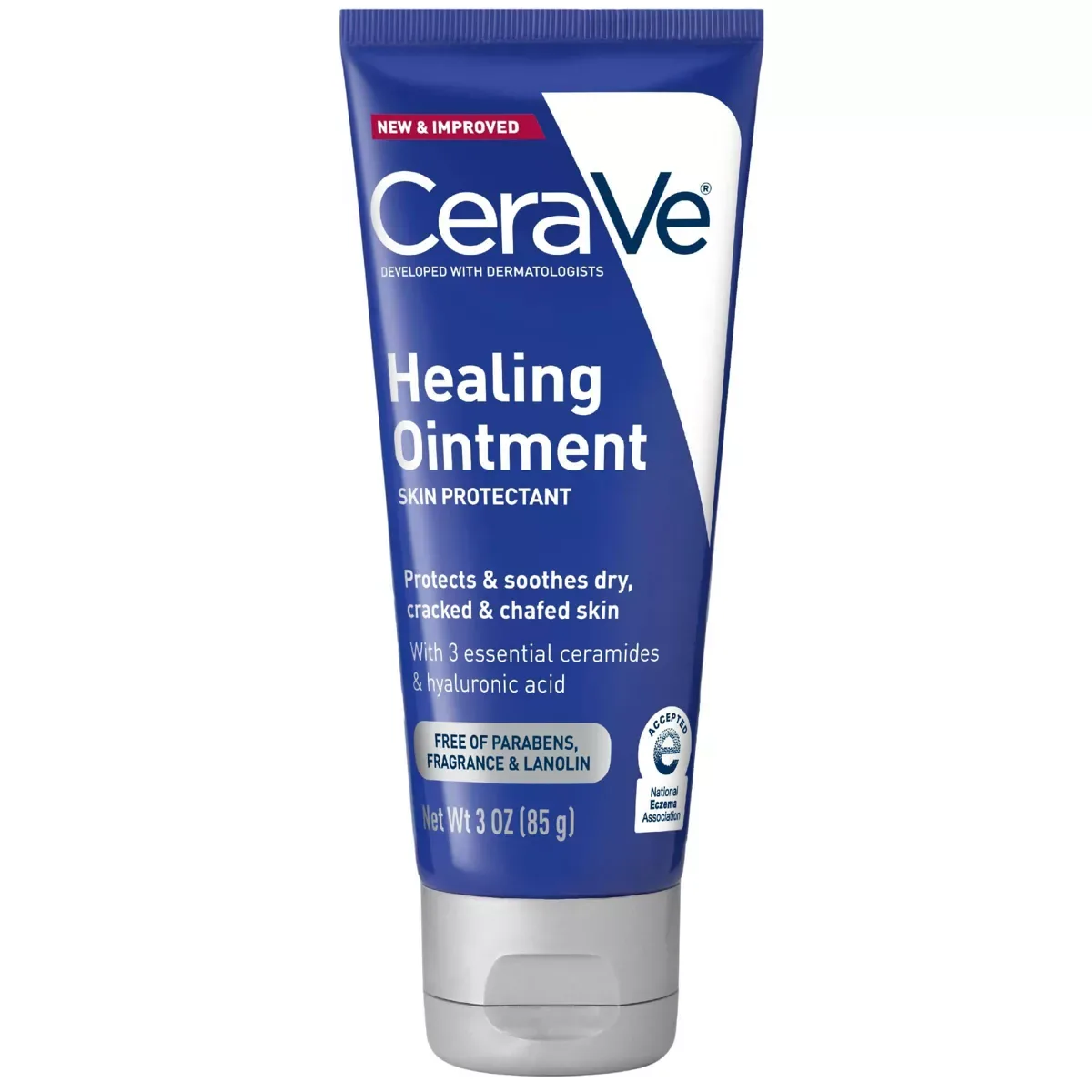 Barrier Rescue Hero
 Healing Ointment
CeraVe's Healing Ointment takes the simplest concept in skincare — seal the skin with petrolatum — and makes it genuinely intelligent by adding ceramides, hyaluronic acid, and panthenol beneath the occlusive layer. It is the gold standard drugstore occlusive for barrier rescue, slugging, and post-procedure care.
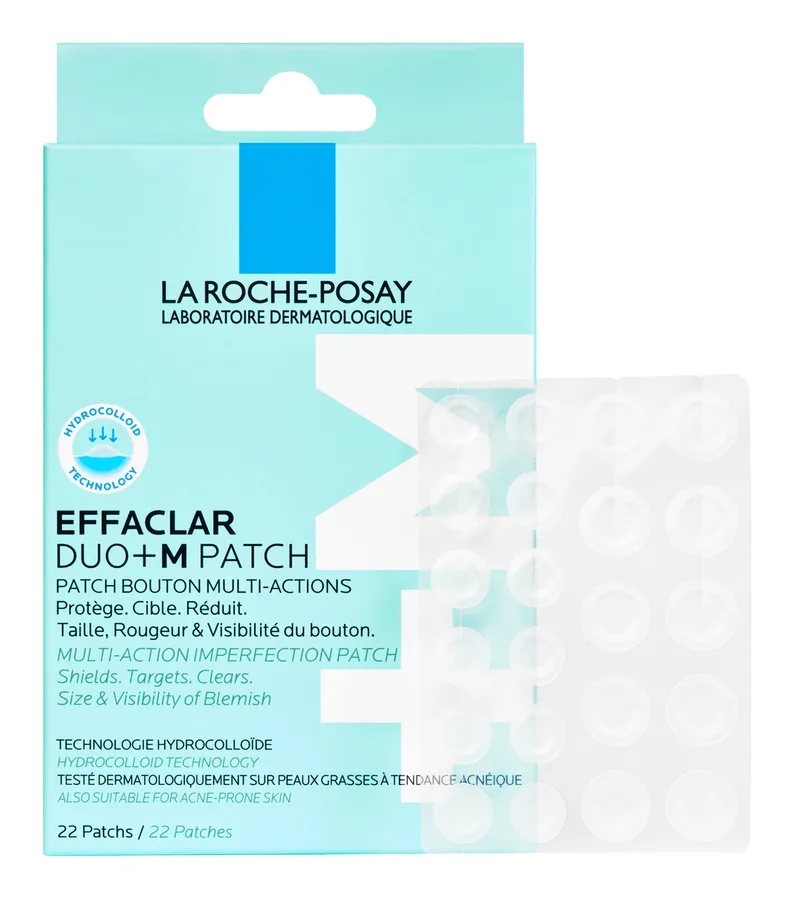 Derm Office Staple
 Effaclar Multi-Target Blemish Patches
One of the few hydrocolloid pimple patches that actually stays on overnight without curling off at 3am. At 420 microns thick with two size options in one pack and zero actives to irritate sensitive skin, this is the Effaclar line's quiet overachiever — and a legitimately good answer for anyone whose acne routine has been sabotaged by thinner patches that refuse to stay put.
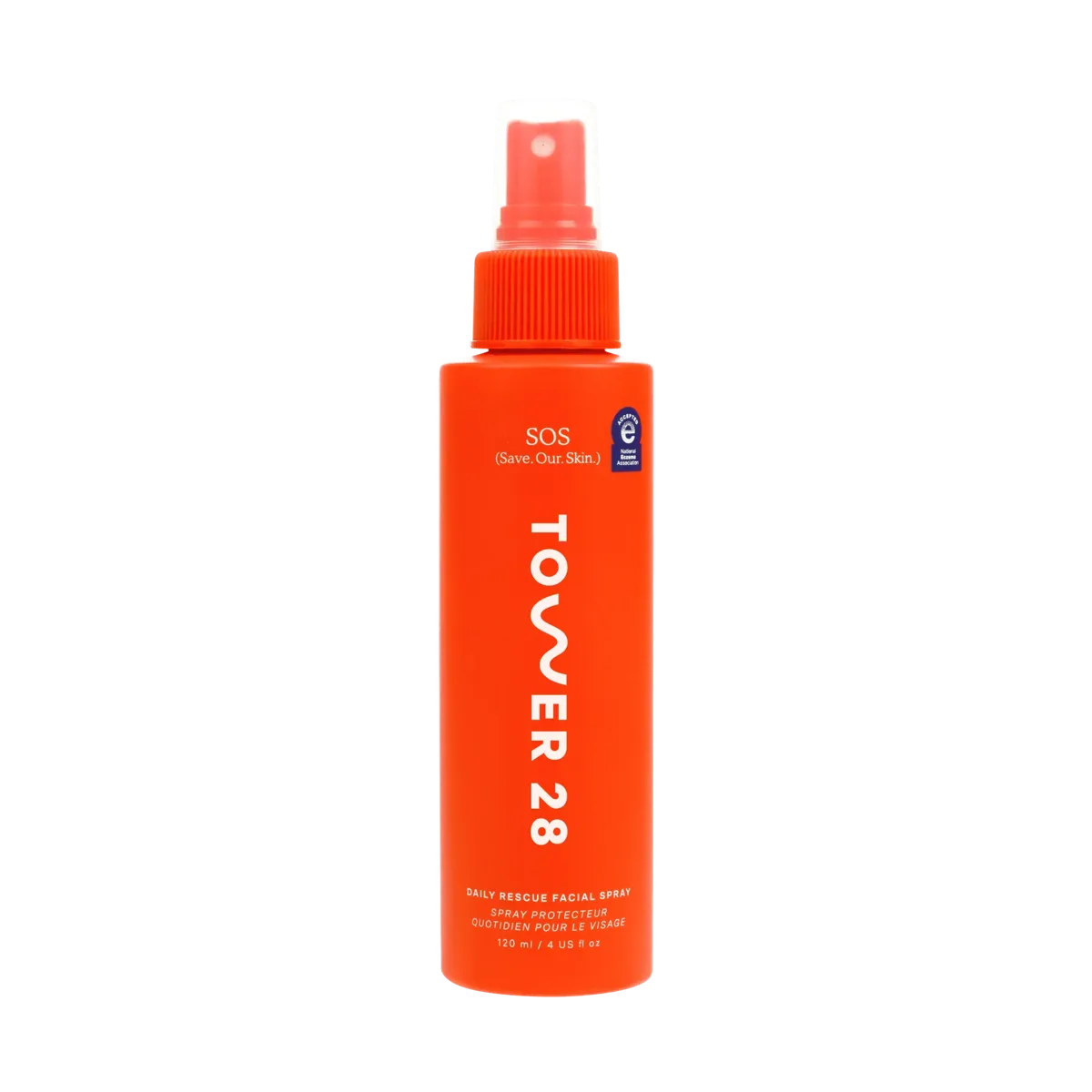 Reactive-Skin Cult Favorite
 SOS Save Our Skin Daily Rescue Facial Spray
The product that single-handedly brought hypochlorous acid into mainstream skincare. A fine-mist HOCl spray with genuine dermatology-organization validation, a near-perfect tolerability profile, and a cult following among people whose skin reacts to everything else. The price runs steeper than medical-grade HOCl, but the stabilization and design are worth the difference for daily use.
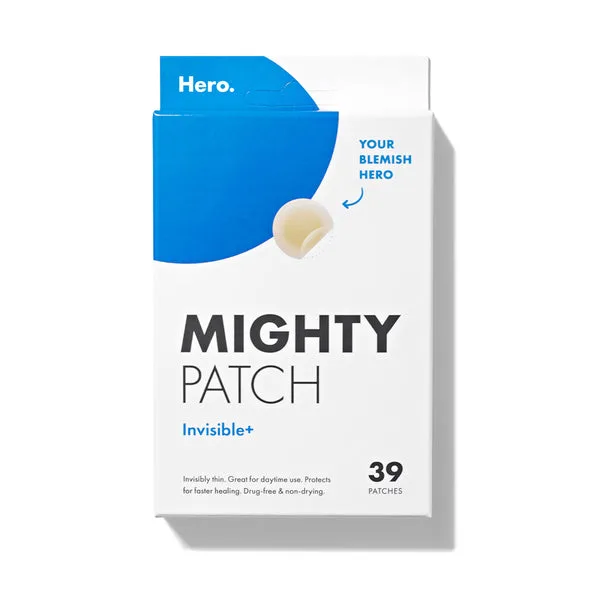
Mighty Patch Invisible+
The pimple patch that proved acne treatment could be invisible — Mighty Patch Invisible+ delivers the same fluid-absorbing hydrocolloid technology as the category-defining Original, but engineered thin enough to disappear under makeup. For daytime blemish management, nothing else comes this close to invisible.
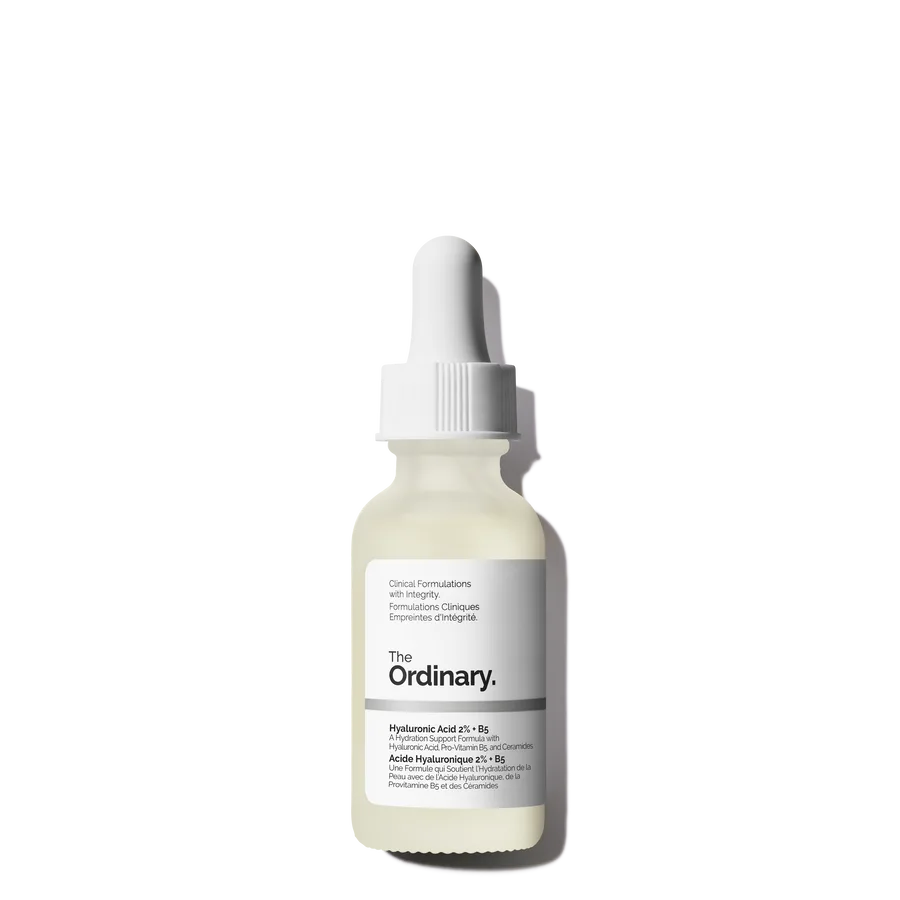 The Budget Hydrator, Perfected
 Hyaluronic Acid 2% + B5 Hydrating Serum
Everything the original should have been from the start — less sticky, better ingredients, and ceramide barrier support that transforms a simple hydrator into a proper skincare foundation. At $9.90, the only question is why you'd buy the old version.
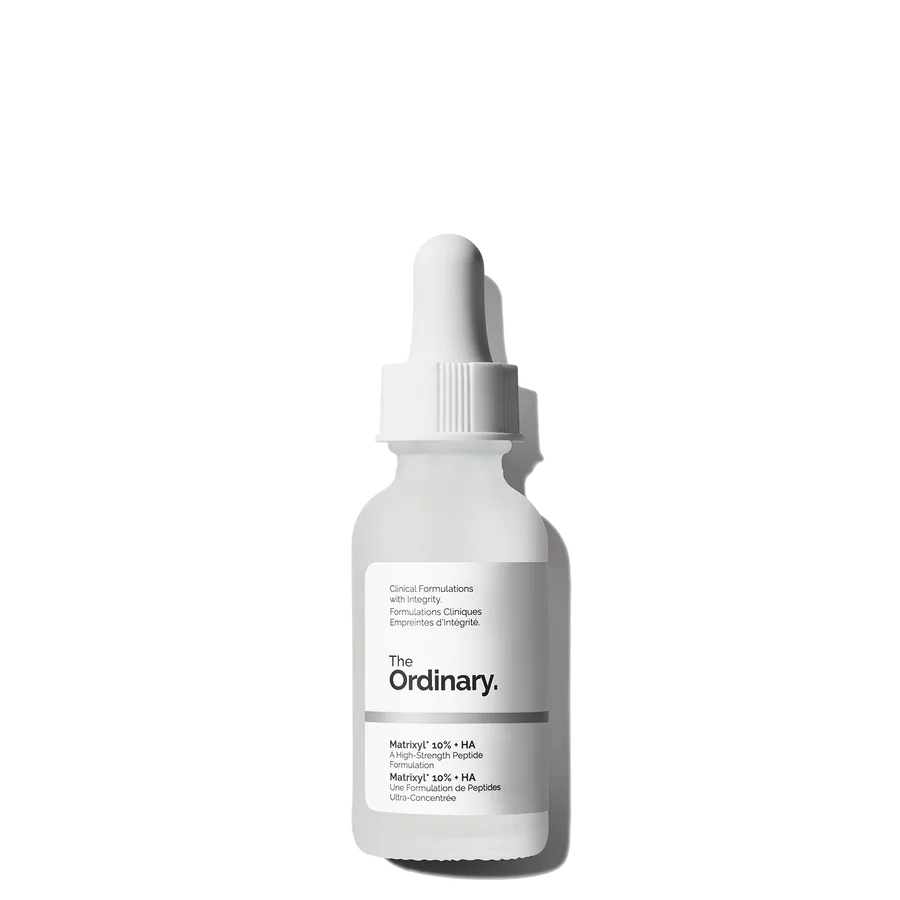 Budget Peptide Powerhouse
 Matrixyl 10% + HA
Two generations of clinically studied peptides at 10% concentration, in a hydrating HA base, for 0.90. The math borders on absurd. Matrixyl 10% + HA delivers genuine collagen-stimulating signal peptides with zero irritation risk — making it one of the best anti-aging values available and one of the few options safe during pregnancy.