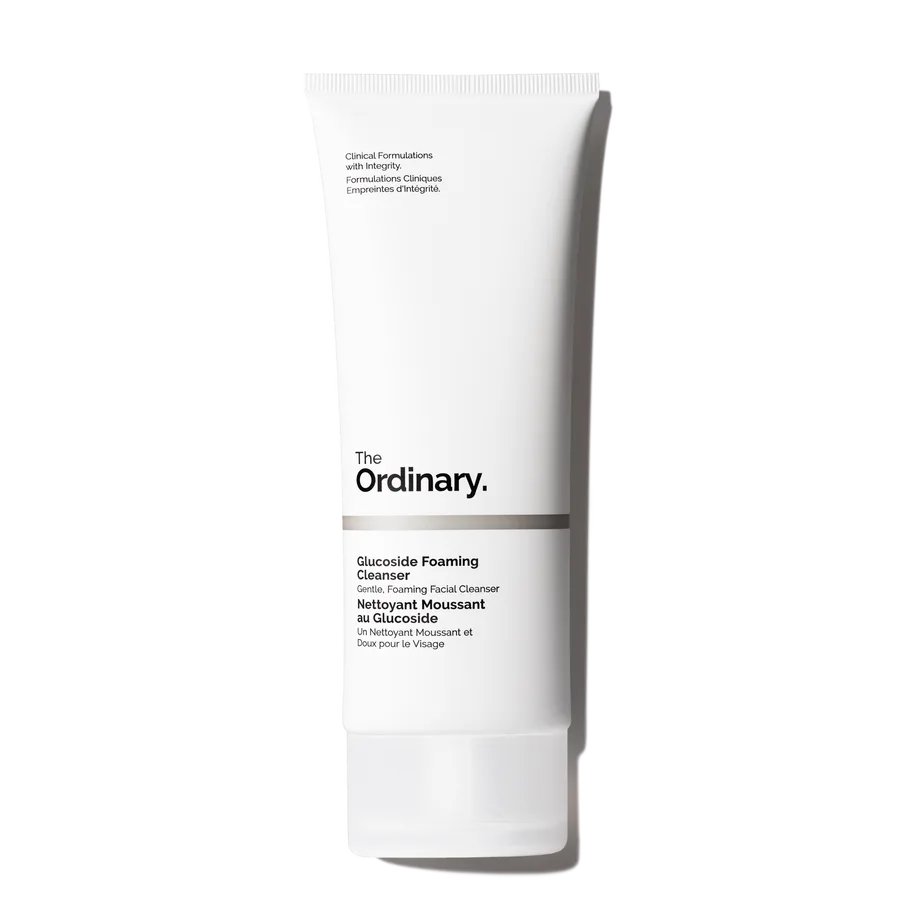
A cleanser that does exactly one thing — cleanse gently — and does it with an almost monk-like devotion to simplicity. Eight ingredients, no drama, no stripping. If your skin reacts to everything, this is the cleanser that might finally leave it alone.
Glucoside Foaming Cleanser
A cleanser that does exactly one thing — cleanse gently — and does it with an almost monk-like devotion to simplicity. Eight ingredients, no drama, no stripping. If your skin reacts to everything, this is the cleanser that might finally leave it alone.
Score Breakdown
An exceptionally gentle cleanser with a near-perfect irritation profile and broad suitability, but the ultra-minimal formula offers nothing beyond basic cleansing — no actives, no barrier-repair ingredients, just clean and gentle surfactants at a fair price.
Data Confidence: high
This product has been available since late 2022 with approximately 2,000-3,000 reviews across retailers. It holds the National Eczema Association Seal of Acceptance and has undergone clinical testing. Our scoring reflects substantial real-world feedback.
0/100
Overall Score
Ingredient Quality 0
Value for Money 0
Suitability Breadth 0
Irritation Risk (↑ = safer) 0
Assessment
Pros
- Only eight ingredients — one of the most minimal foaming cleansers available
- National Eczema Association Seal of Acceptance provides clinical credibility for sensitive skin
- Sulfate-free glucoside surfactants cleanse without stripping the lipid barrier
- pH 5.0-6.0 matches the skin's natural acid mantle
- Fragrance-free, oil-free, silicone-free, and fungal acne safe
- Gentle enough for twice-daily use on reactive and compromised skin
- Fair pricing at 2.50 for 150 mL with 2-3 month lifespan
Cons
- Gel texture separates in the tube and requires shaking before each use
- Cannot effectively remove waterproof makeup or heavy-duty sunscreen
- Sensory experience is unremarkable — no luxurious lather or pleasant scent
- Lighter foam may feel insufficient for those accustomed to sulfate cleansers
- No treatment actives — purely a cleansing product with no secondary benefits
Full Review
There are cleansers that promise to transform your skin, and then there are cleansers that promise to stop making things worse. The Ordinary Glucoside Foaming Cleanser belongs firmly in the second category, and that is not the backhanded compliment it might sound like.
When DECIEM launched this in late 2022, the brand already had the Squalane Cleanser — a balm-like oil cleanser beloved by the makeup-removing crowd. What they lacked was a straightforward water-based foaming cleanser for the second step of a double cleanse, or for those mornings when you just want to wash your face without thinking about it. The Glucoside Foaming Cleanser fills that gap with a formula so minimal it reads like a dare: water, two glucoside surfactants, a thickener, an antioxidant, a chelator, and two preservatives. That is the entire ingredient list. Eight ingredients. For context, most gentle cleansers on the market contain twenty to thirty.
The two surfactants — decyl glucoside and coco-glucoside — are derived from plant sugars and coconut oil. They are non-ionic, which in chemistry terms means they do not carry the electrical charge that makes sulfates so effective at stripping oil and, unfortunately, so effective at stripping the lipid barrier along with it. Glucoside surfactants clean through a gentler mechanism, dissolving sebum and environmental debris without the aggressive degreasing action. The Cosmetic Ingredient Review Expert Panel has assessed alkyl glucosides as safe and non-irritating in cosmetic use, and the foam they produce is lighter and airier than what sulfates deliver — which some users love and others find underwhelming.
The texture out of the tube is where this cleanser loses some people. It is a clear gel that can separate into a more watery consistency if the tube has been sitting for a while. A quick shake restores it, but the first encounter can be mildly off-putting. Once you work it between wet hands, it foams into a respectable lather — not the dense, creamy foam of a sulfate cleanser, but a genuine foam that feels like it is actually doing something. Rinse, and the skin feels clean, comfortable, and crucially, not tight. No squeaky feeling. No invisible film. Just skin that was dirty and is now clean.
The National Eczema Association Seal of Acceptance is the credential worth noting here. This is not a marketing badge you buy — it requires clinical validation that the product is suitable for eczema-prone skin, which means it passed testing for irritation potential on compromised barriers. For anyone who has cycled through supposedly gentle cleansers only to find their skin red and reactive by day three, that certification carries real weight.
What the cleanser does not do is equally important to understand. It will not remove waterproof mascara. It will not dissolve heavy-duty sunscreen. It is not a micellar water substitute, and it is not an oil cleanser. If you wear full makeup, this is your second cleanse, not your first. It also offers no treatment benefits — no salicylic acid for pores, no niacinamide for tone, no ceramides for barrier repair. The tocopherol provides minor antioxidant support, but in a rinse-off product with thirty seconds of skin contact, its contribution is marginal.
The absence of treatment ingredients is actually the point. A cleanser's primary job is to not damage the barrier while removing what needs to be removed. Every active ingredient added to a cleanser is an ingredient that may irritate during the brief contact window, and for sensitive or eczema-prone skin, that risk often outweighs the benefit. The Ordinary seems to understand this — they made a cleanser that washes things off and then gets out of the way, leaving the active ingredients to the serums and treatments that follow.
At 2.50 for 150 mL, the pricing is fair without being remarkable. It is cheaper than CeraVe's Hydrating Cleanser per milliliter and substantially cheaper than prescription-adjacent gentle cleansers, but it is not the dramatic value play that The Ordinary's treatment serums represent. A tube lasts two to three months with twice-daily use, which puts the annual cost around 0-75.
The sensory experience is, frankly, unremarkable — and for many users, that is the entire appeal. There is no fragrance to speak of, no tingle, no cooling sensation, no satisfying lather cascade. It is clinical in the best and most boring sense of the word. If you derive pleasure from your cleansing ritual, this will feel like washing your face with the concept of adequacy. If you derive relief from your cleansing ritual finally not causing problems, this is the product that understands the assignment.
The Ordinary Glucoside Foaming Cleanser is not trying to be your favorite product. It is trying to be the product you never have to think about — the reliable first step that your reactive, sensitive, or eczema-prone skin finally stops complaining about. And at eight ingredients, it has removed almost every possible reason for your skin to object.
Formula
Ingredients
The hero actives that drive this product's performance.
| Ingredient | Function | Evidence |
|---|---|---|
| Decyl Glucoside | The primary surfactant in this eight-ingredient formula, derived from corn glucose and coconut oil. As a non-ionic cleanser, it generates stable foam without the charge-based disruption that sulfates inflict on the skin's lipid barrier. In this minimal formulation, it carries the full cleansing load alongside coco-glucoside, relying on gentle foaming action rather than stripping power. | well-established |
| Coco-Glucoside | A secondary plant-derived surfactant that amplifies the foam density and cleansing coverage of decyl glucoside without increasing irritation potential. Together, this glucoside pair creates a cleansing system that clinical testing shows preserves the skin barrier significantly better than sulfate-based alternatives. | well-established |
| Tocopherol (Vitamin E) | Serves as both a formula stabilizer and a brief antioxidant treatment during the cleansing step. In a rinse-off product, tocopherol's skin contact time is limited, but it provides mild photoprotective support and helps prevent oxidative degradation of the glucoside surfactants themselves. | well-established |
| Phytic Acid | A natural chelating agent that replaces synthetic EDTA in this formula, binding metal ions in water to maintain surfactant stability and cleansing performance. Also contributes mild antioxidant activity, making it a cleaner alternative to traditional chelators in this intentionally minimal formulation. | well-established |
Full INCI List · pH 5.0-6.0
Aqua (Water), Decyl Glucoside, Coco-Glucoside, Xanthan Gum, Tocopherol, Phytic Acid, Benzyl Alcohol, Ethylhexylglycerin
Product Flags
✓ Fragrance Free✓ Alcohol Free✓ Oil Free✓ Silicone Free✓ Paraben Free✓ Sulfate Free✓ Cruelty Free✓ Vegan✓ Fungal Acne Safe
Compatibility
Skin Match
Best For
Works For
Not Ideal For
Addresses These Conditions
sensitivity eczema compromised skin barrier
Routine Step
cleanser
Time of Day
AM & PM
Pregnancy Safe
Yes ✓
Layering Tips
Use as a second cleanser after an oil-based cleanser for double cleansing. In the morning, can be used as a standalone cleanser. Apply to wet skin, massage gently, rinse with lukewarm water.
Results Timeline
Immediate: clean, comfortable skin without tightness or stripping. 1-2 weeks: skin barrier feels more stable if switching from a harsher cleanser. Long-term: maintained barrier integrity and reduced sensitivity when used consistently as part of a gentle routine.
Pairs Well With
Oil cleansers (first cleanse)All serums and treatmentsAll moisturizers
Sample AM Routine
- The Ordinary Glucoside Foaming Cleanser
- Toner
- Serum
- Moisturizer
- Sunscreen SPF 30+
Sample PM Routine
- Oil cleanser (first cleanse)
- The Ordinary Glucoside Foaming Cleanser
- Treatment serum
- Moisturizer
Evidence
Science
The Science
The cleansing system in this product relies entirely on alkyl glucosides — a class of non-ionic surfactants synthesized from plant-derived fatty alcohols and glucose. Decyl glucoside and coco-glucoside differ in their alkyl chain length, which affects their foaming and cleansing characteristics. Decyl glucoside produces more abundant foam and handles the primary cleansing action, while coco-glucoside — with its mixed chain lengths from coconut oil — contributes foam stability and co-surfactant support.
The Cosmetic Ingredient Review Expert Panel published a comprehensive safety assessment of alkyl glucosides in the International Journal of Toxicology (2013), concluding that decyl glucoside and related compounds are safe as used in cosmetics when formulated to be nonirritating. The panel noted that glucoside hydrolases naturally present in human skin break these surfactants down into their constituent fatty acids and glucose — meaning the skin can metabolize them rather than simply enduring them.
The non-ionic nature of glucoside surfactants is the critical differentiator from sulfates. Anionic surfactants like sodium lauryl sulfate carry a negative charge that binds strongly to proteins in the stratum corneum, disrupting the lipid bilayers and causing transepidermal water loss. Non-ionic surfactants interact primarily through hydrophobic interactions, which are weaker and less destructive to the barrier. Clinical comparisons have demonstrated that glucoside-based cleansers produce significantly less irritation and lower TEWL increases than SLS-based formulations at comparable concentrations.
The pH of 5.0-6.0 is another deliberate formulation choice. The skin's acid mantle sits around pH 5.5, and alkaline cleansers (pH 9-10, common in bar soaps) temporarily raise skin pH, disrupting enzyme function and barrier recovery. By matching the cleanser's pH to the skin's natural range, this formula avoids the post-wash pH disruption that contributes to tightness and irritation.
References
- Safety Assessment of Decyl Glucoside and Other Alkyl Glucosides as Used in Cosmetics — International Journal of Toxicology (2013)
Dermatologist Perspective
Dermatologists frequently emphasize that the cleanser step is where most routines go wrong — an overly harsh cleanser can undo the benefits of every product that follows. Board-certified dermatologists note that non-ionic surfactants like decyl glucoside represent the gentlest class of foaming agents available, and the National Eczema Association certification confirms this product meets clinical standards for compromised skin. Dermatologists commonly recommend glucoside-based cleansers for patients with atopic dermatitis, contact dermatitis, or post-procedure skin, where any barrier disruption during cleansing can delay healing. The minimal ingredient list also simplifies patch testing and allergen identification for patients working through elimination protocols.
Guidance
Usage Guide
How to Use
Shake the tube gently before use to restore gel consistency. Dispense a coin-sized amount onto wet hands, work into a lather, and massage onto wet face for 30-60 seconds using gentle circular motions. Rinse thoroughly with lukewarm water and pat dry. For double cleansing, use after an oil-based cleanser to remove any remaining residue. Can be used morning and evening. Avoid the immediate eye area — while gentle, it can still sting if it enters the eyes.
Value Assessment
At 2.50 for 150 mL, this cleanser is priced competitively within the gentle cleanser category. It is less expensive per milliliter than many pharmacy-brand gentle cleansers and substantially cheaper than dermatologist-dispensed options. The value proposition is straightforward: you are paying for a well-formulated, clinically validated gentle cleanser with no frills. It does not offer the multitasking benefits of treatment cleansers, but for skin that needs simplicity, the cost of avoiding irritation from a more complex formula is itself the value.
Who Should Buy
Anyone with sensitive, reactive, or eczema-prone skin who has struggled to find a foaming cleanser that does not cause tightness, redness, or irritation. Also excellent for minimalists who want the simplest possible cleanser with clinical validation and for those building elimination routines to identify skin triggers.
Who Should Skip
If you wear heavy makeup or waterproof sunscreen daily and want a single-step removal, this cleanser will frustrate you. Also not the right pick if you enjoy a rich sensory experience from your cleanser — there is no luxurious lather, no pleasant fragrance, and no treatment benefits beyond clean skin.
Ready to try The Ordinary Glucoside Foaming Cleanser?
Details
Details
Texture
A clear, slightly viscous gel that can separate if left undisturbed — shaking before use restores the consistency. Foams into a light, airy lather when worked with water. Rinses clean without residue.
Scent
Essentially unscented with a very faint, barely perceptible clean chemical note
Packaging
White squeeze tube with black text in The Ordinary's standard minimalist clinical design. Screw-top cap. 150 mL capacity.
Finish
non-greasylightweight
What to Expect on First Use
On first use, you may notice the gel is thinner than expected — shake the tube first. The foam is lighter and less dense than sulfate-based cleansers, which can feel underwhelming if you are accustomed to rich lathers. Skin should feel clean and comfortable immediately after rinsing, with no tightness or dryness.
How Long It Lasts
2-3 months with twice-daily use
Period After Opening
12 months
Best Season
All Year
Certifications
VeganCruelty-FreeNational Eczema Association Seal of Acceptance
Background
The Why
The Ordinary launched this cleanser in late 2022 to fill a gap in their lineup — despite being famous for treatment products, the brand had limited cleanser options. The formulation philosophy matches The Ordinary's ethos of transparency and simplicity: use only what's necessary, nothing more. The eight-ingredient formula is designed to do one thing — cleanse gently — and prove that a good cleanser does not need twenty ingredients to be effective.
About The Ordinary Established Brand (5–20 years)
The Ordinary launched under DECIEM in 2016 and rapidly became the most disruptive force in skincare by offering clinical-grade actives at unprecedented price points. Now owned by Estée Lauder Companies, the brand has built nearly a decade of consumer trust through ingredient transparency and accessible pricing.
Brand founded: 2016 · Product launched: 2022
Myth vs. Reality
Myths
Myth
Foaming cleansers are always harsh and stripping
Reality
This cleanser foams using glucoside surfactants derived from plant sugars, which are non-ionic and do not disrupt the skin's lipid barrier the way anionic sulfates can. The CIR Expert Panel concluded that alkyl glucosides are safe and non-irritating when properly formulated, and clinical testing of this specific product showed 97% of subjects felt it spread smoothly without discomfort.
Myth
A cleanser with only 8 ingredients can't clean effectively
Reality
Cleansing is about surfactant quality, not ingredient count. Decyl glucoside and coco-glucoside together provide effective removal of sebum, environmental debris, and non-waterproof products. The minimal formula simply means there are no unnecessary fillers — the surfactants do the work.
FAQ
FAQ
Is The Ordinary Glucoside Foaming Cleanser good for sensitive skin?
This is one of the best options available for sensitive skin. With only eight ingredients, zero fragrances, and the National Eczema Association Seal of Acceptance, it was specifically designed to cleanse without triggering irritation. The glucoside surfactants are non-ionic, meaning they foam and cleanse without disrupting the lipid barrier the way sulfates can.
Can The Ordinary Glucoside Foaming Cleanser remove makeup?
It handles light makeup and non-waterproof products reasonably well, but it is not effective against heavy foundation, waterproof mascara, or long-wear sunscreen. For those, The Ordinary recommends double cleansing — use an oil-based cleanser first (like The Ordinary Squalane Cleanser), then follow with this foaming cleanser.
Why does The Ordinary Glucoside Foaming Cleanser separate in the tube?
The formula uses xanthan gum as its only thickener and contains no emulsifiers beyond the surfactants themselves. Without heavy stabilizers, the gel can settle into a more watery consistency if left unused. Simply shake the tube before each use to restore the proper gel texture — this is normal and not a sign of product degradation.
What is the pH of The Ordinary Glucoside Foaming Cleanser?
The pH ranges from 5.0 to 6.0, which is close to the skin's natural pH of approximately 5.5. This mildly acidic pH helps maintain the acid mantle during cleansing, reducing post-wash tightness and irritation compared to alkaline cleansers.
Is The Ordinary Glucoside Foaming Cleanser fungal acne safe?
Yes. With only eight ingredients — none of which are oils, fatty acids, or esters that feed Malassezia yeast — this cleanser is safe for fungal acne-prone skin. The glucoside surfactants and preservatives in the formula are not known triggers.
Community
Community
Common Praise
"Extremely gentle — does not strip or dry out even the most sensitive skin"
"Works beautifully for eczema-prone and reactive skin types"
"Ultra-minimal ingredient list with only 8 ingredients"
"Excellent value at 2.50 for 150 mL"
"Sulfate-free foaming action that still feels like a proper cleanse"
Common Complaints
"Gel texture can feel slimy or watery; needs shaking before use"
"Cannot remove heavy makeup or waterproof sunscreen effectively"
"Sensory experience is unremarkable — no luxurious lather or scent"
"Some users need to dispense a larger amount than expected for adequate cleansing"
Notable Endorsements
National Eczema Association Seal of Acceptance
Appears In
best cleanser for sensitive skin best cleanser for eczema best the ordinary products best sulfate free cleanser best budget cleanser
Related Conditions
sensitivity eczema compromised skin barrier fungal acne dryness
Related Ingredients
You Might Also Like
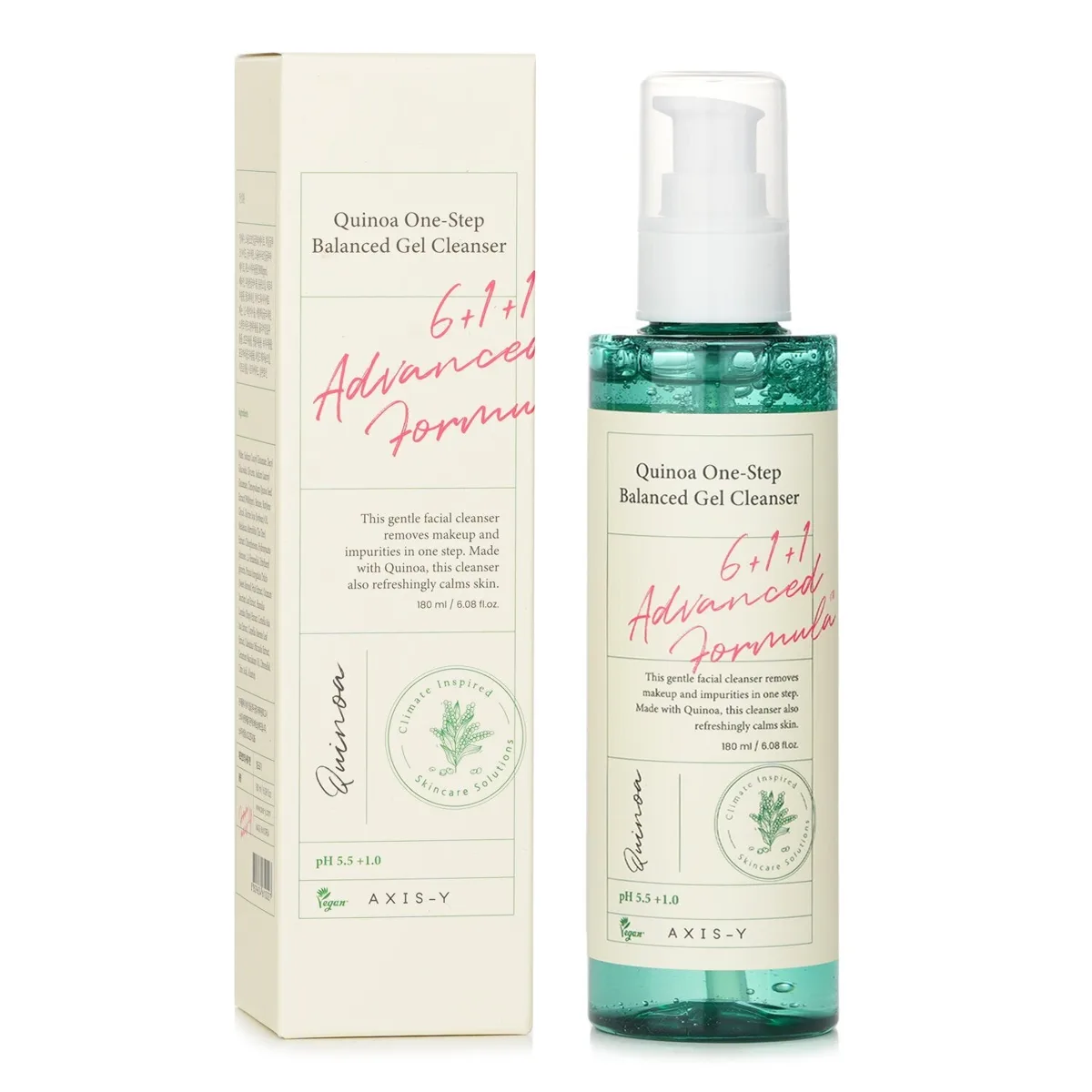 Quinoa-Led Gentle Daily Cleanser
 Quinoa One Step Balanced Gel Cleanser
A fragrance-free, sulfate-free gel cleanser built around quinoa seed extract and a gentle amphoteric-plus-nonionic surfactant pair. Non-stripping, broadly suitable, and priced reasonably — one of the safest recommendations in the daily gentle cleanser category.
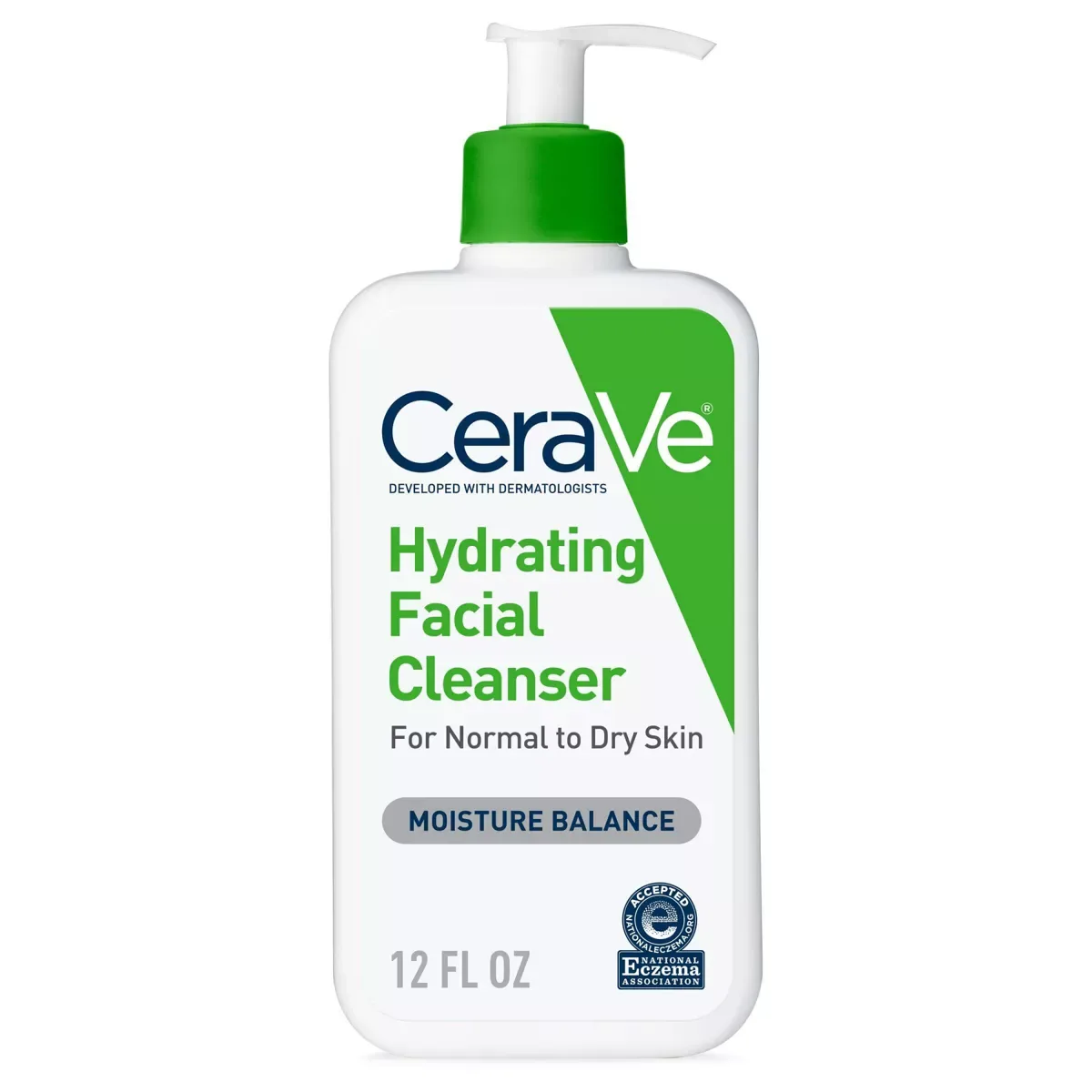 Sensitive Skin MVP
 Hydrating Facial Cleanser
The CeraVe Hydrating Facial Cleanser is the cleanser that taught a generation of dry-skin sufferers that washing your face does not have to mean punishing it. A lotion-textured, non-foaming formula that genuinely hydrates while it cleans, it remains the benchmark drugstore cleanser for anyone whose skin drinks moisture faster than most products can provide it.
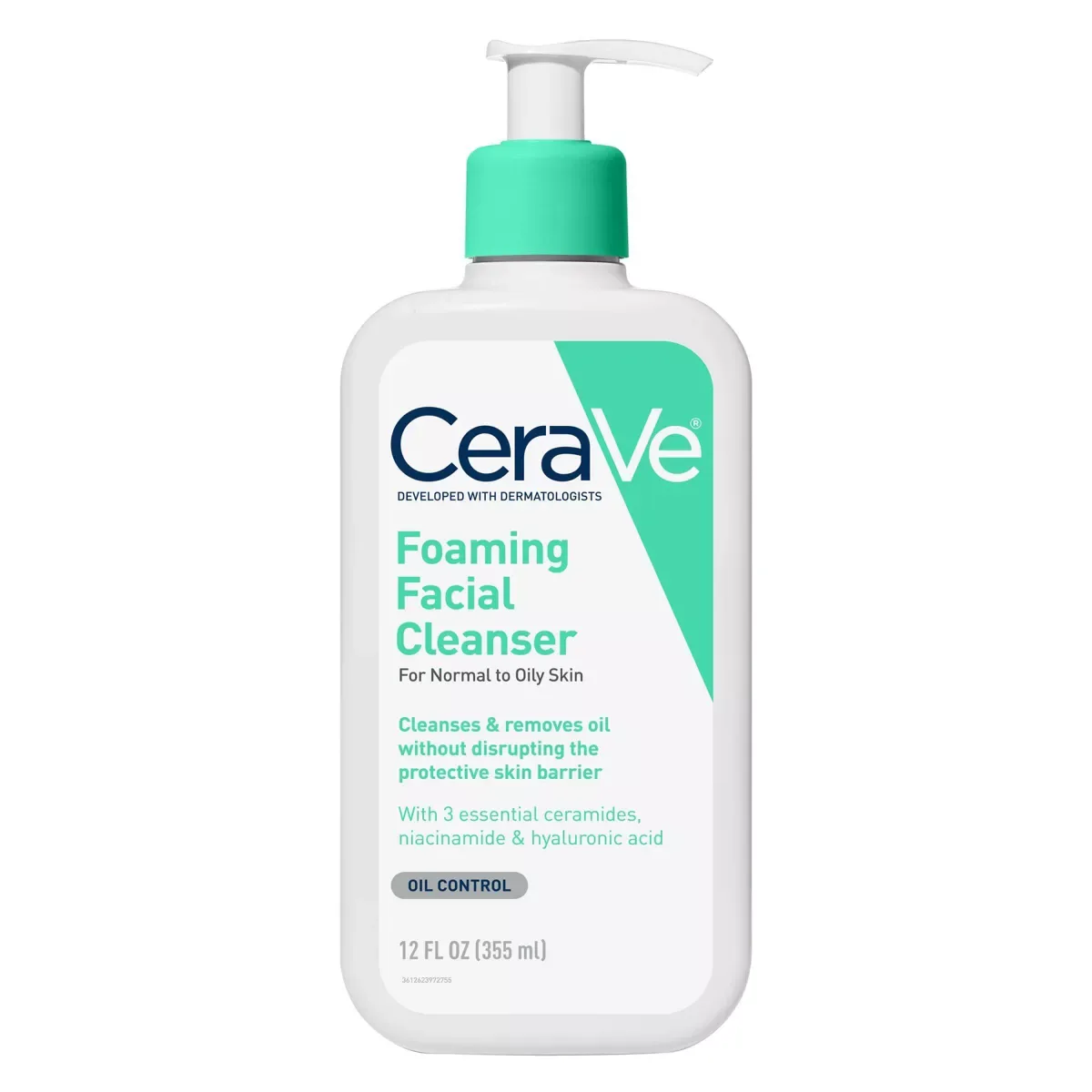 Derm Office Staple
 Foaming Facial Cleanser
The CeraVe Foaming Facial Cleanser is the rare drugstore cleanser that dermatologists actually use themselves — a genuinely gentle foaming wash that removes excess oil without triggering the rebound sebum production that plagues most lathering cleansers. At under sixteen dollars for a bottle that lasts months, it makes skipping it almost irrational.
 Cult-Status Makeup Eraser
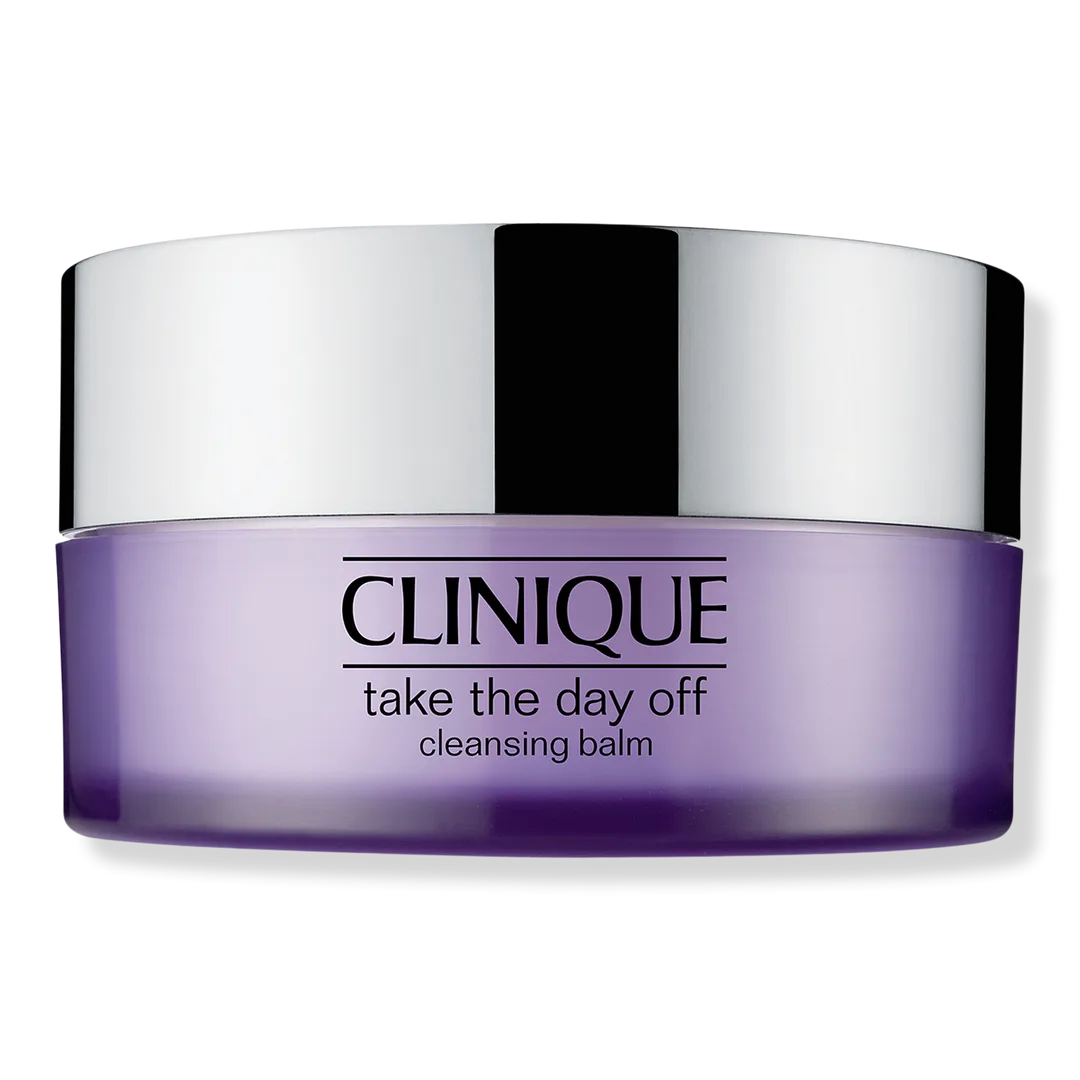
 Take the Day Off Cleansing Balm
The cleansing balm that earned its cult status through radical restraint — nine ingredients, zero fragrance, and the ability to dissolve anything from waterproof mascara to SPF 50 without disturbing even the most reactive skin. Not the most glamorous product in any routine, but possibly the most universally reliable.
 Japanese Drugstore Classic
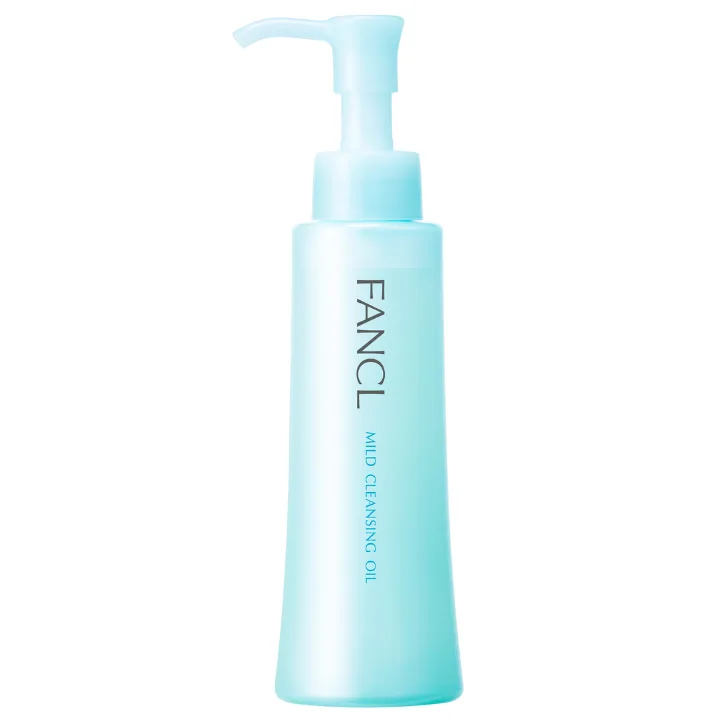
 Mild Cleansing Oil
A two-decade-old Japanese drugstore staple that still outperforms most modern cleansing oils on the single metric that matters: does it remove sunscreen cleanly without leaving a film. The fragrance-free, ester-based formula is gentle enough for reactive skin and thoughtfully augmented with vitamin C and plant oils. Quietly one of the best first-cleanse options on the market.
 The Original Micellar Water
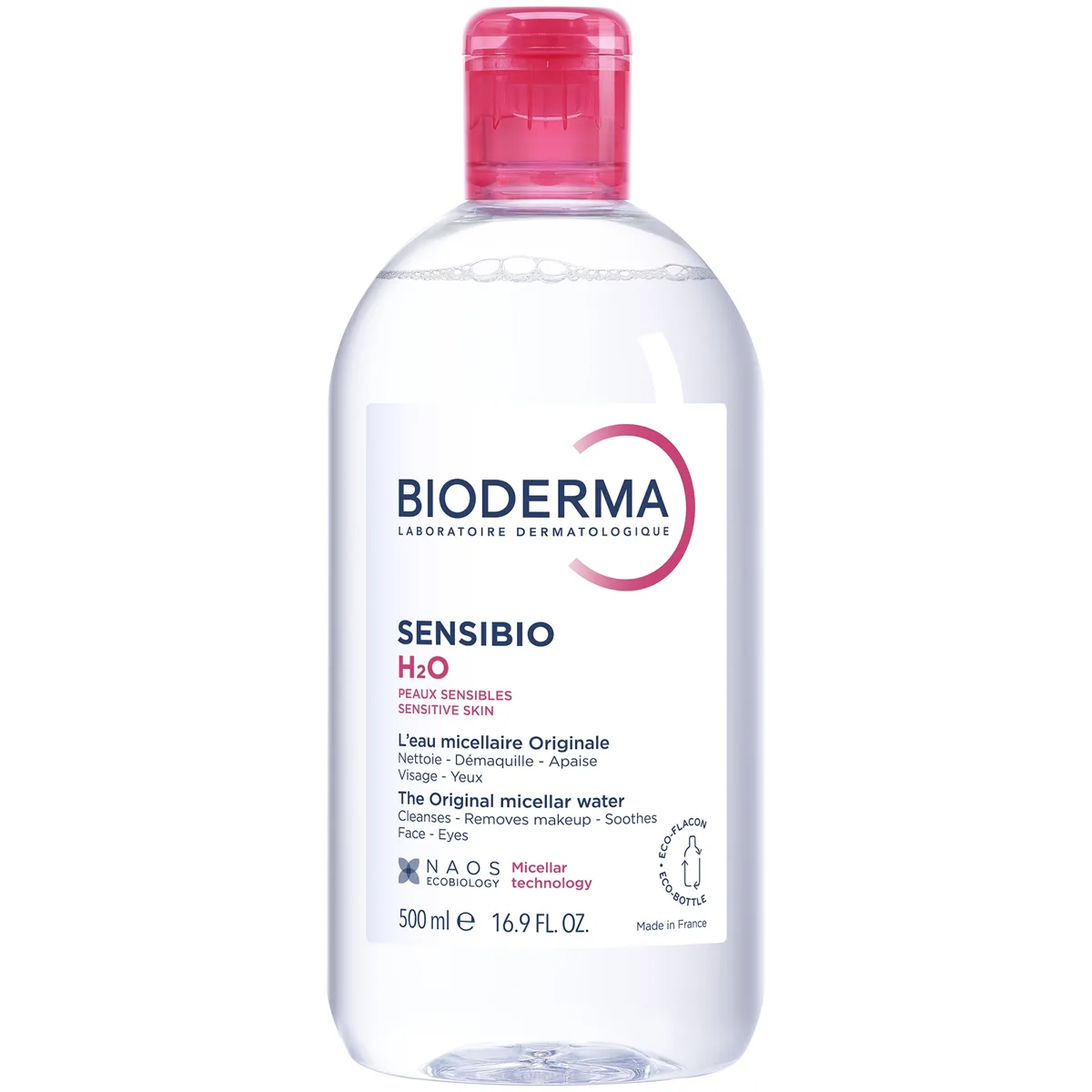
 Sensibio H2O Micellar Water
The product that launched an entire skincare category remains, three decades later, one of the gentlest and most effective no-rinse cleansers available. Bioderma Sensibio H2O earns its cult status through radical simplicity — 10 ingredients, zero fragrance, and a formula so mild it was originally dispensed by prescription.