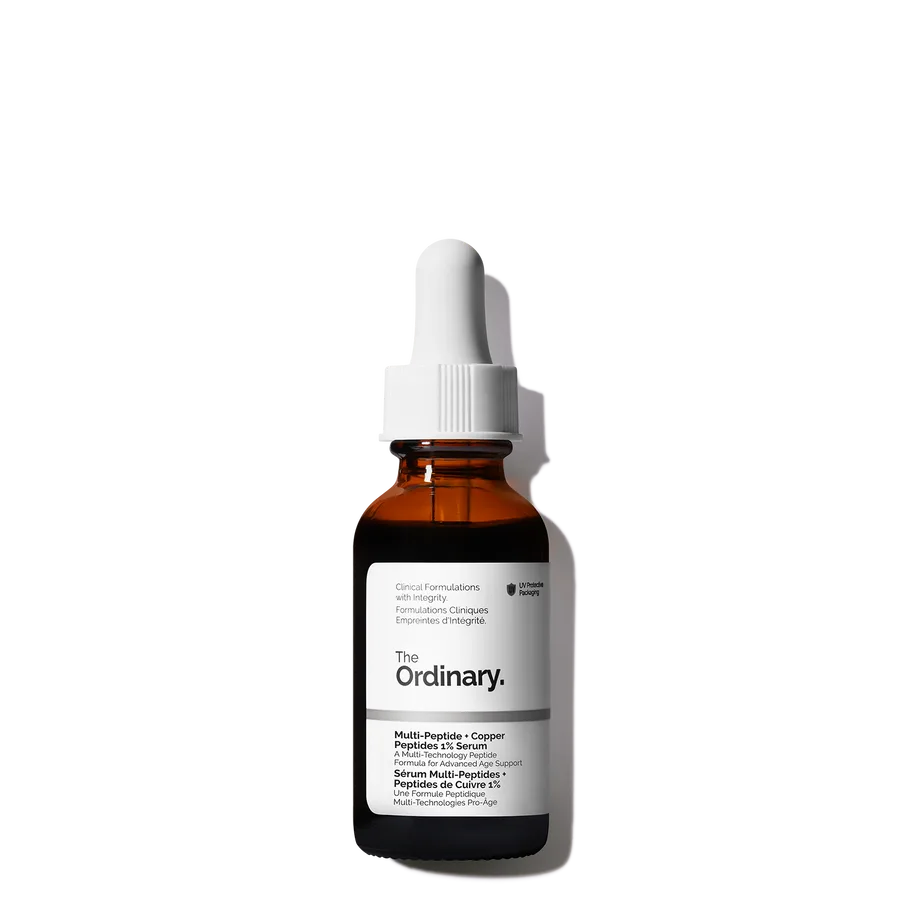
The Ordinary's most ambitious serum — six peptide technologies and 1% copper tripeptide in a single bottle for $32, which would cost quadruple from most brands. The science is compelling, the use restrictions are annoying, and the results require patience. For dedicated anti-aging on a budget, nothing else comes close.
Multi-Peptide + Copper Peptides 1% Serum
The Ordinary's most ambitious serum — six peptide technologies and 1% copper tripeptide in a single bottle for $32, which would cost quadruple from most brands. The science is compelling, the use restrictions are annoying, and the results require patience. For dedicated anti-aging on a budget, nothing else comes close.
Score Breakdown
Where this product gains points and where it loses them — broken down across the four scoring pillars.
An impressively complex peptide formula with genuine scientific backing for its key actives, but held back by a high price point for The Ordinary, significant use restrictions with common actives, mixed user reviews on visible results, and a characteristic odor that some find off-putting.
Pros & Cons
- ✓Six peptide technologies including 1% copper tripeptide-1 at a fraction of competitor pricing
- ✓Comprehensive approach targeting multiple aging mechanisms simultaneously from different pathways
- ✓Backed by a full amino acid complex, NMF components, and dual hyaluronic acid forms
- ✓Lightweight, non-oily texture that absorbs cleanly without residue or blue tint transfer
- ✓Probiotic-derived Lactococcus Ferment Lysate enhances the formula's repair-supporting profile
- ✓Genuine visible improvements in firmness and fine lines with consistent 8-12 week use
- ✗Extensive use restrictions — cannot combine with acids, vitamin C, retinoids, or strong antioxidants
- ✗Distinctive metallic/meat-like odor from copper peptides that some users find off-putting
- ✗Results require 4-12 weeks of patience — no immediate visible anti-aging effects
- ✗At $32, significantly more expensive than typical The Ordinary products
- ✗Some users with sensitive skin report itching, redness, and burning reactions
Full Review
The first thing you notice about The Ordinary's Multi-Peptide + Copper Peptides 1% Serum is the color. It's blue. Not faintly-tinted-if-you-squint blue, but genuinely, visibly blue — a shade somewhere between a robin's egg and a science experiment. The second thing you notice, if you bring the dropper close enough, is the smell. Metallic, faintly biological, like a very clean penny or a steak that's been sitting in a copper pan. Neither of these qualities screams "luxury skincare," and yet this $32 bottle contains more peptide technology than most $150 serums dare to attempt.
The story of copper peptide-1 — or GHK-Cu, as the research papers call it — is one of the more genuinely interesting narratives in cosmetic science. Discovered by biochemist Loren Pickart in the 1970s, GHK-Cu is a naturally occurring tripeptide that declines with age (your body contains about 200 ng/mL at age 20 and roughly 80 ng/mL by age 60). Research has shown it stimulates collagen and glycosaminoglycan synthesis, promotes wound healing, and has antioxidant and anti-inflammatory properties. It's not a marketing invention — it's a biological molecule with decades of published research behind it.
The Ordinary puts GHK-Cu at a declared 1% concentration, which is notable for transparency and ambition. Most brands that include copper peptides use trace amounts — enough to appear on the label, not enough to matter. One percent is a working concentration that places this product in the therapeutic range documented in the research literature.
But this isn't just a copper peptide serum. It's a peptide cocktail. Alongside the GHK-Cu, the formula contains Acetyl Hexapeptide-8 (better known as Argireline, a peptide that reduces expression line depth by modulating neurotransmitter release), Palmitoyl Tripeptide-38 (Matrixyl synthe'6, which stimulates six major structural proteins), the Palmitoyl Tripeptide-1/Tetrapeptide-7 duo (Matrixyl 3000, which boosts collagen while reducing collagen-degrading inflammation), Pentapeptide-18 (which complements Argireline's neuromuscular action), and Dipeptide Diaminobutyroyl Benzylamide Diacetate (Syn-Ake, which mimics the muscle-relaxing effect of waglerin-1 peptide from temple viper venom). Each of these peptides targets a different mechanism of aging — expression lines, structural protein loss, inflammation-driven collagen degradation, and environmental damage. Together, they represent a multi-pronged approach to skin aging that's as comprehensive as anything available without a prescription.
The supporting cast deserves mention. Lactococcus Ferment Lysate sits high in the INCI, providing a probiotic-derived matrix of amino acids and peptide fragments that support the skin's repair processes. A full amino acid complex (eleven amino acids plus NMF components like urea, sodium PCA, and sodium lactate) replenishes the skin's natural moisturizing factor. Dual-form hyaluronic acid (standard sodium hyaluronate plus the sustained-release crosspolymer) provides immediate and long-lasting hydration. This isn't a bare-bones formula with peptides floating in water — it's a thoughtfully constructed vehicle designed to support the actives and the skin simultaneously.
In use, the serum applies cleanly. The texture is lightweight and aqueous, with enough slip to spread easily without any oily or sticky residue. The blue tint doesn't transfer to skin or clothing. The metallic scent fades within minutes. Under moisturizer and sunscreen, it layers without pilling for most users — though a significant minority reports that certain moisturizer formulations cause balling, which suggests some silicone or polymer incompatibility.
Results from peptides are inherently gradual. This is not a product that delivers overnight transformation or even two-week visible changes beyond improved hydration. Peptides work by signaling biological processes — collagen synthesis, glycosaminoglycan production, structural protein assembly — that operate on cellular timelines measured in weeks and months. Expect meaningful fine-line reduction at four to eight weeks and firmness improvements at eight to twelve weeks of consistent twice-daily use. Users who stick with it generally report genuine satisfaction; those who expect acid-like immediate results are consistently disappointed.
The most significant practical limitation is the conflict list. Copper peptides cannot be used with direct acids, L-ascorbic acid vitamin C, retinoids, or strong antioxidants like EUK 134. For many people, this means reorganizing their entire routine to accommodate one product. If you use a vitamin C serum in the morning and retinoid at night — a common and effective protocol — there's literally no slot in which copper peptides fit without sacrificing something else. This restriction alone makes this product a poor choice for people with established, effective routines unless they're willing to restructure around it.
Some users with sensitive skin report itching, redness, or burning — likely a response to the copper ions, which can be irritating at higher concentrations. If you have reactive skin, patch test carefully and introduce gradually.
At $32, this is The Ordinary's most expensive product by a significant margin — more than three times the cost of most items in their lineup. But context matters. Comparable multi-peptide formulations with copper tripeptide-1 at 1% typically run $80-200 from competitors. The Ordinary's version contains more peptide technologies than most of those competitors include, in a more comprehensive formula. If you've decided that peptide-based anti-aging is your approach, this is objectively the best value in the category.
The Multi-Peptide + Copper Peptides 1% Serum isn't for everyone. It requires patience, routine restructuring, and acceptance of a peculiar smell and color. But for those willing to work with its requirements, it delivers a peptide payload that has no equal at this price point. The blue serum that smells like pennies might just be the most underrated product in The Ordinary's entire range.
Formula
Key Ingredients
The hero actives that drive this product's performance.
| Ingredient | Function | Evidence |
|---|---|---|
| Copper Tripeptide-1 (GHK-Cu) (1%) | The headline active in this formula — a copper-bound tripeptide with research showing it stimulates collagen synthesis, promotes wound healing, and has antioxidant properties. At 1% in this serum, it works alongside the other peptide technologies to address skin elasticity loss and environmental stressor-related aging from multiple biochemical angles simultaneously. | promising |
| Acetyl Hexapeptide-8 (Argireline) | A neurotransmitter-inhibiting peptide that reduces the intensity of muscle contractions involved in expression lines. In this formula, it targets dynamic wrinkles — the lines from smiling, frowning, and squinting — complementing the copper peptide's collagen-stimulating action, which addresses static wrinkles from a different mechanism entirely. | promising |
| Palmitoyl Tripeptide-38 (Matrixyl synthe'6) | A signaling peptide that stimulates the synthesis of six major structural proteins in the dermal matrix — including collagen I, III, and IV, fibronectin, and hyaluronic acid. In this peptide cocktail, it provides the broadest matrix-rebuilding signal, working alongside copper tripeptide-1's more focused collagen stimulation. | promising |
| Palmitoyl Tripeptide-1 and Palmitoyl Tetrapeptide-7 (Matrixyl 3000) | A peptide duo that signals the skin to produce collagen while simultaneously reducing inflammatory mediators (IL-6) that contribute to collagen degradation. In this multi-peptide formula, they address the production and protection sides of the collagen equation — building new collagen while reducing the inflammation that breaks it down. | promising |
| Lactococcus Ferment Lysate | A probiotic-derived ingredient listed high in the INCI, suggesting meaningful concentration. Provides amino acids, peptide fragments, and growth factors from bacterial fermentation that support the skin's natural repair processes and enhance the bioavailability of the peptide actives in this formula. | emerging |
Full INCI List
Aqua (Water), Glycerin, Lactococcus Ferment Lysate, Copper Tripeptide-1, Acetyl Hexapeptide-8, Pentapeptide-18, Palmitoyl Tripeptide-1, Palmitoyl Tetrapeptide-7, Palmitoyl Tripeptide-38, Dipeptide Diaminobutyroyl Benzylamide Diacetate, Acetylarginyltryptophyl Diphenylglycine, Sodium Hyaluronate Crosspolymer, Sodium Hyaluronate, Allantoin, Glycine, Alanine, Serine, Valine, Isoleucine, Proline, Threonine, Histidine, Phenylalanine, Arginine, Aspartic Acid, Trehalose, Fructose, Glucose, Maltose, Urea, Sodium PCA, PCA, Sodium Lactate, Citric Acid, Hydroxypropyl Cyclodextrin, Sodium Chloride, Sodium Hydroxide, Butylene Glycol, Pentylene Glycol, Acacia Senegal Gum, Xanthan Gum, Carbomer, Polysorbate 20, Dimethyl Isosorbide, Sodium Benzoate, Caprylyl Glycol, Ethylhexylglycerin, Phenoxyethanol, Chlorphenesin
Product Flags
✓ Fragrance Free✓ Alcohol Free✓ Oil Free✓ Silicone Free✓ Paraben Free✓ Sulfate Free✓ Cruelty Free✗ Vegan✗ Fungal Acne Safe
Potential Irritants
Copper Tripeptide-1
Compatibility
Skin Match
Best For
Works For
Not Ideal For
Addresses These Conditions
aging dullness dryness texture
Use With Caution
Routine Step
serum
Time of Day
AM & PM
Pregnancy Safe
Yes ✓
Layering Tips
Apply after cleansing and toning, before moisturizer. Do NOT use with direct acids, vitamin C (L-ascorbic acid), retinoids, or strong antioxidants like EUK 134 — copper peptides are destabilized by these actives. Use peptides in the morning and acids/retinoids in the evening for best results.
Results Timeline
Subtle improvement in skin hydration and texture within 1-2 weeks. Visible reduction in fine lines and improved skin firmness at 4-8 weeks. Maximum collagen-building benefits emerge at 8-12 weeks of consistent twice-daily use.
Pairs Well With
hyaluronic acidniacinamideceramide moisturizersSPFgentle hydrating toners
Conflicts With
direct acids (AHAs, BHAs)vitamin C (L-ascorbic acid)retinoidsstrong antioxidantsEUK 134
Sample AM Routine
- Gentle cleanser
- The Ordinary Multi-Peptide + Copper Peptides 1% Serum
- Moisturizer
- Broad-spectrum SPF 30+
Sample PM Routine
- Gentle cleanser
- The Ordinary Multi-Peptide + Copper Peptides 1% Serum
- Moisturizer
Evidence
Who Should Skip
- Extensive use restrictions — cannot combine with acids, vitamin C, retinoids, or strong antioxidants
- Distinctive metallic/meat-like odor from copper peptides that some users find off-putting
- Results require 4-12 weeks of patience — no immediate visible anti-aging effects
- At $32, significantly more expensive than typical The Ordinary products
Science & Expert Perspective
The Science
Copper Tripeptide-1 (GHK-Cu) has one of the more substantial research bodies among cosmetic peptides. Discovered by Loren Pickart, GHK-Cu is a naturally occurring tripeptide that declines significantly with age. A comprehensive review by Pickart et al. published in the International Journal of Molecular Sciences (2012) documented GHK-Cu's ability to stimulate collagen synthesis in human dermal fibroblasts, promote glycosaminoglycan production, and exhibit antioxidant activity by modulating iron and copper ion levels that would otherwise catalyze free radical generation.
The Matrixyl peptides in this formula have their own clinical backing. A study on Palmitoyl Tripeptide-38 (Matrixyl synthe'6) published by Sederma demonstrated that the peptide stimulates synthesis of six major components of the skin matrix and dermal-epidermal junction — collagen I, III, and IV, fibronectin, hyaluronic acid, and laminin-5. This broad matrix stimulation complements the more focused collagen-synthesis action of GHK-Cu.
Acetyl Hexapeptide-8 (Argireline) targets a different aging mechanism entirely. A study published in the International Journal of Cosmetic Science (2002) by Blanes-Mira et al. demonstrated that this peptide modulates SNARE complex formation, reducing the exocytosis of catecholamines at the neuromuscular junction. The practical result is decreased muscle contraction intensity in expression-line areas — a topical approach to the same dynamic wrinkle mechanism that injectable neurotoxins target, though at far lower efficacy.
The combination of these peptide technologies in a single formula represents a multi-target approach to skin aging: GHK-Cu and Matrixyl stimulate new structural protein production, Argireline and Pentapeptide-18 reduce expression-line depth, and Matrixyl 3000's anti-inflammatory component (Palmitoyl Tetrapeptide-7) protects existing collagen from degradation. While no clinical trial has validated this specific combination at these concentrations, the individual mechanisms are well-documented and theoretically complementary.
References
- GHK Peptide as a Natural Modulator of Multiple Cellular Pathways in Skin Regeneration — BioMed Research International (2015)
- A synthetic hexapeptide (Argireline) with antiwrinkle activity — International Journal of Cosmetic Science (2002)
Dermatologist Perspective
Dermatologists generally view peptide serums as a reasonable complement to retinoids and sunscreen in an anti-aging regimen, though most emphasize that peptides alone are less potent than retinoids for collagen stimulation. Board-certified dermatologists note that copper tripeptide-1 has a more substantial research basis than most cosmetic peptides, and the 1% concentration in this formula represents a meaningful amount. The multi-peptide approach — targeting expression lines, structural protein loss, and inflammatory collagen degradation simultaneously — is recognized as pharmacologically sound, even if clinical validation of the specific combination is limited. Dermatologists frequently caution patients about the significant interaction restrictions with common actives like vitamin C and retinoids, noting that routine restructuring is essential for safe use.
Guidance
Usage Guide
How to Use
Apply a few drops to clean face morning and evening, before moisturizer. Do not use in the same routine as direct acids (AHAs, BHAs), L-ascorbic acid (vitamin C), retinoids, or strong antioxidants like EUK 134. If using these actives, apply copper peptides in the morning and acids/retinoids in the evening, or alternate days. Allow the serum to absorb for 1-2 minutes before applying moisturizer to minimize pilling. Patch test before first use, especially if you have sensitive or reactive skin.
Value Assessment
At $32, this is The Ordinary's most premium product — but it's worth contextualizing against the competition. Comparable copper peptide serums at 1% GHK-Cu concentration typically cost $80-200, and few combine as many peptide technologies in a single formula. The per-use cost at twice-daily application is approximately 50-55 cents, which is exceptional for a product in this complexity tier. The main value caveat is that if the use restrictions force you to drop or restructure other effective products (like vitamin C or retinoids), the total cost of your routine may not decrease despite this product's relative affordability.
Who Should Buy
Anyone committed to a peptide-based anti-aging approach who is willing to restructure their routine around copper peptide restrictions. Ideal for those in their 30s-50s who want to address fine lines, loss of firmness, and overall skin aging without using retinoids, or as a morning complement to an evening retinoid routine.
Who Should Skip
Those with established routines built around vitamin C, retinoids, and AHAs who aren't willing to restructure. Anyone with sensitive or reactive skin should approach with caution. Those seeking immediate visible results will be disappointed — this is a long-game product that rewards patience.
Ready to try The Ordinary Multi-Peptide + Copper Peptides 1% Serum?
Details
Details
Texture
Lightweight, slightly blue-tinted aqueous serum with a smooth, non-oily feel — the blue color comes from the copper peptide content
Scent
A distinctive, faintly metallic or meat-like odor from the copper tripeptide — this dissipates within minutes of application but can be initially off-putting
Packaging
Frosted glass dropper bottle with white pipette cap — the serum's distinctive blue hue is visible through the glass
Finish
lightweightnon-greasydewy
What to Expect on First Use
The blue color and faint metallic scent are immediately noticeable and unlike any other serum in The Ordinary's lineup. Application is smooth and comfortable, with no stinging for most users. Some with sensitive skin may notice a mild tingling or warmth. No purging expected. Initial hydration improvement is noticeable within the first few days, but peptide-driven collagen and elasticity benefits require patience — expect to wait 4-8 weeks before seeing meaningful anti-aging results.
How Long It Lasts
2-3 months with twice-daily use on face
Period After Opening
6 months
Best Season
All Year
Certifications
Cruelty-Free
Background
The Why
This product evolved from The Ordinary's original 'Buffet + Copper Peptides 1%' — their most complex and expensive serum. The reformulation under the Multi-Peptide name consolidated the peptide technologies, updated the delivery system, and streamlined the formula while retaining the 1% copper tripeptide concentration that set the original apart. It represents The Ordinary's most ambitious attempt to compete with high-end peptide serums at a fraction of the price.
About The Ordinary Established Brand (5–20 years)
The Ordinary launched in 2016 under parent company DECIEM and quickly became one of the most recognized names in affordable, ingredient-focused skincare. While the brand lacks proprietary clinical trials on its specific formulations, it builds products around well-studied actives at transparent concentrations, earning widespread dermatologist acknowledgment.
Brand founded: 2016 · Product launched: 2023
Myth vs. Reality
Myths & Misconceptions
Myth
Copper peptides replace the need for retinoids.
Reality
Copper peptides and retinoids work through entirely different mechanisms. Retinoids increase cell turnover and directly regulate gene expression for collagen production. Copper peptides signal collagen synthesis through a growth-factor pathway. They're complementary technologies — but cannot be used together in the same routine because copper destabilizes retinoids. Alternate morning and evening if using both.
Myth
The blue color means the product has gone bad.
Reality
The blue color is from the copper tripeptide-1 itself — copper ions naturally produce a blue hue. This is a sign the copper peptide is present and active. The product has gone bad only if the color changes significantly from its original blue shade or develops an unusual smell beyond the expected faint metallic note.
FAQ
Frequently Asked Questions
Can I use The Ordinary Copper Peptides with retinol?
Not in the same routine. Copper peptides are destabilized by retinoids, reducing the efficacy of both. Use this serum in the morning and your retinoid in the evening, or alternate days. Never layer them directly.
Can I use this copper peptide serum with vitamin C?
No. Copper ions interact with L-ascorbic acid (vitamin C) in a way that generates free radicals rather than neutralizing them — the opposite of what you want. Use this serum in the morning and vitamin C in the evening, or on alternate days. Vitamin C derivatives like ascorbyl glucoside are less reactive but still best used separately.
Why does this serum smell like meat?
The faint metallic or meat-like odor comes from the copper tripeptide-1 (GHK-Cu). Copper ions produce this characteristic scent, which is present in all copper peptide products regardless of brand. The smell dissipates within minutes of application and does not indicate product degradation.
How long before I see results from copper peptides?
Peptides work by signaling your skin to produce more collagen and structural proteins — a biological process that takes time. Expect subtle hydration and texture improvements within 2 weeks, visible fine line reduction at 4-8 weeks, and meaningful firmness and elasticity improvements at 8-12 weeks of consistent twice-daily use.
Is this the same as the old Buffet + Copper Peptides?
It's the reformulated successor. The Multi-Peptide + Copper Peptides 1% Serum retains the 1% copper tripeptide concentration and the core peptide technologies from the original Buffet + Copper Peptides, with an updated delivery system and refined formula. The active ingredient profile is very similar, but the base formulation has been improved.
Why is this product so much more expensive than other The Ordinary serums?
Copper tripeptide-1 (GHK-Cu) is one of the most expensive raw materials in cosmetic formulation. At a declared 1% concentration alongside five additional peptide technologies, the ingredient cost alone is significantly higher than simpler serums. At $32, this is still a fraction of what comparable copper peptide formulations cost from other brands.
Community
Community Voices
Common Praise
"Excellent balance of collagen-supporting and signaling peptides in one formula"
"Smooth, non-oily texture that applies well under moisturizer"
"Noticeable improvement in skin firmness and fine line appearance with consistent use"
"Affordable relative to other multi-peptide and copper peptide serums on the market"
Common Complaints
"Minimal visible results reported by some users even after extended use"
"Tendency to pill when layered under certain moisturizers"
"Some users experience itching, redness, or burning — particularly those with sensitive skin"
"Distinctive meat-like odor from the copper peptides that some find unpleasant"
"Extensive use restrictions limit what other actives can be used alongside it"
Notable Endorsements
Noted by skincare experts for offering professional-grade peptide technology at an accessible price point
Appears In
best serum for aging best peptide serum best serum for dullness best affordable copper peptide serum
Related Conditions
aging dullness texture dryness
Related Ingredients
You Might Also Like
 Sensitive Skin Soother
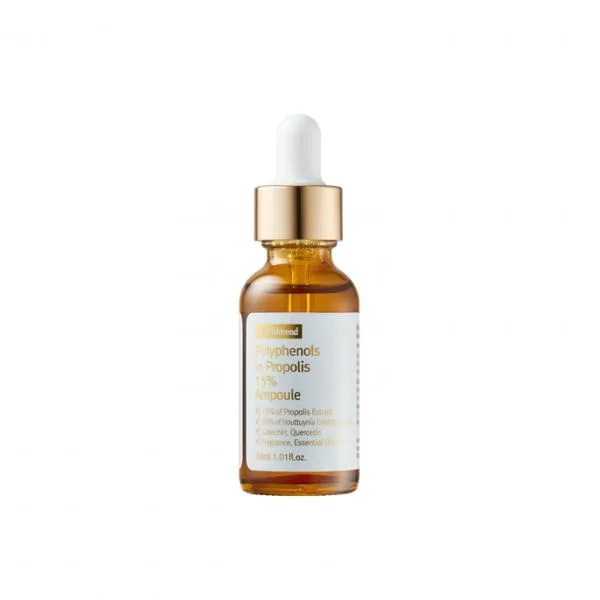
 Polyphenols In Propolis 15% Ampoule
A 15% propolis ampoule that earns its name with a real polyphenol stack — French Auvergne propolis layered over a houttuynia cordata base, with tulsi and pomegranate piling on. It's slightly sticky and not cheap by volume, but for sensitive, breakout-prone skin chasing calm, this is one of the most reliable K-beauty soothers in production.
 Budget Brightening Hero
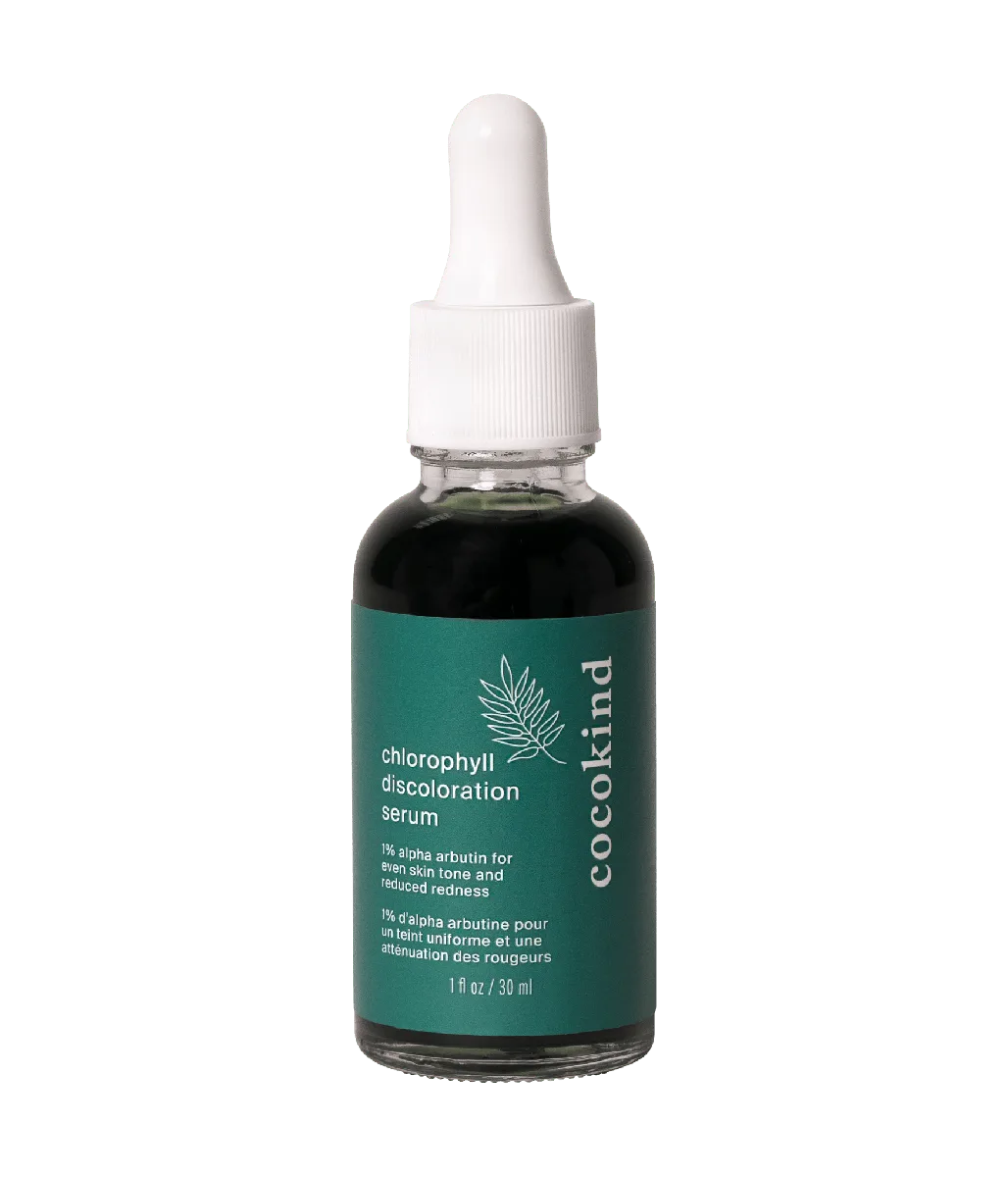
 Chlorophyll Discoloration Serum
A quietly brilliant brightening serum that proves you do not need luxury prices or harsh actives to fade dark spots effectively. The alpha-arbutin and licorice root combination delivers genuine multi-pathway melanin inhibition, the sensitive-skin-friendly formula is impeccable, and $20 makes it accessible to virtually everyone. The chlorophyllin is more marketing differentiator than scientific powerhouse, but it does not hurt anything either.
 The People's HA Serum
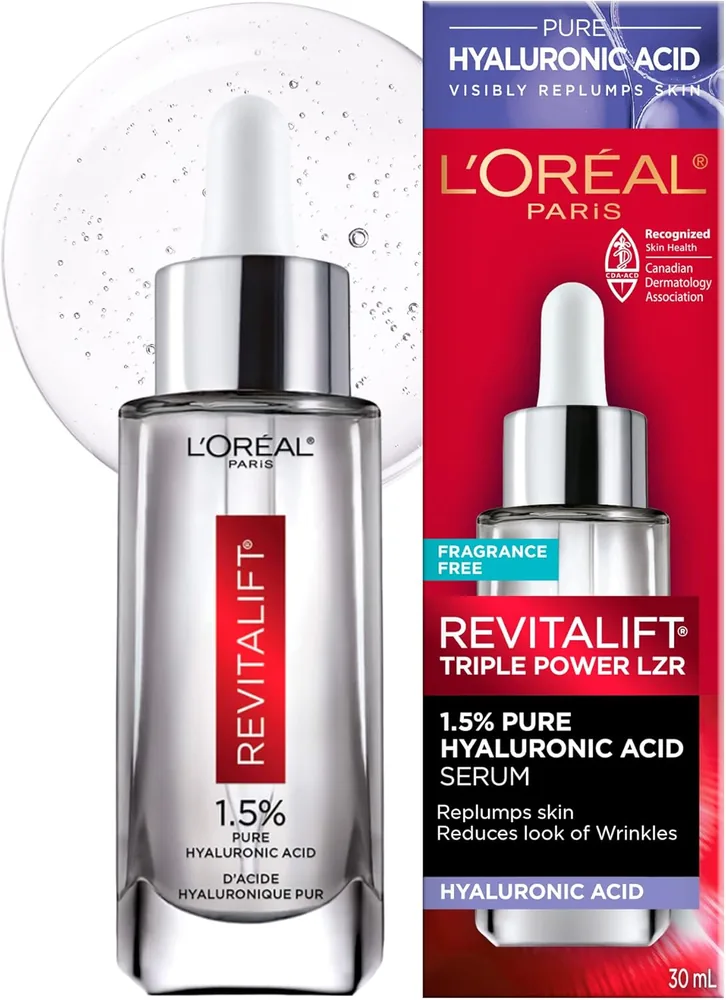
 Revitalift Derm Intensives 1.5% Pure Hyaluronic Acid Serum
A masterclass in minimalist formulation — thirteen ingredients, no filler, four functional actives, and over thirty thousand glowing reviews. L'Oréal's multi-weight HA system delivers genuine hydration at every level of the skin, and the fragrance-free, alcohol-free formula is clean enough for virtually anyone. The drugstore serum that embarrasses its prestige competitors.
 Budget Hydration Holy Grail
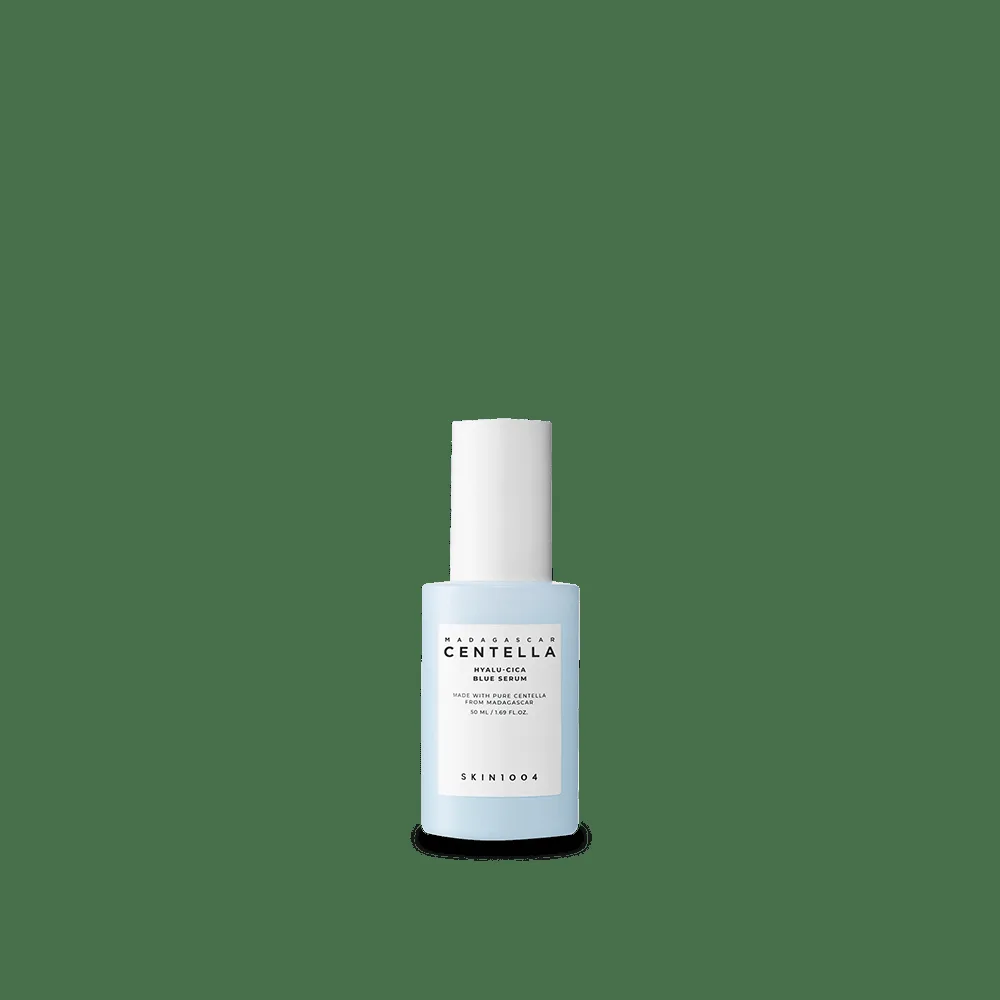
 Hyalu-Cica Blue Serum
A quietly excellent budget serum that stacks Centella asiatica leaf water, five types of hyaluronic acid, niacinamide, ceramide NP, and adenosine into a fragrance-free under-$20 bottle. It is genuinely one of the best hydration-plus-soothing serums at any price, and the fact that it costs less than a salad in Manhattan is the point.
 Sensitive Skin First-Line Defense
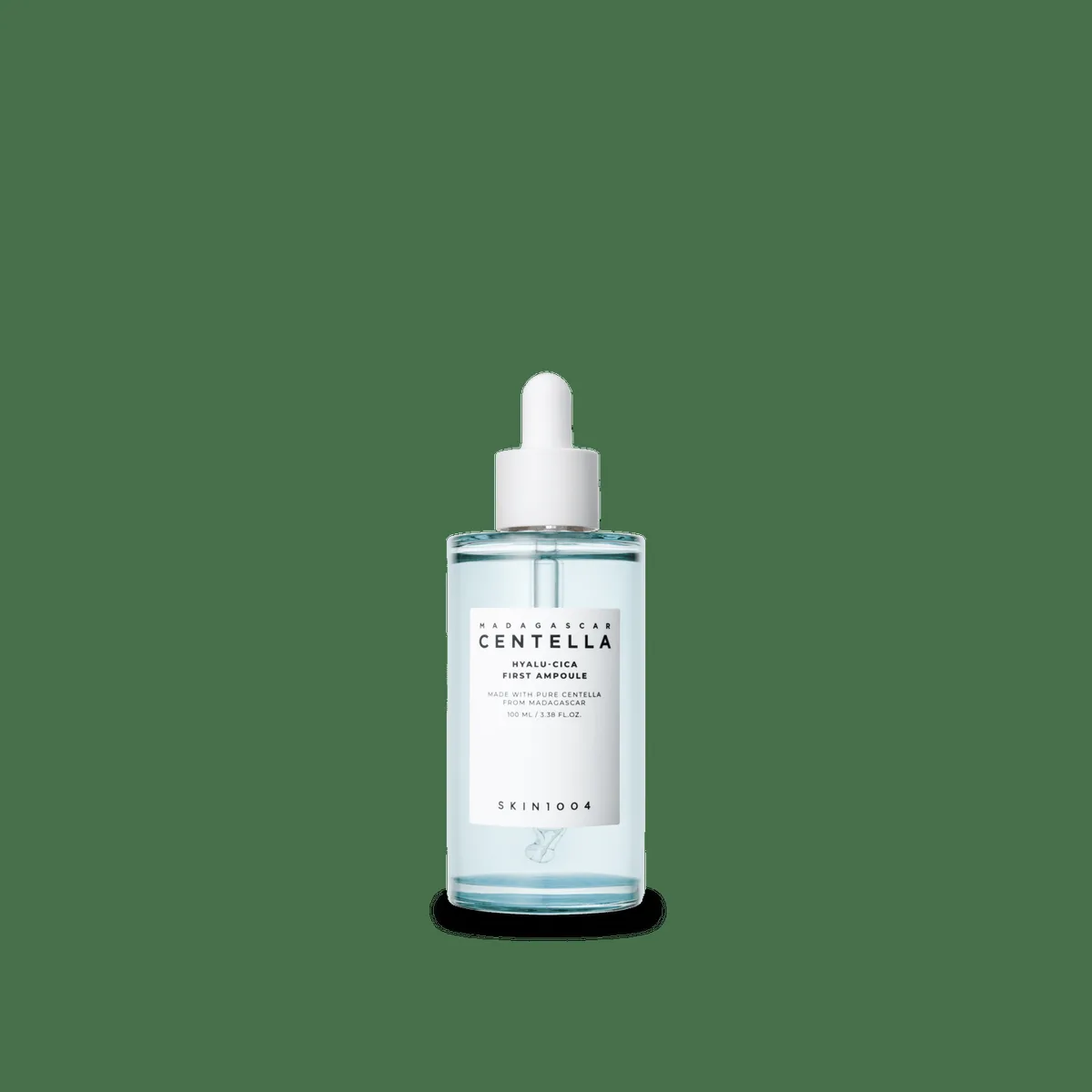
 Hyalu-Cica First Ampoule
A 92% Centella asiatica extract ampoule paired with niacinamide and a multi-weight HA complex, fragrance-free and purpose-built for sensitive, compromised, and reactive skin. At $25 for 100ml, it is one of the most justifiable skincare purchases a budget-conscious buyer can make, and it earns a place in almost any routine that needs a soothing anchor.
 Sensitive Skin MVP
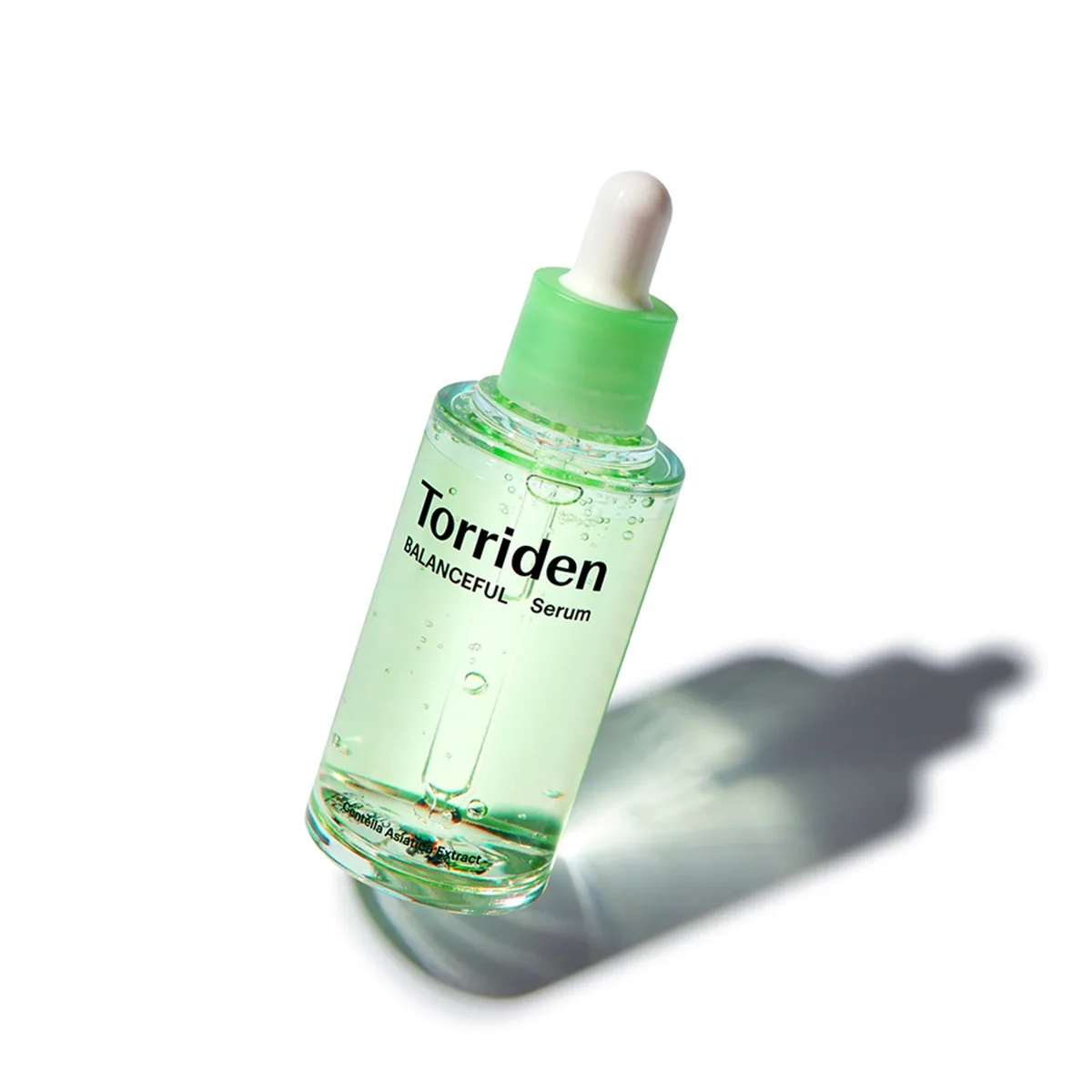
 Balanceful Cica Serum
Torriden's Balanceful Cica Serum is one of the most recommendable calming serums in K-beauty — a genuinely fragrance-free, multi-weight hyaluronic acid and 5D cica complex treatment that quietly reduces redness, supports the barrier, and buffers other actives without drama. At under $25 it's a near-automatic pick for sensitive, rosacea-prone, and barrier-compromised skin.
This review reflects our independent analysis of publicly available ingredient data, manufacturer claims, and verified user reviews. We are reader-supported — Amazon links may earn us a commission at no cost to you. We do not accept paid placements; rankings are based solely on the evidence.