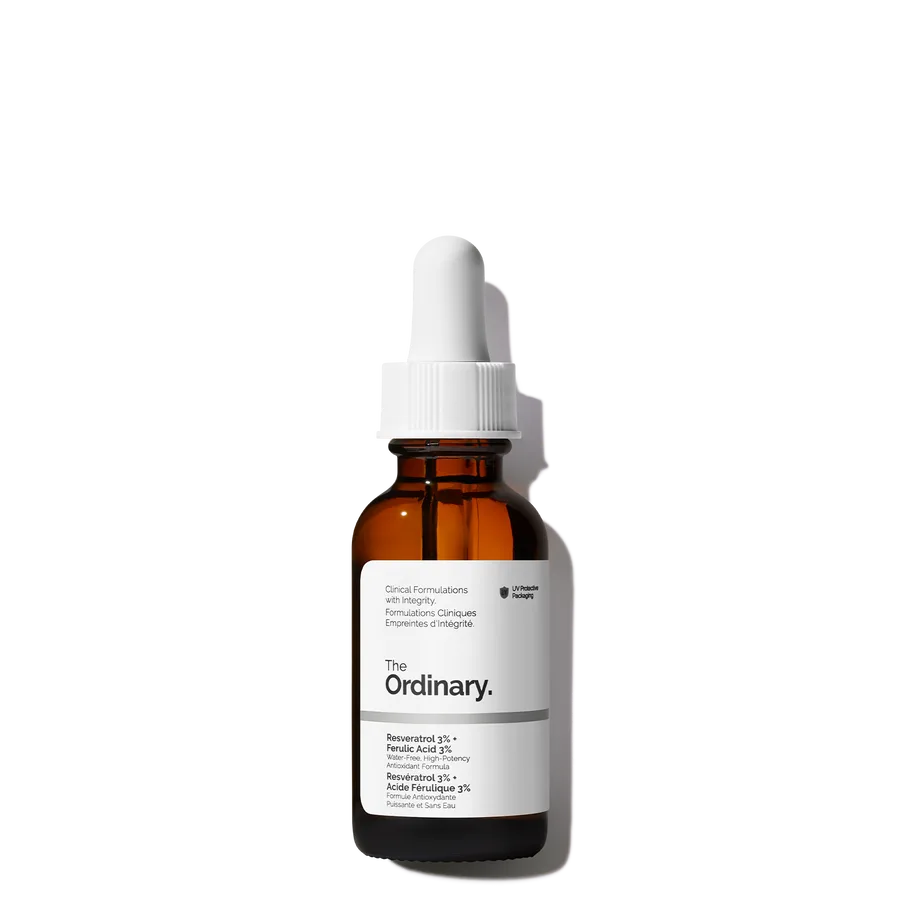
A radically minimalist antioxidant serum that delivers resveratrol and ferulic acid at concentrations that luxury brands charge ten times more for. The oily texture won't suit everyone, but for the ingredient-conscious shopper who wants potent antioxidant protection without filler, this is hard to beat at $10.40.
Resveratrol 3% + Ferulic Acid 3%
A radically minimalist antioxidant serum that delivers resveratrol and ferulic acid at concentrations that luxury brands charge ten times more for. The oily texture won't suit everyone, but for the ingredient-conscious shopper who wants potent antioxidant protection without filler, this is hard to beat at $10.40.
Score Breakdown
Where this product gains points and where it loses them — broken down across the four scoring pillars.
A potent antioxidant duo at an exceptional price point, though the oily texture and occasional sensitivity reports from the propanediol base limit its universal appeal.
Pros & Cons
- ✓Three-ingredient formula eliminates filler — every component serves the antioxidant mission
- ✓Resveratrol and ferulic acid at 3% each, among the highest OTC concentrations available
- ✓Anhydrous base prevents water-driven degradation of light-sensitive resveratrol
- ✓At $10.40, undercuts comparable antioxidant serums by a factor of five to ten
- ✓Fragrance-free, vegan, and Leaping Bunny certified cruelty-free
- ✓Compatible with most active ingredients including retinoids and vitamin C
- ✓No pilling when layered under moisturizers or oils
- ✗Oily, greasy texture requires careful application and may not suit oily skin types
- ✗Six-month shelf life after opening is shorter than most serums
- ✗Propanediol base causes sensitivity or contact dermatitis in a small subset of users
- ✗Evidence for topical resveratrol's anti-aging benefits in humans is still developing
- ✗Only available in one 30ml size with no travel or value options
Full Review
Most antioxidant serums arrive with ingredient lists that read like a chemistry final exam. Twenty, thirty, sometimes forty ingredients jostling for space on the back of a bottle, each one ostensibly there for a reason but many serving as stabilizers, emulsifiers, and texture enhancers for the handful of actives doing actual work. The Ordinary's Resveratrol 3% + Ferulic Acid 3% takes the opposite approach with a kind of aggressive simplicity: three ingredients, two actives, one solvent, done.
It is, in some ways, the logical endpoint of The Ordinary's philosophy. If the brand's founding premise was that consumers were overpaying for active ingredients buried in complex formulations, this product strips away everything that isn't directly serving the antioxidant mission. Propanediol dissolves and stabilizes. Resveratrol scavenges free radicals. Ferulic acid does the same through a complementary pathway while helping stabilize its botanical partner. There is nothing else here — no water, no preservatives, no emulsifiers, no fragrance.
That radical simplicity has real formulation advantages. Resveratrol is notoriously unstable. It degrades rapidly in water-based formulations and breaks down when exposed to light and air. By suspending it in anhydrous propanediol and housing it in a tinted glass bottle, The Ordinary sidesteps the stability challenges that plague more complex resveratrol products. The ferulic acid, meanwhile, pulls double duty — it provides its own antioxidant protection while acting as a stabilizing partner for the resveratrol, much the way it enhances vitamin C stability in other formulations.
The texture is where opinions diverge sharply. This is not a serum in the way most people think of serums. It is closer to a lightweight oil — slippery, with a visible sheen that lingers on the skin for several minutes before propanediol absorbs. If you have oily skin or prefer matte finishes, this will test your patience. Two to three drops is the sweet spot for most faces; go beyond four and you risk looking like you fell asleep on a glazed donut. The trick many experienced users land on is mixing their drops directly into a moisturizer, which distributes the product more evenly and tempers the greasy feel.
There is no scent beyond the faintest medicinal whisper from the raw ingredients themselves, which dissipates almost immediately. The brown glass dropper functions well enough, though the pipette occasionally draws up more than you need — a minor irritation when the product itself is so inexpensive.
The Ordinary has been on the market since 2016, and this particular product has been available since approximately 2017, giving it a solid track record. The brand sits in an interesting position — not a dermatologist-developed legacy brand with decades of proprietary research, but a company that built its reputation on ingredient literacy and formulation transparency. They do not fund clinical trials on their specific products, but they formulate with ingredients at concentrations supported by published research elsewhere.
As for what this serum actually does on skin: the results are subtle and cumulative. There is no overnight transformation here. Some users report an immediate glow from the propanediol — a light-catching sheen that makes skin look healthier in the short term. The real antioxidant benefits build over weeks. By the four-to-eight-week mark, consistent nightly users tend to notice improved skin tone, reduced dullness, and a general look of skin that has been quietly defended against daily environmental damage. This is a prevention product more than a correction product — it is protecting your skin from future damage rather than reversing damage already done.
The six-month shelf life after opening is worth noting. It is shorter than most serums, and it matters. If resveratrol oxidizes, it loses its protective capacity. Watch the color — a gradual deepening is normal, but if the product turns significantly darker or develops an off smell, its useful life is over. At four drops a night, a 30ml bottle should last three to four months, which keeps you comfortably within the use-by window.
Honesty demands acknowledging the limitations. Propanediol is generally well-tolerated but not universally so — a small subset of users report sensitivity, redness, or irritation. The evidence base for topical resveratrol, while promising, is not as robust as for ingredients like retinoids or L-ascorbic acid. Most studies are in vitro or animal models, with a smaller body of human clinical data supporting its anti-aging claims specifically. Ferulic acid has stronger clinical backing, particularly in combination with other antioxidants, but the specific pairing of resveratrol and ferulic acid has not been extensively studied in human trials.
The value proposition, however, is nearly impossible to argue with. At $10.40 for 30ml of a formula that is essentially pure active ingredients in a stabilizing base, this undercuts comparable antioxidant serums by a factor of five to ten. You are not paying for an elaborate delivery system, a luxurious texture, or a marketing campaign — you are paying for two well-studied antioxidants and a solvent to dissolve them in.
This serum occupies a specific and valuable niche: it is a PM antioxidant booster for people who already have a routine and want to add a targeted layer of free-radical defense. It is not trying to be your only serum, your moisturizer, or your everything product. It does one thing — deliver antioxidants to your skin — and it does it with a purity of purpose that more expensive products should envy.
Formula
Key Ingredients
The hero actives that drive this product's performance.
| Ingredient | Function | Evidence |
|---|---|---|
| Resveratrol (3%) | The primary antioxidant in this two-ingredient formula, resveratrol works in synergy with ferulic acid to neutralize free radicals and reduce oxidative stress. At 3%, this is among the highest concentrations available in an over-the-counter product, delivered in anhydrous propanediol to maximize stability of this notoriously light-sensitive polyphenol. | promising |
| Ferulic Acid (3%) | Complements resveratrol by providing a second pathway of antioxidant protection — ferulic acid stabilizes and enhances the efficacy of fellow antioxidants while independently scavenging UV-generated free radicals. The water-free propanediol base keeps ferulic acid from oxidizing prematurely, a common issue in aqueous formulations. | well-established |
| Propanediol | Serves as both solvent and delivery vehicle in this anhydrous formula, dissolving the resveratrol and ferulic acid while providing light hydration. By eliminating water entirely, propanediol prevents the oxidation issues that plague antioxidant serums in aqueous bases. | well-established |
Full INCI List
Propanediol, Resveratrol, Ferulic Acid
Product Flags
✓ Fragrance Free✓ Alcohol Free✓ Oil Free✓ Silicone Free✓ Paraben Free✓ Sulfate Free✓ Cruelty Free✓ Vegan✓ Fungal Acne Safe
Potential Irritants
Propanediol (rare sensitivity)
Compatibility
Skin Match
Best For
Works For
Not Ideal For
Addresses These Conditions
aging sun damage dullness hyperpigmentation
Use With Caution
Routine Step
serum
Time of Day
PM
Pregnancy Safe
Yes ✓
Layering Tips
Apply 2-4 drops after water-based serums but before oils and moisturizers. Best used at night since resveratrol is light-sensitive. Can be mixed into a moisturizer if the oily texture is too much on its own.
Results Timeline
Immediate subtle glow and skin softening from the propanediol base. Within 2-4 weeks, skin may appear more even-toned and luminous. Full antioxidant benefits, including reduced signs of photoaging and improved skin texture, typically develop over 8-12 weeks of consistent nightly use.
Pairs Well With
Vitamin C serums (AM)Hyaluronic acidRetinoids (as antioxidant support)
Conflicts With
Direct acids at high concentrations in the same routine step
Sample AM Routine
- Gentle cleanser
- Vitamin C serum
- Moisturizer
- Sunscreen SPF 30+
Sample PM Routine
- Gentle cleanser
- Water-based serum
- The Ordinary Resveratrol 3% + Ferulic Acid 3%
- Moisturizer
Evidence
Who Should Skip
- Oily, greasy texture requires careful application and may not suit oily skin types
- Six-month shelf life after opening is shorter than most serums
- Propanediol base causes sensitivity or contact dermatitis in a small subset of users
- Evidence for topical resveratrol's anti-aging benefits in humans is still developing
Science & Expert Perspective
The Science
Resveratrol is a polyphenolic stilbene produced naturally by grapes, berries, and peanuts as a defense against UV radiation and fungal infection. Its antioxidant mechanism operates through direct free-radical scavenging and upregulation of the Nrf2 pathway, which activates the body's endogenous antioxidant defense system. A 2021 systematic review published in the International Journal of Molecular Sciences examined 41 studies on topical resveratrol and found consistent evidence for anti-inflammatory and photoprotective properties, though the authors noted that most evidence came from in vitro and animal models rather than large-scale human clinical trials.
Ferulic acid, a hydroxycinnamic acid found in plant cell walls, has a more established topical evidence base. Its most well-known role is as a stabilizer and potentiator of other antioxidants — a landmark 2005 study by Sheldon Pinnell's group in the Journal of Investigative Dermatology demonstrated that adding ferulic acid to a vitamin C and E formulation doubled its photoprotective capacity. While that study focused on the C+E+ferulic combination, the underlying mechanism — ferulic acid's ability to regenerate oxidized antioxidant partners — applies to its pairing with resveratrol as well.
The anhydrous propanediol base is a deliberate formulation choice. Resveratrol undergoes rapid trans-to-cis isomerization when exposed to light and degrades quickly in aqueous environments. By eliminating water from the formula entirely and housing the product in UV-protective brown glass, The Ordinary addresses the primary stability challenges that limit resveratrol efficacy in conventional serum formulations. Propanediol also functions as a penetration enhancer, improving the bioavailability of both actives at the skin surface.
The combination of resveratrol and ferulic acid is theoretically complementary — resveratrol scavenges reactive oxygen species through its stilbene structure while ferulic acid neutralizes free radicals through its phenolic hydroxyl group, covering different oxidative pathways. However, direct clinical studies on this specific pairing remain limited, and consumers should understand that the theoretical synergy, while chemically sound, has not been validated in published human trials to the same degree as more established antioxidant combinations.
References
- Resveratrol and Its Effects on the Skin: A Systematic Review — International Journal of Molecular Sciences (2021)
- Ferulic Acid Stabilizes a Solution of Vitamins C and E and Doubles its Photoprotection of Skin — Journal of Investigative Dermatology (2005)
Dermatologist Perspective
Dermatologists generally view resveratrol and ferulic acid as well-supported antioxidants with genuine free-radical scavenging capability, though they tend to note that the clinical evidence base for topical resveratrol specifically is less mature than for retinoids, vitamin C, or niacinamide. Board-certified dermatologists often recommend antioxidant serums as part of a comprehensive photoprotection strategy — applied in the PM alongside sunscreen use in the AM. The minimalist three-ingredient formula is notable from a dermatological standpoint because it reduces the risk of contact sensitization from preservatives, emulsifiers, and fragrances that more complex formulations introduce. For patients with a history of allergic contact dermatitis to cosmetic ingredients, the short ingredient list makes patch testing straightforward.
Guidance
Usage Guide
How to Use
Apply 2-4 drops to clean, dry skin in the evening after any water-based serums (hyaluronic acid, niacinamide) but before oils and moisturizers. Pat gently into the face and neck — do not rub vigorously. Allow 2-3 minutes for absorption before layering your moisturizer. Can also be mixed directly into your night cream for easier application. Best used at night due to resveratrol's photosensitivity. Always follow with SPF 30+ sunscreen in the morning.
Value Assessment
At $10.40 for 30ml, this is one of the most cost-effective ways to incorporate high-concentration antioxidants into a skincare routine. The price-to-active ratio is exceptional — comparable resveratrol and ferulic acid serums from prestige brands typically run $60-120 for similar or lower concentrations. The only caveat is the single-size offering and the six-month shelf life, which means you cannot stock up without risking oxidation. For a product from a brand with a solid eight-year track record of delivering on its ingredient-first promise, the pricing reflects The Ordinary's core mission rather than any compromise in quality.
Who Should Buy
Ingredient-savvy consumers looking for a targeted, no-filler antioxidant booster to add to their PM routine. Ideal for those who want potent free-radical protection without the complexity or cost of multi-ingredient antioxidant serums, and who don't mind a slightly oily application.
Who Should Skip
Those with oily skin who prefer matte-finish products will find the greasy texture frustrating. Anyone with known sensitivity to propanediol should avoid this formula, and those seeking visible anti-aging results should know that antioxidant protection is primarily preventive rather than corrective.
Ready to try The Ordinary Resveratrol 3% + Ferulic Acid 3%?
Details
Details
Texture
A clear, slightly tinted viscous liquid with a notably oily, slippery feel. Spreads easily but leaves a greasy film that takes several minutes to absorb.
Scent
No added fragrance. A faint, natural medicinal-chemical scent from the raw resveratrol and ferulic acid — subtle enough to dissipate within a minute of application.
Packaging
Brown glass dropper bottle with screw-on pipette cap. The tinted glass protects the light-sensitive resveratrol from UV degradation, which is a functional design choice rather than an aesthetic one.
Finish
dewyglowy
What to Expect on First Use
On first application, expect a slippery, oil-like feel that may seem excessive if you're used to water-based serums. The product absorbs within 5-10 minutes and leaves a subtle sheen. No adjustment period, tingling, or purging — results build gradually over weeks of consistent use.
How Long It Lasts
3-4 months with nightly use of 3-4 drops
Period After Opening
6 months
Best Season
All Year
Certifications
Leaping Bunny certifiedPETA certified vegan
Background
The Why
Born from The Ordinary's radical philosophy of ingredient transparency, this product exemplifies DECIEM's approach of offering single-focus treatments at accessible prices. It fills a gap left by luxury antioxidant serums that charge $100+ for similar active concentrations buried in complex formulations.
About The Ordinary Established Brand (5–20 years)
The Ordinary launched in 2016 under DECIEM and rapidly became one of the most influential skincare brands by offering clinical-grade ingredients at transparent, accessible price points. While it does not fund proprietary clinical trials, its formulations use well-studied actives at published effective concentrations.
Brand founded: 2016 · Product launched: 2017
Myth vs. Reality
Myths & Misconceptions
Myth
Resveratrol works like drinking red wine for your skin
Reality
Topical resveratrol operates through direct free-radical scavenging and anti-inflammatory pathways in the skin — it has nothing to do with the cardiovascular effects associated with red wine consumption. The concentrations and delivery mechanisms are entirely different.
Myth
The oily texture means this will clog pores
Reality
The 'oiliness' comes from propanediol, a lightweight glycol solvent — not a comedogenic oil. It's structurally similar to propylene glycol and does not coat pores the way occlusive oils do.
FAQ
Frequently Asked Questions
Can I use The Ordinary Resveratrol with retinol?
Yes — this antioxidant serum pairs well with retinoids. Apply the Resveratrol 3% + Ferulic Acid 3% before your retinol product at night. The antioxidant support can help mitigate some of the oxidative stress that retinoids induce, potentially reducing irritation while both ingredients work on skin renewal.
Why does The Ordinary Resveratrol feel so oily?
The oily feel comes from propanediol, the anhydrous solvent that makes up the bulk of this three-ingredient formula. It's not actually an oil — it's a glycol that dissolves and stabilizes the resveratrol and ferulic acid. Using fewer drops (2-3) or mixing them into your moisturizer can reduce the greasy feel.
Should I use this serum in the morning or at night?
Night is ideal because resveratrol is photosensitive — it degrades when exposed to light, reducing its efficacy. Using it in your PM routine ensures the antioxidants remain active on your skin throughout the night. If you use it in the AM, apply sunscreen over it immediately.
How long does The Ordinary Resveratrol last once opened?
The product has a 6-month period after opening (PAO), which is shorter than many serums due to the inherent instability of resveratrol. Store it in a cool, dark place and watch for color changes — significant darkening suggests oxidation and reduced efficacy.
Is The Ordinary Resveratrol better than vitamin C?
They serve complementary rather than competing roles. This serum provides antioxidant protection through polyphenol and phenolic acid pathways, while vitamin C (L-ascorbic acid) works through different mechanisms including collagen synthesis stimulation. Many routines benefit from using both — vitamin C in the morning and this resveratrol-ferulic duo at night.
Community
Community Voices
Common Praise
"Exceptional value for high-concentration antioxidants"
"Noticeable glow and brightness improvement"
"Minimal ingredient list appeals to ingredient-conscious users"
"No pilling under moisturizer"
"Soothes skin after sun exposure"
Common Complaints
"Oily, greasy texture that can be difficult to layer"
"Subtle medicinal scent from the raw ingredients"
"Short 6-month shelf life after opening"
"Some users report sensitivity or contact dermatitis from propanediol"
"Only available in one size"
Appears In
best serum for aging best antioxidant serum budget best serum for dullness best the ordinary products best serum for sun damage
Related Conditions
aging sun damage dullness hyperpigmentation
Related Ingredients
You Might Also Like
 Sensitive Skin Soother
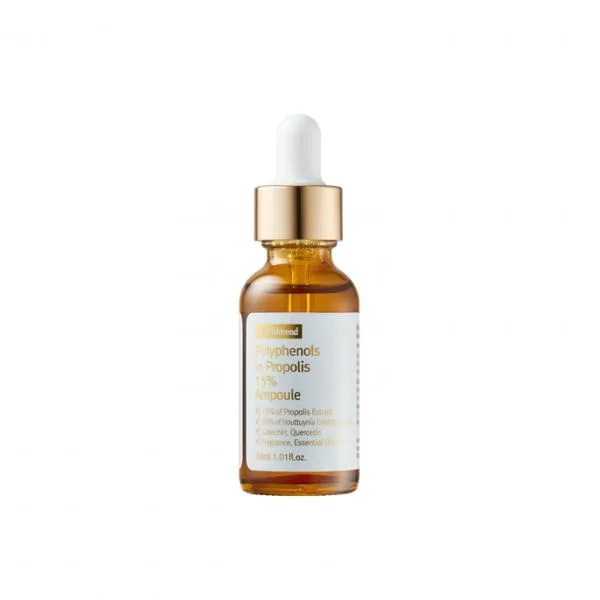
 Polyphenols In Propolis 15% Ampoule
A 15% propolis ampoule that earns its name with a real polyphenol stack — French Auvergne propolis layered over a houttuynia cordata base, with tulsi and pomegranate piling on. It's slightly sticky and not cheap by volume, but for sensitive, breakout-prone skin chasing calm, this is one of the most reliable K-beauty soothers in production.
 Budget Brightening Hero
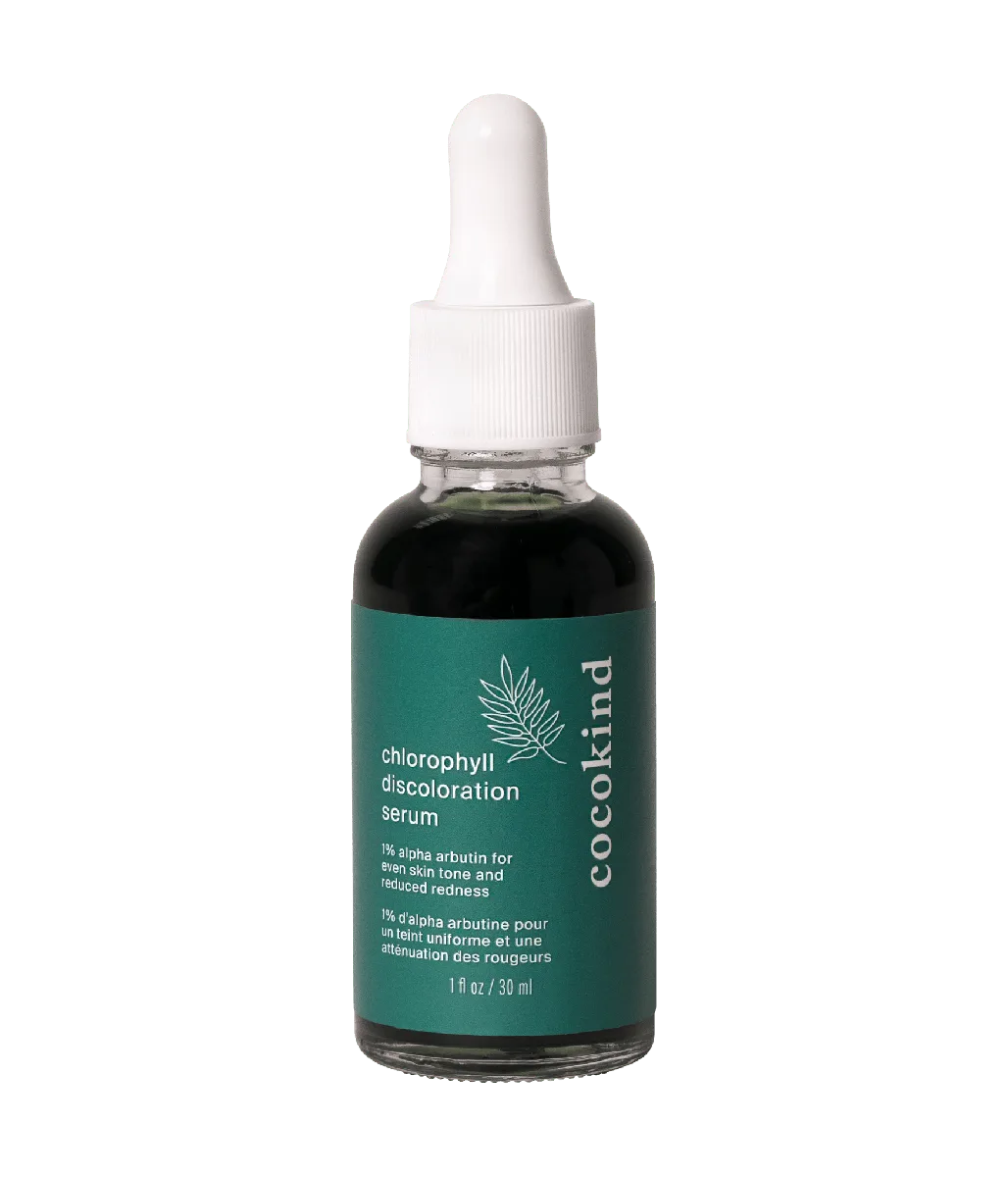
 Chlorophyll Discoloration Serum
A quietly brilliant brightening serum that proves you do not need luxury prices or harsh actives to fade dark spots effectively. The alpha-arbutin and licorice root combination delivers genuine multi-pathway melanin inhibition, the sensitive-skin-friendly formula is impeccable, and $20 makes it accessible to virtually everyone. The chlorophyllin is more marketing differentiator than scientific powerhouse, but it does not hurt anything either.
 The People's HA Serum
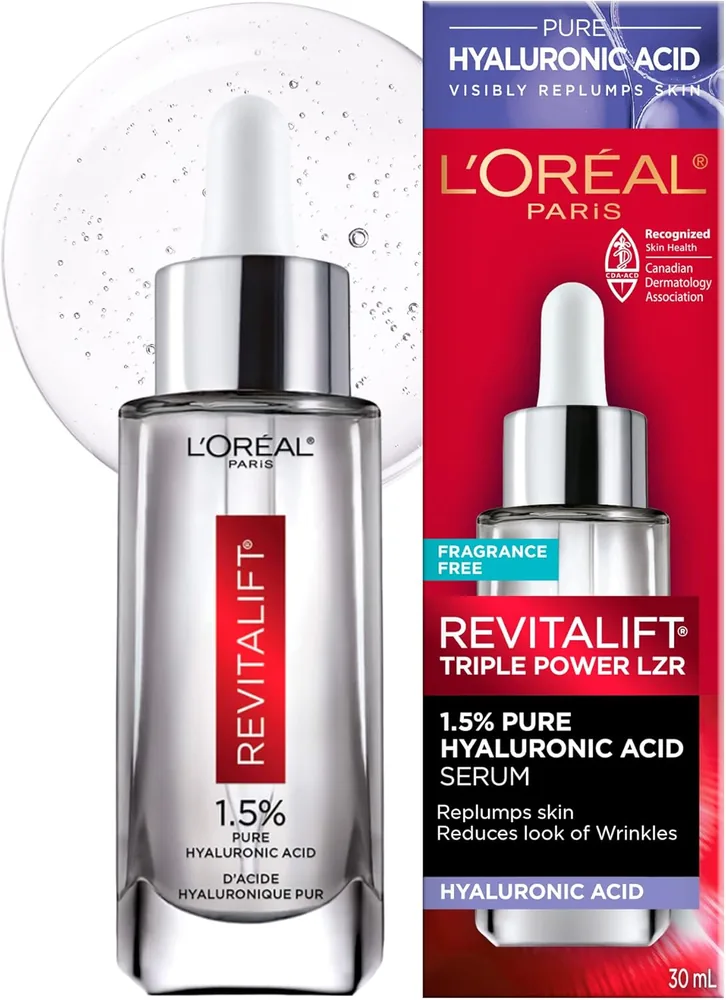
 Revitalift Derm Intensives 1.5% Pure Hyaluronic Acid Serum
A masterclass in minimalist formulation — thirteen ingredients, no filler, four functional actives, and over thirty thousand glowing reviews. L'Oréal's multi-weight HA system delivers genuine hydration at every level of the skin, and the fragrance-free, alcohol-free formula is clean enough for virtually anyone. The drugstore serum that embarrasses its prestige competitors.
 Budget Hydration Holy Grail
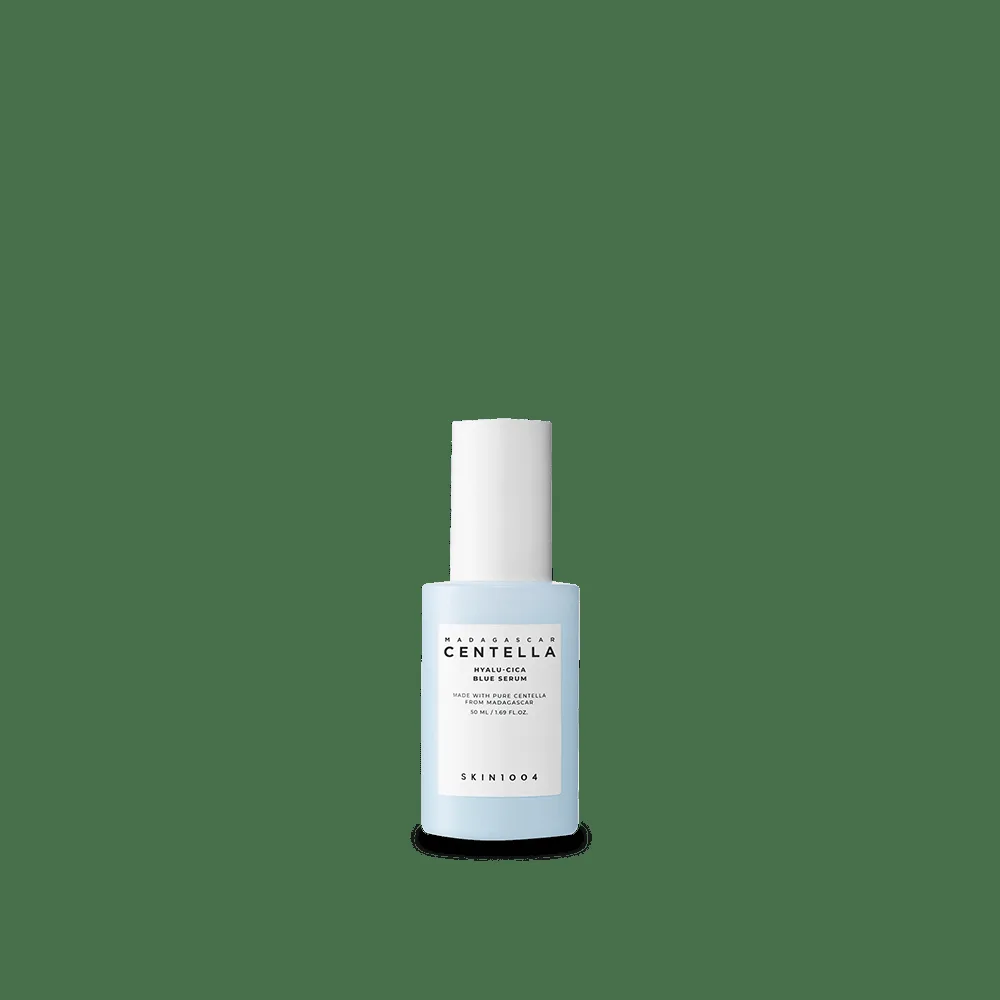
 Hyalu-Cica Blue Serum
A quietly excellent budget serum that stacks Centella asiatica leaf water, five types of hyaluronic acid, niacinamide, ceramide NP, and adenosine into a fragrance-free under-$20 bottle. It is genuinely one of the best hydration-plus-soothing serums at any price, and the fact that it costs less than a salad in Manhattan is the point.
 Sensitive Skin First-Line Defense
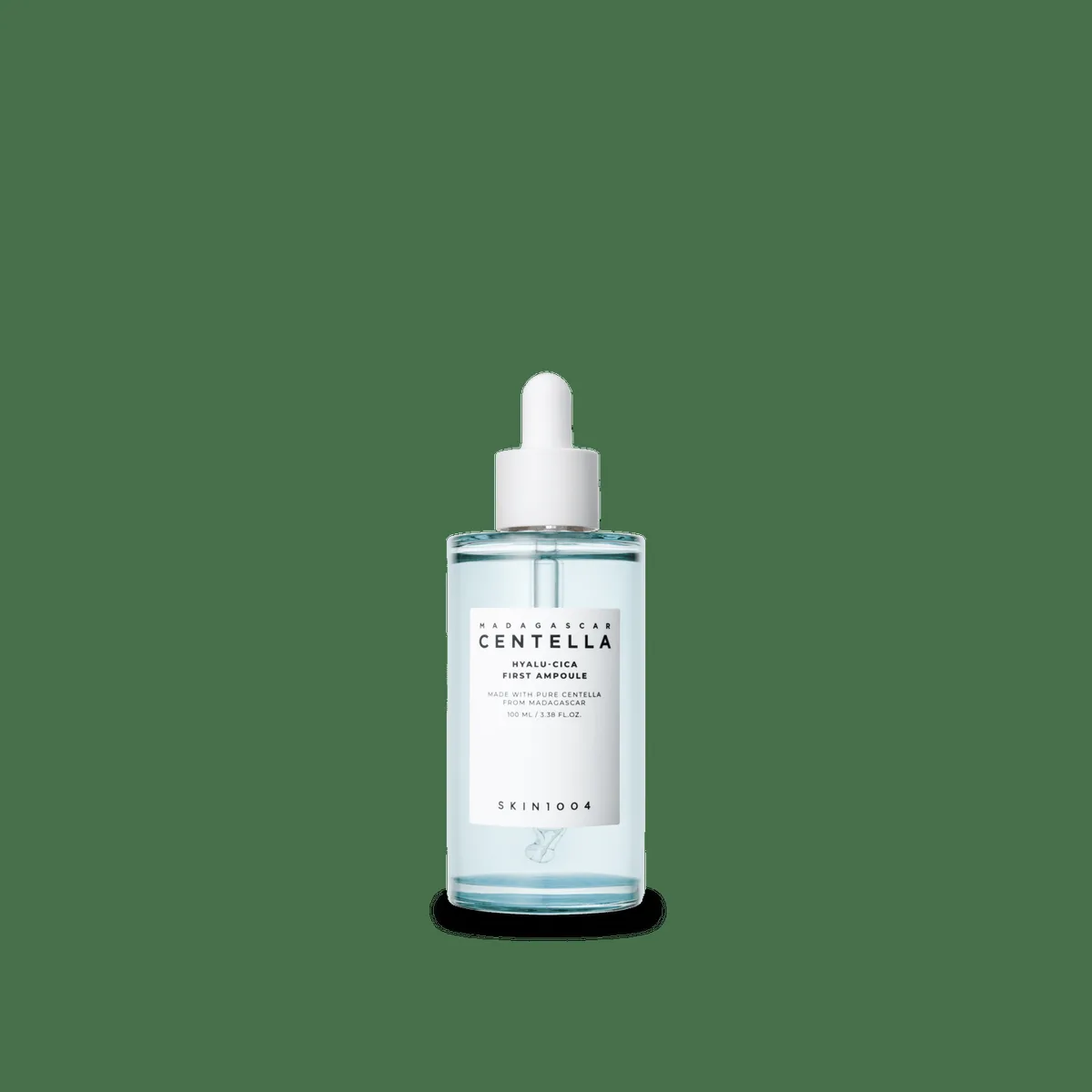
 Hyalu-Cica First Ampoule
A 92% Centella asiatica extract ampoule paired with niacinamide and a multi-weight HA complex, fragrance-free and purpose-built for sensitive, compromised, and reactive skin. At $25 for 100ml, it is one of the most justifiable skincare purchases a budget-conscious buyer can make, and it earns a place in almost any routine that needs a soothing anchor.
 Sensitive Skin MVP
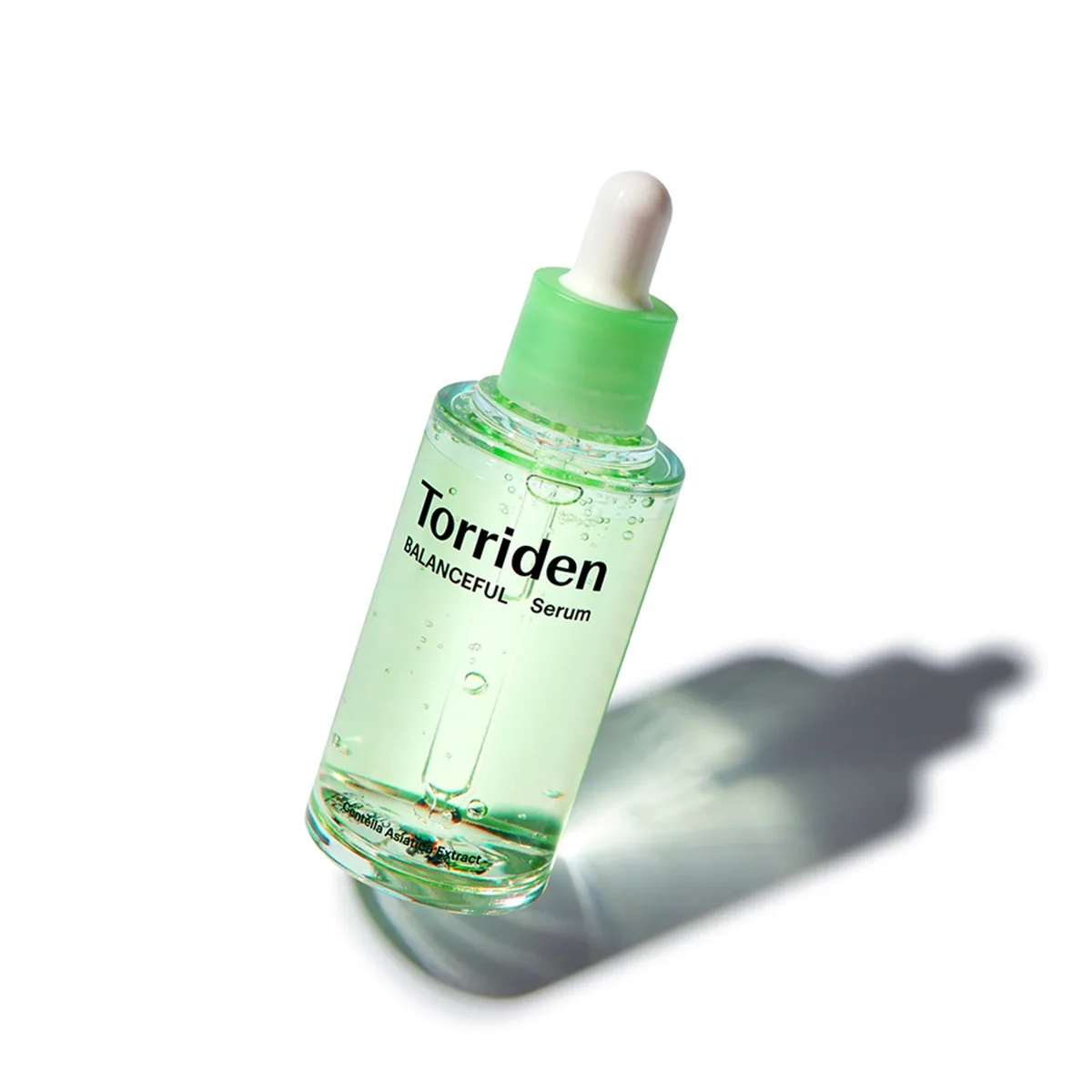
 Balanceful Cica Serum
Torriden's Balanceful Cica Serum is one of the most recommendable calming serums in K-beauty — a genuinely fragrance-free, multi-weight hyaluronic acid and 5D cica complex treatment that quietly reduces redness, supports the barrier, and buffers other actives without drama. At under $25 it's a near-automatic pick for sensitive, rosacea-prone, and barrier-compromised skin.
This review reflects our independent analysis of publicly available ingredient data, manufacturer claims, and verified user reviews. We are reader-supported — Amazon links may earn us a commission at no cost to you. We do not accept paid placements; rankings are based solely on the evidence.