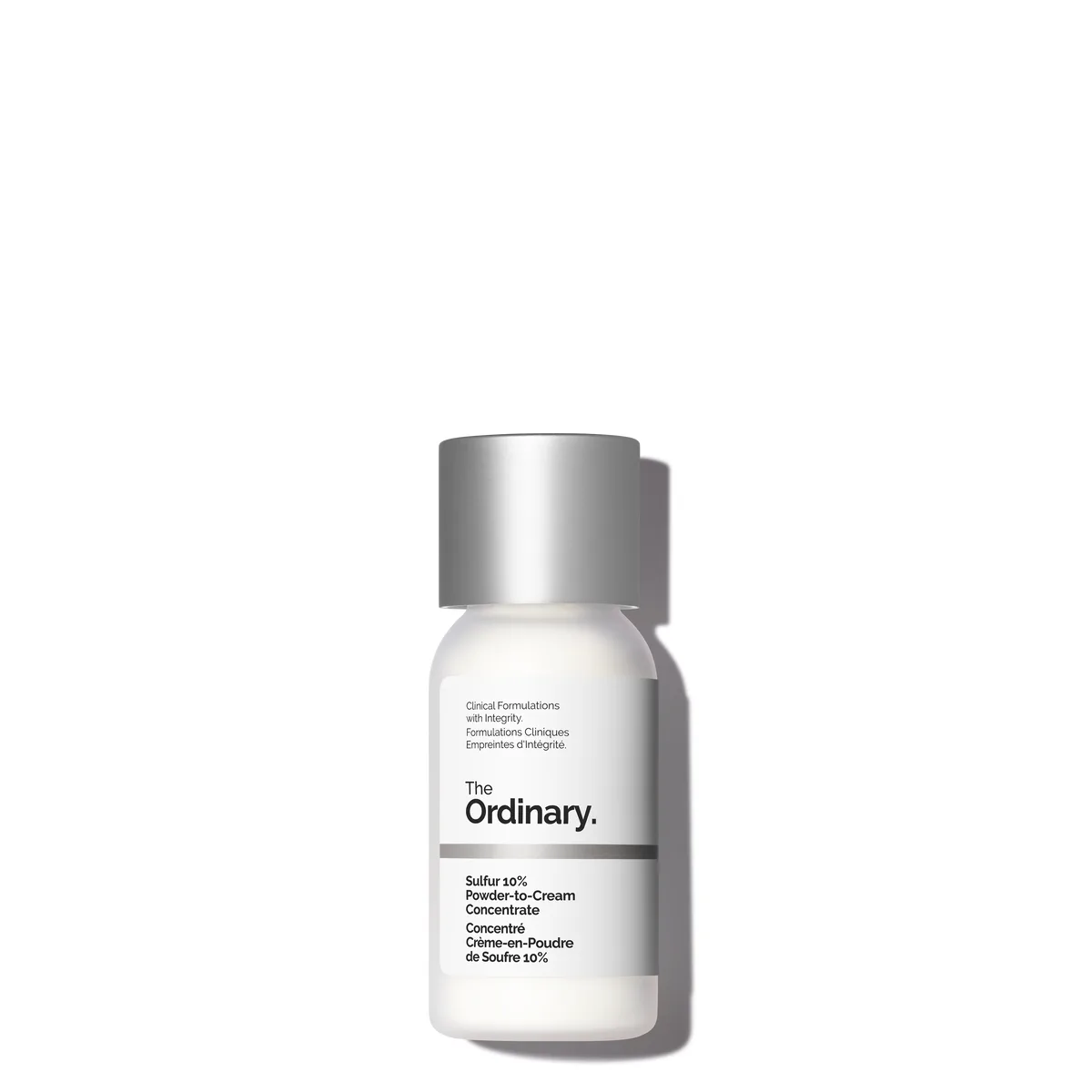
This is a genuinely modern reformulation of a very old active. Sulfur has always worked on inflammatory pimples — it just always smelled awful and looked worse. Deciem's colloidal, powder-to-cream version keeps the efficacy and fixes the cosmetics, and at ten dollars it is one of the easiest additions to an acne-prone routine.
Sulfur 10% Powder-to-Cream Acne Spot Treatment Concentrate
This is a genuinely modern reformulation of a very old active. Sulfur has always worked on inflammatory pimples — it just always smelled awful and looked worse. Deciem's colloidal, powder-to-cream version keeps the efficacy and fixes the cosmetics, and at ten dollars it is one of the easiest additions to an acne-prone routine.
Score Breakdown
A well-engineered sulfur spot treatment with supporting actives specifically targeted at the multi-factor nature of an inflammatory pimple. The powder-to-cream format solves sulfur's historic cosmetic problems, and the price is aggressive for the category. Scoring is held back slightly by the narrow use case — this is a spot product, not a routine driver.
Data Confidence: low
This spot treatment launched in 2025 and has limited independent review volume. Scoring leans on the very well-established literature on sulfur for acne, the supporting actives' individual evidence, and Deciem's in-house efficacy testing at the 1-hour mark.
0/100
Overall Score
Ingredient Quality 0
Value for Money 0
Suitability Breadth 0
Irritation Risk (↑ = safer) 0
Assessment
Pros
- 10% colloidal sulfur with no compromise on the pharmacologically effective dose
- Powder-to-cream dries to a matte, invisible finish — no yellow residue
- Essentially no sulfur smell unlike traditional formulas
- Niacinamide addresses the redness component sulfur alone ignores
- Poly-L-lysine adds supplementary antimicrobial action
- Visible spot flattening within an hour for most inflammatory pimples
- Does not bleach fabric like benzoyl peroxide
- Pregnancy-compatible alternative to retinoids and some acne actives
Cons
- 5 g tube is small for heavy or cystic acne users
- Not a face-wide treatment — spot use only
- Can irritate surrounding skin if over-applied
- Should not be layered with benzoyl peroxide or retinoids on same spot
- Powder-to-cream format has a brief learning curve
Full Review
Sulfur has been treating inflammatory acne since before most of modern dermatology existed. It shows up in medical formularies from the late nineteenth century, it has been a mainstay of compounded prescription spot treatments for decades, and dermatologists have quietly continued recommending sulfur lotions and masks to patients for specific kinds of breakouts long after the ingredient fell out of consumer fashion. The reason it fell out of fashion was never efficacy — it was the user experience. Classic sulfur spot creams smelled like rotten eggs, left a visible yellow or pink chalk on the skin that was obvious under any light, and had a tendency to flake off onto collars and pillowcases. Given a choice between an effective product that announced itself and a mildly less effective one that disappeared into skin, most consumers reasonably picked the latter.
This product is the first mass-market attempt at getting rid of that trade-off. The active is still 10% sulfur — no dose reduction, no compromise on pharmacology — but two formulation choices change the experience entirely. First, the sulfur is colloidal rather than precipitated. Smaller particle size translates into better delivery into the pore, a dramatically reduced smell, and a cream that sinks in rather than sitting on top of the skin in visible lumps. Second, the product arrives as a powder-to-cream that you press into the spot with a fingertip, which transforms on contact into a light emulsion and then dries to a matte finish within minutes. The result is something that looks and behaves more like a thick concealer primer than a traditional acne cream, and that you can wear under makeup, sleep in on a pillowcase you care about, and apply in a shared bathroom without announcing that you are treating a pimple.
The supporting cast on the INCI deck deserves attention too. Niacinamide is included specifically to target the redness component of an inflammatory spot — the one thing sulfur historically did not address well, since it dries and disinfects but does not directly calm visible inflammation. Poly-L-lysine is a cationic amino acid polymer with documented antimicrobial activity that is still relatively uncommon in consumer acne formulations — it backs up sulfur on the bacterial side from a different mechanistic angle. Levocarnitine brings an emerging sebum-modulating story that is less well-proven but coherent with the overall multi-factor approach. Kaolin gives the product its powder character and mops up local sebum during wear. The whole deck reads as a genuinely considered attempt to address acne as the multi-factor condition it actually is, rather than a single-ingredient spot cream with filler around it.
Deciem makes a specific clinical claim for this product that is worth pulling out: their in-house testing measured reductions in pimple redness, height, and diameter at the one-hour mark compared to baseline. That figure should be read as an internal brand measurement, not independently replicated work — Deciem's lab conditions are not universal and the sample sizes for these kinds of tests are usually modest. That said, the claim is consistent with sulfur's pharmacology and with what users report when they try it. A typical inflammatory pimple applied at bedtime usually looks visibly flatter within the hour, significantly reduced by morning, and mostly resolved within two to four nights of consistent use. This is the performance you'd expect from a well-formulated sulfur spot — it is not magic, it is a century-old active doing what it has always done, cosmetically repackaged so that people will actually use it.
The usability improvements matter more than they might sound. The reason acne spot treatments fail is almost never that the active doesn't work; it is that people stop applying them because the experience is unpleasant. If a product smells bad, looks obvious on the face, and transfers to everything it touches, the patient who needs it will forget about it, skip nights, or give up entirely. A product that dries invisible, smells like nothing, and stays put is a product that actually gets used consistently, which is the single largest determinant of acne treatment outcomes. Deciem understands this dynamic well — it is arguably the entire reason The Ordinary exists as a brand — and this sulfur treatment is a good expression of the philosophy.
Where the product has limits is in scope. This is explicitly a spot treatment, not a face-wide acne strategy. Trying to apply 10% sulfur plus kaolin across the full face will over-dry healthy skin and compromise barrier within days — that is not what this product is designed for, and doing so is a reliable way to make acne look worse. The right use pattern is one or two or three active spots per night, leaving the rest of the face to a broader acne strategy built around salicylic acid, azelaic acid, or a tolerated retinoid. The 5g size is calibrated to this kind of targeted use; heavy users with cystic breakouts may burn through it faster than the sub-ten-dollar price suggests. And anyone with very dry, sensitized, or rosacea-prone skin should proceed carefully — sulfur is drying, and even the cosmetically improved version here is capable of irritating the surrounding skin if applied too thickly or too broadly.
Layering discipline is the other thing to get right. Do not apply this to a spot that already has benzoyl peroxide or a tretinoin dot on it on the same night — the combined keratolytic and drying load is too much, and you will usually see the pimple look worse the next morning. The cleaner approach is to alternate actives by night, or to reserve this product for the one or two spots you really want to knock down while leaving the other actives to handle the broader areas. Used this way, it integrates easily into almost any existing acne routine without conflict.
At ten dollars, it is one of the easier value calls in the spot-treatment category. Comparable modern sulfur products from specialist acne brands run fifteen to thirty dollars for similar volumes, and most of them do not bring the powder-to-cream format or the supporting cast of niacinamide, poly-l-lysine, and levocarnitine. For anyone who has cycled through benzoyl peroxide and retinoids without finding a spot treatment that is fast, clean, and tolerable, this product is the obvious thing to try next — which is, as usual, exactly the role The Ordinary plays best.
Formula
Ingredients
The hero actives that drive this product's performance.
| Ingredient | Function | Evidence |
|---|---|---|
| Colloidal Sulfur 10% (10%) | Sulfur is a keratolytic and antimicrobial that has been used for inflammatory acne for over a century. The colloidal form used here has a finer particle size than traditional precipitated sulfur, which Deciem uses to argue for better delivery into the pore and less of sulfur's classic stink and chalky visibility. Paired with the powder-to-cream format, it lands as a cosmetically acceptable version of a very old, very effective spot active. | well-established |
| Niacinamide | Sits in the supporting cast specifically to calm the inflammatory component of a breakout while the sulfur works on the microbial and keratolytic side. It also helps address the redness that sulfur spot treatments historically did nothing for, which is part of why this formula is promoted as a three-dimensional approach to pimples. | well-established |
| Kaolin | The clay component gives the product its powder character and absorbs sebum from the spot as the cream breaks down on the pimple. It is also part of what makes the application dry to a near-invisible finish, which is a meaningful cosmetic advantage over classic yellow sulfur creams. | well-established |
| Poly-L-Lysine | A cationic amino-acid polymer with documented antimicrobial activity that is increasingly showing up in acne formulations. In this product it backs up sulfur on the antimicrobial side, targeting the same bacterial component of inflammatory acne from a different angle. | promising |
| Levocarnitine | The l-form of carnitine, included here for its supporting role in sebum management. Published work suggests it can modulate sebaceous lipid production on oily skin, which complements the keratolytic and antimicrobial actions of sulfur when treating active inflammatory spots. | emerging |
Full INCI List
Sulfur, Acacia Senegal Gum, Chlorphenesin, Citric Acid, Ethylhexylglycerin, Glycerin, Kaolin, Levocarnitine, Niacinamide, Phenoxyethanol, Poly-L-Lysine (30000-70000 MW), Propanediol, Silica Silylate, Sodium Citrate, Aqua/Water/Eau
Product Flags
✓ Fragrance Free✓ Alcohol Free✓ Oil Free✓ Silicone Free✓ Paraben Free✓ Sulfate Free✓ Cruelty Free✓ Vegan✓ Fungal Acne Safe
Potential Irritants
sulfur
Compatibility
Skin Match
Best For
Works For
Not Ideal For
Addresses These Conditions
Use With Caution
rosacea compromised skin barrier sensitivity
Routine Step
treatment
Time of Day
PM
Pregnancy Safe
Yes ✓
Layering Tips
Apply directly on individual pimples as the last step before moisturizer. Do not use over the entire face — this is a targeted spot product, not a mask. Skip the use of strong acids, retinoids, or benzoyl peroxide on the exact same spots on the same night, as the combined irritation can worsen the blemish.
Results Timeline
Immediate (within 1 hour): sulfur begins working on the inflammatory component, and Deciem's clinical data claims a measurable reduction in pimple redness, height, and diameter at the 1-hour mark. Short-term (overnight): most inflammatory spots look smaller and calmer by morning. Full resolution (2–4 nights): a standard pimple typically flattens and dries out within this window of consistent nightly use.
Pairs Well With
niacinamidesalicylic-acidazelaic-acid
Conflicts With
benzoyl-peroxideretinoids
Sample AM Routine
- Gentle cleanser
- Niacinamide serum
- Moisturizer
- Sunscreen
Sample PM Routine
- Cleanser
- Salicylic acid serum
- Moisturizer
- THIS PRODUCT (on spots only)
Evidence
Science
The Science
Sulfur is one of the oldest documented topical treatments for inflammatory acne, with a body of clinical literature going back to the mid-twentieth century supporting its use in acne vulgaris, rosacea, and seborrheic conditions. Its mechanism is multi-factorial: it is mildly keratolytic, helping to break down the corneocyte plug that blocks sebaceous follicles; it has antimicrobial activity against Cutibacterium acnes (formerly Propionibacterium acnes), the bacterium implicated in the inflammatory phase of acne; and it has sebostatic effects that reduce local surface oil. The 10% concentration used here is within the range that has been studied in prescription and over-the-counter acne preparations and is a proven-effective load. The innovation in this specific product is not the active itself but the delivery — colloidal sulfur's finer particle size is associated with better follicular penetration and lower perceived smell, both of which are supported in formulation chemistry literature. The supporting actives have their own evidence bases. Niacinamide is well-established in peer-reviewed work for reducing erythema and inflammatory lesion count in acne. Poly-L-lysine's antimicrobial activity is characterized in food-science and cosmetic literature, with emerging skincare-specific work suggesting a supporting role in acne formulations. Levocarnitine's role in sebum modulation is backed by smaller published studies showing reduced facial sebum secretion with topical application. The clinical claim that this specific formula visibly reduces pimple redness, height, and diameter at the 1-hour mark comes from Deciem's in-house testing and has not been independently replicated in peer-reviewed literature, though the observation is consistent with the known pharmacology of the ingredients and with user experience.
Dermatologist Perspective
Dermatologists widely recognize sulfur as an effective and often underused acne active, particularly for patients who cannot tolerate benzoyl peroxide, who are pregnant and need non-retinoid options, or who have comorbid rosacea where benzoyl peroxide would be inappropriate. Board-certified dermatologists frequently recommend sulfur-based preparations for these patient categories, and traditionally have either prescribed compounded formulations or pointed patients toward classic over-the-counter sulfur masks. A well-formulated consumer product that preserves the effective 10% concentration while solving the smell and visibility problems is a practical win for patients who have been reluctant to use older sulfur formulations because of the sensory experience. The standard derm-level cautions apply: spot use only rather than full-face application, careful layering with other keratolytics and retinoids to avoid over-drying, and discontinuation if the surrounding skin becomes persistently irritated. For patients with dry or sensitive skin, thin targeted application and barrier-supportive moisturizing of the surrounding skin is the clinical recommendation.
Guidance
Usage Guide
How to Use
At night, after cleansing and your usual serums, dispense a small amount onto a fingertip and press directly onto each active pimple. The product will transform from powder to cream under the pressure of your fingertip. Use only the amount that covers the spot itself — avoid smearing it across healthy surrounding skin. Let it dry for a minute, then apply moisturizer around the treated area. Do not apply your usual retinoid or benzoyl peroxide to the same spot on the same night. In the morning, cleanse normally. Most inflammatory spots resolve within 2–4 nights of consistent use. If the surrounding skin starts to dry or flake, back off to every other night or reduce the amount applied.
Value Assessment
At $9.90 for 5 g, this is genuinely cheap for a well-formulated modern sulfur spot treatment. Comparable products from specialist acne brands commonly run $15–$30 for similar or slightly larger sizes, and most of them do not include the colloidal-sulfur upgrade, the powder-to-cream format, or the supporting cast of niacinamide, poly-l-lysine, and levocarnitine. For occasional use on one or two spots at a time, the 5 g tube lasts two to three months, which works out to trivial per-week cost. The only caveat is for users with heavy or cystic acne who need to treat many spots nightly — the small size will run out faster, and at that usage level a larger dedicated acne treatment product would be more economical.
Who Should Buy
Anyone with occasional inflammatory acne who wants a fast-acting overnight spot treatment that doesn't bleach pillowcases, people looking for a pregnancy-compatible acne option, and patients with comorbid rosacea who cannot use benzoyl peroxide. Also a strong pick for anyone who has found classic sulfur products effective but cosmetically unbearable.
Who Should Skip
Skip if you need a face-wide acne treatment — this is a spot product only. Also skip if your skin is very dry, sensitized, or actively compromised, as sulfur's drying effect will likely feel too harsh. Users with severe cystic acne will need a more comprehensive routine and should not rely on a spot treatment alone.
Ready to try The Ordinary Sulfur 10% Powder-to-Cream Acne Spot Treatment Concentrate?
Details
Details
Texture
Opens as a pale powder that transforms into a light cream-emulsion on contact with skin under fingertip pressure, then dries to a matte, barely visible finish.
Scent
Almost none — a faint mineral note rather than the classic sulfur smell of older acne creams.
Packaging
5 g aluminum squeeze tube with a narrow nozzle for targeted application.
Finish
matteinvisible
What to Expect on First Use
First use is genuinely surprising if you have experience with older sulfur products. There is no rotten-egg smell, no chalky yellow color on the skin, and within ten minutes of application the treated spot looks calmer and drier. Most people notice the first visible flattening within an hour — which matches Deciem's in-house data — and significant overnight resolution on typical inflammatory pimples.
How Long It Lasts
Roughly 2–3 months with targeted nightly use on 1–3 spots at a time.
Period After Opening
12 months
Best Season
All Year
Background
The Why
Deciem developed this product as part of a push to modernize older, proven acne actives rather than chase newer ones. The in-house clinical test at the 1-hour mark was explicitly designed to make the case that a century-old active, reformulated properly, could compete with modern spot treatments on speed — and the powder-to-cream delivery is directly inspired by pharmaceutical-compounded sulfur preparations that dermatologists have quietly recommended for years.
About The Ordinary Established Brand (5–20 years)
The Ordinary launched in 2016 and has built a decade of formulation history in targeted acne care with salicylic acid solutions, azelaic acid, and niacinamide products. Its acne lineup is one of the more clinically serious parts of the range and is widely recommended by dermatologists on social media for mild-to-moderate breakouts.
Brand founded: 2016 · Product launched: 2025
Myth vs. Reality
Myths
Myth
Sulfur spot treatments are old-fashioned and less effective than benzoyl peroxide.
Reality
Sulfur has a long track record of efficacy in inflammatory acne and rosacea, including in head-to-head comparisons with other actives for specific pimple presentations. The reason it fell out of fashion was cosmetic — smell and visible residue — not efficacy. This formula addresses both problems while keeping the 10% load that is effective.
Myth
More is better — load it on thick for faster results.
Reality
Over-applying a keratolytic spot product dries out the surrounding skin, compromises barrier, and can actually make the spot look more inflamed as it heals. A thin, targeted dot on the pimple itself is more effective than a thick blob covering healthy skin too.
FAQ
FAQ
How is this different from classic sulfur acne lotions?
Two big differences. First, the sulfur is colloidal — finer particle size than traditional precipitated sulfur, which improves delivery into the pore and dramatically reduces the smell. Second, the powder-to-cream format dries to a matte, near-invisible finish, unlike older yellow sulfur spot creams that were obvious even under makeup. The 10% load is preserved — it is more cosmetically acceptable, not weaker.
Does it really work in one hour?
Deciem's in-house clinical testing measured reductions in pimple redness, height, and diameter at the one-hour mark compared to baseline. This is an internal brand claim rather than independently replicated work, but it is consistent with sulfur's known pharmacology and with user reports of visible flattening within an hour of application.
Can I use it on my whole face?
No — this is a targeted spot product, not a face-wide treatment. Applying 10% sulfur and kaolin to a full face will over-dry healthy skin and compromise your barrier. For broad acne-prone areas, use salicylic acid or azelaic acid in that slot and save this product for active, localized pimples.
Can I use it with benzoyl peroxide or retinoids?
Not on the same spots on the same night — the combined keratolytic and drying effect is usually too aggressive. Alternate: use benzoyl peroxide or retinoid on other affected areas and reserve this for the one or two spots you really want to knock down overnight, or alternate nights entirely.
Will it bleach my pillowcase like benzoyl peroxide?
No — sulfur does not have the oxidizing bleach effect that benzoyl peroxide does. The powder-to-cream dries to a matte finish and does not transfer or stain fabric in the way BPO products do, which makes it a friendlier option for anyone who has ruined enough pillowcases.
Is it safe during pregnancy?
Topical sulfur is one of the few traditional acne actives that is generally considered safe for use during pregnancy, and is often recommended by dermatologists as an alternative to retinoids and certain other actives for pregnant patients with acne. Always confirm with your OB or dermatologist for your specific situation.
What if my skin is very dry and sensitive?
Sulfur is more drying than inflammatory. If you have dry or sensitive skin, apply a thin targeted layer only on the active spot, avoid the surrounding skin, and follow with a barrier-repair moisturizer. Back off to every other night if you see any irritation spreading beyond the pimple itself.
Community
Community
Common Praise
"Visibly flattens spots overnight"
"No sulfur smell unlike traditional formulas"
"Dries to near-invisible finish"
"Doesn't over-dry or crust"
Common Complaints
"5g tube is small for heavy users"
"Can still dry out the surrounding skin if over-applied"
"Powder-to-cream texture takes a moment to get used to"
Appears In
best spot treatment best the ordinary for acne best sulfur acne treatment best overnight pimple treatment best pregnancy safe acne spot
Related Conditions
Related Ingredients
You Might Also Like
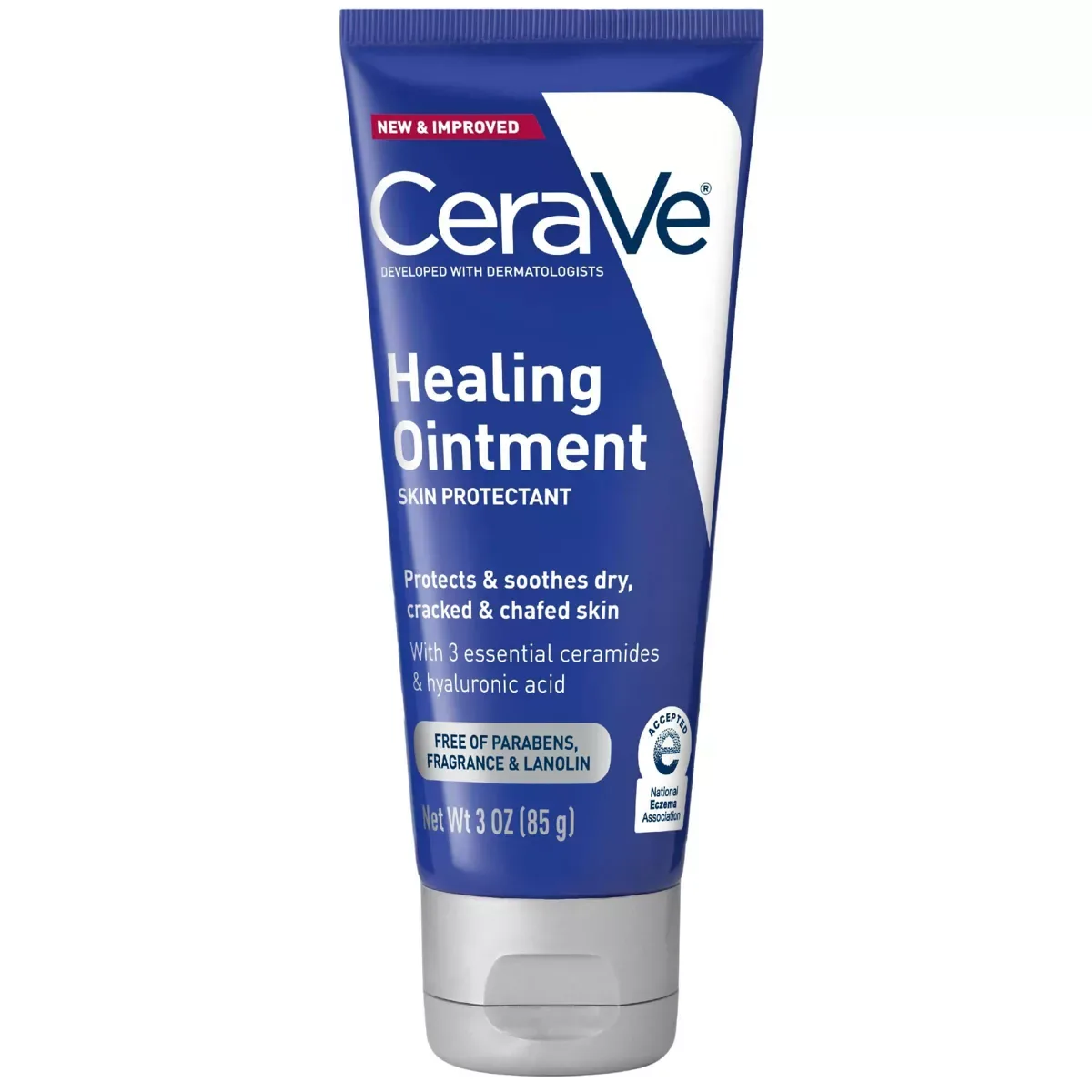 Barrier Rescue Hero
 Healing Ointment
CeraVe's Healing Ointment takes the simplest concept in skincare — seal the skin with petrolatum — and makes it genuinely intelligent by adding ceramides, hyaluronic acid, and panthenol beneath the occlusive layer. It is the gold standard drugstore occlusive for barrier rescue, slugging, and post-procedure care.
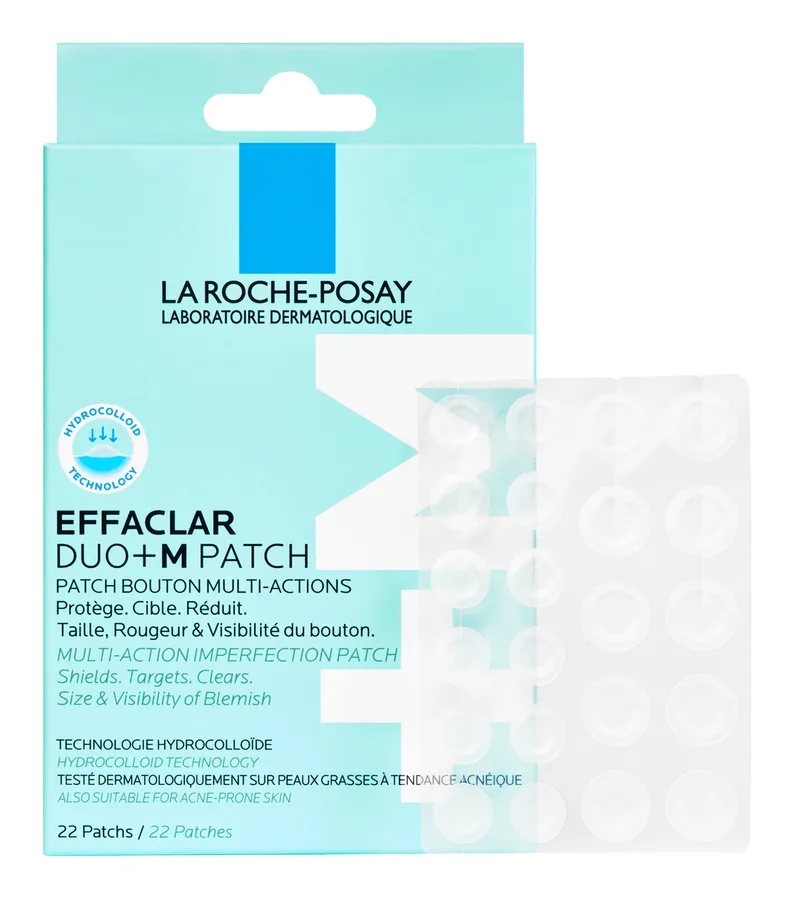 Derm Office Staple
 Effaclar Multi-Target Blemish Patches
One of the few hydrocolloid pimple patches that actually stays on overnight without curling off at 3am. At 420 microns thick with two size options in one pack and zero actives to irritate sensitive skin, this is the Effaclar line's quiet overachiever — and a legitimately good answer for anyone whose acne routine has been sabotaged by thinner patches that refuse to stay put.
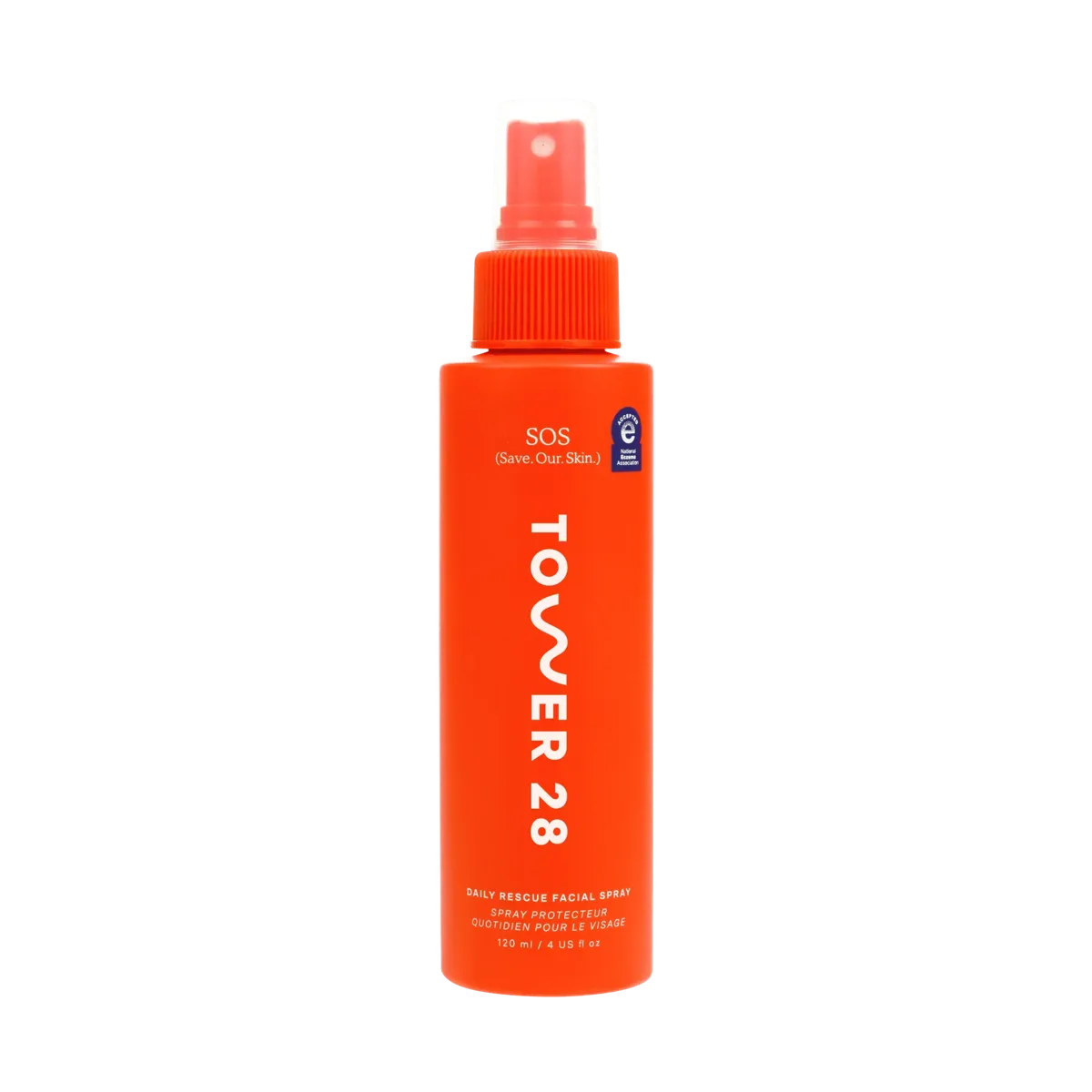 Reactive-Skin Cult Favorite
 SOS Save Our Skin Daily Rescue Facial Spray
The product that single-handedly brought hypochlorous acid into mainstream skincare. A fine-mist HOCl spray with genuine dermatology-organization validation, a near-perfect tolerability profile, and a cult following among people whose skin reacts to everything else. The price runs steeper than medical-grade HOCl, but the stabilization and design are worth the difference for daily use.
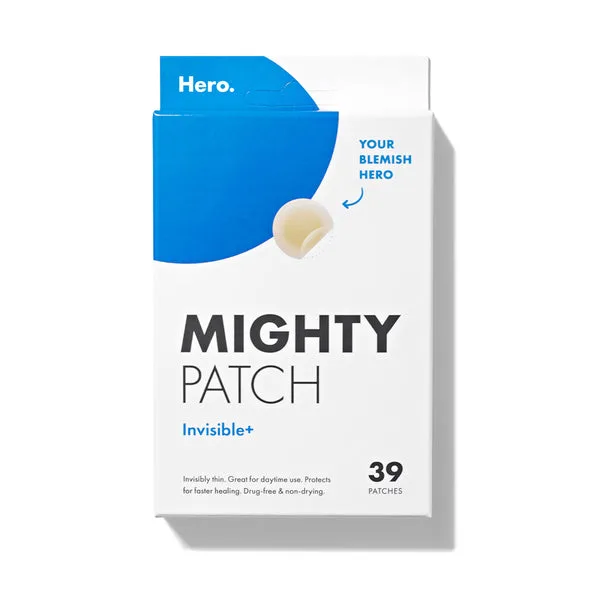
Mighty Patch Invisible+
The pimple patch that proved acne treatment could be invisible — Mighty Patch Invisible+ delivers the same fluid-absorbing hydrocolloid technology as the category-defining Original, but engineered thin enough to disappear under makeup. For daytime blemish management, nothing else comes this close to invisible.
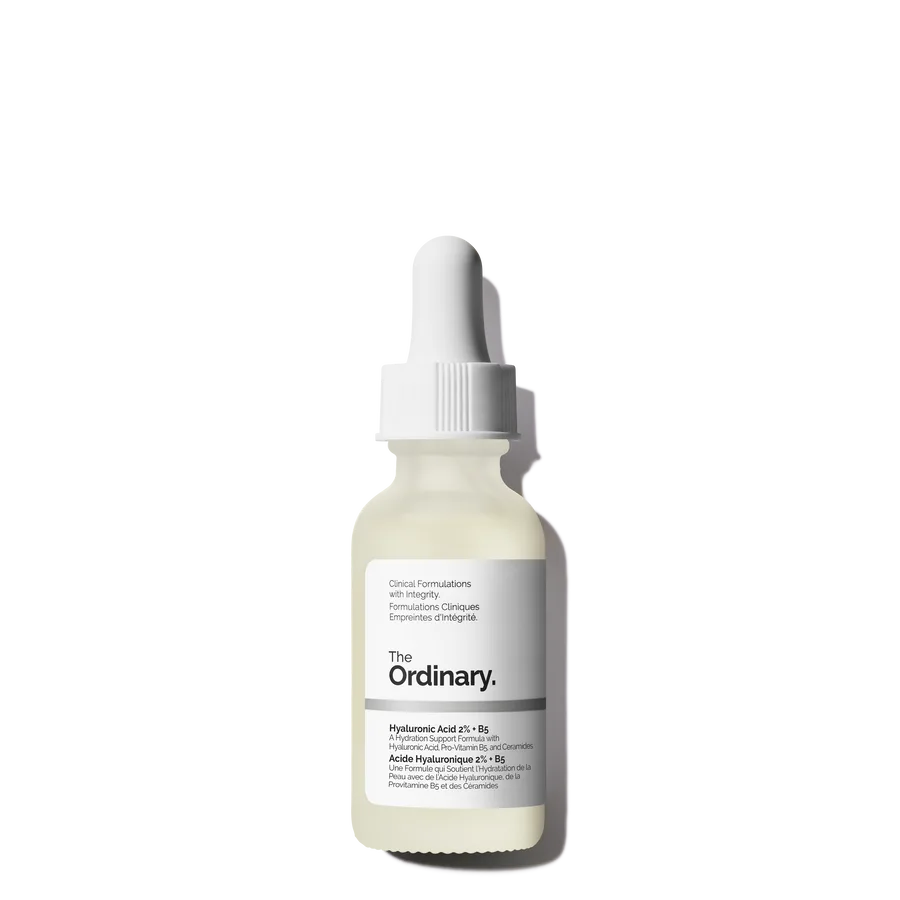 The Budget Hydrator, Perfected
 Hyaluronic Acid 2% + B5 Hydrating Serum
Everything the original should have been from the start — less sticky, better ingredients, and ceramide barrier support that transforms a simple hydrator into a proper skincare foundation. At $9.90, the only question is why you'd buy the old version.
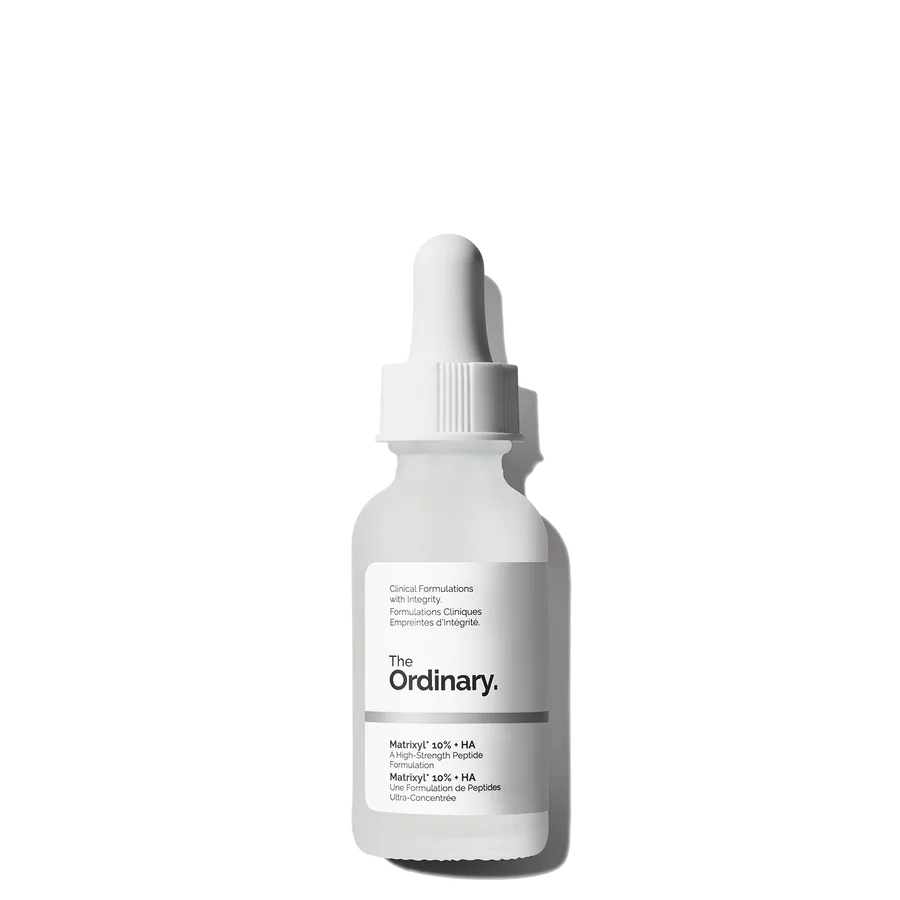 Budget Peptide Powerhouse
 Matrixyl 10% + HA
Two generations of clinically studied peptides at 10% concentration, in a hydrating HA base, for 0.90. The math borders on absurd. Matrixyl 10% + HA delivers genuine collagen-stimulating signal peptides with zero irritation risk — making it one of the best anti-aging values available and one of the few options safe during pregnancy.