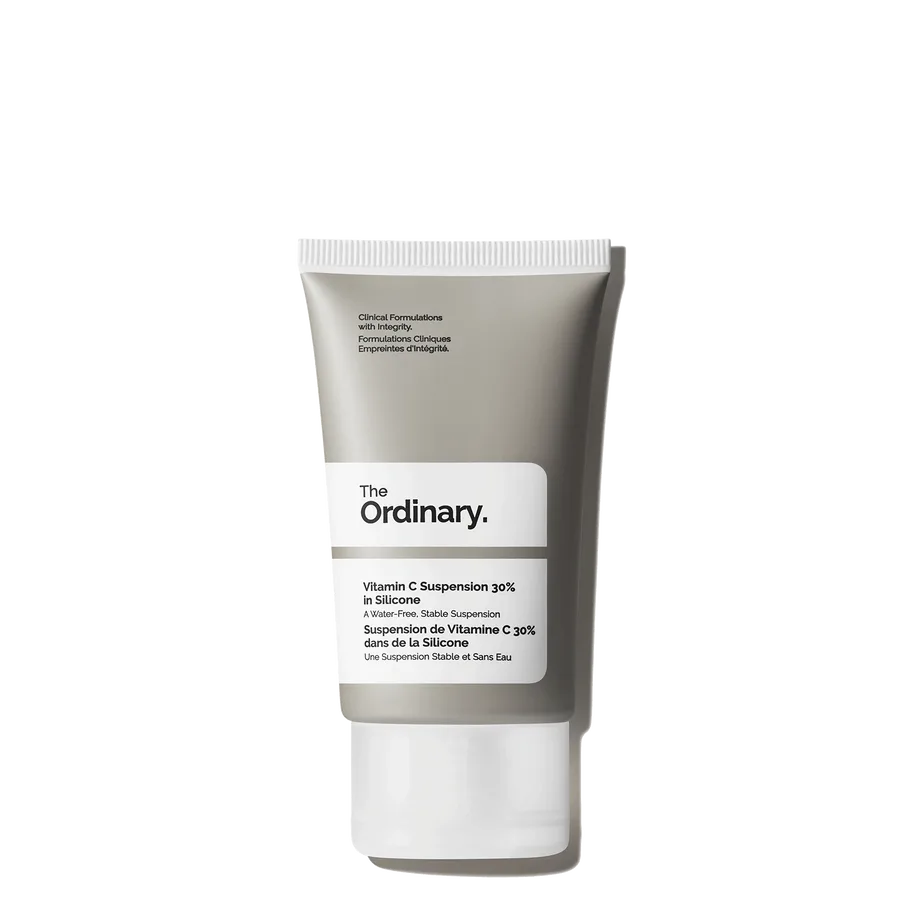
A smoother, less gritty alternative to The Ordinary's 23% Vitamin C that trades texture complaints for a different set of compromises — the silicone base reduces bioavailability while the higher 30% concentration stings more. At $7.50, the price is right, but this is a formulation that solves one problem by introducing others.
Vitamin C Suspension 30% in Silicone
A smoother, less gritty alternative to The Ordinary's 23% Vitamin C that trades texture complaints for a different set of compromises — the silicone base reduces bioavailability while the higher 30% concentration stings more. At $7.50, the price is right, but this is a formulation that solves one problem by introducing others.
Score Breakdown
Where this product gains points and where it loses them — broken down across the four scoring pillars.
The highest vitamin C concentration in The Ordinary's range at an excellent price, but the silicone base reduces actual bioavailability, the 30% acidity is intense, and the absence of synergistic antioxidants limits efficacy compared to more complete vitamin C formulations.
Pros & Cons
- ✓Completely smooth, non-gritty texture — a major improvement over the 23% version
- ✓Four-ingredient formula minimizes the risk of reactions to inactive ingredients
- ✓Water-free silicone base prevents oxidation and extends shelf life indefinitely until opened
- ✓At $7.50, one of the most affordable high-concentration vitamin C treatments available
- ✓Matte, primer-like finish works well under makeup for occasional AM use
- ✓Cruelty-free, vegan, fragrance-free, and oil-free
- ✗Silicone base reduces L-ascorbic acid bioavailability despite the higher 30% concentration
- ✗Intense stinging from the extreme acidity — more potent than the 23% version in this regard
- ✗Silicone film interferes with absorption of products layered on top
- ✗No moisturizing, hydrating, or synergistic antioxidant ingredients whatsoever
- ✗Dry skin types may find the formula drying under the silicone barrier
- ✗Results may appear slower than with better-penetrating vitamin C formulations
Full Review
The Ordinary's Vitamin C Suspension 23% + HA Spheres 2% has a texture problem. Ask anyone who has used it and they will mention the grittiness — the sensation of spreading fine sand across your face while concentrated acid stings underneath. It works, but a meaningful percentage of customers cannot bring themselves to use it consistently enough for it to matter. The Vitamin C Suspension 30% in Silicone is The Ordinary's attempt to solve this problem, and the solution is both clever and imperfect.
The formulation approach is radically different. Where the 23% version suspends ascorbic acid particles in a squalane-oil base with hyaluronic acid spheres, this product puts the vitamin C into a pure silicone matrix — dimethicone, polysilicone-11, and PEG-10 dimethicone. Four ingredients total. The result is a cream that glides on with the slip of a silicone primer, completely free of the sandpaper texture that made the 23% version divisive. If texture was your sole objection to The Ordinary's vitamin C lineup, this product removes it entirely.
But silicone comes with its own set of trade-offs, and The Ordinary is transparent about the biggest one: dimethicone partially entraps the ascorbic acid, slowing and reducing how much vitamin C actually penetrates the skin. This is why the concentration was bumped to 30% — it is not a higher dose for higher efficacy, but a higher dose to compensate for lower delivery. The actual amount of L-ascorbic acid reaching the dermis is likely comparable to the 23% version's, possibly even slightly less. You are not getting more vitamin C on your skin. You are getting the same vitamin C in a format that feels better to apply.
This distinction matters because 30% L-ascorbic acid is extremely acidic. The stinging upon application is, paradoxically, often more intense than the 23% version despite the silicone buffering. More acid means more acid, regardless of what it is suspended in. The first few seconds after application bring a sharp, attention-getting tingle that can escalate to genuine discomfort on thinner-skinned areas like around the eyes or nose. This subsides within a few minutes, but it demands the same tolerance-building approach as any high-concentration acid product: start at two to three times per week and work up.
The texture, though. The texture is genuinely pleasant. The cream has that distinctive silicone slip — smooth, almost velvety, with none of the gritty resistance of undissolved vitamin C particles. It dries down to a matte, film-like finish that feels like a lightweight primer. For users who have struggled with the 23% version's application experience, this is a legitimate upgrade in the moment of use.
The trade-off surfaces afterward. That silicone film sits on the skin, and while it does not technically clog pores — dimethicone is non-comedogenic and allows gas exchange — it does create a barrier that slows absorption of anything you layer on top. Water-based serums applied after this product may not penetrate as effectively. The practical implication is that this needs to be the last active step in your routine, followed only by moisturizer. If you have a multi-step evening routine with several serums, the silicone base disrupts the layering order.
The ingredient list — just four components — is minimal to the point of being stark. There are no moisturizing agents, no humectants, no antioxidant synergists. Unlike the 23% version, which includes squalane for conditioning and hyaluronic acid spheres for hydration, this formula is nothing but vitamin C and the silicone needed to deliver it. For dry skin types, this means the product provides no moisture relief — and the acidic L-ascorbic acid can actually feel drying underneath the silicone film. A good moisturizer after application is not optional; it is essential.
The absence of vitamin E and ferulic acid is the same limitation shared by the 23% version, and it bears repeating. The gold-standard vitamin C research demonstrates dramatically enhanced photoprotection when L-ascorbic acid is combined with these two antioxidants. Neither of The Ordinary's vitamin C suspensions includes them, which means both products are delivering vitamin C in isolation rather than in the synergistic combination supported by the strongest clinical evidence.
The Ordinary has offered this product since approximately 2017, and its reception has been consistently mixed — better ratings than the 23% version on texture, worse ratings on efficacy perception. Users who switch from the 23% to the 30% often report that results take longer to appear or feel less dramatic, which aligns with the reduced bioavailability hypothesis. The product has found its audience among those who prioritize comfort and compliance: a vitamin C you actually use every night, even at reduced efficiency, delivers more cumulative benefit than a vitamin C you abandon after a week because you hate applying it.
At $7.50, the value proposition is strong for what you are getting — 30% pure L-ascorbic acid in a stable, water-free base. The formula will not oxidize or degrade the way aqueous vitamin C serums do. But the real question this product poses is not about price. It is about priority. Do you want the vitamin C that feels better going on, or the vitamin C that works more efficiently once it is there? The Ordinary, to its credit, offers both options and lets you decide.
Formula
Key Ingredients
The hero actives that drive this product's performance.
| Ingredient | Function | Evidence |
|---|---|---|
| L-Ascorbic Acid (30%) | Pure L-ascorbic acid at the highest concentration in The Ordinary's vitamin C range, suspended in a silicone base rather than dissolved in water. The 30% concentration compensates for the reduced bioavailability caused by the silicone delivery system — the dimethicone matrix slows penetration, so a higher dose is used to achieve comparable skin delivery to lower-concentration aqueous formulations. | well-established |
| Dimethicone | Serves as the primary suspension vehicle, creating a smooth, non-gritty matrix that holds the ascorbic acid particles in stable suspension. The silicone base provides a silky application feel and creates a breathable film that protects the vitamin C from environmental degradation after application, though it also partially restricts the acid's penetration into the stratum corneum. | well-established |
Full INCI List
Dimethicone, Ascorbic Acid, Polysilicone-11, PEG-10 Dimethicone
Product Flags
✓ Fragrance Free✓ Alcohol Free✓ Oil Free✗ Silicone Free✓ Paraben Free✓ Sulfate Free✓ Cruelty Free✓ Vegan✓ Fungal Acne Safe
Potential Irritants
L-Ascorbic Acid at 30% (very highly acidic on skin)
Compatibility
Skin Match
Best For
Works For
Not Ideal For
Addresses These Conditions
hyperpigmentation dullness aging sun damage dark spots
Use With Caution
Avoid With
Routine Step
treatment
Time of Day
PM
Pregnancy Safe
Yes ✓
Layering Tips
Apply a small amount to clean, dry skin in the evening as the last step before moisturizer. The silicone base creates a film that can interfere with absorption of products applied on top, so keep post-application layering minimal. Best used after all water-based serums have absorbed. Avoid combining with niacinamide or other direct acids in the same step.
Results Timeline
Subtle brightening may be noticed within the first week. Visible improvements in dark spots and overall skin luminosity typically appear at 4-6 weeks. Full anti-aging and collagen-stimulating benefits develop over 8-12 weeks of consistent nightly use.
Pairs Well With
Moisturizer (applied after)Sunscreen (AM follow-up)Hyaluronic acid serum (applied before)
Conflicts With
Niacinamide (in the same routine step)Direct acids (AHA/BHA)RetinoidsPeptide serums
Sample AM Routine
- Gentle cleanser
- Moisturizer
- Sunscreen SPF 30+
Sample PM Routine
- Gentle cleanser
- Water-based serum (optional)
- The Ordinary Vitamin C Suspension 30% in Silicone
- Moisturizer
Evidence
Who Should Skip
- Silicone base reduces L-ascorbic acid bioavailability despite the higher 30% concentration
- Intense stinging from the extreme acidity — more potent than the 23% version in this regard
- Silicone film interferes with absorption of products layered on top
- No moisturizing, hydrating, or synergistic antioxidant ingredients whatsoever
Science & Expert Perspective
The Science
The formulation philosophy behind this product involves a deliberate trade-off between skin delivery and stability. L-ascorbic acid is hydrophilic — it dissolves in and is best delivered through aqueous solutions at low pH. Dimethicone, by contrast, is a hydrophobic silicone polymer that creates a non-polar matrix around the ascorbic acid particles. Published research on silicone-based delivery systems confirms that while dimethicone provides excellent stability and a cosmetically elegant feel, it reduces the rate and extent of active ingredient release compared to oil-in-water or anhydrous non-silicone vehicles.
The 30% concentration addresses this reduced bioavailability through simple dose escalation. However, clinical research by Pinnell and colleagues, published in Dermatologic Surgery in 2001, demonstrated that skin saturation of L-ascorbic acid occurs at approximately 20% in aqueous formulations. Whether the same saturation curve applies when the delivery vehicle is silicone-based has not been specifically studied in published literature, leaving a gap in the evidence base for this particular formulation approach.
The absence of vitamin E (tocopherol) and ferulic acid from this formula is a notable omission. Pinnell's landmark 2005 study in the Journal of Investigative Dermatology showed that adding 1% vitamin E and 0.5% ferulic acid to a 15% L-ascorbic acid solution doubled its photoprotective capacity. The synergistic mechanism involves ferulic acid stabilizing and regenerating oxidized vitamin C and E, creating a self-reinforcing antioxidant network. Without these partners, the L-ascorbic acid in this product operates as a solo antioxidant, which is still beneficial but does not achieve the enhanced protection documented in the C+E+ferulic research.
Dimethicone itself is well-studied as a dermatological vehicle. It is classified as a skin protectant by the FDA, forms a breathable, non-comedogenic film, and has been shown in published research to support barrier function without occluding the skin. The concern is specifically about active ingredient delivery, not about the safety or dermatological suitability of the silicone base itself.
References
- Topical Vitamin C and the Skin: Mechanisms of Action and Clinical Applications — Journal of Clinical and Aesthetic Dermatology (2017)
- Ferulic Acid Stabilizes a Solution of Vitamins C and E and Doubles its Photoprotection of Skin — Journal of Investigative Dermatology (2005)
Dermatologist Perspective
Dermatologists generally view silicone-based vitamin C delivery as a viable option for patients who cannot tolerate the texture of traditional suspensions, though they note the bioavailability compromise. Board-certified dermatologists emphasize that compliance is a critical factor in vitamin C efficacy — a product that a patient actually uses nightly delivers more cumulative benefit than a theoretically superior product abandoned after a week. For patients considering this product, dermatologists typically recommend it as an alternative for those who have failed to maintain consistency with grittier formulations, while noting that aqueous vitamin C serums at 15-20% with vitamin E and ferulic acid remain the gold standard in the clinical literature.
Guidance
Usage Guide
How to Use
Apply a small amount to clean, dry skin in the evening. The cream should be the last active step in your routine — apply all water-based serums first, as the silicone film will slow their absorption if applied after. Allow 3-5 minutes for the tingling to subside, then apply moisturizer. Start with 2-3 times per week and increase frequency as tolerance builds. Always use SPF 30+ sunscreen the following morning. Avoid combining with niacinamide, AHA/BHA, or retinoids in the same routine step.
Value Assessment
At $7.50 for 30ml, this product offers remarkable value for a 30% L-ascorbic acid treatment — prestige vitamin C serums with lower concentrations typically cost $50-165. However, the effective vitamin C delivery is likely comparable to or slightly less than the $5.80 version (23% + HA Spheres) due to the silicone barrier effect. The premium of $1.70 over the 23% version essentially buys you a smoother texture and a matte finish. Whether that texture upgrade justifies the reduced bioavailability is a personal calculation that depends on whether you would actually use the grittier version consistently.
Who Should Buy
Users who want high-concentration vitamin C but cannot tolerate the gritty texture of traditional suspensions. Best for those with normal, combination, or oily skin who prefer a matte, primer-like finish and have already built some tolerance to acidic skincare products.
Who Should Skip
Sensitive, dry, or barrier-compromised skin types should avoid this product entirely — 30% L-ascorbic acid is too intense regardless of the delivery vehicle. Those who layer multiple serums in their PM routine may find the silicone base disrupts their product absorption sequence. Users seeking the maximum clinically supported vitamin C efficacy should consider formulations that include vitamin E and ferulic acid.
Ready to try The Ordinary Vitamin C Suspension 30% in Silicone?
Details
Details
Texture
A smooth, opaque cream with a silicone-slip feel. Notably free of the grittiness that characterizes the 23% + HA Spheres version. Applies like a lightweight silicone primer and dries down to a matte, film-like finish.
Scent
Fragrance-free. A faint acidic scent from the L-ascorbic acid is present but significantly less intense than the 23% version due to the encapsulating silicone base.
Packaging
Opaque squeeze tube that protects the vitamin C from light degradation. Standard The Ordinary tube design with screw cap.
Finish
mattesatin
What to Expect on First Use
The first application reveals the key difference from the 23% version — no grittiness at all. The cream glides on with a silicone-smooth feel. However, the tingling starts within seconds and can be more intense than the 23% version due to the higher concentration. Expect 3-5 minutes of stinging that subsides as the product settles. Start with 2-3 times per week.
How Long It Lasts
3-4 months with nightly use
Period After Opening
12 months
Best Season
All Year
Certifications
Leaping Bunny certifiedPETA certified vegan
Background
The Why
Created as a direct response to the texture complaints that plagued The Ordinary's original 23% Vitamin C Suspension. Rather than simply smoothing out the original formula, DECIEM took a fundamentally different approach — suspending the vitamin C in silicone rather than squalane-based oils. The 30% concentration is not an attempt to outdo the 23% but rather to compensate for the silicone's barrier effect on absorption.
About The Ordinary Established Brand (5–20 years)
The Ordinary launched in 2016 under DECIEM and rapidly became one of the most influential skincare brands by offering clinical-grade ingredients at transparent, accessible price points. This product was designed as a smoother-textured alternative to the brand's original gritty 23% Vitamin C Suspension.
Brand founded: 2016 · Product launched: 2017
Myth vs. Reality
Myths & Misconceptions
Myth
30% vitamin C is more effective than 23% vitamin C
Reality
The higher concentration here compensates for the silicone base reducing penetration. The actual amount of L-ascorbic acid reaching the skin is likely similar to the 23% version. Clinical research suggests skin saturation of L-ascorbic acid occurs around 20%, above which additional concentration offers diminishing returns.
Myth
Silicone-based products clog pores and prevent skin from breathing
Reality
Dimethicone forms a breathable film that allows gas and moisture exchange. It is non-comedogenic and widely used in dermatological products specifically because it protects without occluding. The concern is not clogging but rather that the silicone layer may slow absorption of subsequently applied products.
FAQ
Frequently Asked Questions
What's the difference between The Ordinary Vitamin C 30% and 23%?
The 30% version uses a pure silicone (dimethicone) base, giving it a smooth, non-gritty texture but reducing how much vitamin C actually penetrates the skin. The 23% version uses a squalane-oil base with hyaluronic acid spheres — grittier texture but better penetration and added hydration. The 30% compensates for reduced absorption with a higher concentration. Choose the 30% for texture comfort, the 23% for maximum delivery.
Does The Ordinary Vitamin C 30% in Silicone actually work?
Yes, though the silicone base does moderate the delivery speed and amount of L-ascorbic acid reaching the skin. Users consistently report brightening and dark spot improvement with regular use over 4-8 weeks. The trade-off for the smoother texture is somewhat reduced potency compared to formulations with better skin penetration.
Why does The Ordinary Vitamin C 30% sting so much?
At 30% concentration, pure L-ascorbic acid is extremely acidic. When applied to skin, it drops the surface pH well below 3.5, which triggers nerve endings and creates a stinging sensation. This is a pH reaction, not an allergic response. Build tolerance by starting 2-3 times per week and gradually increasing frequency.
Can I use other serums over The Ordinary Vitamin C 30% in Silicone?
The silicone base creates a film on the skin that can slow or partially block absorption of water-based products applied afterward. Apply water-based serums (hyaluronic acid, niacinamide) before this product, not after. Follow only with a moisturizer and skip additional layering for best results.
Is The Ordinary Vitamin C 30% safe for sensitive skin?
Generally no — 30% L-ascorbic acid is the highest concentration in The Ordinary's range and causes significant stinging even on resilient skin. Sensitive skin types should start with gentler vitamin C derivatives like Ascorbyl Glucoside 12% or Ascorbyl Tetraisopalmitate 20% in Vitamin F, which deliver vitamin C benefits without the extreme acidity.
Community
Community Voices
Common Praise
"Smooth, non-gritty texture is a major improvement over the 23% version"
"Exceptional value for a 30% L-ascorbic acid product at $7.50"
"Four-ingredient formula minimizes risk of reactions to inactive ingredients"
"Noticeable brightening and improved skin tone with consistent use"
"Stable water-free formula that doesn't oxidize"
Common Complaints
"Significant tingling and stinging from the extreme 30% acid concentration"
"Silicone base feels occlusive and can interfere with other product absorption"
"Reduced vitamin C penetration compared to aqueous formulations at lower concentrations"
"No moisturizing or hydrating ingredients — skin can feel dry underneath the silicone film"
"Still has a noticeable acidic odor despite the silicone base"
Appears In
best vitamin c serum budget best serum for hyperpigmentation best serum for dark spots best the ordinary products
Related Conditions
hyperpigmentation dullness aging sun damage dark spots
Related Ingredients
You Might Also Like
 Sensitive Skin Soother
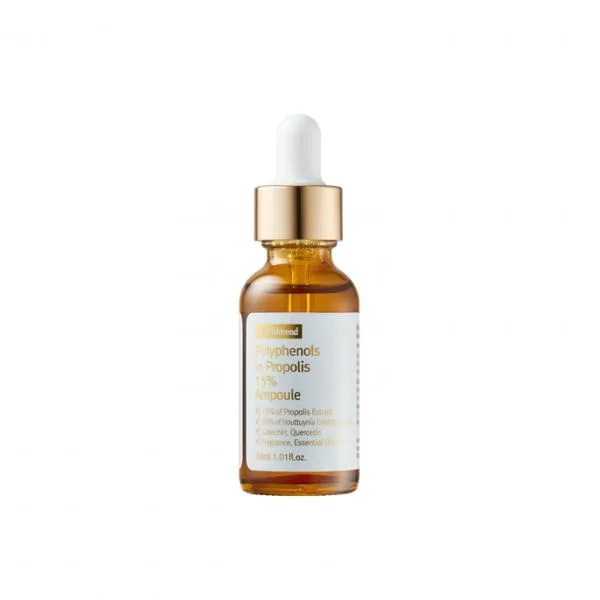
 Polyphenols In Propolis 15% Ampoule
A 15% propolis ampoule that earns its name with a real polyphenol stack — French Auvergne propolis layered over a houttuynia cordata base, with tulsi and pomegranate piling on. It's slightly sticky and not cheap by volume, but for sensitive, breakout-prone skin chasing calm, this is one of the most reliable K-beauty soothers in production.
 Budget Brightening Hero
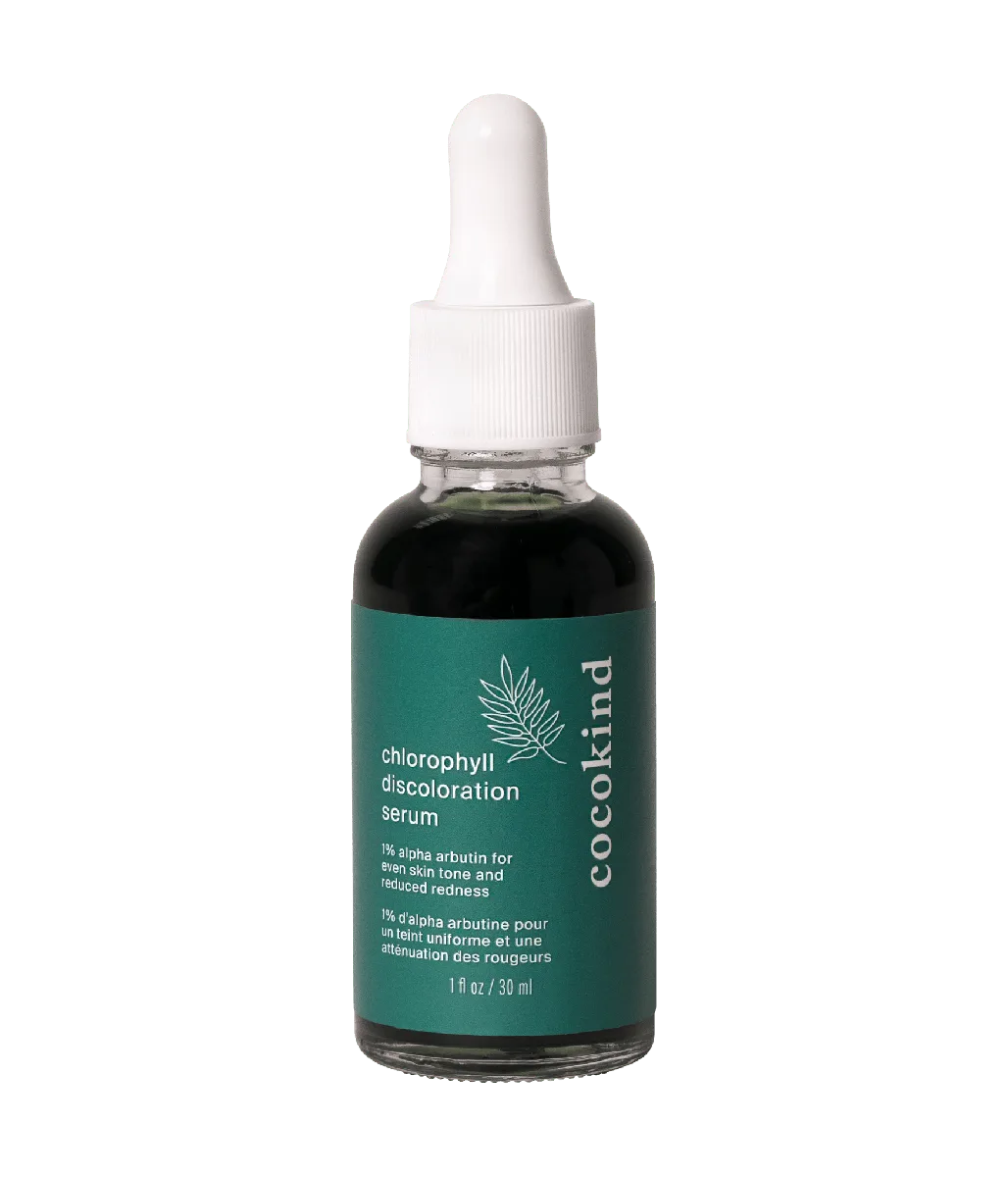
 Chlorophyll Discoloration Serum
A quietly brilliant brightening serum that proves you do not need luxury prices or harsh actives to fade dark spots effectively. The alpha-arbutin and licorice root combination delivers genuine multi-pathway melanin inhibition, the sensitive-skin-friendly formula is impeccable, and $20 makes it accessible to virtually everyone. The chlorophyllin is more marketing differentiator than scientific powerhouse, but it does not hurt anything either.
 The People's HA Serum
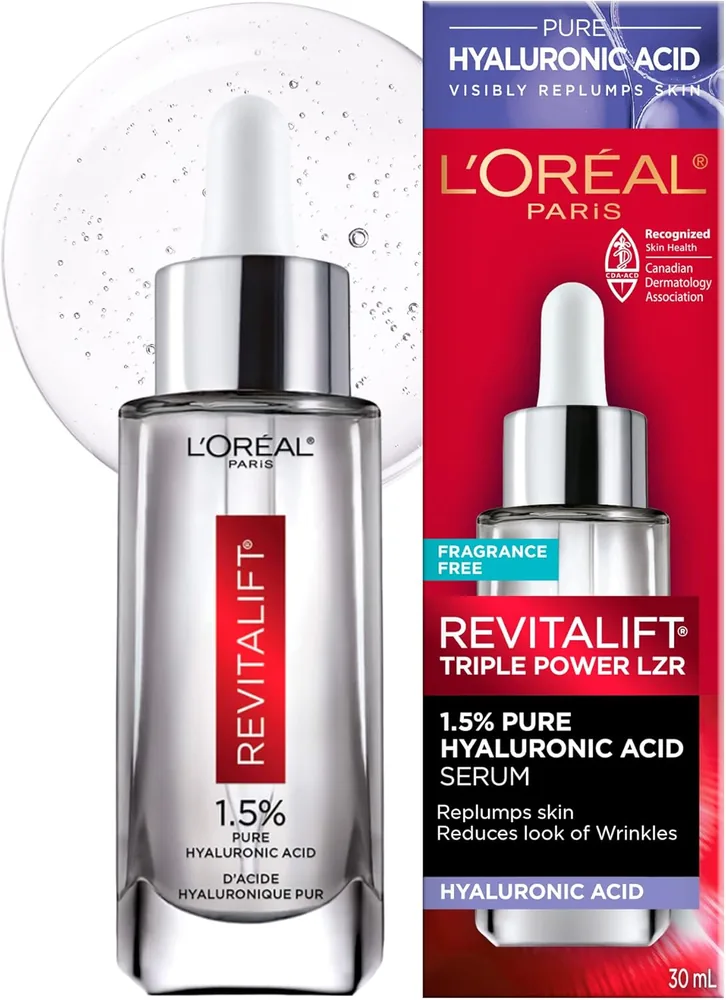
 Revitalift Derm Intensives 1.5% Pure Hyaluronic Acid Serum
A masterclass in minimalist formulation — thirteen ingredients, no filler, four functional actives, and over thirty thousand glowing reviews. L'Oréal's multi-weight HA system delivers genuine hydration at every level of the skin, and the fragrance-free, alcohol-free formula is clean enough for virtually anyone. The drugstore serum that embarrasses its prestige competitors.
 Budget Hydration Holy Grail
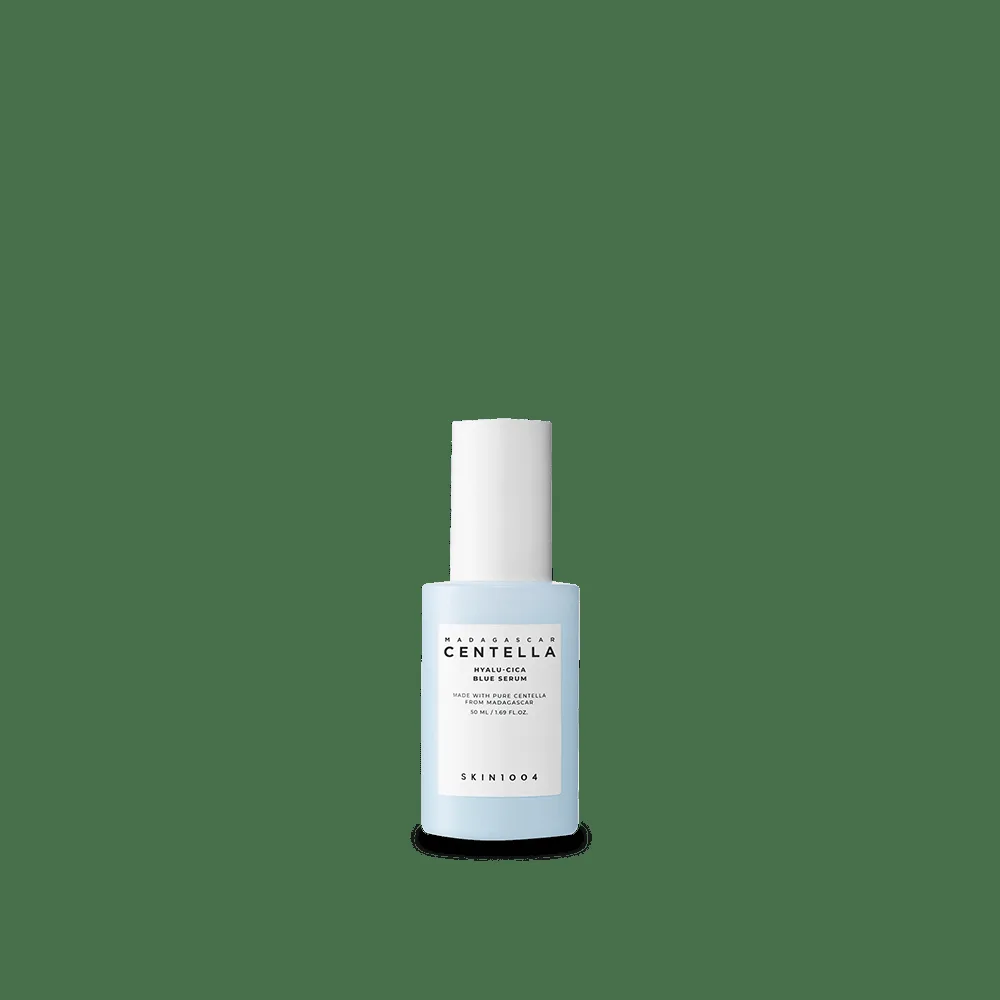
 Hyalu-Cica Blue Serum
A quietly excellent budget serum that stacks Centella asiatica leaf water, five types of hyaluronic acid, niacinamide, ceramide NP, and adenosine into a fragrance-free under-$20 bottle. It is genuinely one of the best hydration-plus-soothing serums at any price, and the fact that it costs less than a salad in Manhattan is the point.
 Sensitive Skin First-Line Defense
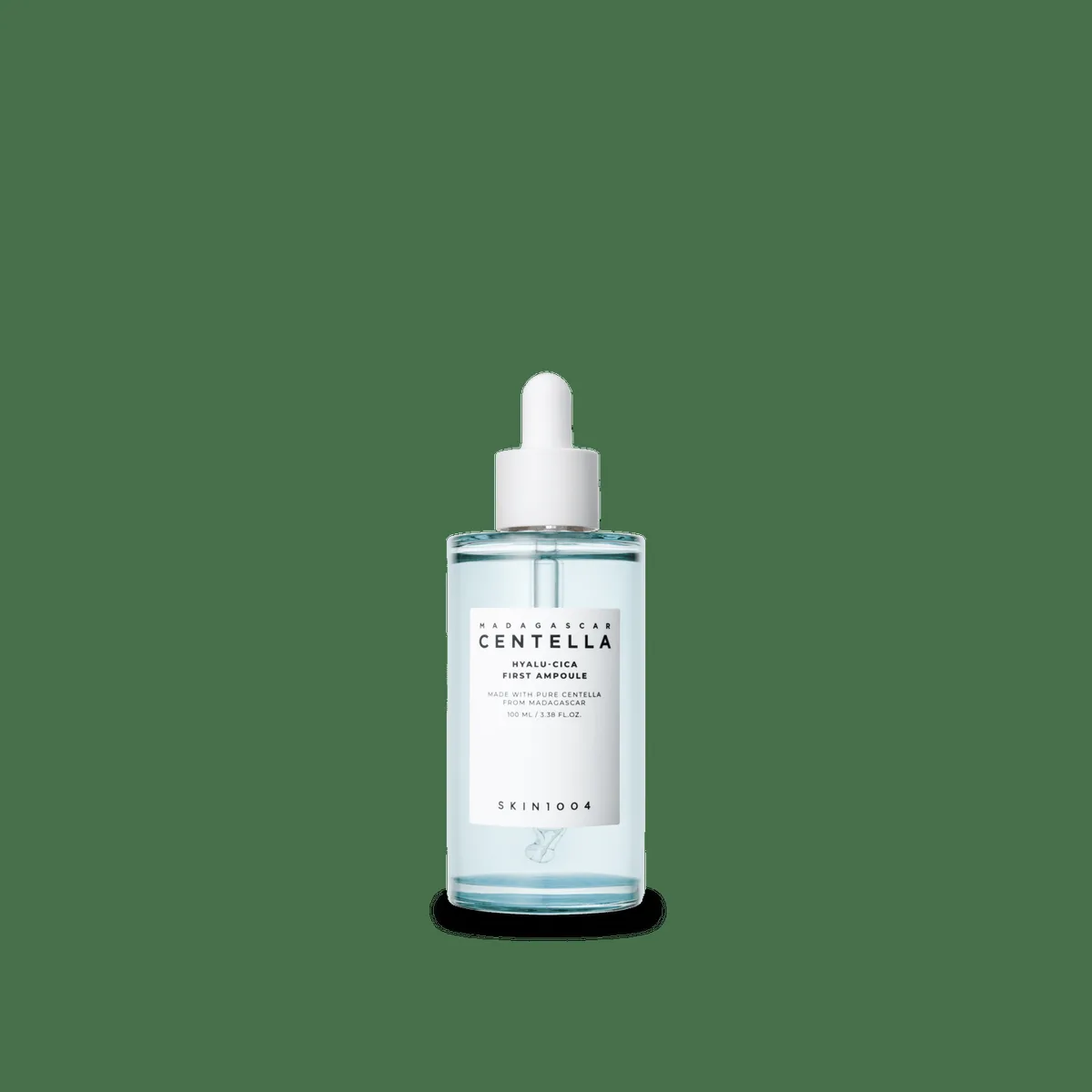
 Hyalu-Cica First Ampoule
A 92% Centella asiatica extract ampoule paired with niacinamide and a multi-weight HA complex, fragrance-free and purpose-built for sensitive, compromised, and reactive skin. At $25 for 100ml, it is one of the most justifiable skincare purchases a budget-conscious buyer can make, and it earns a place in almost any routine that needs a soothing anchor.
 Sensitive Skin MVP
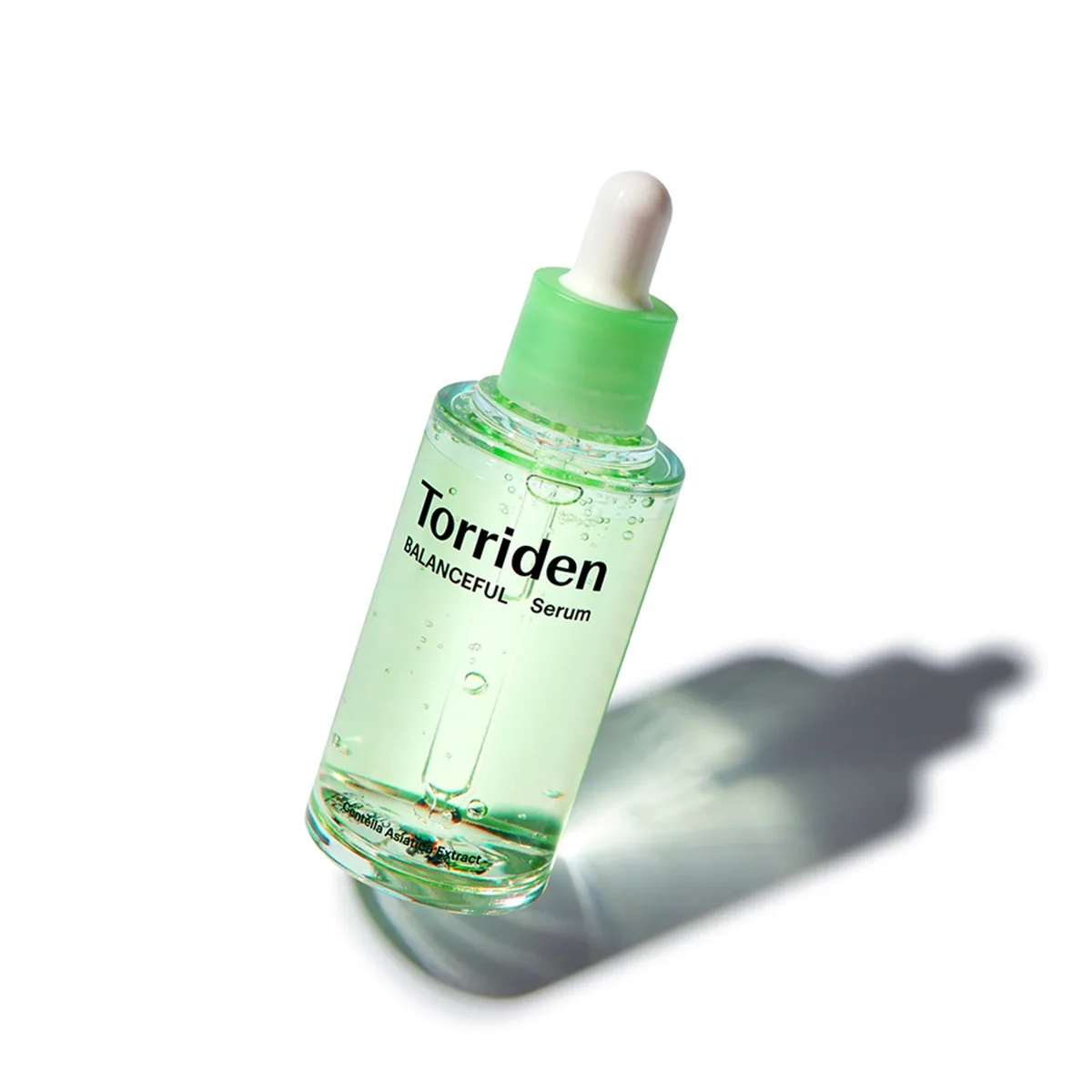
 Balanceful Cica Serum
Torriden's Balanceful Cica Serum is one of the most recommendable calming serums in K-beauty — a genuinely fragrance-free, multi-weight hyaluronic acid and 5D cica complex treatment that quietly reduces redness, supports the barrier, and buffers other actives without drama. At under $25 it's a near-automatic pick for sensitive, rosacea-prone, and barrier-compromised skin.
This review reflects our independent analysis of publicly available ingredient data, manufacturer claims, and verified user reviews. We are reader-supported — Amazon links may earn us a commission at no cost to you. We do not accept paid placements; rankings are based solely on the evidence.