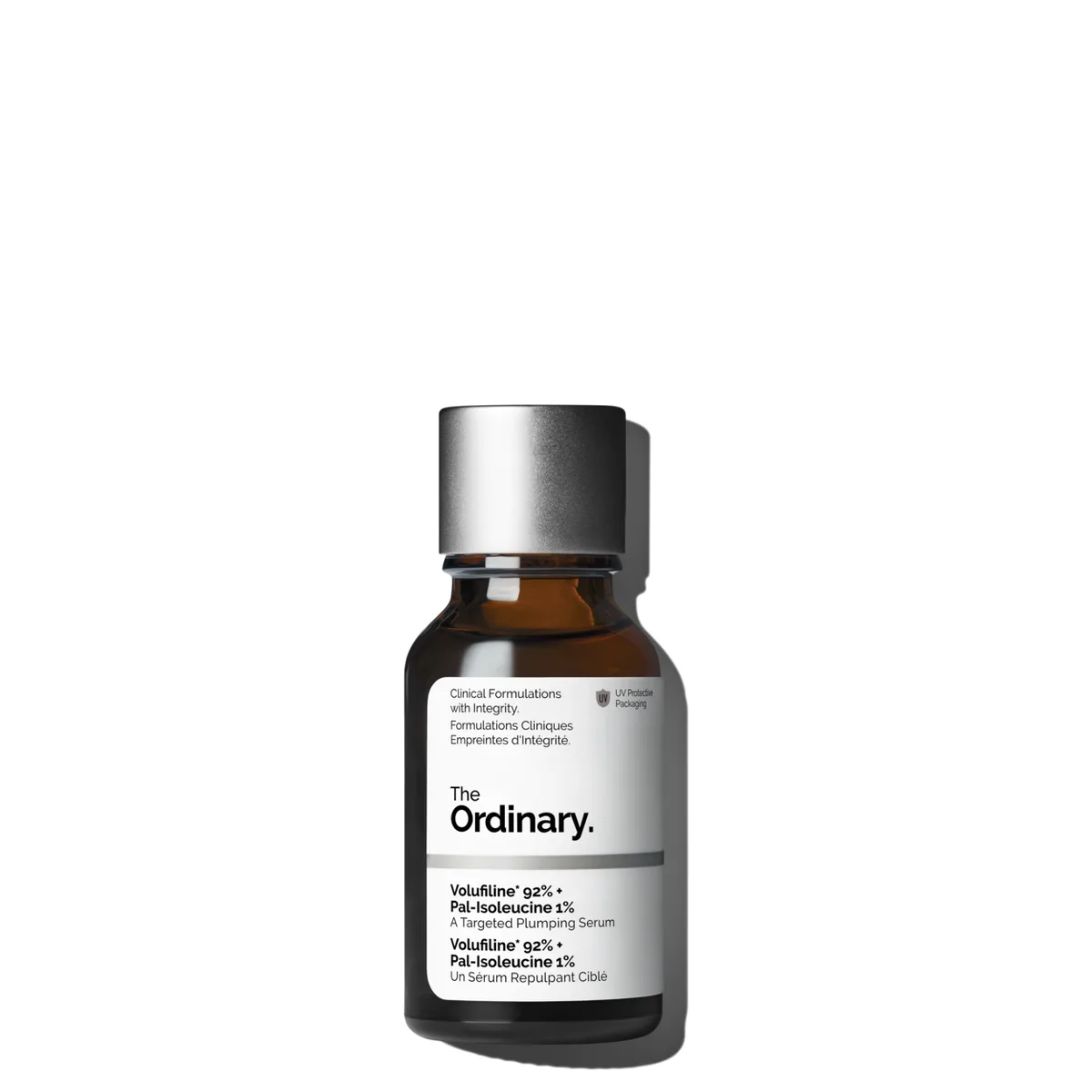
The Ordinary took an ingredient most brands hide in the middle of an INCI list and made it the entire formula. Whether the adipocyte-volumizing story behind Volufiline holds up in real-world use is still open, but the execution — short, clean, anhydrous, cheap — is exactly what Deciem does best.
Volufiline 92% + Pal-Isoleucine 1% Plumping Anhydrous Serum
The Ordinary took an ingredient most brands hide in the middle of an INCI list and made it the entire formula. Whether the adipocyte-volumizing story behind Volufiline holds up in real-world use is still open, but the execution — short, clean, anhydrous, cheap — is exactly what Deciem does best.
Score Breakdown
Where this product gains points and where it loses them — broken down across the four scoring pillars.
A clean, short, fragrance-free anhydrous formula built around a single trademarked active with promising but mostly manufacturer-driven evidence. Priced well for what Volufiline typically costs elsewhere, but the 15 mL size and narrow use case keep it from scoring higher.
Pros & Cons
- ✓Delivers Volufiline in the highest practical load on the market
- ✓Short, fragrance-free, silicone-free ingredient deck with nothing to hide
- ✓Anhydrous format preserves oxidation-prone actives without preservatives
- ✓Layers cleanly under sunscreen and makeup when not overapplied
- ✓Fungal-acne safe and compatible with retinoids and acids
- ✓Priced aggressively against other Volufiline-based serums
- ✓Lightweight oil-gel feel unusual for a product this occlusive
- ✓Doubles as a buffer over irritating actives like retinoids
- ✗15 mL is small for twice-daily face-and-neck use
- ✗Plumping effect is subtle and slow — not a filler replacement
- ✗Most supporting evidence is manufacturer-driven rather than independent
- ✗Occlusive base can feel heavy on actively oily or breaking-out skin
- ✗Offers no water-phase hydration on its own
- ✗Overapplication leaves a slip layer that disrupts makeup
Full Review
There is a particular kind of The Ordinary launch that exists mostly as a public science experiment. This is one of them. Volufiline has been quietly turning up in the middle of other brands' ingredient lists for more than a decade — usually at two or three percent, usually unnamed on the front of the bottle, usually supporting a more marketable hero like a peptide or a retinoid. Deciem's move here is to strip almost everything else away and let you see what a bottle of essentially just Volufiline does to your face over a couple of months. The 92% on the label is not really a concentration in the normal sense; it's closer to saying this formula is Volufiline and a few structural extras, full stop.
Open the dropper and the liquid is clear, slightly viscous, and scentless. It is technically an oil — the entire base is hydrogenated polyisobutene, a highly refined synthetic hydrocarbon that sits somewhere between squalane and a light silicone in feel — but it is noticeably less heavy than a traditional plant oil. Rhus succedanea wax gives it a touch of body so it doesn't run off the fingertips, caprylyl glycol and polyglyceryl-3 stearate help distribute the Anemarrhena extract through the oil phase, and tocopherol handles the oxidation housekeeping. That is the whole deck. No water, no preservatives, no actives competing for attention.
That minimalism is the point. Volufiline is a finicky ingredient to formulate with: it is oil-soluble, the extract it carries can oxidize, and emulsifying it into a traditional cream usually means cutting the load to a few percent and hoping it survives contact with water and surfactants. Going fully anhydrous sidesteps all of that. The active reaches skin in the form the manufacturer originally delivered it in, at a load the manufacturer's own research never quite tested, inside a vehicle that is itself an occlusive. If you are the sort of person who likes to know exactly what is doing the work, it is hard to argue with the honesty of the approach.
The case for Volufiline is that sarsasapogenin from Anemarrhena root can encourage lipid accumulation in isolated fat cells, which in a facial skin context is supposed to translate to a subtly plumper appearance where age-related volume loss has thinned the soft tissue. The case against it is that most of the supporting data is from the ingredient maker, sample sizes are small, and the visible effects in those studies are modest — millimeters and percentage changes, not the dramatic lift of a procedure. Both things can be true at once. Treating this serum as a long, slow experiment in lipid support is probably the right mental model; treating it as a filler replacement will set you up for disappointment.
In daily use it behaves well. Three or four drops pressed into cheeks and the upper neck after a hydrating serum sink in within a minute, leaving a satin finish rather than the greasy film a plant oil often produces. Layering sunscreen or makeup on top is uneventful if you don't overapply; go heavy and you'll get some slip. The first week's improvement is almost entirely the occlusion story — skin looks smoother and better hydrated because it is, and that by itself is a real visual upgrade for drier complexions. Whatever genuine plumping Volufiline is going to do on a given face tends to show up later, around the two-to-three-month mark of twice-daily use, and it is always a quiet change rather than a loud one.
Palmitoyl isoleucine at one percent is the other ingredient Deciem wants you to notice. It is a lipoamino acid rather than a signal peptide, which means it does not behave like a matrixyl or an argireline — it sits in the lipid matrix and is positioned as a supporting conditioner for the same adipocyte story. The honest read is that it is there partly for mechanism and partly for label: pairing Volufiline with a named secondary active is a more compelling product than Volufiline alone, even if the one percent level is modest. It does not hurt the formula and it plausibly helps, which is a reasonable bar to clear.
Where this serum shows its limits is in scope. The 15 mL bottle is small for twice-daily use on the full face and neck, and realistically you'll go through it in six to eight weeks. It is not a moisturizer on its own — skin that needs humectant hydration still needs a water-phase product underneath. And the subtlety of the effect means it is best thought of as an add-on to a well-built routine, not a centerpiece. If your routine is already doing the work of sunscreen, retinoids, and barrier support, this can layer in as a slow-burn plumping assist. If your routine is missing those fundamentals, spend the twenty-one dollars there first.
At the price, though, it is one of the easiest ingredient experiments to justify. Volufiline-forward products elsewhere typically sit north of forty dollars and deliver the active at a fraction of the load. If you wanted to know what Volufiline does to your face without any other variables in the way, this is now the cheapest and cleanest way to find out — which is, as always, the specific kind of useful The Ordinary is good at.
Formula
Key Ingredients
The hero actives that drive this product's performance.
| Ingredient | Function | Evidence |
|---|---|---|
| Volufiline (Hydrogenated Polyisobutene + Anemarrhena Asphodeloides Root Extract) 92% (92%) | Volufiline is a Sederma-trademarked complex of hydrogenated polyisobutene carrying an extract of Anemarrhena asphodeloides root (sarsasapogenin). In this anhydrous, oil-phase-only system it delivers the active straight to skin without water, surfactants, or preservatives diluting it — the 92% load is essentially the entire carrier phase acting as active. | promising |
| Palmitoyl Isoleucine 1% (1%) | A lipoamino acid pairing the branched-chain amino acid isoleucine with a palmitoyl tail, designed to sit in the lipid matrix where Volufiline works. It is positioned as a supporting plumper, adding a secondary conditioning signal to the adipocyte-targeting story rather than acting as a classic signal peptide. | emerging |
| Rhus Succedanea Fruit Wax | Japan wax rounds out the anhydrous base here, giving the otherwise very fluid hydrogenated polyisobutene some body and a soft, balm-like feel once warmed on the skin. It is structural rather than active — without it the serum would run off the fingertips. | well-established |
| Tocopherol | Sits in the oil phase as the formula's only antioxidant, protecting both the unsaturated components of the Anemarrhena extract and skin lipids from oxidation during wear. At this low level it is a formulation stabilizer first, skin benefit second. | well-established |
Full INCI List
Hydrogenated Polyisobutene, Caprylyl Glycol, Polyglyceryl-3 Stearate, Palmitoyl Isoleucine, Anemarrhena Asphodeloides Root Extract, Rhus Succedanea Fruit Wax, Tocopherol
Product Flags
✓ Fragrance Free✓ Alcohol Free✗ Oil Free✓ Silicone Free✓ Paraben Free✓ Sulfate Free✓ Cruelty Free✓ Vegan✓ Fungal Acne Safe
Compatibility
Skin Match
Best For
Works For
Not Ideal For
Addresses These Conditions
Use With Caution
Routine Step
treatment
Time of Day
AM & PM
Pregnancy Safe
Yes ✓
Layering Tips
Apply a few drops after water-based serums (niacinamide, hyaluronic acid) and before your moisturizer. Because it is anhydrous, it will seal in whatever sits beneath it — so put your hydrators first.
Results Timeline
Immediate: a softer, slightly cushioned surface feel from the oil film. Short-term (1–2 weeks): skin looks smoother and better hydrated thanks to the occlusive effect. Full benefits (8–12 weeks of twice-daily use): any visible plumping Volufiline is going to offer shows up in this window, based on the manufacturer's in-house studies.
Pairs Well With
hyaluronic-acidniacinamidepeptidesretinoids
Sample AM Routine
- Gentle cleanser
- Hydrating serum
- The Ordinary Volufiline 92% + Pal-Isoleucine 1% Plumping Anhydrous Serum
- Moisturizer
- Sunscreen
Sample PM Routine
- Cleanser
- Peptide serum
- The Ordinary Volufiline 92% + Pal-Isoleucine 1% Plumping Anhydrous Serum
- Moisturizer
Evidence
Who Should Skip
- 15 mL is small for twice-daily face-and-neck use
- Plumping effect is subtle and slow — not a filler replacement
- Most supporting evidence is manufacturer-driven rather than independent
- Occlusive base can feel heavy on actively oily or breaking-out skin
Science & Expert Perspective
The Science
The Volufiline claim rests on a small body of work around sarsasapogenin, a steroidal saponin found in Anemarrhena asphodeloides. In vitro studies by the ingredient's maker, Sederma, reported increased lipid accumulation in 3T3-L1 preadipocyte cultures exposed to the active, and a 56-day in vivo study reported modest gains in cheek volume measured by silicone replica and 3D imaging. These findings are genuinely interesting at the cell-biology level — saponins as lipogenic signals are not a common formulation story — but the data is small-scale, largely manufacturer-funded, and has not been widely replicated in independent peer-reviewed literature. What this anhydrous formula does well is remove confounders: by eliminating water, surfactants, and secondary actives, it delivers the Anemarrhena extract in essentially the same lipid carrier used in the original studies, at a far higher load. Whether that translates to a bigger effect on human facial skin is an open question — dose-response in the published work plateaus well below the levels used here. Palmitoyl isoleucine is the secondary story: a lipoamino acid designed to conditioner-like sit in the stratum corneum lipid phase, with the mechanistic rationale of supporting the same adipocyte biology rather than acting through the classic cell-signaling pathway that peptides like Matrixyl use. Evidence here is sparser still and mostly mechanistic. The safest read on the science is that the individual components have plausible mechanisms and early-stage evidence, the formulation is the cleanest possible way to test them on skin, and users should calibrate expectations to "subtle surface plumping over months" rather than "visible volume restoration."
Dermatologist Perspective
Dermatologists tend to place ingredients like Volufiline in the category of promising-but-unproven adjuncts — interesting enough to recommend as a low-risk addition to a routine, not strong enough to replace the building blocks of an evidence-based aging strategy. The foundational recommendations for age-related volume loss and skin thinning are still daily broad-spectrum sunscreen, a tolerated retinoid, and barrier-supporting moisturizers; anything beyond that is a secondary layer. Where a product like this fits comfortably is as that secondary layer in an already complete routine, particularly for patients who want to try a new active without taking on additional irritation risk. Board-certified dermatologists frequently note that fragrance-free, short ingredient lists are an asset in reactive or menopausal skin — categories that overlap heavily with the "loss of volume" audience this serum targets. The clinical expectation should stay realistic: any visible plumping is likely to be modest, gradual, and additive to what the sunscreen and retinoid are already doing, not a substitute for them.
Guidance
Usage Guide
How to Use
After cleansing and any water-based serums, press three to four drops between the fingertips and pat across the cheeks, mid-face, and upper neck — anywhere you want to target visible volume loss. Because the base is anhydrous, it will lock in whatever is beneath it, so always layer hydrators first. Follow with your usual moisturizer morning and night, and sunscreen in the morning. It pairs well with retinoids (apply the retinoid first, let it absorb, then this on top) and can actually help buffer retinoid dryness thanks to the occlusive polyisobutene base. Avoid the active acne zones if you're mid-breakout. Give the product a consistent 8–12 week run before judging whether the plumping effect is worth continuing.
Value Assessment
At $21.40 for 15 mL, this is roughly half the price of other Volufiline-forward serums on the market and delivers the active at a significantly higher load. That is a strong value proposition for anyone who specifically wants to test this ingredient. The caveat is the size: twice-daily use burns through the bottle in under two months, and you are effectively paying a dollar a week for a subtle, slow-acting effect. Against a more conventional peptide serum at a similar price and twice the volume, the per-day math is less favorable. The best way to think about the value is as an ingredient experiment rather than a routine staple — the price is low enough to run the experiment honestly, but not so low that stacking multiple bottles is casual.
Who Should Buy
People in their late 30s and up with dry or normal skin who are already running a complete routine — sunscreen, retinoid, barrier support — and want a low-risk, ingredient-driven add-on aimed at subtle surface plumping. Also a sensible pick for ingredient obsessives who want the cleanest possible way to test what Volufiline actually does on their own face.
Who Should Skip
Skip if you have oily or acne-prone skin and feel occlusive oils heavy, if you're missing the fundamentals of sunscreen and retinoids and hoping this can shortcut them, or if you're expecting anything approaching the effect of an in-office volumizing procedure. A small 15 mL bottle is also a poor fit if you want to treat face, neck, and décolleté all at once.
Ready to try The Ordinary Volufiline 92% + Pal-Isoleucine 1% Plumping Anhydrous Serum?
Details
Details
Texture
Clear, colorless, slightly viscous oil-gel that warms into a lighter fluid on contact and drags noticeably less than a traditional facial oil.
Scent
Essentially none — a faint neutral lipid note from the hydrogenated polyisobutene base.
Packaging
15 mL frosted glass dropper bottle with the standard Deciem white-and-grey label.
Finish
non-greasysatin
What to Expect on First Use
First use feels immediately conditioning — like a very clean facial oil that sinks in faster than expected. There is no tingle, no scent, no adjustment period. Most people notice a softer-looking surface within a week; any visible plumping, if it comes, is a slow-build effect over the two-to-three-month window.
How Long It Lasts
Roughly 6–8 weeks with twice-daily face-only use of 3–4 drops.
Period After Opening
12 months
Best Season
fall winter
Background
The Why
Volufiline has been floating around indie and K-beauty formulations since Sederma introduced it over a decade ago, usually as a quiet supporting ingredient. The Ordinary's move here — stripping the formula to almost nothing but Volufiline itself — is classic Deciem: take a trademarked active that has always been hidden, put it on the label at an almost absurd concentration, and let consumers decide.
About The Ordinary Established Brand (5–20 years)
The Ordinary launched in 2016 under Deciem's mandate to deliver studied actives at cost-plus pricing. Over a decade in, its product range is widely recommended by dermatologists on social media and has become a reference point for ingredient-first formulating, though individual launches still vary in how much independent clinical backing they carry.
Brand founded: 2016 · Product launched: 2025
Myth vs. Reality
Myths & Misconceptions
Myth
Volufiline literally grows new fat cells in your face to plump it.
Reality
In vitro studies show Volufiline can stimulate lipid accumulation in isolated adipocytes, but the real-world effect on adult human facial fat pads is modest and not equivalent to a volumizing procedure. Treat any plumping you see here as surface smoothing and lipid replenishment, not true volume restoration.
Myth
Because it's 92% Volufiline, it must work 20x better than a 5% Volufiline product.
Reality
Dose-response for this ingredient plateaus well below 92%, and most published work uses 2–5% levels. The high number is striking on the label but the practical ceiling of the effect is likely similar to well-formulated competitors.
FAQ
Frequently Asked Questions
What does Volufiline actually do in this serum?
Volufiline is a carrier of Anemarrhena asphodeloides root extract in hydrogenated polyisobutene. In this specific formula it makes up essentially the entire oil phase, so every drop is delivering the active at the highest practical load Deciem could build around it. The claimed effect is improved surface plumpness over 2–3 months of consistent use.
Will this serum replace filler or a volumizing procedure?
No. Even in the most optimistic manufacturer data, Volufiline's effect is subtle lipid support and surface smoothing — not restoration of deep facial fat pads. If you're looking at volume loss serious enough to consider filler, this serum is complementary at best, not a substitute.
Can I layer this with retinoids or acids?
Yes. Because it's anhydrous and acid-free, there is no pH conflict. Apply your retinoid or exfoliant first, let it absorb, then layer this on top. The oil-phase film will also help buffer retinoid dryness — a useful pairing if you're in an irritation-prone phase.
Is it safe for acne-prone skin?
The formula is fungal-acne-safe and contains no classically comedogenic ingredients, but the high occlusive polyisobutene load means some people with actively breaking-out oily skin will feel it sits heavy. If you're in an acne flare, stick to drier areas or wait until skin calms.
Why is the bottle so small?
15 mL is standard for The Ordinary's higher-cost-actives launches and keeps the entry price under $25. With 3–4 drops twice a day to the face only, expect it to last around 6–8 weeks.
Does it work on the body or neck?
The ingredient deck is neck- and décolleté-safe and would work fine there, but the 15 mL size makes body use impractical. If you want Volufiline for the neck, this serum is really face-only in practice.
Community
Community Voices
Common Praise
"Lightweight oil feel despite high polyisobutene load"
"Short, fragrance-free ingredient list"
"Fair price point for a Volufiline-forward product"
Common Complaints
"Small 15 mL size relative to twice-daily use"
"Plumping effect is subtle at best"
"Feels slippery under makeup if over-applied"
Appears In
best the ordinary for aging best plumping serum best anhydrous serum best budget anti aging serum
Related Conditions
Related Ingredients
You Might Also Like
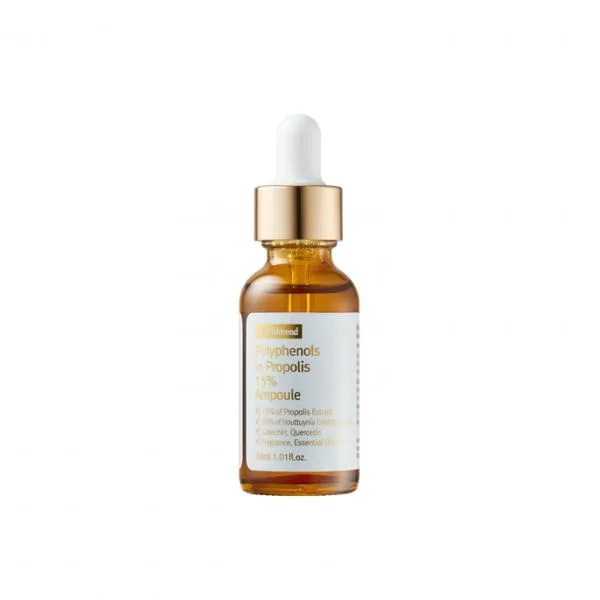 Sensitive Skin Soother
 Polyphenols In Propolis 15% Ampoule
A 15% propolis ampoule that earns its name with a real polyphenol stack — French Auvergne propolis layered over a houttuynia cordata base, with tulsi and pomegranate piling on. It's slightly sticky and not cheap by volume, but for sensitive, breakout-prone skin chasing calm, this is one of the most reliable K-beauty soothers in production.
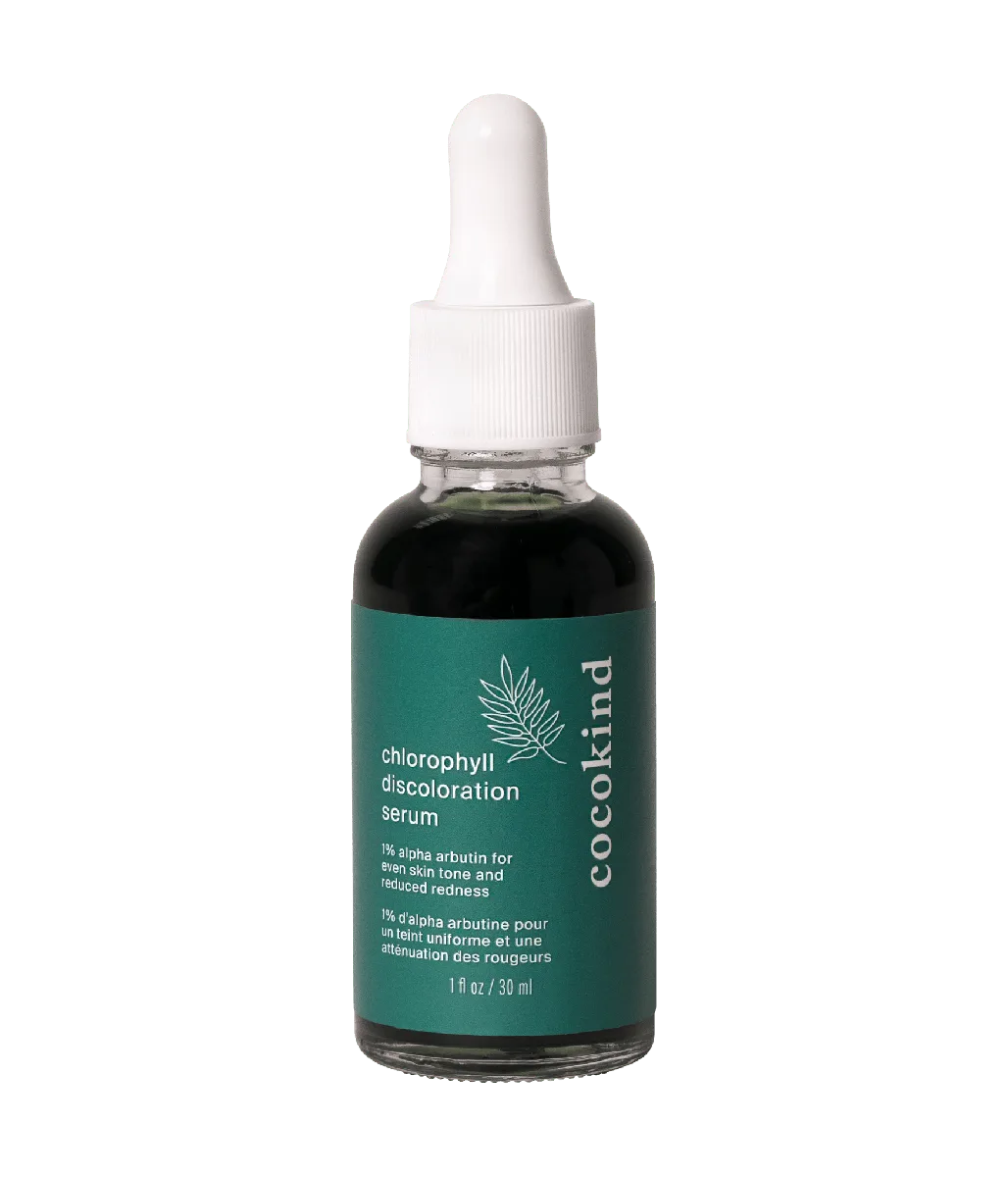 Budget Brightening Hero
 Chlorophyll Discoloration Serum
A quietly brilliant brightening serum that proves you do not need luxury prices or harsh actives to fade dark spots effectively. The alpha-arbutin and licorice root combination delivers genuine multi-pathway melanin inhibition, the sensitive-skin-friendly formula is impeccable, and $20 makes it accessible to virtually everyone. The chlorophyllin is more marketing differentiator than scientific powerhouse, but it does not hurt anything either.
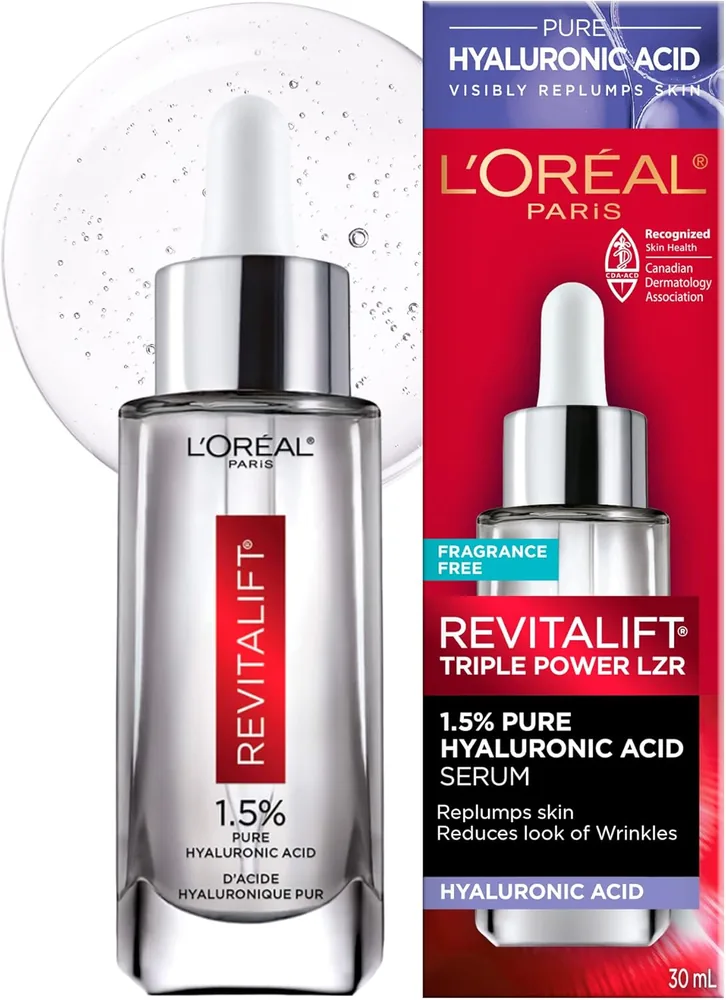 The People's HA Serum
 Revitalift Derm Intensives 1.5% Pure Hyaluronic Acid Serum
A masterclass in minimalist formulation — thirteen ingredients, no filler, four functional actives, and over thirty thousand glowing reviews. L'Oréal's multi-weight HA system delivers genuine hydration at every level of the skin, and the fragrance-free, alcohol-free formula is clean enough for virtually anyone. The drugstore serum that embarrasses its prestige competitors.
 Budget Hydration Holy Grail
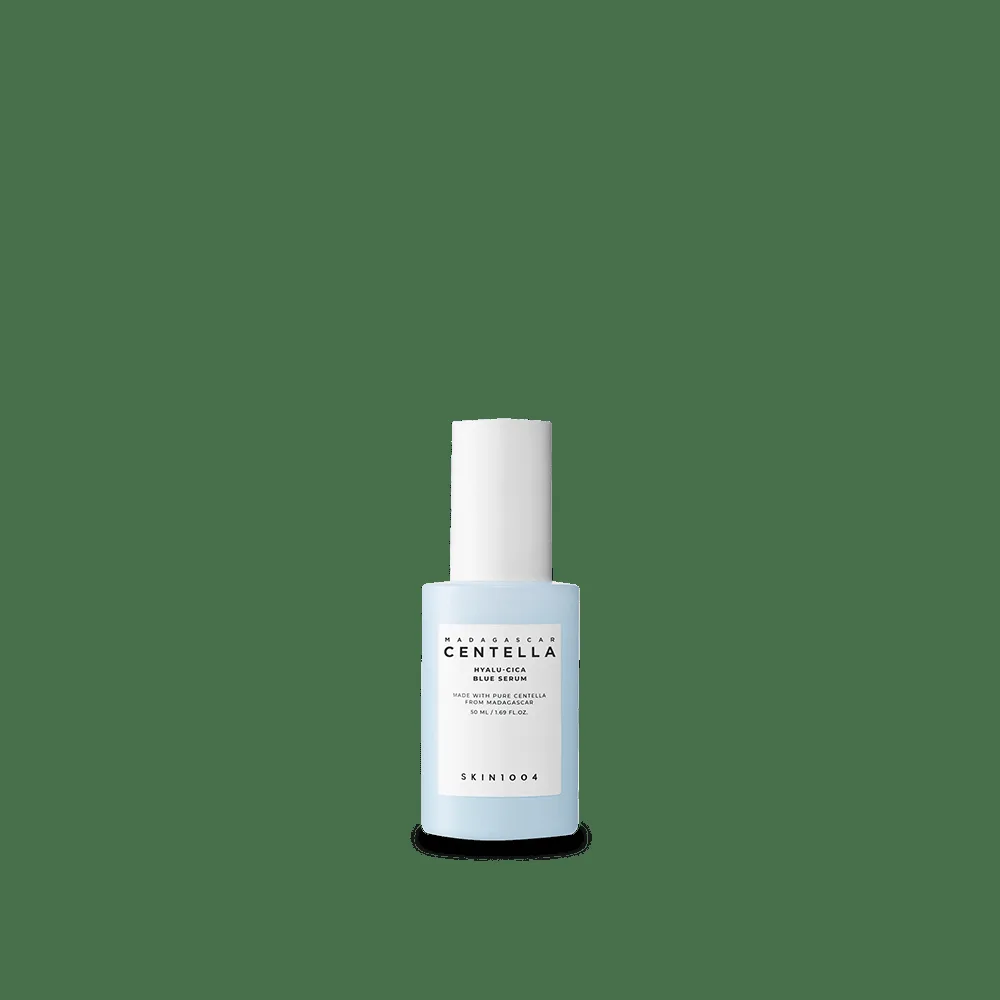
 Hyalu-Cica Blue Serum
A quietly excellent budget serum that stacks Centella asiatica leaf water, five types of hyaluronic acid, niacinamide, ceramide NP, and adenosine into a fragrance-free under-$20 bottle. It is genuinely one of the best hydration-plus-soothing serums at any price, and the fact that it costs less than a salad in Manhattan is the point.
 Sensitive Skin First-Line Defense
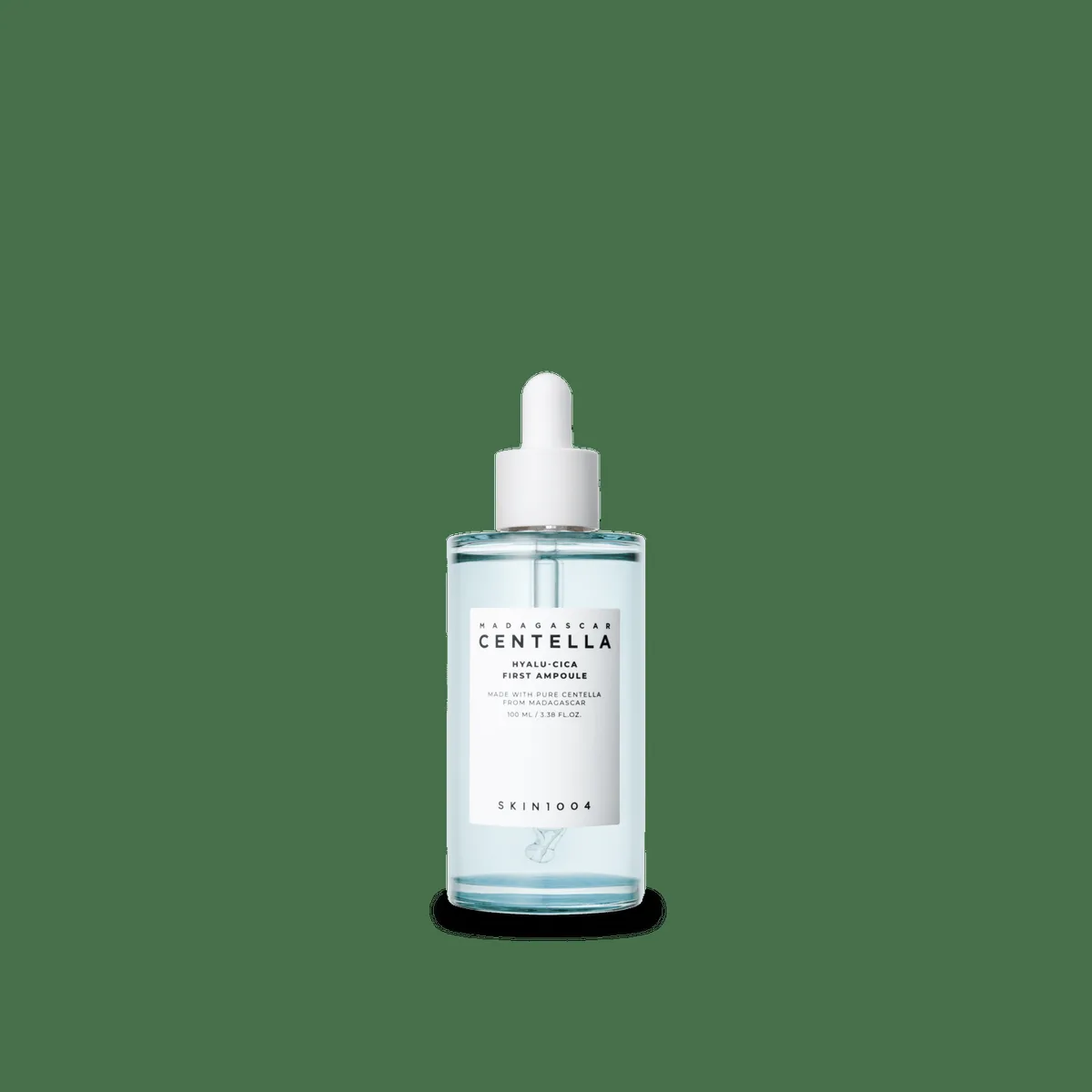
 Hyalu-Cica First Ampoule
A 92% Centella asiatica extract ampoule paired with niacinamide and a multi-weight HA complex, fragrance-free and purpose-built for sensitive, compromised, and reactive skin. At $25 for 100ml, it is one of the most justifiable skincare purchases a budget-conscious buyer can make, and it earns a place in almost any routine that needs a soothing anchor.
 Sensitive Skin MVP
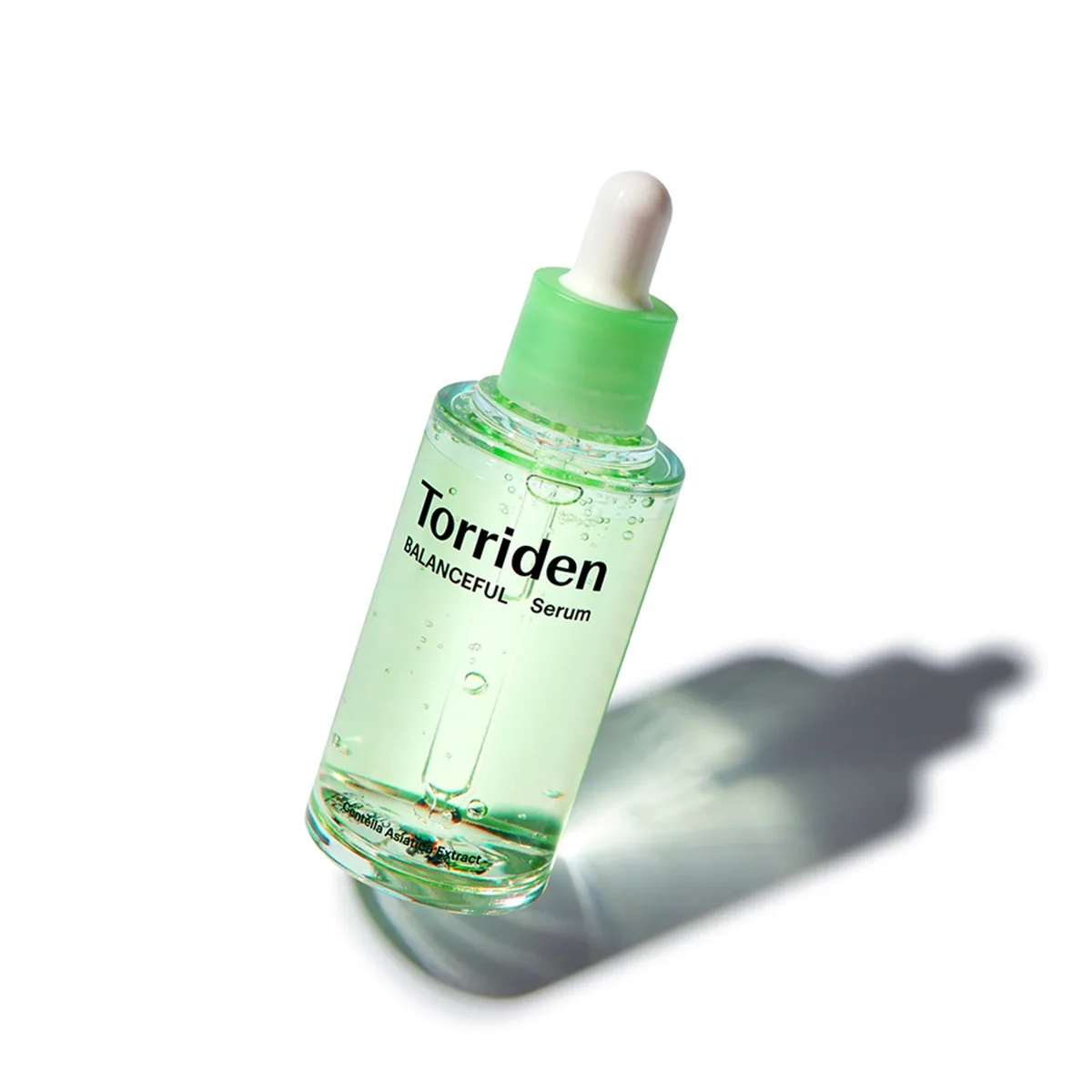
 Balanceful Cica Serum
Torriden's Balanceful Cica Serum is one of the most recommendable calming serums in K-beauty — a genuinely fragrance-free, multi-weight hyaluronic acid and 5D cica complex treatment that quietly reduces redness, supports the barrier, and buffers other actives without drama. At under $25 it's a near-automatic pick for sensitive, rosacea-prone, and barrier-compromised skin.
This review reflects our independent analysis of publicly available ingredient data, manufacturer claims, and verified user reviews. We are reader-supported — Amazon links may earn us a commission at no cost to you. We do not accept paid placements; rankings are based solely on the evidence.