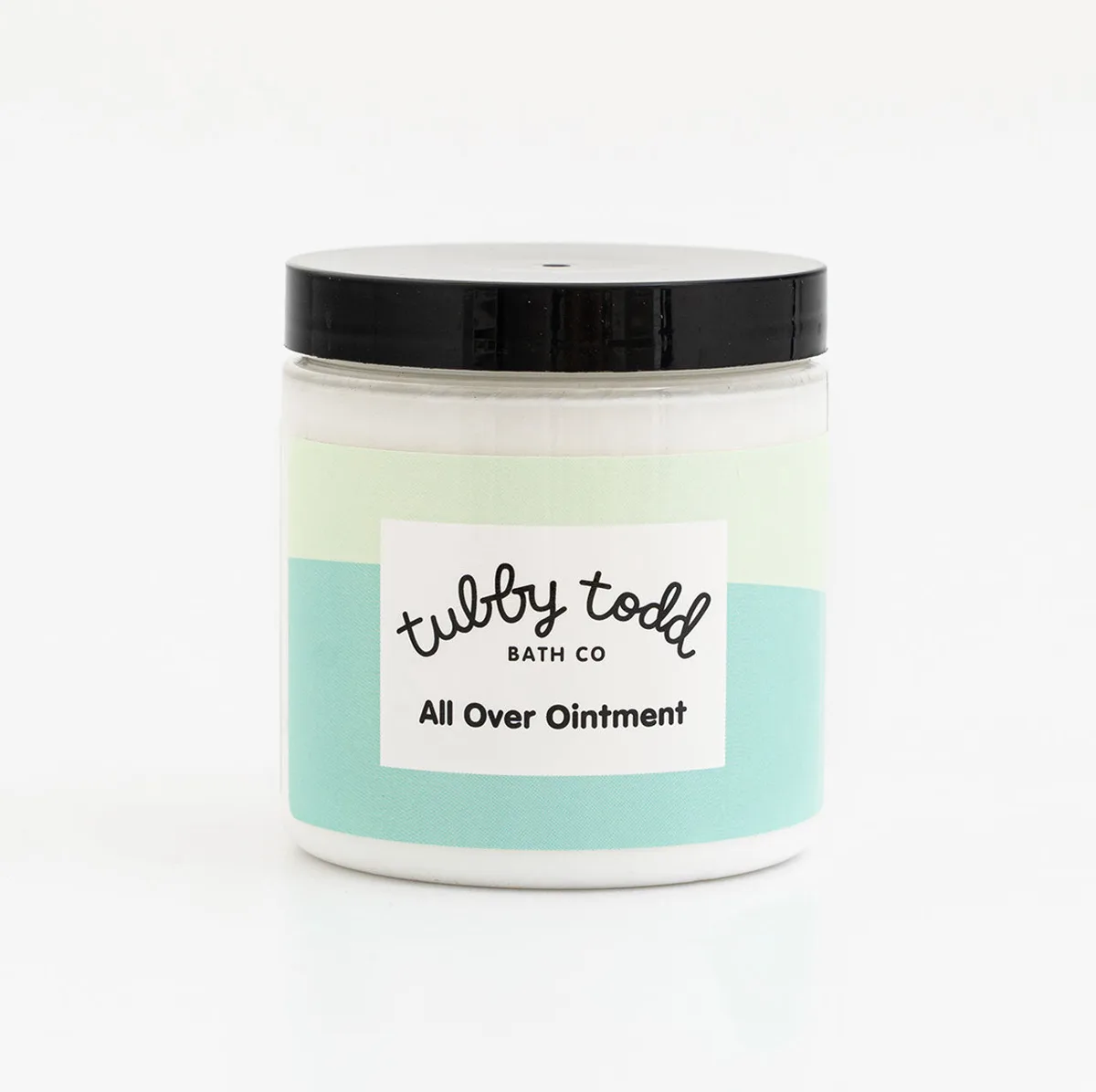
A decade-old cult favorite in baby-eczema circles, Tubby Todd's All Over Ointment earns its reputation with a simple sunflower-and-beeswax base carrying meaningful doses of calendula and chamomile. The lavender essential oil is an unnecessary asterisk on an otherwise gentle formula, but for mild flares, cradle cap, and diaper rash, it genuinely delivers.
All Over Ointment
A decade-old cult favorite in baby-eczema circles, Tubby Todd's All Over Ointment earns its reputation with a simple sunflower-and-beeswax base carrying meaningful doses of calendula and chamomile. The lavender essential oil is an unnecessary asterisk on an otherwise gentle formula, but for mild flares, cradle cap, and diaper rash, it genuinely delivers.
Score Breakdown
A clean, botanical-rich ointment with genuinely useful soothing ingredients for eczema-prone babies and adults. Loses points for the lavender essential oil, which is unnecessary in a product aimed at reactive skin.
Data Confidence: high
This score is based on more than a decade of market presence, tens of thousands of parent reviews across the brand's site and Amazon, and widespread recommendations in eczema and baby-skincare communities.
0/100
Overall Score
Ingredient Quality 0
Value for Money 0
Suitability Breadth 0
Irritation Risk (↑ = safer) 0
Assessment
Pros
- Linoleic-rich sunflower oil base is especially supportive of eczema-prone skin
- Meaningful doses of calendula and chamomile, not just marketing sprinkles
- Gentle enough for daily use on cradle cap, diaper rash, and mild flares
- Short, transparent eight-ingredient list easy to screen for reactive babies
- Thick yet non-greasy texture that spreads once warmed between fingers
- Multi-use across the whole family from cuticles to chapped lips
- Made in the USA by a long-running independent family brand
Cons
- Contains lavender essential oil that some pediatricians avoid for newborns
- Beeswax base is comedogenic for most acne-prone adult faces
- Per-ounce price is significantly higher than plain petrolatum alternatives
- Texture stiffens noticeably in cold weather and needs warming
- Not a substitute for prescription treatment in moderate-to-severe eczema
Full Review
Long before TikTok could turn an unknown balm into a sellout overnight, Tubby Todd's All Over Ointment was quietly being passed between moms in private Facebook groups, pediatrician waiting rooms, and dog-eared baby-registry printouts. It spent years as the skincare equivalent of a secret menu item — something you heard about from a friend whose cousin's baby had terrible eczema, and then you tried it, and then you told your own friends. That grassroots trajectory is rare in a skincare world that now mostly moves at the speed of a fifteen-second video, and it's worth pausing over before cracking the tin. A product that grew that slowly usually grew for a reason.
So let's look at what's actually in it. The base is sunflower seed oil, which is genuinely an interesting choice for atopic, eczema-prone skin. Research on atopic dermatitis has repeatedly shown that affected skin is often low in linoleic acid, and sunflower oil is one of the richest plant sources of it. Beeswax gives the ointment its characteristic dense, protective texture — thick enough to warm between your fingertips before spreading, waxy enough to cling to a diaper-rash-raw bottom through a nap. Jojoba oil, which is structurally closer to human sebum than to a traditional fat, carries the active botanicals into the upper layers of skin and keeps the overall feel lighter than a pure petrolatum balm. It's a clean, sensible oil phase.
The actives are where Tubby Todd distinguishes itself from the dozens of beeswax-and-oil balms on the shelf. Calendula officinalis flower extract is the star, dosed high enough on the ingredient list to actually register as a functional ingredient rather than marketing garnish. Calendula has a long tradition in wound and diaper-rash care, and while the research on it isn't as robust as, say, the library behind petrolatum, there are enough clinical reports supporting its anti-inflammatory activity that dermatologists are comfortable with it in baby products. Chamomile adds bisabolol and chamazulene, both well-studied soothing agents. Together they form a plausible calming pair that explains why the ointment feels so instantly settling on red, irritated skin.
The texture is exactly what you'd expect from this ingredient list: a thick, waxy balm that needs body heat to spread. You scoop a small amount, warm it between your fingertips for a second, and it blooms into something silky that absorbs quickly for an ointment. There's no petrolatum shine, no sticky residue, and no heaviness on tiny baby arms. It smells mildly herbal — chamomile and calendula with a soft lavender note — and that's both its charm and its one real formulation stumble. Lavender essential oil adds fragrance to a product that otherwise reads like it was designed for reactive skin, and some pediatricians prefer to avoid essential oils on very young infants. It's not a dealbreaker, and the dose is small, but a truly newborn-safe version would leave it out.
Performance-wise, the ointment does the things its reputation promises. On cradle cap, it softens the stubborn scales enough that a gentle shampoo lifts them away without scrubbing. On diaper rash, it sits on the skin long enough to let a sore bottom heal. On eczema flares — and this is where most families find it — it calms the redness and itch of mild patches within a day or two and, used over a prescribed or ceramide moisturizer, helps stretch the intervals between flares. For moderate-to-severe eczema it is not a replacement for medical treatment, and the brand is refreshingly honest about that, but as a daily supportive balm it holds its own next to far more expensive options.
For adults, the same properties translate surprisingly well to chapped lips, cuticles, shaving nicks, elbows, and knees. Where it stops making sense is on adult faces: the beeswax base is comedogenic for many adult complexions, and the lavender oil can sting skin that's been pre-stripped by retinoids or acids. Keep it for the parts of the body that need help, not the face.
Value is a mixed story. Per ounce, Tubby Todd costs meaningfully more than a tub of plain petrolatum or sunflower oil. You are paying for the botanicals, the cleaner ingredient list, the brand story, and the convenient packaging, and whether that trade makes sense depends on how much value you place on those things. For families dealing with persistent mild eczema or cradle cap who have already tried the drugstore basics, spending the extra to upgrade the base into something with calendula is a reasonable and defensible splurge. For a once-in-a-while diaper rash, a jar of petrolatum will do the same structural job for a fraction of the price.
The short version: this is a well-built, genuinely useful balm with a decade of mom-community validation behind it, one minor formulation quibble, and a price that sits a little above the bare-minimum alternatives. For the families who reach for it, that math works out — and it keeps working out, which is why the tins keep emptying.
Formula
Ingredients
The hero actives that drive this product's performance.
| Ingredient | Function | Evidence |
|---|---|---|
| Helianthus Annuus (Sunflower) Seed Oil | The base carrier oil in this ointment, rich in linoleic acid which is especially important for atopic and eczema-prone skin that tends to be linoleic-deficient. It forms the bulk of the formula alongside beeswax, delivering fatty acids that support barrier repair without the occlusive heaviness of petrolatum. | well-established |
| Cera Alba (Beeswax) | Provides the ointment's characteristic thick, protective texture and creates a semi-occlusive film over irritated skin. Works with the sunflower and jojoba oils to trap moisture and shield open scratches or cradle cap while still allowing the skin to breathe. | well-established |
| Simmondsia Chinensis (Jojoba) Seed Oil | A wax ester technically more than an oil, jojoba closely mimics the composition of human sebum and absorbs readily without clogging pores. In this formula it helps carry the calendula and chamomile actives into the upper layers of the skin. | well-established |
| Calendula Officinalis Flower Extract | A traditional soothing botanical with documented anti-inflammatory and wound-supportive properties, used here as the featured active for diaper rash, cradle cap, and mild eczema flares. It is the main reason parents reach for this ointment over a plain petrolatum balm. | promising |
| Butyrospermum Parkii (Shea) Butter | Contributes fatty acids and a small amount of natural vitamin A to the emollient base. In this ointment it adds slip and richness without making the product feel greasy once it warms to skin temperature. | well-established |
| Chamomilla Recutita Flower Extract | Contains bisabolol and chamazulene, two well-characterized anti-irritants, which complement the calendula in calming red, reactive baby skin. It is positioned as a supporting soother rather than a standalone active. | promising |
Full INCI List
Helianthus Annuus (Sunflower) Seed Oil, Cera Alba (Beeswax), Simmondsia Chinensis (Jojoba) Seed Oil, Butyrospermum Parkii (Shea) Butter, Calendula Officinalis Flower Extract, Chamomilla Recutita (Matricaria) Flower Extract, Lavandula Angustifolia (Lavender) Oil, Tocopherol (Vitamin E)
Product Flags
✗ Fragrance Free✓ Alcohol Free✗ Oil Free✓ Silicone Free✓ Paraben Free✓ Sulfate Free✓ Cruelty Free✗ Vegan✗ Fungal Acne Safe
Comedogenic Ingredients
Cera Alba (Beeswax)
Potential Irritants
Lavandula Angustifolia (Lavender) Oil
Common Allergens
Lavandula Angustifolia (Lavender) OilCalendula Officinalis Flower Extract
Compatibility
Skin Match
Best For
Works For
Not Ideal For
Addresses These Conditions
eczema dryness compromised skin barrier sensitivity
Use With Caution
Routine Step
occlusive
Time of Day
AM & PM
Pregnancy Safe
Yes ✓
Layering Tips
Apply as a targeted spot treatment on dry patches, cradle cap, diaper rash, or chapped areas — or as a final occlusive slug layer over a plain moisturizer. A little goes a long way.
Results Timeline
Immediate soothing and barrier sealing on contact. Noticeable softening of dry eczema patches within 2-3 days of consistent application. Full calming of stubborn patches typically takes 1-2 weeks.
Pairs Well With
fragrance-free cleansersceramide moisturizersplain petrolatum balms
Sample AM Routine
- Gentle cleanser
- Ceramide moisturizer
- THIS PRODUCT (on dry patches)
- Mineral sunscreen if exposed
Sample PM Routine
- Gentle cleanser
- Ceramide moisturizer
- THIS PRODUCT (on dry patches)
Evidence
Science
The Science
The sunflower oil base has more clinical backing than most people realize. Published research in pediatric dermatology journals has looked at topical sunflower seed oil in preterm infants, where it was associated with improved skin barrier function and a reduction in nosocomial infections in low-resource settings. Separate in vitro work has shown that sunflower oil's high linoleic acid content supports ceramide synthesis and strengthens the stratum corneum lipid matrix — a mechanism particularly relevant for atopic skin, which is frequently linoleic-deficient. That matches the broader evidence base showing that atopic dermatitis involves a filaggrin-driven barrier defect that benefits from lipid replenishment.
Calendula officinalis has been studied mostly in wound care and radiation dermatitis. A randomized trial published in the Journal of Clinical Oncology compared calendula ointment with trolamine for acute dermatitis in breast cancer patients receiving radiation and found calendula superior in reducing severity. While that is a very different population from infants, the anti-inflammatory mechanism — triterpenoid-mediated COX inhibition — is plausibly the same one at work on a diaper-rash-raw bottom. Chamomile's active constituents bisabolol and chamazulene have been characterized in dermatological and pharmacological literature for their anti-inflammatory and anti-pruritic activity, which is consistent with the soothing effect families report.
The specific synergy that makes this ointment feel as good as it does is the combination of a linoleic-acid-rich absorbing oil phase with two botanicals that quiet inflammatory signaling in the upper layers of skin. It is not a replacement for topical corticosteroids when those are medically indicated, and the evidence base is more suggestive than definitive, but the pieces fit together in a way that explains the real-world reports rather than relying on hand-waving.
References
- Effect of topical treatment with skin barrier-enhancing emollients on nosocomial infections in preterm infants in Bangladesh: a randomised controlled trial — The Lancet (2005)
- Phase III randomized trial of Calendula officinalis compared with trolamine for the prevention of acute dermatitis during irradiation for breast cancer — Journal of Clinical Oncology (2004)
Dermatologist Perspective
Dermatologists generally view Tubby Todd's All Over Ointment as a reasonable supportive balm for mild baby eczema, cradle cap, and diaper rash, though they consistently emphasize that it should not replace prescribed treatment for moderate or severe flares. Board-certified pediatric dermatologists frequently note that sunflower oil is a sensible base for atopic-prone skin because of its linoleic acid content, and calendula has enough clinical support to be considered safe and mildly helpful rather than purely folkloric. The common caveat raised by pediatric dermatologists is the lavender essential oil, which is often discouraged in infants under three months because of anecdotal sensitization concerns. When a family asks about this product in a clinic setting, the typical guidance is: fine for most babies past the newborn window, use it over a fragrance-free ceramide moisturizer rather than instead of one, and escalate to prescription therapy if flares worsen.
Guidance
Usage Guide
How to Use
Scoop a small amount with a clean fingertip and warm it between your fingers for a few seconds until it softens. Apply a thin layer directly to the affected area: dry eczema patches, cradle-cap scales, diaper rash, chapped lips, cuticles, or rough elbows. For cradle cap, massage into the scalp, let it sit for 10-15 minutes, then shampoo out gently. For diaper changes, apply a protective layer on clean, dry skin before fastening a fresh diaper. For mild eczema, use it on top of a fragrance-free ceramide moisturizer rather than on its own, two to three times daily. Discontinue if any redness or sensitivity appears and consult a pediatrician.
Value Assessment
At around eighteen dollars for a 2 oz tin, Tubby Todd sits well above a drugstore petrolatum ointment on a per-ounce basis but below the more aggressively marketed 'clean' baby brands. The larger jar format offers noticeably better per-ounce value and is the right pick for families using it daily. What you are paying for, compared to a plain petrolatum, is the sunflower-linoleic base plus meaningful calendula and chamomile — a real formulation upgrade rather than packaging vanity. Given the brand's decade-plus track record and the genuine ingredient story, the price is defensible for families dealing with recurring mild eczema or cradle cap. For an occasional diaper-rash product used twice a year, the math gets harder and a jar of petrolatum is the more rational buy.
Who Should Buy
Parents of babies or toddlers with mild eczema, cradle cap, or recurring diaper rash who want a gentler alternative to plain petrolatum without giving up effectiveness. It is also a reasonable whole-family multipurpose balm for chapped hands, lips, and cuticles in adults who aren't acne-prone.
Who Should Skip
Families with newborns under three months whose pediatrician prefers essential-oil-free products, babies with confirmed moderate-to-severe eczema who need prescription treatment, and acne-prone adults looking for a facial moisturizer — the beeswax base is comedogenic for most adult complexions.
Ready to try Tubby Todd All Over Ointment?
Details
Details
Texture
Thick, waxy balm that softens and melts on contact with warm skin.
Scent
Light herbal scent from calendula, chamomile, and lavender.
Packaging
Screw-top aluminum tin; also available in a twist-up stick and larger jar formats.
Finish
velvetynon-greasy
What to Expect on First Use
On first use, expect a thick balm that needs to be warmed between fingertips before it spreads easily. It feels heavy but not greasy once absorbed, and delivers immediate relief on raw eczema patches and diaper rash. Most families notice visibly calmer skin within a few applications.
How Long It Lasts
A 2 oz tin typically lasts 2-4 months when used as a targeted spot treatment on a baby; heavier daily use on larger eczema areas will shorten this.
Period After Opening
12 months
Best Season
All Year
Background
The Why
Tubby Todd started in 2013 when founders Brodie and Hilary Whitney began making baby bath products in their kitchen after struggling to find gentle options for their own kids. The All Over Ointment launched a couple of years later and became the brand's breakout product thanks to grassroots sharing in mom groups and eczema communities long before influencer marketing was the norm.
About Tubby Todd Established Brand (5–20 years)
Tubby Todd was founded in 2013 by Brodie and Hilary Whitney as a family-run baby skincare brand in Southern California. It built its reputation through word-of-mouth and mom communities rather than clinical trials, but its simple botanical formulations have earned steady praise from parents of eczema-prone babies over more than a decade on the market.
Brand founded: 2013 · Product launched: 2015
Myth vs. Reality
Myths
Myth
Natural baby balms are automatically safer than medicated creams.
Reality
Natural does not mean inert — this formula contains lavender essential oil and botanical extracts that can sensitize some infants. For stubborn eczema, a pediatrician-directed hydrocortisone course is often safer and more effective than layering botanicals.
Myth
The All Over Ointment works as a face moisturizer for adults.
Reality
It can be used on adult dry patches and lips, but the beeswax base is comedogenic for many adult faces and the lavender can irritate already-sensitized skin. It is best kept to small targeted areas rather than full-face use.
FAQ
FAQ
Is Tubby Todd All Over Ointment safe for newborns?
The brand markets it as newborn-safe, but this formula contains lavender essential oil, which some pediatricians prefer to avoid in babies under 3 months because of anecdotal concerns. For very young newborns, a plain petrolatum-based balm is typically the safer default; for older infants, this ointment is widely used without issue.
Can Tubby Todd All Over Ointment be used on eczema?
Yes — this is one of its most popular uses, and the sunflower oil plus calendula and chamomile combination is genuinely helpful for mild eczema flares. For moderate-to-severe eczema, it works best as an occlusive layer over a prescribed or fragrance-free ceramide cream rather than as a standalone treatment.
How does Tubby Todd compare to Aquaphor?
Aquaphor is a petrolatum-based ointment that creates a highly occlusive seal but has no added actives. Tubby Todd is a beeswax-and-sunflower-oil base with soothing botanicals — it is less occlusive but offers calming calendula and chamomile. Many families keep both on hand for different situations.
Does Tubby Todd All Over Ointment help with cradle cap?
Yes. Massaged into the scalp and left to sit before a gentle shampoo, the oil-rich base softens the waxy cradle-cap scales so they lift away more easily. The sunflower and jojoba oils are particularly good for this because they absorb without leaving heavy residue.
Can adults use Tubby Todd All Over Ointment?
Yes, and many parents do — on chapped lips, dry cuticles, elbows, and rough patches. Avoid using it as a facial moisturizer if you are acne-prone, because the beeswax base is comedogenic for many adult faces.
Is Tubby Todd All Over Ointment fragrance-free?
No. It contains lavender essential oil and naturally scented botanical extracts. If you need a truly fragrance-free option for highly reactive skin, a plain petrolatum or a fragrance-free ceramide cream is a better fit.
How long does one tin of Tubby Todd last?
Used as a targeted spot treatment on a baby, a 2 oz tin typically lasts 2-4 months. Heavier daily use across large body areas, or use by multiple family members, can bring that down to about 6 weeks.
Community
Community
Common Praise
"Calms eczema flares quickly"
"Multi-use from diaper rash to chapped lips"
"Gentle and non-stinging on broken skin"
"Small tin lasts a long time"
Common Complaints
"Contains lavender essential oil which some pediatricians discourage for infants"
"Price per ounce is high versus plain petrolatum"
"Waxy texture can feel stiff in cold weather"
"Scent is noticeable despite being natural"
Notable Endorsements
Featured in Parents magazineRecommended in baby eczema communitiesRepeat Cribsie and mom-blogger favorite
Appears In
best balm for baby eczema best calendula ointment best natural healing balm best ointment for cradle cap best multipurpose baby balm
Related Conditions
eczema dryness compromised skin barrier sensitivity
Related Ingredients
You Might Also Like
 Eczema Gold Standard
 Eczema Therapy Moisturizing Cream
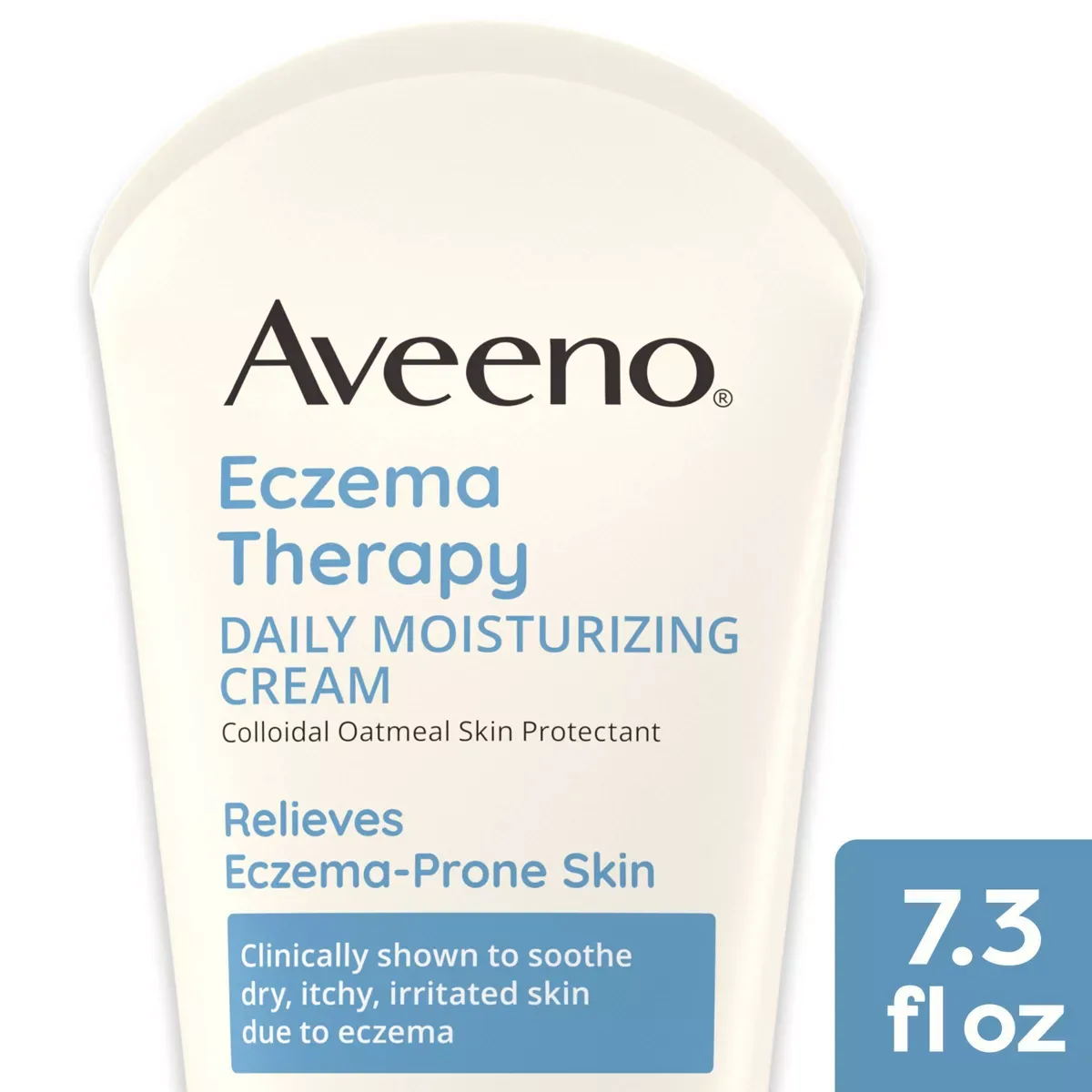
The strongest formulation in Aveeno's lineup for eczema-prone skin, combining FDA-regulated colloidal oatmeal with ceramide NP and panthenol for a multi-mechanism approach to barrier repair. Steroid-free, fragrance-free, and HSA/FSA eligible — this is the drugstore eczema cream dermatologists actually recommend by name.
 Sensitive Skin MVP
 The Body Lotion Fragrance-Free
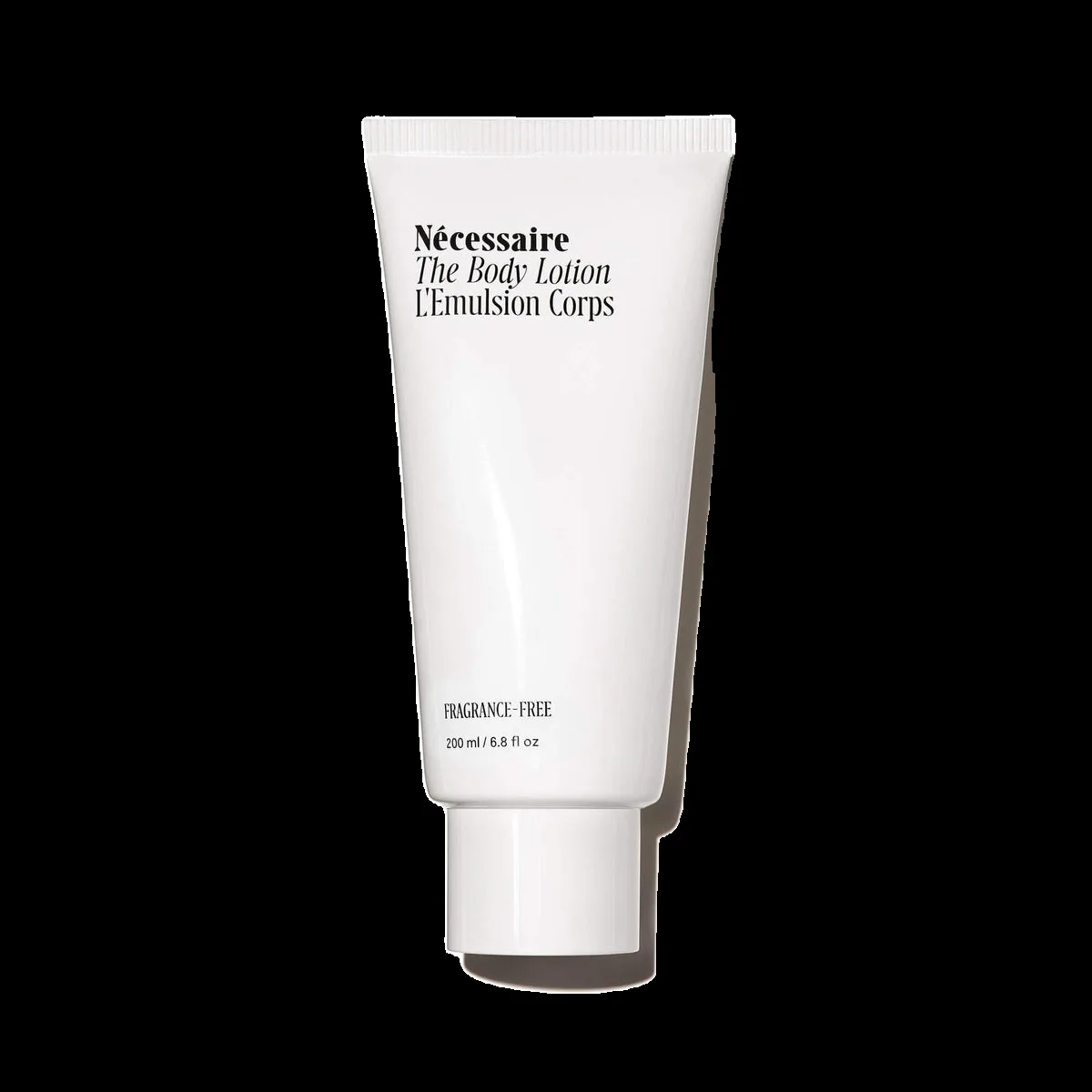
The scented version's equal on active ingredients with none of the fragrance risk — and that makes this the better pick for sensitive skin, eczema-prone users, and anyone pregnant who wants to play it safe. At $25 it's still a premium price, but the formula genuinely earns it.
 Sensitive Skin MVP
 Eczema+ Hand Repair Cream
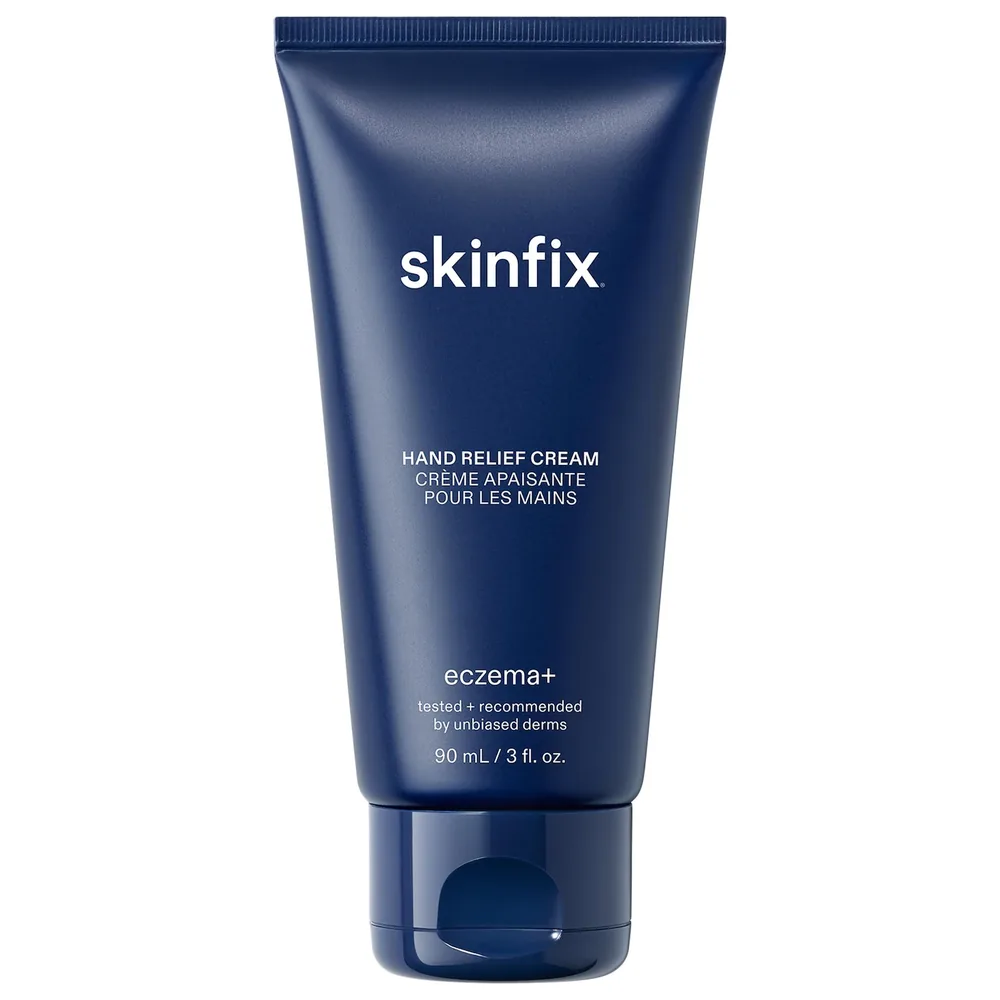
A serious, NEA-seal-certified hand cream that treats the underlying mechanism of hand eczema rather than just coating it. Colloidal oatmeal, ceramide-cholesterol lipid repair, and panthenol combine in a texture that actually absorbs fast enough to use at the sink. At eighteen dollars it's genuinely well-priced for what it does.
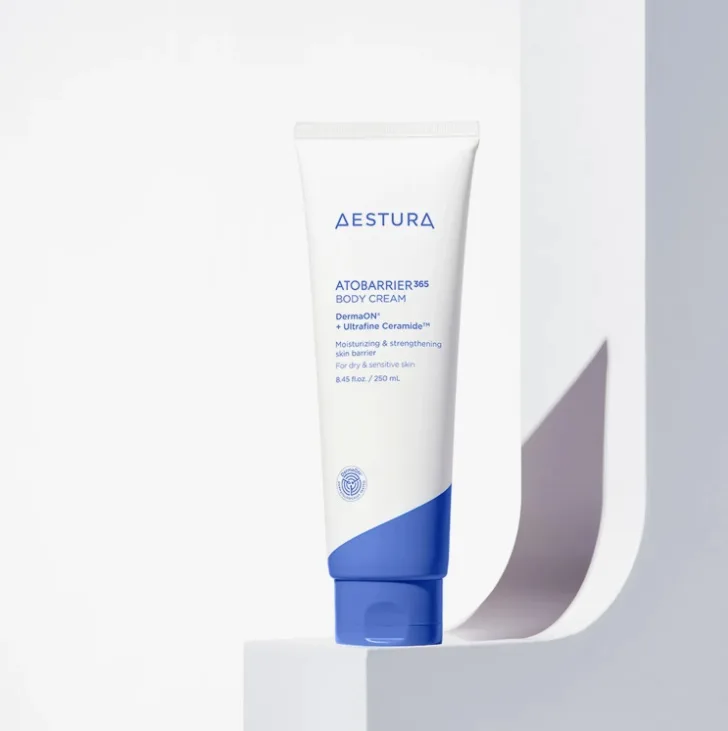 Korean Derm-Clinic Staple
 Atobarrier 365 Body Cream
A genuinely outstanding ceramide-forward body cream from a dermatologist-developed Korean brand with real clinical backing. Fragrance-free, effective for compromised body barriers, and reasonably priced for a 300ml jar — this is one of the better body moisturizers available in the barrier-repair category.
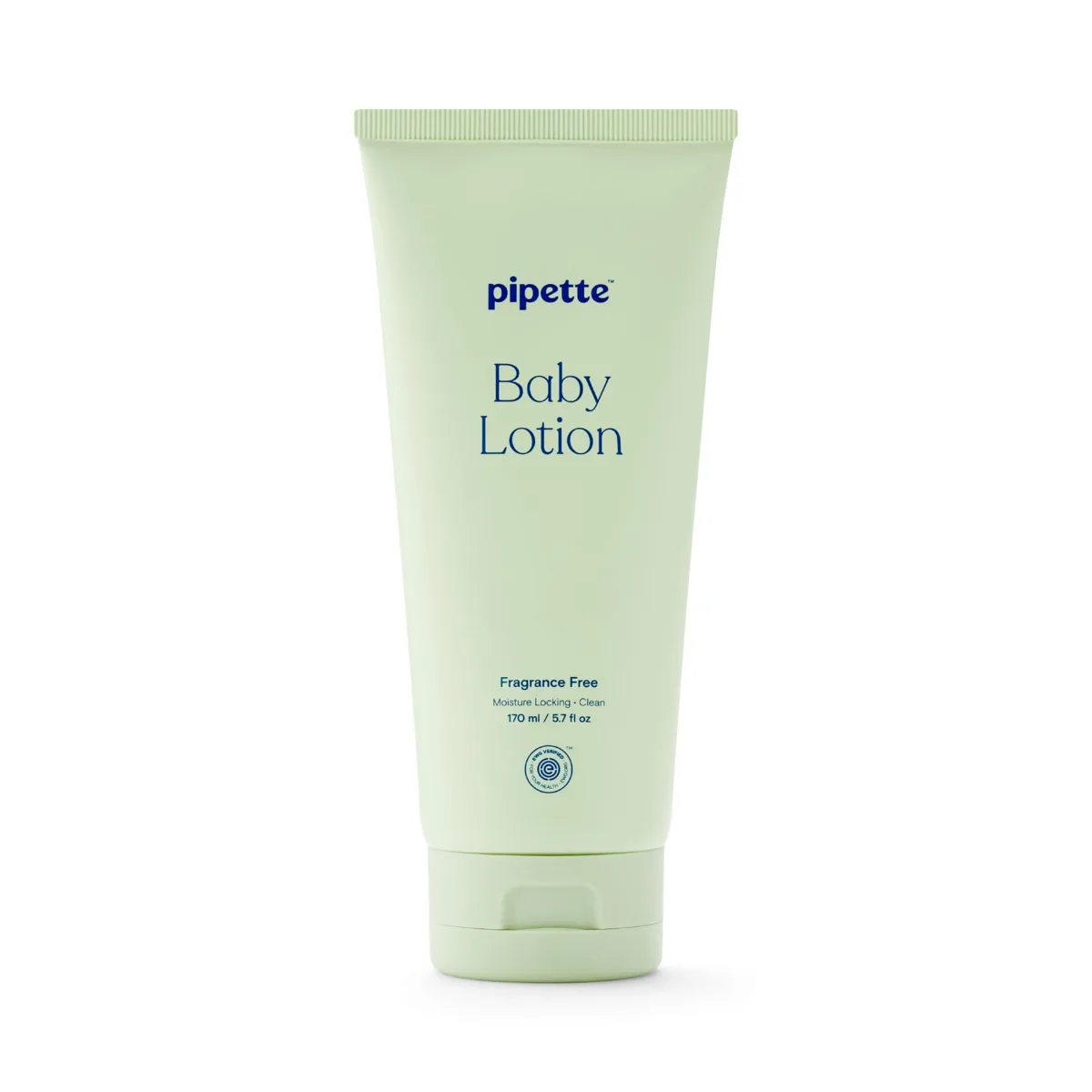 Clean Baby Staple
 Baby Lotion Fragrance Free
A lightweight, biomimetic baby lotion that proves you do not need mineral oil, silicones, or fragrances to deliver serious hydration. The squalane-ceramide-glycerin core provides evidence-based barrier support, and the olive-derived emulsifier system ensures it integrates into skin rather than sitting on top. At under $12 for 5.7 ounces with EWG Verified certification, the value is genuinely remarkable.
 Daily Atopic Companion
 Exomega Control Emollient Cream
The lighter sibling of A-Derma's Exomega Control balm — same Rhealba oat, sunflower oil unsaponifiables, and niacinamide active set, in a cream base that works better for year-round daily use and milder atopic-prone skin. For most adult users and for summer routines, this is the more practical choice of the two Exomega variants.