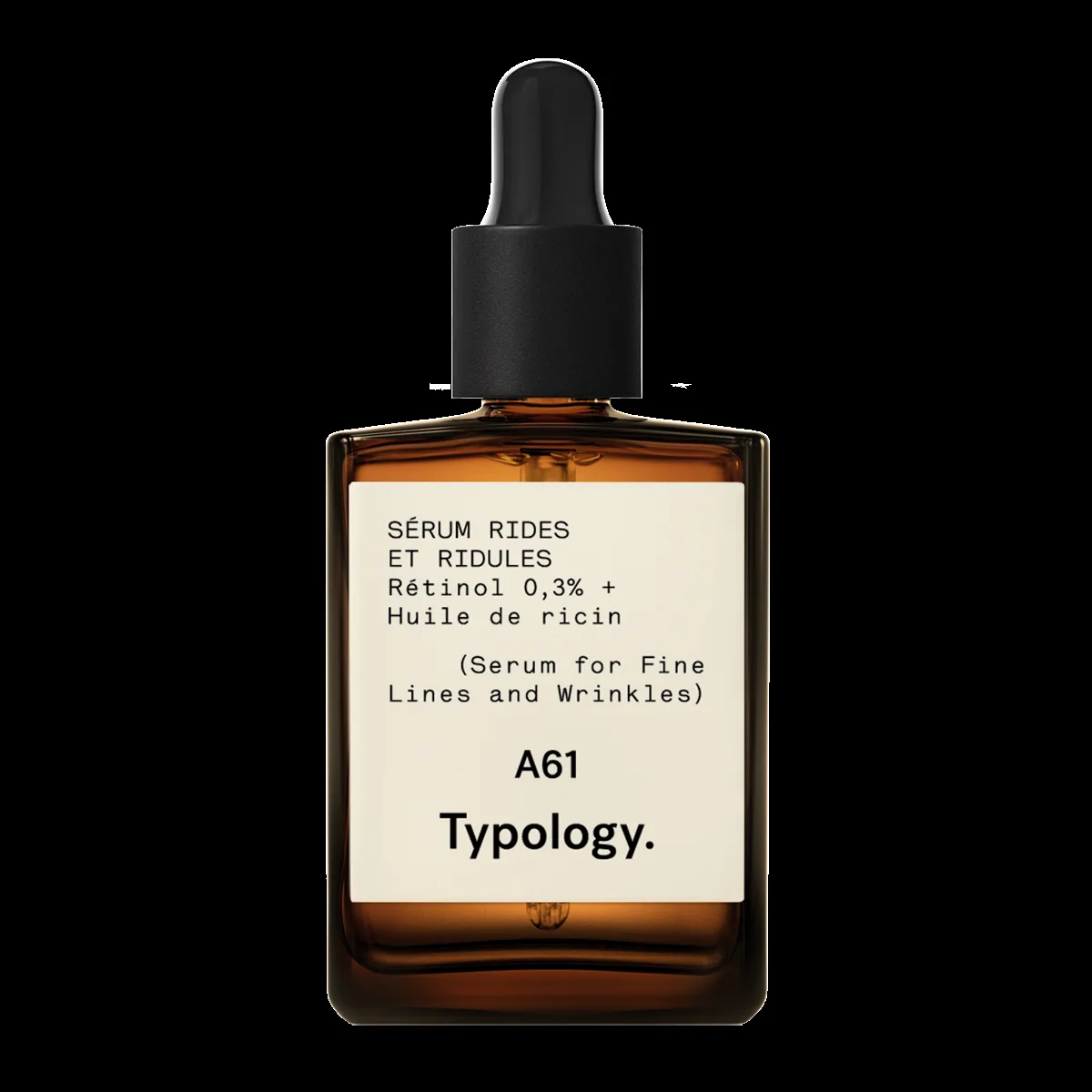
A bracing, no-frills 1% retinol serum that delivers prescription-adjacent strength in just four ingredients. Best for experienced retinol users who want a fragrance-free, fungal-acne-safe option with no glycols or fillers. The squalane base softens irritation but won't suit anyone allergic to a slippery finish.
1% Retinol + Squalane Serum
A bracing, no-frills 1% retinol serum that delivers prescription-adjacent strength in just four ingredients. Best for experienced retinol users who want a fragrance-free, fungal-acne-safe option with no glycols or fillers. The squalane base softens irritation but won't suit anyone allergic to a slippery finish.
Score Breakdown
Where this product gains points and where it loses them — broken down across the four scoring pillars.
A genuinely high-strength retinol in a thoughtfully minimal squalane base. Loses points only on suitability for sensitive skin and the steep adjustment curve that 1% demands.
Pros & Cons
- ✓Delivers the highest tier of OTC retinol strength at 1%
- ✓Four-ingredient formula with no fragrance or fillers
- ✓Squalane base buffers irritation better than glycol carriers
- ✓Fungal-acne safe — rare for a retinol product
- ✓Stable anhydrous formulation without complex preservatives
- ✓Vegan, cruelty-free, and recyclable amber glass packaging
- ✓Strong value compared to other 1% retinol serums
- ✗Oily finish doesn't suit everyone, especially in summer
- ✗Cannot be layered with water-based serums on top
- ✗15ml bottle is small relative to competitors
- ✗Adjustment period at 1% can be rough for newcomers
- ✗Six-month PAO is short due to lack of preservatives
Full Review
Four ingredients. That is the entire formula. Squalane, MCT, retinol, tocopherol — and somehow this is one of the strongest over-the-counter retinol serums you can buy without a prescription pad. Most of the retinol products you'll find on a Sephora shelf top out around 0.5% and pad their ingredient lists with twenty-plus emulsifiers, glycols, and stabilizers to keep the active from collapsing in a water base. Typology took the opposite approach: drop the water entirely, suspend the retinol in pure plant-derived squalane, add a touch of vitamin E to slow oxidation, and call it done. The result is a serum that looks like nothing on the dropper and feels like a thin facial oil on the skin.
The brand itself comes from Ning Li, the founder of Made.com, who launched Typology in 2019 with a French-pharmacy aesthetic and a direct-to-consumer model that skipped traditional retail margins. The 1% Retinol Squalane Serum was one of the line's earliest hero products and remains its most recognizable. It quietly built a cult following among European skincare enthusiasts who wanted high-strength retinol without the fragrance, the alcohol, or the long ingredient lists that often come bundled with it.
Let's talk about what 1% actually means. Retinol is the alcohol form of vitamin A, and when it absorbs into the skin, it converts in two steps to retinoic acid — the same molecule found in prescription tretinoin. The conversion is inefficient, which is why over-the-counter retinol generally needs to be 10-20 times the percentage of tretinoin to produce comparable effects, and even then the timeline is slower. At 1%, you're at the upper ceiling of OTC strength. Going higher doesn't get you faster results; the dose-response curve flattens and irritation rises. So this serum sits at the meaningful peak of what you can buy without a dermatologist's signature.
The squalane base is doing more work than it gets credit for. Retinol is fat-soluble, which means an anhydrous oil carrier delivers it efficiently into the lipid layers of the stratum corneum without needing penetration enhancers like ethanol or propylene glycol. Those penetration enhancers are part of why so many retinol serums sting on application — they're cracking open the barrier to push the active in. Squalane lets the retinol move into the skin gently while simultaneously acting as an emollient. The vitamin E rounds it out by quenching free radicals and keeping the retinol stable in the bottle, which matters when your formula has zero preservatives and no airless packaging trickery to lean on.
Application takes some adjustment. Three or four drops massaged onto clean, dry skin will feel slippery for the first thirty seconds and then settle into a faint, satin sheen that doesn't fully disappear the way a gel-cream serum does. If you dislike that sensation, layering a moisturizer on top hides it completely. The trade-off is that you cannot stack water-based serums on top of this — they'll bead and slide right off. Plan your routine around it: cleanse, optional hydrating toner that fully absorbs, this serum, then your cream.
The adjustment period at 1% is real. Even seasoned retinol users should ease in: two nights the first week, every other night by week three, nightly only after a month of clean tolerance. Expect some flaking around the nose and mouth, possibly a few small breakouts as cell turnover accelerates, and a general feeling of tightness that fades once your skin recalibrates. By week six to eight, the texture changes start to show — pores look smaller, tone evens out, and that elusive "glow" that retinol is famous for begins to settle in. Wrinkle softening and firmness improvements take longer, usually three months of consistent use.
Where this serum genuinely shines is its compatibility with restrictive routines. Fungal acne sufferers can use it without triggering Malassezia flares, since none of the four ingredients feed the yeast. People who react to fragrance, essential oils, or alcohol in skincare have almost nothing to worry about here. And the lack of preservatives means there's no methylisothiazolinone, no parabens, no formaldehyde releasers — though it also means you should respect the six-month period-after-opening and not let the bottle sit open in a steamy bathroom.
The limitations are honest. Sensitive skin, rosacea, and anyone with a compromised barrier should start lower — Typology makes a 0.3% version of this same serum that's a much better entry point. The 15ml size is small for the price, though four months of nightly use is a fair return. And the oily finish, while not actually greasy, will be a non-starter for anyone who prefers their serums to disappear instantly. None of these are formula failures; they're just the cost of choosing this particular delivery system over a conventional one.
For the right user — someone who already tolerates retinol, wants the strongest OTC option in the cleanest possible base, and doesn't need a fragrance to enjoy a routine — this is one of the most straightforward and effective high-strength retinol serums on the market. It earns its place by doing exactly one thing very well, and not pretending to do anything else.
Formula
Key Ingredients
The hero actives that drive this product's performance.
| Ingredient | Function | Evidence |
|---|---|---|
| Retinol (1%) | At 1%, this is the high end of over-the-counter retinol strength — it converts to retinoic acid in the skin to drive cell turnover and collagen production. Suspended here in pure squalane rather than a water-based emulsion, it stays chemically stable and the lipid base buffers some of the dryness retinol typically causes. | well-established |
| Squalane | Acts as the entire delivery vehicle here, not just a supporting emollient. Squalane mimics the skin's own sebum, carries the retinol into the lipid layers, and softens the irritation profile that 1% retinol would normally produce in a standard alcohol or glycol carrier. | well-established |
| Tocopherol | Stabilizes the retinol against oxidation in this anhydrous oil base — without it, the active would degrade quickly once exposed to air and light. Also offers mild antioxidant support to the skin. | well-established |
Full INCI List
Squalane, Caprylic/Capric Triglyceride, Retinol, Tocopherol
Product Flags
✓ Fragrance Free✓ Alcohol Free✗ Oil Free✓ Silicone Free✓ Paraben Free✓ Sulfate Free✓ Cruelty Free✓ Vegan✓ Fungal Acne Safe
Potential Irritants
retinol
Compatibility
Skin Match
Best For
Works For
Not Ideal For
Addresses These Conditions
aging hyperpigmentation texture dullness sun damage
Use With Caution
rosacea sensitivity compromised skin barrier
Avoid With
Routine Step
treatment
Time of Day
PM
Pregnancy Safe
No ✗
Layering Tips
Apply to clean, dry skin before moisturizer. Because the carrier is pure oil, avoid layering water-based serums on top — they will bead. Start two nights a week and build tolerance.
Results Timeline
Mild flaking and adjustment in the first 2-4 weeks. Smoother texture and clearer tone visible at 6-8 weeks. Wrinkle softening and firmness changes typically require 12 weeks of consistent use.
Pairs Well With
niacinamideceramidespeptideshyaluronic-acid
Conflicts With
ahabhavitamin-cbenzoyl-peroxide
Sample AM Routine
- Gentle cleanser
- Vitamin C serum
- Moisturizer
- SPF 50
Sample PM Routine
- Gentle cleanser
- Hydrating toner
- Typology 1% Retinol + Squalane Serum
- Ceramide moisturizer
Evidence
Science & Expert Perspective
The Science
Retinol's mechanism is well-characterized in the dermatological literature. After topical application, it converts via retinaldehyde to all-trans retinoic acid, which binds nuclear retinoic acid receptors and modulates gene expression involved in keratinocyte differentiation, collagen synthesis, and matrix metalloproteinase activity. A widely cited study by Kafi et al. published in the Archives of Dermatology in 2007 demonstrated that even 0.4% retinol applied three times weekly produced statistically significant improvements in fine wrinkles in elderly photoaged skin. Higher concentrations follow a dose-response relationship that plateaus around 1%, with additional irritation rather than additional efficacy beyond that point. The squalane carrier in this particular formulation matters more than it might appear. Anhydrous lipid bases like squalane have been shown to improve retinol stability by limiting the oxidative degradation that occurs in water-containing systems, where retinol is highly susceptible to isomerization and breakdown when exposed to air and light. The lipophilic nature of retinol also means it partitions readily into a squalane vehicle and from there into the skin's intercellular lipid matrix. Tocopherol added at low percentages serves as a sacrificial antioxidant, oxidizing preferentially to protect the retinol — this synergy between vitamin E and retinoids has been documented across multiple cosmetic chemistry references. The minimalist composition also reduces the risk of compound irritation: many retinol serums layer fragrance, alcohol, and penetration enhancers on top of the active, and reactions in those products are often misattributed to retinol itself when the carriers are equally to blame.
References
- Improvement of naturally aged skin with vitamin A (retinol) — Archives of Dermatology (2007)
Dermatologist Perspective
Dermatologists frequently recommend retinol as the most evidence-based over-the-counter ingredient for photoaging, fine lines, and uneven tone. Board-certified dermatologists generally agree that 1% represents the upper ceiling of useful OTC retinol concentration — above which irritation rises faster than benefit. For patients who can tolerate it, a high-strength retinol in a minimalist base is often preferred over multi-active formulas because it limits the variables involved in any reaction. The squalane vehicle is often cited as a gentler alternative to alcohol-and-glycol carriers for first-time retinol users with dry or normal skin. Patients with rosacea, eczema, or active barrier compromise are usually advised to start at 0.2-0.3% and work upward, rather than beginning at 1%. Pregnancy and breastfeeding remain a contraindication for all retinoids, including OTC retinol.
Guidance
Usage Guide
How to Use
Apply at night to clean, completely dry skin. Three to four drops are enough for the full face — warm them between your fingertips and press into the skin rather than rubbing. Follow with a ceramide-rich moisturizer; do not layer water-based serums on top, as they will bead. Begin with two nights per week for the first two weeks, three nights per week through week four, and only progress to nightly use once your skin shows no flaking or stinging. Always use SPF 50 the next morning — retinol increases UV sensitivity. Avoid combining in the same routine with vitamin C, AHA/BHA exfoliants, or benzoyl peroxide.
Value Assessment
At roughly $32 for 15ml, this lands in the upper-middle of the OTC retinol market — more expensive per ml than The Ordinary's offerings but considerably cheaper than department-store retinol serums that often charge two or three times as much for the same percentage in fancier packaging. The 15ml bottle stretches to about three to four months with disciplined nightly use, which works out to roughly $10 a month for a 1% retinol — fair value given that you're paying for both the active strength and the minimalism of the carrier. Typology is an emerging brand without decades of clinical backing, but the formula itself is so transparent that there's little room to inflate the price for marketing fluff. There are no other sizes available in this concentration, so what you see on the bottle is what you get.
Who Should Buy
Experienced retinol users with normal, dry, or combination skin who want the strongest OTC concentration in a minimalist, fragrance-free, fungal-acne-safe base. Particularly suited to anyone who reacts to glycols, alcohol, or essential oils in conventional retinol serums and wants a French-pharmacy approach to a serious active.
Who Should Skip
Sensitive skin, rosacea, eczema, active acne flares, anyone new to retinoids, and pregnant or breastfeeding individuals. Also skip if you dislike facial oil textures or rely on water-based serums layered above your treatment step — this anhydrous base is incompatible with that routine structure.
Ready to try Typology 1% Retinol + Squalane Serum?
Details
Details
Texture
Lightweight, slippery oil that absorbs slowly and leaves a faint sheen.
Scent
Completely fragrance-free with no detectable carrier odor.
Packaging
Amber glass dropper bottle with a printed white label — Typology's signature minimalist apothecary look.
Finish
non-greasylightweight
What to Expect on First Use
Expect mild stinging on the first few applications, followed by 2-3 weeks of light flaking around the nose and mouth. This is normal retinization, not an allergy. Build tolerance slowly: two nights the first week, every other night by week three.
How Long It Lasts
Roughly 3-4 months with nightly use of 3-4 drops on the full face.
Period After Opening
6 months
Best Season
fall winter
Background
The Why
Typology was founded by Ning Li after he sold furniture company Made.com, with a mission to bring French pharmacy-style minimalism to direct-to-consumer skincare. The retinol-squalane line was one of the brand's earliest hero launches and helped define its aesthetic of single-active oil serums.
About Typology Emerging Brand (2–5 years)
Typology launched in 2019 as a direct-to-consumer French skincare brand from Ning Li, founder of Made.com. The brand emphasizes short, vegan, transparency-first formulas and is formulated in Paris, though it has limited independent clinical validation compared to derm-developed labels.
Brand founded: 2019 · Product launched: 2020
Myth vs. Reality
Myths & Misconceptions
Myth
An oil-based retinol can't be as effective as a water-based one.
Reality
Retinol is fat-soluble, so an anhydrous lipid carrier like squalane actually delivers it efficiently into the stratum corneum and improves shelf stability — water bases need extra stabilizers to do the same job.
Myth
1% retinol will work twice as fast as 0.5%.
Reality
The dose-response curve flattens after about 0.5-1%. You mostly get more irritation, not faster results — and going too hard too fast typically slows progress because of barrier damage.
FAQ
Frequently Asked Questions
Is Typology's 1% Retinol Squalane Serum strong enough to replace prescription tretinoin?
No — even at 1%, this is still over-the-counter retinol, which converts to retinoic acid through two steps in the skin. Tretinoin is already retinoic acid, so it's roughly 10-20x more bioactive. This serum is the strongest tier of OTC, but a true tretinoin replacement it is not.
Can I use this if I already use Typology's vitamin C serum?
Yes, but separate them — vitamin C in the morning, this retinol-squalane serum at night. Layering them in the same routine raises irritation risk for no added benefit.
Why does this serum feel oily compared to other retinol products?
Because it is an oil — squalane is the only base. It will sit on the skin longer than water-based serums and leave a faint sheen. If you dislike that finish, applying it under a richer cream usually balances it out.
Is this serum fungal-acne safe?
Yes — squalane, MCT, retinol, and tocopherol are all considered Malassezia-safe. It is one of the few high-strength retinol options that fits a fungal-acne-friendly routine.
Should I buffer this with moisturizer?
If your skin is sensitive or new to retinol, yes. Apply your moisturizer first, then the serum on top — the cream layer slows absorption and softens irritation while you build tolerance.
How long does one 15ml bottle last?
With three to four drops nightly across the full face, expect 3-4 months. Skipping nights during the adjustment period will stretch it longer.
Can I use this around my eyes?
Avoid the immediate orbital area unless you've fully built tolerance. The skin there is thinner and more reactive to a 1% strength. If you do use it, dab — don't rub — and pair with a barrier cream.
Community
Community Voices
Common Praise
"Visible smoothing within weeks"
"No fragrance, no fillers"
"Sleek glass dropper packaging"
"Good price for 1% strength"
Common Complaints
"Oily finish doesn't suit everyone"
"Adjustment period is rough at 1%"
"Small 15ml size"
Notable Endorsements
Vogue FranceMarie Claire France
Appears In
best retinol for aging best minimalist retinol serum best anhydrous retinol best fungal acne safe retinol
Related Conditions
aging hyperpigmentation sun damage texture dullness
Related Ingredients
You Might Also Like
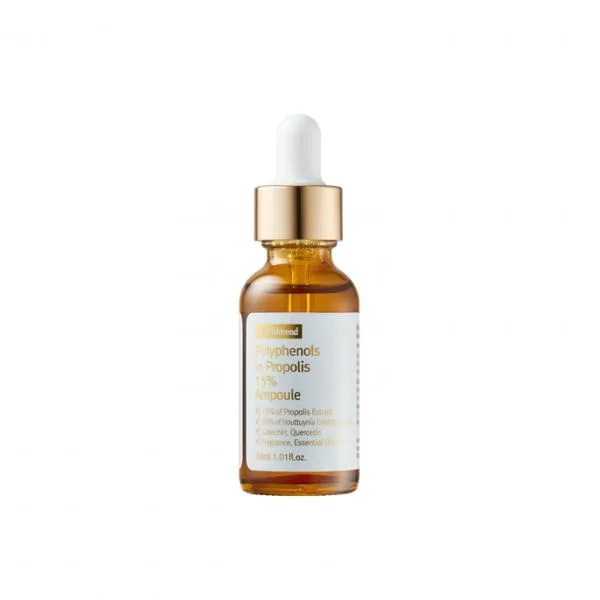 Sensitive Skin Soother
 Polyphenols In Propolis 15% Ampoule
A 15% propolis ampoule that earns its name with a real polyphenol stack — French Auvergne propolis layered over a houttuynia cordata base, with tulsi and pomegranate piling on. It's slightly sticky and not cheap by volume, but for sensitive, breakout-prone skin chasing calm, this is one of the most reliable K-beauty soothers in production.
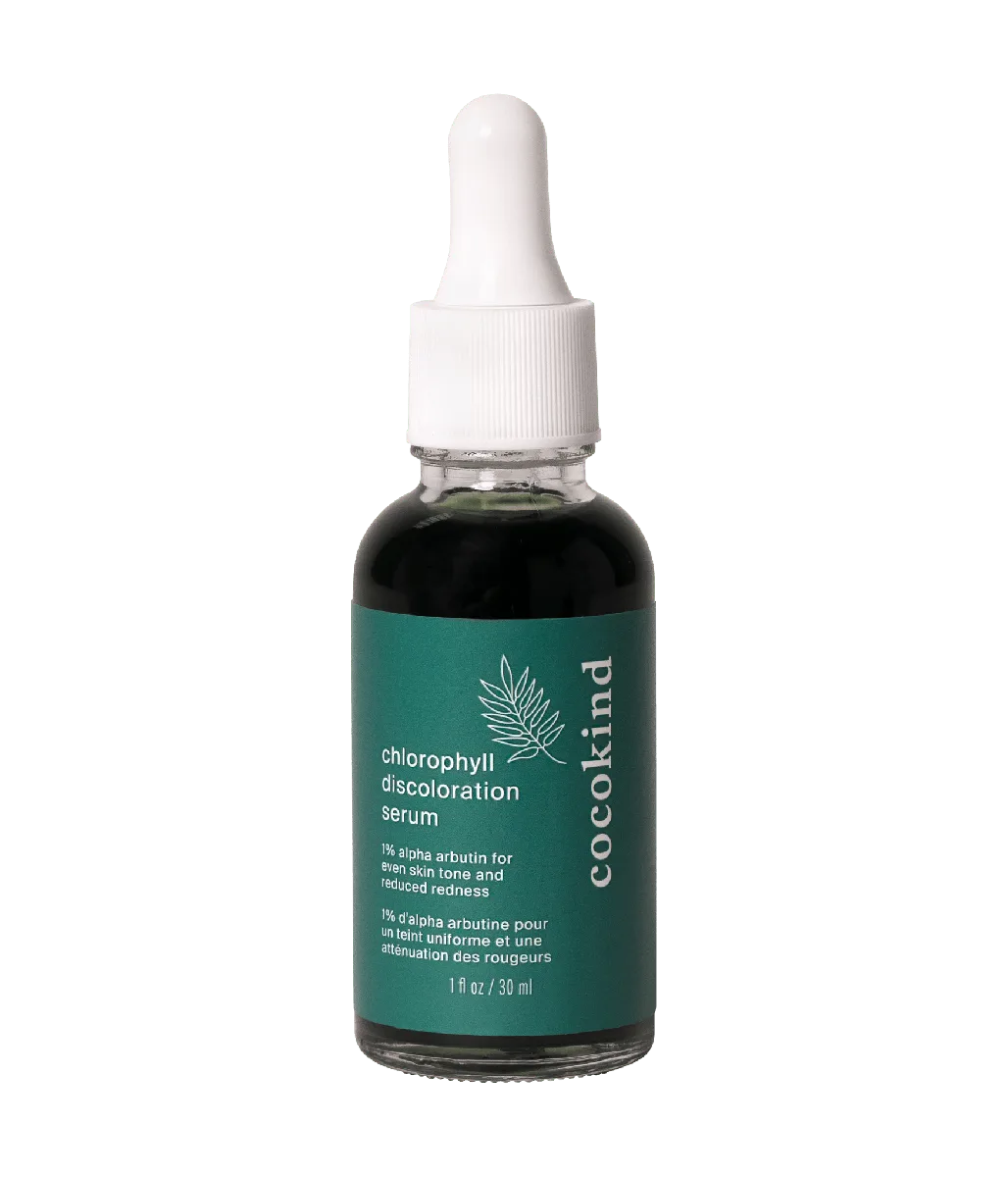 Budget Brightening Hero
 Chlorophyll Discoloration Serum
A quietly brilliant brightening serum that proves you do not need luxury prices or harsh actives to fade dark spots effectively. The alpha-arbutin and licorice root combination delivers genuine multi-pathway melanin inhibition, the sensitive-skin-friendly formula is impeccable, and $20 makes it accessible to virtually everyone. The chlorophyllin is more marketing differentiator than scientific powerhouse, but it does not hurt anything either.
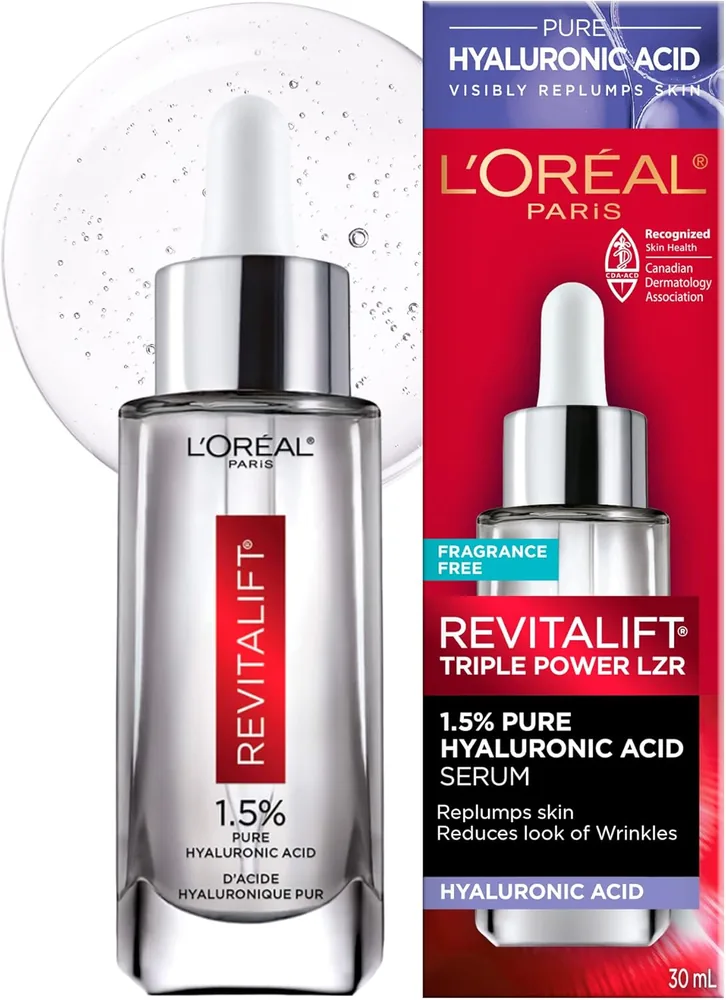 The People's HA Serum
 Revitalift Derm Intensives 1.5% Pure Hyaluronic Acid Serum
A masterclass in minimalist formulation — thirteen ingredients, no filler, four functional actives, and over thirty thousand glowing reviews. L'Oréal's multi-weight HA system delivers genuine hydration at every level of the skin, and the fragrance-free, alcohol-free formula is clean enough for virtually anyone. The drugstore serum that embarrasses its prestige competitors.
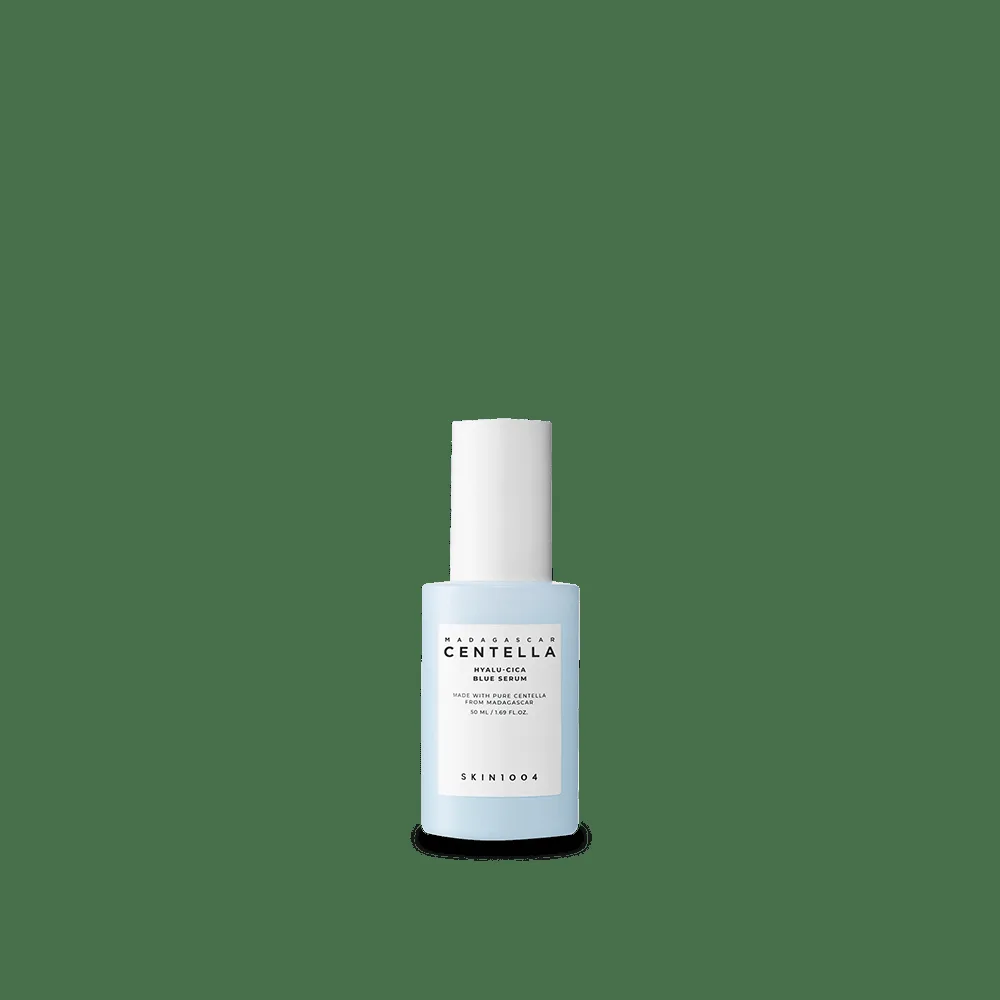 Budget Hydration Holy Grail
 Hyalu-Cica Blue Serum
A quietly excellent budget serum that stacks Centella asiatica leaf water, five types of hyaluronic acid, niacinamide, ceramide NP, and adenosine into a fragrance-free under-$20 bottle. It is genuinely one of the best hydration-plus-soothing serums at any price, and the fact that it costs less than a salad in Manhattan is the point.
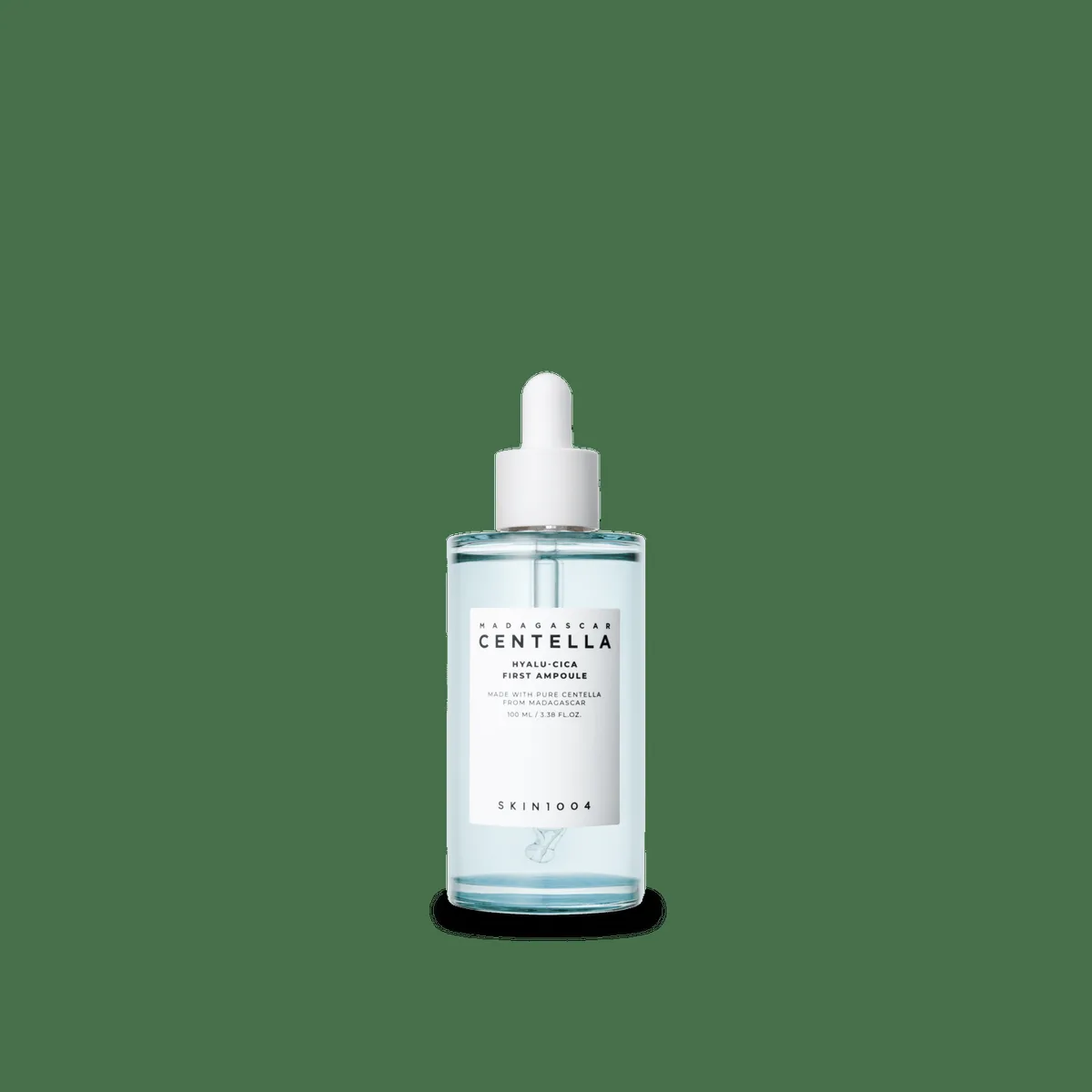 Sensitive Skin First-Line Defense
 Hyalu-Cica First Ampoule
A 92% Centella asiatica extract ampoule paired with niacinamide and a multi-weight HA complex, fragrance-free and purpose-built for sensitive, compromised, and reactive skin. At $25 for 100ml, it is one of the most justifiable skincare purchases a budget-conscious buyer can make, and it earns a place in almost any routine that needs a soothing anchor.
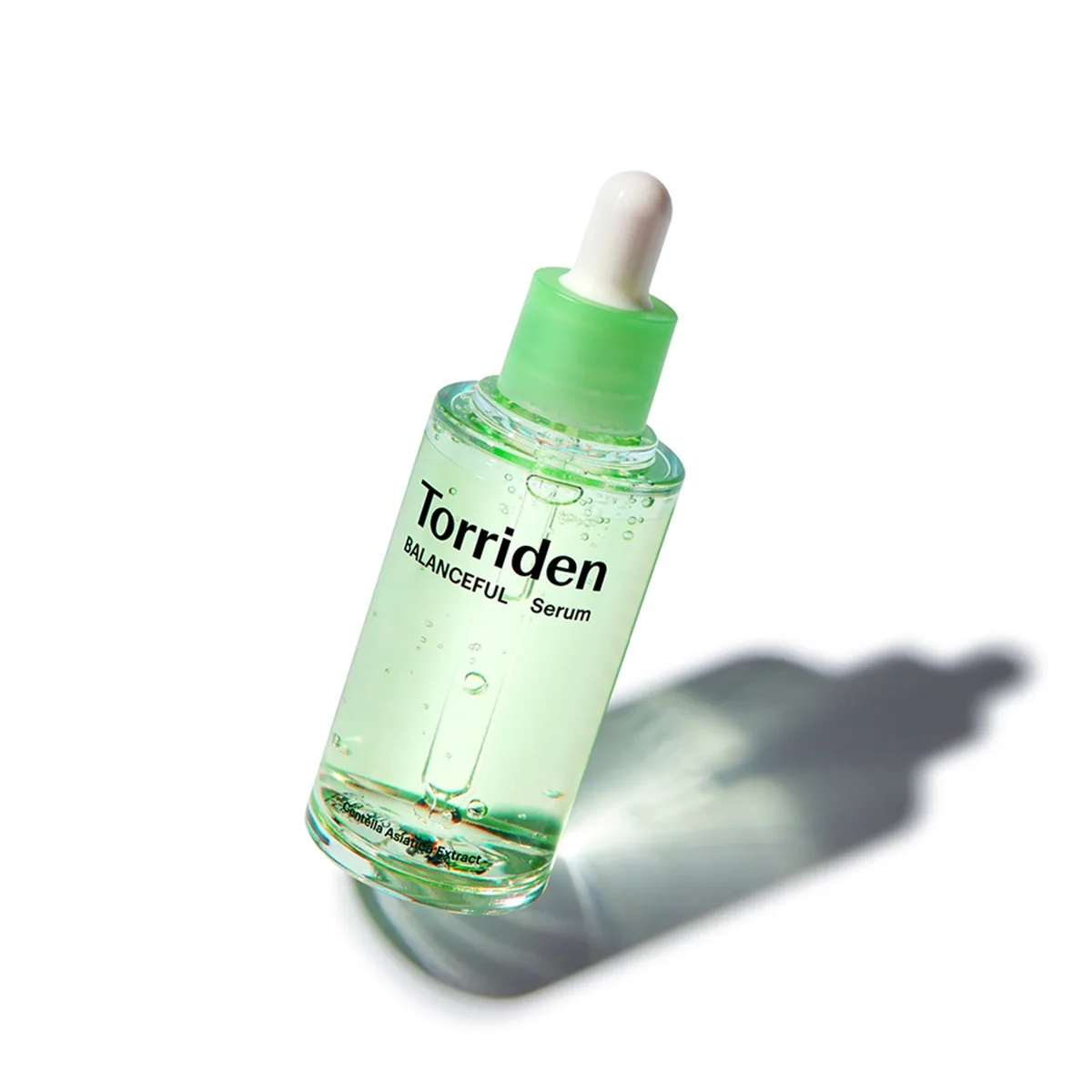 Sensitive Skin MVP
 Balanceful Cica Serum
Torriden's Balanceful Cica Serum is one of the most recommendable calming serums in K-beauty — a genuinely fragrance-free, multi-weight hyaluronic acid and 5D cica complex treatment that quietly reduces redness, supports the barrier, and buffers other actives without drama. At under $25 it's a near-automatic pick for sensitive, rosacea-prone, and barrier-compromised skin.