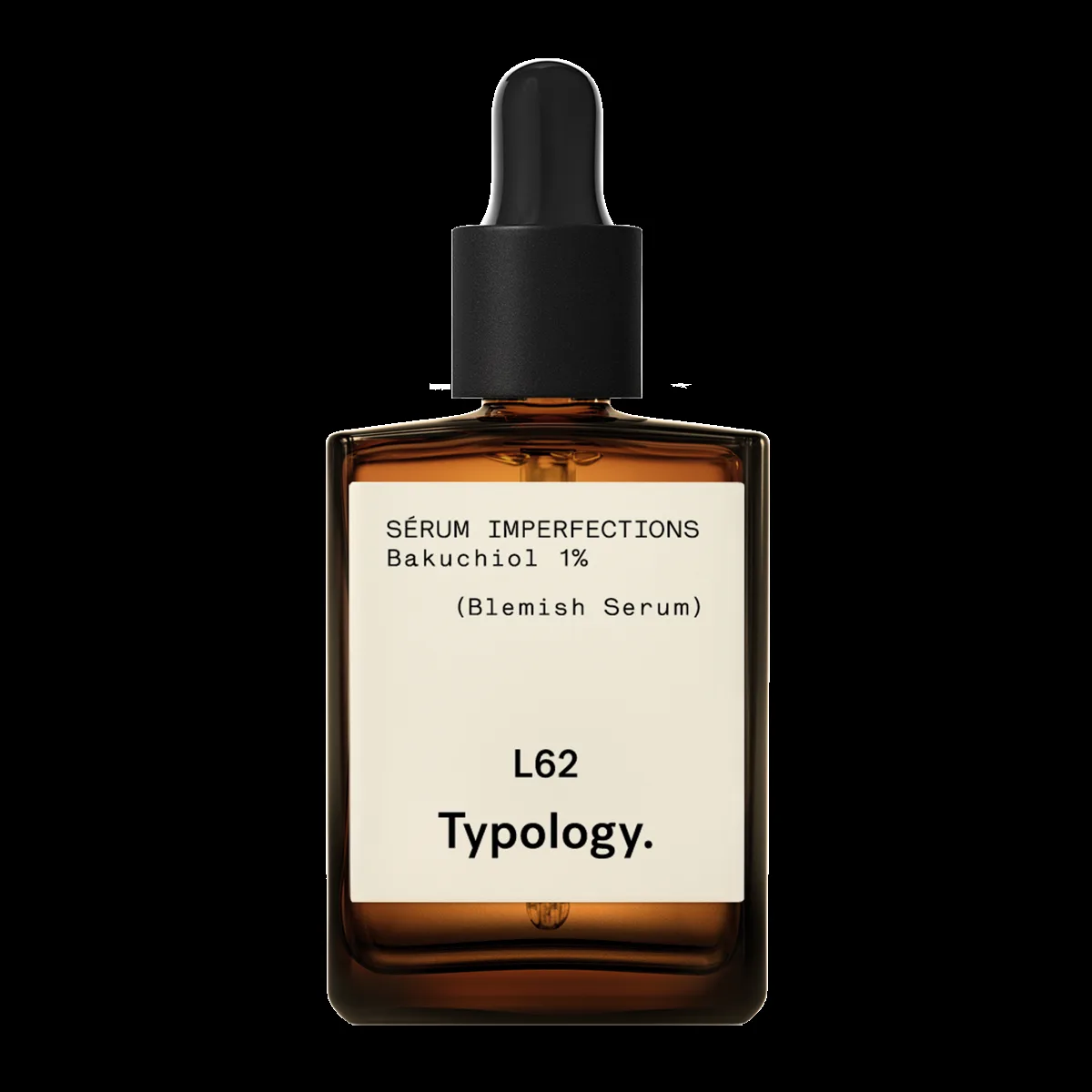
A genuinely minimalist bakuchiol serum at the well-studied 1% concentration, delivered in just hazelnut oil and MCT. Best for pregnant users, sensitive skin, and anyone who can't tolerate retinol but still wants vitamin-A-adjacent benefits. The hazelnut base rules it out for nut-allergic and fungal-acne-prone users.
Bakuchiol Retinol-Like Serum
A genuinely minimalist bakuchiol serum at the well-studied 1% concentration, delivered in just hazelnut oil and MCT. Best for pregnant users, sensitive skin, and anyone who can't tolerate retinol but still wants vitamin-A-adjacent benefits. The hazelnut base rules it out for nut-allergic and fungal-acne-prone users.
Score Breakdown
Where this product gains points and where it loses them — broken down across the four scoring pillars.
A clean, three-ingredient bakuchiol serum at the studied 1% concentration. The hazelnut oil base limits fungal-acne compatibility but improves the experience for oily and combination skin.
Pros & Cons
- ✓Uses the well-studied 1% bakuchiol concentration
- ✓Three-ingredient formula with no fragrance or fillers
- ✓Pregnancy and breastfeeding safe
- ✓No adjustment period, purging, or flaking
- ✓Hazelnut oil base suits oily and combination skin
- ✓Direct-to-consumer price beats most luxury bakuchiol serums
- ✓Vegan, cruelty-free, recyclable amber glass packaging
- ✗Contains hazelnut oil — unsuitable for nut allergies
- ✗Not fungal-acne safe due to hazelnut fatty acids
- ✗Slower visible results than retinol
- ✗Oil format prevents layering water-based serums on top
- ✗30ml period-after-opening is short at six months
Full Review
In 2018, a small but rigorous split-face study published in the British Journal of Dermatology compared 0.5% bakuchiol to 0.5% retinol over twelve weeks. The two ingredients performed comparably on wrinkle reduction and hyperpigmentation — but the bakuchiol group reported significantly less stinging, scaling, and irritation. That single study reframed an obscure plant compound from Indian Ayurvedic medicine as the gentlest credible alternative to retinol, and within a few years nearly every clean-leaning skincare brand had a bakuchiol serum on shelf. Most of those serums diluted the active across a dozen humectants, fragrances, and silicones to make the texture more luxurious. Typology took a different route. The brand stripped the formula down to three ingredients — caprylic/capric triglyceride, hazelnut seed oil, and 1% bakuchiol — and let the active do its job without competition.
Typology itself is the brainchild of Ning Li, who founded the French furniture site Made.com before pivoting to skincare in 2019. The brand's whole pitch is the same one Aesop pioneered decades earlier — short ingredient lists, amber glass, single-active formulas, and a price that bypasses traditional retail markup by selling direct. The bakuchiol serum was an early addition to the line and has steadily accumulated over 1,000 verified reviews on the brand site, with a 4.1/5 average that tracks with how bakuchiol generally performs: quietly effective, never miraculous.
Let's talk about what the formula actually does. Bakuchiol is a meroterpene extracted from the seeds of the babchi plant, Psoralea corylifolia. Its mechanism isn't identical to retinol's — it doesn't bind retinoic acid receptors directly — but it modulates many of the same downstream gene expression patterns, including increased Type I, III, and IV collagen synthesis and reduced matrix metalloproteinase activity. In plainer terms, it tells the skin to behave more like younger skin without going through the receptor pathway that causes retinol's irritation. The gentleness isn't a marketing claim; it's a structural feature.
The choice of hazelnut seed oil as the carrier is more interesting than it sounds. Most minimalist serums default to squalane, which is virtually inert and Malassezia-safe. Typology went the other direction. Hazelnut oil is high in linoleic acid and tannins, which makes it lighter and slightly drying compared to squalane — ideal for combination and oily skin that finds squalane too occlusive. The trade-off is that hazelnut oil contains fatty acids that can feed Malassezia, the yeast involved in fungal acne, so this serum is not the right pick for anyone managing that condition. The hazelnut also raises an allergen flag for tree-nut sensitive users, which Typology should arguably make more visible on the bottle than they currently do.
Texture-wise, this is one of the more pleasant oil serums to apply. Three drops spreads across the full face without dragging, sinks in within ninety seconds, and leaves a faint satin finish rather than the lingering sheen of pure squalane. There's a soft nutty note on application that disappears almost immediately — no added fragrance, no essential oils, no carriers trying to mask the smell of the actives. It's about as honest as a bottle of skincare gets.
The results timeline tells you everything about why bakuchiol is the right choice for some people and the wrong one for others. There's no purge phase, no adjustment, no flaking. You will likely notice nothing dramatic in the first two weeks beyond a slightly softer, calmer texture. Around week four, fine lines and crepiness in higher-movement areas start to look smoother. By week eight to twelve, post-acne marks fade and overall tone evens out. If you're looking for the visible jolt that 1% retinol delivers in six weeks, this isn't going to provide it. If you've been irritated by every retinol you've tried, this is exactly the trade you want.
Where the serum particularly shines is in the demographics that retinol locks out. Pregnancy and breastfeeding rule out true retinoids entirely, and bakuchiol is one of the few alternatives that has actual published data behind it. Sensitive and rosacea-prone skin, which often can't tolerate even buffered retinol, generally handles bakuchiol without flares. Teen acne sufferers who want something gentler than benzoyl peroxide or adapalene have an option here that won't compromise the barrier the way harsher acne treatments often do.
The limitations are honest and worth naming clearly. The hazelnut oil base disqualifies it for fungal-acne sufferers and tree-nut allergies. The oil format means you can't layer water-based serums over it. Bakuchiol simply works more slowly than retinol, so impatient users may abandon it before it has a chance to perform. And at $30 for 30ml, it's good value but not cheap — The Ordinary's Bakuchiol clocks in much lower, though with a longer ingredient list.
For the right person — pregnant, sensitive, retinol-intolerant, or just looking for a single-active product that doesn't try to do five things at once — this is one of the most thoughtful bakuchiol serums available. It earns its place by being exactly what it claims to be and nothing more.
Formula
Key Ingredients
The hero actives that drive this product's performance.
| Ingredient | Function | Evidence |
|---|---|---|
| Bakuchiol (1%) | At 1%, this is the concentration most studied for retinol-like effects. In this three-ingredient formula it gets a clean run at the skin — no fragrance, no co-actives competing for receptor binding, just bakuchiol dispersed in a lipid base that carries it efficiently into the stratum corneum. | promising |
| Hazelnut Seed Oil | Chosen instead of squalane here because it has a lighter, drier slip and a higher linoleic acid profile, which suits the oily and breakout-prone skin this serum targets. It carries the bakuchiol while feeding the barrier rather than weighing it down. | well-established |
| Caprylic/Capric Triglyceride | Ultra-light fractionated coconut oil that thins the hazelnut oil base and improves the spread of bakuchiol across the skin. Non-comedogenic and stable, so the serum doesn't oxidize quickly even in clear glass. | well-established |
Full INCI List
Caprylic/Capric Triglyceride, Corylus Avellana (Hazelnut) Seed Oil, Bakuchiol
Product Flags
✓ Fragrance Free✓ Alcohol Free✗ Oil Free✓ Silicone Free✓ Paraben Free✓ Sulfate Free✓ Cruelty Free✓ Vegan✗ Fungal Acne Safe
Common Allergens
hazelnut
Compatibility
Skin Match
Best For
sensitive combination normal dry
Works For
Not Ideal For
Addresses These Conditions
acne aging texture blackheads sensitivity
Use With Caution
Routine Step
treatment
Time of Day
AM & PM
Pregnancy Safe
Yes ✓
Layering Tips
Apply to clean dry skin morning or night. Unlike retinol, bakuchiol is photo-stable and pregnancy-safe. Avoid layering water-based serums on top — the oil base will repel them.
Results Timeline
Skin softening within 1-2 weeks. Visible smoothing of fine lines and improved tone at 8-12 weeks. Bakuchiol works more slowly than retinol but with a much gentler adjustment.
Pairs Well With
niacinamidevitamin-chyaluronic-acidceramides
Sample AM Routine
- Gentle cleanser
- Niacinamide serum
- Typology Bakuchiol Retinol-Like Serum
- Moisturizer
- SPF
Sample PM Routine
- Cleanser
- Hydrating toner
- Typology Bakuchiol Retinol-Like Serum
- Moisturizer
Evidence
Who Should Skip
- Contains hazelnut oil — unsuitable for nut allergies
- Not fungal-acne safe due to hazelnut fatty acids
- Slower visible results than retinol
- Oil format prevents layering water-based serums on top
Science & Expert Perspective
The Science
Bakuchiol's status as a credible retinol alternative rests largely on a 2018 randomized split-face trial by Dhaliwal et al., published in the British Journal of Dermatology, which compared 0.5% bakuchiol cream to 0.5% retinol cream applied over twelve weeks. The study found statistically comparable improvements in wrinkle surface area and hyperpigmentation between the two groups, but significantly higher tolerability in the bakuchiol arm. Earlier in vitro work by Chaudhuri and Bojanowski, published in the International Journal of Cosmetic Science in 2014, demonstrated that bakuchiol upregulates collagen Types I, III, and IV in human dermal fibroblasts and modulates retinol-related gene expression patterns, despite not binding retinoic acid receptors directly. This receptor independence is part of why bakuchiol avoids the inflammatory cascade typically triggered by retinoid use. In Typology's specific formulation, the absence of penetration enhancers, fragrances, and emulsifiers reduces the variables that often confound bakuchiol research — most commercial bakuchiol products bury the active in dozens of co-ingredients that can mask or amplify its effects. The hazelnut seed oil base is itself notable: hazelnut oil is rich in oleic and linoleic acids and has a relatively high tocopherol content, providing native antioxidant protection that helps stabilize the bakuchiol against oxidation in the bottle. The choice of caprylic/capric triglyceride as a co-vehicle further improves the spread and bioavailability of the bakuchiol across the stratum corneum without introducing comedogenic concerns.
References
- Prospective, randomized, double-blind assessment of topical bakuchiol and retinol for facial photoageing — British Journal of Dermatology (2019)
- Bakuchiol: a retinol-like functional compound revealed by gene expression profiling and clinically proven to have anti-aging effects — International Journal of Cosmetic Science (2014)
Dermatologist Perspective
Dermatologists generally regard bakuchiol as the most evidence-supported plant-derived alternative to retinol, particularly for patients who cannot tolerate retinoids or are pregnant. Board-certified dermatologists frequently recommend it for sensitive skin, rosacea-prone patients, and anyone managing barrier compromise where conventional retinoid use would be counterproductive. The 1% concentration in this serum aligns with the doses studied in published trials. Dermatologists do typically caution patients with tree-nut allergies to avoid this specific formulation due to the hazelnut oil base, and to seek out a squalane-based bakuchiol alternative instead. This is not a replacement for prescription retinoids in patients who tolerate them and want maximum efficacy, but it is a legitimate option where retinoid use is contraindicated.
Guidance
Usage Guide
How to Use
Apply morning, night, or both to clean dry skin. Three to four drops is enough for the full face — warm between fingertips and press into the skin. Follow with moisturizer; do not layer water-based serums on top, as the oil base will repel them. Unlike retinol, this serum does not require a gradual ramp-up — daily use from day one is fine for most skin types. Pair with SPF in the morning routine. Compatible with vitamin C, niacinamide, and most other actives.
Value Assessment
At $30 for 30ml, this serum is solidly mid-market for bakuchiol — more expensive than The Ordinary's bakuchiol but cheaper than most luxury department-store options. With twice-daily use of three to four drops, the bottle should last roughly three to four months, which works out to less than $10 per month for a clinically-relevant 1% bakuchiol concentration. Typology is an emerging brand without decades of clinical research behind its label, but the formulation is so transparent that there's almost no room to inflate price for marketing fluff. Compared to bakuchiol products from luxury brands that charge $80-120 for the same active in a heavier base, this is honest value. No larger sizes are available.
Who Should Buy
Pregnant or breastfeeding users, sensitive skin, rosacea-prone individuals, retinol-intolerant users, and anyone who wants a minimalist single-active bakuchiol serum at the studied 1% concentration. Particularly suited to combination and oily skin that finds squalane bases too occlusive.
Who Should Skip
Anyone with a tree-nut allergy, fungal-acne sufferers, and people who specifically need the faster, stronger results that prescription retinoids deliver. Also skip if you dislike facial oil textures or rely on stacking water-based serums on top of your treatment step.
Ready to try Typology Bakuchiol Retinol-Like Serum?
Details
Details
Texture
Light, dry-touch oil that spreads easily and absorbs faster than a squalane base.
Scent
Fragrance-free with a faint nutty undertone from the hazelnut oil.
Packaging
30ml amber glass dropper bottle in Typology's minimalist apothecary style.
Finish
non-greasylightweightnatural
What to Expect on First Use
No stinging or flaking — bakuchiol's biggest selling point is the absence of an adjustment period. Most users report nothing dramatic in the first two weeks beyond softer, slightly calmer skin. Real changes show up between weeks four and eight.
How Long It Lasts
About 3-4 months with twice-daily use of 3-4 drops.
Period After Opening
6 months
Best Season
All Year
Background
The Why
When Typology built out its retinol alternatives line in 2020, the brand chose bakuchiol over the more common retinyl palmitate route because of the 2018 Dhaliwal study that put bakuchiol on the dermatology map. The hazelnut-oil base was selected specifically to differentiate the serum from the brand's squalane line and target a slightly oilier skin demographic.
About Typology Emerging Brand (2–5 years)
Typology launched in 2019 from Made.com founder Ning Li with a French-pharmacy minimalist ethos. Its bakuchiol serum has accumulated over 1,000 verified reviews on the brand site, though independent clinical validation specific to Typology's formulation is limited.
Brand founded: 2019 · Product launched: 2020
Myth vs. Reality
Myths & Misconceptions
Myth
Bakuchiol is just as strong as prescription retinoids.
Reality
Studies show bakuchiol is comparable to a low-dose 0.5% retinol over 12 weeks on certain markers, but it is meaningfully gentler and slower than tretinoin. Comparable doesn't mean identical.
Myth
Because it's plant-based, bakuchiol is automatically safe for everyone.
Reality
This particular formula contains hazelnut oil, which is a common nut allergen — anyone with tree-nut allergies should patch test or skip it entirely.
FAQ
Frequently Asked Questions
Is Typology's Bakuchiol Serum safe to use during pregnancy?
Yes. Bakuchiol is one of the most commonly recommended pregnancy-safe alternatives to retinol, and this formula contains nothing else that pregnancy guidelines flag — just hazelnut oil and MCT. Always check with your OB-GYN if you're unsure.
Will this serum cause purging like retinol does?
No. Bakuchiol works on similar pathways to retinol but doesn't cause the same accelerated cell turnover that triggers retinol purging. You may notice subtle clarification over a few weeks, but no dramatic breakout phase.
Can I use Typology Bakuchiol Serum with vitamin C?
Yes — bakuchiol is one of the few retinoid-adjacent ingredients that pairs well with vitamin C. Use vitamin C in the morning and this serum at night, or apply both in the same routine if your skin tolerates it.
How is this different from Typology's Retinol Serum?
The retinol serum uses true retinol (a vitamin A derivative) and is more potent but requires an adjustment period and pregnancy avoidance. This bakuchiol version is gentler, slower, and pregnancy-safe — a better fit for sensitive skin or anyone who doesn't tolerate true retinoids.
Does this serum break out fungal acne?
Possibly. Hazelnut oil contains fatty acids that can feed Malassezia in some people. If you're prone to fungal acne, this isn't the best pick — look for a bakuchiol product in a squalane base instead.
Why does it smell faintly nutty?
That's the hazelnut seed oil — there's no added fragrance. The scent is mild and dissipates within a minute of application.
Can I use this around my eyes?
Yes, gently. Bakuchiol is far less irritating than retinol around the eye area, but the oil base is still rich, so use a single drop and pat rather than rub.
Community
Community Voices
Common Praise
"Gentle alternative to retinol"
"Pregnancy-safe"
"No fragrance or fillers"
"Helps with hormonal breakouts"
Common Complaints
"Slow visible results compared to retinol"
"Oily finish"
"Hazelnut allergen risk"
Notable Endorsements
Refinery29Beauty Decoded
Appears In
best bakuchiol serum best pregnancy safe retinol alternative best bakuchiol for acne best minimalist bakuchiol
Related Conditions
acne aging sensitivity texture
Related Ingredients
You Might Also Like
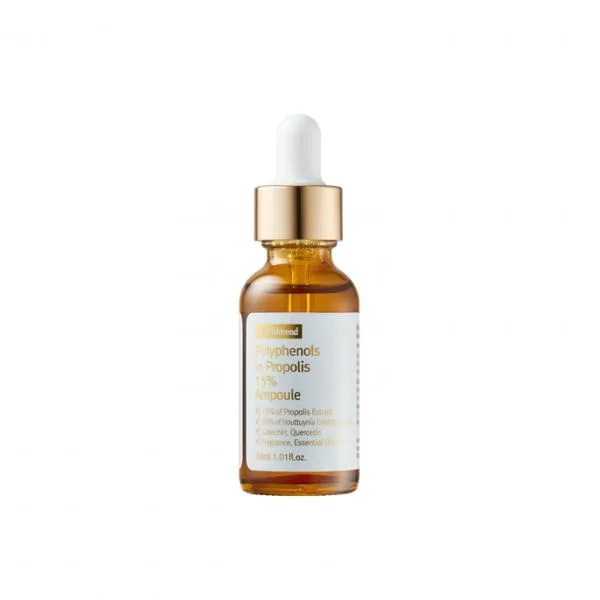 Sensitive Skin Soother
 Polyphenols In Propolis 15% Ampoule
A 15% propolis ampoule that earns its name with a real polyphenol stack — French Auvergne propolis layered over a houttuynia cordata base, with tulsi and pomegranate piling on. It's slightly sticky and not cheap by volume, but for sensitive, breakout-prone skin chasing calm, this is one of the most reliable K-beauty soothers in production.
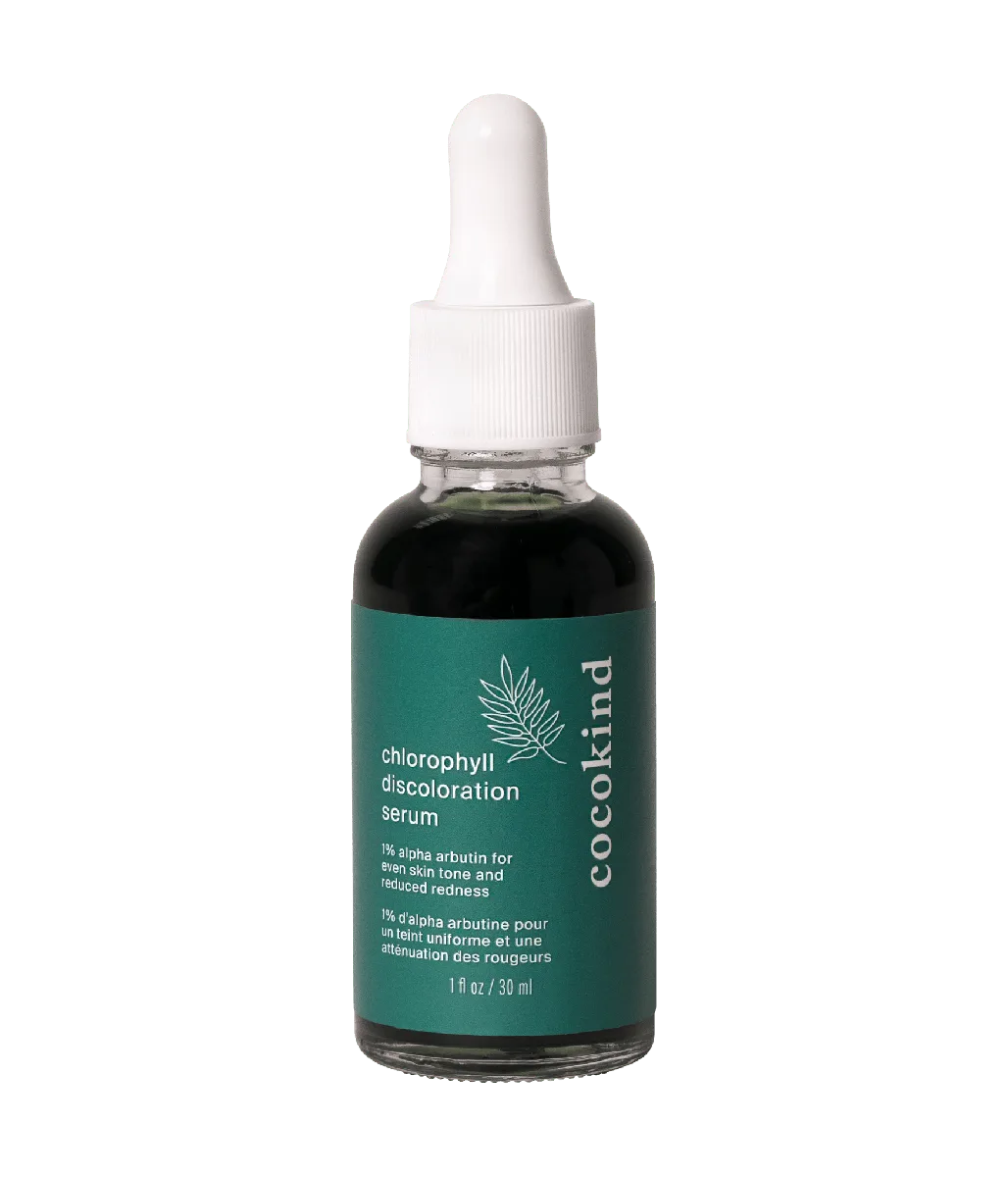 Budget Brightening Hero
 Chlorophyll Discoloration Serum
A quietly brilliant brightening serum that proves you do not need luxury prices or harsh actives to fade dark spots effectively. The alpha-arbutin and licorice root combination delivers genuine multi-pathway melanin inhibition, the sensitive-skin-friendly formula is impeccable, and $20 makes it accessible to virtually everyone. The chlorophyllin is more marketing differentiator than scientific powerhouse, but it does not hurt anything either.
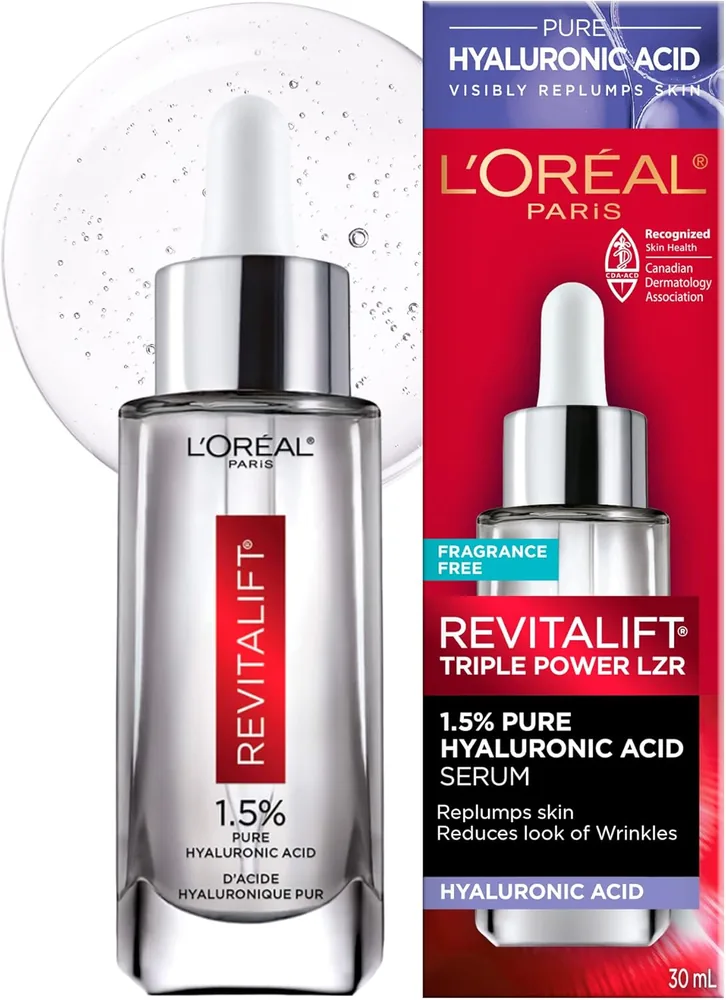 The People's HA Serum
 Revitalift Derm Intensives 1.5% Pure Hyaluronic Acid Serum
A masterclass in minimalist formulation — thirteen ingredients, no filler, four functional actives, and over thirty thousand glowing reviews. L'Oréal's multi-weight HA system delivers genuine hydration at every level of the skin, and the fragrance-free, alcohol-free formula is clean enough for virtually anyone. The drugstore serum that embarrasses its prestige competitors.
 Budget Hydration Holy Grail
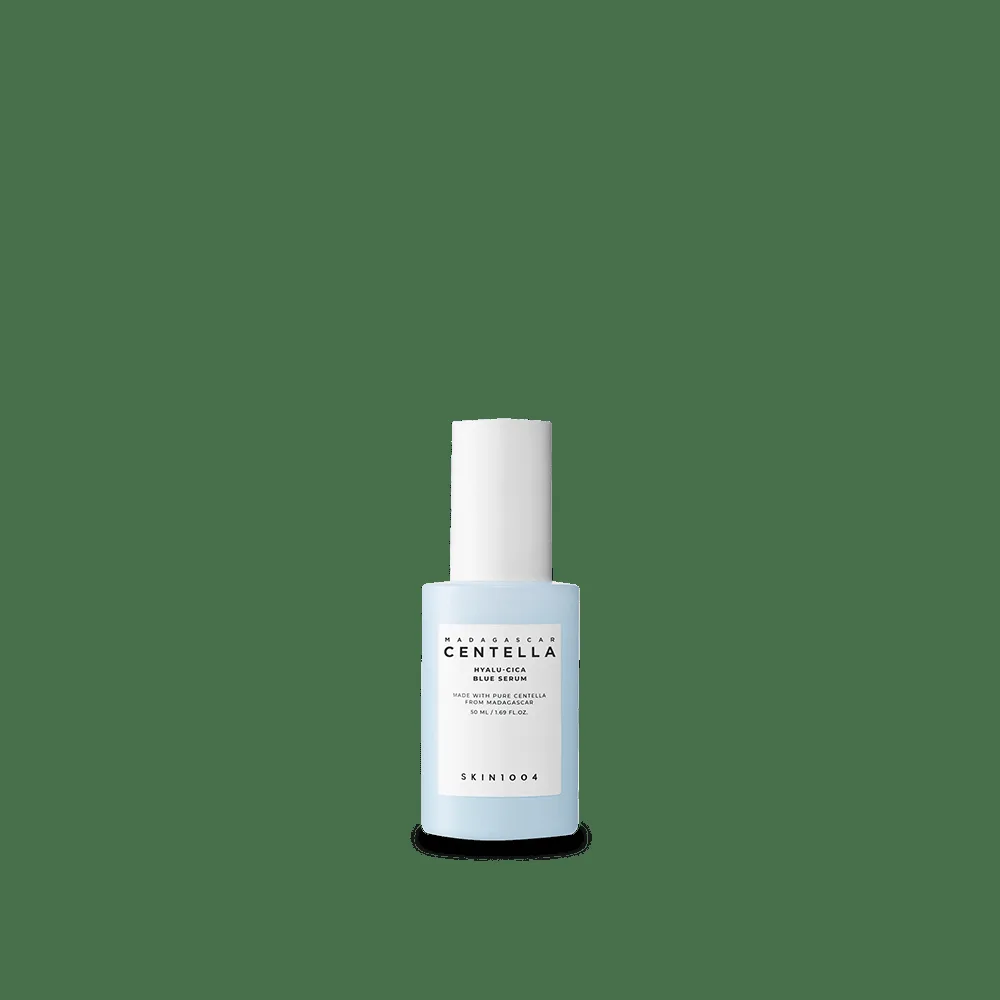
 Hyalu-Cica Blue Serum
A quietly excellent budget serum that stacks Centella asiatica leaf water, five types of hyaluronic acid, niacinamide, ceramide NP, and adenosine into a fragrance-free under-$20 bottle. It is genuinely one of the best hydration-plus-soothing serums at any price, and the fact that it costs less than a salad in Manhattan is the point.
 Sensitive Skin First-Line Defense
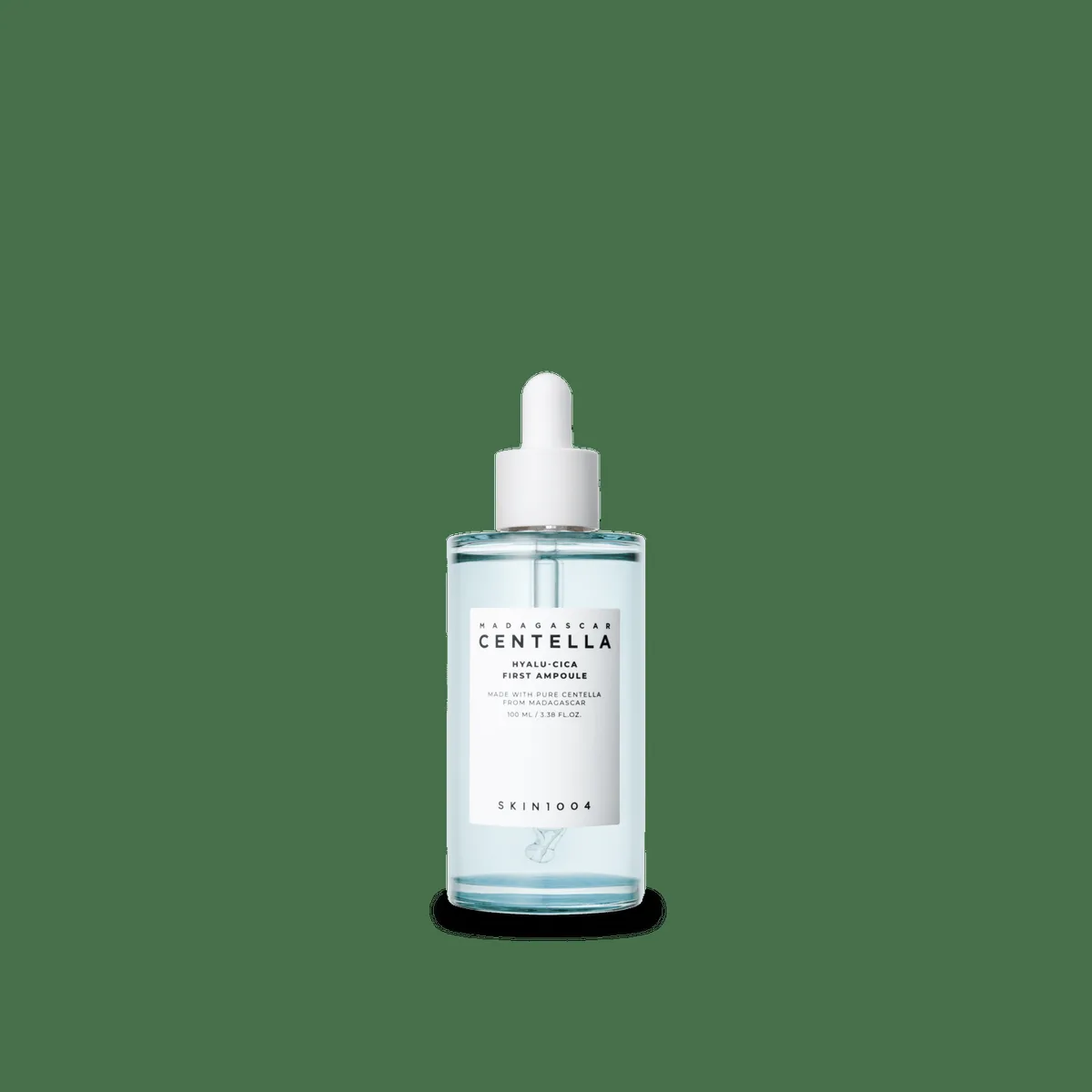
 Hyalu-Cica First Ampoule
A 92% Centella asiatica extract ampoule paired with niacinamide and a multi-weight HA complex, fragrance-free and purpose-built for sensitive, compromised, and reactive skin. At $25 for 100ml, it is one of the most justifiable skincare purchases a budget-conscious buyer can make, and it earns a place in almost any routine that needs a soothing anchor.
 Sensitive Skin MVP
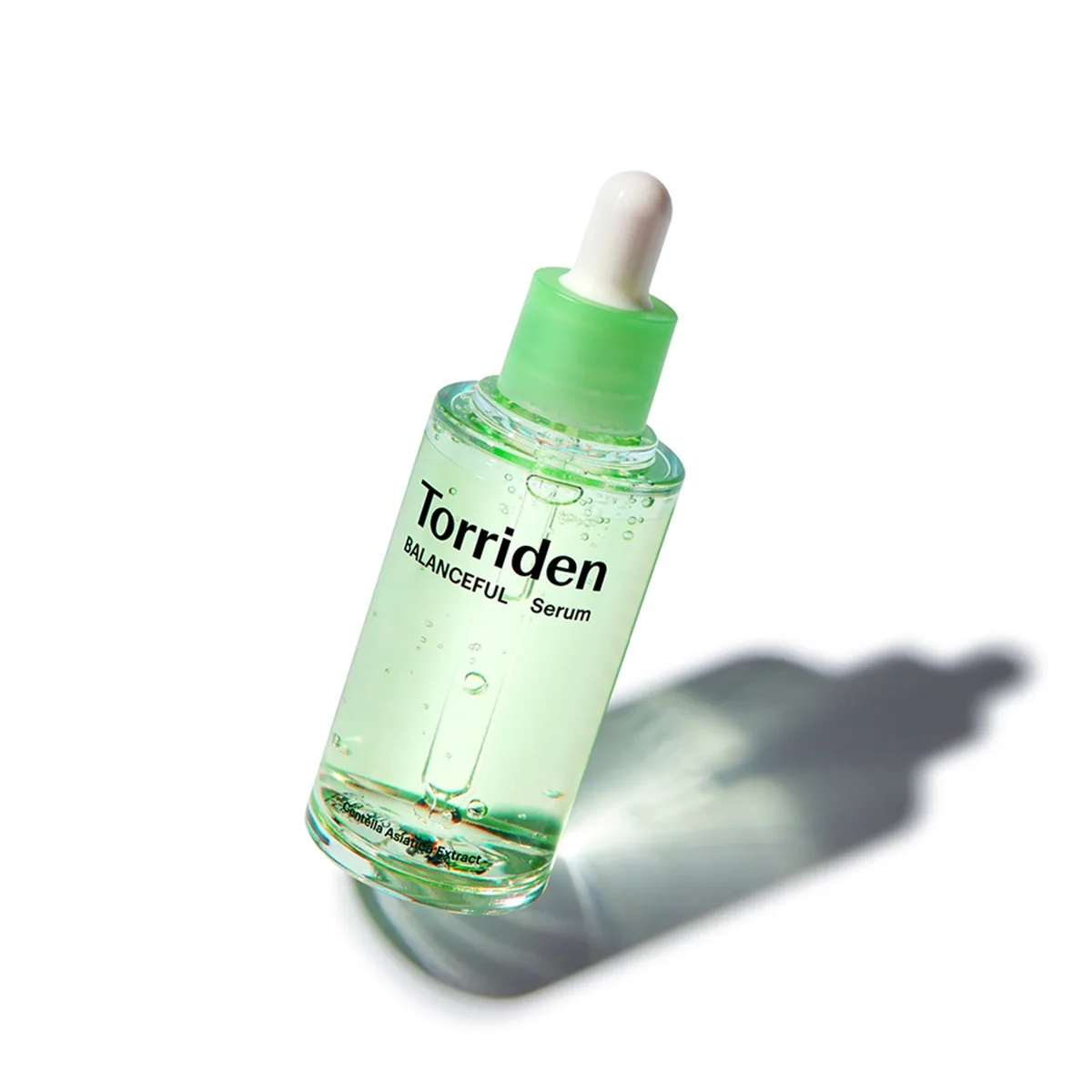
 Balanceful Cica Serum
Torriden's Balanceful Cica Serum is one of the most recommendable calming serums in K-beauty — a genuinely fragrance-free, multi-weight hyaluronic acid and 5D cica complex treatment that quietly reduces redness, supports the barrier, and buffers other actives without drama. At under $25 it's a near-automatic pick for sensitive, rosacea-prone, and barrier-compromised skin.
This review reflects our independent analysis of publicly available ingredient data, manufacturer claims, and verified user reviews. We are reader-supported — Amazon links may earn us a commission at no cost to you. We do not accept paid placements; rankings are based solely on the evidence.